
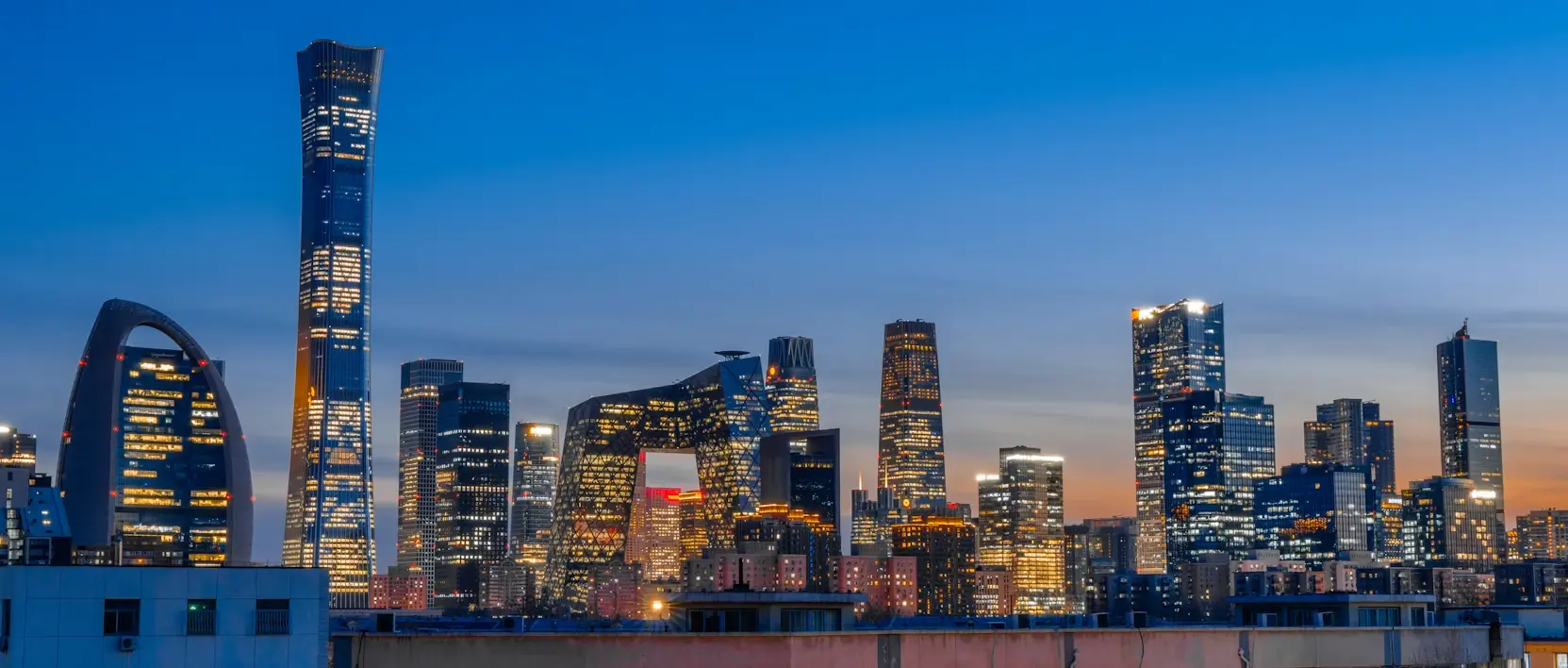
What Should You Know Before Planning a Beijing Trip?
Category | Recommendation |
Best Time to Visit Beijing | April & May and September & October (pleasant temperatures, clear skies) |
Ideal Trip Length | 3-5 days for first-time visitors |
Must-Visit Attractions | Forbidden City, Great Wall, Temple of Heaven, Summer Palace |
Best Great Wall Sections | Mutianyu for families, Badaling for easy access, Simatai for night tours |
Transportation | Subway for downtown sites; private transfers for out-of-city landmarks like the Great Wall |
Best Local Experiences | Hutong walking tours, Peking duck dinner, Chinese tea tasting, traditional Chinese medicine culture |
Booking Advice | Secure tickets for major tourist attractions well ahead of your arrival |
How Many Days Do You Need in Beijing?
These ready-made beijing itineraries help you maximise limited vacation time without rushed sightseeing.
Tips for Customizing your Beijing itineraries
Adjust these sample routes based on your available time, travel companions and travel style:
2-day short stay: Prioritise Tiananmen Square, Forbidden City, one Great Wall section and Temple of Heaven; cut out less-critical sites such as 798 Art Zone.
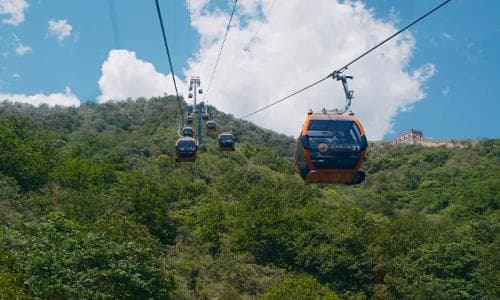
Travelling with seniors or young kids: Choose Mutianyu Great Wall with cable-car access to minimise steep walking; schedule longer rest breaks between attractions.
Business travellers with limited spare time: Fit landmark visits into mornings or evenings; focus on centrally-located spots near your hotel.
3-Day Beijing Itinerary: Classic Highlights
This short-trip itinerary works perfectly for visitors with limited time who want to experience Beijing's most iconic sights.
Day | Highlights |
Day 1 | Tiananmen Square → Forbidden City → Jingshan Park → Wangfujing |
Day 2 | Mutianyu Great Wall → Olympic Park |
Day 3 | Temple of Heaven → Hutong Walk → Summer Palace |
5-Day Beijing Itinerary: A More Complete Experience
If you have extra vacation days, this 5-day plan balances headline landmarks and immersive local culture.
Day | Highlights |
Day 1 | Tiananmen Square, Forbidden City, Jingshan Park |
Day 2 | Mutianyu Great Wall, Olympic Park |
Day 3 | Temple of Heaven, Hutong City Walk, Shichahai |
Day 4 | Summer Palace, Old Summer Palace, 798 Art Zone |
Day 5 | Local food tour, markets, museums and flexible free-time exploration |
Top things to do in Beijing
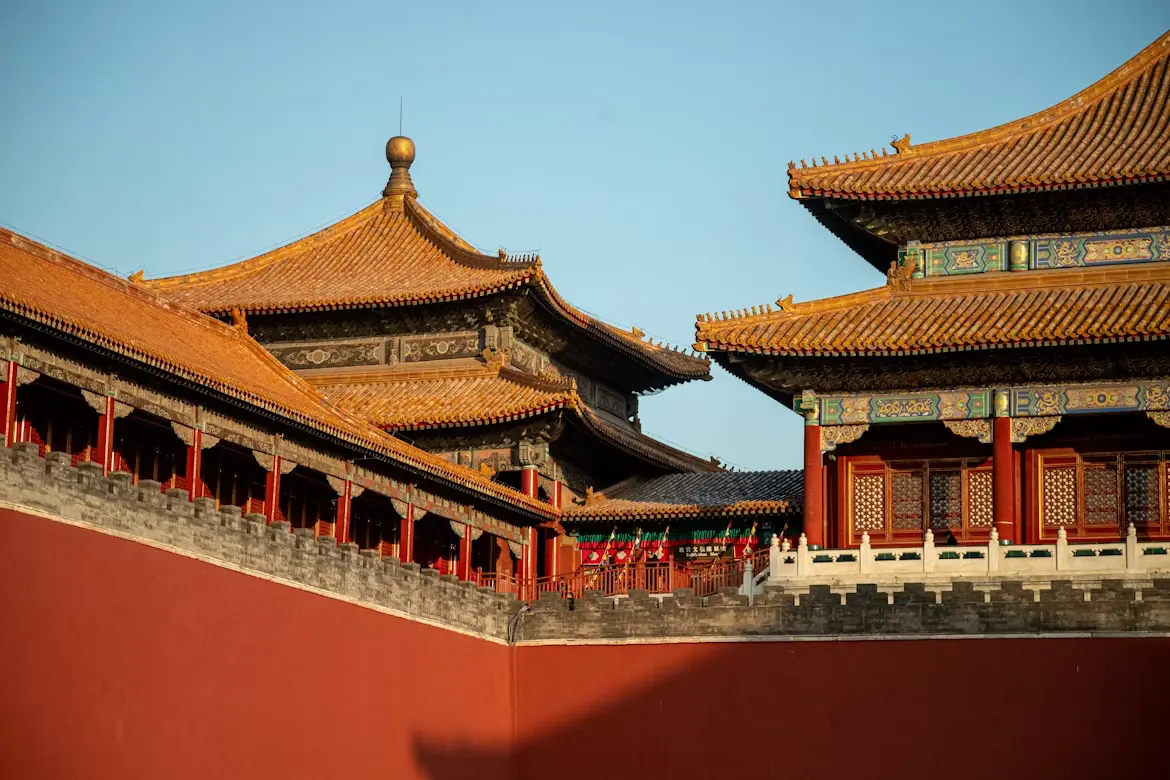
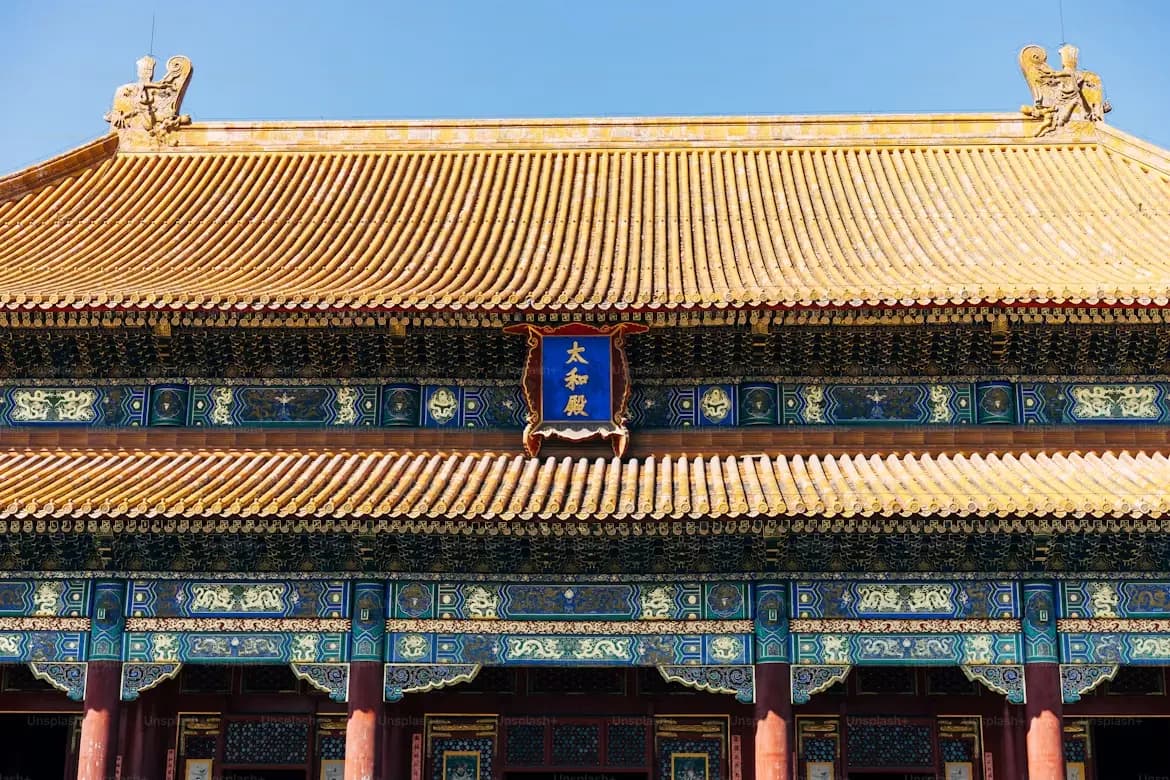
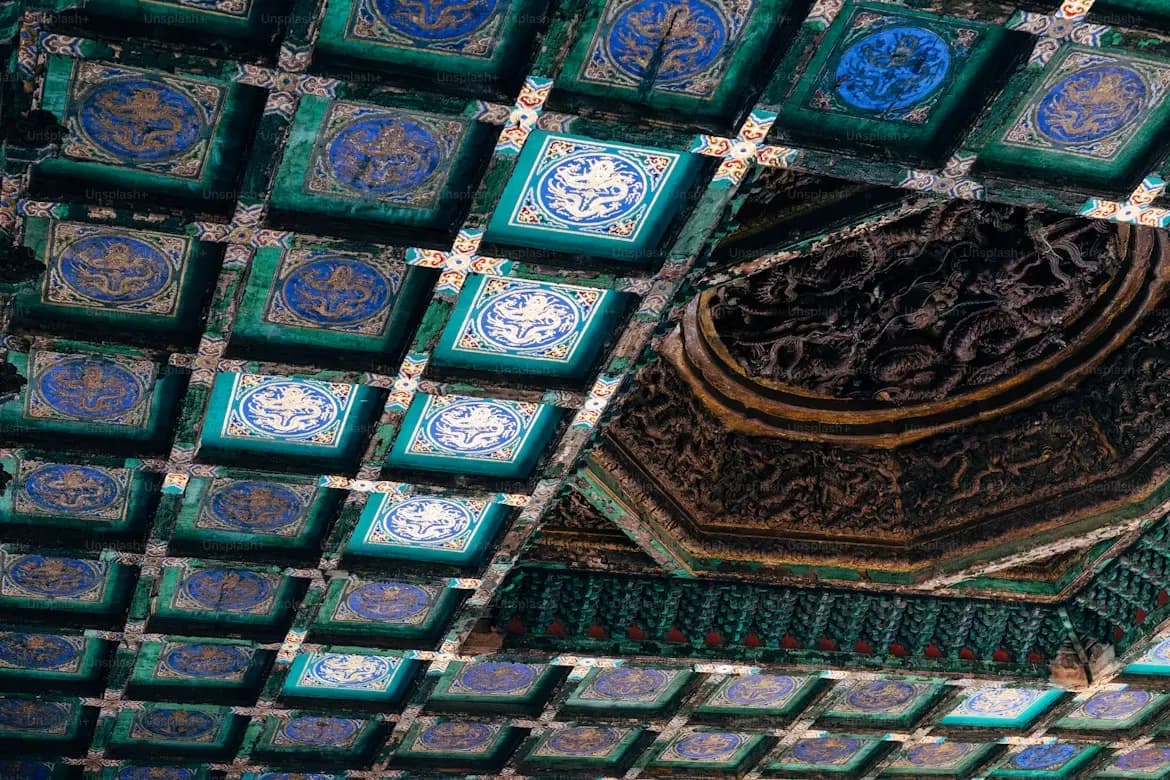
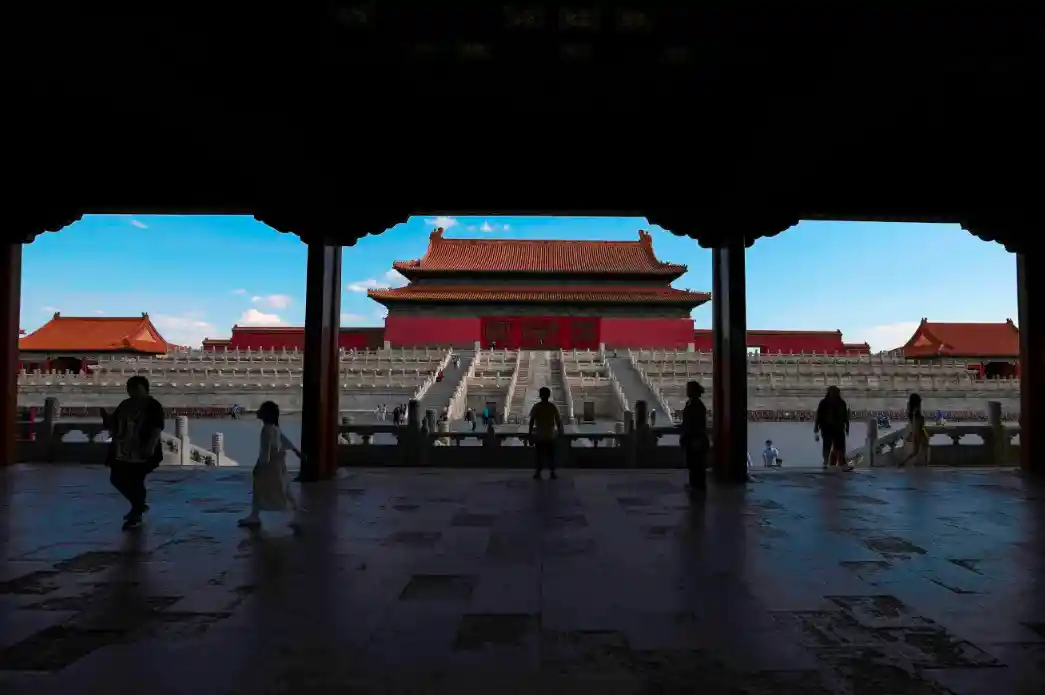
Why Should You Visit the Forbidden City?
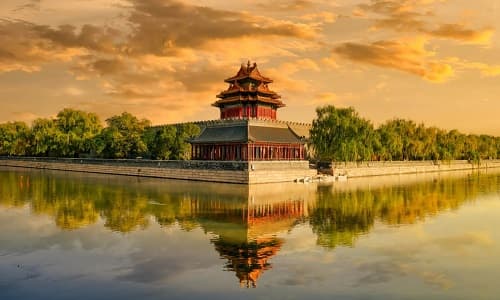
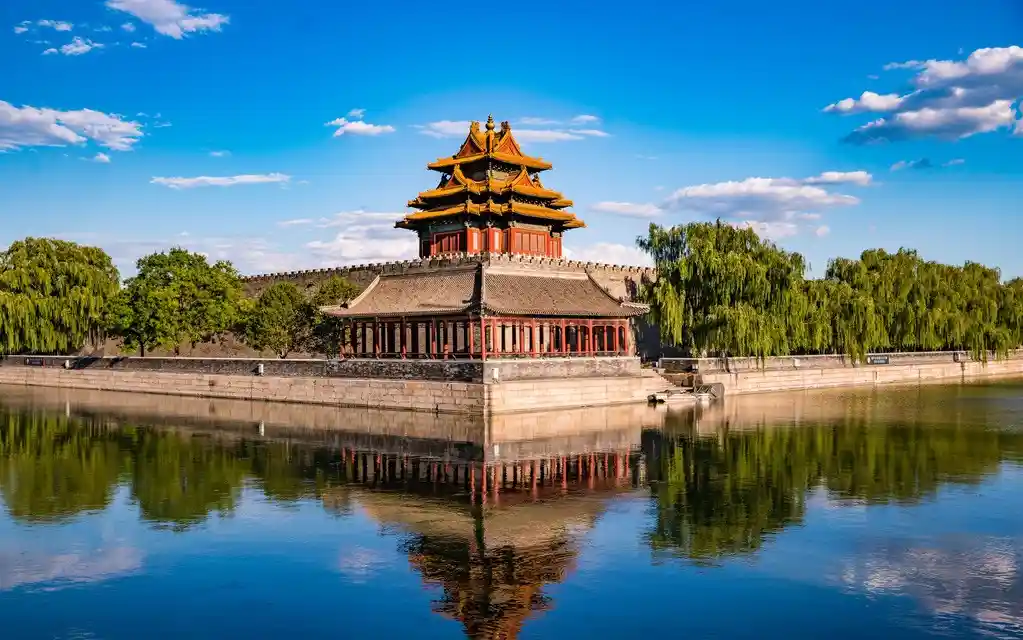
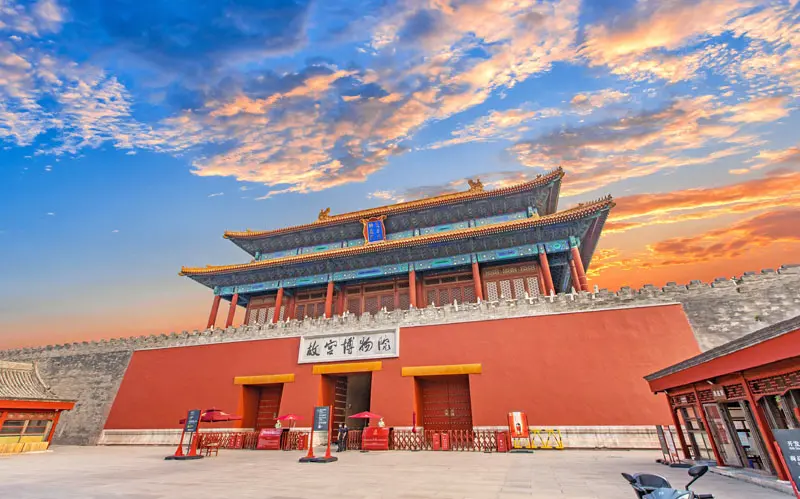
The Forbidden City ranks as Beijing's most recognisable landmark and one of the world's most significant historical sites.
Key highlights to explore:
Imperial courtyards
Majestic royal halls
Pre-modern art collections
Exquisite traditional Chinese architecture
Travel Tips:
Reserve tickets in advance
Allocate 2-4 hours for your visit
Arrive early to beat large crowds
Which Section of the Great Wall Should You Visit?
Great Wall Section | Best For | Advantages | Things to Know |
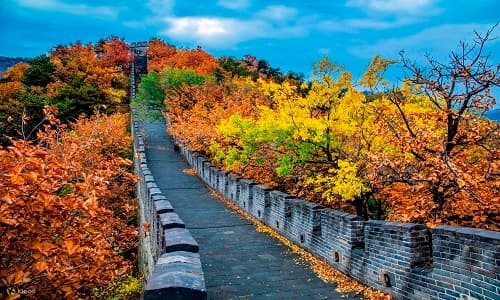
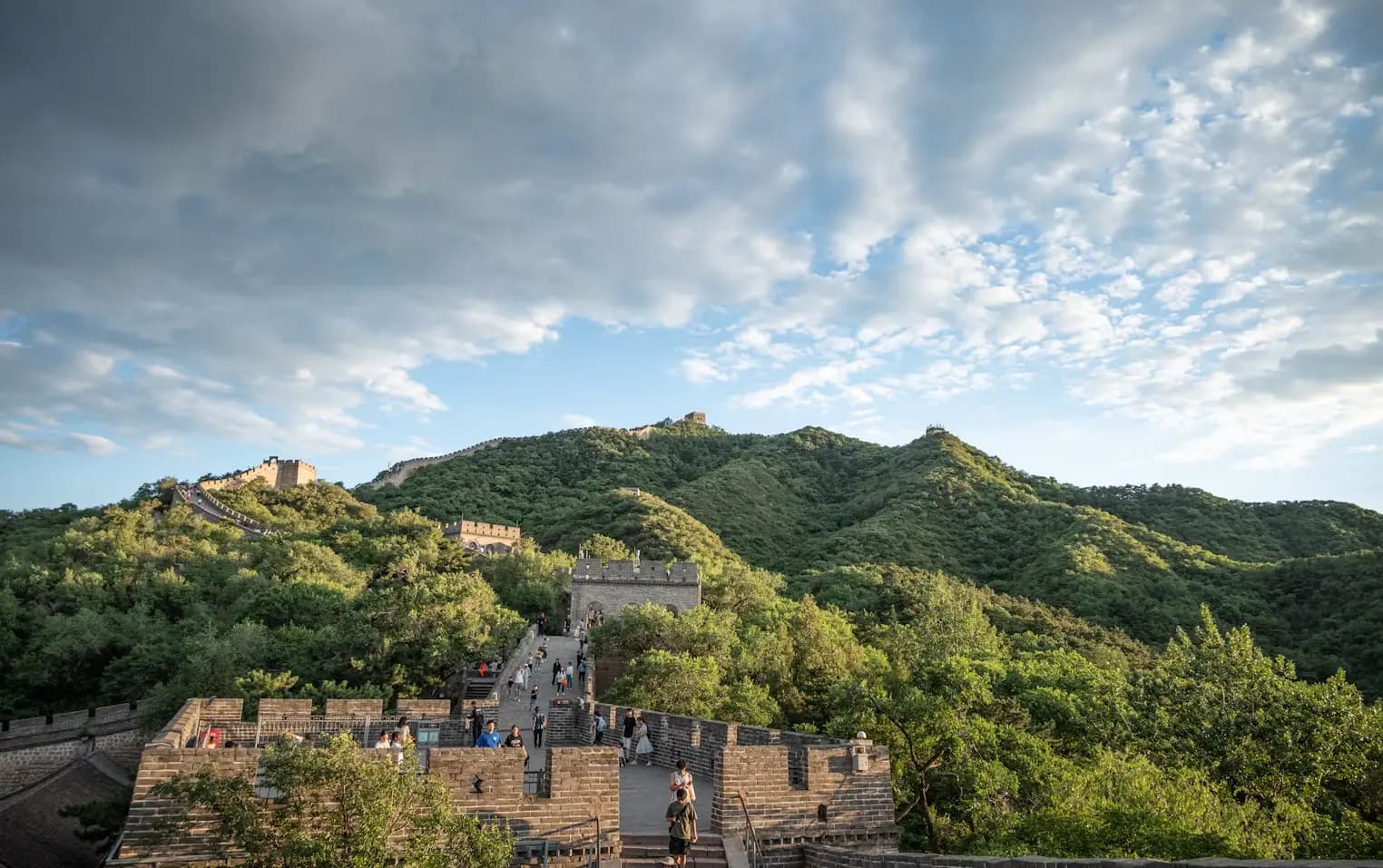
Mutianyu | First-time visitors & families | Beautiful scenery, cable car, fewer crowds | Best overall choice |
Badaling | Easy access | Most famous, convenient transport | Usually crowded |
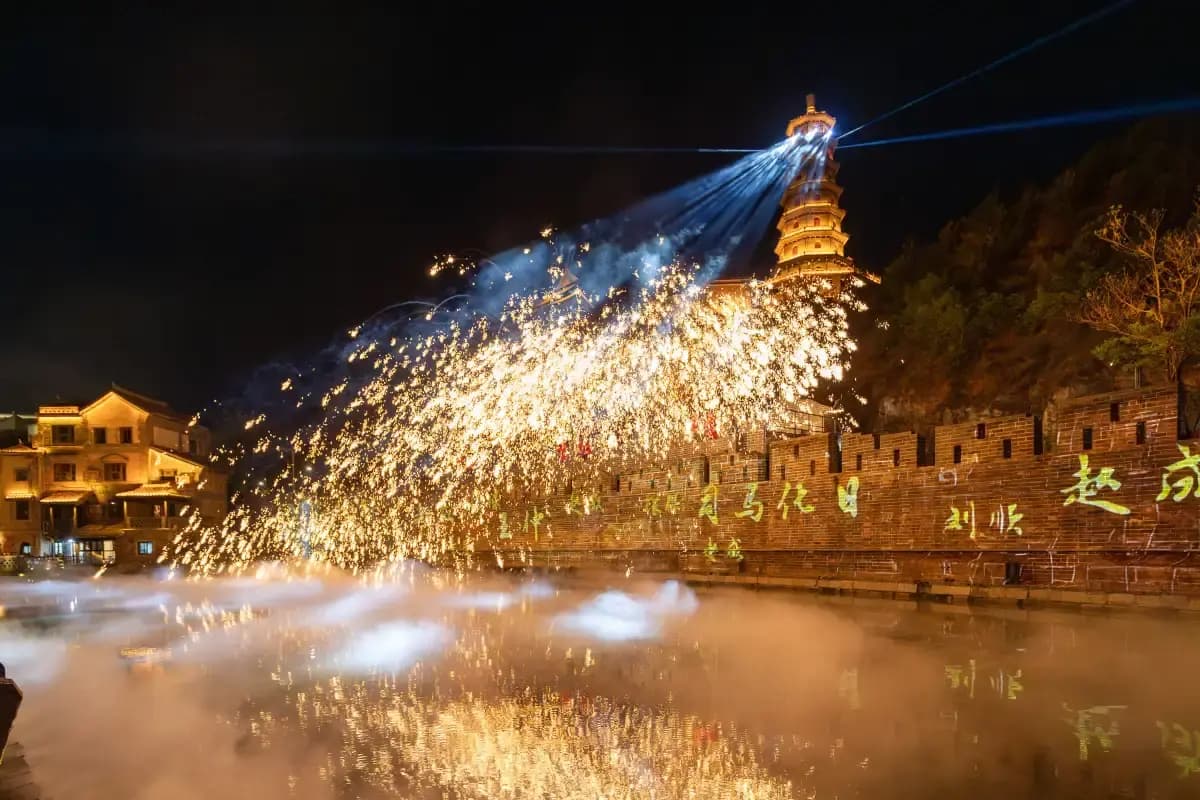
Simatai | Night tours | Mountain views, illuminated night route | Requires more planning |
Jinshanling | Hiking lovers | Original landscapes, fewer tourists | More physically demanding |
Great Wall Practical Hiking Tips
Wear non-slip, comfortable walking shoes; many stone steps are uneven.
Carry enough drinking water and sun protection; there are limited shops along the wall.
For Simatai night tours: mountain temperatures drop significantly after sunset, always bring a warm outer layer. Night-time routes are not suitable for visitors with limited mobility.
For most international visitors, Mutianyu offers the best all-round experience. For something truly memorable, combine Simatai Great Wall Night Tour with a trip to nearby Gubei Water Town.

Why Is the Temple of Heaven Worth Visiting?
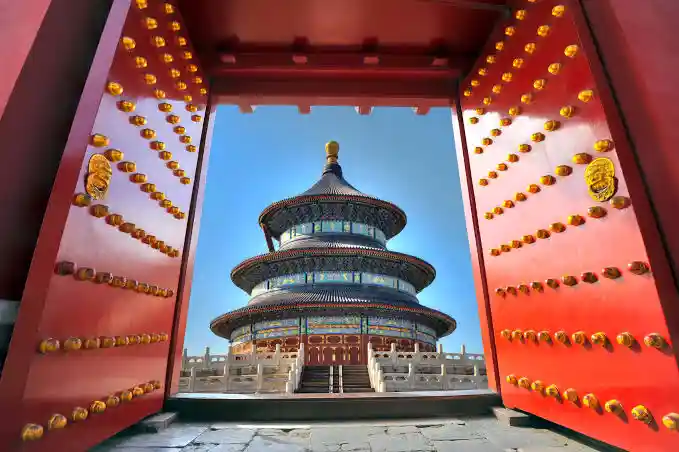
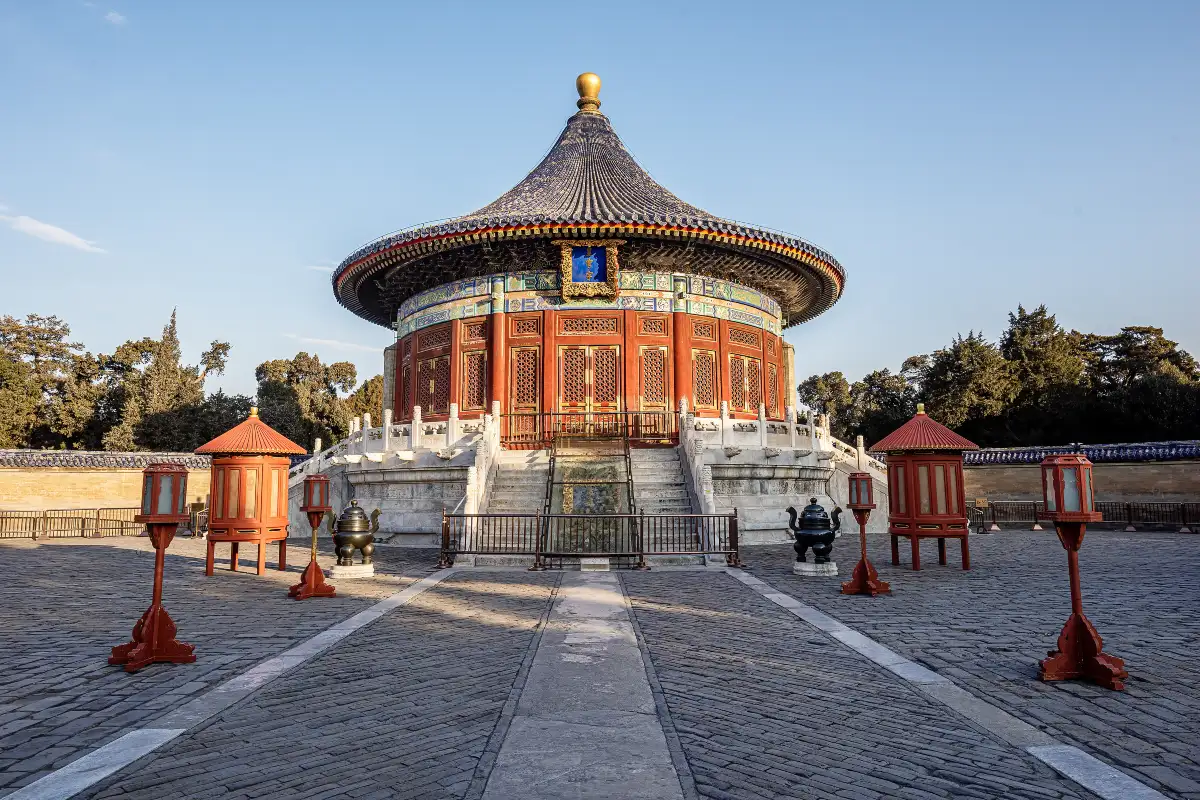
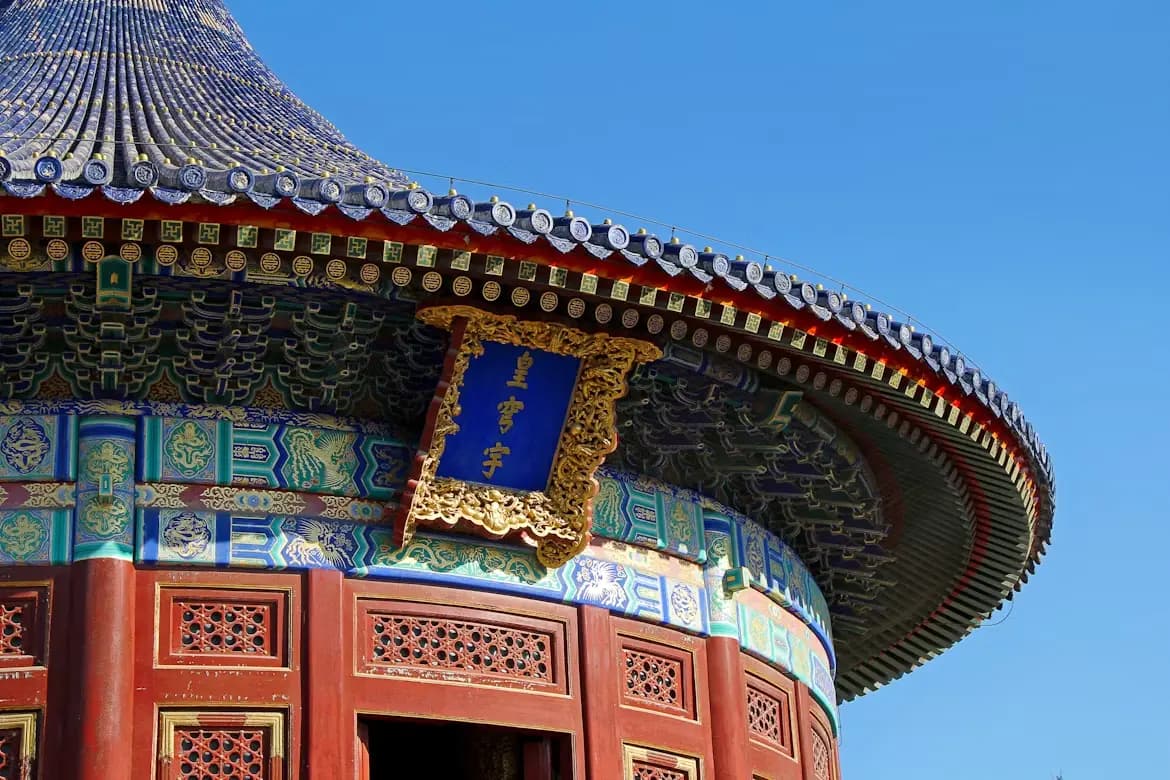
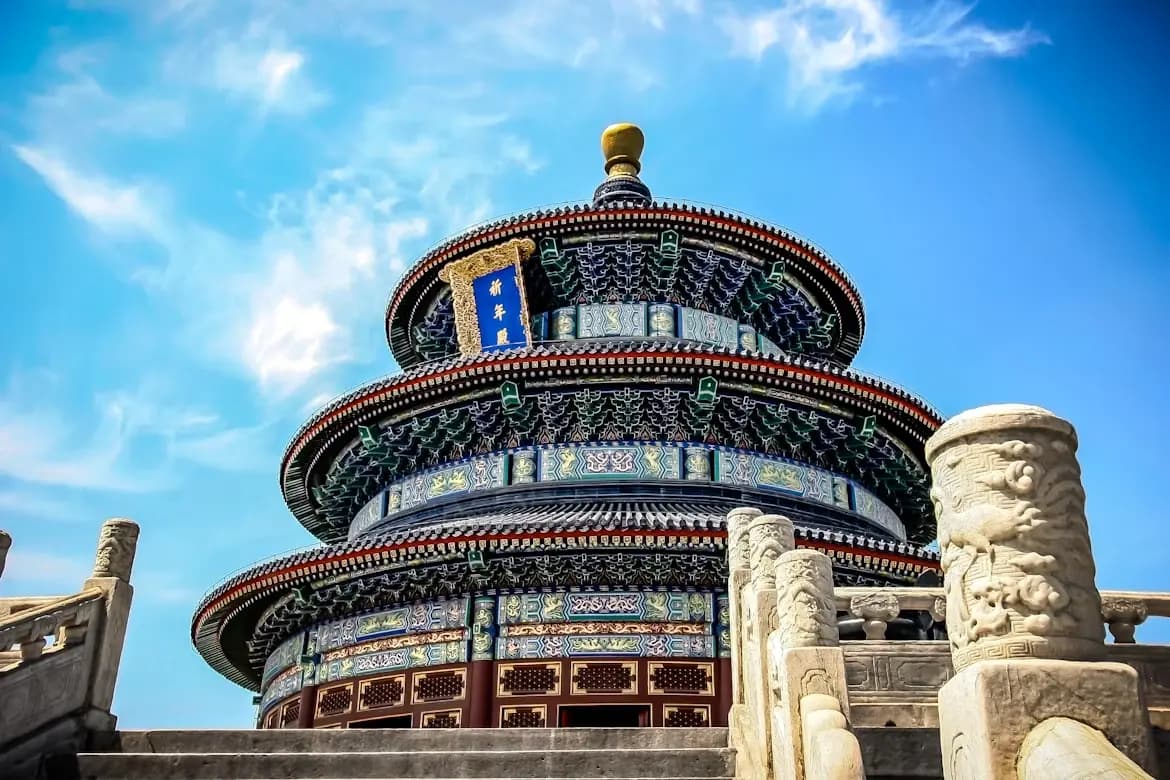
Built in the early 15th century, the Temple of Heaven is where Ming and Qing emperors performed annual rituals to pray for good harvests. The circular Hall of Prayer for Good Harvests, with its triple-eaved blue-tiled roof, is one of Beijing's most photographed buildings.
Allow 2-3 hours for a relaxed visit.
Best photo spot: the circular Echo Wall and the Imperial Vault of Heaven.
Early morning visits reveal local residents practising tai chi, dancing and singing — a genuine slice of Beijing daily life.
Why Should You Visit the Summer Palace?
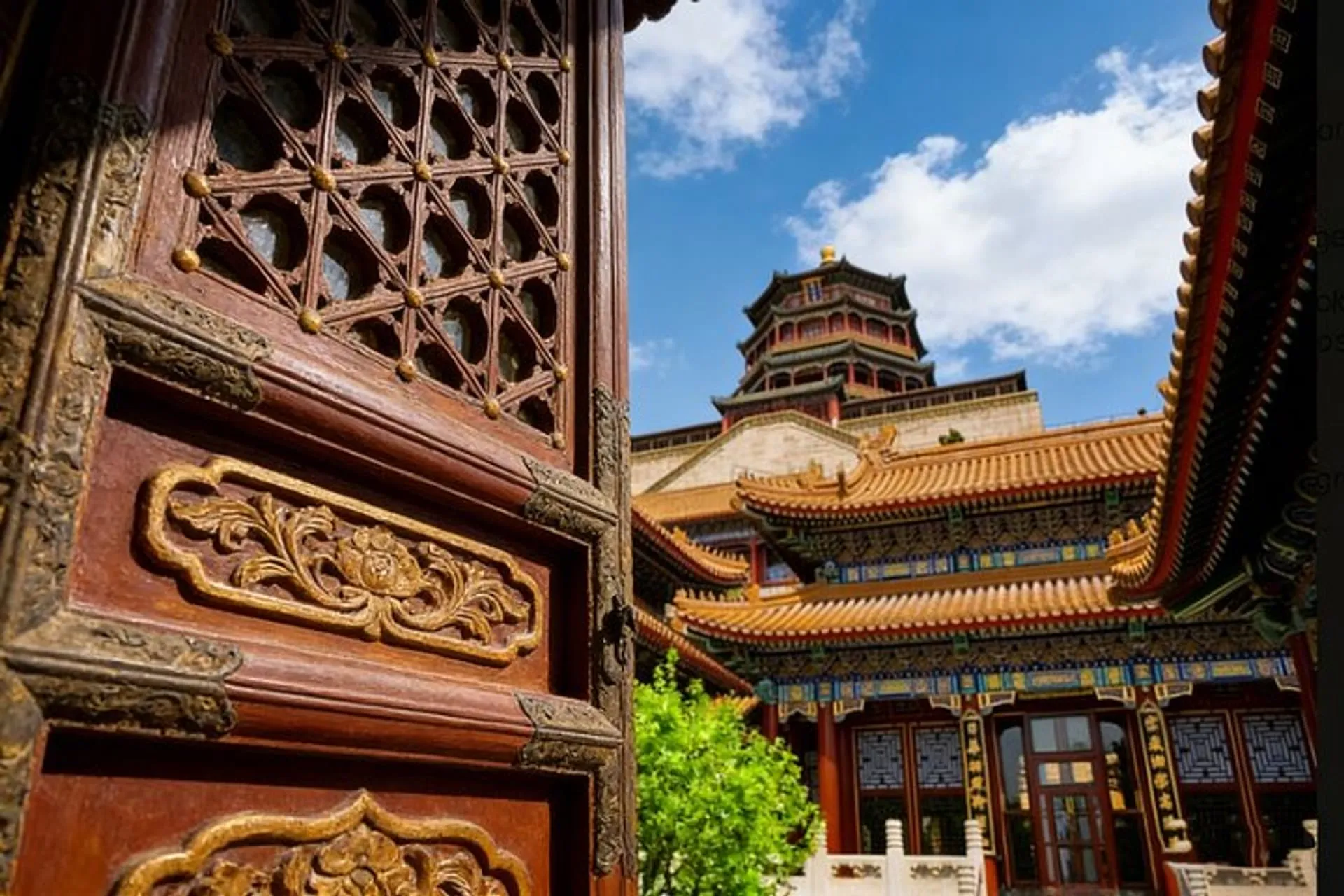
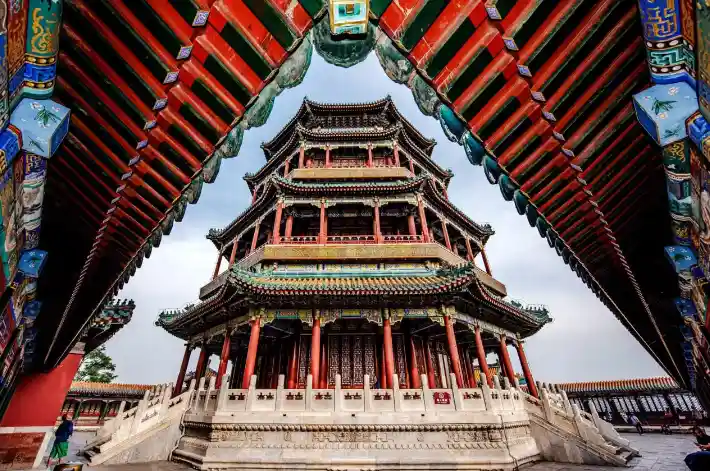
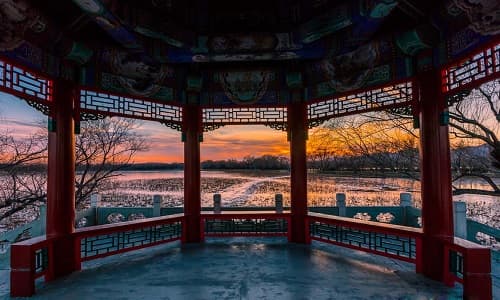
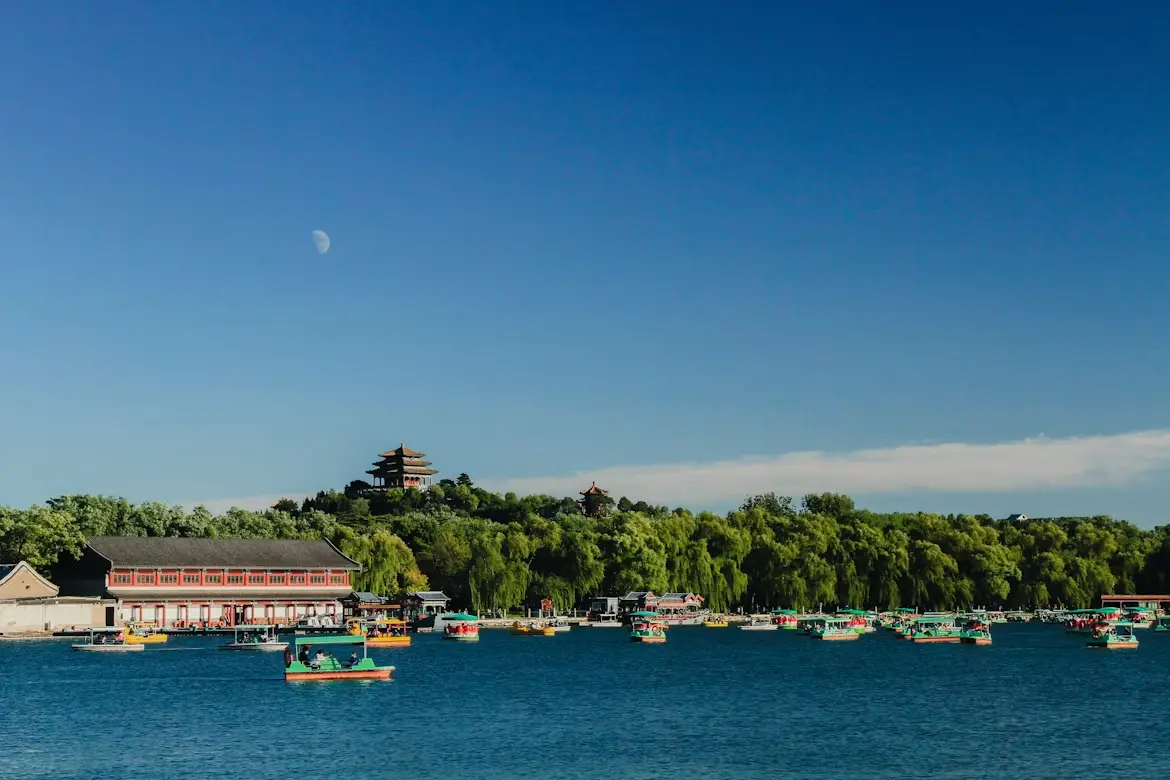
The Summer Palace (Yiheyuan) is a UNESCO World Heritage site and the best-preserved imperial garden in China. Kunming Lake, the Long Corridor with its 14,000 painted scenes, and the iconic Marble Boat are not to be missed.
Allow half a day; the grounds are sprawling.
Best season: spring blossoms and autumn foliage.
Combine with nearby Old Summer Palace (Yuanmingyuan) if time permits.
Where Can You Experience Traditional Beijing Local Life?
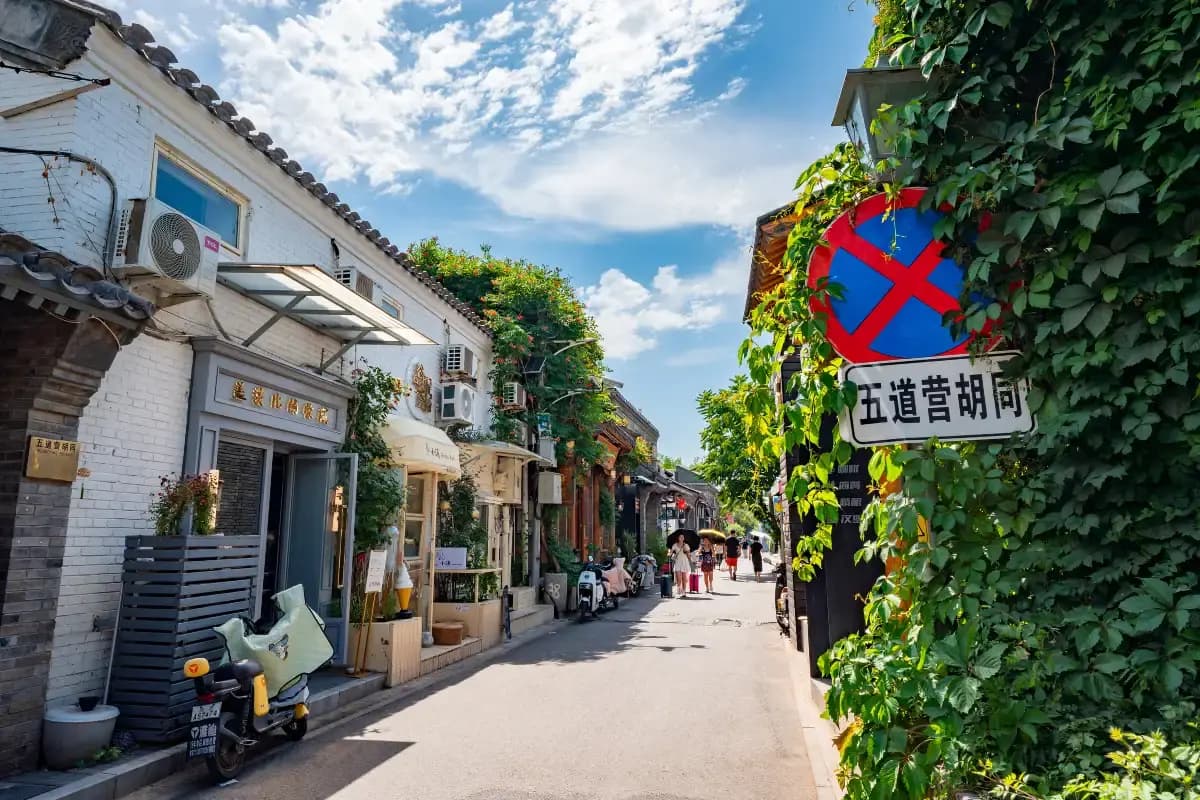
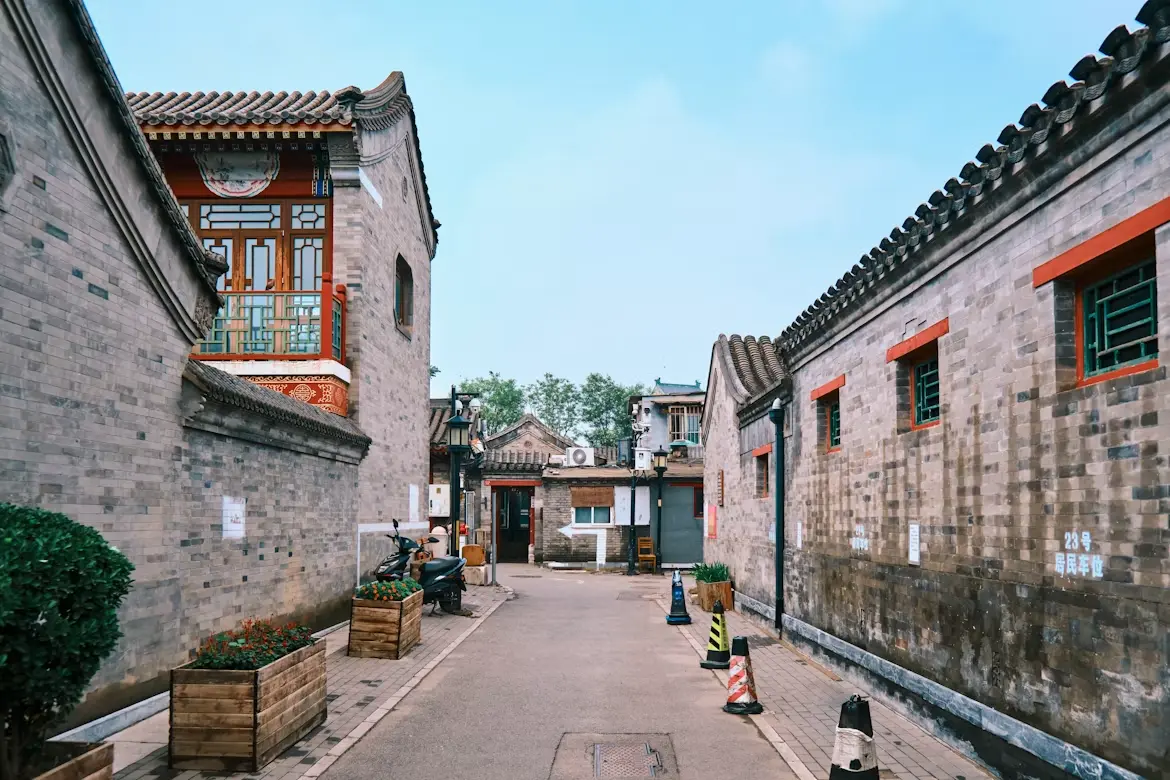
Hutongs are the narrow alleyways that once formed the backbone of Beijing's urban layout. Wandering them is the best way to experience authentic local life outside the grand imperial sites. Recommended areas:
Nanluoguxiang: Most commercial, good for first-timers, cafes and souvenir shops.
Wudaoying Hutong: Trendier, quieter, with boutique shops and brunch spots.
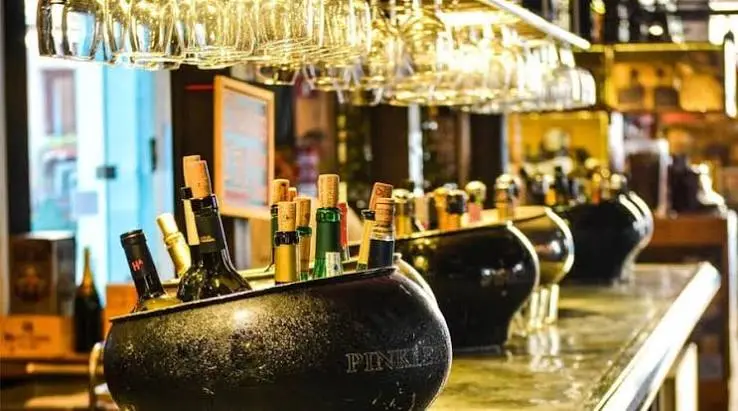
Shichahai & Yandai Byway: Lakeside scenery, old courtyard homes, lively bars at night.
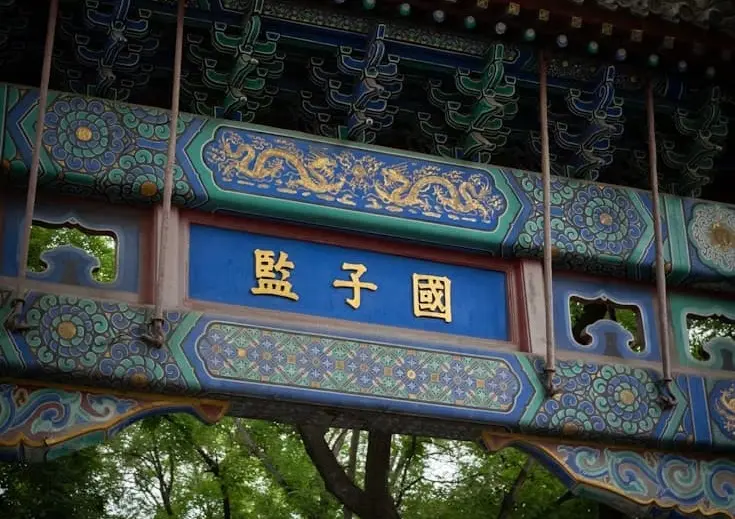
Guozijian Street: Tree-lined, home to the Confucius Temple and Imperial Academy.
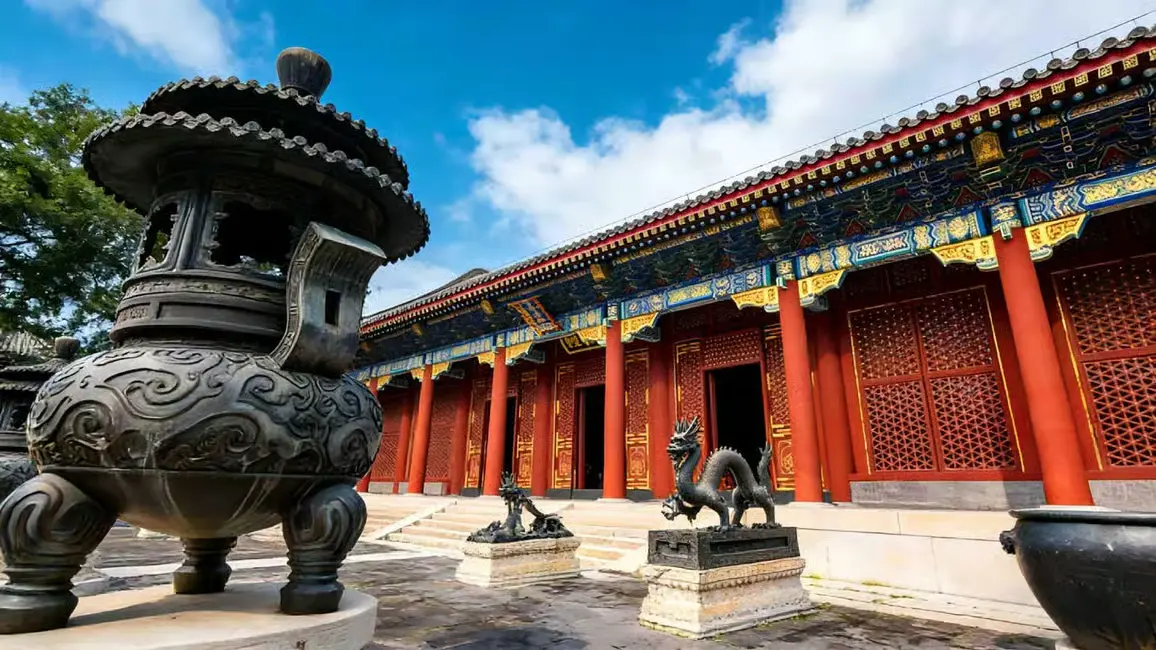
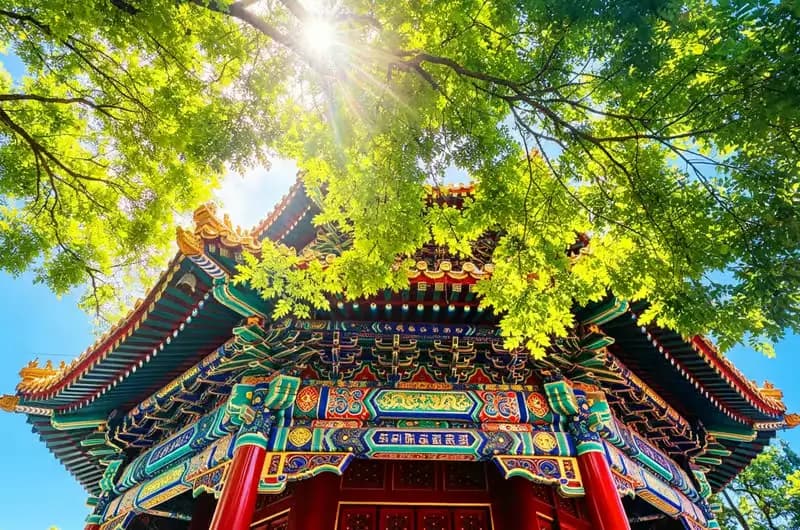
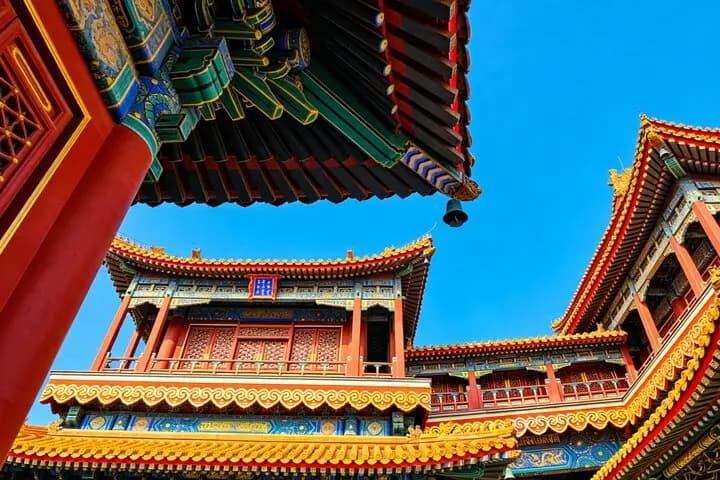
Yonghe Temple (Lama Temple): Tibetan Buddhist Landmark
Originally an imperial residence, Yonghe Temple is Beijing's largest and most important Tibetan Buddhist monastery. The 18-metre white sandalwood statue of Maitreya Buddha, carved from a single tree trunk, is a star attraction.
Respectful dress required; shoulders and knees covered.
Incense is provided free at the entrance.
Combine with nearby Guozijian Street and the Confucius Temple.
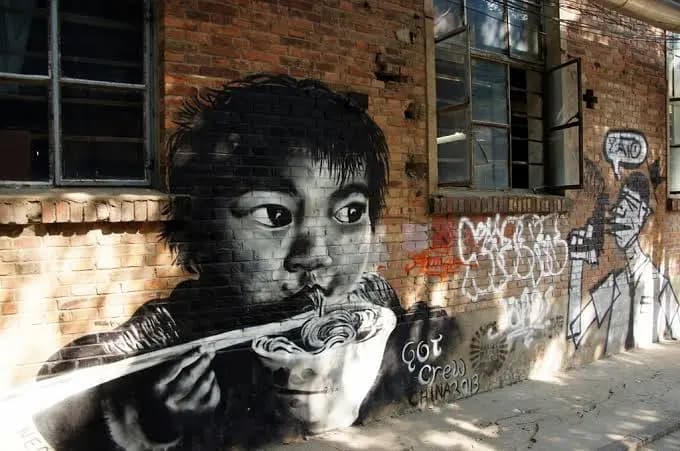
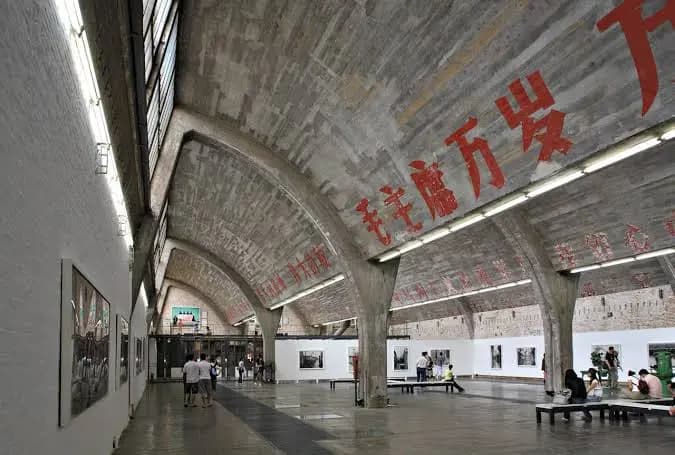
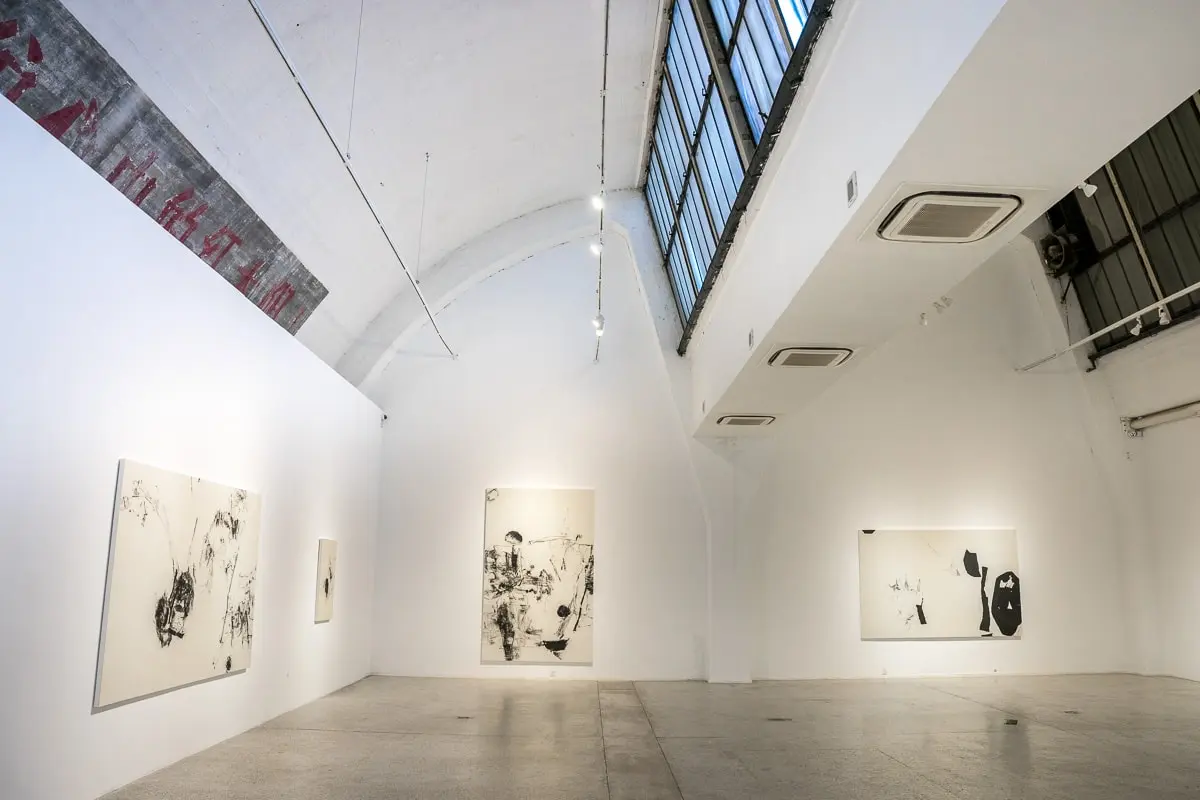
798 Art Zone: Contemporary Beijing
A former factory complex turned creative district, 798 is Beijing's hub for contemporary art galleries, design studios, cafes and street murals. It offers a sharp contrast to the city's ancient sites and shows modern Beijing's creative side.
Free entry to the zone; individual galleries may charge admission.
Allow 2-3 hours.
Best for art lovers, photographers and anyone curious about modern China.
Olympic Park: Modern Beijing Landmarks
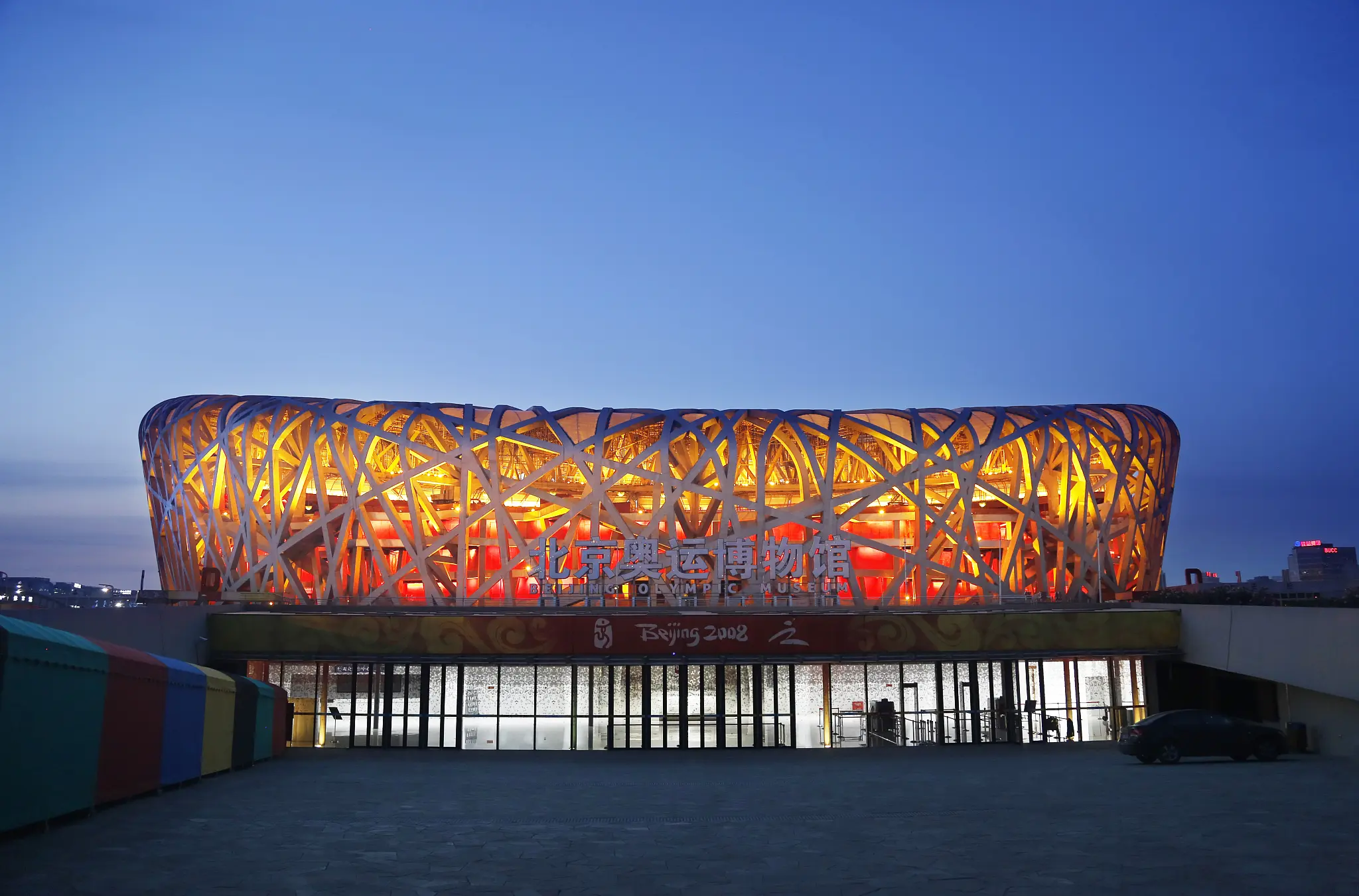
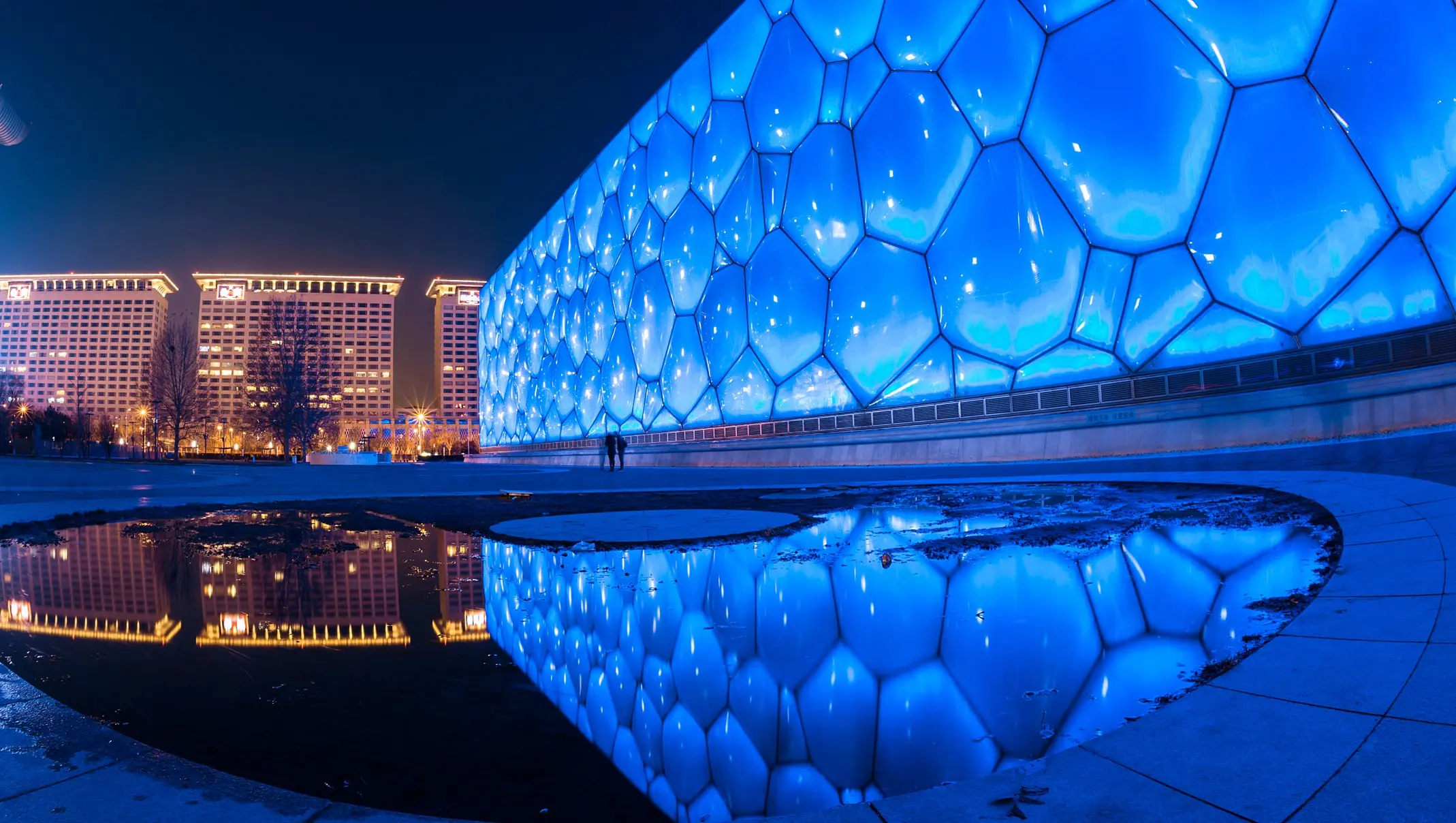
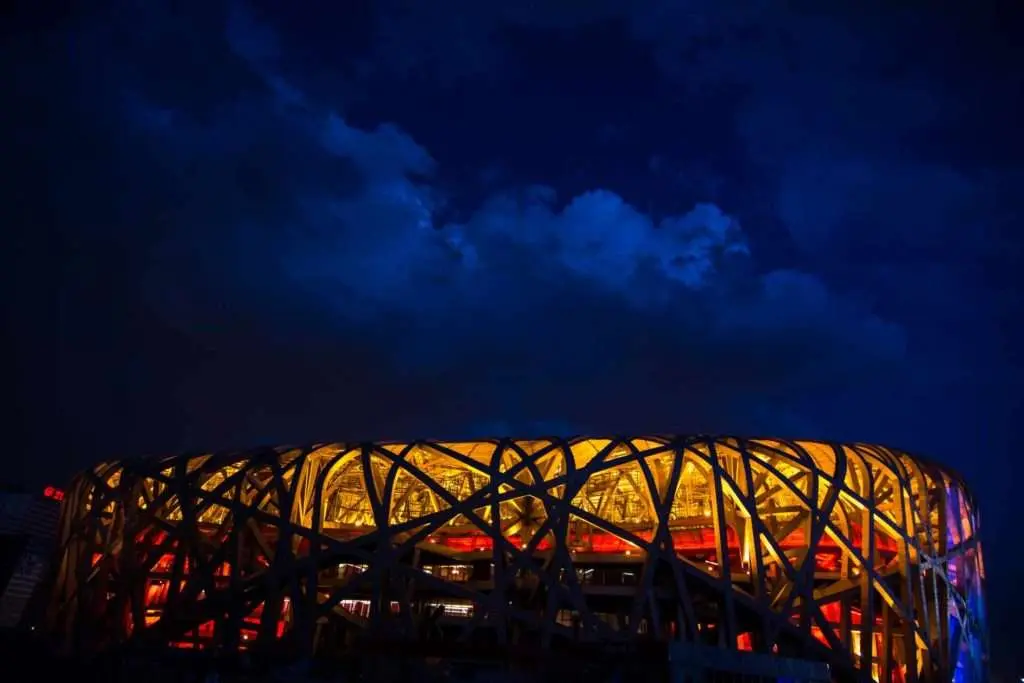
Built for the 2008 Summer Olympics and reused for the 2022 Winter Olympics, Olympic Park features the iconic Bird's Nest National Stadium and the Water Cube (now an ice-skating and water park).
Best viewed at night when both buildings are illuminated.
Combine with a Great Wall day trip on Day 2 as they are on the same north side of the city.
Which Beijing Attractions Need Advance Booking?
Attraction | Reservation Needed | Recommended Timing |
Forbidden City | Yes | 7+ days ahead in peak season |
Temple of Heaven | Recommended | 1–3 days ahead |
Summer Palace | Recommended | Same week |
Great Wall | Recommended | Before arrival |
Tiananmen Square | Yes | 7+ days ahead in peak season |
Beijing Food Guide: What to Eat in Beijing
Cuisine forms an essential part of any Beijing travel experience.
Peking Duck
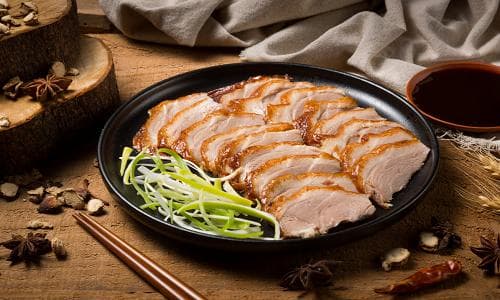
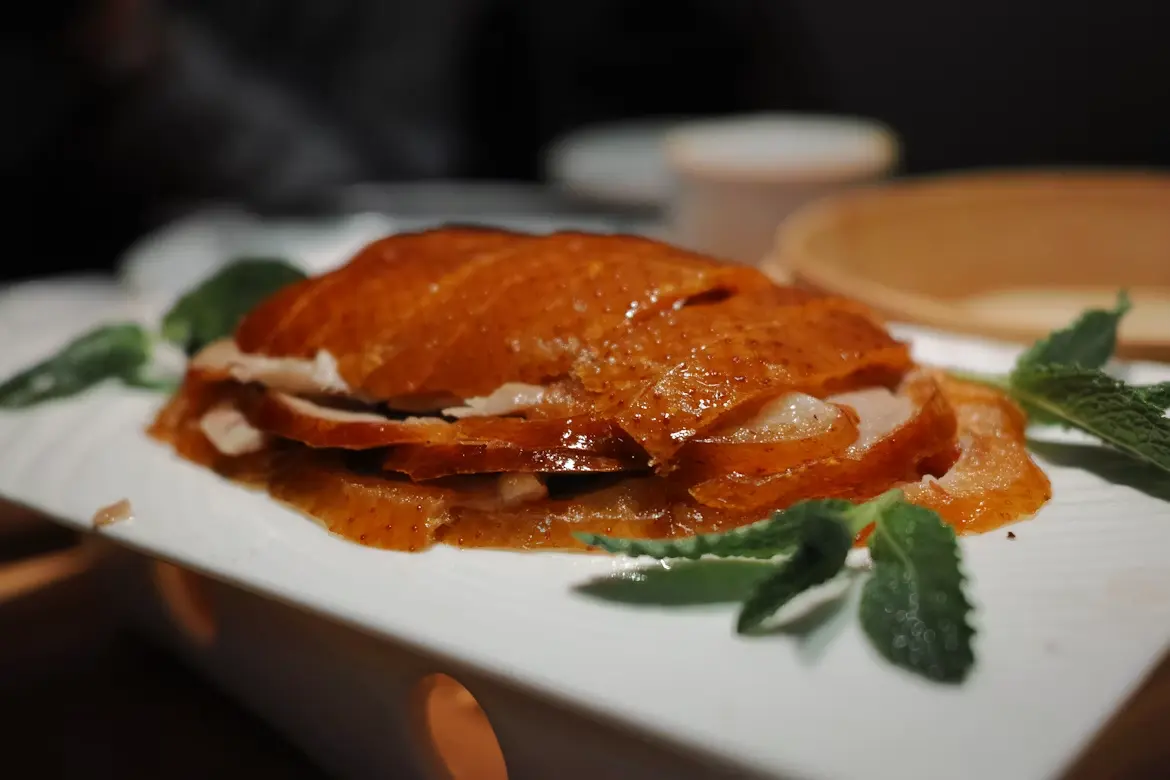
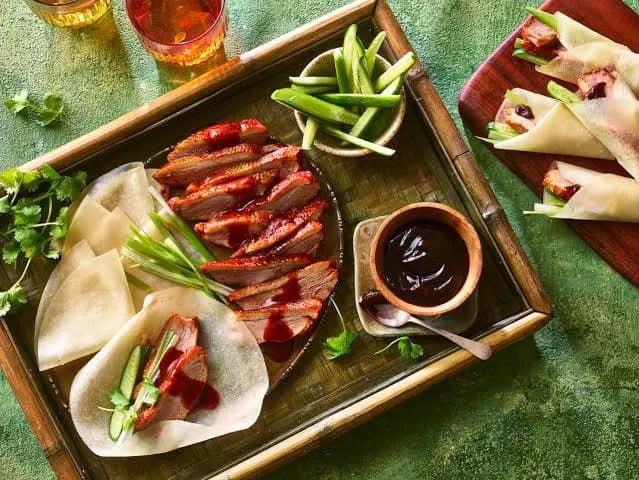
Beijing's signature dish boasts centuries of history. A classic Peking duck meal features crispy roasted duck skin, thin wheat pancakes, sweet bean sauce and fresh vegetable garnishes.
Where Can You Try the Best Peking Duck in Beijing?
Restaurant | Best For | Signature | Price Level |
Quanjude (Qianmen Branch) | First-time visitors | Classic Peking duck since 1864 | $$ |
Siji Minfu (Forbidden City Branch) | Local favourite experience | Crispy duck with Forbidden City views | $$ |
Bianyifang (Xianyukou Branch) | Traditional duck lovers | Traditional oven-roasted duck (menlu) | $$ |
Da Dong (Gongti / Nanxincang Branch) | Business dinners & special occasions | Modern “super-lean” crispy duck | $$$ |
Ziguangyuan (Main Branch) | Budget-friendly local dining | Affordable Beijing local dishes | $ |
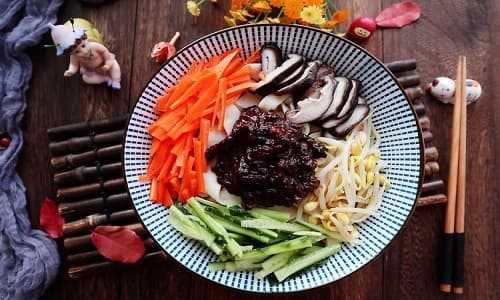
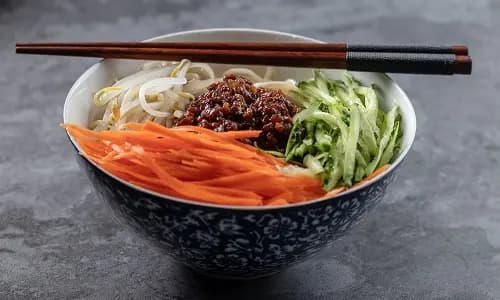
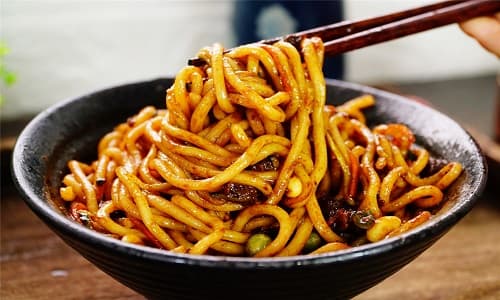
Beijing Zhajiang Noodles
This beloved local comfort food mixes hand-pulled noodles, fermented soybean paste and fresh vegetables. It represents everyday home-style Beijing cooking.
Where Can You Try Authentic Beijing Zhajiang Noodles?
Restaurant | Best For | Signature | Price Level |
Fangzhuanchang No. 69 (Main Branch) | Traditional zhajiang noodles experience | Michelin Bib Gourmand pick; handmade noodles with rich pork sauce | ¥30–40/person |
Haiwanju (Zengguang Road / Wangfujing Branch) | Classic local favourite | Signature “xiaowan ganzha” (small-bowl dry sauce noodles) with rich flavour | $$ |
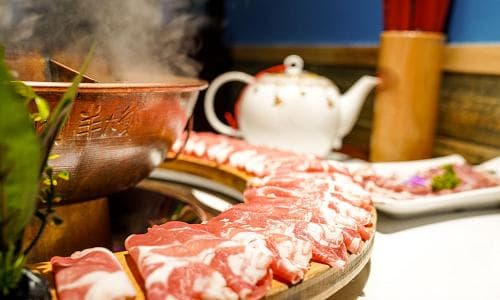
Beijing Hot Pot (Copper Pot)
Unlike spicy Sichuan hot pot, traditional Beijing hot pot centres on copper pots, tender lamb slices and light, simple seasonings for a classic communal dining experience.
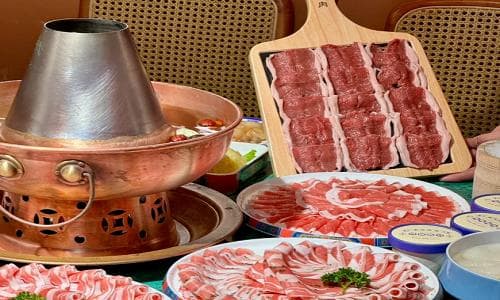
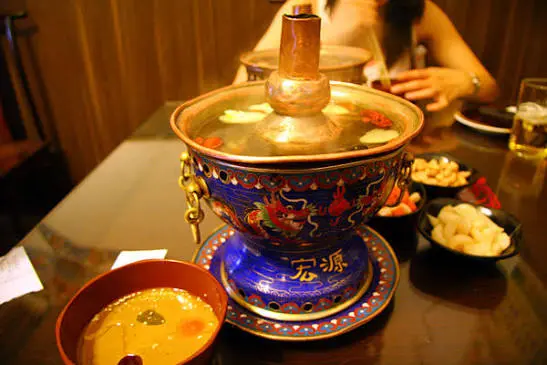
Where Should You Try Traditional Beijing Hot Pot?
Restaurant | Best For | Signature | Price Level |
Nanmen Shuanrou (South Gate Hot Pot) | First-time visitors | Traditional Beijing copper hot pot with excellent sesame dipping sauce | $$ |
Donglaishun | Historic dining experience | Famous halal hot pot with premium lamb slices | $$ |
Jubaoyuan / Manhengji (Niujie Area) | Local food lovers | Fresh beef and lamb in Beijing’s Muslim quarter | $$ |
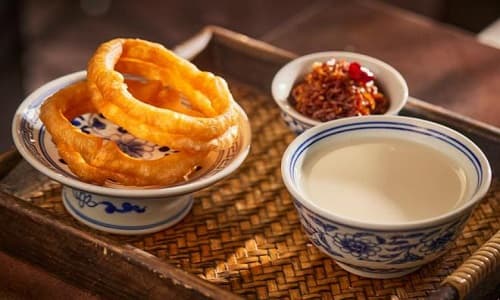
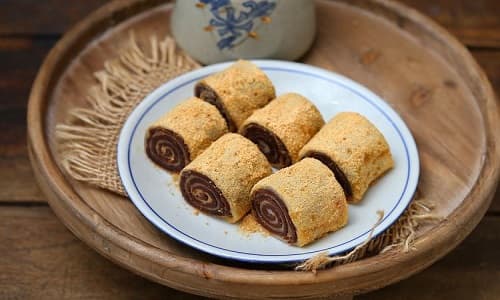
Beijing Street Snacks & Local Breakfasts
Don't miss these classic small bites:
Restaurant | Best For | Signature | Price Level |
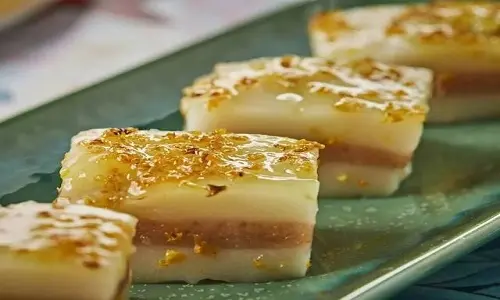
Huguosi Xiaochi (Main Branch, Huguosi Street) | Traditional Beijing snacks | Wandouhuang (pea cake), ludagun, aiwowo, douzhi | $ |
Tianxingju (Xianyukou) | Classic Beijing breakfast | Chaogan (stewed pork liver soup) and steamed buns | $ |
Duyichu (Qianmen) | Historic snack experience | Traditional shaomai (steamed dumplings) since centuries ago | $ |
Baodu Zhang (Shichahai) | Local delicacy lovers | Baodu (flash-boiled tripe) with sesame sauce | Around ¥30/person |
Where to Try Beijing Food by Area?
Qianmen & Dashilan: All the time-honoured brands in one historic street — Quanjude, Bianyifang, Duyichu, Tianxingju, Zhangyiya tea, Ruifuxiang silk.
Wangfujing: Convenient for tourists; Haiwanju and snack streets nearby.
Shichahai & Hutong Areas: Fangzhuanchang No. 69, Baodu Zhang, Qingyunlou (Shandong cuisine with lake views).
Niujie (Muslim Quarter): Best for halal hot pot, roasted lamb and fresh pastries.
Where Should You Stay in Beijing for the Best Experience?
Area | Best For | Advantages |
Dongcheng | First-time visitors | Close to Forbidden City and major attractions |
Wangfujing | Convenience & shopping | Restaurants, malls, central location |
Qianmen | Old Beijing atmosphere | Historic streets and local culture |
Shichahai | Hutong experience | Traditional lifestyle and nightlife |
How Do You Get Around Beijing Easily?
Transport | Best For | Notes |
Subway | Downtown attractions | Cheap and efficient |
Taxi | Short city transfers | Use Didi or official taxis |
Airport Express | Airport-city transfer | Fast and affordable |
Private Transfer | Great Wall & day trips | Recommended for families and seniors |
Which Beijing Airport Should You Choose: PEK or PKX?
Airport | Best For | Location | Transport Options |
Beijing Capital International Airport (PEK) | Most international flights | Northeast Beijing | Airport Express, taxi, private transfer |
Beijing Daxing International Airport (PKX) | Newer international hub | Southern Beijing | Airport Express, taxi, private transfer |
How Can You Get From Beijing Airport to the City Centre?
Option | Best For | Approx. Time | Notes |
Airport Express | Budget travellers | 20–40 mins | Fast and reliable |
Taxi | First-time visitors with luggage | 40–90 mins | Use official taxi queue |
Didi | Independent travellers | 40–90 mins | English interface available |
Private Airport Transfer | Families, seniors, late arrivals | Depends on destination | Most convenient door-to-door option |
Arrival Checklist
After landing:
✓ Complete immigration and customs
✓ Buy SIM card or activate eSIM
✓ Set up Alipay / WeChat Pay
✓ Download transportation apps
✓ Save hotel address in Chinese
✓ Arrange transport to your hotel
Do You Need a Visa to Visit Beijing?
Visa for Visiting Beijing
Most foreign passport holders need to apply for a Chinese tourist visa before arrival. Eligible transit passengers may take advantage of the 240-hour transit visa-free policy, allowing short stays without a visa when transferring via Chinese airports. Ensure your passport remains valid for at least 6 months beyond your planned departure date. Always double-check up-to-date rules from your local Chinese embassy or consulate before departure.
Customs & Prohibited Items
Review China's customs regulations for restricted food, plants and other goods. Keep receipts for high-value items you bring into the country.
How Much Does a Beijing Trip Cost?
Typical Daily Budget Breakdown (per person)
Travel Style | Daily Budget | Suitable For |
Budget | ¥300–550 | Hostels, local food, subway |
Mid-range | ¥600–1200 | Comfortable hotels and restaurants |
Luxury | ¥1300+ | Luxury hotels, private tours, fine dining |
ATMs & Currency Exchange
You can exchange cash at airports, major banks and larger hotels. ATMs are widely available across central Beijing. Mobile payment via Alipay or WeChat Pay dominates daily commerce. If you cannot set up Chinese mobile payment accounts, carry small amounts of cash for small shops and street vendors.
Tax Refund for Overseas Visitors
Foreign visitors can claim VAT refunds on purchases from designated "Tax Free" shops (look for the TAX FREE logo). Minimum purchase applies; claim at the airport before departure. Keep all receipts and passport with you.
How Can You Stay Connected in Beijing?
VPN: Google, Instagram, Facebook, WhatsApp and many Western sites are blocked in mainland China. Install a reliable VPN before you arrive.
SIM / eSIM: Purchase a China Mobile, China Unicom or China Telecom SIM card at the airport with your passport; eSIM options are increasingly available for unlocked phones.
Portable W-Fi: Rent a pocket Wi-Fi device at the airport for multi-device connectivity.
Translation apps: Download Google Translate offline packs or use Baidu Translate; camera translation works well for menus and signs.
Beijing Apps You Need Before Arrival
China has a highly digital travel environment. Download and set up these apps before departure to make your Beijing trip smoother.
App | Purpose | Why You Need It |
Alipay | Payment & mini programs | Essential for restaurants, taxis and shopping |
Communication & payment | Widely used in daily life | |
DiDi | Taxi booking | China’s equivalent of Uber |
Hotels, trains, attraction tickets | Useful for independent travellers | |
Google Translate | Translation | Menu and sign translation |
Apple Maps / Gaode map | Navigation | Daily transportation |
VPN | Access international services | Install before arrival |
What Should You Pack for a Beijing Trip?
Season-Specific Packing Tips
Spring (April-May): Wind-resistant jacket, face mask for occasional dust, layered clothing for shifting temperatures.
Summer (June-August): Sunscreen, sun hat, umbrella or lightweight rain gear; temperatures can get very hot and humid.
Autumn (September-October): Light and mid-weight layers. Days are pleasant but nights cool down quickly.
Winter (November-March): Heavy down jacket, scarf, gloves, warm hat and insulated footwear for cold dry weather.
Beijing Attraction Booking Guide
Month | Weather | Travel Advice |
March | Cool, windy | Bring layers |
April | Mild and dry | Excellent sightseeing |
May | Warm | One of the best months |
June-August | Hot | Avoid afternoon outdoor activities |
September | Comfortable | Peak season |
October | Cool and clear | Best travel month |
November | Cold but quiet | Good photography |
December-February | Cold | Fewer crowds |
Must-have Travel Essentials
Sturdy comfortable walking shoes for long days on the Great Wall and hutong alleys
Portable power bank
Offline translation app - Reusable water bottle (tap water is NOT drinkable — always boil or buy bottled water)
Is Beijing Safe for Foreign Travellers?
Safety Tips
Beijing is generally very safe for foreign tourists. Keep an eye on your bags and valuables in crowded subway stations and popular scenic spots. Be cautious of overly-aggressive street vendors near major tourist sites.
Emergency Contacts
Police: 110
Ambulance: 120
Fire: 119
Tourist hotline (Beijing): 12345 (Chinese; ask your hotel for English assistance)
Local Etiquette
Do not touch or climb on ancient relics inside palaces and temples.
Speak quietly inside religious buildings and museum exhibition halls.
Spitting and littering are not acceptable in public areas.
On the Great Wall, stay on marked paths and avoid closed-off unrestored sections for your personal safety.
Tipping is not customary in China. Restaurants, taxis and hotels do not expect tips; rounding up the bill is appreciated but not required.
Beijing Travel Tips: What You Should Know Before Visiting
1. Book Popular Attractions Early
Iconic sites such as the Forbidden City require advance reservations.
Forbidden City: Book several days in advance during peak
Great Wall: Secure tickets before your arrival date
Famous Peking-duck restaurants: Make reservations ahead of time
2. Use Mobile Payment in Beijing
Beijing runs on highly digital services. Most restaurants, shops, taxis and tourist sites accept mobile payments. Travellers should prepare Alipay or WeChat Pay, stable internet access and translation apps.
3. Plan Around Beijing's Weather
Beijing experiences four sharply defined seasons.
Season | Weather | Recommendation |
Spring | Mild and dry | Excellent sightseeing conditions |
Summer | Hot and humid | Start sightseeing early each morning |
Autumn | Cool and clear | Overall best travel season |
Winter | Cold but less crowded | Perfect for quiet photography |
4. Choose Transportation Wisely
The subway works great for inner-city spots, but some popular locations need extra travel planning:
Forbidden City, Temple of Heaven: Subway-friendly
Mutianyu Great Wall, Simatai Great Wall: Private transfer recommended (critical for night tours)
5. Best Photo Spots in Beijing
Jingshan Park: The classic overhead shot of the Forbidden City's golden roofs.
Mutianyu Great Wall: Watchtowers with layered mountain backdrops.
Temple of Heaven: The Hall of Prayer framed by cypress trees.
Shichahai at golden hour: Hutong rooftops reflecting on the lake.
Olympic Park at night: Illuminated Bird's Nest and Water Cube.
6. Free Attractions in Beijing
Not everything requires a ticket:
Tiananmen Square (free, but ID/passport required for entry)
798 Art Zone (free entry to the public area)
Nanluoguxiang and most hutong streets
Olympic Park exterior (free; stadium tours charge)
Many city parks (e.g. Ritan Park, Dongdan Park)
Beijing Shopping Guide
Popular souvenirs to bring home: Chinese tea, silk goods, traditional handicrafts, calligraphy supplies and cultural memorabilia.
Best Shopping Malls
Mall | Best For | Location |
SKP Beijing | Luxury brands | CBD |
Taikoo Li Sanlitun | Fashion & lifestyle | Sanlitun |
WF Central | Luxury + tourism convenience | Wangfujing |
China World Mall | Business travellers | Guomao |
The Place | Shopping + nightlife | CBD |
Beijing Souvenir Shopping
Item | Recommended Store |
Chinese Tea | Zhang Yiyuan, Wuyutai |
Silk Products | Ruifuxiang |
Traditional Shoes | Neiliansheng |
TCM Products | Tongrentang |
Palace Gifts | Forbidden City Cultural Creative |
Beijing Nightlife & Cultural Experiences
Beijing offers plenty of unforgettable evening activities.
Recommended experiences:
Simatai Great Wall Night Tour
Gubei Water Town night views
Leisurely Shichahai evening walks
Peking Opera performances
Formal tea-ceremony sessions
For deeper cultural immersion, consider hutong walking tours, traditional Chinese medicine workshops, calligraphy classes or local home-style cooking lessons.

Local Experiences You Should Not Miss in Beijing
Hutongs embody old Beijing's traditional way of life. Strolling these historic neighbourhoods lets you see classic courtyard homes, family-run shops and authentic daily city life.
Suggested walking route:
Yonghe Temple → Guozijian Street → Beijing Confucius Temple → Wudaoying Hutong → Beiluoguxiang Hutong → Yandai Byway → Shichahai
Final Advice: How to Make the Most of Your Beijing Trip
A great Beijing trip combines iconic landmarks, authentic local experiences, delicious food, and smart planning. With a well-organised itinerary and practical travel tips, you can discover both Beijing’s rich imperial history and its vibrant modern lifestyle.

Traveler Discussions
Questions from travelers