

In the heart of southern China, Guangzhou is a city where traditional Cantonese culture and modern life come together in a way that few other cities can match. You can start the morning with a traditional Cantonese breakfast surrounded by the chatter of locals, explore centuries-old temples and historic neighborhoods in the afternoon, and end the day beneath the lights of the Pearl River and Canton Tower.
As one of southern China's most important cities, Guangzhou offers much more than a list of famous attractions. Its food, Lingnan architecture, local markets, tea culture, and everyday neighborhoods are all part of the experience. At the same time, the city has an efficient metro system, a wide range of accommodation, and convenient connections to destinations such as Hong Kong, Shenzhen, and other major cities in China.
Planning a trip to Guangzhou can therefore be as much about choosing the right pace and combination of experiences as deciding which attractions to visit. This Guangzhou travel guide covers the essentials you need to plan your trip, including the best time to visit, how many days to stay, suggested Guangzhou itineraries, where to stay, how to get around, what to eat, and practical travel tips for your first visit.
Whether you are visiting Guangzhou for a short city break or using it as part of a longer journey through China, this guide will help you plan a trip that combines the city's famous highlights with a more local experience.
Guangzhou at a Glance — Quick Facts About the City
Before planning your itinerary, it helps to understand what kind of city Guangzhou is. Unlike destinations that can be covered mainly by visiting a few major landmarks, Guangzhou is best experienced through a combination of historic areas, Cantonese food, modern city life, and local neighborhoods.
Guangzhou is the capital of Guangdong Province and one of the major cities in southern China. It is also a practical starting point for exploring the wider Greater Bay Area, with convenient connections to Shenzhen, Hong Kong, Foshan, and other nearby destinations.
Quick Facts About Guangzhou
What to Know | Details |
Location | Southern China, in Guangdong Province |
Known For | Cantonese cuisine, Lingnan culture, historic neighborhoods, and modern city life |
Best For | Food lovers, culture seekers, first-time China visitors, and travelers combining several cities |
City Character | A mix of historic streets, traditional communities, modern business districts, and lively local markets |
Getting Around | Metro, taxis, ride-hailing, walking, and private transportation |
Ideal Trip Length | 2–3 days for a first visit; longer if adding day trips or deeper local experiences |
Nearby Destinations | Shenzhen, Hong Kong, Foshan, Kaiping, Shunde, and other parts of Guangdong |
Travel Style | Easy to explore independently, while a private guide can add cultural context and make multi-area itineraries more efficient |
What Makes Guangzhou Different?
Guangzhou is sometimes overlooked by travelers who focus only on China's most famous tourist cities. Yet its appeal lies in the fact that tourism and everyday life are closely connected.
You can move from a historic neighborhood to a modern business district within a short journey, then spend the evening enjoying Cantonese food or watching the city lights along the Pearl River. This contrast is one of the reasons Guangzhou works well for both a short city break and a longer southern China itinerary.
For first-time visitors, the easiest way to understand Guangzhou is to think of the city through four complementary sides:
Side of Guangzhou | What It Adds to Your Trip | Typical Areas or Experiences |
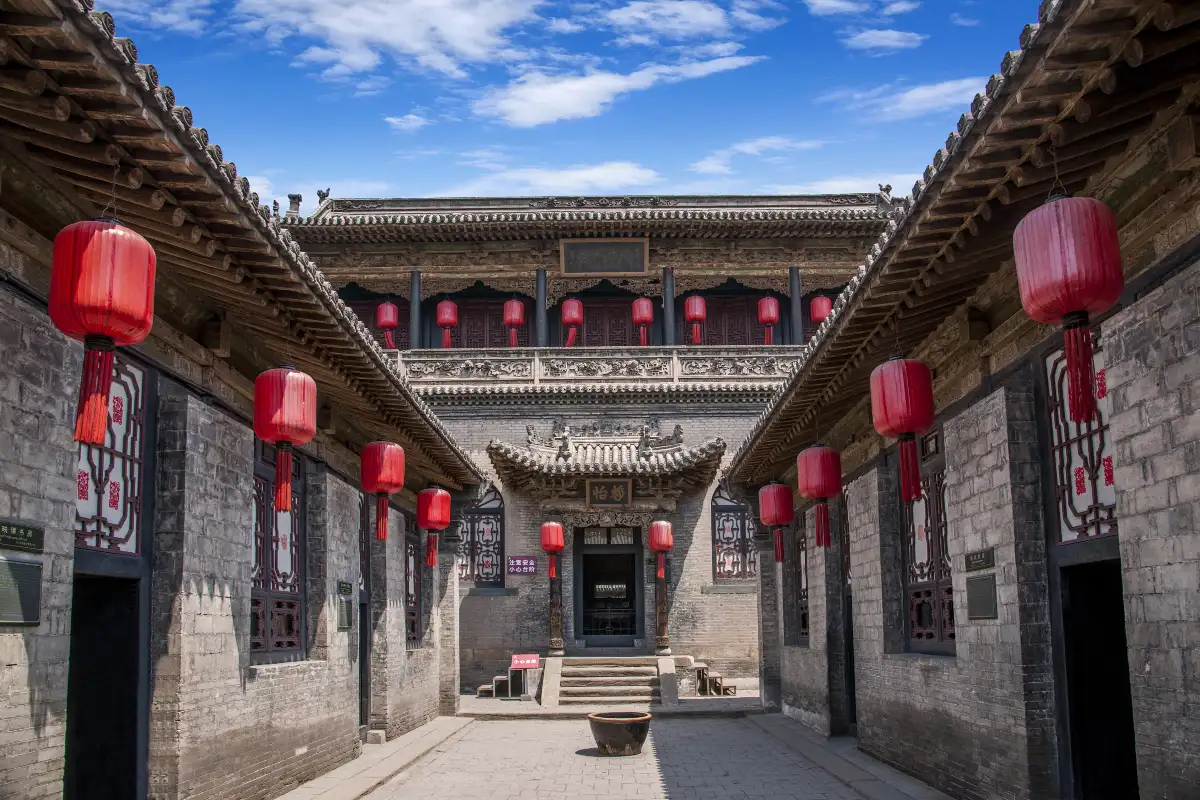
Historic Guangzhou | A better understanding of the city's past and Lingnan heritage | Yuexiu, Liwan, Xiguan, Chen Clan Ancestral Hall |
Cantonese Culture | The traditions that make Guangzhou distinct from other Chinese cities | Morning tea, local food, traditional architecture, temples |
Modern Guangzhou | A look at the city's contemporary skyline and economic importance | Zhujiang New Town, Tianhe, Canton Tower |
Everyday Local Life | A more authentic sense of how residents actually experience the city | Local markets, neighborhood streets, tea shops, food streets |
This mix is also important when planning your Guangzhou itinerary. Instead of spending an entire day visiting landmarks of the same type, a better-balanced trip usually combines history, food, local neighborhoods, and modern Guangzhou. That approach gives you a more complete picture of the city without making your sightseeing feel repetitive.
When Is the Best Time to Visit Guangzhou for Comfortable Sightseeing?
Guangzhou can be visited throughout the year, but the experience changes noticeably with the seasons. Temperature, humidity, rainfall, and public holidays can all affect how comfortable it is to spend time outdoors and how busy popular places become.
For most travelers, spring and autumn offer the most comfortable conditions for sightseeing. Summer is much hotter and more humid, while winter is generally mild but can bring cooler, damp days.
Guangzhou Weather by Season
Season | Typical Conditions | What It Means for Travelers | Best Suited To |
Spring | Mild to warm, with increasing humidity and occasional rain | Comfortable for combining outdoor sightseeing with indoor attractions; allow some flexibility for rainy days | First-time visitors, cultural trips, relaxed sightseeing |
Summer | Hot, humid, and frequent heavy rain or thunderstorms | Plan outdoor activities earlier or later in the day and leave room for weather changes | Travelers comfortable with heat, food-focused trips, shorter outdoor sessions |
Autumn | Warm to mild, generally more comfortable for extended sightseeing | A good balance for full-day itineraries and exploring different parts of the city | First-time visitors, families, photographers |
Winter | Mild compared with northern China, but some days can feel cool and damp | Generally easy to explore, with fewer weather-related limitations than summer | City breaks, food trips, cultural sightseeing |
Spring in Guangzhou: March to May
Spring brings gradually warmer weather, but rainfall and humidity can increase as the season progresses. March and early April can be particularly pleasant for spending extended periods outdoors.
By May, conditions become warmer and the likelihood of rain increases. If you travel during this period, keeping some flexibility in your schedule is useful, especially when planning outdoor-heavy days.
Summer in Guangzhou: June to August
Summer is the hottest and most humid period in Guangzhou. Heavy rain and thunderstorms can also occur, so weather should be considered when planning long outdoor itineraries.
This does not mean summer travel is impractical. Instead, structure your days around the weather: start outdoor sightseeing earlier, use indoor attractions during the hottest part of the afternoon, and avoid packing too many outdoor activities into one continuous block.
Autumn in Guangzhou: September to November
Autumn generally brings more comfortable conditions for sightseeing, making it easier to spend a full day exploring without having to constantly adjust your plans around heat.
September can still feel quite summery, while October and November are typically more comfortable. If you want to combine several neighborhoods and attractions in one trip, autumn is a particularly convenient period for doing so.
Winter in Guangzhou: December to February
Guangzhou's winter is relatively mild compared with northern Chinese cities. Snow is not a normal concern, and daytime sightseeing remains practical.
However, winter can still feel damp and chilly on some days, particularly when temperatures drop. A light jacket and layers are usually more useful than heavy winter clothing.
A Practical Rule for Choosing Your Travel Dates
Weather is only one part of the decision. China's major public holidays can have a much greater effect on crowds, transportation, and attraction availability. If your dates are flexible, checking the holiday calendar before booking can make itinerary planning considerably easier.
If Your Priority Is... | Consider... | Why |
Comfortable outdoor sightseeing | Autumn or early spring | More suitable for longer periods outside |
Avoiding extreme heat | Winter, spring, or autumn | Lower temperatures than the summer months |
A flexible food and city trip | Any season | Many key experiences are not dependent on outdoor weather |
A holiday-period visit | Book and plan earlier | Transport and popular attractions can become significantly busier |
A weather-sensitive itinerary | Keep backup options | Rain or thunderstorms can affect outdoor plans |
Rather than looking for one universally "best" month, choose your travel period according to weather tolerance, trip style, and schedule flexibility. For a first Guangzhou visit, a season with comfortable temperatures can make it easier to enjoy a varied itinerary without constantly adjusting your plans.
How Many Days Do You Need for a Guangzhou Itinerary?
For a first trip to Guangzhou, 2 to 3 days is a comfortable starting point. Two days gives you enough time to see the city's main character without rushing, while three days allows more room for food, neighborhoods, and a slower pace.
If Guangzhou is only one stop on a larger China trip, even one well-planned day can work. On the other hand, travelers who want to explore beyond the central sights can easily fill four days or more.
Choose Your Trip Length
Time in Guangzhou | A Realistic Approach |
1 Day | Focus on one side of the city rather than trying to see everything. Combine a few major sights with a local meal. |
2 Days | A good introduction for first-time visitors, with enough time for both historic Guangzhou and the city's newer side. |
3 Days | Add local neighborhoods, food experiences, markets, or less rushed sightseeing. |
4+ Days | Explore at a slower pace or use Guangzhou as a base for nearby destinations in Guangdong. |
1 Day — A Quick Introduction to Guangzhou
With only one day, the biggest mistake is trying to cover every famous attraction. Instead, choose a compact route that keeps travel time under control. A morning in one historic area, a good Cantonese lunch, an afternoon activity nearby, and an evening view of the city can give you a surprisingly complete first impression.
This option works particularly well when Guangzhou is a stop between other destinations.
2 Days — A Good First Visit to Guangzhou
Two days gives you much more flexibility. You can devote one day to the older side of Guangzhou and another to the city's modern districts and evening scenery.
There is also enough time to slow down for a proper Cantonese meal rather than treating food as something squeezed between attractions. For many first-time visitors, two full days is enough to cover the essentials without turning the trip into a checklist.
3 Days — More Time to Experience the City
A third day changes the pace of the trip. Instead of moving from one attraction to another, you can spend more time in a neighborhood, visit a local market, explore Guangzhou's tea culture, or simply leave a few hours unplanned.
This is also a useful amount of time if you want your trip to include experiences that depend less on major landmarks and more on everyday Guangzhou.
4 Days or More — Go Beyond the City Highlights
With four or more days, you don't need to keep adding attractions simply to fill the schedule. You could explore Guangzhou in greater depth or consider a day trip to another part of Guangdong. Depending on your interests, destinations such as Foshan, Shunde, or Kaiping can add a different perspective to a longer southern China itinerary.
The extra time is especially valuable for travelers who enjoy food, architecture, photography, or local culture and prefer not to rush from place to place.
How Much Time Should You Actually Set Aside?
If you're still deciding how many nights to book, this simple guide can help:
Your Situation | Suggested Stay |
Guangzhou is a short stop during a larger China trip | 1 day |
First visit and you want the main highlights | 2 days |
You want sightseeing plus food and local experiences | 3 days |
You prefer a relaxed pace or want to explore Guangdong | 4–5+ days |
The important thing is not simply adding more days. The right length depends on how you like to travel. A tightly packed one-day visit can be more tiring than a well-paced two-day trip, while three days gives you enough breathing room to discover parts of Guangzhou that you might otherwise pass by.
Guangzhou Itineraries for First-Time Visitors: 1-Day, 2-Day & 3-Day Routes
Once you know how many days you have, the next step is deciding how to put those days together. Guangzhou is spread across a large urban area, so a good itinerary should take geography into account. Rather than crossing the city repeatedly, it makes more sense to group places that are close to each other and leave enough time for meals and breaks.
The itineraries below are designed for first-time visitors and can be adjusted according to your arrival time, interests, and preferred pace.
1-Day Guangzhou Itinerary
If you only have one day, keep the route compact and focus on the contrast between old and modern Guangzhou.
Part of the Day | Suggested Plan | Pace |
Morning | Chen Clan Ancestral Hall → Yongqing Fang | Start with traditional architecture and historic Guangzhou |
Lunch | Cantonese restaurant or local dim sum | Take time for a proper meal |
Afternoon | Liwan & Xiguan → Beijing Road | Mix neighborhood life with one of the city's central commercial areas |
Evening | Pearl River waterfront → Canton Tower area | Finish with Guangzhou's modern skyline and night atmosphere |
This route gives you a little of everything without spending most of the day in traffic. If you arrive late or need to leave the city that evening, the itinerary can be shortened around your transport schedule.
2-Day Guangzhou Itinerary
Two days is a more comfortable option for a first visit. Instead of trying to fit the entire city into one day, divide your time between historic Guangzhou and the modern city.
Day 1 — Old Guangzhou & Lingnan Culture: Chen Clan Ancestral Hall → Liwan & Xiguan → Yongqing Fang → Cantonese Dim Sum → Shamian Island
The first day focuses on the city's older neighborhoods and cultural roots. Start with the architecture and craftsmanship of the Chen Clan Ancestral Hall, then move into Liwan and Xiguan, where traditional streets and residential areas give you a better sense of how old Guangzhou developed.
Leave enough time for a Cantonese meal rather than rushing through lunch. In the afternoon, continue toward Yongqing Fang and Shamian Island, with time to walk and explore rather than simply stopping for photographs.
Day 2 — History, Modern Guangzhou & Night Views: Yuexiu Park → Museum of the Nanyue King → Zhujiang New Town → Canton Tower / Pearl River
The second day starts with another side of Guangzhou's history before moving into its contemporary city center. Yuexiu Park provides a quieter start to the morning, while the Museum of the Nanyue King offers a deeper look at the city's ancient past. Later, head toward Zhujiang New Town to see a very different Guangzhou, with modern architecture, wide boulevards, and the city's major skyline.
End the day around the Pearl River after sunset. This gives the two-day itinerary a natural progression from historic Guangzhou to the contemporary city.
3-Day Guangzhou Itinerary
With three days, you don't need to keep adding famous landmarks. The extra day is better used to slow down and explore parts of Guangzhou that are easy to miss on a standard sightseeing route.
Day | Main Theme | Suggested Route |
Day 1 | Old Guangzhou | Chen Clan Ancestral Hall → Liwan & Xiguan → Yongqing Fang → Cantonese food |
Day 2 | History & Modern City | Yuexiu Park → Museum of the Nanyue King → Zhujiang New Town → Pearl River |
Day 3 | Local Guangzhou | Fangcun Tea Market → Local neighborhood exploration → Cantonese food or cultural experience |
Day 3 — A More Local Side of Guangzhou: Fangcun Tea Market → Local Neighborhoods → Cantonese Food / Cultural Experience
The third day is intentionally less structured. Start at Fangcun Tea Market, where tea is part of a working local trade rather than simply a tourist attraction. From there, leave room for a slower afternoon. Depending on your interests, this could mean exploring another neighborhood, spending more time around local markets, trying traditional Cantonese desserts, or joining a hands-on cultural experience.
This is also the day to avoid overplanning. After two days of sightseeing, a few hours spent sitting down for tea, wandering through a neighborhood, or enjoying a long meal can be just as memorable as another major attraction.
A Simple Way to Adjust Your Guangzhou Itinerary
Not every traveler needs the same version of these routes.
If You Prefer... | Adjust the Plan By... |
History & architecture | Give more time to Yuexiu, Liwan, Xiguan, and historic sites |
Food | Build longer meal breaks into each day and add local food experiences |
Photography | Allow extra time in historic neighborhoods and along the Pearl River |
A slower pace | Reduce the number of stops and spend longer in each area |
Modern city life | Give more time to Zhujiang New Town, Tianhe, and the Pearl River area |
Local experiences | Use the third day for markets, tea culture, neighborhoods, and hands-on activities |
The key is to treat these routes as a framework rather than a fixed schedule. Guangzhou is easier to enjoy when the itinerary leaves some space for a good meal, an unexpected street, or a neighborhood that turns out to be worth exploring for longer than planned.
Where Should You Stay in Guangzhou? Best Areas for Visitors
Choosing a hotel in Guangzhou is less about finding one "best" neighborhood and more about deciding what you want to be close to. If this is your first visit, staying somewhere with easy metro access will make the trip much simpler. Beyond that, think about whether you care more about modern shopping and restaurants, historic surroundings, or being close to the areas you plan to explore.
Guangzhou's Main Areas for Visitors
Area | Overall Feel | Good Choice If You Want... | Keep in Mind |
Zhujiang New Town | Modern, polished, business-oriented | Skyscrapers, restaurants, evening city views, and upscale hotels | Less traditional in atmosphere |
Tianhe | Busy and commercial | Shopping, dining, transport connections, and a lively city environment | Can feel crowded and fast-paced |
Yuexiu | Central and historic | Convenient access to historic sights and established city neighborhoods | Hotel styles and surroundings vary considerably |
Liwan | Traditional and local | Older streets, Cantonese culture, food, and a more residential atmosphere | Less convenient if most of your plans are in eastern Guangzhou |
Zhujiang New Town — Modern & Convenient
Zhujiang New Town is a natural choice if you prefer contemporary hotels, restaurants, shopping, and an impressive cityscape right outside your door. It is particularly convenient for travelers who want to include the Pearl River and modern Guangzhou in their evenings. It also works well for business travelers or anyone who prefers a more polished urban environment.
Tianhe — Shopping & City Life
Tianhe is one of the city's busiest commercial areas, with large shopping centers, restaurants, offices, and strong transportation connections. For travelers who like having plenty of dining and shopping options nearby, it can be a practical base. It is also worth considering if you plan to travel around Guangzhou by metro and want easy connections to different parts of the city.
Yuexiu — Central & Historic
Yuexiu is a useful option for travelers who want to stay relatively close to central Guangzhou's historic attractions. The area offers a mixture of established neighborhoods, hotels, restaurants, and everyday city life. If your itinerary focuses heavily on museums, parks, temples, and older parts of Guangzhou, staying here can reduce unnecessary cross-city travel.
Liwan — Local Culture & Old Guangzhou
Liwan is worth considering if the surroundings of your hotel are part of the experience for you. The area has a stronger connection with old Guangzhou, with traditional neighborhoods, local restaurants, and streets where daily life continues alongside historic buildings. It can be especially appealing if food and local culture are major reasons for your visit.
How to Choose Your Hotel Location
You don't necessarily need to choose a hotel in the same area as every attraction. Guangzhou's metro network makes it possible to stay in one convenient base and explore different parts of the city.
Your Priority | Location to Consider |
Upscale hotel and modern city atmosphere | Zhujiang New Town |
Shopping, restaurants, and transport | Tianhe |
Historic sightseeing and central location | Yuexiu |
Traditional atmosphere and local food | Liwan |
Easy independent travel | Any of the above, provided the hotel is close to a metro station |
For a first trip, proximity to a convenient metro station is often more useful than choosing a hotel based on the neighborhood name alone. A well-located hotel can save considerable time over several days, especially when your itinerary covers different parts of the city.
How to Get Around Guangzhou — Metro, Taxi & Private Transport
Getting around Guangzhou is relatively straightforward once you understand which transport option works best for each situation. The metro is useful for longer cross-city journeys, walking works well within individual neighborhoods, while taxis and private cars become more convenient when you are carrying luggage, traveling with family, or visiting several places in one day.
You do not need to rely on one transport method for the entire trip. Most visitors will find that combining several options is the easiest approach.
Which Transport Should You Use?
Transport | Best For | Advantages | Things to Consider |
Metro | Moving between different parts of the city | Fast, extensive, and avoids road traffic | Stations can involve considerable walking, especially during busy periods |
Taxi / Ride-Hailing | Shorter journeys or places away from a convenient metro station | Door-to-door convenience | Road traffic can affect journey times |
Walking | Exploring compact historic areas | Lets you see streets, shops, and local details at your own pace | Not practical for covering large distances |
Private Car | Families, groups, older travelers, or full-day sightseeing | Door-to-door service and a more flexible route | Higher cost than public transportation |
Private Guide + Car | Travelers who want sightseeing, transportation, and local interpretation together | Less time spent navigating and more flexibility to adjust the day | Best suited to travelers who value convenience and a personalized itinerary |
Using the Metro in Guangzhou
For independent travelers, the metro is usually the most useful way to cover longer distances within Guangzhou. It is particularly practical when your itinerary moves between major districts and you want to avoid unpredictable road traffic. However, remember to allow time for walking inside large stations and for transfers.
A useful approach is to use the metro for the longer part of a journey, then walk or take a short taxi ride once you reach the destination area.
Taking a Taxi or Ride-Hailing Car
Taxis and ride-hailing services are convenient when you are traveling with luggage, returning to your hotel late, or heading somewhere that is not close to a metro station. They can also save time when two nearby stops would otherwise require a metro transfer. During busy traffic periods, however, the journey can take longer than expected.
Walking Around Neighborhoods
Walking is one of the best ways to explore Guangzhou's older areas. Historic neighborhoods are not designed as a series of isolated attractions. Small streets, local shops, food stalls, traditional buildings, and residential lanes are often part of the experience.
Rather than treating walking as a way to get from one attraction to another, consider setting aside a few hours to explore one neighborhood on foot.
When Is a Private Car Worth It?
A private car becomes particularly useful when your day involves several stops, travelers have different mobility needs, or you simply want to spend less time figuring out transportation. It is also practical for families and small groups because everyone can travel together and return to the hotel directly after a long day.
For travelers interested in destinations outside central Guangzhou, private transportation can be even more useful because it gives you greater control over departure times and the day's route.
When Does a Private Guide Make a Difference?
Transportation solves the problem of getting somewhere. A guide can add context once you arrive. This can be valuable in places where architecture, history, food, and local customs are not immediately obvious. A private guide also allows the day to be adjusted around your interests instead of following a fixed group schedule.
For a short trip, this can be especially helpful because less time is spent navigating and more time can be devoted to the places and experiences you actually want to see.
A Practical Combination of Transport
You don't have to choose between public transportation and private transportation for the entire trip. A common approach is to use the metro for straightforward city travel, walk within historic neighborhoods, and choose a taxi or private car when convenience matters more than cost.
For travelers with only one or two days in Guangzhou, a private guide and car can also make it easier to connect several areas without spending a large part of the day on transfers.
What Should You Eat in Guangzhou? A Cantonese Food Guide
Food is one of the easiest ways to get to know Guangzhou, but you do not need to spend your entire trip chasing famous restaurants. For a first visit, it is more useful to understand a few basic Cantonese food traditions and fit them naturally into your sightseeing days. Breakfast can be an experience in itself, while lunch and dinner are good opportunities to try roast meats, local dishes, and smaller neighborhood restaurants.
A First-Timer's Cantonese Food Guide
Food Experience | What to Expect | When to Try It |
Cantonese Morning Tea (Yum Cha) | Tea, dim sum, and a relaxed meal shared around the table | Breakfast or late morning |
Roast Meats | Cantonese-style roast goose, char siu, roast pork, and other meats served with rice or vegetables | Lunch or dinner |
Local Snacks | Smaller dishes and street-style foods that are easy to share | During neighborhood exploration |
Cantonese Desserts | Traditional sweet soups and other lighter desserts | After a meal or as an afternoon stop |
Tea Culture | Local tea shops and traditional tea-drinking customs | Afternoon or as part of a cultural experience |
Cantonese Morning Tea (Yum Cha)
If you have never experienced Cantonese morning tea, leave enough time for it. It is not simply a quick breakfast. Tea, dim sum, conversation, and the pace of the meal are all part of the tradition. Depending on the restaurant, you may find familiar choices such as steamed dumplings and rice noodle rolls alongside dishes you have never tried before.
For first-time visitors, going with a local guide or someone familiar with Cantonese food can make ordering much easier, especially when you want to try several dishes without ordering too much.
Cantonese Roast Meats
Cantonese roast meats are another easy introduction to local cuisine. Char siu and roast goose are particularly well known, but restaurants often offer several varieties that can be combined in one meal.
You do not need to search exclusively for famous restaurants. A busy neighborhood restaurant can sometimes provide a more everyday dining experience than a destination restaurant designed mainly for visitors.
Local Snacks and Neighborhood Food
Some of Guangzhou's food experiences happen between the major stops on your itinerary. When exploring older neighborhoods, look for small restaurants, bakeries, snack shops, and traditional food stores. These places can be useful for trying something small rather than committing to a full meal.
A good food-focused day does not have to mean eating continuously. A better approach is to mix a substantial meal with smaller tastings throughout the day.
Traditional Cantonese Desserts
Traditional Cantonese desserts are generally lighter than the rich desserts many international visitors may be used to. Sweet soups, herbal-based desserts, and other traditional preparations are often enjoyed as an afternoon snack or after dinner. They are particularly easy to add to an itinerary because they do not require a long restaurant visit.
How to Eat Like a Local in Guangzhou
Instead of... | Try... |
Eating only at highly rated tourist restaurants | Mixing well-known restaurants with busy neighborhood spots |
Ordering one large dish per person | Sharing several dishes and trying different flavors |
Treating breakfast as a quick meal | Setting aside time for a traditional morning tea |
Looking only for familiar dishes | Asking a local what is popular that day |
Planning every meal in advance | Leaving one meal flexible for whatever you discover while exploring |
If food is one of your main reasons for visiting Guangzhou, consider building your itinerary around meal times and neighborhoods, rather than adding food stops as an afterthought. This usually creates a more relaxed experience and gives you more chances to discover everyday Cantonese dining.
Essential Guangzhou Travel Tips for a Smooth First Visit
A little planning can make a big difference in Guangzhou. The city is easy to explore, but a few simple habits will help you save time and make your days feel less rushed.
1. Plan Your Day by Area. Try not to build an itinerary by simply choosing attractions one by one. Guangzhou is a large city, and crossing between distant districts several times in the same day can quickly eat into your sightseeing time. A better approach is to group nearby places together and leave some flexibility around meals.
2. Leave Room for Breaks. Guangzhou's heat and humidity can make a full day outdoors feel more tiring than expected, particularly from late spring through summer. You do not need to fill every hour. A long lunch, a tea break, or some time indoors during the afternoon can make the rest of the day much more enjoyable.
3. Don't Try to See Everything. Guangzhou has enough attractions to keep you busy for much longer than a typical short trip. Instead of adding another landmark simply because you have an empty hour, consider spending more time somewhere you are already enjoying. This is especially worthwhile in older neighborhoods, where the interesting details are often found away from the main sightseeing points.
4. Book Popular Attractions Ahead. Some museums, historic sites, and other popular attractions may use advance reservation systems or have visitor limits. If a particular attraction is important to your trip, check its current booking requirements before setting your itinerary. This is particularly important during weekends and major holiday periods.
5. Try More Than One Type of Restaurant. Guangzhou's food scene is not limited to famous restaurants. Mix different dining styles during your stay: perhaps a traditional morning tea, a casual neighborhood restaurant, a roast-meat shop, and a more comfortable dinner. This gives you a broader sense of Cantonese food without turning every meal into a major outing.
6. Expect Plans to Change. Rain, traffic, restaurant queues, or an unexpectedly interesting neighborhood can all change the rhythm of a day. A good Guangzhou itinerary should have enough structure to keep you on track, but enough flexibility to move things around when necessary.
7. Use Your Evenings Wisely. You do not always need another major attraction after dinner. Some evenings are better spent walking along the river, exploring a lively neighborhood, having dessert, or simply enjoying the city at a slower pace. This can also help balance a busy daytime itinerary.
8. Think About What You Want to Remember. A trip becomes more personal when you leave room for experiences that are not necessarily on a standard sightseeing checklist. Maybe that means spending an hour over tea, trying a dish you cannot pronounce, wandering through an old neighborhood, or having a conversation with a local guide about everyday life in Guangzhou. These moments often give you a stronger memory of the city than moving quickly from one attraction to the next.
A Few Habits That Make the Trip Easier
Before the Day Starts | During the Day | Before You Move On |
Check the day's route and opening arrangements | Keep some time unplanned | Make sure you have enough time for the next stop |
Check the weather | Take breaks when needed | Reconsider the next stop if you're already tired |
Know where you want to eat | Try local food without over-ordering | Save time for dinner or an evening walk |
Keep important reservations accessible | Allow for traffic and queues | Check transport options for your return |
The best Guangzhou travel plan is not necessarily the busiest one. Give yourself enough structure to avoid wasted time, but enough flexibility to enjoy the city when something unexpected catches your attention.




Traveler Discussions
Questions from travelers