
Why Mogao needs context
The Mogao Caves are not a normal museum visit. Travelers enter selected caves under managed conditions, and each cave can contain centuries of Buddhist painting, sculpture, patronage, and Silk Road exchange. Without context, the visit can feel like a sequence of dark rooms. With context, it becomes one of China's most important cultural experiences.
What to look for inside the caves
Pay attention to the relationship between murals, sculptures, ceiling patterns, donor portraits, and narrative scenes. These details show how Buddhist ideas traveled, how local patrons expressed devotion, and how Dunhuang connected China with Central Asia and beyond.
How to plan the day
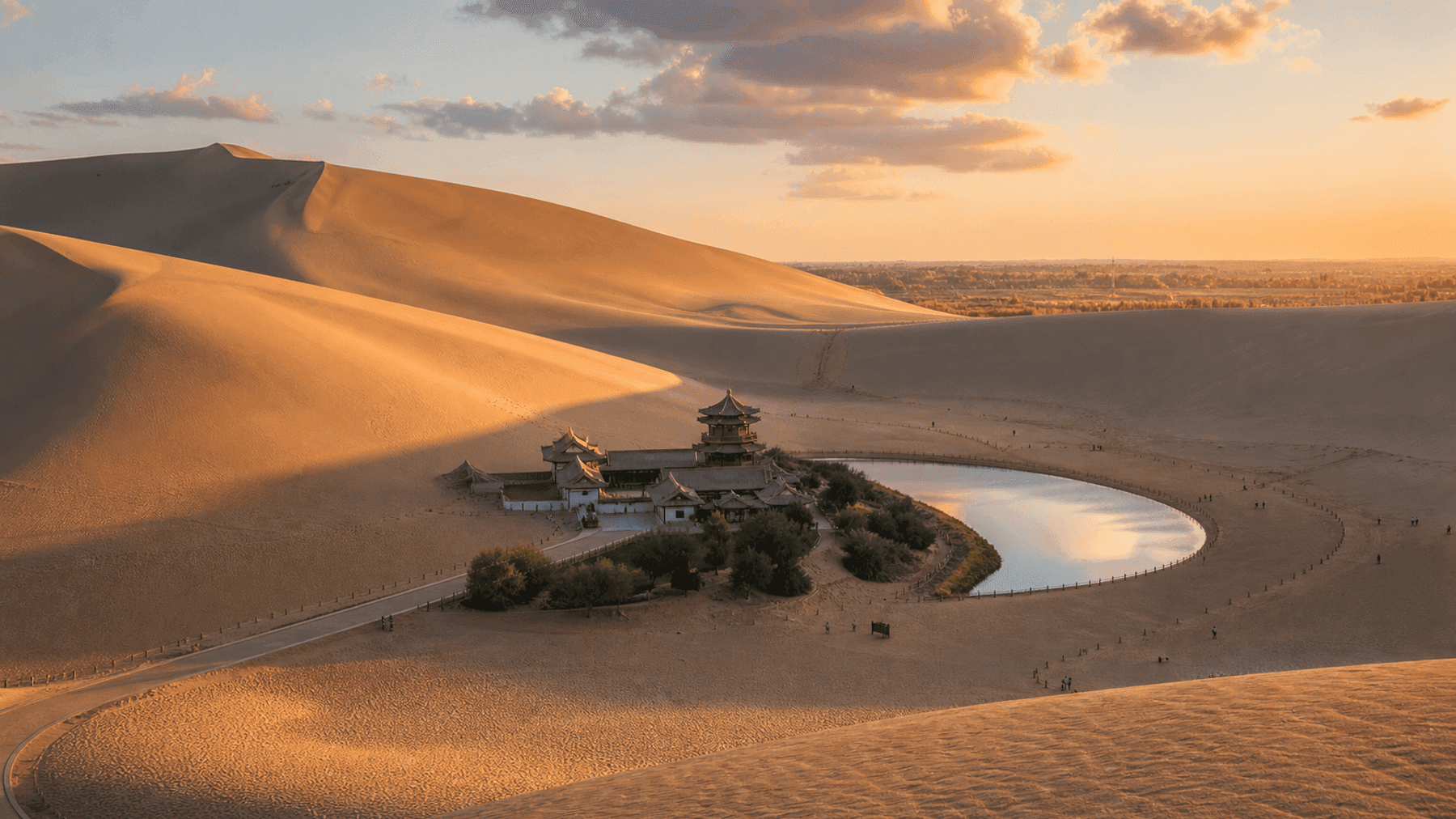
Do not squeeze Mogao into a rushed transfer day if culture is a priority. Build time for the visitor center, cave access, guide interpretation, and a slower conversation afterward. Many travelers also pair the caves with Mingsha Mountain or the Crescent Spring area to understand the desert geography around Dunhuang.
Who should book a private guide
A private guide is especially useful for travelers interested in art history, Buddhism, archaeology, or Silk Road trade. The guide cannot change official cave access rules, but they can prepare guests, explain what is visible, and connect the visit to the rest of the journey.

Traveler Discussions
Questions from travelers