
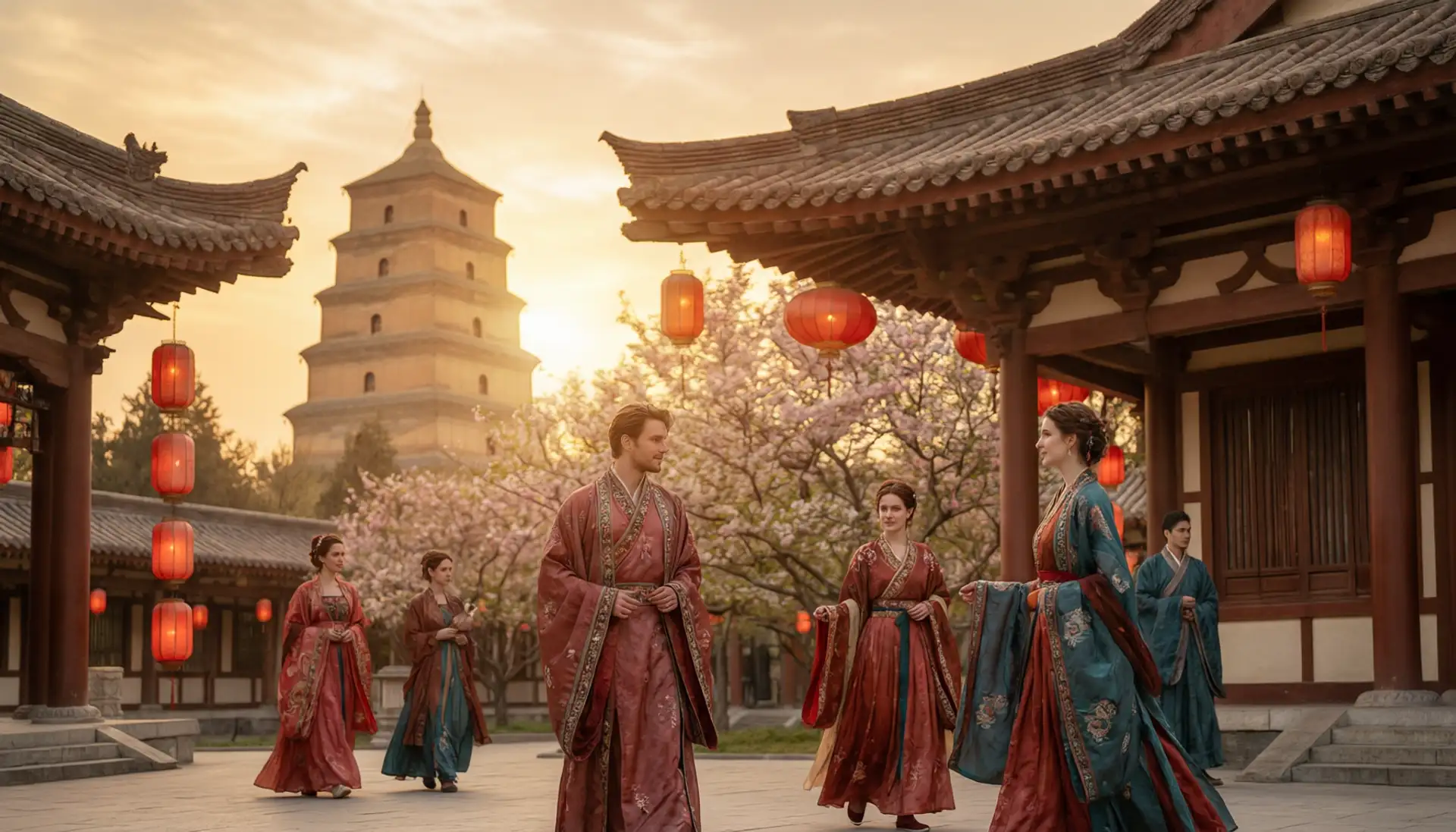
Quick Answer: How Can You Experience Tang Culture in Xi'an? Xi'an is the best place to experience Tang culture because it was Chang'an, the capital of the Tang Dynasty and one of the world's most influential cities. Visitors can explore Tang history through ancient landmarks, taste local foods shaped by Silk Road exchanges, enjoy Tang-style performances, experience traditional crafts and tea culture, and discover how the spirit of Chang'an continues in modern Xi'an.
This guide explores the many ways to experience Tang culture in Xi'an, from understanding the history of Chang'an and its global influence to discovering how Tang traditions continue in modern life. It covers the city's most important Tang heritage sites, local food culture, accommodation areas, transportation tips, cultural performances, shopping experiences, and suggested travel routes to help visitors plan a complete Tang culture journey in Xi'an.
Why Tang Culture in Xi'an Matters for Modern Travelers
Visitor Expectation | Traditional Travel Content | Deep Cultural Experience |
|---|---|---|
History | Learn basic historical facts and timelines | Understand how people lived and thought |
Attractions | Visit famous landmarks | Discover the stories and cultural meanings behind them |
Photos | Take pictures at scenic spots | Create meaningful memories and emotional connections |
Souvenirs | Buy traditional products | Bring home cultural stories and heritage |
Dimension | Tang Chang'an | Modern Global Cities |
|---|---|---|
Global Role | A Silk Road hub connecting East and West | Centers of global connection |
Cultural Exchange | A meeting place for diverse peoples, ideas, and traditions | Multicultural communities and innovation |
Lifestyle | Food, art, religion, and fashion shaped by global influences | Daily life shaped by international exchange |
1. Eat: Taste the Flavors of Tang Chang'an
During the Tang Dynasty, food was a reflection of Chang'an's openness and international character. As one of the world's largest cities and the eastern gateway of the Silk Road, Chang'an brought together flavors, ingredients, and cooking traditions from different civilizations.
The Tang dining table was not only about meals, but also a place where cultures met, exchanged, and blended.
How Did the Silk Road Shape Tang Cuisine?
Influence Source | Contribution to Tang Cuisine | Modern Xi'an Experience |
|---|---|---|
Central Asia | Meat cooking styles, dairy products, and Hu-style foods | Lamb dishes, baked foods, and Muslim cuisine |
Persia & Western Regions | Spices, seasonings, and new ingredients | Spice-based dishes and diverse flavors |
India & Buddhist Culture | Tea culture and vegetarian traditions | Tea experiences and Buddhist sites |
Local Shaanxi Traditions | Wheat-based cuisine and agricultural traditions | Noodles, dumplings, flatbreads, and local snacks |
What Did Different People Eat in Tang Chang'an?
Royal Family and Elites: Banquets were more than just occasions for dining; they were symbols of wealth, status, and cultural exchange. Grand feasts held at venues such as the Daming Palace and Linde Hall featured not only delicacies, fine wines, and seasonal fruits but also a variety of dishes influenced by Central Asian and Persian styles. A notable example is the famous "Shaowei Banquet," a lavish celebration held to mark an official's promotion.
Ordinary Residents: For ordinary people in Chang'an, daily meals were closely connected with local agriculture. Wheat-based foods such as noodles, steamed dishes, and flatbreads were common choices in markets and neighborhoods.
Scholars and Literati: Banquets were not only about eating but also about creativity and social connection. Around places such as Qujiang Pool and Xingyuan Garden, scholars gathered for wine, poetry, and conversation. The famous Qujiang Banquet after the imperial examination represented the dream moment of young scholars. Surrounded by spring scenery, they celebrated success, exchanged poems, and built friendships through food and wine.
What Did Tang Chang'an Taste Like?
Yangrou Paomo (Mutton Paomo): Reflects the multicultural food culture of Tang Chang'an, influenced by Silk Road exchanges and northern nomadic traditions. It is made with slow-cooked lamb broth, tender mutton, and handmade flatbread that diners tear into pieces before soaking in the soup. The dish has a rich, savory flavor with a warm aroma of lamb and spices.
Zenggao: Sweet glutinous-rice cake steamed with red dates and beans. Steamed-pot cooking methods date back to Tang Chang'an, still sold at street-side morning stalls in Sajinqiao and old city alleys.
Hulu Chicken: Originated from Tang official-banquet cuisine. Whole chicken undergoes three steps: boiling, steaming, deep-frying. Crispy golden skin, tender fall-off-the-bone meat. It is the most-famous Shaanxi classic passed down from Tang court dining.
Where to Eat Tang-Inspired Food in Xi'an?
Restaurant | Customer Rating | Address | Phone | Opening Hours (Mon to Sun) | Price |
|---|---|---|---|---|---|
Xingshenglou Beef and Lamb Paomo & Stir-fried Dishes (Bell Tower Store) | 4.4/5.0 | No. 19 Anju Alley, Beilin District, Xi'an, Shaanxi Province, China | +86-15829531105 | 10:00-02:30 next day | Approximately 18-32 RMB per person ($2.7-4.8) |
Ma Wenzhang Pangzi Zenggao | 4.6/5 | Next to Haifurong Guotie, Zhubaishi, Beilin District (Sajinqiao Muslim Quarter) | +86-13299073396 | 05:30-10:00 | Approximately 9-15 RMB per person ($1.4-2.3) |
2. Stay: Experience Ancient Chinese Lifestyle in Xi'an
Accommodation is not only a place to rest — it is an important gateway to experiencing Tang culture in Xi'an. To understand the lifestyle of ancient Chang'an, travelers can look beyond historical sites and experience the values that shaped Tang daily life.
What Made Tang Living Aesthetics So Elegant and Harmonious?
Tang people viewed a living space as more than a place to stay. It reflected their ideas of beauty, culture, and the relationship between people and nature.
Elegance and Space — Tang architecture valued openness, balance, and order. Spacious courtyards, symmetrical layouts, wooden structures, and connected indoor-outdoor spaces created a grand yet comfortable living atmosphere.
Harmony with Nature — Tang residences and gardens integrated plants, water features, and open spaces into daily life, creating peaceful environments where people could enjoy a closer connection with nature.
Cultural Refinement — Living in the Tang era was closely connected with art and culture. Tea, poetry, and artistic activities were part of daily life, reflecting the Tang pursuit of elegance and intellectual enjoyment.
What Tang-Inspired Accommodation Experiences Can You Choose?
Stay Option | How It Connects to Tang Culture | Ideal Experience |
|---|---|---|
Modern Luxury Hotel | Combines modern comfort with access to Tang heritage sites | Convenient cultural exploration |
Traditional Courtyard Hotel | Reflects Tang values of balance, nature, and elegant living | Authentic lifestyle experience |
Tang-style Boutique Hotel | Recreates Chang'an aesthetics through design and atmosphere | Immersive cultural stay |
Cultural Resort | Extends the journey through gardens, tea, and traditional activities | Relaxed cultural immersion |
Where to Stay in Xi'an for a Tang Culture Experience?
Qujiang Area: Located around the Giant Wild Goose Pagoda and Tang Paradise, Qujiang is the best area for travelers who want to stay surrounded by Tang cultural atmosphere. The area combines gardens, cultural landmarks, evening performances, and Tang-inspired architecture.
South Gate & Beilin Area: The South Gate and Beilin area preserves the traditional character of old Xi'an, with ancient city walls, historic streets, museums, and local neighborhoods nearby. Staying here allows travelers to experience the relationship between ancient city planning and modern life.
Daming Palace Area: Was the political center of Tang Chang'an and one of the most important imperial complexes of the dynasty. Staying nearby helps travelers understand the scale, organization, and grandeur of the ancient capital.
Recommended Tang Culture Accommodation Experiences in Xi'an
Accommodation | Tang Culture Features | Best For |
|---|---|---|
HUALUXE Xi'an Tanghua | Modern interpretation of Tang garden living with courtyards, water features, corridors, and traditional Chinese design | Travelers seeking a premium Tang cultural stay near major Tang attractions |
Tang Dynasty Art Garden Hotel | Garden-style accommodation inspired by Tang architecture and traditional courtyard spaces | Travelers who want a peaceful Tang-style retreat after sightseeing |
Tang Paradise Hotel | Located within the Tang Paradise cultural area, surrounded by Tang-style landscapes and attractions | First-time visitors looking for a complete Tang Dynasty experience |
3. Travel: Walk Through the Ancient Routes of Chang'an
How Did People Move Through the Tang Capital?
Mode of Transportation | Who Used It | Where It Connected | Cultural Significance |
|---|---|---|---|
Walking | Ordinary residents, scholars, visitors | Residential wards, markets, temples, and government areas inside Chang'an | The most common way to experience the city's planned grid layout and daily life |
Horse Riding | Officials, soldiers, merchants, nobles | Chang'an and regions across the empire | Reflected social status and supported military, administrative, and long-distance travel |
Carriages | Royal family, officials, wealthy residents | Palaces, government areas, and major city routes | Represented social hierarchy and the ceremonial culture of the Tang capital |
Post Road System | Government officials and messengers | Chang'an connected with Luoyang, frontier regions, and other major cities | Supported administration, communication, and economic management across the empire |
Camel and Horse Caravans | Foreign merchants, Silk Road travelers | Chang'an connected with Central Asia, Persia, India, and beyond | Brought silk, spices, religions, and ideas, making Chang'an an international city |
How Did Roads Connect Chang'an with the World?
Located at the eastern end of the Silk Road, Chang'an connected China with Central Asia, Persia, and India. Merchants, diplomats, monks, and craftsmen brought goods, religions, and ideas to the capital, shaping its diverse Tang culture.
Moving Through a Planned Capital: Tang Chang'an was designed with wide avenues, a grid layout, palace areas, residential wards, and markets. This organized structure allowed people, goods, and information to move efficiently across the city.
Roads Connecting Economy and Daily Life: Transportation supported Chang'an's economic prosperity. The East and West Markets attracted merchants from across regions, making the city a global center for trade, cultural exchange, and innovation.
What Can You Discover Along the Ancient Routes of Chang'an?
In a Tang culture journey, the way you move through Xi'an can become a way to read the history of Chang'an.
Tang Chang'an was designed as a highly ordered grid city, with the palace areas in the north, residential wards across the central area, and major avenues connecting the city from north to south. Parts of this ancient road network can still be traced in modern Xi'an, making it possible to follow the old city through today's streets.
Route 1: Daming Palace → Bell Tower → South Gate
Start at Daming Palace, the northern political center of Tang Chang'an, and travel south along the city's central axis toward the Bell Tower and South Gate. This route follows the original urban structure of Chang'an, showing how the imperial area connected with residential districts and commercial spaces through the city's planned grid system.
Route 2: South Gate → Giant Wild Goose Pagoda
Continue south from South Gate to the Giant Wild Goose Pagoda, following the cultural route from the city center to one of Tang Chang'an's most important Buddhist sites. The route reflects Chang'an's role as a center of religion, learning, and Silk Road exchange.
Route 3: Explore Chang'an Through Modern Streets
Walk or cycle through central Xi'an to experience how modern streets preserve the structure of ancient Chang'an. The city's grid layout still offers a glimpse of the Tang capital's urban planning and spatial order.
Good to Know: Metro
Alipay Metro QR Code
Complete passport verification and bind Visa/Mastercard/JCB cards.
Search "Xi'an Electronic Metro Card" and use the QR code to enter and exit stations.
No Chinese phone number is required.
Single Journey Ticket
English ticket machines are available.
Payment usually requires RMB cash or mobile payment.
Foreign bank cards are not accepted at most machines.
Available at major stations such as Bell Tower, Yongningmen, Giant Wild Goose Pagoda, and more.
Tips: Metro gates do not accept direct Visa/Mastercard tap payment. Foreign cards are mainly accepted at customer service counters in major stations.
Xi'an Rail Transit Official Website — the official platform for checking metro maps, schedules, fares, and service updates.
4. Explore: Discover the Arts and Aesthetics of Tang Dynasty Xi'an
How Did Architecture Express the Beauty of Tang Chang'an?
Tang architecture was not only built to demonstrate power but also to express harmony and beauty. Large wooden structures, balanced layouts, spacious courtyards, and connections with nature reflected the Tang pursuit of an elegant and confident lifestyle.
Architecture Type | Tang Cultural Meaning | What You Can Experience |
|---|---|---|
Palace Architecture | Represented the power and confidence of Tang Chang'an through grand scale and imperial planning | Explore Daming Palace and experience the vision of the Tang imperial capital |
Temple Architecture | Reflected religious openness and cultural exchange through Buddhism and Silk Road connections | Visit Giant Wild Goose Pagoda to discover Tang Buddhism and international exchange |
Garden & Cultural Spaces | Showed the Tang pursuit of harmony between architecture, art, and nature | Experience Tang-style gardens, landscapes, and cultural spaces in Xi'an |
How Did Tang Artists Express Their Ideas of Beauty?
Tang Murals: Vivid colors and lively scenes showing court life and social activities.
Tang Sancai (Tri-colored Pottery): Colorful ceramics reflecting Silk Road influences.
Tang Fashion: Elegant clothing and hairstyles showing cultural confidence and diversity.
What Made Cultural Life in Tang Chang'an So Vibrant?
Tang Music & Dance: Music and dance were important parts of Tang cultural life. Music and dance became symbols of Tang openness, combining different artistic traditions into a unique Chang'an style.
Tang Poetry Culture: Chang'an was the center of Tang poetry and attracted poets, scholars, and intellectuals from across the empire. Poetry became a way to record the city's landscapes, social life, ambitions, and emotions, leaving behind the cultural memory of ancient Chang'an.
Tang Fashion & Lifestyle: Tang fashion reflected confidence, diversity, and openness. Clothing styles, hairstyles, and artistic trends were influenced by cultural exchanges along the Silk Road, showing the cosmopolitan lifestyle of Chang'an.
Tang Festivals & Night Culture: Festivals, lantern celebrations, markets, and public performances created a vibrant urban atmosphere in Chang'an. These activities showed that Tang culture was not only found in palaces and temples, but also in the everyday life of its people.
Why Was Chang'an a Center of Buddhist Exchange?
Chang'an was one of the most important Buddhist centers in Asia. Monks, scholars, and travelers arrived from India, Central Asia, and other regions, making the city a bridge between civilizations.
Xuanzang: A Bridge Between East and West
Xuanzang traveled to India and brought back Buddhist scriptures, knowledge, and artistic influences. His translation work at Da Ci'en Temple helped Chang'an become a major center of Buddhist learning.
Experience Tang Buddhist Heritage Today:
Big Wild Goose Pagoda: Discover the story of Xuanzang and Tang Buddhism.
Da Ci'en Temple: Understand the religious and cultural role of Buddhism in Tang Chang'an.
Qinglong Temple: Learn about Buddhist exchanges between China and Japan.
How Can You Experience Tang Culture in Modern Xi'an?
Tang-Style Night Performances: Modern Xi'an recreates the atmosphere of Tang Chang'an through cultural performances. At Grand Tang Mall and Tang Paradise, visitors can experience Tang-inspired music, dance, costumes, gardens, and night shows that bring ancient entertainment culture to life.
Shaanxi Intangible Cultural Heritage Experience: Experience local traditions that continue Shaanxi's cultural heritage. Shadow puppetry, paper cutting, and folk crafts showcase regional storytelling, craftsmanship, and artistic creativity.
Tang Lifestyle Activities: Join immersive activities such as Tang-style costume experiences, calligraphy, tea culture, and traditional workshops to experience the elegance, creativity, and lifestyle values of ancient Chang'an.
How Can Tang Poetry Reveal the Spirit of Chang'an?
Tang poetry was the cultural soul of Chang'an. During the Tang Dynasty, the capital attracted thousands of scholars and poets, making it the center of literary creation. According to historical records, more than 49,000 Tang poems by over 2,200 poets have been preserved, showing the extraordinary literary achievement of this era.
Many famous poets left their footprints in Chang'an, using poetry to record the city's prosperity, landscapes, ambitions, and emotions. By following their stories, travelers can experience the cultural atmosphere of ancient Xi'an.
Poet | Connection with Chang'an | Poetic Spirit |
|---|---|---|
Li Bai (701-762) | Visited Chang'an twice during the Tang court's golden age and created works inspired by the capital's artistic atmosphere. | Represents the romantic imagination and confidence of the prosperous Tang era. |
Du Fu (712-770) | Lived in Chang'an during both the city's prosperity and later turmoil, leaving many poems reflecting social realities. | Shows the human side of Chang'an through historical reflection and compassion. |
Wang Wei (701-761) | Active in Chang'an's cultural circles, combining poetry, painting, and Buddhist ideas. | Represents the elegant and peaceful aesthetics of Tang culture. |
Bai Juyi (772-846) | Experienced the intellectual and political environment of Tang Chang'an. | Reflects concern for society and everyday life through accessible poetry. |
5. Shop: Take Home Meaningful Tang Culture Souvenirs from Xi'an
Why Shop Tang Culture in Xi'an?
Shopping in Xi'an is more than buying souvenirs — it is a way to preserve the stories, aesthetics, and craftsmanship of Chang'an. Tang cultural products allow travelers to connect with history through art, design, and traditional skills.
Shopping as Cultural Preservation: Many Tang-inspired souvenirs are not simple products but modern interpretations of historical art. They preserve ancient skills and keep the stories of Chang'an alive.
Shopping as an Extension of Tang Aesthetics: Tang aesthetics continue through patterns, colors, calligraphy, and designs, bringing the artistic spirit of Chang'an into modern life.
Shopping as a Personal Cultural Experience: Handmade activities such as stone rubbing, seal carving, and craft making allow travelers to participate in cultural creation.
Shopping as a Connection Between Past and Present: Modern cultural creations combine Tang heritage with contemporary design, connecting the history of Chang'an with today's Xi'an.
What Can You Take Home from Chang'an?
Category | Cultural Meaning | Experience |
|---|---|---|
Calligraphy & Ancient Arts | Reflect Chang'an's scholarly culture and traditional craftsmanship | Experience stone rubbing, calligraphy, and seal carving |
Museum Cultural Creations | Transform Tang murals, Tang Sancai, and ancient patterns into modern designs | Discover Tang-inspired postcards, bookmarks, cultural products, and art pieces |
Handmade Cultural Experiences | Connect travelers with traditional skills through personal creation | Make personalized bookmarks, folding fans, seals, and Tang-inspired gifts |
Where to Find Meaningful Tang Souvenirs in Xi'an?
Beilin Museum and museum cultural shops offer Tang-inspired souvenirs such as stone rubbing artworks, calligraphy products, Tang Sancai designs, postcards, and bookmarks. These items preserve the artistic traditions and historical memories of Chang'an through modern cultural creations.
At Shuyuanmen Cultural Street, travelers can experience traditional craftsmanship by creating personalized bookmarks, folding fans, picture frames, and seals. These handmade works transform local skills into unique souvenirs with personal meaning.
Xi'an's local foods make meaningful souvenirs because they reflect regional traditions and everyday tastes. Popular choices include Lao Gu Jia Youpo Chili Sauce, Tuotuomo, Cured Beef, Fuping Persimmon Cake, and Zhaoji Mung Bean Pastry, combining authentic Shaanxi flavors with local stories.
Traditional beverages reflect the social and cultural life of Shaanxi. Jingyang Fucha carries the legacy of tea trade along the Silk Road, while Osmanthus Thick Wine represents the local drinking culture and the elegant lifestyle associated with ancient Chang'an.
Good to Know
Check the production date, shelf life, and storage requirements before buying local food souvenirs. Fresh items such as pastries and cured beef are best purchased before departure, while dried snacks, chili sauce, and tea products are easier to store and carry; always follow the packaging instructions for the best quality.
Small craft shops, local workshops, and traditional stores may not always follow fixed schedules. It is recommended to check availability 1-3 days before visiting.
6. Enjoy: Experience the Vibrant Cultural Life of Tang Chang'an
Although the capital followed the fangshi (ward-and-market) system, festivals, markets, music, and performances created a vibrant night culture that reflected the confidence and diversity of the Tang Dynasty.
Was Tang Chang'an Really a City That Never Slept?
Aspect of Tang Night Culture | Historical Background | Cultural Meaning |
|---|---|---|
Markets & Urban Life | East and West Markets connected Silk Road trade, bringing merchants and goods from different regions. | Showed Chang'an as a global city and cultural crossroads. |
Lantern Festivals & Public Celebrations | Lantern displays, festivals, and public gatherings created lively nights in the capital. | Reflected Tang prosperity, confidence, and the joy of urban life. |
Music & Dance | Performances absorbed influences from Central Asia and other Silk Road regions. | Represented Tang openness, diversity, and cultural exchange. |
Poetry & Social Gatherings | Scholars gathered for poetry, banquets, and cultural events. | Connected everyday life with art, literature, and intellectual exchange. |
How Is Modern Xi'an Bringing Tang Culture Back to Life?
Traditional tourism often focuses on visiting historical sites, but Xi'an's Tang cultural entertainment creates a different experience — allowing travelers to participate in the music, poetry, festivals, and social life that once shaped Tang Chang'an. The goal is not only to see Tang culture, but to enter the atmosphere of the most vibrant city of the ancient world.
Traditional View | Tang Culture Experience in Xi'an |
|---|---|
Watching historical performances | Become part of Tang stories through immersive shows, costumes, and interactive experiences. |
Visiting ancient buildings | Experience the lifestyle, aesthetics, and social atmosphere behind Chang'an's architecture. |
Seeing cultural relics in museums | Connect with Tang music, poetry, crafts, and daily life through hands-on activities. |
Night sightseeing | Rediscover the "Sleepless Chang'an" atmosphere through lights, performances, markets, and cultural streets. |
How Can You Experience the Spirit of Tang Chang'an in Modern Xi'an?
Tang Chang'an was famous for its openness, prosperity, and vibrant night culture. Today, Xi'an recreates this spirit through performances, immersive experiences, and Tang-style night streets, allowing travelers to experience the music, stories, and aesthetics of the Tang era after sunset.
Tang Performances: Tang cultural performances recreate the atmosphere of Chang'an through poetry, music, dance, and landscapes. Song of Everlasting Sorrow presents the romance of Emperor Xuanzong and Yang Guifei, while Dream of Chang'an and Dream of Tang recreate Tang rituals, imperial gardens, and the elegance of the ancient capital.
What Are the Iconic Tang Music and Dance Forms?
Tang music and dance reflected the international character of Chang'an. Through the Silk Road, artistic elements from Central Asia, Persia, and other regions entered the Tang capital and blended with Chinese traditions.
Art Form | Origin | Modern Experience |
|---|---|---|
Nishang Yuyi Dance | Tang court dance showing elegance and imperial aesthetics | Tang-style dance performances |
Huxuan Dance | Central Asian dance showing Silk Road exchange | Seen in immersive Tang shows |
Tang Music | Fusion of Chinese and foreign musical traditions | Tang music performances |
Immersive Tang Life: Immersive experiences allow visitors to enter Tang daily life. The Longest Day in Chang'an recreates Tang markets, food, costumes, and social scenes, while Hanfu experiences let travelers explore Tang fashion and aesthetics through traditional clothing and photography.
Sleepless Chang'an: Tang night streets create the atmosphere of the "Sleepless Chang'an." Grand Tang Mall recreates lively Tang streets with lights, music, dance, and performances. The Qujiang and Giant Wild Goose Pagoda area offers a more poetic night walk, combining gardens, Buddhist culture, and historical landscapes.
What Hidden Tang Culture Experiences Should You Not Miss?
Hidden Experience | Why It Matters |
|---|---|
Tea & Cultural Life | Experience the intellectual, social, and aesthetic traditions of Tang life. |
Calligraphy & Stele Arts | Discover the scholarly spirit and artistic heritage of Chang'an. |
Traditional Crafts | See how ancient skills and local creativity continue today. |
Local Neighborhood Life | Experience everyday Xi'an beyond major tourist attractions. |
Intangible Heritage Workshops | Turn cultural heritage from something you see into something you create. |
Poetry & Cultural Landscapes | Connect Tang poetry with the places, stories, and emotions of Chang'an. |
Food Heritage | Explore how local flavors preserve the history and cultural exchange of Chang'an. |
What Kind of Tang Culture Journey Fits You Best?
A customized Tang culture journey is not only about seeing famous landmarks, but about choosing the stories and experiences that connect travelers with Chang'an.
First-time visitors can focus on classic Tang attractions, representative heritage sites, and Tang night experiences to understand the overall spirit of Chang'an.
History enthusiasts can explore museums, ancient city planning, historical sites, and the development of Tang Chang'an to gain a deeper understanding of the ancient capital.
Culture explorers can experience Tang poetry, calligraphy, tea culture, traditional crafts, and artistic activities to discover the aesthetics of Tang life.
Food lovers can follow the history of Tang cuisine through local dishes, Silk Road influences, traditional snacks, and regional flavors.
Luxury travelers can enjoy private cultural experiences, customized routes, premium accommodation, and personalized services.
Families can choose interactive experiences such as Hanfu, cultural workshops, traditional crafts, and immersive performances.
Senior travelers can follow a slower cultural route combining museums, gardens, tea culture, and historical sites with comfortable pacing.
Photography travelers can explore Tang architecture, costumes, gardens, cultural streets, and night scenes to capture the visual beauty of Chang'an.
Repeat visitors can discover hidden cultural experiences, local neighborhoods, traditional lifestyles, and lesser-known heritage beyond the main attractions.
Whether exploring history, tasting food, appreciating art, or experiencing daily life, each visitor can create a unique Tang culture memory in Xi'an.



Traveler Discussions
Questions from travelers