
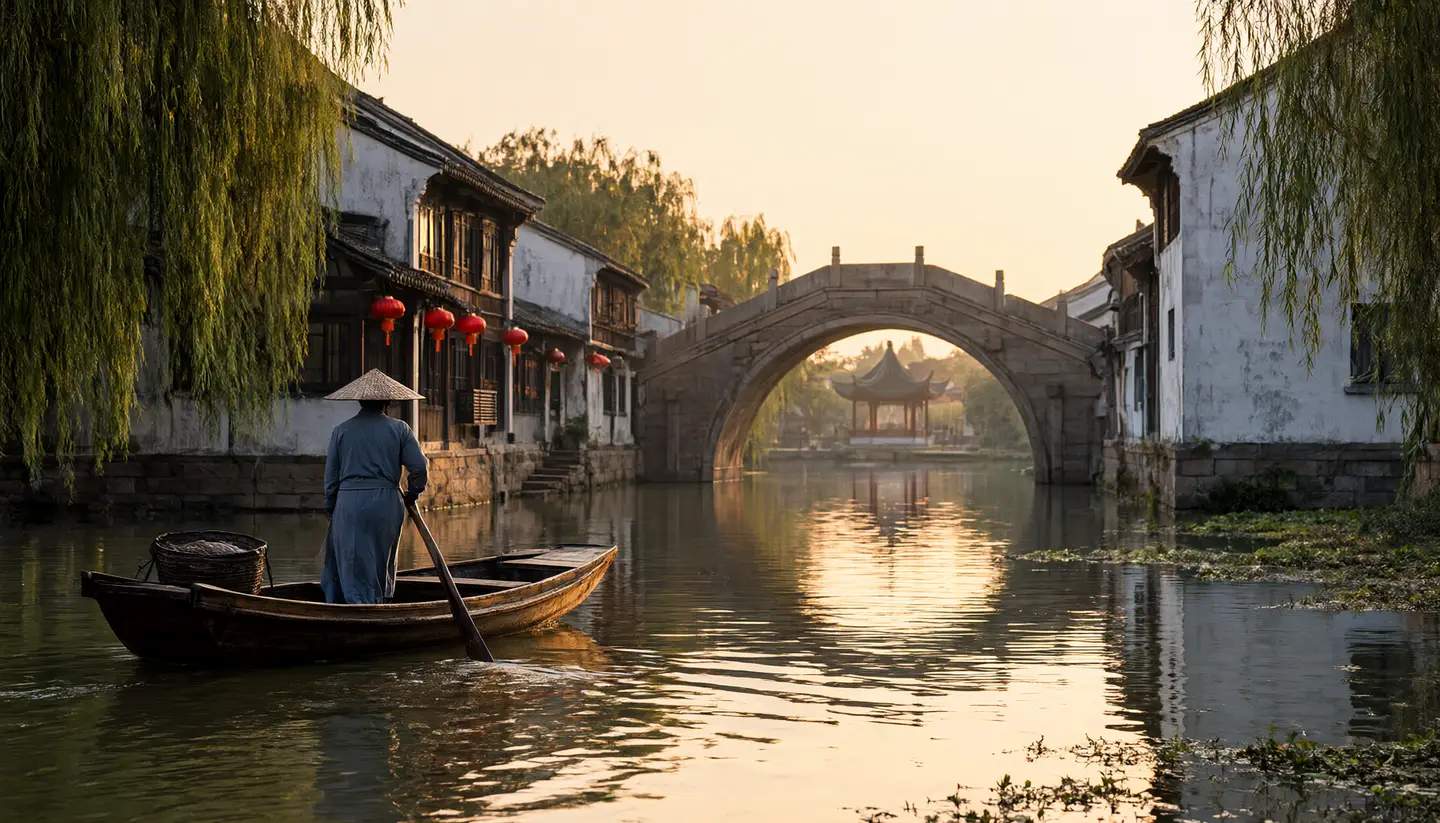
Planning a trip to Suzhou from Shanghai is easier than most international visitors expect. Suzhou sits roughly 100 km west of Shanghai — a city-to-city estimate rather than an exact measurement — and direct high-speed trains cover the distance in well under an hour. If you are still shaping the Shanghai side of the trip, our Shanghai travel guide covers the starting point. Yet the city feels like a different country: classical gardens instead of glass towers, canals instead of expressways, teahouses instead of rooftop bars. Suzhou from Shanghai is, quite simply, one of the easiest and most rewarding side trips in China. For what to do once you arrive, our full Suzhou travel guide covers the gardens, canals and water towns in depth.
That contrast is why so many travelers add Suzhou to a Shanghai itinerary. The real question is not whether to go, but how much time to give it — and how much of the day you want to spend arranging things yourself. This guide covers how to plan a Suzhou trip from Shanghai, what you can realistically see in one day or two, how door-to-door private transfers work, and the practical details international visitors tend to trip over.
Both a day trip and an overnight stay work well. What shapes the experience far more than the timetable is whether you travel independently or with a local guide and a private car — a difference you notice most inside a garden, where much of what you are looking at is invisible until someone explains it.
The short answer. One day is enough for a classical garden, Suzhou's old streets and a canal-side neighborhood. Two days let you slow down, add a museum and a cultural evening, and visit a water town such as Tongli. High-speed trains make the journey manageable on your own; a private car and guide remove the transfers entirely.
Is Suzhou Worth Visiting from Shanghai?
Yes — and not only for the gardens. Suzhou offers a genuinely different experience from Shanghai, which makes it one of the most rewarding additions to a China itinerary.
Discover a Different Side of China Beyond Shanghai
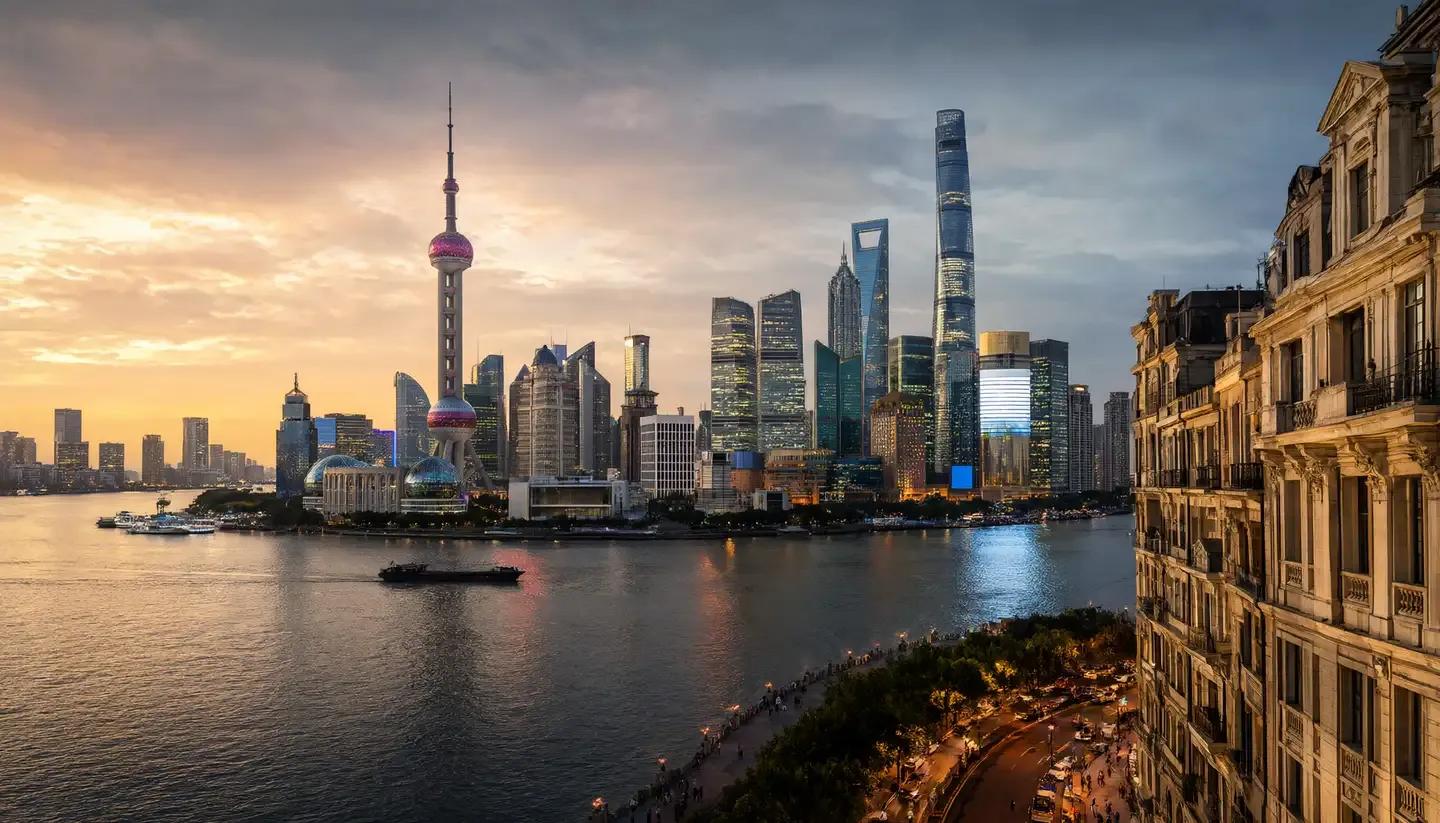
Shanghai is known for its modern skyline, shopping districts and fast-paced city life. Suzhou is celebrated for its classical gardens, ancient canals, stone bridges and traditional Jiangnan architecture. Where Shanghai looks forward, Suzhou looks inward: a city that spent centuries refining the art of living quietly.
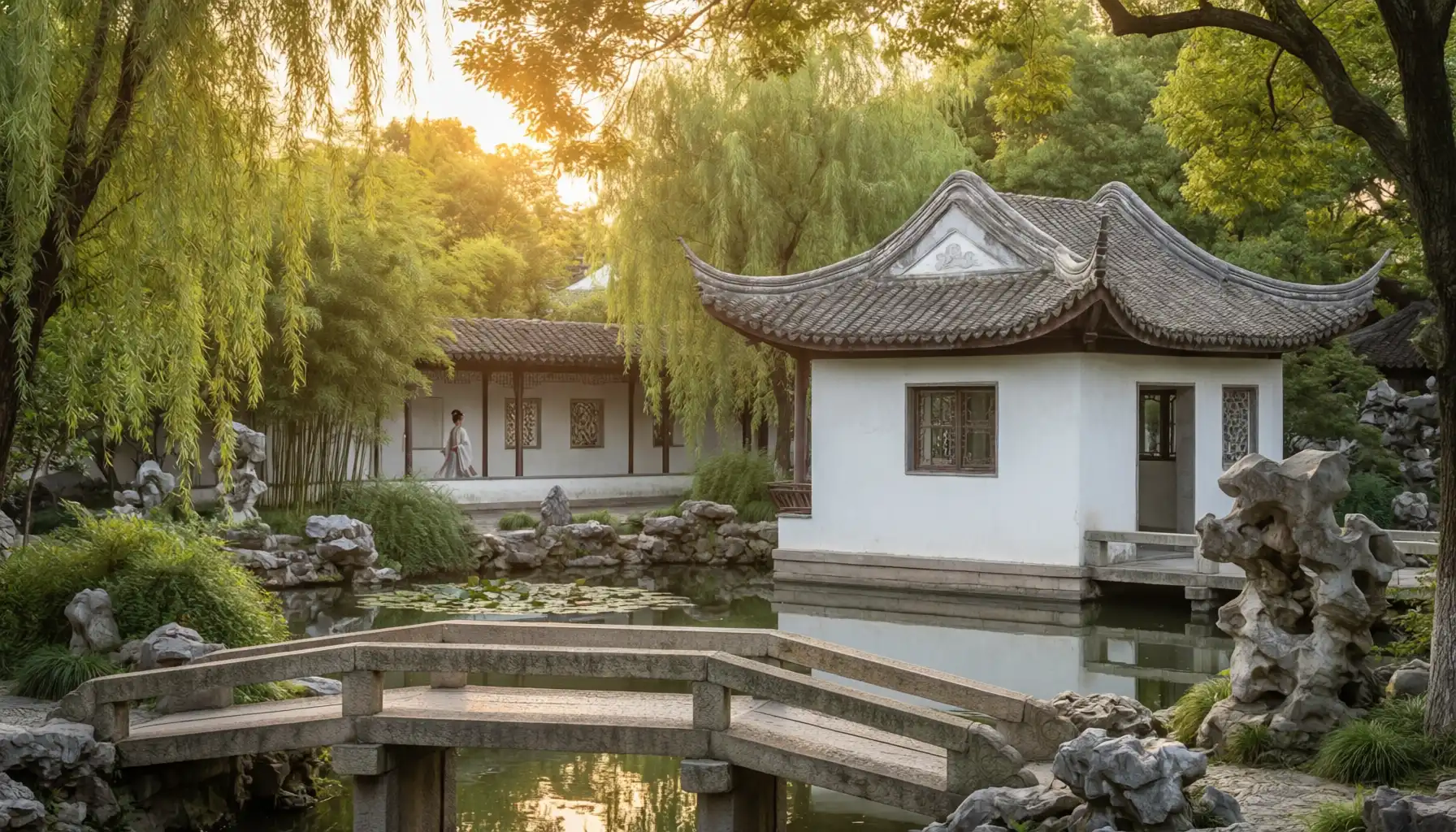
The city's classical gardens are the clearest expression of that. The Classical Gardens of Suzhou were inscribed on the UNESCO World Heritage List in 1997, and the listing covers nine individual gardens rather than one. Together they demonstrate traditional Chinese landscape design — water, rock, plants, pavilions and carefully framed views arranged so that a small space unfolds like a longer story.
What Makes Suzhou Special?
Classical gardens. The Humble Administrator's Garden and the Lingering Garden are the two most rewarding introductions, one expansive and one intricately detailed. Both belong to the nine-garden UNESCO property; if you want help choosing between them, see our guide to which Suzhou garden to visit.
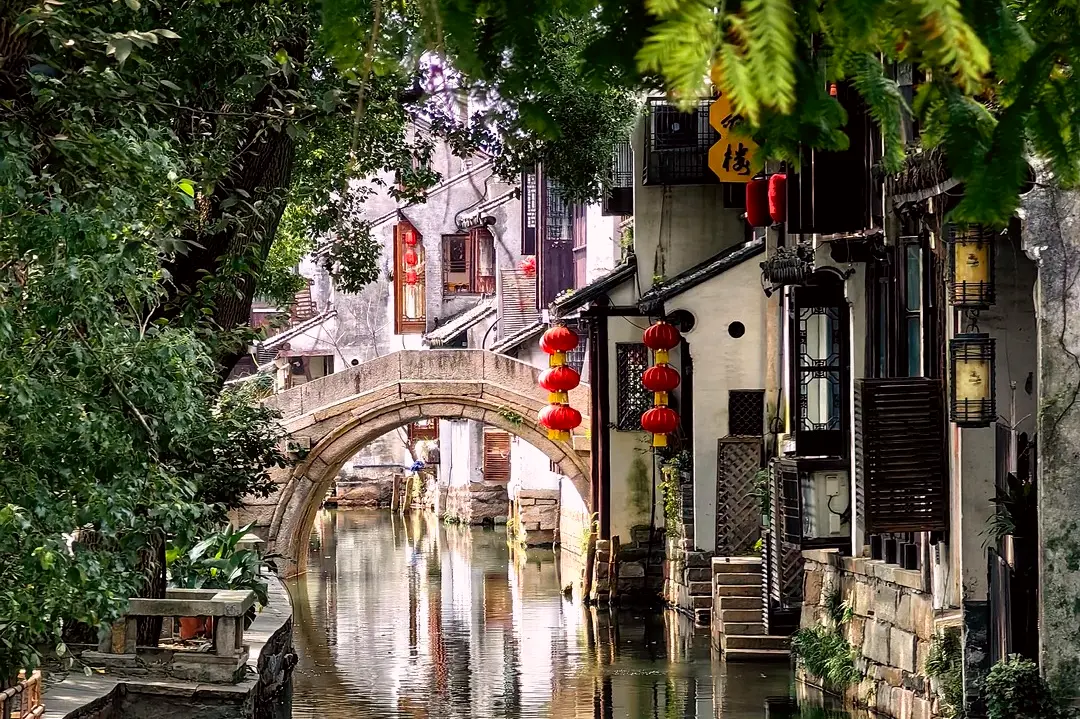
Ancient water towns. Tongli and Zhouzhuang sit outside the city proper, with canals, stone bridges and historic residences that show how Jiangnan towns grew up around water.
Historic streets. Pingjiang Road and Shantang Street preserve the rhythm of old Suzhou — whitewashed houses, narrow lanes, teahouses and boats.
Traditional culture. Suzhou embroidery, pingtan storytelling and the city's understated cuisine give the place a texture that sightseeing alone rarely captures.
Is Suzhou Suitable for a Day Trip from Shanghai?
Yes, and comfortably so. A day trip suits first-time visitors with limited time, travelers who want the essential Suzhou experience without changing hotels, and anyone who prefers to keep Shanghai as a base.
Two days suit travelers who want to see several gardens without rushing, add a water town, or experience local culture in the evening rather than squeezing it into an afternoon. If Suzhou is the only excursion you make from Shanghai, the second day is usually the one people remember.
How to Visit Suzhou from Shanghai: Two Approaches
Most guides treat this as a timetable question. It is really a question about the kind of day you want. There are two broad approaches, and both work well — for different travelers.
A Private Guided Arrangement from Shanghai
A private arrangement removes the parts of the journey that consume time without adding much: station transfers, ticket machines, taxi queues, and the slow work of deciding what to see next. It is not only about comfort. On a single day, the transfers are the difference between seeing two gardens and seeing three.
What a private arrangement typically provides:
Pickup at your Shanghai hotel, so the day begins at your door rather than at a railway station.
A private vehicle between Suzhou's sights, with no waiting between stops.
A professional local guide who can explain garden design, history and the stories behind what you are looking at.
An itinerary adjusted to your interests, your arrival point and your return time.
One point of contact for transport, attractions and timing.
If you would rather experience the train, that can be arranged as well — with hotel-to-station transfers, ticket booking and a guide meeting you on arrival. The point is not to avoid the train; it is to avoid the logistics around it.
Traveling Independently by High-Speed Train
The train is genuinely convenient and many travelers enjoy the independence. Direct services are frequent, the ride is short, and Suzhou Station sits close to the historic center. What independent travel asks of you: reaching a Shanghai station, buying and validating tickets, arranging local transport on arrival, sequencing attractions so you are not backtracking, and keeping an eye on the return departure. None of it is difficult — but it adds up.
Train or Private Car: A Quick Decision Table
Comparison | Independent train travel | Private guided arrangement |
Transportation | Self-arranged | Private vehicle |
Hotel pickup | Not included | Arranged to your address |
Local guide | Not included | Licensed local guide |
Itinerary | Self-planned | Customized |
Cultural insights | Self-exploration | Guided interpretation |
Convenience | More coordination | Fewer transfers |
Indicative cost | Lowest per person | Quoted per person — depends on group size, vehicle, hours and guide language |
Suzhou Day Trip Itinerary: One Day in Suzhou from Shanghai
A good one-day Suzhou itinerary is not a checklist of gardens. It is a rhythm — morning on the water, a garden in the afternoon, a walk home along a canal lit by lanterns. One day in Suzhou from Shanghai is more generous than most visitors expect, provided you accept one thing: you cannot see everything, and trying to is the fastest way to enjoy nothing. The route below runs in that order, and it is the shape our Grand Canal-focused day tour follows.
Morning — Start with the Water, Not the Garden
Grand Canal market and a Grand Canal boat ride. Most day trips begin with a garden at opening, which is the right call for the Humble Administrator's Garden. This route is for travelers who want Suzhou's working canal rather than its postcard gardens. Your guide and car meet you at your Shanghai hotel, or at Suzhou Station or Suzhou North if you are arriving by train, and drive straight into the canal district so the day opens without taxi-hunting or ticket queues.
The market sits beside the water the city was built around: handicrafts, Jiangnan snacks and stalls that still serve local shoppers. Browse it while your guide explains how Suzhou grew up on shipping lanes — why the canal mattered, what still moves on it, and how a trading economy shaped the food, the lanes and even the gardens.
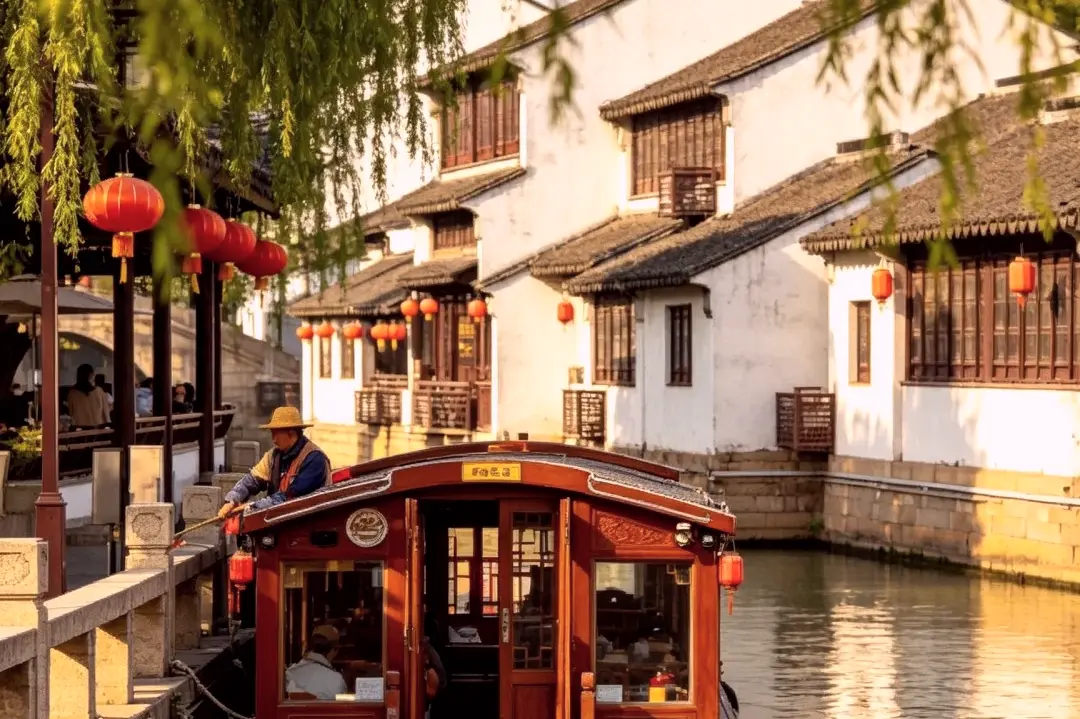
Then take the sightseeing boat along the Grand Canal. You pass stone embankments, old riverside buildings, moored barges and housefronts, and the guide points out what still lives on the water rather than only what is lit up for visitors.
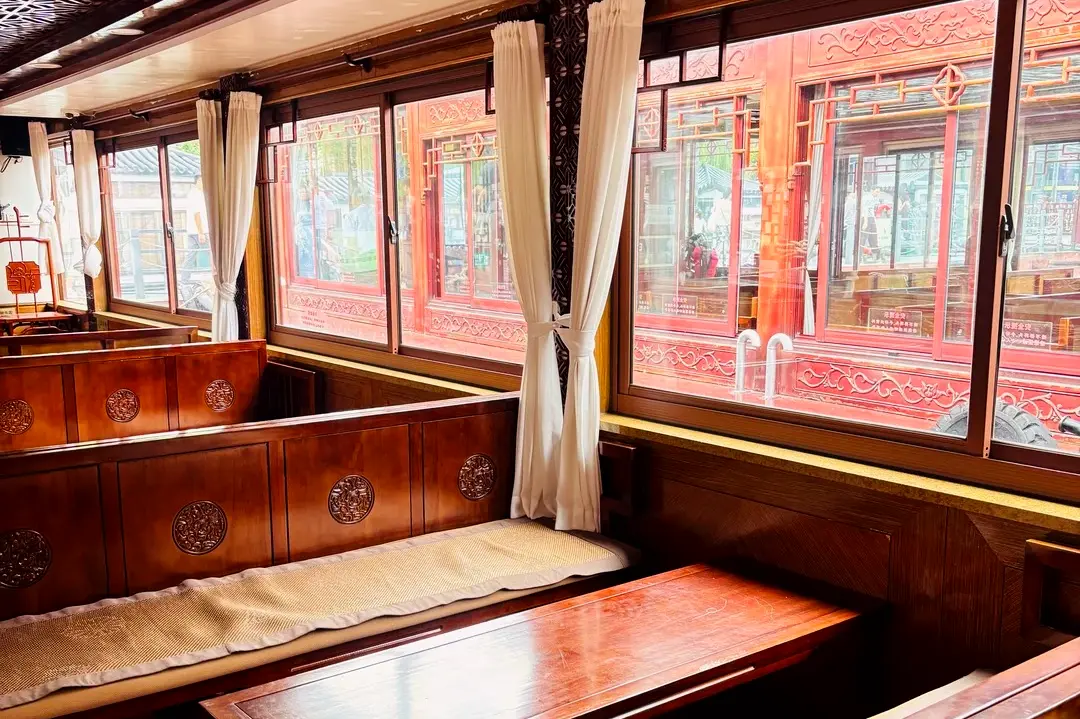
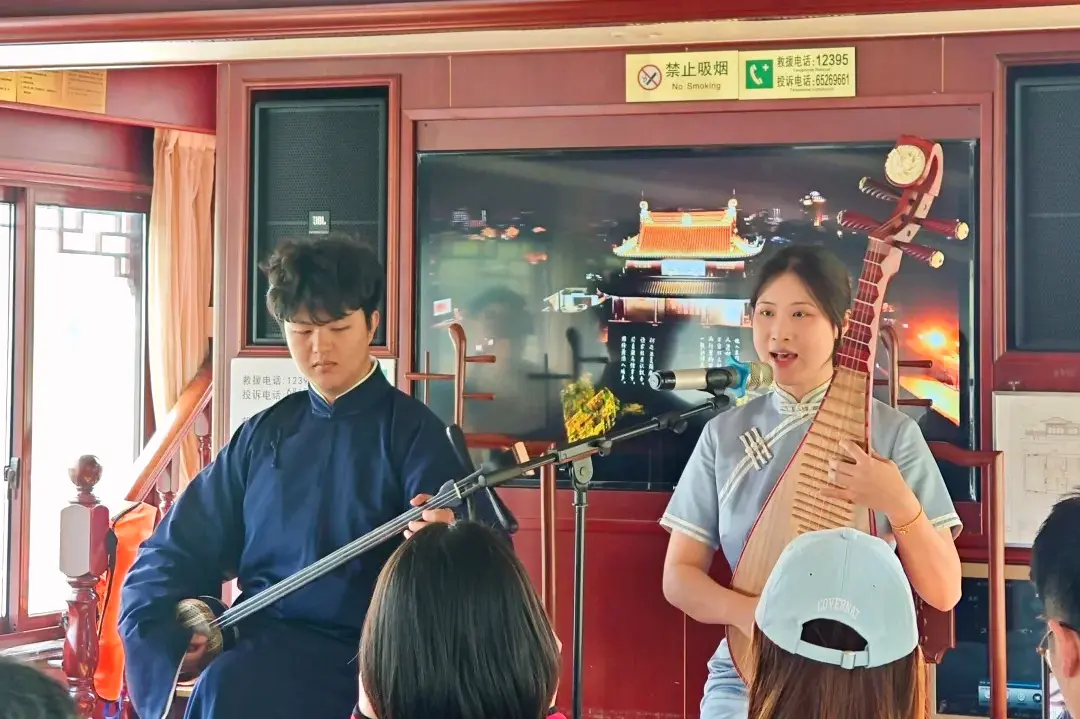
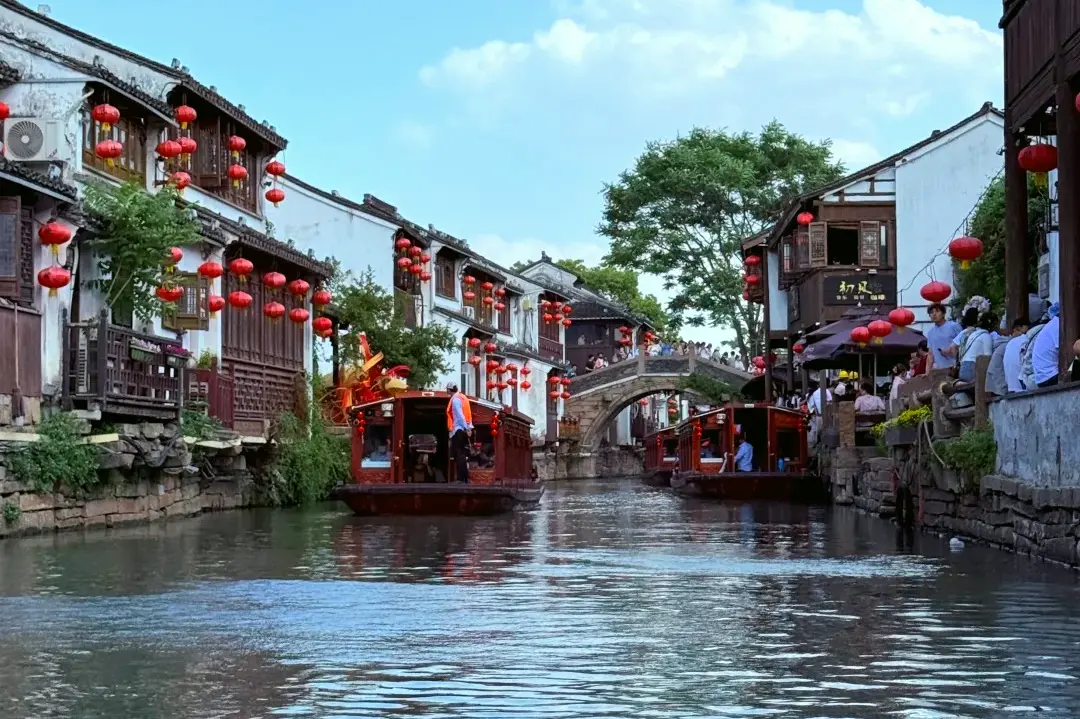
Midday — Panmen Gate and Lunch by the Canal
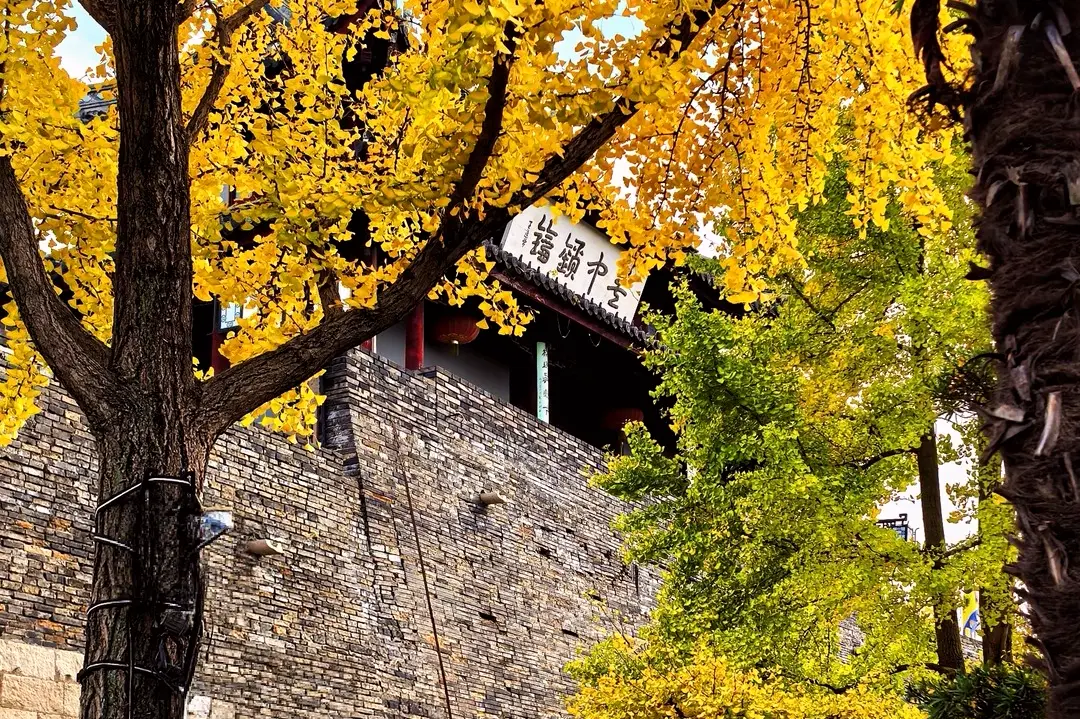
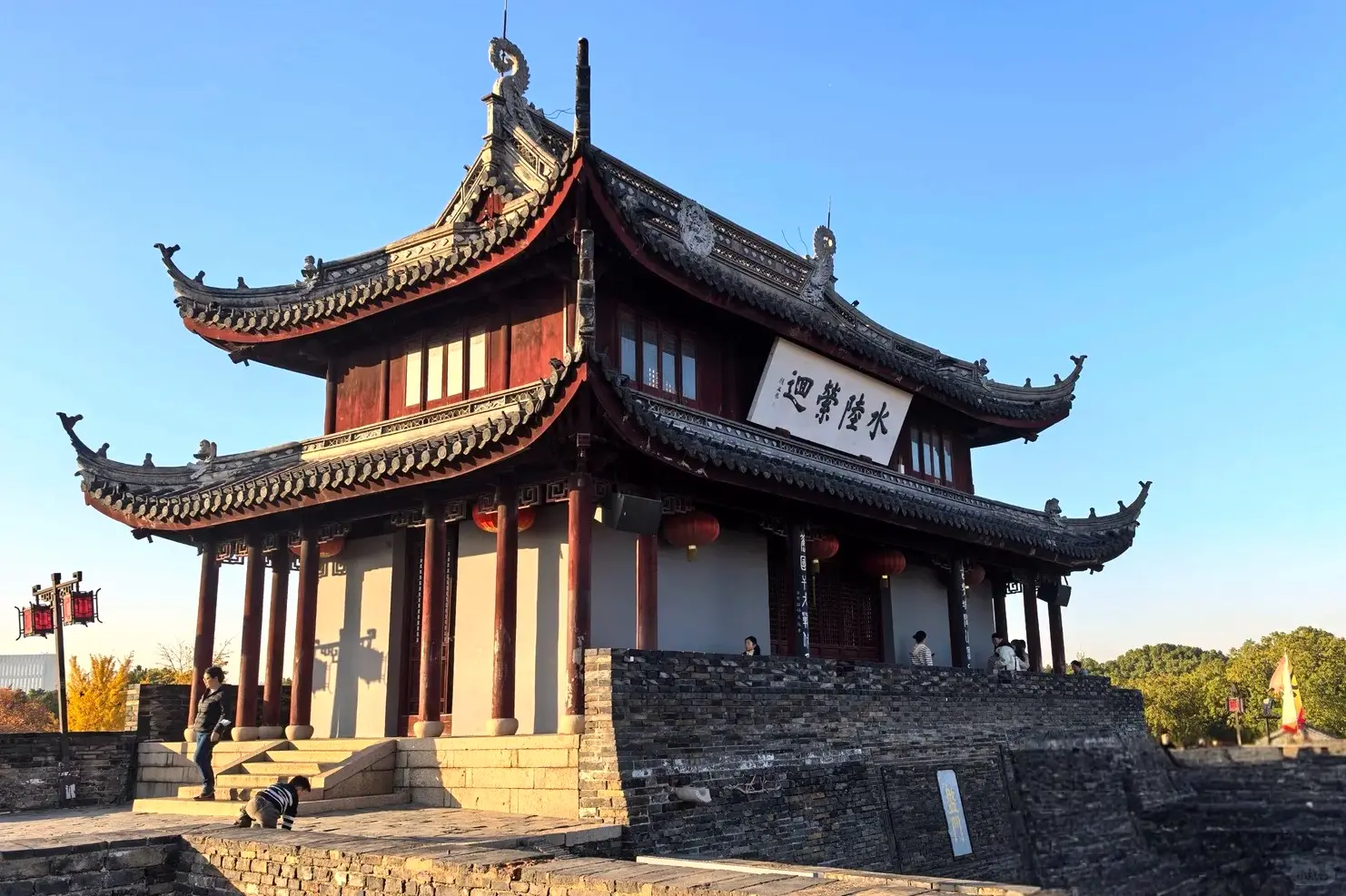
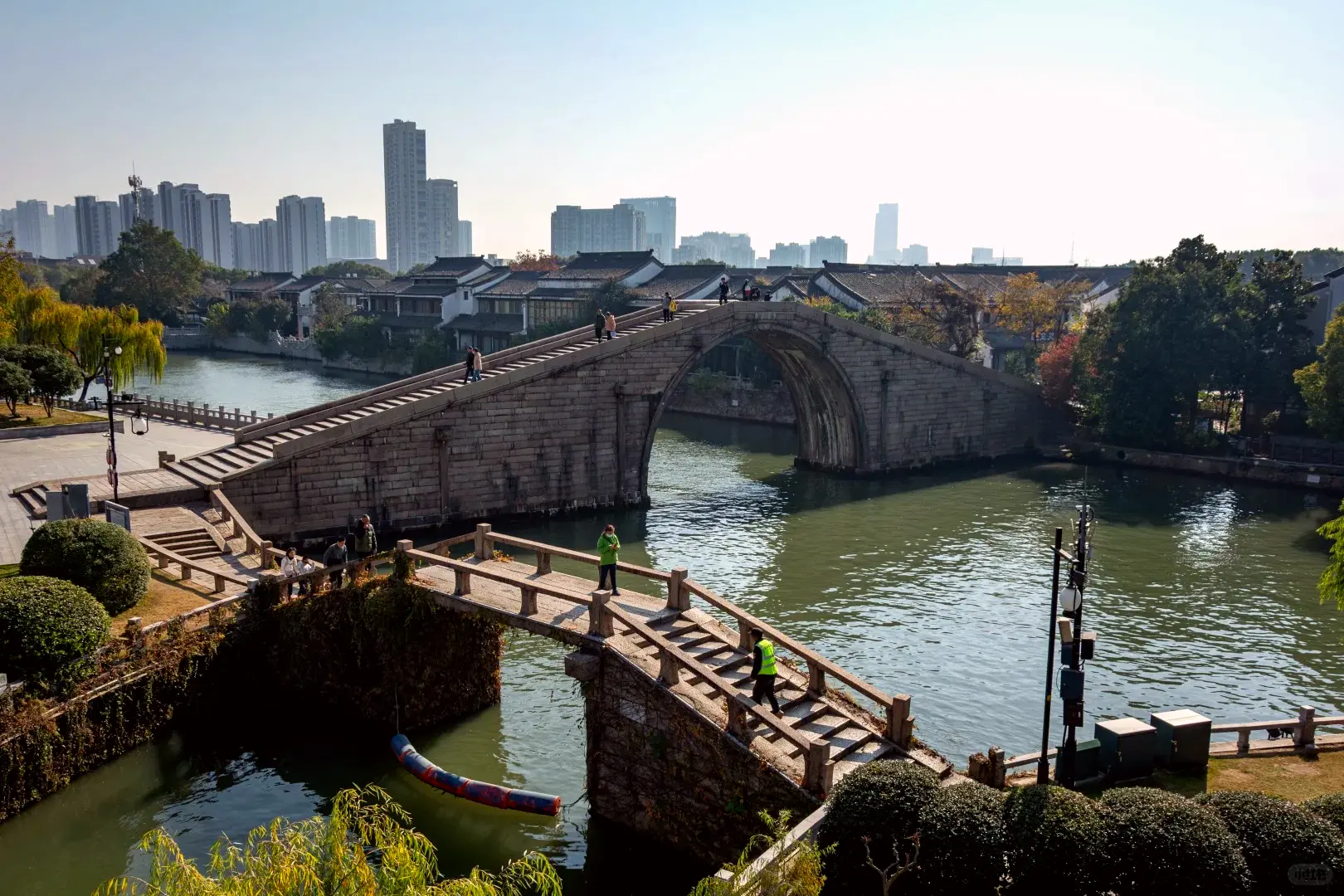
Panmen Gate. A gate complex where the city wall met the Grand Canal, with a land gate, a water gate and the crossing where boats passed through the wall for centuries. You can climb the rebuilt gate and look over the old fortifications and the water below. The site is protected as a national cultural relic, and the military history — plus the later rebuilding — is what makes it worth more than a photograph.
It is also the clearest piece of evidence that Suzhou was designed as a water city: the wall was built for land and for boats at the same time, which is why the canal town identity shows up in architecture rather than only in guidebooks.
Lunch. A local lunch near the canal, chosen with your guide around what you actually want to eat. Su-Bang cuisine — sweet braised meat, river fish, crab, rice cakes and pickled vegetables — is the benchmark, and the guide can handle the menu if your Chinese is minimal. As a planning estimate only, a regular local meal runs roughly RMB 40–80 per person; restaurant type, season and location move that figure, so treat it as a budget guide rather than a local average.
Afternoon — Lingering Garden and Shantang Street
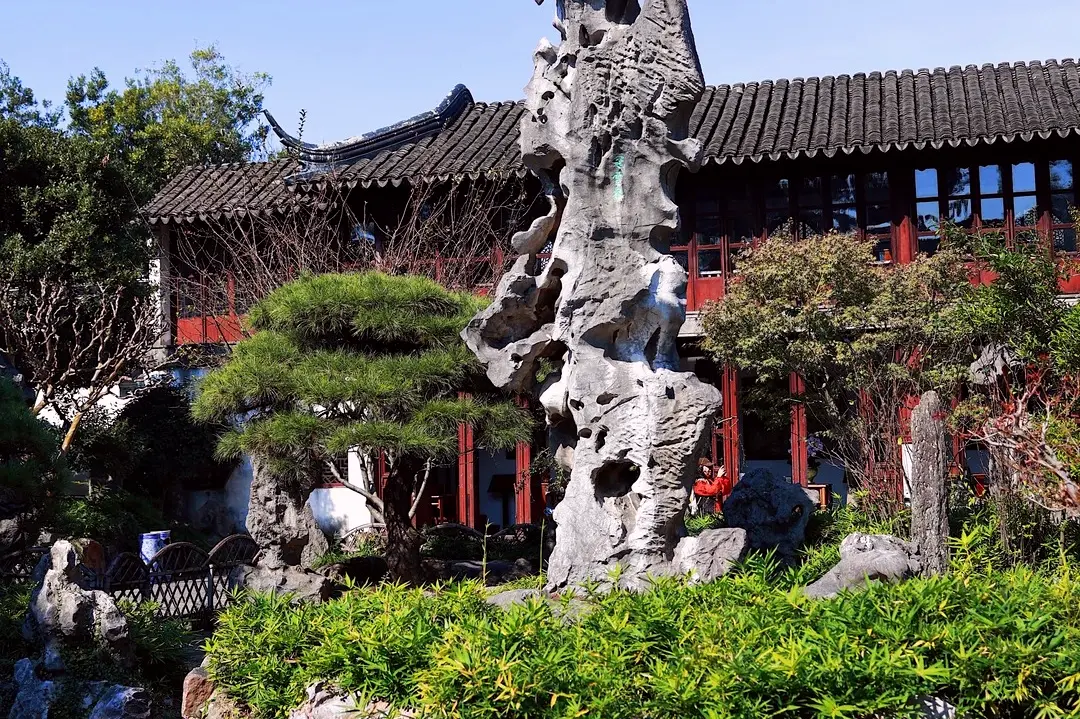
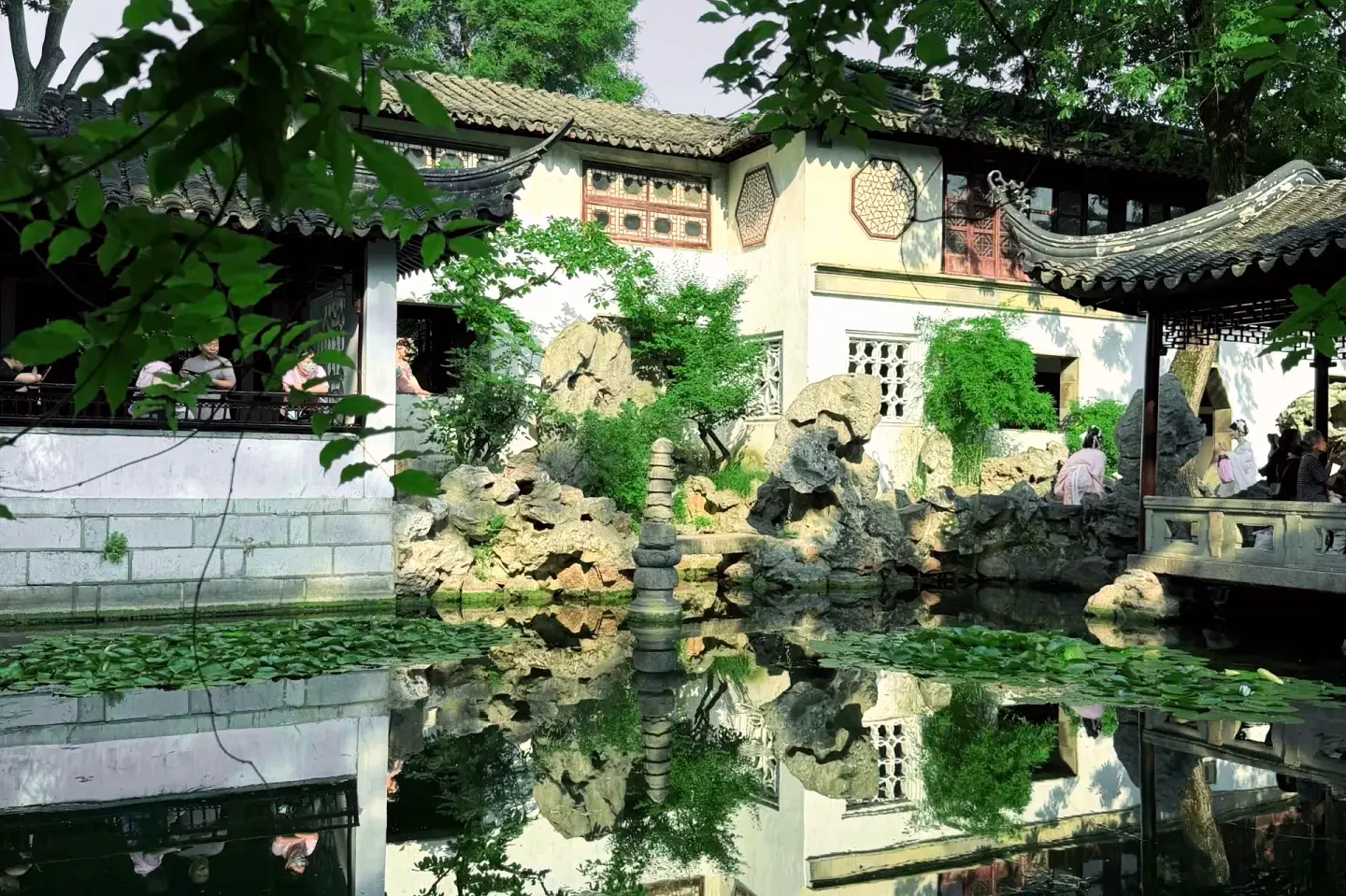
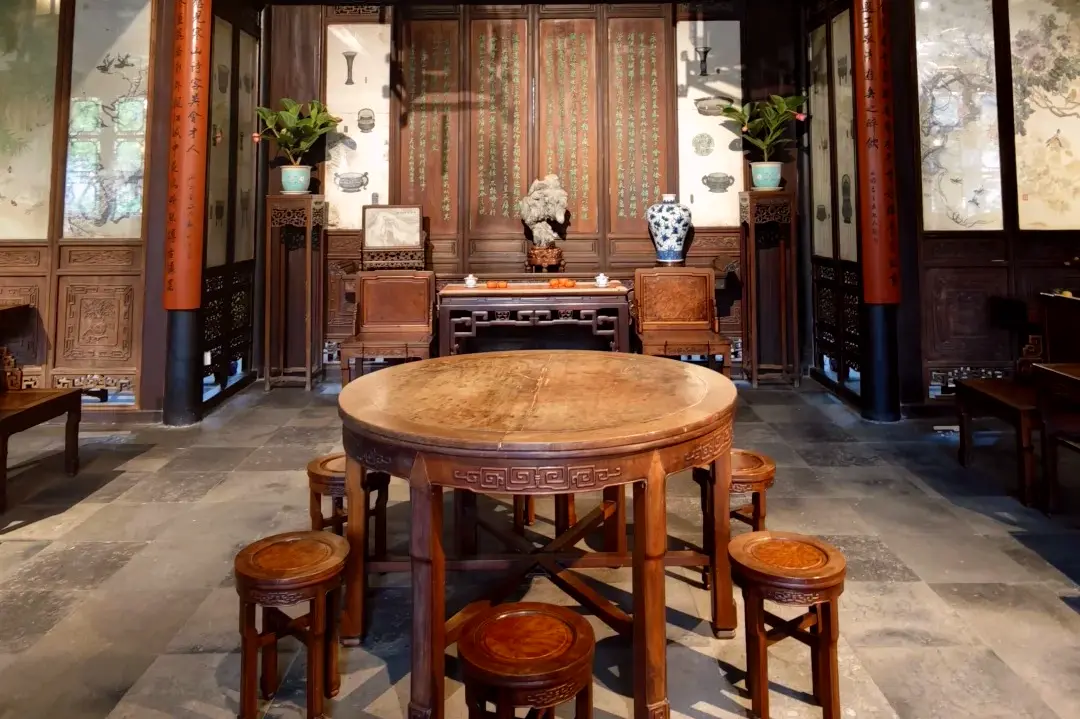
The Lingering Garden (Liu Yuan). One of the nine gardens included in the UNESCO-listed Classical Gardens of Suzhou property, and the one that suits an afternoon arrival best: a sequence of courtyards, latticed windows, winding corridors, ponds and elaborate Taihu rockeries, each with its own mood. The guide slows down here and reads the layout — why the corridors turn where they do, how the rockery was assembled, and why each framed view is a composition rather than an accident.
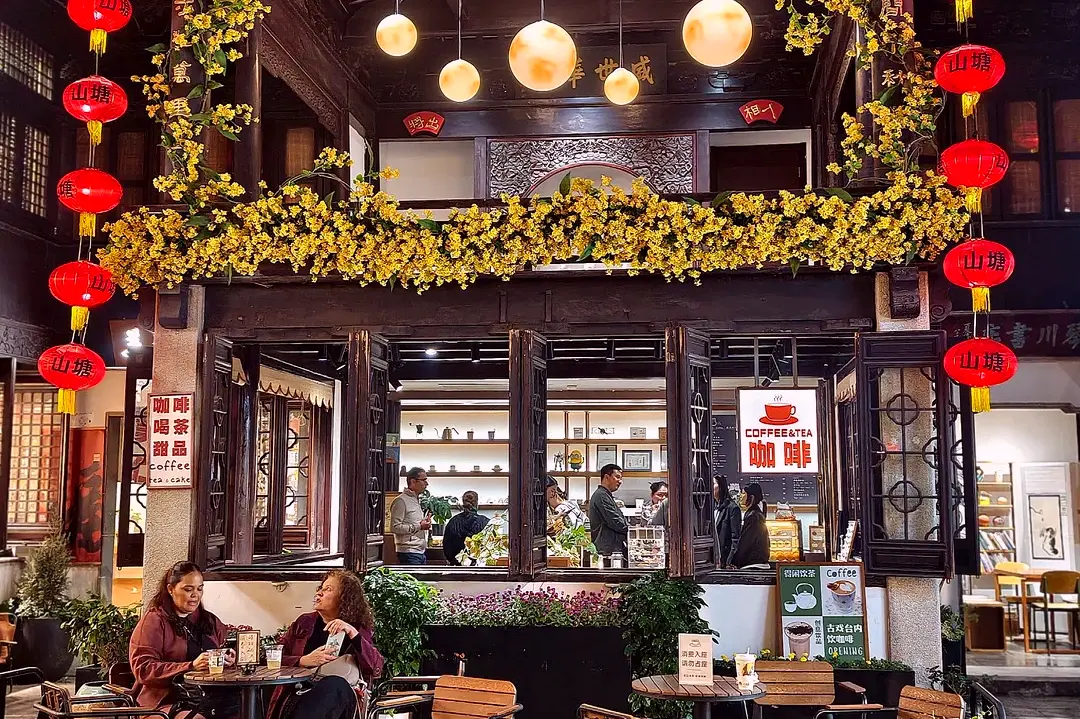
Shantang Street (Seven Li Shantang). A canal street traditionally associated with the Tang dynasty poet Bai Juyi, running from the old moat toward Tiger Hill: white-wall, black-tile houses, stone bridges, lanterns in the evening, shops and snack stalls. Walk it before the day-trip crowds build, and the quieter northern end still feels like a trading lane locals used.
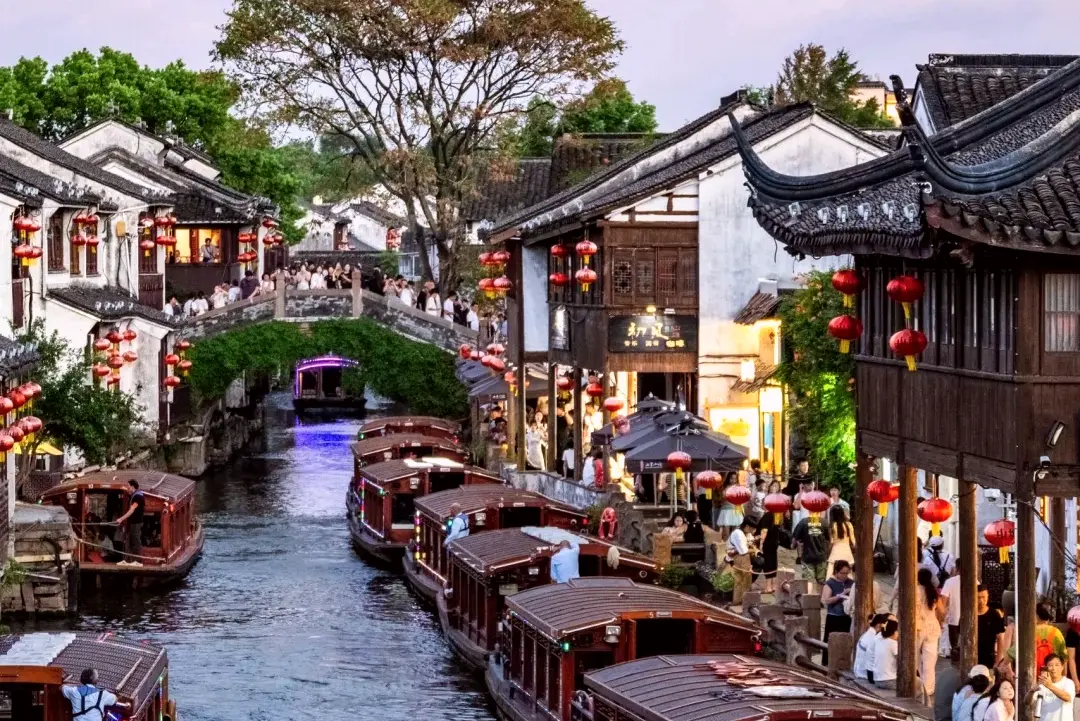
Return to Shanghai
At the end of the day the driver takes you wherever you need to be — your Shanghai hotel, your Suzhou hotel, Suzhou Station or Suzhou North for a booked train, or another agreed address. The finish is planned around your departure time, so you arrive with slack rather than at a run.
A note on inclusions: what is included depends on the itinerary you book. Vehicles, drivers, licensed guides, fuel, tolls and parking are normally part of a private arrangement; entrance fees, meals and train tickets may be included or quoted separately depending on the product.
How to Make the Most of the Day
Sequence matters more than speed. Grouping sights that sit close together removes the dead time that eats a short visit, and starting on the water before the canal-side crowds build changes the feel of the whole day. Choose by interest rather than by checklist: canals for atmosphere, gardens for design and quiet, streets for food and daily life. And let a guide do the interpreting — the difference between a beautiful sight and a memorable one is usually whether someone explained it.
Not on this route but worth knowing: the Humble Administrator's Garden, the Suzhou Museum and Pingjiang Road are the classic garden-first substitutes. If you would rather start your day with gardens than with water, swap the canal morning for those two and keep the rest of the day as written — the sequence still works.
How Much Does the Day Above Cost? A Planning Framework
Nobody should plan a trip around a single headline price, because a private day and a self-organised day are not the same product. What you can do is build a budget from the route itself. The figures below follow the itinerary in this section — the canal morning, Panmen Gate, the Lingering Garden and Shantang Street — and are indicative planning ranges, not quotations; fares and ticket prices change, and private services are quoted per person.
Cost element (this route) | Indicative range | Notes |
High-speed train, return — only if you start by rail | Roughly RMB 60–120 per person | Second class; confirm the exact fare and departure on 12306 for your date |
Grand Canal boat ride | Roughly RMB 60–120 per person | Ticketed; the price varies by route and operator, so confirm on the official booking channel |
Panmen Gate entrance | RMB 40 | Historic-site ticket; check current pricing on the official channel |
Lingering Garden entrance | RMB 55 during the peak season, RMB 45 during the off-season | Seasonal pricing; book through the official channel, name matching your passport |
Shantang Street | Free to walk | The street itself is open; an optional canal boat there is priced separately |
Lunch by the canal | Roughly RMB 40–80 per person | Regular local restaurant; higher for well-known or hotel dining rooms |
Private vehicle and guide — the door-to-door alternative | Quoted per person | Replaces the train and local transport; depends on group size, vehicle type, hours, guide language and pickup point |
Added up, the ticketed parts of this route — the boat, Panmen Gate and the Lingering Garden — sit alongside the train fare and lunch, which puts a self-organised day in the low hundreds of RMB per person.
Who Should Choose a One-Day Private Tour?
Travelers with limited time in Shanghai who still want Suzhou done properly.
Visitors who want the highlights in a single day without feeling rushed.
Families, older travelers and small groups who would rather not change trains and taxis repeatedly.
Guests arriving at Pudong or Hongqiao who want the airport-to-Suzhou leg handled as one movement.
Two Days in Suzhou: A Deeper Journey into Jiangnan Culture
Two days change the character of the trip. Instead of covering ground, you settle into it — and Suzhou rewards that more than most cities.
Day 1 — Classical Gardens and Historic Suzhou
Begin with the Humble Administrator's Garden at opening, then the Suzhou Museum next door. After lunch, Pingjiang Road for teahouses and side alleys, and Shantang Street in the late afternoon when the canal light is at its best. If you want a boat, this is the moment. Overnight in Suzhou rather than returning to Shanghai — the evening is the reason to stay.
Where to Stay for One Night in Suzhou
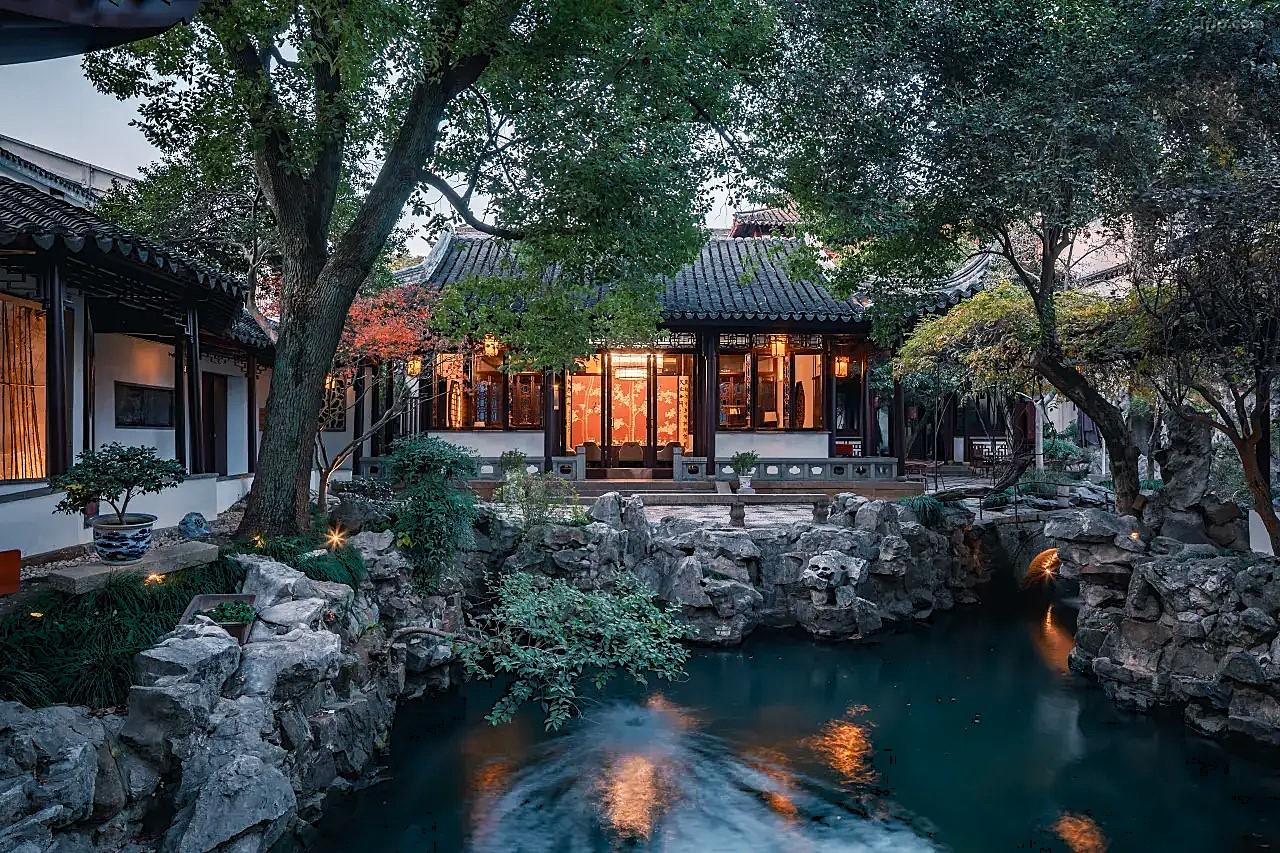
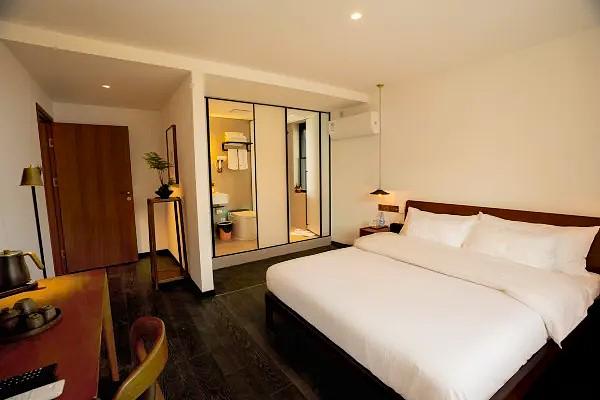
For an immersive cultural stay, Scholars Boutique Suzhou Pingjiangfu is our top pick. Its traditional garden atmosphere offers a memorable way to experience Suzhou's historic charm, making it especially suitable for travellers who want more than just a place to sleep.
If you prefer to keep accommodation costs down, Xingle Hotel is a practical alternative. It offers a comfortable base for exploring Suzhou's old town, with convenient access to local attractions and public transport.
Item | Scholars Boutique Suzhou Pingjiangfu | Xingle Hotel |
|---|---|---|
Vibe | Traditional garden-style cultural boutique hotel | Budget-friendly hotel in the old town |
Address | No. 60 Baita East Road, Gusu District | No. 318 Phoenix Street, Gusu District |
Rating | 9.5/10 on Trip.com | 8.9/10 on Booking.com |
Price | RMB 680-1200 | RMB 190-220 |
Walkable landmarks | Pingjiang Road: under 100m; Humble Administrator's Garden: 630m; Suzhou Museum: 990m | Guanqian Street: approximately 8–10 min; Pingjiang Road: approximately 7–10 min |
Facilities | Traditional garden, tea room, library, free private parking | Soundproof rooms, 24-hour front desk, free Wi-Fi |
Transport | Approximately 3 km to Suzhou Railway Station | Approximately 5 min walk to Lindunlu Metro Station; approximately 3 km to Suzhou Railway Station |
Best for | Travellers seeking a traditional Suzhou garden atmosphere | Budget-conscious travellers seeking convenient access to old-town attractions |
Day 2 — Tongli Water Town as the Main Route
The recommended second day is Tongli, and it is worth committing to one plan rather than assembling a list. Tongli is a working canal town of stone bridges and narrow lanes, with the Tuisi Garden at its center — a garden that forms part of the UNESCO-listed Classical Gardens of Suzhou property. The town's streets are pleasant outside the ticketed sights, and the atmosphere is quieter and more lived-in than the better-known alternatives. By road it is typically around 45–60 minutes from central Suzhou, depending on traffic and where you start.
With a private car, the day works like this: leave Suzhou after breakfast, spend the morning and early afternoon in Tongli including lunch by the water, and return to Suzhou or continue to Shanghai in the late afternoon. The car removes the bus timetables that otherwise decide when your day ends.
If Tongli does not appeal, these are the alternatives, each of which replaces the water town rather than being added to it:
Zhouzhuang — the more iconic and more photographed Jiangnan water town, busier but undeniably photogenic.
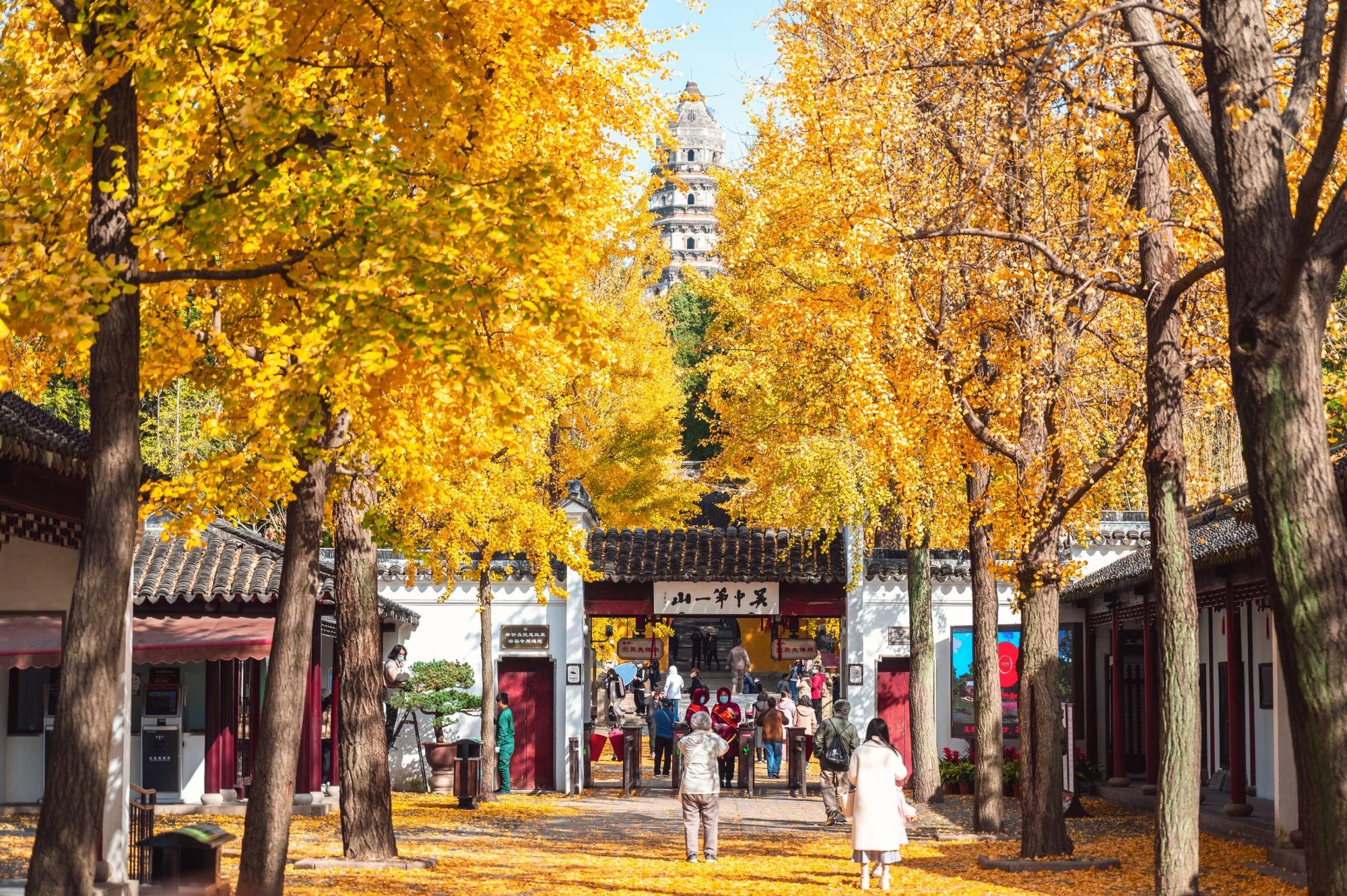
Tiger Hill — the leaning Yunyan Pagoda, the Sword Pool and the views over the old city.
Lion Grove Garden — a labyrinth of Taihu rockeries with winding passages and caves; about thirty minutes, and good with older children.
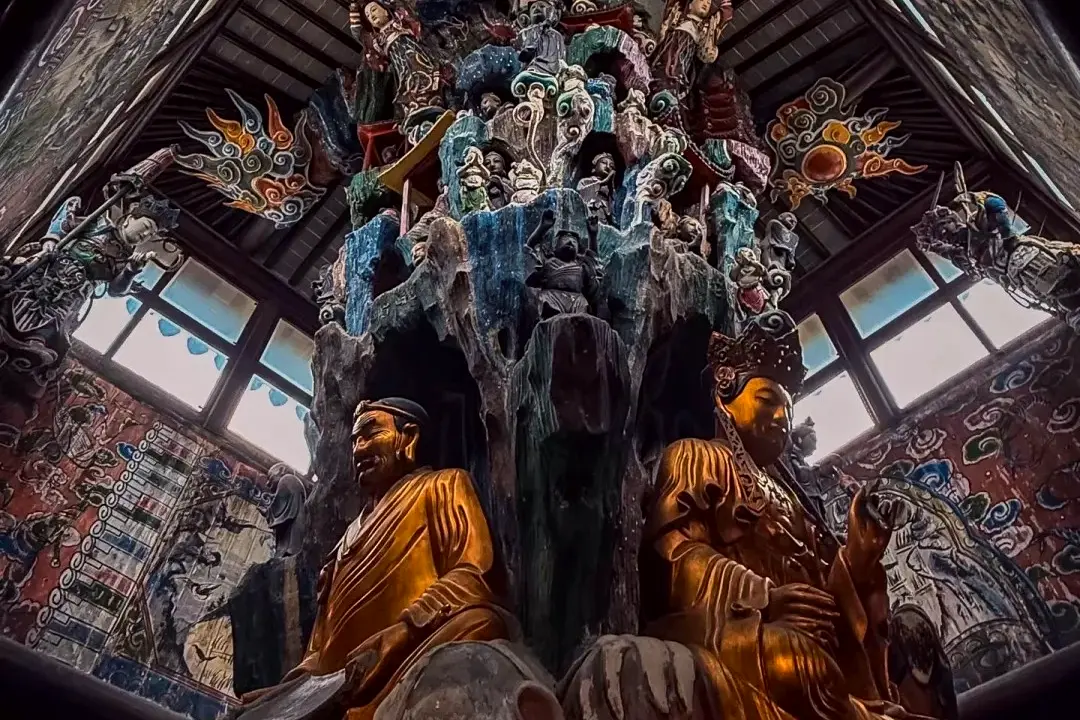
Hanshan Temple — a working Buddhist temple rather than a museum piece, best early or late when the halls are quiet.
The Master of the Nets Garden — the smallest and most intimate of the classical gardens. Its evening music and opera program runs when scheduled and is subject to seasonal programming, so check dates before planning the day around it.
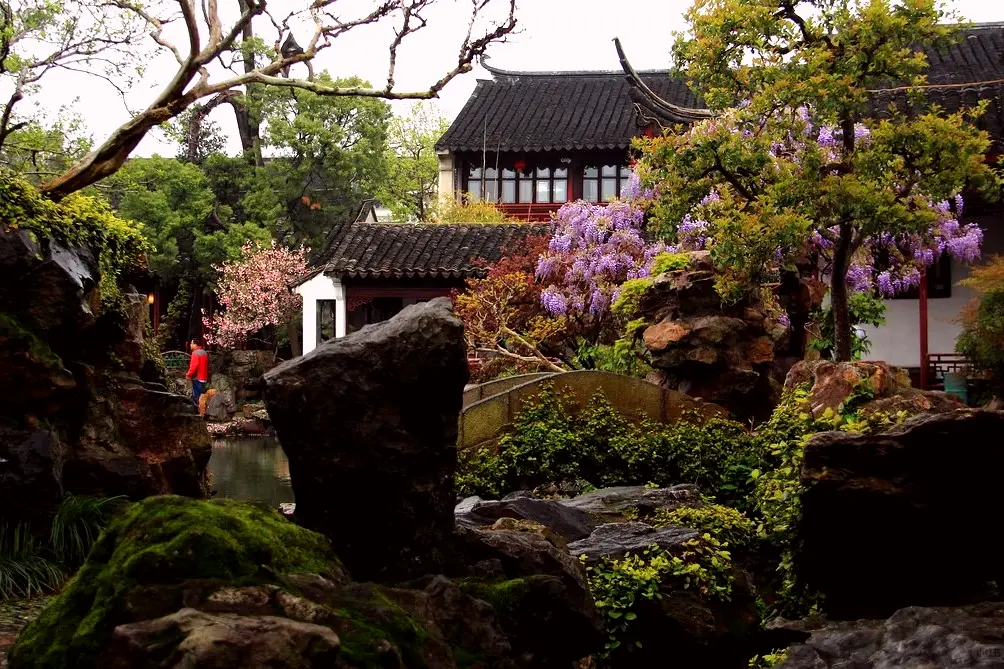
The classic way to run this second day is a Suzhou and Tongli tour from Shanghai, which strings the gardens and a water town together without you having to work out the connections.
Why Spend Two Days in Suzhou?
Because the city is not a checklist. Two days let you see several gardens without hurrying, spend time in a water town rather than photographing one, and add the cultural layer — teahouses, performances, craft workshops — that a single day cannot fit. In the evening, pingtan storytelling in a small teahouse is the experience guests most often mention afterwards: two performers, a sanxian, and a local dialect you will not follow but will feel. Performances are scheduled rather than continuous, so ask what is running during your dates.
Your travel plan | Recommended option |
Staying in Shanghai with limited time | One-day Suzhou trip by high-speed train |
Want the main gardens and historic streets | One-day private sightseeing arrangement |
Prefer a slower pace and local experiences | Two-day Suzhou private tour with one night in Suzhou |
Want canal activities, museums and performances | Two days, with timed reservations and performance dates confirmed first |
Traveling with children, older family members or luggage | Private vehicle, door to door |
Private Transfer from Shanghai to Suzhou: How It Actually Works
Most visitors do not need a transport lecture. They need one continuous arrangement: leave the hotel in Shanghai, see Suzhou, and end the day wherever they are sleeping that night. That is what a private transfer plus guide is designed to do, and it is worth explaining stage by stage — including the parts that depend on your exact address and group.
Stage 1 — Pickup in Shanghai
The normal starting point is your Shanghai hotel lobby. Your driver meets you there at an agreed time, and the guide travels with you, so the day begins with a conversation about what you want to see rather than with a search for a platform. Pickup from Shanghai Hongqiao or Pudong Airport, or from a Shanghai railway station, can also be arranged when your itinerary starts on an arrival day — but this depends on the flight or train timing and should be requested when you book, not assumed.
Stage 2 — The Drive to Suzhou
The vehicle goes directly from your pickup point to Suzhou. By road the distance is roughly 100 km and the drive typically takes around 1.5 to 2 hours, though the real figure depends on your starting district, the time of day and traffic on the expressway. The advantage is not speed — a train is faster in the abstract — but continuity: no station, no security queue, no second transfer on arrival, and luggage stays in the car.
Stage 3 — Getting Around Suzhou During the Day
Inside Suzhou, the vehicle moves with you between areas that are otherwise awkward to link: the canal district, Panmen Gate, the gardens, the old streets, and a water town if you are adding one. Distances between individual sights in the historic center are short enough to walk, which is often the better choice; the car earns its place when you move between the old town and the outskirts, or when the weather, the group or the luggage makes walking impractical.
This is also where a guide changes what the day is worth. Garden design is not self-explanatory: the borrowed view, the zigzag bridge that slows your pace, the rockery that cost more than the house next to it. Explaining that is the difference between a pleasant walk and an understanding of why these nine gardens are on the World Heritage List.
Stage 4 — Return Transfer
At the end of the day the vehicle takes you to the address agreed at booking: your Shanghai hotel, a Suzhou hotel if you are staying overnight, Suzhou Station or Suzhou North for a booked train, or another city address. Return drop-off is planned around your train or flight time, with buffer. On a two-day arrangement the vehicle is typically with you on both days, with the overnight in Suzhou in between.
Where Can You Be Picked Up and Dropped Off?
Pickup and drop-off points are quoted individually, because they change the driving distance and the day's timing. The usual request is a Shanghai hotel address. Airport pickups at Hongqiao or Pudong, Shanghai railway station pickups, and meetings at Suzhou Station or Suzhou North are also commonly arranged, as is a finish at a Suzhou hotel rather than back in Shanghai. What matters when you enquire is precision: the exact address or terminal, the number of travelers, the amount of luggage, and the time you need to be somewhere.
Can I Arrange a Private Transfer from Shanghai Airport to Suzhou?
Yes, and it is a common request — with one practical point worth knowing before you plan. Shanghai Pudong Airport has no direct high-speed rail link to Suzhou, so arriving there means either a transfer into the city to catch a train, or a direct private car for the whole journey. For travelers landing with luggage after a long flight, the second option usually wins on simplicity, even though the drive is longer than the train.
To quote an airport pickup, we need the flight number, scheduled arrival time, number of passengers, luggage count and the final address in Suzhou. Airport transfers are priced by route and vehicle type rather than at a flat cross-city rate, because arrival terminals, waiting time and drop-off district all vary. Delays are tracked against the flight number where possible; the details are confirmed in writing when you book. |
Can I Visit Suzhou and Return to Shanghai the Same Day?
Yes — that is the standard one-day arrangement: pickup in Shanghai in the morning, the Grand Canal route or a garden-focused day in Suzhou, and a return to your Shanghai hotel in the evening. It works best with an early start, because the historic center is at its best before the tour groups arrive. If your priority is a water town as well, the day becomes tight by road; two days is the honest recommendation.
What Determines the Price of a Private Suzhou Tour?
Private tours are quoted per person, and five factors move the number:
Group size and vehicle type. A sedan, an MPV and a larger van are different cost bases, and luggage can force an upgrade.
Pickup and drop-off points. A Shanghai hotel, Pudong Airport and a Suzhou Station meeting are not the same route.
Hours and route. A single-district day and a day that includes a water town an hour outside the city are different jobs.
Guide language and guiding scope. A licensed guide in your language for a full day is a separate service from a driver-only transfer.
Entries and extras. Garden tickets, boat rides, performances and meals may be included or billed at cost.
We do not publish a single headline price, because quoting one would mean either overcharging small parties or under-delivering to larger ones. Send the five details above and the quote you receive will be specific to your day.
How a Day Is Put Together: A Typical Arrangement
Most enquiries arrive looking roughly the same, and the adjustments are what matter. A typical arrangement starts with a family staying near People's Square who want one day in Suzhou and do not want to move hotels. The vehicle collects them after breakfast; the guide asks on the drive whether the children would rather climb a pagoda or ride a boat, and the order of the afternoon changes accordingly. The garden is booked for the earliest available slot because the group has older parents who prefer shade and quiet. Lunch is chosen near the canal rather than at a set tourist restaurant, and the return is scheduled so the family is back before the children's bedtime rather than at the last train.
None of that is a special package. It is what planning around an actual group looks like — arrival point, interests, ages, luggage and return time — and it is the reason a private day and a self-assembled day rarely feel comparable even when they visit the same three places.
Shanghai to Suzhou Train: A Short Note for Independent Travelers
The Shanghai to Suzhou train is one of the easiest rail journeys in China. Direct high-speed services take roughly 25 to 40 minutes depending on the train and which station pair you use; trains run frequently through the day, and second class is entirely adequate for a ride this short. Schedules and fares change, so check China Railway's official English site (12306.cn/en) for your travel date, and book the return leg at the same time as the outbound.
Which station. Suzhou Station is generally the more convenient arrival for a first visit, because the historic center, the gardens and Pingjiang Road are a short ride away. Suzhou North Station sits further from the old town, so a service that looks faster on paper can produce a slower day once the transfer is added. The best choice still depends on which train you can get and where you are staying.
Tickets and passports. Foreign travelers can buy real-name tickets with a valid passport through the official 12306 English site or app. The passport used for booking is the document required for the identity check at the station and on the train, so the name must match exactly and the original document must be carried. Individual attractions may have their own identification rules on top of this.
If you are taking the train but would still like the Suzhou end handled, that can be arranged: tickets booked, a guide meeting you at Suzhou Station or Suzhou North, and a vehicle for the day. It is a common middle option for travelers who want the rail experience without the local coordination.
Practical Tips for Planning Your Suzhou Trip
Best Time to Visit Suzhou
Spring and autumn are the pleasant seasons for walking gardens and old streets — fresh greenery and blossom in spring, comfortable temperatures and clear light in autumn. Summer is hot and humid, so put outdoor sightseeing in the morning. Winter is quieter, with shorter garden hours. Weekdays are often less crowded than weekends and public holidays, though holiday periods still need advance reservations.
How Many Attractions Should You Visit in One Day?
Two to four, including lunch. A garden, a museum and one historic street is a comfortable day; adding a water town usually requires a private vehicle and an early start. This is a planning rule of thumb rather than an official limit.
Attraction Reservations and Entrance Tickets
Suzhou Museum's main building uses timed, real-name reservations through official channels, typically open one to seven days ahead, and visitors must show the reservation together with the original passport used for booking. The museum is generally closed on Mondays. Popular gardens also fill on weekends and in peak season, but reservation rules differ from garden to garden, so check each one individually rather than assuming a single policy. Book through official channels, and treat third-party agents that promise guaranteed entry with caution.
What to Eat During Your Suzhou Trip
Suzhou noodles with a sweet braised topping, squirrel-shaped mandarin fish, and local pastries are the dishes visitors remember. Teahouses are part of the experience too — a pot of Biluochun and an hour of people-watching is a legitimate itinerary item. Prices vary widely by restaurant type; the RMB 40–80 per person figure used earlier in this guide is an indicative budget for a regular local meal, not a city average.
Payments, Passports and the 240-Hour Transit Policy
Alipay and WeChat Pay both allow international visitors to link eligible overseas cards; set up at least one before you travel, and carry a small amount of cash as backup. Some card and issuer combinations carry a service fee, so check the terms in the app.
Entry rules depend on your passport and itinerary. If you intend to use the 240-hour visa-free transit policy for a Shanghai–Suzhou trip, confirm your eligibility, third-country onward ticket and permitted travel area before booking. This is transit relief, not a tourist visa. Check the National Immigration Administration site (en.nia.gov.cn) or with the Chinese embassy for current requirements.
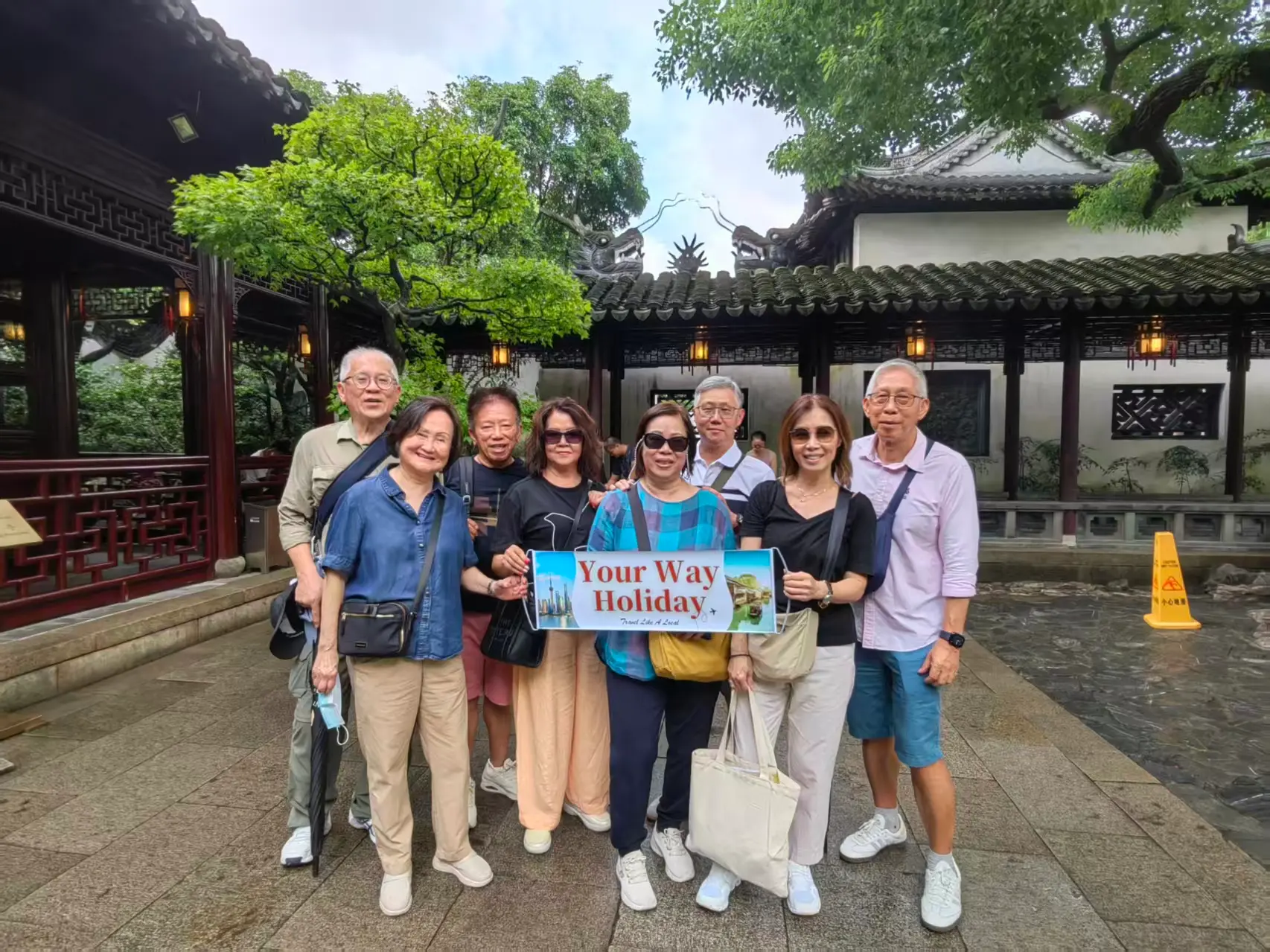
Explore Suzhou from Shanghai with Your Way Holiday
If you would rather spend the day looking at gardens than at timetables, we can take care of the practical side. Our private Suzhou arrangements pair a licensed local guide with a private vehicle, so the driving, the timing and the explanations are handled — and the route flexes around what you actually enjoy.
Most travelers choose between a one-day private Suzhou day trip from Shanghai, a two-day Suzhou and water town tour with a night in the city, and a customized Shanghai–Suzhou itinerary that connects Suzhou with Hangzhou, Wuxi or the rest of your route. Each can be adjusted for families, older guests, dietary preferences and the season you are traveling in. Prices are quoted per person and vary depending on the itinerary, group size and services included.
To get a useful answer quickly, send us five things: your travel dates, the number of travelers, your Shanghai pickup address (hotel, airport or station), how much luggage you will have, and the sights you care about most. We will come back with a specific plan — including an honest opinion on whether one day is enough for what you have in mind, and what we would leave out.
You can reach our team through the enquiry form on this page. If you are unsure whether to take the train or be driven, tell us that too; it is a question worth answering before anything is booked - you can send us your dates, group size and Shanghai pickup point here and we will tell you honestly whether one day or two is right for you.

Traveler Discussions
Questions from travelers