
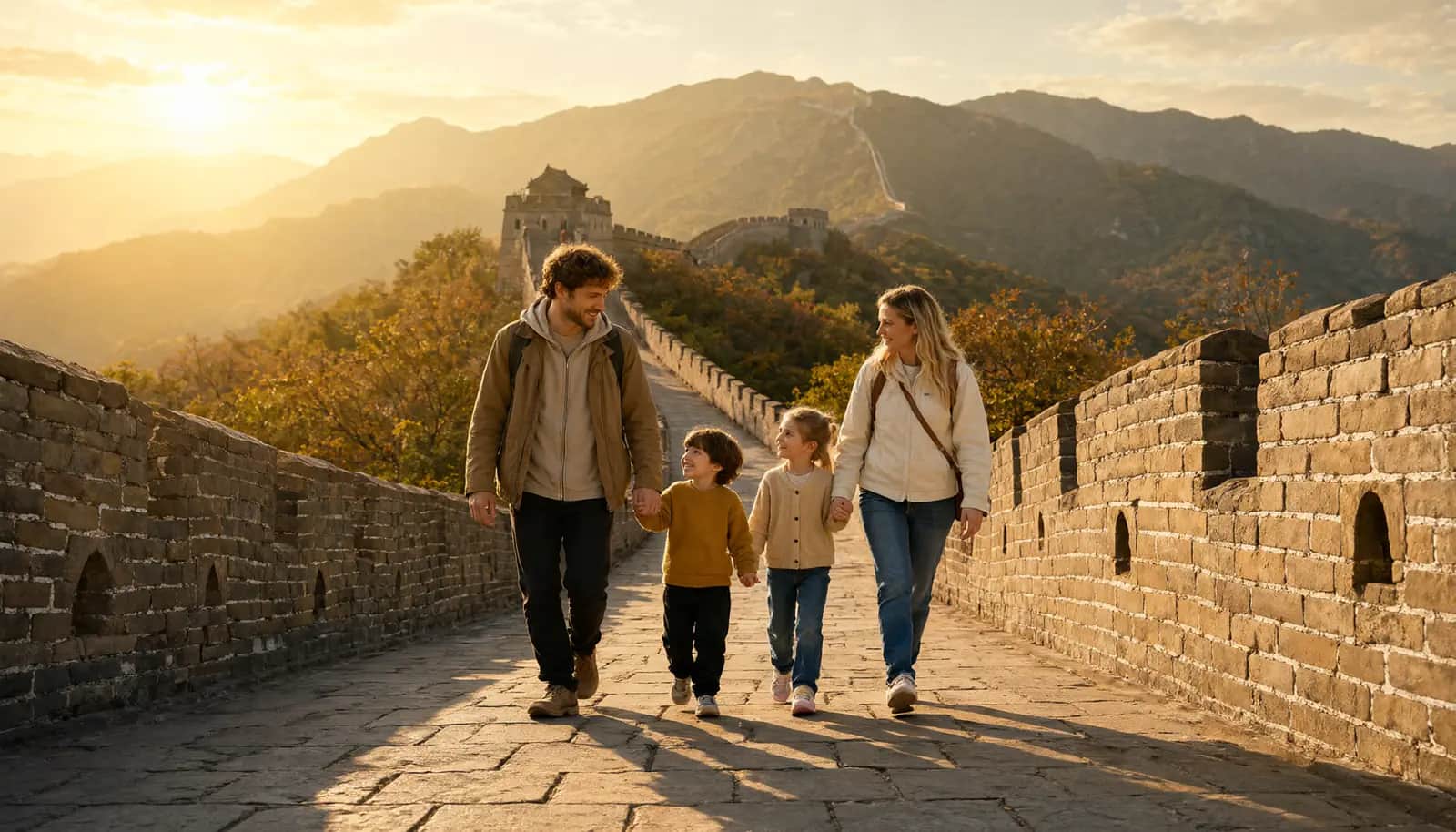
Beijing is one of those rare capitals that can genuinely delight children — if you let it. Giant pandas, a wall you can ride a toboggan down, a palace full of golden crowns, and a metro that reaches almost everywhere make it a natural family city. The trick is restraint: pick one major attraction a day, choose sights that match your child's age and energy, and build in recovery time. Families who try to tick off the whole Ming-and-Qing checklist by lunchtime end up with overtired kids and blurred memories. This guide walks through every attraction that actually works for children — how to reach it, what to book in advance, how to pace a day, and how to keep both the parents and the under-tens happy.
Is Beijing a Good Destination to Visit with Kids?
Yes — with planning. Beijing works beautifully for families when you choose the right attractions for your children's age and energy, pick a family-friendly Great Wall section, mix the classic sights with genuinely fun stops like pandas and theme parks, and keep a flexible pace. The single most common mistake is trying to do too much in too little time.
The guiding principle is simple: one major attraction per day. A family that attempts the Great Wall in the morning and the Forbidden City in the afternoon will have two miserable children by three o'clock and will have savoured neither. Rest time is not wasted time — it is what makes the next day work.
Age matters more than anything else. A two-year-old and a fourteen-year-old need completely different Beijing trips, so before you plan a single day, use the age-by-age table further down and let your children's stage of childhood drive the itinerary rather than a fixed list of "must-see" landmarks.
Beijing's sights are spread across a huge city. Distances that look small on a map turn into 40-minute metro rides in practice. Build each day around one area, not one "greatest hits" sprint across town.
Quick Reference: Beijing's Family Attractions at a Glance
Before the detail, here is the whole picture — typical opening hours, the easiest way to reach each place, and a family-friendliness rating. Hours shift between peak and off seasons and policies change, so treat this as a planning frame and confirm close to your dates.
Attraction | Typical opening hours | Ticket price (adult) | Easiest transit | Family rating |
|---|---|---|---|---|
Palace Museum (Forbidden City) | 8:30–17:00 peak, 8:30–16:30 off; last entry one hour before close; closed Mondays | Peak ¥60, off-season ¥40; Treasure and Clock Galleries +¥10 each; free under 18 | Metro Line 1 to Tiananmen East, Exit A | ★★★★☆ |
Mutianyu Great Wall | 7:30–18:00 weekdays, 7:30–18:30 weekends (peak); 8:00–17:30 off | Entry ¥45; child 1.2–1.4m ¥25; under 1.2m free; shuttle bus ¥20; cable car (return) ¥140 | Private transfer recommended; or bus 916 Express plus a local bus from Dongzhimen | ★★★★★ |
Summer Palace | Park 6:00–20:00; inner gardens 8:00–18:00 | Peak combo ¥60, peak entry only ¥30; off-season combo ¥50; free under 18 | Metro Line 4 to Beigongmen, Exit D | ★★★★☆ |
Beijing Zoo (pandas) | 7:30–18:00 peak; Panda House 8:00–16:30 | Peak entry ¥15, combo with Panda House ¥19; off-season ¥10 entry / ¥15 combo; free under 6 or under 1.2m | Metro Line 4 to Beijing Zoo, Exit B | ★★★★★ |
Temple of Heaven | Park 6:00–22:00; main halls 8:00–17:30 | Combo ¥34 peak / ¥28 off; entry only ¥15; free under 18 | Metro Line 5 to Temple of Heaven East Gate, Exit A | ★★★☆☆ |
Universal Beijing Resort | About 9:00–20:00, varying by season | Adult ¥638 peak / ¥418 value; child 3–11 75% of adult; free under 3; Express Pass +¥400–600 | Metro Line 1 or 7 to Universal Resort, Exit B | ★★★★★ |
Shichahai Hutongs | Always open | Free to wander | Metro Line 8 to Shichahai, Exit D | ★★★★☆ |
China Science and Technology Museum | Tue–Sun 9:30–17:00; closed Mondays | Main halls ¥30 / ¥20 student; Children's Paradise ¥30 | Metro Line 8 to Olympic Park | ★★★★★ |
Beijing Planetarium | 9:00–16:30; closed Tuesdays | Shows ¥30–45 | Metro Line 4 to Beijing Zoo, Exit D | ★★★★☆ |
Military Museum | 9:00–17:00; closed Mondays | Free (reserve about 8 days ahead) | Metro Line 1 to Military Museum, Exit B | ★★★★☆ |
National Museum of China | 9:00–17:00, to 17:30 Jun–Oct; closed Mondays | Free (reserve about 7 days ahead) | Metro Line 1 to Tiananmen East, Exit C or D | ★★★★☆ |
Badaling Great Wall | 6:30–16:30 (Apr–Oct); 7:30–16:00 (Nov–Mar) | ¥40 peak / ¥35 off; cable car ¥100–140 | High-speed rail from Beijing North, or a direct bus from Beitucheng; private transfer recommended | ★★★☆☆ |
POP LAND (Chaoyang Park) | 10:00–20:00, to 22:00 in summer | Entry ¥98–128; ride pass ¥178–208 | Metro Line 14 to Zaoying, Exit D | ★★★★☆ |
Taking Kids to the Great Wall: Mutianyu or Badaling?
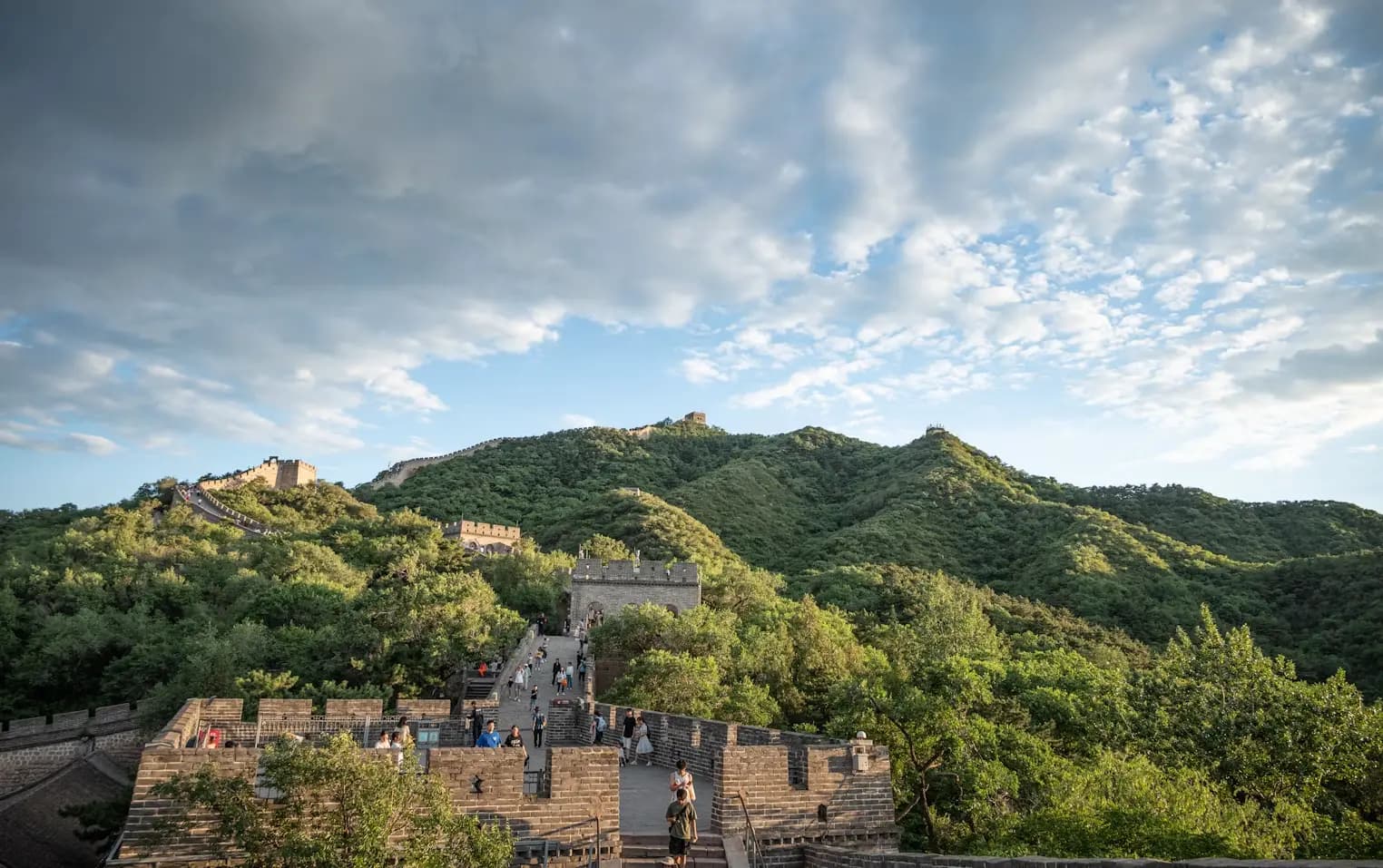
For most families, Mutianyu is the default winner on the Great Wall — full stop. It has an enclosed cable car up, a gentle walkable stretch of restored towers, and a toboggan run back down, which turns a monument into something eight-year-olds actively enjoy. Here is every detail you need: exact hours, how the tickets and rides fit together, the three realistic ways to get there, and the route to walk once you arrive.
Why Mutianyu wins for families
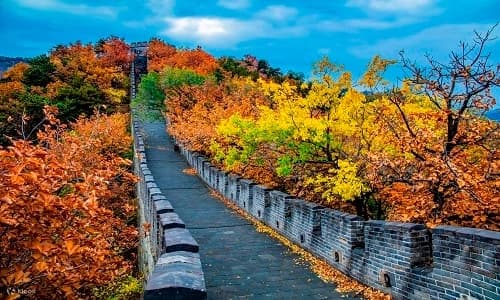
Mutianyu strikes the balance that families need: enough restored wall to feel grand, a lift so nobody has to climb from the valley floor, and a fun way down. It is about 70 km from the centre, so plan a half-day of travel around a half-day on the wall.
Exact opening hours
Period | Dates | Opens | Last ticket sales | Last check-in |
|---|---|---|---|---|
Peak weekdays | Mar 16 – Nov 15, Mon–Fri | 7:30 | 17:00 | 17:30 |
Peak weekends | Mar 16 – Nov 15, Sat–Sun | 7:30 | 17:30 | 18:00 |
Off-season | Nov 16 – Mar 15 | 8:00 | 16:30 | 17:00 |
Exact ticket prices
Item | Adult | Child | Child | Notes |
|---|---|---|---|---|
Entry ticket | ¥45 | ¥25 (half) | Free | Same price year-round |
Shuttle bus | ¥20 | ¥20 | Free | Not optional — the car park sits about 2 km below the ticket gate |
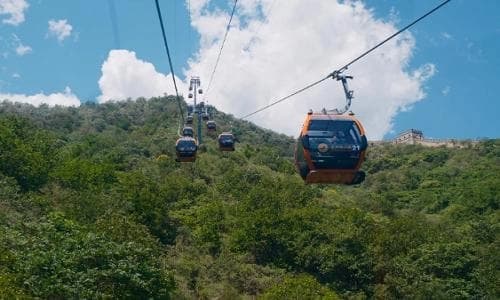
West cable car (enclosed gondola, return) | ¥140 | ¥140 | Free | Lands at Tower 14; the family favourite, with six-person cabins that have doors |
West cable car | ¥100 | ¥100 | Free | Good if you plan to toboggan back down |
East chairlift | ¥100 | ¥100 | Free | Lands at Tower 6, where the toboggan starts; not suitable for under-5s |
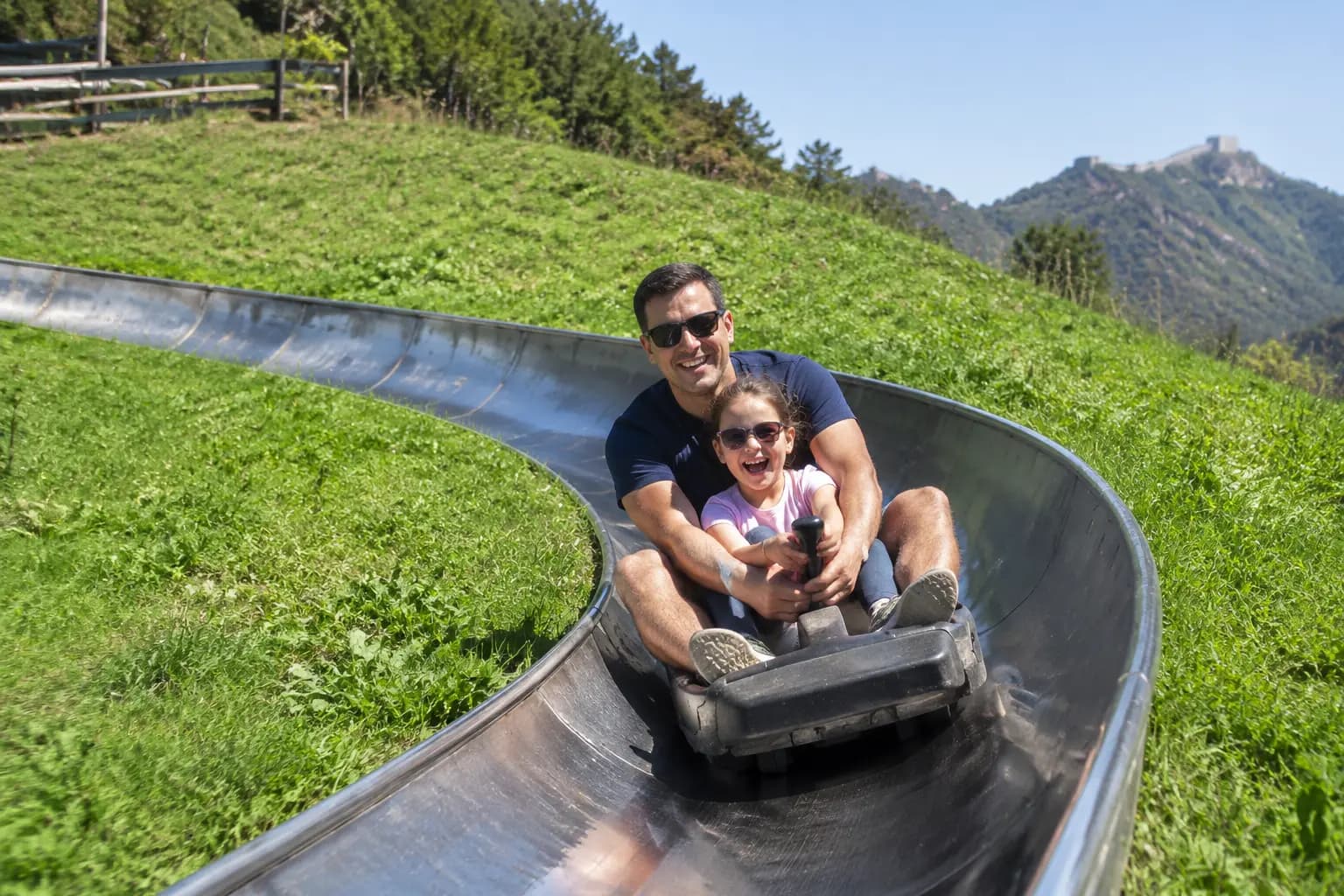
Toboggan | ¥100 | ¥100 | ¥50 (tandem) | From Tower 6 to the base; children under 6 ride with a parent |
Best family combo | ¥205 | ¥185 | Free | Entry + shuttle + cable car up + toboggan down — the value pick for most families |
Arriving at opening on a weekday can mean a near-empty wall for the first 90 minutes. Arriving mid-morning means shoulder-to-shoulder crowds and coach groups. Getting there early is the single biggest decision you will make for a good visit.
How the tickets and rides fit together
Mutianyu prices are split across a few components, so it helps to know what each one does before you buy. Children under 1.2 m go in free, and older children and students get reduced entry.
Component | What it covers | Notes for families |
|---|---|---|
Entry ticket | Access to the wall itself | Under-1.2m children enter free |
Shuttle bus | Car park to the ticket gate | Mandatory — the car park sits a couple of kilometres below the gate |
West cable car (return) | Enclosed gondola up to Tower 14 | The family favourite — six-person cabins with doors and windows |
East chairlift | Open, ski-style lift up to Tower 6 | Not suitable for children under about five |
Toboggan | Gravity slide from Tower 6 back to the base | Under-6s ride with a parent; it closes in rain, so check the forecast |
The winning combo | Entry + shuttle + cable car up + toboggan down | The classic family loop — up by gondola, walk the towers, slide down |
Getting to Mutianyu — three realistic ways
By public bus (cheapest, slowest). Take the metro to Dongzhimen, walk to the outer long-distance bus station, and catch the 916 Express toward Huairou. There you transfer to a local bus (the H-numbered routes) that runs up to the Mutianyu roundabout, then take the shuttle to the gate. The fares are small — a few yuan on the metro, ¥12 on the 916 Express and about ¥5 on the local bus, each way. It is doable with school-age kids and hard work with toddlers, and you must respect the last return bus in the afternoon.
By DiDi or ride-hailing (fastest door-to-door). A direct car from your hotel (roughly ¥250 each way) saves the transfers and lets kids nap on the way. Agree the return leg before you set off, and ask for a larger vehicle if you are four with luggage. For a family, a private transfer with your own guide and car is the most comfortable version of this option.
With your own guide and car (most flexible). This is the option that works best for most families. A hotel pickup before dawn beats every coach, a dedicated car for the day runs around ¥1,000, and you can leave the moment the kids have had enough. Add an English-speaking guide and the wall becomes a story rather than a stroll.
For the flexibility and the early start, a private transfer is worth it. Leaving around 6:30 AM puts you on the wall before the coach groups arrive — a genuine game-changer for crowds.
The Mutianyu family playbook, step by step
Shuttle bus. The short mandatory ride from the gate down to the cable-car base; kids tend to love the "school bus" feel of it.
Cable car up. Take the enclosed west gondola rather than the open chairlift. It lands at Tower 14 with forested mountain views.
Walk east along the towers. Head right (east) from Tower 14 — a gentle, wide, walled path. Crowds thin sharply past Tower 16, and Tower 23 is the natural turnaround. Turn it into a game: count the towers, spot a wild flower.
Walk back and continue west. Retrace to Tower 14, then keep descending west to the toboggan station at Tower 6.
Toboggan down. A long metal chute back to the base. Teach kids to squeeze the hand brake gently; it closes if the track is wet.
Lunch at the base village. A few simple family-friendly restaurants sit around the shuttle drop-off, or bring a picnic for the stone tables.
Drive back and keep the evening quiet. Kids will sleep in the car. Plan no booked dinner across town and no evening activity — order room service if you can.
Where to eat near Mutianyu
Place | Setting | What they serve | Kid rating | Price Range |
|---|---|---|---|---|
Mutianyu Great Wall Restaurant | Base village | Home-style northern Chinese dishes and noodles | ★★★★☆ | ¥ 50-80/person |
Great Wall Farmhouse | A short walk from the gate | Fresh vegetables, chicken, seasonal chestnut dishes | ★★★★☆ | ¥ 60-90/person |
Picnic on the wall | Stone tables along the path | Bring your own, or grab snacks from the vendors | ★★★★★ | ¥ 20-40/person |
Badaling — when it is the better call
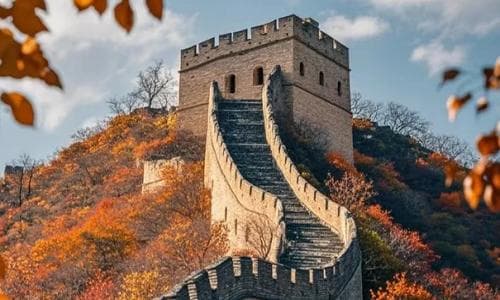

Badaling is the most famous, most accessible and most crowded section, about half an hour closer than Mutianyu. It is a legitimate option, especially for older kids, but read the comparison before choosing it.
Item | Details |
|---|---|
Opening hours | Peak (April–October) 6:30–16:30, off-season 7:30–16:00; on public holidays it can open as early as 6:00 |
Ticket prices | Adult ¥40 peak / ¥35 off-season; concession ¥20; cable car ¥100 one-way, ¥140 return; sold by timed slot through the official booking channel |
Getting there | Express bus 877 from Beitucheng (about ¥12, 70–90 minutes) is the simplest budget option; high-speed rail from Beijing North takes about 30 minutes plus a free shuttle — book early, as it sells out; DiDi is roughly ¥250–350 each way |
What kids love | The steep north towers for the classic photos, though the gentler, quieter south section is the better choice with children under eight |
Choose Mutianyu if: you have children under eight, you want the toboggan, you want fewer tour groups, or you are visiting at a weekend.
Choose Badaling if: your children are ten or older, they want the classic postcard climb, you plan to use the high-speed train, or you are short on time.
At Badaling the steep north towers give the famous photos but have uneven steps and few railings; the gentler, quieter south section is the better choice with children under eight. Getting there, the direct express bus from Beitucheng is the simplest budget option (about ¥20 each way), and the high-speed rail from Beijing North station (around ¥60 one-way) is the fastest and most comfortable — book rail seats in advance, as they sell out. A private transfer is the easiest of all with young kids.
Visiting the Forbidden City (Palace Museum) with Children
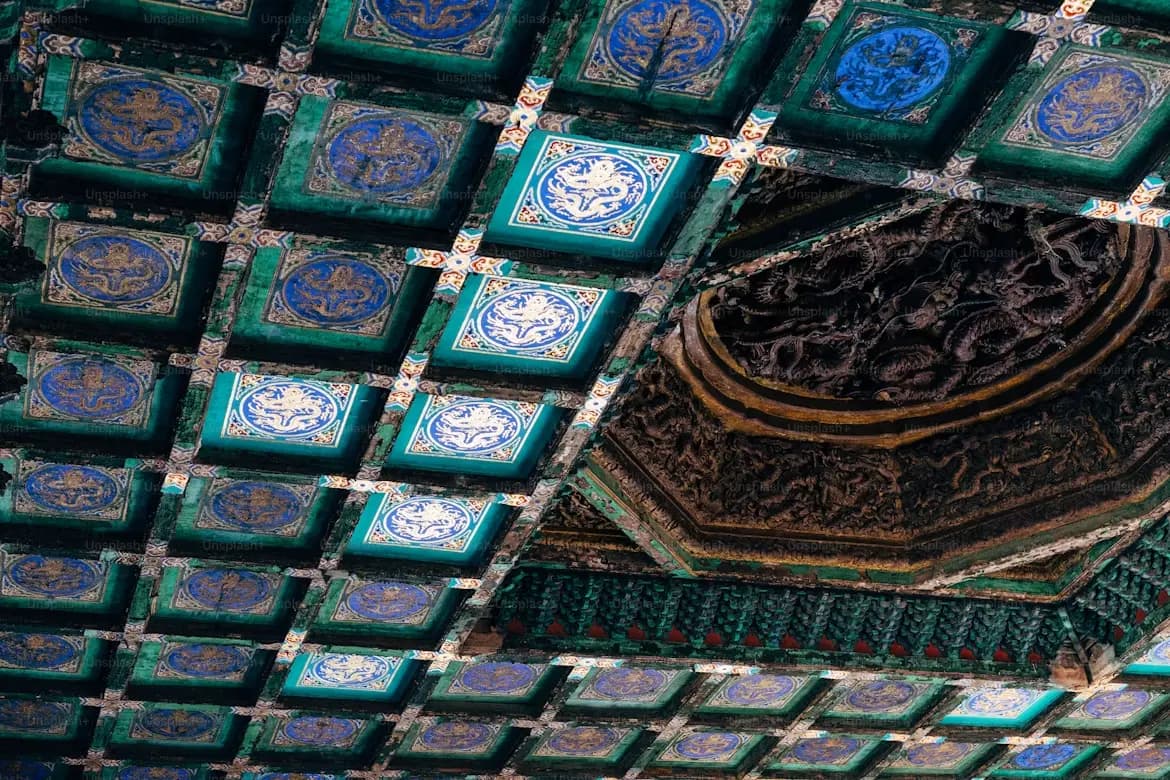
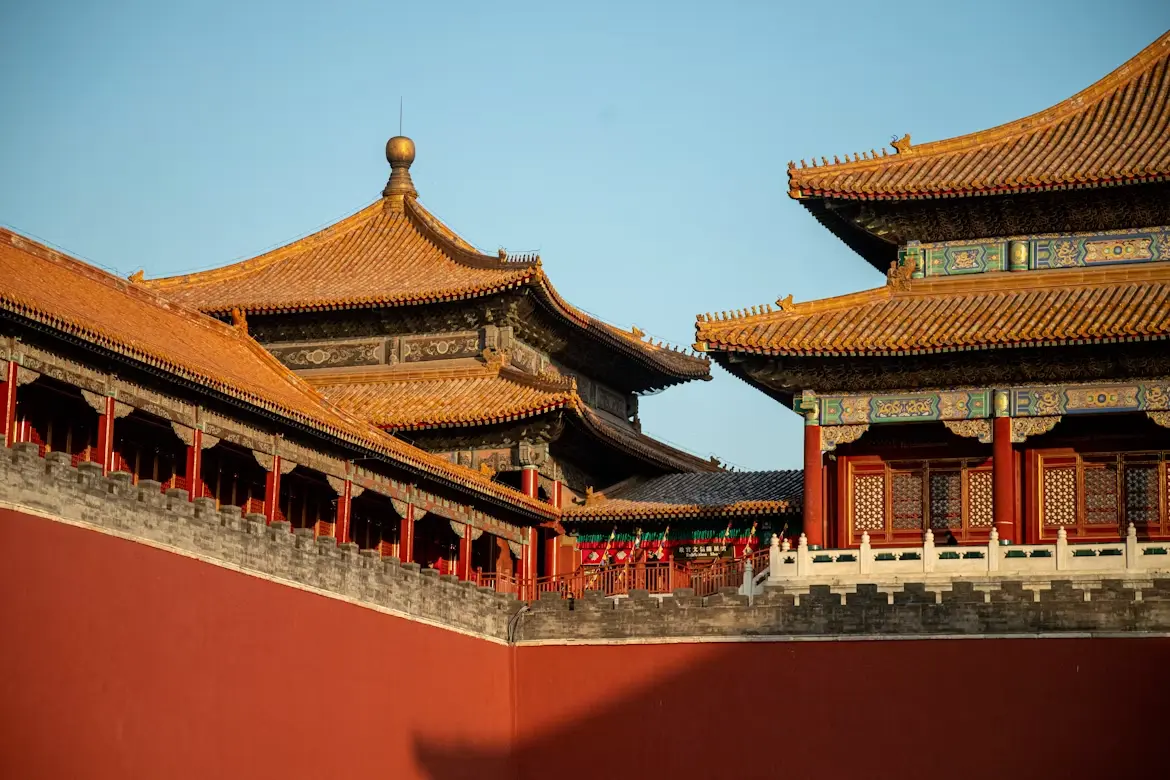
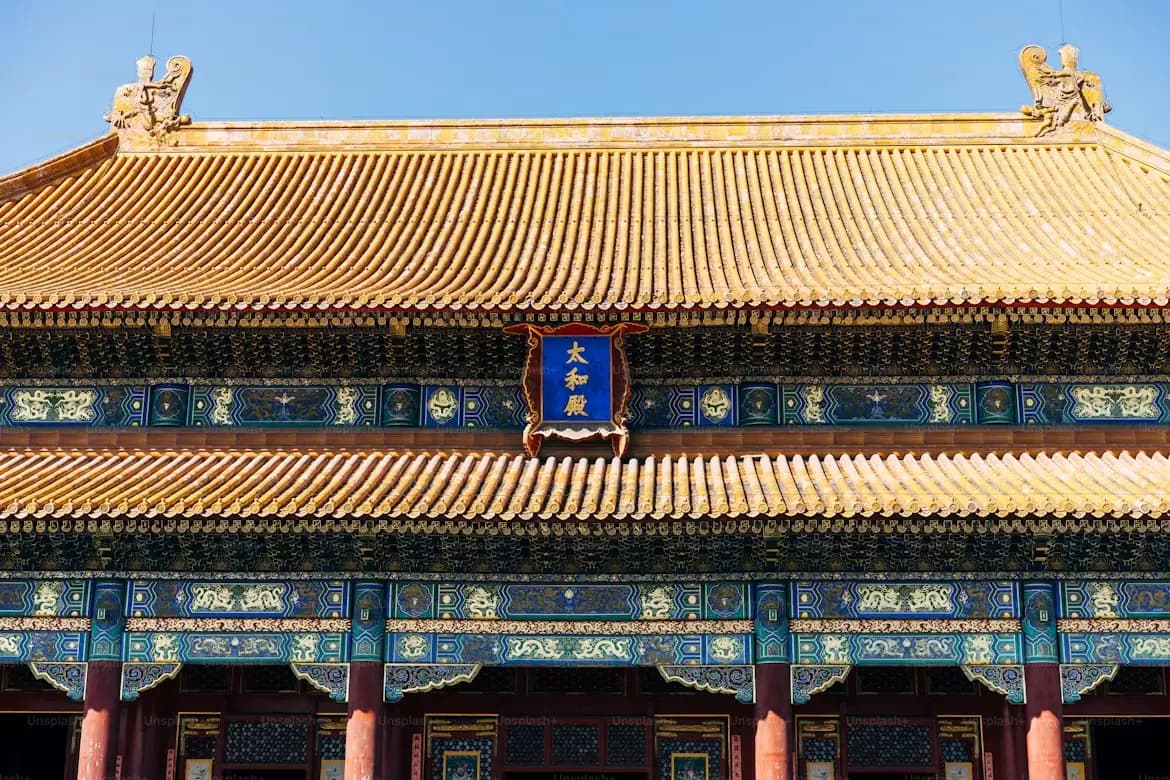
The Palace Museum is the most booked-out attraction in Beijing, and same-day tickets have been unavailable for years. A little planning turns an enormous, potentially overwhelming palace into a two-hour visit children actually enjoy.
Exact opening hours
Period | Dates | Opens | Last entry | Closes |
|---|---|---|---|---|
Peak season | Apr 1 – Oct 31 | 8:30 | 16:30 | 17:00 |
Off-season | Nov 1 – Mar 31 | 8:30 | 15:30 | 16:30 |
How booking actually works
The museum uses a real-name registration system, so you cannot buy tickets at the door. Book about a week ahead through the museum's official website or its WeChat mini-program, and register every person in your party — including children, who enter free but still need to be listed. Names must match passports, and on the day you simply scan a passport or QR code at the gate; nothing needs printing.
Time slot | Entry window | Best for | Availability |
|---|---|---|---|
Morning (AM) | 8:30 AM – 12:00 PM | Families — the quietest window, kids still fresh | Sells out three to five days ahead in peak season |
Afternoon (PM) | 11:00 AM – 4:30 PM | Flexible itineraries | Easier to get, but much busier |
Reserve on the official channel roughly seven days ahead; morning slots in peak season go within minutes of release, so set an alarm.
Enter real-name details for everyone — full name, passport number and nationality.
Choose a time slot: the morning window is the quietest and best for families with fresh children; the afternoon is easier to get but busier.
Pay online. International cards can be awkward on some routes, so allow time and book early.
Arrive for your slot and scan passports at the gate to enter.
Getting to the Meridian Gate
By metro (best for independent travellers). Take Line 1 to Tiananmen East, Exit A, then walk north through the square to the Meridian Gate, the museum's south entrance.
By private car drop-off. Ask to be set down near the east side of the square, a short walk from the gate — no need to cross the crowds with a stroller or tired kids.
By DiDi. Set your destination as the Palace Museum's Meridian Gate; it is a quick hop from the central neighbourhoods.
A two-hour route that works for kids
Do not try to see the whole thing — it is enormous. This route hits the most impressive spots with the least walking and builds in story time.
Time | Stop | What to do |
|---|---|---|
8:30 | Meridian Gate | Walk north through the first courtyard and admire the bronze lions — find the one with a cub under its paw |
8:45 | Hall of Supreme Harmony | The great coronation hall; hear why the throne faced south |
9:00 | Treasure Gallery (separate ticket) | Gold, jade and crowns — children love the dragon-and-pearl pieces |
9:30 | Imperial Garden | Tall old cypresses, a stone rockery, and the moving-figure clock display |
9:50 | Gate of Divine Might (north exit) | Leave straight into Jingshan Park before the mid-morning crowds build |
Water and Towers: The Summer Palace with Kids
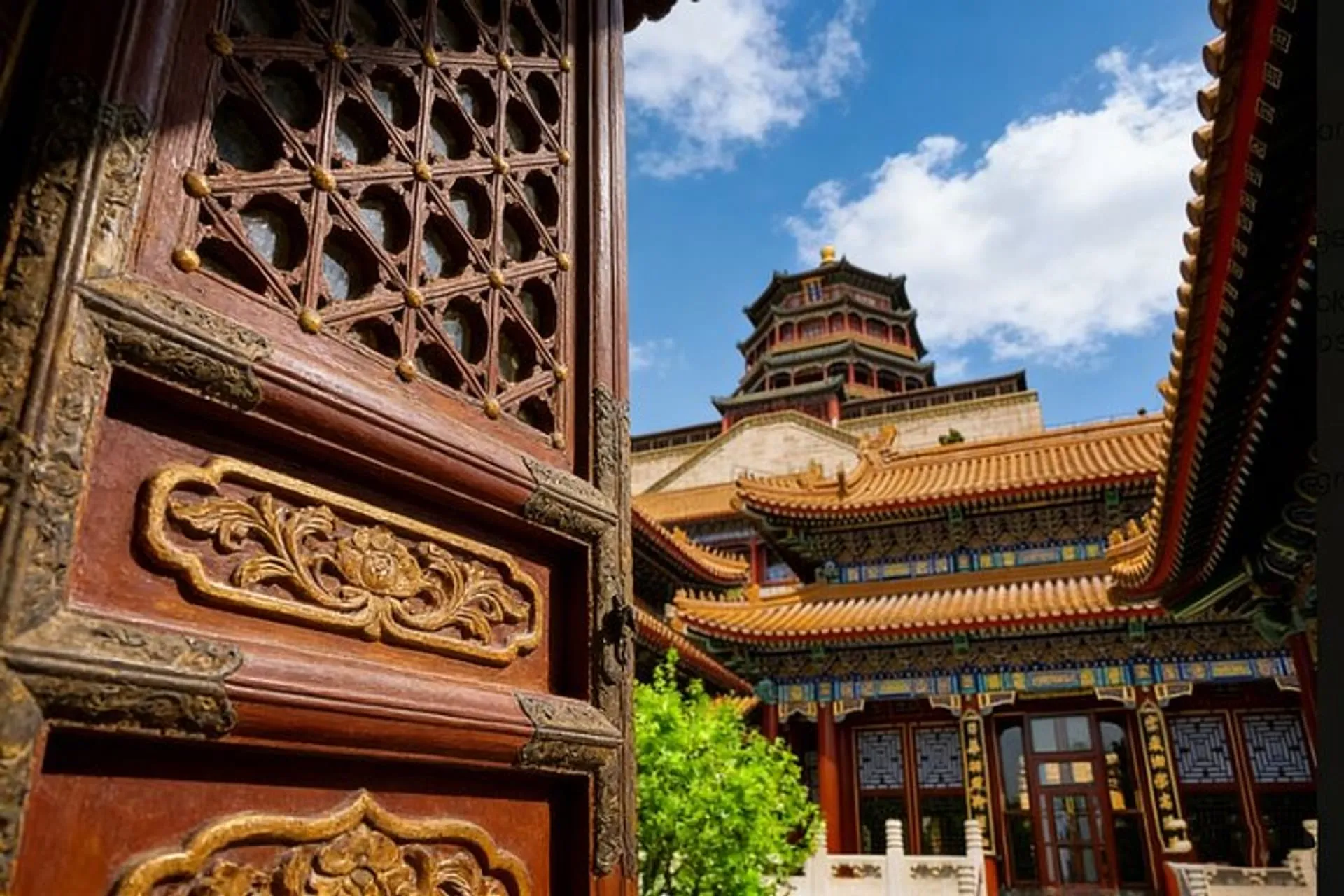
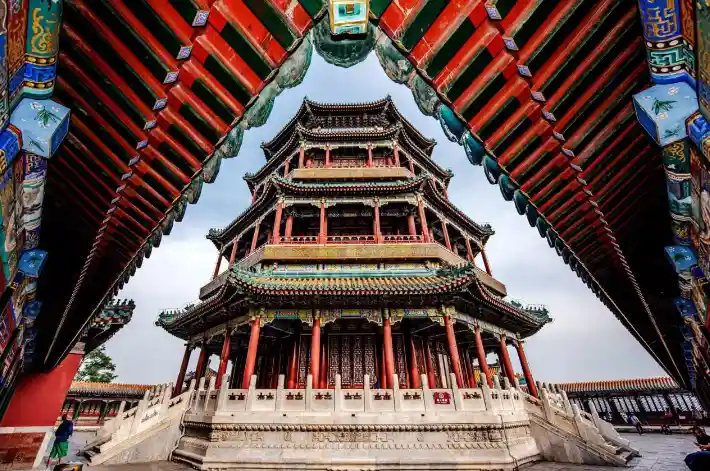
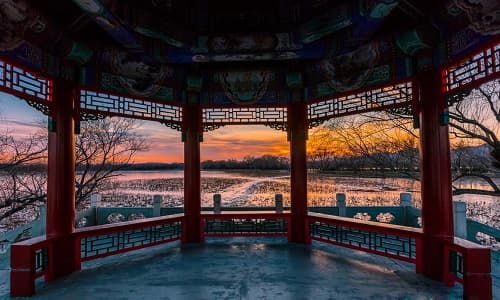
The Summer Palace is imperial Beijing at its most relaxed — a vast lake, a hilltop tower, and a long painted corridor. It suits families because there is a boat ride at its heart, and children who have had enough of walking can simply stop walking and get on the water.
Item | Details |
|---|---|
Opening hours | Park roughly 6:00–20:00; inner gardens 8:00–18:00; ticket checks end an hour before close |
Getting there | Metro Line 4 to Beigongmen, Exit D, then a short walk; some buses reach the lake side directly |
Best for kids | A boat ride on Kunming Lake (April to October), climbing the Buddha Incense Tower for the view, and the canal-side Suzhou Street |
Recommended pace | 2.5–3 hours — lake promenade, the tower, a boat ride and a snack break |
Pandas and Play: Beijing Zoo with Kids
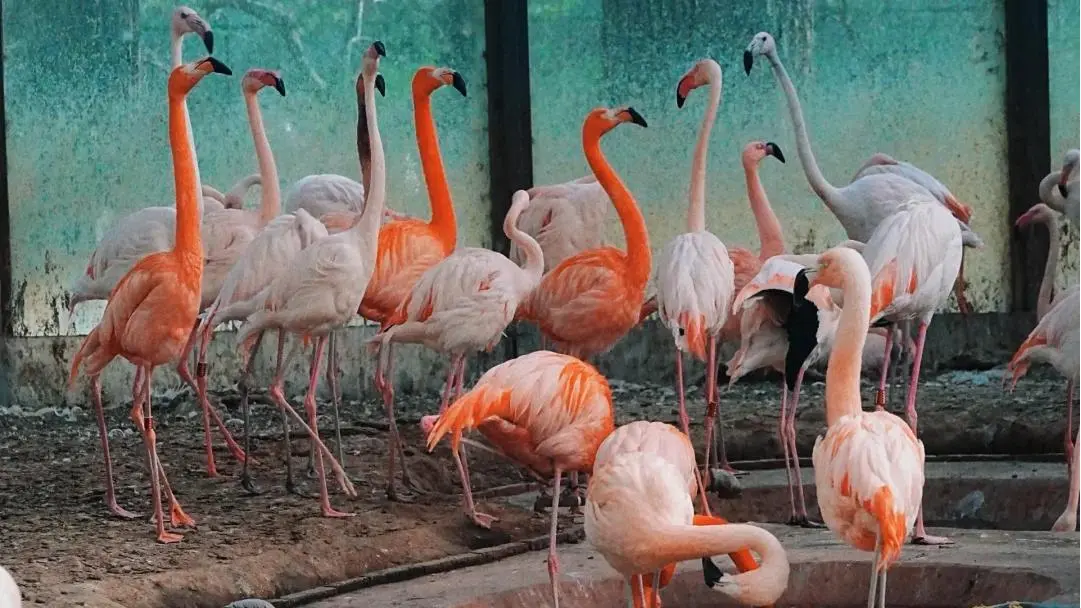
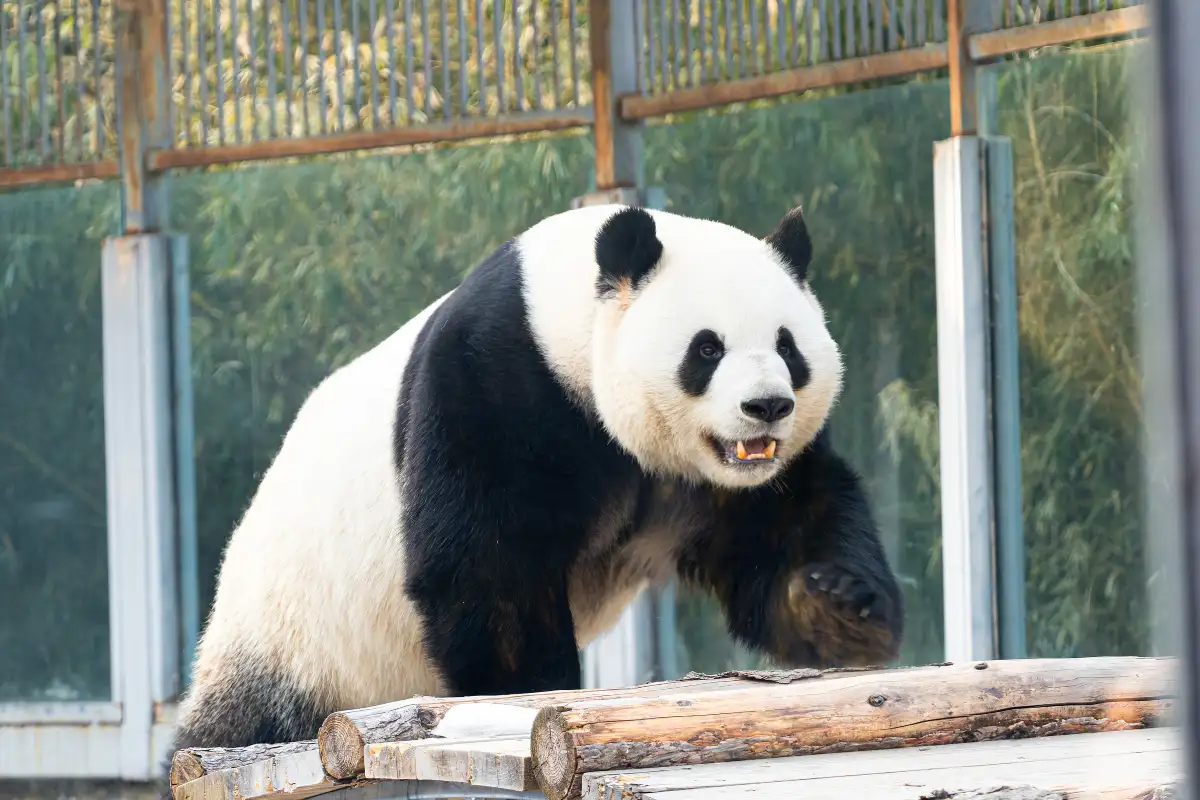
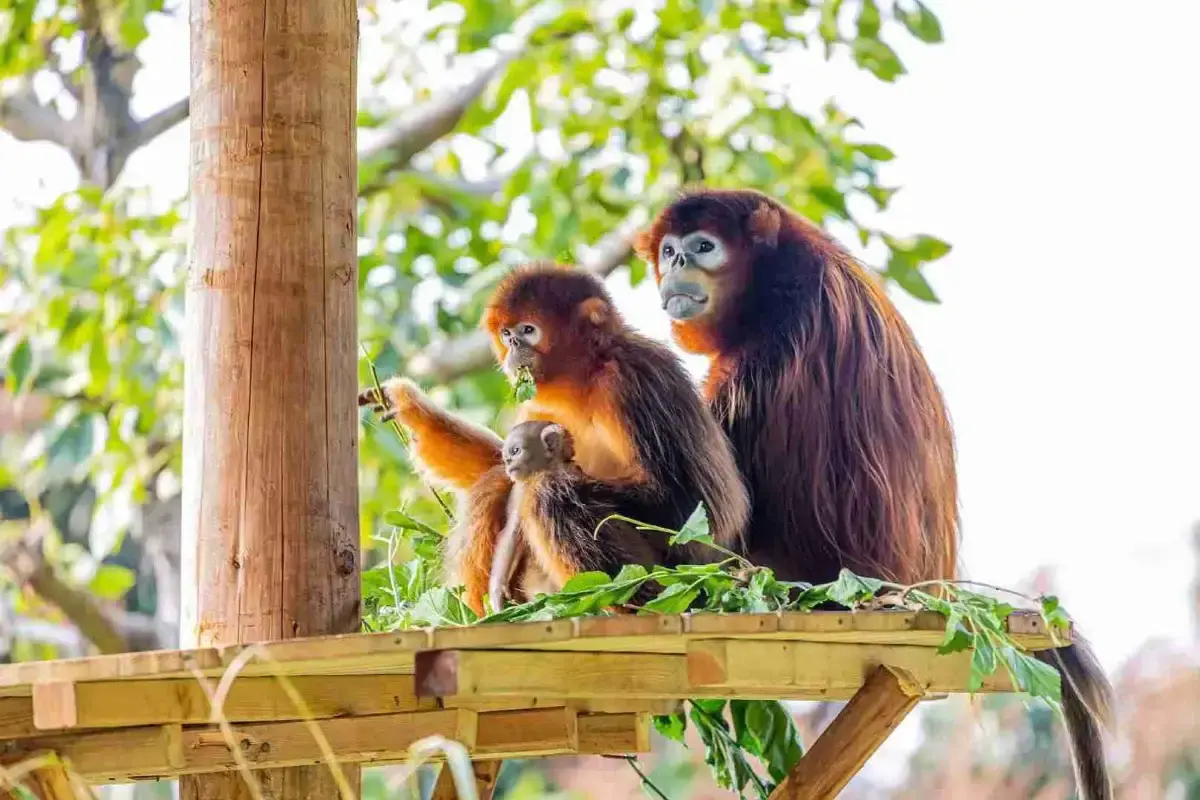
For younger children, a zoo morning can outshine any palace. Beijing Zoo is compact, easy to reach, and home to giant pandas — the single most reliably delighted reaction you will get from a child in China.
Item | Details |
|---|---|
Opening hours | About 7:30–18:00 in peak season; the Panda House opens around 8:00 and closes mid-afternoon |
Getting there | Metro Line 4 to Beijing Zoo, Exit B — the entrance is right there |
Panda tip | Arrive when the Panda House opens. Pandas are active and feeding early; by late morning they mostly sleep |
Other favourites | The giraffe and elephant houses and the Children's Zoo petting area; skip the small aquarium |
Recommended pace | About two hours — pandas first, then the other animals, then a snack |
A Full Day of Fun: Universal Beijing Resort with Kids
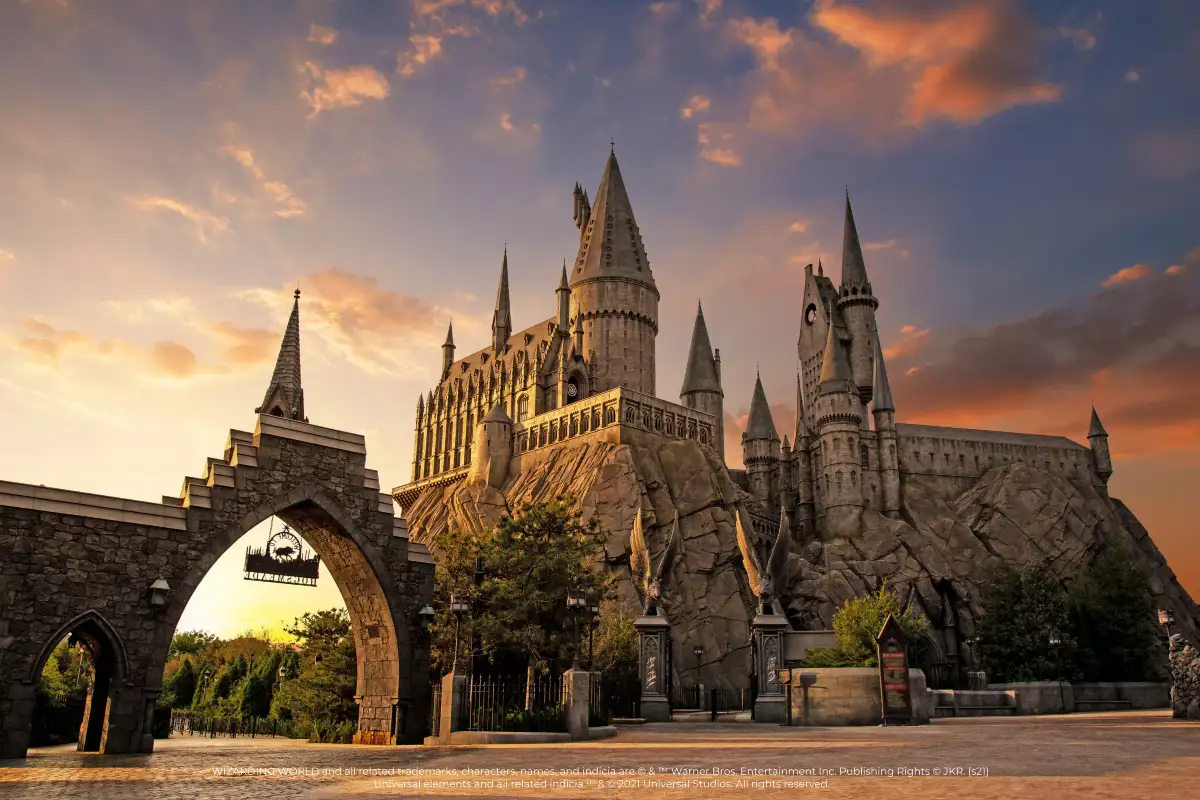
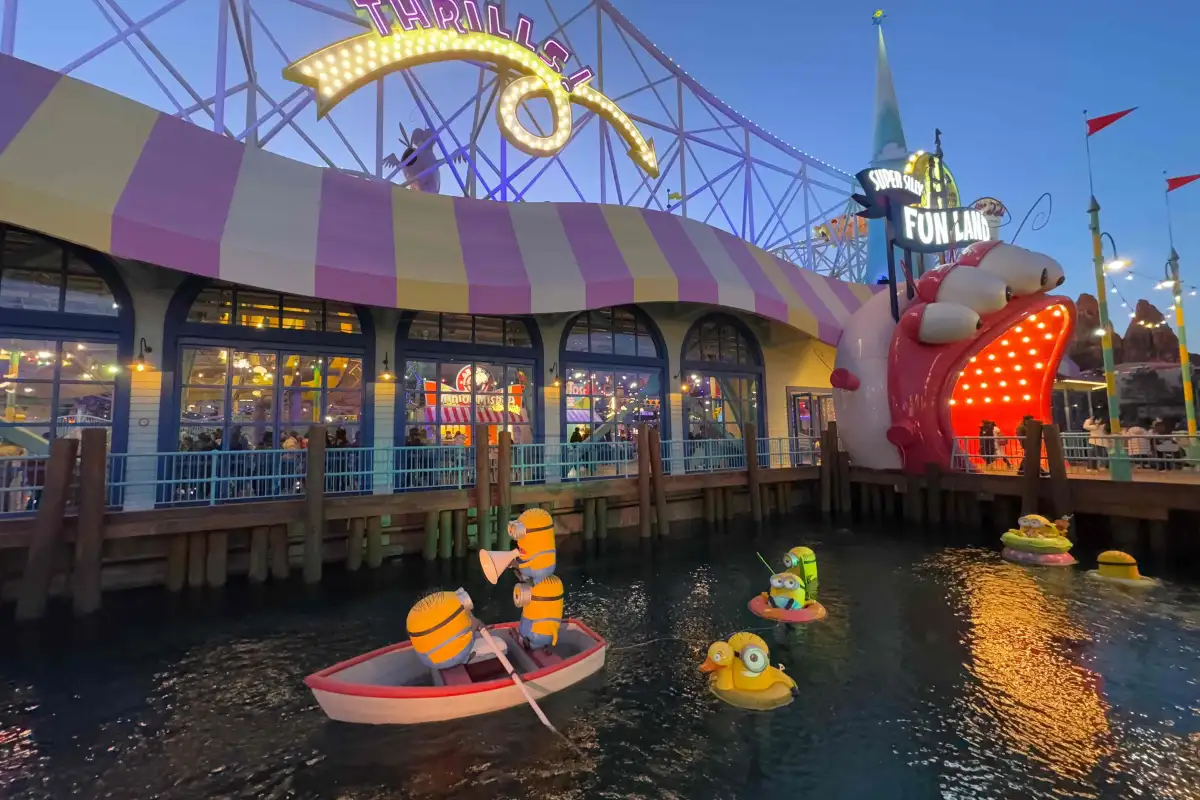
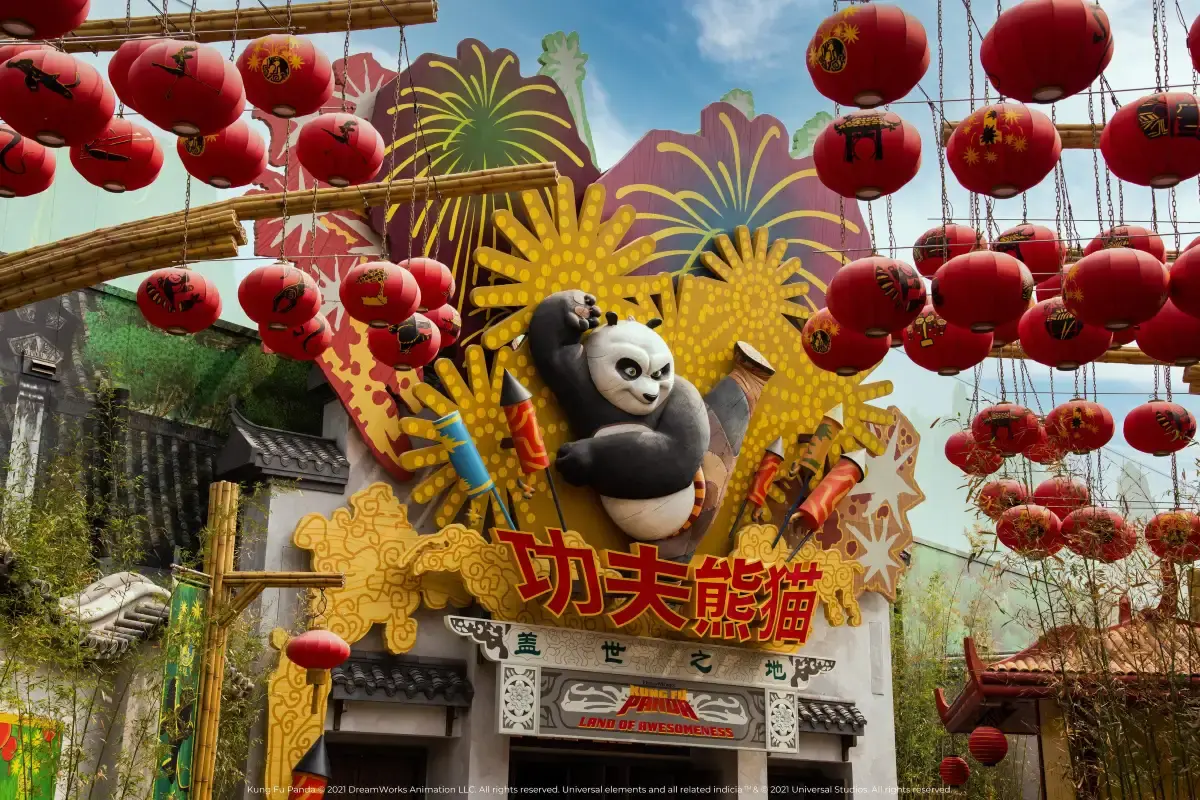
Universal is the modern blockbuster of a Beijing family trip — a full theme park with a Kung Fu Panda land found nowhere else, Minions, Transformers and a Harry Potter area. Give it a whole day and go early.
Item | Details |
|---|---|
Opening hours | About 9:00–20:00 most days, varying by season; check the park's own calendar |
Getting there | Metro Line 1 or 7 to Universal Resort, Exit B — a short walk to the gate |
Best zones for kids | Kung Fu Panda Land (go here first), Minion Land, the Transformers ride, and the Wizarding World |
Good to know | Some rides have height limits; a paid queue-skip pass earns its keep on busy days; book tickets online a couple of days ahead |
Recommended pace | A full day — arrive before opening and stay till the afternoon |
Short and Sweet: The Temple of Heaven with Kids
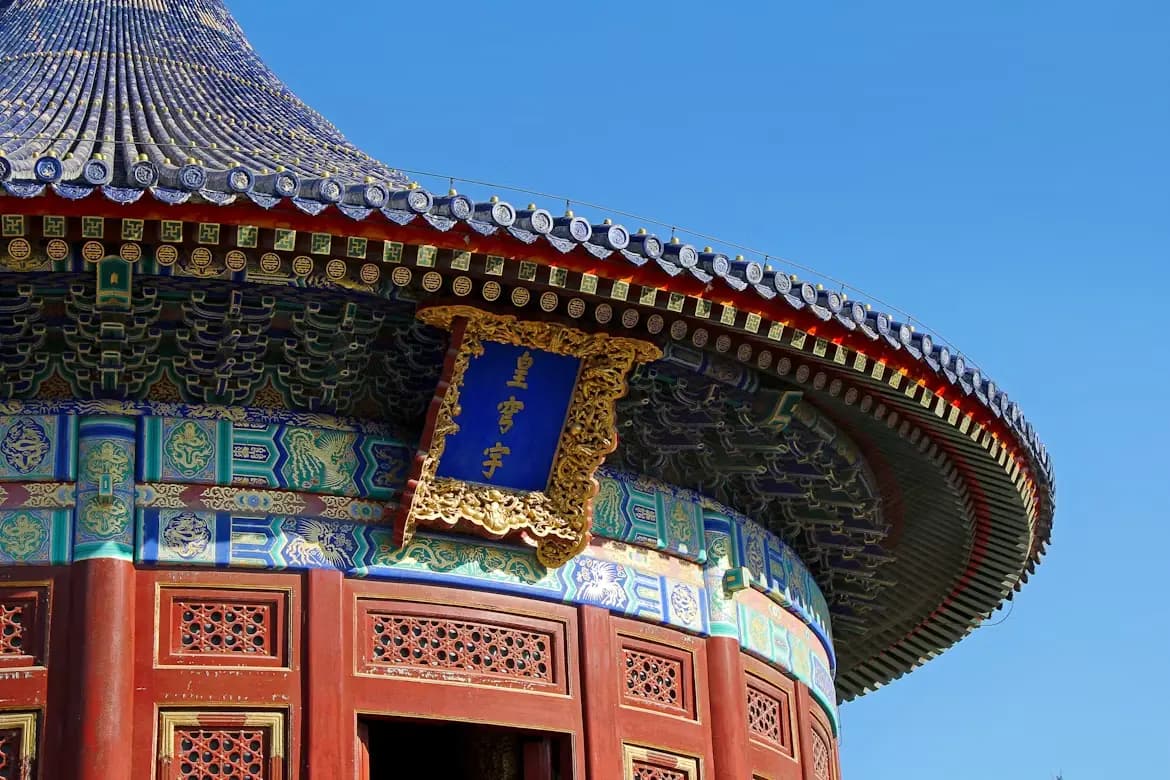
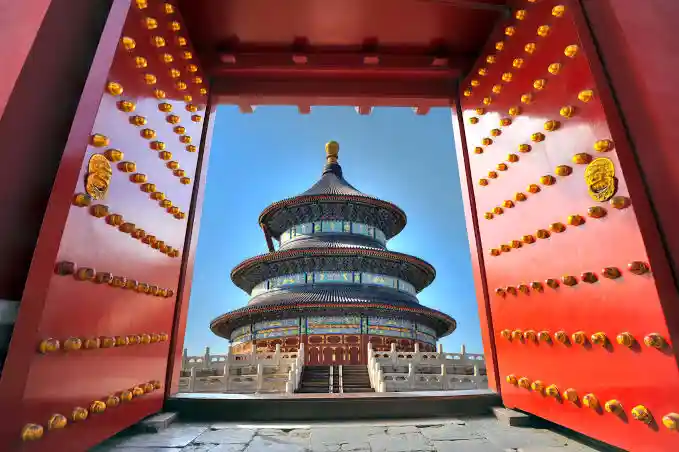
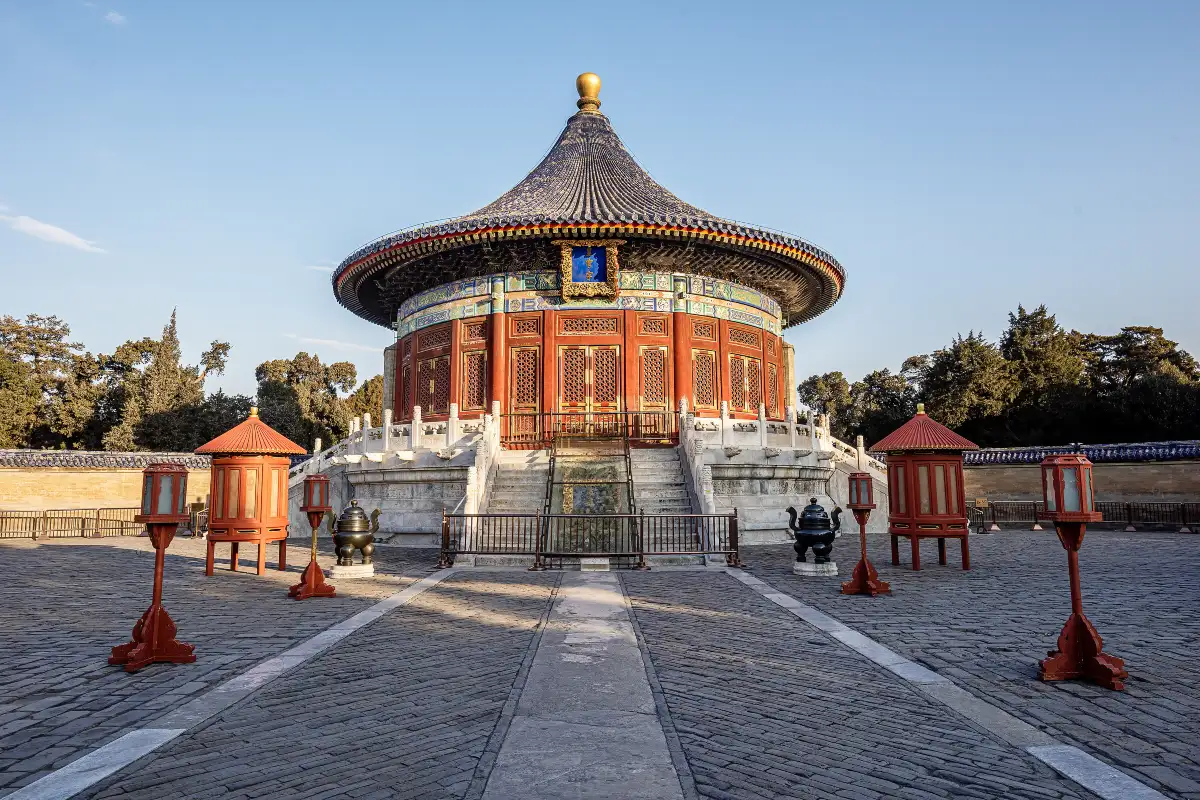
The Temple of Heaven is a compact, open-site alternative to the palace — big blue-tiled roofs, wide lawns, and one genuinely fun piece of acoustics. It fits neatly into a half-day.
Item | Details |
|---|---|
Opening hours | Park grounds open very early to late; the main halls run roughly 8:00–17:30 |
Getting there | Metro Line 5 to Temple of Heaven East Gate, Exit A, a two-minute walk |
Best for kids | Counting the three roof tiers of the Hall of Prayer for Good Harvests, and the Echo Wall where a whisper carries around the curve |
Recommended pace | About 1.5 hours — more walking and looking than doing |
Rainy Days and Jet Lag: The Best Indoor Attractions
Every family needs a wet-day plan. Beijing's big museums are excellent, largely free or cheap, and built for children who are expected to touch things. Note the weekday trap: almost all of them close on Mondays, so a rainy Monday means the aquarium, a market or a mall instead.
China Science and Technology Museum
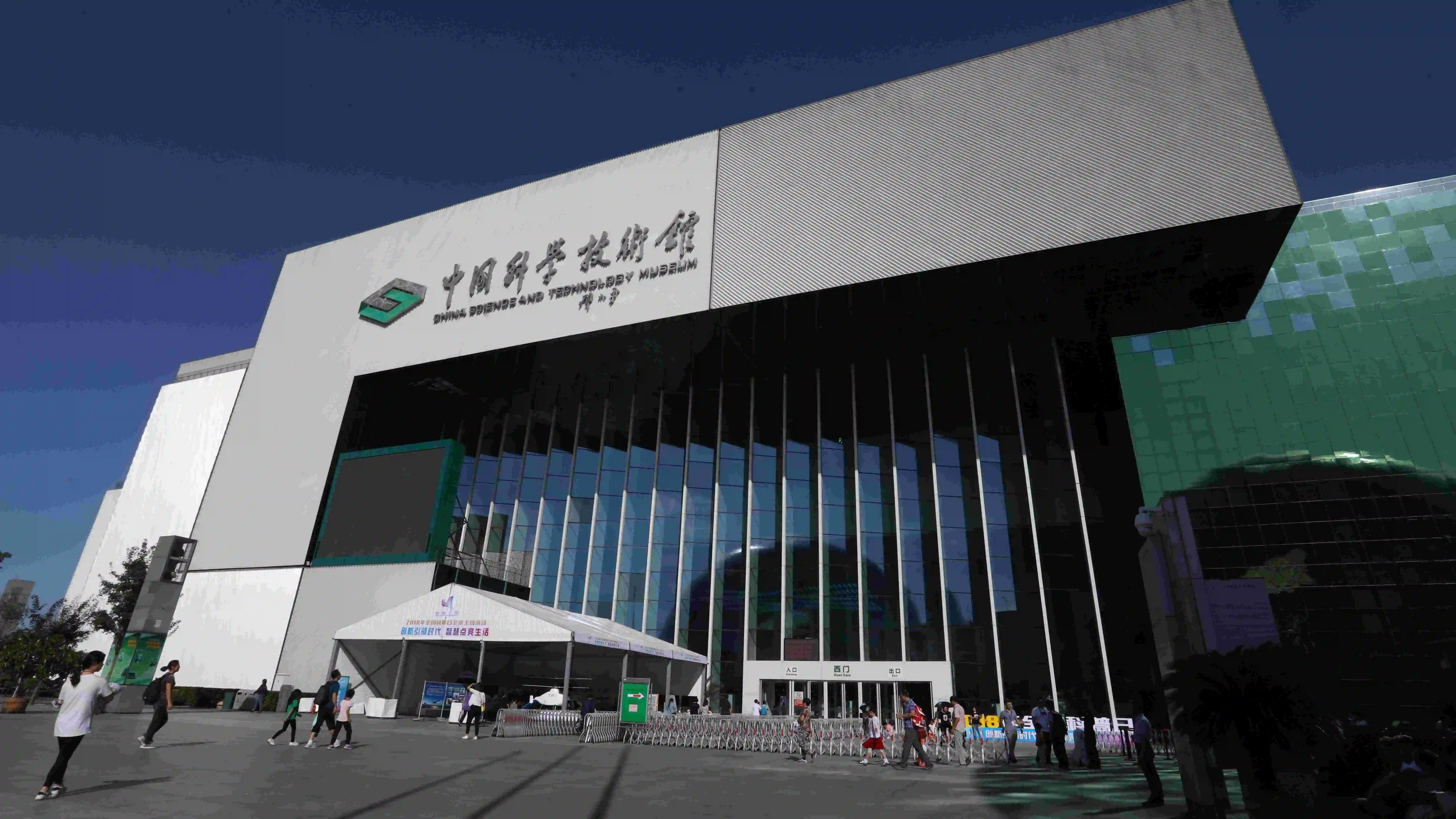
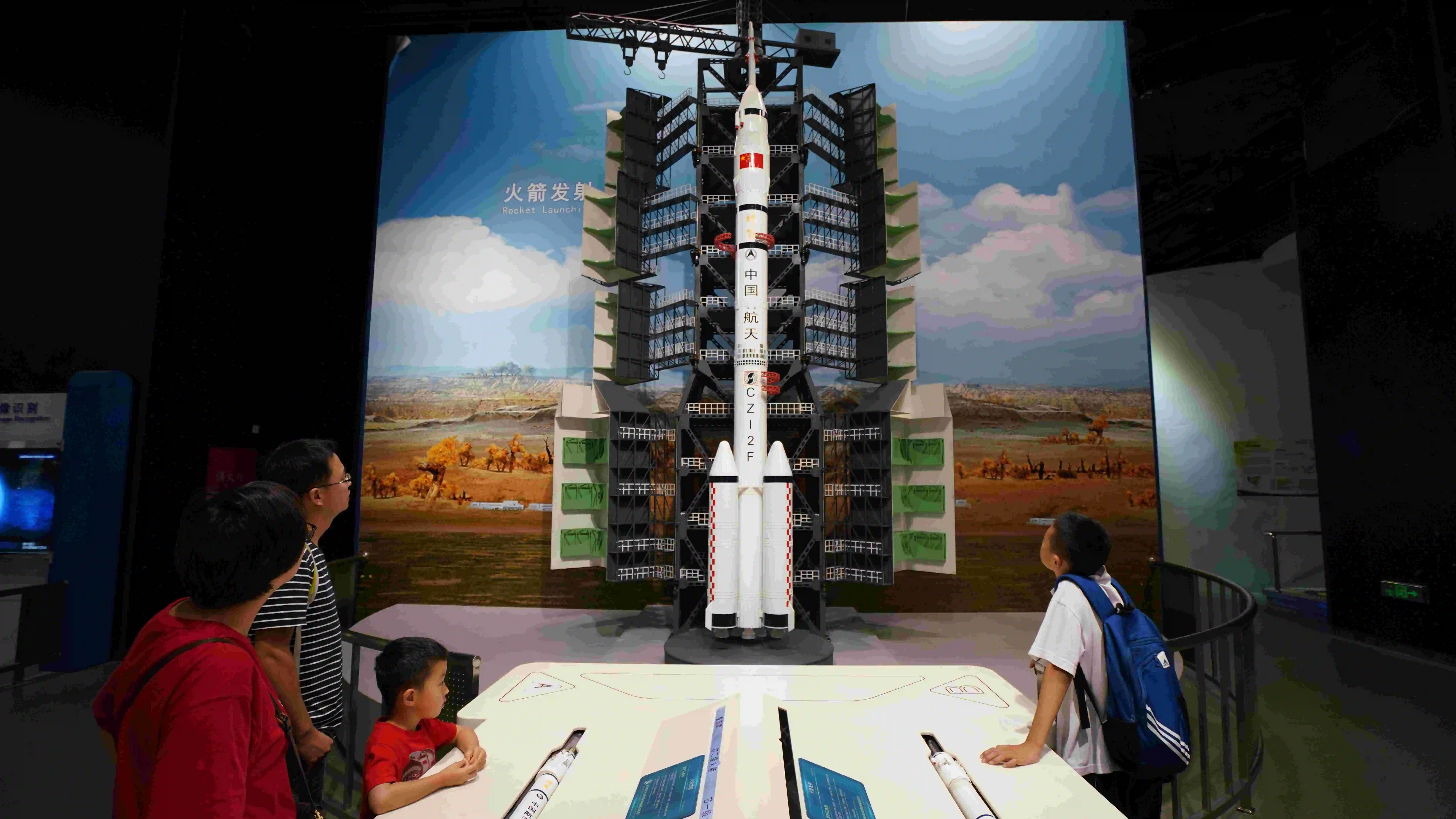
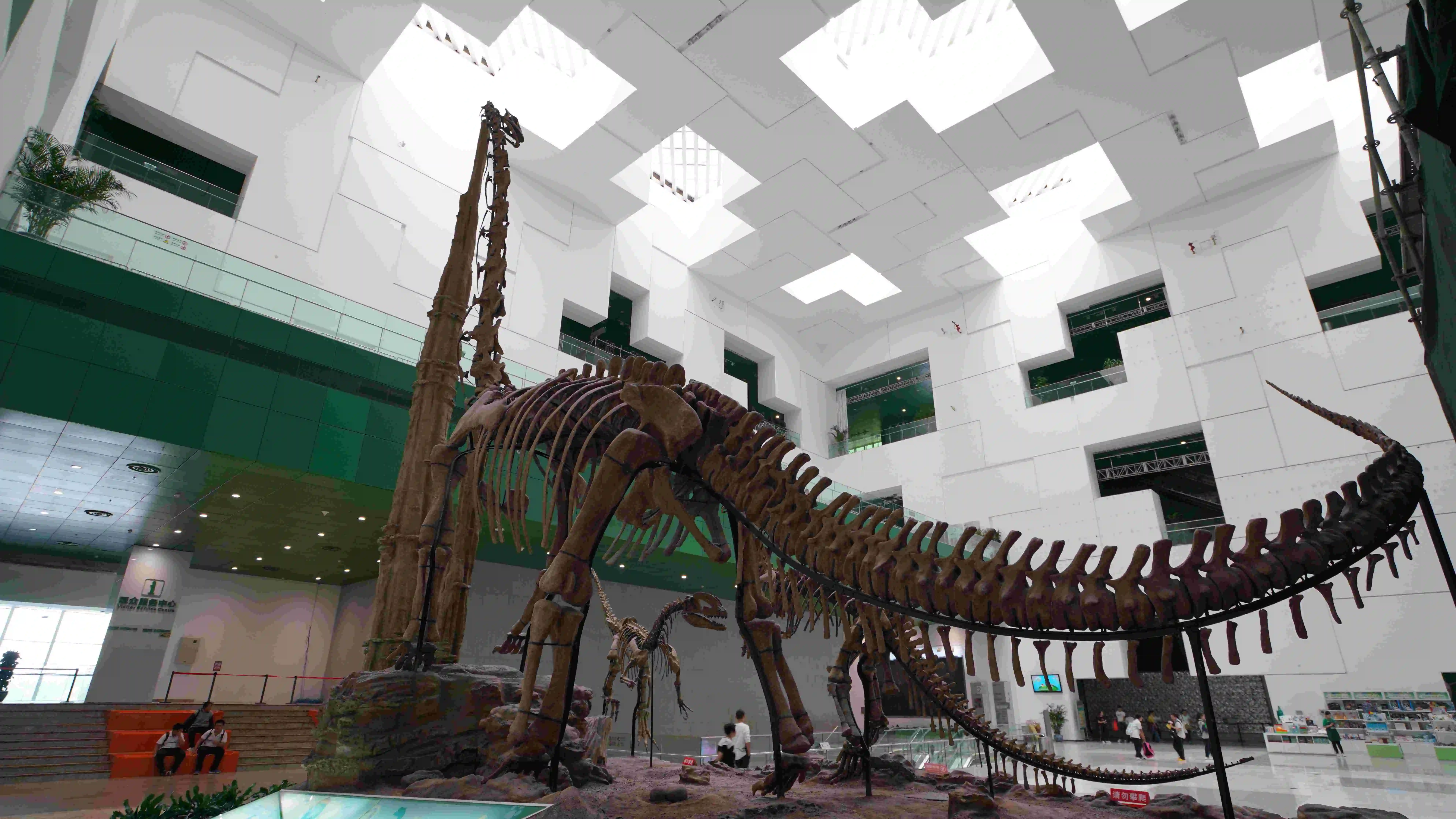
The best rainy-day, heat-wave or jet-lag rescue in the city. Four floors of hands-on physics, robotics and space exhibits — and unlike most museums, children are encouraged to touch everything. There is a dedicated Children's Science Paradise for roughly ages three to eight, with water play and a construction zone. Booking is real-name and released about a week ahead; the children's sessions sell first. Metro Line 8 to Olympic Park, just north of the Bird's Nest.
Item | Details |
|---|---|
Opening hours | Tuesday to Sunday, 9:30 AM–5:00 PM; closed Mondays except public holidays, and closed over Lunar New Year. |
Ticket prices | Main halls ¥30 adult / ¥20 student; Children’s Science Paradise ¥30 per person per session (ages 3–8, morning and afternoon sold separately); the dome theatre and 4D cinema are add-ons. |
Getting there | Metro Line 8 to Olympic Park, north-east exit, then an 8–13 minute walk — it sits just north of the Bird’s Nest. A car from Wangfujing runs about ¥35–45. |
Booking | Real-name online booking is compulsory; tickets release seven days ahead at 18:00 and the children’s sessions sell out first. Enter at the West Gate, exit at the East Gate. |
What kids love | The robotics and AI floor, the space hall, live science demos and the giant air-pressure and bubble experiments; the Children’s Science Paradise is a supervised mini-city with water play and a construction zone. |
Suggested time | Three hours minimum, four with the Children’s Science Paradise — treat it as a half-day block. |
Beijing Planetarium
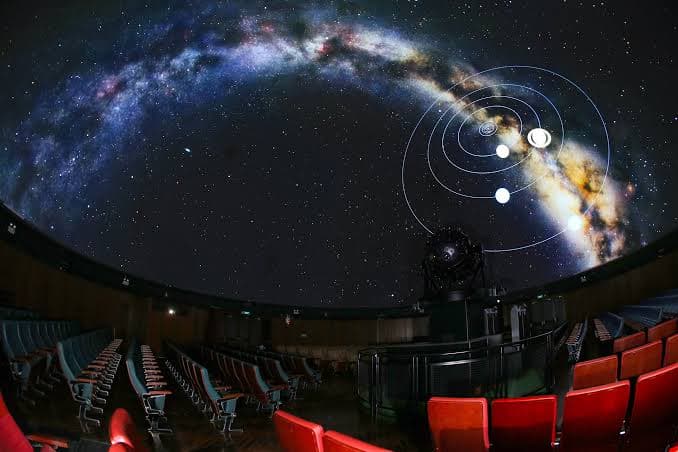
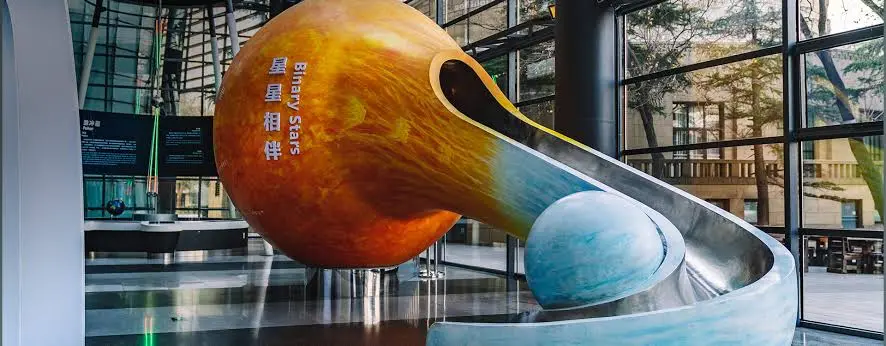

Next to the zoo, the Planetarium is the natural second half of a zoo morning, and its dome theatre is genuinely impressive: kids lie back while the sky moves overhead, with 4D shows that add wind and spray. Note the oddity — it is open on Mondays and closed on Tuesdays, unlike the other museums. Shows are narrated in Mandarin, but the most visual dome programme works fine for non-Chinese speakers. Metro Line 4 to Beijing Zoo, Exit D.
Item | Details |
|---|---|
Opening hours | 9:00 AM–4:30 PM, last entry 4:00 PM; closed Tuesdays except public holidays — note the oddity that it is open on Mondays, unlike most Beijing museums. |
Ticket prices | By show: Planetarium Hall ¥45, Cosmic Theatre ¥30, 3D and 4D theatres ¥45. You book a specific screening, not general entry; a cheaper hall-only ticket covers just the displays. |
Getting there | Metro Line 4 to Beijing Zoo, Exit D, then a five-minute walk — the same station as the zoo, no transfer. |
What kids love | The tilted dome show where they lie back as the sky moves overhead, the 4D theatre with wind and spray, the meteorite collection and telescope sessions on clear evenings. |
Pro tip | Shows are narrated in Mandarin; for non-Chinese speakers pick the Cosmic Theatre (¥30), the most visual and least talk-heavy, and book the late-morning slot so you can do the zoo first. |
Military Museum of the Chinese People's Revolution

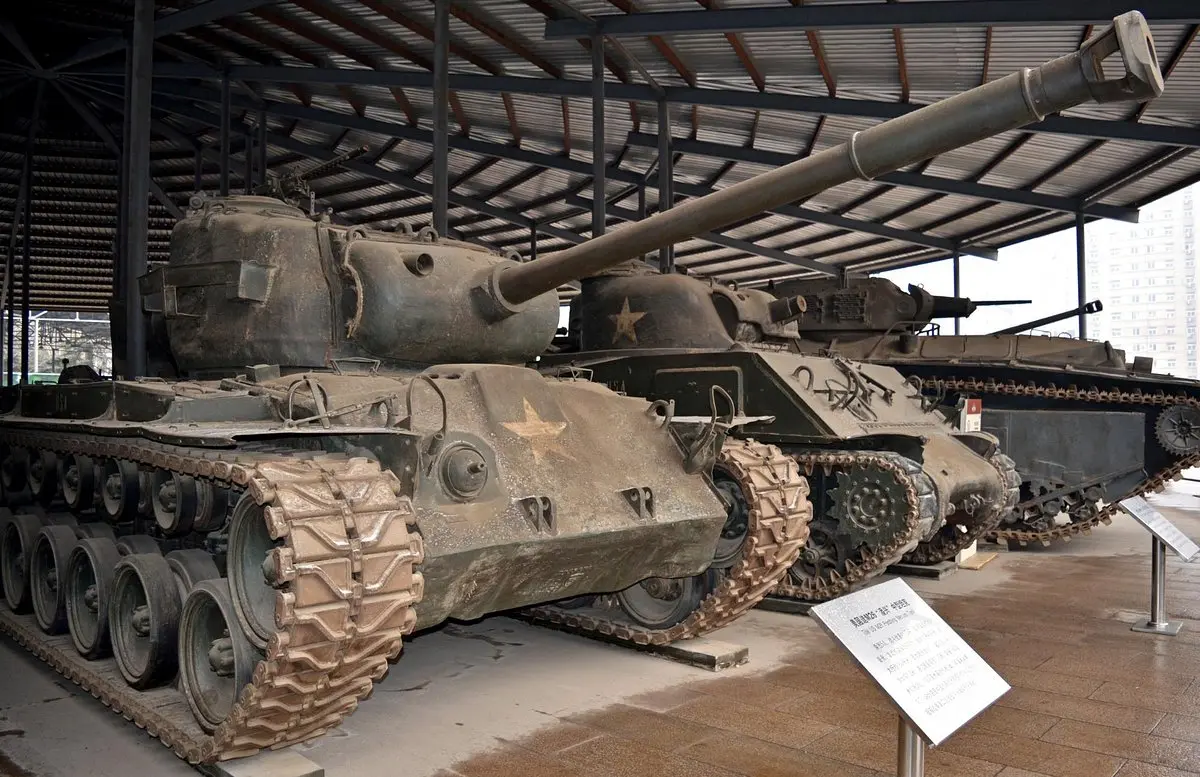
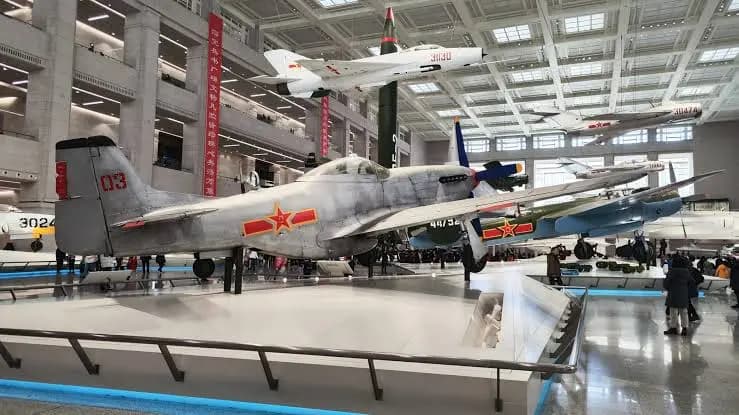
Free, air-conditioned and riveting for any child who likes tanks. The central hall is a cathedral of real aircraft, missiles and armoured vehicles, with outdoor galleries beyond. Everyone must reserve in advance even though entry is free; passports work for foreign visitors. Metro Line 1 to Military Museum, Exit B — the museum sits right above the station.
Item | Details |
|---|---|
Opening hours | 9:00 AM–5:00 PM, last entry 4:00 PM; closed Mondays. In summer (roughly 11 July–7 October) it opens at 8:40, closes 5:30 PM and stays open Friday nights until 8:00 PM. |
Ticket prices | Free, but everyone must reserve; bookings open eight days ahead via the official WeChat account, released in batches at 08:00, 17:00 and 20:00. Passports work for foreign visitors. |
Getting there | Metro Line 1 to Military Museum, Exit B — the museum sits directly above the station, no walking. From Wangfujing it is a straight 20-minute ride on Line 1. |
What kids love | The full-size aircraft suspended in the main hall, the tank and artillery galleries and the outdoor yard; a six-year-old will happily spend 40 minutes in the first hall alone. |
Suggested time | 1.5–2 hours — a perfect filler for an arrival day or a half-day gap. |
National Museum of China
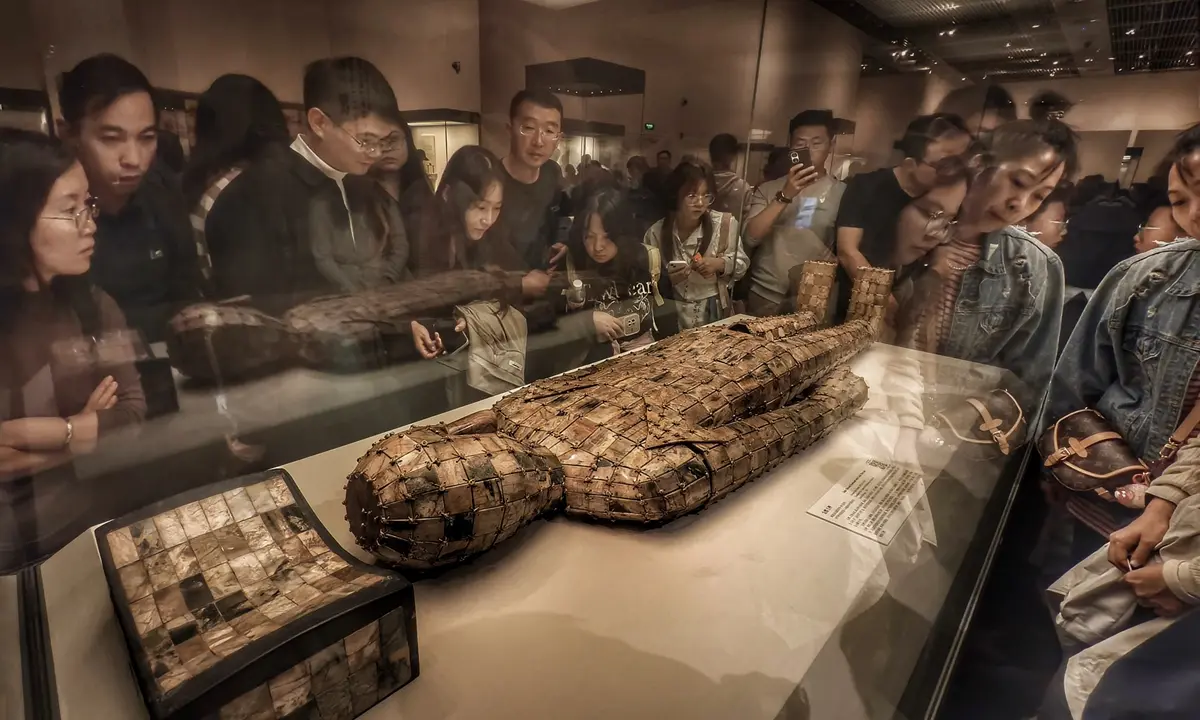
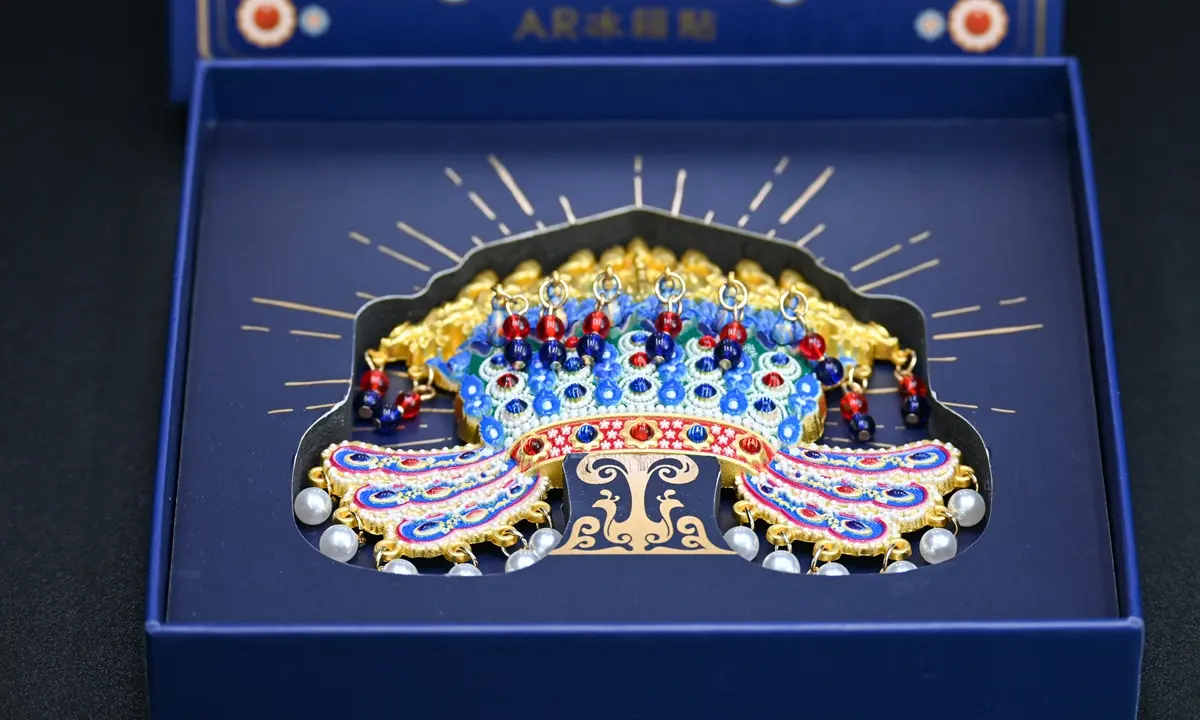
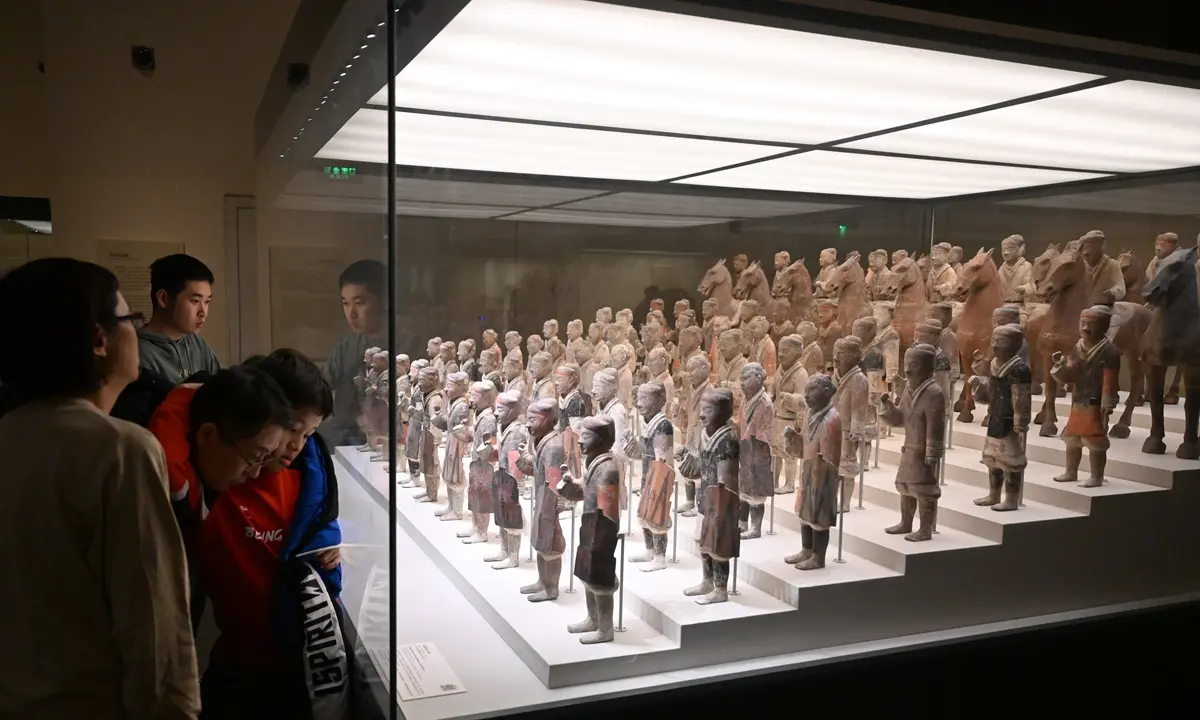
On the east side of Tiananmen Square, this flagship museum is free but the hardest ticket to get in peak season, so plan it first. The Ancient China gallery holds the great bronzes every Chinese schoolchild learns by heart, and there are hands-on children's workshops at weekends. Do not pair it with the Forbidden City on the same morning — both use the same square-side security screening, and doing both is too much for children. Metro Line 1 to Tiananmen East.
Item | Details |
|---|---|
Opening hours | 9:00 AM–5:00 PM, last entry 4:00 PM; extended to 5:30 PM (last entry 4:30 PM) from 1 June to 31 October; closed Mondays except public holidays. |
Ticket prices | Free with a real-name reservation on the official site or WeChat mini-program; slots open about seven days ahead and vanish within minutes on weekends and holidays. |
Getting there | Metro Line 1 to Tiananmen East, Exit C or D, then a five-minute walk to the west entrance — allow another ten minutes for the security and ID queue. |
What kids love | The Ancient China gallery — the Houmuwu bronze ding and the Four-Goat Square Zun are the two pieces every Chinese schoolchild knows — plus hands-on children’s workshops at weekends. |
Pro tip | Pick one gallery and leave; the building is enormous, and a focused two-hour visit beats a four-hour march. |
POP LAND: A New Kind of Theme Park
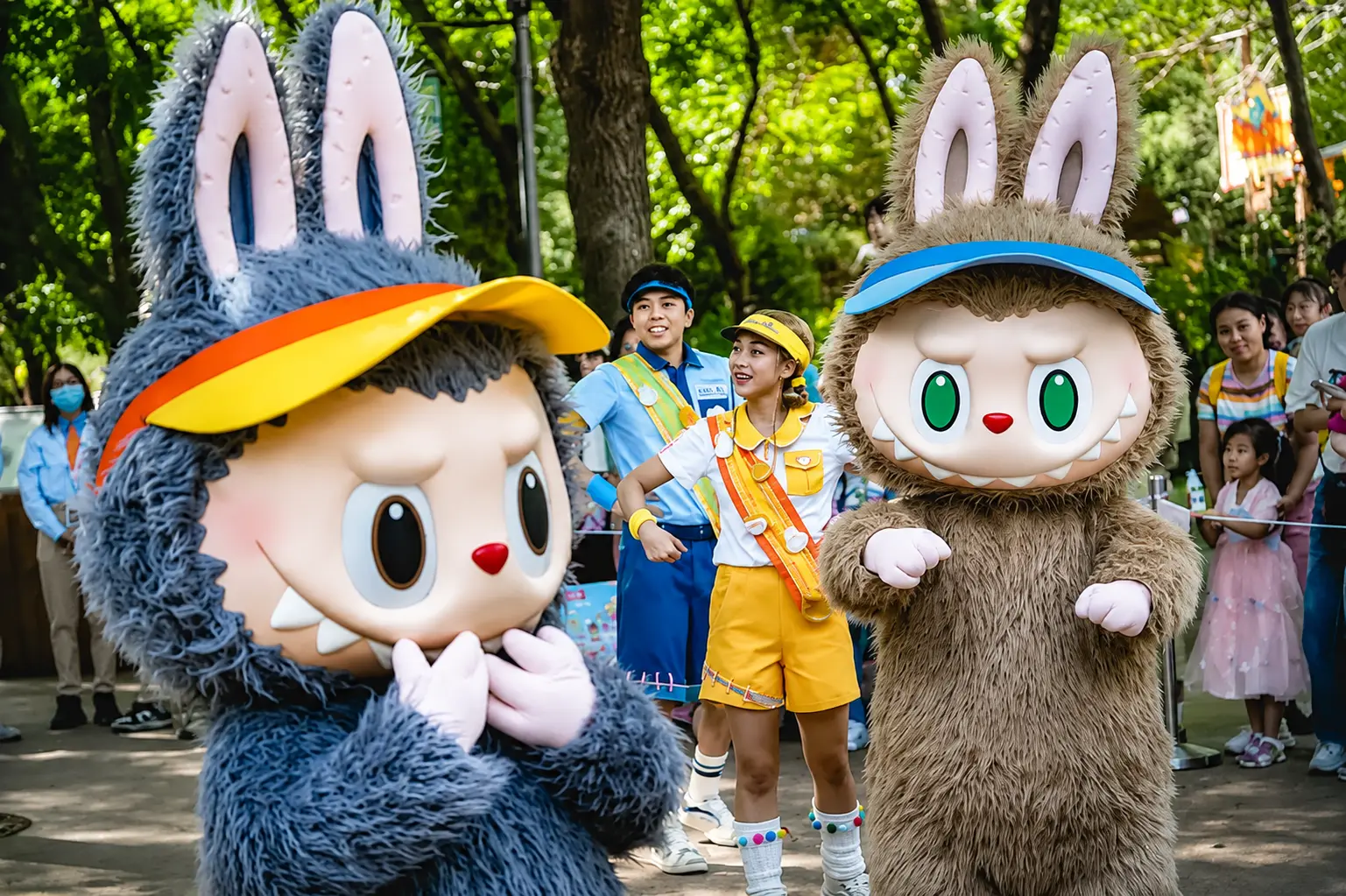
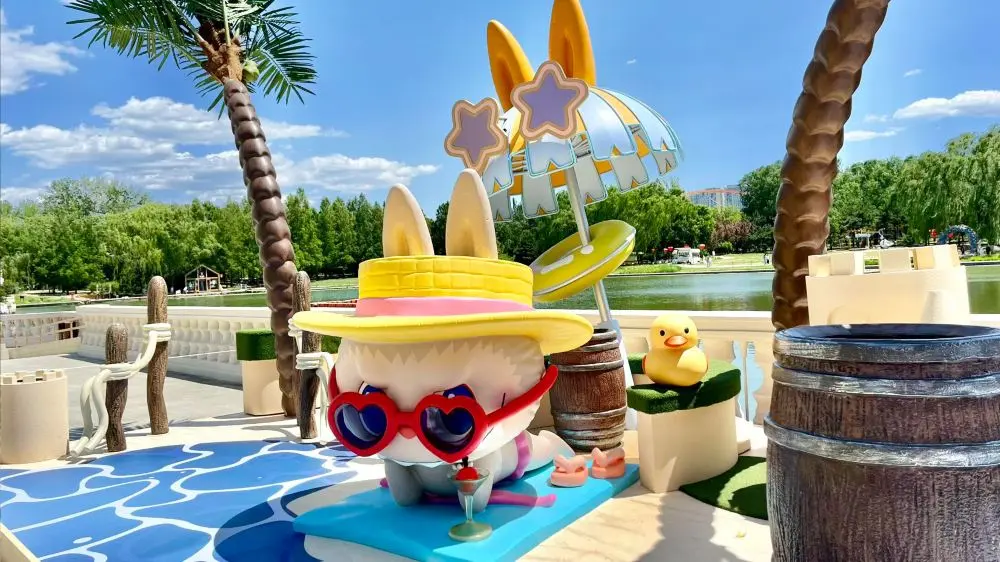
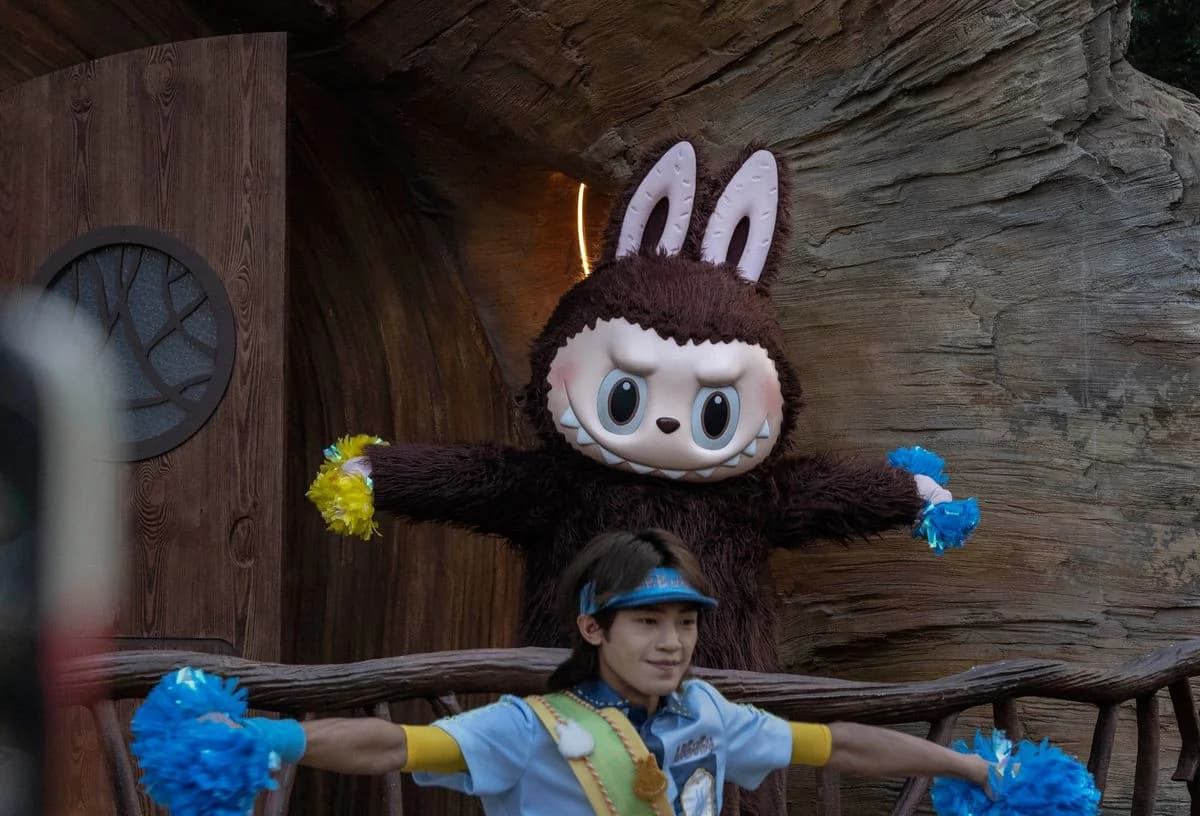
The newest and most Gen-Z draw in the city, a LABUBU and MOLLY-themed park set inside Chaoyang Park. Skip it if your children have never heard of the characters; if they know them, it will quietly become the highlight of the trip. It is compact enough to finish in an afternoon without the exhaustion of a big theme-park day.
Item | Details |
|---|---|
Opening hours | 10:00–20:00, last entry 19:00; extended to 22:00 in summer and holidays, when evenings are cooler and much quieter |
Ticket prices | Sightseeing entry ¥98 weekday / ¥128 peak; a standard ride pass (entry plus unlimited rides and games) ¥178 / ¥208; children pay the same as adults — buy through the official booking channel |
Getting there | Metro Line 14 to Zaoying, Exit D, then a 200-metre walk to Chaoyang Park's west gate; about 25 minutes from Sanlitun and 35 from Wangfujing |
What kids love | The LABUBU pirate ship, the giant unpowered climbing structure, around 17 carnival-style games, character meet-and-greets and themed desserts |
Pro tip | Pair it with Chaoyang Park itself — free, huge, with a lake and boats — and with Sanlitun for dinner, for a relaxed half-day that needs no 6 AM start |
Three Hands-On Beijing Experiences Kids Actually Love
Beyond sightseeing, Beijing offers hands-on cultural experiences that turn "looking" into "doing" — and these are usually what children talk about on the flight home. Three work especially well for families.
Peking Opera face-painting workshop
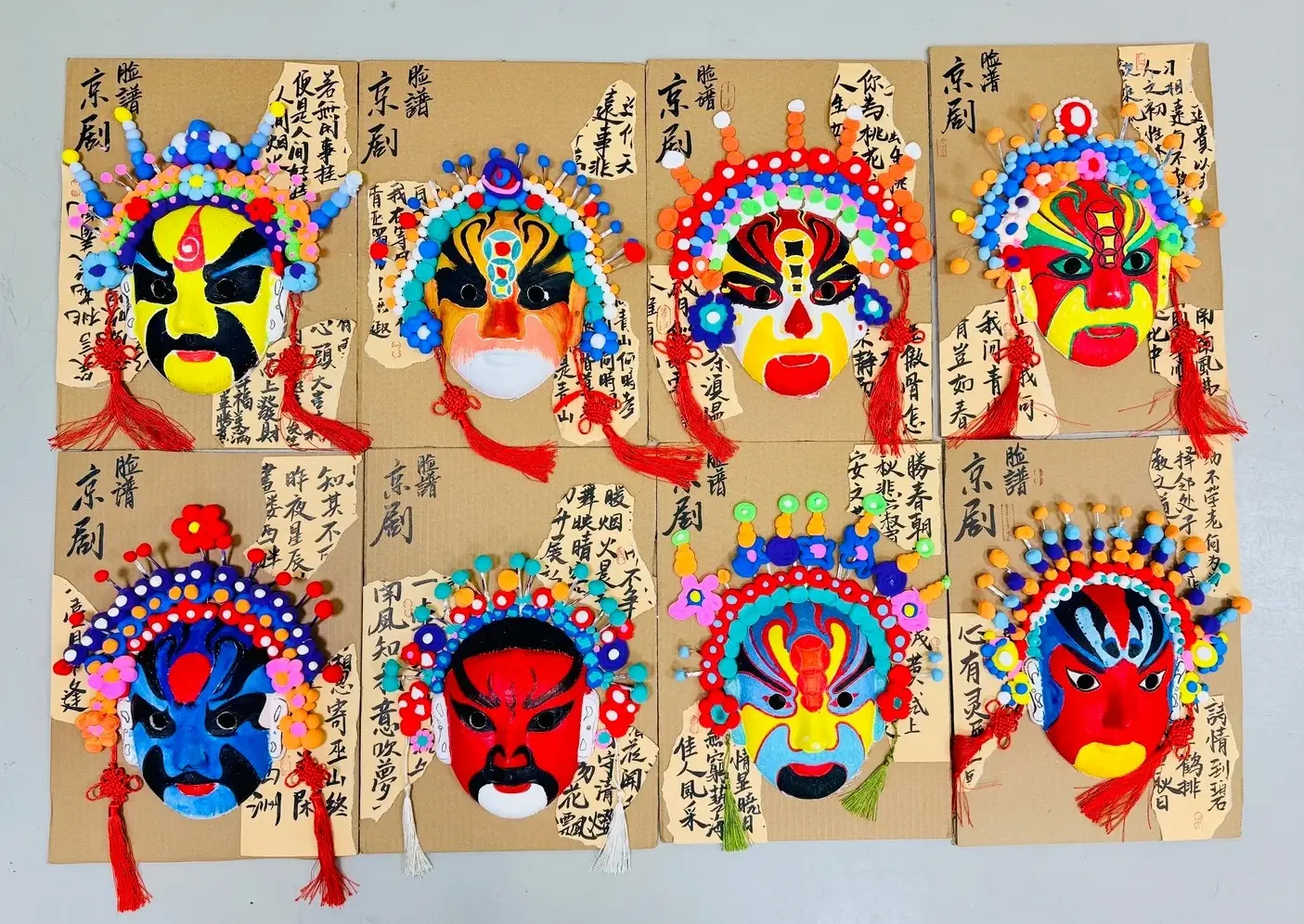
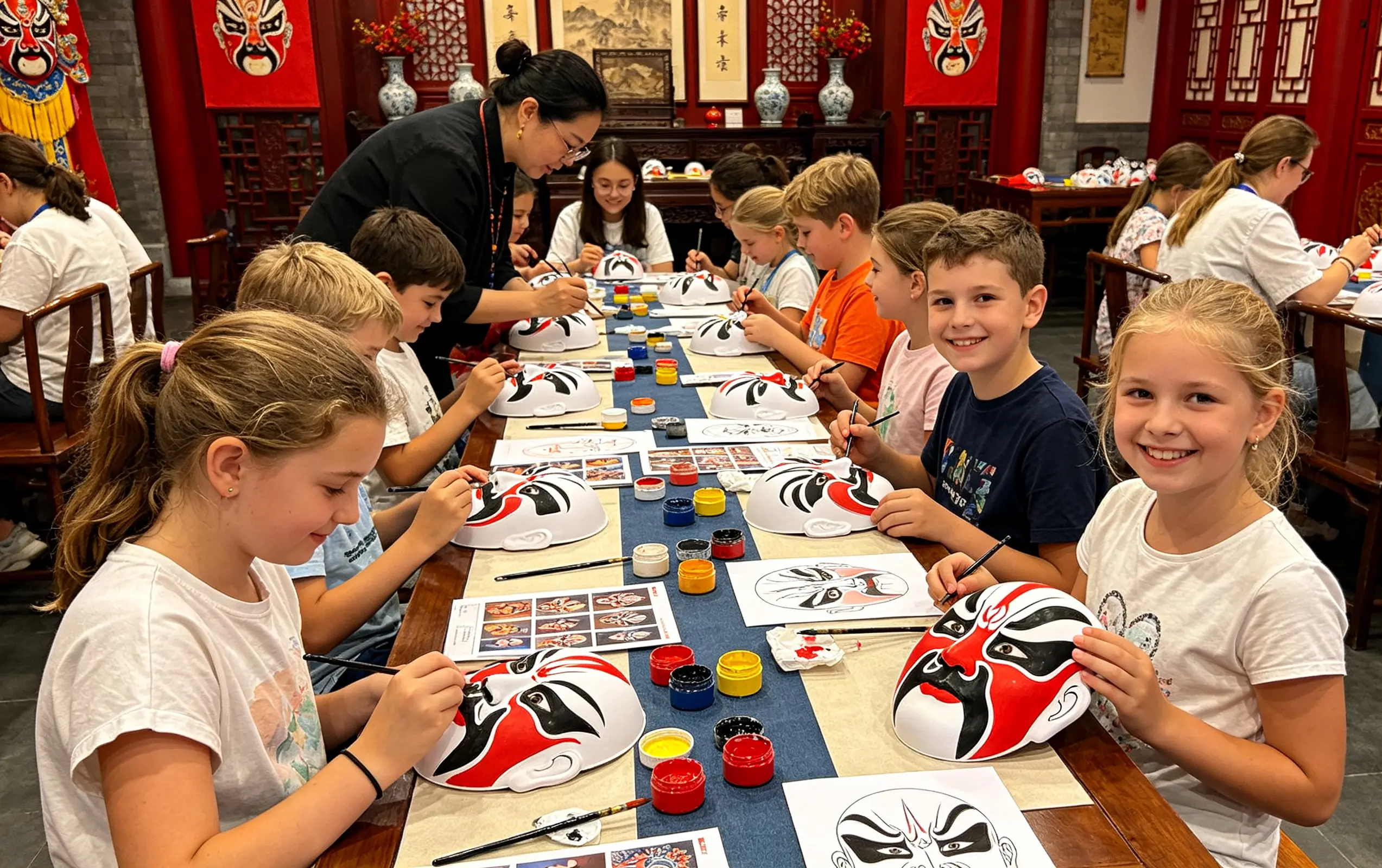
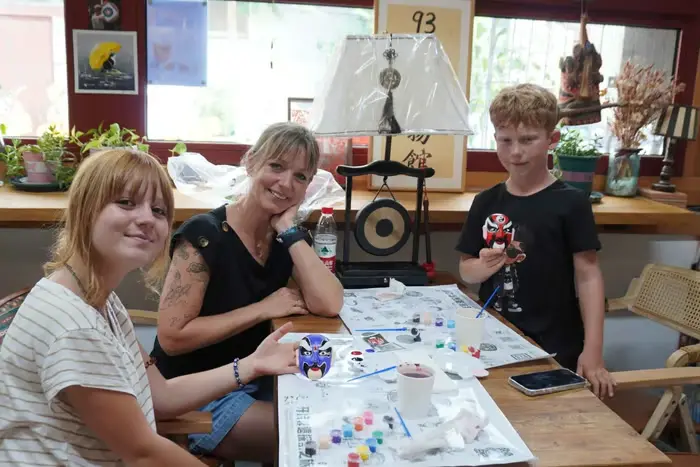
The single most popular hands-on activity for kids in Beijing. A one-and-a-half to two-hour session starts with a short intro to the opera's colour code — red faces for the loyal, white for the scheming — and then your child traces and paints their own mask with non-toxic pigments, guided step by step, and takes it home. Workshops cluster around Qianmen and Dashilar, both metro-accessible, and some take place in courtyard houses in the hutongs. It suits ages five to twelve best; toddlers can finger-paint a pre-made mask, and artistic teens may still enjoy the proper brushwork. Wear old clothes, go early or late to avoid midday crowds, and ask whether there is a community wall to display the finished masks.
Item | Details |
|---|---|
What happens | A 1.5–2 hour workshop. It opens with a short intro to Peking Opera characters (good guys wear red faces, villains white), then your child picks a template, traces it onto a wooden or paper mask, and paints it with non-toxic traditional pigments. Artists guide them step by step and photos are encouraged — you leave with a finished mask. |
Location | Most workshops sit in Qianmen or near Dashilar, both metro-accessible and surrounded by other kid-friendly things; a few run in hutong courtyards, which is extra charming. |
Price | Walk-in ¥70–140 per child (mask, paints and instruction included). Bundled into a half-day hutong activity it usually runs ¥150–250 per person with a rickshaw and tea break. No extra fee for accompanying adults — sit and watch, or paint one too. |
Duration | 1.5–2 hours in total. Most families pair it with lunch or a hutong walk before or after. |
Best ages | 5–12 is the sweet spot. Toddlers can finger-paint a pre-made mask; artistic teens often enjoy the more serious brush work. |
Pro tip | Wear old clothes — paint gets everywhere despite the aprons. Go early or late afternoon for more one-on-one time, and ask whether you can paint on the community wall. |
The acrobatic show
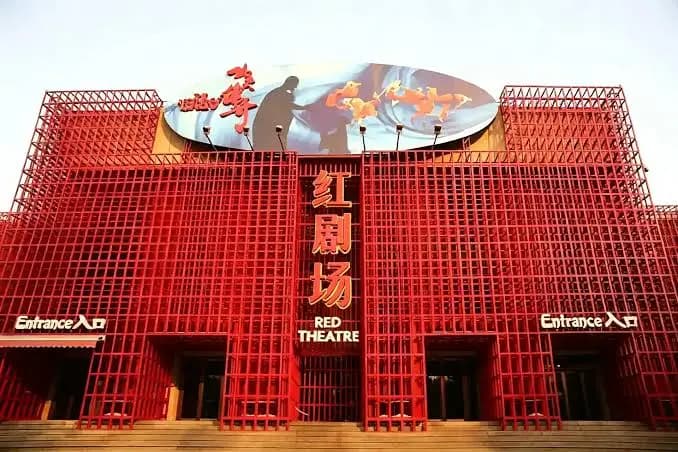
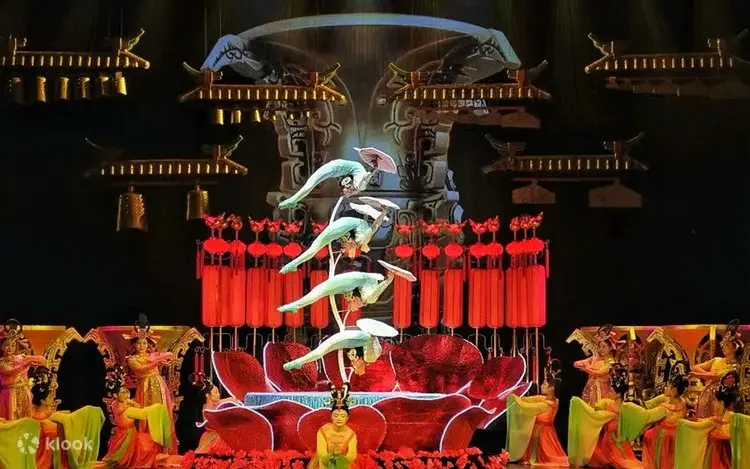
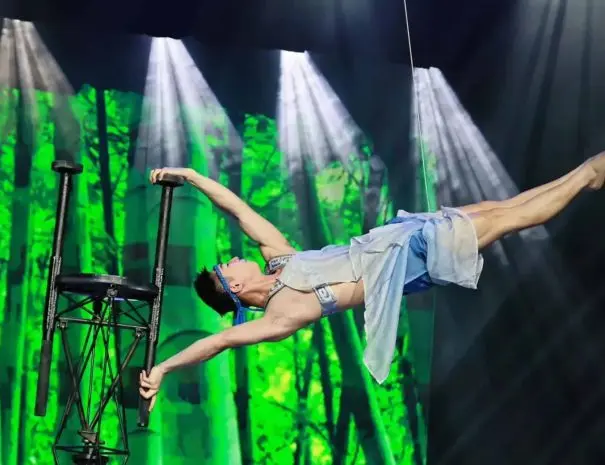
Beijing's acrobatic theatre is the most kid-friendly live show in the city — world-class tumbling, contortion, flaming hoop dives and kung-fu chair-balancing, with no dialogue and nothing scary, so language is no barrier. There are usually three shows a day; the early-afternoon performance is the best choice with children under eight because it avoids a late bedtime. Reach it by Metro Line 6 or 10 to Hujialou, Exit C, and arrive a little early for snacks and bathrooms. Book a few rows back for the best photos, and after the evening show the surrounding CBD skyline is a short, glittering walk.
Item | Details |
|---|---|
Show times | Three shows every day: 16:00–17:00 (best for little kids who tire early), 17:30–18:30, and 19:00–20:00 (best for teens, with a post-show CBD skyline). Pick the 4 PM show with under-8s to avoid a late-bedtime battle. |
Where | Chaoyang Theatre, right in the heart of Beijing’s CBD — surrounded by skyscrapers and Western food options. |
Getting there | Metro Line 6 or Line 10 to Hujialou Station, Exit C, then a five-minute walk; the north gate is the main entrance. |
Ticket prices | Section C (back) ¥180 walk-in / ¥150 online; Section B (middle) ¥280 / ¥240; Section A (front centre) ¥380 / ¥320. Children under 1m are free on a parent’s lap; 1–1.4m pay half price on some sections. |
What to expect | Sixty minutes, non-stop, in English and Chinese — contortionists, acrobats diving through flaming hoops, kung fu masters balancing stacked chairs, a ribbon dance and magic-like juggling. No dialogue and no scary content, perfect for kids who won’t sit still for long shows. |
Pro tip | Arrive fifteen minutes early for the bathrooms and snacks, sit three rows back for the best photos, and after the 7 PM show walk ten minutes for CBD night-skyline photos. |
A hutong rickshaw ride
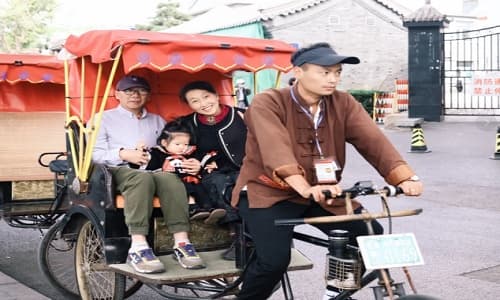
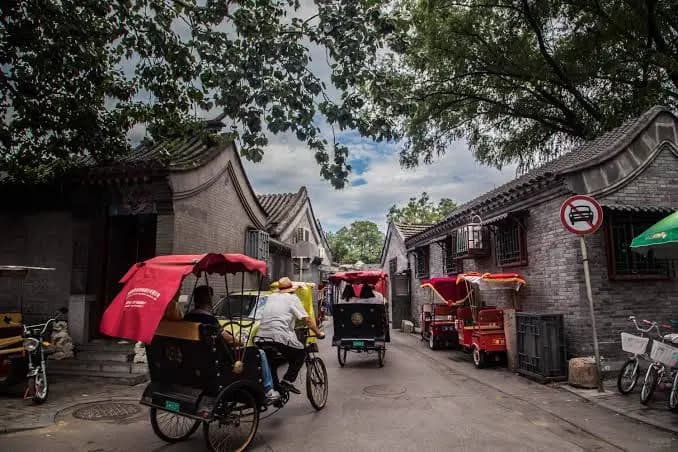
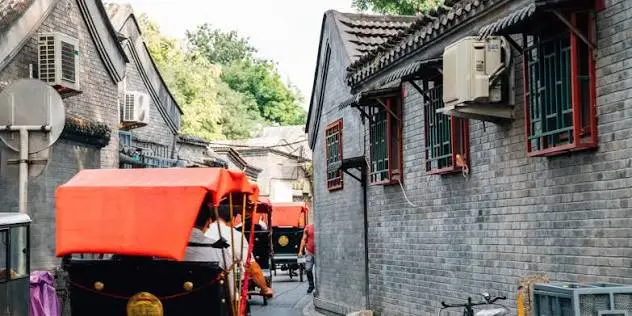
Step into a traditional pedicab and glide through the narrow lanes of old Beijing while the driver points out hidden courtyards and the back doors of ancient temples. Stick to the three established rickshaw stands — by Shichahai Lake, at the south end of Nanluoguxiang, and near the Drum Tower — and avoid unmarked rickshaws elsewhere that may overcharge. Every modern rickshaw has a small built-in child seat, so it works at all ages. The best time is mid-morning, when the lanes are cool and waking up. From Shichahai, ask for a one-hour route through the hutongs with a short tea stop, past the back gate of Prince Gong's Mansion, finishing at Drum Tower square. Pay after the ride, once you are happy.
Item | Details |
|---|---|
Official stands | Shichahai Lake (the largest, with lakeside hutongs and views of Houhai), the Nanluoguxiang south entrance (quieter and less touristy), and the Drum Tower (the shortest walk to real old hutongs). Stick to these — unmarked rickshaws outside can charge two to three times the posted rate. |
Posted rates | Fifteen-minute quick spin ¥120 per rickshaw (two adults plus one small child); one-hour standard tour ¥150–200; two-hour deep dive ¥280–350. Every modern rickshaw has a built-in child seat. Negotiate politely and pay after the ride, not up front. |
Best time | Morning 9–11 AM is cool, quiet and at its most genuine; 3–5 PM is warm and busiest; summer evenings 6–8 PM give lantern-lit golden-hour photos. 11 AM–3 PM in summer is too hot for young kids. |
One-hour route | From the Shichahai stand: start on the east shore, ride south through hutong lanes, pause briefly at a local tea shop, continue past the back gate of Prince Gong’s Mansion, and finish at Drum Tower square. Ask the driver to go slowly and explain as you ride. |
Best ages | All ages — even babies, since the child seat is secure. Toddlers point at the cats and dogs, kids love the horse-cart feel, and teens pretend it is cheesy before secretly enjoying it. |
Pro tip | Bring water, hats and small change — the hutongs have little shade and drivers rarely carry change for large bills. After the ride, duck into a nearby tea shop for iced jasmine tea (¥5–8). |
Choosing Beijing Attractions by Your Child's Age
Beijing is not one-size-fits-all. The same palace that fascinates a ten-year-old bores a toddler, and the wall that thrills an eight-year-old on a toboggan is a slog for a child who still needs a carrier. Use this to filter before you plan days.
Age | Works great | Skip | Pro tip |
|---|---|---|---|
0–4 (toddlers) | Zoo pandas, a Summer Palace boat ride, Chaoyang Park, POP LAND, a short rickshaw ride, a temple fair if you visit in Jan or Feb | The Forbidden City (too much walking and crowds), remote wall sections without a lift, all-day coach tours | Bring a back carrier, not a stroller, and protect nap times — book nothing during them |
5–8 (early primary) | Mutianyu (cable car up, toboggan down), pandas, the Science Museum, the Planetarium, a hands-on craft, the Forbidden City with storytelling | Steep wall sections without a cable car, four-hour museums, anything too "educational" | Give them tasks and games — count the towers, find three red doors, take the best panda photo |
9–12 (pre-teens) | More wall walking, Badaling's north towers, the Forbidden City stories, the Science Museum's robotics, the Military Museum, Universal, the National Museum, a hutong bike tour | Anything too babyish, all-day temple marathons, being talked down to | Let them choose one activity a day — they engage far more when they have a say |
13+ (teens) | Longer wall hikes, Badaling, a deeper Forbidden City visit, the National Museum, the Harry Potter zone, night markets, 798 Art District | Forced "cultural" sessions, over-structured itineraries | Give them downtime and independence to explore a neighbourhood on their own, back by dinner |
Where to Base Your Family in Beijing
Location is everything with children. Stay central so the metro, the sights and decent food are all close. Three neighbourhoods suit families best.
Neighbourhood | Best for | Pros | Things to know |
|---|---|---|---|
Wangfujing | First-time families | Walkable to the Forbidden City, Metro Line 1 at the door, family restaurants, shops and malls | A little touristy; quieter at night |
Sanlitun | Foodies and teens | The best international and Western dining, malls, cafés and playgrounds, Metro Line 10 nearby | A longer metro hop to the old centre |
Dongzhimen / Dongcheng | Value and transit | A metro hub (Lines 2 and 13 plus the Airport Express), good hutong access, local food | Fewer Western amenities and nightlife |
Picking a family hotel
Whatever your budget, look for three things: a genuinely family-sized room, a metro station within a short walk, and either on-site dining or a street of restaurants nearby. Budget chains offer clean, modern rooms and some family rooms with bunks; mid-range hotels lean design-forward with playgrounds or kids' activities, or are reliable international chains with pools and Western breakfasts; and the upscale tier brings full luxury — indoor pools with a children's area, butler service, afternoon tea with a kids' menu, and some themed family rooms. When you search, filter for "family rooms", "children's playground" or "kids' club", and consider the off season for better rates and far fewer crowds.
Budget tier | Hotel | Area | Approx rate | Family notes |
|---|---|---|---|---|
Budget | Atour Hotel (Sanlitun Tuanjiehu) | Sanlitun | ¥450–550 | Modern and clean, 400m from Tuanjiehu metro, family rooms with bunk beds, coffee shop on-site — excellent value for the area. |
Budget | Home Inn Plus (Wangfujing) | Wangfujing | ¥420–580 | Ten-minute walk to the Palace Museum, spacious rooms by Chinese budget standard, family suites available. |
Mid-range (¥700–1,200/night) | Manxin Hotel Beijing Sanlitun | Sanlitun | ¥800–1,100 | Design-forward, with a playground and kids’ activities; near Gongti metro. |
Mid-range | Novotel Beijing Xin Qiao | Wangfujing | ¥750–950 | Pool, gym and English-speaking staff, fifteen-minute walk to Tiananmen, family rooms and a breakfast buffet with Western options. |
Upscale (¥1,500+/night) | Four Points by Sheraton Sanlitun | Sanlitun | ¥1,500–2,200 | Alice in Wonderland-themed family rooms — a 2m main bed plus sofa bed. Beside bars and restaurants but the building stays quiet, with an indoor pool. |
Upscale | The Peninsula Beijing | Wangfujing | ¥2,000–3,500 | Pure luxury: butler service, an indoor pool with a kids’ area, afternoon tea with a children’s menu, and a central location. |
Getting Around Beijing with Kids: Metro, DiDi and Transfers
Beijing's metro is the backbone of a family trip — cheap, clean, fast and safe with children. Cars and ride-hailing fill the gaps, and for the wall and day trips a private transfer is usually the calmest choice.
Metro basics
Item | Details |
|---|---|
Network | Dozens of lines covering the whole city; English station names and announcements throughout |
Payment | Single tickets at machines or counters, a reloadable transit card, or phone NFC and a transit QR code |
Hours | First trains around 5:00–5:30 and last trains around 22:30–23:30 |
Avoid | The 7:30–9:00 and 17:30–19:00 peaks — packed like sardines |
Strollers | Many stations have no elevator, so expect to carry a stroller up and down stairs |
Metro lines to the main sights
Line 1 → Tiananmen East (Forbidden City)
Line 4 → Beigongmen (Summer Palace)
Line 4 → Beijing Zoo (Zoo and Planetarium)
Line 5 → Temple of Heaven East Gate
Line 1 or 7 → Universal Resort
Line 2 → Dongzhimen (long-distance bus to Mutianyu)
Line 8 → Olympic Park (Science Museum)
When to use a car instead
For short hops inside the city, DiDi ride-hailing is often the easiest option: an English interface, card or mobile payment, and the ability to request child seats and larger seven-seater vehicles. There is no tipping in China — the fare you see is the fare you pay. Keep your destination written in Chinese characters to show any driver.
Item | Details |
|---|---|
Tipping | No tipping — ever. It is not a thing in China; the fare shown is what you pay. |
Cash or card | Most rides take cash and many also accept Alipay or WeChat Pay. Few take international credit cards, so carry some small notes (¥10, ¥20). |
DiDi app | English interface, paid by card or WeChat, usually cheaper than a street cab. You can request a larger seven-seater vehicle or a child seat (limited availability). |
Typical fares | Within the centre ¥15–30; Wangfujing → Sanlitun ¥20–30; Palace Museum → Beijing Zoo ¥25–35; hotel → Mutianyu ¥220–300 one-way. |
Language tip | Save your destination in Chinese characters — most drivers speak little English, so showing them the address on your phone does the talking. |
Metro line | Station | Gets you to |
|---|---|---|
Line 1 | Tiananmen East | Palace Museum (Forbidden City) |
Line 4 | Beigongmen | Summer Palace |
Line 4 | Beijing Zoo | Beijing Zoo and the Planetarium |
Line 5 | Tiantan Dongmen | Temple of Heaven |
Line 1 / Line 7 | Universal Resort | Universal Beijing Resort |
Line 2 | Dongzhimen | Bus 916 Express connection to Mutianyu |
For the Great Wall, airport arrivals with luggage and small children, and any day where the plan might change on the fly, a private transfer with your own guide and car is recommended: hotel pickup, no transfers, and the flexibility to stop, wait or switch plans whenever the children need it.
Have your destination in Chinese characters ready. Most drivers speak little or no English, and showing the screen beats describing the place.
When to Go: Beijing Seasons and the Dates to Avoid
Season shapes the whole family experience in Beijing — the weather, the crowds and whether a wall hike is a joy or an ordeal.
Season | Months | Weather | Crowds | Family verdict |
|---|---|---|---|---|
Autumn | Late Sep – early Nov | Cool, clear blue skies, autumn colour | Medium | Best — no contest for walking and photos |
Spring | Late Mar – mid May | Mild, blossoms, sometimes windy | Medium-high | Great — aim for early April or late May |
Summer | Jun – mid Sep | Hot and humid, rain possible | High | Hard work — outdoor sights early, indoors after |
Winter | Dec – early Mar | Cold and dry, often sunny | Low | Magical if you dress warmly — keep outdoor time short |
Dates to avoid
October 1–7 (National Day Golden Week): every attraction is shoulder-to-shoulder and cable-car waits run long.
May 1–5 (Labour Day): the same, only slightly less severe.
January or February (Spring Festival): the city is quiet and the wall empty, but many restaurants and shops close for several days.
Practical Family Tips Before You Fly
Tickets for children
Most attractions let young children in free by age or height — commonly under six or under about 1.2 m — with reduced entry for older children and students. Always carry passports to prove age, because the free-entry rule is checked against ID at the gate.
Stroller or carrier?
Bring both. A lightweight umbrella stroller works at hotels, shopping streets and parks, but the Great Wall is entirely stroller-unfriendly and the Forbidden City is full of steps, so a back carrier is what you will actually use at the big sights. Under threes: carrier all the way. Threes to sixes: stroller plus carrier. Over sixes: they can walk, but keep snacks coming.
Kid-friendly food
Beijing eats are surprisingly child-friendly. The dishes most children love are dumplings, mild noodles, savoury breakfast crepes, fried rice, sweet-and-sour pork, and Peking duck — ask for kids' portions of the crispy skin. Western food is easy to find around the central neighbourhoods, and a good guide will pre-plan restaurants for allergies, vegetarian needs or gluten-free diets.
Air quality
Be aware, but don't panic. Autumn has the clearest air most days; spring can bring a brief sandstorm spike; summer heat can trap pollution; winter is cold and dry with moderate readings. Check the air-quality index each morning and swap outdoor plans for indoor ones on poor days — a private guide does this daily and re-sequences the plan before you are even up.
What to pack
Proper walking shoes for everyone — stone paths are uneven and polished smooth
More water than you think, especially on the wall where there is no shade
Sun protection — a hat with a chin strap, high-factor sunscreen, long sleeves
Snacks, because children get hungry exactly where there is nothing to buy
A small backpack per child to carry their own water and build a sense of ownership
Tissues — many public restrooms provide none
Layers, since the wall ridge is colder and windier than the city below
Motion-sickness tablets for winding mountain roads
Small bills for vendors who cannot take cards
A comfort item for the hotel — a favourite toy or blanket
Your Own Guide and Car vs a Group Coach Tour
For families with young children, how you travel matters as much as what you see. Here is the honest comparison.
Aspect | Your own guide and car | A group coach tour |
|---|---|---|
Cost | A private car runs about ¥900–1,400 a day for the whole vehicle, plus a guide at around ¥800 a day — roughly ¥430–550 per person a day for a family of four | Around ¥300–500 per person a day — often the same or cheaper per head, but read the trade-offs below |
Pace and flexibility | Leave when you like, stay as long as you like, swap a sight on a whim, stop for ice cream | A fixed schedule; the coach departs on time and does not deviate |
Pacing for kids | Nap breaks, snack stops, stories and games tuned to energy levels | "Stay with the group" and timed lunch breaks |
Crowd access | Early entry and quieter gates, so you can reach the wall before the coaches | You arrive with the coach traffic and the queues that come with it |
Guide attention | Focused entirely on your family and your children's ages | One guide for dozens of people, in a general lecture format |
Shopping stops | None unless you ask | Fixed showroom stops are common on budget coaches |
When things change | A sick child or poor air means re-sequencing the day | The coach goes regardless of weather or a fever |
The short version: for families with children under twelve, your own guide and car is usually worth it. The flexibility — an early start at the wall, a guide who tells stories instead of dates, the ability to swap outdoor for indoor on a bad-air day, and zero wasted time in showrooms — is what keeps a trip happy rather than merely completed.
A realistic 4-day family budget (two adults, two children)
The figures below are indicative and move with the season and your hotel choice; they are here to help you plan, not to serve as a quote.
Item | Cost (¥) | Approx. (US$) | Notes |
|---|---|---|---|
Private 7-seater MPV (4 days) | ¥3,600–4,800 | $500–670 | About ¥900–1,200 a day for the whole vehicle, driver, fuel and parking |
English-speaking guide (4 days) | ¥3,200–4,000 | $450–560 | About ¥800–1,000 a day, licensed and used to travelling with children |
Hotel (3 nights, family room) | ¥2,100–4,500 | $290–630 | About ¥700–1,500 a night for a mid-range family hotel in Wangfujing or Sanlitun |
Attraction tickets | ¥900–1,400 | $130–195 | Mutianyu cable car and toboggan, Palace Museum, Summer Palace, the zoo combo, and Universal if you choose it |
Optional add-ons | ¥0–900 | $0–125 | POP LAND ride pass ¥178–208; Science Museum ¥30 plus Children's Paradise ¥30; planetarium ¥30–45; Badaling ¥40 plus cable car ¥100–140; the military and national museums are free with a reservation |
Meals (4 days) | ¥1,600–2,400 | $220–335 | About ¥100–150 per person a day at good local restaurants |
Water, snacks, souvenirs | ¥400–800 | $55–110 | Depends entirely on how many trinkets survive the checkout |
Indicative total | ¥11,800–17,900 | $1,645–2,490 | Roughly $410–620 per person for the whole family trip |
Booking directly with a Beijing-based team usually costs less than going through an overseas intermediary, and travelling off-season (November to March) brings hotel rates down by around 30–40% as the crowds thin out.
Planning Your Beijing Family Trip
After all the detail, three things matter most. First, do one major attraction a day and let the rest be a bonus — rest is not wasted time. Second, favour your own guide and car over a fixed coach when the children are young, because the ability to change the plan is the whole point. Third, make it fun rather than a history lecture: the toboggan, the pandas and a mask they painted themselves are what stick, and the dynasty dates come along quietly with them.
Beijing rewards families who plan loosely and pace kindly. Give it four unhurried days — the wall, the palace and pandas, one big fun day, and one recovery day — and both the parents and the under-tens come home with the good kind of tired.
Start planning your Beijing family trip
For the wider picture, browse Beijing trip ideas, things to do in Beijing, and the Beijing itineraries.

Traveler Discussions
Questions from travelers