
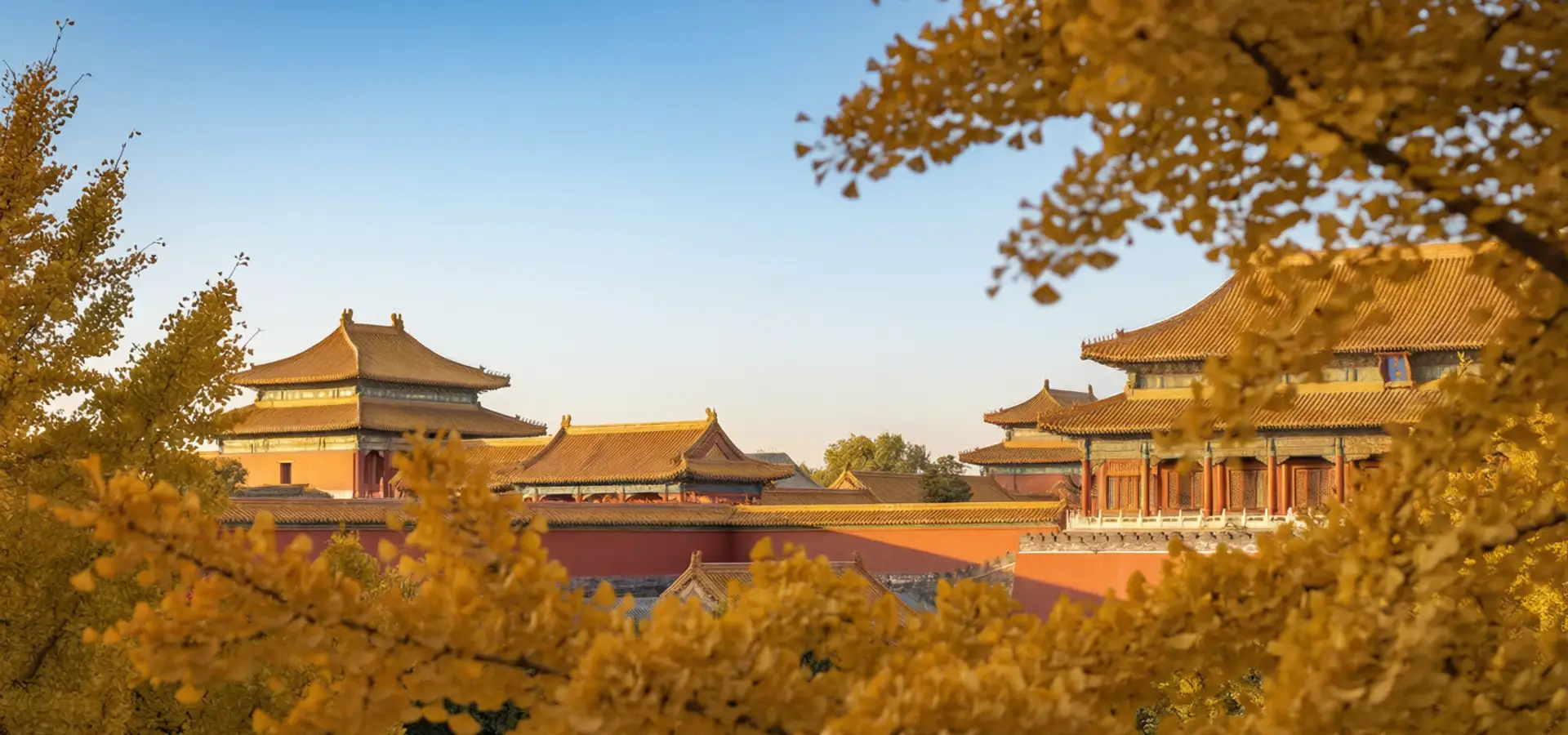
In planning a trip to Beijing, one of the first questions travelers ask is when to go. The best time to visit Beijing depends on far more than temperature alone. Weather, public holidays, crowds, scenery, seasonal food, outdoor activities and your personal travel style all shape the experience. Beijing has four distinct seasons. Spring brings fresh greenery and flowers, summer offers long days but can be hot and humid, autumn is known for comfortable sightseeing weather and beautiful colors, while winter is cold, dry and generally quieter.
For many first-time visitors, April, May, September and October offer a particularly comfortable balance, although each month has its own advantages and signature experiences. This guide explains Beijing weather by month, what each season feels like, the best time for the Great Wall and major attractions, Chinese festivals and holiday crowds, monthly highlights with specific attractions and events, seasonal food recommendations, photography spots, what to pack, and how to choose the right month for your own trip.
Quick Answer: If you want comfortable weather for a classic Beijing itinerary, consider April to May or September to October. If you want autumn colors, October is especially attractive. If your priority is fewer tourists, consider November through February, outside major holiday periods. For the Great Wall, April to May and September to October are generally comfortable periods for outdoor walking.
Travel Period | Weather Feel | Crowds | Good For |
|---|---|---|---|
March to April | Cool to mild | Moderate | Spring scenery, city sightseeing, Great Wall |
May | Warm and pleasant | High around May Day | Outdoor sightseeing, families, tulips |
June | Warm to hot | Moderate | Longer sightseeing days, early lotus |
July to August | Hot, humid, possible rain | High | Summer holidays, lotus festivals, night markets |
September | Mild and comfortable | Moderate | Great Wall, Mid-Autumn Festival, moon cakes |
October | Cool and pleasant | Very high around Oct 1-7 | Autumn foliage, red leaves, photography |
November | Cool to cold | Lower | Ginkgo golden leaves, quieter sightseeing |
December to February | Cold and dry | Low outside holidays | Ice lanterns, temple fairs, hot pot, skiing |
Beijing at a Glance: Four Seasons Overview
Beijing's four seasons each offer a completely different experience. Understanding what to expect in each season is the first step to choosing the right time for your trip.
Season | Months | What to Expect | Planning Note |
|---|---|---|---|
Spring | March to May | Cool to warm, flowers and fresh greenery; cherry blossoms, tulips and peonies in succession | Most comfortable season |
Summer | June to August | Hot, humid, occasional heavy rain; lotus festivals, night markets and long daylight hours | Start outdoor sightseeing early |
Autumn | September to November | Mild to cool, clear days and foliage; red leaves, golden ginkgo, harvest moon and moon cakes | October holiday is extremely busy |
Winter | December to February | Cold, dry, quieter; ice lanterns, temple fairs, copper hot pot and possible snow scenery | Warm clothing is essential |
Beijing Weather by Month: A Complete Month-by-Month Guide
The following month-by-month guide is designed for trip planning. Each month includes weather details, what to wear, top experiences, seasonal food picks and photography highlights. Weather can vary from year to year, so treat these descriptions as typical seasonal patterns rather than a guarantee for a specific date.
January: Cold and Quiet
January is generally cold and dry. Outdoor sites such as the Great Wall can feel particularly cold because they are exposed to wind. The advantage is lower tourist demand outside holiday periods.
What to wear: Warm coat, thermal layers, gloves, hat and comfortable winter shoes.
Good for: Indoor museums and palaces; winter photography; Great Wall for travelers comfortable with cold.
Travel Tip: Check conditions before long outdoor hikes and allow extra time for cold-weather sightseeing.
Top Experiences This Month
Longqing Gorge Ice Lantern Festival: Running mid-January through early March in Yanqing District, this iconic winter spectacle transforms a natural gorge into a glowing sea of ice sculptures and colorful lanterns. Night visits after 5 PM offer the full illuminated experience. Allow 1.5 to 2 hours of travel from downtown.
Shichahai Ice Rink: One of Beijing's most beloved winter traditions. Skate on naturally frozen lakes surrounded by historic hutong neighborhoods. Features ice bicycles, bobby cars and traditional ice skates. Open 8 AM to 9 PM; tickets around 100 yuan per person.
Seasonal Food Pick
Copper Pot Lamb Hot Pot: The quintessential Beijing winter meal. A steaming copper pot with clear broth, thinly sliced lamb, sesame paste dip and pickled garlic. Try Donglaishun near Wangfujing or any Guijie (Ghost Street) restaurant.
Candied Hawthorn (Tanghulu): Skewered hawthorn berries coated in glossy sugar -- a classic winter street snack found at temple fairs and street corners.
Roasted Sweet Potatoes: Street carts selling caramelized sweet potatoes appear across the city, serving as both a warming snack and a hand warmer.
Photography Highlight
Forbidden City in Snow: Snow-covered red walls and golden-glazed roofs create one of Beijing's most iconic images. Shoot 1 to 2 days after a snowfall, 10 AM to 2 PM for soft diffused light. Use a telephoto lens to isolate snow on roof guardian beasts. Book tickets in advance -- snowy-day slots sell out fast.
February: Temple Fairs and New Year Atmosphere
February remains cold, although conditions gradually begin to change toward the end of the month. The timing of Chinese New Year varies each year and can strongly affect travel demand.
What to wear: Winter layers and a warm coat.
Good for: Historic attractions, museums, hutongs, temple fairs and winter scenery.
Travel Tip: Check the Chinese New Year calendar before booking trains and hotels.
Top Experiences This Month
Ditan Park Spring Festival Temple Fair: One of Beijing's most traditional temple fairs, held during the first seven days of Lunar New Year. Features Qing Dynasty-style earth worship ceremonies, folk flower processions, traditional dances, acrobatics and local food stalls. Free admission; arrive before 9 AM or after 3 PM to avoid peak crowds.
Lantern Festival City-wide Displays: The Lantern Festival (Yuanxiao) marks the end of Chinese New Year. Beijing hosts dozens of lantern fairs and garden tour events. Yuntai Park in Yanqing features over 50 giant lantern displays along a 2.5 km walking route. Night visits are essential -- lanterns are lit from 6 PM to midnight.
Seasonal Food Pick
Spring Pancakes (Chunbing): As the solar term 'Start of Spring' arrives around early February, Beijing families 'bite the spring' with thin steamed pancakes filled with stir-fried shredded vegetables, pork, eggs and sweet bean sauce. A symbolic ritual of rolling in new life.
Winter Solstice Dumplings Tradition: The custom of eating dumplings around the Winter Solstice continues into February. The old Beijing saying goes: 'If you don't eat dumplings on Winter Solstice, your ears will freeze off.'
Photography Highlight
Temple Fair Scenes: Capture red lanterns, traditional courtyard architecture, sugar-puppet vendors and folk performers in full celebration. Shoot at street level for immersive folk scenes. Use fast shutter speeds for crowded fair scenes, or intentionally slow the shutter for light trails from lanterns and movement.
March: Early Spring Transition
March marks the transition into spring. Mornings and evenings can still be chilly, while daytime conditions gradually become milder.
What to wear: Layers, light jacket and comfortable walking shoes.
Good for: City sightseeing, parks, early spring gardens and Great Wall visits.
Travel Tip: Keep a jacket handy because temperatures can change during the day.
Top Experiences This Month
National Botanical Garden Cherry Blossom Festival: Starting around March 21, this festival features hundreds of cherry tree varieties, including rare species along the mountain trail. The garden's natural setting among hills and ancient architecture creates a unique atmosphere. Ticket: 10 yuan for the North Garden; weekday mornings offer the best experience.
Beixiao River Cherry Blossom Corridor: A newer, less crowded alternative to Yuyuantan. Nearly 6,000 trees bloom along a 4.2 km waterfront corridor, creating a rare urban floral retreat. Free admission, best photographed in morning light from 7 to 10 AM.
Seasonal Food Pick
Spring Pancakes (Chunbing): Around the Spring Equinox, the 'bite the spring' tradition peaks. Thin pancakes filled with stir-fried shredded vegetables, pork, eggs and sweet bean sauce.
Wan Dou Huang (Pea Yellow Cake): Sweet, smooth mung bean cakes traditionally eaten on the third day of the third lunar month -- a delicate spring delicacy unique to old Beijing.
Photography Highlight
Magnolias at Ditan Park: White magnolias against red walls and imperial architecture create a striking color contrast. Mid-March through early April is peak bloom. Use a wide-angle lens to include both trees and red walls. Shoot during golden hour for warm light on white petals.
April: A Sweet Spot for Sightseeing
April is generally mild and comfortable for sightseeing. Spring flowers and fresh greenery add color to parks and historic areas.
What to wear: Light layers and a jacket for cooler mornings.
Good for: Forbidden City, Summer Palace, Temple of Heaven, hutongs, Great Wall and cherry blossom viewing.
Travel Tip: One of the strongest all-around months for a first Beijing trip.
Top Experiences This Month
Yuyuantan Cherry Blossom Festival: One of Beijing's most famous cherry blossom destinations, featuring nearly 3,000 cherry trees and over 30 varieties across 137 hectares. The iconic 'Cherry Blossom Tower' photo spot, where blossoms frame the Central TV Tower, is world-renowned. Free admission; arrive before 8 AM on weekdays to avoid massive crowds.
Qingming Festival at Temple of Heaven: The Qingming Festival (Tomb Sweeping Day, around April 4) is one of Beijing's most important traditional holidays. The Temple of Heaven hosts special activities including educational tours through the heaven-worship architecture, combining traditional ritual with spring outings and flower viewing.
Seasonal Food Pick
Qingtuan (Green Glutinous Rice Balls): Around Qingming Festival, sticky green rice balls stuffed with sweet red bean paste are a seasonal staple. Wrapped in fragrant leaves, locals believe eating them brings good health in the new season.
Fresh Seasonal Vegetables: Spring markets brim with young scallions, garlic shoots and other delicate greens -- the true markers of the season.
Photography Highlight
Yuyuantan Cherry Blossoms: Shoot early morning, 7 to 9 AM, when light is soft and crowds are thinner. Zhiyu Pavilion is a classic spot for 'cherry blossoms plus TV tower' compositions. Use shallow depth of field to blur the background and emphasize blossom texture.
May: Warm Weather and Flower Gardens
May is warm and pleasant for outdoor activities. The main consideration is the Labor Day holiday period around May 1, when domestic travel demand rises sharply.
What to wear: Light clothing plus a thin layer.
Good for: Great Wall, parks, Summer Palace, tulip viewing, peony gardens and family trips.
Travel Tip: If possible, avoid the busiest May Day dates.
Top Experiences This Month
National Botanical Garden Tulip Sea: Over 200,000 tulip bulbs planted across 8,000 square meters create one of Beijing's largest tulip displays. The multi-level design produces a spectacular sea of color. Peak bloom is mid to late April through early May. Best photo times: morning 7 to 10 AM and afternoon 4 to 6 PM.
Ditan Park Rose Garden: Hundreds of rose varieties bloom against ancient temple walls, creating a unique visual contrast between historic architecture and vibrant flowers. Free admission; best viewing is late April to mid-May, mornings 9 to 11 AM.
Seasonal Food Pick
Spring Stir-fries with Fresh Greens: Delicate stir-fried dishes featuring young greens, scallions and seasonal vegetables embody the essence of spring's freshness at local restaurants.
Crab Meat Dishes: Light dishes featuring crab meat take center stage as spring markets reach their peak freshness.
Photography Highlight
Peonies at Jingshan Park: The peony festival runs April through May. Shoot at Guan De Hall for classic peony garden compositions, then climb to Wan Chun Pavilion for an elevated panorama of the Forbidden City framed by spring greenery. Use telephoto lenses to compress peony rows and background architecture.
June: Long Days and Early Lotus
June is warmer and daylight is long. It is generally more manageable than the hottest part of summer, although temperatures can rise.
What to wear: Light clothing, sun protection and rain protection.
Good for: Early-morning Great Wall visits, longer sightseeing days and early lotus viewing.
Travel Tip: Plan outdoor activities earlier in the day.
Top Experiences This Month
Beihai Park Lotus Season Begins: Over 100 varieties of lotus and water lilies cover nearly 20,000 square meters of lake surface. The White Pagoda stands in striking contrast to the blooming lotus ponds. Open 6:30 AM to 9 PM; ticket 10 to 20 yuan. Consider renting a boat for a unique perspective.
Longtan West Lake Lotus Culture Festival: Running late June through August, this immersive festival features concerts, night markets, open-air movies and lotus culture exhibitions across 20,000+ square meters of lotus-covered lake. Free admission; best experienced in the evening when concerts and night markets are active.
Seasonal Food Pick
Cold Noodles (Lengmian): As temperatures rise, cold wheat noodles served with cucumber, bean sprouts and a tangy vinegar dressing become the go-to cooling meal.
Sour Plum Drink (Suanmeitang): A traditional Beijing summer cooler -- smoked dried plums simmered with hawthorn, licorice, osmanthus and rock sugar, served over ice. Originally an imperial court beverage, it has been inseparable from Beijing summer culture for centuries.
Photography Highlight
Early Lotus at Beihai Park: Frame early lotus leaves emerging from Taiye Pool with the White Pagoda as a background anchor. Capture reflections on still water for symmetry. Late May through June is ideal for early lotus before the lake fills completely in July.
July: Summer Travel and Lotus Festivals
July is generally hot and humid, with a possibility of heavy rain and thunderstorms. Strong sunlight can make exposed attractions feel hotter.
What to wear: Lightweight clothing, sunscreen, hat and rain protection.
Good for: Early Great Wall trips, indoor museums, lotus festivals and evening activities.
Travel Tip: Build flexibility into the itinerary for rain.
Top Experiences This Month
Summer Palace Lotus Festival: The official Beijing Lotus Culture Activities combine lotus viewing, ecological education and interactive experiences. Visitors can participate in 'Little Lotus Researcher' activities and lotus flower art workshops. The lotus viewing area is near the south gate; combine with a boat ride on Kunming Lake.
Wenyu River Park Night Light Show: A summer night event featuring daily light shows, garden fairs, lake flash mobs and night markets. Free admission, no reservation required. Go after 6 PM for the light show; transforms the park into a vibrant summer night destination.
Seasonal Food Pick
'First Fu' Dumplings: Around mid-July (the first of the 'Three Fu' dog days), Beijing custom dictates eating dumplings to open your appetite despite the heat. 'First Fu eat dumplings' is a well-known local saying.
Chilled Sesame Noodles: During the 'Second Fu' period, zhi ma jiang liang mian -- cool, smooth and nutty chilled sesame noodles -- provide the very definition of summer relief.
Photography Highlight
Full Lotus Bloom at Summer Palace: Use the West Causeway and Kunming Lake for lotus canopies with pavilion backdrops. Shoot early morning 6 to 8 AM or late afternoon after 5 PM. Use a polarizer to reduce water reflections and deepen sky color. Include traditional pavilions for scale and cultural context.
August: School-Holiday Travel and Night Food
August remains hot and humid, and summer school holidays can bring more domestic travelers. Rainstorms are possible.
What to wear: Breathable clothing, sunscreen and rain protection.
Good for: Early outdoor sightseeing, museums, Qixi Festival events and evening food carnivals.
Travel Tip: Avoid scheduling long exposed walks in the hottest part of the day.
Top Experiences This Month
Qixi Festival (Chinese Valentine's Day): Held in mid to late August. The China National Palace Museum hosts special night sessions until 9 PM with intangible cultural heritage displays, including traditional incense-making and Bai embroidery. SKP-S and Qianliang Market offer romantic-themed activities. Book Palace Museum night tickets early.
Zhongguancun Chinese Food Carnival: A major summer night food festival featuring Chinese regional cuisines -- from Beijing-style tripe and skewers to Sichuan, Yunnan and Cantonese dim sum. Live band shows and cultural performances rotate throughout. Free admission; arrive after 7 PM for the best atmosphere.
Seasonal Food Pick
Lotus Seed Dishes: Traditional Beijing summer cooling dishes featuring lotus seed -- a time-honored summer remedy believed to clear heat.
Light Vegetable Dishes: The hottest days call for cold noodle dishes, light vegetable stir-fries and cooling soups. During the 'Third Fu' period in late August, pan-fried pancakes with eggs help restore energy after the draining summer.
Photography Highlight
Summer Storm Clouds Over the Great Wall: Dramatic storm clouds over the Great Wall create moody, powerful images. Shoot early afternoon or early evening during the summer rainy season. Bring weatherproof gear and a tripod. Wait for breaks in the rain to capture refractions and clearer mountain detail. Also try evening hutong scenes with warm light on narrow alleys.
September: Comfortable Outdoor Travel
September is generally mild and comfortable and is often a strong month for outdoor sightseeing.
What to wear: Light layers and a light jacket for cooler periods.
Good for: Great Wall, parks, temples, walking tours, Mid-Autumn Festival and moon cake tasting.
Travel Tip: A good balance between weather and outdoor comfort.
Top Experiences This Month
Mid-Autumn Festival Lantern Show: Held at Beijing Garden Expo Park from mid-September through October, featuring over 200 creative lantern sets and approximately 100,000 decorative lights. Lanterns are themed around 'Mysterious Asia and Colorful Oceania.' Night visits are essential -- lanterns are best viewed after dark.
Early Autumn at Ditan Park: The ginkgo avenue begins its transition. While the full golden display is still weeks away, the early autumn atmosphere with ancient temple walls provides a unique pre-season experience. Free admission; mornings offer the best light.
Seasonal Food Pick
Peking Duck (Ideal Season): Autumn is the perfect time for Peking Duck -- cooler weather makes the crispy skin even more satisfying. Visit Quanjude (est. 1864), Da Dong or Bianyifang for the classic experience.
'Tie Qiu Biao' (Stick Autumn Fat): After the sweaty summer, Beijing families reward themselves with braised pork knuckle, soy-sauce beef from Yue Sheng Zhai and boiled pork belly from Shaguoju. Half joke, half serious: 'you can't enter winter on an empty stomach.'
Moon Cakes: For Mid-Autumn Festival, lotus seed paste and salted egg yolk moon cakes are essential. Daoxiangcun is a famous brand for beautifully packaged gift boxes.
Photography Highlight
Harvest Moon Over Temple Architecture: Around the Mid-Autumn Festival, shoot the full moon rising over temple architecture. Combine moon photography with lake reflections and lantern light. Use telephoto lenses for a large moon above pagodas. Arrive early and frame the moon rising behind temple walls. Keep foreground silhouettes simple.
October: Autumn Scenery at Its Peak
October brings classic autumn conditions, with cooler temperatures and attractive foliage. The National Day holiday from October 1 to 7 is a major exception, with very high travel demand.
What to wear: Layers and a light jacket.
Good for: Autumn photography, red leaf viewing, ginkgo avenues, Great Wall and city sightseeing.
Travel Tip: For a quieter experience, consider dates after the main National Day holiday.
Top Experiences This Month
Fragrant Hills Red Leaves: One of Beijing's most famous autumn attractions. The hills are covered in bright red smoke trees and maple leaves from late October through mid-November. Visit Jingcui Lake for reflections, Xiangshan Temple for autumn color framing architecture, and Shuangqing Villa for red leaves around old courtyards. Weekends are extremely crowded -- visit on weekday mornings.
Ditan Park Ginkgo Avenue (Peak): The 300-meter avenue lined with 200+ ginkgo trees reaches its peak golden glory. The combination of red walls and golden leaves is one of Beijing's most iconic autumn scenes. Free admission; open 6 AM to 9:30 PM. Visit on weekdays for fewer crowds.
National Day Celebrations: Beijing hosts thousands of cultural activities during October 1 to 7, including lantern shows, temple fairs and special park events. Expect massive crowds -- plan visits carefully and book popular sites in advance.
Seasonal Food Pick
Roasted Chestnuts (Tang Chao Li Zi): Peak chestnut season. Street vendors line the streets with woks of caramelized chestnuts. The scent of roasting chestnuts is the quintessential smell of Beijing autumn.
Persimmon Cakes: Sticky, sweet cakes made from ripe persimmons -- a traditional autumn snack available at Niujie Market or specialty bakeries in the Gulou area.
Hot Pot Season Begins: As temperatures drop, copper-pot lamb hot pot becomes a daily ritual. Donglaishun near Wangfujing is a well-known institution.
Photography Highlight
Fragrant Hills and Great Wall Autumn Colors: For Fragrant Hills, use wide-angle for sweeping mountain color and telephoto for individual tree detail. For the Great Wall, look for classic autumn wall-and-forest compositions. Early morning or late afternoon light gives the strongest color contrast. Use telephoto lenses to compress autumn layers behind the wall.
November: Quiet Sightseeing and Golden Ginkgo
November becomes progressively colder. Tourist numbers generally decrease, making it attractive to travelers who prefer quieter attractions.
What to wear: Warm layers and a coat, especially later in the month.
Good for: Ginkgo golden leaf viewing, museums, historic sites, quieter city tours and winter transition scenery.
Travel Tip: Expect colder outdoor conditions, especially in the morning and evening.
Top Experiences This Month
Diaoyutai Ginkgo Avenue: Beijing's signature ginkgo avenue, where tall ginkgo trees line the road, carpeting the ground in gold. A classic Beijing autumn photo spot, less crowded than Fragrant Hills. Free to view from outside the State Guesthouse. Best photographed in morning light; the avenue is about 1 km long.
Early Winter Ice Activities: As temperatures drop, parks begin to open their ice rinks. Beihai Park's ice rink, historically known as the 'Winter Palace,' has a long tradition of ice entertainment. Check official park announcements for exact opening dates.
Seasonal Food Pick
Winter Transition Foods: Roasted sweet potatoes and lamb skewers begin to reappear as temperatures fall. The boundary between autumn and winter foods blurs -- chestnuts continue through early November.
Photography Highlight
Ginkgo Golden Leaves at Ditan and Diaoyutai: At Ditan Park's Ginkgo Avenue, shoot around 3 to 5 PM when slanted golden light is strongest. Use backlighting to make leaves glow. Frame golden trees against red walls for strong color contrast. At Diaoyutai, use long lenses to compress ginkgo rows and shoot through golden canopies for pattern and light beams.
December: Winter Atmosphere and Snow
December is cold and dry, with relatively low tourist demand outside holiday periods. Snow is possible but not guaranteed.
What to wear: Warm winter clothing and shoes suitable for cold weather.
Good for: Winter Solstice dumplings, hot pot, ice activities, Christmas atmosphere and occasional snow scenery.
Travel Tip: Outdoor attractions can feel much colder than the city center.
Top Experiences This Month
Christmas Atmosphere in Sanlitun: Sanlitun Taikoo Li is Beijing's most vibrant holiday destination. The area transforms with elaborate light displays, festive decorations and holiday-themed store displays. A hub for expats and international visitors. Free to enjoy; best time is evenings 7 to 10 PM.
Shichahai Ice Rink Opening: As winter deepens, the Shichahai ice rinks open, marking the beginning of Beijing's winter sports season. The combination of ice skating with the historic hutong backdrop is uniquely Beijing. Tickets around 100 yuan per person.
New Year Countdown Events: Beijing hosts numerous countdown events, including the Solana Blue Harbor Light Festival, comedy shows and ice skating events with countdown music. Book tickets for popular events in advance.
Seasonal Food Pick
Winter Solstice Dumplings: Around December 21-22, families gather for pork-and-cabbage dumplings. The old Beijing saying goes: 'If you don't eat dumplings on Winter Solstice, your ears will freeze off' -- a warming communal meal rooted in Han-dynasty folklore.
Lamb Skewers (Yangrou Chuan): Charcoal-grilled lamb skewers dusted with cumin, chili flakes and salt -- a popular late-night street food, especially welcome on freezing winter evenings.
Photography Highlight
First Snow at the Forbidden City: Snow on Forbidden City roofs, guardian beasts and stone bridges creates a minimalist winter masterpiece. Shoot during or immediately after the first snowfall, 10 AM to 2 PM for even snow light. Use telephoto lenses to isolate snow-covered roof ornaments. Use slow shutter speeds to capture falling snow. Dress warmly and bring hand warmers.
Beijing in Spring: March to May
Spring is one of the most attractive seasons for travelers who want to spend a lot of time outdoors. The city gradually becomes greener, flowers appear in parks and temperatures become increasingly comfortable. Spring in Beijing is a successive bloom: magnolias in March, cherry blossoms in early April, tulips in late April and peonies in May -- each with its own dedicated viewing spots.
March: Early Spring
March can still feel like winter in the mornings, but the month gradually becomes milder. It is a good choice if you prefer cooler weather and want to travel before the main spring and summer demand increases. The National Botanical Garden Cherry Blossom Festival begins around March 21, and magnolias at Ditan Park offer a quieter alternative to the cherry blossom crowds.
April: A Sweet Spot for Sightseeing
April is particularly convenient for a classic Beijing itinerary. Walking through the Forbidden City, Summer Palace, Temple of Heaven and hutongs is generally comfortable, while the Great Wall is far more pleasant than during the hottest months. Yuyuantan's cherry blossom festival peaks in early April, while the Qingming Festival adds cultural depth to any visit.
May: Warm Weather, Holiday Crowds
May offers warm conditions and long sightseeing days, but the Labor Day holiday around May 1 can dramatically increase visitor numbers. Travelers with flexible dates can consider the period before or after the main holiday. The National Botanical Garden tulip sea and Ditan Park rose garden provide colorful alternatives to the crowded major attractions.
Beijing in Summer: June to August
Summer is the hottest season in Beijing. The city can be humid, and rainstorms can occasionally affect outdoor plans. However, summer also offers long daylight hours, lotus festivals at nearly every major park, night markets and food carnivals, and can work well for families traveling during school holidays.
How to Plan Beijing in Summer
Start the Great Wall and other outdoor attractions early.
Use midday for museums, restaurants, shopping or hotel rest.
Carry water, sunscreen, a hat and rain protection.
Keep some flexibility for thunderstorms or heavy rain.
Consider evening walks or night activities when temperatures are more comfortable.
Visit lotus festivals at Beihai Park, Summer Palace or Longtan West Lake for a uniquely Beijing summer experience.
Beijing in Autumn: September to November
Autumn is especially popular because temperatures become more comfortable and the city takes on seasonal color. September brings the Mid-Autumn Festival and moon cakes, October delivers the famous Fragrant Hills red leaves and Ditan Park golden ginkgo, and November offers quieter conditions as winter approaches. Autumn is also the ideal season for Peking Duck and the 'tie qiu biao' tradition of restorative eating.
September
September is a strong choice for outdoor sightseeing, suitable for Great Wall hiking, parks, temples and longer walking routes. The Mid-Autumn Festival lantern show at Garden Expo Park is a highlight, while the harvest moon provides unique photography opportunities.
October
October is one of Beijing's most popular travel periods. Autumn scenery can be beautiful, but October 1 to 7 is the National Day holiday, one of the busiest domestic travel periods of the year. For the best experience, combine red leaf viewing at Fragrant Hills, golden ginkgo at Ditan Park and dates after the main holiday week.
November
November is cooler and quieter. It suits travelers who prioritize a more relaxed pace and do not mind colder mornings and evenings. Diaoyutai ginkgo avenue reaches its peak golden display in early November, while early ice activities begin to appear at park rinks.
Beijing in Winter: December to February
Winter is cold and dry, but it can be rewarding for travelers who prefer fewer tourists and a different atmosphere. Snow is possible, but it should be treated as a bonus rather than something guaranteed. Winter in Beijing is also the season of ice lanterns, temple fairs, copper hot pot and the Winter Solstice dumpling tradition.
Why Consider Beijing Winter Travel?
Lower tourist demand outside major holidays.
A quieter atmosphere at many major attractions.
Possible snow scenery around historic buildings and parks.
Winter activities including ice skating at Shichahai and nearby ski resorts.
Clear, dry winter days can provide good visibility, although exposed sites can feel very cold.
Seasonal food at its best: copper pot lamb hot pot, candied hawthorn and roasted chestnuts.
Best Time to Visit Beijing's Top Attractions
Great Wall
Spring and autumn are generally the most comfortable seasons for Great Wall hiking. In summer, early starts help avoid the strongest heat. In winter, the Wall can be peaceful and atmospheric but very cold and windy. For photography, mid-October through early November offers the most dramatic autumn colors along the wall.
Forbidden City
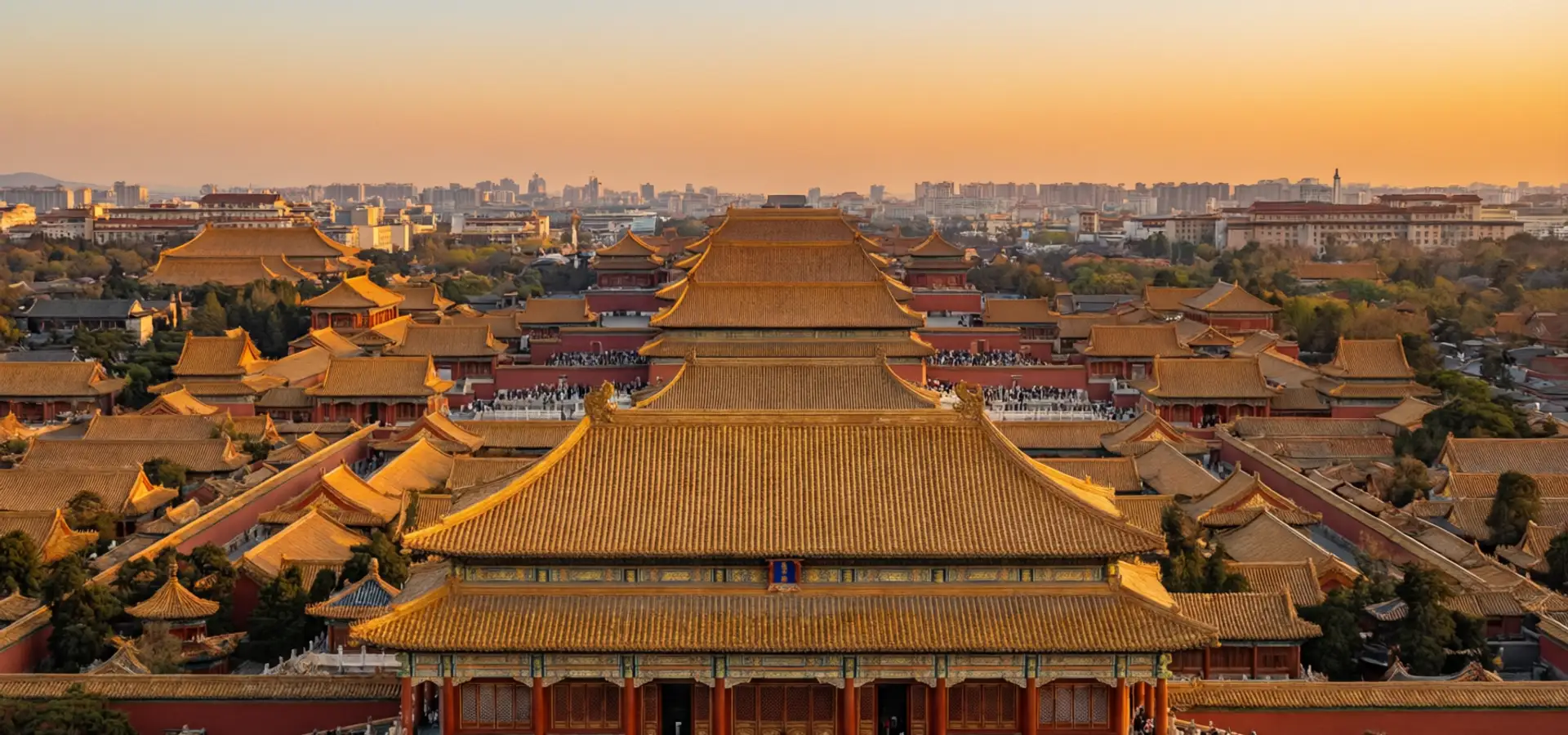
The Forbidden City can be visited year-round. Spring and autumn are comfortable for walking, summer benefits from an early start, and winter can offer a quieter atmosphere -- and if snow falls, the snow-covered red walls and golden roofs create one of Beijing's most iconic images. Regardless of season, advance planning is important because visitor capacity is controlled.
Summer Palace
Spring and autumn are comfortable for walking around the lake and gardens. Summer brings lush greenery, lotus festivals and a lively atmosphere, while winter offers a more subdued seasonal landscape. The West Causeway is the best route for spring flowers reflected in the lake.
Temple of Heaven
The large park is enjoyable in all seasons. Spring and autumn are comfortable for walking, while early morning can be particularly pleasant in warmer months. During the Qingming Festival in April, special educational tours explore the heaven-worship architecture.
Beijing Hutongs
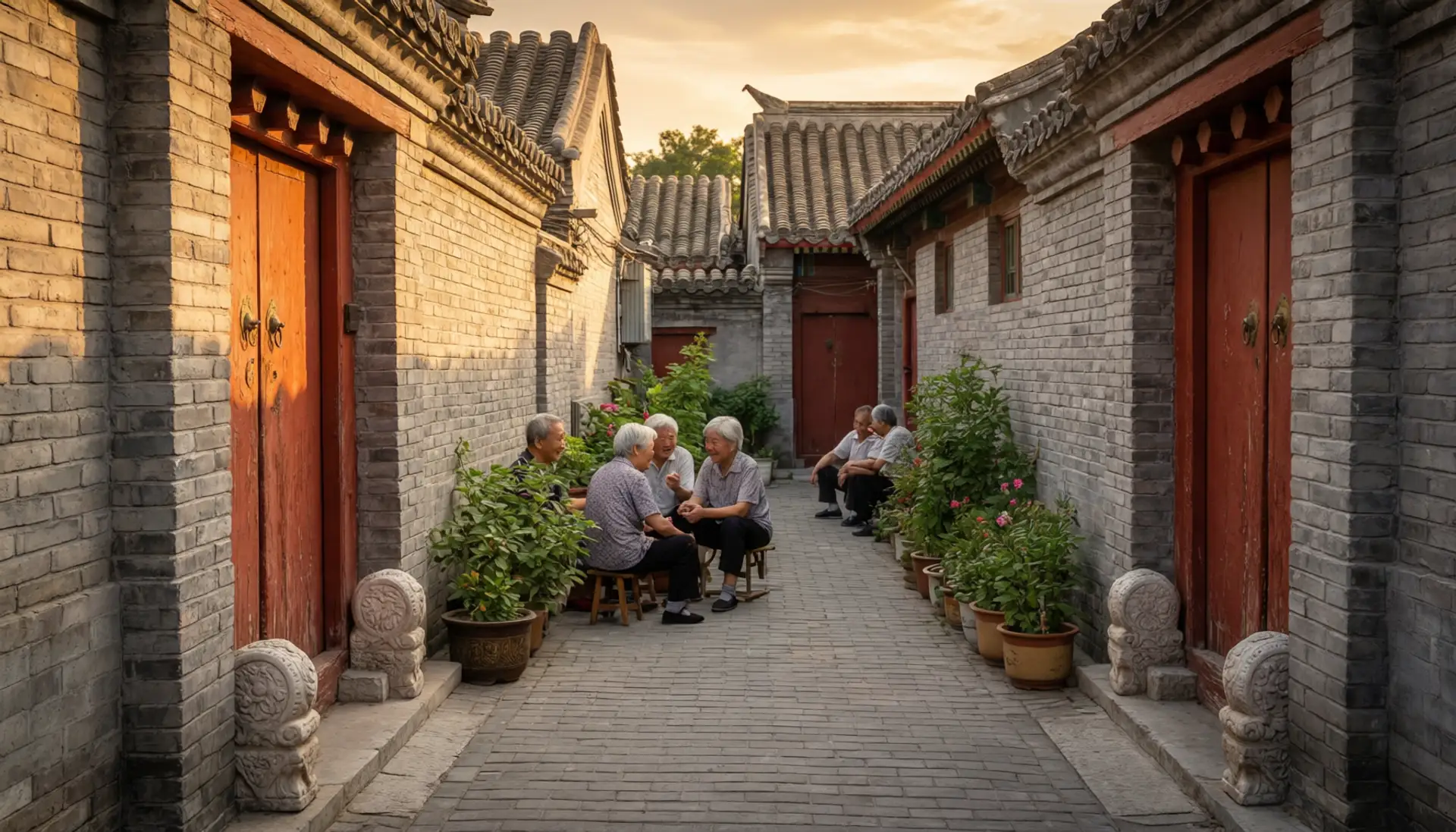
Hutong walking is especially comfortable in spring and autumn. Summer can still work with an early or late schedule, while winter offers a quieter, more atmospheric experience for travelers prepared for the cold. For photography, evening hutong scenes with warm light on narrow alleys are a year-round favorite.
Best Time for Different Types of Travelers
Different travel styles call for different seasons. Use this table to match your priorities to the right time of year.
If You Want... | Periods to Consider | Planning Notes |
|---|---|---|
A first Beijing trip | April to May; September to October | Comfortable for a mix of indoor and outdoor attractions |
Great Wall hiking | April to May; September to October | More comfortable for walking; October offers autumn colors |
Spring flowers | March to April | Magnolias, cherry blossoms and tulips in succession |
Autumn foliage | October to November | Red leaves at Fragrant Hills; golden ginkgo at Ditan and Diaoyutai |
Fewer tourists | November to February | Avoid major public holidays |
Winter atmosphere | December to February | Ice lanterns, temple fairs and snow scenery |
Family travel | April to May; September to October | Comfortable for longer outdoor days |
Photography | April; October; snowy winter days | Seasonal scenery changes significantly each month |
Lotus viewing | June to August | Beihai, Summer Palace and Longtan West Lake festivals |
Seasonal food | September to February | Peking duck, moon cakes, hot pot and dumplings |
Lower-demand travel | Winter outside holidays | Hotel and attraction demand can be lower |
Best Time for Photography in Beijing
Beijing changes dramatically through the year, so the best month for photography depends on the style of images you want. Here is a month-by-month guide to the most distinctive photo opportunities.
Month | Best Spot | What to Shoot |
|---|---|---|
January | Forbidden City after snow | Red walls, golden roofs and guardian beasts in snow; minimalist winter composition |
February | Ditan Park temple fair | Red lanterns, folk performers and traditional courtyard architecture in celebration |
March | Ditan Park magnolias | White magnolias against red walls; early spring light through branches |
April | Yuyuantan cherry blossoms | Blossoms framing the Central TV Tower; lakeside pet reflections |
May | Jingshan Park peonies | Peony gardens beneath imperial architecture; Forbidden City panorama from Wanchun Pavilion |
June | Beihai Park early lotus | White Pagoda with emerging lotus leaves; still water reflections |
July | Summer Palace full lotus | Lotus canopies along West Causeway; pavilions and Kunming Lake |
August | Great Wall in storm clouds | Dramatic storm clouds; evening hutong scenes with warm light |
September | Harvest moon over temples | Full moon rising over temple architecture; lake reflections and lanterns |
October | Fragrant Hills and Great Wall | Red and gold foliage; mountains layered with autumn color |
November | Ditan and Diaoyutai ginkgo | Golden ginkgo avenues; red walls with yellow leaves; backlighting |
December | Forbidden City first snow | Snow-dusted roofs and bare trees; minimalist winter architecture |
For photographers, autumn and spring provide two of the clearest seasonal contrasts, while snowy winter days can create particularly distinctive images. Each month has its own signature shot -- the key is matching your visit to the specific scene you want to capture.
Beijing Festivals and Public Holidays
Major Chinese festivals are culturally interesting, but they can also have a major effect on transportation, hotels and attraction crowds. Exact dates change from year to year, so check the calendar for your travel year before booking.
Holiday / Festival | Typical Timing | What Travelers Should Know |
|---|---|---|
Chinese New Year / Spring Festival | January or February | Dates vary; temple fairs at Ditan Park; very high domestic travel demand |
Lantern Festival (Yuanxiao) | February | City-wide lantern displays; marks end of CNY celebrations; night visits essential |
Qingming Festival | April | Short holiday; Temple of Heaven educational tours; spring outings and flower viewing |
Labor Day Holiday | Around May 1 | Major travel period; popular attractions can be extremely busy |
Dragon Boat Festival | May or June | Dates vary; increased domestic travel during the holiday |
Mid-Autumn Festival | September or October | Lantern shows at Garden Expo Park; moon cakes; harvest moon photography |
National Day Holiday | October 1-7 | One of China's busiest travel periods; plan carefully |
Qixi Festival | August | Chinese Valentine's Day; Palace Museum night sessions; romantic-themed markets |
Winter Solstice | December 21-22 | Dumpling tradition; family gatherings; warming communal meals |
Beijing Crowd Calendar: When to Plan Carefully
Crowds in Beijing are influenced not only by the season but also by Chinese public holidays and school vacation periods.
Period | Typical Demand | Planning Advice |
|---|---|---|
Ordinary winter weeks | Lower | Good for travelers seeking a quieter pace; ice lanterns and hot pot season |
Spring weekends | Moderate to high | Book popular attractions ahead; cherry blossom spots are busy |
May Day holiday | Very high | Avoid if flexible; book well in advance if traveling |
Summer school holidays | High | Expect more domestic family travelers; lotus festivals in full swing |
September weekdays | Moderate | Good for outdoor sightseeing; Mid-Autumn Festival adds cultural interest |
National Day, Oct 1-7 | Very high | One of the most crowded periods; plan carefully and book ahead |
Late October to November | Moderate to lower | Best for ginkgo viewing; often more relaxed than early October |
Times That Require More Planning
Major Chinese Holidays: Travel is still possible during major holidays, but visitors should expect higher demand and more time spent in transportation and queues. Temple fairs during Chinese New Year and lantern shows during the Mid-Autumn Festival can be culturally rewarding if you plan ahead.
Peak Summer Heat: July and August do not prevent sightseeing, but the itinerary should be structured around the weather. Early outdoor visits and midday breaks are much more comfortable than spending the entire day outside. Lotus festivals and night food carnivals offer evening alternatives.
Cold Winter Days: Winter is manageable with proper clothing, but long periods outdoors can become uncomfortable. Combine outdoor highlights with indoor attractions and allow flexibility for weather. Ice lantern festivals and temple fairs make winter uniquely rewarding for those who dress properly.
Which Month Should You Choose?
Use this decision table to match your travel preferences to the right month.
Choose... | If You Want... | Why It May Suit You |
|---|---|---|
January | Ice lanterns and quiet sights | Longqing Gorge Ice Lantern Festival; Shichahai ice skating; copper hot pot |
February | Temple fairs and New Year atmosphere | Ditan Park temple fair; Lantern Festival displays; spring pancake tradition |
March | Cool weather and fewer tourists | Early spring atmosphere; botanical garden cherry blossoms; magnolias at Ditan |
April | Mild weather and spring scenery | Cherry blossoms at Yuyuantan; Qingming Festival; most comfortable for classic sightseeing |
May | Warm weather and flower gardens | Tulip sea at botanical garden; rose garden at Ditan; excellent outdoor conditions |
June | Long days and early lotus | Beihai Park lotus begins; Longtan Lotus Culture Festival; cold noodles and suanmeitang |
July | Summer travel and lotus festivals | Summer Palace lotus; Wenyu River night light show; 'First Fu' dumplings tradition |
August | School-holiday travel and night food | Qixi Festival at Palace Museum; Zhongguancun food carnival; lotus seed dishes |
September | Comfortable outdoor travel | Mid-Autumn Festival; Peking duck season; harvest moon photography |
October | Autumn scenery | Fragrant Hills red leaves; Ditan ginkgo avenue; Great Wall autumn colors |
November | Quiet sightseeing and golden ginkgo | Diaoyutai ginkgo avenue at peak; fewer crowds; winter transition scenery |
December | Winter atmosphere and snow | Winter Solstice dumplings; Christmas in Sanlitun; first snow at Forbidden City |
How Many Days Do You Need in Beijing?
The ideal length of a Beijing trip depends on your interests, but the number of days you have can also influence the best season. A shorter trip benefits from comfortable weather because more of your limited time can be spent outdoors.
Trip Length | Possible Focus |
|---|---|
2 Days | Forbidden City, Tiananmen area, Temple of Heaven, hutongs or another city highlight |
3 Days | Add the Great Wall and Summer Palace |
4 Days | Combine major city attractions with a more relaxed Great Wall day; add a seasonal highlight (cherry blossoms, lotus, red leaves) |
5 Days | Allow extra time for parks, hutongs, museums, a day trip and a seasonal food experience |
For first-time visitors, three to four full sightseeing days provide enough time to combine Beijing's major historical attractions with a Great Wall experience without making every day feel rushed.
What to Pack for Beijing by Season
Season | What to Pack |
|---|---|
Spring | Layers, light jacket, comfortable walking shoes, sunscreen; camera for cherry blossoms and magnolias |
Summer | Lightweight clothing, sunscreen, hat, sunglasses, water bottle, rain protection; evening outfit for night markets |
Autumn | Layers, light jacket, comfortable walking shoes, sun protection; camera for red leaves and golden ginkgo |
Winter | Warm coat, thermal layers, gloves, hat, warm socks, winter shoes; hand warmers for Great Wall visits |
Comfortable walking shoes are important year-round. Beijing's major attractions are large, and a typical sightseeing day can involve substantial walking.
Beijing Seasonal Food Calendar: Eat Like a Local
Beijing's culinary calendar is deeply tied to the seasons and solar terms. Knowing what to eat when can transform a good trip into a memorable one. Here is a quick reference for seasonal food highlights by month.
Month | Signature Dish | Where to Try |
|---|---|---|
January | Copper pot lamb hot pot | Donglaishun (Wangfujing); Guijie (Ghost Street) restaurants |
February | Spring pancakes (chunbing) | Traditional restaurants in Dongcheng; hutong family kitchens |
March | Wan dou huang (pea yellow cake) | Huguosi Street snack shops; Daoxiangcun bakeries |
April | Qingtuan (green rice balls) | Daoxiangcun stores citywide; Qingming Festival markets |
May | Spring stir-fries with fresh greens | Local restaurants in Nanluoguxiang and Wudaoying areas |
June | Cold noodles and suanmeitang | Street vendors and old Beijing noodle shops |
July | First Fu dumplings; chilled sesame noodles | Dumpling houses in Dongsi hutong area |
August | Lotus seed dishes; light summer fare | Beihai Park lakeside restaurants; summer food carnivals |
September | Peking duck; moon cakes | Quanjude, Da Dong, Bianyifang; Daoxiangcun for moon cakes |
October | Roasted chestnuts; persimmon cakes | Street vendors citywide; Niujie Market; Gulou bakeries |
November | Winter transition: hot pot returns | Donglaishun; Guijie crayfish and hot pot restaurants |
December | Winter Solstice dumplings; lamb skewers | Dumpling houses citywide; Guijie late-night skewer stalls |
Key food streets to explore: Qianmen Street for time-honored brands, Niujie (Ox Street) for halal snacks, Huguosi Street for traditional breakfast, Guijie (Ghost Street) for late-night hot pot and crayfish, and Wangfujing Snack Street for iconic street snacks.
Practical Tips for Planning Your Beijing Trip
Check the Chinese public holiday calendar before confirming your dates.
Reserve popular attractions and high-speed trains in advance during busy periods.
Build outdoor attractions around the weather forecast rather than treating the itinerary as fixed.
Start early during summer and on busy travel dates.
Allow extra time for security checks and traffic during public holidays.
Keep a flexible indoor alternative for rainy summer days.
Bring layers in spring and autumn because temperatures can change during the day.
In winter, remember that exposed areas such as the Great Wall can feel much colder than the city center.
Match your visit to seasonal food traditions -- eat hot pot in winter, cold noodles in summer and Peking duck in autumn.
Check specific festival dates each year, as lunar calendar events shift annually.
If your dates are flexible, compare weekdays with weekends as well as different months.

Traveler Discussions
Questions from travelers