

Planning a trip to China as a US citizen involves understanding visa requirements, navigating the application process, and preparing for a culturally rich travel experience. This comprehensive guide covers everything you need to know — from visa types and costs to the best times to visit, must-have apps, budgeting tips, and sample itineraries — so you can plan a smooth and unforgettable journey to one of the world's most fascinating destinations.
Trip Overview | |
|---|---|
Visa Required | Yes (L / M / 10-year multiple-entry) |
Visa Cost | $140 (through Dec 2026) |
Processing Time | ~4 business days (regular) |
Best Season | Spring (Mar–May) & Autumn (Sep–Nov) |
Flight Time | 12–14 hours direct |
Currency | Chinese Yuan (CNY) |
Travel Requirements for US Citizens
Visa and Entry Requirements
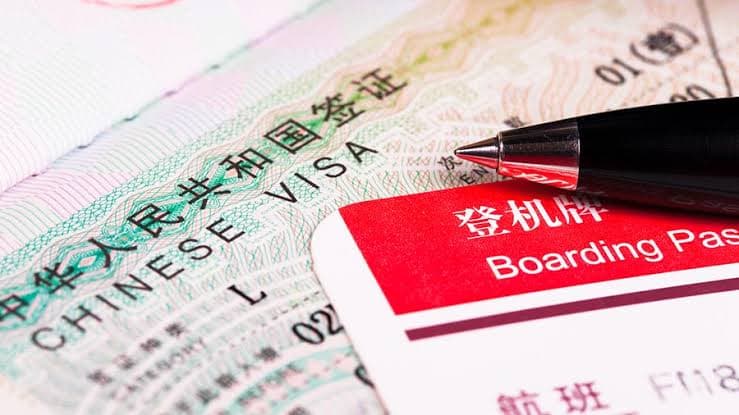
US passport holders must obtain a visa before traveling to China. The type of visa depends on the purpose and length of stay. The most common visas for travelers are tourist (L), business (M), and multiple-entry visas.
Types of Visas for US Citizens
Visa Type | Purpose | Validity | Notes |
|---|---|---|---|
Tourist (L) | Leisure travel, sightseeing | Usually 60 days per entry | 10-year multiple entry available for US citizens |
Business (M) | Business meetings, conferences | Up to 60 days per entry | Invitation letter required |
10-Year L Visa (Multiple Entry) | Tourism, business, or family visits (under US-China visa reciprocity agreement) | 10 years | Unlimited entries over 10 years; up to 60 days per entry |
Application Process and Required Documents
Step 1 | Complete the visa application form online or on paper. |
Step 2 | Submit a valid US passport with at least six months of remaining validity. |
Step 3 | Provide a recent passport-size photo. |
Step 4 | Provide supporting documents such as invitation letters (for business visas). |
Step 5 | Pay the visa fee. |
Since January 1, 2024, tourist (L) visa applicants are no longer required to submit flight itineraries, hotel bookings, or invitation letters.
COVA Online Visa Application System
COVA System: Launched September 30, 2025, the China Online Visa Application (COVA) system allows US applicants to complete forms online, upload materials, and track application status. After preliminary review, applicants submit passports in person.
In-Person Submission: After COVA preliminary review, applicants submit passports to the embassy/consulate or visa center. Regular processing takes about 4 business days; express service (+$25) takes 3 days; rush service (+$37) available in some locations.
Travel Insurance Recommendations
Obtain overseas travel insurance that covers medical emergencies, trip interruptions, and lost luggage.
Confirm that your insurance is valid in China and covers evacuation if necessary.
How US Citizens Should Plan a Trip to China
Proper planning is essential for a smooth and enjoyable trip to China. This includes selecting the right travel season, understanding local holidays, and preparing for long-haul flights.
Best Time to Travel to China
China is vast, and weather conditions vary by region. Generally, spring (March–May) and autumn (September–November) are considered the most comfortable times to visit due to mild temperatures and lower rainfall.
Spring (Mar–May) | Pleasant temperatures, blooming landscapes, ideal for sightseeing. |
Autumn (Sep–Nov) | Cool weather, colorful foliage, comfortable for walking tours. |
Summer (Jun–Aug) | Hot and humid, especially in southern China; higher tourist crowds. |
Winter (Dec–Feb) | Cold in northern regions; fewer tourists, lower prices. |
Holiday Considerations
Festival | Festival Date | Holiday Duration |
|---|---|---|
New Year's Day | Jan 1, 2026 | Jan 1 – Jan 3 (3 days) |
Chinese New Year (Spring Festival) | Feb 17, 2026 | Feb 15 – Feb 23 (9 days) |
Qingming Festival | Apr 4, 2026 | Apr 4 – Apr 6 (3 days) |
Water-Splashing Festival (Yunnan) | Apr 13 – Apr 15, 2026 | Apr 13 – Apr 15 (3 days) |
May Day | May 1, 2026 | May 1 – May 5 (5 days) |
Third Month Fair (Yunnan) | May 1 – May 7, 2026 | May 1 – May 3 |
Dragon Boat Festival | Jun 19, 2026 | Jun 19 – Jun 21 (3 days) |
Mid-Autumn Festival | Sep 25, 2026 | Sep 25 – Sep 27 (3 days) |
National Day of China | Oct 1, 2026 | Oct 1 – Oct 7 (7 days) |
Only national statutory holidays and representative regional characteristic festivals with public holiday notices are listed.
How Long a Flight to China?
Flight duration depends on your departure city and whether you choose direct or connecting flights. Planning ahead can save time and reduce travel fatigue.
Departure City | Destination City | Approx. Flight Time |
|---|---|---|
New York (JFK) | Beijing (PEK) | 13–14 hours |
Los Angeles (LAX) | Shanghai (PVG) | 12–13 hours |
San Francisco (SFO) | Guangzhou (CAN) | 13–14 hours |
Chicago (ORD) | Beijing (PEK) | 13–14 hours |
Connecting Flights: Common layover cities: Tokyo, Seoul, Hong Kong, Taipei. Total travel time may increase by 3–6 hours depending on the stopover duration.
Tips for Long-Haul Flights
Choose a comfortable seat: Consider aisle seats for easier movement.
Stay hydrated: Drink water frequently and limit alcohol.
Move regularly: Stand, stretch, or walk every few hours to reduce fatigue.
Sleep strategically: Use eye masks and neck pillows to rest during overnight flights.
Pack essentials in carry-on: Snacks, travel documents, headphones, and chargers.
What to Pack for China: US Traveler Packing List
Packing thoughtfully can make your trip to China more comfortable and stress-free. Consider the season, destinations, and local requirements when preparing your luggage.
Clothing and Accessories
China's climate varies significantly by region and season, so packing the right clothing is essential.
Season | Clothing Suggestions |
|---|---|
Spring (Mar–May) | Light jackets, long-sleeve shirts, comfortable walking shoes |
Summer (Jun–Aug) | Short sleeves, breathable fabrics, hats, sunscreen |
Autumn (Sep–Nov) | Layered clothing, light sweaters, comfortable shoes |
Winter (Dec–Feb) | Warm coats, scarves, gloves, thermal layers (especially in northern cities) |
Other Accessories:
Travel adapters and chargers (China uses Type A and Type I plugs; 220V, 50Hz)
Compact first-aid kit (bandages, pain relievers, stomach remedies)
Personal care items and toiletries
Travel Essentials
Beyond clothing, several documents, payment tools, and security items are crucial for a smooth trip.
Essential Item | Purpose / Notes |
|---|---|
Passport & Visa | Required for entry; keep copies separately in case of loss |
Flight Tickets & Itinerary | Both digital and printed copies recommended |
Cash & Credit Cards | US dollars and Chinese yuan; Visa/Mastercard widely accepted |
Mobile Payment Apps | Alipay or WeChat Pay (set up before arrival) |
Travel Insurance | Covers medical emergencies, trip interruptions, and lost luggage |
Anti-theft Backpack & Luggage Locks | Protects valuables during sightseeing and transit |
Must-Have Apps for US Travelers in China
Traveling in China is significantly easier with the right mobile apps. From navigation and communication to payments and translation, these apps can help US travelers navigate the country smoothly.
Navigation Apps
Getting around Chinese cities can be challenging without local maps. Two essential apps are:
App | Purpose | Notes |
|---|---|---|
Baidu Maps | City navigation, driving routes, public transport | Best for detailed local directions; English interface limited |
Amap (Gaode) | Real-time traffic, metro routes, walking directions | Widely used in southern China; supports route planning |
Communication Apps
Staying connected is key for emergencies, travel coordination, and social interactions.
App | Purpose | Notes |
|---|---|---|
Messaging, calls, mobile payments | Essential for communication and paying bills | |
International messaging | Works with VPN; limited use in the Chinese Mainland without VPN |
Payment & Booking Apps
China is a mostly cashless society in urban areas. Setting up payment and booking apps beforehand is highly recommended.
App | Purpose | Notes |
|---|---|---|
Alipay | Payments, QR code scanning, small purchases | Can link international credit cards, but full functionality may require a Chinese bank account |
Dianping | Restaurant discovery, ratings, reviews, and reservations; also covers local services and entertainment | Essential for finding restaurants, reading reviews, and making reservations; widely used by locals |
Translation & Local Services Apps
Language can be a barrier, so translation apps are very helpful.
App | Purpose | Notes |
|---|---|---|
Google Translate (Offline) | Text translation, photo translation | Download offline languages before arrival |
Pleco | Chinese dictionary, OCR recognition | Useful for menus, signs, and reading local text |
Frequently Asked Questions About Apps & Connectivity
Q1 | Can I use my American credit card in China? |
Yes, major Visa and Mastercard are accepted in larger hotels, some restaurants, and shops. Mobile payment apps are more commonly used. | |
Q2 | Can Americans use Google in China? |
Google services are blocked in the Chinese Mainland. Use a VPN if necessary. | |
Q3 | Can Americans use Instagram and Facebook in China? |
They are blocked in China; VPN is required. In addition, software such as Google Search, Gmail, Google Maps, WhatsApp and YouTube are also unavailable. | |
Q4 | Do I need a VPN? |
Recommended if you want to access blocked websites and social media. | |
Q5 | Best eSIM for China travel? |
Providers like Airalo or Holafly offer eSIMs with data plans valid in China, convenient for navigation and communication. |
How Much Does It Cost US Citizens to Travel to China?
Travel expenses in China can vary widely depending on the city, travel style, and season. Understanding typical costs for flights, accommodation, food, and transportation can help you plan a realistic budget.
Flights
Departure City | Destination City | Economy Class (USD) | Notes |
|---|---|---|---|
New York (JFK) | Beijing (PEK) | $800–$1,200 | Peak season higher; book 2–4 months in advance |
Los Angeles (LAX) | Shanghai (PVG) | $700–$1,100 | Direct flights available |
San Francisco (SFO) | Guangzhou (CAN) | $750–$1,200 | Connecting flights may save cost |
Chicago (ORD) | Beijing (PEK) | $850–$1,250 | Mid-week flights often cheaper |
Accommodation
China offers a wide range of lodging options, from budget hostels to luxury hotels.
Accommodation Type | Price Range (USD) | Notes |
|---|---|---|
Budget Hotel / Hostel | $20–$50 | Basic amenities, shared bathrooms in hostels |
Mid-Range Hotel | $50–$120 | 3–4 star hotels, private bathroom, central locations |
Luxury Hotel | $150–$400+ | 5-star hotels, high-end services and amenities |
Airbnb / Short-Term Rental | $30–$150 | Depends on city and property type; ideal for longer stays |
Food and Transportation
Food Costs | ||
|---|---|---|
Meal Type | Estimated Price (USD) | Notes |
Street Food / Local Snacks | $1–$5 | Dumplings, baozi, noodles, skewers |
Casual Restaurant | $5–$15 | Local Chinese cuisine, rice or noodle dishes |
Mid-Range Restaurant | $15–$30 | Includes drinks, more variety |
Fine Dining | $30+ | Western-style or high-end Chinese restaurants |
Transportation Costs | ||
|---|---|---|
Type | Price Range (USD) | Notes |
City Metro / Bus | $0.30–$1 | Efficient and cheap in most cities |
Taxi / Didi | $3–$15 per trip | Depends on distance and city |
Shared Bike / E-scooter | $0.20–$1 per ride | Convenient for short distances |
High-Speed Rail | $20–$100+ | Depends on distance and class (2nd/1st/Business) |
Domestic Flights | $50–$200+ | Faster for long distances; check budget airlines |
Where to Travel in China: Best Destinations for US Visitors
China offers a mix of bustling cities, historical landmarks, and stunning natural landscapes.
Must-Visit Cities
These cities are popular among first-time visitors and provide a blend of culture, history, and modern attractions.
City | Highlights | Notes |
|---|---|---|
Beijing | Great Wall, Forbidden City, Summer Palace | Capital city; blend of history and modernity |
Shanghai | The Bund, Yu Garden, Shanghai Tower | Financial hub with vibrant nightlife and historic architecture |
Xi'an | Terracotta Army, Ancient City Wall, Big Wild Goose Pagoda | Rich historical heritage; gateway to Silk Road |
Chengdu | Giant Pandas, Jinli Ancient Street, Wuhou Shrine | Famous for Sichuan cuisine and cultural experiences |
Scenic Spots
For travelers seeking natural beauty and unique experiences beyond major cities:
Destination | Highlights | Notes |
|---|---|---|
Guilin | Li River cruises, Reed Flute Cave, Elephant Trunk Hill | Famous for karst landscapes and river scenery |
Zhangjiajie | Avatar Mountains, Glass Bridge, Tianmen Mountain | Dramatic cliffs and forested pillars; inspiration for movies |
Huangshan | Yellow Mountains, Sunrise & Sea of Clouds, Hot Springs | Iconic scenery; great for hiking and photography |
Local Cultural Experiences | Ethnic minority villages, tea plantations, local festivals | Offers insight into traditional life and regional customs |
China Food Guide for First-Time US Visitors
For first-time visitors, understanding local dining customs, food safety, and dietary options can help make the experience more enjoyable.
What Food Should You Try in China?
Chinese cuisine varies significantly by region, and each city has its own signature dishes. Exploring local food is one of the best ways to experience Chinese culture.
Destination | Must-Try Food | Description |
|---|---|---|
Beijing | Peking Duck | Crispy roasted duck served with pancakes and sauce |
Shanghai | Xiaolongbao | Soup-filled dumplings famous throughout China |
Xi'an | Biang Biang Noodles | Thick hand-pulled noodles with rich flavors |
Chengdu | Sichuan Hot Pot | Spicy communal dining experience |
Guangzhou | Dim Sum | Variety of steamed dumplings and small dishes |
Guilin | Guilin Rice Noodles | Local specialty with savory broth and toppings |
For adventurous travelers, local night markets are excellent places to discover authentic street food and regional snacks.
Follow the locals. Busy restaurants with high turnover often offer fresher food and better dining experiences.
Can You Drink Tap Water?
No. Tap water in most parts of China is generally not recommended for direct drinking, even in major cities. While it is treated and safe for daily use such as washing and bathing, locals typically boil water before drinking it.
Option | Recommended? | Notes |
|---|---|---|
Bottled Water | Yes | Widely available and inexpensive |
Boiled Water | Yes | Commonly provided in hotels and restaurants |
Hotel Tap Water | No | Safe for brushing teeth in most hotels, but not for drinking |
Public Drinking Fountains | Use Caution | Quality may vary by location |
Vegetarian Travel in China
Vegetarian travel is becoming easier in China, especially in large cities such as Beijing, Shanghai, Hangzhou, Shenzhen, and Chengdu.
However, travelers should be aware that some dishes may contain hidden animal-based ingredients, such as meat broth, oyster sauce, or small amounts of minced meat.
Dish | Description |
|---|---|
Vegetable Dumplings | Steamed or boiled dumplings with vegetable fillings |
Stir-Fried Seasonal Vegetables | Common in most restaurants |
Tofu Dishes | Available in various regional styles |
Buddhist Cuisine | Fully vegetarian meals served in temple restaurants |
Vegetable Fried Rice or Noodles | Widely available throughout China |
Food Allergies in China
Travelers with food allergies should take extra precautions, especially if they have severe reactions to nuts, seafood, dairy, eggs, or gluten.
Allergen | Common Sources |
|---|---|
Peanuts | Sauces, stir-fries, snacks |
Tree Nuts | Desserts, specialty dishes |
Shellfish | Soups, seafood dishes, sauces |
Soy | Soy sauce, tofu, marinades |
Gluten | Noodles, dumplings, soy sauce |
Sesame | Oils, sauces, toppings |
Recommended Precautions:
Carry allergy translation cards in Chinese.
Use translation apps when ordering food.
Inform restaurant staff before ordering.
Keep emergency medication easily accessible.
Choose restaurants that can clearly explain ingredients.
China Travel Mistakes US First-Timers Should Avoid
Even well-prepared travelers can make mistakes in China if they are not familiar with local customs, transportation systems, and daily life. Being aware of these common pitfalls can save time, money, and unnecessary stress.
Common Mistakes
Mistake | Description | How to Avoid |
|---|---|---|
Not Setting Up Mobile Payment | Many stores, taxis, and restaurants rely on Alipay or WeChat Pay instead of cash or credit cards. | Download and set up Alipay or WeChat Pay before arrival; carry some cash as a backup. |
Arriving During Major Holidays | Chinese New Year and National Day (Oct 1–7) bring heavy crowds, sold-out hotels, and higher prices. | Plan trips outside peak travel periods if possible; book flights and accommodations months in advance. |
Underestimating China's Size | Traveling between cities can take several hours by train or plane, leading to rushed itineraries. | Allow extra travel time; consider high-speed rail or domestic flights for long distances. |
Ignoring Language Barriers | Many locals may not speak English, especially outside major cities. | Download translation apps, carry a phrasebook, or use translation cards. |
Not Using VPN | Popular websites like Google, Facebook, Instagram, and WhatsApp are blocked in the Chinese Mainland. | Set up a reliable VPN before departure if you need access to these services. |
Skipping Travel Insurance | Medical care, lost luggage, or trip interruptions can be costly. | Emergencies and trip interruptions |
Assuming Tap Water is Drinkable | Drinking untreated tap water can cause stomach issues. | Stick to bottled or boiled water. |
Overpacking or Mispacking | Heavy luggage or inappropriate clothing for the season can make travel uncomfortable. | Pack layered clothing, comfortable shoes, and essentials; follow a packing checklist. |
Not Respecting Local Customs | Certain behaviors, like tipping inappropriately or showing disrespect at temples, can cause awkward situations. | Learn basic cultural etiquette and local customs before traveling. |
Tips to Avoid Mistakes
Research Before Traveling – Spend time learning about your destinations, local customs, and practical travel logistics.
Plan an Efficient Itinerary – Don't overpack activities; leave room for rest and flexibility.
Use Local Resources – Apps like Baidu Maps, Amap, and WeChat can make daily travel much easier.
Ask Locals or Guides – Hotel staff or tour guides can provide valuable advice and help avoid common pitfalls.
Keep Copies of Important Documents – Store digital copies of passport, visa, insurance, and flight tickets.
China Safety Tips for US Travelers
Tip | Recommendation |
|---|---|
Protect Your Valuables | Keep passports, wallets, and electronics secure, especially in crowded areas. |
Use Licensed Transportation | Choose official taxis or ride-hailing apps like Didi. |
Beware of Tourist Scams | Avoid unsolicited invitations from strangers near major attractions. |
Save Emergency Contacts | Keep local emergency numbers and embassy information accessible. |
Emergency Numbers in China
Service | Number |
|---|---|
Police | 110 |
Ambulance | 120 |
Fire Department | 119 |
Things to Avoid
Pointing directly at people.
Writing someone's name in red ink.
Sticking chopsticks upright into a bowl of rice.
Discussing sensitive political topics with strangers.
Sample China Itinerary for US First-Time Visitors
Planning your itinerary is one of the most exciting parts of preparing for a trip to China. With such a vast country and countless attractions, first-time visitors often struggle to decide where to go and how much time to spend in each destination.
Below are two sample itineraries designed for different travel styles, along with tips on how to customize your trip based on your interests.
7-Day China Trip for First-Time Visitors
This itinerary is ideal for travelers who want to experience China's most iconic landmarks, culture, and modern city life in a short amount of time.
Day | Destination | Highlights |
|---|---|---|
Day 1 | Beijing | Arrival, Wangfujing Street, local food experience |
Day 2 | Beijing | Great Wall, Olympic Park |
Day 3 | Beijing | Forbidden City, Tiananmen Square, Summer Palace |
Day 4 | Xi'an | High-speed train, Ancient City Wall, Muslim Quarter |
Day 5 | Xi'an | Terracotta Warriors, Big Wild Goose Pagoda |
Day 6 | Shanghai | The Bund, Nanjing Road, Huangpu River night view |
Day 7 | Shanghai | Yu Garden, French Concession, departure |
Why This Itinerary Works:
Covers China's most famous historical attractions.
Includes both ancient and modern China.
Efficient transportation via high-speed rail and domestic flights.
Perfect for first-time visitors with limited vacation time.
10-Day Luxury China Tour
For travelers seeking premium experiences, luxury accommodations, private guides, and exclusive cultural activities, this itinerary offers a more immersive journey.
Day | Destination | Highlights |
|---|---|---|
Day 1-3 | Beijing | Private Great Wall tour, Forbidden City VIP access, luxury hotel stay |
Day 4-5 | Xi'an | Private Terracotta Warriors guide, boutique heritage hotel |
Day 6-7 | Chengdu | Panda Base VIP experience, Sichuan cuisine tasting |
Day 8-10 | Shanghai & Hangzhou | The Bund, West Lake cruise, luxury shopping, fine dining |
How to Adjust Your Itinerary Based on Interests
One of the best things about traveling in China is the variety of experiences available. Consider tailoring your itinerary around your personal interests.
Interest | Recommended Destinations |
|---|---|
History & Culture | Beijing, Xi'an, Nanjing |
Nature & Photography | Guilin, Zhangjiajie, Huangshan, Jiuzhaigou |
Food Lovers | Chengdu, Guangzhou, Xi'an, Shanghai |
Modern Cities | Shanghai, Shenzhen, Beijing |
Tea Culture | Hangzhou, Fujian, Yunnan |
Family Travel | Beijing, Shanghai, Chengdu |
Luxury Travel | Beijing, Shanghai, Hangzhou, Guilin |
Adventure Travel | Tibet, Zhangjiajie, Yunnan |
Conclusion
Traveling to China as a US citizen is an enriching and unforgettable experience. By understanding visa requirements, travel regulations, cultural norms, safety tips, and essential apps, you can plan a smooth and enjoyable journey.
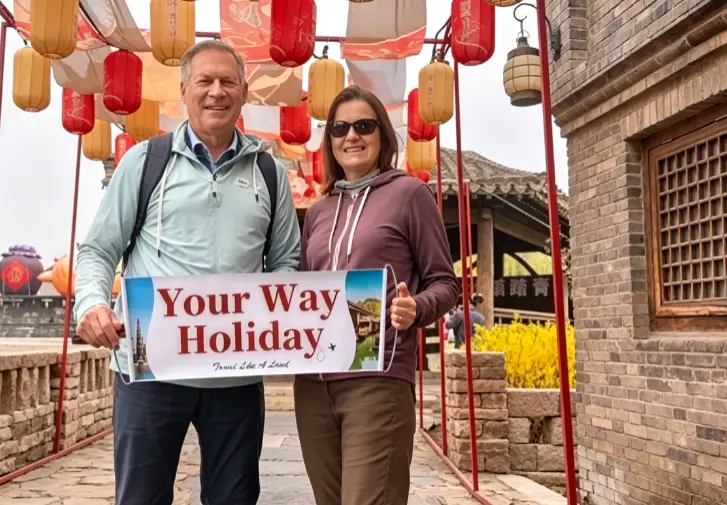
Ready to explore China? Your Way Holiday crafts personalized itineraries for US travelers — from visa guidance to private guides. Start planning your dream China trip today.




Traveler Discussions
Questions from travelers