

Guangzhou is a city that reveals itself in layers. At first glance, you may come for the glittering skyline, the Canton Tower, or a cruise along the Pearl River. But spend a little more time here, and you will discover a very different side of the city — morning tea shared around a busy table, centuries-old temples hidden between modern streets, quiet walks through historic neighborhoods, and traditions that continue to shape everyday local life.
So, what are the best things to do in Guangzhou? The answer depends on how you want to experience the city. Guangzhou is home to some of southern China's most famous landmarks, but its real charm often lies beyond the major sightseeing spots. One moment you can be looking out over a futuristic skyline in Zhujiang New Town; the next, you can be wandering beneath the arcades of an old Xiguan neighborhood or sipping tea the way generations of Cantonese locals have done.
From iconic landmarks and ancient history to Cantonese morning tea and local tea markets, here are our 15 local picks for experiencing the best of Guangzhou in 2027.
At a Glance: 15 Best Things to Do in Guangzhou in 2027
Whether you are visiting Guangzhou for a quick stopover or planning a few days to explore, this list offers a mix of famous landmarks, cultural treasures, local food experiences, historic neighborhoods, and lesser-known discoveries.
No. | Thing to Do | Best For | Suggested Time |
|---|---|---|---|
1 | Visit the Canton Tower | First-time visitors | 1–2 hours |
2 | Take a Pearl River Night Cruise | Night views & couples | Evening |
3 | Explore Chen Clan Ancestral Hall | Culture & architecture | 1–1.5 hours |
4 | Try Authentic Cantonese Morning Tea | Food lovers | 1–2 hours |
5 | Walk Around Shamian Island | History & photography | 1–2 hours |
6 | Discover Yongqing Fang | Local culture & old Guangzhou | 1–2 hours |
7 | Visit the Museum of the Nanyue King | History lovers | 1.5–2 hours |
8 | Explore Beijing Road | Shopping & city history | 1–2 hours |
9 | Visit Yuexiu Park | Nature & local life | 1–2 hours |
10 | Explore Guangxiao Temple | Spiritual & cultural experience | 1 hour |
11 | See the Modern Side at Zhujiang New Town | Modern Guangzhou | 1–2 hours |
12 | Wander Around Liwan & Xiguan | Local neighborhoods | Half day |
13 | Try Cantonese Desserts | Food experience | 30–60 mins |
14 | Visit Fangcun Tea Market | Tea lovers & local culture | 1–2 hours |
15 | Experience a Traditional Lingnan Cultural Activity | Travelers seeking something unique | 1–2 hours |
The best way to enjoy Guangzhou is not necessarily to rush from one attraction to another. Some of the most memorable experiences happen when you slow down—over a long Cantonese breakfast, during an unplanned walk through an old neighborhood, or while learning about a local tradition from someone who still practices it today.
If you are visiting for the first time, you may want to start with a few of the city's classic Guangzhou must-visit landmarks and then balance them with experiences that feel more personal and local. With that in mind, here are 15 of the best things to do in Guangzhou in 2027.
1. Can You Really See All of Guangzhou from the Canton Tower?
If it is your first time in the city, the Canton Tower is one of the most recognizable Guangzhou attractions and a natural place to begin. Rising above the Pearl River, its distinctive twisting shape has become a symbol of modern Guangzhou and offers a completely different perspective on the city's scale.
From the observation decks, you can look across the Pearl River toward the skyscrapers of Zhujiang New Town and the surrounding districts. On a clear day, the view stretches far beyond the central skyline, revealing just how quickly Guangzhou has grown into one of southern China's largest and most dynamic cities.


What to Experience at Canton Tower
Take your time rather than treating the tower as a quick photo stop. The best experience depends on how much time you have and what you want to see:
Experience | What to Expect | Recommended Time |
|---|---|---|
Observation areas | Panoramic views across Guangzhou and the Pearl River | Daytime or sunset |
Riverside views | Enjoy the tower from the surrounding riverside area | Late afternoon to evening |
Sunset & blue hour | Watch the changing light over the Pearl River | Around sunset |
Photography | Capture the contrast of river, bridges, and modern architecture | Sunset to blue hour |
Evening skyline | See Canton Tower illuminated as part of the night skyline | After dark |
Local Tip: If your schedule allows, make the Canton Tower part of a relaxed evening — start with a walk through Zhujiang New Town, head toward the riverside as daylight fades, enjoy the illuminated tower, and finish with a Pearl River Night Cruise for a completely different perspective from the water.
Suggested Sequence | Experience |
|---|---|
1. Zhujiang New Town / Huacheng Square | Start with a leisurely walk through Guangzhou's modern CBD and public spaces. |
2. Riverside walk | Head toward the Pearl River as the daylight fades and the city lights begin to come on. |
3. Canton Tower | Enjoy the illuminated tower and the surrounding night views at a more relaxed pace. |
4. Pearl River Night Cruise | For a different perspective, continue with |
2. What Can You See on a Pearl River Night Cruise?
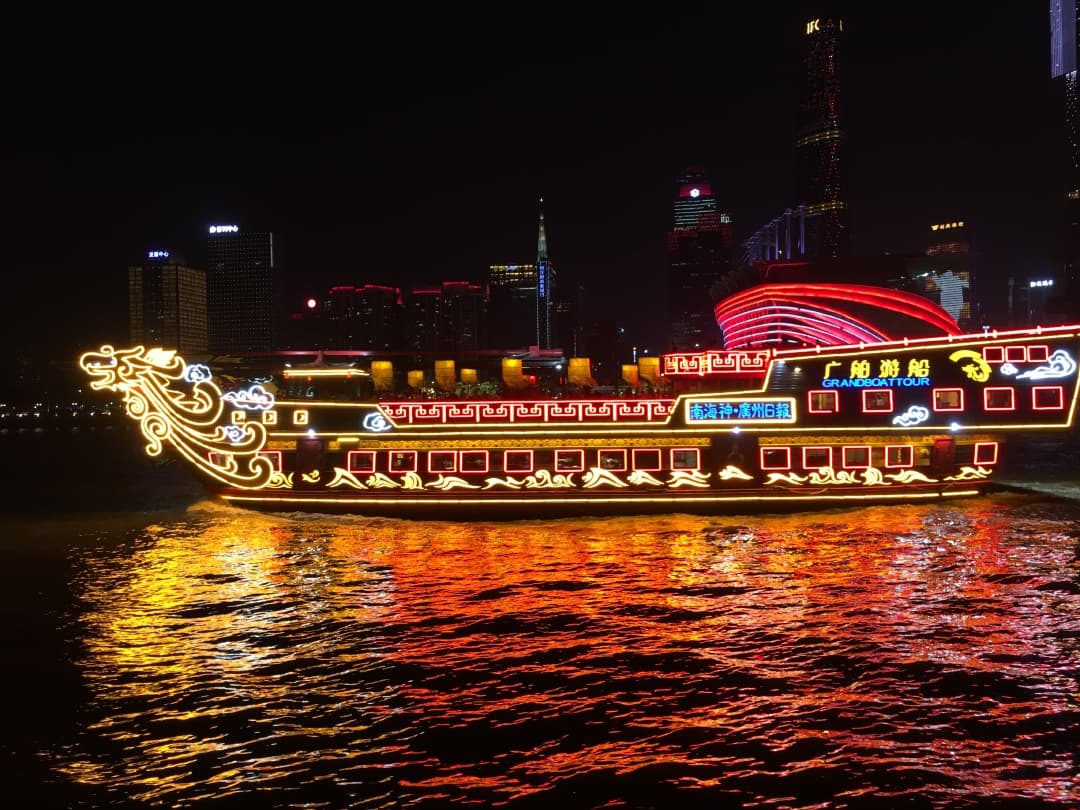
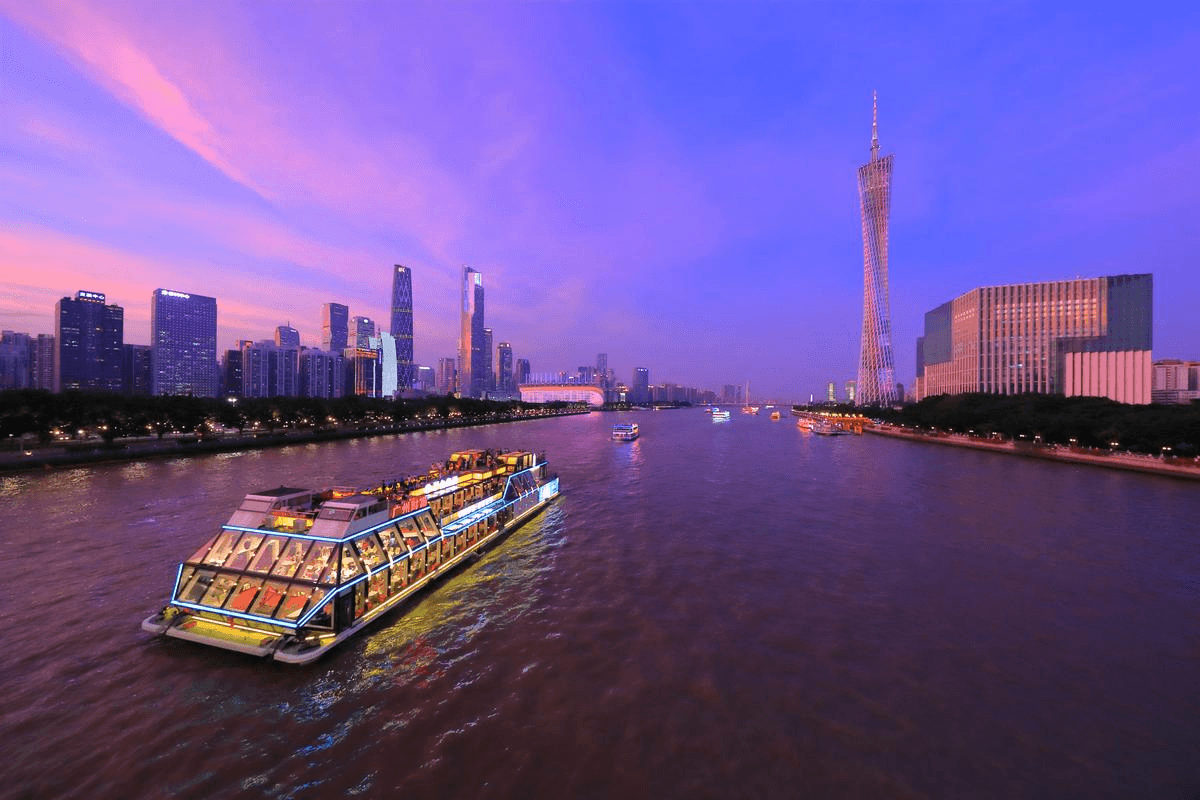
After seeing Guangzhou from above, experience the city from a completely different perspective — on the water. A Pearl River Night Cruise is one of the best things to do in Guangzhou after sunset, especially for first-time visitors who want to see the city's modern skyline at its most impressive.
As the boat moves along the river, Guangzhou gradually reveals its nighttime character. The Canton Tower rises above the skyline, bridges glow over the water, and the modern buildings along both banks reflect the city's energy and rapid development. From the river, you can appreciate how closely Guangzhou's identity has always been connected to the water.
The experience is less about reaching a particular destination and more about slowing down and enjoying the changing views. Sitting back on the deck with the city lights all around you offers a welcome contrast to a busy day of walking through temples, museums, and historic neighborhoods.
What to Expect on a Pearl River Night Cruise
Most cruises take place in the evening, when Guangzhou's landmarks and bridges are illuminated. While the exact route and duration vary, a typical cruise offers the following:
Cruise Experience | What You Can Expect |
|---|---|
Nighttime atmosphere | See Guangzhou's skyline come alive as landmarks and bridges light up |
Riverfront views | Enjoy panoramic views without moving between different viewpoints |
Canton Tower | See one of Guangzhou's most recognizable landmarks from the water |
Relaxed sightseeing | Sit back and enjoy the views without dealing with evening traffic |
Modern skyline | Take in the city's illuminated architecture and waterfront landmarks from the river. |
Best for | A particularly enjoyable choice for couples, families, and travelers with limited time in Guangzhou. |
For visitors who only have a short time in the city, a Pearl River Night Cruise is an easy way to experience several parts of Guangzhou's skyline in one evening. It also makes a relaxed ending to a day of sightseeing.
Make It Part of a Guangzhou Evening
A Pearl River Night Cruise works best when it is part of a larger evening rather than a standalone activity. You might begin with dinner in the city, take a walk around Huacheng Square or Zhujiang New Town as the lights begin to come on, and then head to the river for your cruise.
If you have already visited the Canton Tower during the day, seeing it again from the water creates a completely different impression. From the river, its illuminated silhouette becomes part of a much wider panorama, surrounded by bridges, skyscrapers, and reflections on the Pearl River.
Local Tip: Choose a departure time after dark if seeing the illuminated skyline is your priority. Guangzhou's night scenery is best enjoyed at a slower pace — take a walk, enjoy dinner, and let the cruise become the relaxed finale to your day.
3. Why Is the Chen Clan Ancestral Hall a Must-See in Guangzhou?
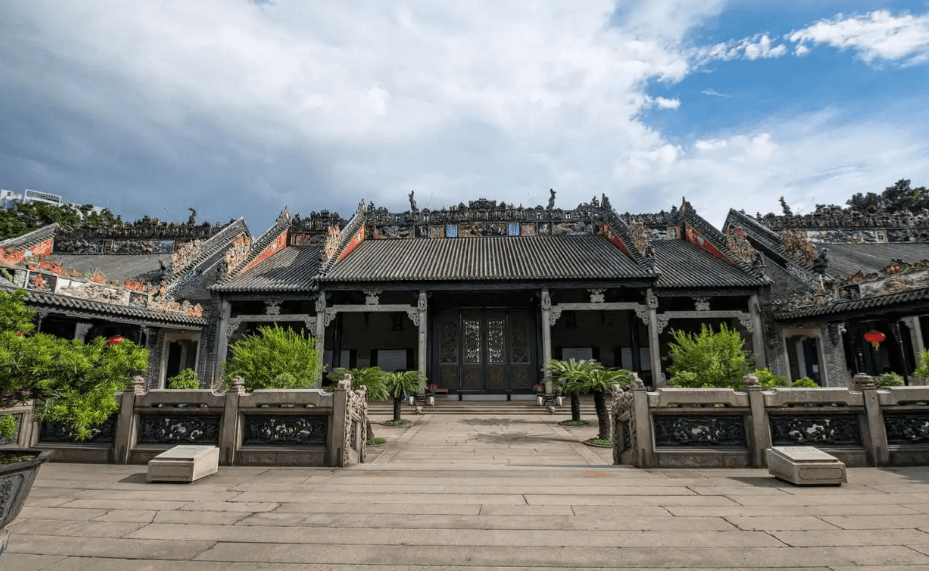
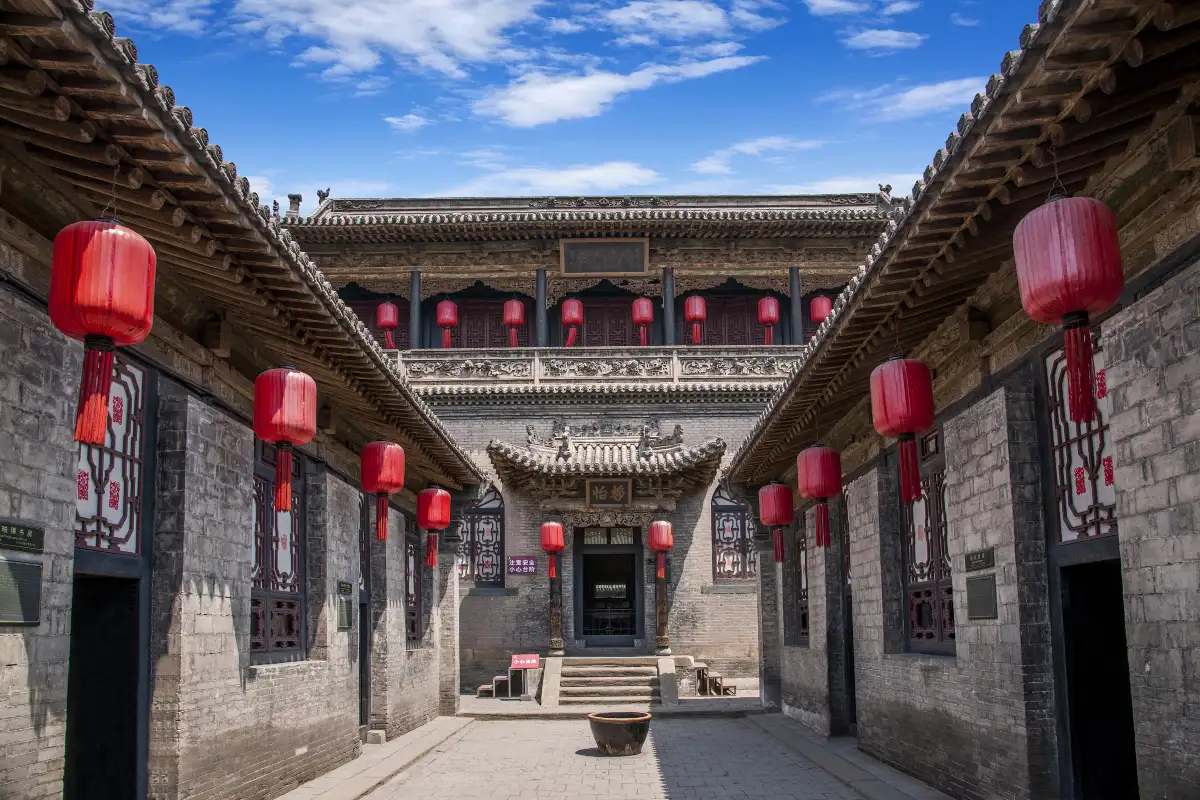
To understand Guangzhou beyond its modern skyline, step into the Chen Clan Ancestral Hall. Built in the late 19th century, this remarkable complex was originally created as a place for members of the Chen family from across Guangdong to stay, study, and prepare for the imperial examinations. Today, it is one of the best places to discover the craftsmanship, traditions, and visual language of Lingnan culture.
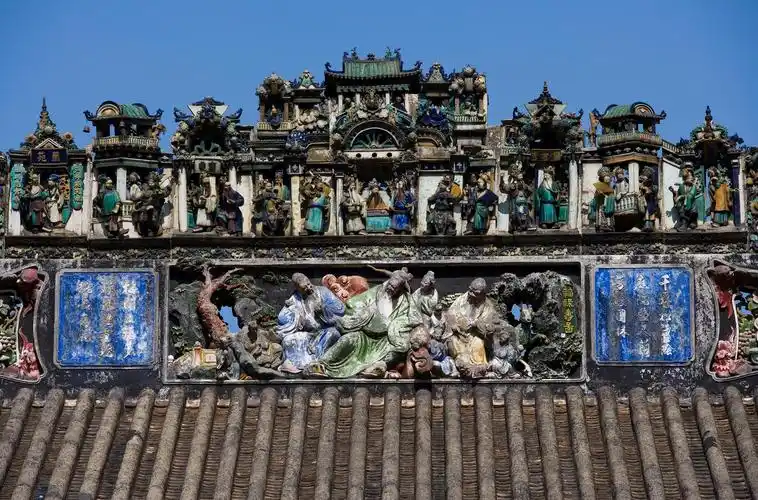
At first glance, the scale and detail of the architecture are what immediately stand out. Look closely, however, and you will begin to notice something new at almost every turn. The roofs, halls, doors, walls, and courtyards are richly decorated with intricate wood carvings, stone carvings, brick carvings, pottery, and colorful sculptures.
This attention to detail is what makes the Chen Clan Ancestral Hall more than simply another historic building. It is almost like walking through a three-dimensional introduction to traditional Lingnan art. For travelers interested in architecture, photography, Chinese culture, or local history, it is one of the Guangzhou must-visit attractions that deserves more than a quick stop.
Take Your Time and Look Beyond the Main Halls
The best way to experience the Chen Clan Ancestral Hall is to slow down. Rather than rushing through the complex, take time to look upward at the elaborate roof decorations and closer at the carvings surrounding the halls and courtyards. Some of the finest details are easy to miss if you only focus on the main buildings.
A knowledgeable guide can also add another layer to the experience by explaining the symbolism behind the artwork and how the architecture reflects the values and traditions of the time. Stories of family, education, prosperity, and social status are woven into many of the decorative details, giving the building a deeper meaning beyond its visual beauty.
Why It Is One of the Best Guangzhou Attractions for Culture Lovers
Many of Guangzhou's historic sites tell their stories through written records and artifacts. The Chen Clan Ancestral Hall is different—it tells its story through architecture itself.
What Makes It Special | What You Can Discover |
|---|---|
Architecture as history | The building itself reveals the cultural traditions and history of the Lingnan region. |
Local craftsmanship | Decorative wood, stone, brick, and other details showcase the extraordinary skill of local craftsmen. |
Lingnan identity | Its distinctive decorative styles reflect the artistic and cultural character of southern China. |
A guide to local architecture | The hall can help you recognize similar styles in old residences, temples, ancestral halls, and historic neighborhoods across Guangzhou and Guangdong. |
A deeper way to explore | After visiting, you may start noticing architectural details and cultural patterns that you might otherwise walk past. |
Local Tip: Try to visit earlier in the day, especially if you enjoy photography or prefer a quieter experience. Combine the Chen Clan Ancestral Hall with nearby neighborhoods in Liwan or Xiguan for a more complete cultural journey.
4. What Is Cantonese Morning Tea Really Like in Guangzhou?
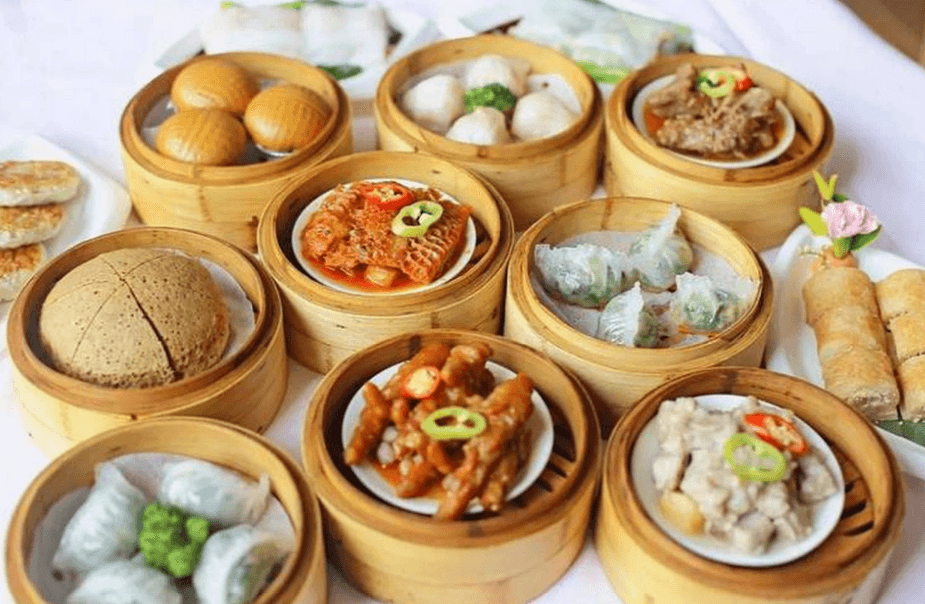
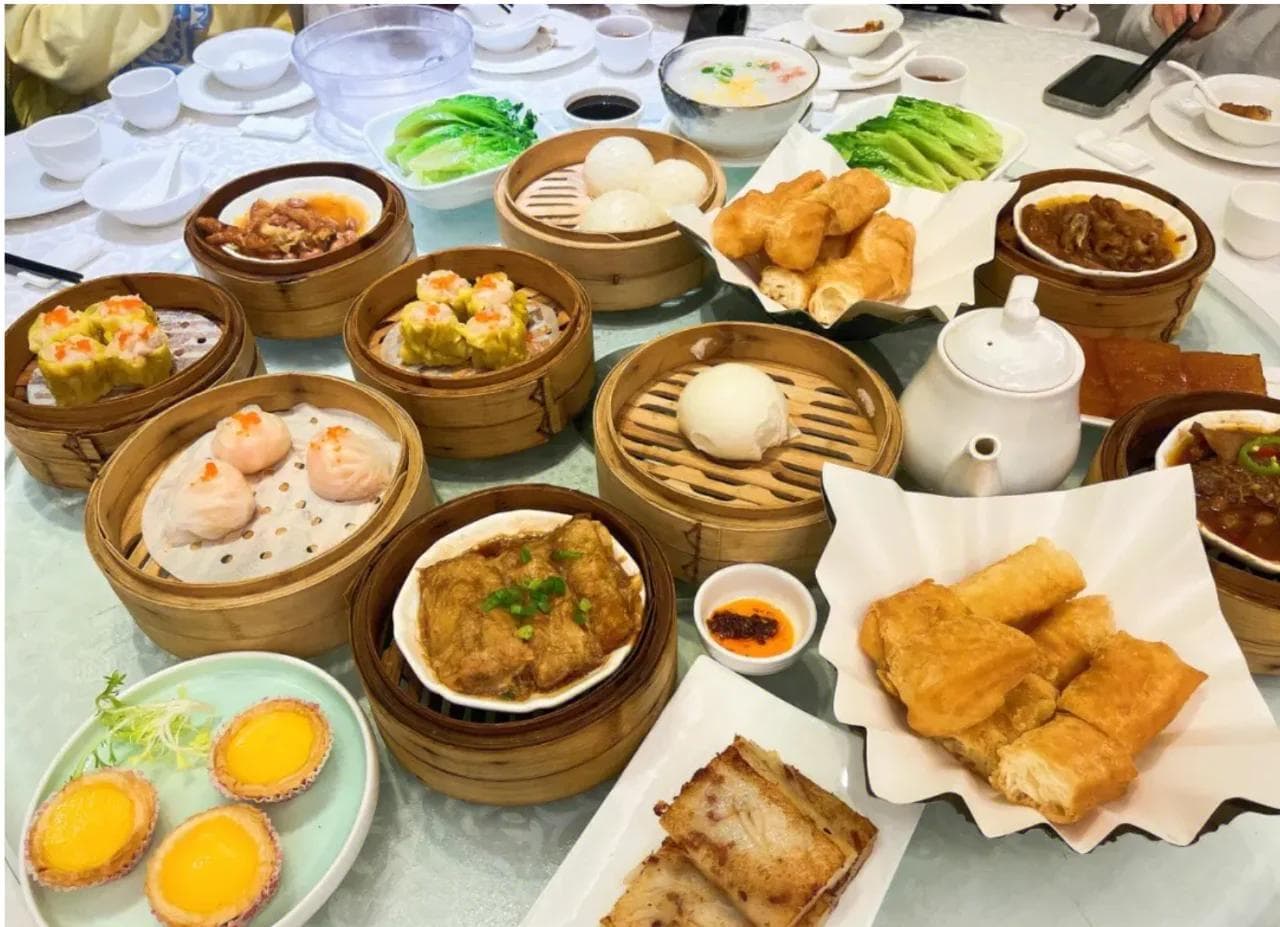
In Guangzhou, one of the best ways to understand the city is to sit down at a busy restaurant, order a pot of tea, and spend time over a table filled with small dishes. Known locally as Yum Cha, or "drinking tea," the Cantonese morning tea tradition is far more than a meal. It is a daily ritual, a social occasion, and one of the most authentic ways to experience local life.
For generations, Guangzhou residents have gathered with family, friends, and colleagues to drink tea and share dim sum. On weekends, it is common to see several generations sitting around the same table, talking for hours while dishes arrive one after another.
Of course, the food is a major part of the experience. Steamed shrimp dumplings, siu mai, barbecue pork buns, rice noodle rolls, steamed ribs, and delicate pastries may all find their way onto the table. Different restaurants have their own specialties, and part of the fun is sharing several dishes rather than ordering a single main course for each person.
How to Experience Cantonese Morning Tea Like a Local
The key is to slow down. Instead of treating morning tea as a quick breakfast before rushing to the next attraction, allow yourself enough time to enjoy the experience properly. Order a pot of tea, choose a selection of dim sum to share, and take in the lively atmosphere around you.
You may notice that a traditional tea restaurant is filled with people of all ages. Elderly friends meet for their regular morning conversations, families gather for weekend meals, and groups linger long after they have finished their first round of dishes. This is one of the reasons morning tea is such an important part of Guangzhou culture—it offers a glimpse into the city's everyday rhythm.
If you are visiting Guangzhou for the first time, this is also an easy introduction to Cantonese cuisine. The flavors are often delicate rather than heavily spiced, with an emphasis on fresh ingredients, careful preparation, and a wide variety of textures.
What to Order
Har Gow — delicate steamed shrimp dumplings with a translucent wrapper
Siu Mai — open-topped dumplings, traditionally filled with pork and shrimp
Char Siu Bao — soft steamed buns filled with sweet and savory barbecue pork
Cheung Fun — silky rice noodle rolls served with a light soy-based sauce
Steamed Ribs — a classic savory small dish often served with black beans or garlic
Egg Tarts — a sweet finish to the meal
The best approach is to share a variety of dishes and order more as you go. This way, the meal becomes an experience of discovery rather than simply choosing one or two familiar items.
Local Tip: Try to have Cantonese morning tea at least once during your stay — and do not be surprised if it takes longer than you expect. In Guangzhou, lingering over tea is part of the experience.
5. What Can You Discover on Historic Shamian Island?
After the energy of Guangzhou's busy streets and lively tea houses, Shamian Island offers a completely different pace. With its tree-lined avenues, quiet corners, and elegant historic buildings, this small riverside area feels noticeably calmer than much of the city around it.
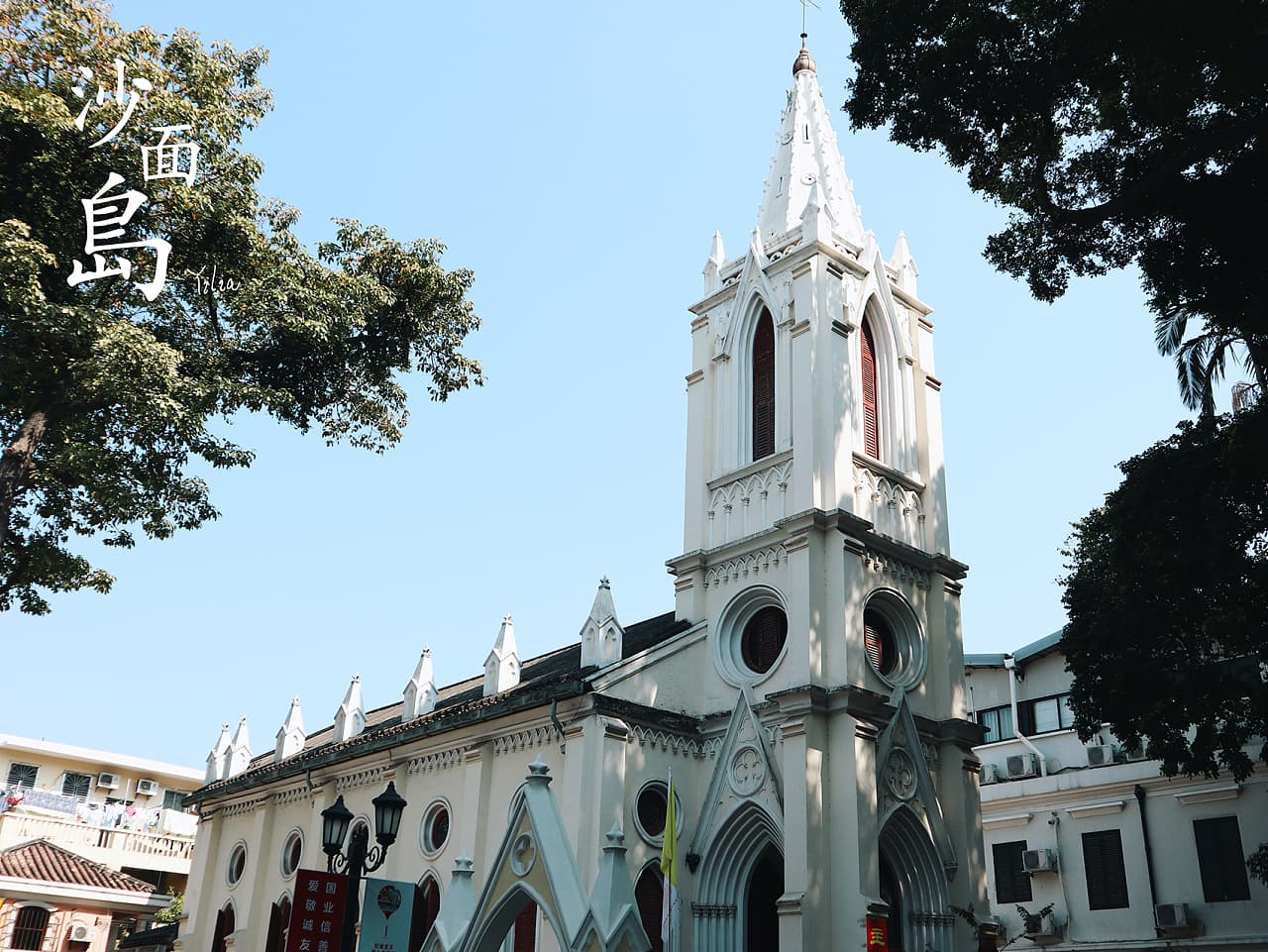
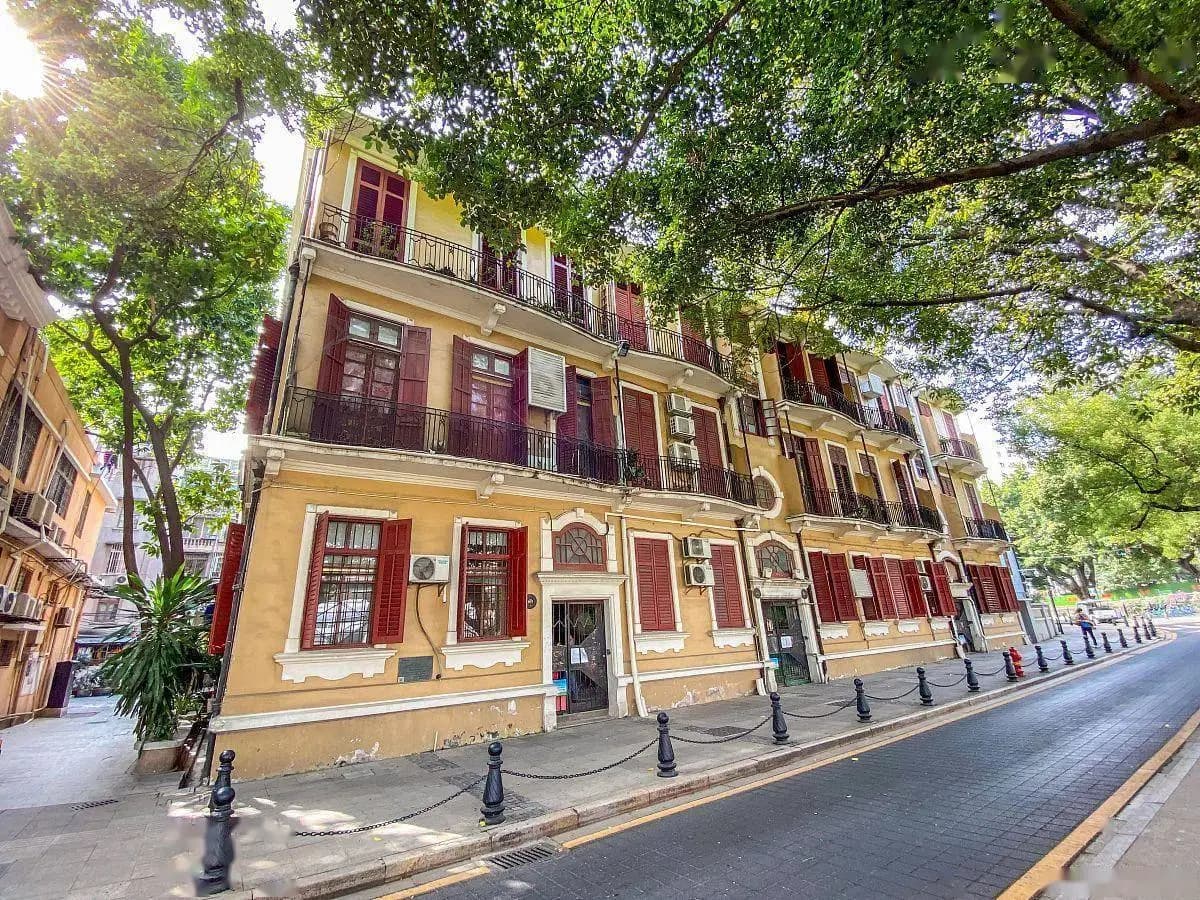
Located in the Liwan District, Shamian Island was once an important foreign concession during the 19th and early 20th centuries. Its history can still be seen in the European-style buildings, historic churches, former consulates, and banyan-lined streets that create the peaceful atmosphere.
What You Can See | What It Tells You |
|---|---|
European-style buildings | Reflect Shamian's distinctive architectural character and international past. |
Historic churches | Offer a glimpse into the area's multicultural history. |
Former consulates | Reflect Guangzhou's long-standing connections with foreign trade and diplomacy. |
Historic residences | Show how different architectural influences became part of the city's urban landscape. |
Banyan-lined streets | Create the peaceful, shaded atmosphere that makes Shamian ideal for a leisurely walk. |
Take a Slow Walk and Let the Neighborhood Set the Pace
Shamian Island is not a place that needs a strict sightseeing checklist. The best way to experience it is simply to walk.
Follow the quiet streets, look up at the architectural details, pause beneath the old trees, and explore the small lanes that connect the island's historic buildings. The atmosphere changes throughout the day, with softer light in the morning and a more relaxed mood toward the late afternoon.
For photographers, the combination of historic architecture, leafy streets, and riverside scenery makes Shamian one of the more photogenic areas in Guangzhou. It is also a welcome break from the crowds at some of the city's larger attractions.
More Than Just European-Style Architecture
While the architecture is what first catches most visitors' attention, Shamian's real appeal lies in its atmosphere. It is a place to slow down and imagine a different era of Guangzhou.
The old buildings tell stories of trade, diplomacy, and cultural exchange, while the surrounding streets show how these layers of history have become part of the modern city. Rather than viewing Shamian as an isolated historic attraction, it is worth seeing it as one piece of Guangzhou's much larger story—a city shaped by centuries of movement, commerce, and connections across cultures.
Local Tip: Shamian Island works particularly well as part of a relaxed half-day exploration of old Guangzhou. There is no need to rush through it in 30 minutes — give yourself time to wander before continuing to nearby areas in Liwan.
How to Experience Shamian Island | Our Recommendation |
|---|---|
How much time? | Allow part of a half day rather than trying to see it in 30 minutes. |
When to visit? | Morning or late afternoon, when the weather is generally more comfortable for walking and the light is better for photography. |
What to do? | Wander through the historic streets, take photos, stop for a drink, and enjoy the quieter atmosphere. |
What to combine it with? | Wander through the historic streets, take photos, stop for a drink, and enjoy the quieter atmosphere. |
When does it fit best? | It is ideal for slowing down after a busy morning of sightseeing rather than adding another rushed attraction to your schedule. |
Among the many Guangzhou attractions, Shamian Island stands out not because it is filled with activities, but because it gives you permission to do something simple: slow down and let the city reveal itself one street at a time.
6. Why Should You Explore Yongqing Fang in Guangzhou?
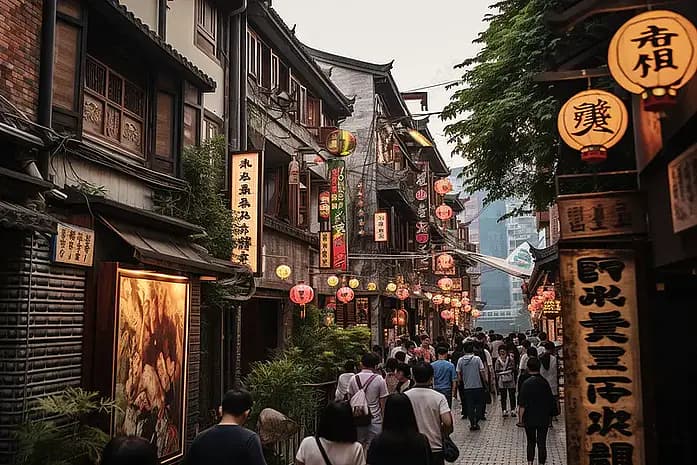
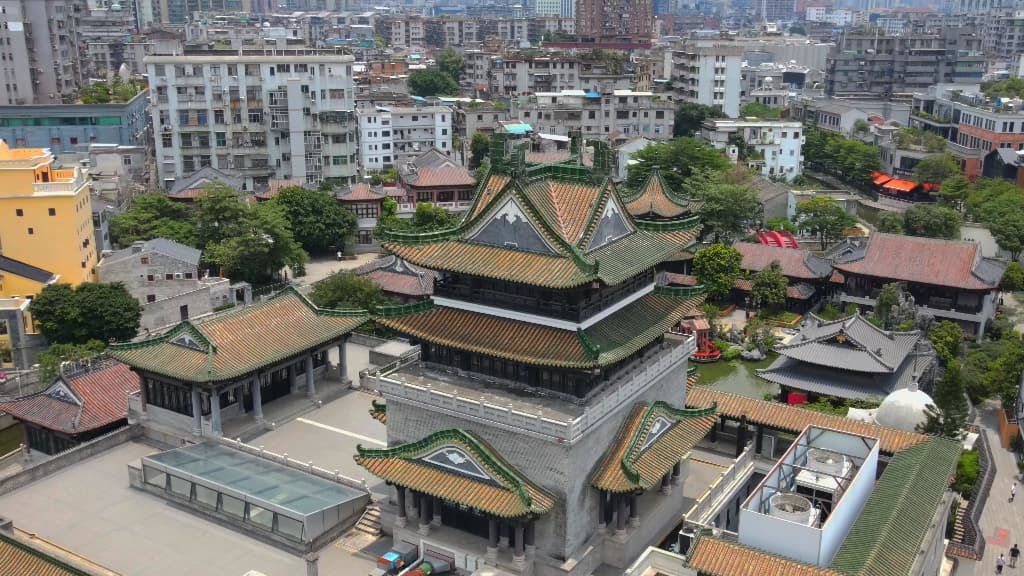
If you want to see how Guangzhou is preserving its past while creating space for modern life, Yongqing Fang is a fascinating place to explore. Located in the historic Liwan District, this revitalized neighborhood brings together traditional Xiguan architecture, narrow lanes, local businesses, cafés, creative spaces, and contemporary cultural experiences.
What makes Yongqing Fang special is the way old and new exist side by side. Behind its restored facades and lively streets, you can still find traces of the traditional neighborhoods that once defined this part of Guangzhou. Walk a little farther, and the atmosphere changes again—young locals meet friends at cafés, independent shops occupy renovated historic buildings, and cultural venues introduce new ways of experiencing Lingnan heritage.
Rather than being a single attraction, Yongqing Fang is best understood as a neighborhood to explore at your own pace.
Walk Through the Historic Streets
One of the pleasures of visiting Yongqing Fang is simply wandering without a strict plan. Follow the lanes, look for traditional architectural details, and pay attention to the smaller elements that are easy to miss when moving quickly.
You may come across traditional Xiguan-style houses, decorative facades, old doorways, and narrow residential lanes that reveal how people once lived in this part of Guangzhou. At the same time, renovated buildings and creative businesses show how these historic spaces have been adapted for contemporary life.
This combination makes Yongqing Fang particularly interesting for travelers who want something beyond the city's major landmarks. Instead of simply looking at Guangzhou's history behind museum glass, you can experience how that history continues to shape the city's streets today.
Make It a Local Experience
Yongqing Fang becomes even more rewarding when you combine sightseeing with a small local experience. Instead of simply walking through the neighborhood, consider adding one of these simple ways to experience it:
Local Experience | What You Can Do |
|---|---|
Traditional desserts | Stop at a local dessert shop and try a classic Cantonese sweet |
Local crafts | Browse a small craft store inspired by Lingnan culture |
Cantonese tea | Take a break with a cup of tea and experience a slower side of local life |
Café break | Sit down at a neighborhood café and watch everyday life unfold |
Slow exploration | Wander through the lanes without a fixed schedule and notice how old and new spaces exist side by side. |
This is also a good place to appreciate one of the defining characteristics of Guangzhou: the city does not always separate its past from its present. Historic neighborhoods can remain part of everyday life, while new businesses and younger generations give them a different rhythm.
Local Tip: Avoid treating Yongqing Fang as a quick photo stop. Allow at least an hour or two to explore the surrounding lanes and nearby historic areas. If you have more time, combine it with Shamian Island and other parts of Liwan for a fuller introduction to old Guangzhou.
For travelers asking what to do in Guangzhou beyond the standard sightseeing list, Yongqing Fang is an easy choice. It offers architecture, local atmosphere, culture, food, and contemporary city life in one walkable area—and gives you a chance to see Guangzhou as a living city rather than simply a collection of attractions.
7. What Can a 2,000-Year-Old Tomb Tell You About Guangzhou?
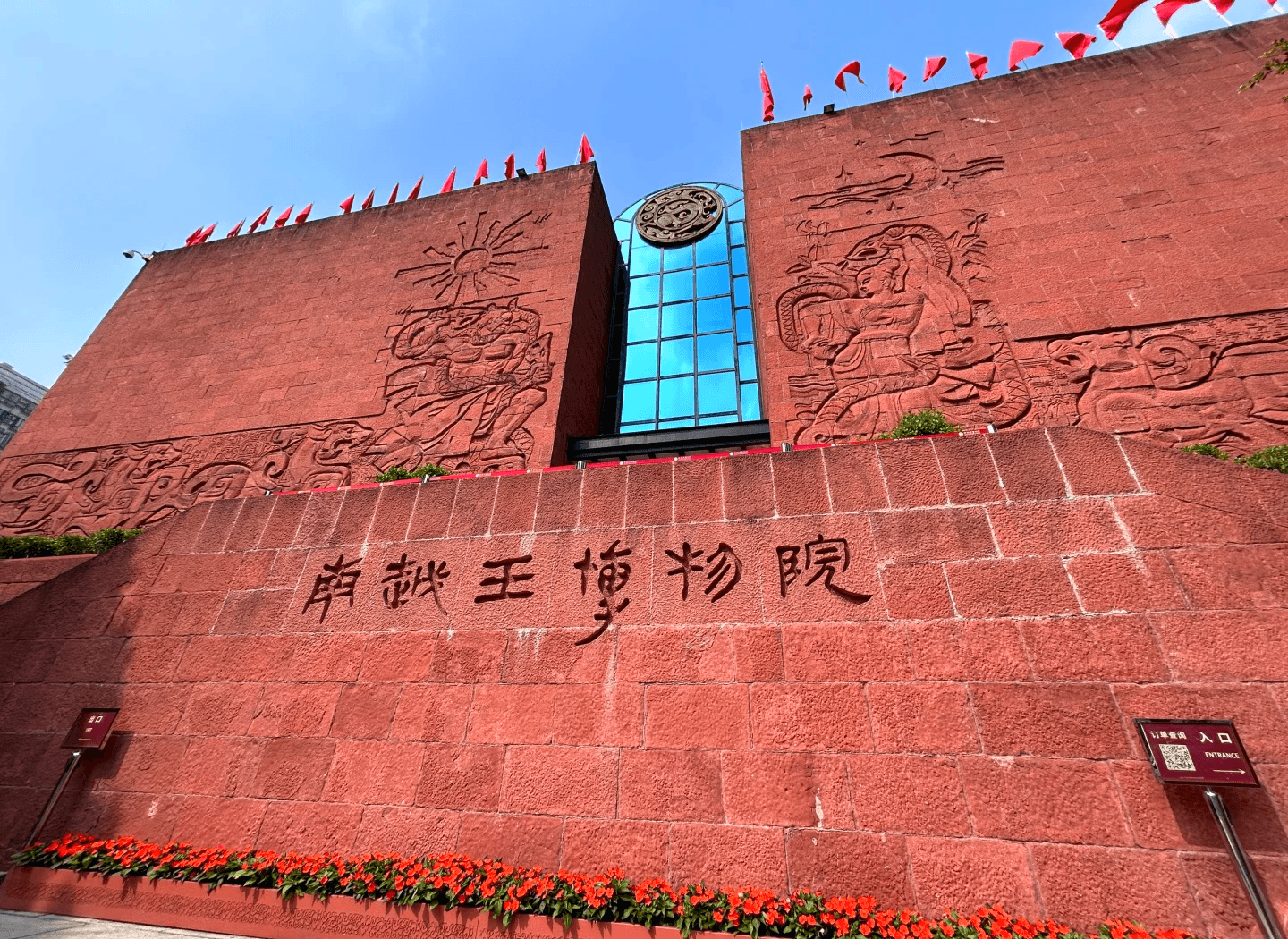
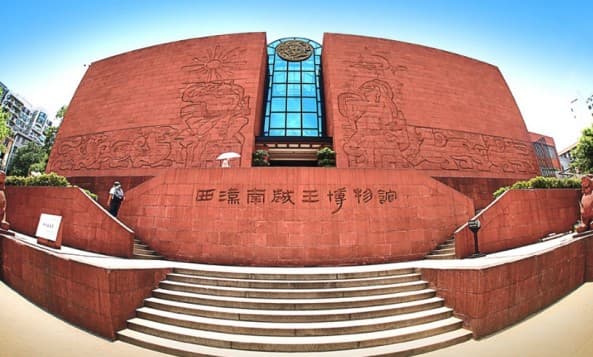
Long before Guangzhou became the modern metropolis you see today, this region was already an important center of trade, culture, and political life in southern China. The Museum of the Nanyue King offers a chance to step back more than 2,000 years and discover the ancient history beneath the modern city.
The museum is centered around the tomb of Zhao Mo, the second ruler of the Nanyue Kingdom, which existed in southern China during the Western Han period. Discovered in the 1980s, the tomb and its collection of artifacts provide an extraordinary glimpse into the life, beliefs, craftsmanship, and cultural exchanges of ancient southern China.
For history lovers, this is one of the most rewarding Guangzhou attractions because it adds an important dimension to the city. Guangzhou is often introduced through its food, skyline, shopping streets, and Cantonese culture, but its story began much earlier.
Discover the Tomb and Its Treasures
One of the highlights is the original burial site, where visitors can see the archaeological remains and learn how the tomb was constructed. The surrounding museum displays thousands of artifacts discovered during the excavation:
Discovery | What It Reveals |
|---|---|
Original burial site | Offers a closer look at the tomb's archaeological remains and construction. |
Jade objects | Reflect the craftsmanship and burial traditions of the Nanyue Kingdom. |
Ceramics and bronze items | Provide clues about daily life, craftsmanship, and material culture during the period. |
Seals and royal objects | Help visitors understand the identity and status of the royal burial. |
Jade burial suit | Made from numerous pieces of jade connected with silk thread, it is one of the museum's most remarkable discoveries. |
But these objects are valuable for more than their age or appearance. Together, they tell the story of a kingdom located at a crossroads between different cultures. The artifacts reveal connections between the Nanyue Kingdom, the wider Chinese world, and regions farther south, providing evidence of the long history of cultural exchange in this part of China.
Local Tip: The museum is particularly worthwhile if you enjoy archaeology, ancient history, Chinese culture, or museums that provide context rather than simply displaying beautiful objects.
It is also a useful option on a hot or rainy day when you want to balance outdoor sightseeing with a more immersive cultural experience. Allow enough time to explore the exhibits without rushing, especially if you want to understand the stories behind the artifacts rather than simply admire them.
For travelers looking for Guangzhou must-visit sites with genuine historical depth, this museum is easy to overlook compared with the city's more famous landmarks, but it can be one of the most rewarding stops for understanding where Guangzhou came from.
8. What Lies Beneath Guangzhou's Famous Beijing Road?
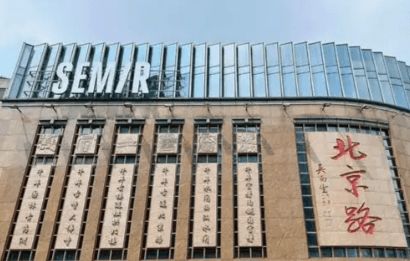
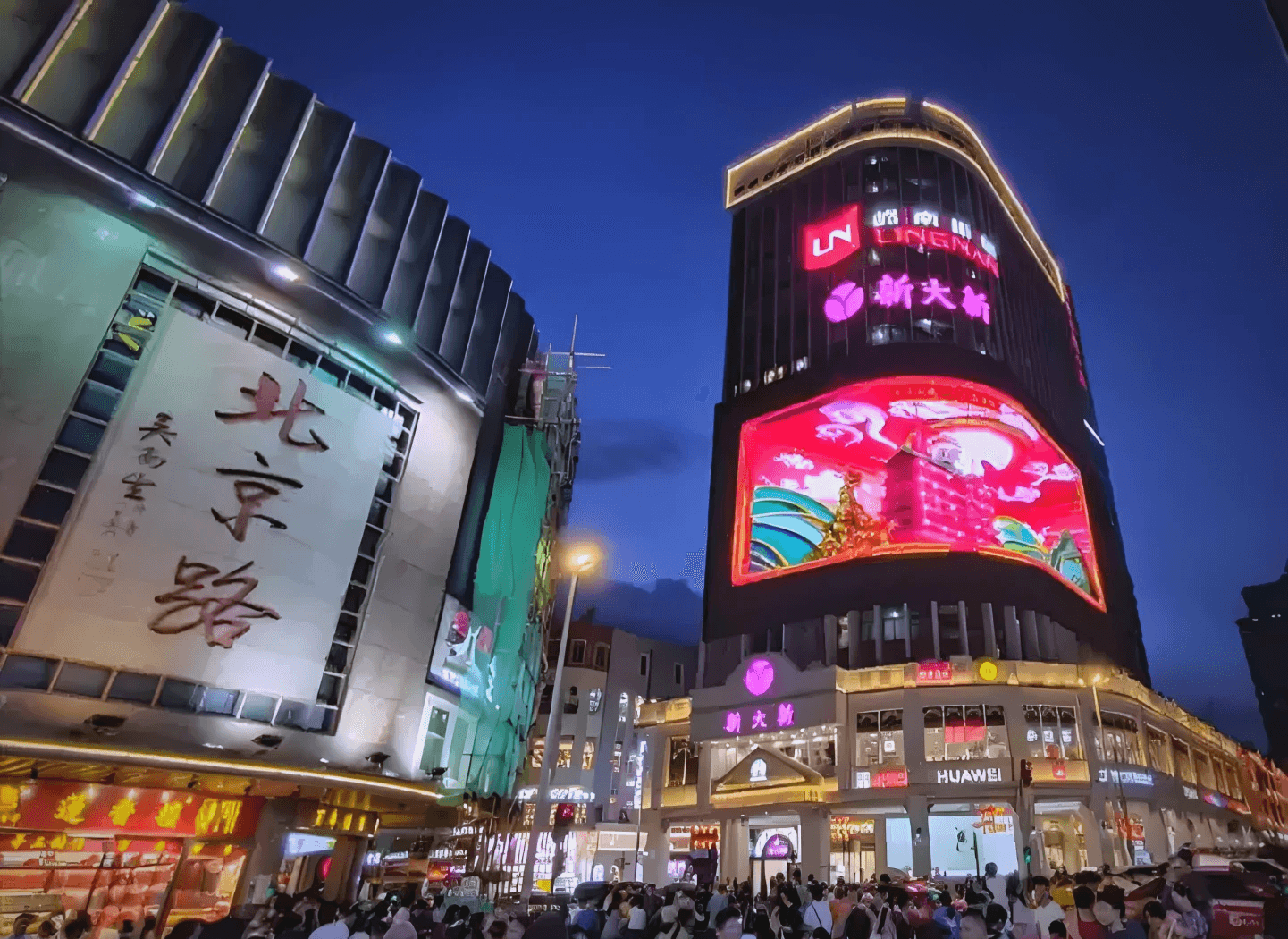
Beijing Road is one of the busiest commercial areas in central Guangzhou, filled with shops, restaurants, cafés, and people throughout the day. But beneath its modern shopping streets lies a much older story. Archaeological discoveries here have revealed layers of roads and urban remains dating back centuries, making Beijing Road a fascinating place to see how Guangzhou has developed over time.
For visitors, this creates an unusual experience: you can be walking through a modern pedestrian shopping street one moment and looking down at preserved sections of an ancient road the next. The contrast between today's Guangzhou and the city of centuries ago is what makes Beijing Road more interesting than an ordinary shopping district.
See Ancient Guangzhou Beneath the Modern City
The archaeological remains along Beijing Road are one of its most distinctive features. Sections of historic roads have been preserved beneath glass viewing areas, allowing visitors to see traces of earlier periods of Guangzhou's urban development.
These remains are a reminder that the city has not simply grown outward—it has also built upward and developed layer upon layer over its long history. The busy street above represents modern Guangzhou, while the preserved remains below reveal how people moved, traded, and lived in earlier generations.
For travelers who have just visited the Museum of the Nanyue King, Beijing Road provides an interesting continuation of the story. Instead of seeing ancient history inside a museum, you can see physical traces of the city's past embedded directly within its modern commercial center.
How to Experience Beijing Road
Rather than planning a dedicated shopping trip, use Beijing Road as an opportunity to experience the rhythm of central Guangzhou:
Experience | What to Do |
|---|---|
Local snacks | Pick up a traditional Guangzhou snack along the way. |
Cantonese desserts | Stop at a dessert shop for a classic local sweet. |
People-watching | Take your time and observe locals and visitors. |
Evening atmosphere | Visit later to experience the street at its most lively. |
Shopping | Browse a few local and international stores without making shopping the main focus. |
Cantonese flavors | Use the area as a starting point to discover everything from traditional snacks to modern Cantonese restaurants. |
When to Visit Beijing Road
Beijing Road can be visited throughout the day, but the experience changes depending on when you go:
Time | What to Expect |
|---|---|
Earlier in the day | A quieter atmosphere, making it easier to explore the historic remains and surrounding streets without large crowds. |
Late afternoon | A good balance of sightseeing and atmosphere, with enough daylight to explore the historic sections. |
Evening | The street becomes more animated as locals and visitors come out to shop, eat, meet friends, and enjoy the atmosphere. |
Late afternoon → evening | The most complete experience: explore the historic side in daylight, then stay for dinner and enjoy the lively evening atmosphere. |
If you prefer a quieter visit, arrive earlier in the day. For a combination of history, food, and local atmosphere, late afternoon into the evening is particularly enjoyable.
Local Tip: Do not judge Beijing Road purely by its shopping malls. Look down as you walk, explore the side streets, and pay attention to the historic details around you. The most interesting part of Beijing Road is the contrast between what you can see immediately and what lies beneath the surface.
9. Where Can You Slow Down and Experience Local Life in Guangzhou?
Guangzhou can feel energetic and fast-paced, but you do not have to leave the city to find a quieter rhythm. Yuexiu Park, one of the city's best-known urban green spaces, offers a chance to step away from busy streets and experience a more relaxed side of Guangzhou.
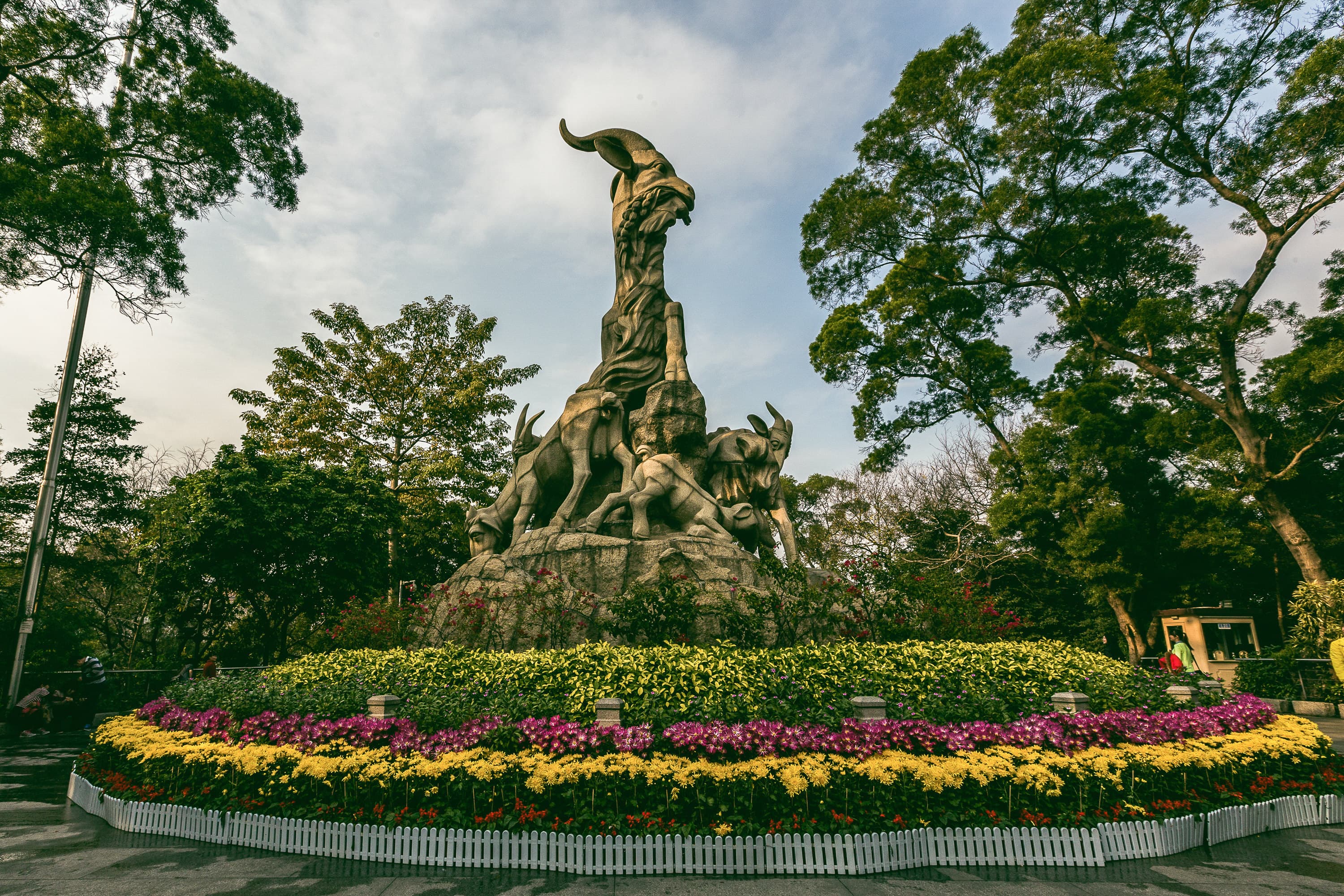
Spread across a series of hills in the heart of the city, the park combines greenery, lakes, historic landmarks, and walking paths. It is also closely connected with the city's identity through the famous Five Rams Sculpture, a symbol associated with Guangzhou and the local legend behind the city's nickname, the "City of Five Rams."
For visitors, however, the most interesting part of Yuexiu Park may not be any single landmark. It is the opportunity to see how local residents use the park as part of their everyday lives.
See Guangzhou's Everyday Rhythm
Visit Yuexiu Park in the morning and you may find people exercising, walking, practicing tai chi, dancing, chatting with friends, or simply enjoying the fresh air. These ordinary moments offer a different perspective on Guangzhou than you get from its museums and major attractions.
What You May See | A Glimpse of Local Life |
|---|---|
Morning exercise | Watch locals start their day with walking, stretching, or other forms of exercise. |
Tai chi | See people practicing this traditional form of exercise in the peaceful park setting. |
Dancing & socializing | Local residents often gather to dance, chat, and spend time with friends. |
Leisurely walks | Enjoy a slower pace among the trees, lakes, and open spaces. |
Everyday life | Simply sharing the park with local residents offers an authentic glimpse into Guangzhou's daily rhythm. |
This is one of the easiest ways to experience local life without planning a special cultural activity. You are simply sharing a public space with the people who live here.
The park is particularly pleasant for travelers who have already spent several hours exploring busy streets. A leisurely walk among the trees and around the lakes provides a natural break between more structured sightseeing stops.
Explore the Five Rams and Historic Sights
The Five Rams Sculpture is one of Yuexiu Park's most recognizable landmarks and an important symbol of Guangzhou. According to local legend, five immortals riding rams brought rice to the people of the region, blessing Guangzhou with prosperity.
Symbol / Sight | Why It Matters |
|---|---|
Five Rams Sculpture | One of Guangzhou's best-known symbols and a popular landmark in Yuexiu Park. |
The Five Rams legend | The story connects the city with prosperity, rice, and the blessing of the five immortals. |
Historic sites | The park contains several places of historical interest that can be explored at a relaxed pace. |
Scenic areas | Trees, lakes, and open spaces make it easy to combine cultural sightseeing with a leisurely walk. |
Local stories | The park shows how Guangzhou's legends and cultural symbols are woven into the city's everyday landscape. |
Beyond the sculpture, you can explore the park at your own pace, stopping whenever something catches your attention rather than following a strict route.
For travelers interested in Guangzhou's history, Yuexiu Park offers a useful reminder that the city's cultural symbols are not limited to museums. Stories, legends, and landmarks are woven into the urban landscape itself.
Local Tip: Morning is one of the best times to visit if you want to see the park at its most local. Arrive early, take a leisurely walk, and observe the different activities happening around you.
10. Why Is Guangxiao Temple Worth Visiting in Guangzhou?
Hidden within the busy heart of central Guangzhou, Guangxiao Temple offers a peaceful change of pace from the city's crowded shopping streets and modern skyscrapers. With a history stretching back more than a millennium, it is one of the city's most significant Buddhist temples and an important part of Guangzhou's religious and cultural heritage.
The temple has undergone many changes throughout its long history, but its importance has remained closely connected with the development of Buddhism in southern China. For visitors, however, you do not need to be a specialist in Buddhist history to appreciate the atmosphere. The traditional buildings, courtyards, ancient trees, incense, and quiet rhythm of daily temple life create a very different experience from the busy streets just outside its gates.
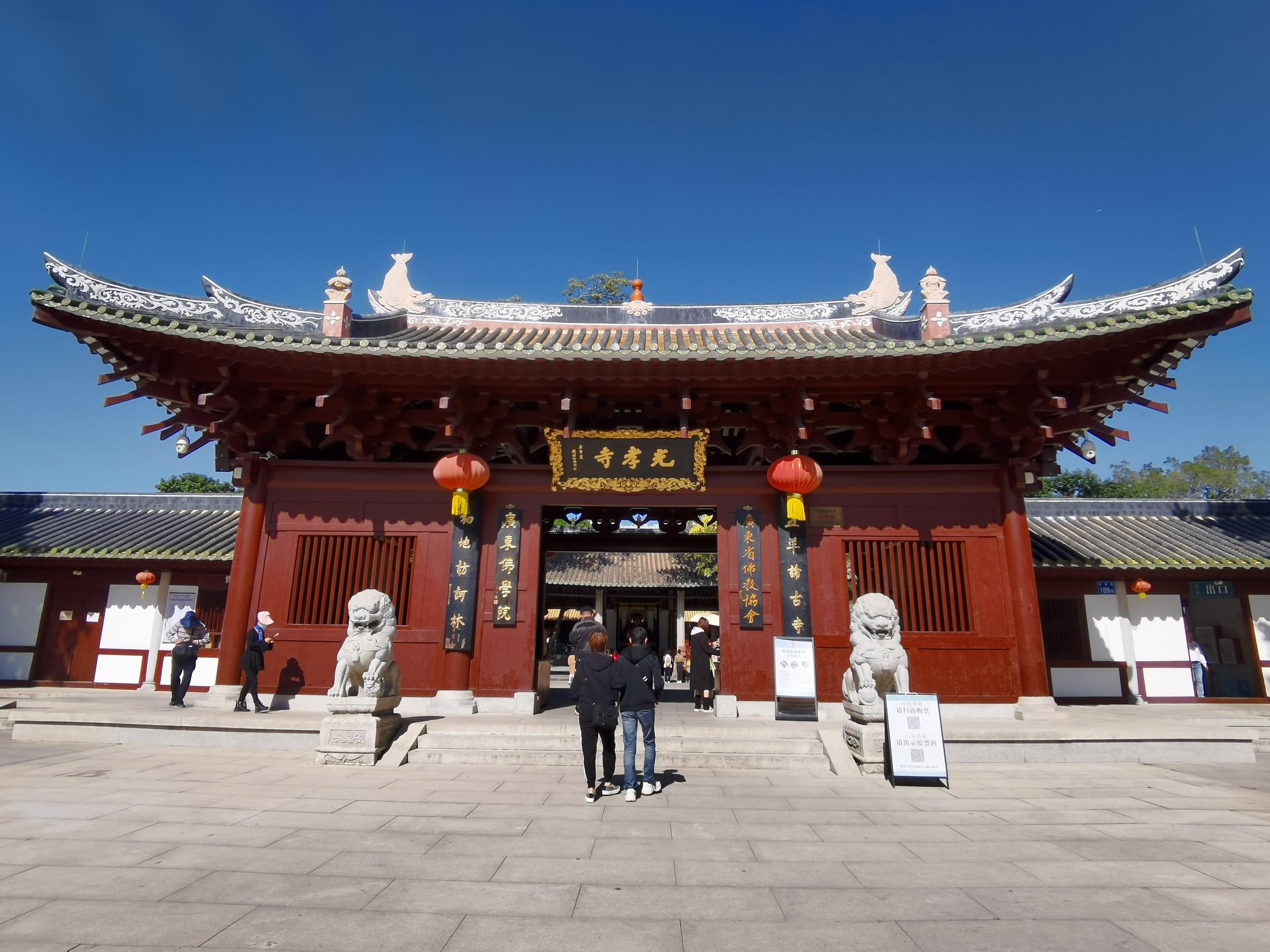
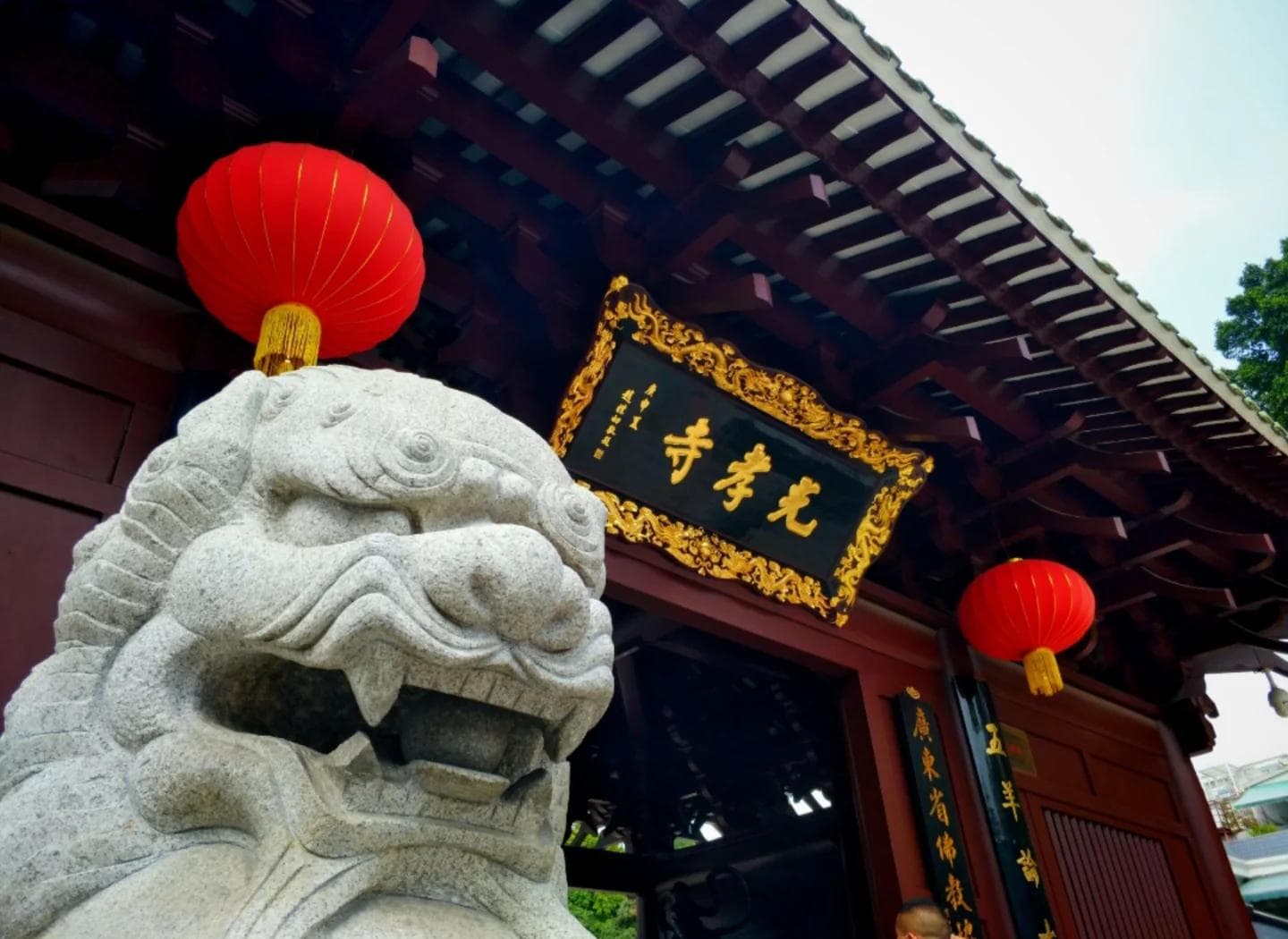
Local Tip: Dress respectfully when visiting Guangxiao Temple, as it remains an active religious site. Keep your voice low in worship areas and be mindful when taking photographs.
Allow yourself enough time to simply sit or walk quietly rather than trying to rush through every hall. If you are exploring Guangzhou with a local guide, this is also a good place to ask about the temple's stories, traditions, and role in the city's history.
11. Where Can You See the Modern Side of Guangzhou?
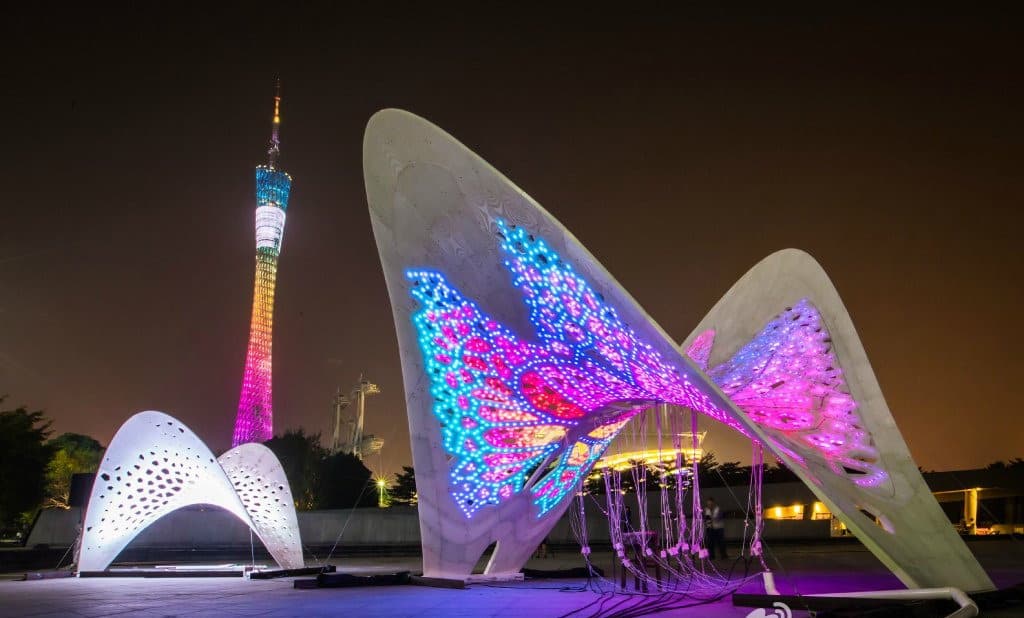
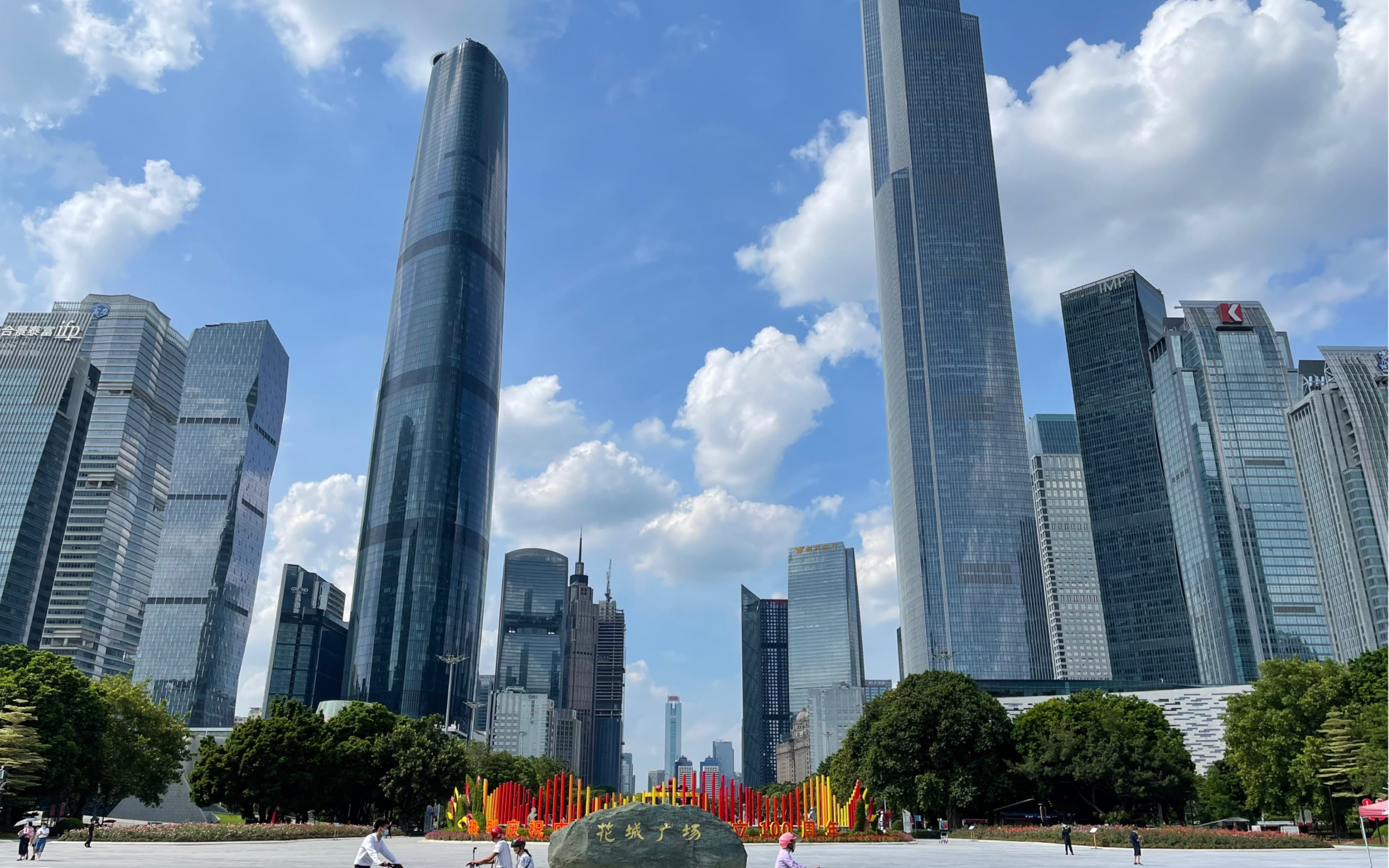
After exploring Guangzhou's ancient temples, historic neighborhoods, and traditional culture, it is time to see the city from another perspective. Zhujiang New Town is the heart of modern Guangzhou — a striking business and cultural district where glass skyscrapers, contemporary architecture, public spaces, and the Pearl River come together.
The contrast with old Guangzhou is immediate. Instead of narrow lanes and traditional residences, you will find wide boulevards, impressive towers, landscaped plazas, and some of the city's most recognizable contemporary buildings. This is the side of Guangzhou that reflects its role as one of China's major economic and commercial centers.
Walk Through Guangzhou's Modern City Center
The best way to experience Zhujiang New Town is not necessarily from inside a building, but by walking through the district and taking in the architecture around you.
Huacheng Square forms the center of the area and provides a broad open space surrounded by some of Guangzhou's most important modern landmarks. The Guangzhou Opera House, Guangdong Museum, Guangzhou Library, and other contemporary buildings are all within the wider area, making it easy to explore several highlights on foot.
Look around as you walk and you will see how much attention has been given to the relationship between architecture, public space, and the riverfront. The result is a part of Guangzhou that feels distinctly modern while still being closely connected to the Pearl River.
Local Tip: If you are planning a first-time Guangzhou itinerary, Zhujiang New Town also pairs naturally with the Canton Tower and Pearl River Night Cruise. This creates a full modern-Guangzhou experience, from contemporary architecture and public spaces to panoramic river views after dark.
Among the many things to do in Guangzhou, this is one of the best ways to understand the city's modern character—and to see just how different today's Guangzhou can look from the historic neighborhoods only a short distance away.
12. Where Can You Discover the Soul of Old Guangzhou?
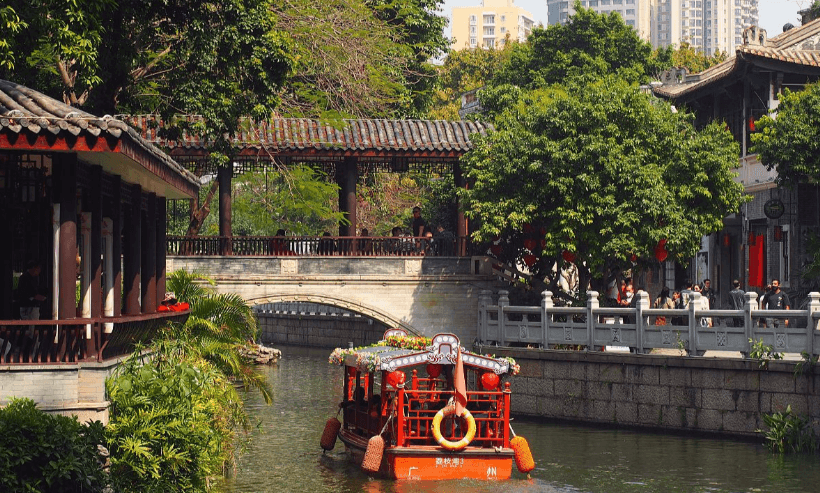
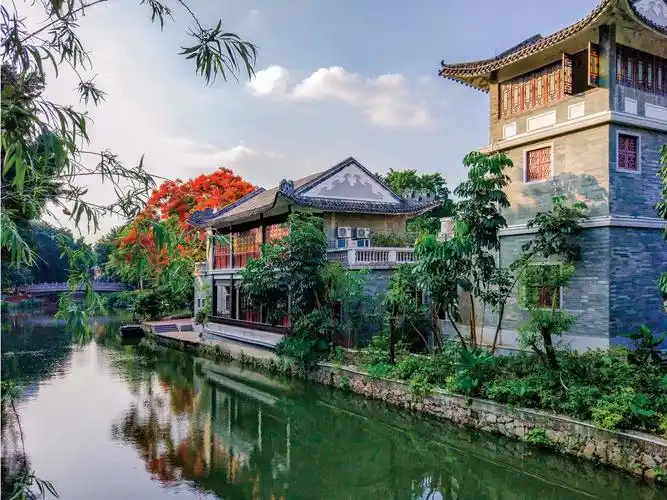
Liwan and Xiguan are among the best places to experience Guangzhou beyond its major tourist attractions. Rather than visiting one isolated landmark, you can explore the neighborhood slowly and discover how architecture, food, community life, and modern development come together.
Experience | What to Look For | Why It Matters |
Traditional Xiguan architecture | Look for traditional Xiguan houses, narrow lanes, arcades, ancestral spaces, old doorways, decorative windows, tiled facades, and balconies. | These details reveal how families lived and businesses operated in prosperous old Guangzhou. |
Historic streets & lived-in neighborhoods | Walk through streets that have been restored alongside areas that retain a more everyday atmosphere. | You are experiencing a real neighborhood where history and contemporary life continue to overlap—not a historical replica created only for tourists. |
Everyday local life | Watch elderly residents chatting, small food shops preparing Cantonese dishes, morning markets opening, and locals stopping for tea or snacks. | Ordinary scenes offer a glimpse into the daily rhythm and strong sense of community in Guangzhou. |
Community culture | Notice how people use the streets to meet, eat, shop, work, and socialize. | Traditional Cantonese neighborhoods are living communities, not simply routes between tourist attractions. |
Cantonese food | Try local snacks, desserts, tea, rice noodle rolls, sweet soups, or a casual meal at smaller neighborhood establishments. | Food is closely connected with everyday Cantonese life and the way people socialize and spend time together. |
Old and new Guangzhou | Notice restored historic buildings, creative spaces, new businesses, and younger generations bringing fresh ideas into traditional neighborhoods. | Liwan shows how Guangzhou's past and present can coexist rather than existing as two separate worlds. |
Yongqing Fang | Explore one of the area's examples of historic preservation combined with modern shops, cultural spaces, and creative businesses. | It offers a clear example of how old neighborhoods are being given new life while retaining their local character. |
Local Tip: The best way to explore Liwan and Xiguan is on foot, preferably with plenty of time and no overly strict schedule. Morning is a particularly good time to see local life at its most active, while late afternoon offers softer light and a more relaxed atmosphere.
13. What Traditional Cantonese Desserts Should You Try in Guangzhou?
Cantonese cuisine is famous around the world for dim sum and seafood, but Guangzhou's food culture has another side that deserves attention: traditional Cantonese desserts and sweet soups.
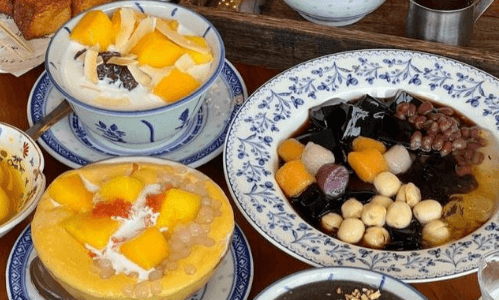
Known locally as tong sui, meaning “sweet water,” these desserts are deeply woven into everyday Cantonese life. They are not necessarily elaborate or overly sweet. Many are made with simple ingredients such as beans, sesame, ginger, milk, fruits, herbs, or grains, creating flavors that can be surprisingly delicate and comforting.
For visitors, stopping at a traditional dessert shop is an easy way to experience a small but authentic part of Guangzhou's food culture.
Discover Guangzhou's Traditional Sweet Soups
One of the most interesting things about Cantonese desserts is their variety. Different desserts have different textures, ingredients, and traditional associations.
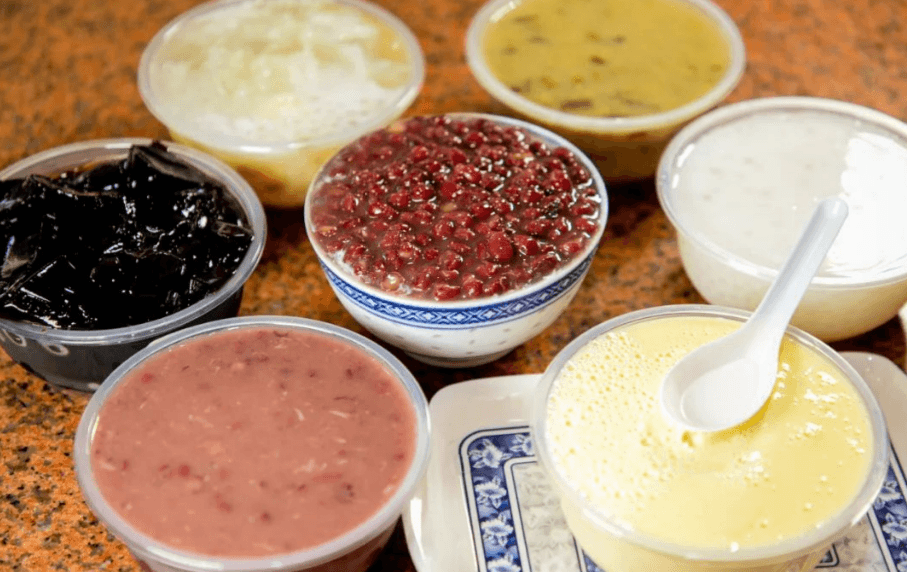
You might try double-skin milk, a smooth milk pudding with a delicate texture; ginger milk curd, which combines warm milk with the gentle heat of fresh ginger; or a bowl of black sesame paste, rich, nutty, and fragrant.
Traditional sweet soups may also include red beans, lotus seeds, mung beans, peanuts, or seasonal ingredients. Some are served warm, while others are enjoyed chilled depending on the dessert and the season.
The experience is less about finding one “best” dessert and more about discovering how Cantonese people have turned simple ingredients into a wide range of comforting sweets.
More Than Just Dessert
In Guangzhou, traditional desserts are often connected with the rhythm of everyday life. A small bowl of sweet soup can be an afternoon snack, a late-night treat, or something shared casually with family and friends.
This makes a traditional dessert shop quite different from a typical tourist attraction. You may find local residents dropping in after dinner, young people meeting friends, or families choosing a few different desserts to share.
It is a simple experience, but precisely because of that, it offers an authentic glimpse into local life.
What Should First-Time Visitors Try?
If you are new to Cantonese desserts, start with a few classic choices:
Dessert | What It Tastes Like |
|---|---|
Double-Skin Milk | A silky milk pudding with a delicate, creamy texture |
Ginger Milk Curd | Smooth and creamy, with the warmth of fresh ginger |
Black Sesame Paste | Rich, nutty, aromatic, and often served warm |
Red Bean Sweet Soup | A comforting traditional dessert with a soft, naturally sweet flavor |
Cantonese Sweet Soups | A wide variety of desserts made with combinations of beans, grains, seeds, fruits, and herbs. |
Local Tip: For a more authentic experience, look for traditional dessert shops in older neighborhoods rather than choosing only modern chains in large shopping malls. Areas such as Liwan and Xiguan are particularly suitable for combining dessert with a walk through historic streets and local markets.
Do not expect Cantonese desserts to taste like Western-style cakes or heavily sweetened desserts. Many traditional options are deliberately mild, allowing the natural flavor of the main ingredients to come through.
If you are unsure what to order, ask the staff which desserts are most popular with local customers. It is also worth trying something you may not immediately recognize—the unfamiliar options are often where you discover a new favorite.
14. What Can You Discover at Guangzhou's Famous Fangcun Tea Market?
Tea is woven into everyday life in Guangzhou, from the pot served during Cantonese morning tea to the tea shops found throughout the city's older neighborhoods. To see this culture from a different perspective, head to Fangcun Tea Market, one of the places where Guangzhou's long relationship with tea becomes particularly visible.
Rather than being a conventional tourist attraction, Fangcun is a working tea district. Shops and tea merchants trade different varieties from across China, and the atmosphere is much closer to a local commercial market than a curated cultural exhibition.
For travelers who are curious about Chinese tea, this is an opportunity to see the business and social side of tea culture—not simply taste a cup in a traditional tea house.

Enter a World of Chinese Tea
As you walk through the market, you will encounter tea from different regions and in many different forms. Depending on the shops you visit, you may find Pu'er, Oolong, white tea, green tea, black tea, and other varieties, each with its own production methods, flavor profiles, and traditions.
You do not need to be a tea expert to enjoy the experience. In fact, part of the fun is simply observing how much knowledge and attention goes into something that many people outside China might think of as an ordinary daily drink.
Tea merchants may discuss the origin of the leaves, harvest seasons, storage methods, brewing techniques, and differences in flavor. Even if you do not intend to buy anything, listening to these conversations can provide an interesting introduction to the depth of Chinese tea culture.
See the Commercial Side of Tea Culture
What makes Fangcun especially interesting is that it is not simply a place designed for visitors to learn about tea. It is part of Guangzhou's real tea trade.
You may see shop owners tasting tea, comparing leaves, arranging products, or talking with customers and business partners. The atmosphere can be lively and practical, particularly during busy trading periods.
If you have never explored Chinese tea before, consider turning your visit into a tasting experience. A knowledgeable tea host can introduce several varieties and explain how their aromas, textures, and flavors differ.
The experience does not need to be formal. A relaxed conversation over several cups of tea can be much more memorable than simply walking through the market and taking photographs.
Local Tip: Fangcun is best explored with an open mind rather than a strict shopping list. You do not need to know exactly what tea you want before arriving. Instead, take time to browse, ask questions, compare aromas, and observe how local tea businesses operate.
If you are not familiar with Chinese tea, having a local host or guide can make the experience much more approachable. They can help explain the differences between tea varieties, introduce trustworthy shops, and turn what might otherwise feel like an unfamiliar market into a meaningful cultural experience.
For travelers searching for things to do in Guangzhou that feel genuinely local, Fangcun offers something different from the city's famous landmarks. Here, you are not simply looking at Guangzhou's culture—you are watching a living tradition being traded, discussed, brewed, and enjoyed every day.
15. How Can You Experience Guangzhou Beyond the Usual Tourist Attractions?
The best travel experiences are not always the ones you can photograph. Sometimes, they are the moments when you stop observing and start participating.
Guangzhou is the cultural heart of Lingnan, a region with its own distinctive food, architecture, traditions, performing arts, and everyday customs. After visiting the city's major attractions, consider setting aside time for a hands-on cultural experience that allows you to connect with this heritage in a more personal way.
Depending on your interests, you might learn about traditional Cantonese herbal tea, try making a classic local dessert, discover the art of Cantonese tea, or explore the traditions of Lingnan performing arts.


Local Tip: Choose an experience that matches your interests rather than trying to fit everything into one day. The most memorable experiences are often small and personal — a conversation with a local host, learning a traditional technique, or sharing a cup of tea can stay with you long after the major landmarks have faded from memory.
After all, traveling like a local is not about seeing fewer attractions. It is about understanding the city through the people, traditions, flavors, and everyday experiences that give those attractions meaning.


Traveler Discussions
Questions from travelers