
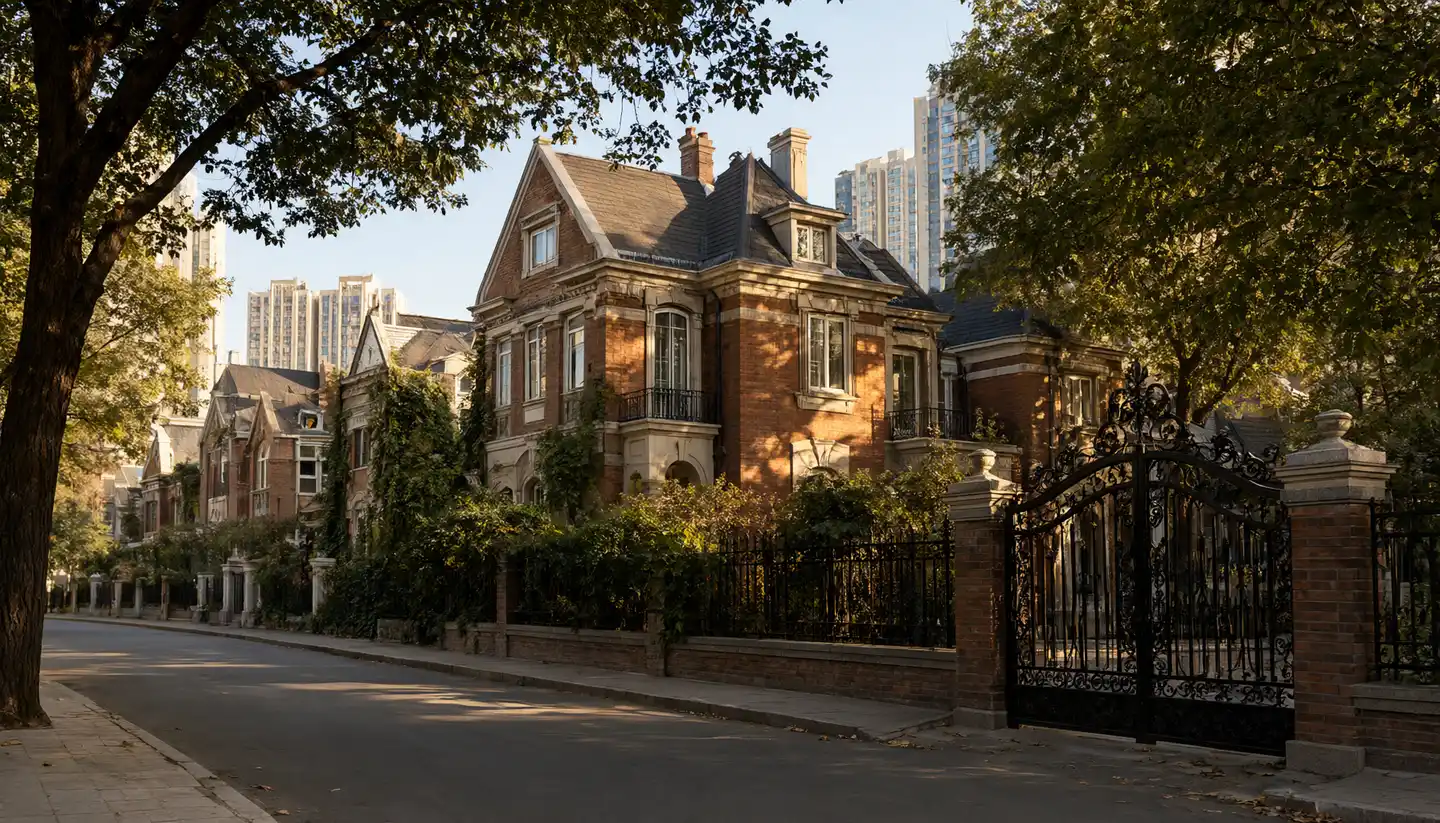
Tianjin is the closest thing China has to a European city break you can reach by breakfast - treaty-port villas, a working river lit at dusk, and a snack culture all its own, thirty minutes from Beijing and a world away from the capital's queues. This guide is the practical layer that sits under any itinerary: when to go, how you arrive, where to stay, what to eat, what a day actually costs, and the small logistics that decide whether a short visit feels effortless or rushed.
Tianjin sits 120 km south-east of Beijing, on the river that carried the capital's grain for six centuries. It is the only Chinese city where nine foreign concessions ran side by side until 1945, which is why a walk here passes a Bavarian bank, an Italian piazza and a French cathedral inside twenty minutes. Almost all of it is free to walk through; the paid sights are cheap; the food is where the money goes.
What follows is the planning layer: figures, months, ports of entry and verdicts. If you have already decided to come and want hour-by-hour routes, our Tianjin itinerary handles the 1, 2 and 3-day versions. This page answers the question that comes first — whether the trip is worth it, and what it will cost.
When to go, month by month
Tianjin has four distinct seasons and one long, windy shoulder. The city is flat and exposed to the river, so wind chill matters more than the thermometer suggests, and summer humidity makes walking unpleasant by 11:00. The best light of the year falls in the last week of April and the first three of October.
Month | Typical range | Weather | Crowds | Hotel price | What it is good for |
|---|---|---|---|---|---|
Jan | -6 to 3 °C | Dry, sharp wind off the river | Low | Low | Museums, empty streets, cheapest beds |
Feb | -4 to 6 °C | Dry; Spring Festival week is the exception | Low, then high | Low to high | Quiet city, good hotel rates outside the holiday |
Mar | 3 to 14 °C | Windy, occasional dust | Medium | Medium | Late-month walks; villas before the crowds |
Apr | 9 to 22 °C | Clear, mild; crabapple blossom from mid-month | Medium to high | Medium | The best month overall; light on brick facades |
May | 15 to 27 °C | Warm, dry until the end of the month | High (1–5 May) | High | Early May, before the holiday crush |
Jun | 20 to 30 °C | Warm; rain arrives late in the month | Medium | Medium | Long evenings on the river |
Jul | 24 to 32 °C | Hot, humid, thunderstorms | High | High | Early mornings and museums only |
Aug | 23 to 31 °C | Hot, humid; school holidays | High | High | River at night; avoid midday walking |
Sep | 17 to 27 °C | Clear, dry, the year's best light | High | High | Everything; peak month for good reason |
Oct | 10 to 21 °C | Crisp; the first week is a national holiday | High, then low | High, then low | After 8 October, the best value window of the year |
Nov | 2 to 13 °C | Cool, dry, short days | Low | Low | Photography, restaurants, no queues |
Dec | -4 to 5 °C | Cold and dry; river wind at night | Low | Low | Indoor sights, hot food, empty museums |
Table 1 Ranges are 2020–2026 averages, indicative. Crowd and price columns are relative to the city's own year, not to Beijing.
Five dates to avoid. The first week of May and the first week of October are national holidays, when train seats sell out a week ahead and hotel rates double. Spring Festival week empties the business hotels and fills the sights. July and August bring school groups and 90% humidity. The first weekend of the May holiday is the worst single weekend of the year.
Three windows locals would pick. The last ten days of April, when the plane trees leaf out and the villas look their best. Mid-September to mid-October, for dry air and low sun. The first two weeks of November, when the city is quiet, the light is long and every restaurant has a table.
What the season changes. Summer pushes the whole city into two blocks: 07:00–10:30 and after 17:30. Winter closes the river boats early and makes the riverside walk a ten-minute stop rather than an hour. Spring wind can cancel a bicycle plan entirely. Autumn is the only season where the plan you wrote on paper survives contact with the weather.
If you would rather not work out the trains and timed entries yourself, a guided Tianjin day tour from Beijing covers the highlights with a guide and door-to-door high-speed-rail transfers.
How you arrive: four playbooks
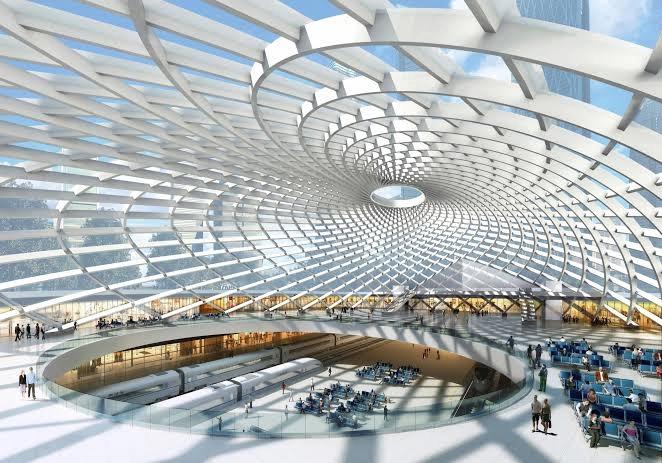
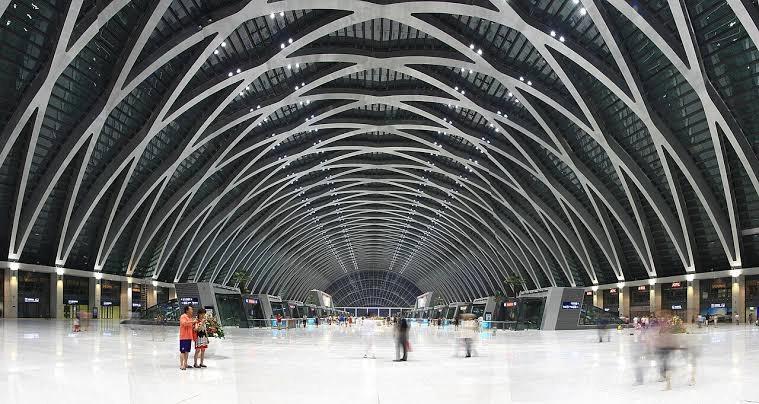
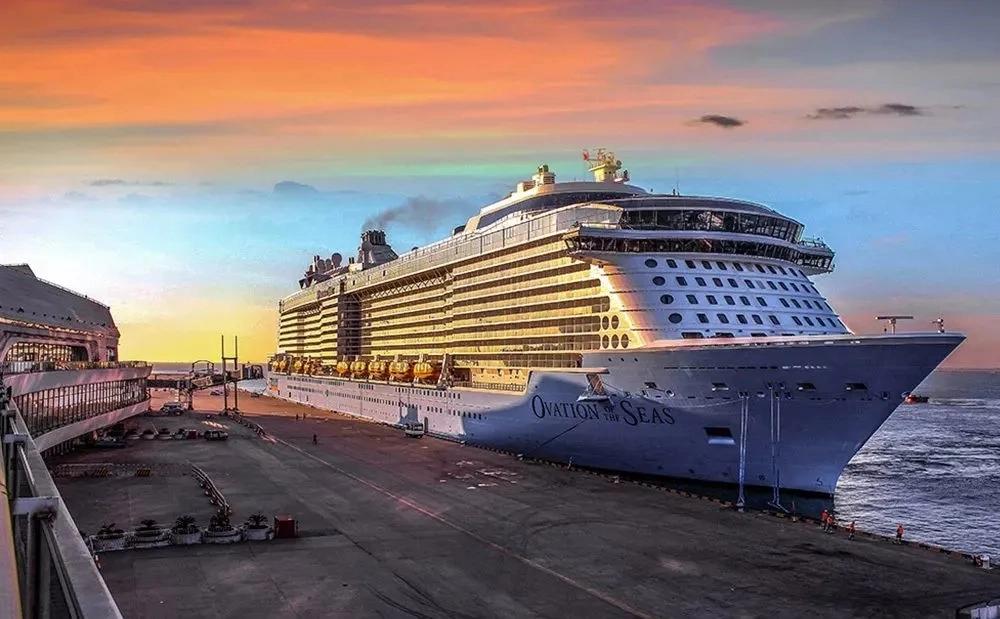
Tianjin is unusual in having four separate ways in, each landing you in a different part of the city. What you do in the first half hour decides whether the trip starts smoothly.
1. Tianjin Station (天津站), by high-speed rail from Beijing. Trains from Beijing South take 30–40 minutes and run every 10–20 minutes from about 06:00 to 22:00; second class is ¥54.5. The station sits on the river, which is the single best thing about it. Use the south exit for the Haihe, the Jinwan plaza and the metro; use the north exit for the Italian quarter, which is a ten-minute walk. Left luggage is on the concourse, roughly ¥10–30 per bag per day, and worth it if you are continuing to Beijing the same evening. Ignore the taxi touts inside the hall and join the rank outside, or take Line 2/3 one stop.
2. Tianjin West (天津西站) and Tianjin South (天津南站). Some services from Shanghai, Jinan and the south land at these stations instead. West is on metro Line 1, fifteen minutes from the centre; South is a suburban station with no metro, and a taxi to Heping costs ¥50–60 and takes 30 minutes. If you have a choice of ticket, take the one arriving at Tianjin Station.
3. Binhai International Airport (TSN). Small, fast and fifteen kilometres east of the centre. Metro Line 2 runs from the terminal to Tianjin Station in about 25 minutes for ¥3–5, which makes it one of the cheapest airport transfers in China. A taxi is ¥50–70 and takes 25–35 minutes depending on the ring road. First flight arrivals at 06:00 meet a metro that starts at 06:00 — check the timetable if you land before 06:30.
4. Tianjin International Cruise Terminal (天津国际邮轮母港), at Xingang. About 60 km east of the city, 60–75 minutes by road. There is no metro; the realistic options are a ship shuttle, a pre-booked car (¥150–250 one way) or the cruise line's transfer. If you have six hours ashore, the honest plan is the Italian quarter and the river, not the villas and the museums as well.
Important There are four Tianjin stations and your ticket names only one. Tianjin Station puts you on the river with two metro lines; West Station needs Line 1; South Station needs a ¥50–60 taxi. Check which of the three 天津 names is printed on the ticket before you book a hotel.
Onward to Beijing. Trains leave from Tianjin Station to Beijing South every 10–20 minutes until about 22:00. Beijing Fengtai serves some southern lines; check which station your ticket names, because the two are 40 minutes apart by metro. Allow 40 minutes at the station for security on a Sunday evening, and book the 19:30 or later train if you are doing Tianjin as a day trip.
Getting around without a tour
The centre is small enough that most visitors never need a car. The one day you do need wheels is the day you leave the city.
Line | What it is for | Where it takes you |
|---|---|---|
Line 1 | The north–south spine | Xiaobailou for the villas, Yingkoudao for the old banking street, Xibeijiao for the breakfast quarter, West Station |
Line 2 | Airport and old town | Binhai airport, Tianjin Station, Dongnanjiao for Ancient Culture Street |
Line 3 | The river and the station | Tianjin Station, Jinwan plaza, Yingkoudao, and south towards the university district |
Line 9 | The only way east | Binhai New Area: library, maritime museum, TEDA |
Fares are ¥2–7 and station names are announced in English. Buy a single ticket from the machine or tap with Alipay; a stored-value transit card saves queueing but is not worth the deposit for two days.
Taxis and DiDi. The flag fall is around ¥11 for the first three kilometres; most hops inside the centre land at ¥12–25. Drivers rarely speak English, so have the Chinese name of your destination on screen. DiDi works with a foreign card and is the easiest way to avoid explaining an address at a rank. After 23:00 there is a night surcharge, and rain doubles the wait.
Bicycles. The shared bikes are the best transport in the city for the flat concession grid: ¥1.5 per 15 minutes, docks outside every metro exit. They are banned inside Minyuan Square and on the pedestrian stretches of Ancient Culture Street — park at the gate and walk in.
What moving costs | Fare |
|---|---|
Metro, single journey | ¥2–7, paid by app or machine |
Taxi flag fall | ¥11 for the first 3 km, then about ¥2 per km |
Typical hop inside the centre | ¥12–25 |
Airport taxi / airport metro | ¥50–70 and 25–35 min / ¥3–5 and about 25 min |
Shared bike | ¥1.5 per 15 minutes; a day of riding lands near ¥10 |
Car and driver, day rate | ¥500–800, quoted by the day rather than the kilometre |
Table 3 Fares checked in late 2026. DiDi prices track taxis closely outside surge hours.
Where to stay: five districts, four kinds of room
Choose the area first and the hotel second. The whole centre is fifteen minutes across, so a mid-range room in the right district beats a luxury room on the wrong side of the river. Scores below are relative to each other.
Area | Room rate | Who it suits |
|---|---|---|
Heping: Five Avenues, Xiaobailou | ¥450–900 | First-timers who want plane trees, villas and quiet mornings; the prettiest walk to a bed |
Hebei: Italian quarter, Tianjin Station | ¥350–700 | One-night stays, late arrivals, anyone who wants the river at the window |
Nankai: old town, Drum Tower | ¥250–500 | Budget travellers who eat breakfast seriously and do not need a river view |
Hongqiao: Northwest Corner | ¥180–400 | Food-first trips and early risers; nothing to see at night |
Binhai New Area | ¥300–600 | Museums, an early flight, or a business address — never a city break |
Table 4 Scores: 1 poor, 5 excellent, judged for a two-night visitor on foot and metro.
Reading the table. The scores are relative, not absolute: a 3 for evening in Heping is a quiet dinner and a lit walk, while a 3 in Binhai is a taxi. Breakfast scores how good the food within a five-minute walk is, not whether the hotel serves it. Rates are weekday doubles and rise by a third at weekends.
The decision, in one line each. One night: stay near the station or the Italian quarter. Two nights: Heping, for the mornings. Three nights with a day trip: still Heping, because the car collects you from anywhere. Travelling with parents: Hebei or Heping, both flat and lift-served. A business trip: Binhai only if the meeting is there, otherwise the riverfront hotels.
What kind of room you are actually booking
Four types cover almost every bed in the city, and they differ less in quality than in what they refuse to give you. Prices are what a double costs on a normal weekday.
Type | Price band | What you get | What you don't | Best for |
|---|---|---|---|---|
Villa boutique conversion | ¥500–900 | Plane trees at the window, original staircases, ten to twenty rooms | Lifts, pools, soundproofing; breakfast is often a coupon at a café | Couples, two nights, anyone photographing the morning light |
Chain four-star | ¥450–650 | Pool, gym, heating that works, metro at the door, front desk that speaks some English | Character, quiet, a view worth photographing | First-timers, families, business travellers |
Serviced apartment | ¥350–600 | Kitchen, washing machine, space for a family, weekly rates | Daily cleaning, breakfast, a lobby to sit in | Three nights or more, children, slow travel |
Budget chain or hostel | ¥180–350 | Clean room, central location, 24-hour desk | Space, quiet, staff who can help with a booking | Solo, one night, early trains |
Table 5 Room rates are a band, not a quote; holiday weeks sit at the top of each band or above it.
Five things to check before you pay
A lift. Villa conversions are often three floors with no lift, and a heavy suitcase on a 1930s staircase is the most common complaint in Heping.
Which way the window faces. “River view” can mean a corridor window at an angle. Ask for a photograph of the actual window.
Breakfast hours. Hotel breakfast starts at 07:00 or later; Tianjin's best food is outside and finished by 09:30, so a room-only rate is usually the better buy.
Foreign passport registration. Every hotel must register guests, and small guesthouses and homestays sometimes cannot. Confirm in writing that they accept foreign passports before paying.
Late arrival and deposit. Properties with ten rooms lock their doors at 23:00. Expect a ¥300–500 deposit on a card, released a few days after check-out.
Nine hotels, three in each tier
Three names per band, chosen for position rather than for star plaques — the ratings here are the market bands used across this site, not an official grade. Rates are weekday doubles in late 2026 and rise by about a third on Friday and Saturday. Reconfirm every name and rate at booking; this city's hotel stock turns over faster than its architecture.
Five-star
The St. Regis Tianjin 天津瑞吉金融街酒店
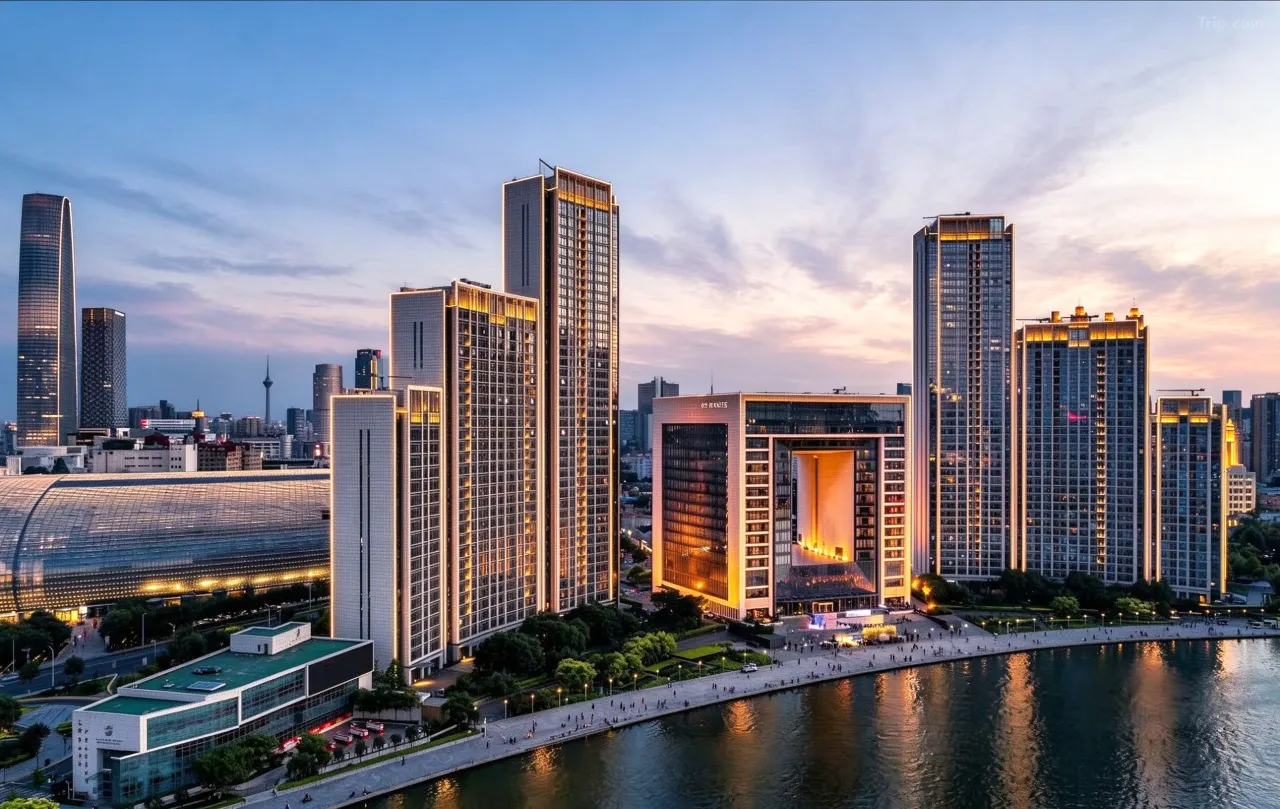
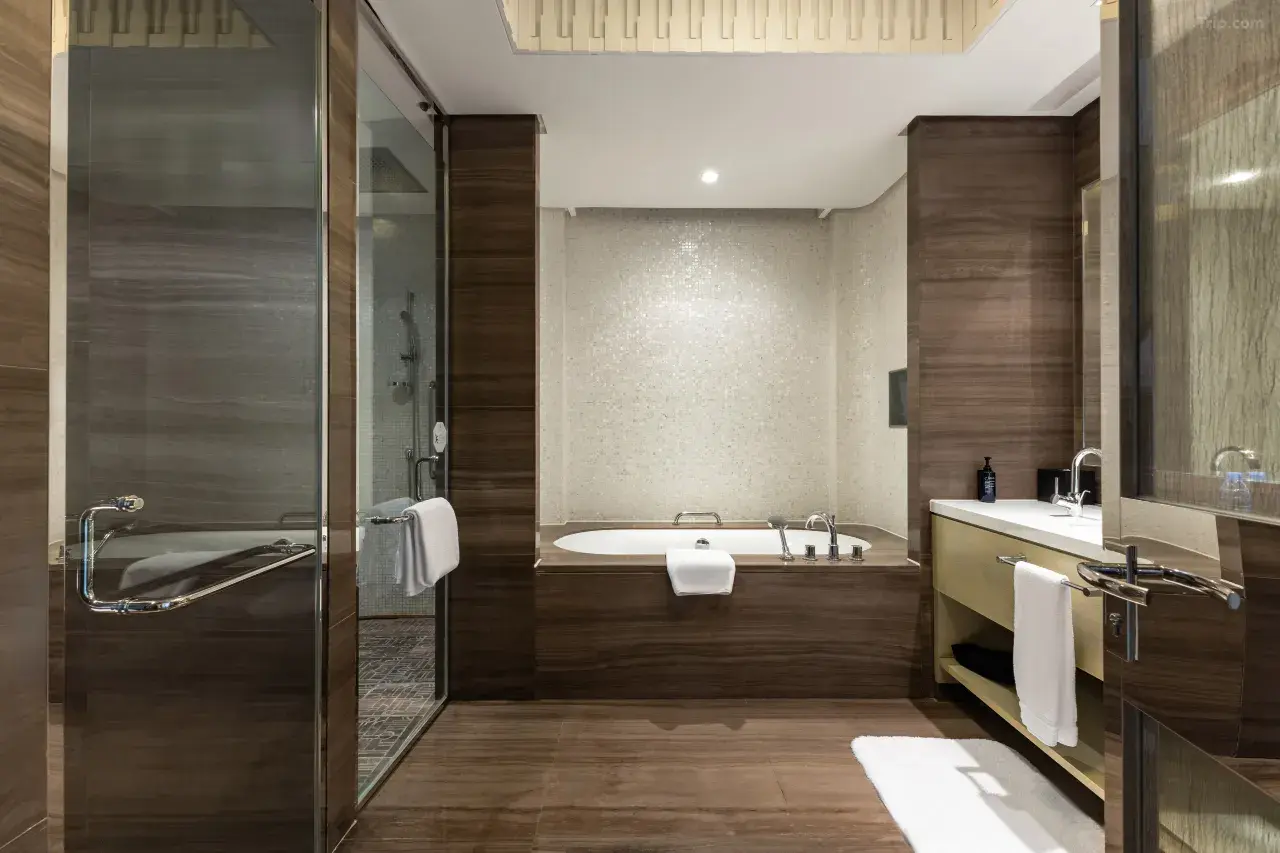
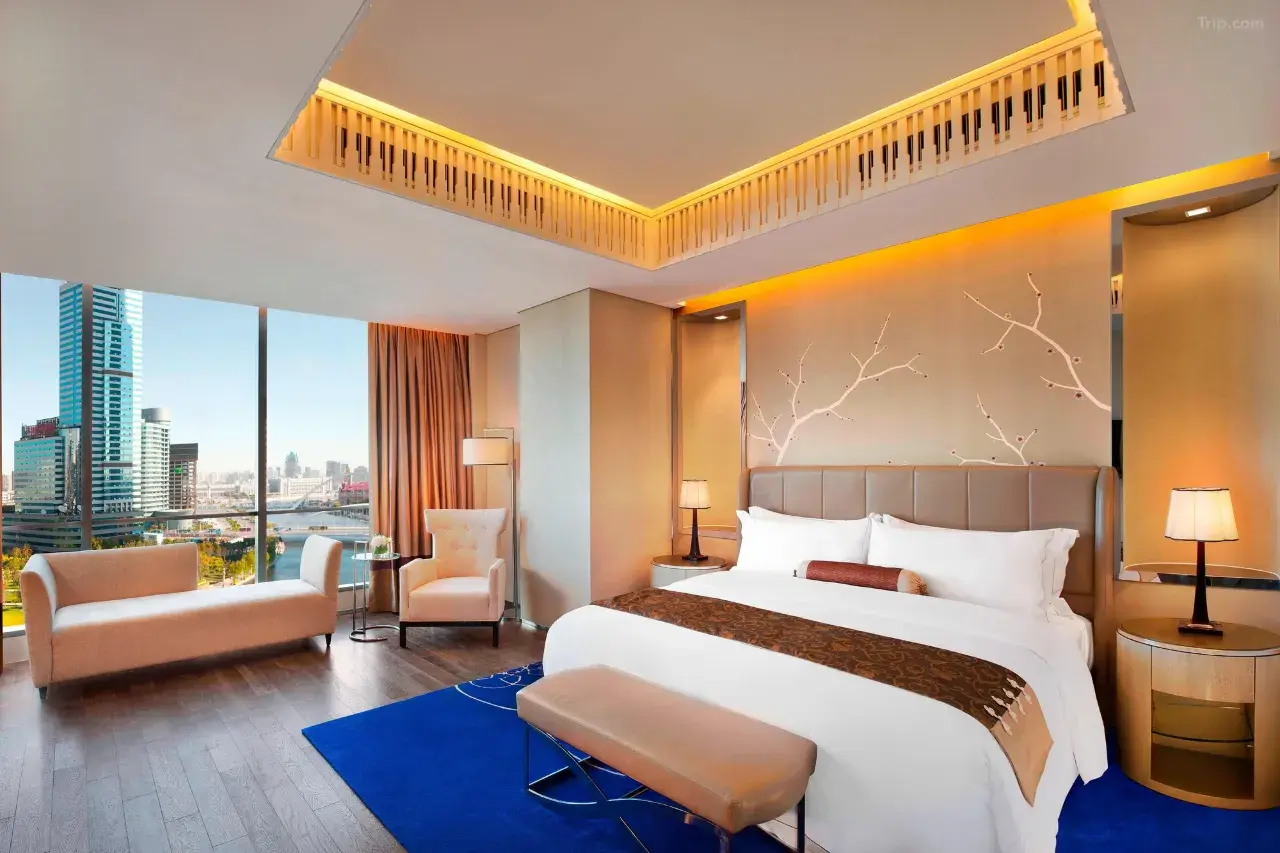
158 Zhangzizhong Road, Heping · river frontage, 5 min taxi to the station · ¥1,100–2,000
The river is the whole argument: a glass tower on Zhangzizhong Road where every west-facing room looks at the bridges, the station is five minutes away and a butler answers the phone on every floor. The upper-floor bar is the best free sunset in the city, if you buy one drink.
Watch out: rates double when the convention halls are busy, and the lobby is a business lobby rather than a holiday one.
Four Seasons Hotel Tianjin 天津四季酒店
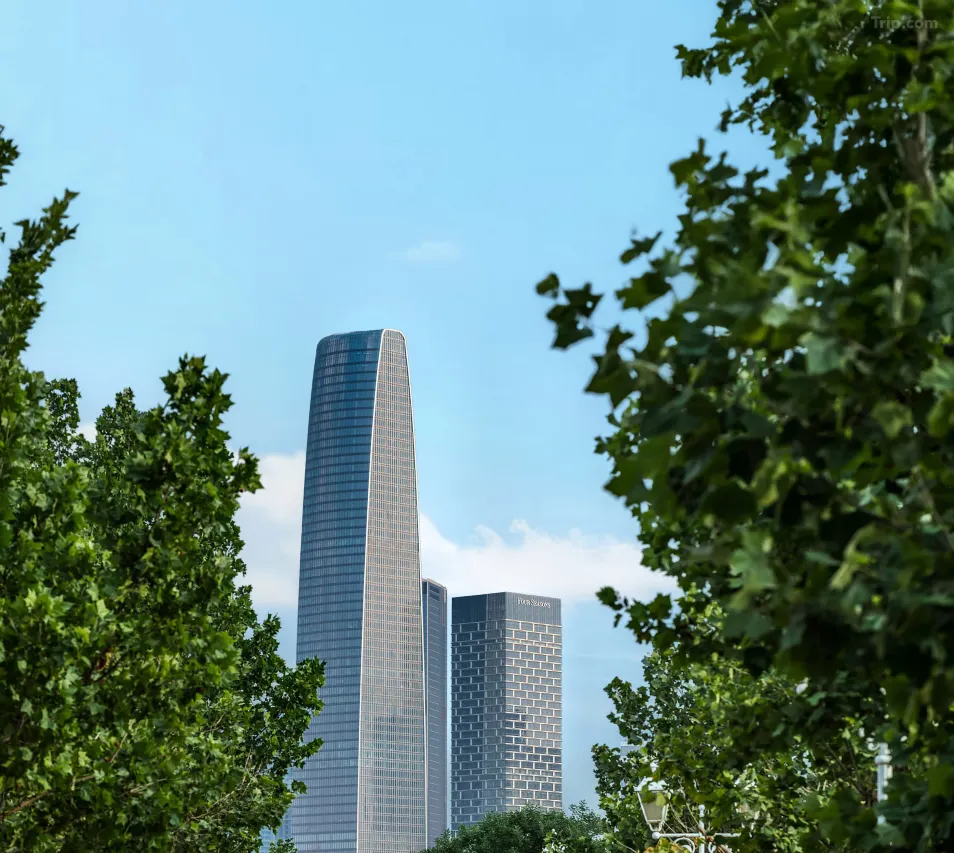
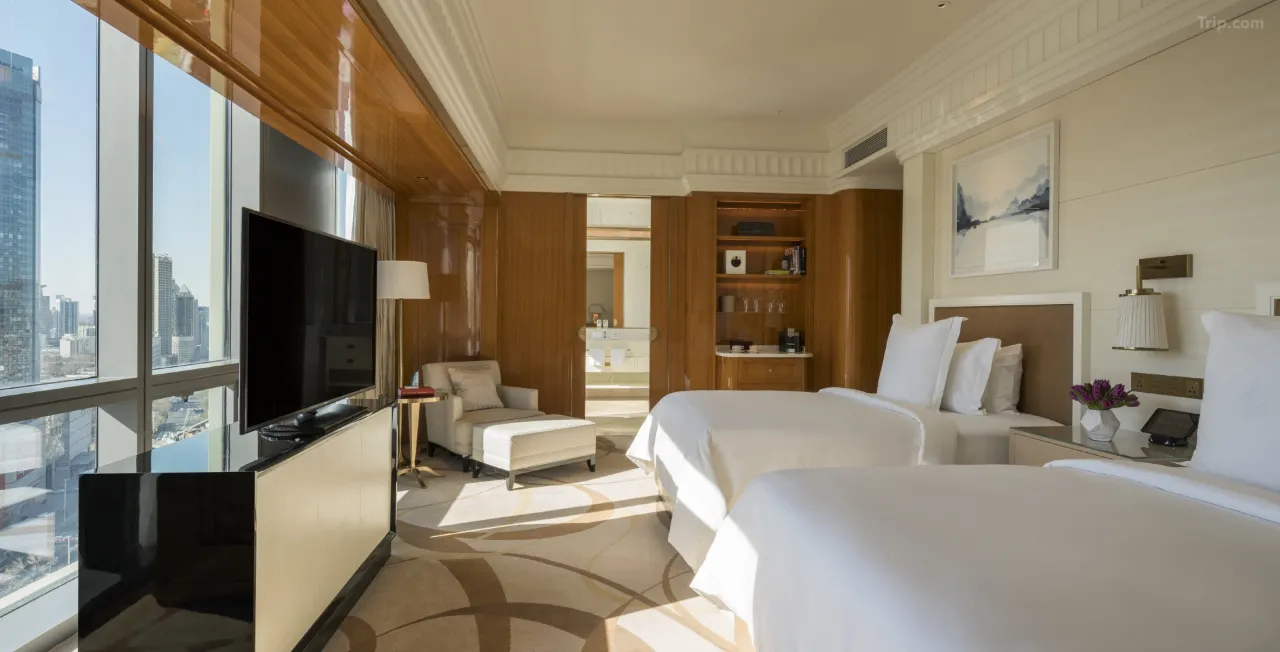
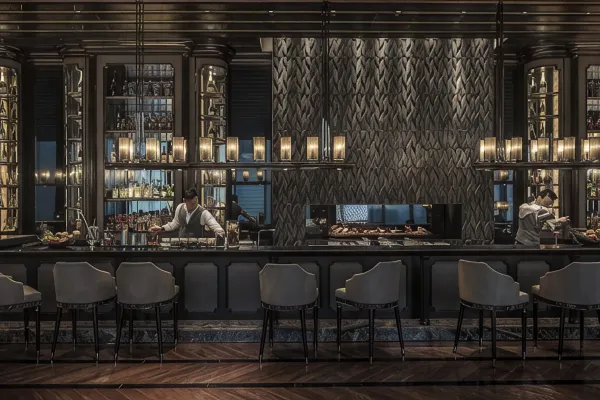
138 Chifeng Road, Heping · Porcelain House and the villas on foot · ¥1,100–1,900
The most walkable luxury address in Tianjin: behind Chifeng Road, ten minutes from the Porcelain House, another ten to the plane trees. Quiet rooms, the best hotel pool inside the ring road, and staff who take children seriously instead of tolerating them.
Ask for an upper floor facing the courtyard; Chifeng Road carries traffic until late and the street rooms hear it.
Shangri-La Tianjin 天津香格里拉
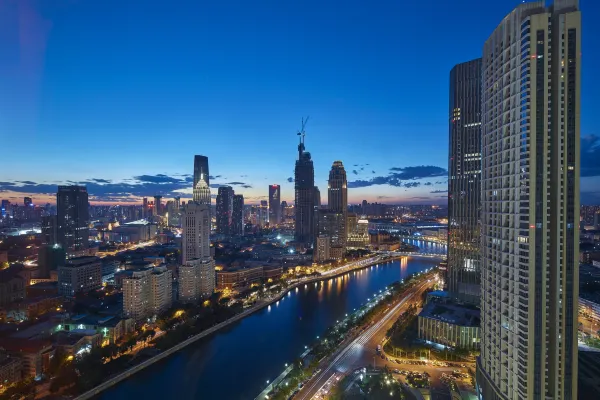
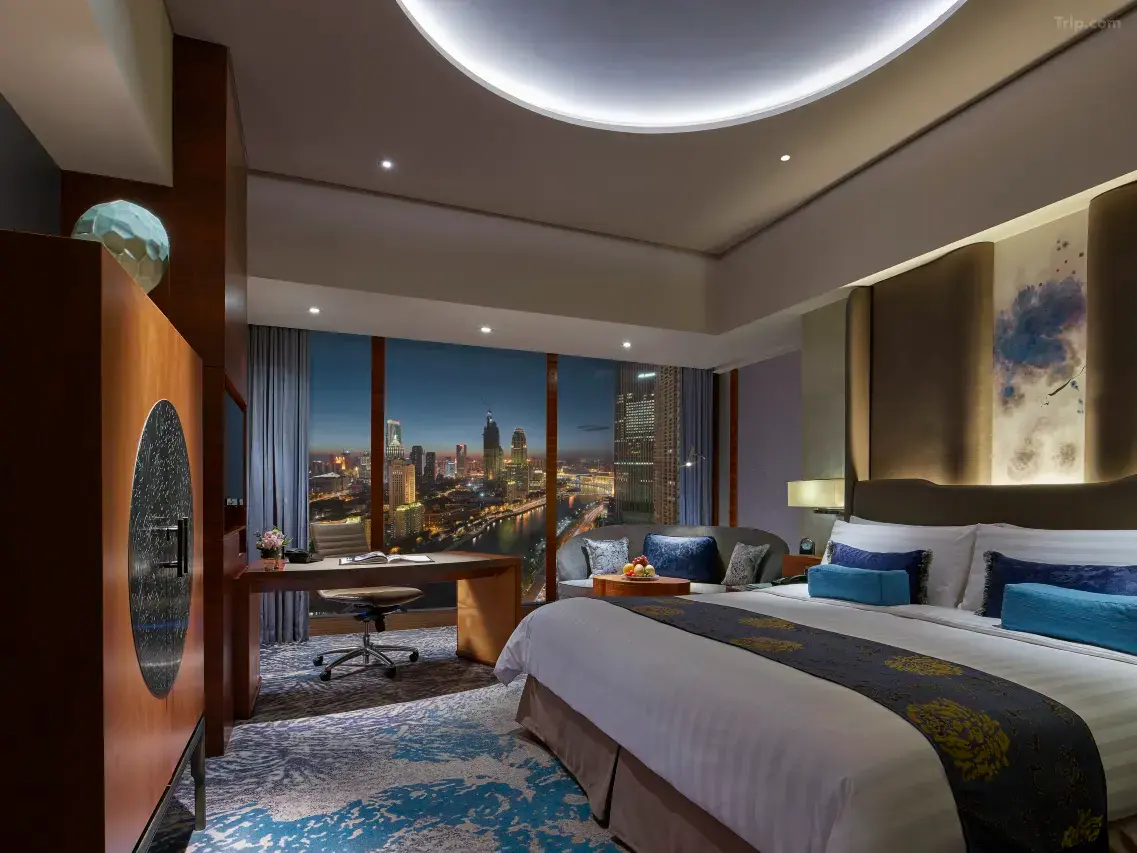
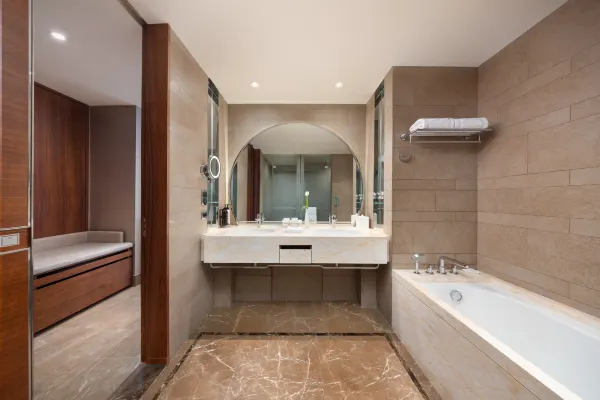
328 Haihe East Road, Hedong · connected to a mall, 5 min drive to the station · ¥700–1,100
The family choice: a riverfront block joined to a shopping centre, with a pool that looks over the water and a club floor that keeps breakfast civil. What you give up is the villa streets on foot; what you get is everything under one roof, which is the right trade with small children.
Watch out: Hedong has almost no evening atmosphere — you will eat in the mall or take a taxi across the river.
Four-star
Holiday Inn Tianjin Riverside 天津海河假日酒店
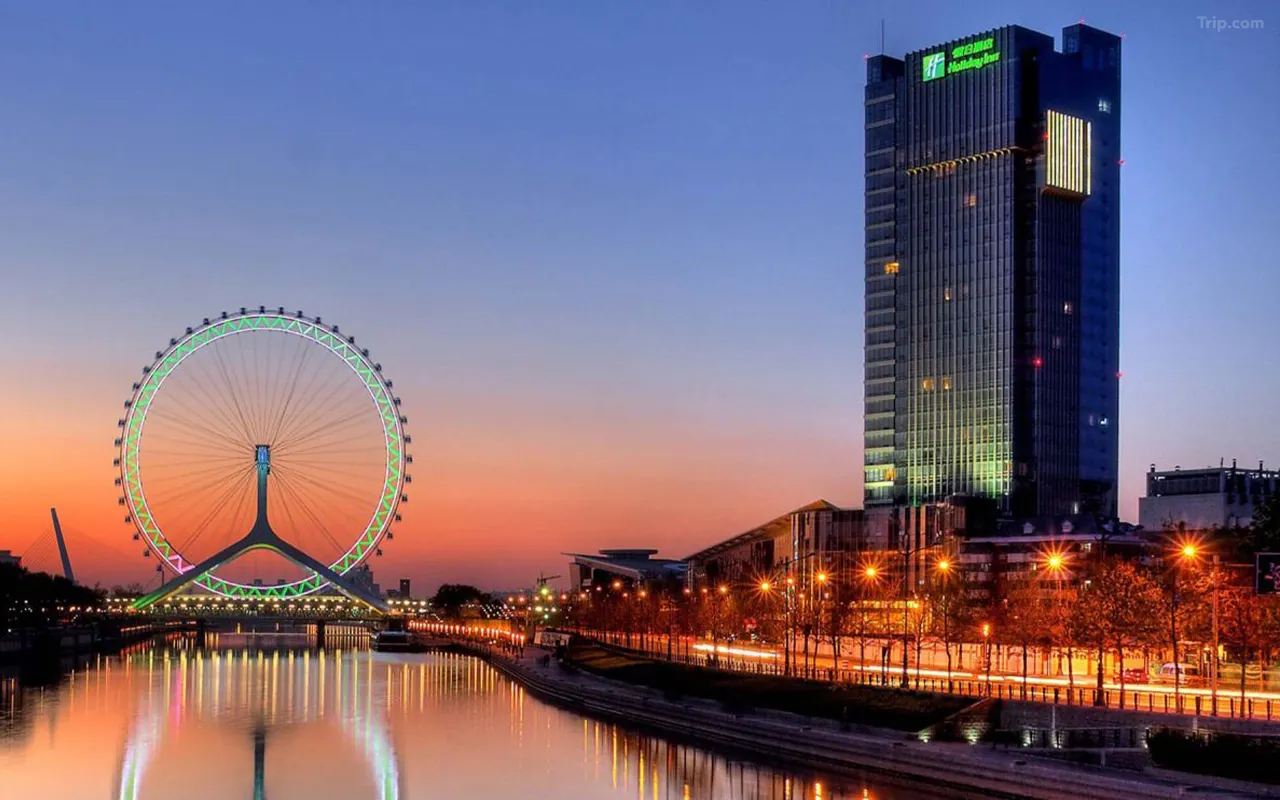
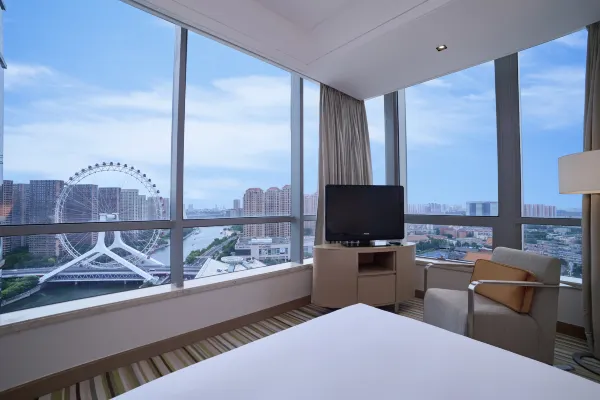
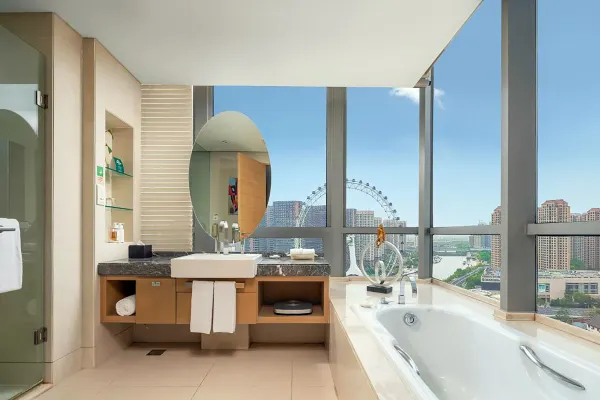
Phoenix Commercial Plaza A, Haihe East Road, Hebei · the wheel is across the road · ¥500–650
The one four-star where the window view is the city's icon: the wheel turns directly opposite, the embankment walk starts at the door and a pool waits downstairs. Best value in the guide for a first visit with children, and the cheapest way to fall asleep looking at the river.
Ask for a river-facing room; the back of the building faces an office block and a service road.
Novotel Tianjin Drum Tower 天津鼓楼诺富特酒店
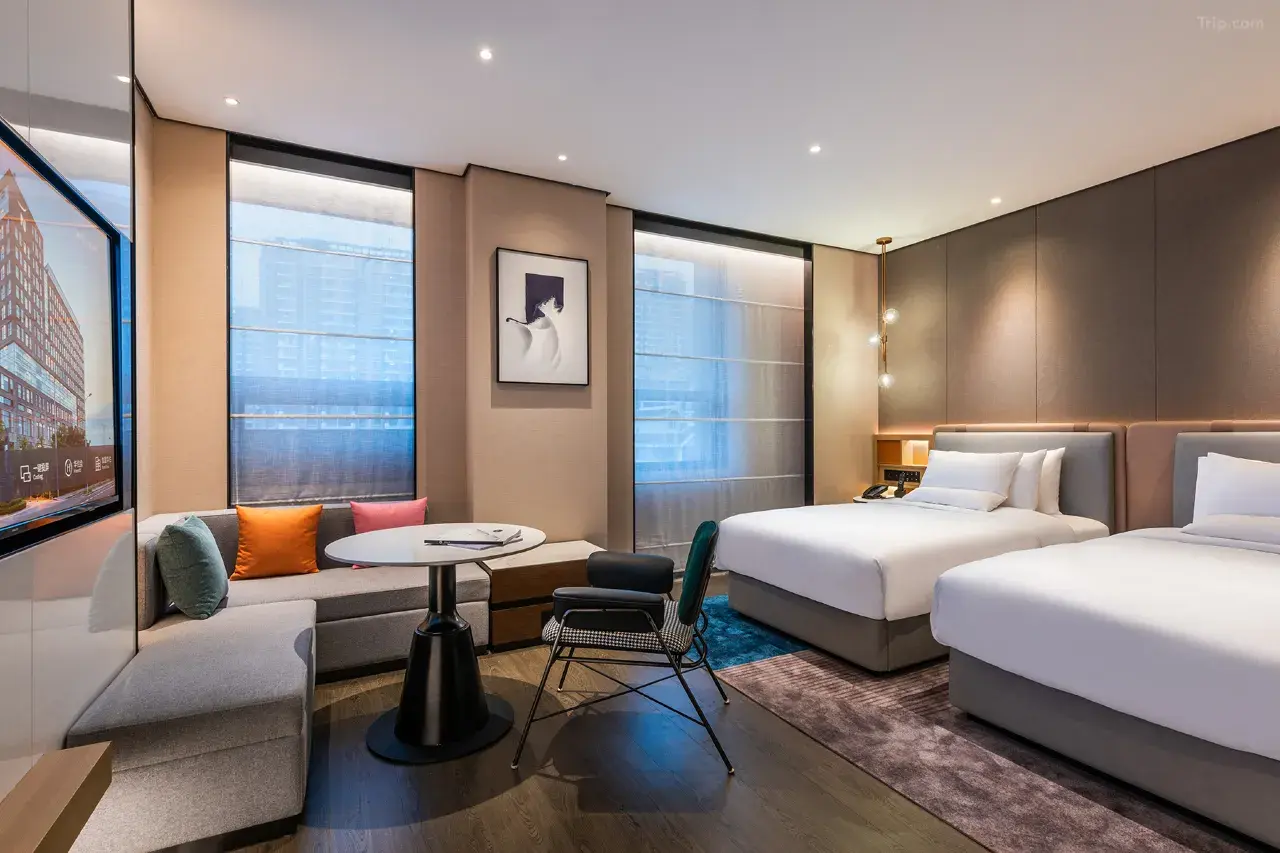
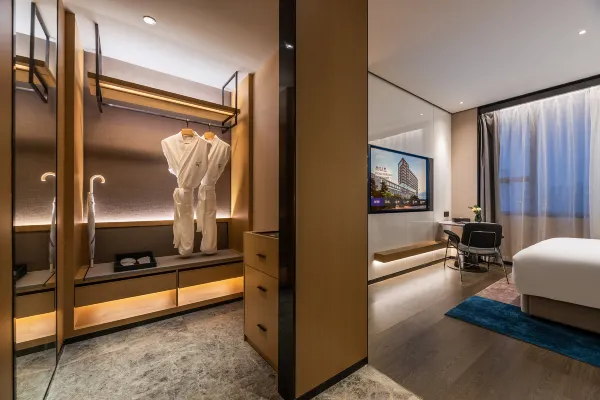
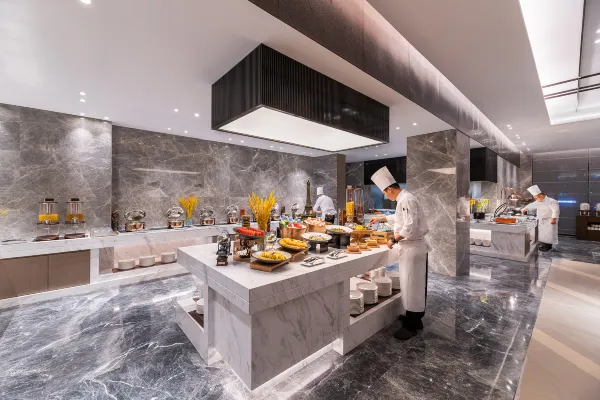
Chengxiang East Road, Nankai · 15 min walk to Ancient Culture Street · ¥450–600
Old-town geometry at a sensible price: the Drum Tower and the old street are both inside a fifteen-minute walk, and the best breakfast streets in the city are on the way. Reliable rooms, a 24-hour desk, and an address that makes a 07:00 start painless.
Ask for a room away from Chengxiang East Road; the junction is awake from six and horns carry upward.
Atour Hotel Tianjin Five Avenues Xiaobailou 天津五大道小白楼地铁站亚朵酒店
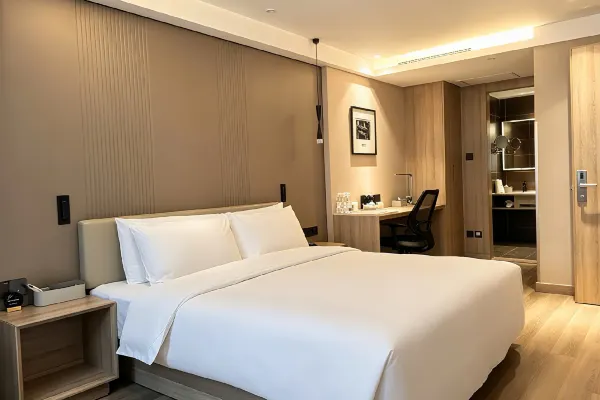
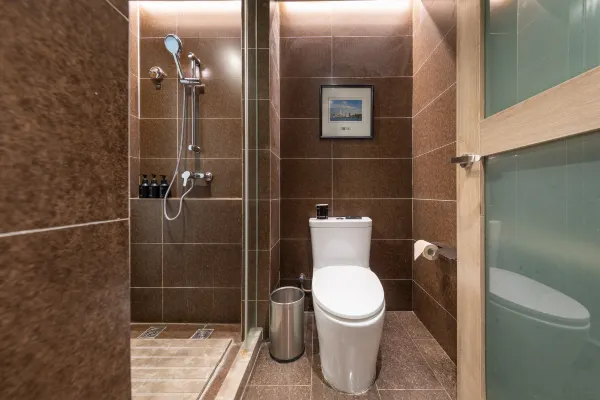
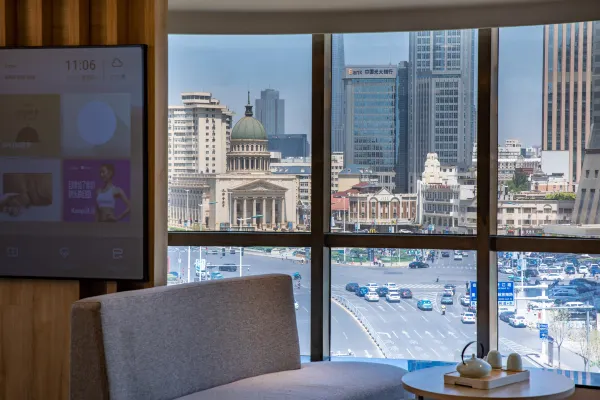
Yatai Building, 35 Nanjing Road, Heping · metro at the door · ¥270–380
The mid-budget answer to the villas: a metro exit at the front door, plane trees ten minutes north, and a reading room instead of a lobby bar. Rooms are compact but the service behaves like a hotel two bands above the rate.
Watch out: it is a converted office building, so expect corridors rather than atmosphere — and book early, this one sells out first in autumn.
Three-star
Hanting Hotel Tianjin Five Avenues Xiaobailou 汉庭 天津五大道小白楼酒店
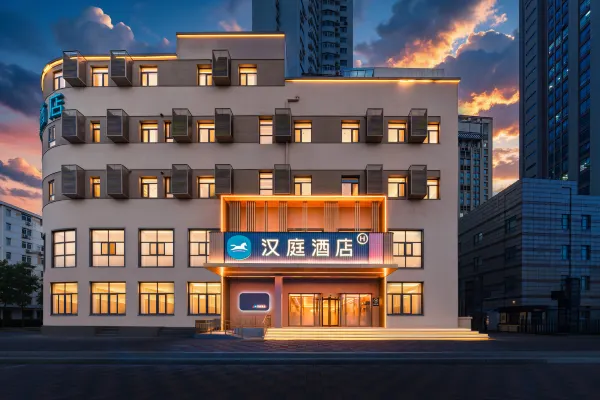
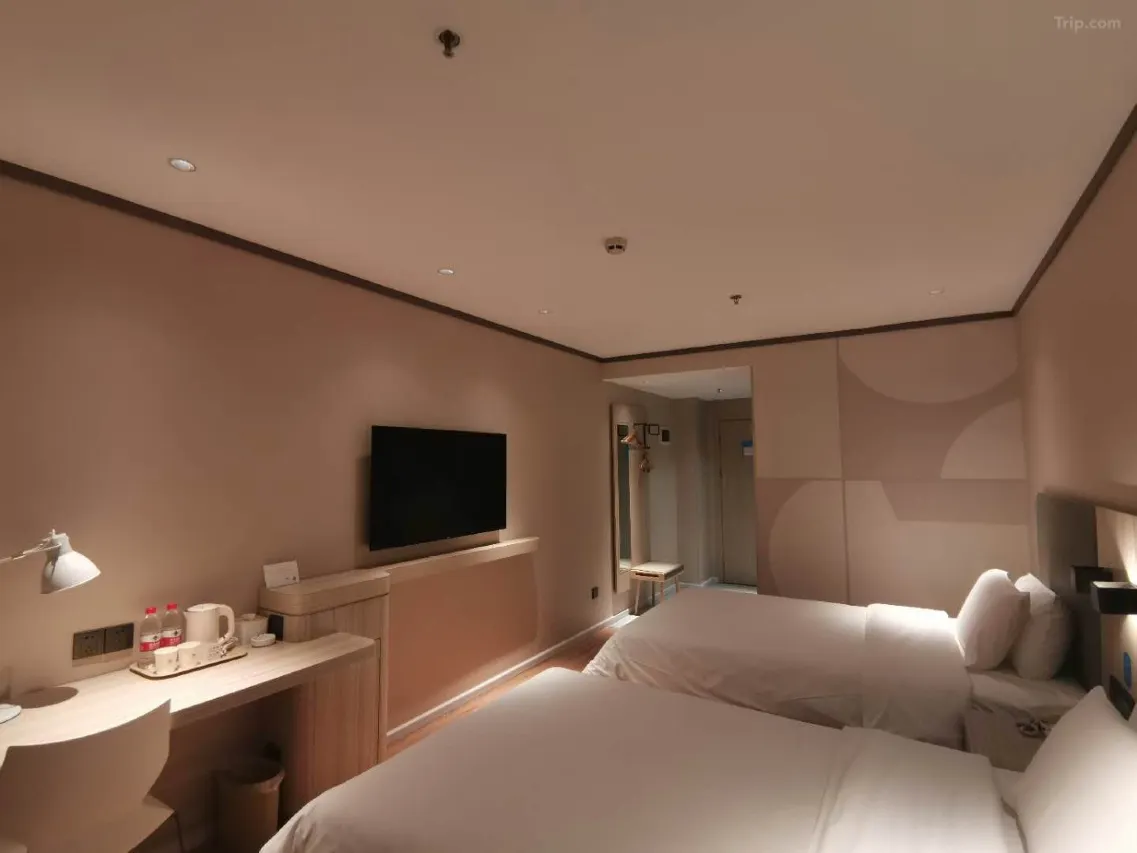
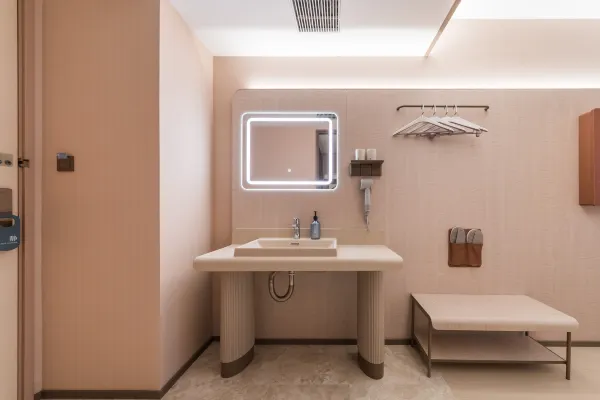
Building 2, Wadayuan, 3 Tai'an Road, Heping · 10 min walk to Minyuan Square · ¥180–280
The budget pick that still puts you inside the villa district: a courtyard lane off Tai'an Road, ten minutes from Minyuan Square, self check-in and lockers that make a one-night stop effortless. Clean, quiet, and cheaper than a taxi from the station.
Watch out: compact rooms and a lane that empties after ten — right for a night or two, thin for a week.
Orange Hotel Tianjin Ancient Culture Street 桔子酒店 天津古文化街店
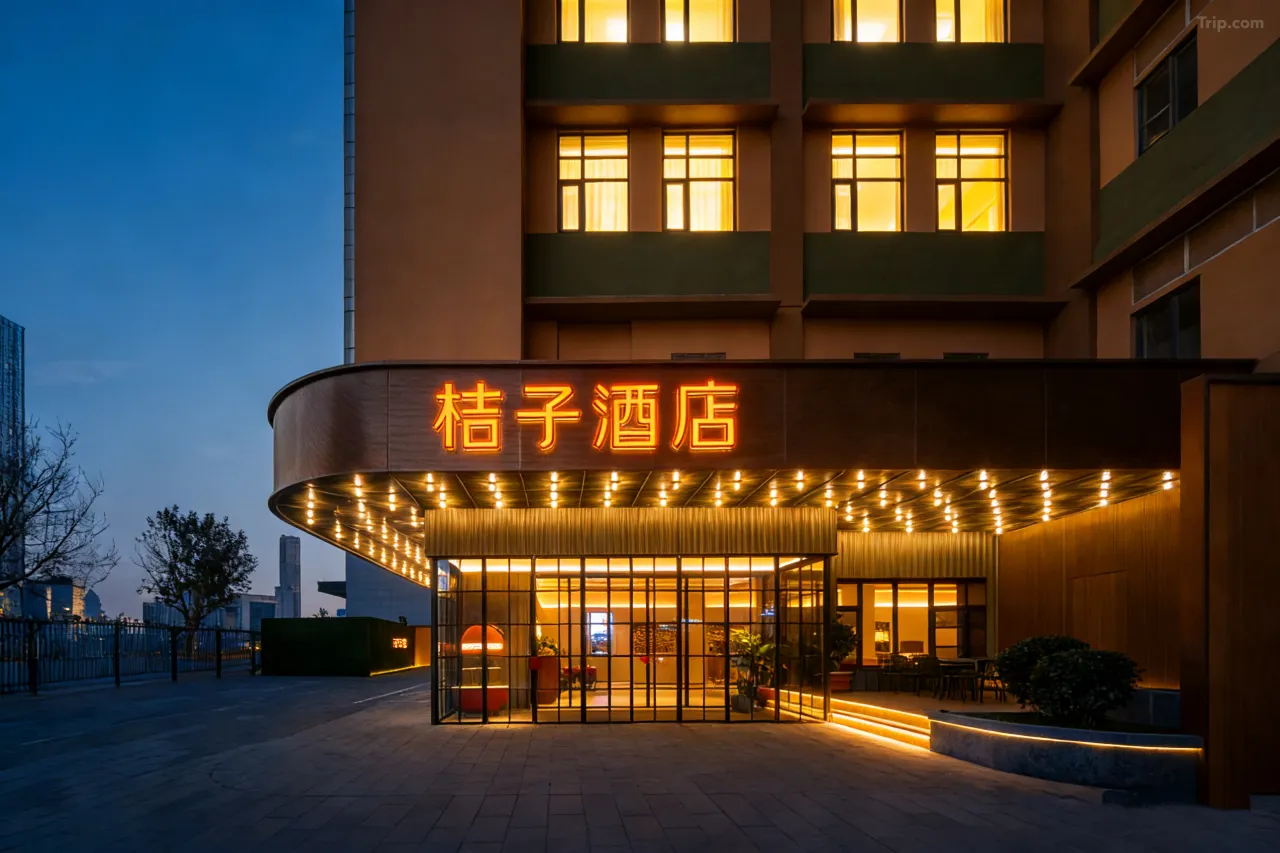
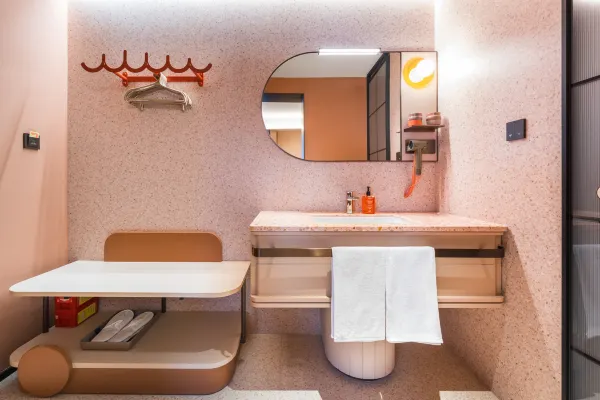
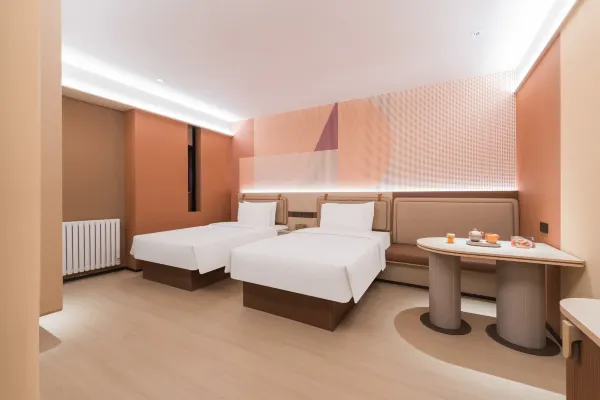
7 Xing'an Road, Nankai · 5 min walk to the old street · ¥200–300
Five minutes from the old street and fifteen from the wheel, which makes it the efficient booking for one night built around breakfast and the temple. Compact, bright, 24-hour desk, no surprises either way.
Ask for a higher floor; Xing'an Road picks up market traffic from five in the morning.
Home Inn Tianjin Railway Station Italian Quarter 如家 天津火车站意大利风情街店
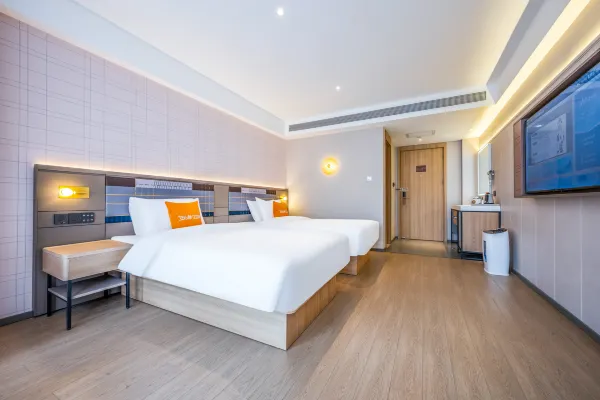
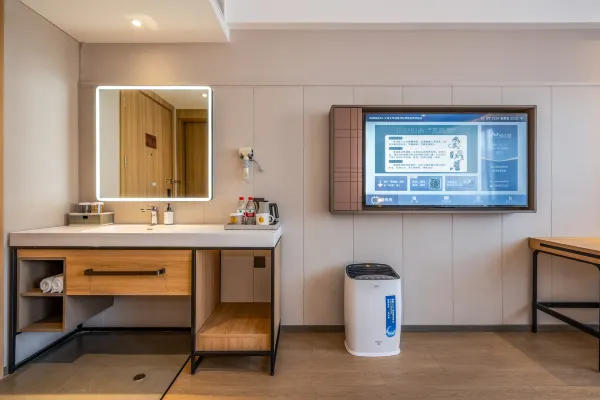
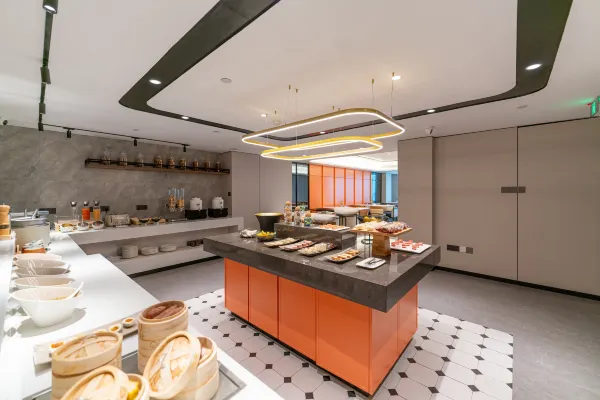
7 Ziyou Road, Hebei · 10 min walk to the station · ¥180–260
Ten minutes on foot to both the station and the Italian quarter, which is the entire argument: a late arrival or a 06:00 train costs you nothing in taxis, and the evening district is outside the door.
Watch out: breakfast is a bun and a packet drink. Eat on Ziyou Road for ¥15 instead and leave at seven.
Booking timing. Chains hold rooms until the week of arrival. Villa boutiques in Heping sell out two to three weeks ahead for autumn weekends, and a month ahead for the first week of May and October. If your dates are fixed and your heart is set on a specific building, book it before you book the train.
What to see: what earns it, and what does not
Tianjin has eighteen things worth an hour and about six worth rearranging your day for. What follows is a filter, not an inventory: what earns the trip, what is oversold, and what almost every guide leaves out.
Five that justify the journey. All five are free or nearly free, and all five are time-sensitive — the wrong hour turns each of them into a crowd.
What | Why it earns the trip | Go at |
|---|---|---|
The Five Avenues by bicycle | Two thousand villas inside 1.3 km², still lived in, still free; nowhere else in China looks like this | 07:00–09:30, before the tour trolleys |
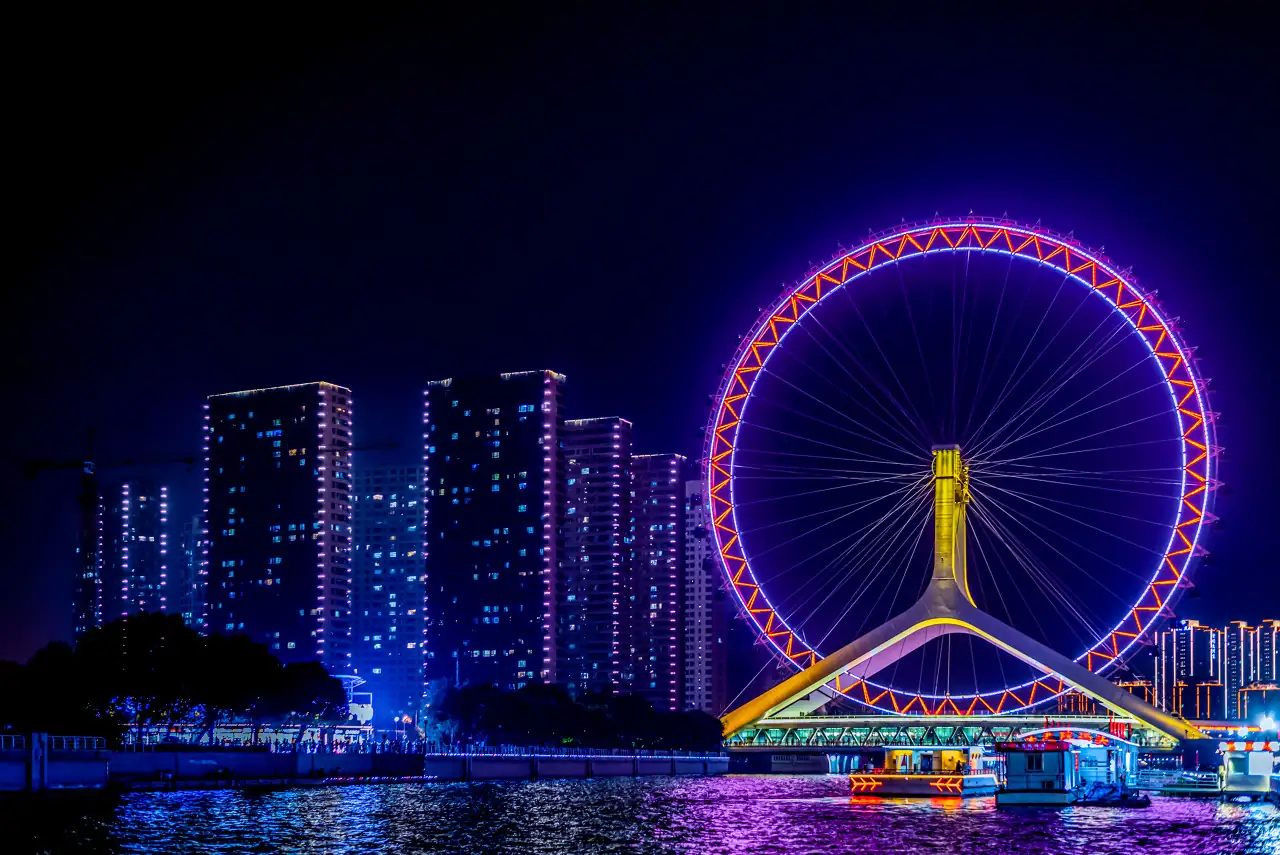
The Haihe embankment at night | Nine kilometres of lit riverfront and eight bridges, no two lit the same way | 19:00–21:00 |
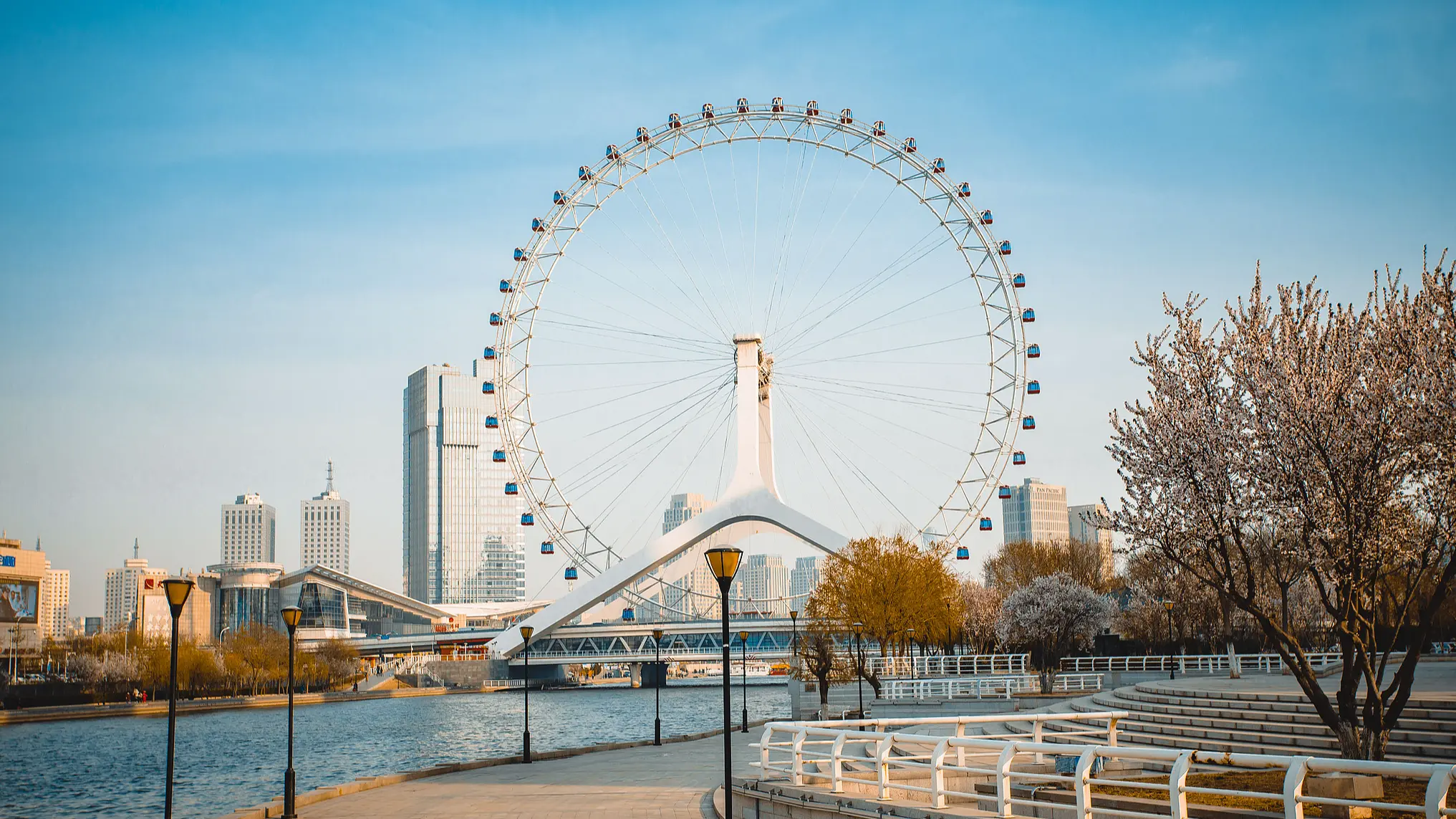
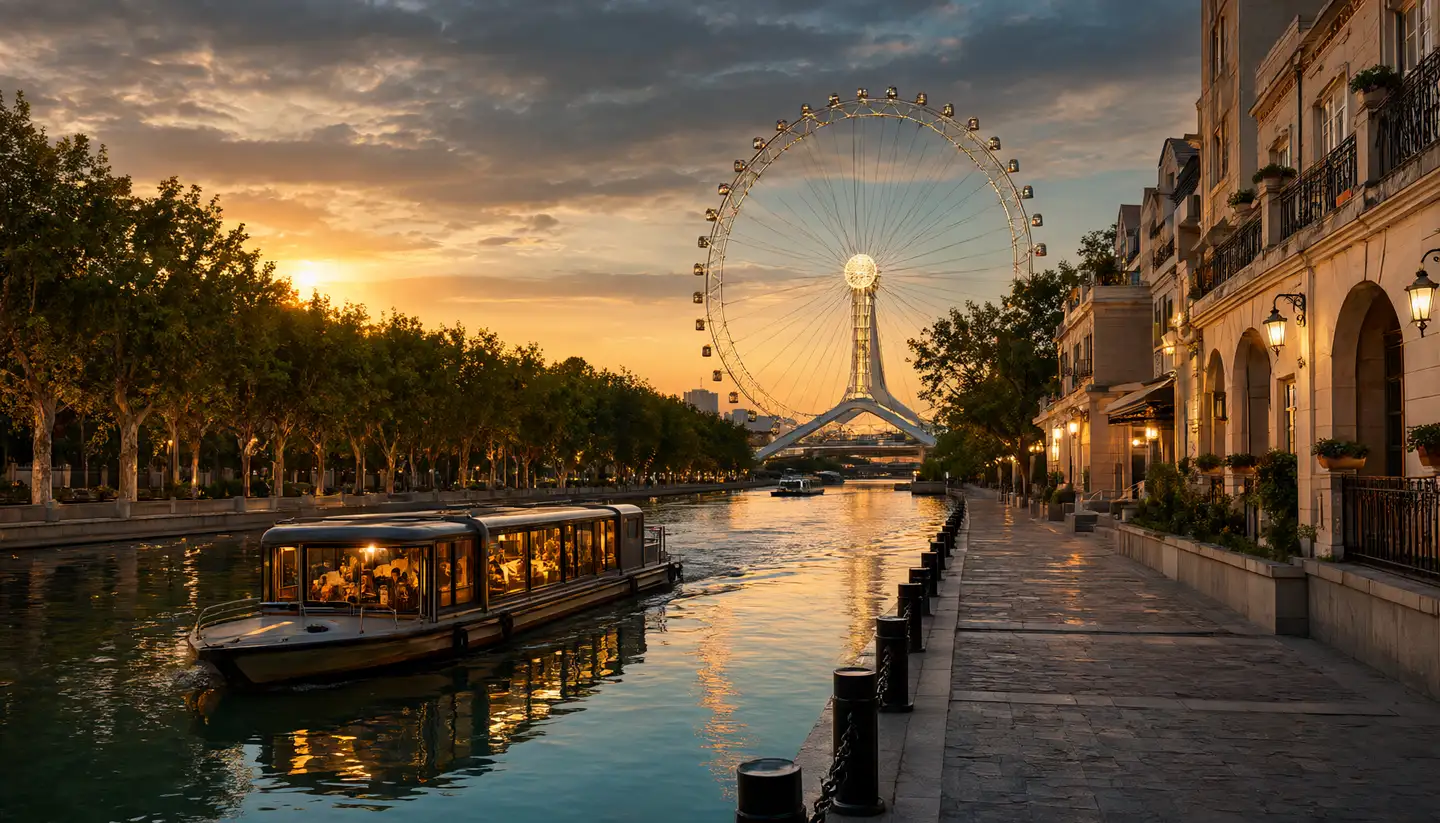
The Tianjin Eye from below | A 110-metre wheel bolted onto a road bridge — no other skyline in the country has one | 20 minutes before sunset |
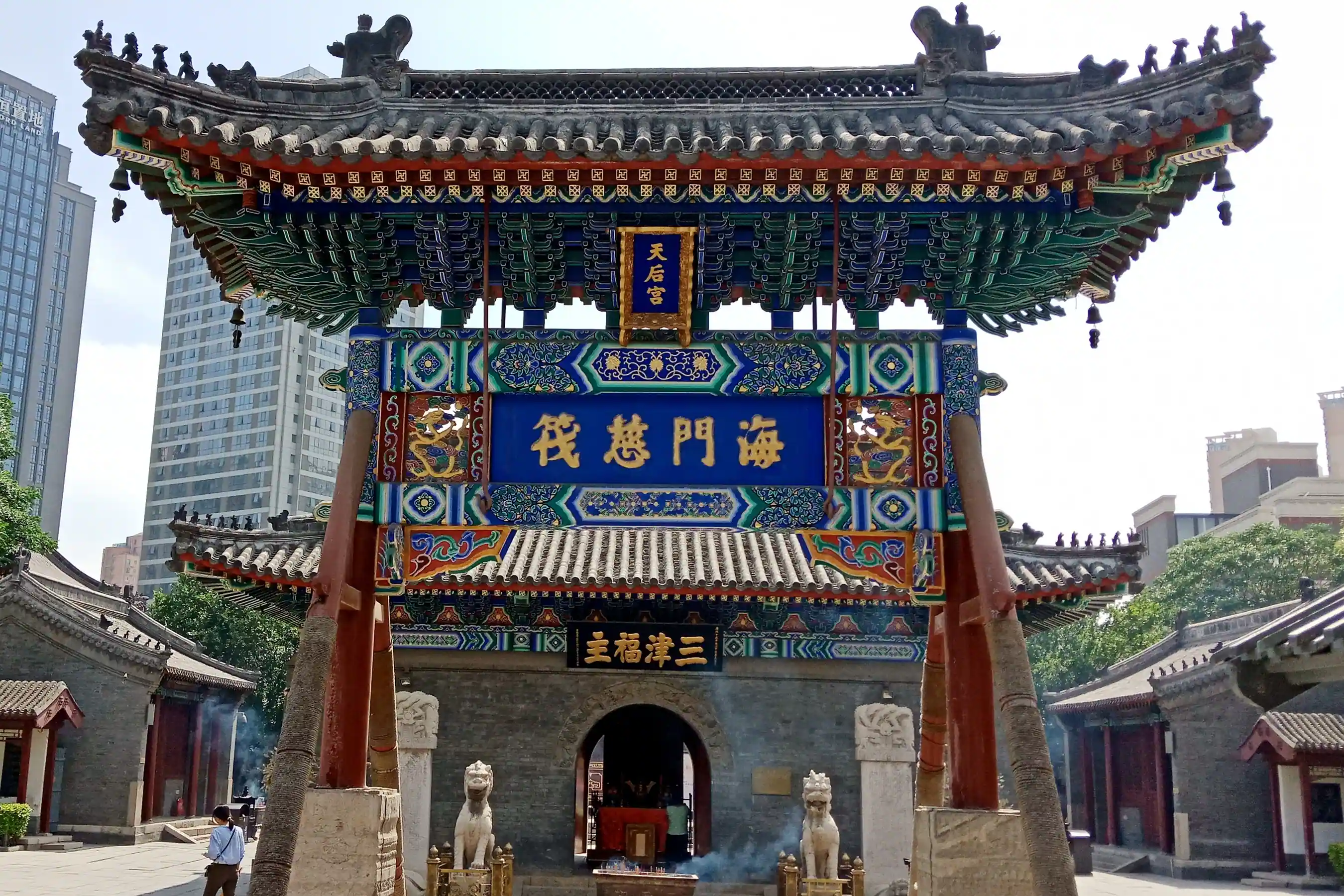
Ancient Culture Street at dawn | Crafts still sold at the bench they are made on, and the 1326 sea-goddess temple at the far end | 07:30–09:00 |
The Porcelain House from the pavement | Four storeys of shard mosaic and a porcelain dragon on the roofline; the photograph is free | Before 10:00 or after 16:00 |
How to read the streets. Tianjin's architecture is the reason to come, and it makes more sense once you know what you are looking at. Five blocks, five vocabularies.
Route | What you are looking at | Give it |
|---|---|---|
Jiefang North Road, the old banking street | Neoclassical banks: stone columns, pediments, brass doors — a 1920s financial district in miniature | 25 min on foot, between the museums |
Five Avenues: Chongqing, Changde, Chengdu roads | Villas from the 1920s and 30s — brick and timber, mansard roofs, a few Art Deco fronts with stained glass | 60–90 min by bicycle |
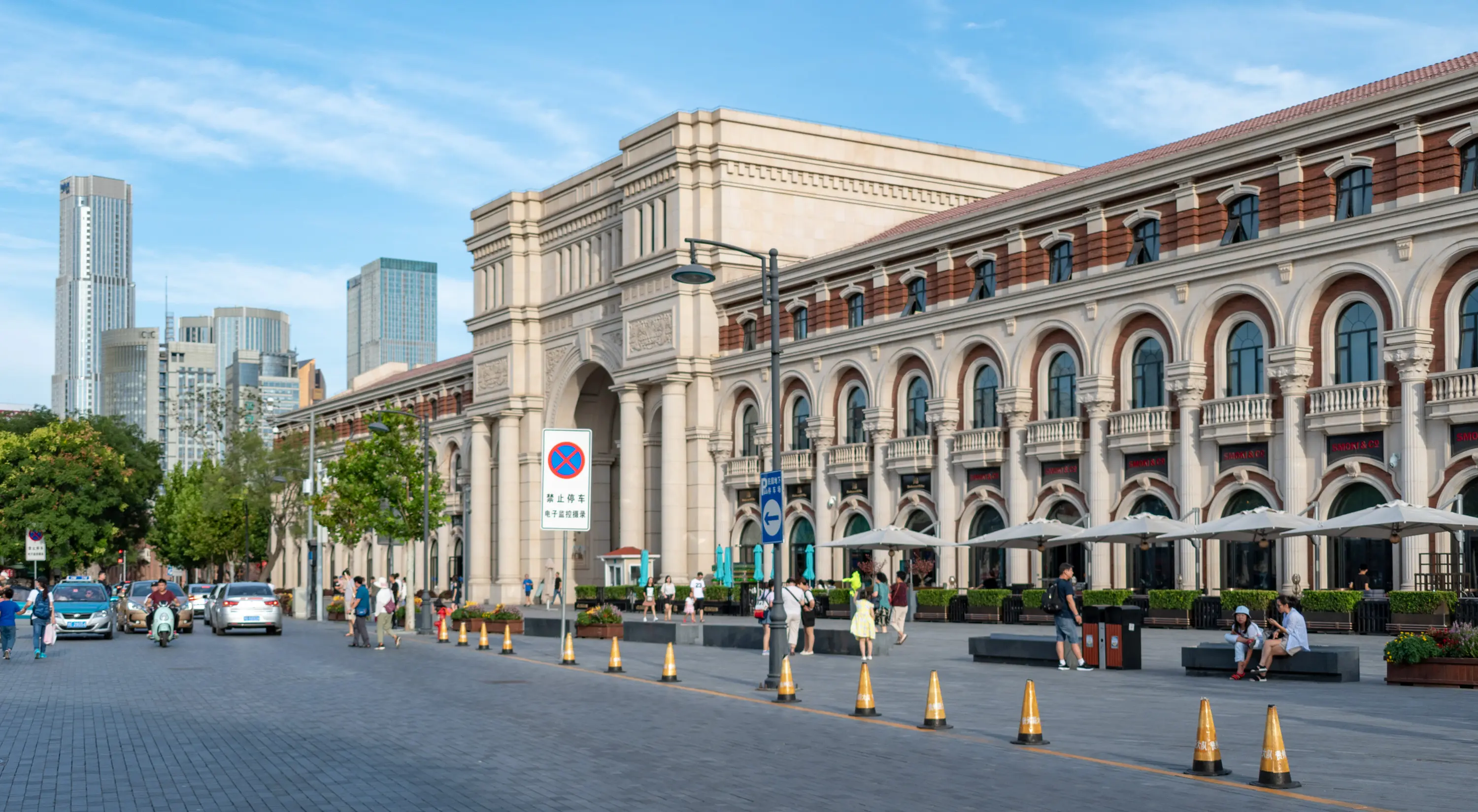
The Italian quarter, Marco Polo Square | An arcaded piazza with stucco, a theatre and a clock tower, rebuilt as a stage set and used as one | 30 min, plus a drink at blue hour |
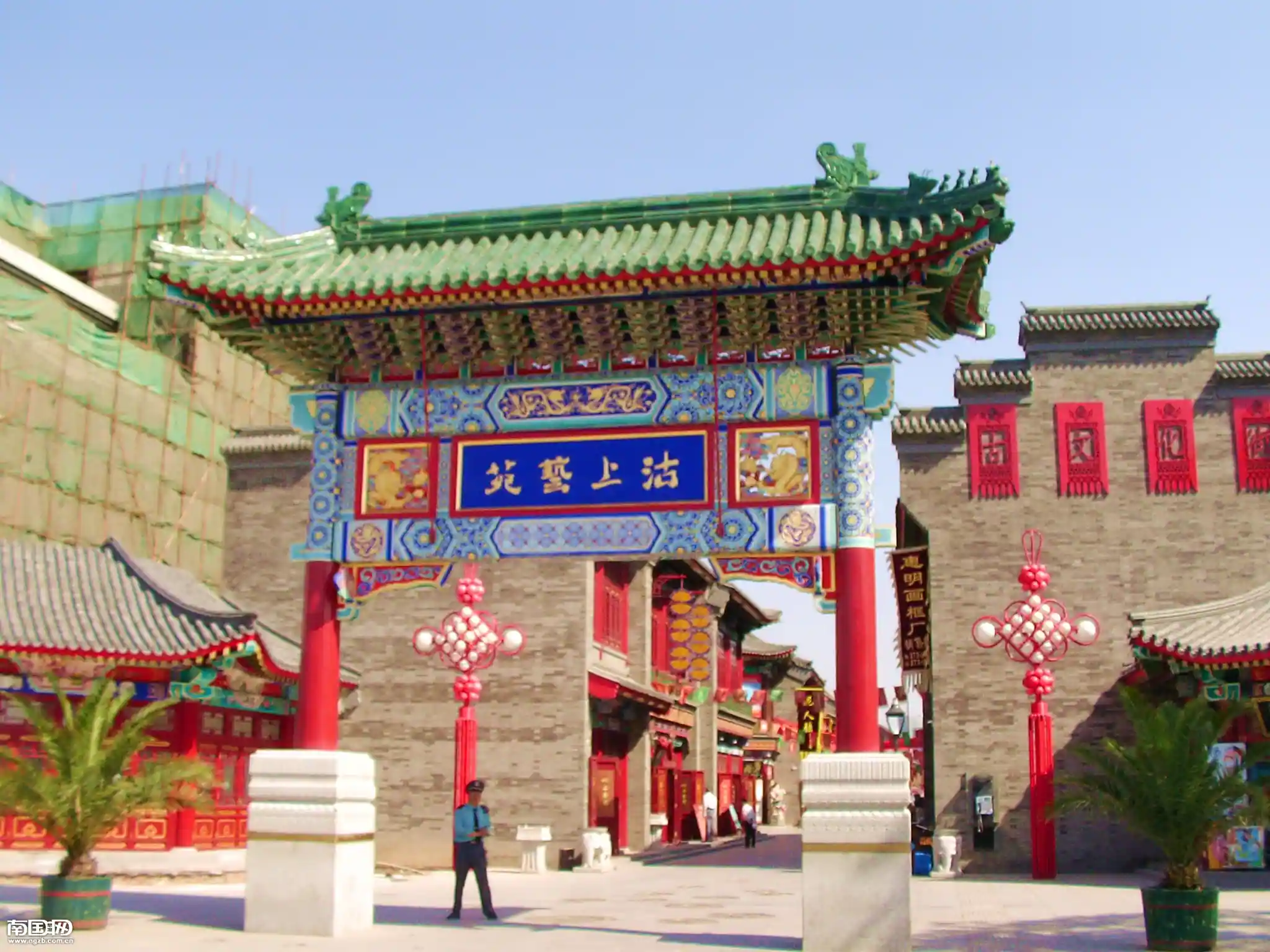
Ancient Culture Street | Qing-style shopfronts rebuilt in the 2000s around a 14th-century sea-goddess temple | 40 min, before 09:00 |
Yingkoudao and the post office block | Roman arches, copper roofs and the 1920s Astor — the civic half of the concession story | 20 min, or two museum hours |
Table 7 None of these blocks is ticketed. The architecture is the free sight in Tianjin.
Six that are oversold, or only work under conditions. None are bad. Each is a question of whether the price and the queue are worth what you get.
What | Why it is conditional, or why to skip it |
|---|---|
Riding the Tianjin Eye | ¥70–110 depending on cabin and hour. Worth it only for a sunset boarding slot; day tickets stop boarding at 18:00, when the light is still flat. |
The Porcelain House interior | ¥50 for twenty minutes of corridors and a stair bottleneck. The outside is the whole experience unless folk-art maximalism is your subject. |
Binhai Library | Fifty minutes each way for twenty minutes inside, and it is a working library. Pair it with the maritime museum or leave it out. |
Italian quarter restaurants | The most expensive tables per square metre in the city, cooking for visitors. Come for a drink at blue hour and eat elsewhere. |
The famous bun shop on Shandong Road | ¥60–120 a steamer and a one-hour queue at noon. Old-town dumpling shops sell the same idea at half the price. |
The middle third of Ancient Culture Street | Souvenirs priced for people who will never return. The two ends of the street are where the workshops are. |
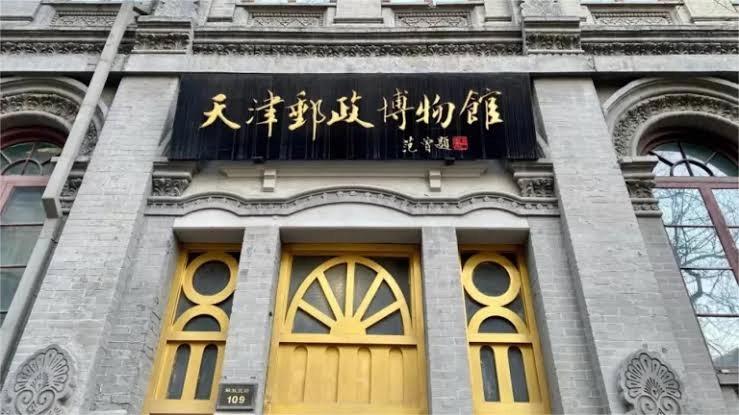
Five that almost every guide leaves out. All five sit in Heping or Hebei, all are small, and four are free. They are the reason a second day here is worth having.
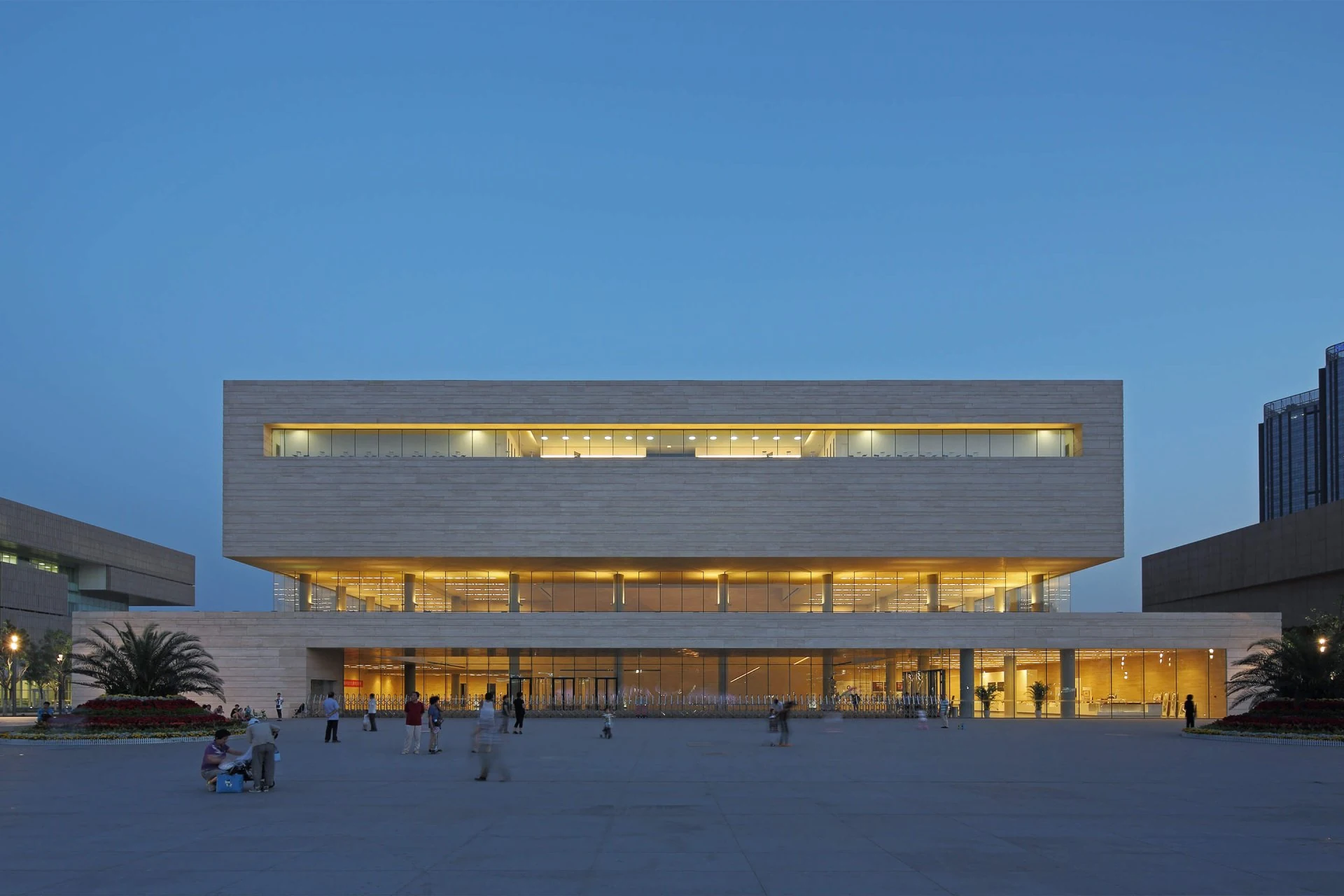
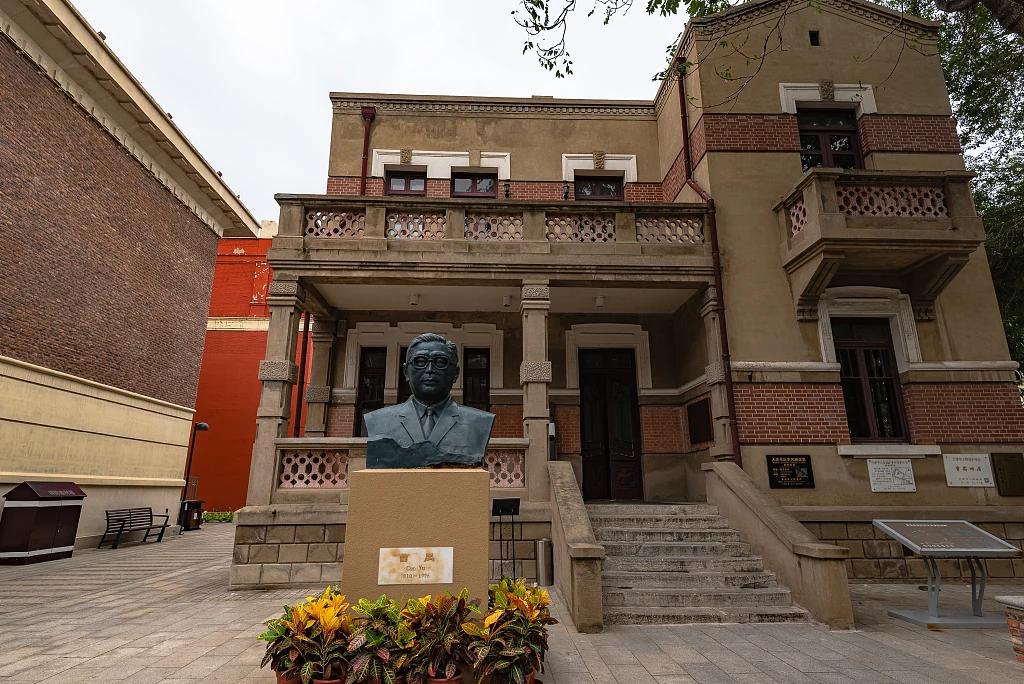
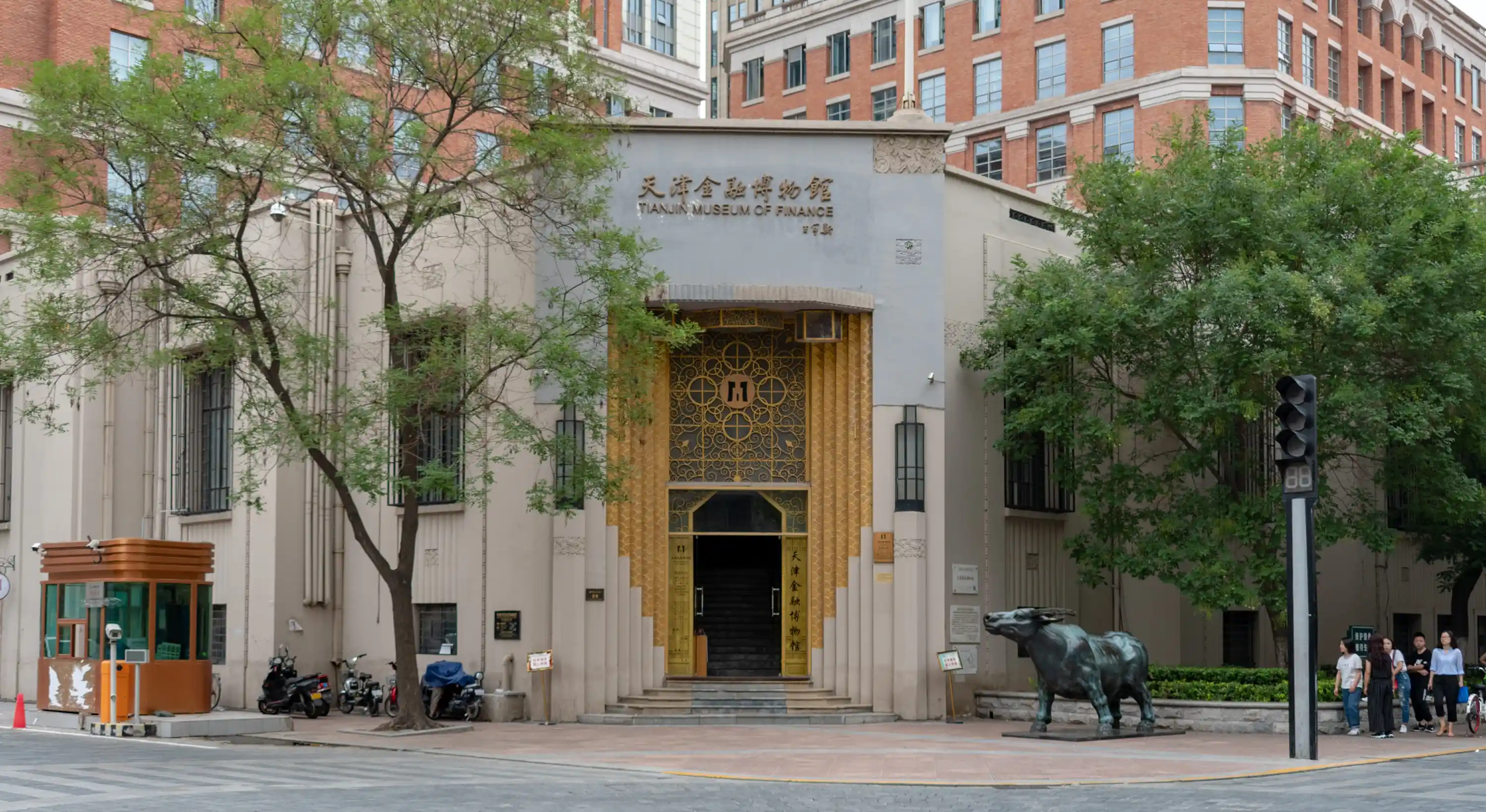
Museum | Address | Hours | Cost |
|---|---|---|---|
Tianjin Postal Museum | 109 Jiefang North Road, Heping; Metro Line 3 Jinwan Plaza, exit C | Tue–Sun 09:00–16:00, closed Mon | Free |
Astor Hotel Museum | B1 floor, Astor Hotel, 33 Taierzhuang Road, Heping | Daily, three sessions from 09:00 to 20:00 | ¥50 |
Tianjin Art Museum | 60 Pingjiang Road, Hexi | Tue–Sun 09:00–16:30, closed Mon | Free, book ahead |
Cao Yu Residence | 3–5 Minzhu Road, Hebei | Tue–Sun 09:00–16:30, closed Mon | Free |
Tianjin Financial Museum | 29 Jiefang North Road, Heping | Mon–Fri 10:00–17:30; closed weekends | Free |
Table 9 Hours as published by the Tianjin culture bureau and local listings in late 2026. Small museums change schedules; check the day before.
The Monday problem. Half the city's interiors close on the same day. If your only full day is a Monday, plan it outdoors and keep the museums for the morning you leave.
Place | Monday | Weekdays | Weekend |
|---|---|---|---|
Tianjin Eye | Evening only | 09:30–22:00 | Busiest at sunset |
Postal Museum | Closed | 09:00–16:00 | 09:00–16:00 |
Tianjin Art Museum | Closed | 09:00–16:30 | 09:00–16:30 |
Cao Yu Residence | Closed | 09:00–16:30 | 09:00–16:30 |
Financial Museum | Open | 10:00–17:30 | Closed |
Astor Hotel Museum | Open | 09:00–20:00 | 09:00–20:00 |
Porcelain House | Closed | 09:00–18:00 | 09:00–18:00 |
Ancient Culture Street | Open | Shops 09:00–21:00 | Crowded after 11:00 |
Table 10 The street and temple are unrestricted; this table tracks ticketed interiors only.
The two-hour rule. No single sight in Tianjin is worth more than two hours, and most are worth forty minutes. The city's value is in the walking between them, which is free. Budget your time by district, not by attraction.
Below is the honest edit - what earns the trip and what to skip. For the fuller attraction-by-attraction rundown with hours and how to prioritise, our dedicated guide to the best things to do in Tianjin goes deeper on each one.
The sights, one by one
Everything above, as a directory. Each entry gives the band of time it deserves, what it costs, and the one thing to know at the door. Prices and hours are the published ones in late 2026.
Tianjin Eye 天津之眼
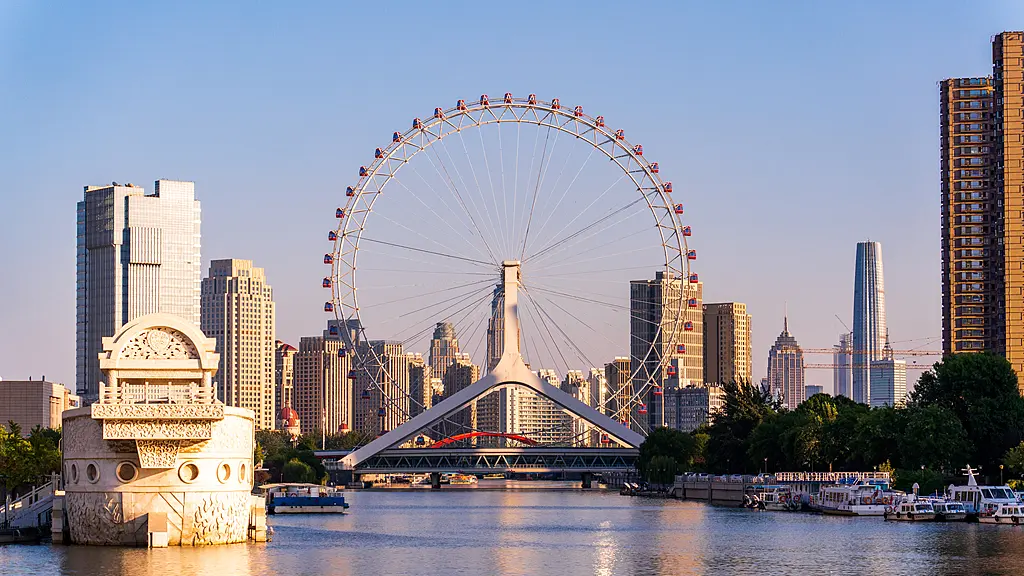
Yongle Bridge, north of the old town · 30 min · ¥70–110 to ride
An 110-metre wheel bolted onto a road bridge — no other skyline in China has one. The photograph is from the south bank at dusk; riding it means forty minutes in a queue for a view you already had.
Ancient Culture Street 古文化街
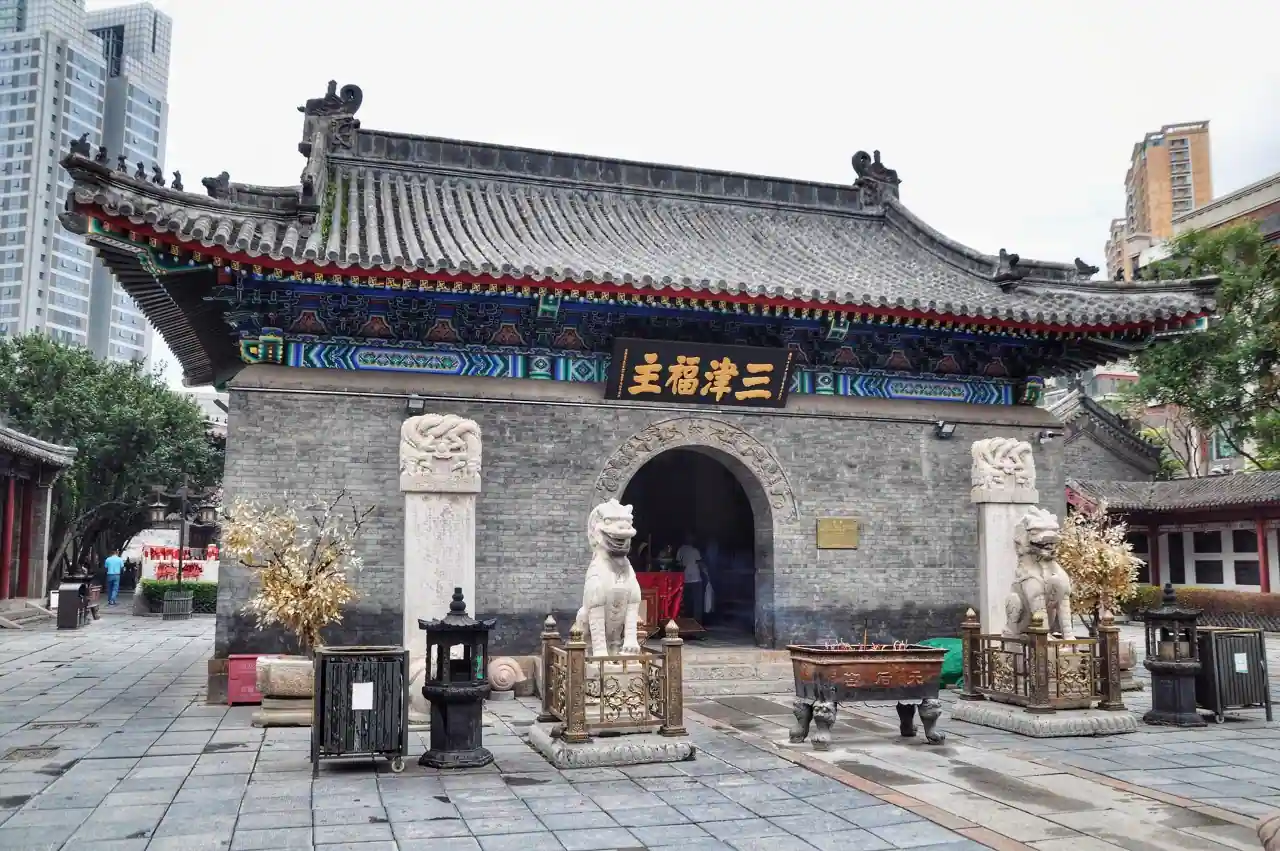
Nankai, along the river · 1–1.5 h · street free, temple ¥10
Six hundred metres of low Qing shopfronts: clay figures, kites, paper cuts, dough twists. The workshops at the northern end are real, the middle is a gift shop, and nine in the morning is the only quiet hour.
Porcelain House 瓷房子
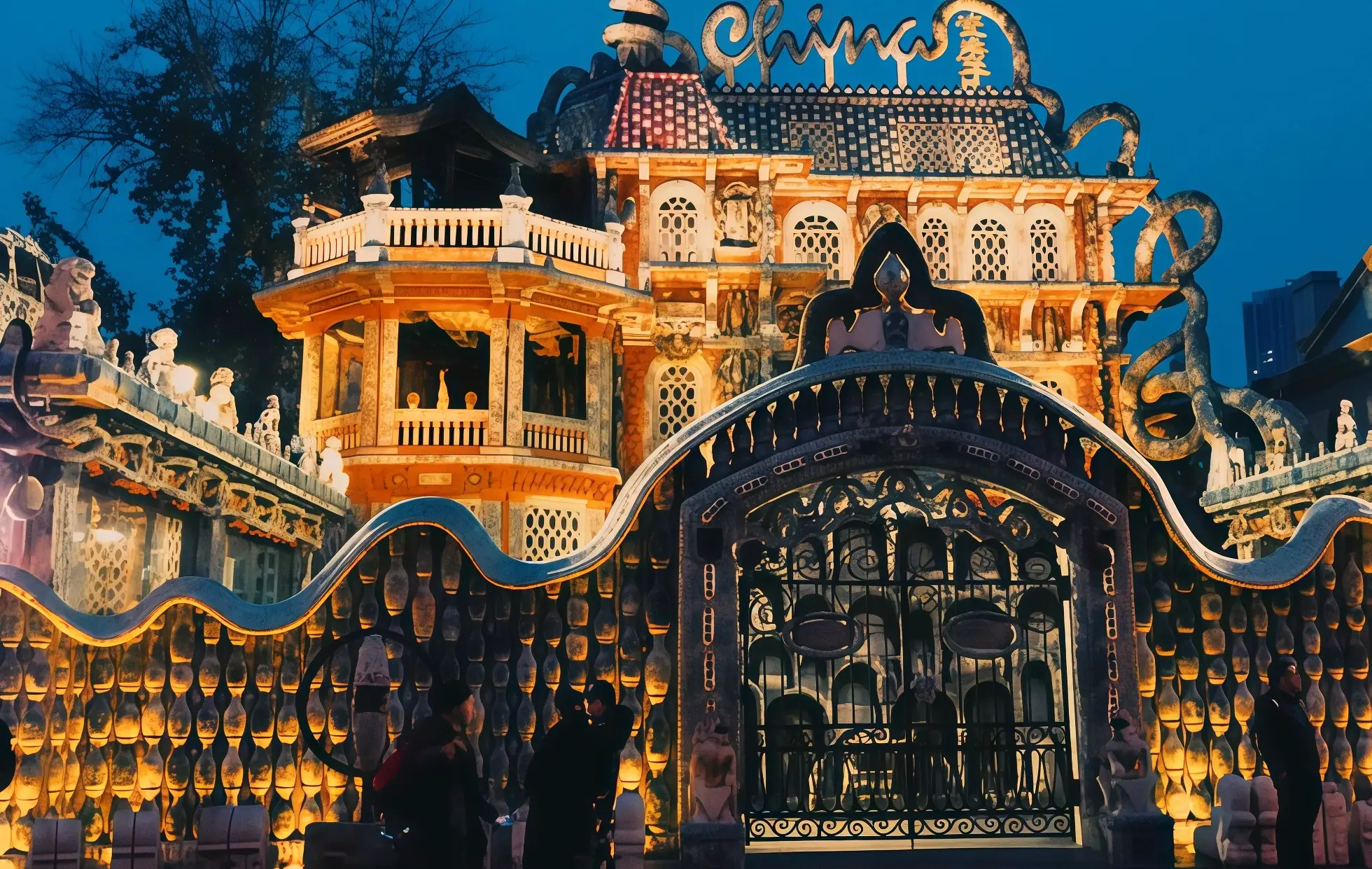
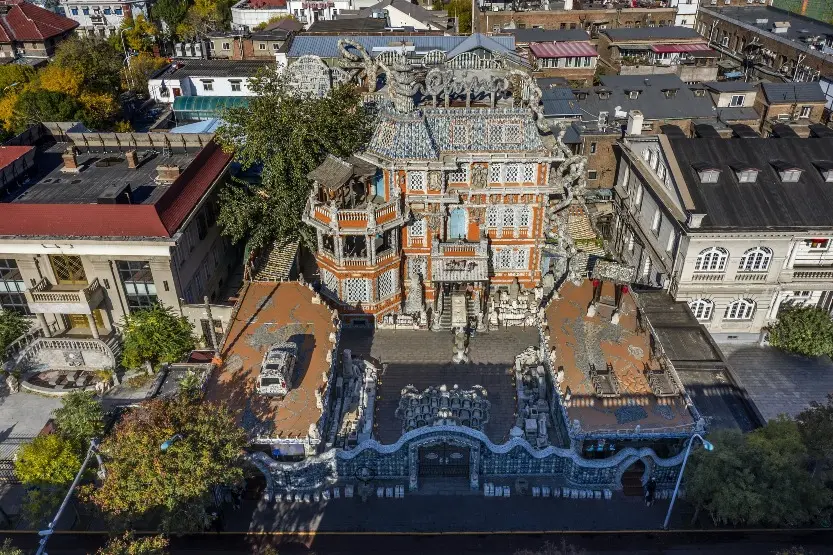
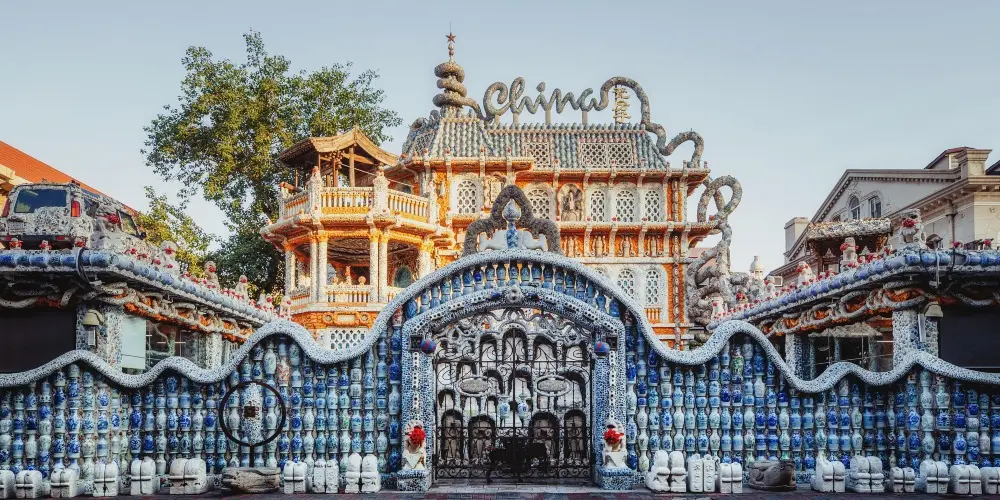
72 Chifeng Road, Heping · 30–40 min · ¥50
Four thousand vases and millions of shards glued over a French villa — one man's obsession, now the most photographed wall in the city. The exterior is the picture; inside takes twenty minutes and the queue peaks at noon.
Xikai Cathedral 西开教堂
Nanjing Road at Xining Road · 20 min · free
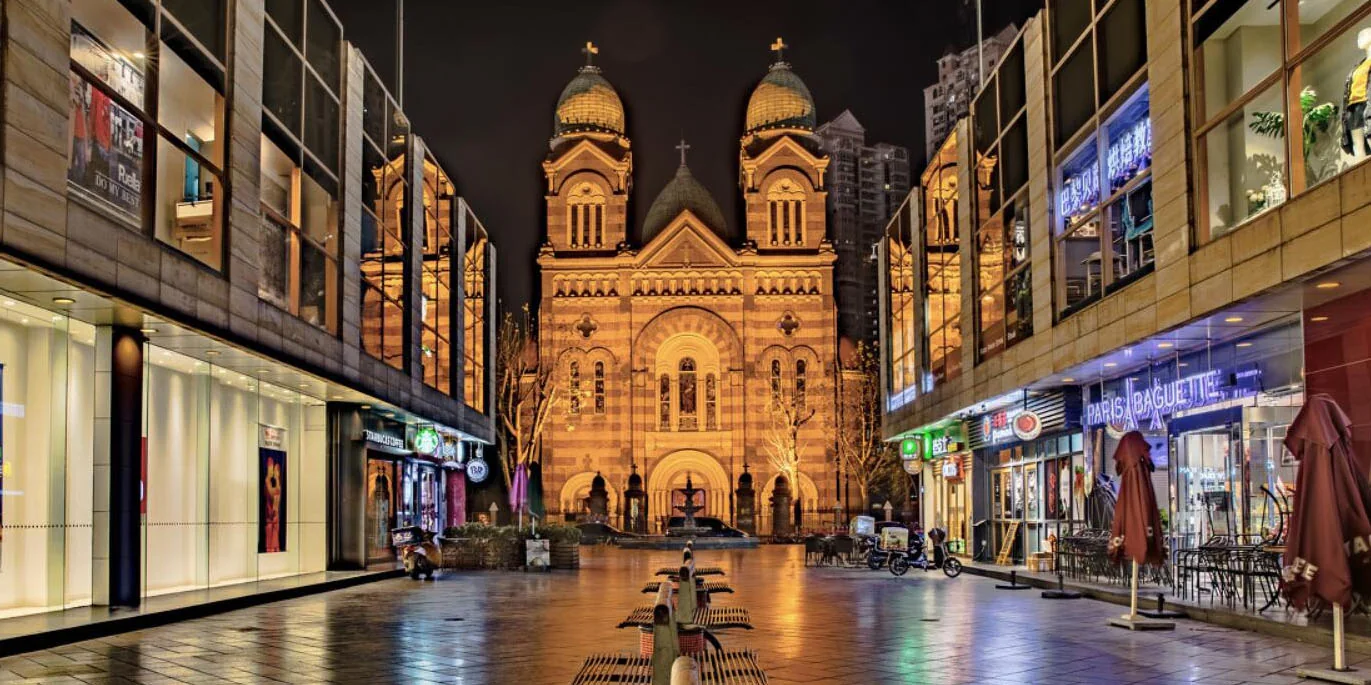
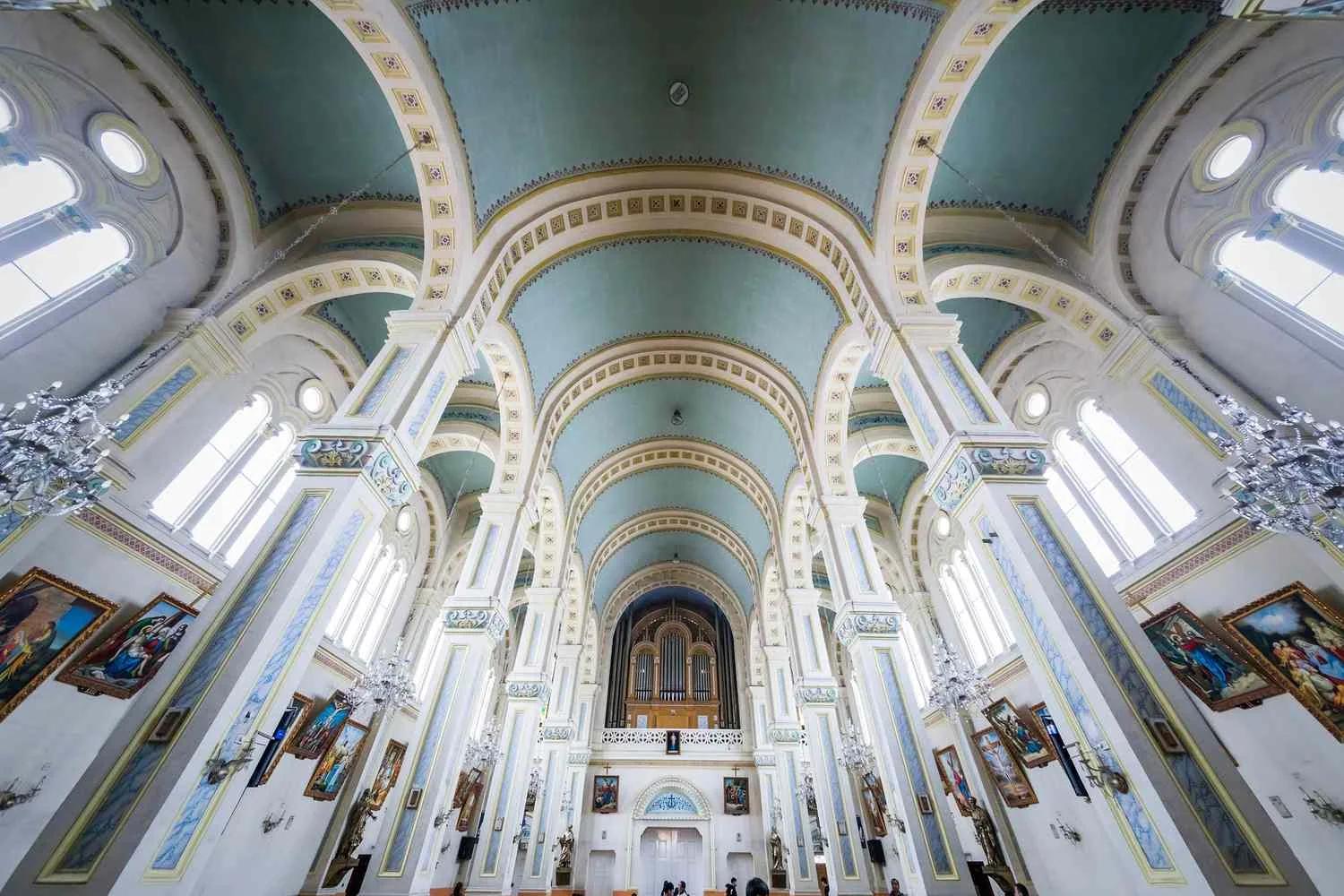
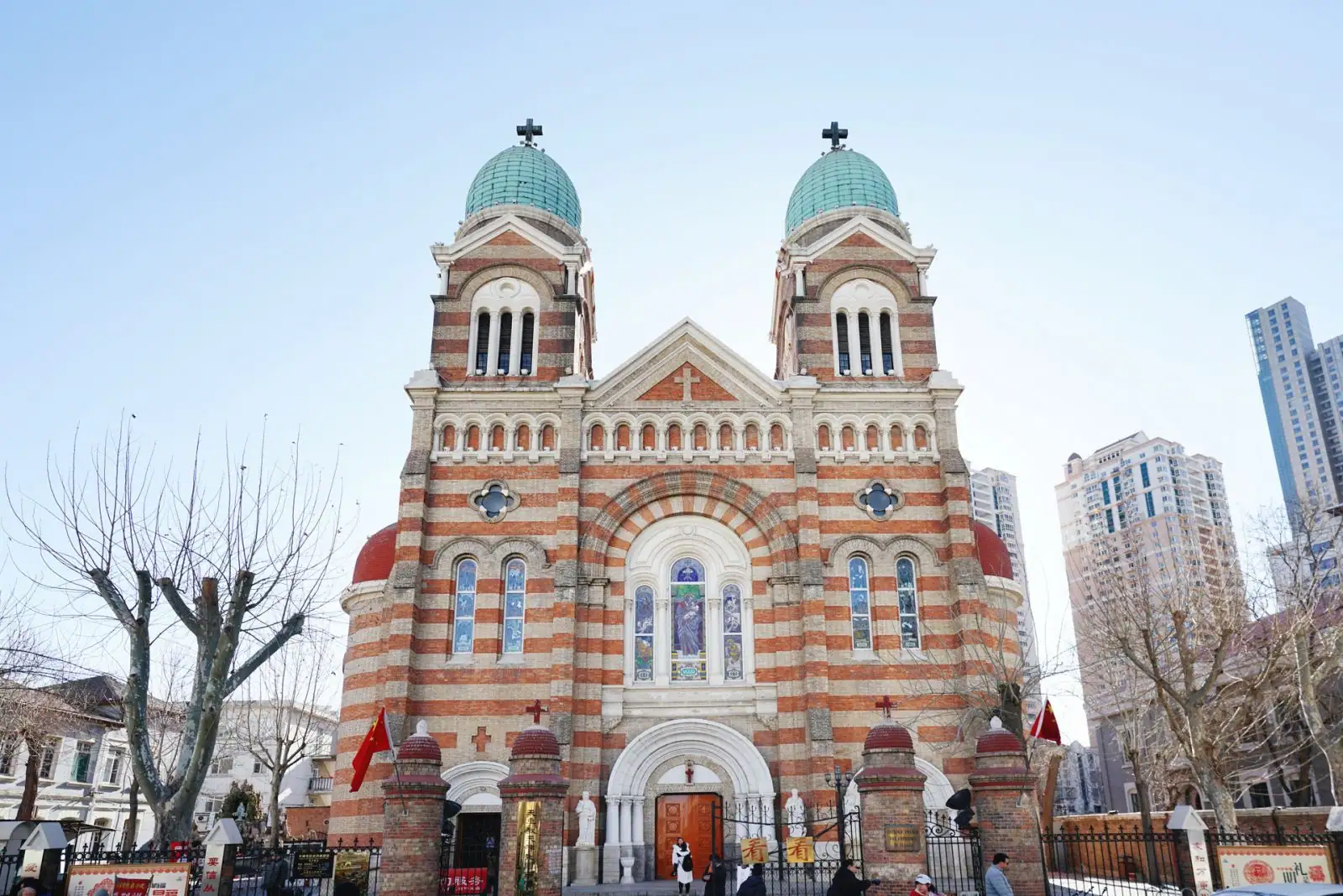
A 1916 French cathedral with two brick towers at the top of the shopping street, and a nave larger than the city's reputation suggests. Eight-thirty gives you an empty square; Sunday mass closes it to visitors.
Five Great Avenues 五大道
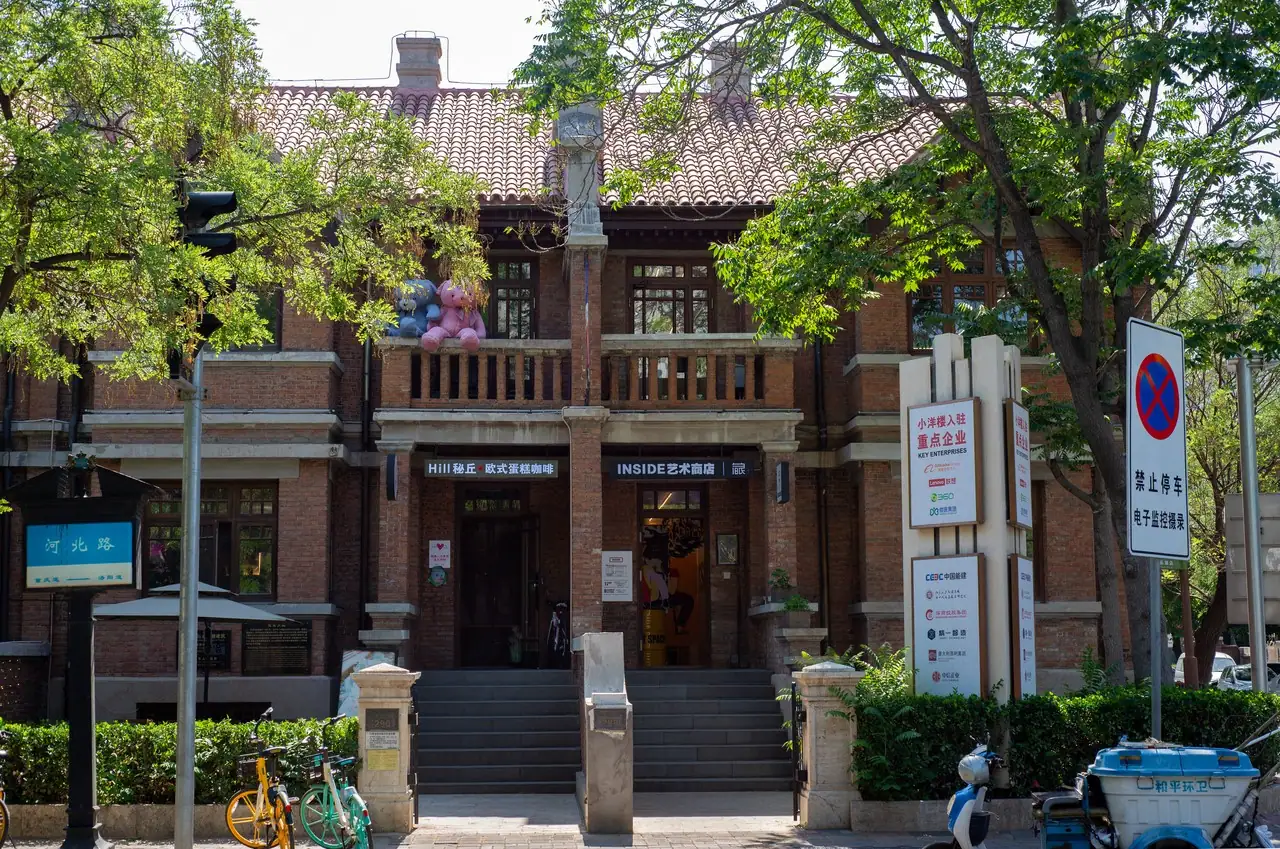
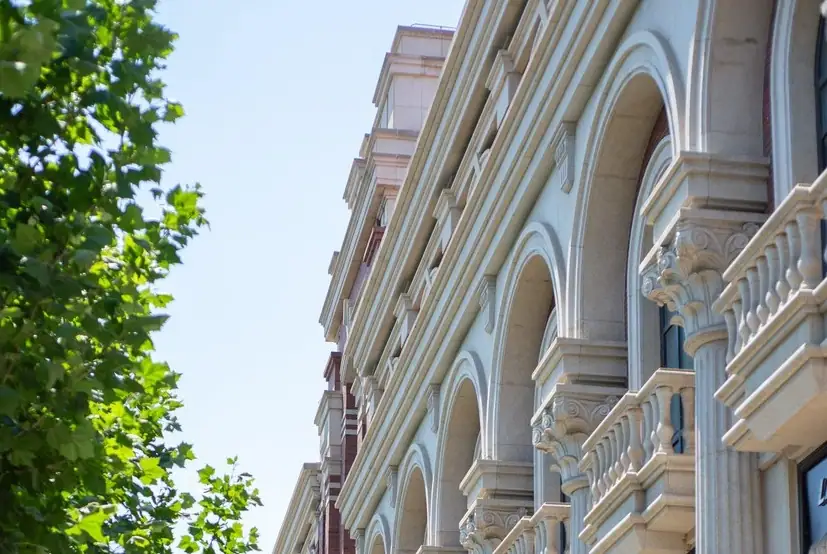
Heping · 2–3 h · free
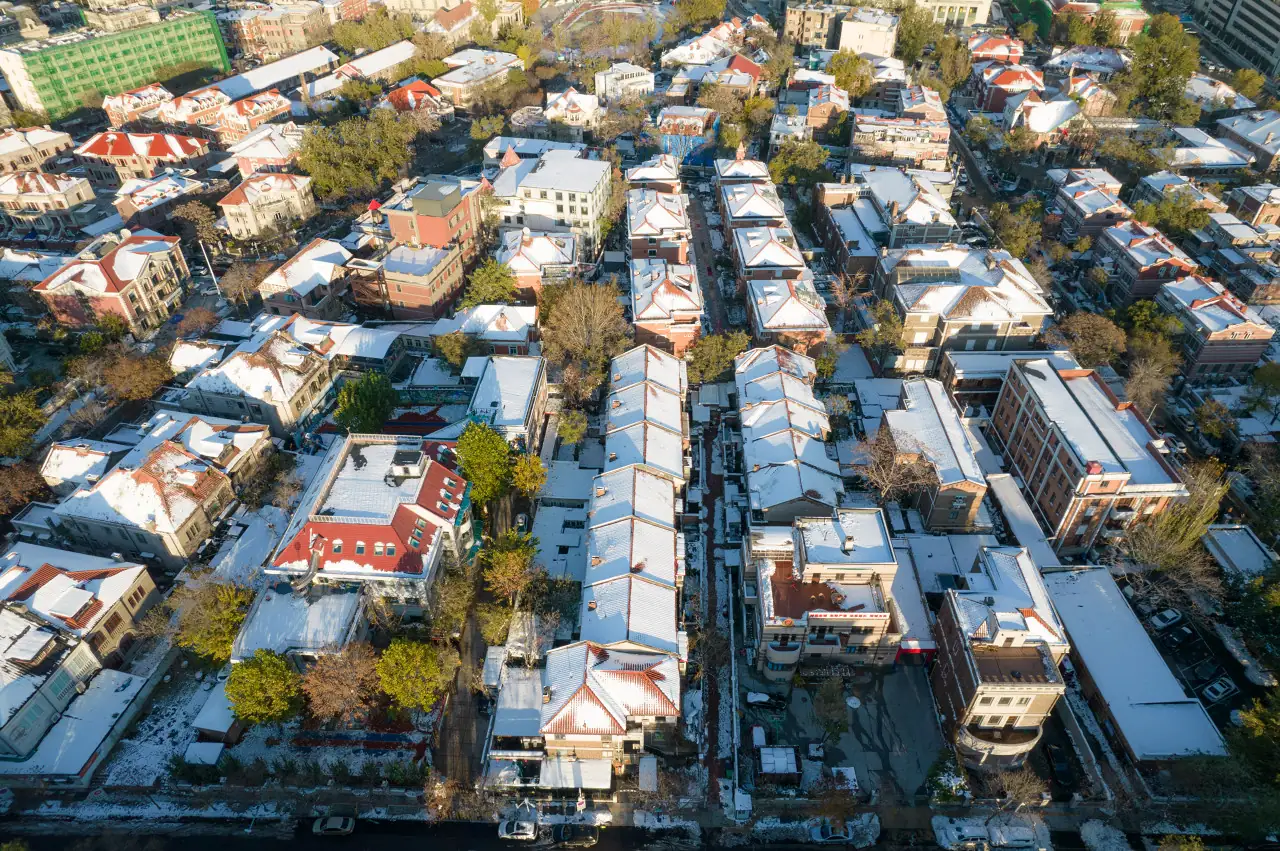
Two thousand villas from the 1920s and 1930s inside 1.28 km², still lived in. The point is the lanes rather than any single house: Chengdu Road and Chongqing Road first, then a bicycle if your legs are done.
Prince Qing's Mansion 庆王府
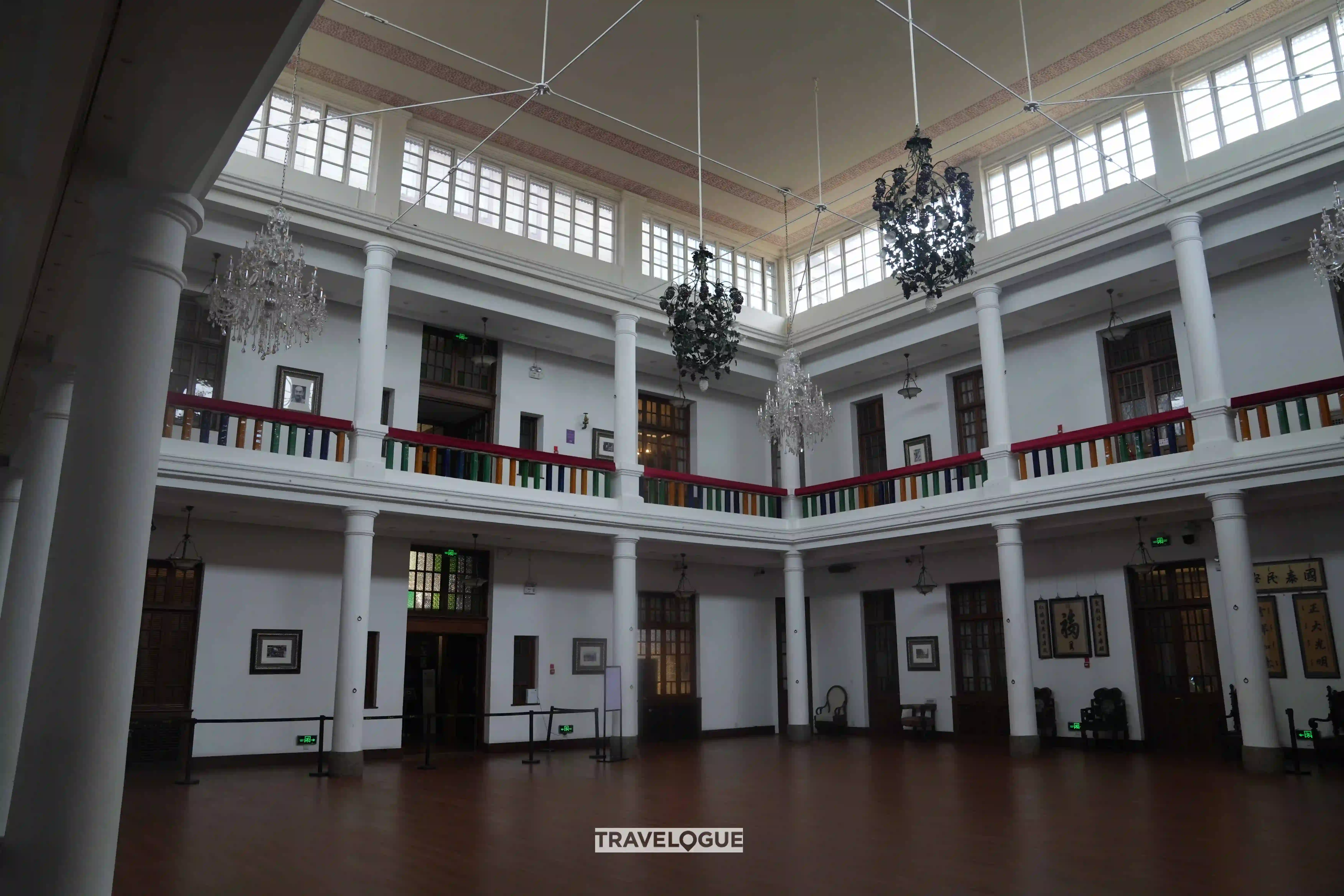
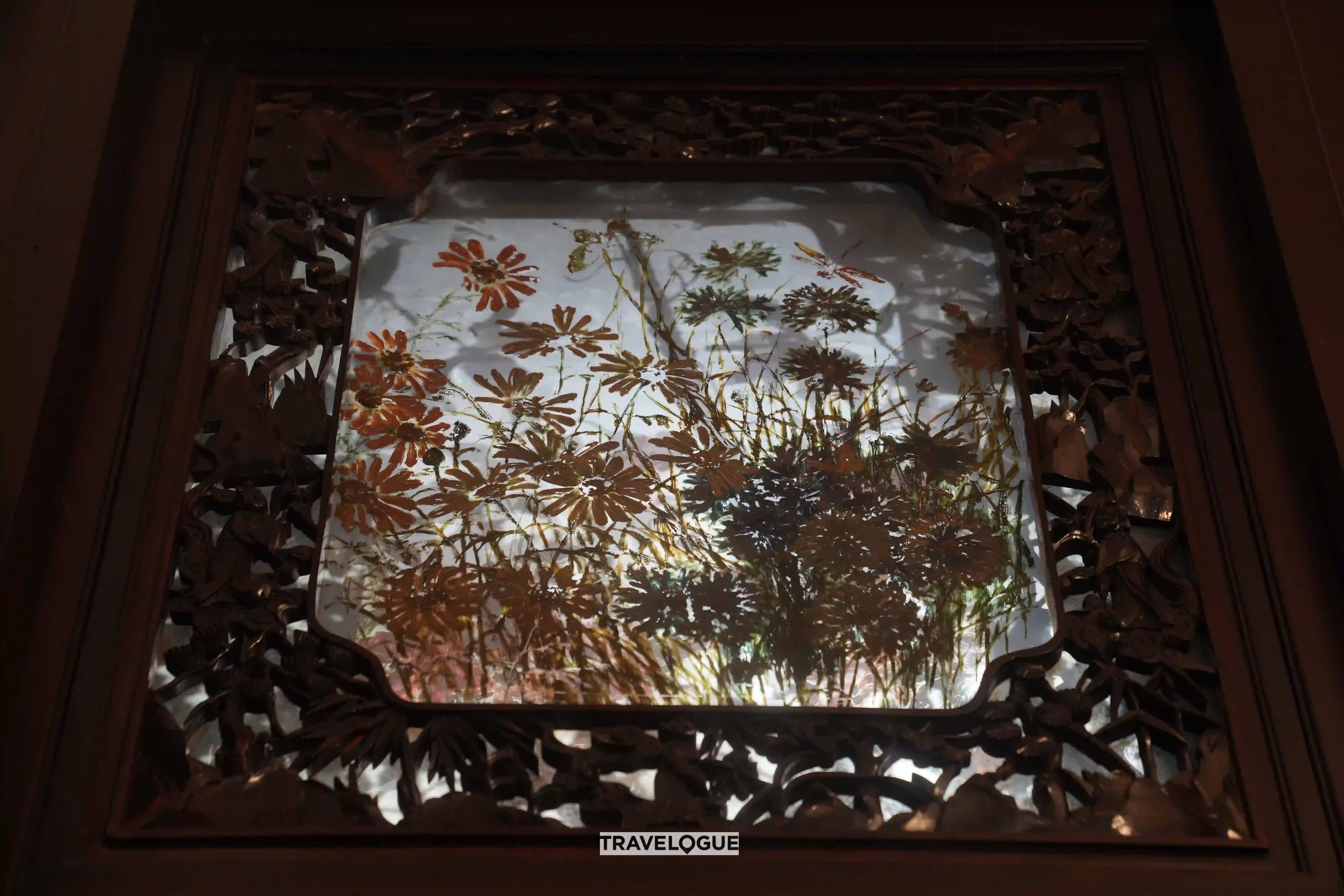
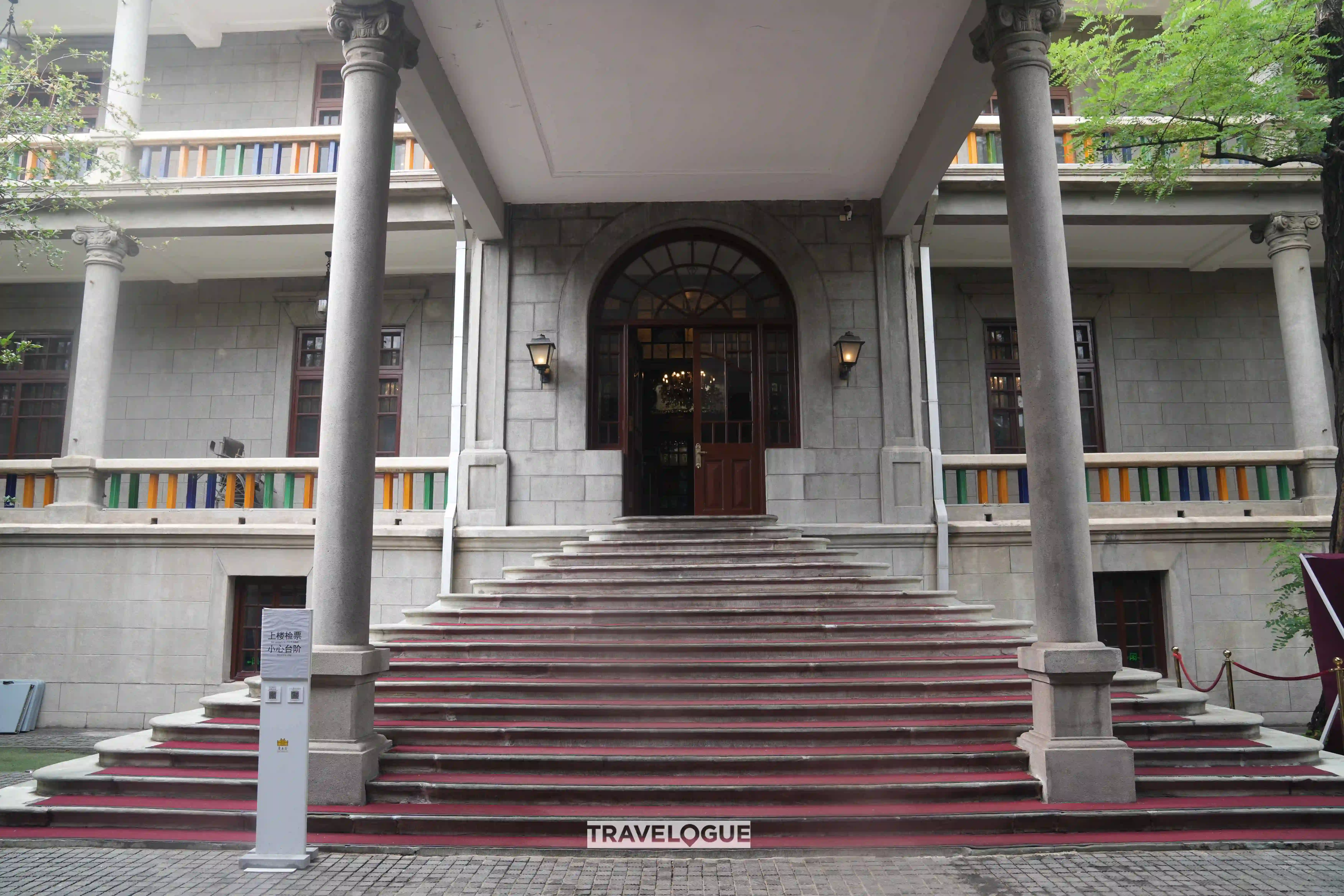
55 Chongqing Road, Heping · 40 min · ¥40–50
The 1920s villa of a Qing prince, with a tiled courtyard and a piano room — one of the few villa interiors you can actually walk into. Worth the ticket precisely because most of its neighbours are locked.
Jingyuan 静园
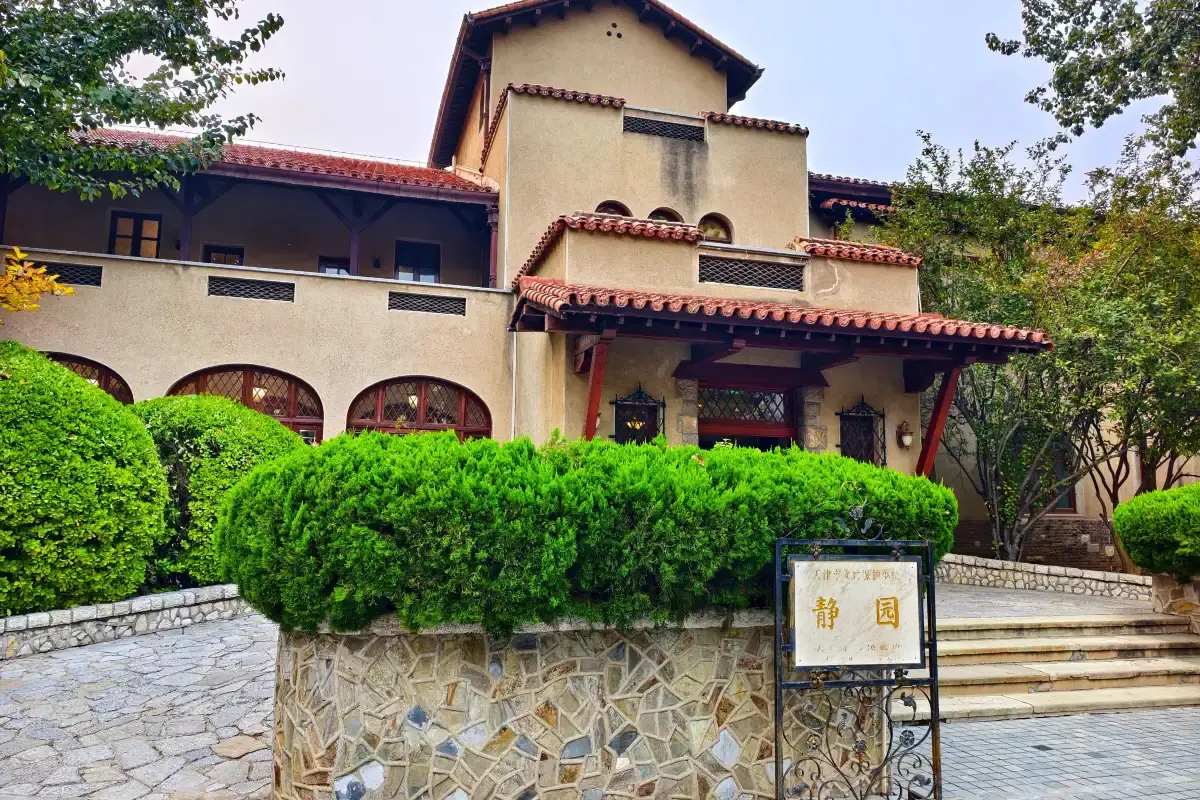
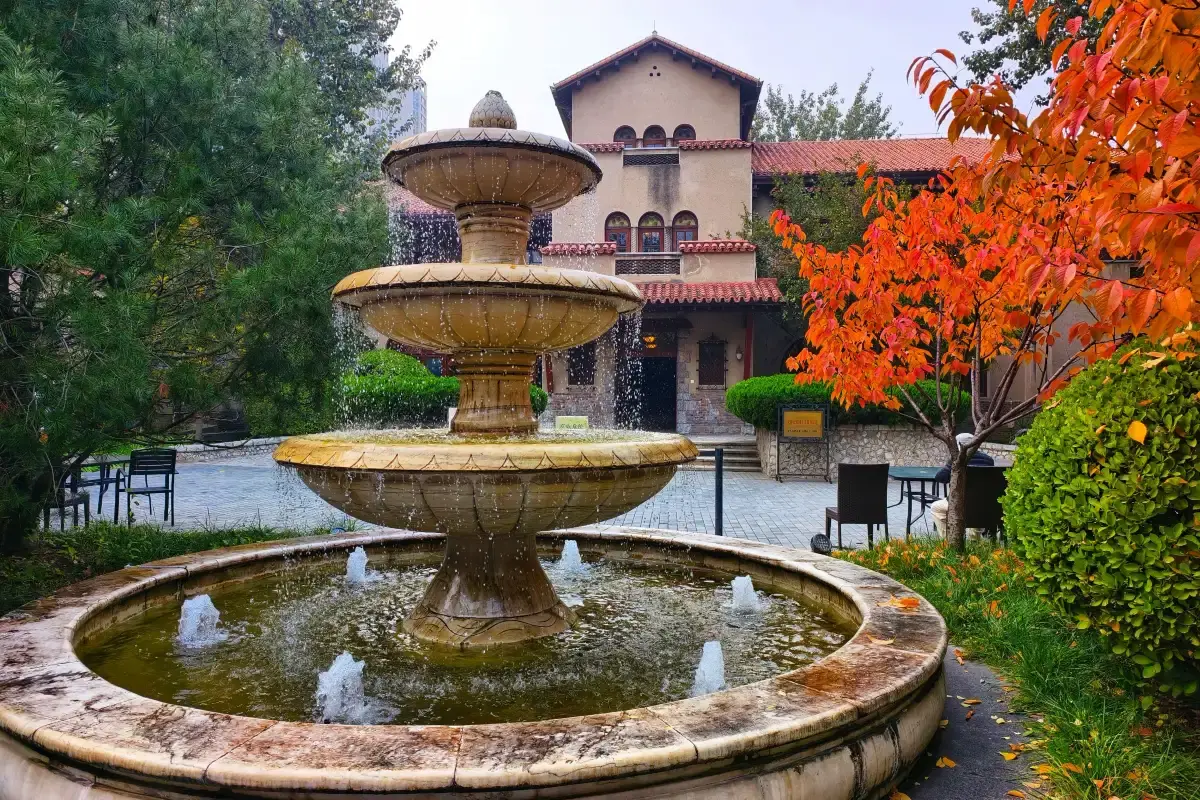
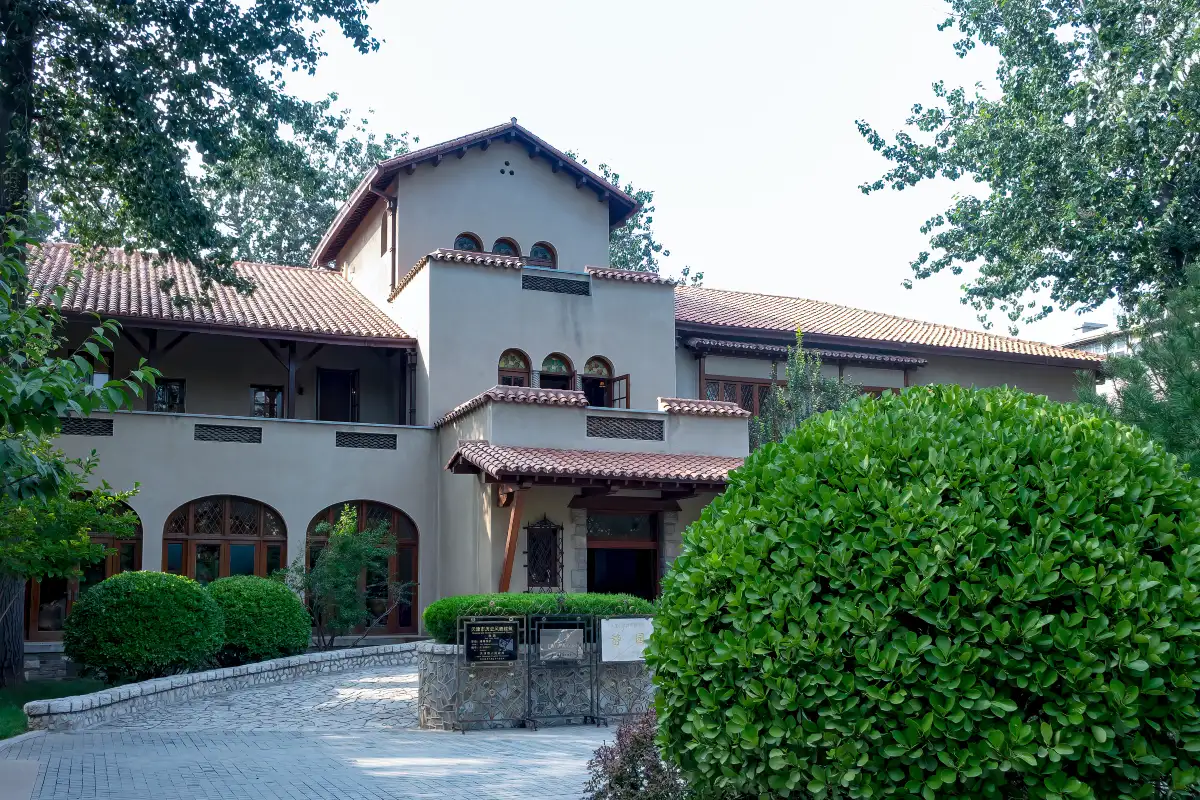
70 Anshan Road, Heping · 1 h · ¥20
Where the last emperor lived after abdicating in 1925: a garden villa with a rockery, a small stage and rooms that stay quiet. The strangest hour in the city, and the least crowded of the famous addresses.
Zhang Xueliang's Residence 张学良故居
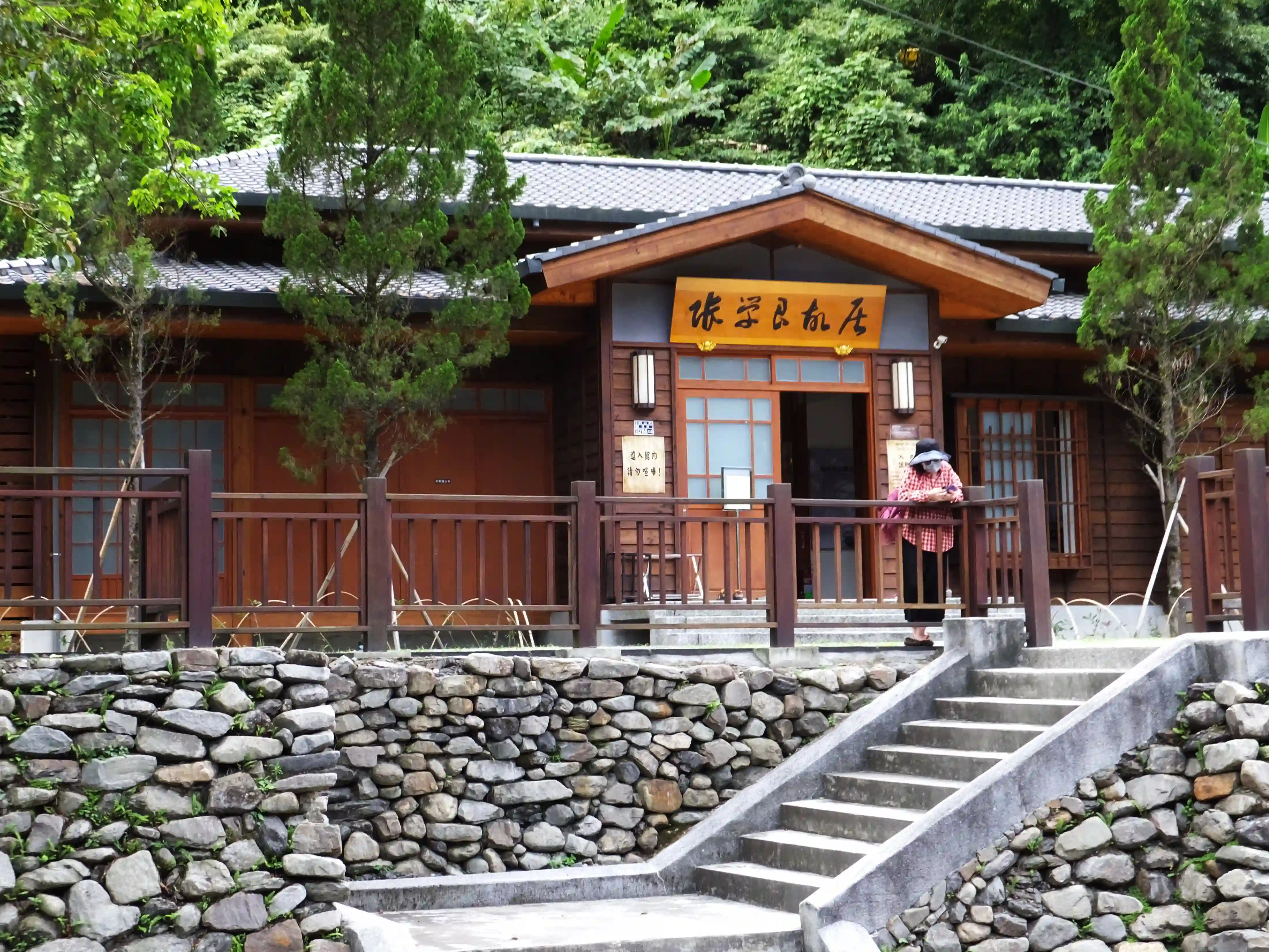
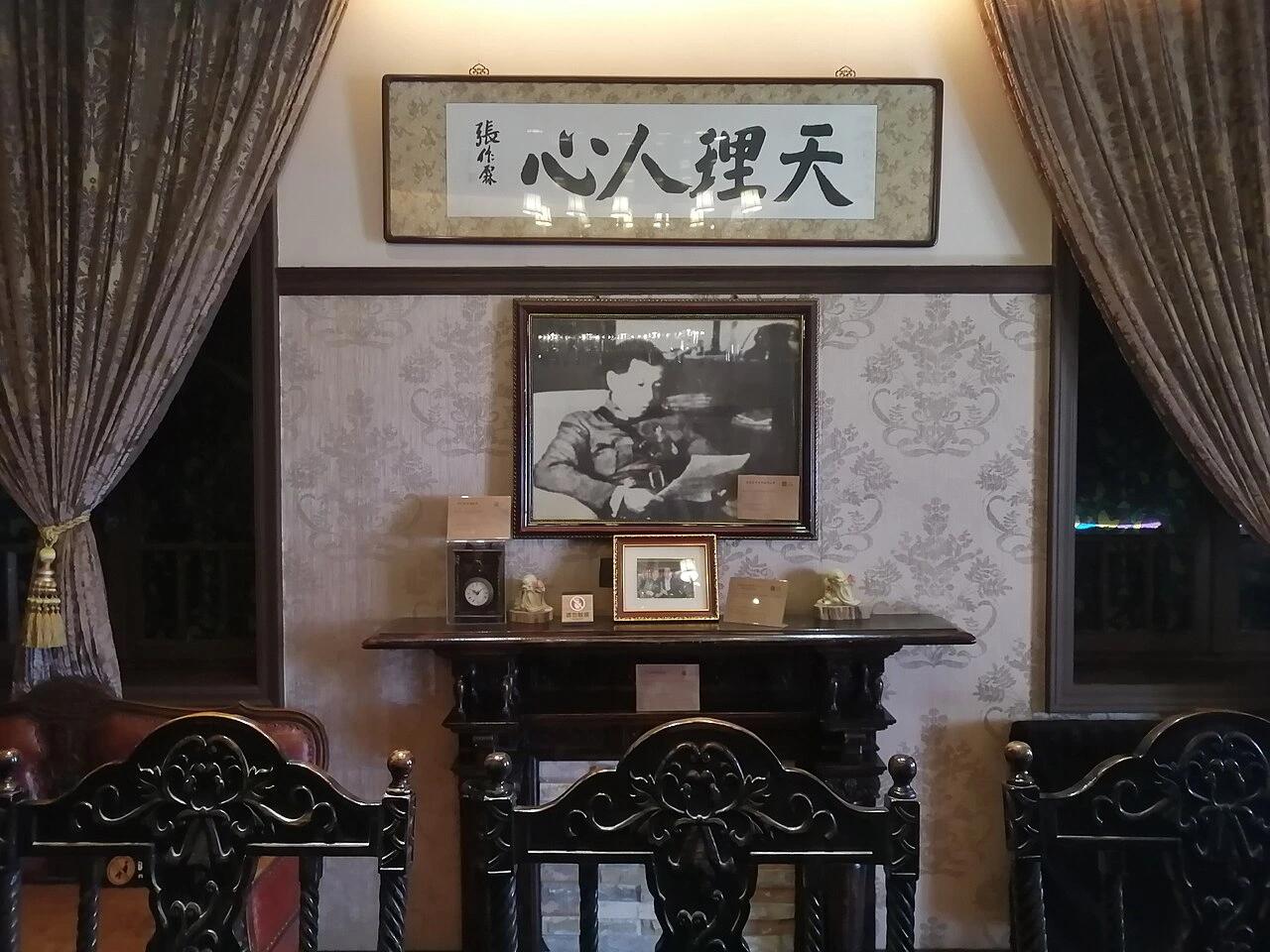
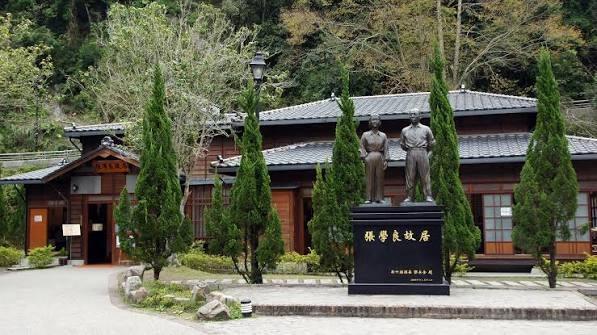
Chifeng Road, Heping · 40 min · ¥20–40
Three courtyards and jazz-age furniture in the house of the general who detained Chiang Kai-shek in 1936. Two minutes from the Porcelain House, so the pair makes one sensible hour.
Italian Style Town 意式风情区
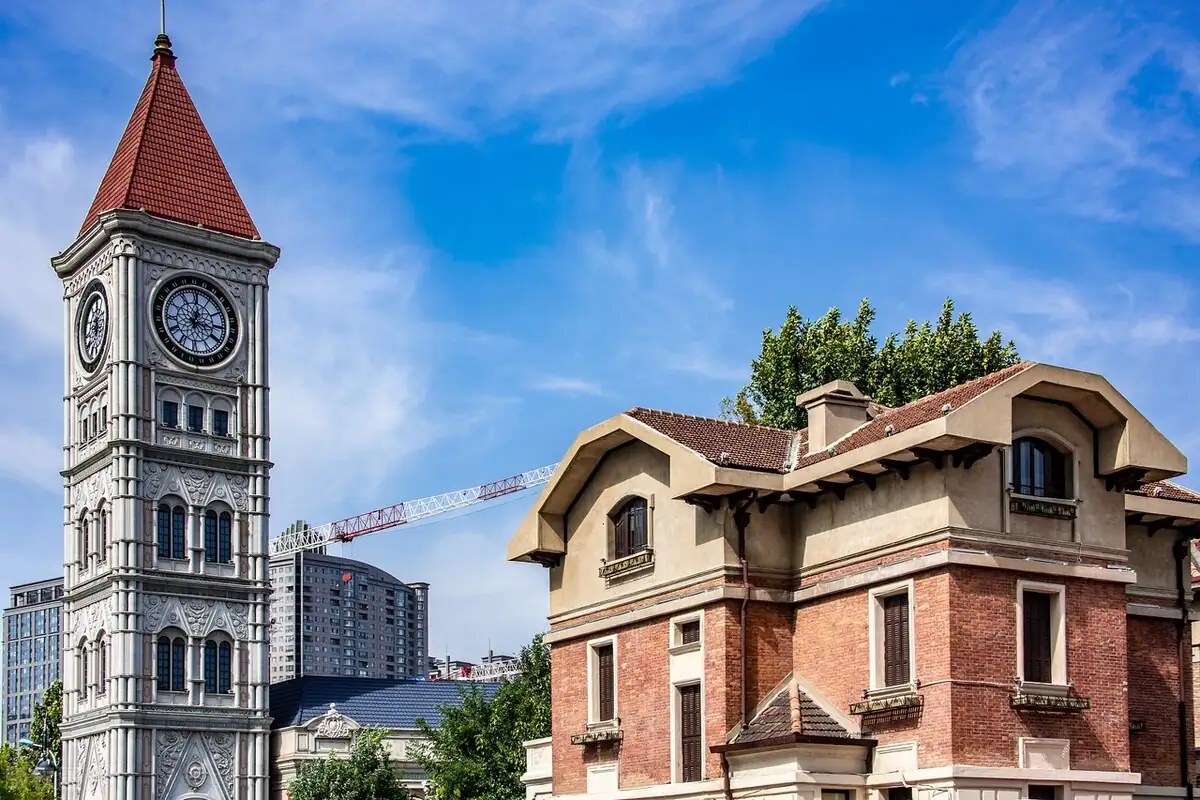
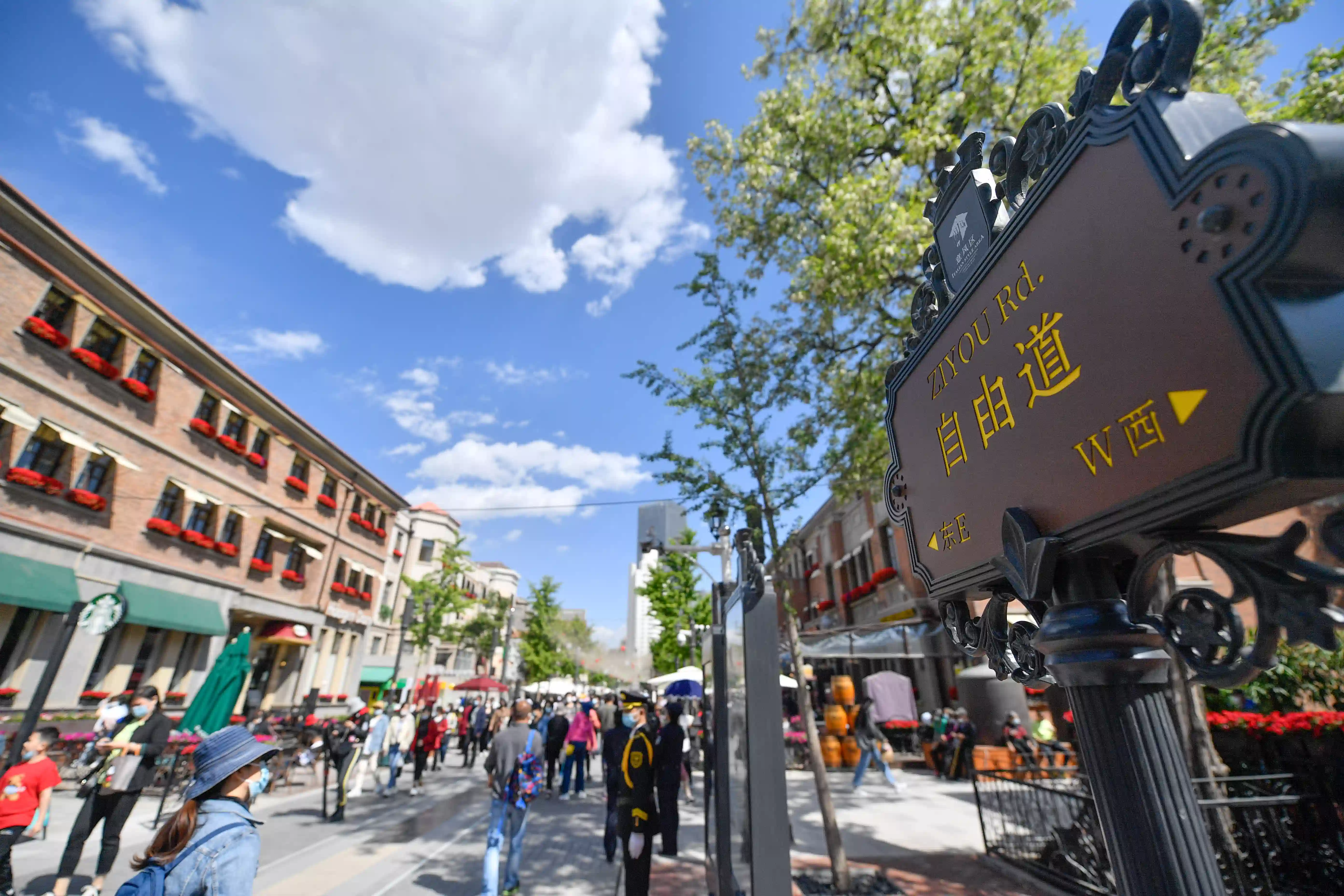
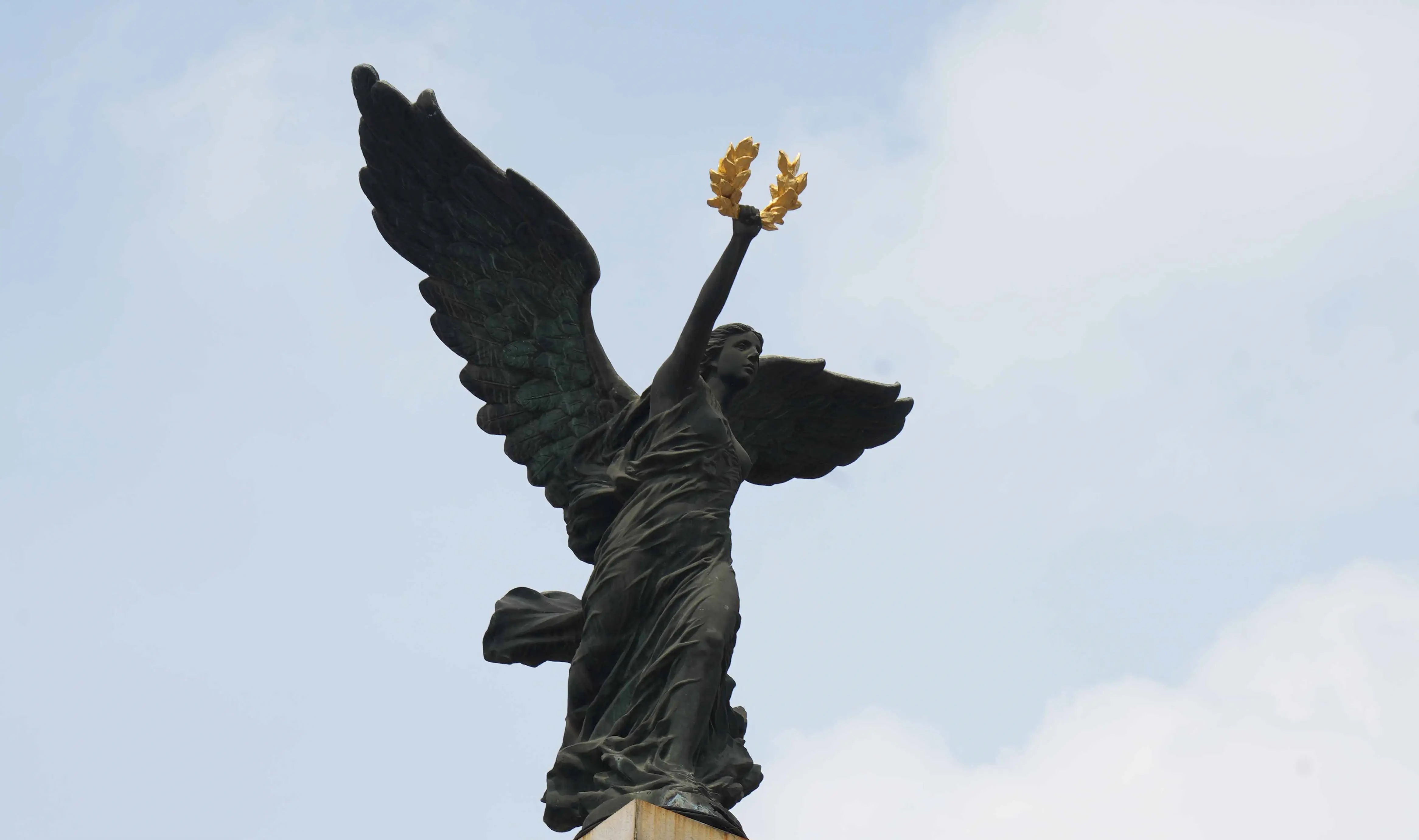
Hebei, north of the station · 1 h · free
Marco Polo Square, an arcade, a theatre and a grid of villas built for the Italian concession. After five, when the lights are on, it is the best evening walk in the city; at noon it is a restaurant strip.
Dabei Monastery 大悲禅院
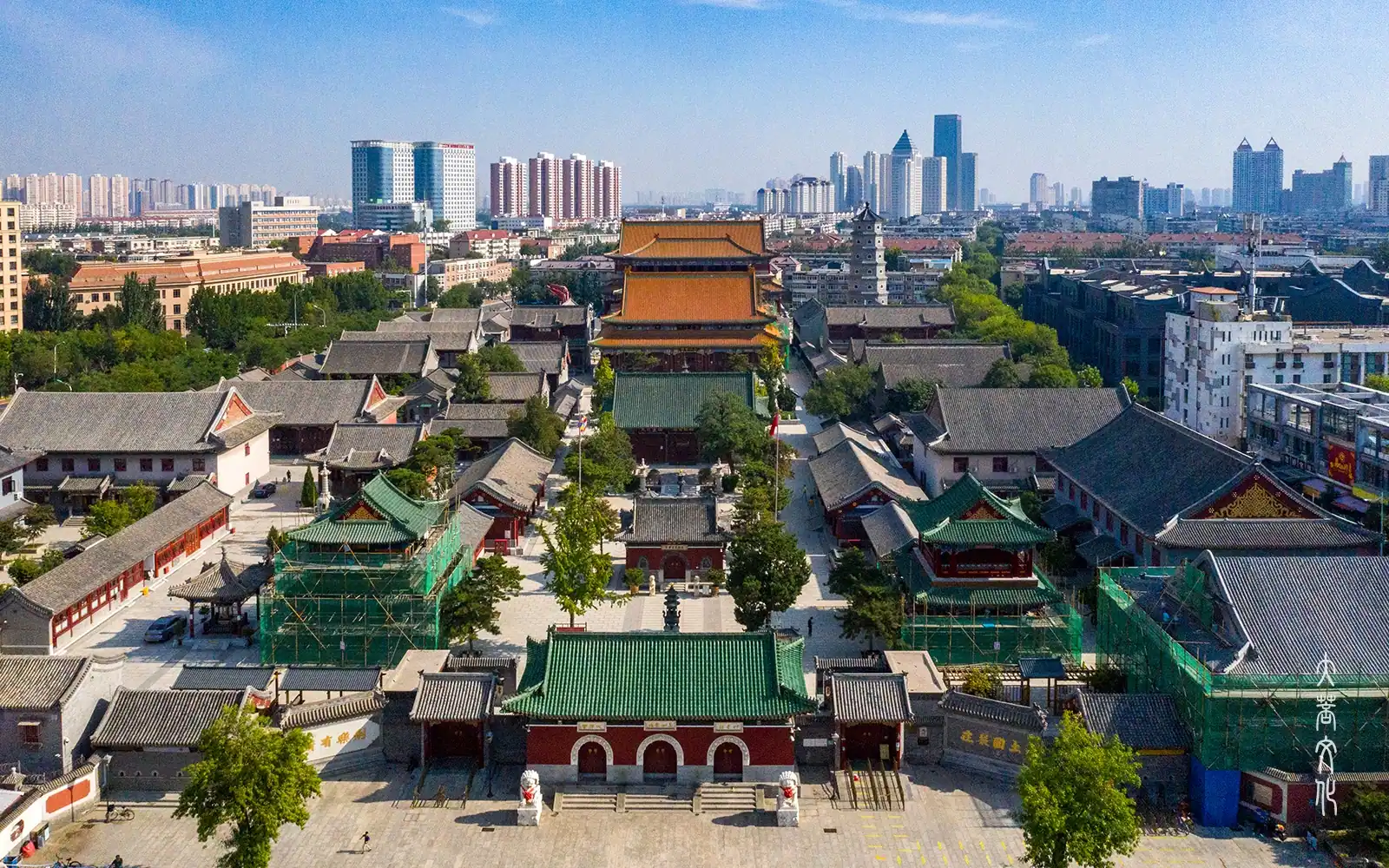
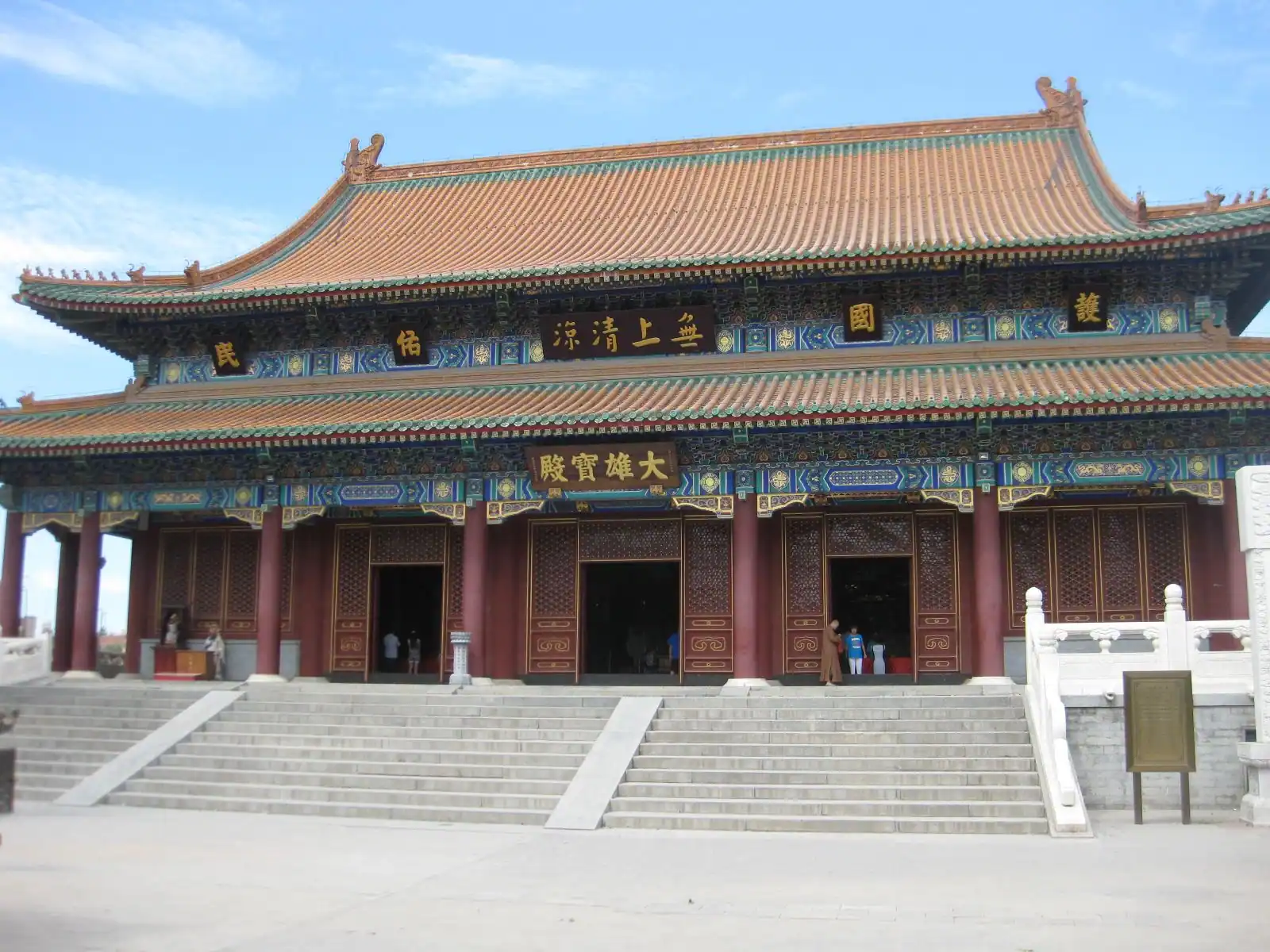
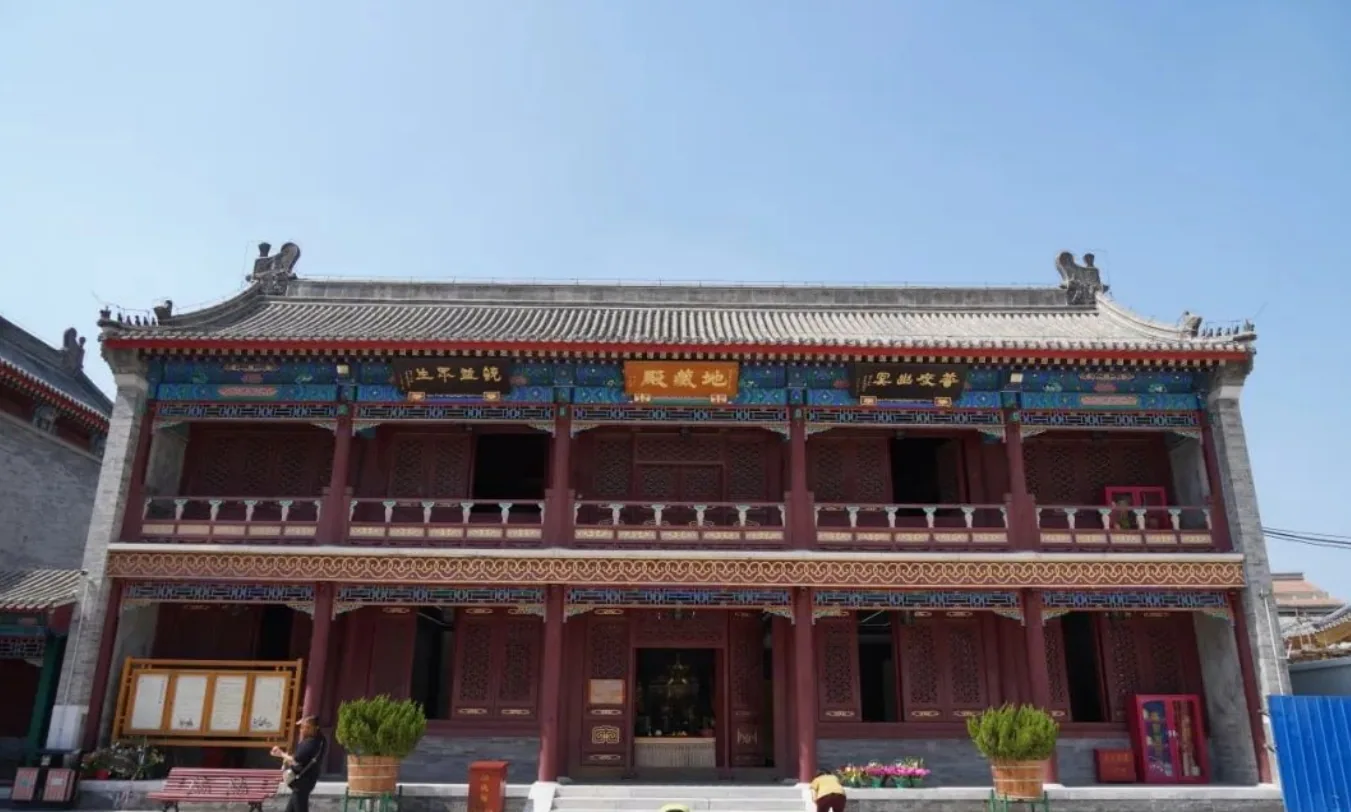
Hebei, north bank near the wheel · 1 h · ¥5
Still working, still quiet: a Buddhist compound with a hall of ten thousand Buddhas, five minutes from the wheel and skipped by everyone queuing for it. Go in the morning, when the incense is fresh.
Crosstalk at a teahouse 相声茶馆
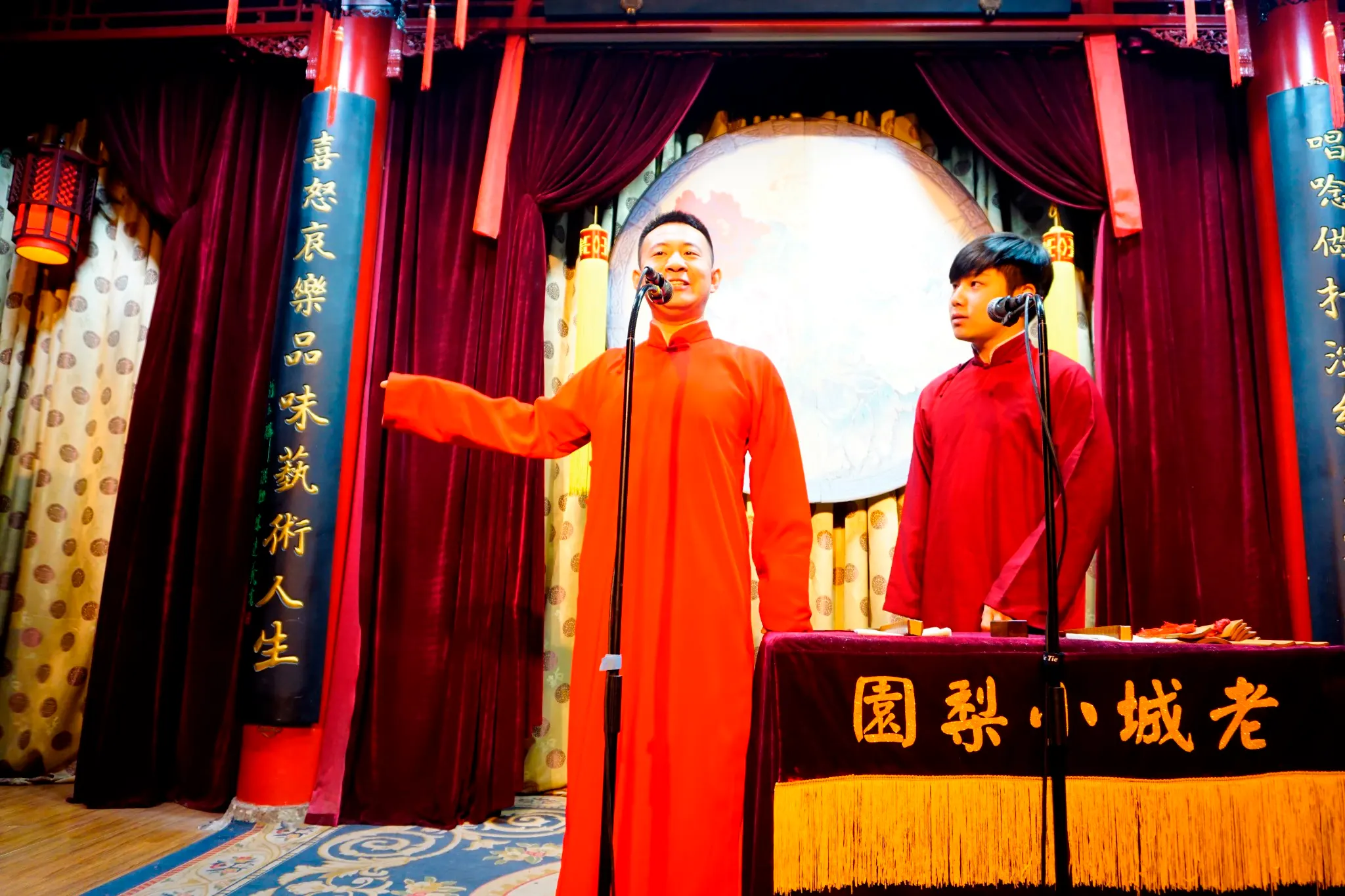
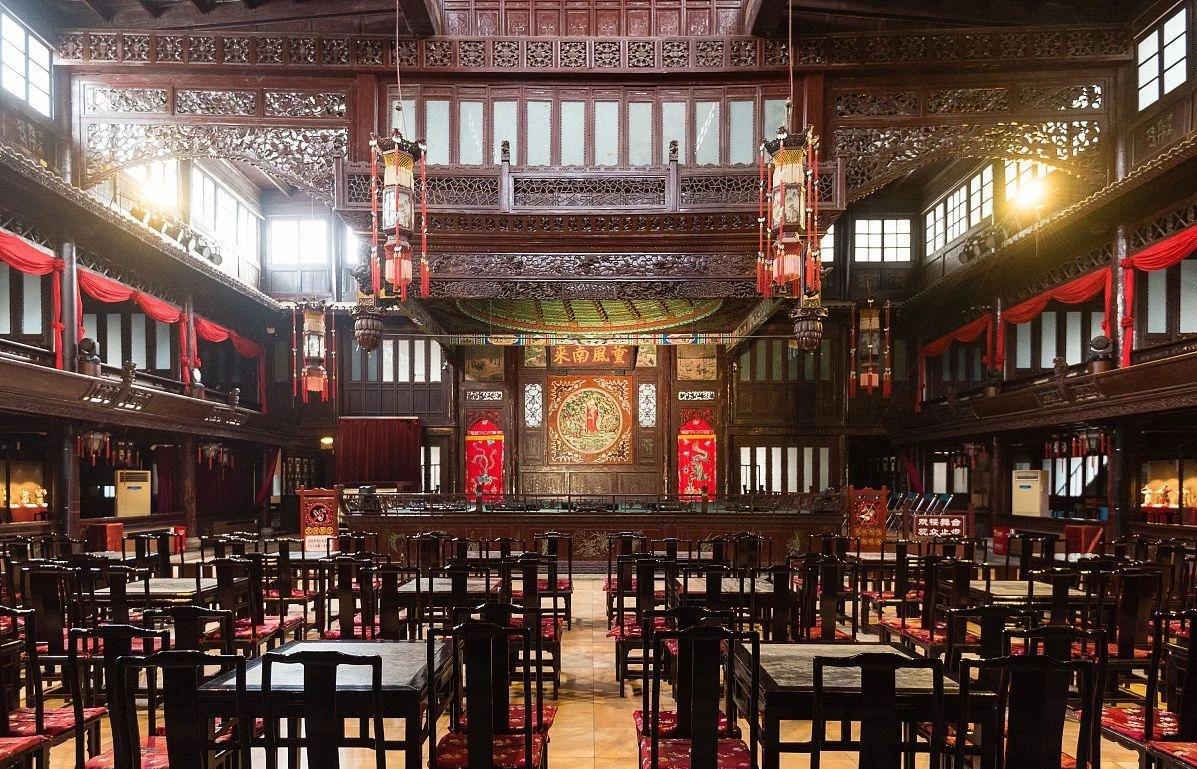
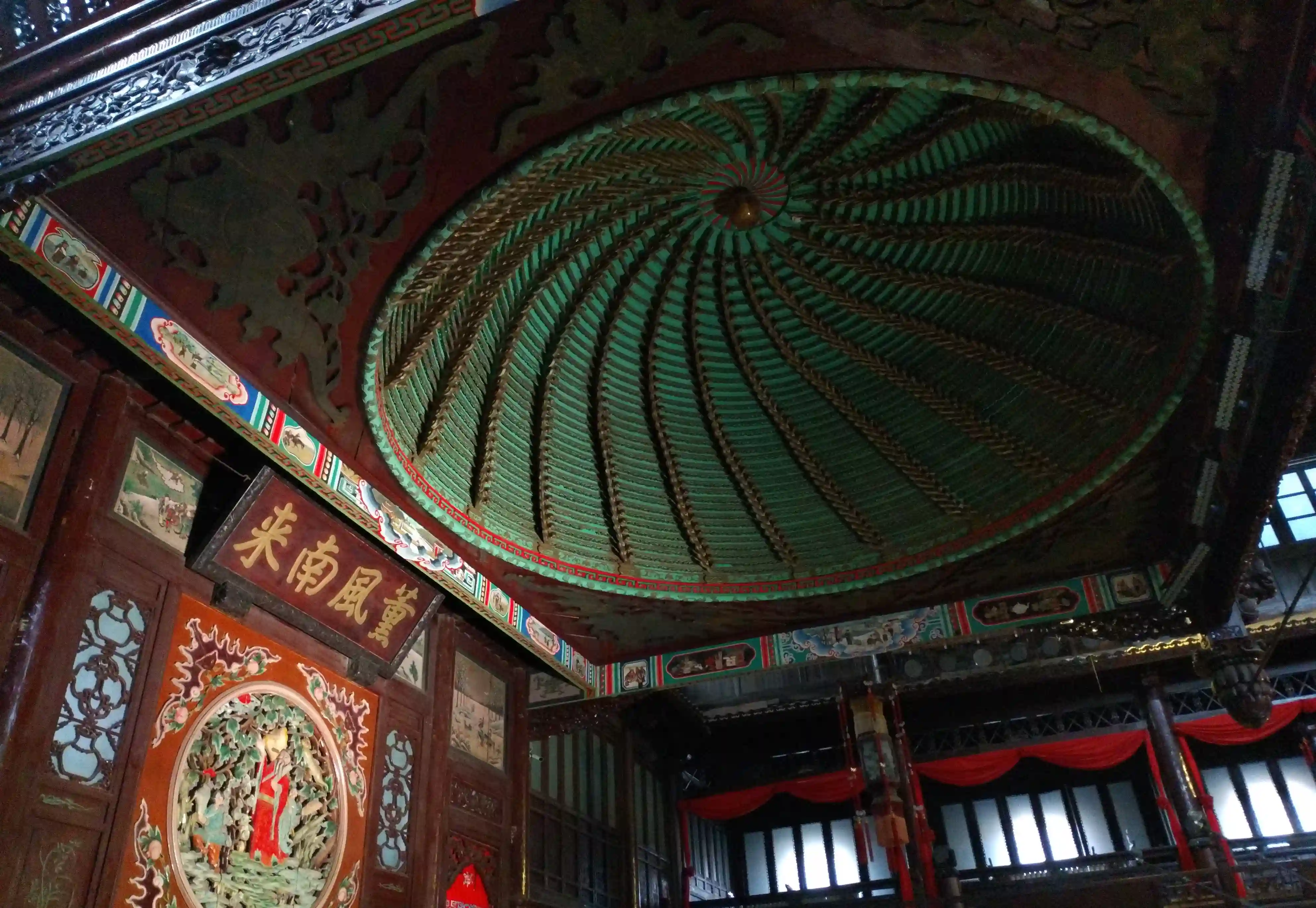
Old town, several small houses · 2 h · ¥80–150
Tianjin is the home of xiangsheng, and the small houses near the old town run two-hour sets from about seven. No English, no subtitles, and still the funniest evening you can buy here.
Beijiang Museum 北疆博物院
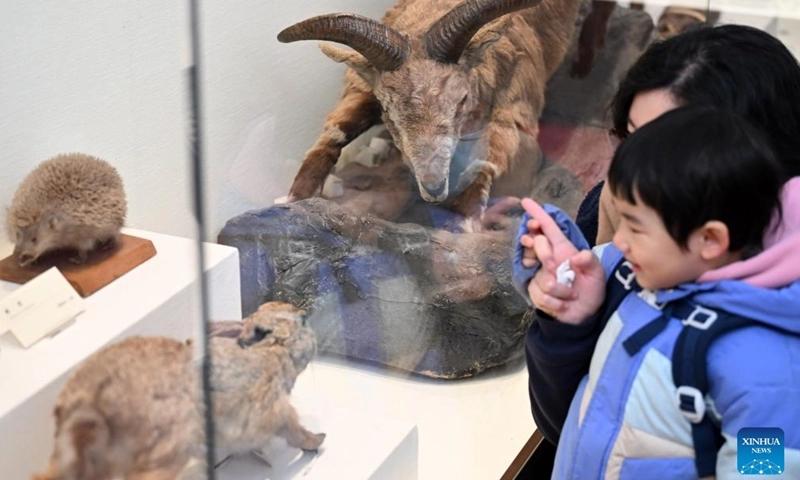
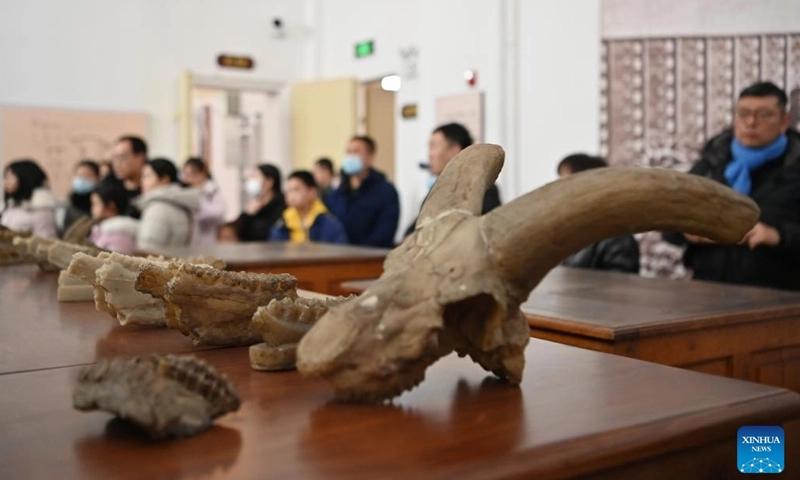
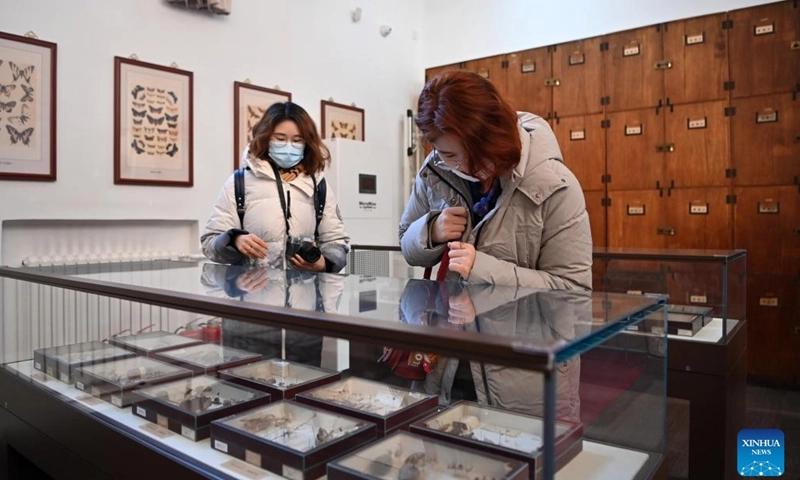
117 Machang Road, Hexi, inside the campus · 1 h · ¥20, closed Monday
China's first modern natural-history museum, founded in 1922, reopened with its original oak cabinets and handwritten labels still holding the specimens. Capacity is a few dozen an hour, so reserve the day before.
Tianjin Museum 天津博物馆
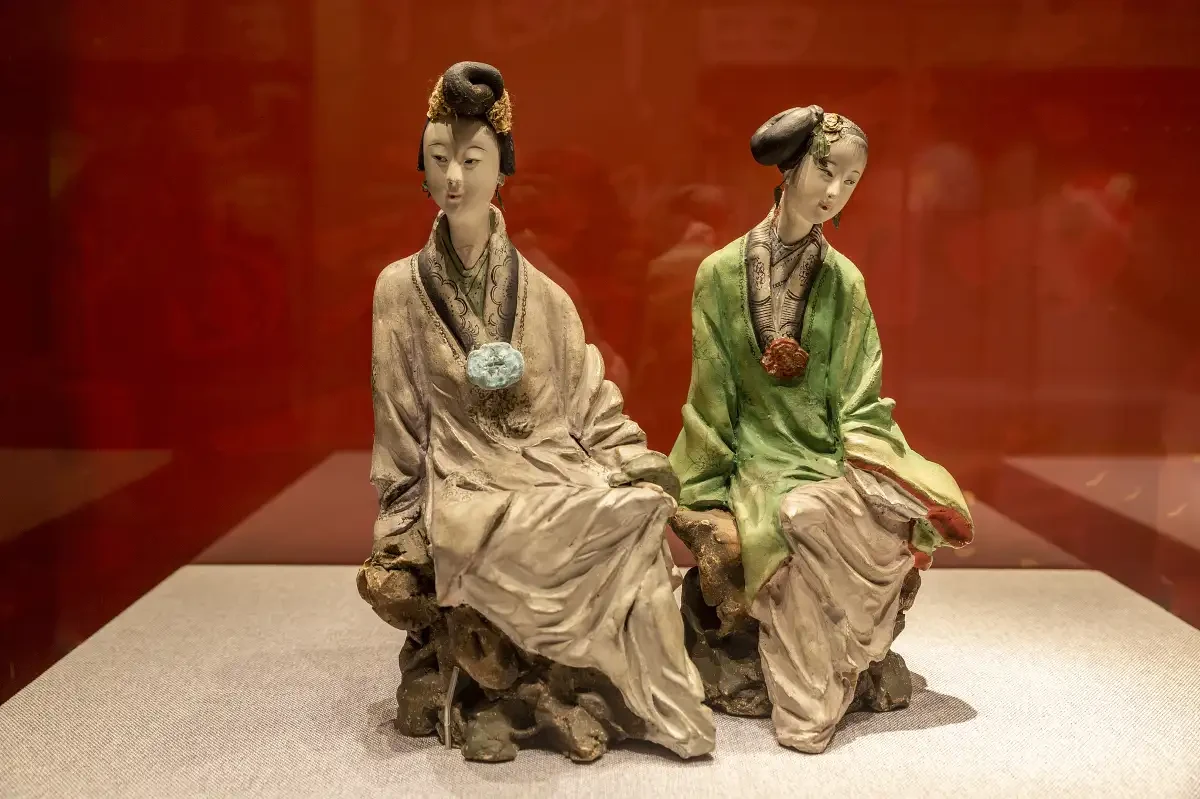
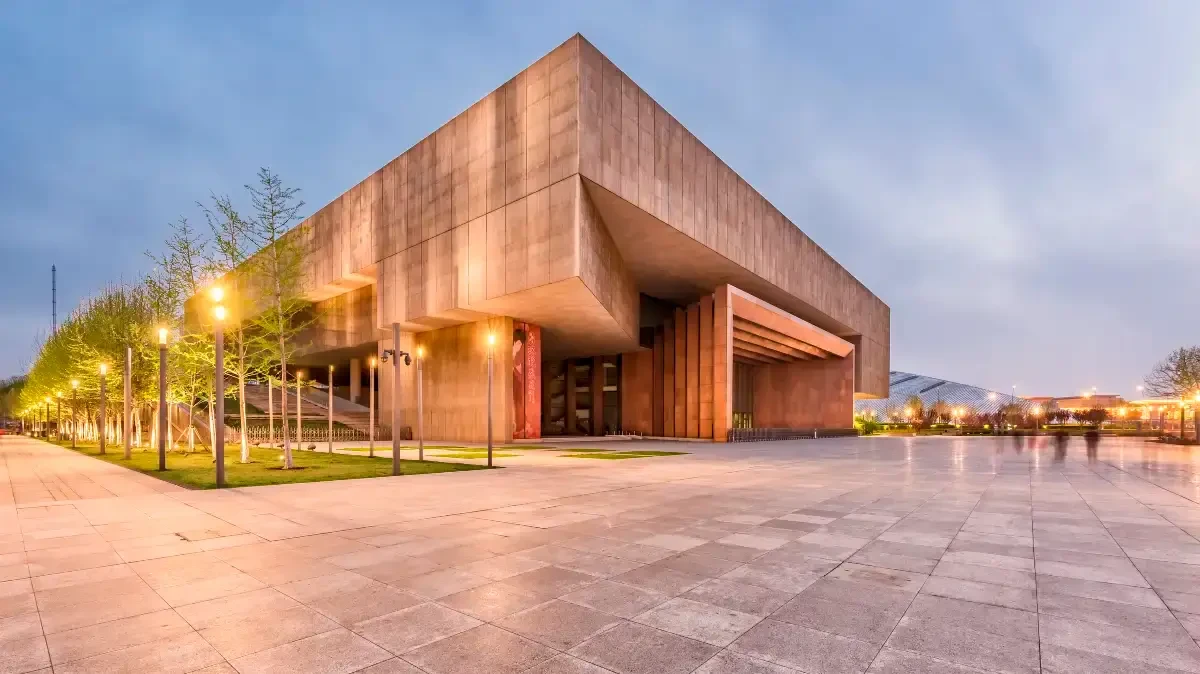
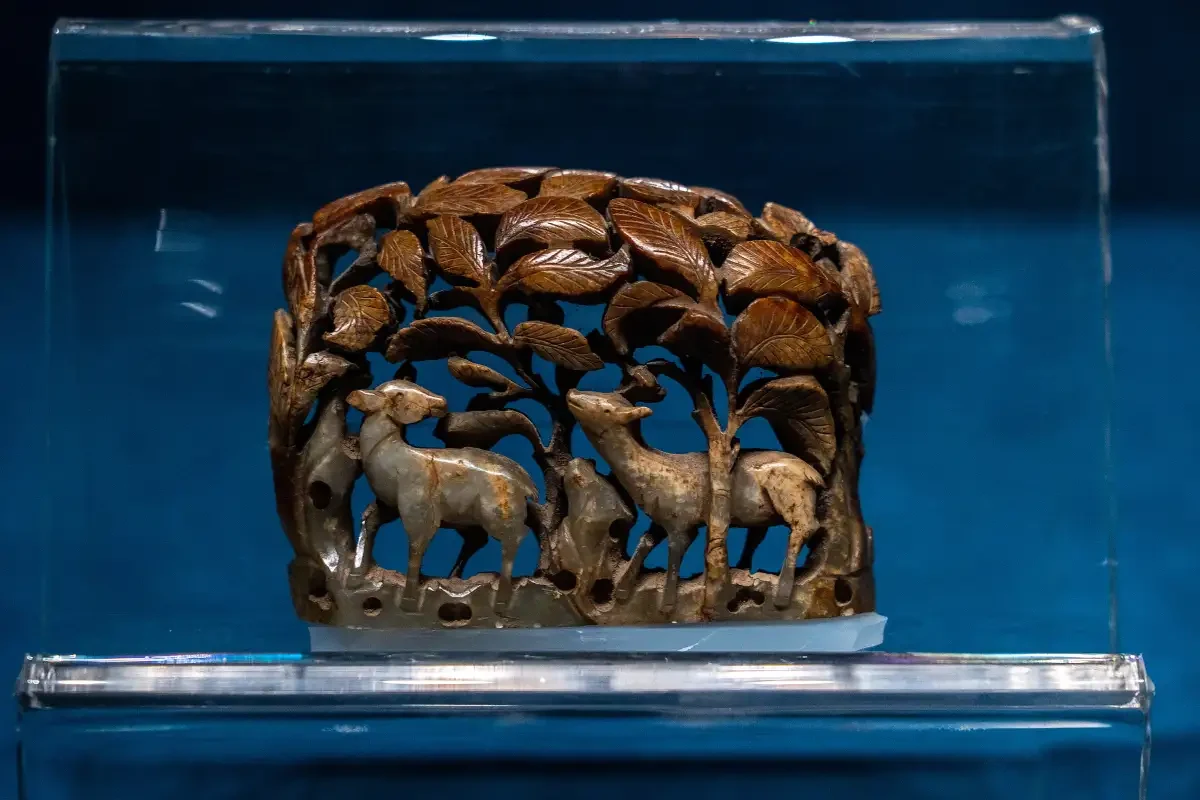
Pingjiang Road, Hexi · 1.5 h · free, closed Monday
Jade, painting and the city's own history in a building shaped like a swan taking off. Free with a timed reservation, and the best answer to a rainy afternoon that is not a mall.
Binhai Library 滨海图书馆
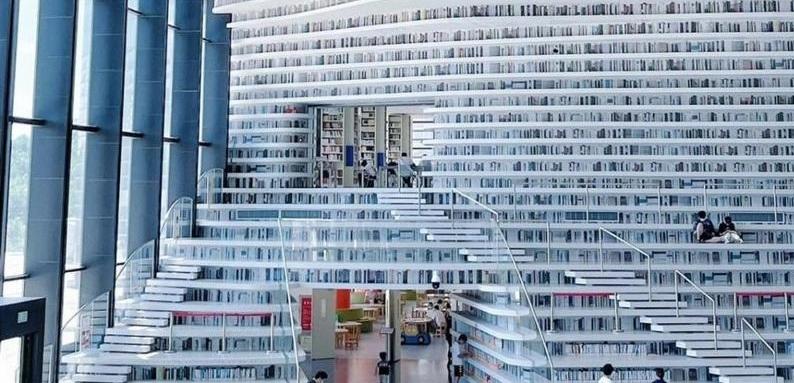
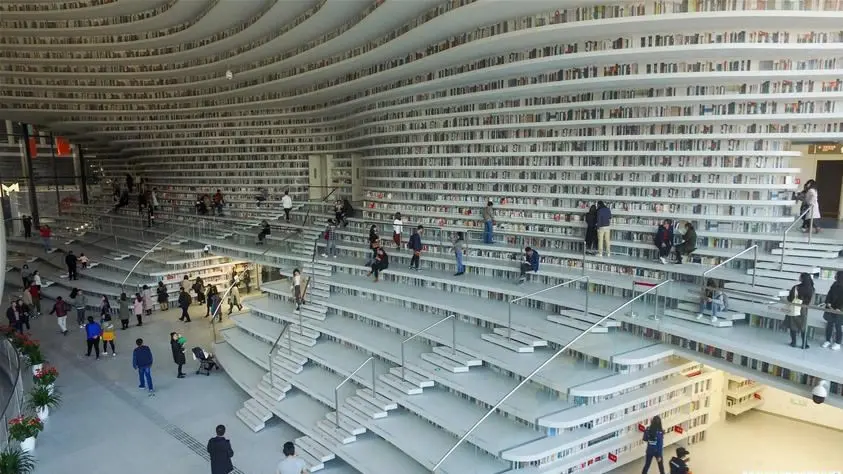
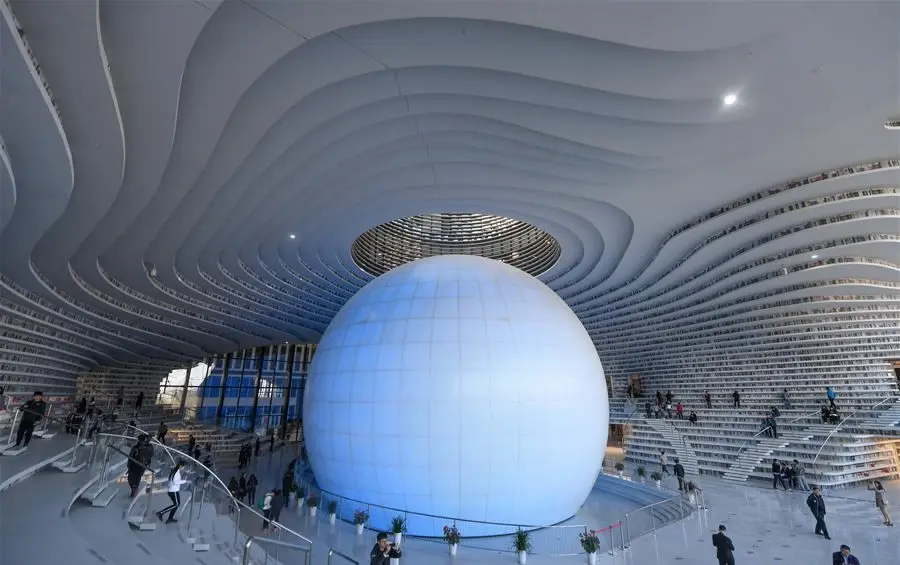
Binhai · 45 min · free, closed Monday
The white terraces and the glowing sphere — a working library, not a set, so keep your voice down and leave the tripod at the hotel. Fifty minutes on metro line 9 from the station, and worth the ride once.
National Maritime Museum 国家海洋博物馆
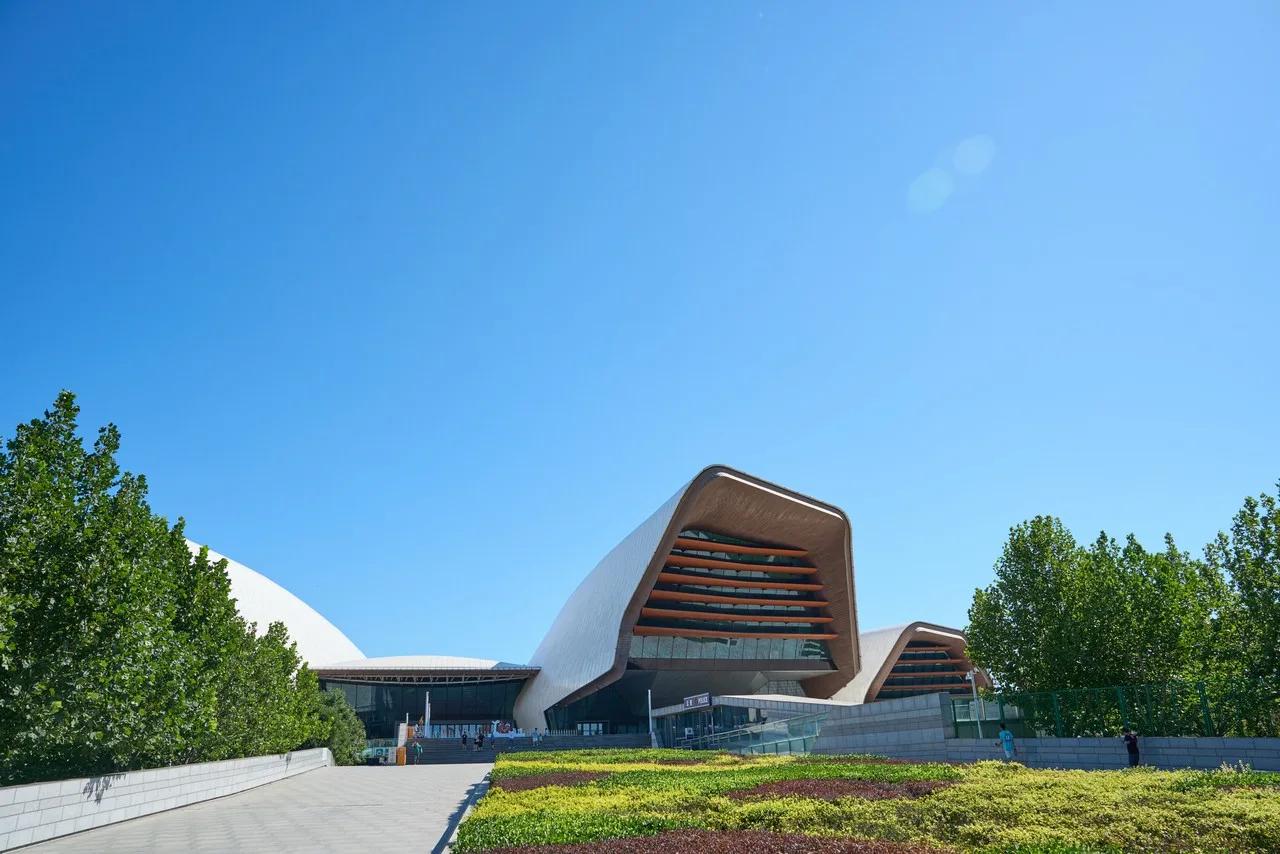
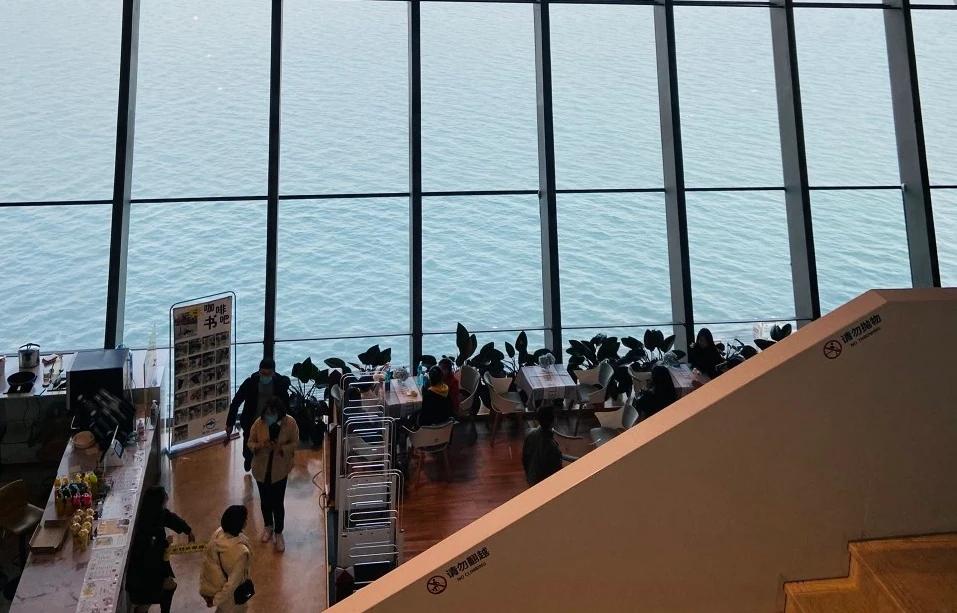
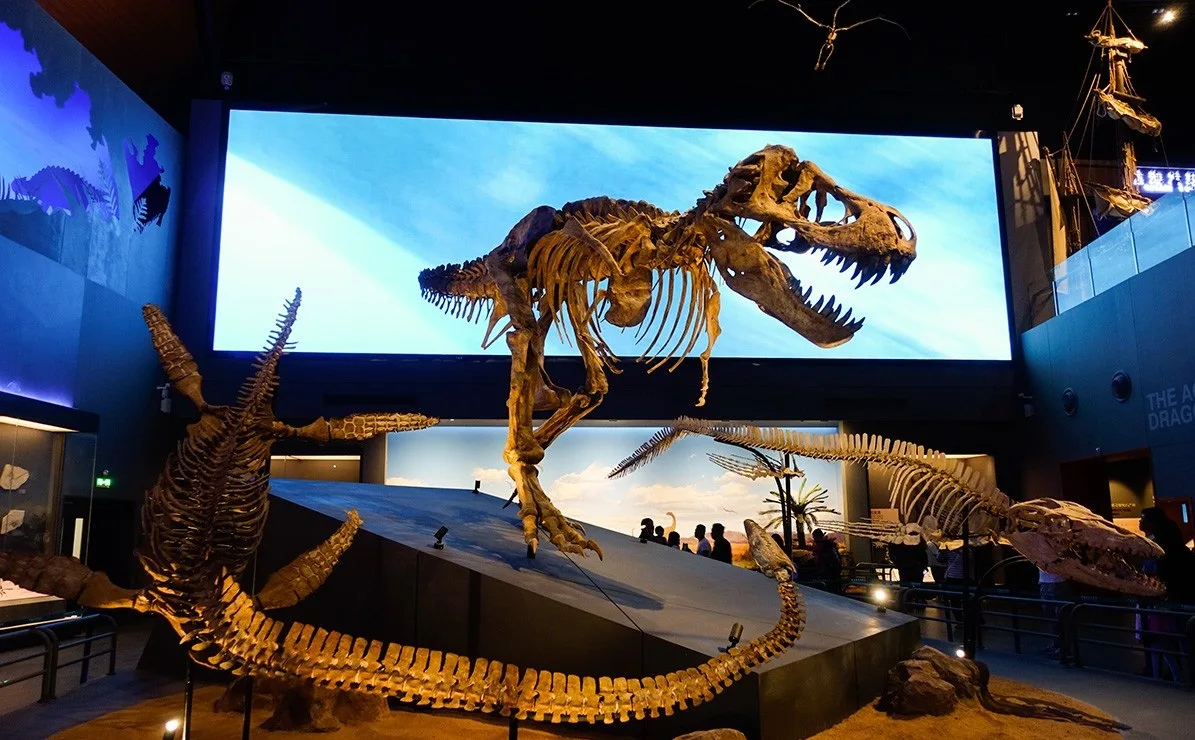
Binhai, on the Bohai edge · 2–3 h · free, book ahead
Ships, charts, a whale hall and the only museum in the country that takes the sea seriously. Book roughly a week ahead; walk-ins are turned away on busy weekends.
Yangliuqing and Shi Family Mansion 杨柳青 · 石家大院
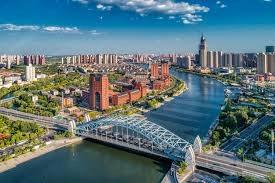
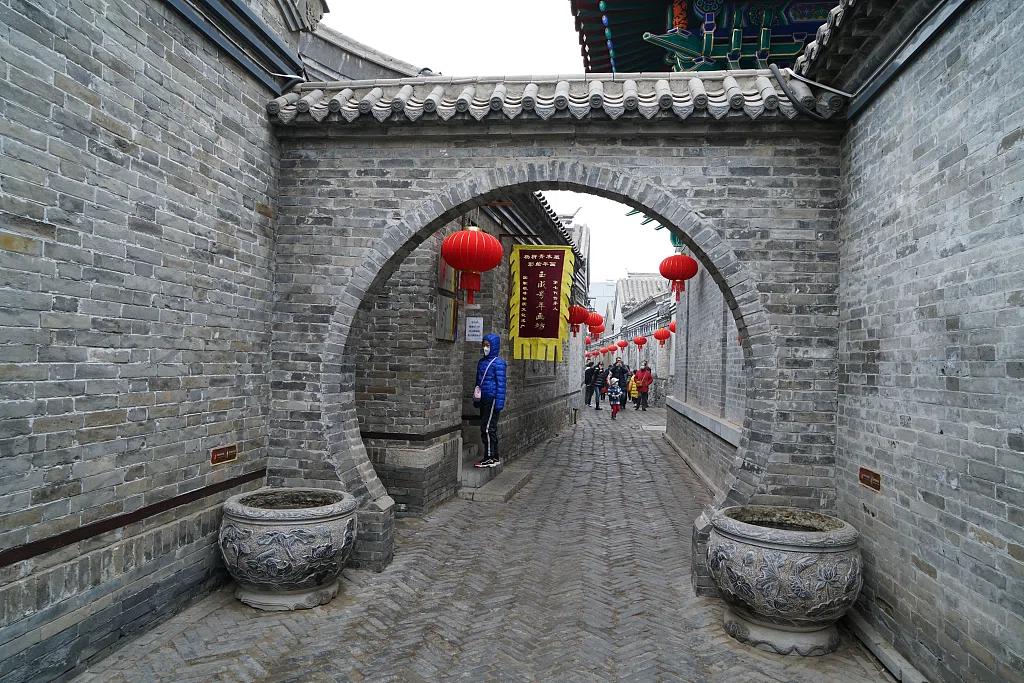
Xiqing, west of the city · half day · ¥30–50
One long street of two-storey wooden houses, a working New Year-print workshop, and the Shi family's courtyard mansion at the end. Forty minutes by car or an hour on bus 824; start early to have it to yourself.
Dule Temple 独乐寺
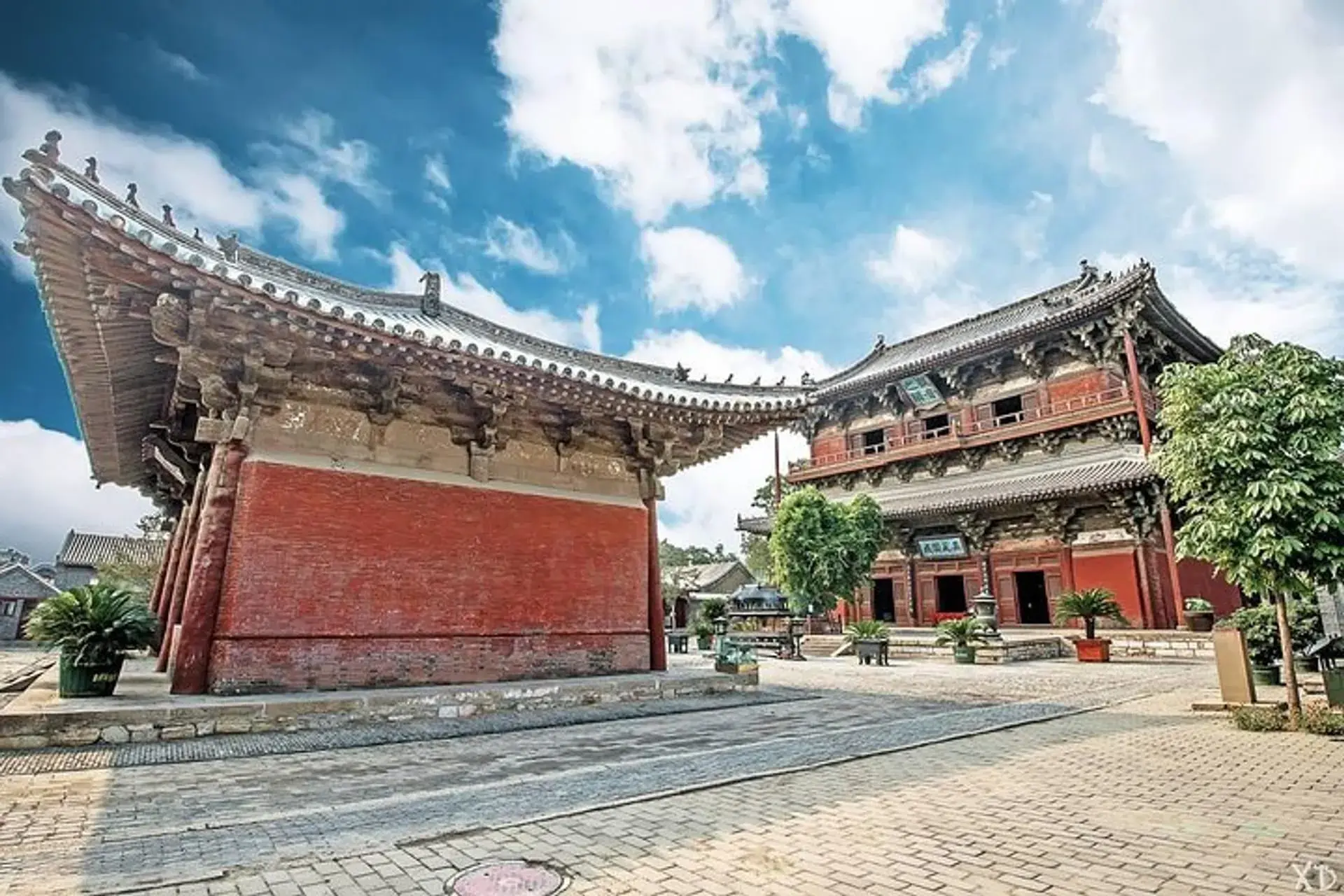
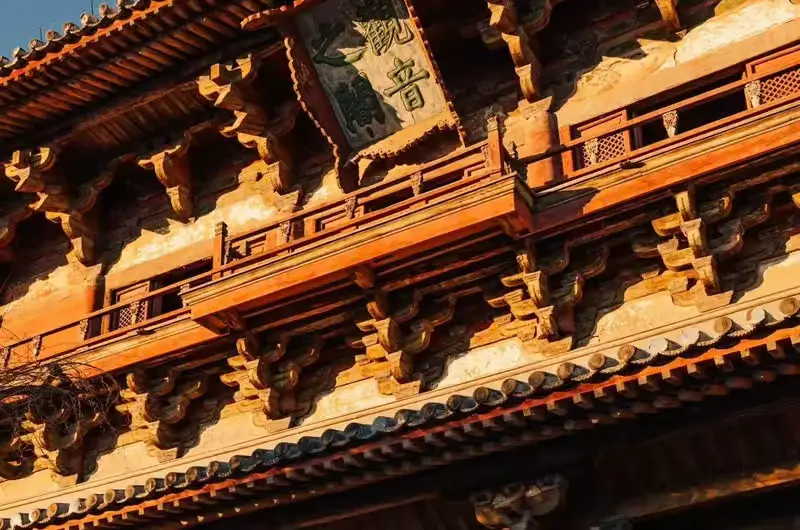
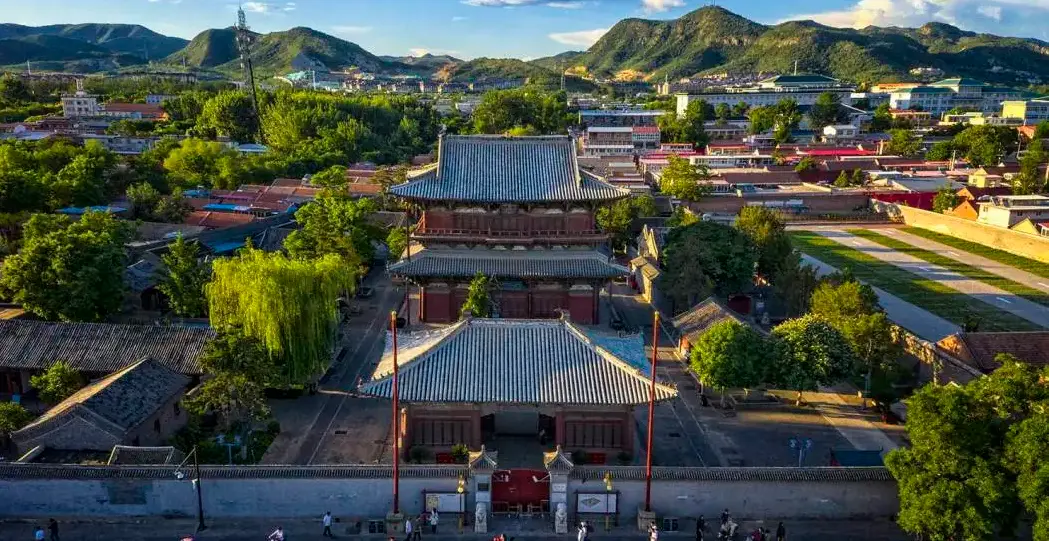
41 Wuding Street, Jizhou · 1 h · ¥40
A 984 Liao timber hall with a 16-metre Guanyin inside — no nails, no reconstruction, the brackets still doing their job. The oldest standing building in the region, and the reason Jizhou belongs in a three-day plan.
Huangyaguan Great Wall 黄崖关长城

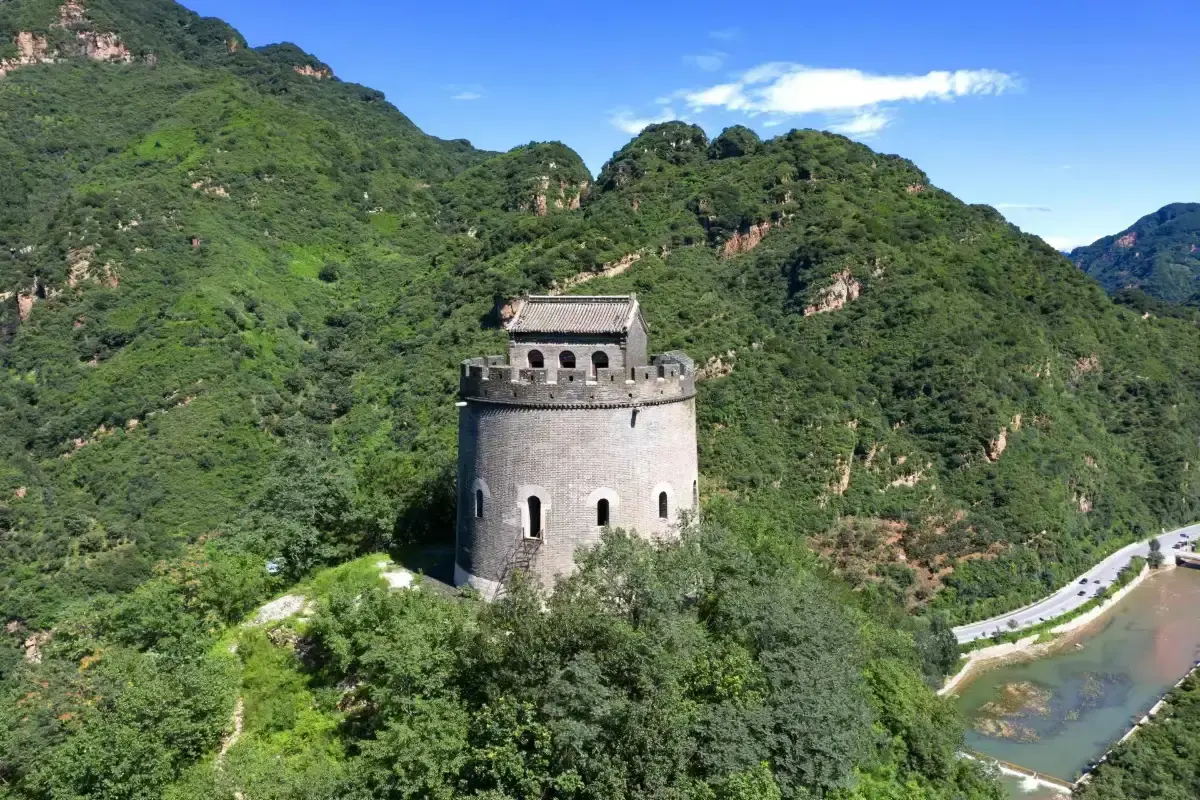

Jizhou, two hours from the city · 3–4 h · ¥60–80
Ming wall on a ridge, restored but steep: three thousand steps from gate to tower, drainage channels and watch towers close enough to count. Weekdays are empty, and there is one shop at the top of the cable car.
Eating well without the tourist tax
Tianjin cooking is northern: salty, slightly sweet, built on river fish rather than sea fish, finished with vinegar and white pepper. Breakfast is the local religion. The city is out between 07:00 and 09:30, and by ten the same stalls belong to visitors.
The breakfast clock. Stoves are lit at 05:30. The first hour belongs to people going to work; 07:00 to 08:30 is the sweet spot, when everything is hot and nothing has sold out. By 09:30 the guobacai pot is scraped and the jianbing batter is gone. Shops that stay open past noon are the exception, not the rule — the two at the top of the table below are the ones that do.
What you are actually eating at 07:30. The vocabulary first, because none of it translates helpfully and all of it is cheap.
Item | What it is | Price | How locals eat it |
|---|---|---|---|
Guobacai | Mung-bean sheets cut into ribbons under a gravy of sesame paste and fermented bean | ¥4–8 | Standing, with a sesame shaobing, before 08:00 |
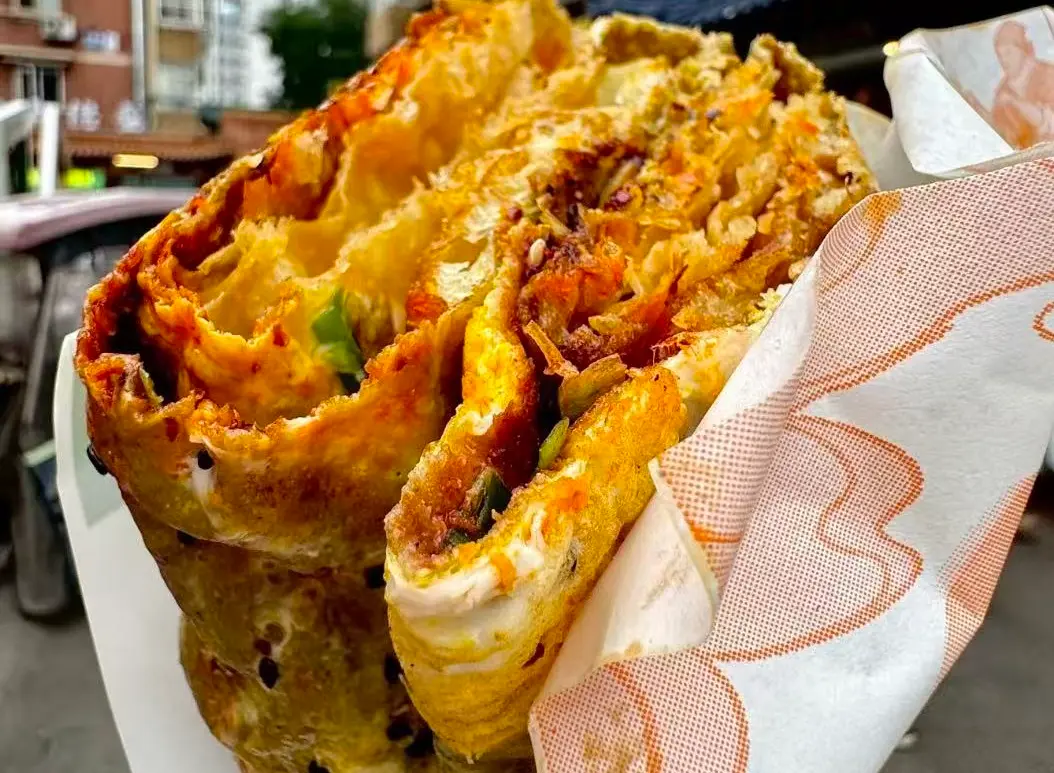
Jianbing guozi | Mung-bean batter spread thin with an egg, spring onion, a crisp or a dough stick, and two sauces | ¥8–15 | Folded in paper, eaten walking |
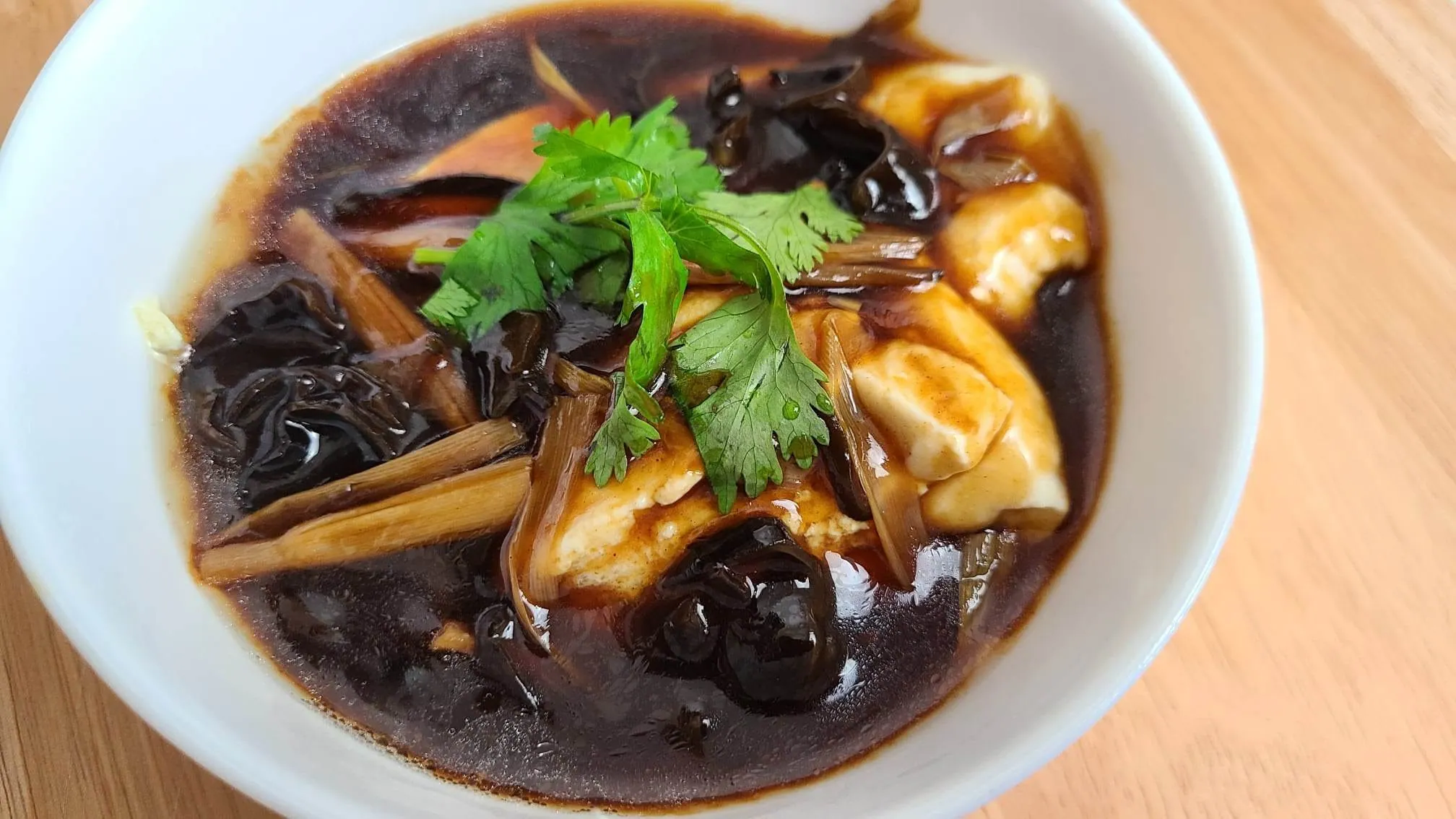
Doufunao | Soft tofu under a savoury gravy, with chilli oil on request | ¥5–8 | Sitting down, with a spoon |
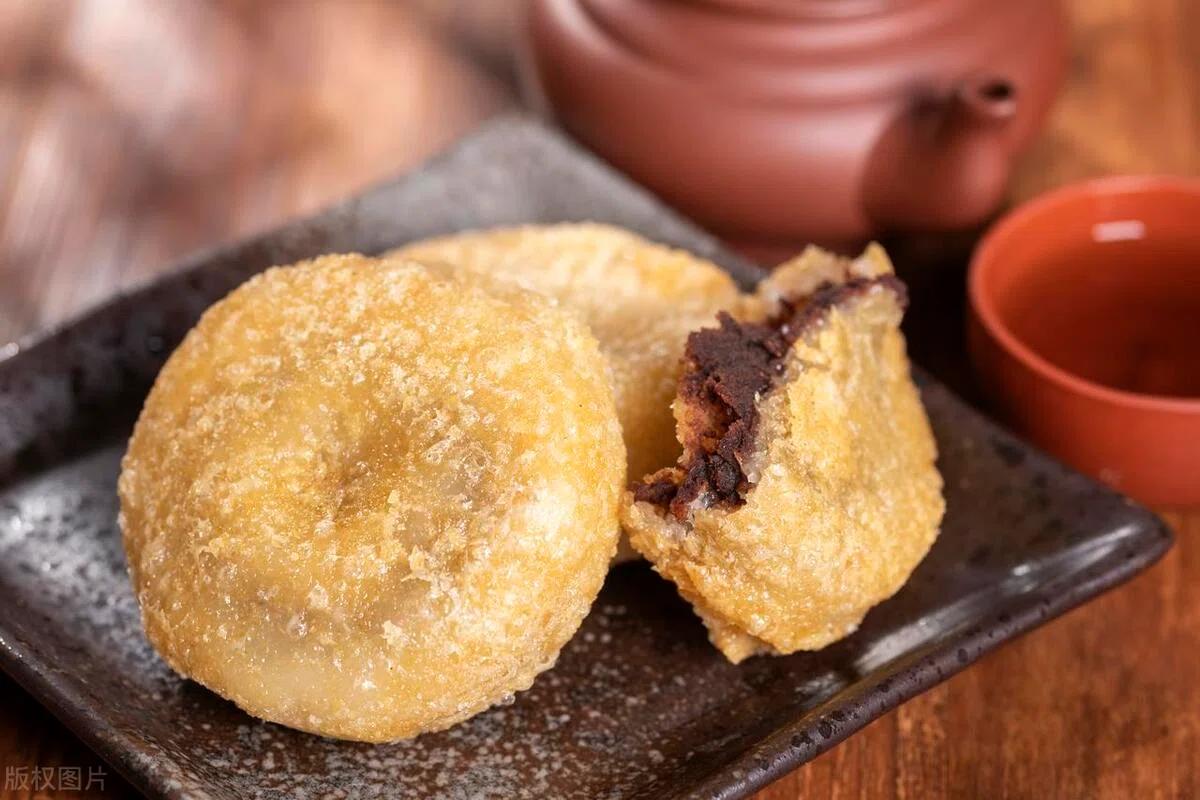
Zhagao | Glutinous rice cake with red bean inside, deep-fried to a dark gold | ¥3–5 | One, not two — heavier than they look |
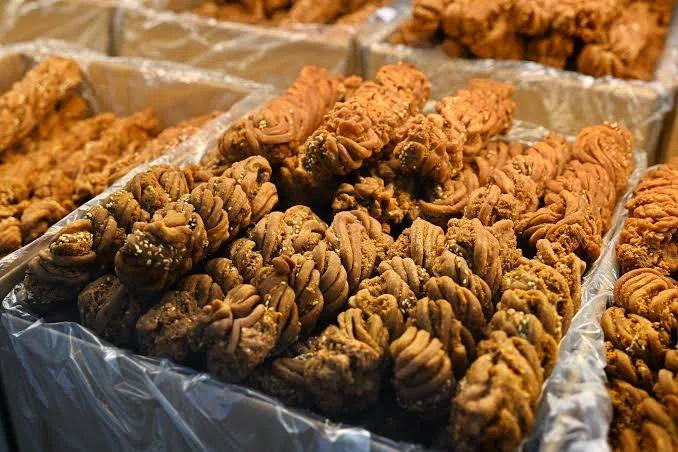
Mahua | Twisted fried dough, sweet or savoury, sold by weight | ¥5–15 | Bought as a gift, eaten as a snack on the train |
Table 11 Prices are what the stalls charge locals in the old town and Hongqiao, not what the tourist streets ask.
Shop | Address | Hours | Price | Order this |
|---|---|---|---|---|
Zhensu Cheng | 76 Xinhua Road, Heping, ground floor of Ziyangli; 10 min from Jinwan | 05:30–13:30 | ¥8–15 | Guobacai, then a juanquan and unsweetened soy milk |
Mu Ji Jianbing | Building 13, room 108, Minzu Lou, Xima Road, Hongqiao; 10 m inside the Great Mosque archway, Line 1 | 05:00–20:00 | ¥10–18 | Double egg, single crisp; add a sweet fried dough stick |
Xinli Guobacai | Jiangdu Road, 300 m from Xingfu Gongyuan station, Line 5 | 05:30–10:30 | ¥4.5–15 | The ¥4.5 guobacai and a beef shaobing |
Nanlou Jianbing | Unit 109, Building 4, Xinyueli, Weidi Road at Longchang Road | 06:00–13:00 | ¥12–18 | Double egg, double crisp, eaten standing |
Jinmen Zhangji Buns | Unit 8, Building 1, Huaxin Apartments, Huachang Road | 06:30–14:00 | ¥20–30 | Pork and shrimp buns, ¥5 for three |
Ersaozi Jianbing | Dafeng Road at Nanyunhe North Road, Hongqiao | 06:00–21:00 | ¥12–20 | Stone-milled batter; the double-double |
Laohongshun Guotie | 22 Youyi Road, Hexi | 06:30–20:00 | ¥25–40 | Three-delicacy potstickers with a bowl of wonton |
Table 12 Addresses as listed by the shops and local directories in late 2026. Breakfast shops close when the pot runs out, not when the sign says.
Sit-down Tianjin cooking. These are the tables locals use for family dinners: big rooms, big portions, no English menu, and a menu built around a whole fish. Book, or arrive before noon at weekends.
Restaurant | Address | Per person | Two dishes to order |
|---|---|---|---|
Jincai Diancang | 103 Qiongzhou Road, Hexi, opposite the south gate of People's Park | ¥90–110 | Zengbeng carp; eight-treasure tofu |
Enhongde | 97-1 Gansu Road, Heping | ¥75–95 | Dry-fried squid tentacles; guota liji |
Tongfahao | Block A, room 103, Shichunli, Fuxing Road, Hongqiao | ¥70–90 | Braised beef bone; water-boiled tripe |
Datieshao | 3rd floor, Wumei Plaza, 138 Yingshui Road, Xiqing | ¥75–95 | Eight-treasure tofu; braised chicken feet |
Weidingxuan Caogongguan | 36 Gulou North Street, Nankai, beside the Drum Tower | ¥170–200 | Zengbeng carp; the house roast duck |
Bidian Seafood | 58 Chifeng Road, Heping | ¥120–150 | Sea-intestine rice; mackerel dumplings |
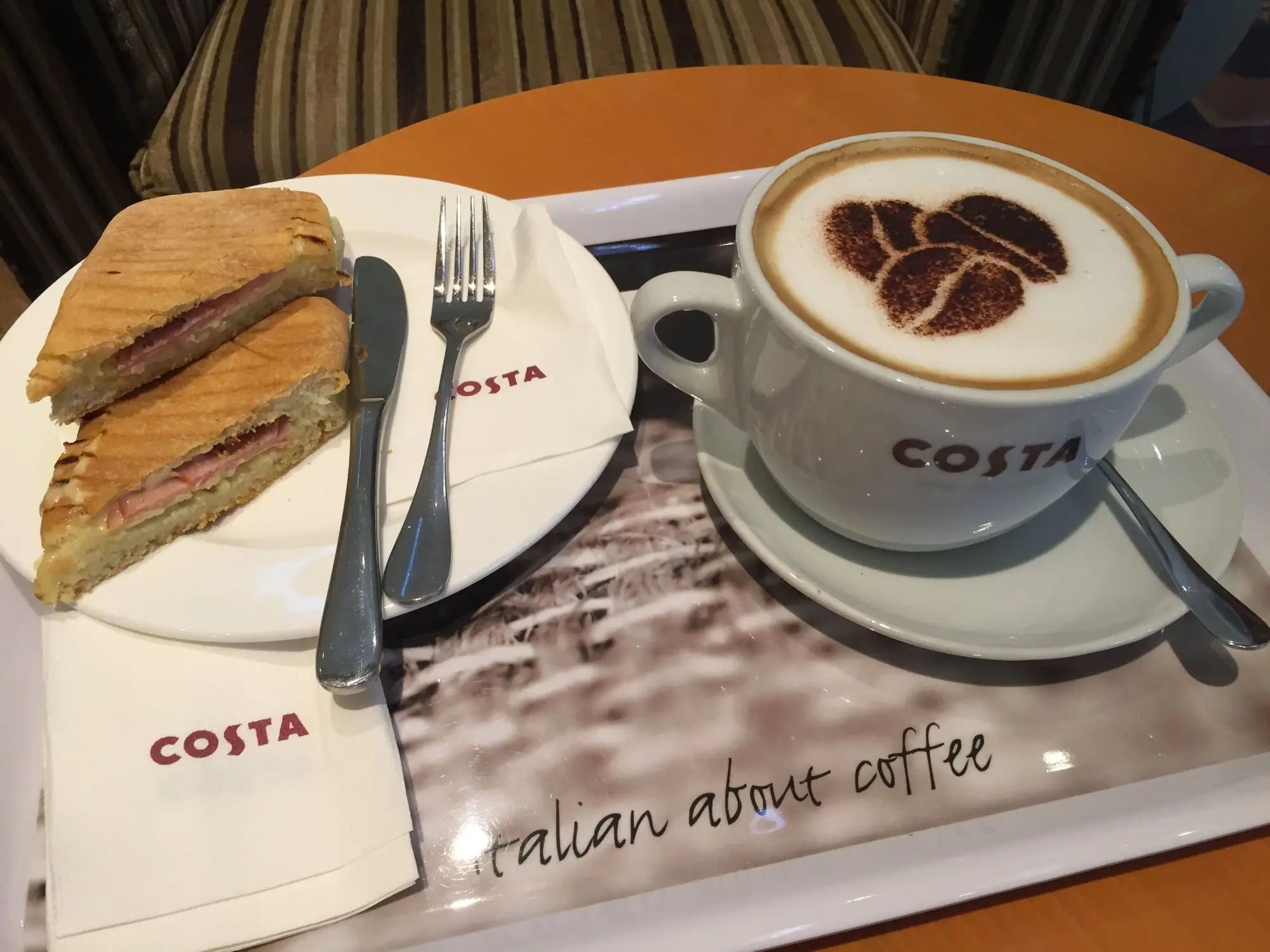
Where the cafés are. The villas have become the city's coffee district, and the best of them occupy buildings from the 1920s and 1930s. Prices are Beijing-level; the rooms are not.
Café | Where | Hours | Spend |
|---|---|---|---|
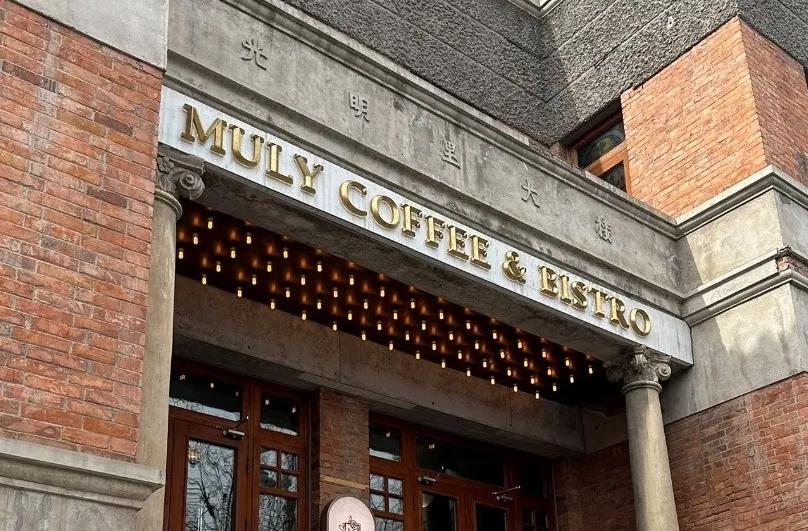
Muly Coffee & Bistro | A 1939 villa in Guangmingli, Five Avenues; Line 1 Xiaobailou, exit D, 10 min | 10:00–02:30 | ¥60–80 |
Kaijian rooftop teahouse | Unit 4, Building 6, 120 Chongqing Road, roof terrace above the grey tiles | 10:00–21:00 | ¥60–80 |
Zhuyi Coffee | 33 Changde Road, a quiet villa with a reading room upstairs | 10:00–22:00 | ¥40–60 |
20 Miles Coffee Room | 51 Anshan Road, entered from a lane rather than a shopfront | 10:00–23:00 | ¥40–60 |
Momento Coffee | Gordon Hall, Taian Road at Jiefang North Road, beside the Ritz-Carlton | 09:00–20:00 | ¥50–70 |
Buying seafood without being overcharged. Three rules. Ask the price per jin — 500 g — before pointing, not after weighing. Ask whether the dish is priced by weight or by portion (“按斤” or “按份”), because the difference is often double. Watch the scale when the fish goes on it. And if a tank has no price board at all, walk out. Restaurants behind the Binhai harbour charge less than the ones in the centre for the same fish.
If you do not eat everything. Halal food is easy: the Northwest Corner around the Great Mosque is built on it, and both Zhensu Cheng and Mu Ji are certified halal. Vegetarian is harder, because Tianjin cooking uses lard and fish stock — look for Buddhist-adjacent places near Dabei Monastery, or order tofu, greens and tomato-egg. With children, dumplings, potstickers and noodle shops always work. For no chilli, say “不要辣”; Tianjin chilli is mild anyway.
Four things not to buy.
Anything sold under the entrance archway of Ancient Culture Street, where the same snack costs double twenty metres inside.
Laminated photo menus on the main pedestrian streets — they are aimed at people who will not come back.
Boxed “local specialities” at the railway station: factory goods sold everywhere for three times the supermarket price.
Seafood from a tank near the port at city-centre prices, which means it travelled west and so did you.
Shopping: what is worth carrying home
Tianjin is not a shopping city, and that is its advantage: the things worth buying are local, cheap and made by hand in workshops you can walk into. Five categories justify the luggage space. Everything else sold on the tourist streets is a gift-shop product with a local name printed on it.

What | Price | Where to buy it | What to check |
|---|---|---|---|
Fried dough twists (mahua) | ¥15–40 a bag | Supermarket food halls and the brand's own counters; never the station kiosks | The date stamp; small bags are fresher than the gift tins, and sealed tins survive a flight |
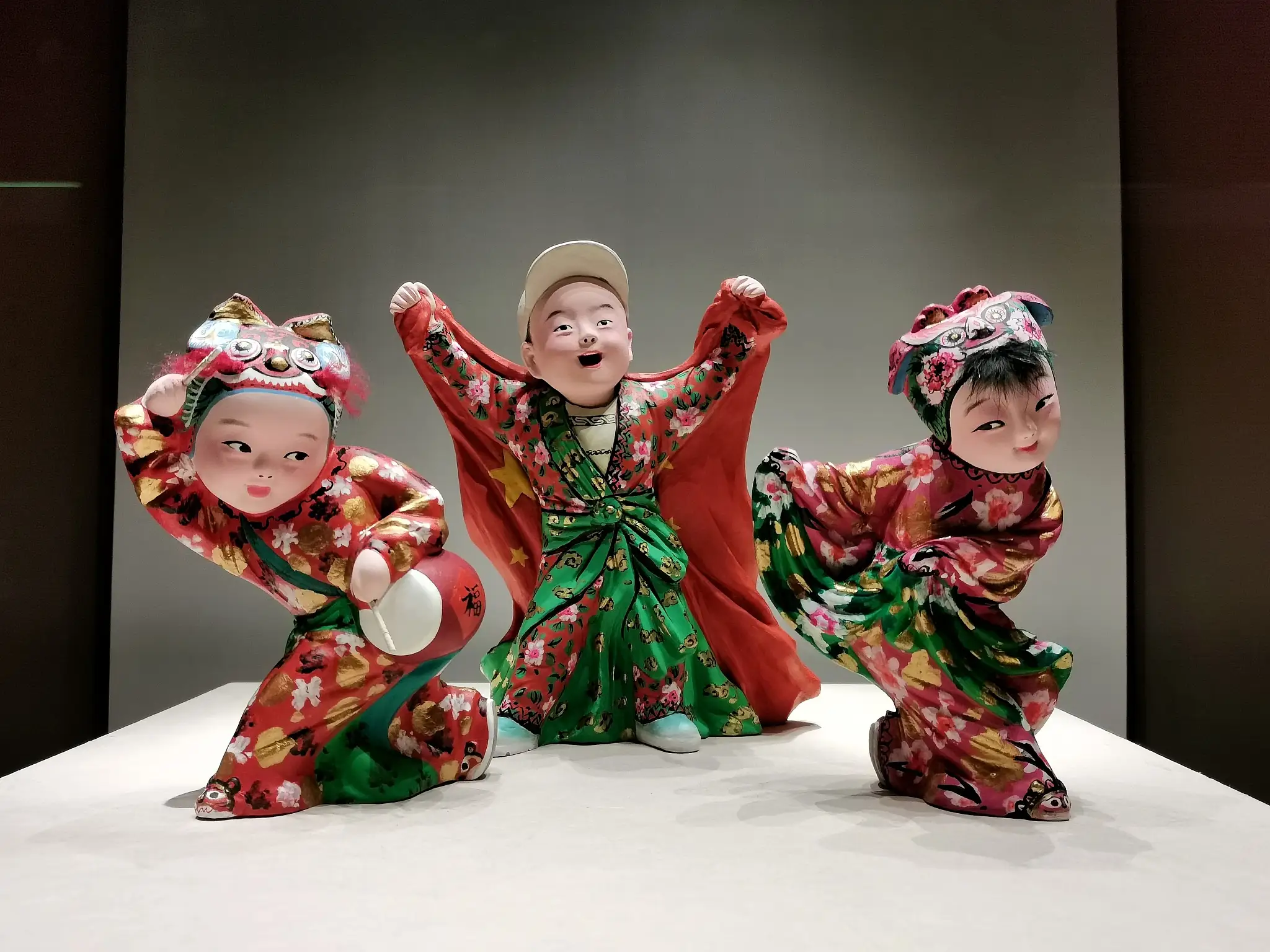
Clay figures by the Zhang family | ¥80–400 | The workshop counter at the north end of Ancient Culture Street | Hand-painted faces have visible brushwork; printed ones are flat and glossy. Ask for the studio card |
Yangliuqing woodblock prints | ¥30–300 | Print shops on the same street; the studio counter sells the better paper | Hand-printed lines are slightly uneven and the colours sit into the paper; reproductions shine |
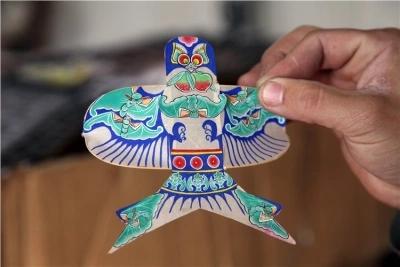
Wei kites | ¥50–200 | Kite shops at the south end of the street | Bamboo frame, paper skin — plastic imitations cost a fifth and fly badly |
Old paper, maps, small antiques | ¥20–2,000 | Shenyang Dao antique market in Heping, busiest on weekday mornings | Assume every piece is a reproduction and pay for how it looks, not for what it might be |
Table 15 Prices are the range a resident would pay, not the first asking price.
How to buy without the tourist tax. Shops with printed tickets are fixed-price; markets are not. Ask the price, then offer sixty per cent and expect to settle at seventy or eighty. Walking away works once, not three times. Cash is welcome everywhere, and ¥100 notes are refused for a ¥10 purchase.
Where not to shop. The station and airport “local specialities” walls, which are factory goods at three times the supermarket price. Any stall under the Ancient Culture Street archway. Shops whose entire stock is the same souvenir in six colours. And the “antique” tables where every item is the same shade of brown.
Four malls, and what each is actually for
Tianjin does its shopping indoors. The high streets are for walking, the malls are for buying, and each of these four has a different job.
Tianjin Joy City 天津大悦城
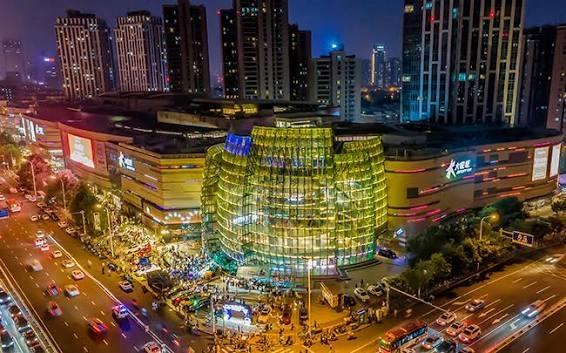
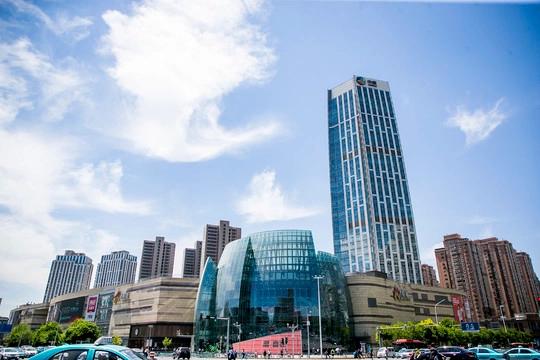
2–6 Nanmenwai Street, Nankai · 10:00–22:00 · Metro 2 Gulou, 8 min walk
The biggest and busiest mall in the city: 400-plus shops across a north and a south half, opened in 2011 beside the Drum Tower, with foreign cards accepted, bilingual signage, luggage lockers and a desk for overseas visitors. If you have one rainy afternoon, spend it here.
MixC Tianjin 天津万象城
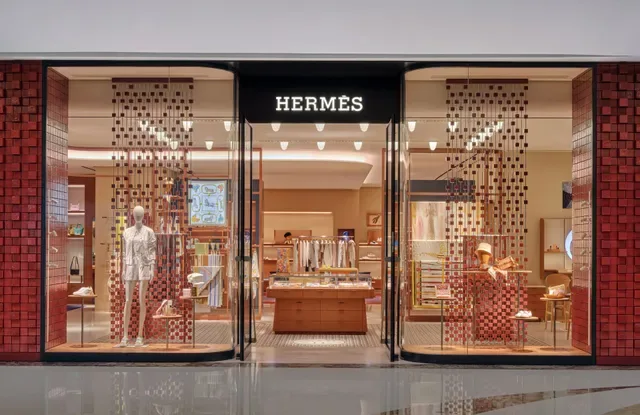
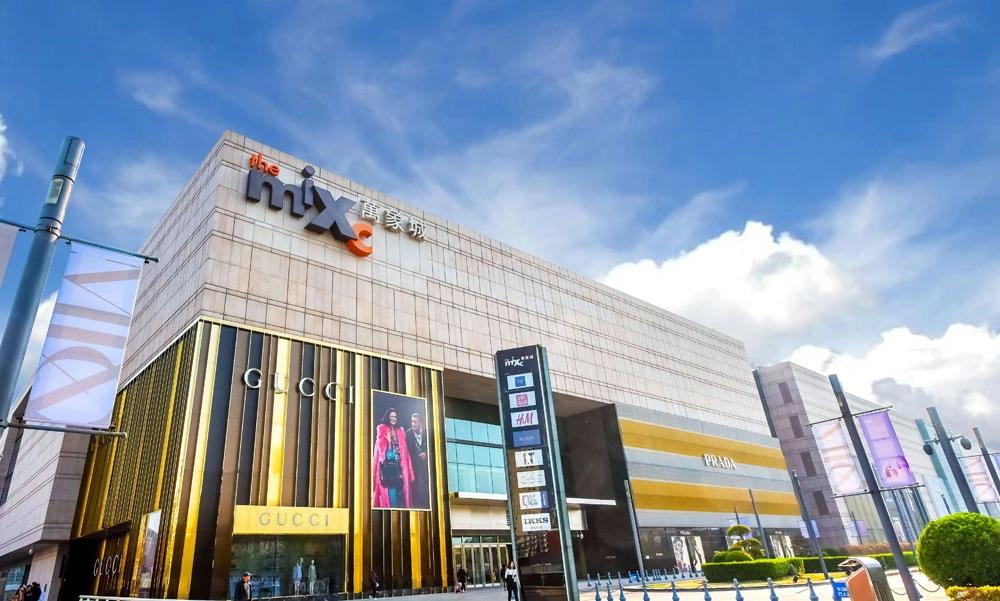
9 Leyuan Dao, Hexi · 10:00–22:00 · Metro 6 Leyuandao, exit D1
The luxury end: international fashion houses, a serious supermarket in the basement and a cinema, in a calm building on Leyuan Dao. Fewer crowds than Joy City and a better class of restaurant — the place to buy the thing you intend to keep.
Hang Lung Plaza 天津恒隆广场
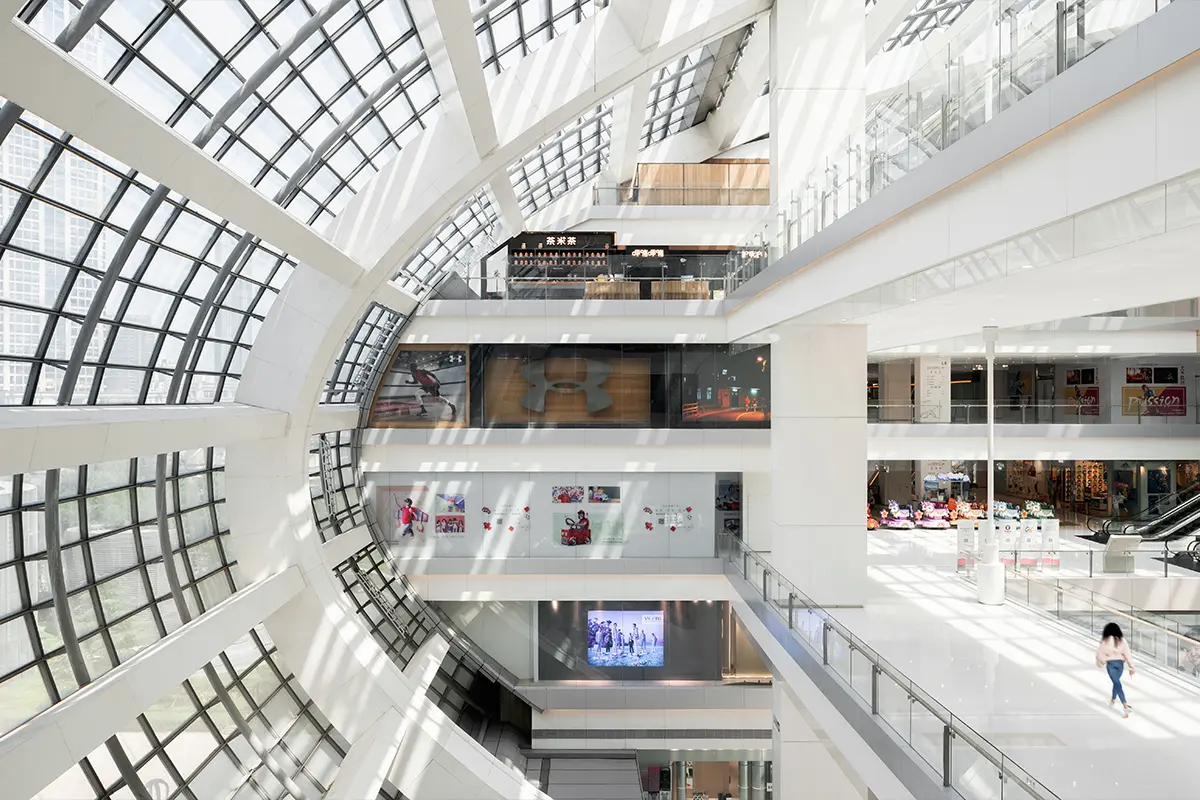
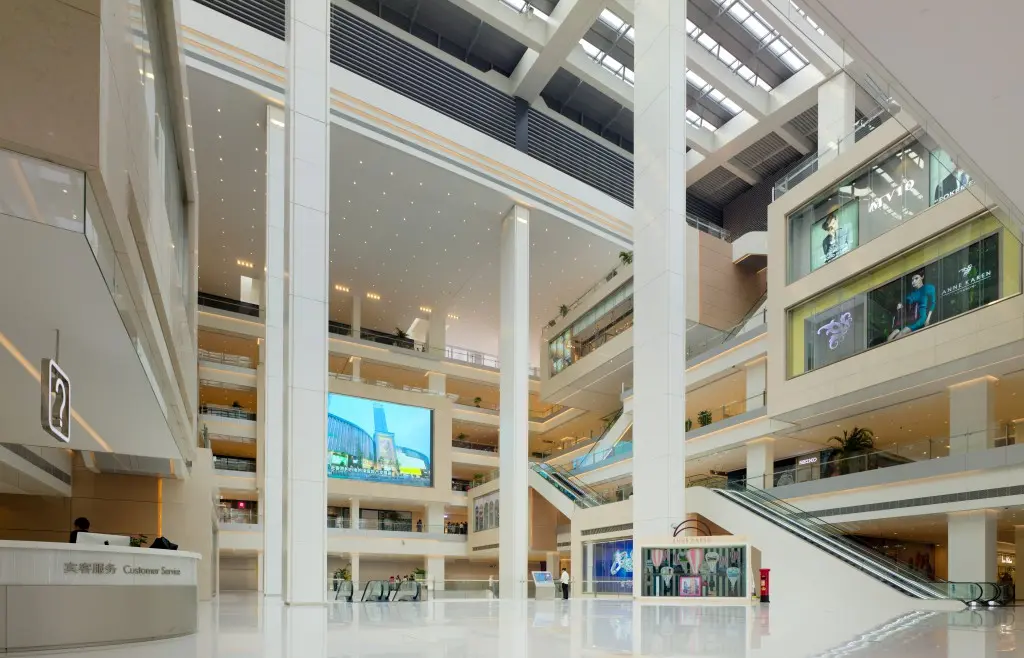
166 Xing'an Road, Heping · 10:00–22:00 · 5 min walk to Xiaobailou
Mid-to-high street retail on the edge of Xiaobailou, five minutes from the villas: international high-street brands, a food hall and a cinema, in a building that is easy to navigate. Good for one purchase and a coffee rather than a whole afternoon.
Luneng City 天津鲁能城购物中心
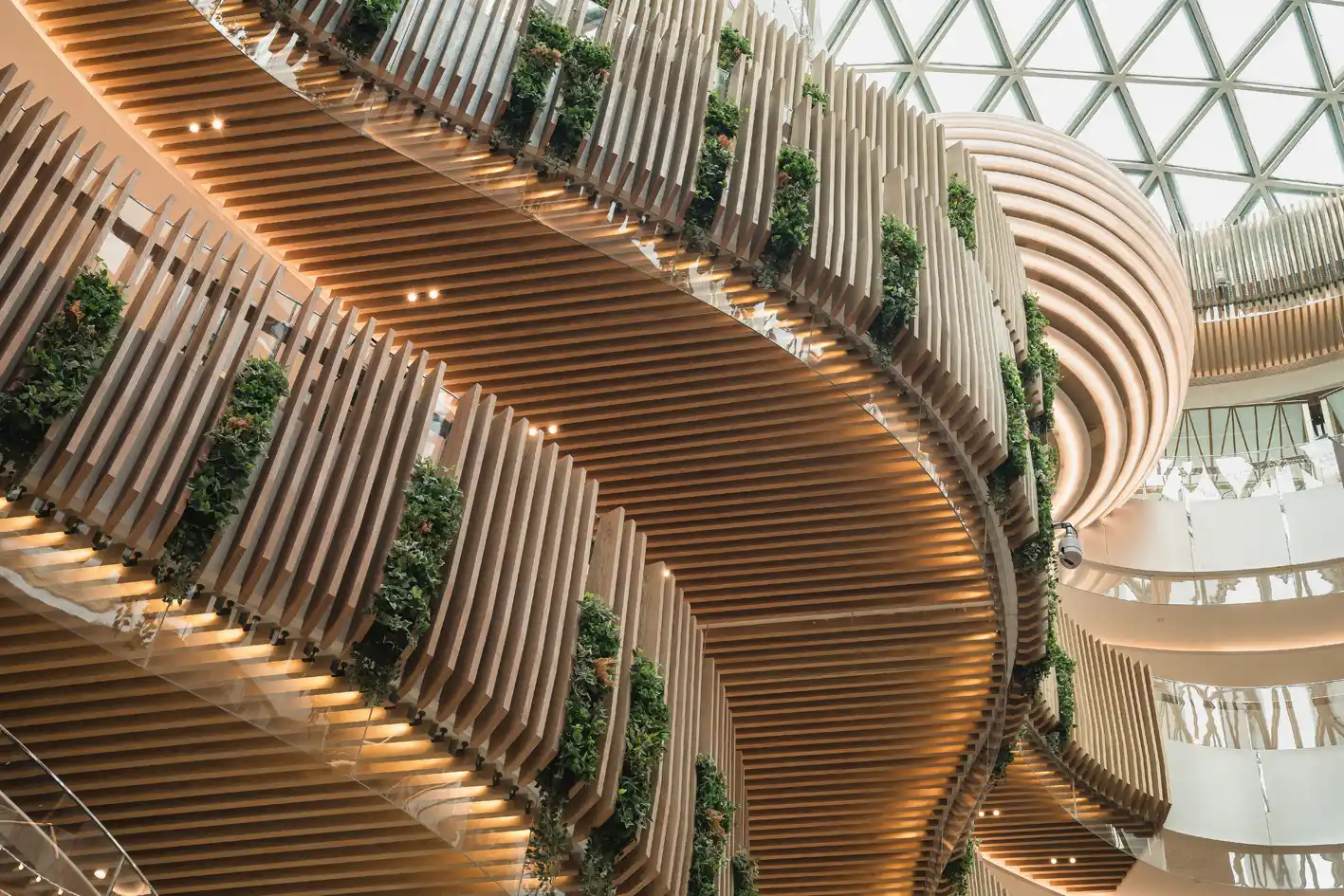
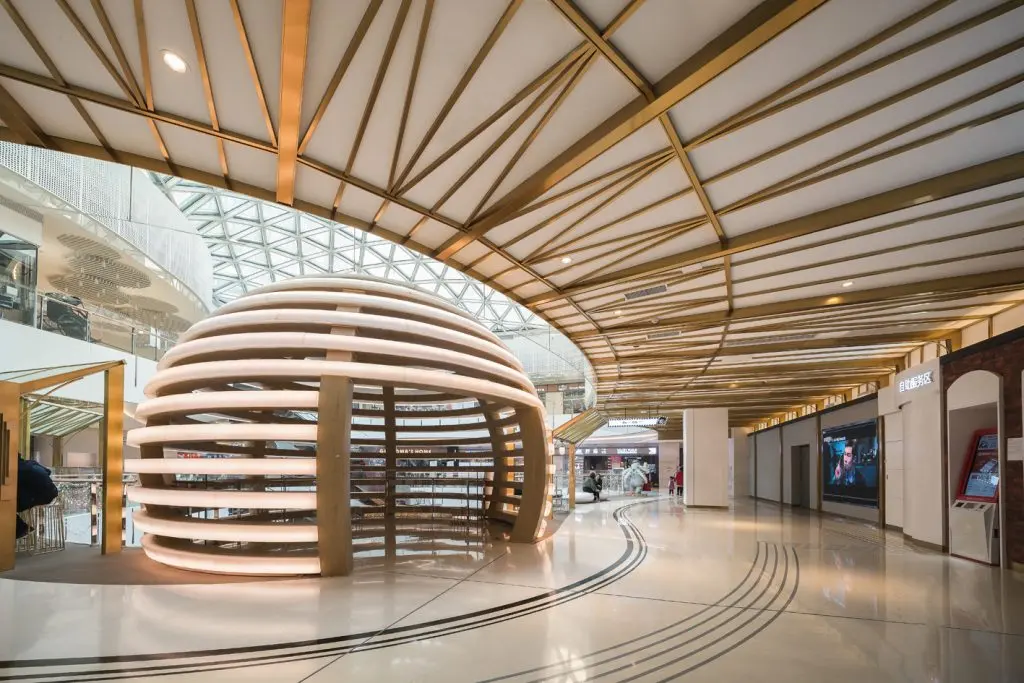
Shuishang Park East Road, Nankai · by Tianta and Water Park
A family mall anchored by a large supermarket, a cinema and children's entertainment, next door to Water Park. Practical rather than fashionable: this is where you buy water, fruit, a charger and a suitcase at nine in the evening.
What a trip actually costs
Tianjin is cheap in an unusual way: the expensive part of most city breaks — the sights — is close to free, and the cheap part — food — is where you can spend freely without noticing. Two travellers can have a good day for ¥700 between them, or ¥2,000, and both will feel like a normal day.
What you pay for | Budget | Mid | Comfort |
|---|---|---|---|
Return rail from Beijing | ¥110 second class | ¥110 | ¥220 first class |
Local transport, per day | ¥10–20 | ¥30–60 | ¥80–150 |
Tickets, whole trip | ¥0–70 | ¥150–250 | ¥300–450 |
Food and drink, per day | ¥80–120 | ¥200–300 | ¥450–700 |
Bed, per night | ¥120–200 | ¥350–550 | ¥900–1,600 |
Guide, per day | ¥0 | ¥300–500 | ¥500–800 |
Car and driver, per day | ¥0 | ¥500–700 | ¥700–900 |
Airport transfer, one way | ¥5 metro | ¥70 taxi | ¥200 private car |
Totals, per person, from Beijing. These assume two people sharing a room in the mid and comfort tiers, and include the train, beds, food and the tickets a normal visitor actually buys. They exclude shopping and alcohol.
Option | Per person |
|---|---|
1 night · budget | ¥400–650 |
1 night · mid | ¥1,050–1,600 |
1 night · comfort | ¥2,500–3,900 |
2 nights · budget | ¥600–1,000 |
2 nights · mid | ¥1,650–2,500 |
2 nights · comfort | ¥3,900–6,400 |
3 nights · budget | ¥850–1,350 |
3 nights · mid | ¥2,250–3,450 |
3 nights · comfort | ¥5,300–8,700 |
Table 17 Total spend per person, including the train from Beijing
Where the money actually goes. Accommodation is the only line that swings by a factor of eight. Tickets never exceed ¥450 even with a day trip to the Great Wall and a river cruise. Food is the line that quietly doubles: a ¥15 breakfast and a ¥90 dinner is a ¥105 day, while a café, a proper Tianjin lunch and a riverside dinner is ¥300 before drinks.
Four ways to spend less without losing anything. Sleep in Nankai or Hongqiao instead of Heping — ¥150–200 cheaper, breakfast at the door, one metro stop from the villas. Skip the wheel's night ticket and watch it from the bridge. Eat your expensive meal at lunch, when Tianjin restaurants are half empty and the same dishes cost the same but the room is calm.
Five costs people forget. The river cruise charges more after dark than by day. Drivers quote by the day, not by the kilometre, so a “quick stop” in Jizhou costs the same as a long one. Teahouses charge a seat-and-snack fee on top of the ticket. Airport taxis add a night surcharge after 23:00. Museum shops and concession cafés price like capital-city cafés.
Practical tips: bookings, money, safety and the small stuff
Only a handful of things here need booking, but three of them need more lead time than visitors expect. Passport numbers are required for all of them, and a photograph of your passport is refused at every gate.
The booking calendar
What | Price | Book ahead | How it works |
|---|---|---|---|
Tianjin Eye | ¥90 day | 3 days | Official WeChat account; one ticket per passport per day; sunset slots go in minutes |
National Maritime Museum | Free | 7 days | Official mini-program; real name for every visitor; slots release at 07:00 |
Binhai Library | Free | 1 day | Library WeChat account; walk-ins turned away when full |
Tianjin Museum | Free | 1 day | Museum WeChat account, released 09:00; passport at the desk |
Tianjin Art Museum | Free | Up to 7 days | Online booking, then scan at the gate |
Astor Hotel Museum | ¥50 | None | Walk in during one of the three daily sessions |
Table 18 Platforms change every season. If a mini-program will not accept a foreign passport, ask your hotel to book on their account, or use the counter on a quiet weekday.
Language and toilets. Metro signs and announcements are bilingual; almost nothing else is. Menus in the villas are translated, menus in the old town are not — point at what the person ahead of you is eating, or use a camera translation app on the menu. Photograph the Chinese name and street of your hotel before you leave it, and show it to a driver rather than saying it. Public toilets are signed and frequent; carry your own paper and expect a squat in older districts.
Money, cards and what cash is still for
Alipay and WeChat Pay both take foreign Visa and Mastercard now, and once a card is linked almost everything works: metro, taxis, museums, restaurants, even market stalls. Set both up before you travel, because verification sometimes needs your home number. Keep about ¥200 in notes for breakfast stalls, bicycle deposits, small museums and the one machine that refuses foreign cards. ATMs at Bank of China and ICBC accept foreign cards; hotel desks give poor rates. Tipping is not practised anywhere, and bargaining belongs in markets, not in shops with price tags.
Connectivity
A travel eSIM is the least trouble: buy it before you fly and it activates on landing. A local SIM from China Mobile or Unicom is cheaper for a long stay but needs a passport and a shop visit. Hotel wifi is fine for maps and mail and slow for video. Amap or Baidu Maps beat every foreign map app on foot, and DiDi is the taxi app, in English.
Safety and the scams that actually happen
Tianjin is a safe city by any measure; the risks here are commercial rather than physical. At Tianjin Station and the airport, ignore anyone offering a taxi inside the hall — the official rank is downstairs and the metro is cheaper than both. A driver who will not use the meter is not a taxi. Near the Italian quarter, bars that hand you a menu without prices and a “free” fruit plate settle the bill at three times the going rate. Anyone telling you a museum is “closed today, come to my shop” is selling something. Traffic is the real hazard: e-bikes are silent and run red lights, so look twice before stepping off a kerb. Keep a hand on your bag in the antique market on a busy morning.
Health, water and winter
Tap water is not for drinking; every hotel room has a kettle and bottled water costs ¥2–3. Pharmacies are signed 药店 and staff will sell you what you point at; for anything worse than a cold, the international clinics are in Heping and the main hospitals take foreign patients at the international desk. Ambulance is 120, police 110, fire 119. Winter air is dry and the wind off the river is colder than the number suggests — one more layer than you think. Summer is humid enough that walking at noon is a mistake.
Etiquette, in six lines
Queue where there is a queue, and expect others not to. Standing your ground works; arguing does not.
Do not tip. Nobody expects it, and offering it in a restaurant can cause a small scene.
Ask before photographing people, and never inside a temple's main hall.
Speak quietly in museums. Chinese museums enforce quiet loudly, and a guard will tell you.
Smoking is banned indoors and mostly obeyed; the exceptions are small noodle shops.
Tea offered in a shop is a sales technique, not hospitality. Accept it only if you intend to buy.
If something goes wrong
Number to save | What it is for |
|---|---|
110 | Police, including a lost passport report |
120 | Ambulance; the operator may not speak English, so ask the hotel to call |
119 | Fire |
12301 | National tourist hotline, with English speakers |
12306 | Rail tickets and timetable, in Chinese, with an English web version |
A lost passport is a police report first, then the exit-entry office for a replacement exit visa — allow two working days and bring photographs. Keep a scan of your passport and visa in your mail. Lost cards are replaceable; keep a second card in the room. For anything a hotel cannot solve, the tourist hotline 12301 has English speakers, and your embassy is in Beijing, four hours by train if it comes to that.
Six traveller playbooks
Same city, six different trips. Each of these is a rhythm and a base, not a timetable.
Couple, first time in China Two nights in Heping. Day one on foot and by bike, day two in the old town and a museum, both evenings on the river. Skip Binhai — it costs you the best morning and gives you a hall of books. | Family with children Stay near the station for the shortest transfers. The wheel, the horse carriage and the maritime museum are the three hits; the villas are not. Eat at 11:30 rather than 12:30, and keep an afternoon hotel break. |
60+, low walking tolerance Hebei or Heping, both flat and lift-served. One district per half-day, taxi between them for ¥15–25, and a booked car for any day trip. The Astor museum and the river replace the six-kilometre villa loop. | Solo, including female solo The centre is busy and safe until late, and the river is lit and patrolled. Stay in Heping for evening atmosphere, choose sit-down restaurants over street stalls after dark, and use DiDi rather than unmarked cars. |
Business trip or a 4–8 hour layover Leave the bag at the station for ¥10–30, walk to the Italian quarter, follow the river to Jiefang Bridge, and take one proper meal. Six hours covers it comfortably; four covers the river and one sight. | Cruise passenger, one day ashore The terminal is an hour out. Choose the centre or Binhai, never both. The centre gives you the quarter, the river and lunch; Binhai gives you the library and the maritime museum and nothing else. Keep 90 minutes of buffer for the shuttle. |
Compared with its neighbours, and the questions people ask
Tianjin is usually weighed against Beijing, and occasionally against Shanghai or Xi'an. The comparison is less about quality than about what a day costs and what only exists here.
City | Day cost | Two-day density | Only here | Choose it if |
|---|---|---|---|---|
Tianjin | ¥250–850 | High, all walkable | Nine concessions, a wheel on a bridge, a breakfast culture | You want a real city break for the price of a Beijing dinner |
Beijing | ¥500–1,500 | Very high, spread out | Imperial scale, the Wall, the national museums | It is your first trip to China and you have five days |
Shanghai | ¥600–1,600 | High, metro-heavy | 1930s modernity, the Bund, the scale of the river | You want concession architecture with money in it |
Xi'an | ¥400–1,000 | Medium | Tang dynasty, the city wall, the Muslim quarter | History matters more to you than streetscape |
If you would rather not piece the trains, the timed entries and the day trip together yourself, we can build your Tianjin itinerary around fixed dates around fixed dates, with guides, drivers and the bookings above handled before you land. For the hour-by-hour version of each day, start with the Tianjin itinerary.

Traveler Discussions
Questions from travelers