
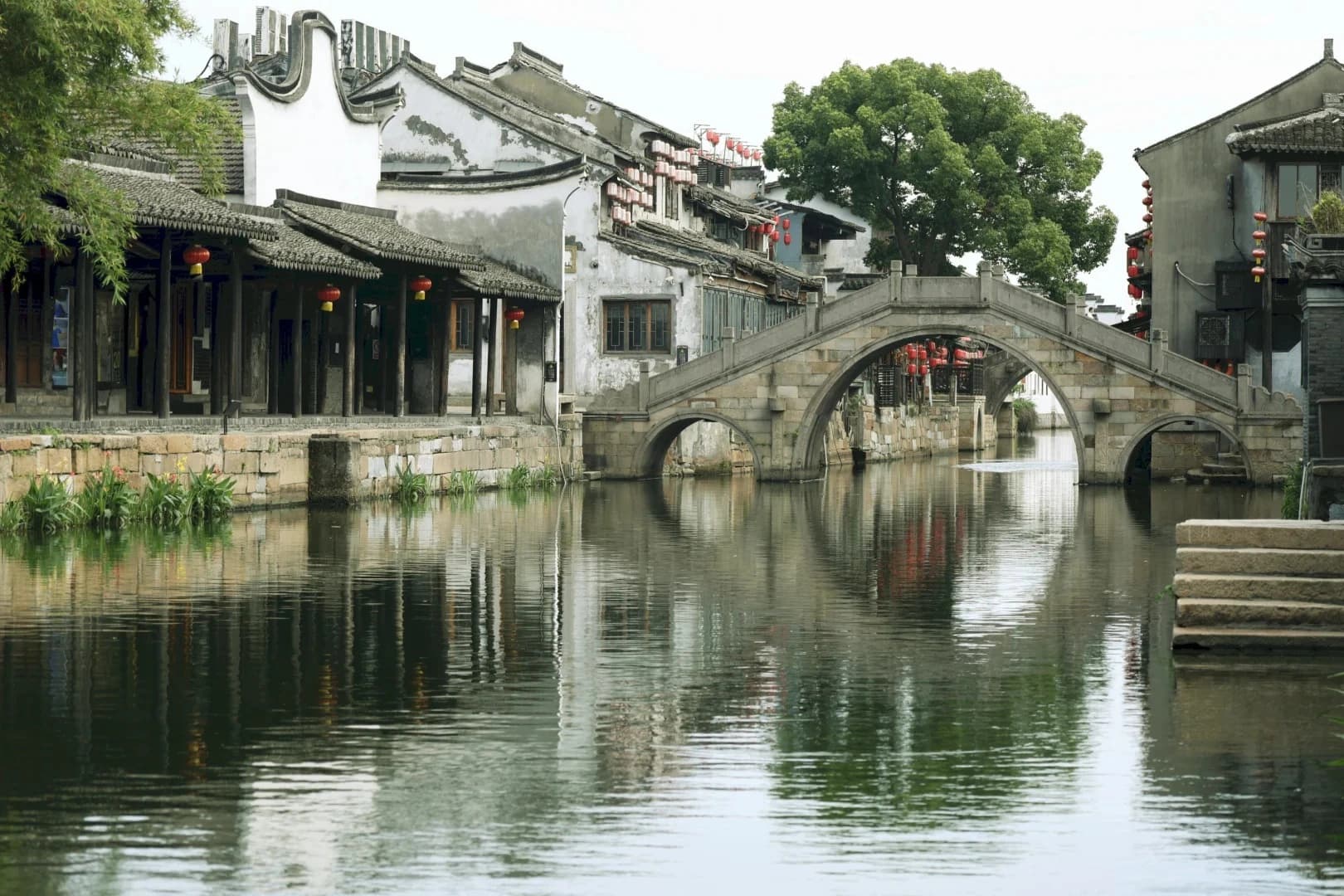
There is a moment that every Xitang visitor remembers. You turn off a busy commercial street, step under a roofed corridor, and suddenly the noise falls away. In front of you is a canal, still as glass, flanked by whitewashed walls and black-tiled roofs. Red lanterns hang from the eaves, and somewhere a wooden oar is dipping into water with a slow, deliberate rhythm. This is what people mean when they say Xitang feels like a Chinese ink painting come to life.
If you are wondering what is Xitang Water Town, the short answer is that it is one of the best-preserved ancient water towns in the Jiangnan region of eastern China — a 1,000-year-old settlement where canals, stone bridges, and covered walkways form a living urban fabric that has barely changed for centuries. But to really understand why it has become one of the most popular day trips from Shanghai, you need to walk it.
This Xitang Water Town travel guide covers everything you need to plan your visit: how to get to Xitang from Shanghai, what to see and do, which tickets to buy, when to go for the best light and fewest crowds, where to stay, and how to decide between Xitang and its famous neighbour Wuzhen. Whether you have a single day or a leisurely weekend, this guide is designed to take you from "never heard of it" to "I know exactly what I am doing" by the time you step off the train.
1. What Is Xitang Water Town? History and Culture
A thousand years of water town life
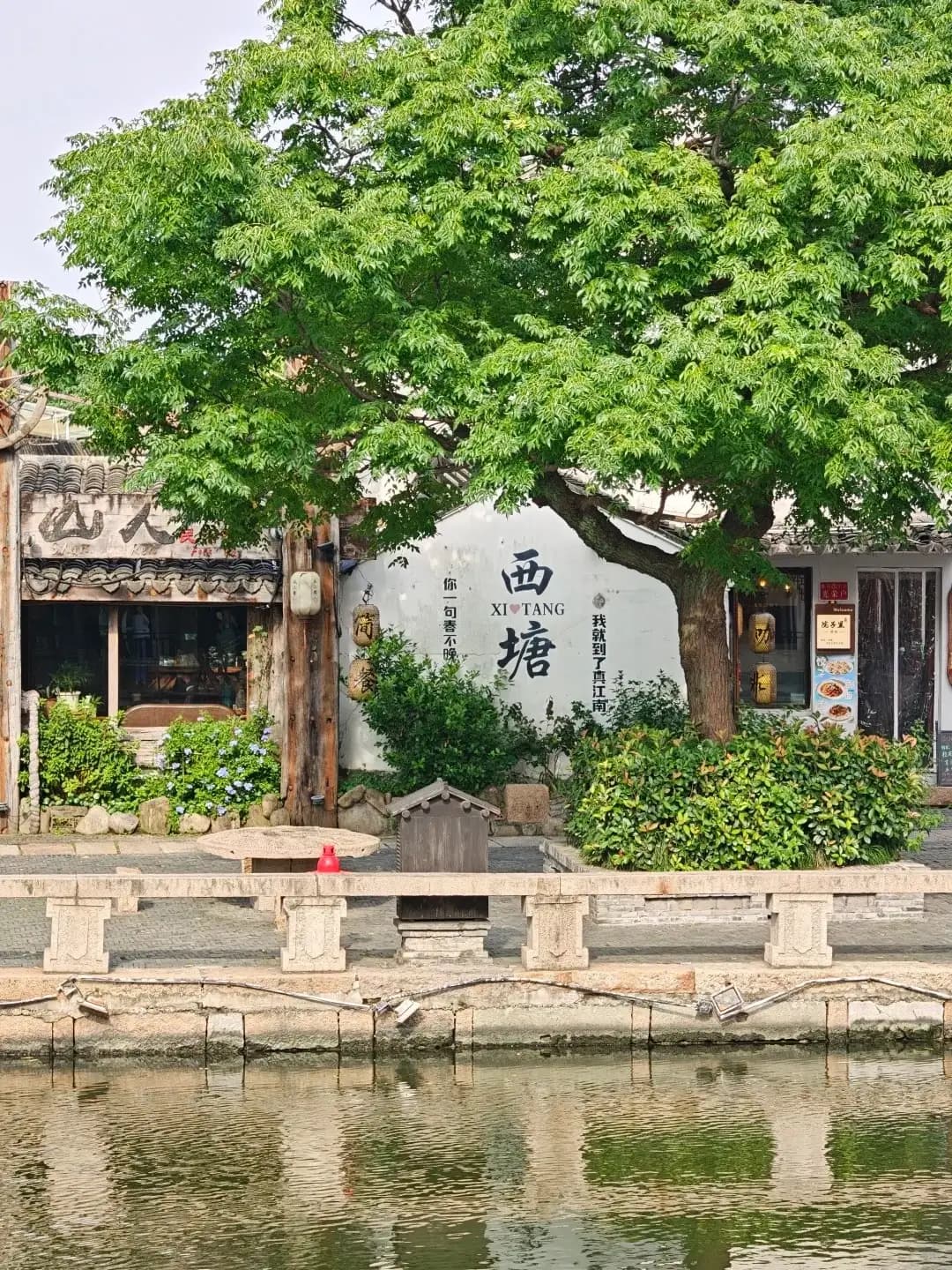

Xitang's history stretches back further than most of China's famous water towns. The area was settled as early as the Spring and Autumn Period (770–476 BCE), when it sat on the border between the states of Wu and Yue. But it was during the Song dynasty (960–1279) that Xitang Ancient Town truly began to thrive, its position at the intersection of several canals making it a natural hub for the region's grain and silk trade.
By the Ming and Qing dynasties (1368–1912), Xitang had grown into a prosperous commercial town. Merchants built grand mansions along the canals, and a network of covered walkways — called langpeng — was constructed to protect goods and customers from rain and sun. It is this network of covered corridors that gives Xitang its distinctive character and separates it visually from other Jiangnan water towns.
Today, Xitang Ancient Town covers roughly 1 square kilometre and contains more than 100 stone bridges, 122 lanes and alleys, and over 800 metres of covered walkways. It holds the highest AAAAA national tourist rating and has been on China's UNESCO World Heritage Tentative List since 2008, alongside five other Jiangnan water towns (Zhouzhuang, Tongli, Wuzhen, Luzhi, and Nanxun).
The Covered Walkway — Xitang's Signature Architecture
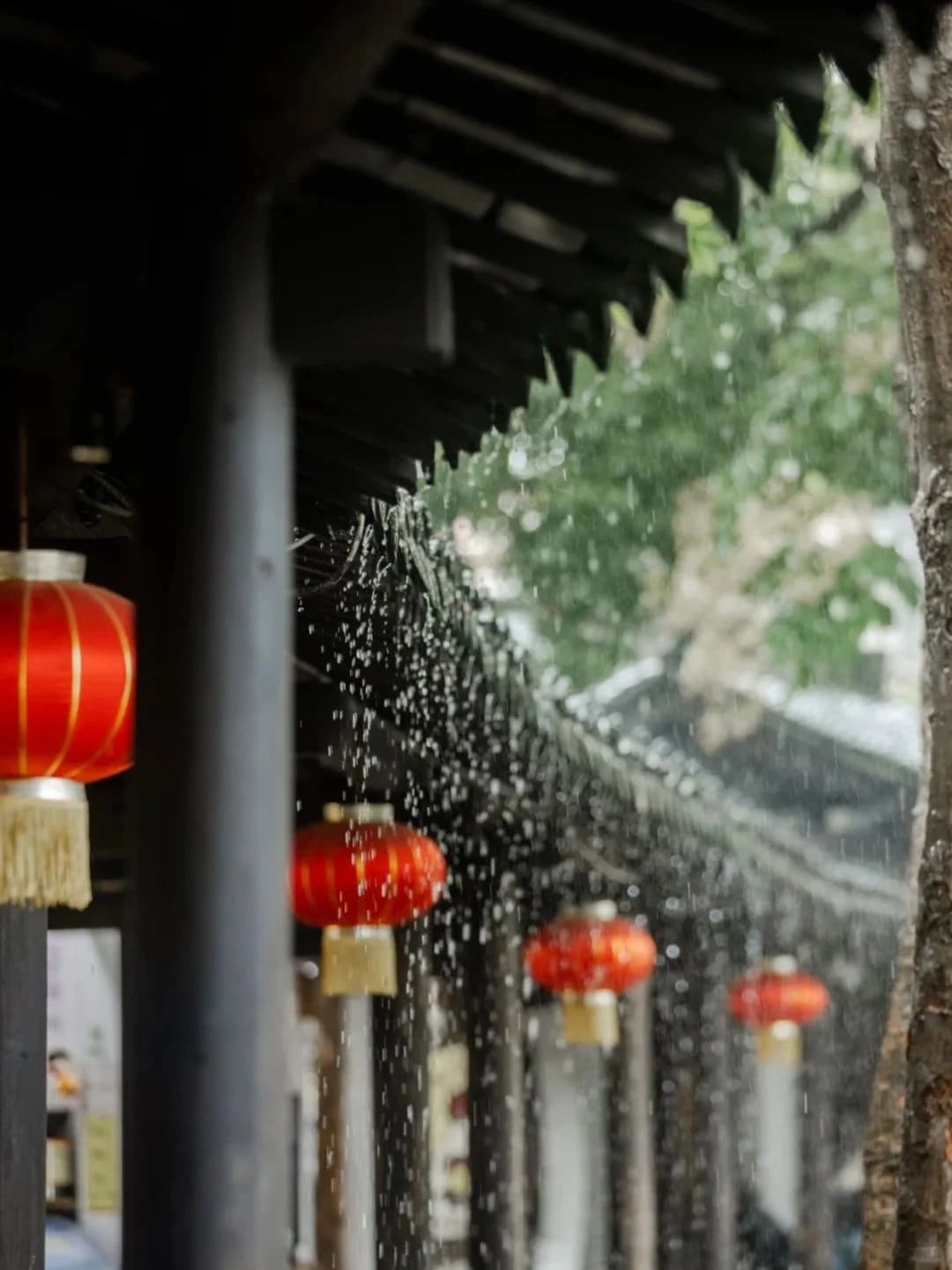

If you have seen photos of Xitang, you have seen the langpeng. These covered corridors stretch for more than 1.8 kilometres along the town's main canals, and they are the single architectural feature that makes Xitang Water Town instantly recognisable.
The langpeng consists of wooden pillars supporting tiled roofs that extend out over the walkway beside the canal. Historically, they served two purposes: they protected merchants' goods from rain as they were loaded and unloaded from boats, and they created a comfortable, shaded space for pedestrians — especially useful during the region's hot, humid summers and lengthy rainy seasons.
What makes Xitang's covered walkways special is that they form a continuous, unbroken corridor along most of the main canal. In other Jiangnan water towns, you move between open canal paths and covered sections; in Xitang, you can walk for nearly an hour without ever stepping into the rain. In the early morning, when the town is quiet and mist sits above the water, the langpeng creates the effect of a long, dark arcade framing a glowing river — a scene straight out of a classical Chinese painting.
Bridges, Lanes, and the Button Factories
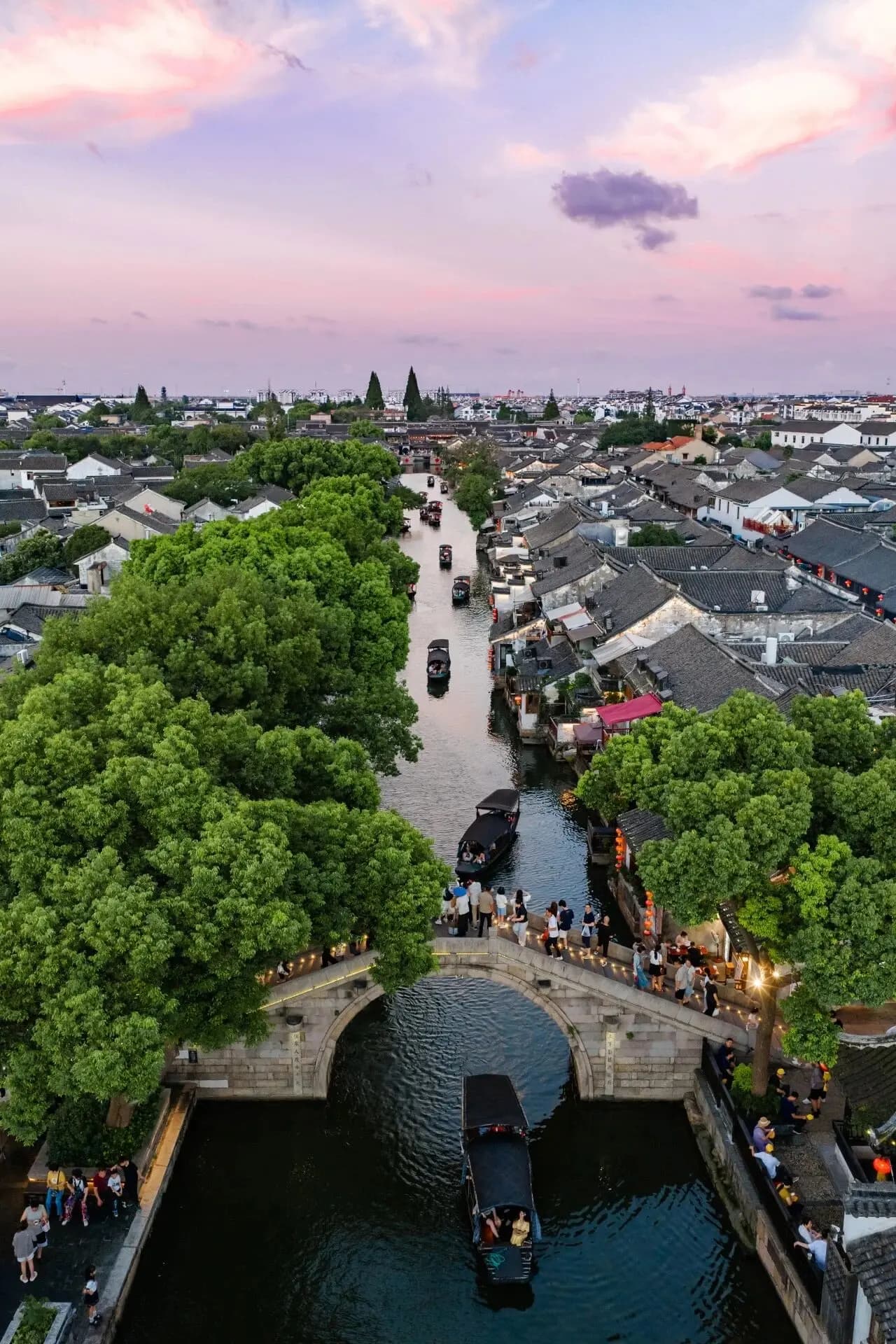

Xitang is sometimes called the "town of a thousand bridges," and while that is a slight exaggeration, it does have more than 100 stone bridges crisscrossing its canals. A few are worth seeking out specifically:
Yongning Bridge (永宁桥): The most photographed bridge in town; best spot to look both ways along the main canal and see the langpeng stretching into the distance.
Huanxiu Bridge (环秀桥): A high-arched stone bridge with excellent panoramic views, especially at sunset.
Songzi Laifeng Bridge (送子来凤桥): Distinctive two-sided design — one side for men, one for women — and the folk belief that crossing it brings children.
Equally distinctive are Xitang's narrow lanes. Shipi Lane (石皮弄) is the most famous: just 0.8 metres wide at its narrowest point, squeezed between two tall brick walls that block out most of the light. Walking through it, with sky barely visible above and cobblestones underfoot, is one of the town's most atmospheric experiences.
A lesser-known chapter in Xitang's story is its button-making industry. In the early 20th century, Xitang became one of China's largest producers of mother-of-pearl and shell buttons, supplying factories across the country. The Button Museum inside the ancient town documents this history, and visitors can still see button-making demonstrations. It is a small exhibit, but it offers a reminder that Xitang was not only a town of merchants and poets — it was a working industrial centre.
2. Xitang Water Town Tickets — Complete Guide
Ticket prices and entry rules in Xitang are one of the most confusing — and most complained-about — aspects of visiting. Online sources give conflicting numbers, and the free-entry rule is frequently misunderstood. This section sets out what we verified on the ground in 2026.
Current Ticket Prices (Verified 2026)
Ticket Type | Price | Validity |
Adult ticket | ¥95 | 2 days |
Children under 1.2m | Free | — |
Children 1.2m–1.5m tall | Half price (~¥45) | 2 days |
Seniors 60–69 | Half price | 2 days |
Seniors 70+ / Disabled | Free | — |
What the Ticket Includes — All 11 Attractions
The ticket grants access to 11 named attractions inside the ancient town. You can enter and exit the town freely within two days.
Attraction | What It Is | Time Needed | Worth It? |
West Garden | Restored Ming-era private garden with courtyards, bonsai, and occasional pingtan performances | 30–45 min | Yes — one of the most atmospheric sites |
Drunken Garden | Compact family garden built around a small pond, with moon gates and calligraphy | 20–30 min | Yes for garden lovers |
Button Museum | Documents Xitang's shell-button industry; small but interesting | 15–20 min | Quirky and underrated |
Zhongfu Hall | A preserved merchant's house with fine wood carving | 20 min | Worth a quick look |
Ni Residence | Former home of a Qing-dynasty official, with period furniture | 20 min | Good for architecture fans |
Zhang Zheng Wood Carving Art Gallery | Contemporary and traditional woodcarving collection | 15 min | Optional |
Longevity Hall | A Taoist temple with incense and local worship | 15 min | Cultural, but quick |
Seven Gentlemen Temple | Small temple honouring local deities | 10 min | Very quick stop |
Zunwen Hall | Hall with a well-known carved ceiling (百寿厅 — "Hundred Longevity Hall") | 15 min | Yes — the ceiling carving is remarkable |
Xue Family Hall | A late Qing merchant mansion with narrow "thief-proof" corridors | 15 min | Interesting architecture |
Wine Culture Museum | Small museum about rice wine production | 15 min | Optional |
Free Entry Periods — The Money-Saving Hack
This is the single most useful thing to know about Xitang tickets. The town has free entry windows during which you can enter the ancient town zone without a ticket — but you cannot visit any of the 11 named ticketed attractions during these times.
Day Type | Free Entry Windows | What You Can Do |
Weekday & Weekend | Before 8:00 and after 17:00 | Walk the lanes, see the bridges, visit shops, take boat rides, eat, drink |
Public Holidays | Before 8:00 and after 21:00 | Same as above |
When to use free entry vs. buy a ticket:
Buy a ticket if you want to visit the 11 named attractions (gardens, museums, halls), especially West Garden and Drunken Garden.
Use free entry if you are primarily interested in walking the lanes, photography, the night views, boat rides, and food — all of which are accessible without a ticket.
How to Buy Tickets
Channel | Price | Notes |
On-site ticket booth | ¥95 | Cash or WeChat/Alipay; no discount |
Official WeChat mini-program "西塘旅游" | ¥95 | Need passport; face-scan entry |
OTAs (Ctrip, etc.) | ¥85 | Sometimes slightly cheaper |
Through your guesthouse | ~¥70–85 | Many guesthouses sell discounted tickets to guests |
3. How to Get to Xitang from Shanghai
Xitang sits roughly 80 kilometres southwest of Shanghai, in Jiashan County, Zhejiang Province. The journey is straightforward, but there are several options depending on your budget, luggage, and how much time you have.
Transportation Comparison — Shanghai to Xitang
Method | Total Time | Cost (One Way) | Transfers | Best For |
High-speed train + bus | ~1.5 hrs | ~¥52 (¥32 train + ¥2 bus) | 1 | Most travellers, fast & cheap |
High-speed train + taxi | ~1 hr | ~¥102 (¥32 train + ~¥70 taxi) | 1 | Fastest, with luggage |
Direct long-distance bus | ~1.5–2 hrs | ¥40–60 | 0 | Budget, no transfers |
Chartered car / tour | ~1.5 hrs | ¥800–1,000/car (up to 5 people) | 0 | Groups, families, flexible timing |
High-Speed Train (Recommended for Most Visitors)
Shanghai Hongqiao → Jiashan South (嘉善南):
Duration | 25–35 minutes |
Frequency | Every 15–30 minutes throughout the day (first train ~6:24, last ~21:19) |
Price | Second-class seat ¥24–37 |
Jiashan South (嘉善南) → Xitang Ancient Town:
Once you arrive at Jiashan South Station, you have two options:
Option | Duration | Cost | Notes |
Bus K222 (budget) | ~40 minutes | ¥2 (pay by Alipay or cash) | Buses run roughly every 30–45 min from 6:30 to 21:55. Last bus from Xitang back to Jiashan South departs around 22:30. |
Taxi / ride-hailing (faster) | 25–30 minutes | ¥50–70 | Use Didi for predictable pricing; official taxis at the rank may try to negotiate a higher fare. |
Direct Long-Distance Bus from Shanghai
Departure Station | Shanghai South Long-distance Bus Station (上海长途客运南站) |
Approx. Duration | 1.5–2 hours |
Price | ¥20 |
Frequency | 2–3 daily |
Last Bus | Typically departs around 16:25 |
Return Trip — Getting Back to Shanghai
The return journey follows the same routes in reverse. For day-trippers who want to catch the night views, here are the realistic return options:
Leave Xitang At | Method | Arrive Shanghai At |
~19:00 | K222 to Jiashan South → high-speed train | ~20:30–21:00 |
~21:00 | Taxi to Jiashan South → last train (~22:30) | ~23:00 |
~22:00+ | Chartered car directly to Shanghai | ~23:30–00:00 |
4. Xitang Day Trip from Shanghai — Self-Guided Itinerary
A Xitang day trip from Shanghai is entirely doable and, for many visitors, the perfect way to experience the town without committing to an overnight stay.
Full-Day Timeline (7:00 Departure → 22:00 Return)
Time | Activity | Notes |
7:00 | Depart Shanghai Hongqiao | Take an early high-speed train to Jiashan South |
7:40 | Arrive Jiashan South | Take K222 bus or taxi to Xitang |
8:30 | Enter Xitang Ancient Town | Buy combo ticket or enter free if after 17:00 (weekday) |
8:30–9:30 | Walk Yanyu Long Corridor | Stop at Yongning Bridge for photos |
9:30–10:15 | West Garden | Ming-era garden, pingtan performances |
10:15–10:45 | Drunken Garden | Compact garden with moon gates |
10:45–11:30 | Shipi Lane & nearby lanes | Walk the narrowest lane in Xitang |
11:30–13:00 | Lunch | Avoid main-road restaurants (see food section) |
13:00–14:00 | Zunwen Hall & Button Museum | The hundred-longevity ceiling carving is a highlight |
14:00–15:00 | Boat ride (optional) | ¥45/person shared, ¥320/boat private |
15:00–16:30 | Huanxiu Bridge & Songzi Laifeng Bridge | Best panoramic views; rest at a teahouse |
16:30–17:30 | Teahouse break or souvenir browsing | Try osmanthus cake or rice wine popsicle |
17:30–18:30 | Sunset photos from Huanxiu Bridge | Golden hour — lanterns start lighting up |
18:30–20:30 | Night walk along the canal | Lanterns fully lit; best atmosphere |
20:30–21:00 | Leave Xitang for Jiashan South | Taxi to catch the train |
22:00 | Arrive Shanghai Hongqiao | End of day |
If You Arrive in the Afternoon (After 14:00)
If your train arrives late, here is a condensed route that still hits the highlights:
Enter and walk Yanyu Long Corridor (30 min) — the heart of Xitang.
Shipi Lane + Yongning Bridge (20 min) — iconic photo spots.
Boat ride or teahouse break (45 min) — rest and enjoy the water.
Sunset at Huanxiu Bridge (30 min).
Night walk + dinner (2 hrs).
Half-Day Express (4–5 Hours Only)
If you are passing through and have limited time:
Yanyu Long Corridor + Yongning Bridge (the classic Xitang view);
Shipi Lane (the atmospheric narrow alley);
One meal at a local restaurant;
Night views if you are there after 18:30.
That is the essence of Xitang in a nutshell.
5. Things to Do in Xitang — Top Attractions and Experiences
There are more things to do in Xitang than just walking and taking photos. The town offers a surprising range of activities, from cultural performances to hands-on crafts to late-night bar-hopping. Here is what we recommend, organised by type.
Must-See Historic Sites
Yanyu Long Corridor (烟雨长廊)
The 1.8-kilometre covered walkway is Xitang's defining feature. Walking it from end to end takes about an hour, but most people linger — stopping to photograph the reflections in the canal, browse the small shops, or sit at a waterside tea table. The best sections are between Yongning Bridge and Huanxiu Bridge.
Shipi Lane (石皮弄)
The narrowest lane in Xitang — just 0.8 metres wide, with high brick walls on both sides. It is short (about 68 metres) but deeply atmospheric. Go early to avoid the crowds; midday it can feel like a single-file queue.
Yongning Bridge (永宁桥)
This is the bridge that appears in most Xitang postcards. Standing in the middle, you can look both ways down the main canal and see the langpeng stretching into the distance. Arrive before 8:00 for empty-frame photos.
Huanxiu Bridge (环秀桥)
A high single-arch stone bridge at the western end of the main canal. Climb to the top for a panoramic view of Xitang's rooftops — especially beautiful at sunset.
Songzi Laifeng Bridge (送子来凤桥)
A distinctive bridge with two separate passages side by side — historically, one for men (stepped) and one for women (ramped, for foot-binding). Local tradition says crossing it brings fertility, hence the name ("songzi" means "sending a child").
Cultural Experiences & Hands-On Activities
Boat Ride (摇橹船 / Sculling Boat)
A boat ride through Xitang's canals is one of the town's signature experiences.
Type | Price | Duration | Notes |
Shared boat | ¥45 / person (up to 8 people) | ~20–25 min | Boat departs every half an hour |
Private boat | ¥320 / boat (up to 8 people) | Flexible | Better for couples or families; negotiate price |
Hanfu Dressing & Photoshoot
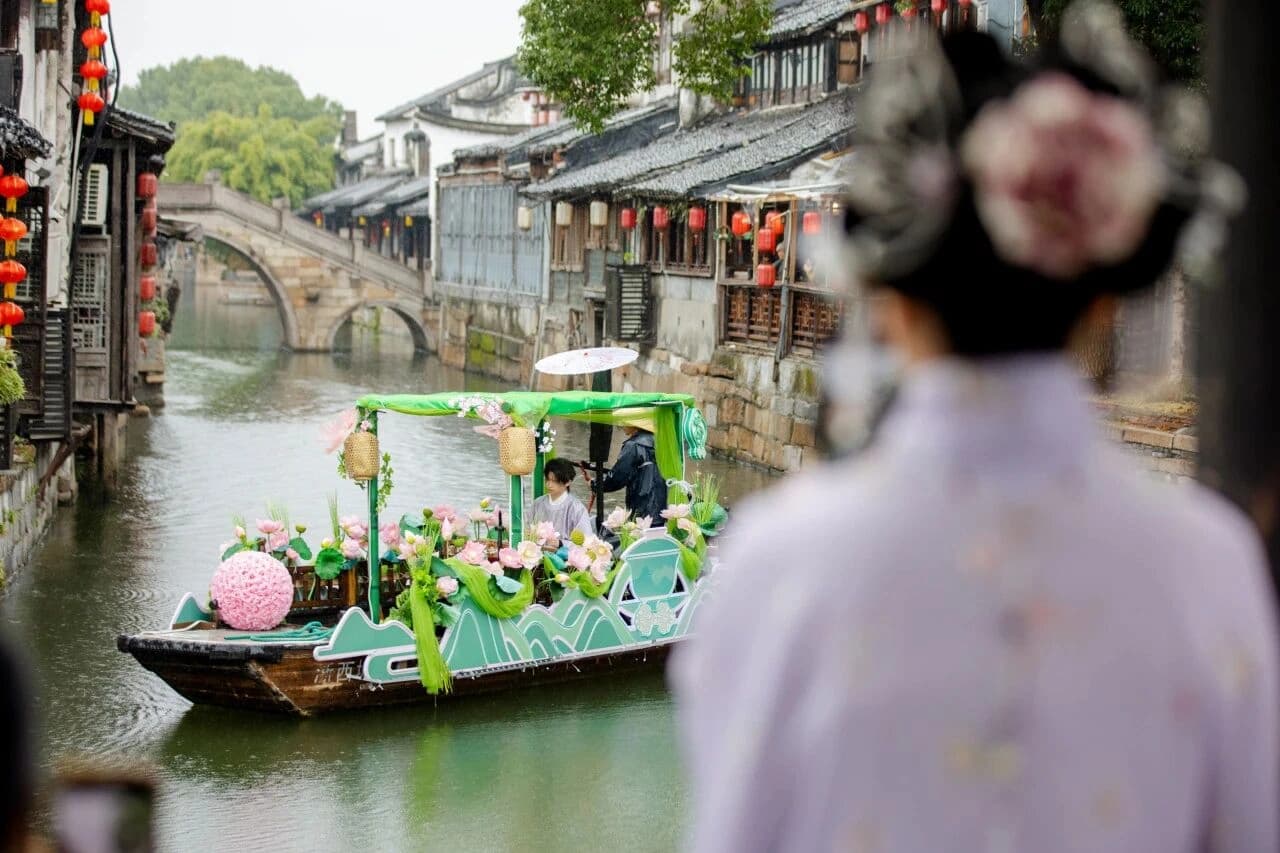
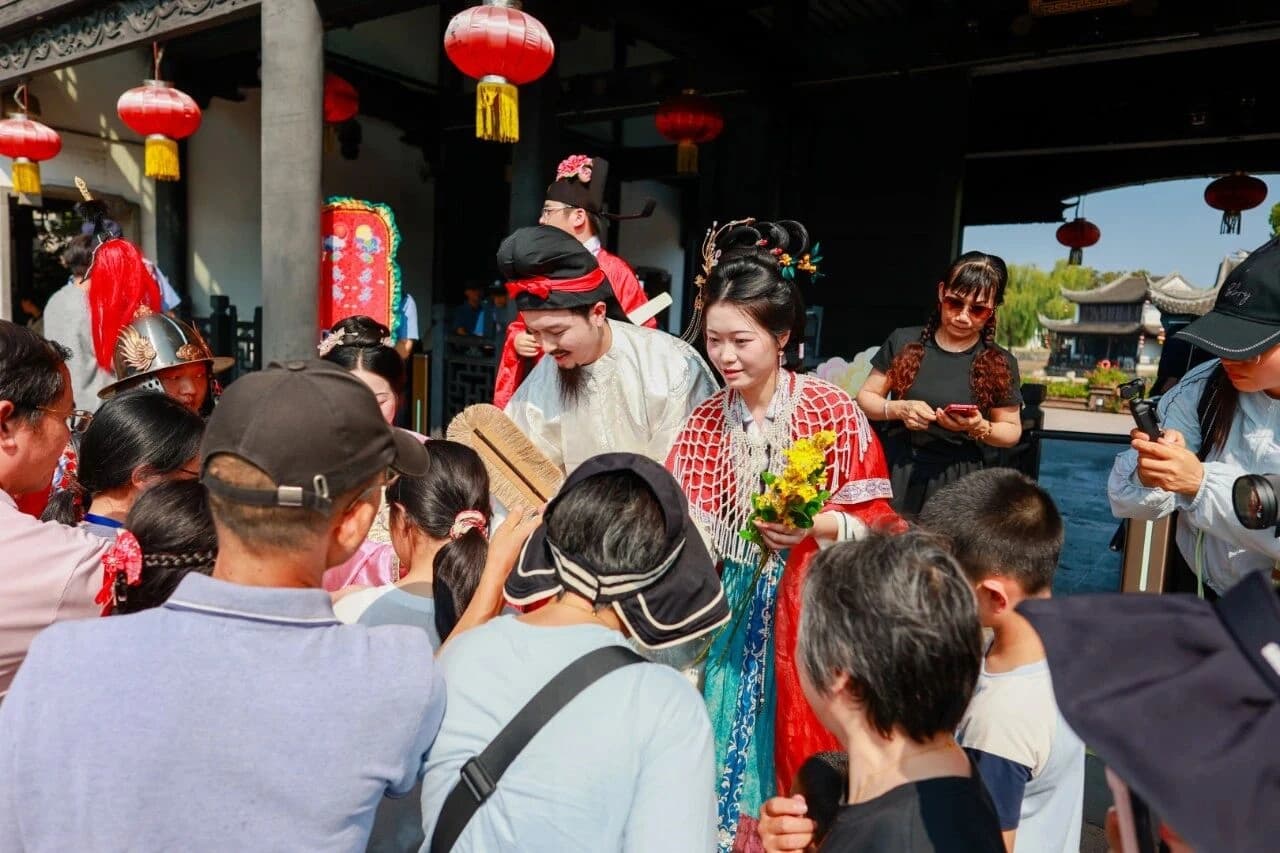
Xitang is one of the best places in China to rent traditional hanfu clothing and get a professional photoshoot. Dozens of shops along Tangdong Street offer packages starting at around ¥100–200 for costume + hair + makeup, with photography add-ons from ¥200–500. The canals and bridges make for stunning backdrops, and this is one of the most popular activities for young Chinese visitors.
Button-Making Demonstration

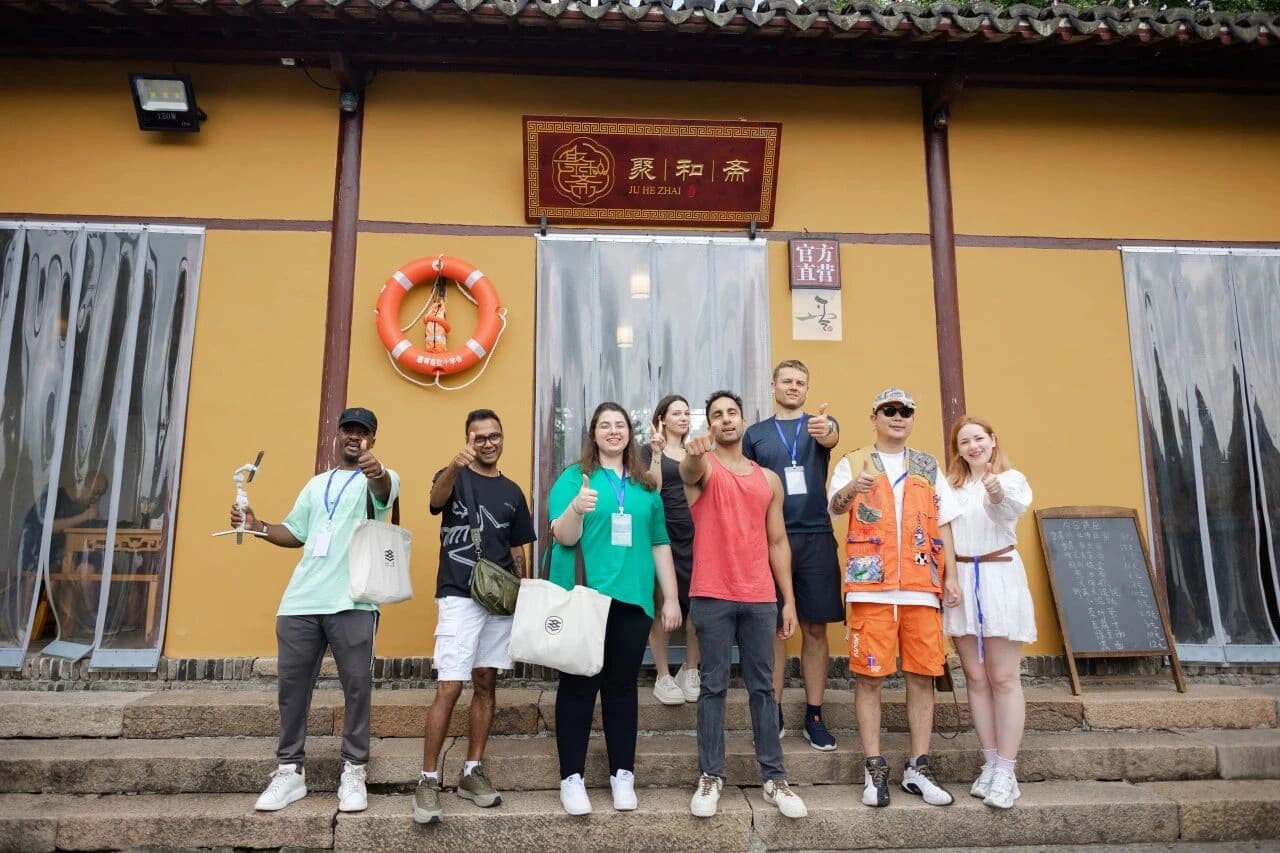
The Button Museum has live demonstrations of traditional shell-button making. It is a small, hands-on exhibit and a nice break from the temples and gardens.
By Interest — Activities for Different Travellers
Traveller Type | Top Picks in Xitang |
Photographers | Sunrise at Yongning Bridge, sunset at Huanxiu, night reflections, Shipi Lane |
Couples | Night boat ride, riverside dinner, hanfu photoshoot, bar street |
Families with kids | Button Museum, boat ride, osmanthus cake tasting, kite-flying (if windy) |
History buffs | West Garden, Zunwen Hall ceiling, all 11 ticketed attractions |
Foodies | Street food crawl: stinky tofu, rice wine popsicle, osmanthus cake, crab noodles |
Solo travellers | Morning walk, teahouse break, bar street in the evening |
6. Xitang Water Town Itinerary — 1-Day vs 2-Day Options
How many days should you spend in Xitang? The honest answer is that one full day is enough to see the essentials, but two days (with one night in the town) gives you the magic of the early-morning empty lanes and the full night-view experience. Here are both options.
One-Day Itinerary (Full Immersion)
This is the same timeline detailed in the Xitang day trip from Shanghai section above. In short: arrive by 8:30, walk the corridor, visit the gardens, have lunch, do a boat ride or museum, catch the sunset, walk the night views, and catch the train back to Shanghai by 22:00.
Best for: Travellers with limited time, day-trippers, and those who want a taste of Xitang without an overnight stay.
Two-Day, One-Night Itinerary (Recommended for a Full Experience)
This is the most popular way to visit Xitang, and it is the one we recommend to clients who can spare the extra day.
Day | Time | Activity |
1 | 14:00 | Arrive in Xitang, check into guesthouse |
14:30 | Walk Yanyu Long Corridor, Yongning Bridge, Shipi Lane | |
15:30 | West Garden + Drunken Garden | |
16:30 | Tea break at a canal-side teahouse | |
17:30 | Sunset photos from Huanxiu Bridge | |
18:30 | Dinner at a local restaurant (avoid main road) | |
19:30 | Night boat ride (20 min) | |
20:00 | Walk the lit-up corridors and Tangdong Bar Street | |
22:00 | Back to guesthouse (the town is quiet and beautiful after the day-trippers leave) | |
2 | 6:00 | Wake up — Xitang is nearly empty |
6:30 | Sunrise photos at Yongning Bridge and along the corridor | |
7:30 | Breakfast at a local noodle shop | |
8:00 | Visit Zunwen Hall, Button Museum, and any ticketed sites you missed on Day 1 | |
10:00 | Souvenir shopping (osmanthus cake, rice wine, handmade crafts) | |
11:00 | Check out, lunch | |
12:00 | Depart Xitang for Shanghai (or continue to Wuzhen) |
Rainy Day Backup Itinerary
Rain in Xitang is not necessarily bad news — the langpeng (covered walkways) mean you can walk for hours without getting wet, and the mist and reflections in the rain create some of the town's most beautiful scenery.
Morning: Walk the langpeng — the covered corridors keep you dry, and the rain creates a misty, ink-painting atmosphere.
Midday: Visit the indoor attractions — West Garden (has covered corridors), Zunwen Hall, Button Museum, and the Wine Culture Museum.
Afternoon: Teahouse time. Sit by the canal, drink tea, and watch the rain on the water.
Evening: The rain usually clears by late afternoon, and the wet stone and lantern reflections make for stunning night photos.
7. Xitang Night View — A Complete Night Guide
The Xitang night view is one of the main reasons people visit. When the red lanterns light up along the canals, the town transforms from a pleasant historic village into something genuinely magical. This is the most complete night guide you will find — most online sources just say "go at night" without telling you what to do, when, or how.
When Do the Lights Come On?
Day Type | Lights On | Lights Off | Best Viewing Window |
Regular — Spring/Autumn | ~18:00 | ~21:00 | 18:30–20:00 |
Regular — Summer | ~18:00 | ~21:30 | 18:30–20:00 |
Regular — Winter | ~18:00 | ~20:30 | 18:30–20:00 |
Statutory holidays | ~18:00 | ~21:30–22:00 | 18:30–21:00 |
If your visit coincides with a cultural event — such as the Spring Festival night tours or the Mid-Autumn/National Day lantern parades — decorative lights in the event zones stay on until activities conclude, often 22:00 or later. Check the official Xitang WeChat account (西塘旅游) for the current event calendar.
Recommended Night Walking Route
This 1.5–2 hour route takes you through the best of Xitang at night, in a logical order:
Yongning Bridge (18:30) — Start here. The view down both directions of the canal, with lanterns glowing and their reflections dancing on the water, is the iconic Xitang night shot.
Yanyu Long Corridor, westward (18:45–19:30) — Walk west along the covered corridor. The lanterns overhead create a warm tunnel of light. Stop at shops selling snacks (osmanthus cake, rice wine popsicle).
Huanxiu Bridge (19:30–19:50) — Climb to the top of the arch for a panoramic view of the lit-up rooftops. This is the second-most-photographed night spot.
Tangdong Bar Street (20:00–21:00) — Walk east to Tangdong Street. The bars have outdoor seating along the canal, live music, and a lively atmosphere. Stop for a drink if the mood takes you.
Songzi Laifeng Bridge area (21:00) — By this time the day-tripper crowds have thinned. Walk back toward your guesthouse or exit, enjoying the quieter side lanes where the light pools on the wet stone.
Night Boat Tour
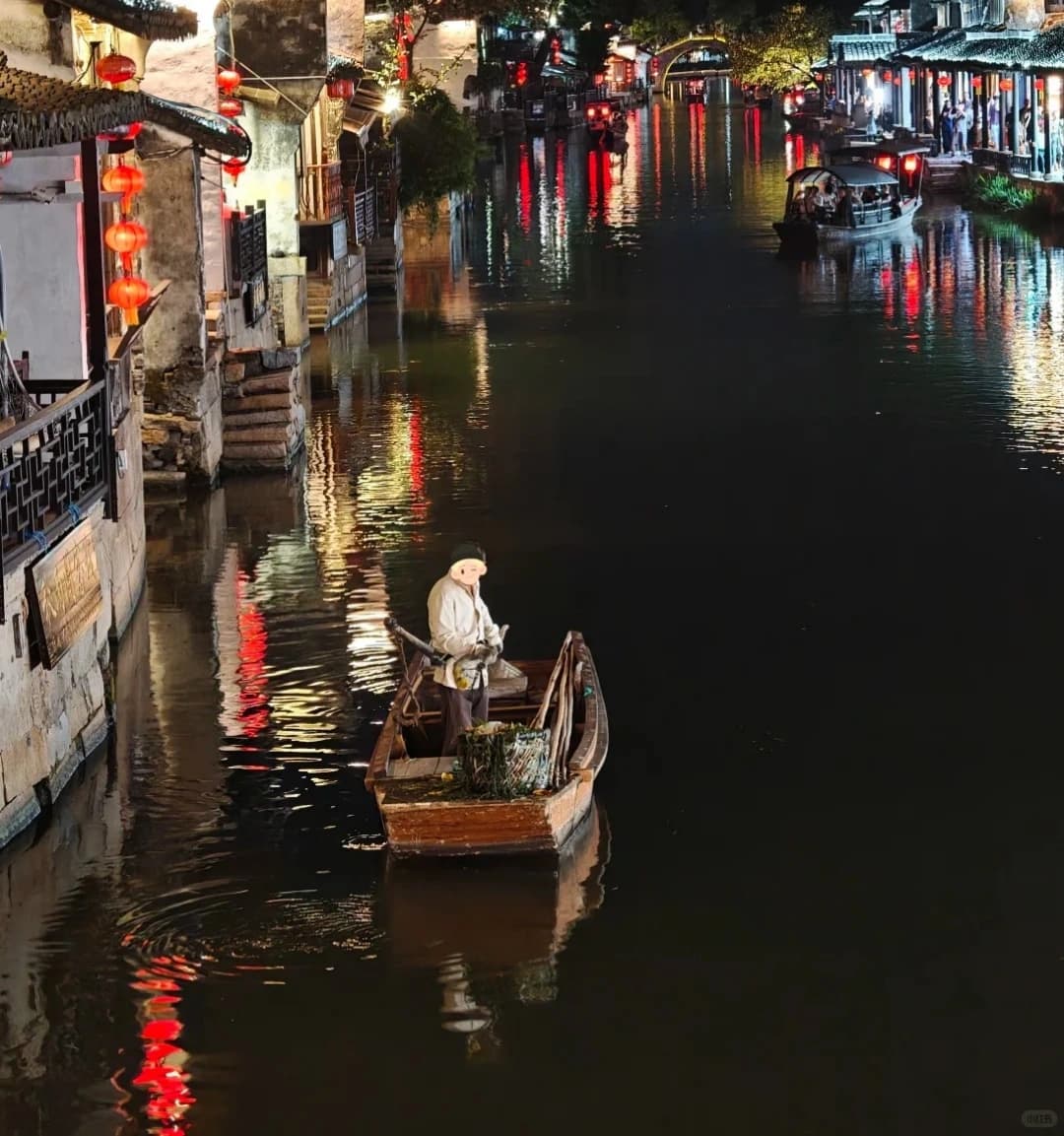
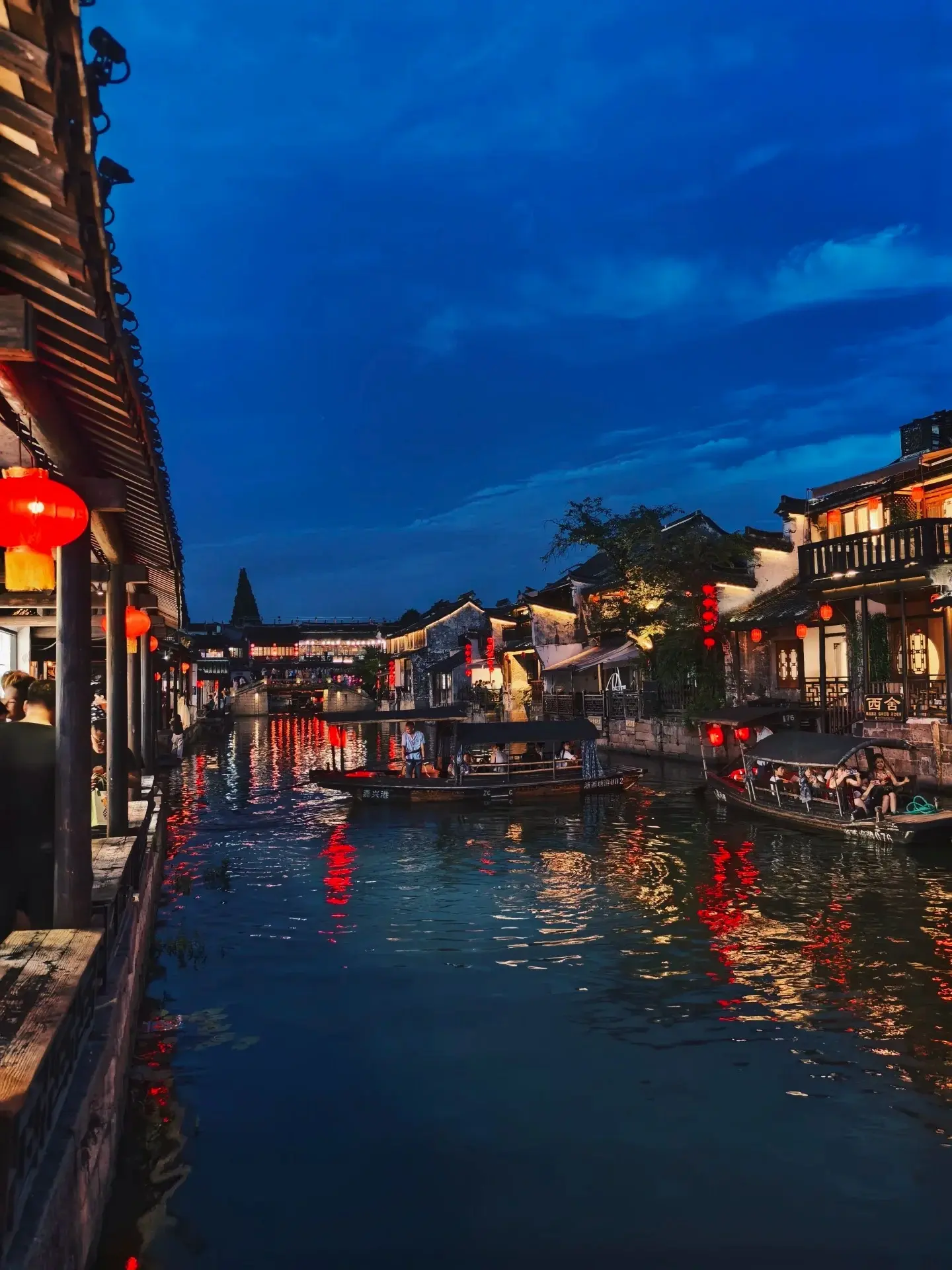
A boat ride at night is the single most magical thing you can do in Xitang. Two routes to choose from:
Route | Direction | Best For | Vibe |
Yantawan Pier → Songzi Laifeng Bridge Pier | Runs the full length of Yanyu Long Corridor | Classic night views, first-timers | Lively, most photographed stretch |
Wolong Bridge Pier → Yongning Bridge direction | Quieter western canal | Couples, tranquility seekers | Peaceful, fewer boats, intimate |
Route 1 passes the entire covered corridor — you get the iconic lantern-lit canal reflections that appear in every Xitang postcard. Route 2 is the alternative for those who prefer calm water and empty frames over crowds.
Tips for the night boat:
The shared boats fill up fast on weekends. If you are a couple, a private boat is worth it for the intimacy.
Sit on the side facing away from the boatman — you get the better view.
Bring a small light or use your phone screen sparingly — bright lights ruin the atmosphere and your night photos.
The boat goes under several low bridges; duck when you see one coming.
Bar Street vs Quiet Alleys — Choosing Your Vibe
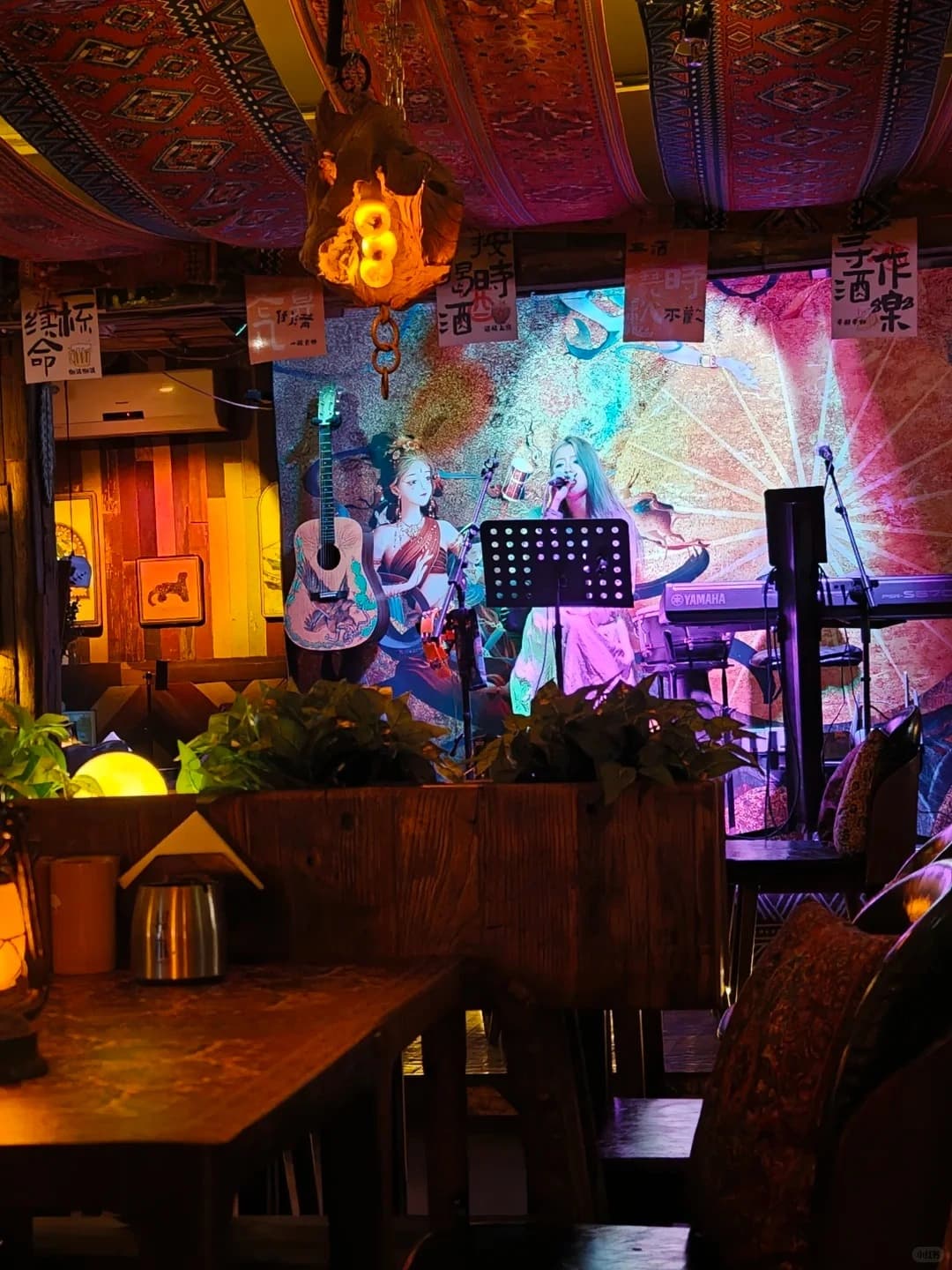
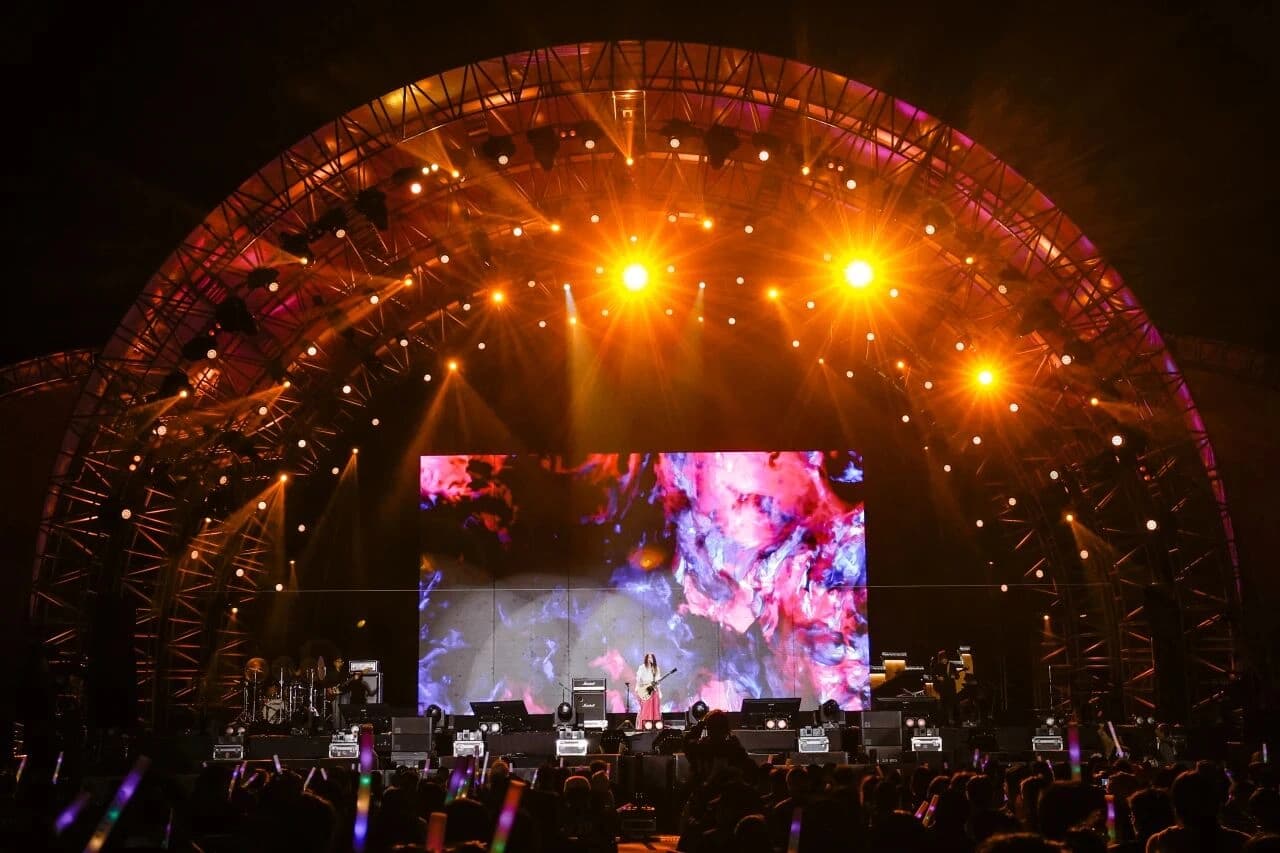
Xitang at night has two distinct personalities.
Tangdong Bar Street (唐东街酒吧街) is loud, energetic, and youthful. Bars line both sides of the canal, each vying for attention with music, lights, and beer promotions. If you want to drink, listen to live music, and people-watch, this is your spot. Note that the noise carries — if you are staying in a guesthouse on Tangdong Street, expect music until 1:00–2:00 AM.
The quieter lanes (Beizha Street, the side alleys off the main corridor) are the opposite. After 21:00, these lanes are nearly empty, with only the lanterns and the sound of water. This is where you get the "ink painting" feeling that people rave about. If tranquillity is what you want, head here — it is a 5-minute walk from the bar street but feels like a different world.
8. Best Time to Visit Xitang — Seasonal Calendar
Ask any local when is the best time to visit Xitang and you will get a different answer depending on what they value — misty spring mornings, golden autumn light, or the energy of summer evenings. Here is a month-by-month breakdown to help you decide.
Monthly Weather & Crowd Guide
Month | Weather | Crowds | Highlights | Recommended? |
Jan | Cold (0–8°C), dry | Low | Empty lanes, possible snow (rare) | ★★ |
Feb | Cold (2–10°C), Spring Festival | Very high (festival) | Spring Festival temple fair | ★ |
Mar | Cool (8–15°C), rainy | Medium–high | Misty "ink painting" atmosphere begins | ★★★★ |
Apr | Mild (12–20°C), rainy | High | Cherry blossoms, Qingming festival | ★★★★ |
May | Warm (17–25°C) | High | Green foliage, comfortable | ★★★★ |
Jun | Hot (22–28°C), plum rain season | Medium | Rainy but atmospheric, fewer crowds than Jul–Aug | ★★★ |
Jul | Hot & humid (27–35°C) | Medium | Summer night views, lotus flowers | ★★★ |
Aug | Hot & humid (27–35°C) | Medium–high | Summer holidays, evening crowds | ★★★ |
Sep | Warm (22–30°C), cooling | Medium–high | Pleasant weather, fewer crowds than Oct | ★★★★★ |
Oct | Cool (15–25°C) | Very high (National Day) | Golden autumn, best light | ★★★★ |
Nov | Cool (8–16°C), dry | Low–medium | Golden leaves, crisp air, lanterns | ★★★★★ |
Dec | Cold (2–10°C) | Low | Quiet, off-peak prices | ★★★ |
The Two Best Seasons
Spring Mist (March–May): This is the "ink painting" season. Light rain and mist sit above the canals, softening the rooftops and making every photo look like a classical Chinese scroll. The rain is usually light — bring an umbrella and enjoy it. April's cherry blossoms add another layer of beauty. Avoid the Qingming Festival week (early April) when crowds peak.
Golden Autumn (September–November): September and November are arguably the best months. The weather is dry and comfortable (15–25°C), the light is golden and perfect for photography, and the lanterns at dusk glow against a clear blue sky. October is beautiful but crowded during the National Day holiday (Oct 1–7) — go in late October or early November if you can.
Xitang Events & Festivals Calendar
Event | Approximate Date | What It Is |
Spring Festival temple fair | Late Jan / early Feb | Traditional fair with performances, food stalls, and decorations |
Qingming Festival | Early Apr | Ancestor-worshipping period; locals visit family tombs |
Xitang Hanfu Culture Week | Late Oct / early Nov | Xitang's signature event — thousands of people in traditional hanfu gather for parades, performances, and photography. One of the largest hanfu events in China. |
Mid-Autumn Festival | Sep / Oct | Lantern displays along the canals |
National Day Golden Week | Oct 1–7 | Biggest tourist season — avoid if possible |
9. Where to Stay in Xitang — Area Guide and Recommendations
Deciding where to stay in Xitang comes down to a trade-off: do you want to be inside the ancient town (atmospheric but more expensive and louder at night) or outside (quieter, cheaper, but a 10-minute walk to the action)? Here is the breakdown.
Stay Inside the Ancient Town vs Outside — Pros & Cons
Area | Price Range | Pros | Cons | Best For |
Inside — canal-view boutique guesthouse | ¥300–600 | Right in the action; wake up to canal views; free early-morning photography | Expensive; can be noisy (especially near bar street); cars cannot enter | Couples, photographers, atmosphere-seekers |
Inside — side-street guesthouse | ¥200–400 | Quieter than canal-front; still inside the town | Less scenic; some rooms are small/dark | Budget travellers who want to stay inside |
Outside — near main entrance (P1) | ¥150–350 | Walkable to the gate; restaurants and shops nearby; car access | Not in the town itself; 10–15 min walk to the centre | Practical travellers, families with cars |
Outside — city centre (Jiashan) | ¥100–200 | Cheapest; full-sized hotels; car access | 15–20 min drive to Xitang; no atmosphere | Budget travellers, business visitors |
Recommended Hotels & Guesthouses by Budget
Boutique & Design (¥400–800/night): Blossom Manoir Xitang — A well-regarded boutique hotel inside the town, with canal-view rooms and thoughtful design. Naera Hotel Xitang — A boutique Xitang hotel with modern comfort, stylish interiors, and a relaxing atmosphere near the ancient town. Voco Xitang by IHG — An international-brand hotel just outside the ancient town, offering reliability, English service, and modern amenities.
Mid-Range (¥200–400/night): Beizha Street guesthouses — Several family-run guesthouses along Beizha Street offer clean, comfortable rooms at reasonable prices. Shenyuan Boutique Inn — A classic Xitang guesthouse with a courtyard, traditional decor, and friendly owners.
Budget (¥100–200/night): Hostels and small guesthouses near P1 entrance — Basic but clean rooms, often with shared bathrooms. Good for solo travellers and budget-conscious groups.
Booking Tips:
Avoid Tangdong Street for sleeping — the bar street is lively until 1:00–2:00 AM. If you want to sleep, book a guesthouse on Beizha Street or a side lane away from the bars.
Ask about the second floor — canal-view rooms on the ground floor can be damp and noisy.
Book 2–4 weeks in advance for weekends and holidays.
Guesthouse ticket discount — Many guesthouses sell combo tickets at a discount (¥80–95 instead of ¥95) to their guests — ask when booking.
10. Xitang vs Wuzhen — Which Water Town Should You Choose?

This is the question every first-time visitor to the Jiangnan water towns asks. Xitang vs Wuzhen — which one should you pick? The short answer is: they are different enough that the right choice depends on what you want from the experience. Here is a detailed comparison.
Quick Comparison Table
Factor | Xitang | Wuzhen |
Distance from Shanghai | ~80 km (25 min train + 40 min bus) | ~120 km (40 min train + 40 min bus) |
Combo ticket price | ¥95 | ¥110 (East Gate) / ¥150 (West Gate) / ¥190 (combo) |
Commercialisation | Moderate | High |
Night views | Beautiful, more authentic, fewer crowds | Spectacular, more polished, busier |
Photography | More "lived-in" and atmospheric | More "postcard-perfect" and curated |
Covered walkways (langpeng) | Yes — signature feature, 1.8 km | No — Wuzhen uses "water pavilions" (水阁) instead |
Best for | Slow travel, photography, budget travellers, nightlife | First-timers, luxury, polished experience, families |
Recommended stay | 1–2 days | 1 day (or 2 if you visit both East and West Gates) |
By Traveller Type — Which Suits You?
Traveller Type | Recommendation | Why |
First-time visitor to a Jiangnan water town | Wuzhen | More polished, easier to navigate, "wow" factor is immediate |
Photographer | Xitang | More authentic, fewer crowds, better for early-morning empty shots |
Couple / romantic trip | Xitang | Quieter, more intimate, better nightlife (bars), better value |
Family with kids | Wuzhen | Better facilities, more activities, easier navigation |
Budget traveller | Xitang | Significantly cheaper tickets, cheaper food and accommodation |
Senior traveller | Wuzhen | Better infrastructure, more accessible, flatter paths |
Nightlife lover | Xitang | Tangdong Bar Street has a much more vibrant scene |
Short on time (day trip only) | Xitang | Closer to Shanghai, smaller, easier to cover in a day |
Can You Visit Both? Two-Town Weekend Itinerary
Xitang and Wuzhen are only about 50 kilometres apart. If you have a weekend, visiting both is very doable.
Day 1 — Xitang
Morning: travel from Shanghai to Xitang
Afternoon: explore Xitang (corridor, gardens, lanes)
Evening: Xitang night views + boat ride, night stay in Xitang.
Day 2 — Wuzhen
Morning: travel from Xitang to Wuzhen (1.5–2 hrs by bus/taxi)
Afternoon: explore Wuzhen West Gate (the more spectacular section)
Evening: Wuzhen night views (the light show is impressive), night return to Shanghai or stay in Wuzhen.
Transport between Xitang and Wuzhen: There are direct buses, but schedules are infrequent. The most reliable option is a taxi/private car (¥150–200, ~1 hour). Alternatively, take a bus to Jiaxing and transfer.
11. What to Eat in Xitang
Xitang's food scene is part of the experience — from street snacks to sit-down meals, the town offers a range of Jiangnan specialties. Here is what to eat, where, and what to avoid.
Must-Try Local Dishes & Snacks
Food | Description | Where to Find It | Price |
 Guantaifou Stinky Tofu (管老太臭豆腐) | Fermented tofu, deep-fried, served with spicy sauce. A Xitang icon. | Near Yongning Bridge / West Street (look for the original "管老太" sign) | ¥10–15 |
 Lotus Leaf Steamed Pork (荷叶粉蒸肉) | Pork steamed in lotus leaves with rice powder. Savoury and aromatic. | Street stalls and restaurants | ¥15–25 |
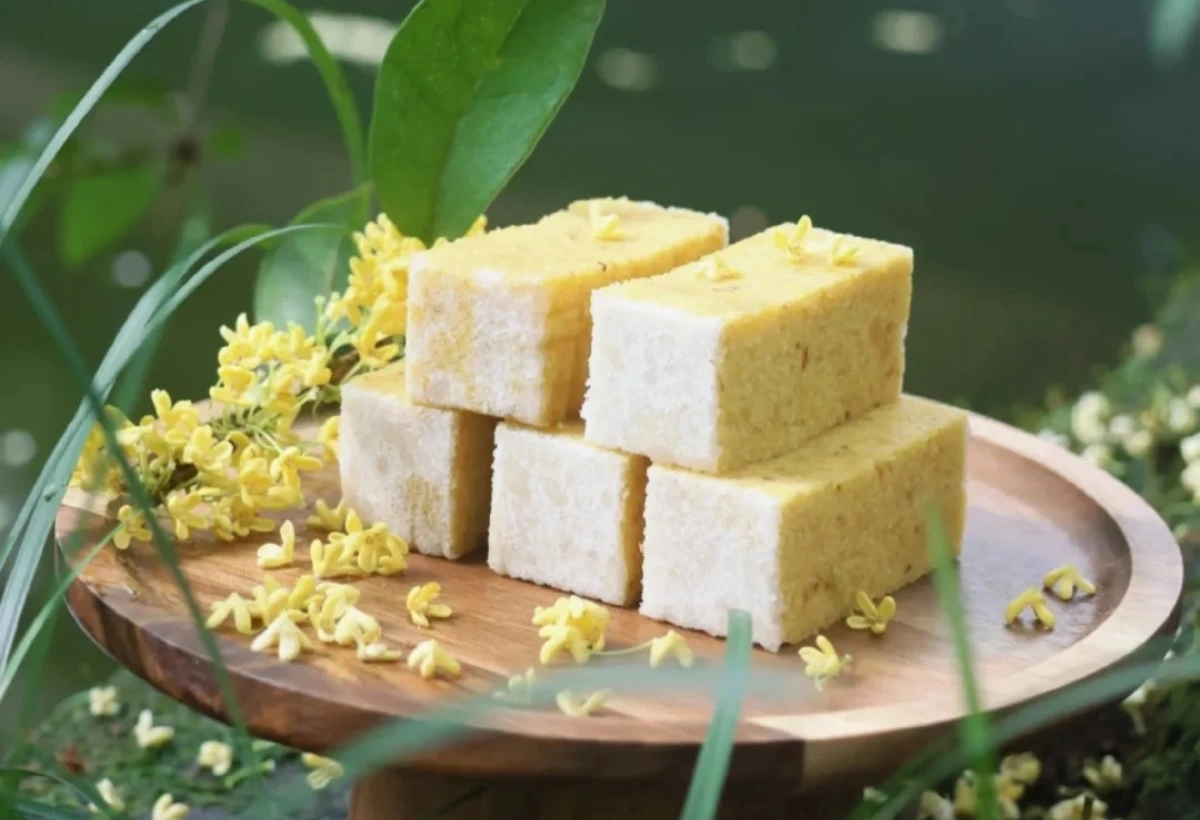 Osmanthus Cake (桂花芡实糕) | Soft, sweet cake made with gorgon fruit and osmanthus. A popular souvenir. | Shops along the main corridor | ¥10–20/box |
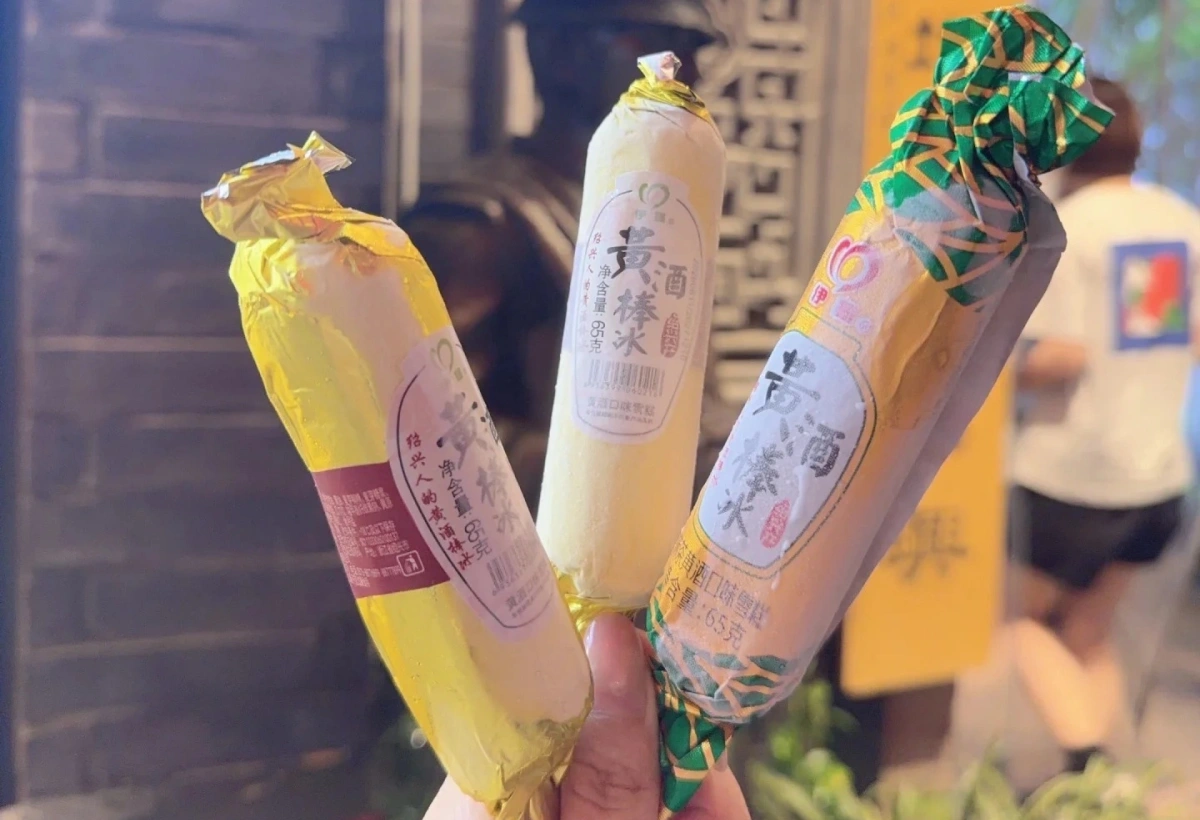 Rice Wine Popsicle (黄酒棒冰) | A popsicle made with rice wine. Grown-up ice cream. | Street stalls in summer | ¥5–10 |
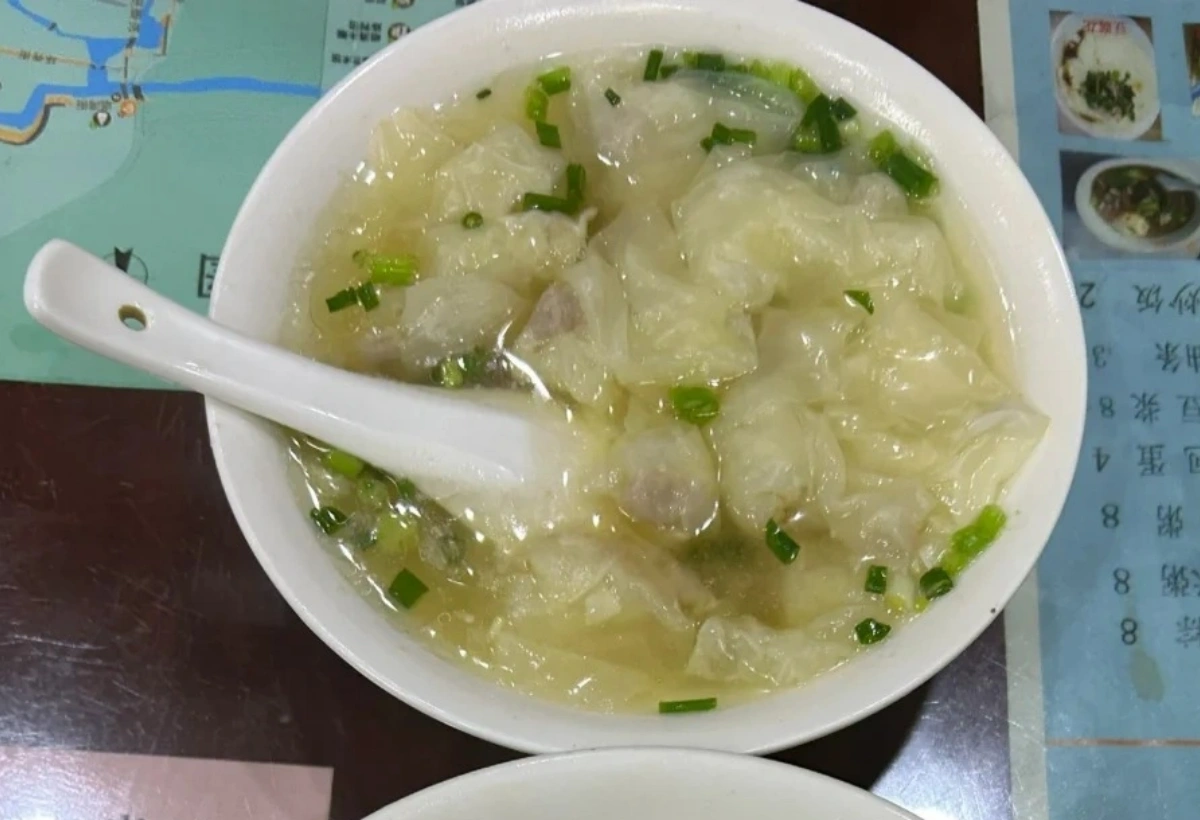 Lu's Wonton (陆氏小馄饨) | Tiny, delicate wontons in a clear broth. A local breakfast classic. | Street stalls near the main entrance | ¥10–15 |
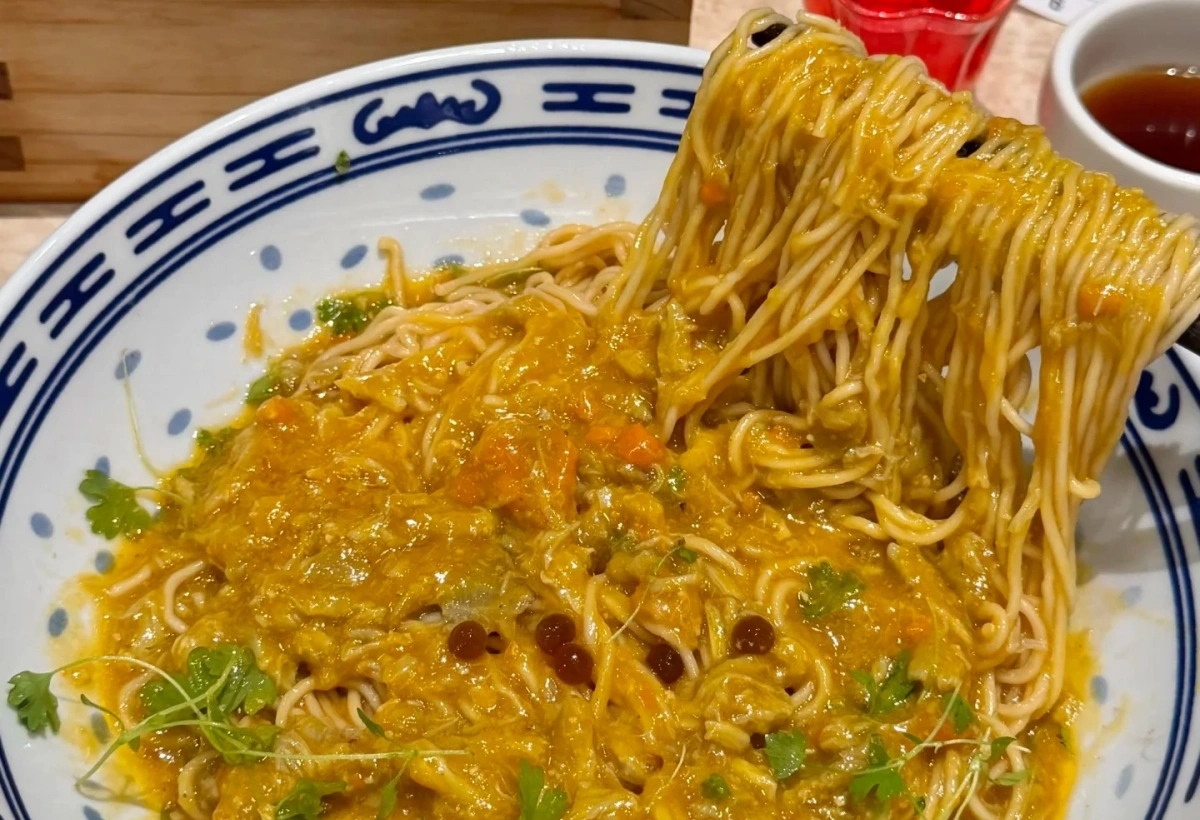 Crab Noodles (蟹黄面) | Noodles topped with fresh crab roe. Rich and delicious. | Sit-down restaurants | ¥40–80 |
 Weirong Shaomai (味蓉烧卖) | Steamed dumplings with a sweet, pork-filled centre. | Breakfast stalls | ¥10–15 |
Recommended Restaurants
Lin Xiaoguan (林小馆) — Known for spicy dry-pot frog (麻辣干锅蛙). Good for groups, lively atmosphere.
Xitang Renjia (西塘人家) — Traditional Jiangnan cuisine, including steamed white fish (清蒸白鱼). Moderate prices.
Laopinfang (老品坊) — Famous for its wonton and old duck hotpot (馄饨老鸭煲). Comfort food.
Qian Yuman (钱玉满) — Known for braised duck (酱鸭). Local favourite.
12. Photography in Xitang — Best Spots and Timing
Xitang is one of the most photogenic towns in China, and good timing can make the difference between a snapshot and a frame-worthy image. Here is our photographer's guide.
Top 5 Photo Spots with Timing
Spot | Best Time | What to Shoot | Tip |
Yongning Bridge | 6:30–7:30 (empty) / 18:30–19:30 (lanterns) | The long corridor down the canal, both directions | Shoot along the corridor, not across it |
Huanxiu Bridge | 17:30–18:00 (sunset) | Panorama of Xitang's rooftops | Climb to the top of the arch for the widest view |
Mid-corridor (between Yongning and Huanxiu) | After 21:00 | Lantern reflections in still water | Use a tripod or rest on the railing; long exposure |
Shipi Lane | Before 8:00 | Atmospheric narrow alley with light at the end | Shoot from one end toward the other |
Tangdong Street at night | 19:00–21:00 | Street life, bars, lanterns | Candid street photography mode |
Golden Hour Guide — Dawn vs Dusk vs Blue Hour
Dawn (5:30–7:00): Xitang is nearly empty. The mist sits above the canal, and the first light hits the white walls. This is the time for the "empty town" shots that look like they were taken 50 years ago.
Sunset Golden Hour (17:30–18:30): The sun is low, casting warm light on the black-tiled roofs. Huanxiu Bridge is the best spot. The lanterns start coming on during this window, giving you both natural and artificial light.
Blue Hour (18:30–19:30): The sky turns deep blue while the lanterns glow red. This is the single most beautiful 30 minutes in Xitang. The contrast between the blue sky and the warm lanterns is stunning. If you only shoot one thing, shoot this.
Night (20:00+): The lanterns are fully lit, the water is reflective, and the crowds thin. Good for long-exposure reflection shots.
Seasonal Photography Calendar
Season | Best Subjects | Notes |
Spring (Mar–May) | Misty corridors, cherry blossoms, rain reflections | The "ink painting" season — embrace the mist |
Summer (Jun–Aug) | Lotus flowers, green foliage, summer night lanterns | Early morning and evening only — midday light is harsh |
Autumn (Sep–Nov) | Golden leaves, clear blue skies, lanterns at dusk | The best all-around season for photography |
Winter (Dec–Feb) | Bare branches, possible snow, empty lanes | Cold but atmospheric; fewer people means cleaner shots |
13. Practical Tips for Visiting Xitang
Getting Around the Town
Xitang Ancient Town is compact — you can walk from one end to the other in about 30 minutes. There are no cars inside the town (with the exception of a few electric carts for luggage). Everything is on foot, and the stone paths are flat and walkable.
What to Wear & Bring
Shoes: Comfortable walking shoes with good grip. The stone paths are uneven and become slippery when wet.
Rain gear: A compact umbrella is essential in spring and summer. The langpeng provides good cover for the main corridor, but the lanes and bridges are open.
Clothing: Layers are best. Spring and autumn can be cool in the morning and warm in the afternoon. Summer is hot and humid — light, breathable clothing. Winter is cold — bring a warm jacket.
Power bank: You will use your phone a lot for photos, navigation, and payments. Bring a portable charger.
Accessibility & Special Needs
Wheelchair users: Xitang is not fully wheelchair-accessible. The stone paths are uneven, and many bridges have steps. The main corridor is relatively flat, but the narrow lanes and bridges are difficult for wheelchairs.
Families with strollers: Similar to wheelchairs — the main corridor is manageable, but the lanes and bridges are challenging. Many families use baby carriers instead.
Visually impaired visitors: The town is walkable but the uneven stone and lack of tactile paving can be challenging. A companion is recommended.
Safety & Common Scams
“Antique” porcelain: Shops selling “old porcelain” or “antique” items are almost always selling modern reproductions. Do not pay antique prices for tourist souvenirs.
Restaurant pricing: Always check the menu and confirm prices before ordering. Main-road restaurants sometimes charge hidden fees.
Pickpockets: Xitang is generally safe, but the crowded corridors and bar street are prime spots for pickpockets. Keep valuables secure.
Bar street scams: Some bars in Tangdong Street may try to overcharge tourists. Check drink prices before ordering.
14. Final Thoughts
What makes Xitang stay with you is not any single bridge or garden. It is the feeling of walking under the covered corridor at 6:30 in the morning, when the town is still asleep and the only sound is water lapping against the stone embankment. It is the way the lanterns come on at dusk and turn an ordinary canal into something luminous. It is the realisation that this is not a museum or a film set — people live here, boats still carry goods, and life goes on much as it has for centuries.
A Xitang Water Town visit works on every timescale. A day trip gives you the highlights and the night views. Two days let you wake up to the empty town and take your time. And a longer Jiangnan water-town trip — combining Xitang with Wuzhen, Zhouzhuang, or Tongli — lets you see how each town has its own personality.
Whether you are planning a Xitang day trip from Shanghai, hunting for the best things to do in Xitang, or simply wondering what is Xitang Water Town and whether it is worth the journey — the answer is yes. Go for the lanterns, stay for the mist, and leave with a memory of a town that has not forgotten what it is.



Traveler Discussions
Questions from travelers