
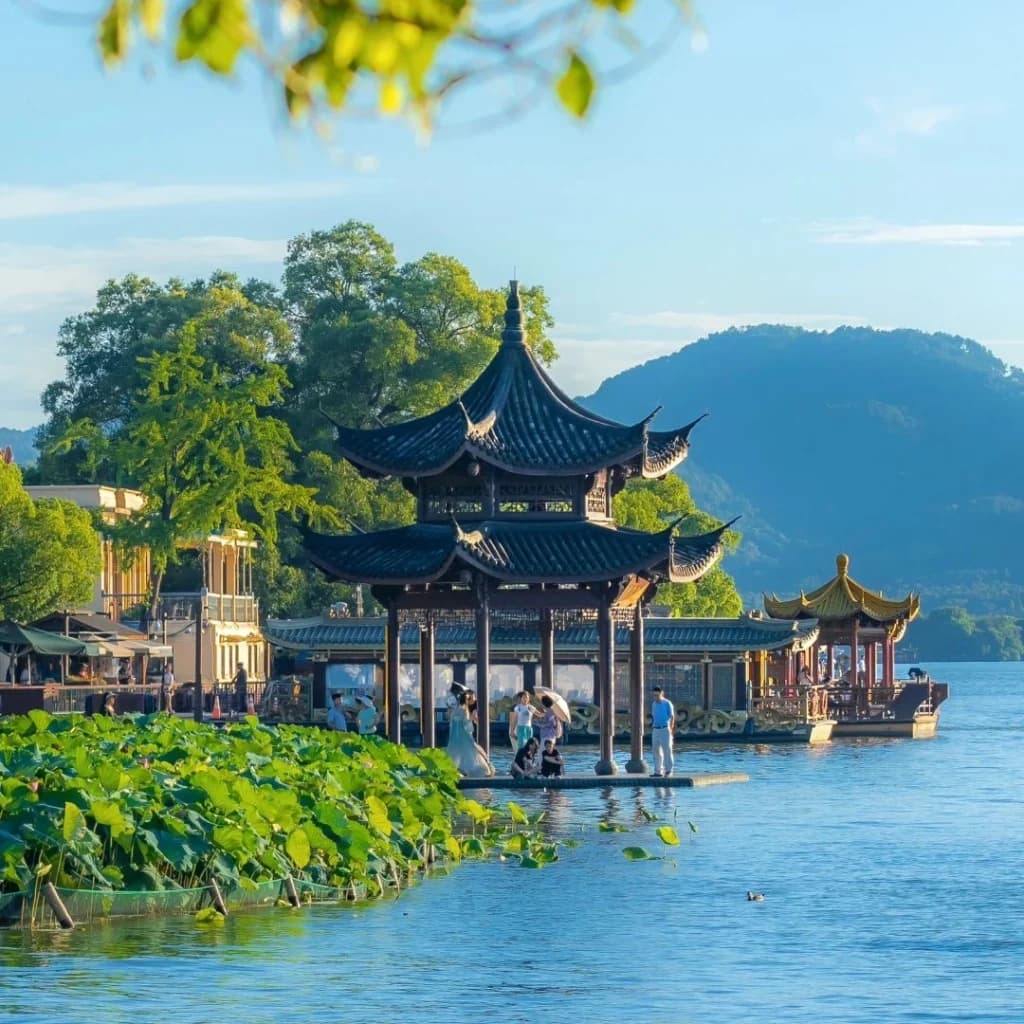
In the early morning mist, West Lake reveals itself not as a postcard but as a living landscape — willows dripping with dew, an old man practicing tai chi on the shore, and a 2.8-kilometre causeway stretching into silence. That is the moment Hangzhou clicks. This is not a city you can rush. It rewards the early riser, the slow walker, the person willing to sit in a teahouse for an hour and watch the leaves unfurl in the glass.
Here are the 15 things to do in Hangzhou that we genuinely love — not just a rundown of famous names, but the experiences that make this city special. Some are the obvious classics. Others are the kind of thing most visitors walk right past: a morning market that smells of lotus stems in summer, a Song-dynasty tea ceremony that pre-dates matcha by centuries, a free fountain show that somehow outshines everything you pay for.
Why Hangzhou Is Worth Visiting
Hangzhou is one of China's most distinctive cities — a place where 1,000-year-old poetry still shapes the landscape, where the tea in your cup was grown on hillsides you can see from the lake, and where a 5,000-year-old archaeological site sits a metro ride from a futuristic skyline light show. It was the capital of the Southern Song dynasty (1138–1279), one of the most culturally rich periods in Chinese history, and the influence of that era is still visible in the city's tea culture, architecture, and pace of life.
West Lake itself is a UNESCO World Heritage Site (inscribed 2011), recognised for profoundly influencing garden design across East Asia for centuries. The Grand Canal — another UNESCO site — terminates here after 1,400 years of continuous use. And in 2019, the Liangzhu Archaeological Ruins became China's 55th World Heritage Site, proving that complex civilisation existed in this area a thousand years earlier than previously believed.
15 Best Things to Do in Hangzhou in 2027
Here is the full list. Scan it, find what speaks to you, and jump to the details below.
# | Experience | Why Visit | Time Needed | Best For |
|---|---|---|---|---|
1 | Walk the lake causeways at dawn | UNESCO landscape, poetic history, best at sunrise | 1–3 hours | First-timers |
2 | Take a boat to Three Pools Island | ¥1 banknote landmark, classic garden island | 1 hour | Photo lovers |
3 | Explore Feilai Feng & Lingyin Temple | 1,700-year-old temple, 470 Buddhist carvings | 2 hours | Culture lovers |
4 | Catch the sunset from Leifeng Pagoda | Best panoramic lake view, underground museum | 1–2 hours | Sunset seekers |
5 | Watch the West Lake music fountain | Free night show, lake-and-skyline backdrop | 30 minutes | Everyone |
6 | Wander Longjing's tea terraces | Escape the city, emerald hills, seasonal harvest | 1–2 hours | Nature lovers |
7 | Sit down for weilu tea at a farmhouse | Authentic tea culture, seasonal stove tea | 1–2 hours | Tea & atmosphere |
8 | Visit the China National Tea Museum | Free museum, tea history, tasting area | 1–2 hours | Tea & culture |
9 | Step back 5,000 years at Liangzhu | UNESCO neolithic city, jade artefacts | Half day | History buffs |
10 | Try Song-dynasty whisked tea | Ancestor of matcha, hands-on cultural craft | 1 hour | Culture & photo |
11 | Wander Hefang Street at dusk | Old Qing-era street, medicine museum, snacks | 2 hours | Foodies & shoppers |
12 | Ride the canal water bus to Xiaohe Street | ¥3 UNESCO canal ride, 400-year-old lane | 2–3 hours | Off-the-beaten-path |
13 | Glide through Xixi Wetland by boat | Wild wetland, reed channels, autumn gold | Half day | Nature & peace |
14 | Experience local life at a morning market | Seasonal market, pian'er chuan noodles | 1–2 hours | Food & local life |
15 | Watch the Qianjiang skyline light show | Free futuristic skyline, ancient-meets-modern | 30 minutes | Everyone |
West Lake and Lingyin — The Essentials
West Lake and Lingyin Temple are the two names every visitor to Hangzhou already knows — and they live up to the reputation, if you time them right. These five picks, done in the right order and at the right times, add up to one of the best days you can have in China.
1. Walk the Lake Causeways at Dawn
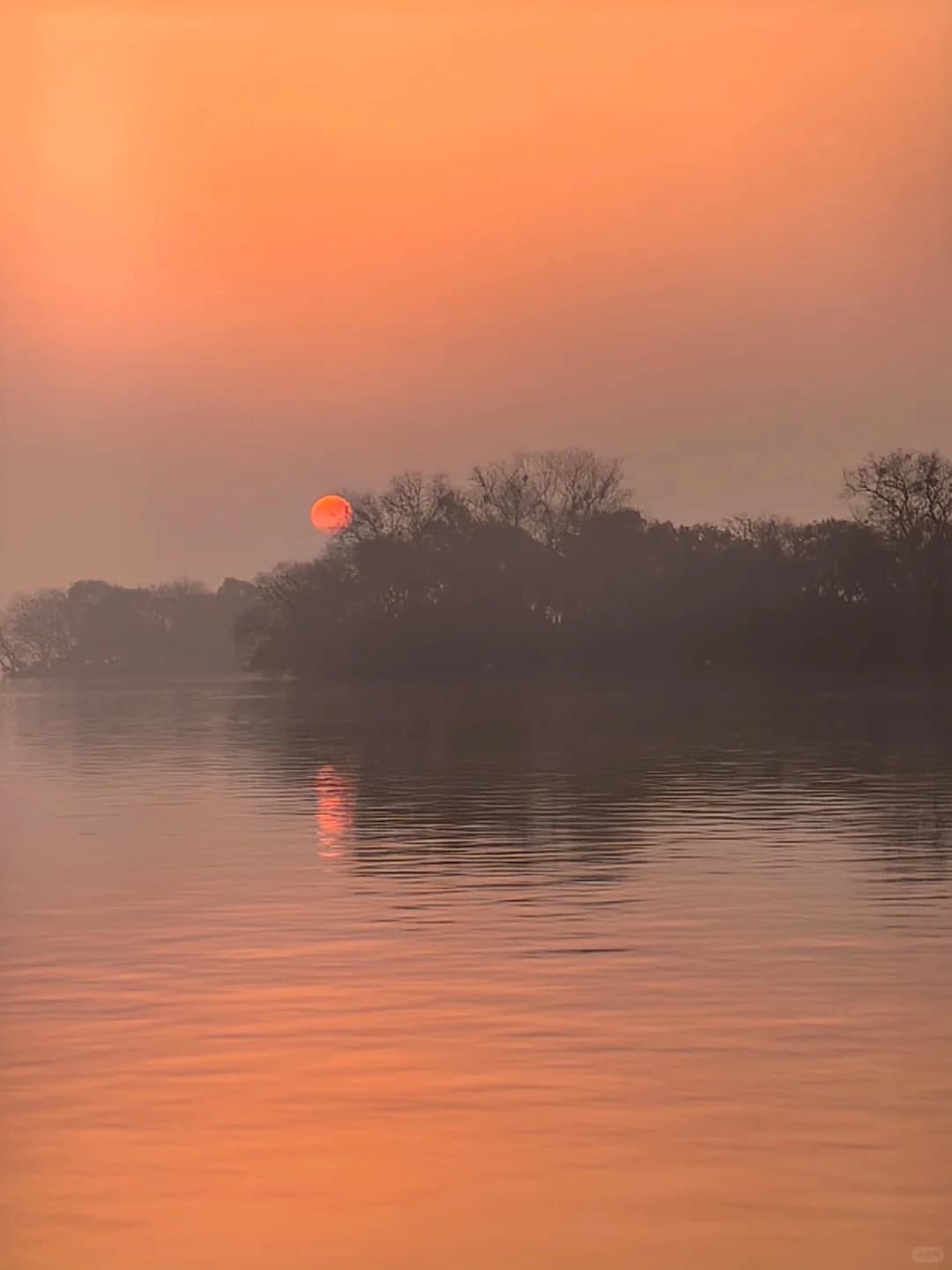
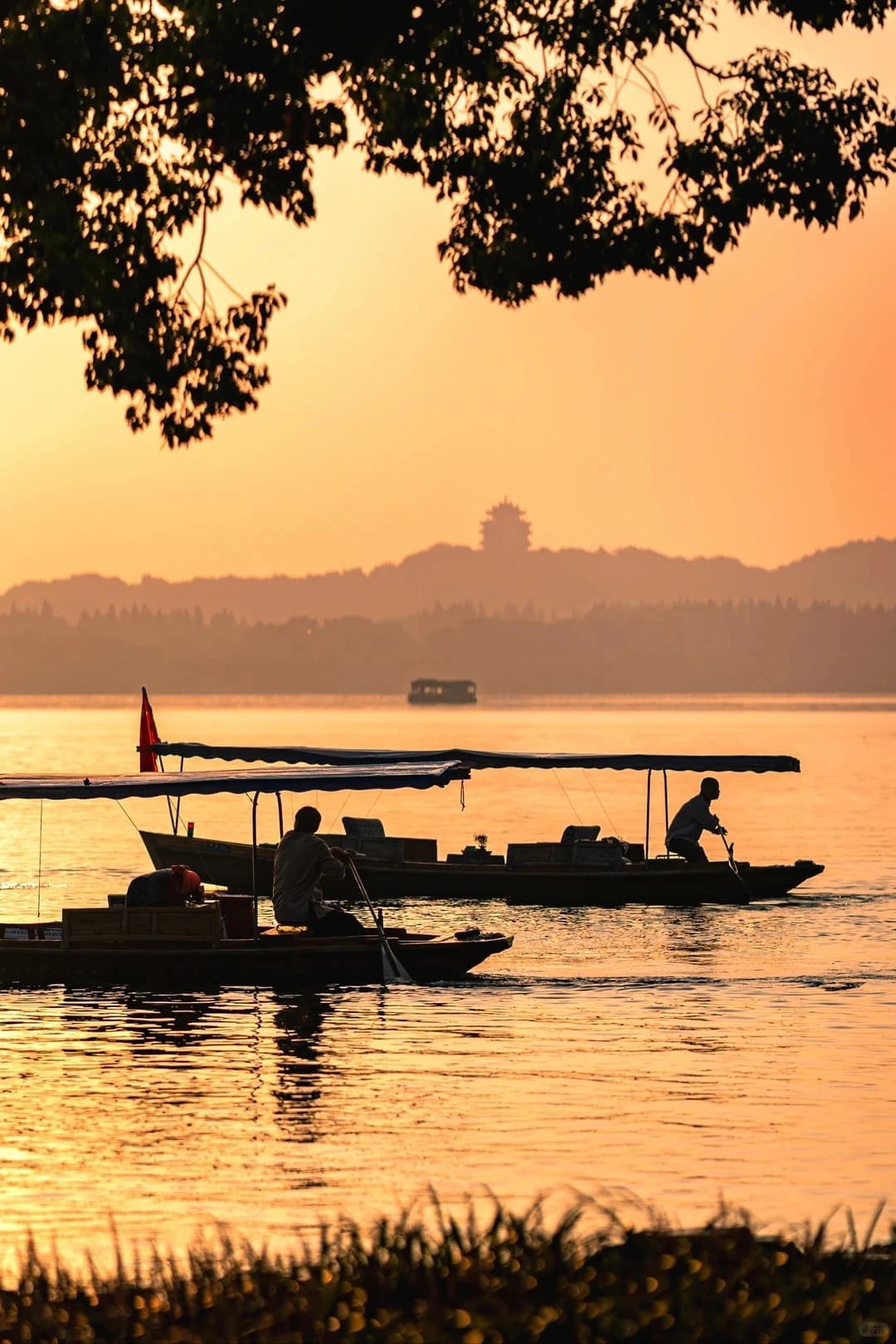
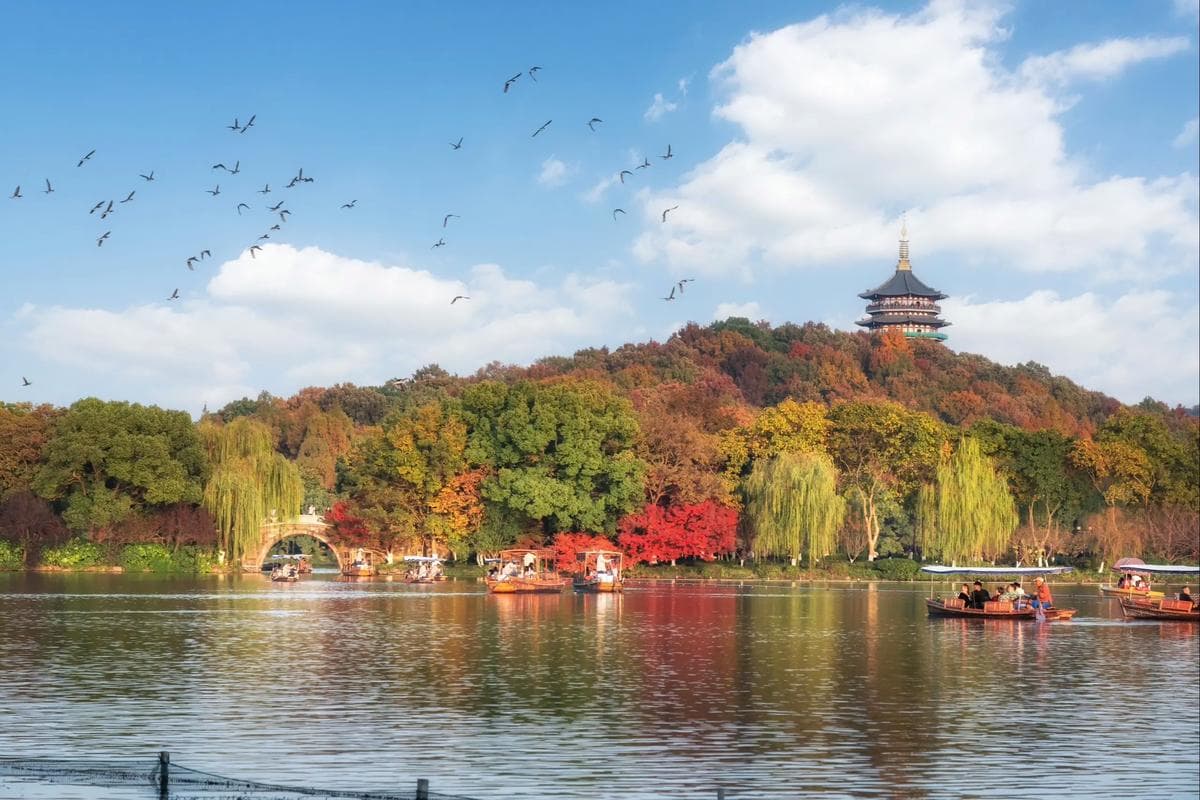
If there is one thing to take from this guide, it is this: get to West Lake early. Really early. The kind of early where the coffee has not kicked in yet, and the streets are still quiet. We are talking 6:30 in summer, 7:30 in winter. That is when the Su Causeway — a 2.8-kilometre willow-lined path built by the poet Su Dongpo in the 11th century — belongs to a handful of joggers, some people doing tai chi, and you.
The causeway crosses the western side of the lake from north to south, over six stone arch bridges. The willows trail their branches right into the water, and in the early morning the mist is still lifting off the surface. By 8:30 or 9:00, the tour buses pull up, and the magic thins out — but by then, the best part is already yours.
How much to walk depends on your schedule:
One hour: Just the Su Causeway. Start at the north end, walk south, done. This is the most beautiful stretch.
Half a morning: Su Causeway, then cut across to the Bai Causeway — shorter, curvier, ending at Broken Bridge.
Full day by the lake: Two causeways at dawn, boat to the island after lunch, Leifeng Pagoda for sunset, and the music fountain after dark.
The lake changes completely with the seasons. In spring (March–April), peach blossoms along the Bai Causeway drop pink petals into the water. In summer, the lotus ponds near the West Inner Lake are at their peak. In autumn, the sweet osmanthus around Manjuelong perfumes the air so thickly you can smell it before you see it. And in winter, if you are lucky enough to catch snow, Broken Bridge covered in white looks exactly like the classical paintings.
Getting there: Metro Line 1 to Longxiangqiao (Exit C), about a seven-minute walk to the lake. For the dawn walk, a Didi directly to the north end of the Su Causeway costs about ¥20 from the city centre.
2. Take a Boat to Three Pools Mirroring the Moon
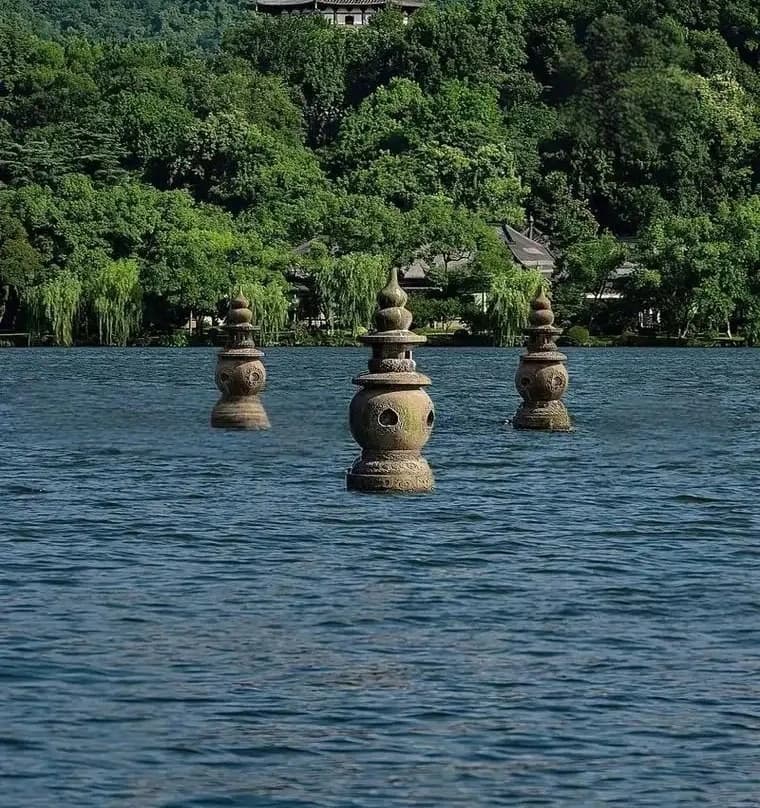
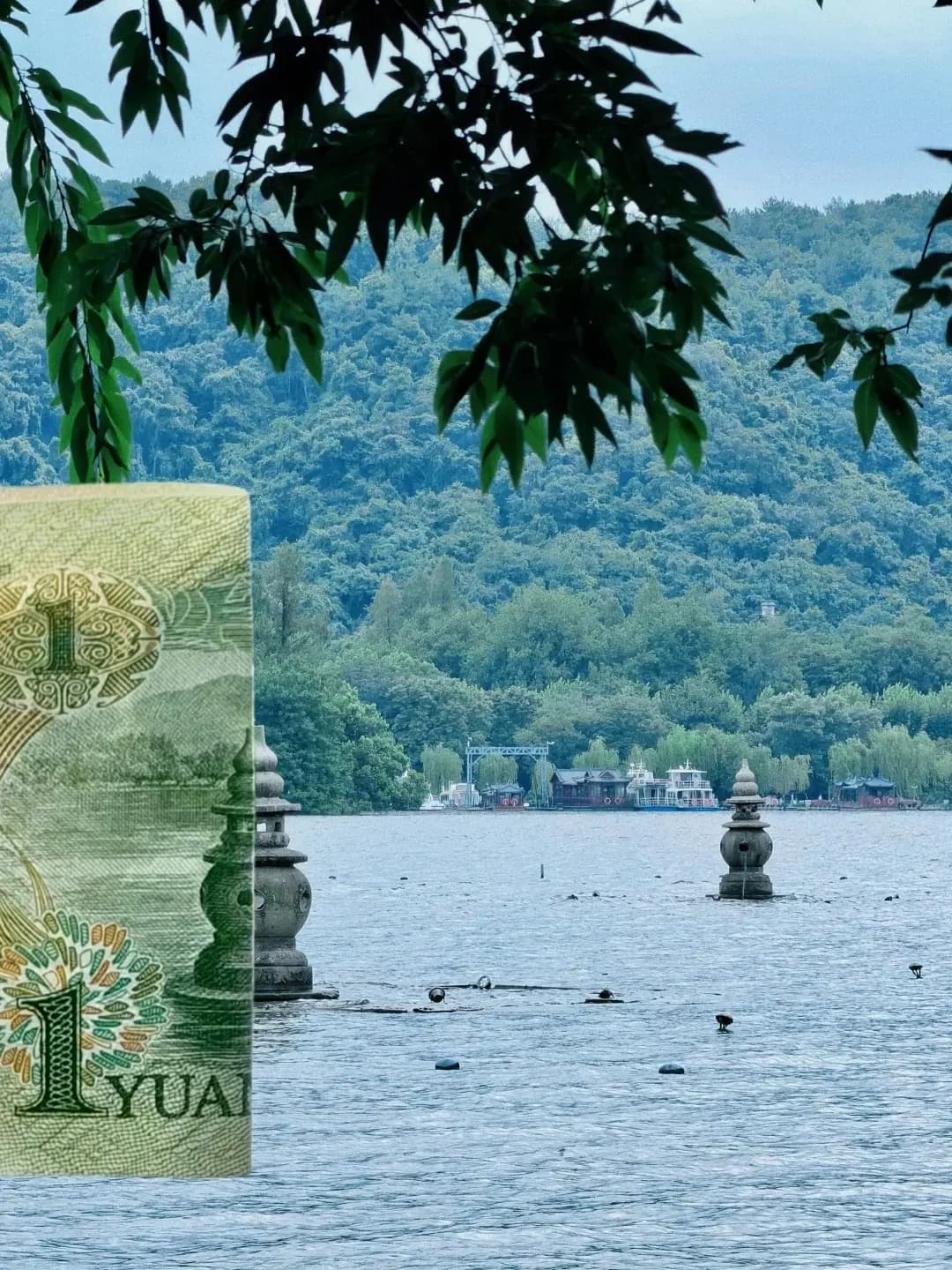
Once you have walked the causeways, it is time to get on the water. The classic West Lake boat trip takes you out to Xiao Ying Zhou — a small island where three stone pagodas rise from the lake. They were placed here in the 17th century as depth markers, and they have since become one of the most recognisable images in China: they are on the back of the ¥1 banknote.
Standard public boats cost ¥55 and include the island visit; slightly better-seated vessels are ¥70. The whole trip takes about an hour. For something more intimate, hand-rowed sampans are available for about ¥150 an hour — slower, quieter, and lower to the water.
3. Explore Feilai Feng and Visit Lingyin Temple
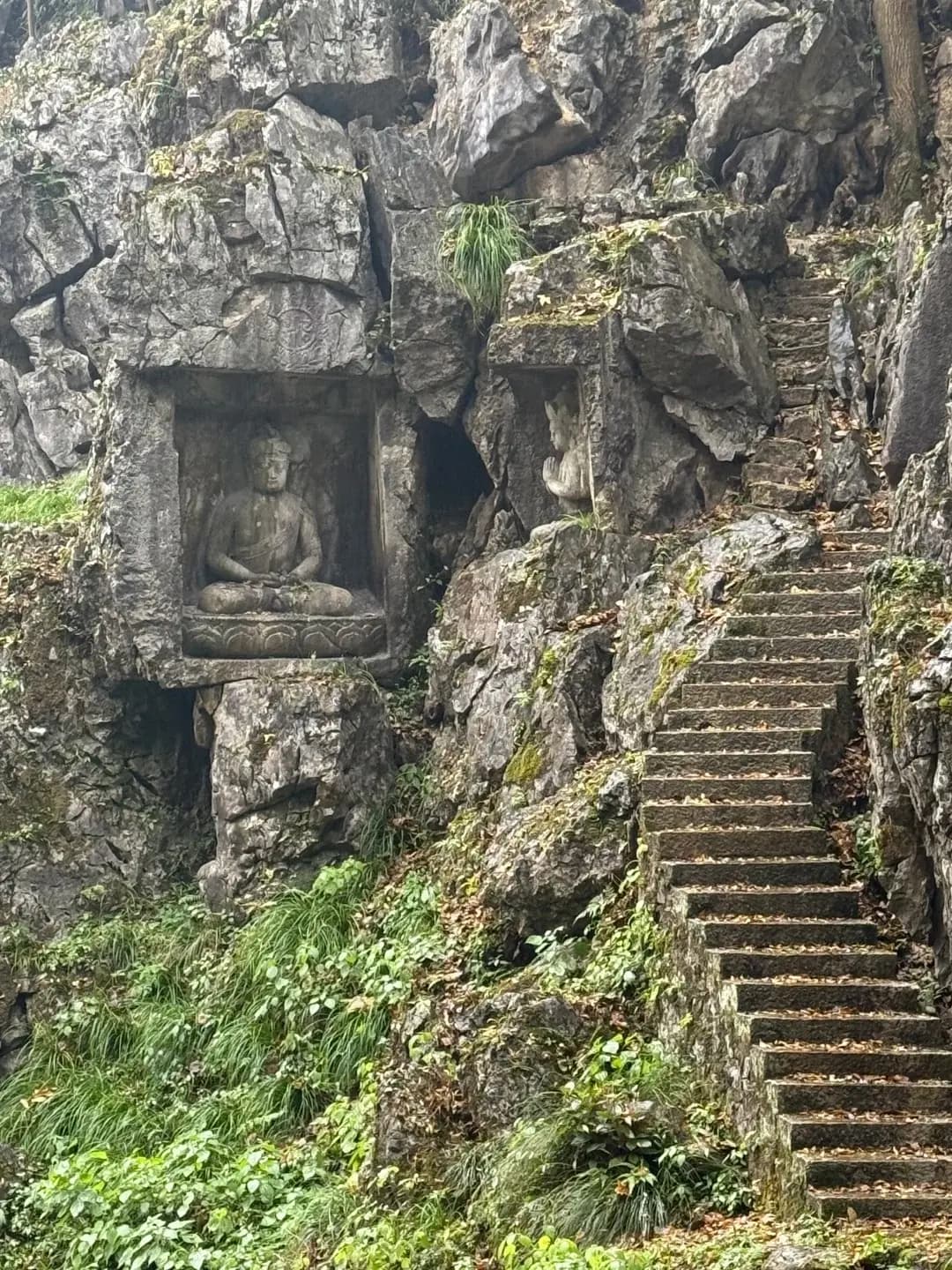
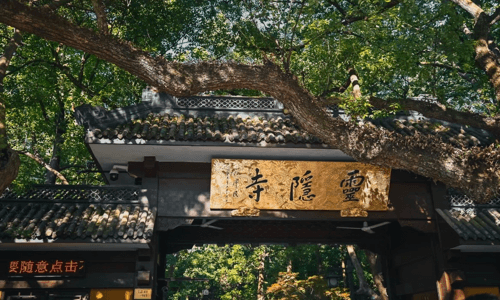
Lingyin Temple — the "Temple of the Soul's Retreat" — is one of China's most important Chan (Zen) Buddhist temples, founded in AD 326. That is nearly 1,700 years of continuous worship. The Mahavira Hall houses a 24.8-metre seated Buddha carved from a single piece of camphor wood — one of the largest in the country.
But the real highlight for many visitors is Feilai Feng — the limestone outcrop opposite the temple, honeycombed with grottoes and carved with roughly 470 Buddhist figures dating from the 10th to 14th centuries. Following the path among them, with a stream running below and statues emerging from the rock at every turn, is the most atmospheric experience on the whole site.
Since December 1, 2025, the entire scenic area is free to enter, but a free reservation is mandatory. Search "杭州灵隐飞来峰" on WeChat or Alipay; slots are released at 08:00 daily for 1 to 7 days ahead. Foreign passports are accepted at the staffed lane.
4. Catch the Sunset from Leifeng Pagoda
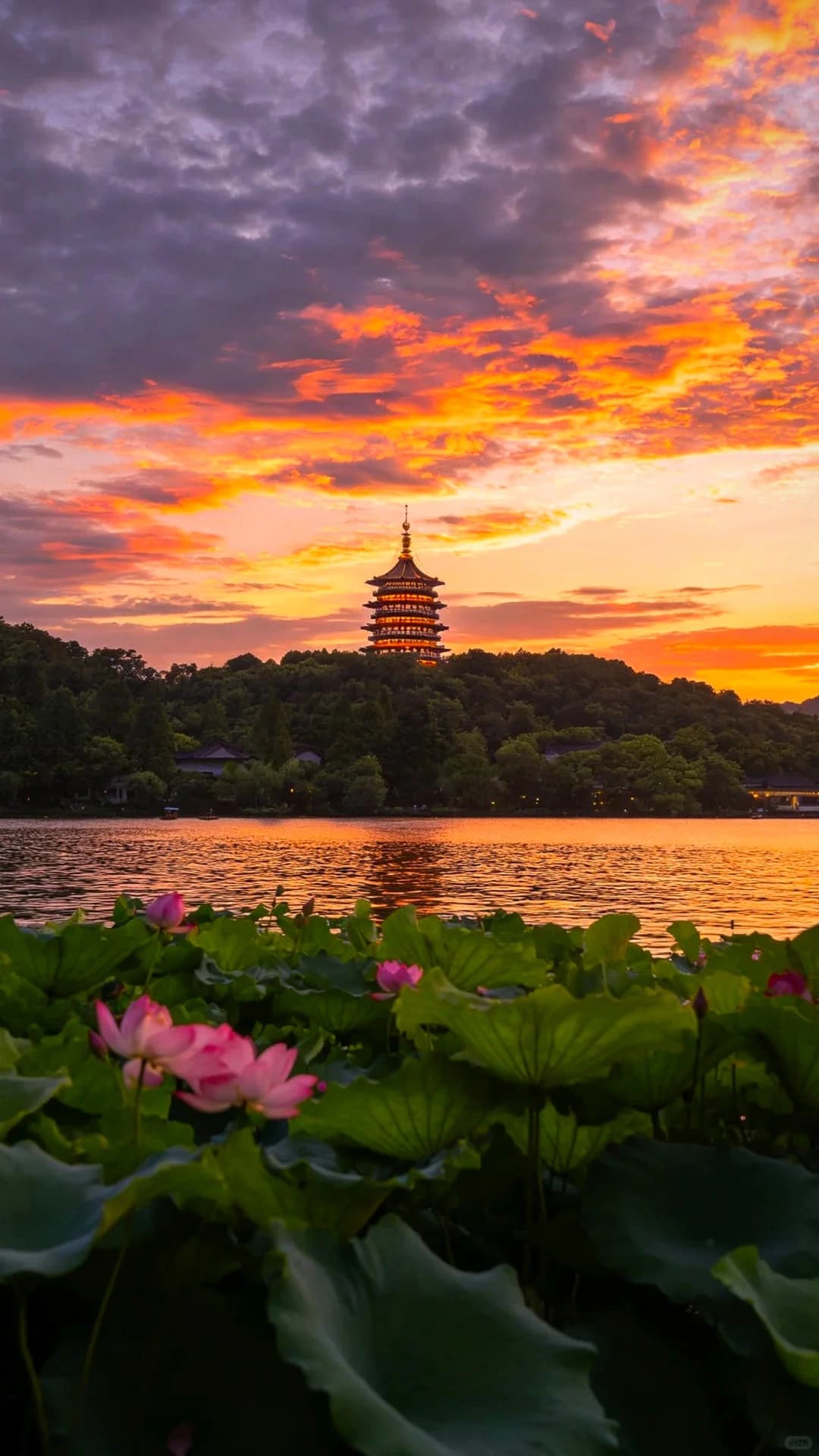
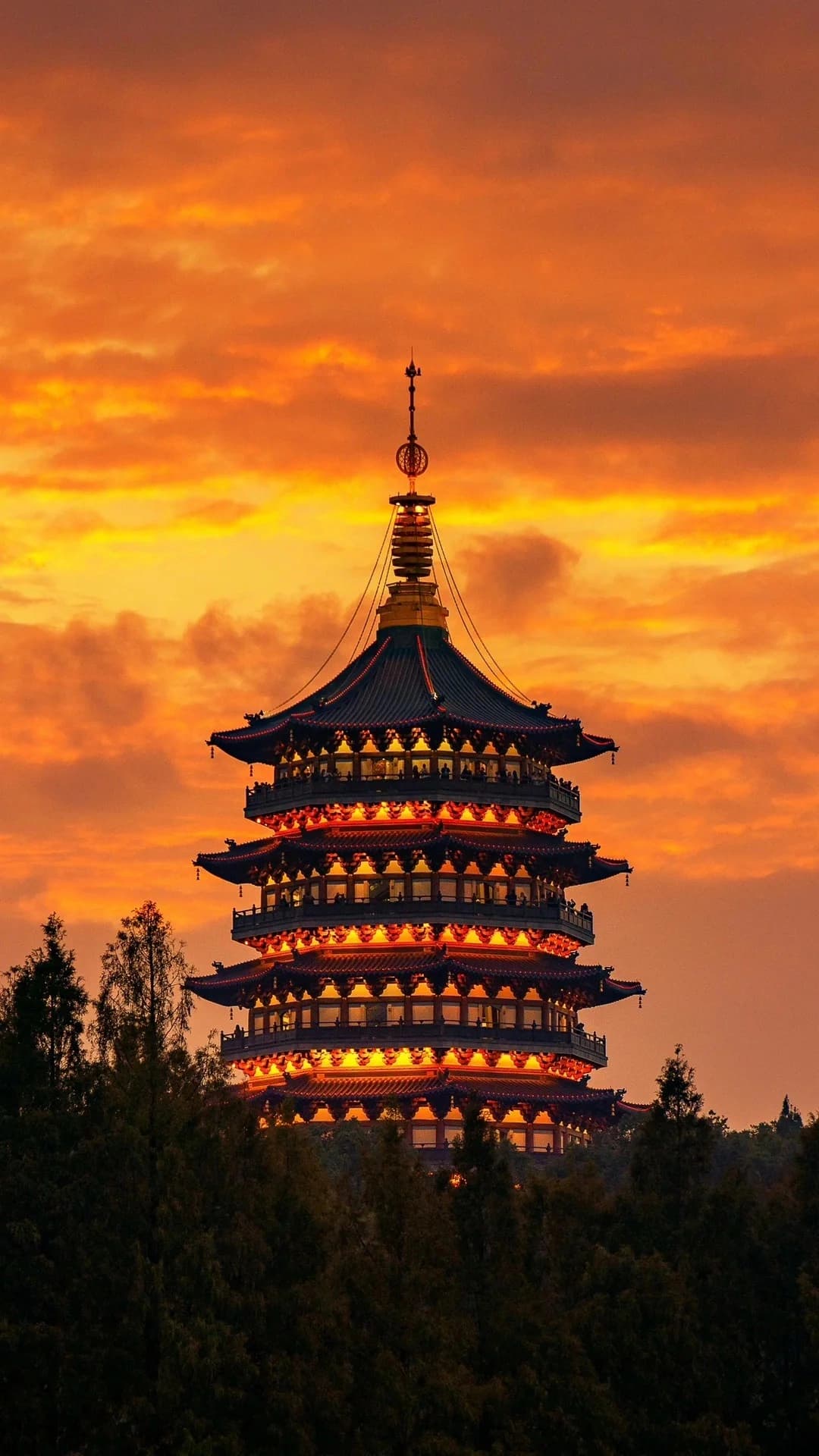
Every city has its signature sunset spot, and in Hangzhou it is Leifeng Pagoda. Its silhouette against the setting sun is the image on every postcard. The original pagoda was built in 975 AD and stood for nearly a thousand years before collapsing in 1924. The current version opened in 2002, faithful to the original design but with a covered escalator up the hill and an elevator inside.
Entry is ¥40. Something most people miss: there is a small underground museum at the base displaying artefacts excavated from the original foundations — fragments of 10th-century brick, relics, and Buddhist carvings. Arrive about 30 minutes before sunset, spend 10 minutes in the museum, then head up to the upper gallery.
5. Watch the West Lake Music Fountain
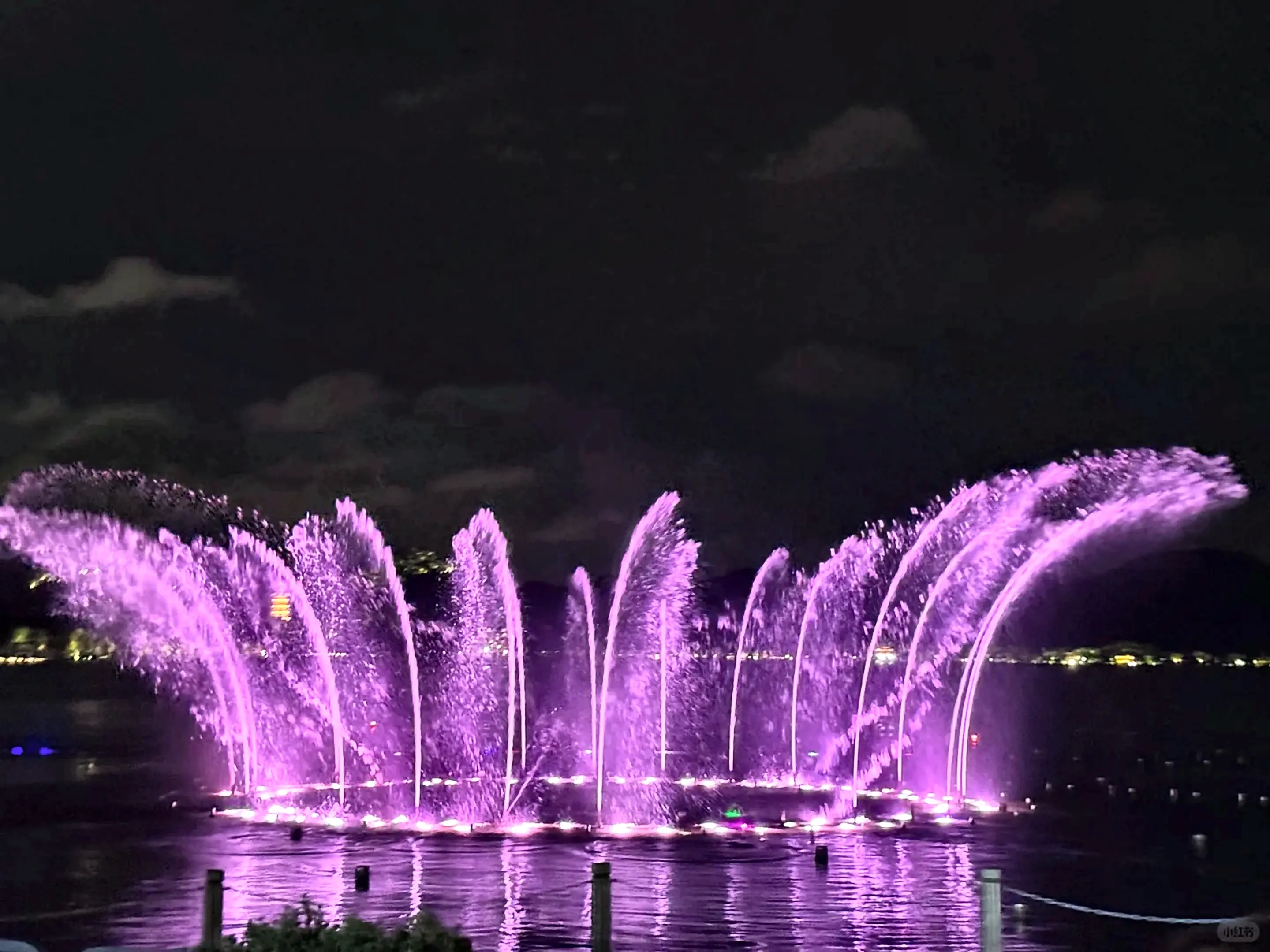
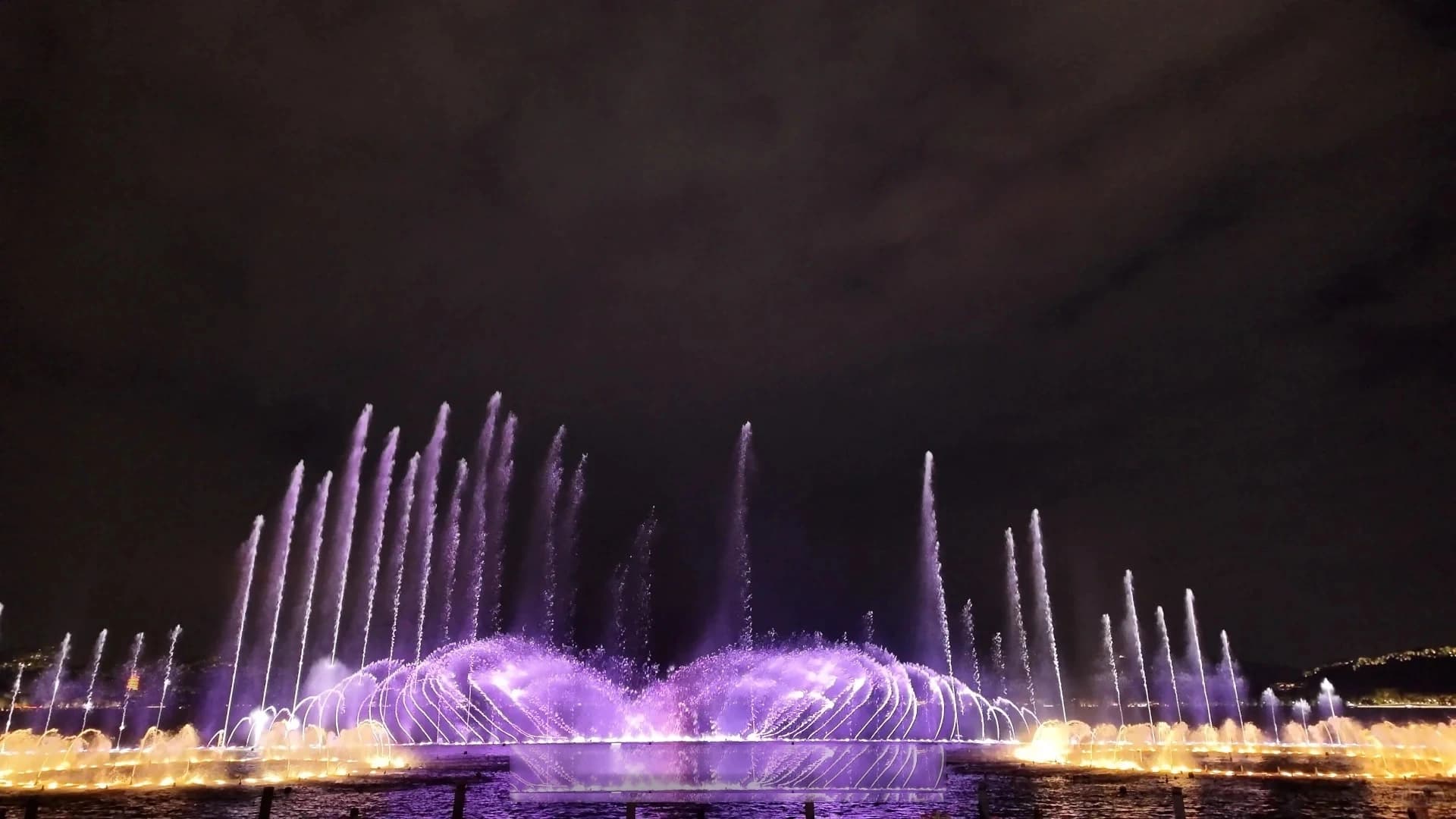
Ask anyone in Hangzhou what to do after dark, and the music fountain at Hubin is usually the first answer. It is not the biggest fountain show in China, but it is on the lake, it is free, and it is genuinely impressive — water shooting up to 100 metres into the air, choreographed to classical Chinese music, with the city skyline glowing behind it.
The fountain typically performs once nightly, usually around 19:30, lasting 15 to 20 minutes. The elevated steps on either side of the viewing platform generally offer a better vantage point than the front railing. The fountain pairs beautifully with a Leifeng Pagoda sunset.
Tea Hills — Terraces, Teahouses and a Museum
Twenty minutes west of West Lake, the city ends, and the tea hills begin. This is where Longjing — Dragon Well, the most celebrated green tea in China — has been grown on steep terraces for at least a thousand years. The air smells different up here. The pace slows down.
6. Wander Longjing's Tea Terraces
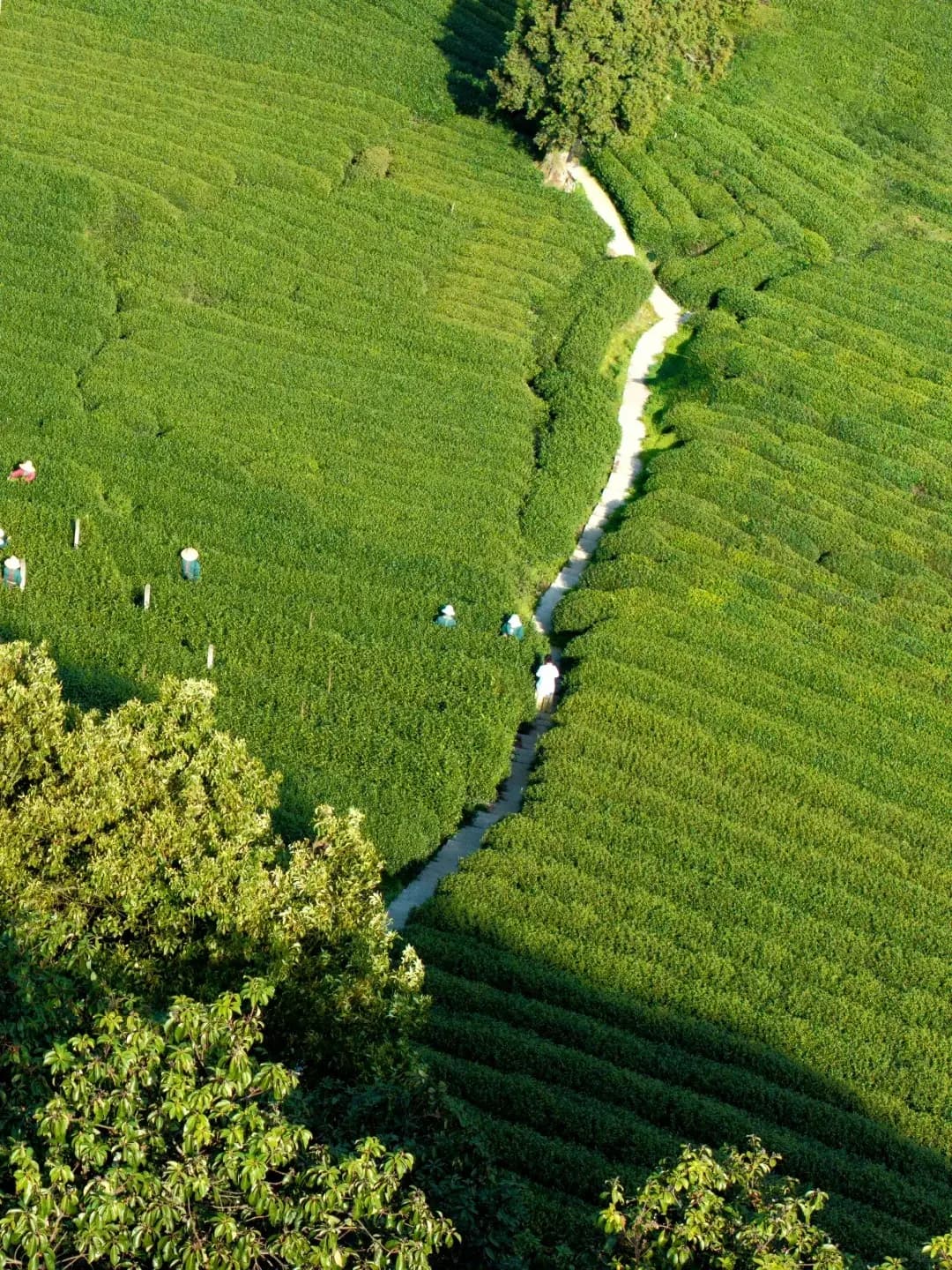
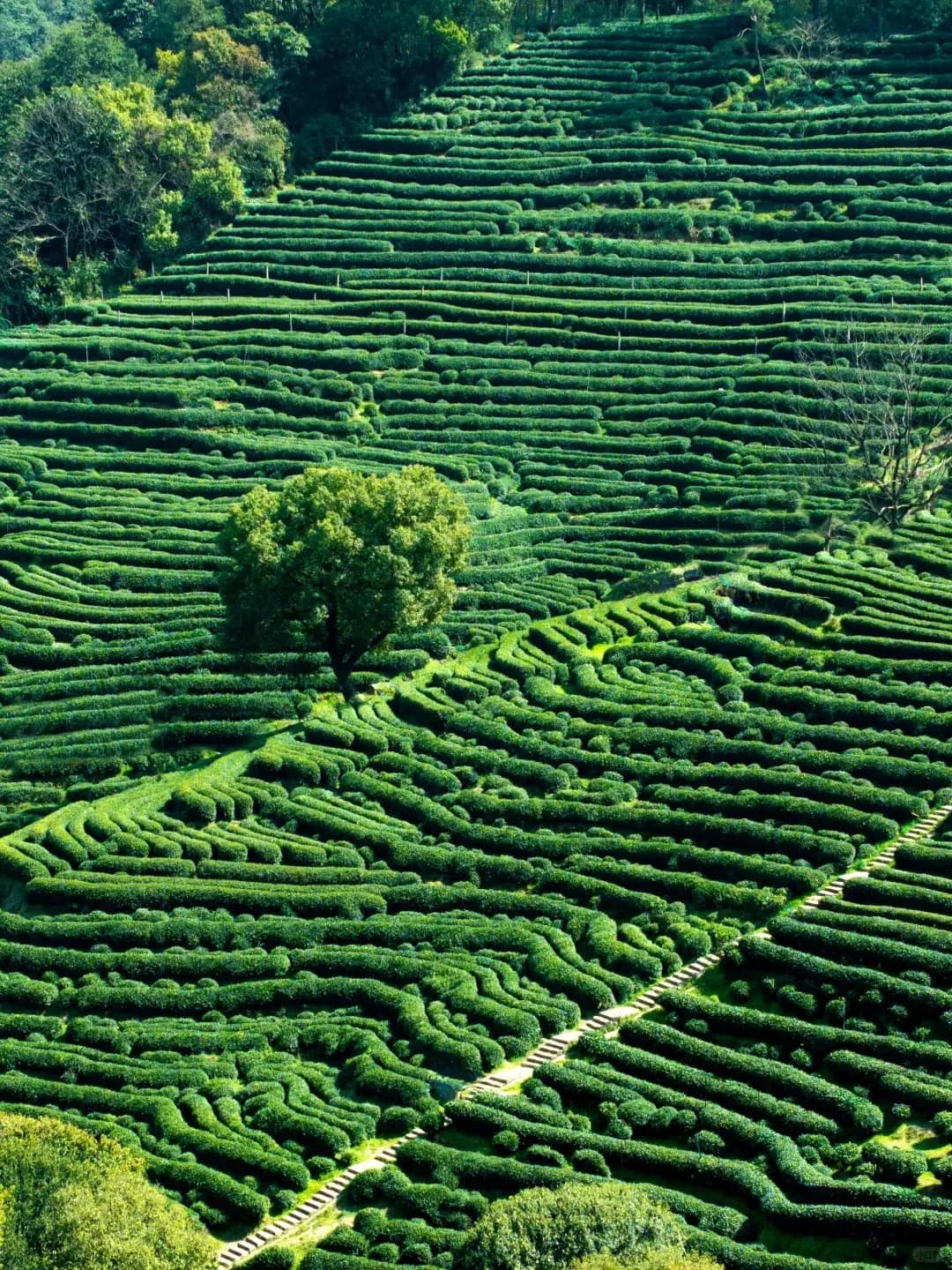
The fastest way to leave Hangzhou's crowds behind is to head up into the tea hills. A 20-minute bus ride drops you at Longjing Village, where emerald rows of tea bushes climb the slopes in every direction. A network of stone paths winds through the terraces, connecting farming villages, small temples, and viewpoints back over the lake and the city.
The walking is gentle — mostly easy slopes on paved or stone paths. A one-hour loop from the village to a viewpoint and back is plenty for most people. Spring is the most magical time — late March and early April, when the spring harvest is in full swing and every household has someone pan-firing tea leaves in their kitchen.
7. Sit Down for Weilu Tea at a Farmhouse
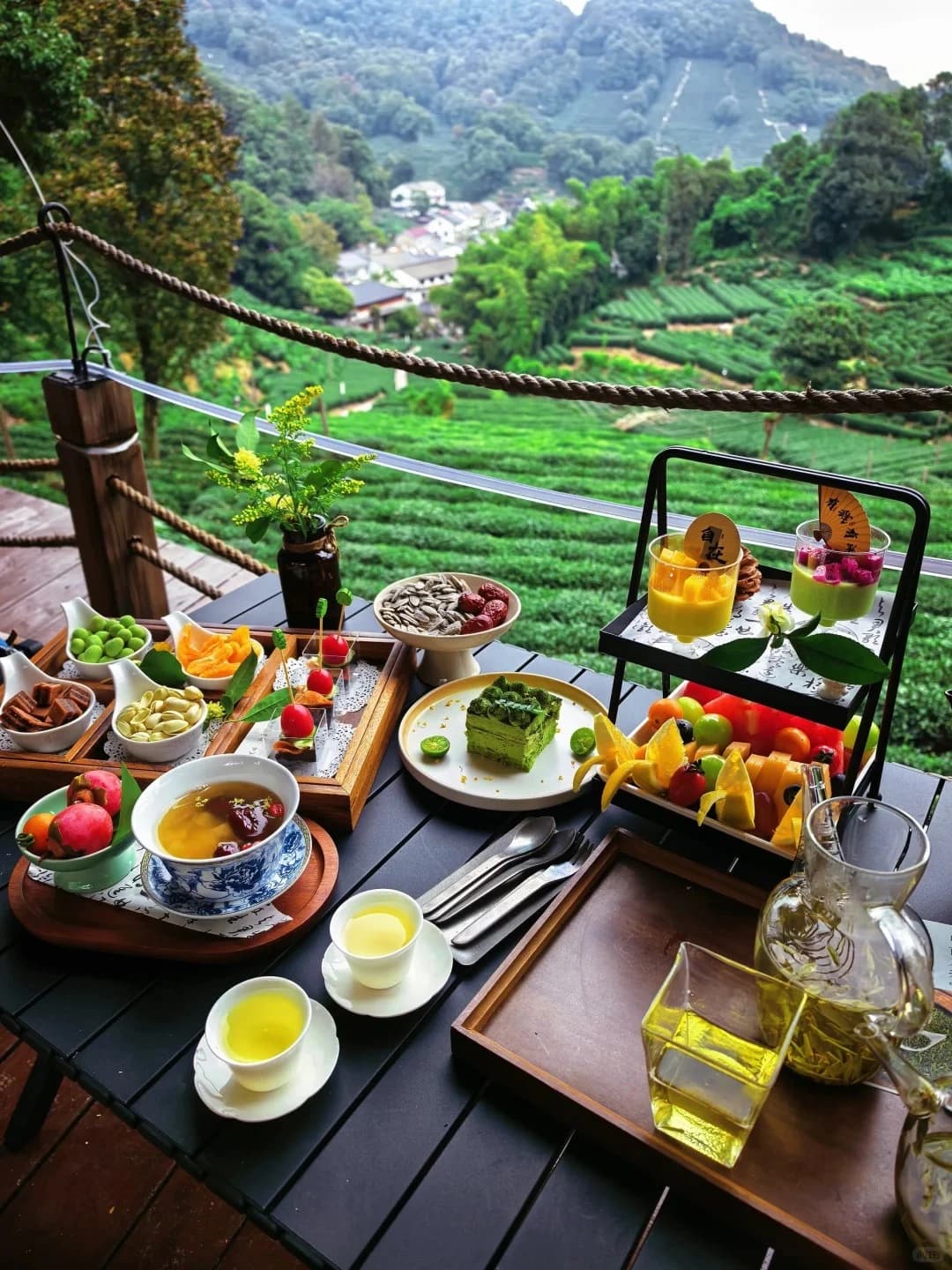
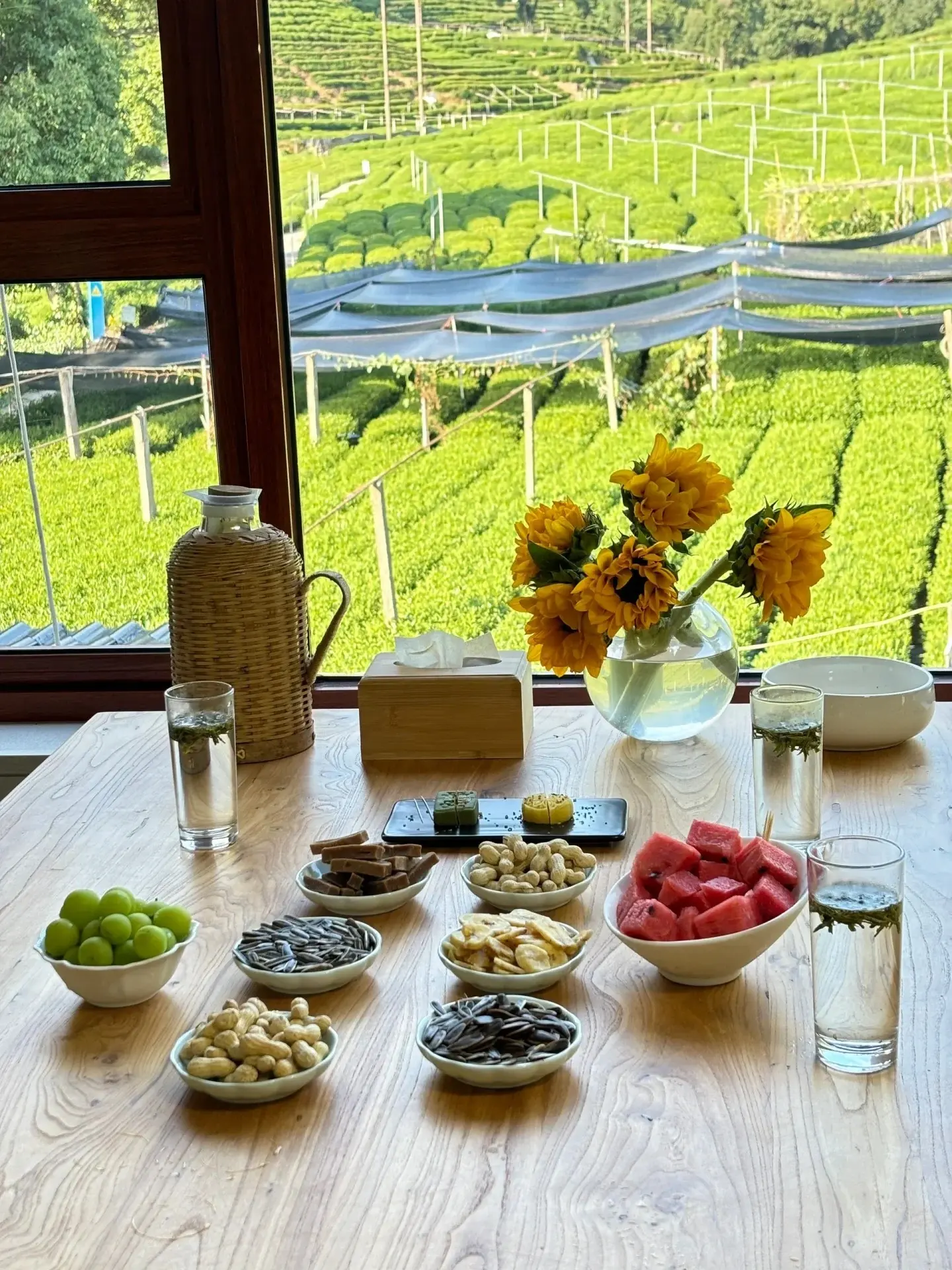
Walking the terraces is lovely. Sitting down with a farmer and drinking their tea is something else entirely. Most family houses in Longjing Village double as teahouses, and you can usually walk in and ask to try the tea. Many offer it for free, hoping you will buy something; some charge ¥20–40 per person.
In recent years, weilu tea — "stove-surrounding tea" — has become wildly popular across China. In autumn and winter, it means gathering around a charcoal stove with a kettle, roasting tea, snacking on nuts and dried fruit, and letting the afternoon slip away. A weilu tea set for two runs ¥80 to ¥200.
8. Visit the China National Tea Museum
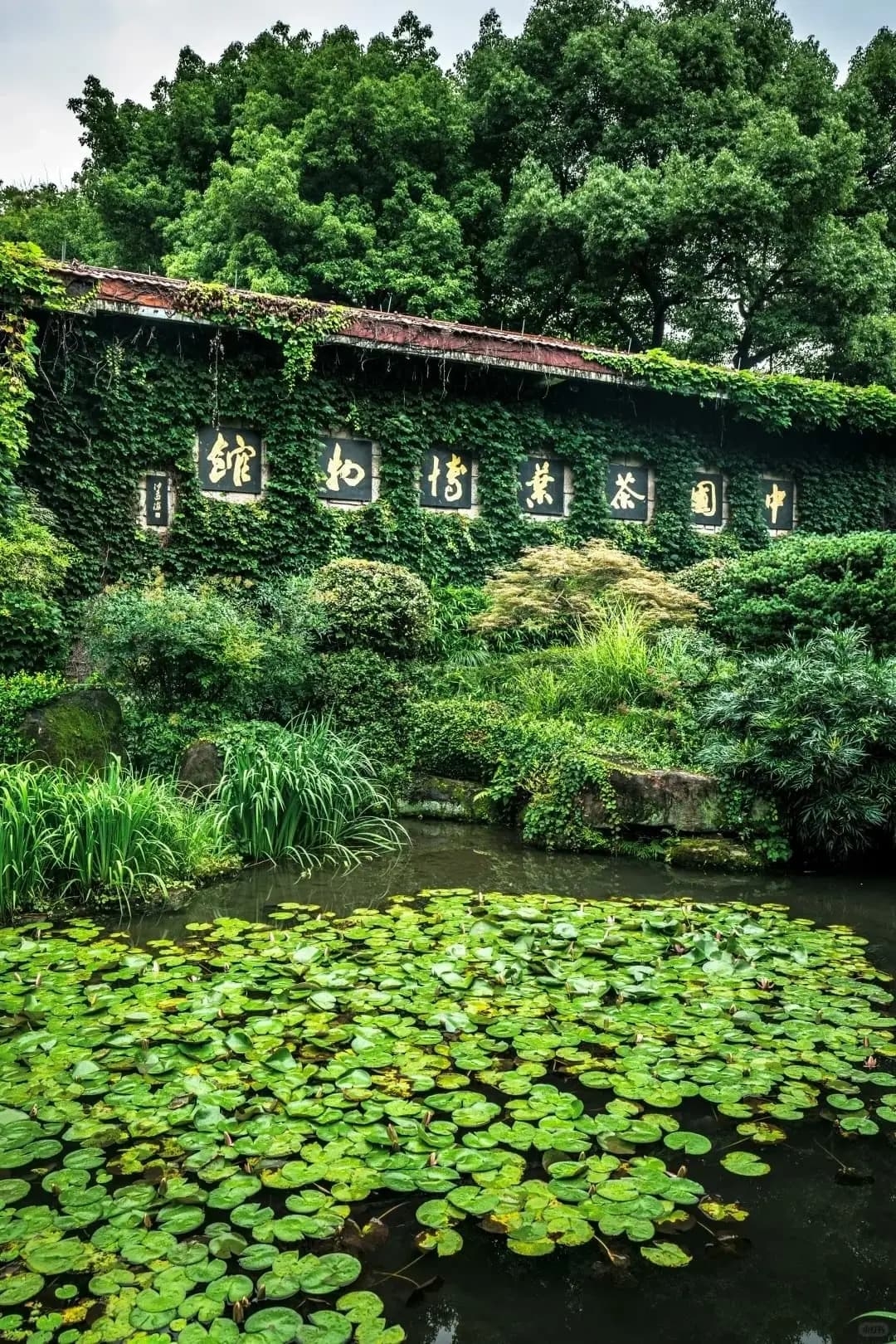
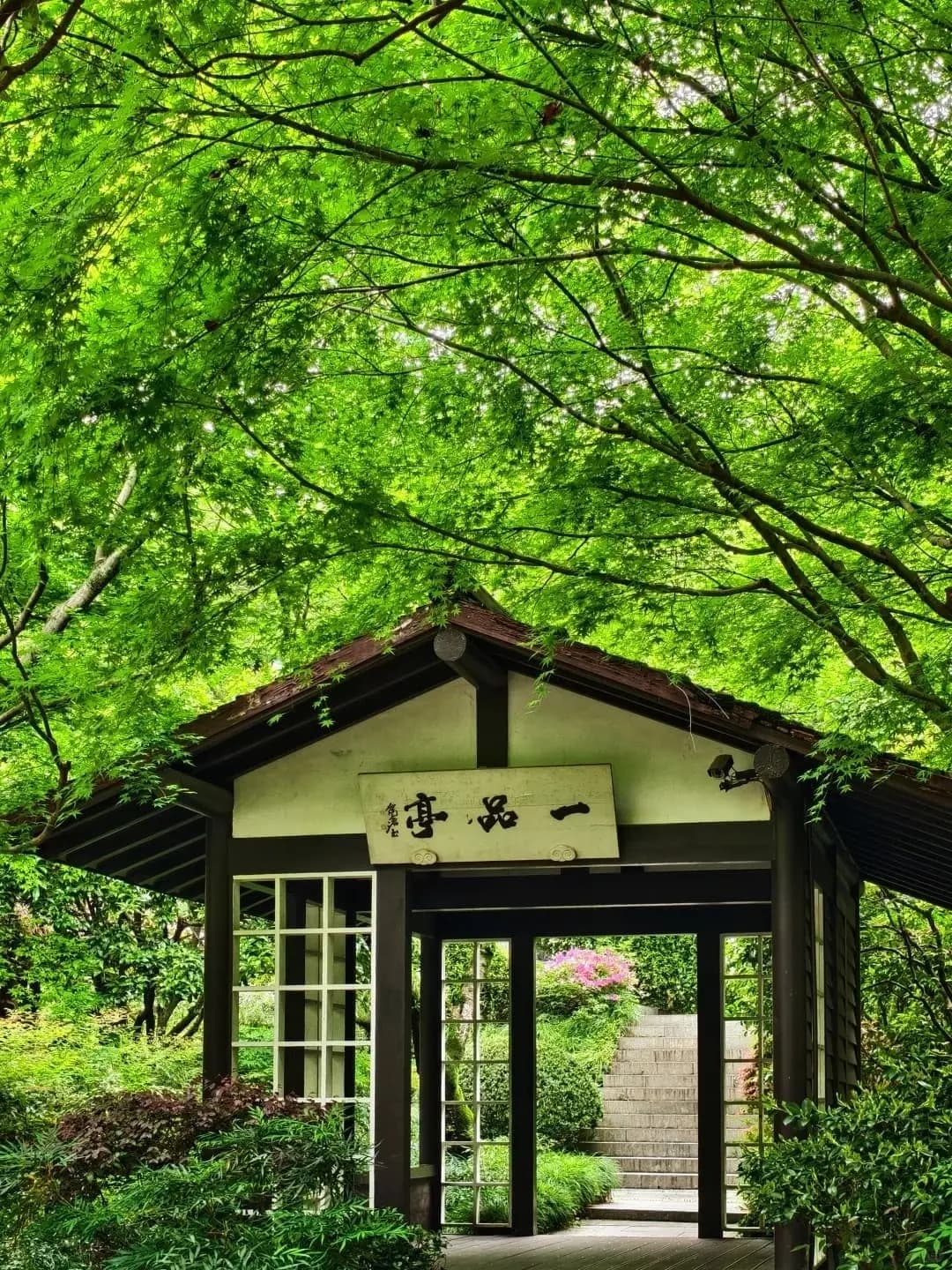
If the tea hills have made you curious about what you are drinking, the China National Tea Museum is the next stop. It is the only national-level museum in China dedicated entirely to tea, and it is free. The exhibits walk you through 5,000 years of Chinese tea history: the evolution of tea processing, the development of different brewing methods, and the incredible variety of tea ware across dynasties.
The museum is set on a hillside in the tea-growing area itself — you walk from the exhibits straight out into terraces. There is a free tasting area where you can compare different grades of Longjing side by side. The museum is free and located at 88 Longjing Road. It is closed on Tuesdays.
Culture and History — 5,000 Years in One Day
Hangzhou's history goes back far further than the Song dynasty poems on West Lake. These three picks span 5,000 years — from a neolithic city that rewrote the history books, to a Song-dynasty tea ceremony you can try with your own hands, to a Qing-era old street where the past is still very much alive.
9. Step Back 5,000 Years at Liangzhu
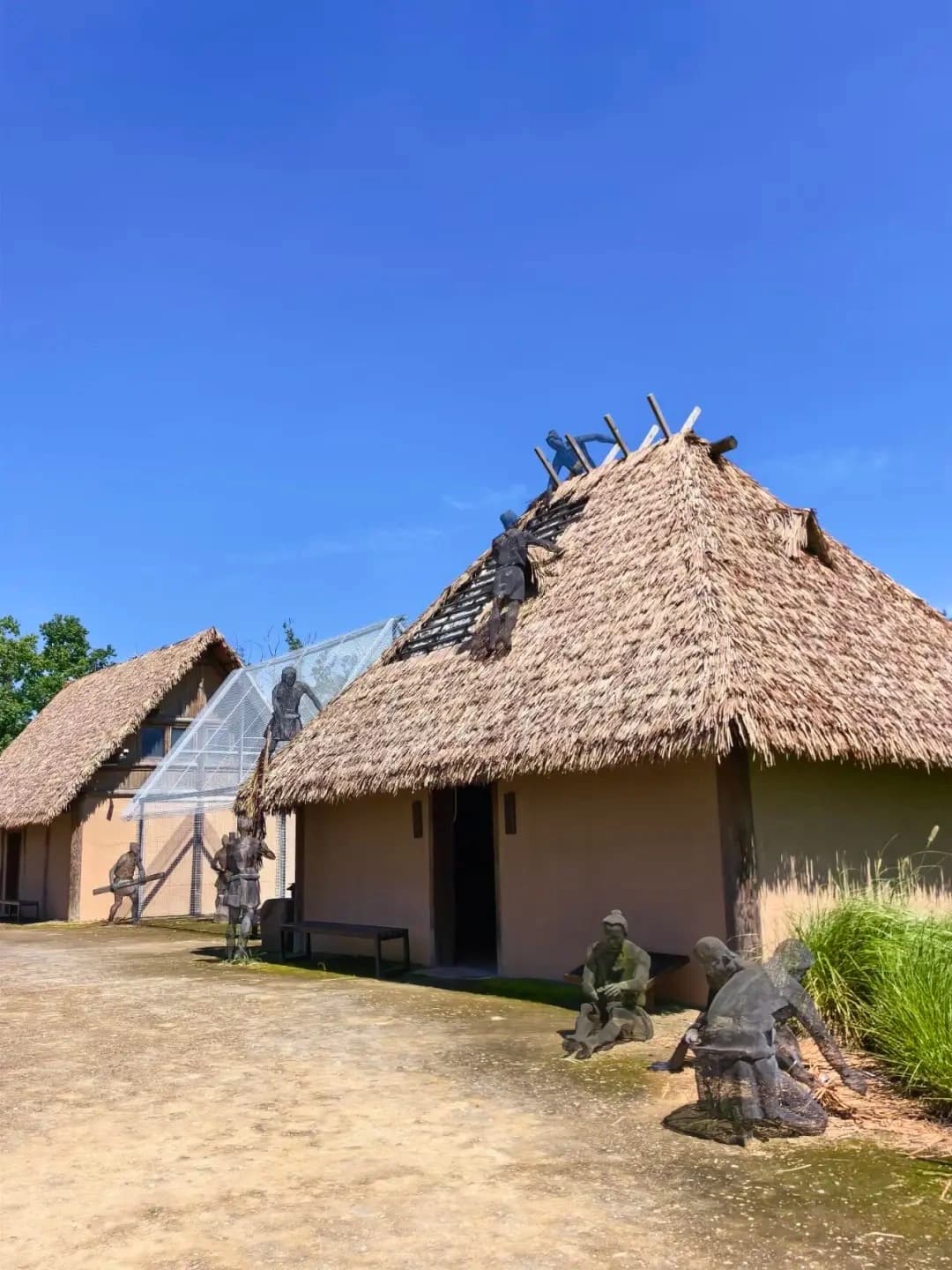
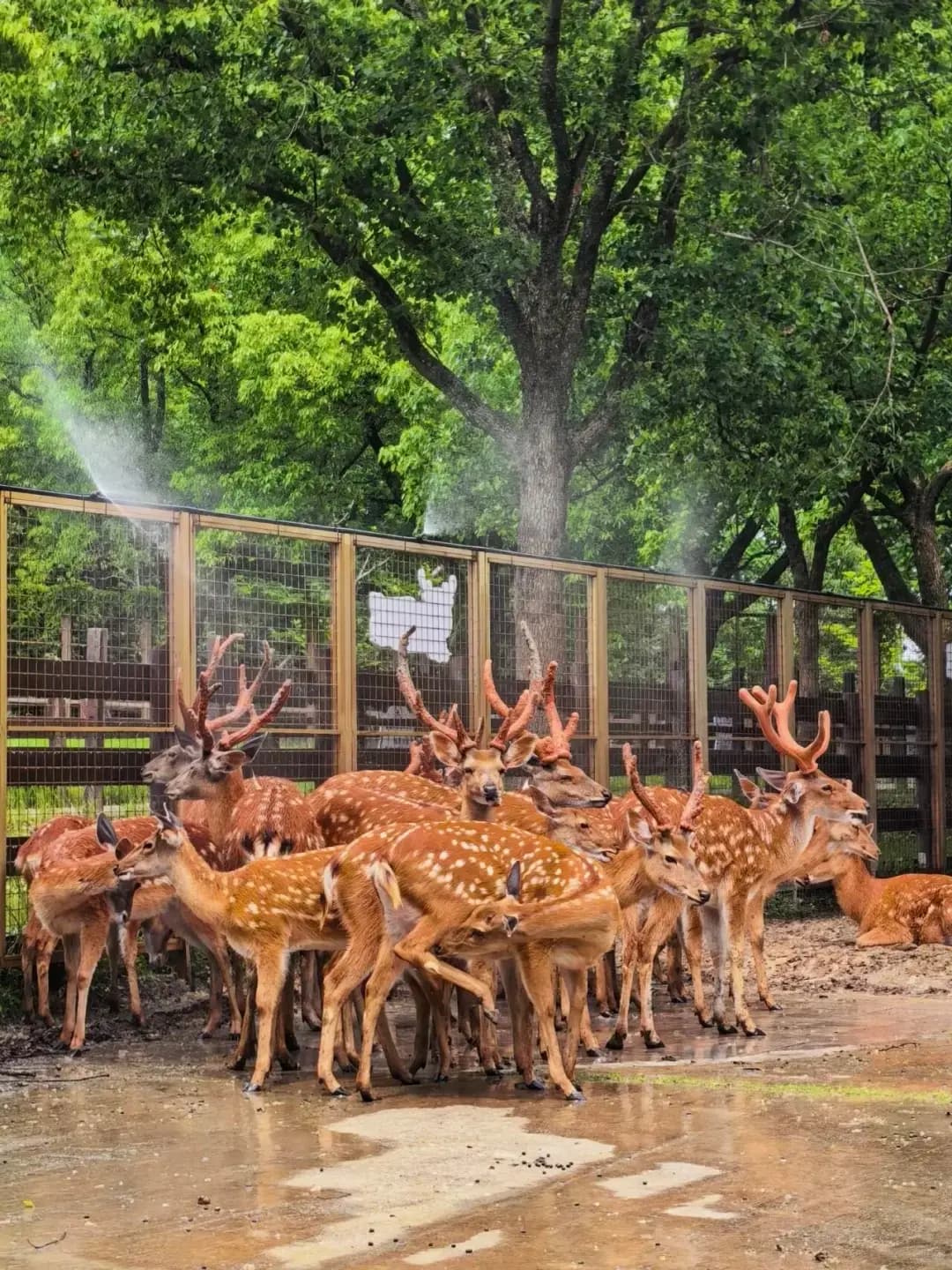
Hangzhou is home to a 5,000-year-old city — not a temple or a ruin, but a city with walls, a water-management system, and elite tombs filled with intricately carved jade. The Archaeological Ruins of Liangzhu City became a UNESCO World Heritage Site in 2019, and it fundamentally rewrote the timeline of Chinese civilisation.
If you go, do it in this order: museum first, then the ruins park. The museum gives you the context — what the jade cong tubes meant, how the water system worked, and why this site changed the history books. The museum is free (reservation required). The ruins park is ¥60, or ¥80 with the sightseeing shuttle. Both are closed on Mondays.
10. Try Song-Dynasty Whisked Tea (Diancha)
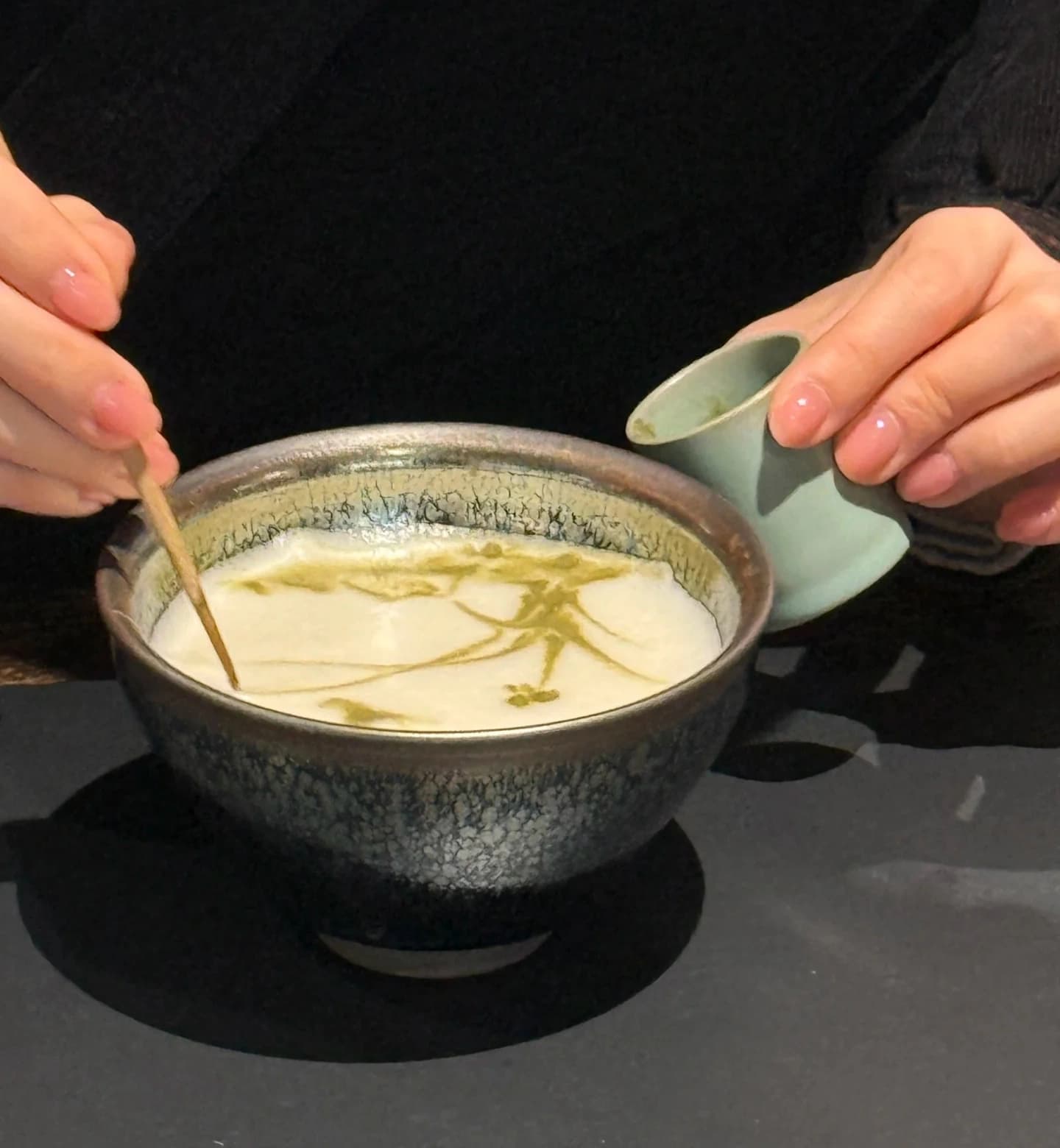
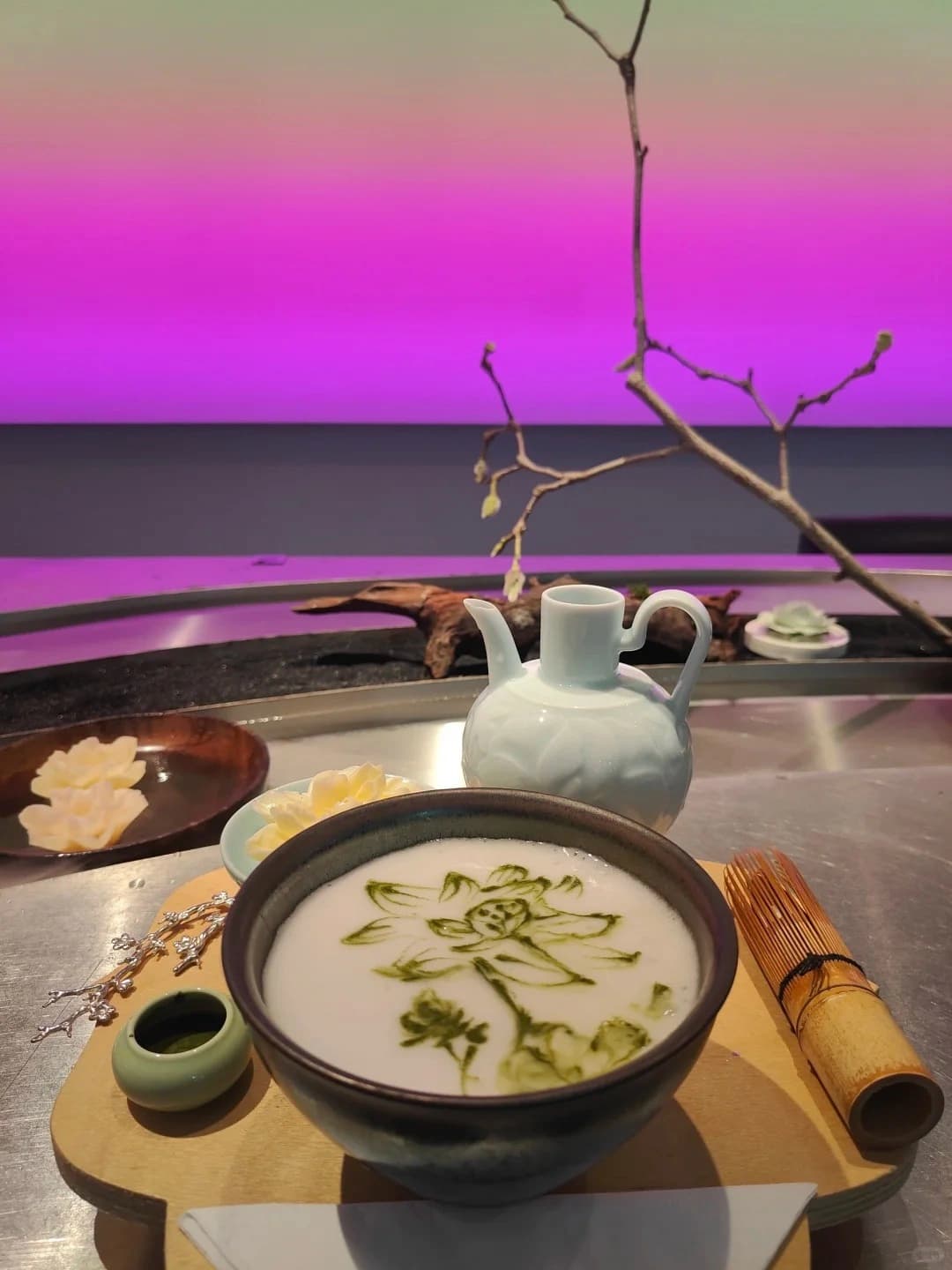
Almost no one outside China has heard of diancha, the Song-dynasty way of making tea: finely ground tea powder in a bowl, a little hot water to make a paste, then whisked with a bamboo whisk while adding more water, until the surface is thick and frothy. It is the direct ancestor of Japanese matcha — Zen monks took the technique to Japan in the 12th century.
Hangzhou is the best place to try it, because this was the capital of the Southern Song dynasty. You grind the tea, make the paste, practise whisking — and then try chaixi, the Song art of "tea painting" — drawing patterns in the froth with a fine tool. The whole thing takes about an hour, and you drink the tea you made at the end. Prices run from ¥80 for a basic session to ¥200+ for a full workshop.
11. Wander Hefang Street at Dusk
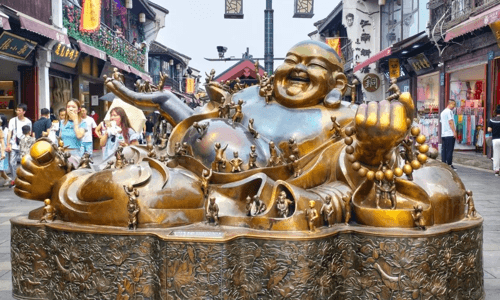
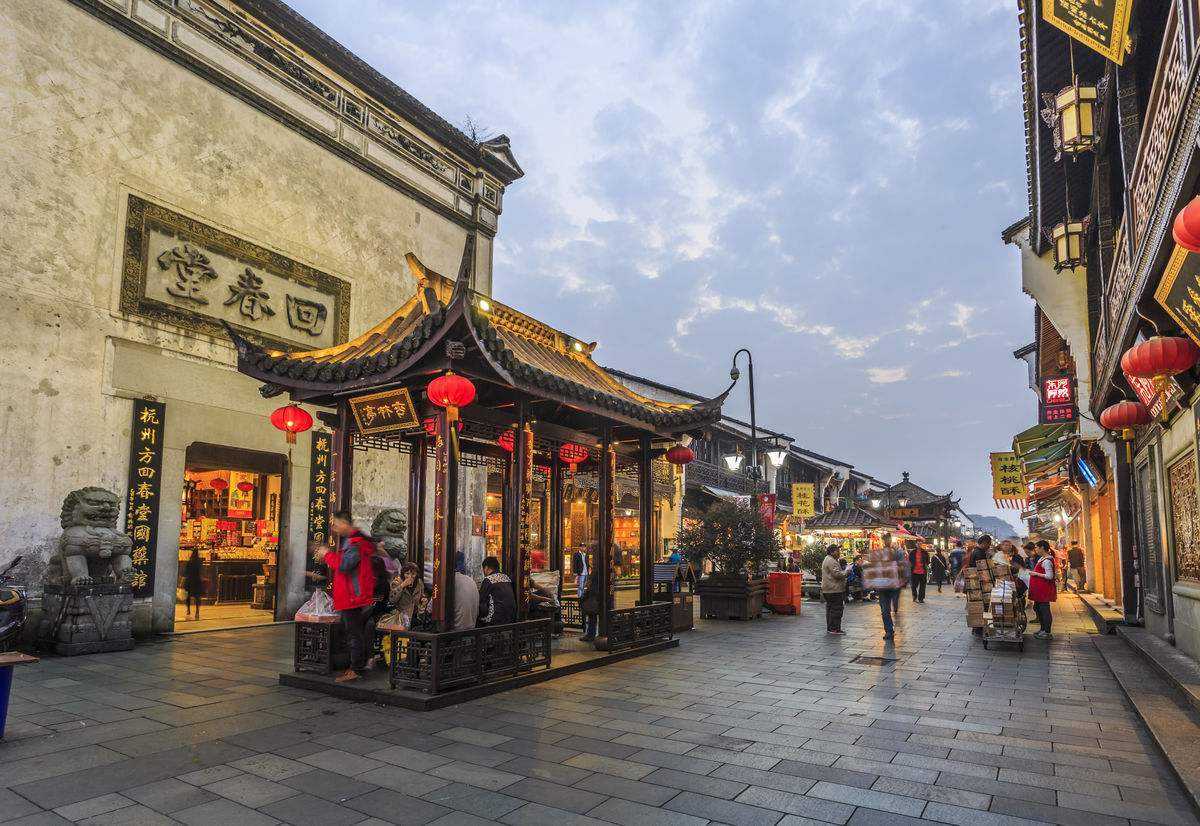
Hefang Street is Hangzhou's best-preserved old quarter — a pedestrian lane of restored Qing-era shophouses at the foot of Wushan Hill, just southeast of West Lake. Silk shops, snack stalls, teahouses, and old-name apothecaries line both sides. After dark, when the red lanterns come on and the day-tripper crowds thin out, it becomes surprisingly atmospheric.
The most interesting stop is Hu Qing Yu Tang, a traditional Chinese medicine museum and still-working pharmacy founded in 1874. What to eat: Ding Sheng cakes — soft, sweet rice cakes sold on this street for centuries. In autumn or winter, look for osmanthus cake. The street is free; a 15-minute walk south of West Lake's eastern shore.
Waterways and Wetlands — Beyond the Lake
West Lake gets all the attention, but Hangzhou has two more major water landscapes that most first-time visitors never see — a UNESCO-listed working canal in continuous use for 1,400 years, and a wild urban wetland that feels like a different planet.
12. Ride the Canal Water Bus to Xiaohe Street
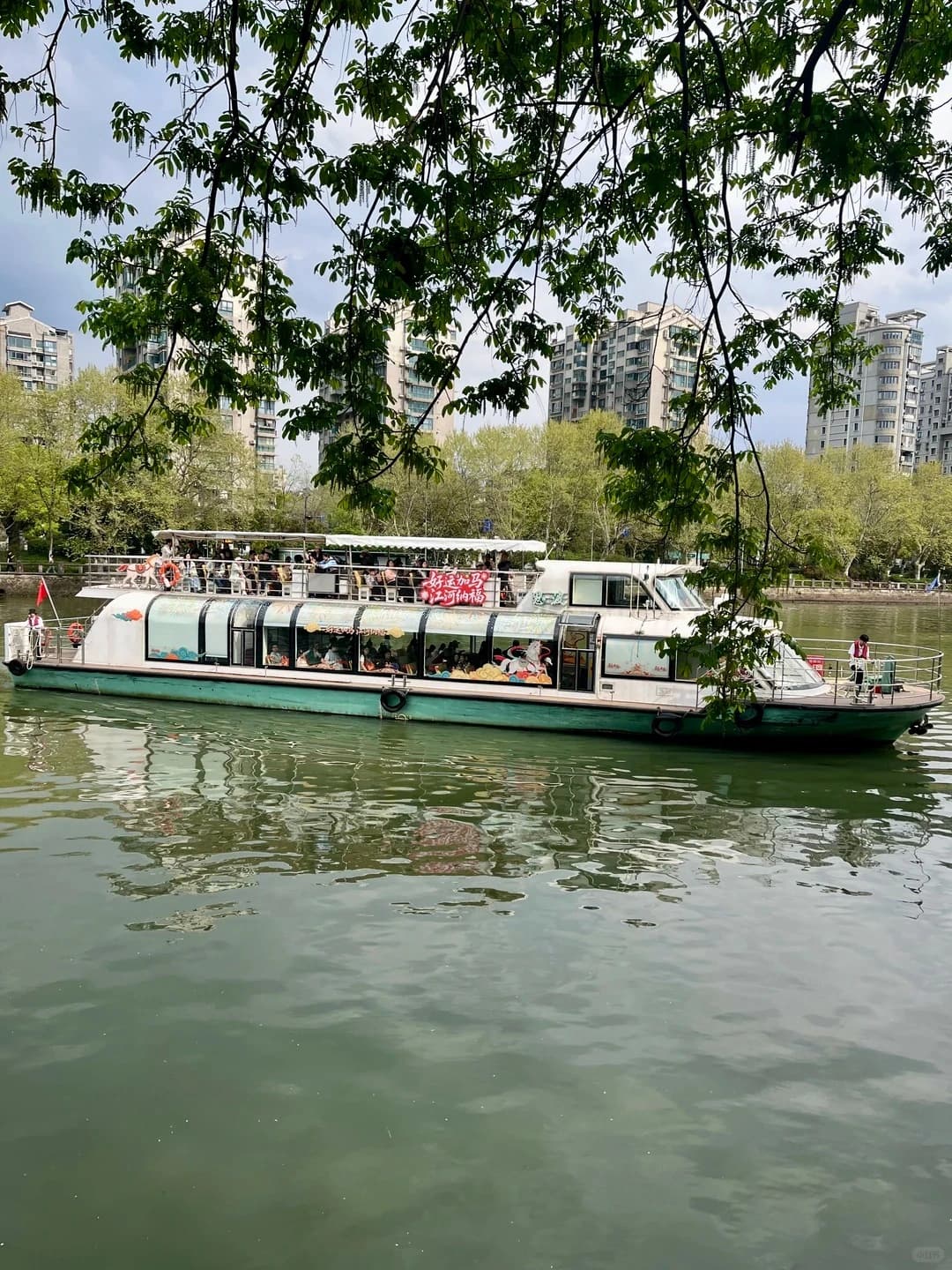
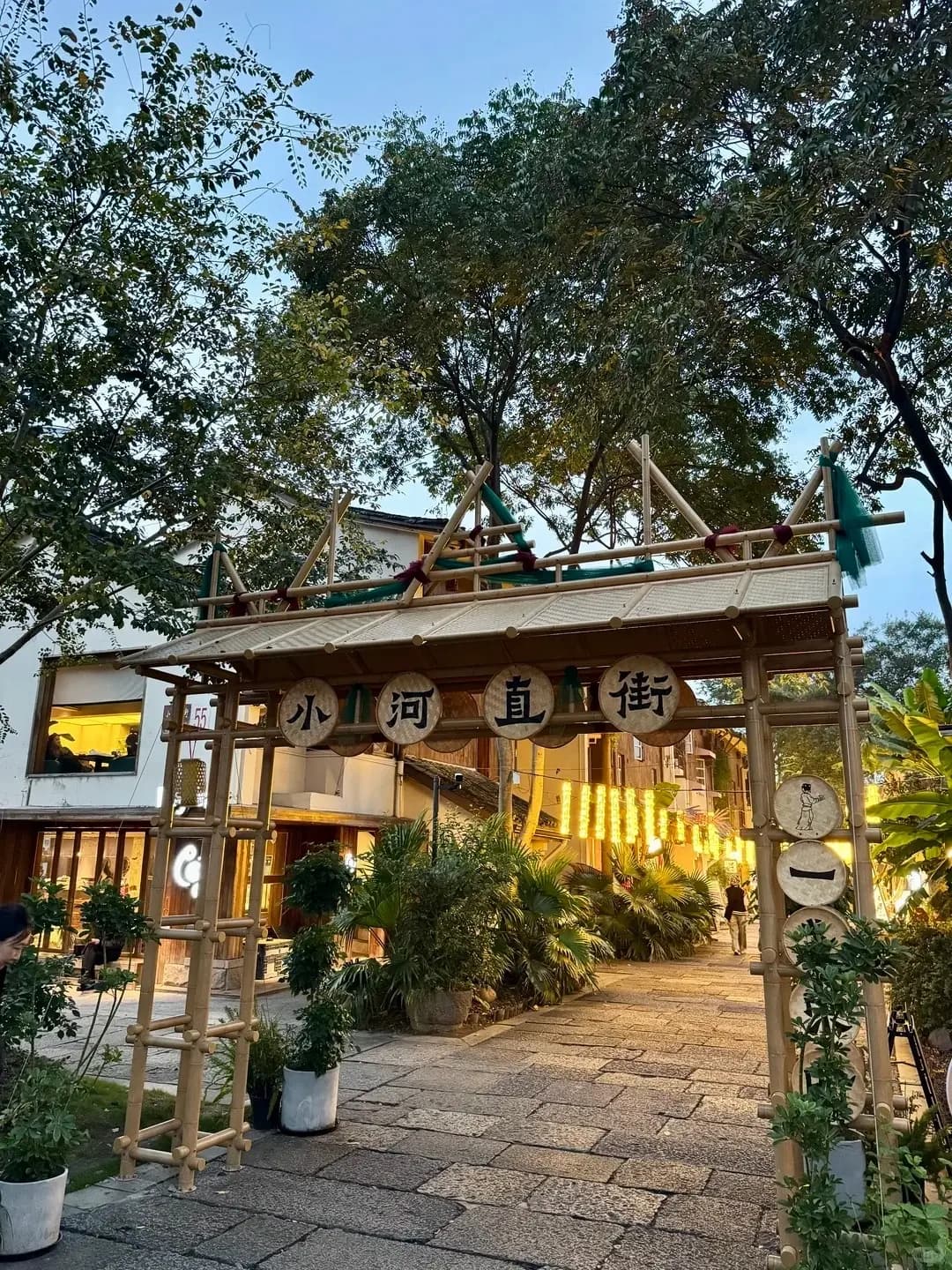
The Beijing–Hangzhou Grand Canal is a UNESCO World Heritage Site and the longest artificial waterway in the world. And here is the thing: the best way to experience it is not an expensive tour boat. It is the public water bus, and it costs ¥3.
For the price of a coffee, you ride a public ferry along the canal, past old warehouses, stone bridges, and working waterfronts. Pair the water bus with Xiaohe Straight Street, a narrow lane beside the canal that has kept its wooden two-storey shophouses and working-class atmosphere. Most tourists go to Hefang Street for "old Hangzhou." Locals go to Xiaohe. There is no ticket booth — it is just a neighbourhood that happens to be 400 years old.
13. Glide Through Xixi Wetland by Boat
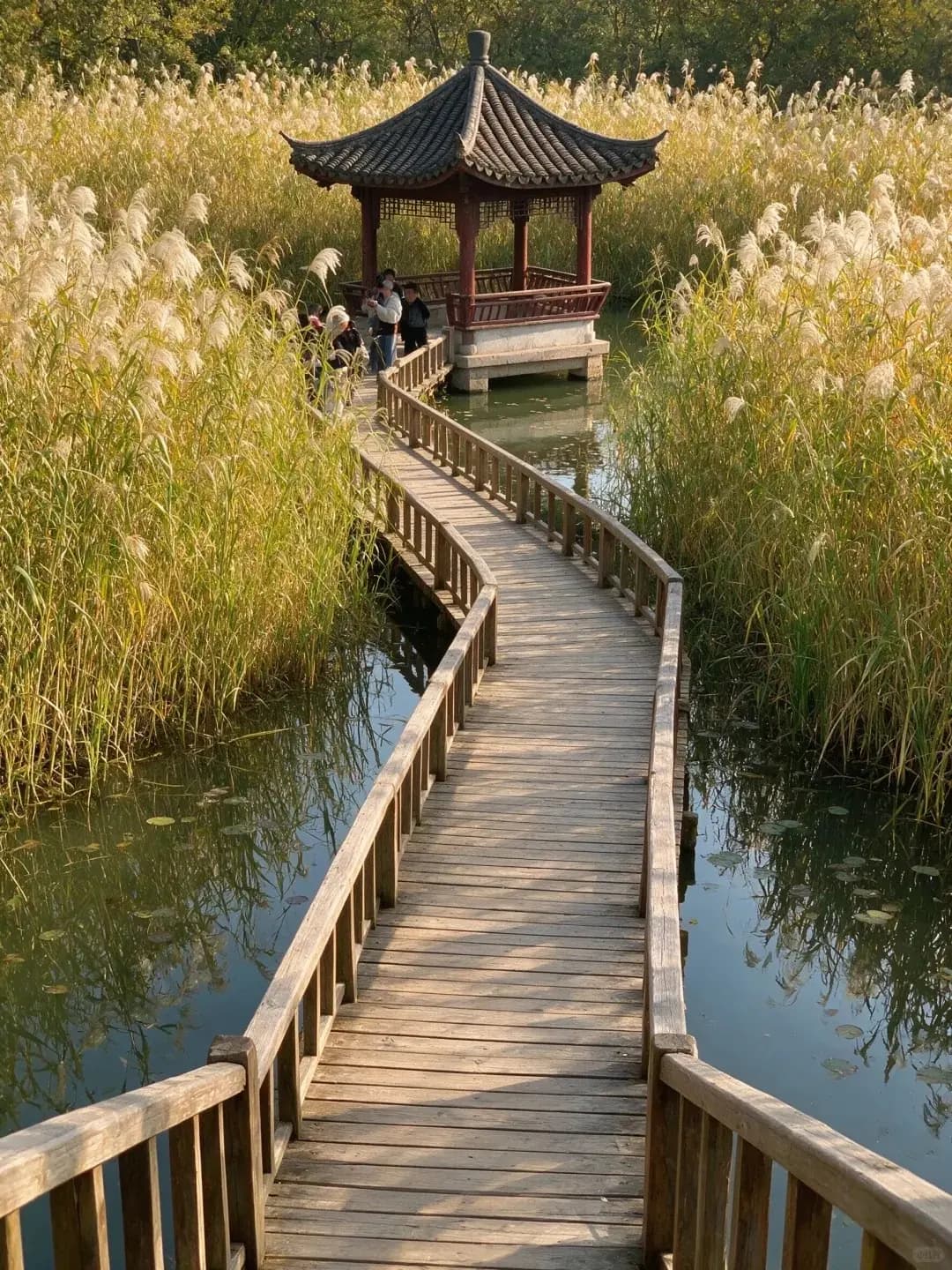
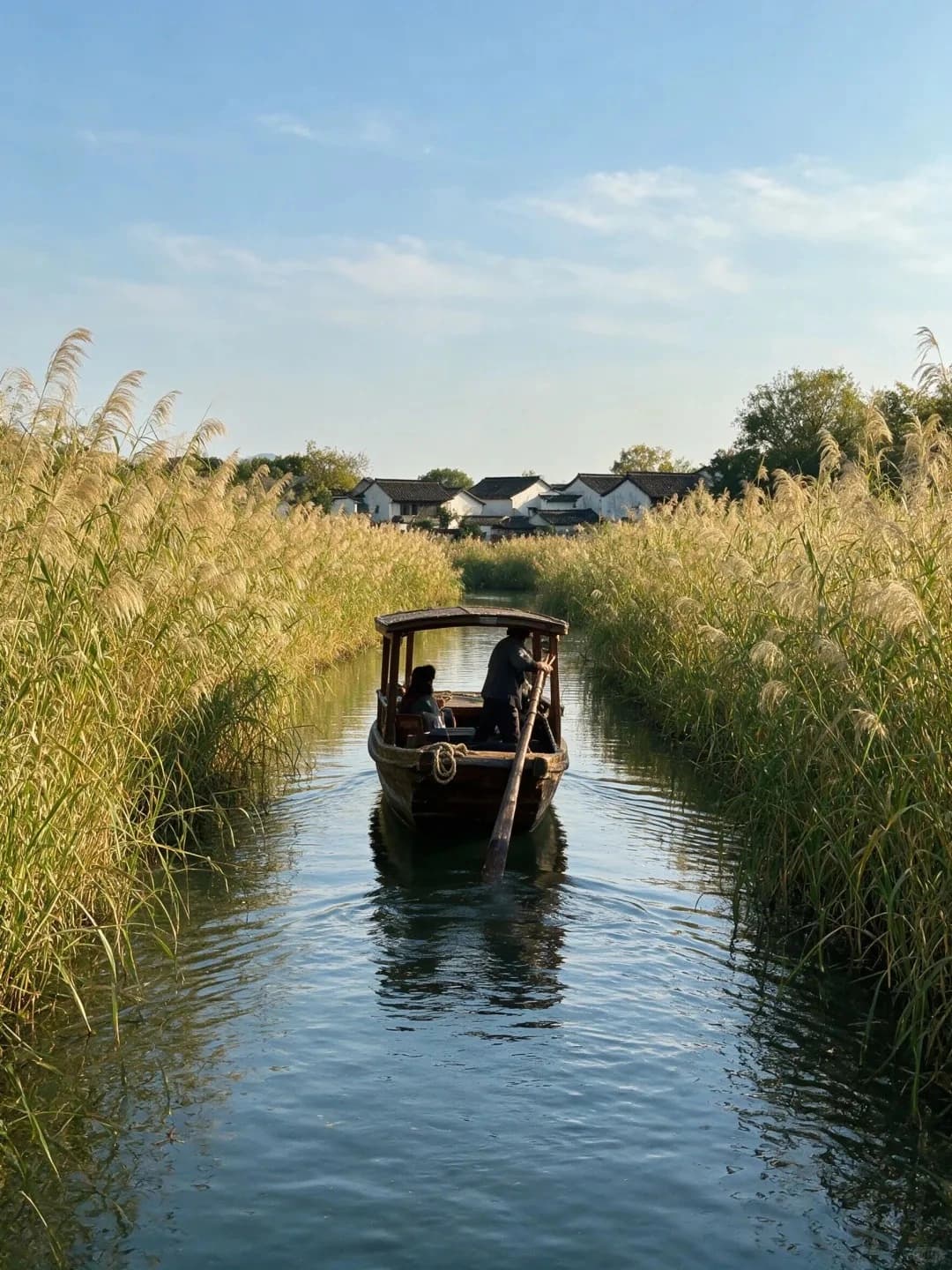
Xixi Wetland is a 10.38-square-kilometre national wetland park — the first of its kind in China — just 6 km from downtown. Where West Lake is a curated cultural landscape, Xixi is raw and quiet: reed beds, lotus ponds, birdlife, and a maze of waterways best explored by boat. Hand-rowed boats glide through narrow channels lined with reeds, kingfishers dart ahead, and the sound of the city disappears entirely.
Admission is ¥80. Electric boats on fixed routes are ¥60 per person; hand-oared boats are about ¥100 per hour per boat. However, the Fudi and Ludi areas, Hezhu Street, Gaozhuang, and the China Wetland Museum are all free. In autumn, the Reed Flower Festival (October–November) turns the waterways into a sea of gold.
Local Life and Modern Hangzhou
Hangzhou is not just a city of lakes and temples. It is a living, working city where people shop at morning markets, eat noodle soup for breakfast, and watch a futuristic skyline light up after dark.
14. Experience Local Hangzhou Life at a Morning Market
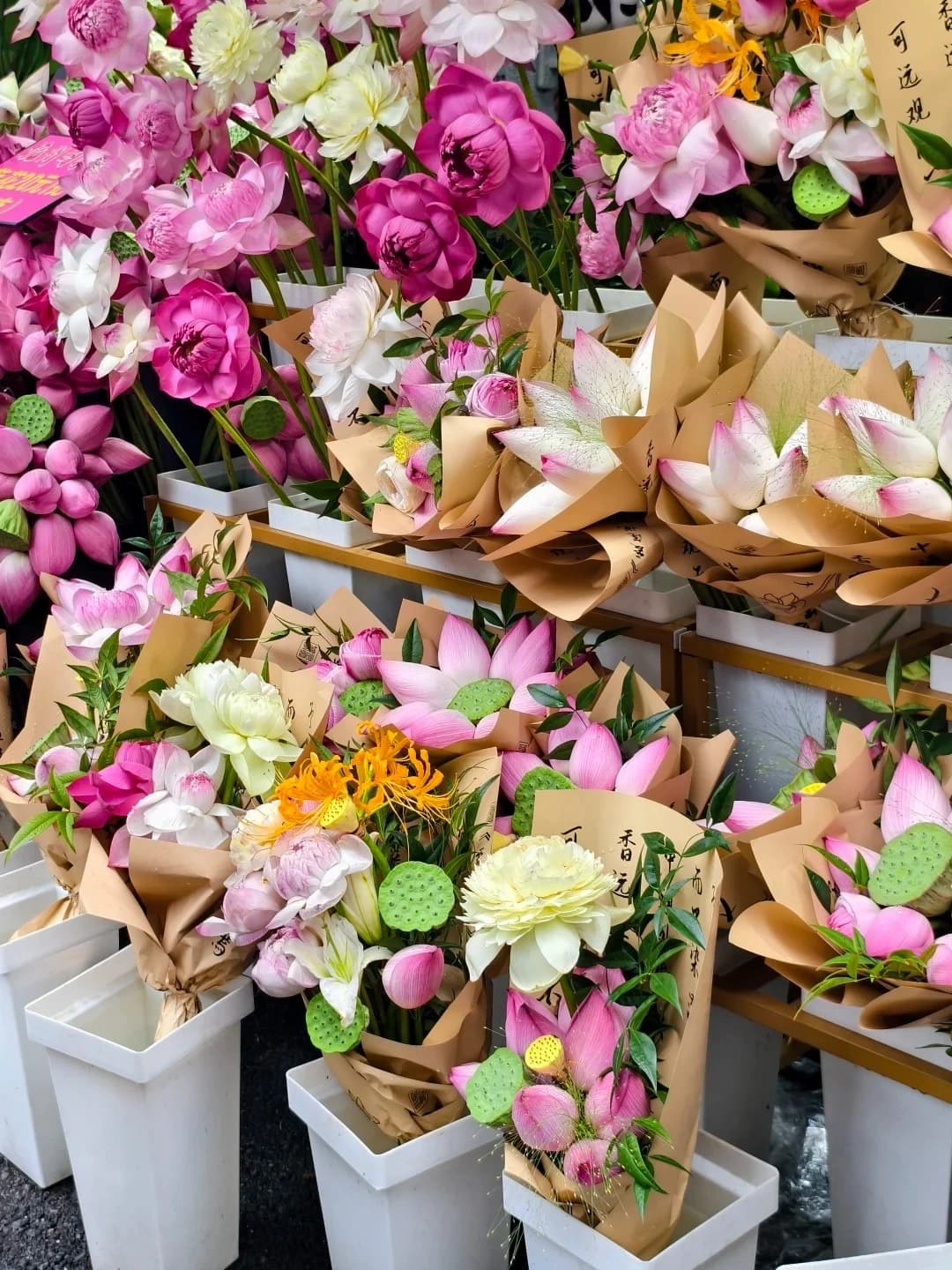
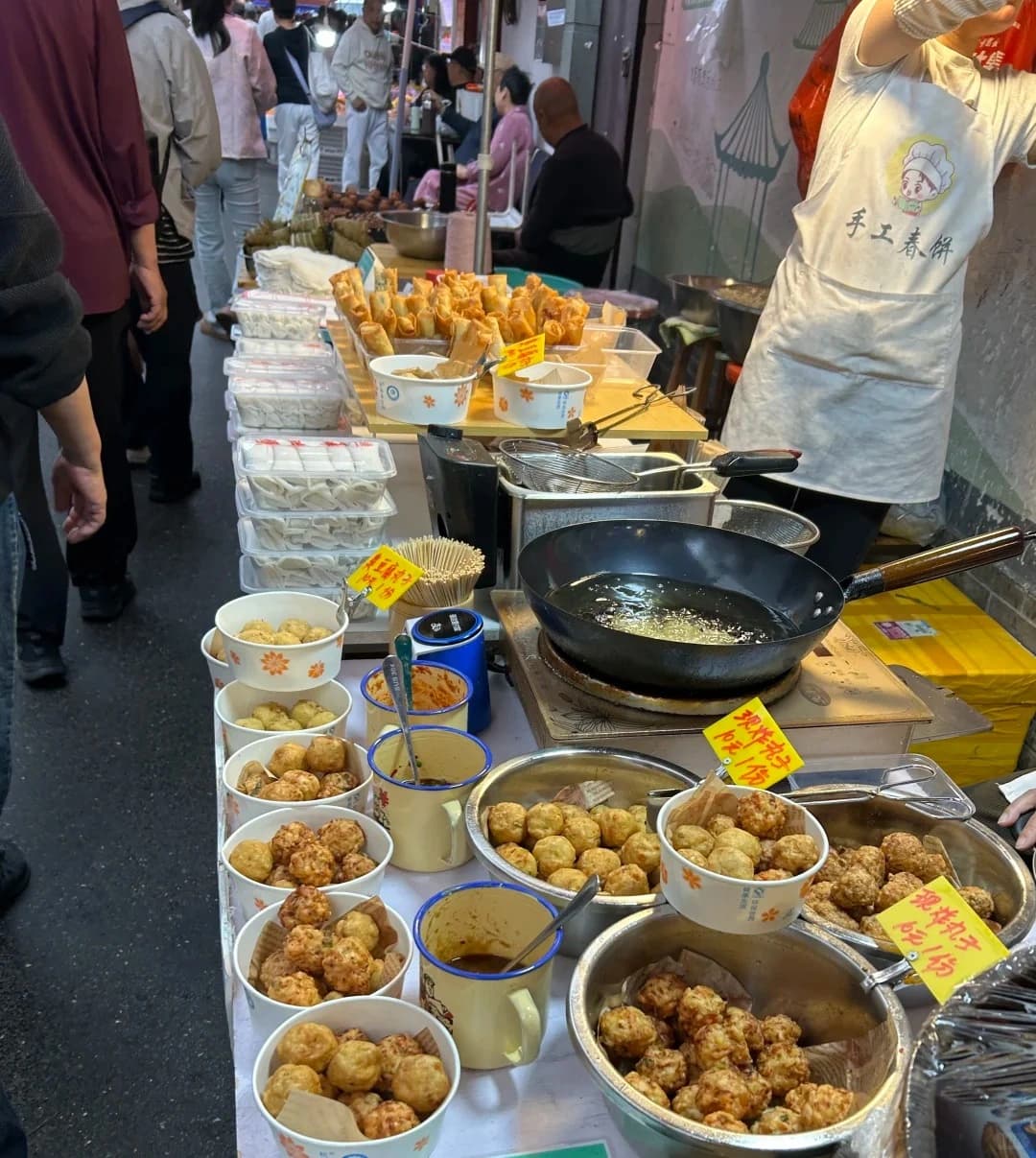
To feel what Hangzhou is like for the people who live here, get up early and go to a morning market. The most famous is at Damalong, a narrow lane near Wushan Hill where locals have been shopping for generations. This is not a tourist market. It is where grandmothers buy vegetables, where butchers chop pork at 6 AM, where the air smells of steamed buns and pickled vegetables and fresh fish.
After the market, have breakfast at a noodle shop. Hangzhou runs on noodles, and the local hero is pian'er chuan — a bowl of noodles with pickled mustard greens, bamboo shoots, and sliced pork. Two places our team always recommends: Juying Noodle Shop on Zhongshan South Road — made famous by the TV show A Bite of China. And Fang Laoda, which has a Michelin Bib Gourmand recommendation. A bowl costs ¥20–40.
15. Watch the Qianjiang Skyline Light Show
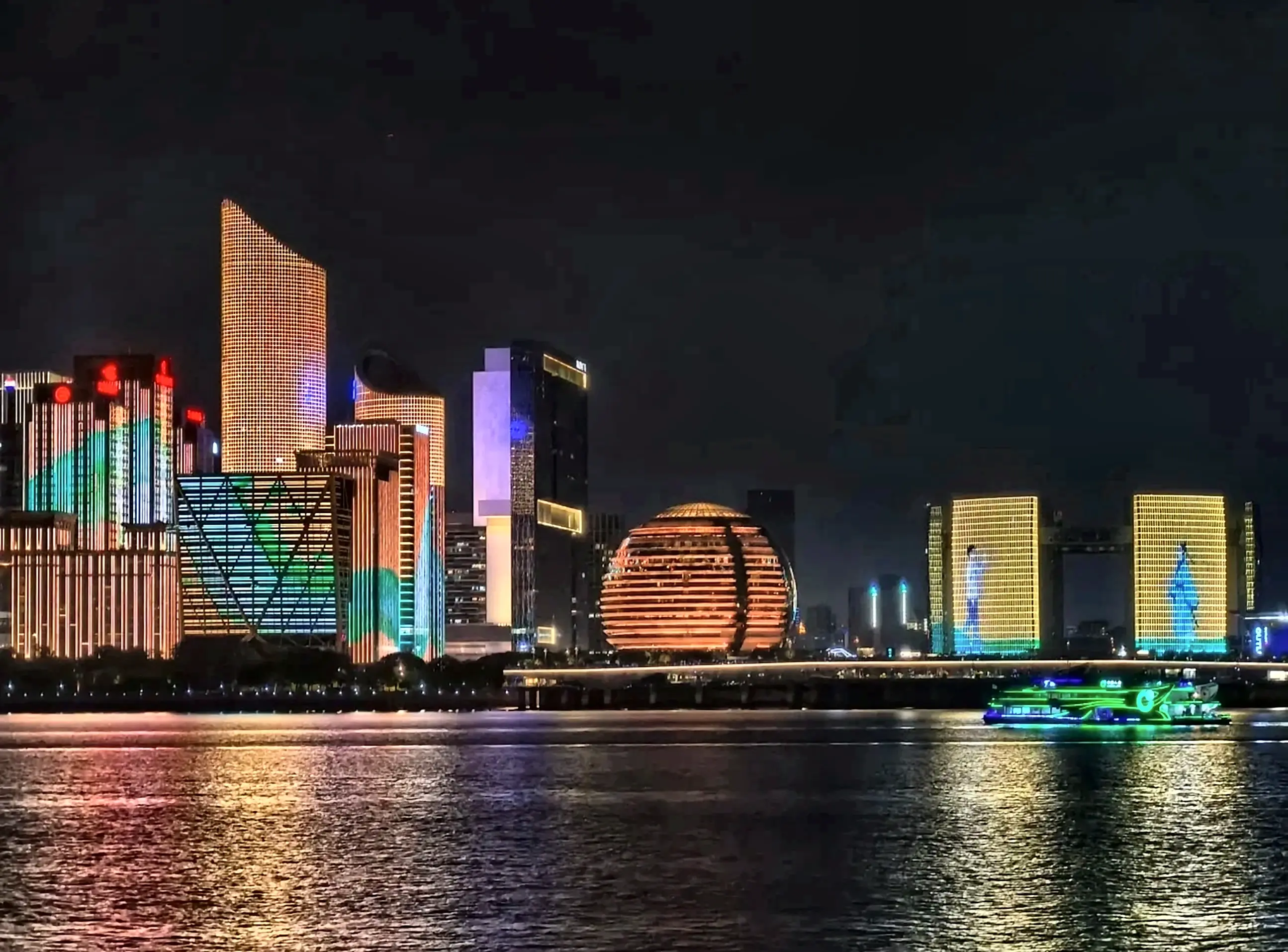
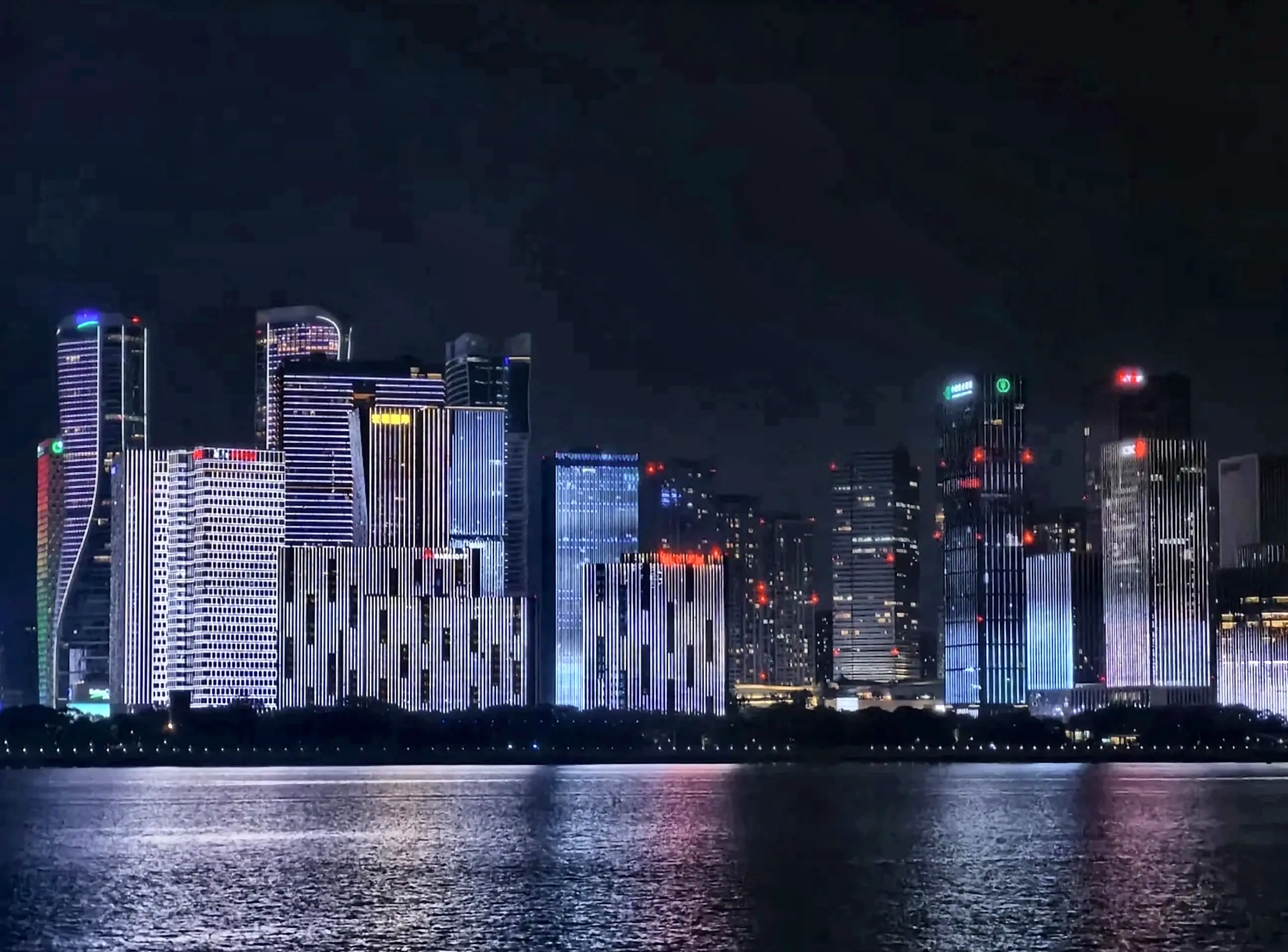
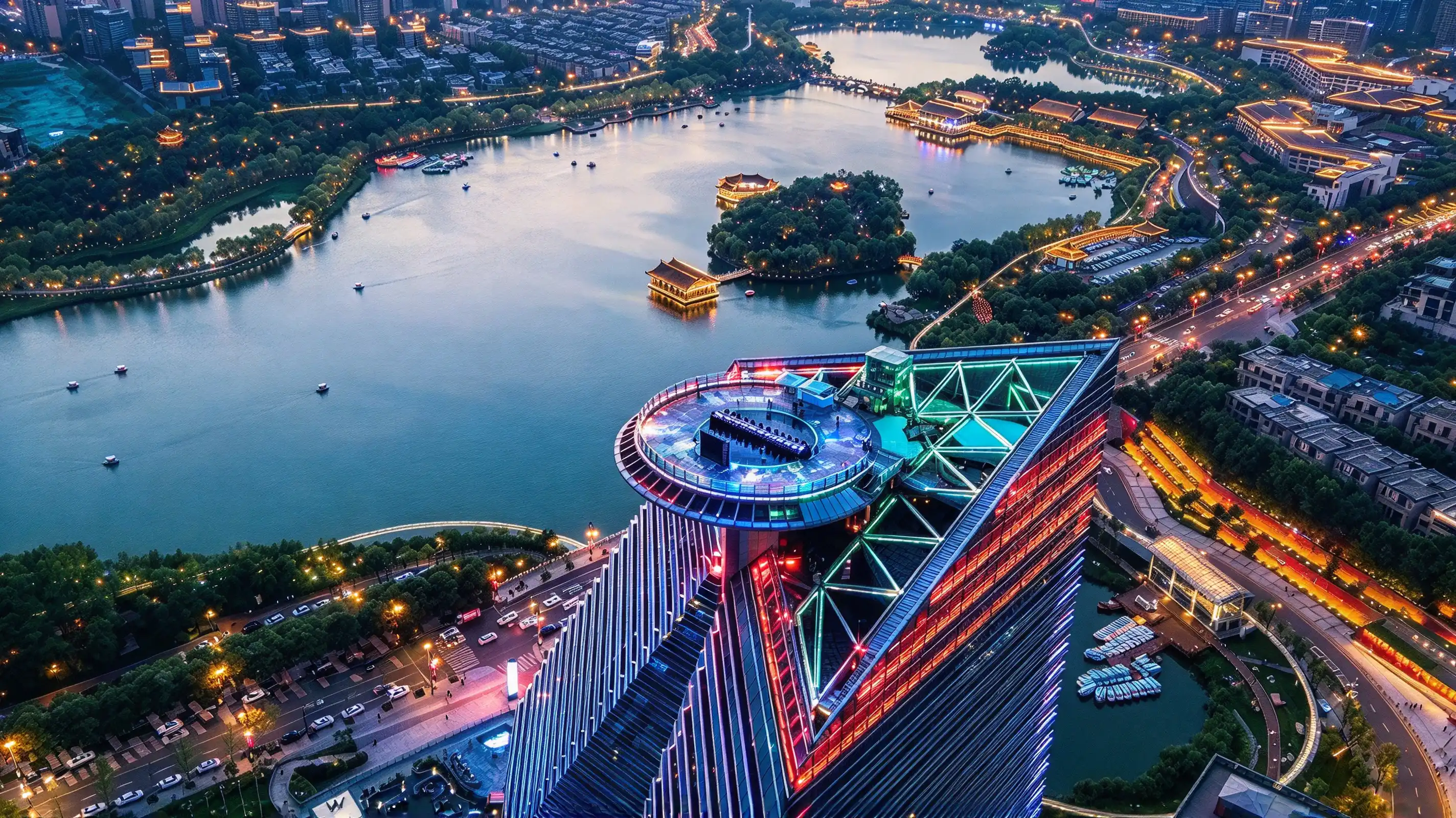
Every weekend evening, dozens of skyscrapers in Qianjiang New City light up in a synchronised music-and-light show that turns the riverside skyline into a moving canvas. It is Hangzhou's most striking contrast: the same city that gave the world willow-lined causeways and Song dynasty poetry now puts on a futuristic display. And it is completely free.
Each show lasts about 15 minutes. On regular weekdays, there is typically one showing at 20:30; on weekends and holidays, an earlier show is added at 19:30. The best viewing spot is the City Balcony on the Qiantang River bank. Take Metro Line 4 to Citizen Center station.
How Many Days Do You Need in Hangzhou?
One day: Causeway walk at dawn + boat to the island + Lingyin Temple + Leifeng sunset + music fountain. If you are based in Shanghai, this works as a day trip from Shanghai to Hangzhou.
Two days: Add the Longjing tea hills, the Tea Museum, and either Xixi Wetland or the Grand Canal — plus Hefang Street at dusk.
Three days: Add Liangzhu, a morning market noodle run, and the Qianjiang light show. This gives you the full picture — old and new, lake and city.
Recommended Hangzhou Itineraries
Planning a trip to Hangzhou? Our team offers several curated private tours designed to make the most of your time. We handle the logistics — train tickets, reservations, transport, and guiding — so you can focus on the experience.
A Day of Serenity in Hangzhou — A full-day private tour for travellers already in Hangzhou. Cruise West Lake by boat, walk through the Viewing Fish at Flower Pond gardens, visit Lingyin Temple, explore the tranquil Amanfayun Village, and finish at Meijiawu Tea Village and Hefang Ancient Street. View Details →
1-Day Hangzhou Private Tour from Shanghai — Perfect for Shanghai-based travellers. Round-trip high-speed rail tickets are included. Cruise West Lake, stroll Guo Garden, visit Meijiawu Tea Plantation, walk the bamboo-lined path at Yunqi, and end at Hefang Street. View Details →
2-Day Hangzhou Heritage Journey — The most comprehensive Hangzhou experience. Day 1 covers West Lake Cruise, Flower Pond, Guo Garden, Meijiawu Tea Village, and Hefang Street. Day 2 takes in a local morning market, Lingyin Temple, the Yunqi Bamboo Path, and Six Harmonies Pagoda. View Details →
Practical Tips for Things to Do in Hangzhou
When Is the Best Time to Visit Hangzhou?
Season | Months | Weather | Crowds | What Makes It Special |
|---|---|---|---|---|
Spring | Mar–May | Mild, 15–25°C | Moderate | Tea harvest season, peach blossoms, everything blooming |
Summer | Jun–Aug | Hot & humid, 30–38°C | High (domestic) | Lotus in full bloom, longest days, iced weilu tea |
Autumn | Sep–Nov | Best weather, 18–28°C | Moderate | Osmanthus everywhere, golden reeds at Xixi — our top pick |
Winter | Dec–Feb | Cold, 3–10°C | Low | Fewest crowds, chance of snow on Broken Bridge, warm stove tea |
Above all, avoid National Day Golden Week (October 1–7) and Spring Festival if possible — trains sell out within minutes, attractions are shoulder-to-shoulder, and hotel prices double or triple.
How Do You Get Around Hangzhou?
Hangzhou's metro is clean, modern, and reaches most major spots: Line 1 to West Lake (Longxiangqiao), Line 3 to Xixi Wetland and the Grand Canal, Line 4 to Qianjiang New City. Single-journey tickets are ¥2–7; machines have English options. For shorter hops, Didi (China's ride-hailing app) is reliable and inexpensive — set your destination in the app to skip any language issues.
Reservations & Closures
An increasing number of Hangzhou's top sights require advance reservations — even the free ones. Lingyin Temple, Liangzhu, and most major museums book through WeChat mini-programs, usually releasing slots one to seven days ahead. Mondays are the big closure day: Liangzhu museum and ruins, the Silk Museum, and most provincial museums are all shut. The China National Tea Museum closes on Tuesdays instead.
Visa-Free Transit
If you are entering China on the 240-hour (10-day) visa-free transit policy via Shanghai Pudong or Hongqiao airports, Hangzhou is within the permitted Zhejiang Province activity area — no additional visa required.
So, What Are the Best Things to Do in Hangzhou?
The best things to do in Hangzhou are the ones that pull you out of the guidebook and into the place itself — walking a causeway at dawn when the mist is still on the water, sitting across a table from a tea farmer while the leaves roast in a wok, gliding through wetland reeds in a hand-rowed boat, eating noodles next to grandmothers doing their morning shopping. This is a city with an extraordinary range: a 5,000-year-old archaeological site in the morning, a Song-dynasty tea ceremony in the afternoon, and a free skyline light show to cap off the night.
If you only have one day, spend it at West Lake and Lingyin Temple. If you have two or three, add the tea hills, Xixi Wetland, and one of the deeper experiences — diancha, Liangzhu, or the canal district. And if you have longer, Hangzhou is the kind of city that rewards repeat visits. There is always another teahouse, another temple hall, another stretch of canal you have not walked yet.
Our local team has been arranging private Hangzhou tours for years. If you would like us to handle the planning, reservations, transport, and guiding — so that your only job is to show up and experience Hangzhou — explore our Hangzhou private tours or get in touch, and we will build the perfect itinerary for your schedule and interests.

Traveler Discussions
Questions from travelers