
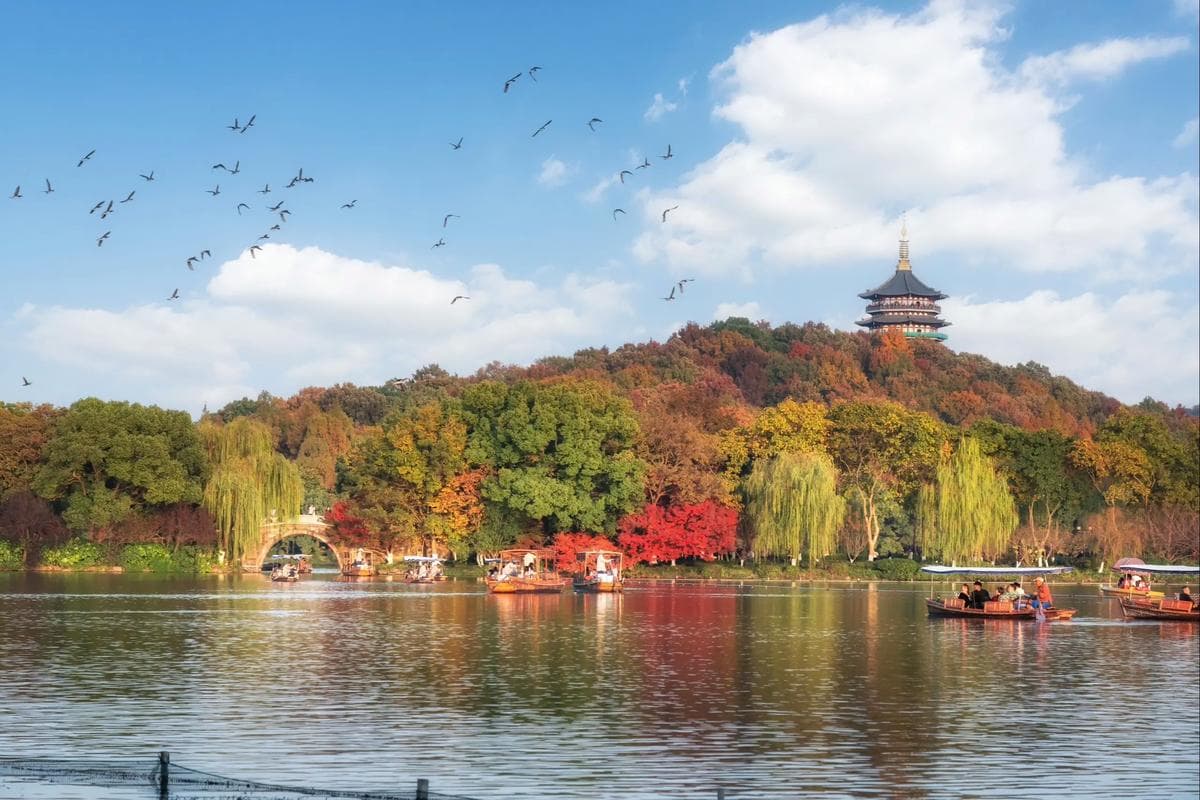
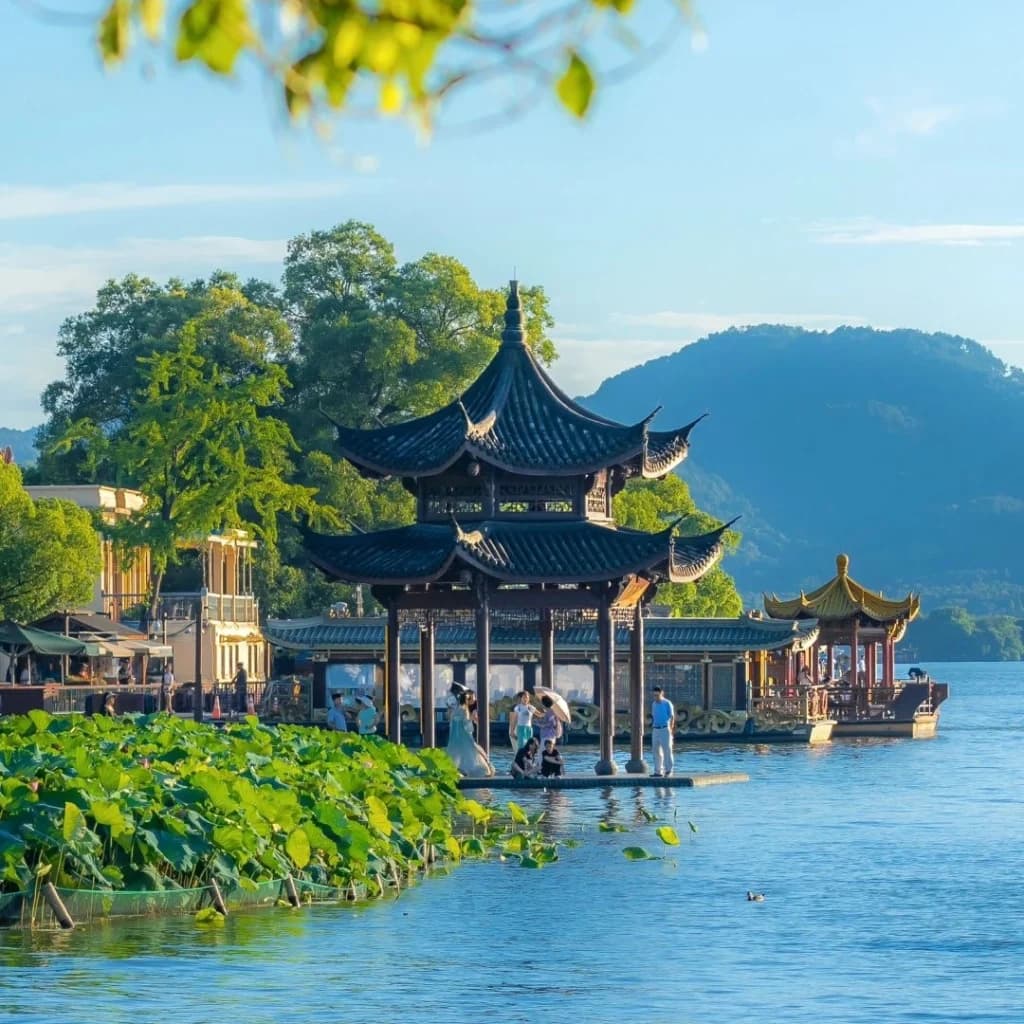
Hop over to Hangzhou, and you step into the landscape that has defined Chinese beauty for over a thousand years. This is the city Marco Polo famously admired for its beauty — and 700 years later, much of that charm remains unchanged. West Lake is still the heart of the city, the hills above it still produce China's most celebrated Longjing tea, and the ancient temples hidden among the forests still echo with evening bells. Just 45 minutes from Shanghai by high-speed train, Hangzhou is one of the easiest ways to experience China's landscapes, culture, and slower rhythm beyond the modern city.
But the question every traveller planning a visit eventually asks is: how many days do you actually need in Hangzhou?
This Hangzhou itinerary breaks down exactly what you can see in Hangzhou in 1 day, Hangzhou in 2 days, or a Hangzhou 3-day itinerary, depending on your travel style and available time. Whether you are making a quick day trip from Shanghai or staying longer to explore tea villages, temples, and hidden corners around West Lake, this guide shows you how to plan each day with realistic timing — including the sights worth prioritizing, what to skip, and how to experience Hangzhou at a comfortable pace.
How Many Days Do You Need? — Quick Answer
Two days is the sweet spot. One day covers the headline sights but leaves you sprinting. Three days lets you breathe and reach a water town. Here's the comparison we use when friends ask us to plan their trip:
Days | Best for | What you'll see | Pace |
|---|---|---|---|
1 day | Day-trippers from Shanghai | West Lake + Lingyin Temple + Qinghefang Old Street | Packed but doable |
2 days | Most travellers (recommended) | Above + Longjing tea village + Impression West Lake night show | Balanced, comfortable |
3 days | Deep explorers | Above + a Jiangnan water town day trip (Wuzhen, Nanxun, or Xitang) | Relaxed, immersive |
We recommend two days for almost everyone visiting Hangzhou for the first time. Day 1 anchors you on the lake and in the temples; Day 2 lifts you into the tea hills and ends with the night show on the lake itself. It's the minimum duration at which Hangzhou stops feeling like a checklist and starts feeling like a place.
Hangzhou in 1 Day — The Essentials
If you only have one day, do Hangzhou in 1 day and do it right. This route assumes a Shanghai departure and chains the lake, the temples, and the old town without backtracking.
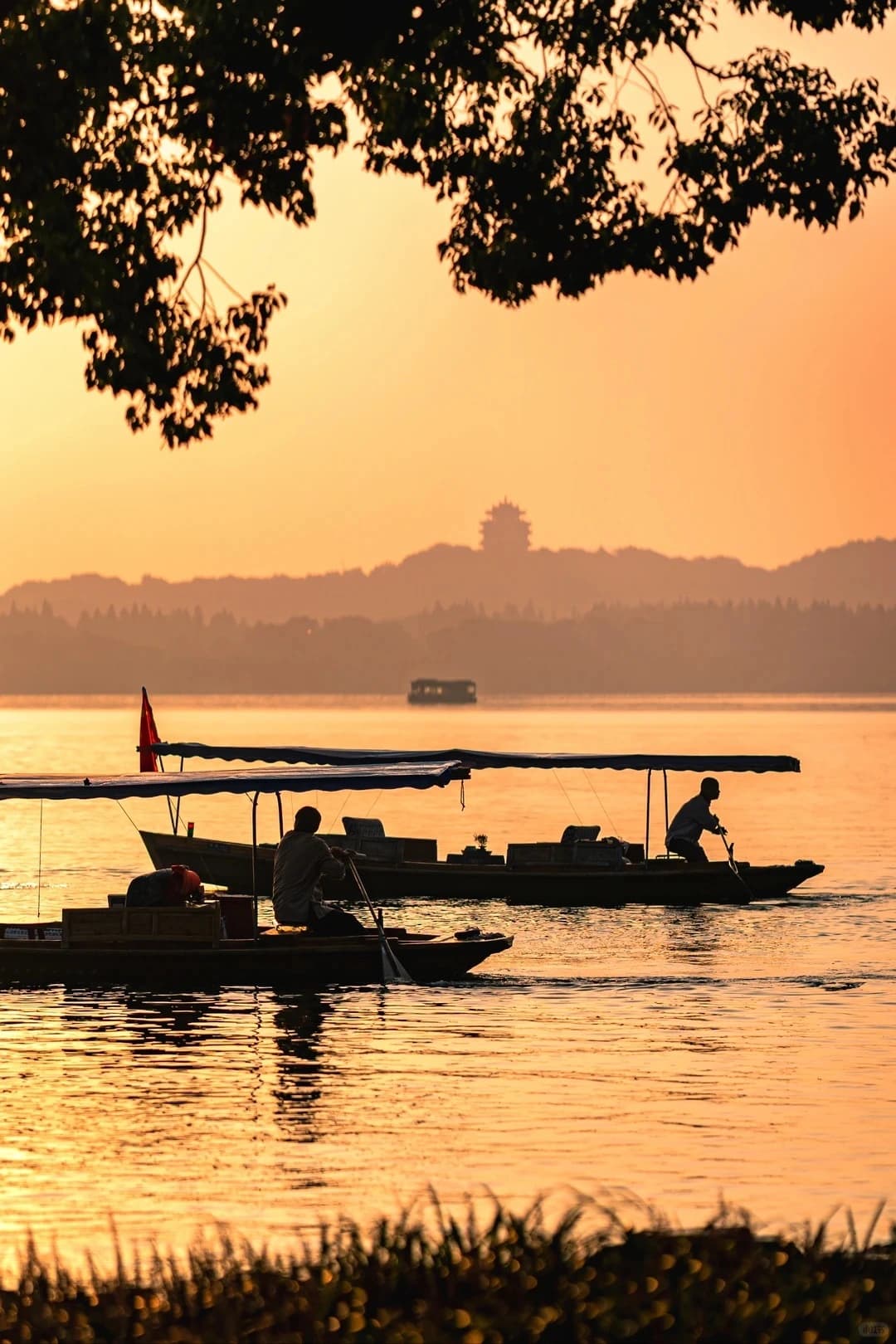
Morning: West Lake by Boat & on Foot
Suggested timing: 8:30 AM – 12:30 PM
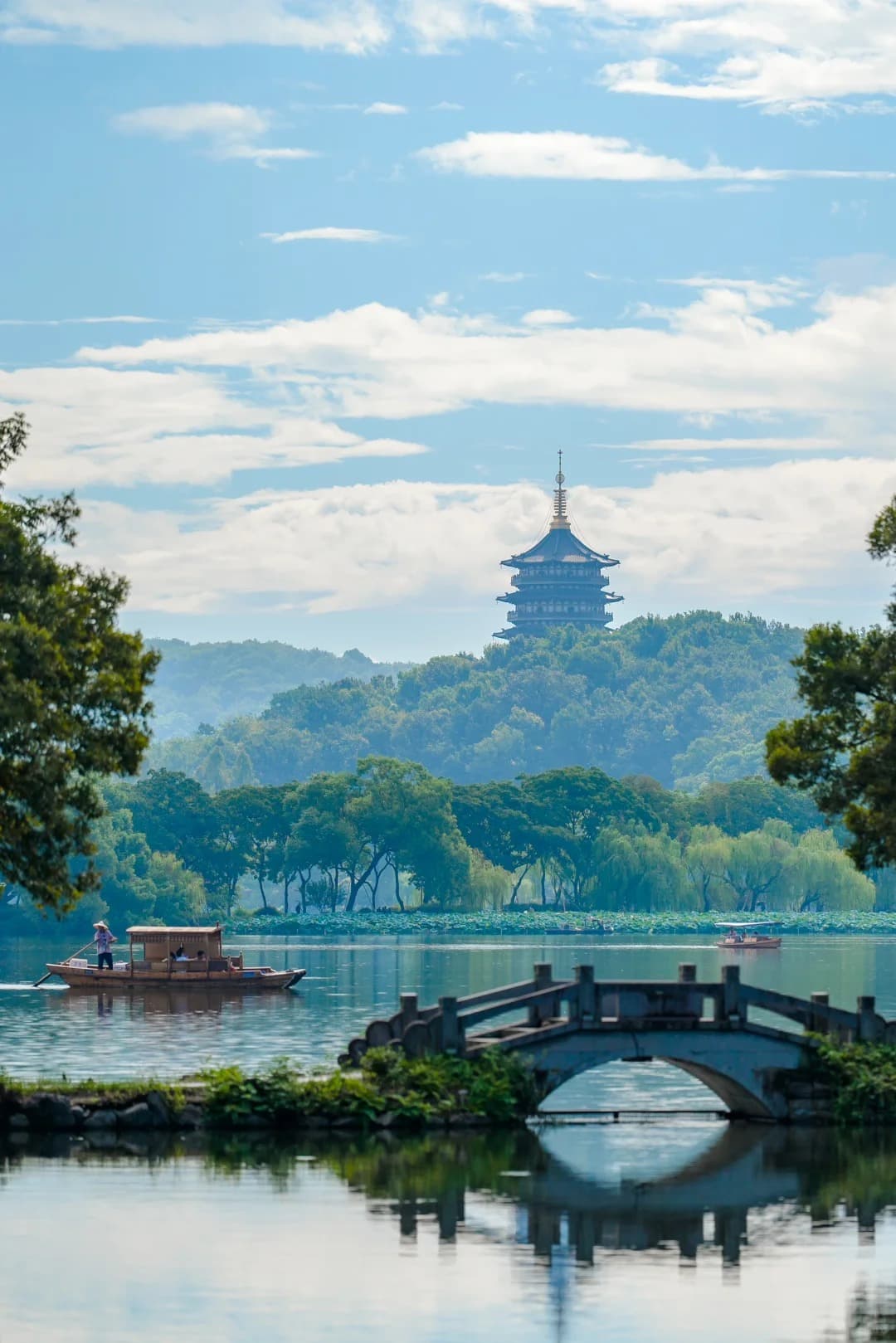
Start at Hubin Pier on the lake's east shore. The scenic cruise boat loops past the Three Pools Mirroring the Moon — the stone pagodas printed on the ¥1 note — and gives you the quickest orientation of the lake's geography.
Disembark and walk the Su Causeway, a 2.8 km willow-and-peach-lined causeway that is the single most photographed stretch of West Lake (allow about 45 min one-way).
At the south end, climb Leifeng Pagoda for a panoramic view that puts the whole lake into perspective. The pagoda is modern-rebuilt, but the view from the top is the best in the city (allow 30-45 min).
Afternoon: Lingyin Temple
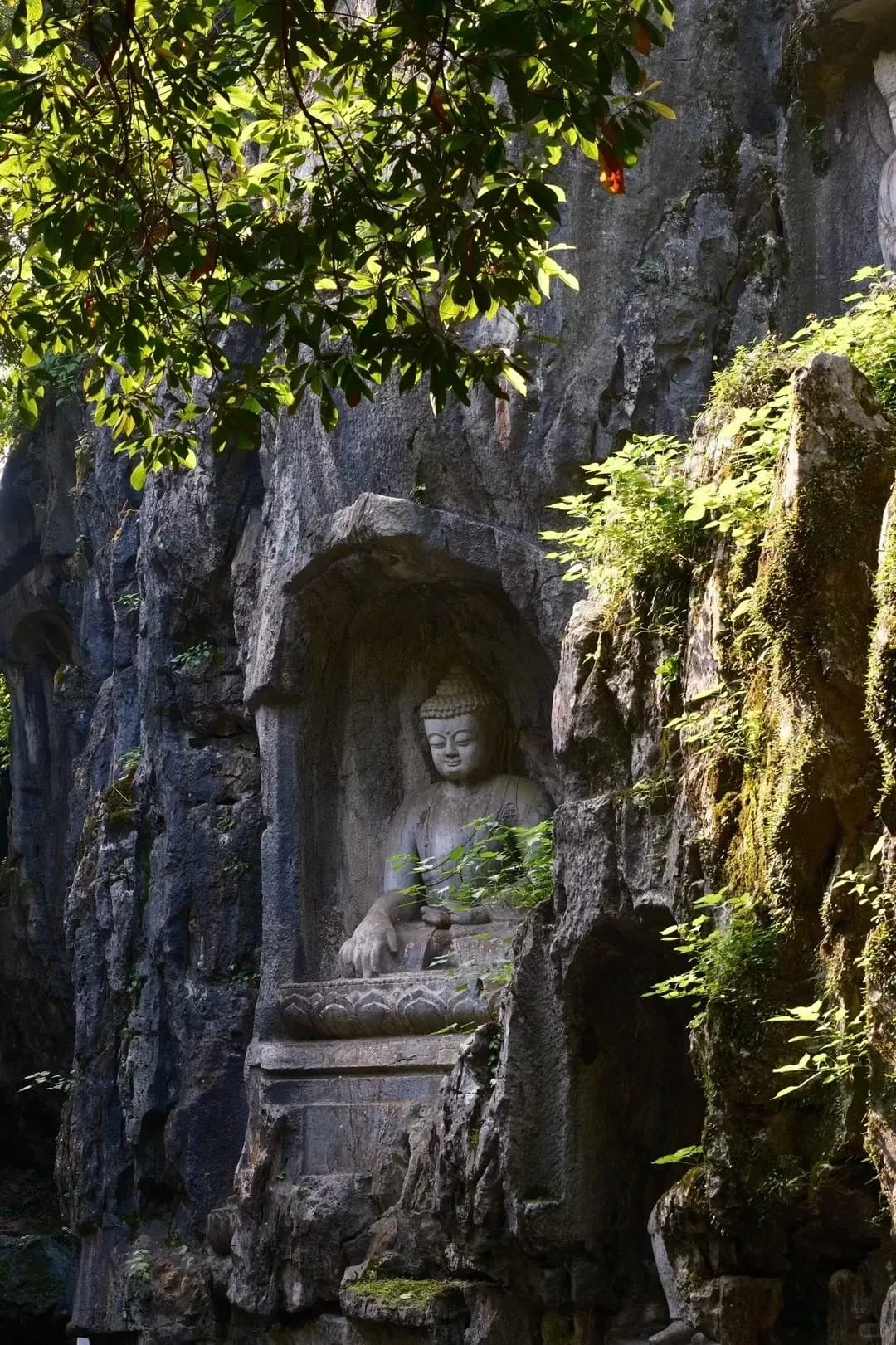
Suggested Duration: Allow 1.5 to 2 hours total.
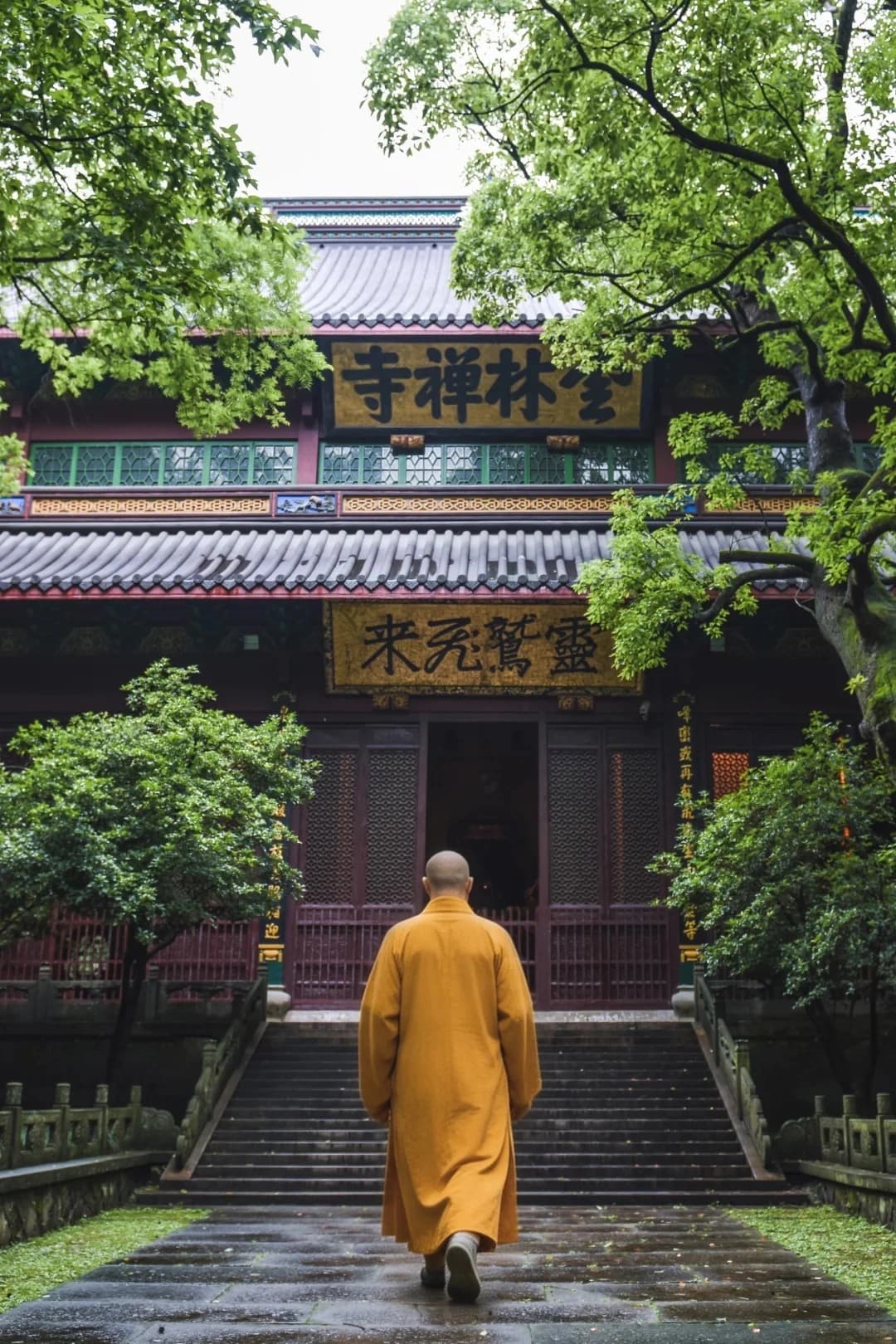
Take a taxi or Bus 7 to Lingyin Temple, about 15 minutes northwest of the lake. This is one of China's oldest Buddhist temples, founded in 326 CE, and the complex has two zones you'll pass through sequentially.
First is Peak Flown from Afar — a limestone hill riddled with 330+ cliff-carved Buddha statues dating from the Five Dynasties to the Yuan dynasty.
Then the temple itself, with four halls rising the hillside: Heavenly King Hall, Mahavira Hall, Medicine Buddha Hall, and the Sutra Library at the top.
Evening: Qinghefang Old Street
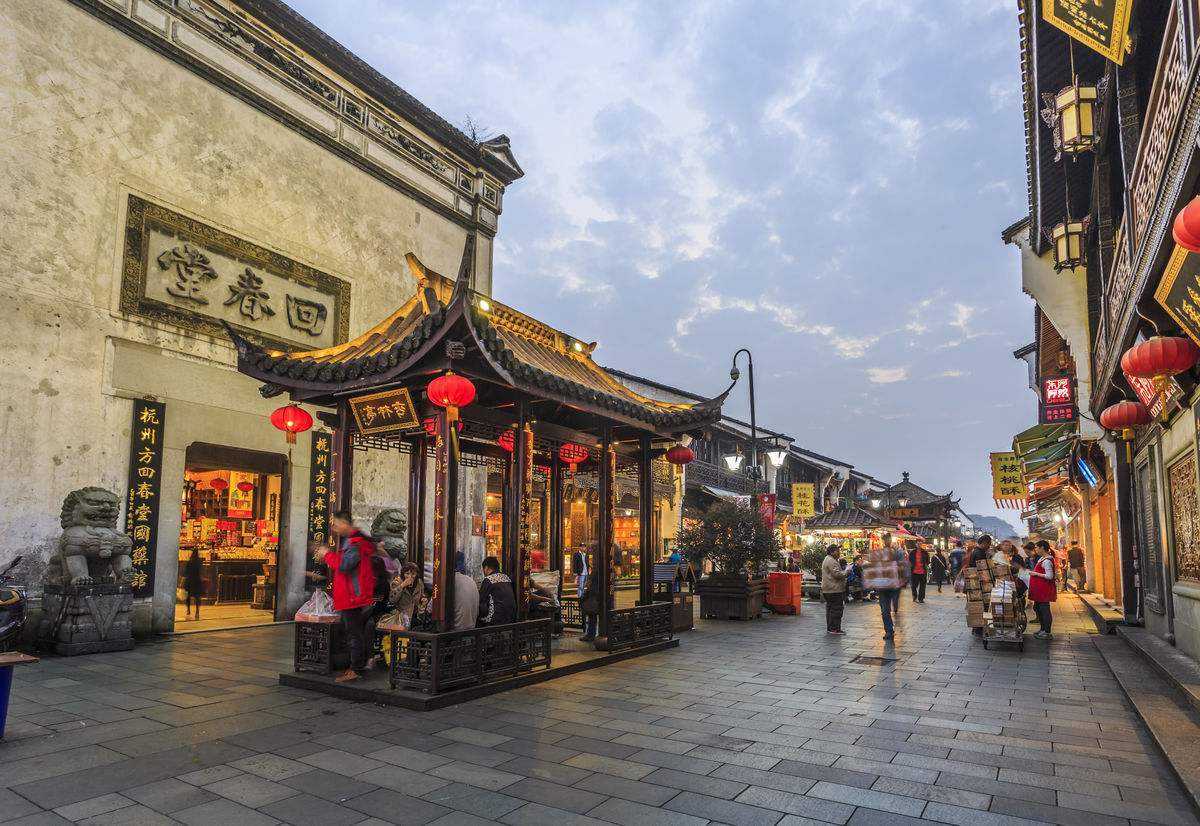
Suggested Duration: Allow 1 to 1.5 hours.
Head back to the city centre and spend your evening on Qinghefang, Hangzhou's best-preserved old commercial street — a Southern Song-era imperial thoroughfare now lined with timber shopfronts, lantern-lit lanes, and snack stalls.
Walk the full length, duck into the side alleys (quieter and more rewarding than the main drag), and eat here rather than at the overpriced lakeside restaurants.
Try a bowl of Pian'er Chuan — Hangzhou's signature noodle soup with pickled greens, bamboo shoots, and pork — at one of the old noodle houses, then grab a Cong Bao Hui, the scallion-and-fried-dough wrap that is the closest thing Hangzhou has to a street-food mascot.
1-Day Tips
Rent a shared bike. HelloBike and Meituan bikes are everywhere near the lake. The Su Causeway is wide and flat, and a bike saves you 30–40 minutes versus walking it.
Avoid weekends. West Lake on a Saturday in October is shoulder-to-shoulder. A weekday in shoulder season (late March, late October) will halve your wait times.
Reserve popular attractions in advance. Lingyin Temple, Leifeng Pagoda, and other popular sights can get busy, especially during weekends and holidays. Booking your tickets or entry time ahead of time helps you avoid long waits and makes your day run more smoothly.
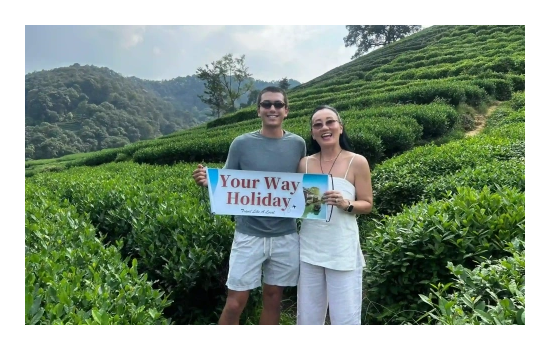
Hangzhou in 2 Days — A Slower Pace with Tea Hills & Evening Views
Hangzhou in 2 days is our recommended duration.
The first day follows the 1-day essentials route above, but at a more relaxed pace — you can add the Bai Causeway and Solitary Hill to your lake walk, visit the Yue Fei Temple on the north shore, and take a hand-rowed boat instead of the cruise.
The real value of the second day, though, is what the one-day version cannot fit: the tea hills and the night show.
Day 1: West Lake & Temples
Follow the 1-day route — morning on the lake, afternoon at Lingyin Temple, evening at Qinghefang — but with enough breathing room to sit on a bench by the water and do nothing for twenty minutes. That's the version of Hangzhou the day-trippers never get.
Where to Stay
Base yourself near the east shore of West Lake — the Hubin / Longxiangqiao metro area. Avoid staying west of the lake (near Lingyin) unless you specifically want temple-area tranquillity — it's cut off from the metro and from evening dining.
Day 2: Tea Culture & Night Show
Morning: Longjing Tea Village
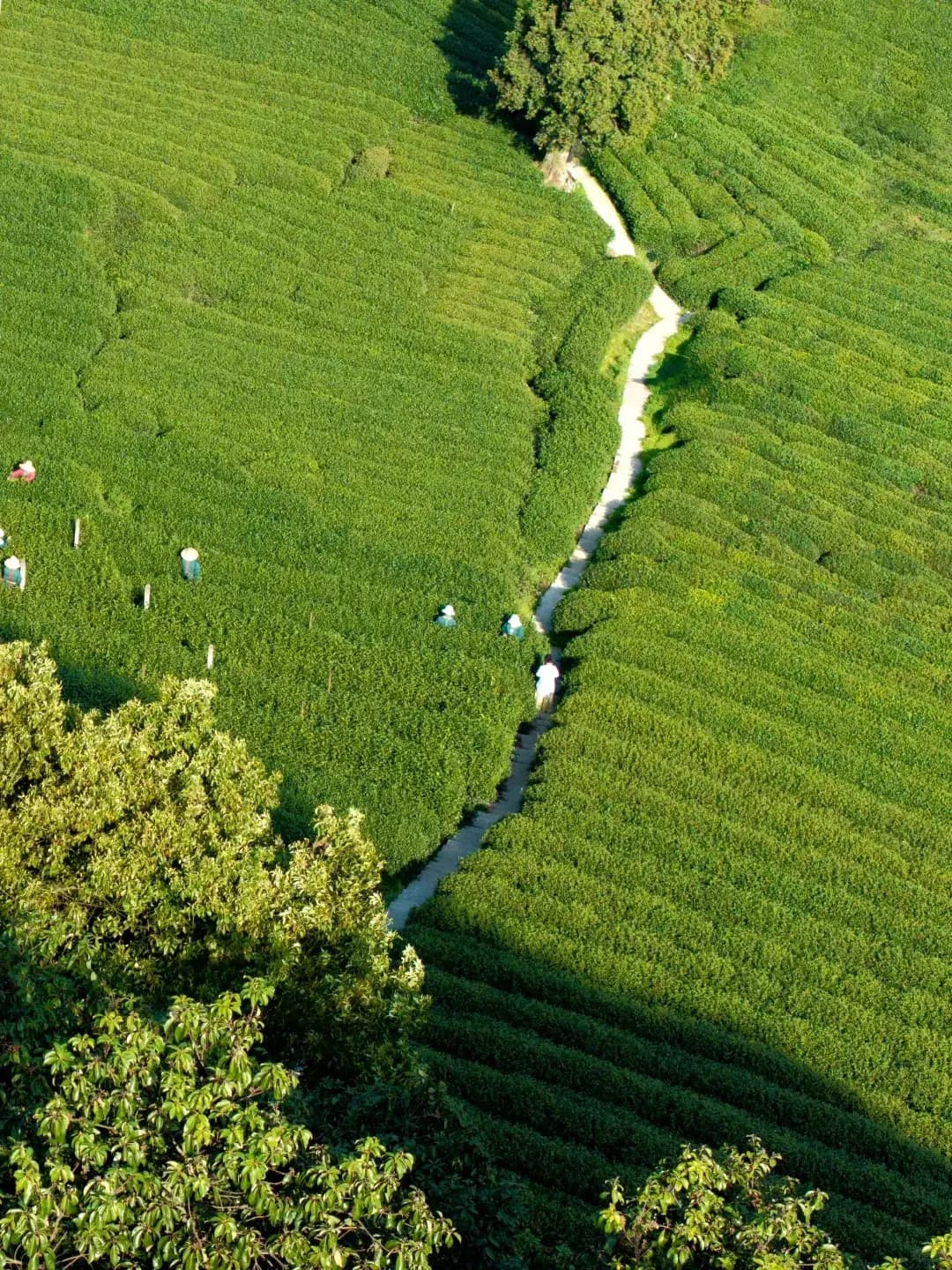
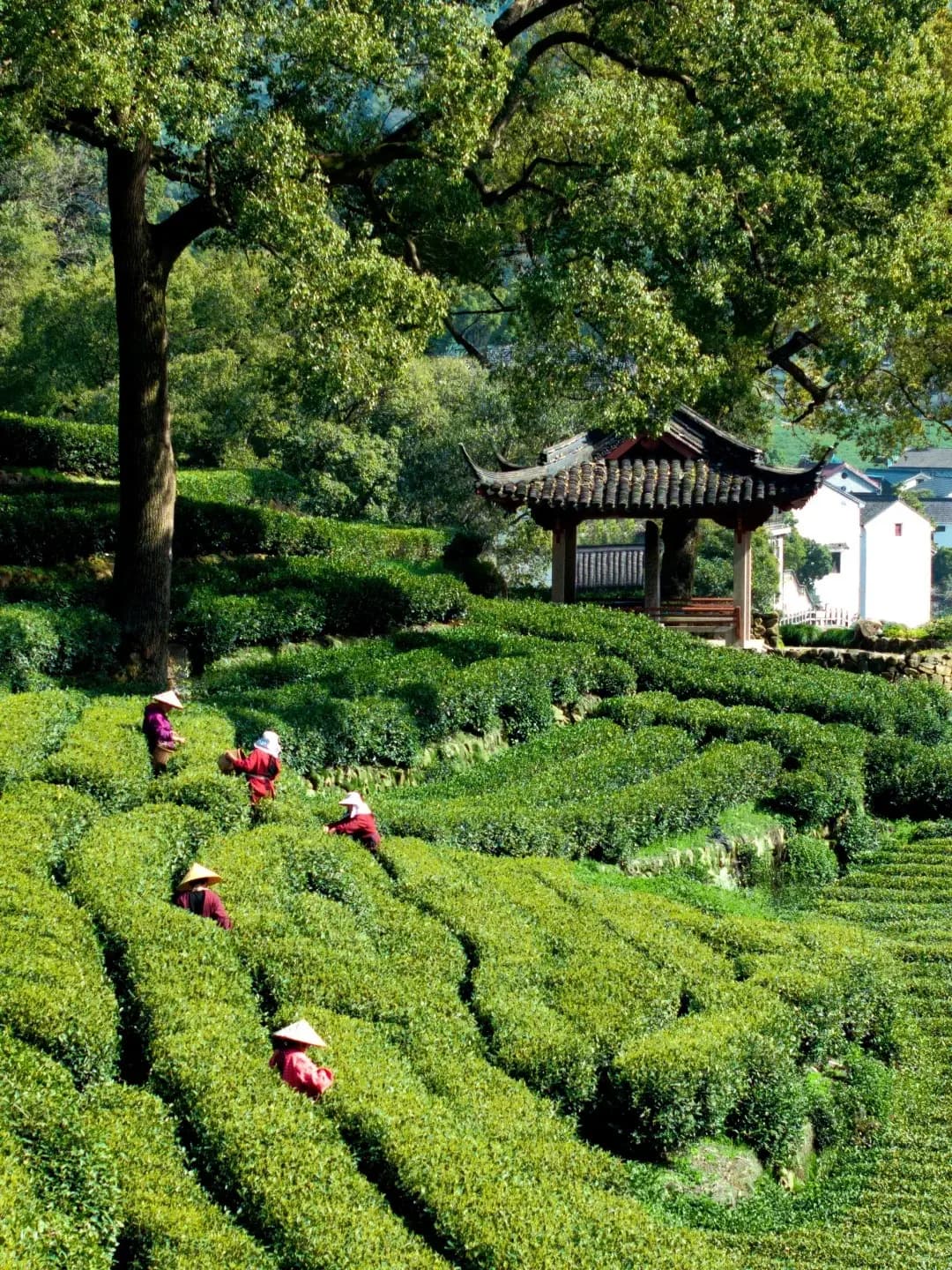
Suggested Duration: Allow 2 to 3 hours.
Take a taxi 20 minutes into the hills southwest of the lake to Meijiawu, the most visitor-friendly of the Longjing tea villages. If you come in late March or early April, you'll see the tea harvest in full swing — pickers in conical hats moving between the bright-green terraces, farmers pan-frying fresh leaves in iron woks over charcoal.
Afternoon: Back to the City and the China National Tea Museum
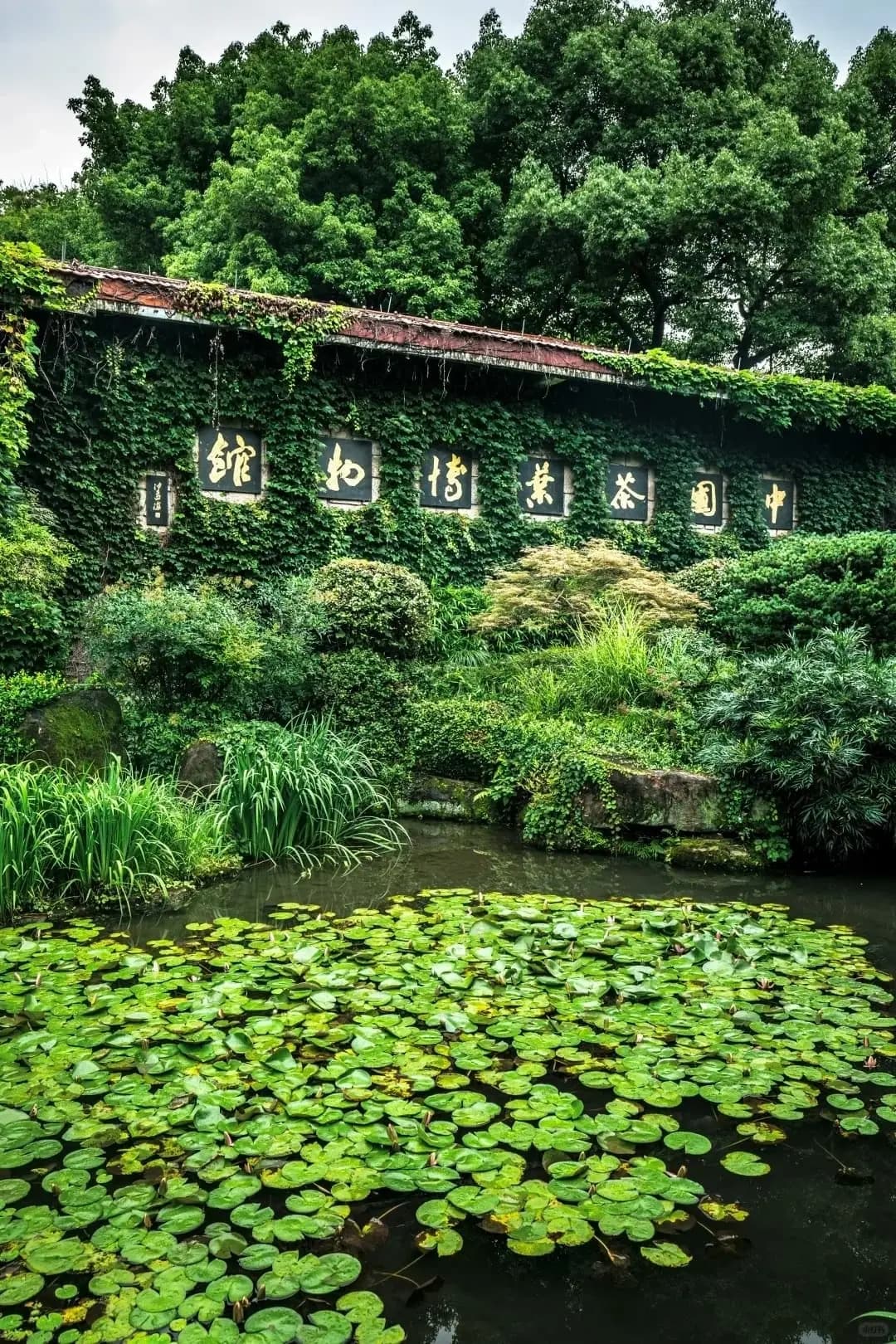
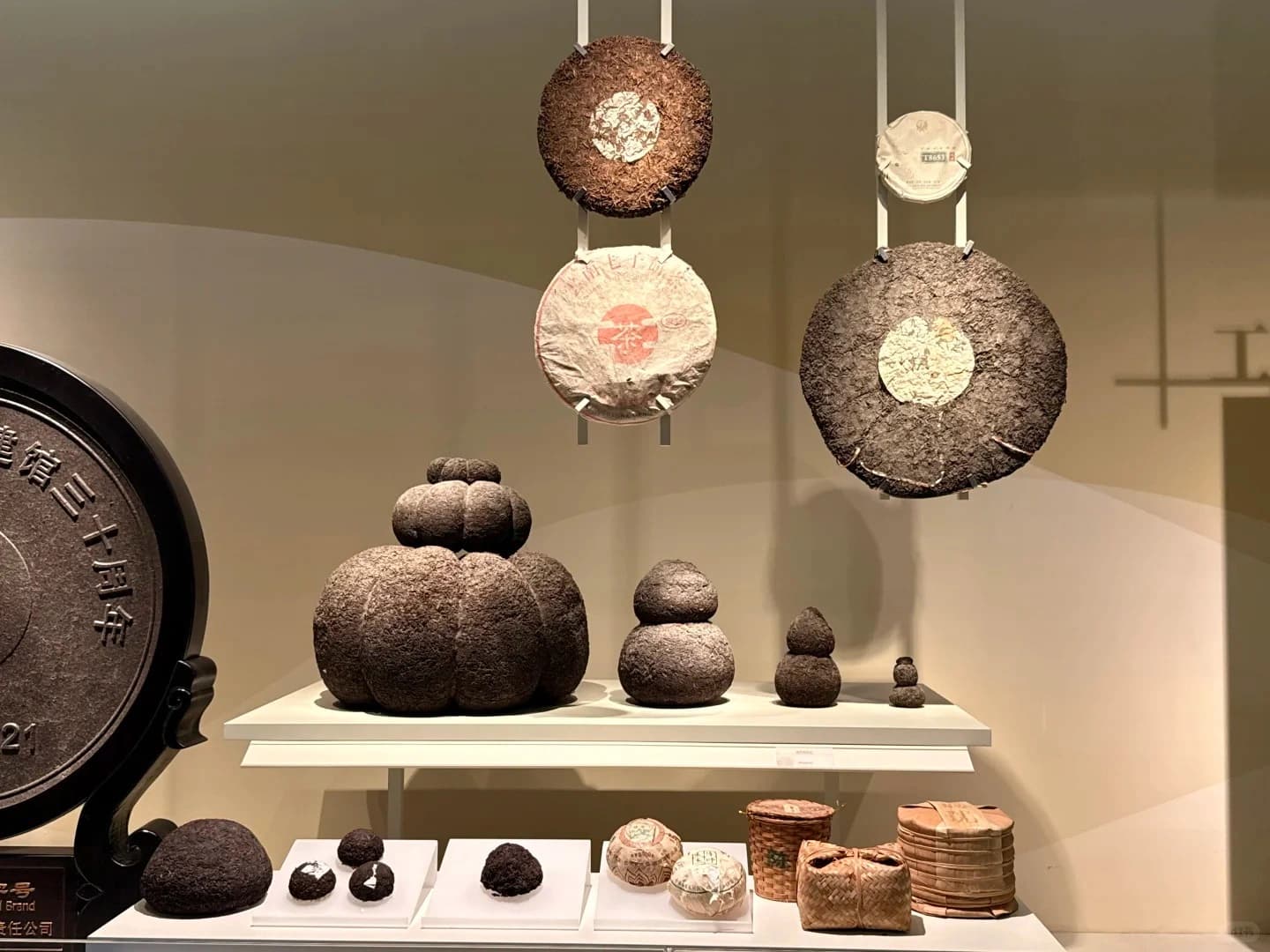
Suggested Duration: Allow 45 to 60 minutes.
Taxi back toward the lake. If time allows, stop at the China National Tea Museum (closed on Tuesdays) on the road back — the grounds, with tea bushes terraced around pavilions, are worth a 45-minute wander even if you skip the exhibition halls.
Otherwise, head straight to Qinghefang or the Hubin area for a relaxed late lunch and some downtime before the evening.
Evening: Impression West Lake Show
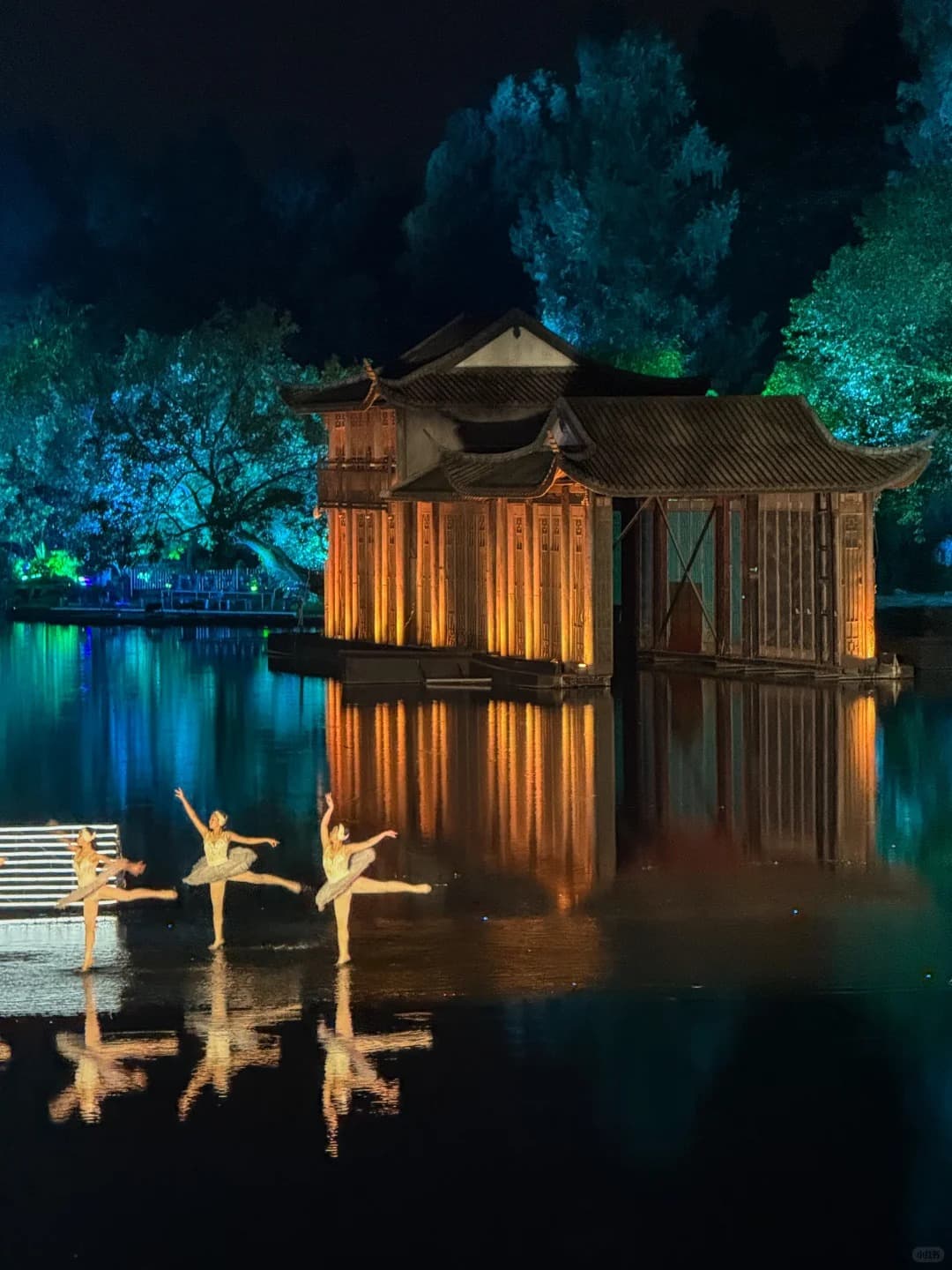
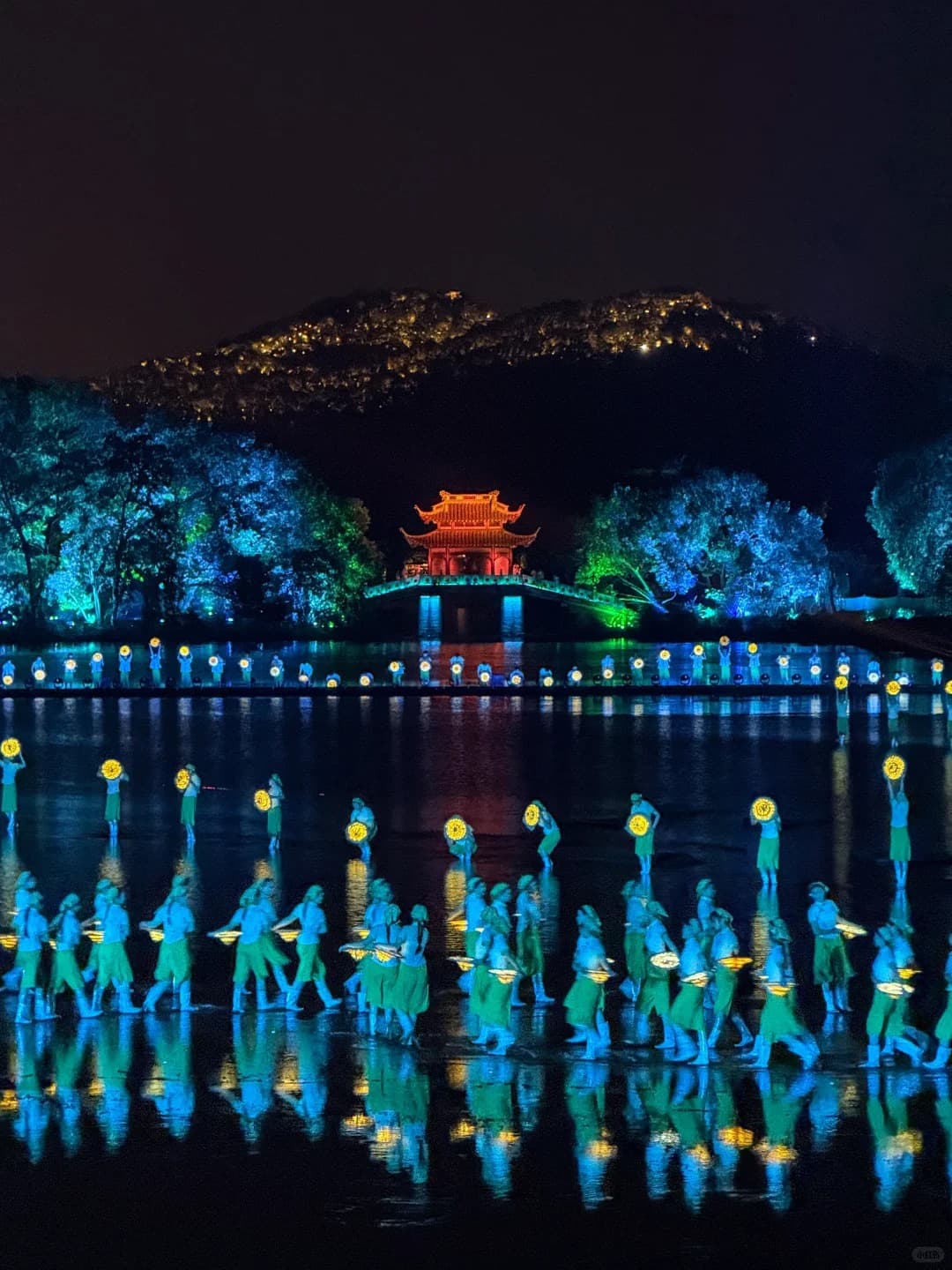
Performance Time: 19:40-20:35
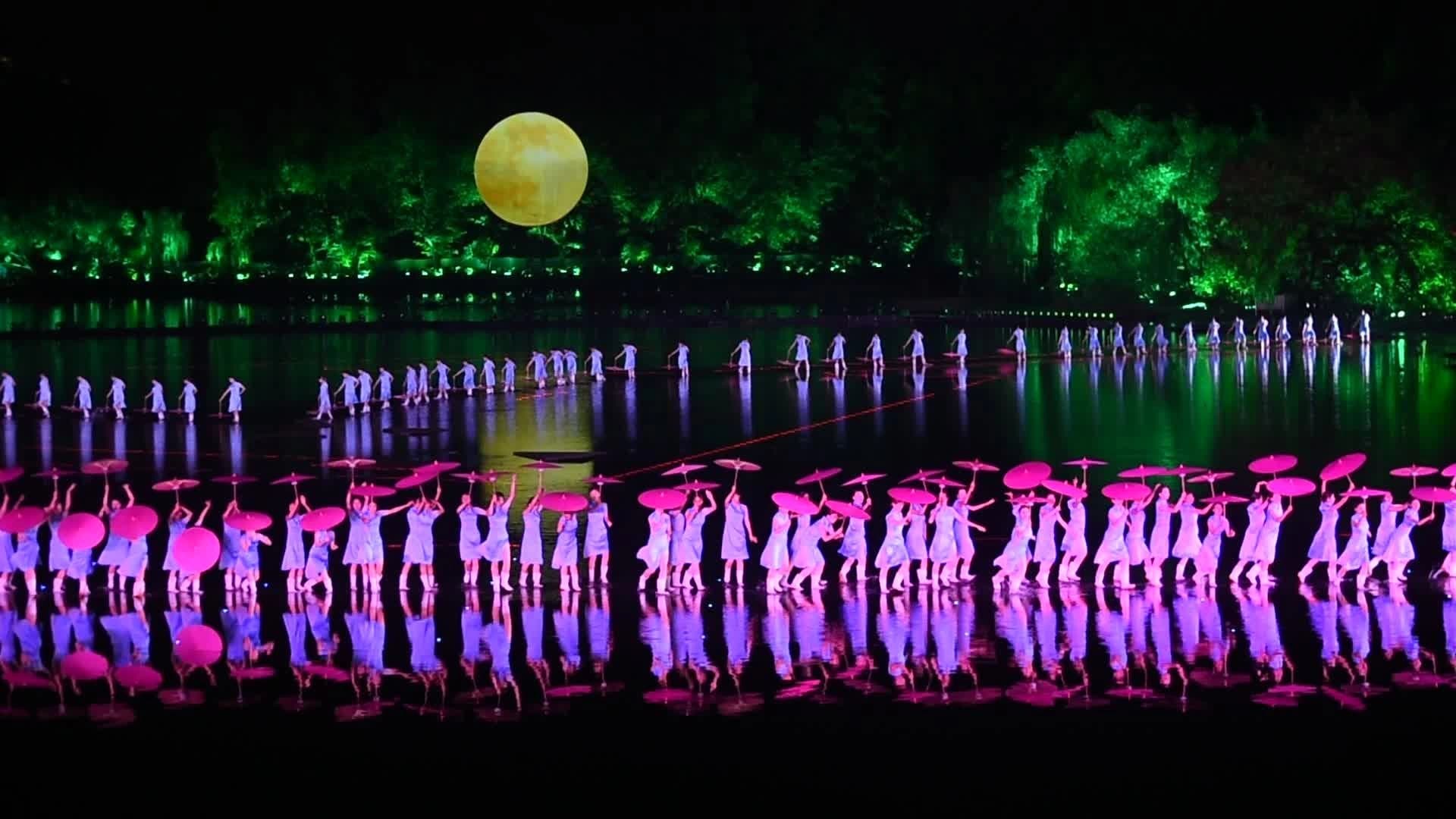
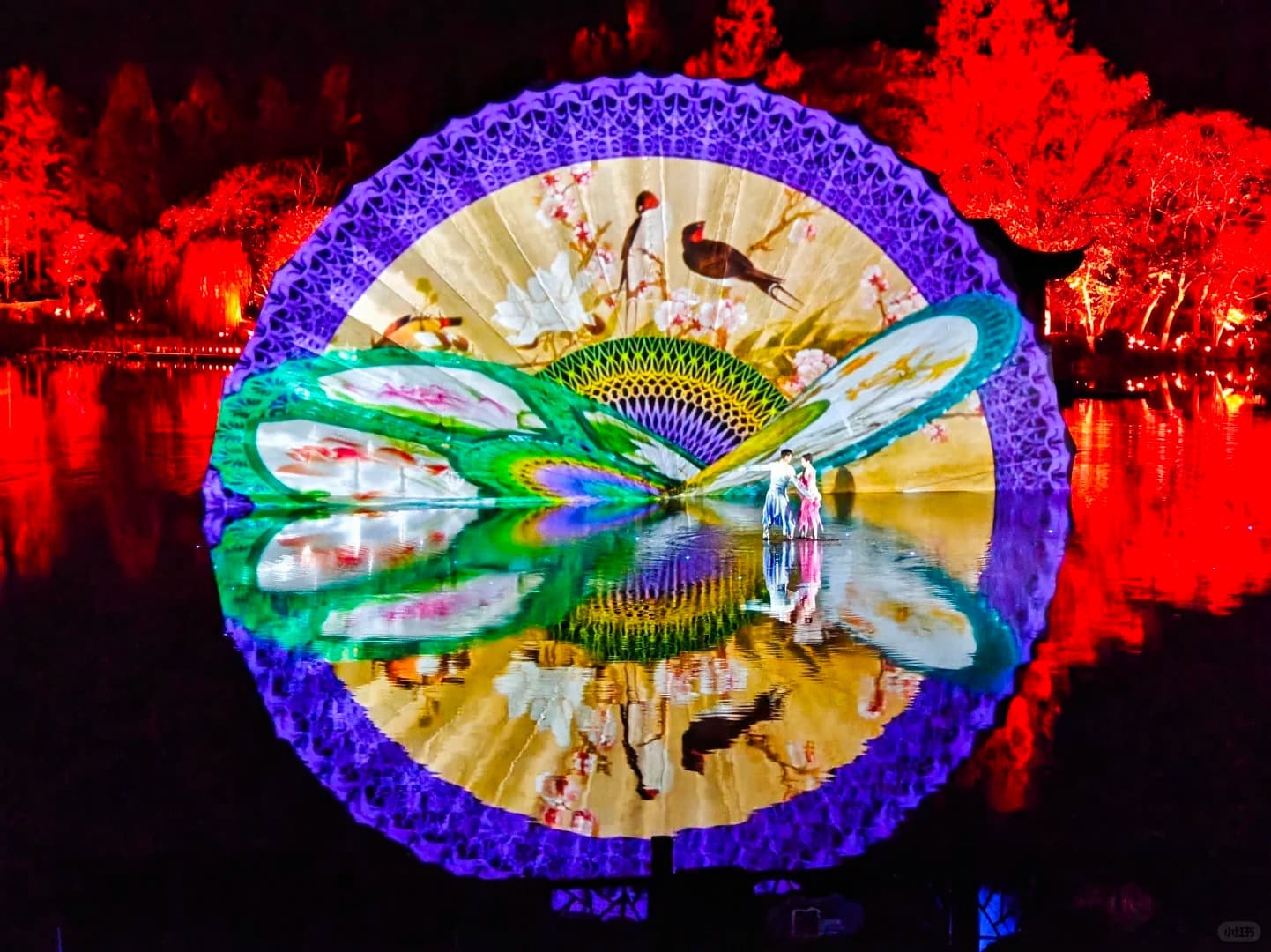
This is the reason you stayed the night. Impression West Lake (印象西湖) is a 55-minute open-air performance staged directly on the surface of West Lake, directed by Zhang Yimou — the filmmaker behind the 2008 Beijing Olympics opening ceremony.
Dancers appear to walk on water; the show weaves together water ballet, classical Chinese dance, live music, and even scent cues (a wearable fragrance device activates during the Jasmine Flower melody).
Hangzhou 3 Day Itinerary — Adding a Water Town
Three days is the duration we ourselves prefer. Days 1 and 2 mirror the 2-day itinerary above — the lake, the temples, the tea village, and the night show. The third day is where the Hangzhou 3-day itinerary earns its keep: you leave the city entirely and step into a Jiangnan canal town.
Days 1–2: Same as the 2-Day Itinerary
Follow the 2-day plan above. The only difference is psychological — knowing you have a third day, you'll naturally slow down on the causeway and linger in the temple courtyard.
Day 3: Water Town Day Trip
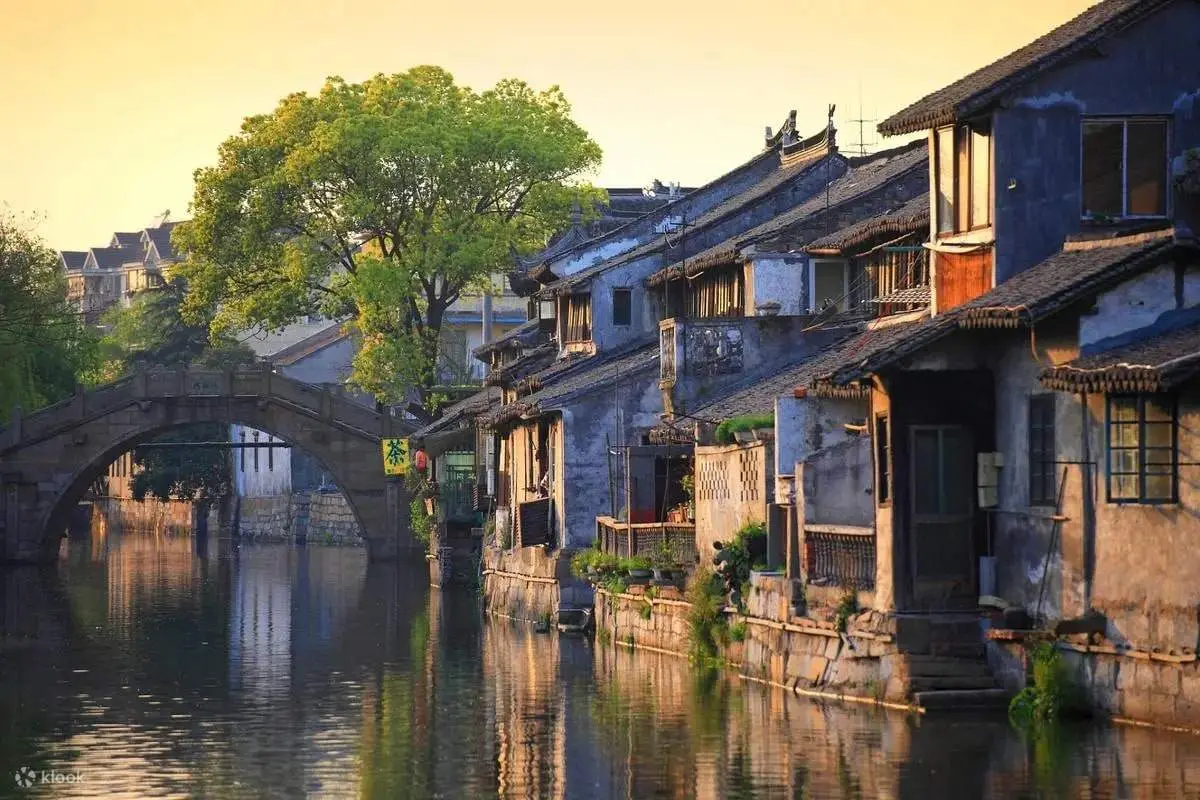
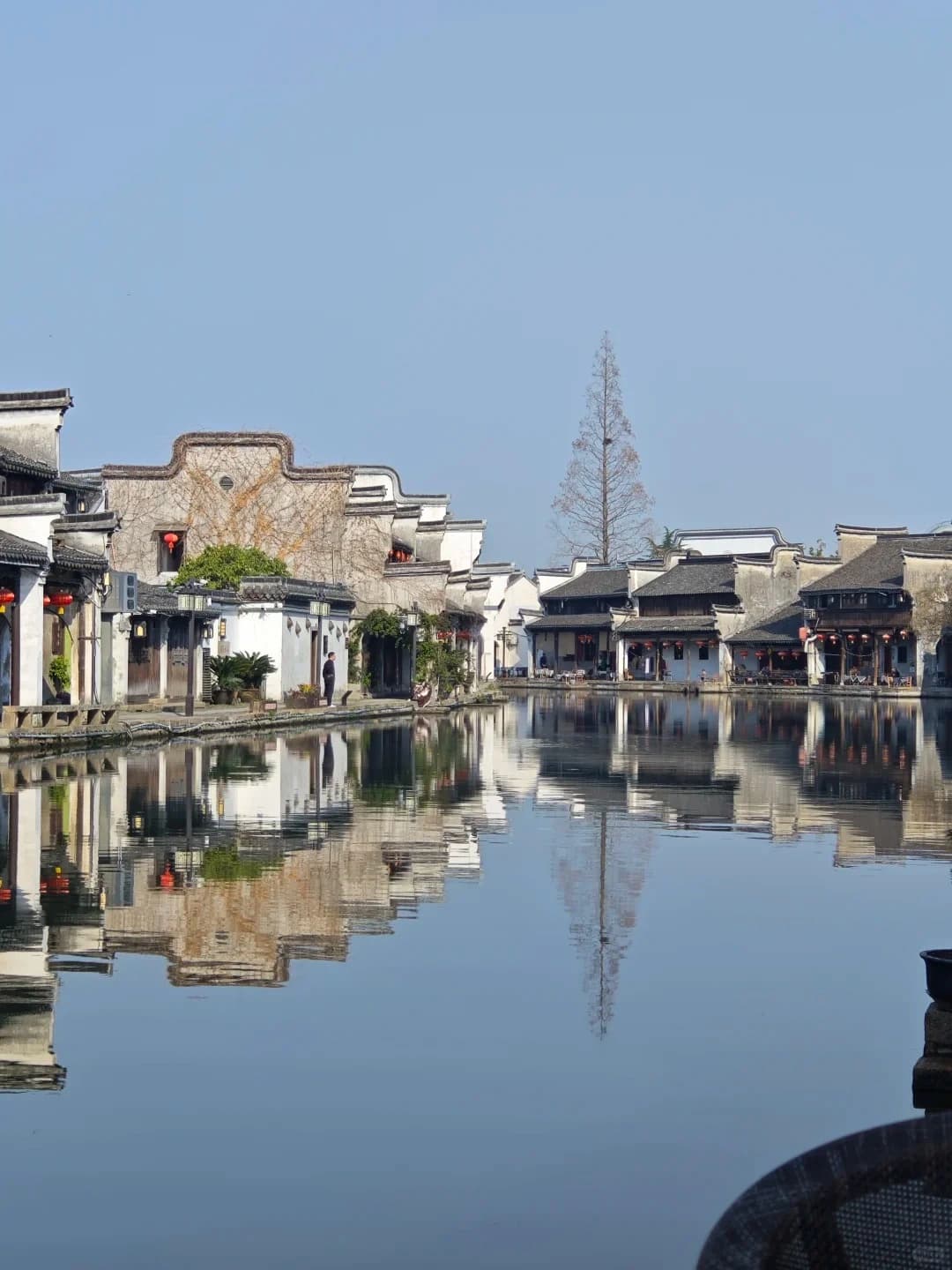
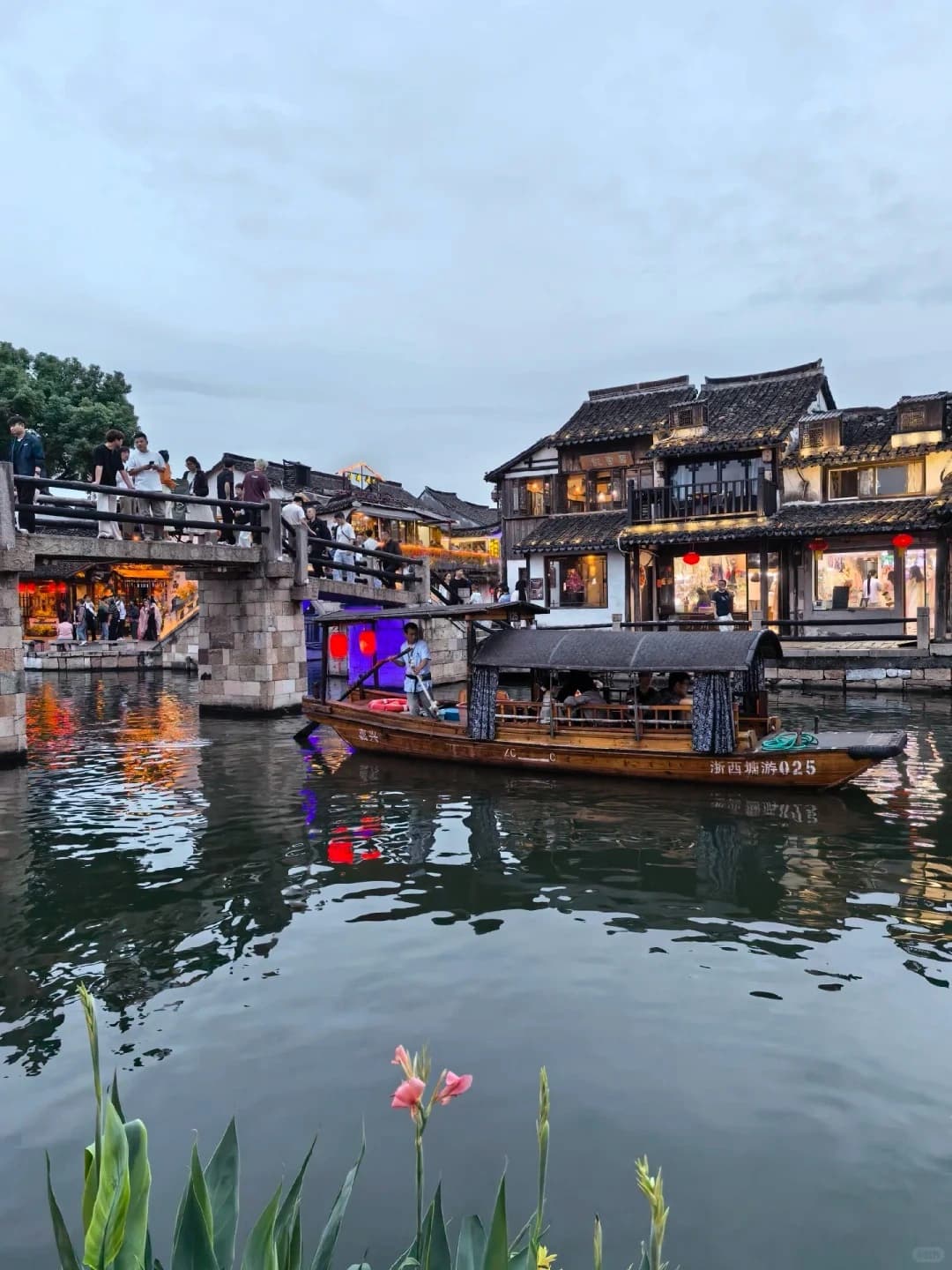
The Yangtze Delta water towns within a 1–2 hour radius of Hangzhou are the canal-and-bridge settlements that defined the Jiangnan regional identity. Each is reachable by high-speed train, intercity bus, or private transfer. Pick one — water towns share enough DNA that batching two in a single trip dilutes the experience.
Water town | Travel time | Best for | Highlight |
|---|---|---|---|
Wuzhen | ~1.5 hrs | First-timers, photographers | Xizha section's lantern-lit canals at dusk — the most spectacular water-town night view |
Nanxun | ~1.5 hrs | Crowd-avoiders, architecture lovers | Chinese-Western hybrid silk merchant residences — European chandeliers inside Chinese courtyards |
Xitang | ~1 hr (bullet train + taxi) | Atmosphere seekers, couples | Covered waterside corridors and 122 winding lanes — the most photogenic at twilight |
If you don't know how to choose and haven't been to any, we'd nudge you toward Nanxun — it receives fewer tour buses than Wuzhen and Xitang and preserves more of the lived-in feel of a working canal town.
If atmosphere at dusk is your priority, choose Xitang.
For Wuzhen, arrive at the Xizha (West) section in the late afternoon, walk the lanes as the light softens, eat dinner at a canal-side restaurant, and stay for the night illumination — the lanterns at dusk are the entire reason Wuzhen is on the map. Day-tripping and leaving before dark misses the show.
Other Things to Do Around Hangzhou
If you have more than three days, or if the classic lake-temple-tea circuit doesn't match your interests, Hangzhou's outer suburbs and neighbouring counties offer three standout alternatives that are very different from each other. Each is a 1–1.5 hour drive from the city and makes an easy full-day outing.
Qingshan Lake Water Forest

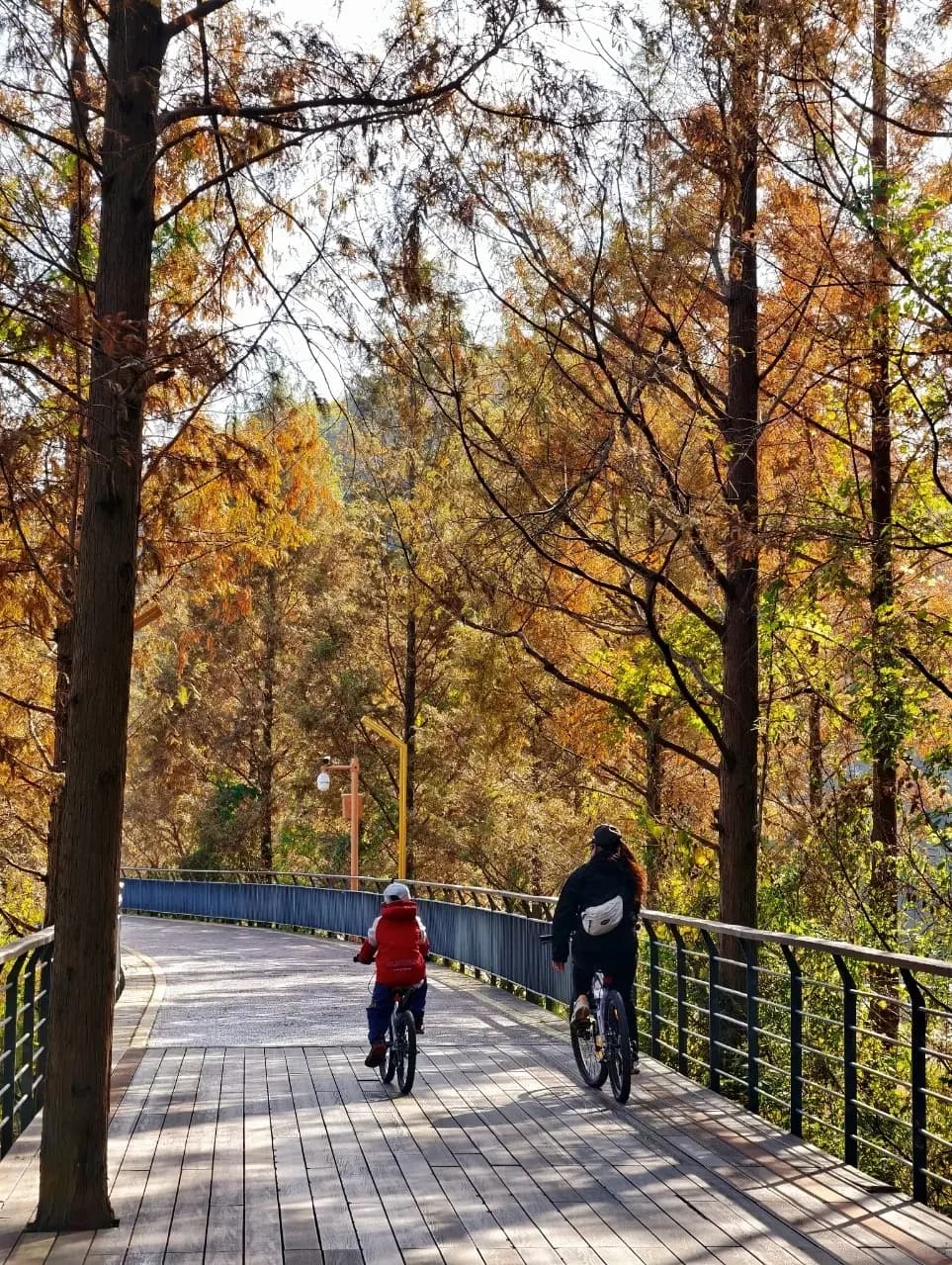
Best for | Nature lovers, kayakers, and photographers — especially in autumn. |
Entry Fee | ¥40/person |
Opening Hours | Open 08:30–17:30; Last entry 17:00 |
Experience | Kayaking through the forest channels, suitable for summer (cool, green, shaded) and autumn (red reflections on still water) |
Kayak Fee | ¥120/hr for a single kayak or ¥220/hr for a double |
Suggested Duration | Allow 2–2.5 hrs for the water forest alone, or 3–4 hrs if you add a lake loop walk |
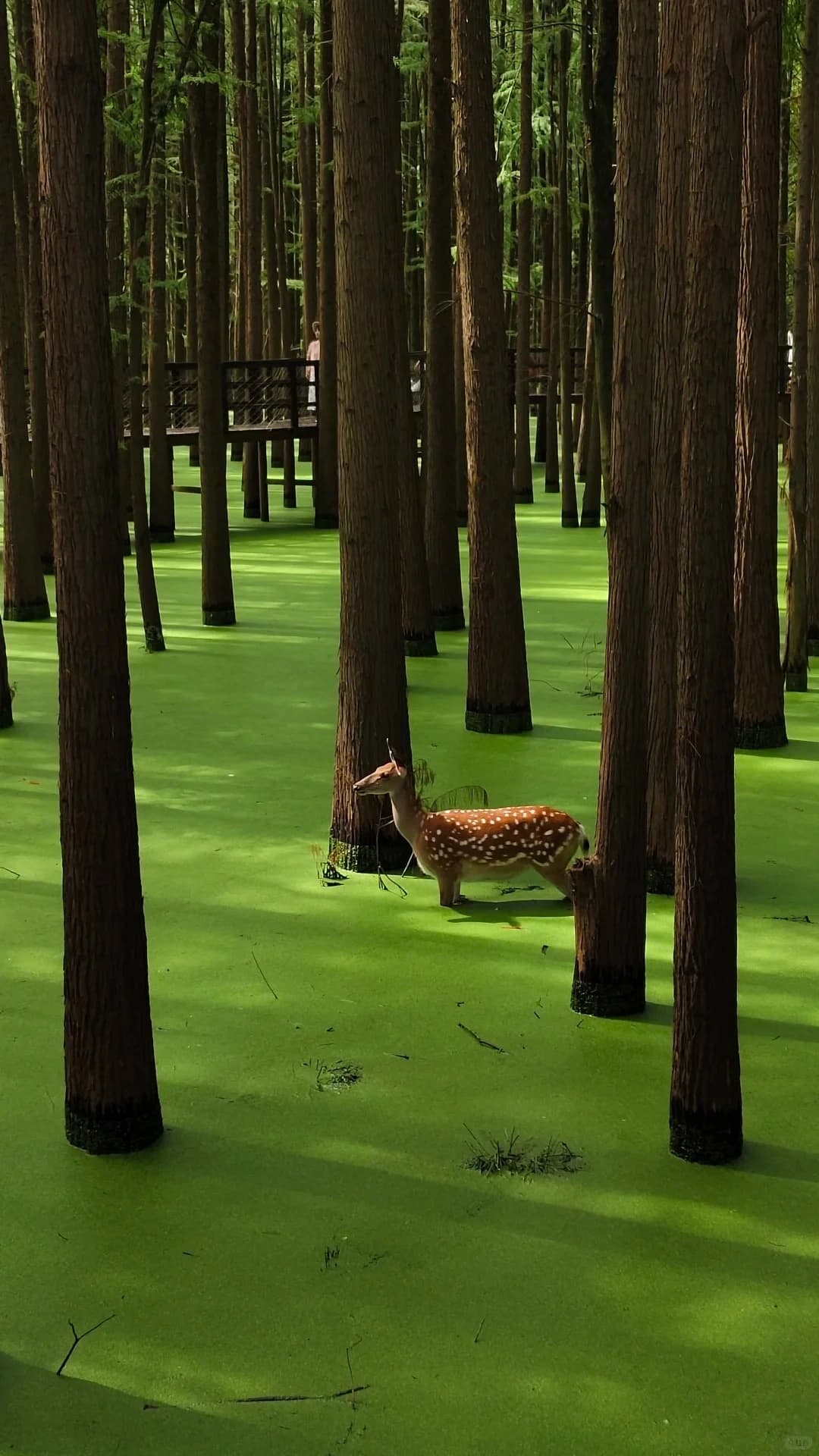
Qingshan Lake sits in Lin'an District, 43 km west of central Hangzhou, and its centrepiece is a 1,000,000 m² metasequoia forest planted in the 1970s with trees imported from the United States.
The trees grow directly out of the lake water, and the boardwalks weave between them so you can walk through the forest floor. In late autumn (mid-November to mid-December) the metasequoia turns a deep crimson and the whole forest glows — it is one of the most photographed autumn scenes in eastern China.
OMG Heartbeat Park
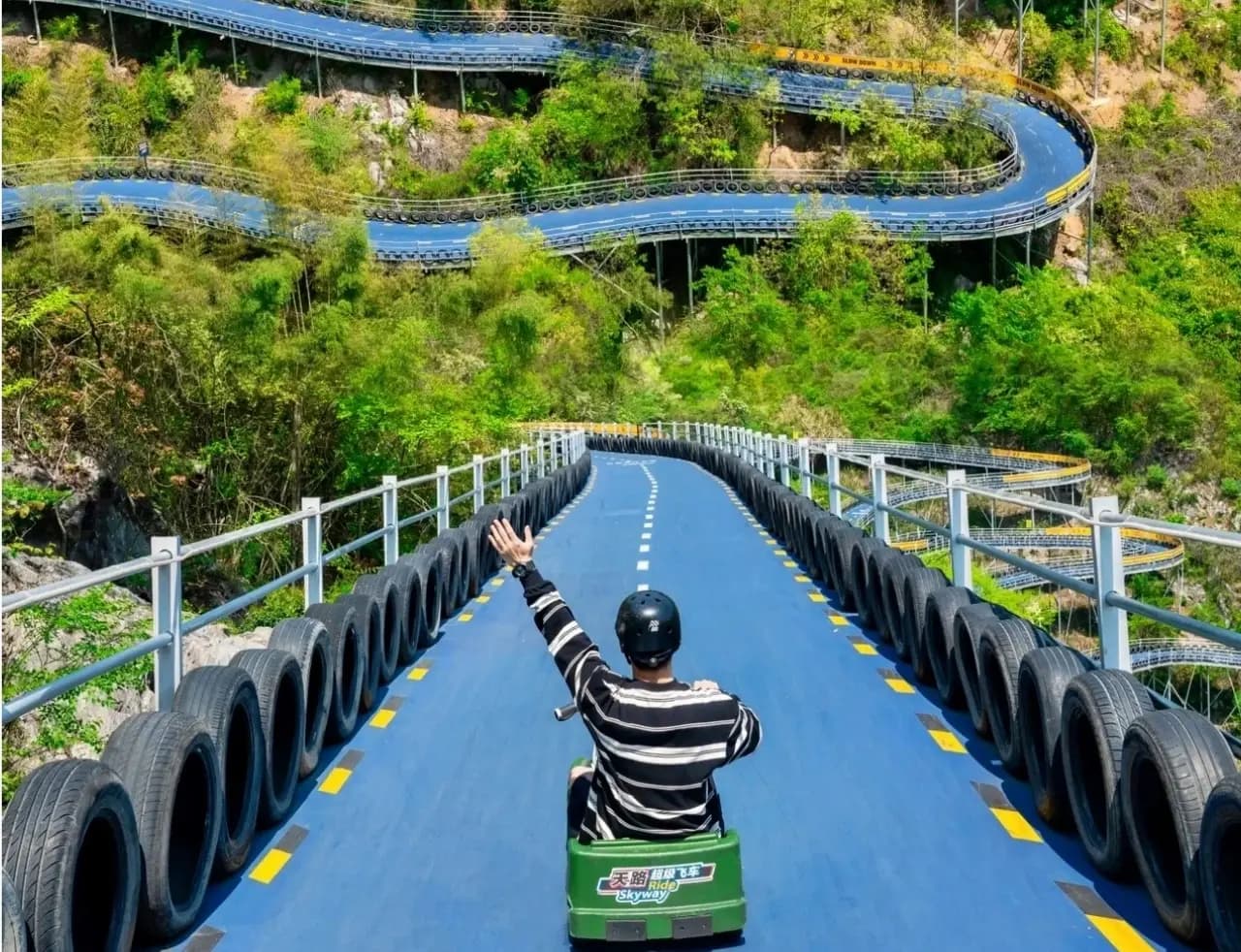
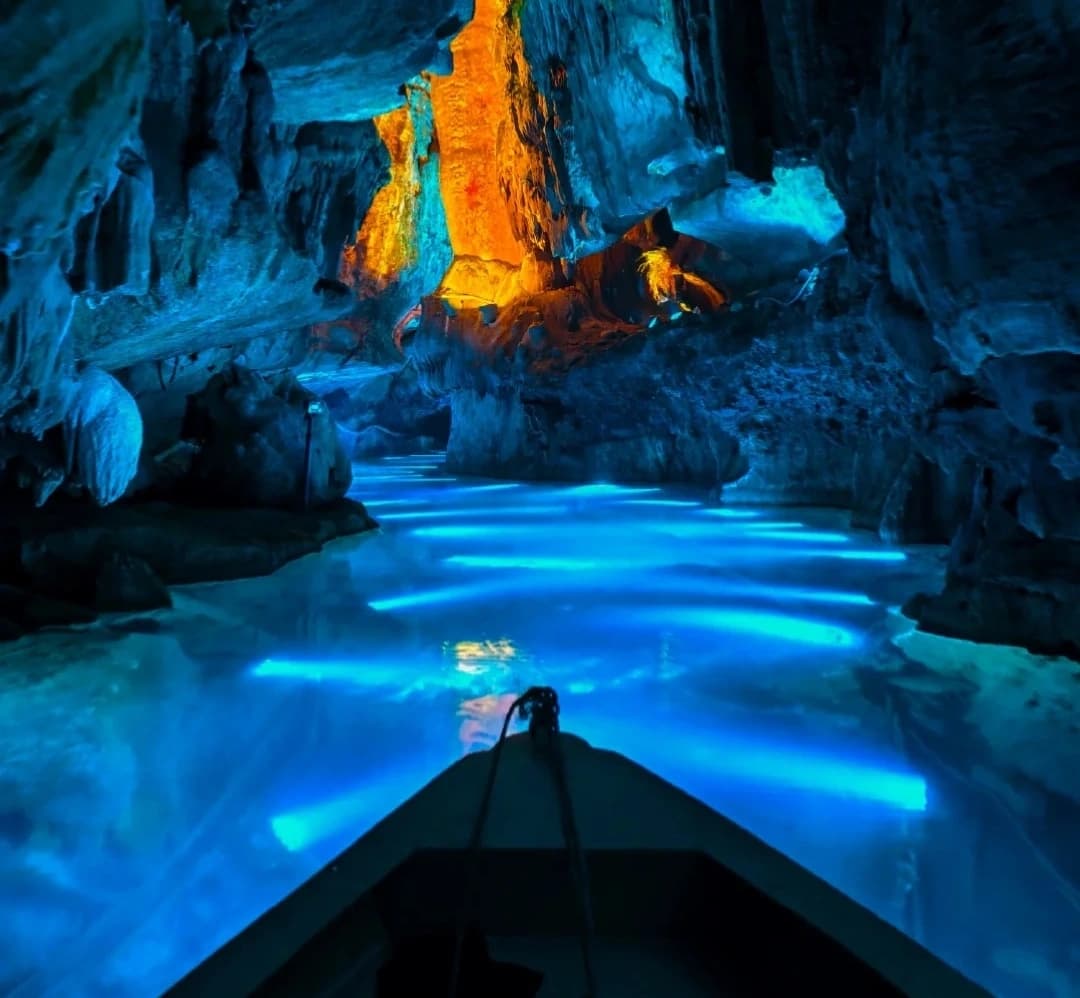
Best for | Families with teenagers, adventure seekers, and anyone who wants a full day of adrenaline. |
Ticket Fee | A super all-in-one ticket costs ¥399 and covers all the core rides; An upgraded ticket with the underground scientific-exploration team experience runs ¥469. |
Opening Hours | 08:00–19:00 (may be extended until 22:00 during public holidays) |
Suggested Duration | Allow 3–4 hrs for the full circuit |
OMG Heartbeat Park is built inside the Tongtian River (垂云通天河) karst cave system in Tonglu County, and its slogan is literally "上天入地" — "go to the sky and into the earth." The park combines underground cave exploration with high-altitude thrill rides on the cliffs above.
Core projects:
A boat ride through the 4.5 km Tongtian River cave (underground, lit by coloured LEDs)
Tianlu Flying Car — a gravity-driven rail coaster winding down the mountainside
Lingyun Sky Bridge — a glass suspension bridge between two peaks
Jiutian Cloud Corridor — a cantilevered glass viewing platform high above the valley
Changkong Swing — a giant cliff swing
Lingkong Drift — a river-rafting descent through the forest
This is not a quiet cultural experience — it is loud, bright, and busy — but it is one of the most popular family day-trip destinations around Hangzhou and genuinely delivers on the thrill.
Maling Tianguan
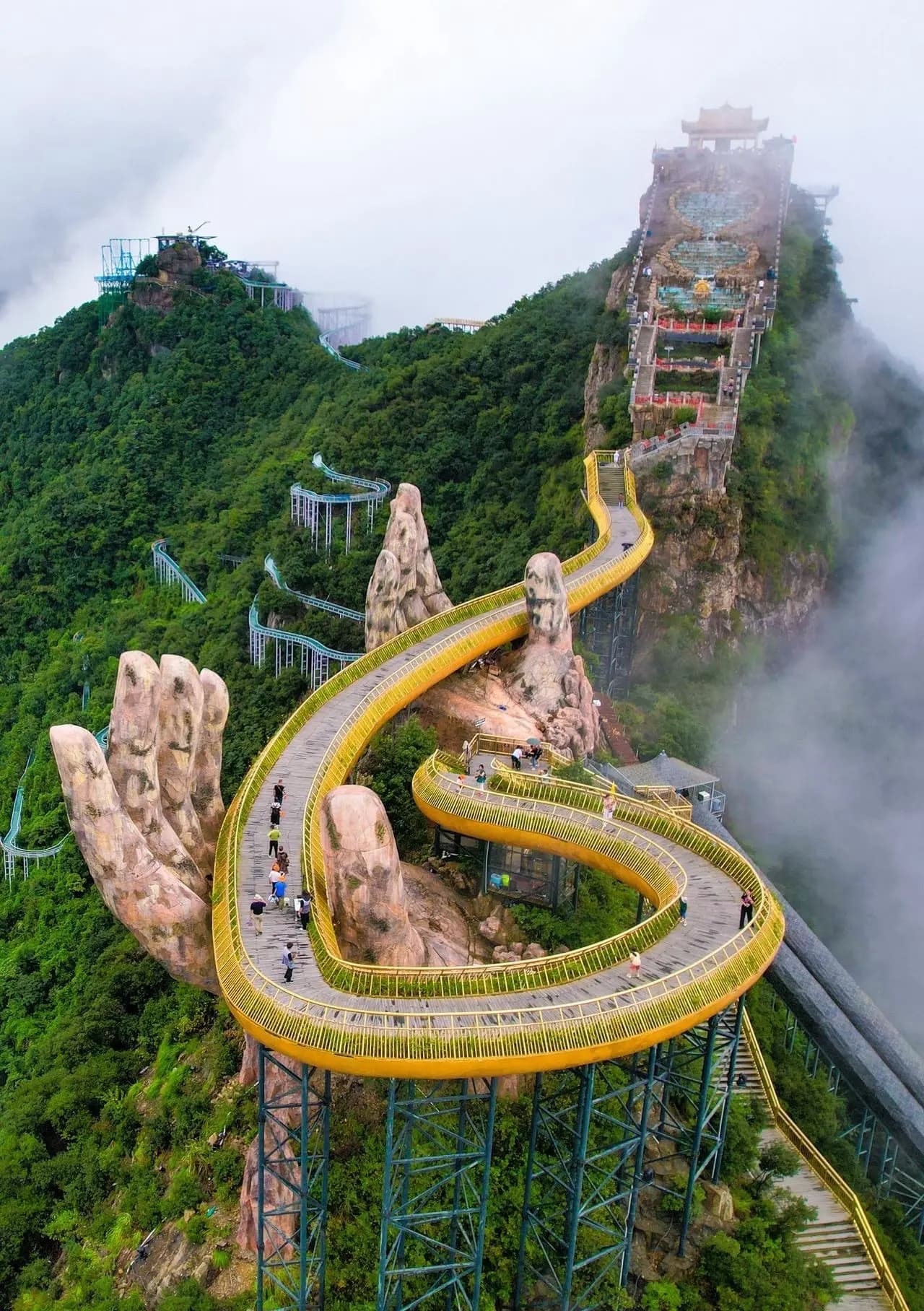
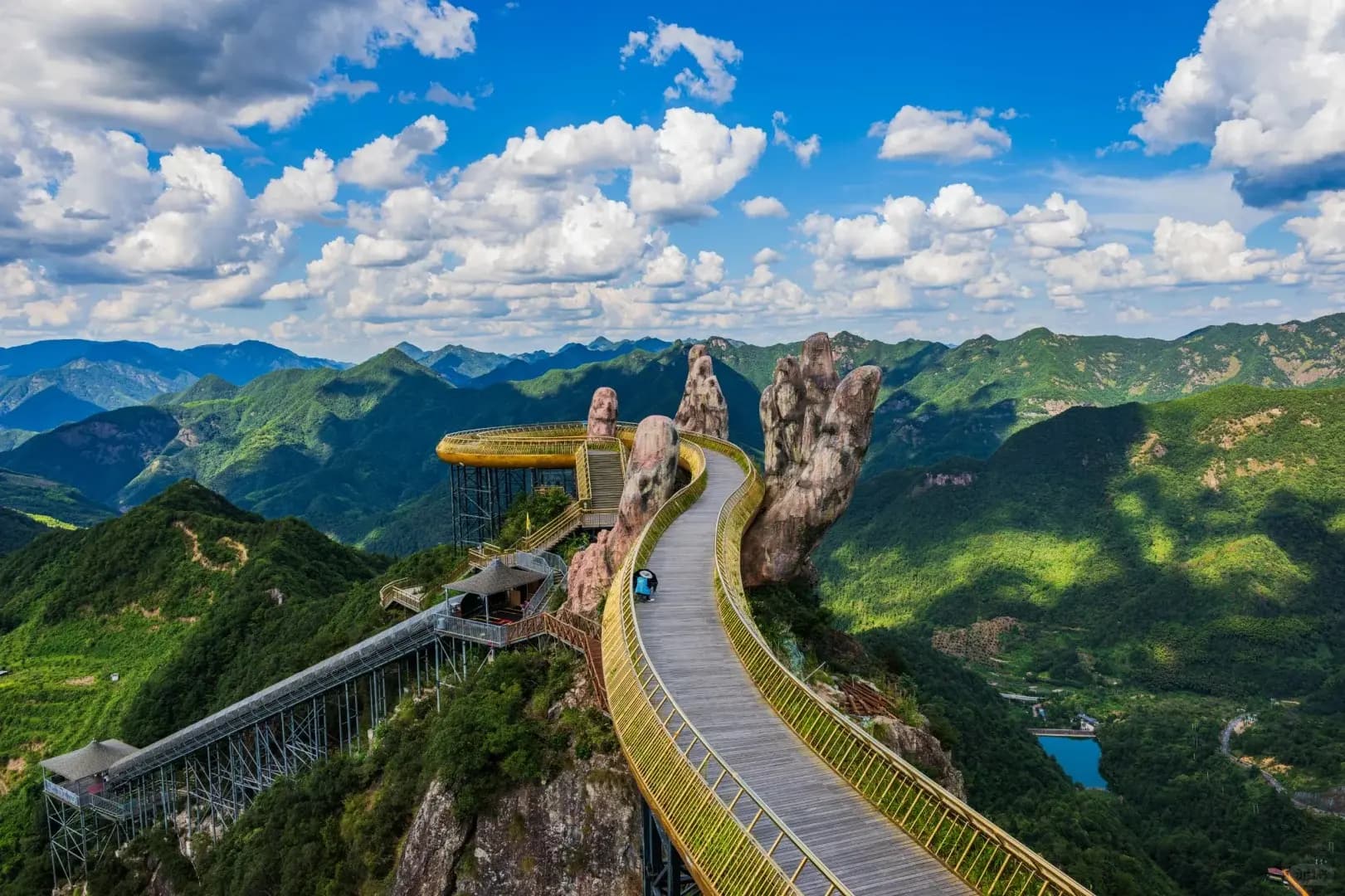
Best for | Photographers, couples, and anyone drawn to dramatic mountain viewpoints. |
Ticket Fee | A basic ticket covering the Hand Bridge, the cloud ladder, and five smaller projects: ¥188; An all-inclusive ticket: ¥288–338. |
Opening Hours | 08:30–16:00 |
Suggested Duration | Allow 3–5 hrs to walk the full mountain circuit |
Maling Tianguan sits in Jiande City, near the border between Jiande, Tonglu, and Pujiang, on the scenic Provincial Highway 210. The park was built at a cost of over ¥1 billion and opened in recent years as a high-altitude scenic area centred on a single jaw-dropping structure: the Buddha's Hand Bridge (佛手桥), a 200-metre-long golden bridge held aloft by two enormous sculpted hands rising from the mountainside at 300+ metres above the valley floor.
Walking across the bridge feels like standing in the palm of a Buddha, with mist rolling through the peaks below.
The Hand Bridge is the headline, but the surrounding peaks, glass walkways, and sky-mirror platform are worth the climb. Go on a clear or lightly cloudy morning for the best light and the fewest crowds.
Best Time to Visit Hangzhou
The same view of West Lake can be a sheet of mist in March, a field of lotus in July, and a screen of osmanthus gold in October. Timing is the single biggest lever on the quality of your Hangzhou itinerary.
Season | Weather | Highlights | Our verdict |
|---|---|---|---|
Spring (Mar–May) | 15–25°C, mild, occasional drizzle | Longjing tea harvest (late March), peach blossoms on Su Causeway | Highly recommended |
Summer (Jun–Aug) | 28–38°C, humid | Lotus bloom on West Lake (July), but June brings plum rain | Not ideal — heat + humidity |
Autumn (Sep–Nov) | 15–25°C, dry, clear | Osmanthus fragrance citywide, golden afternoon light on the lake | Highly recommended |
Winter (Dec–Feb) | 2–10°C, occasional rain/snow | "Lingering Snow on Broken Bridge", empty temples, misty lake | Budget-friendly, atmospheric |
When to avoid: Three holiday windows bring extreme crowding and inflated hotel prices:
National Day Golden Week (October 1–7)
Labour Day (May 1–5)
Qingming Festival (around April 4)
If you can shift your dates by even a day, do so. West Lake during Golden Week is genuinely shoulder-to-shoulder; you will spend more time queuing than looking.
Where to Stay in Hangzhou
Where you base yourself shapes the rhythm of your trip. Three areas cover most travellers' needs:
Around West Lake (East Shore)
Advantage: The single best address for first-timers. Walkable to the lake, dense with restaurants, and directly on Metro Line 1.
Hotels:
Four Seasons Hangzhou — private dock onto the lake, classical Chinese gardens
Shangri-La — sprawling landscaped grounds near Bai Causeway
Zhejiang Xizi Hotel Westlake — historic lakeside retreat with expansive gardens, private West Lake access, and views of Leifeng Pagoda
Hyatt Regency — central, family-friendly
You pay a premium, but you walk everywhere.
Wulin Square
Advantage: Hangzhou's commercial heart, 10 minutes from West Lake by metro, with the city's busiest interchange (Lines 1 and 3) and the airport bus stop.
Hotels:
Midtown Shangri-La — urban luxury hotel within walking distance of West Lake, with convenient metro access and modern city comforts
JW Marriott — high-end city hotel near Wulin Square, offering elegant rooms, West Lake access, and panoramic city views
Best for: Moderate-budget travellers and young couples who want shopping and convenience without a lakefront premium.
Siyanjing / Manjuelong Village
Advantage: Tucked into the hills above the city, near the Longjing tea gardens and Lingyin Temple.
Hotels:
Amanfayun — hidden inside a preserved Ming-Qing dynasty village that once housed tea farmers and monks, with a working temple at one end
Hangzhou W Plus Hotel — the rooms overlook a tea farm
What to Eat in Hangzhou
Hangzhou's cuisine — the core of the Zhejiang school, one of China's eight great regional traditions — is lighter, sweeter, and more refined than the spice-laden cooking of the west or the wheat-and-vinegar school of the north. It's one of the most accessible entry points into Chinese food for first-time visitors, and a good reason to stay an extra meal.
Must-Try Dishes
Dish | Description | Price range | Where to try |
|---|---|---|---|
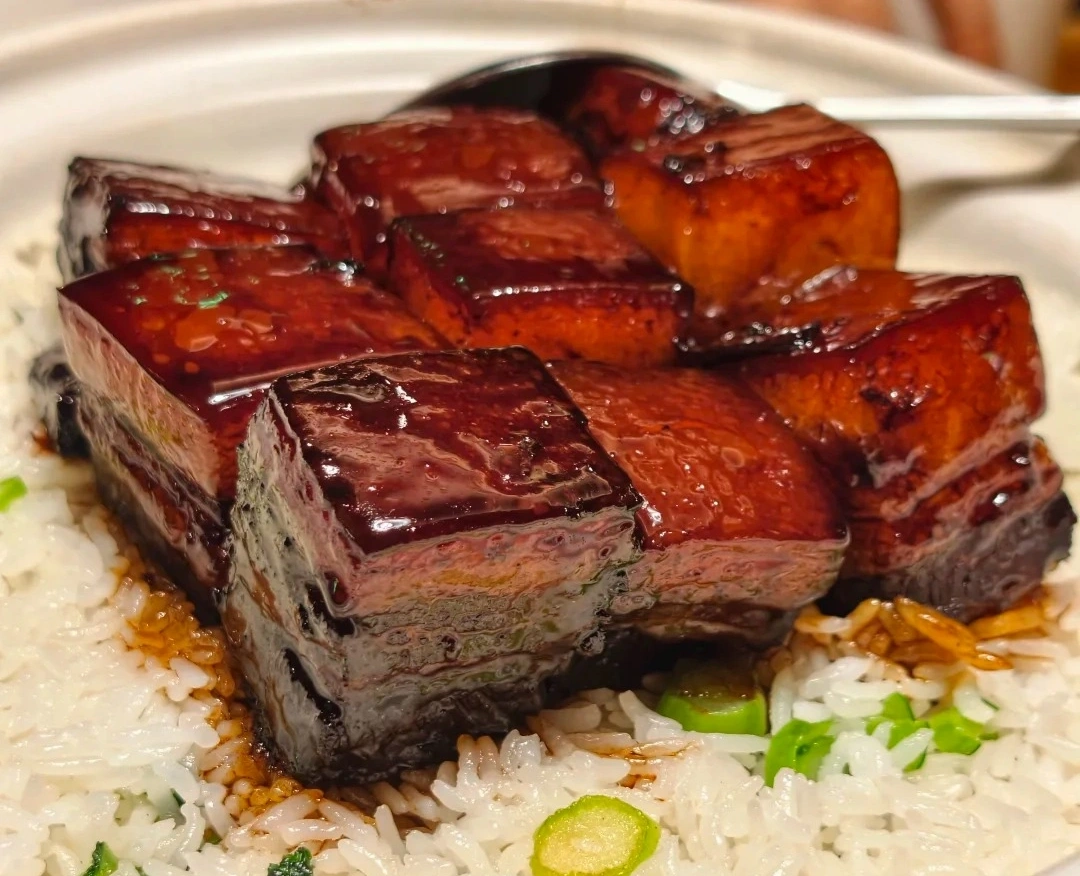 Dongpo Pork (东坡肉) | Slow-braised pork belly in soy, wine, and sugar — named after the Song poet Su Dongpo. Melt-in-the-mouth rich. | ¥60–120 | Louwailou (楼外楼) |
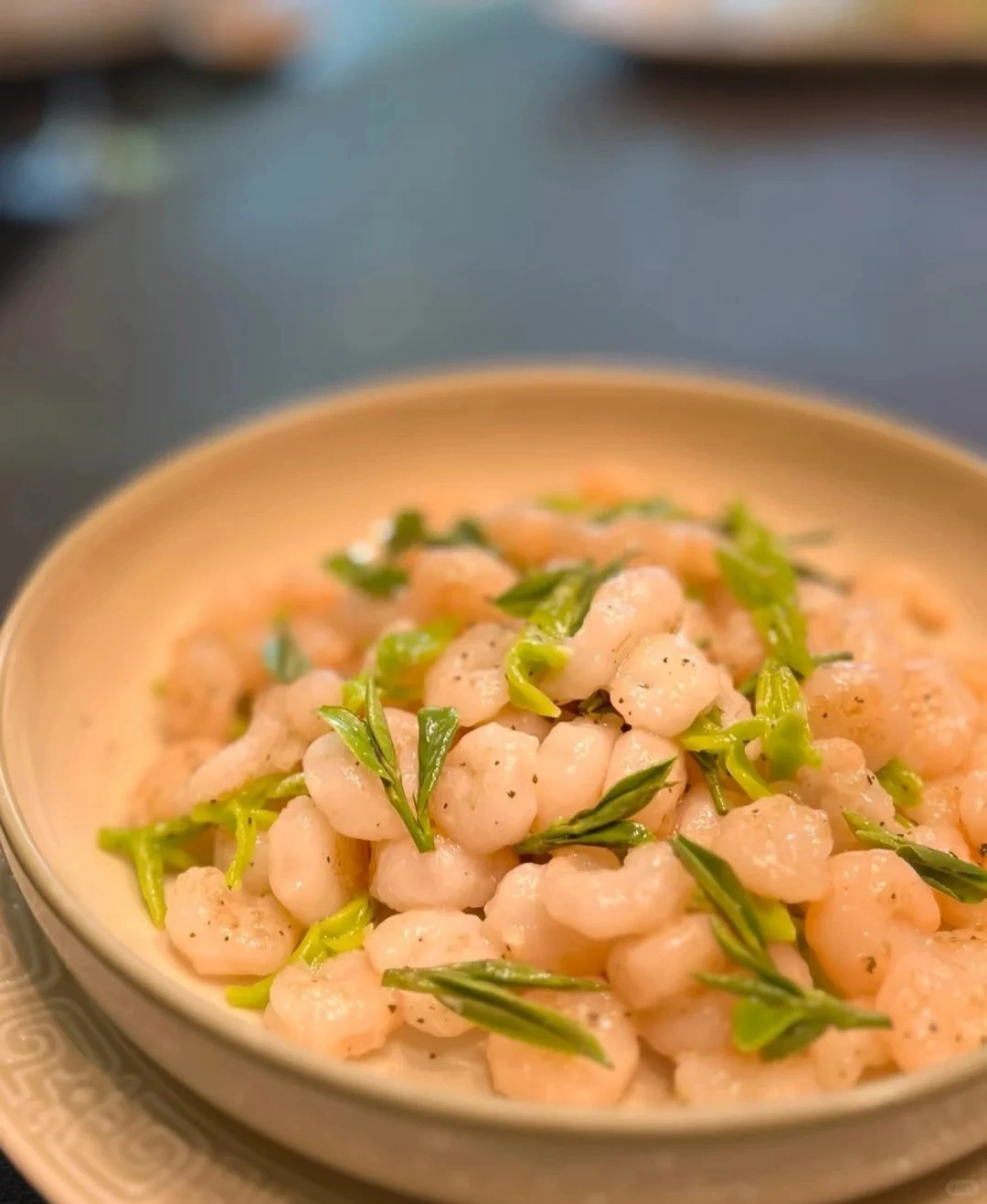 Longjing Shrimp (龙井虾仁) | River shrimp stir-fried with fresh Longjing tea leaves — delicate, fragrant, signature to the city. | ¥80–160 | Louwailou |
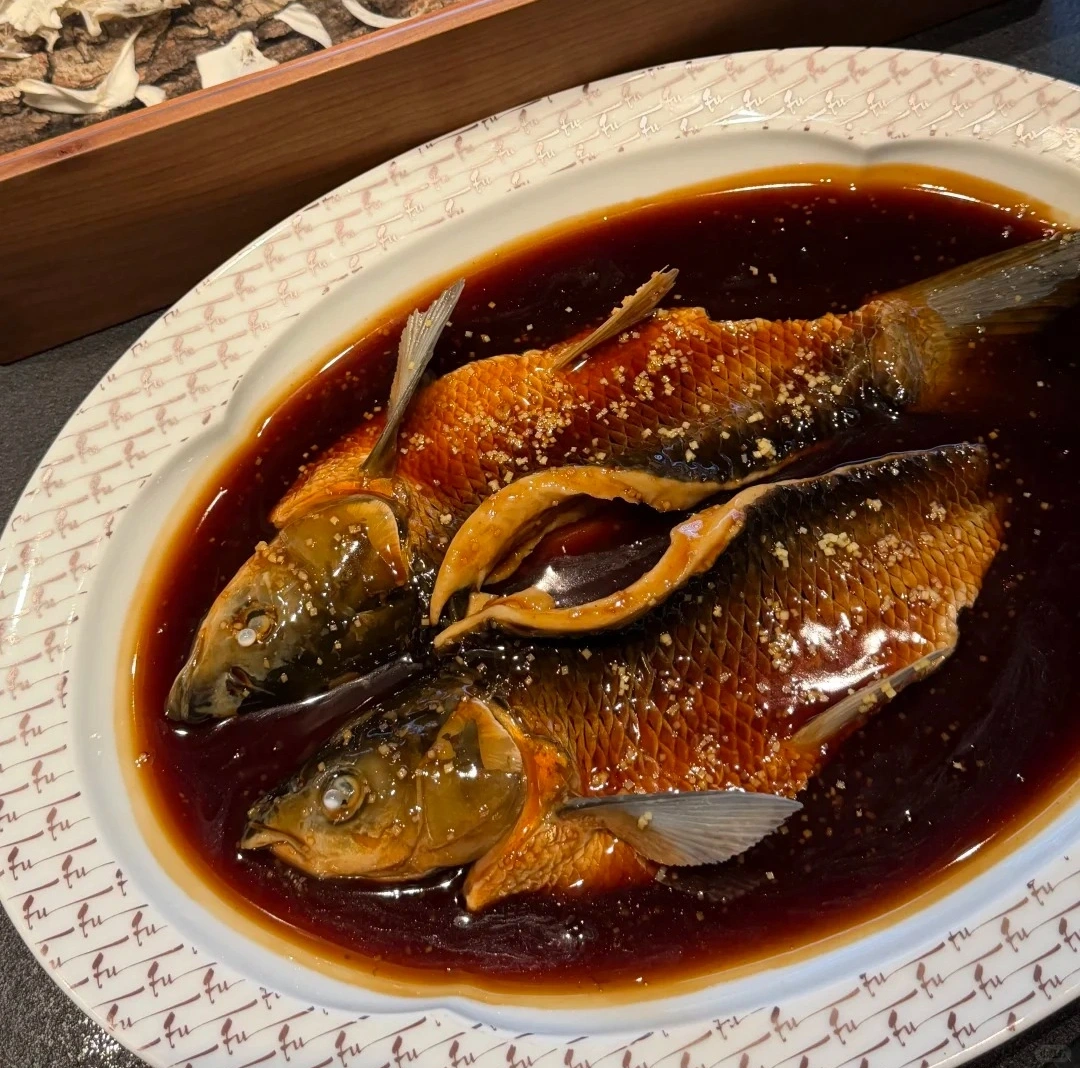 West Lake Vinegar Fish (西湖醋鱼) | Grass carp in a sweet-and-sour vinegar glaze. The most famous Hangzhou dish — and the most divisive. Order a small portion to share; try it once for the credential, then pivot. | ¥120–220 | Louwailou |
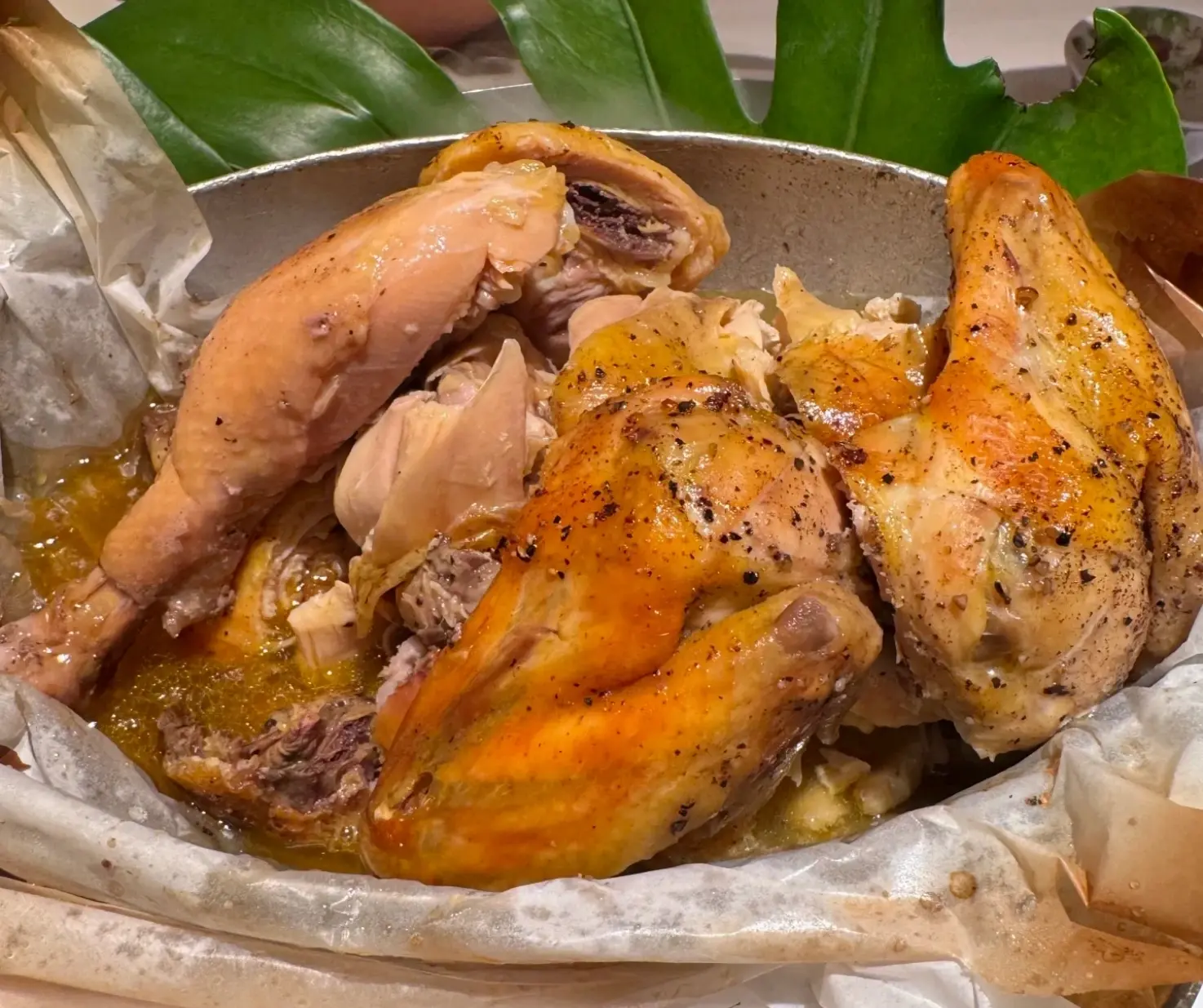 Beggar's Chicken (叫花鸡) | Whole chicken wrapped in lotus leaves and clay, slow-baked for hours. Cracked open tableside — theatrical and delicious. | ¥180–320 | Lakeside restaurants |
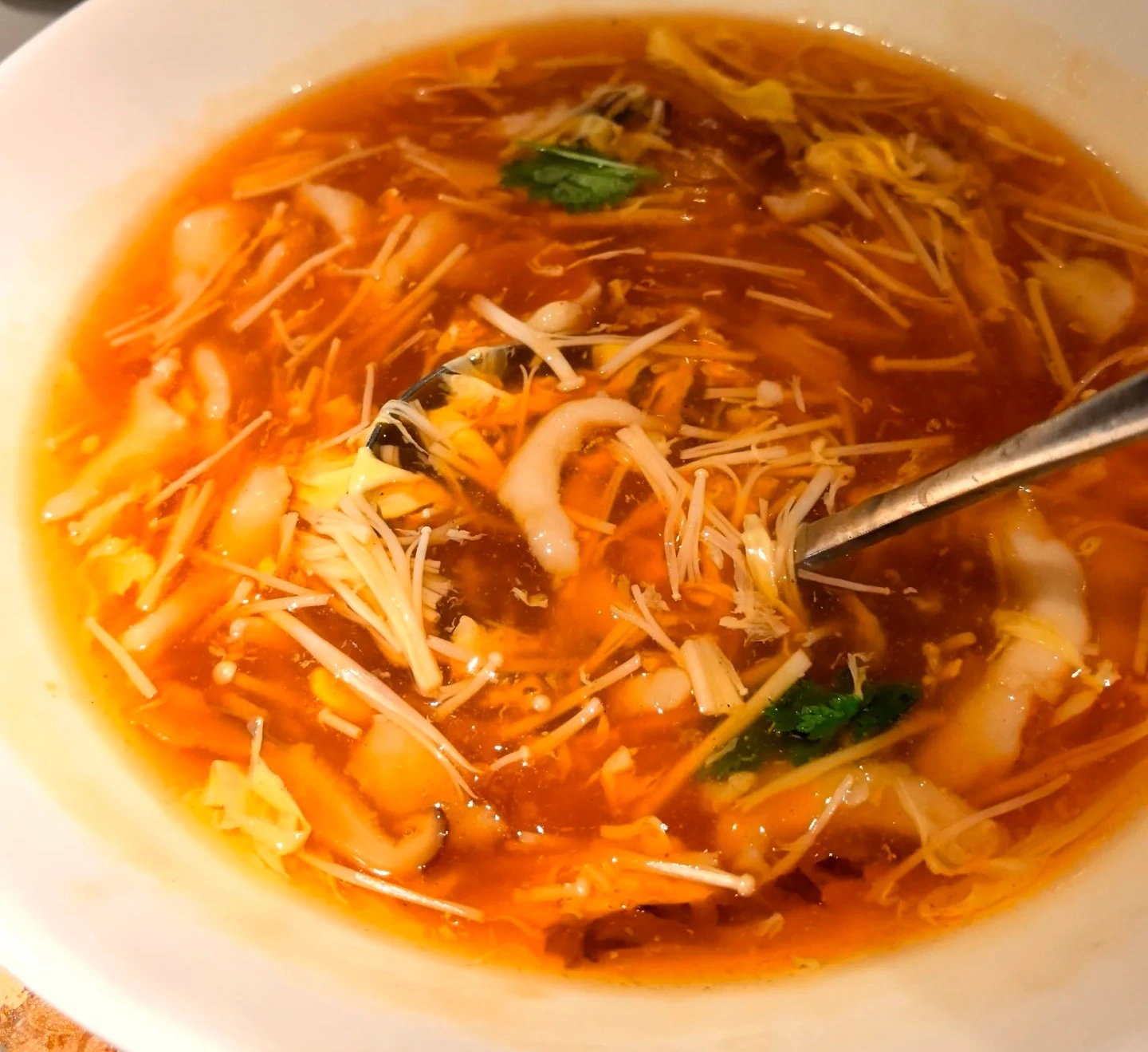 Sister Song's Fish Soup (宋嫂鱼羹) | A Southern Song dynasty dish (800+ years old): fish mousse simmered with ham and mushrooms into a thick, silky soup that tastes remarkably like crab. | ¥40–80 | Louwailou, Zhiweiguan |
 Crispy Bells (干炸响铃) | Tofu skin wrapped around a pork filling, deep-fried crisp. Dip in vinegar — the crunch is addictive. | ¥30–50 | Zhiweiguan (知味观) |
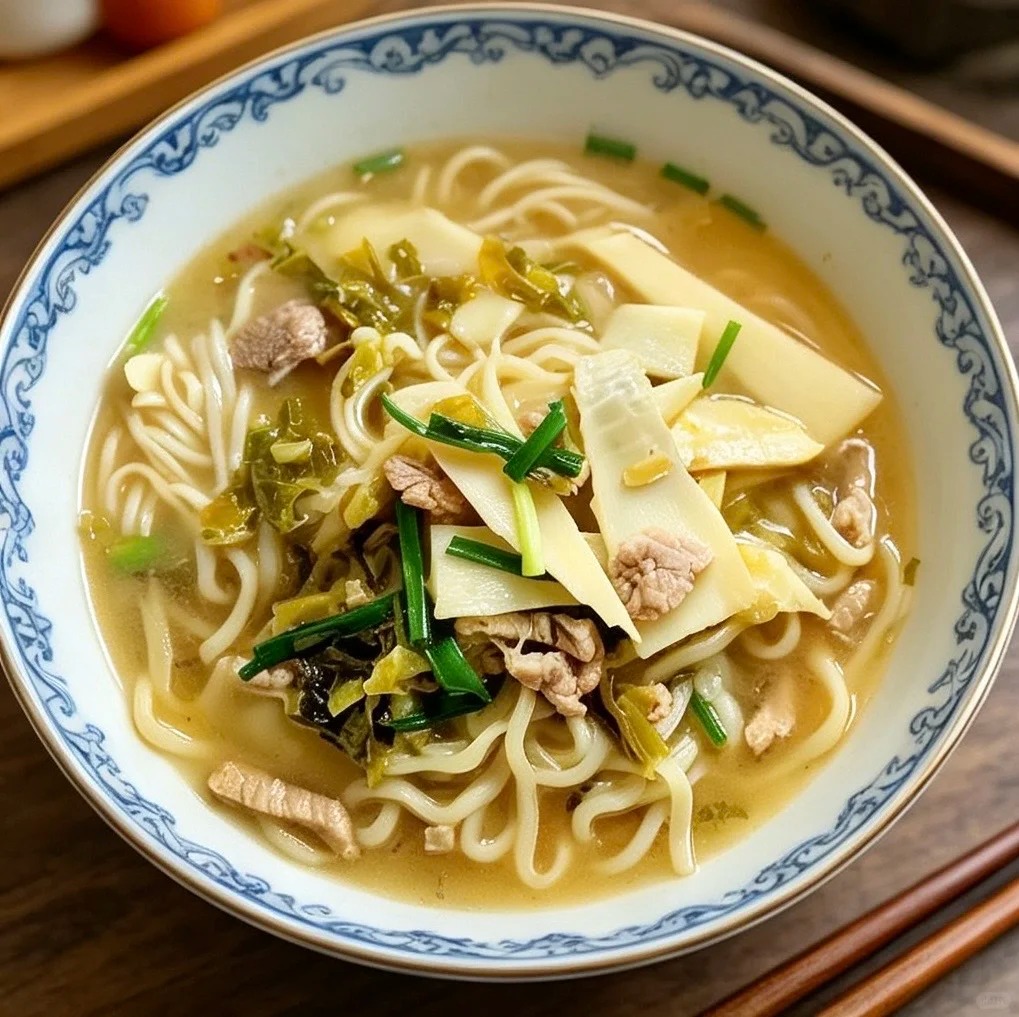 Pian’er Chuan Noodles (片儿川) | A classic Hangzhou noodle soup featuring springy noodles topped with tender pork slices, bamboo shoots, and preserved mustard greens. | ¥20–40 | Kuiyuan Pavillion |
Restaurant Recommendations
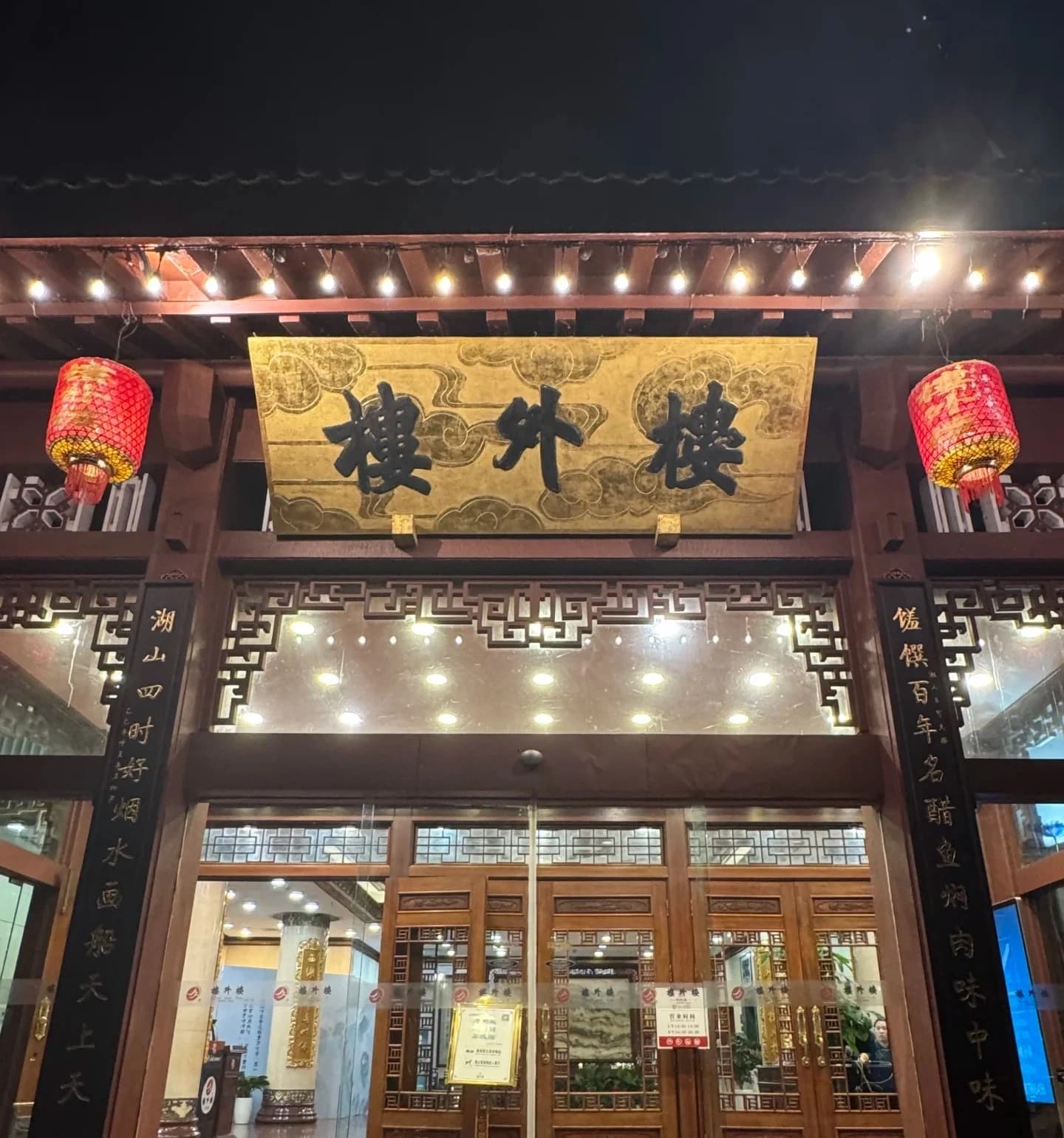
Louwailou (楼外楼), on Solitary Hill overlooking West Lake, is the 160-year-old granddaddy of Hangzhou restaurants — the place where Dongpo Pork and West Lake Vinegar Fish were essentially codified. You pay for the history and the view, and it's worth doing once.
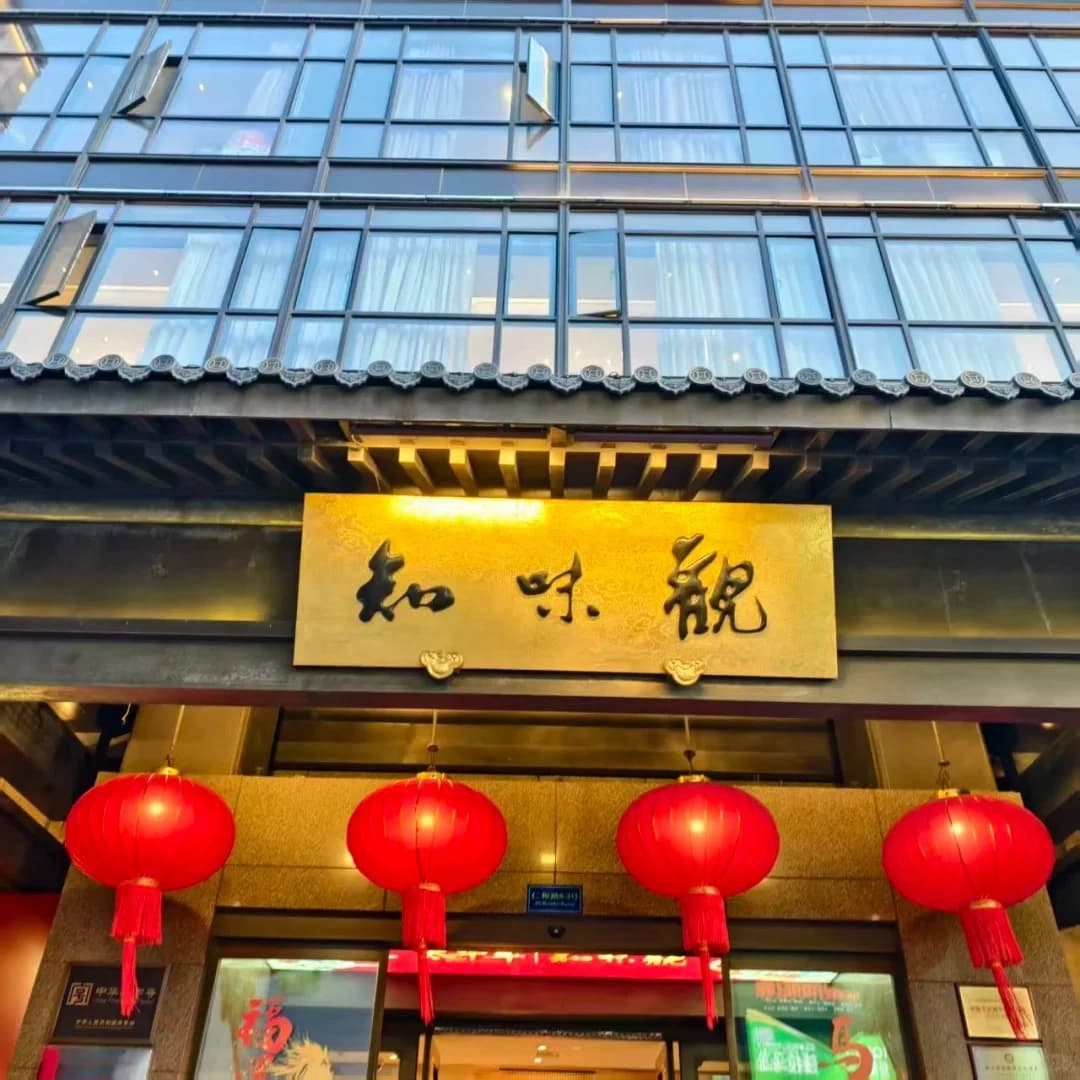
Zhiweiguan (知味观) is the century-old dim sum and snack institution — go for small plates like Crispy Bells, fresh pork buns (鲜肉小笼), and cat's-ear noodles (猫耳朵).
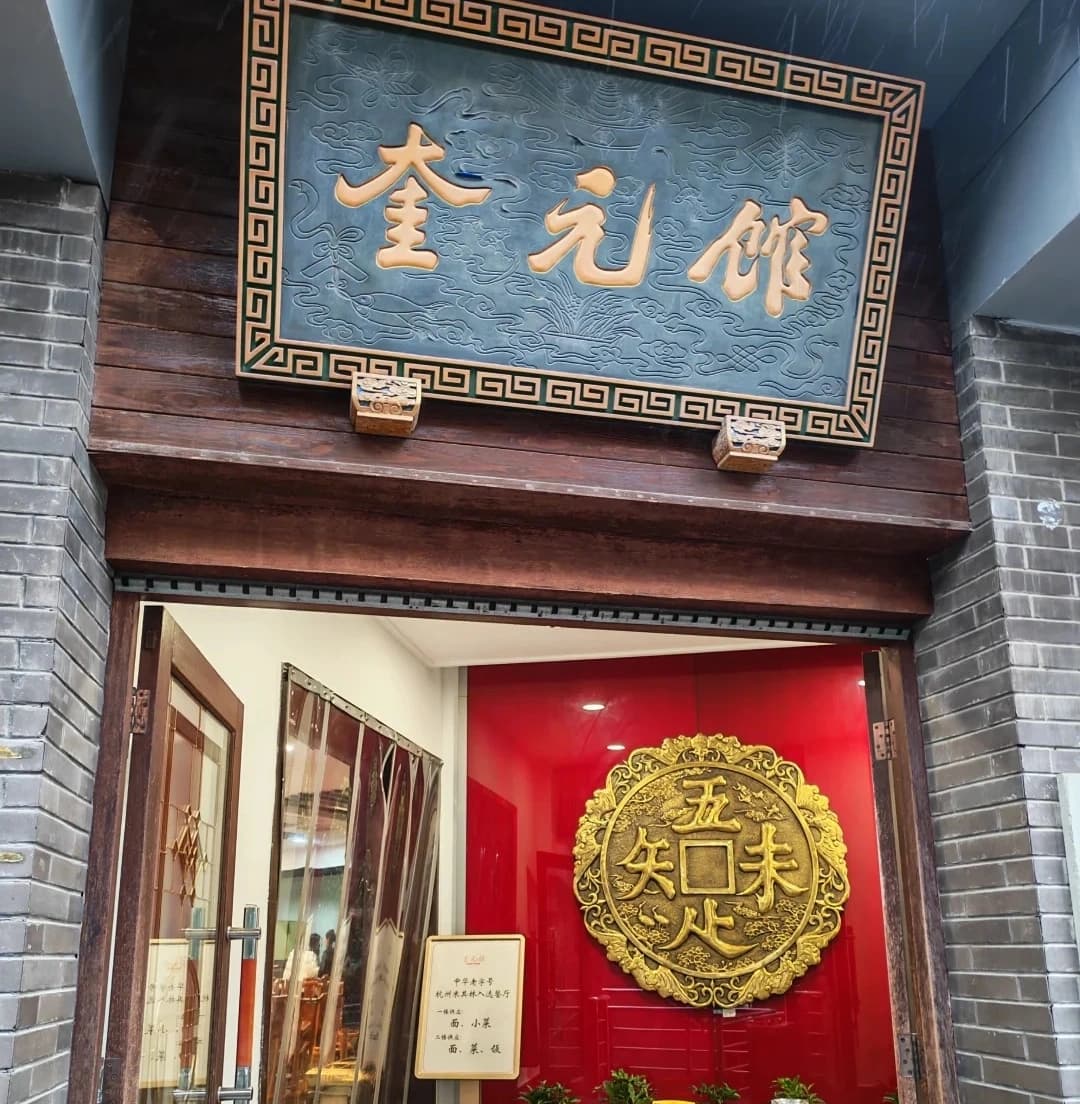
Kuiyuan Pavilion (奎元馆) on Jiefang Road is the noodle temple — their Pian'er Chuan (片儿川), a noodle soup with pickled greens, bamboo shoots, and pork, and their Shrimp & Eel Noodles (虾爆鳝面) are the two orders that every local will tell you to place.
How to Get to Hangzhou from Shanghai

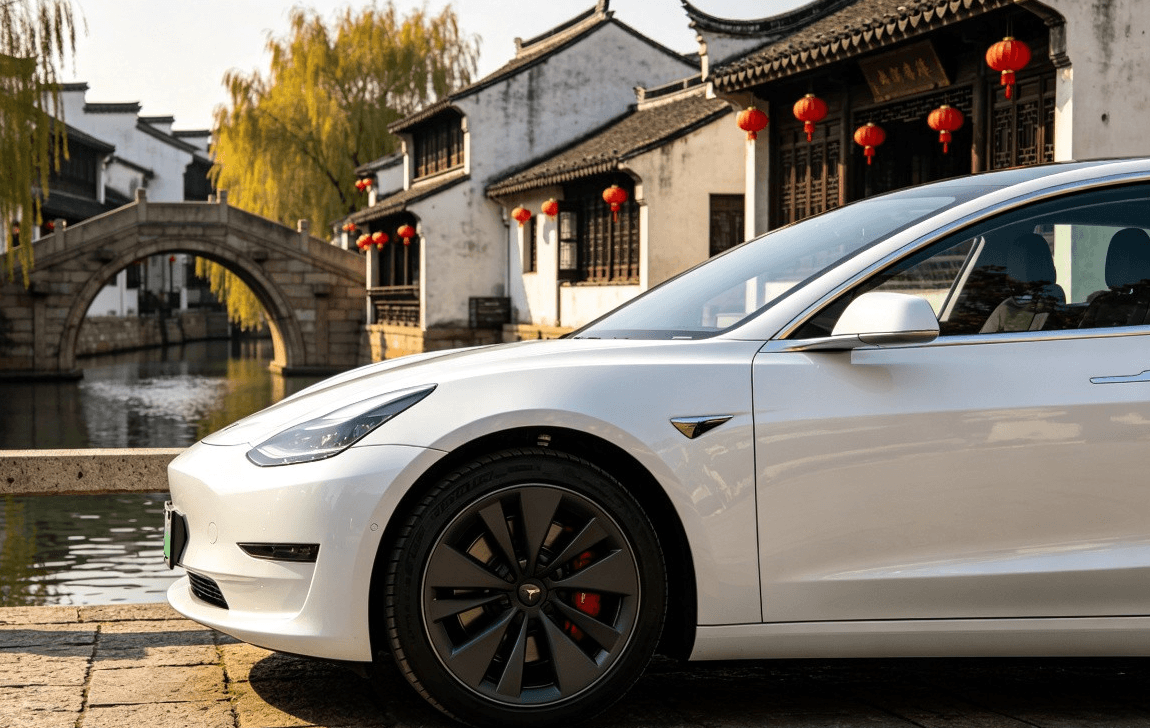
Hangzhou sits 170 km southwest of Shanghai, and the two cities are connected by one of the highest-frequency high-speed rail corridors in the world.
Option | Travel Time | Cost | Best For |
|---|---|---|---|
High-speed train | About 45–60 minutes | Around ¥87–306 | Most travellers, couples, solo visitors |
Private transfer | About 1.5–2 hours | Around ¥1,000–1,800 per car | Families, groups, travellers with luggage |
Plan Your Hangzhou Trip
Whether you're coming for a single day or settling in for three, Hangzhou rewards every extra hour you give it. From the misty causeways of West Lake at dawn to the lantern-lit canals of a Jiangnan water town at dusk, this is a city that asks you to slow down — and repays you with some of the most beautiful scenery in China.
Ready to turn this itinerary into a real trip? Let us handle the logistics so you can focus on the experience.

Traveler Discussions
Questions from travelers