
Xi'an doesn't shout its luxury the way Shanghai or Hong Kong do. There are no neon-lit Michelin districts or celebrity-chef arms races. Instead, China's ancient capital offers something rarer: luxury measured in depth, not flash — first-through-the-door access to 2,200-year-old warriors, imperial banquets served in Tang Dynasty palace settings, and boutique hotels hidden inside 1950s heritage buildings. This is luxury Xi'an travel.
Why Xi'an is China's Luxury Secret
Ask a luxury travel advisor where to go in China and most will mention Shanghai for its modern skyline or Beijing for its imperial landmarks. Xi’an is sometimes overlooked — and that is exactly what makes it special.
Xi’an was the capital of 13 ancient Chinese dynasties and the starting point of the ancient Silk Road. With over 3,000 years of history, the city offers luxury travelers something different: a deeper connection with China’s past through carefully curated cultural experiences.
For the luxury traveler, Xi’an offers exclusive and meaningful experiences that are difficult to replicate elsewhere:
A more immersive Terracotta Warriors experience — with advance ticket arrangements and a private guide who helps you explore Pit 1, Pit 2, and Pit 3 while sharing the history behind this world-famous archaeological discovery.
A taste of imperial-era culture — enjoy carefully selected dining experiences featuring traditional Shaanxi cuisine, including options inspired by the city’s rich historical heritage and Tang Dynasty cultural atmosphere.
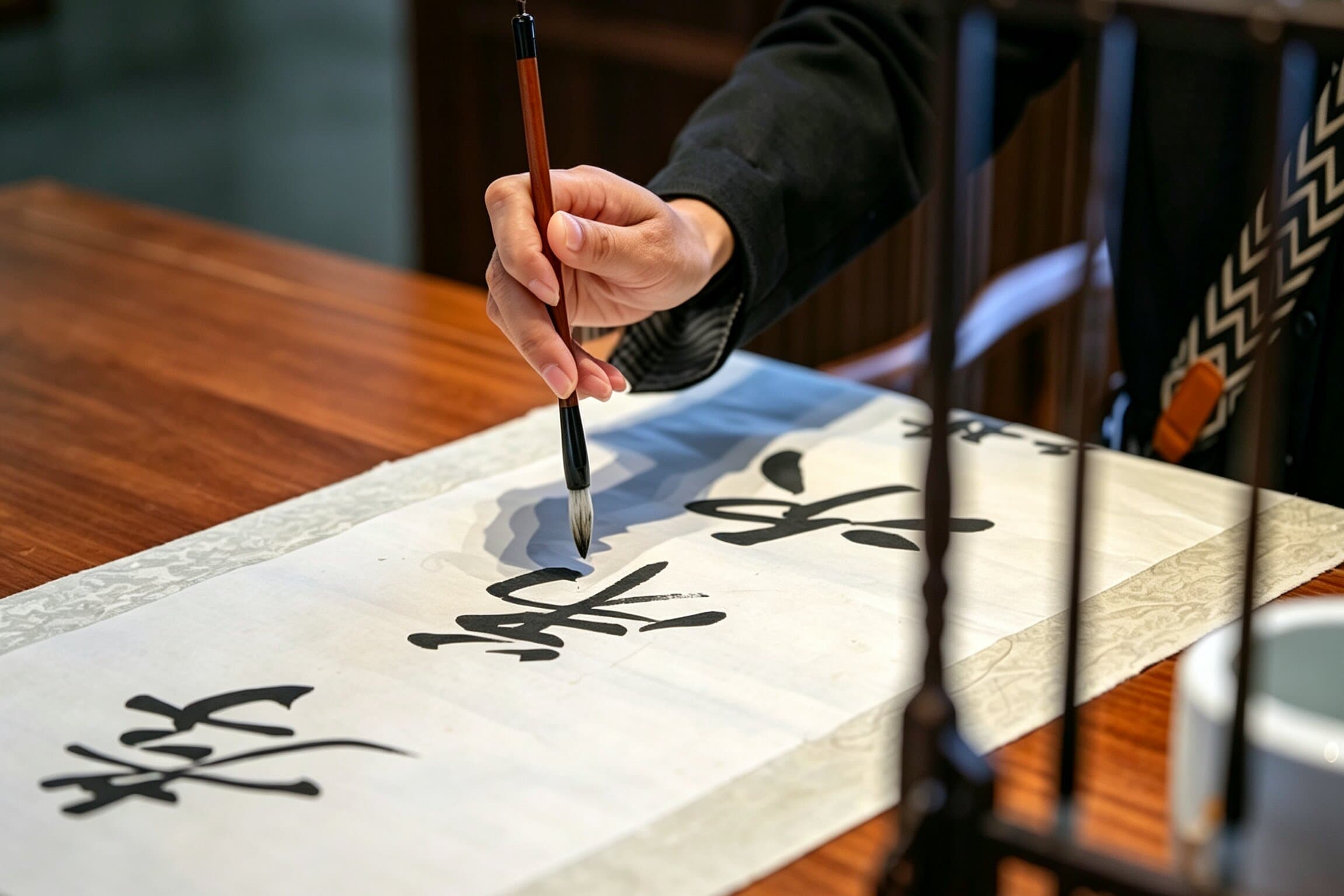
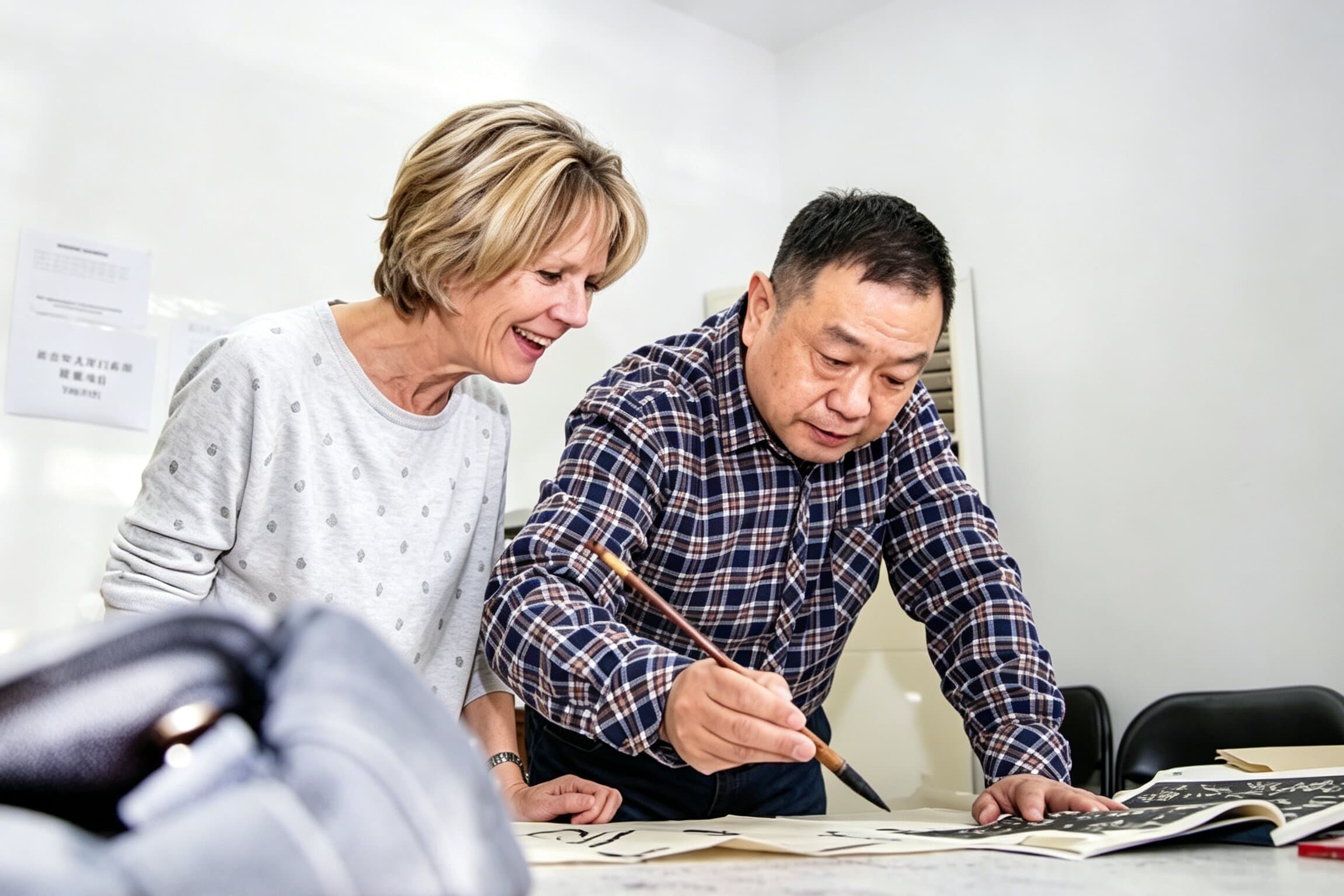
Private calligraphy experience — learn the basics of traditional Chinese calligraphy with a local teacher, discovering the philosophy and artistry behind one of China’s most respected cultural traditions.
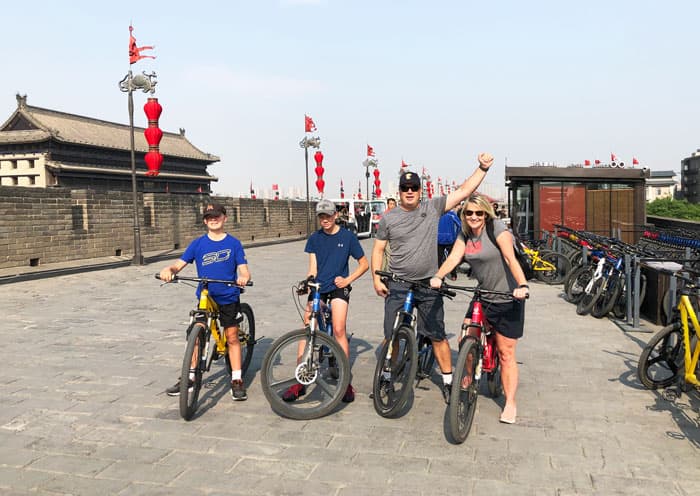
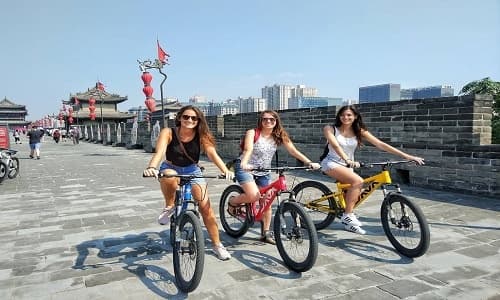
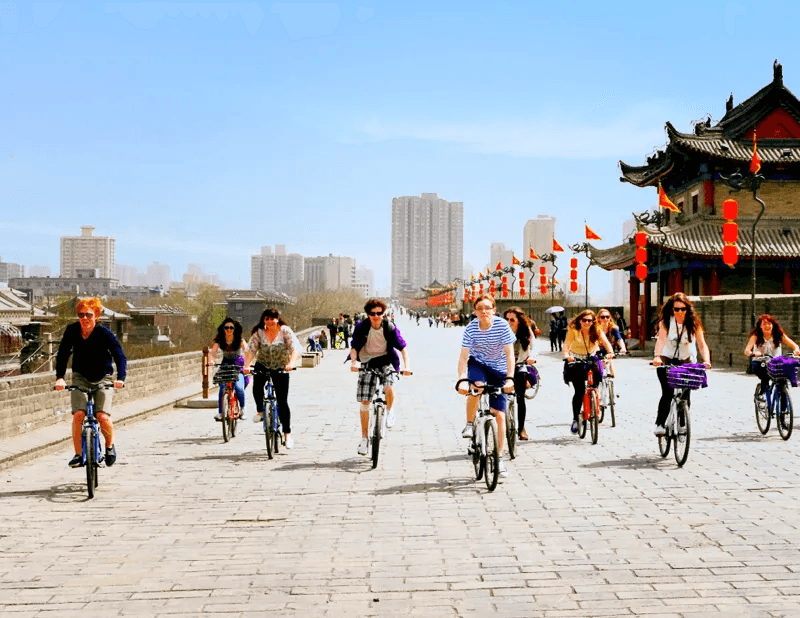
The Ancient City Wall at a relaxed pace — walk or cycle along the well-preserved Ming Dynasty City Wall, enjoying panoramic views of Xi’an’s historic center and experiencing the city from a unique perspective.
Silk Road heritage and local culture — explore Xi’an’s multicultural history through sites such as the Muslim Quarter and the Great Mosque, where your guide can explain how centuries of trade and cultural exchange influenced the city’s food, architecture, and daily life.
Dimension | Shanghai Luxury | Xi'an Luxury |
|---|---|---|
Core appeal | Modern glamour, Michelin dining, skyline views | Ancient depth, exclusive cultural access, imperial heritage |
Hotel standard | International 5-star everywhere | International 5-star + heritage boutique properties |
Dining scene | Global fine dining, celebrity chefs | Imperial cuisine, Silk Road flavors, courtyard dining |
Exclusivity | Hard to get reservations | Hard to get access — but possible with the right partner |
Crowds at major sites | Heavy but manageable | Heavy — smart timing and a private guide transform the experience |
Best for | First-timers, business travelers | Second-time China visitors, culture connoisseurs |
Xi'an Offers the Authenticity Luxury Travelers Now Seek
Luxury travel has quietly changed. A generation ago it meant an expensive hotel at a famous address; today it means something closer to the opposite — authentic experiences, living culture, and places that have not been flattened into a global brand. Xi'an delivers exactly that. It is less commercialised than Beijing's or Shanghai's headline districts, its traditions are still practised rather than performed for cameras, and its history is not locked behind glass — it is the city you are standing in.
Xi'an Is the Story of Chinese Civilisation, Told in One Place
Xi'an was the capital of 13 dynasties across more than a thousand years, and as the Tang-dynasty city of Chang'an it was the largest and most cosmopolitan metropolis on earth. The Silk Road began here. Imperial ceremony, written script, Buddhism's arrival and Islam's arrival — the threads that make Chinese civilisation legible all pass through this single city. To understand China, you do not need a lecture; you need a few days here.
Xi'an Offers Better Value Than Beijing or Shanghai
Think of China's great luxury destinations by what each does best:
City | Luxury Appeal |
|---|---|
Beijing 北京 | Imperial China — the Forbidden City, the Great Wall and the machinery of empire |
Shanghai 上海 | Modern China — skyline, Michelin dining and contemporary glamour |
Chengdu 成都 | Lifestyle & food — pandas, teahouses, Sichuan cuisine and a slower rhythm |
Xi'an 西安 | Civilisation & heritage — where the story of China runs deepest, with five-star comfort at a noticeably lower cost |
The practical upshot: the same budget buys a better room, a longer stay and a private guide in Xi'an than it does in Beijing or Shanghai — and for a luxury traveler, that is precisely where the value shows.
❓️ What Does "Luxury" Actually Mean in Xi'an?
This is the part most guides skip. Before choosing hotels or tours, decide what luxury means to you on this trip — because in Xi'an it rarely means what it means in Dubai or Paris.
Luxury Means Time
The generous traveler does not need to see ten sites in a day; they need to understand one. Take the Terracotta Warriors:
The Tourist Version | The Luxury Version | |
|---|---|---|
What happens | Warriors → photo → leave | Warriors → expert explanation → historical discussion → a related cultural experience |
Time spent | 90 minutes | Half a day, at your own pace |
What you take home | A photo | An understanding of the Qin empire, and of why those faces matter |
Luxury Means Privacy
Private guide, private vehicle, flexible schedule. In a city as busy as Xi'an in peak season, privacy is the most expensive-feeling thing you can buy — and it is the main reason a guided day feels nothing like a group tour.
Luxury Means Local Knowledge
A good guide is not a translator. A good guide is a storyteller, a cultural bridge and a local advisor — someone who knows which pit to enter first, which courtyard door to open, which restaurant is worth the money, and what a symbol on a wall actually means. That knowledge cannot be downloaded; it can only be borrowed.
Luxury Means Seamless Travel
Finally, luxury is the absence of friction: no language barrier, no ticket scramble, no transport puzzles, no restaurant guesswork. You should be thinking about what you are looking at — not about how to get there, pay for it, or order it.
💡 The Through-Line Every recommendation in this guide is built on those four ideas. Where a famous "luxury" option does not actually deliver time, privacy, local knowledge or seamlessness, we say so. Tell us what matters to you → |
🧑🏻 Who Is a Luxury Xi'an Trip Designed For?
Xi'an rewards almost every kind of luxury traveler — but for different reasons, and with different solutions. Find yourself below.
First-Time Visitors to China
The worry: "I don't really know how China works."
What helps: airport pickup, on-the-ground assistance, payment guidance and cultural explanation. Your first twenty-four hours set the tone for the whole trip; handled well, they dissolve the anxiety entirely.
Luxury Families
The worry: children lose interest; parents want comfort.
What helps: a flexible schedule, genuinely educational experiences (calligraphy, warrior-face modelling, a hands-on dumpling class) and a pace built for shorter attention spans — with downtime carved out rather than squeezed in.
Senior Luxury Travelers
The worry: walking distances, heat, long days.
What helps: comfortable vehicles to the gate, more breaks, a shortened itinerary and the option to split each day. Xi'an's sites are large; how you move between them matters more than how many you see.
Couples & Honeymooners
The focus: romantic hotels, sunset moments and fine dining. Think a private banquet, the City Wall glowing at night, and a courtyard dinner for two behind an unmarked door.
🏨 Where to Stay: Xi'an's True Luxury Hotels
Xi'an has plenty of five-star, but only a handful sit in the city's genuine top luxury tier — the four properties that locals and seasoned travelers name when asked where to stay in Xi'an. Here is a detail-first breakdown of each: address, what the property actually contains, its signature, and who it suits.
The Ritz-Carlton, Xi'an (西安丽思卡尔顿酒店) — Best All-Round Luxury
Located in the central business area of Gao Xin District, The Ritz-Carlton, Xi’an boasts a privileged access to a variety of historical and cultural sites, including the legendary Terracotta Warriors, Great Wild Goose Pagoda and old City Walls. Designed by Remedios Studio, the hotel’s interior design pays homage to architectural and design elements drawn from the history and culture of Xi’an. Patterned motifs created by local artisans offer a unique social meeting space for visitors as well as the local community.
Detail | Information |
|---|---|
Address | No. 50 Keji 2nd Road, Yanta District, Xi'an, Shaanxi, China (高新区科技二路50号) |
Opened / Rooms | 2019; 283 rooms and suites |
Highlights | Sky bar, Acclaimed dining options, Nighttime skyline views, Indoor heated pool, Instrument playing, |
Dining | Jing Xuan (景轩) — refined Cantonese and Shaanxi cooking, known for its lunchtime dim-sum buffet; Xian Kitchen all-day dining; Tasuro teppanyaki; the Lobby Lounge |
Best for | The most consistently polished five-star stay in the city, with club-lounge dining that removes the need to go out for every meal |
Official website |
Most popular amenities
Indoor swimming pool Free | Spa Additional charge |
Executive lounge | Gym |
Cafe | Conference room Additional charge |
Multi-function room | Currency exchange |
Wi-Fi in public areas Free | Luggage storage |
Bar | 5 Restaurants |
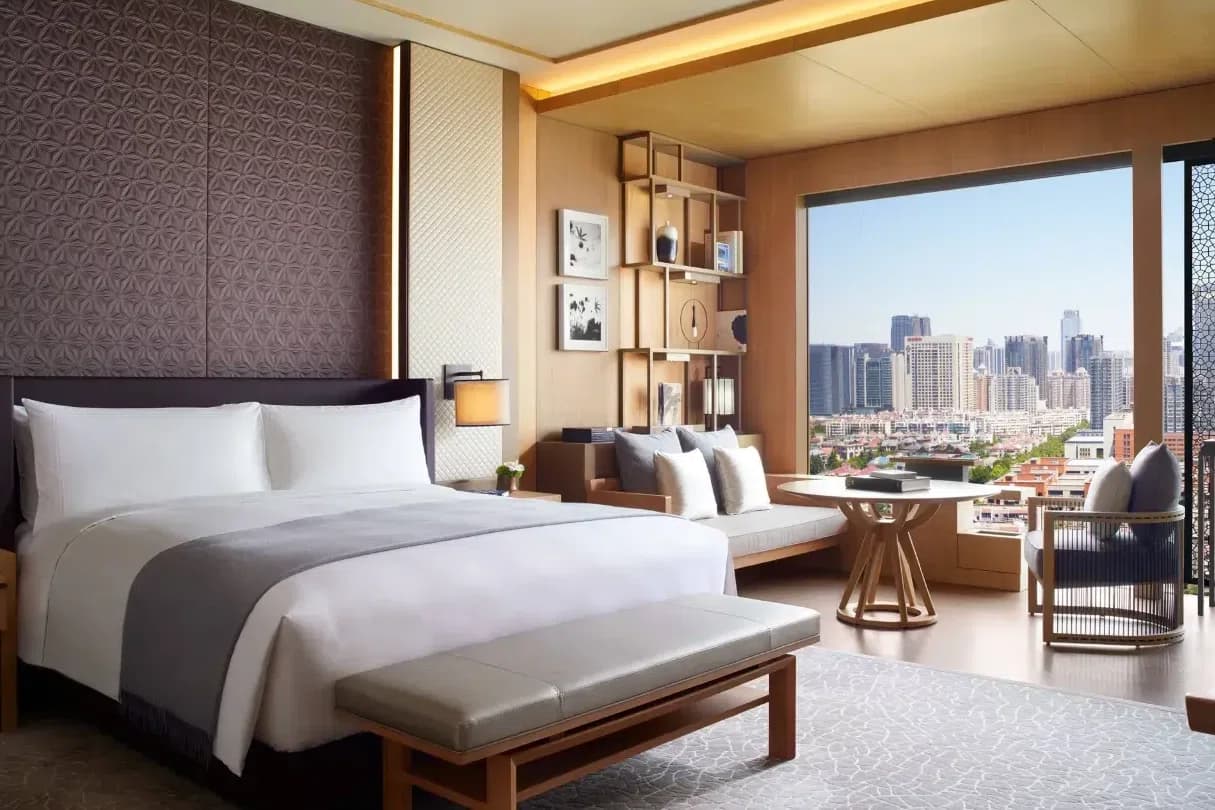
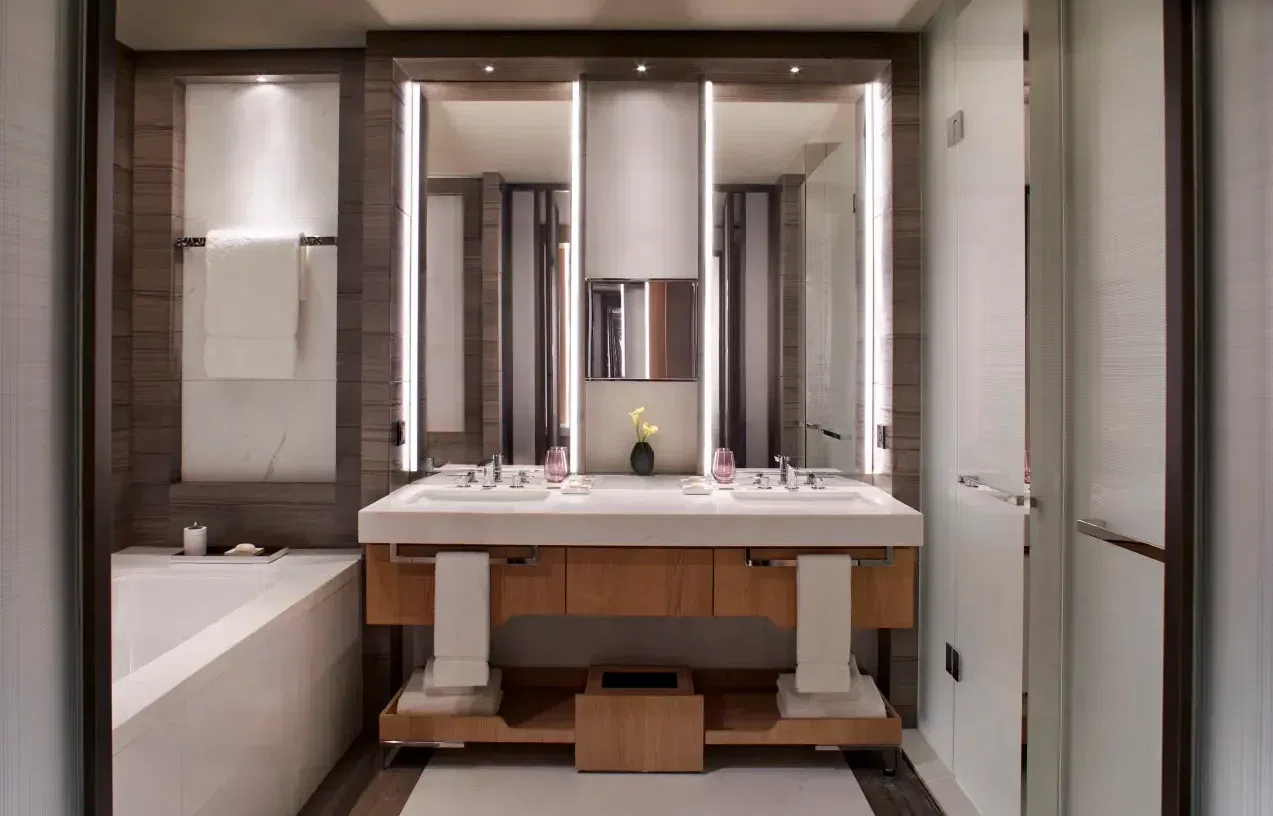
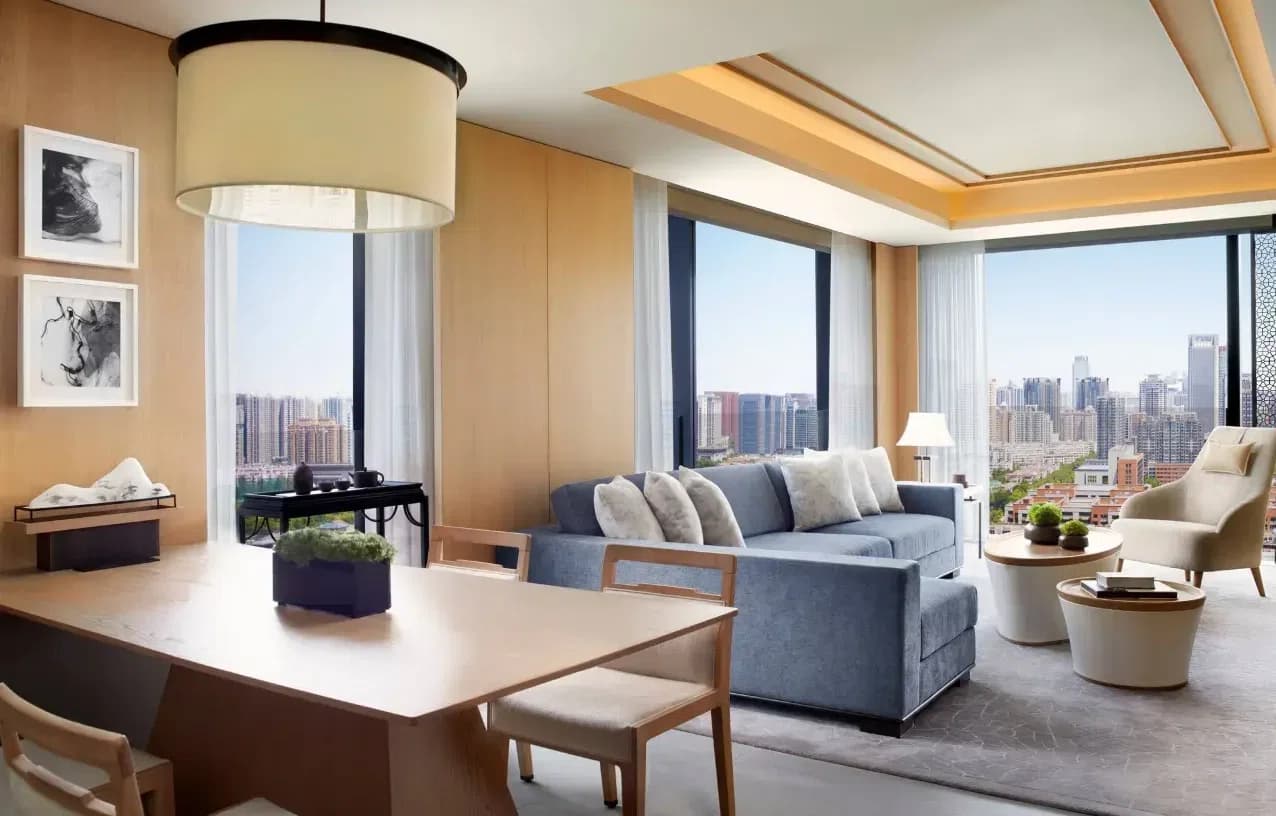
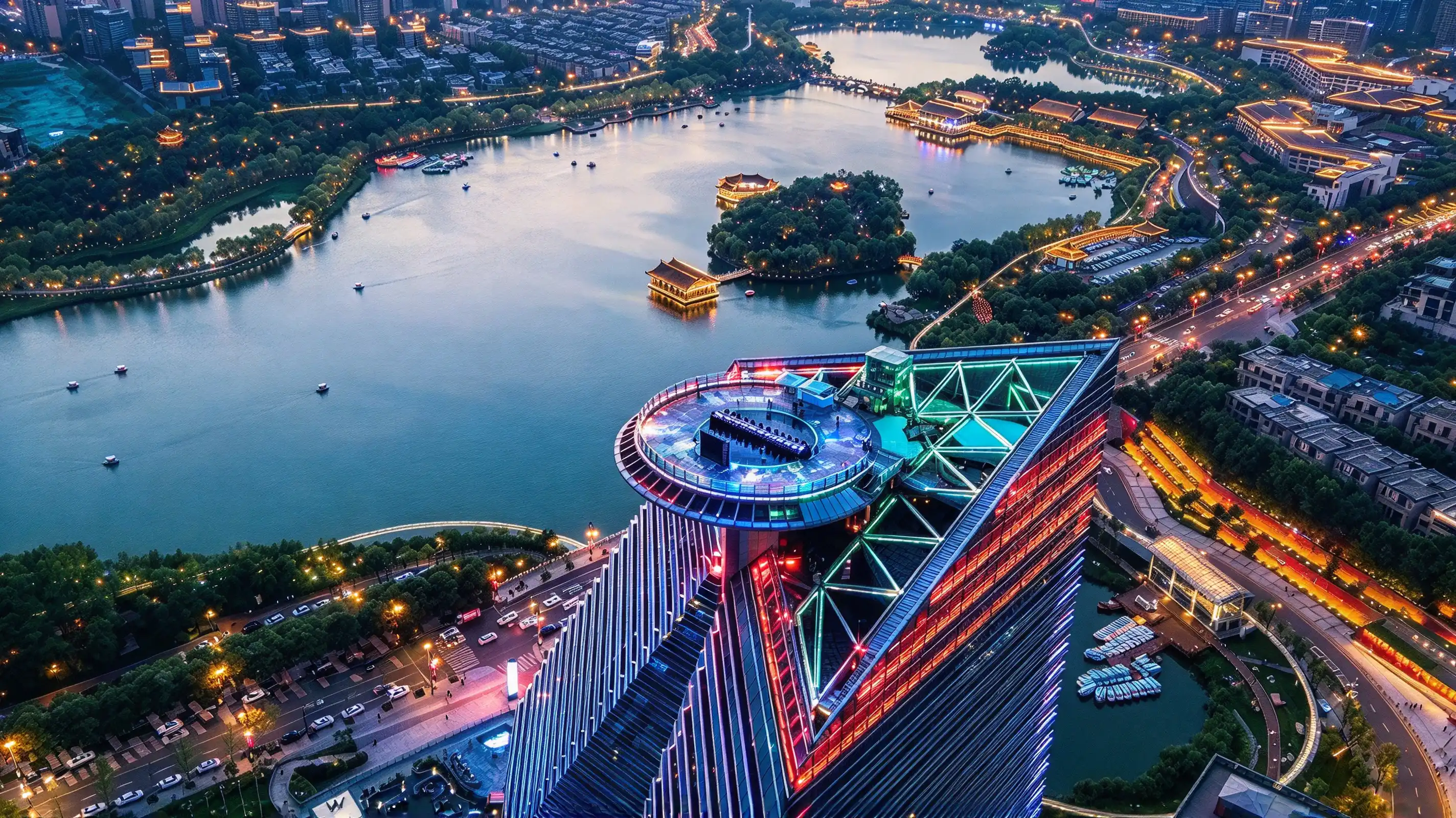
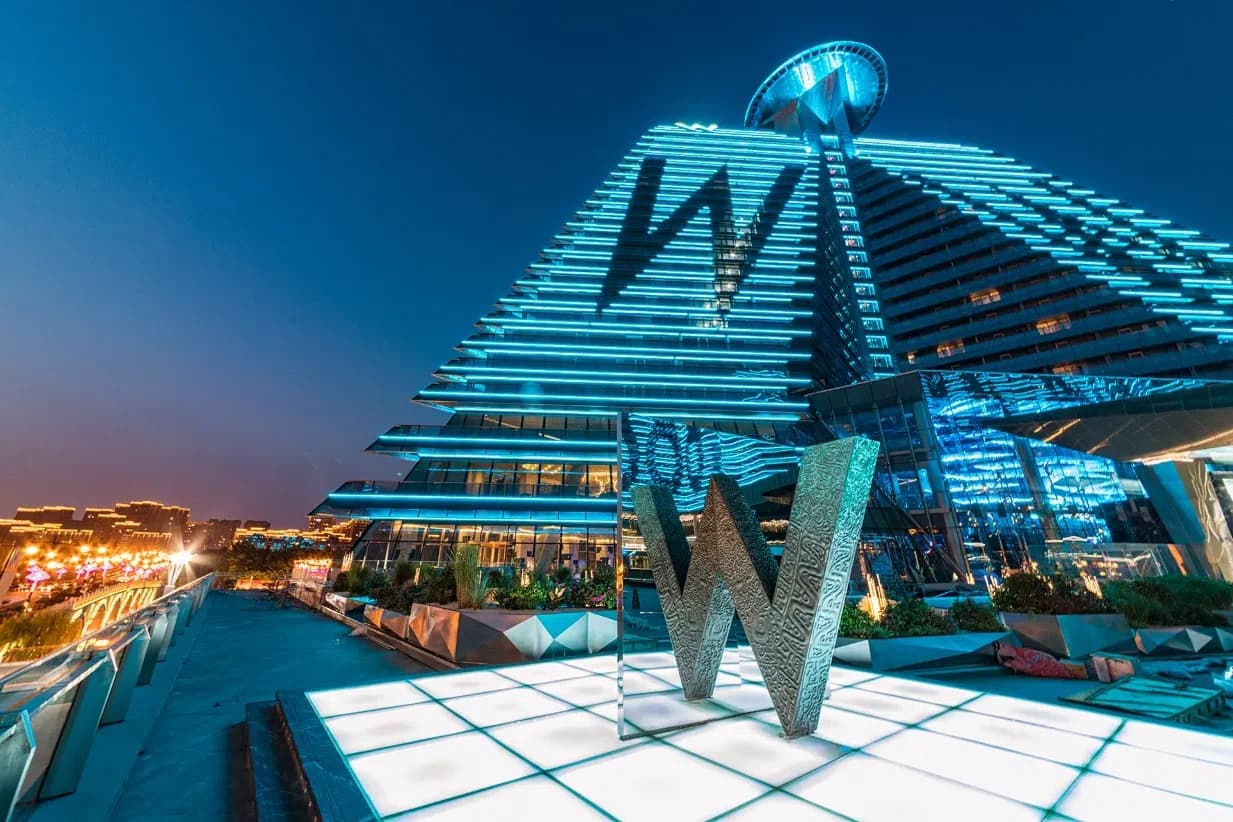
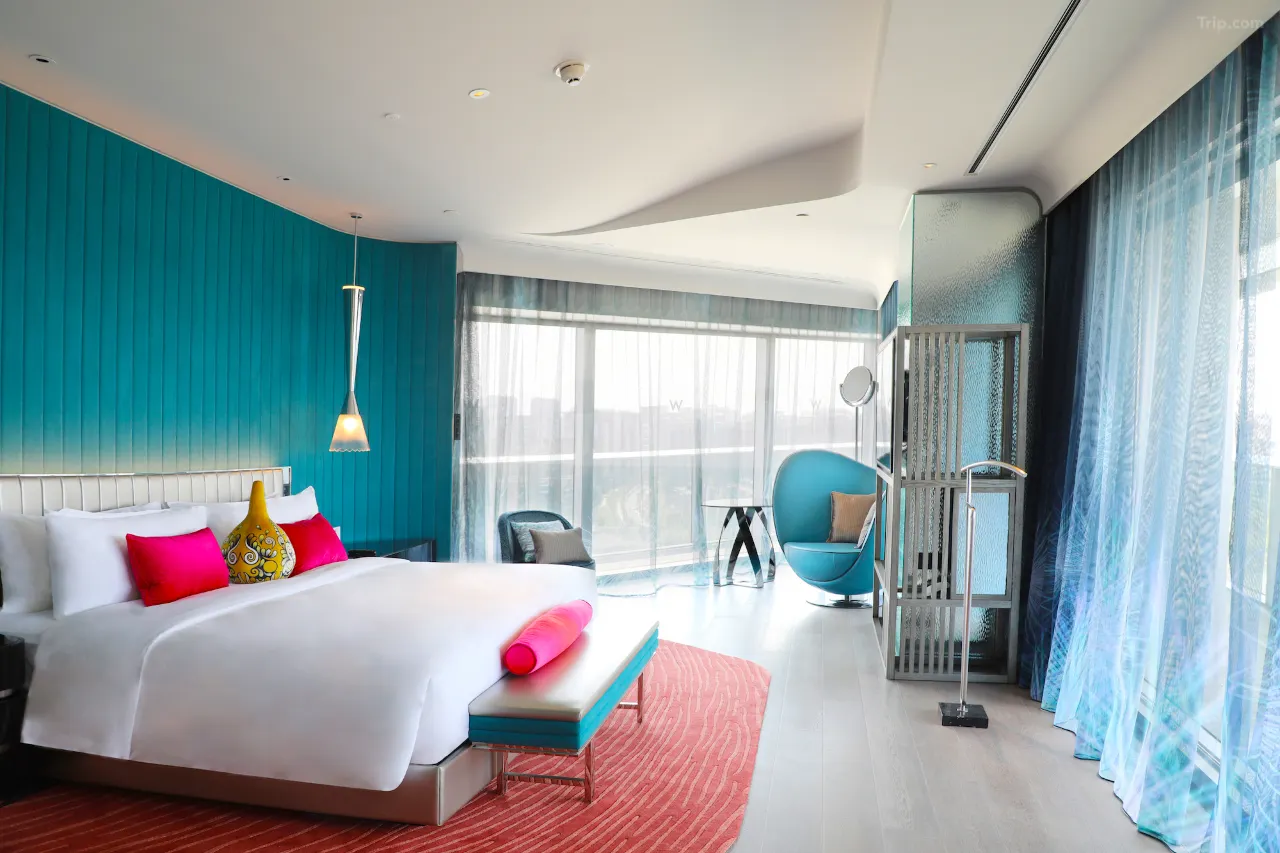
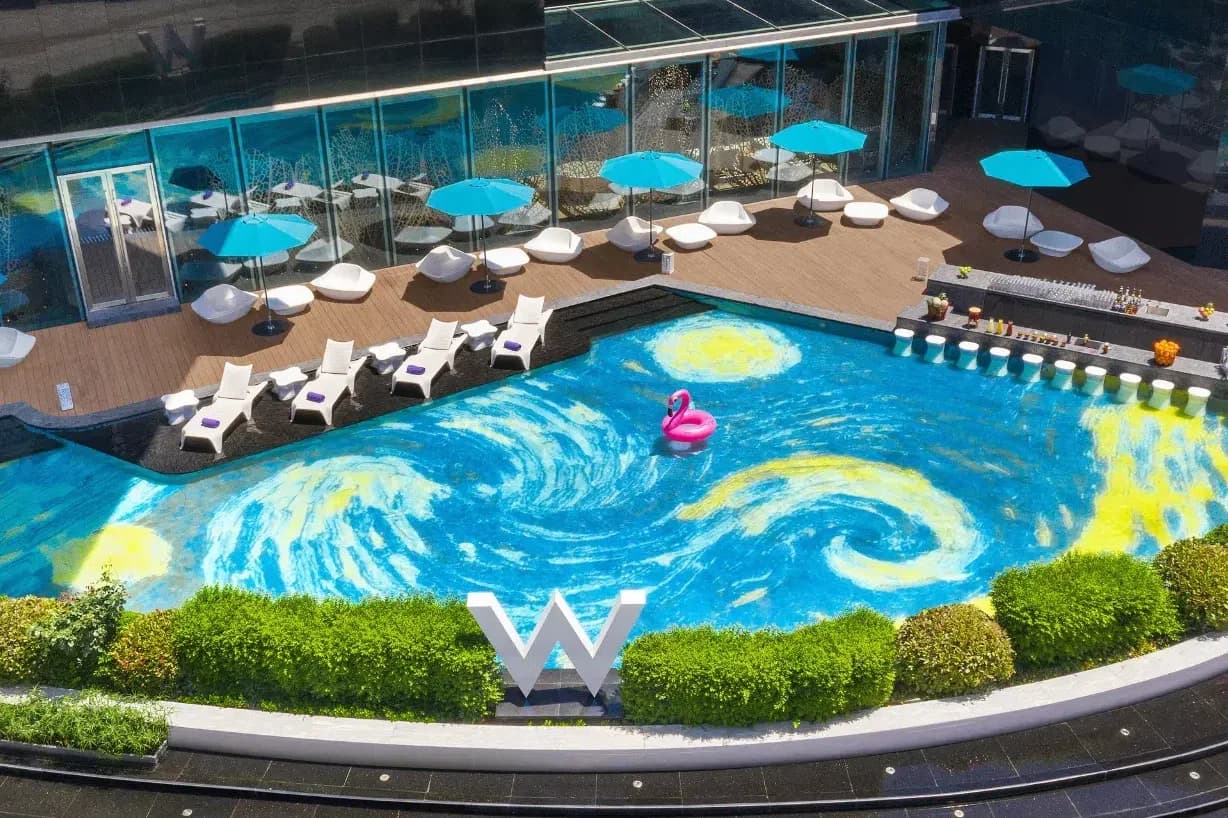
W Xi'an (西安W酒店) — Best for Design & Lake Views
The W XI'AN is an ideal spot for travelers wanting to discover the city. The W XI'AN offers a pleasant stay in Xi'an for those traveling for business or leisure.
Boasting a convenient location, the hotel is just 10km from Xi'andong Railway Station and 45km from Xi'an Xianyang International Airport. In addition, HANYAO Metro Station is just a short walk away. The nearby area boasts an abundance of attractions including Dream Back To The Tang Dynasty Golden Version, Qujiang Pool Heritage Park and Qujiang Cool Cave Heritage Park (Han Yao).
In their spare time, guests can explore the hotel's surroundings. Guests of this Xi'an hotel can make use of the parking facilities.
When it comes to Xi'an hotels, the W XI'AN is highly regarded for its excellent facilities. This hotel is particularly popular with those traveling with families.
Detail | Information |
|---|---|
Address | Adjacent to Qujiangchi Relics Park, No. 333 Qujiangchi East Road, Yanta District, Xi'an, Shaanxi, 710061, China (曲江新区曲江池东路333号) |
Opened / Rooms | August 2018; 372 rooms on floors 5–26 — and notably, every room has a private balcony overlooking Qujiang Pool |
Highlights | Acclaimed dining options, |
Dining | WEI (all-day international), YEN (飨艳) Chinese restaurant for Cantonese and Jiangnan cooking |
Best for | Design-led, sociable luxury with an actual lake view — the most photogenic hotel in the city |
Official website |
Most popular amenities
Indoor swimming pool Free | Spa Additional charge |
Executive lounge | Gym |
Massage room | Business center |
Bar | 3 Restaurants |
Cafe | Conference room Additional charge |
Children's pool | Currency exchange |
Wi-Fi in public areas Free | Luggage storage |
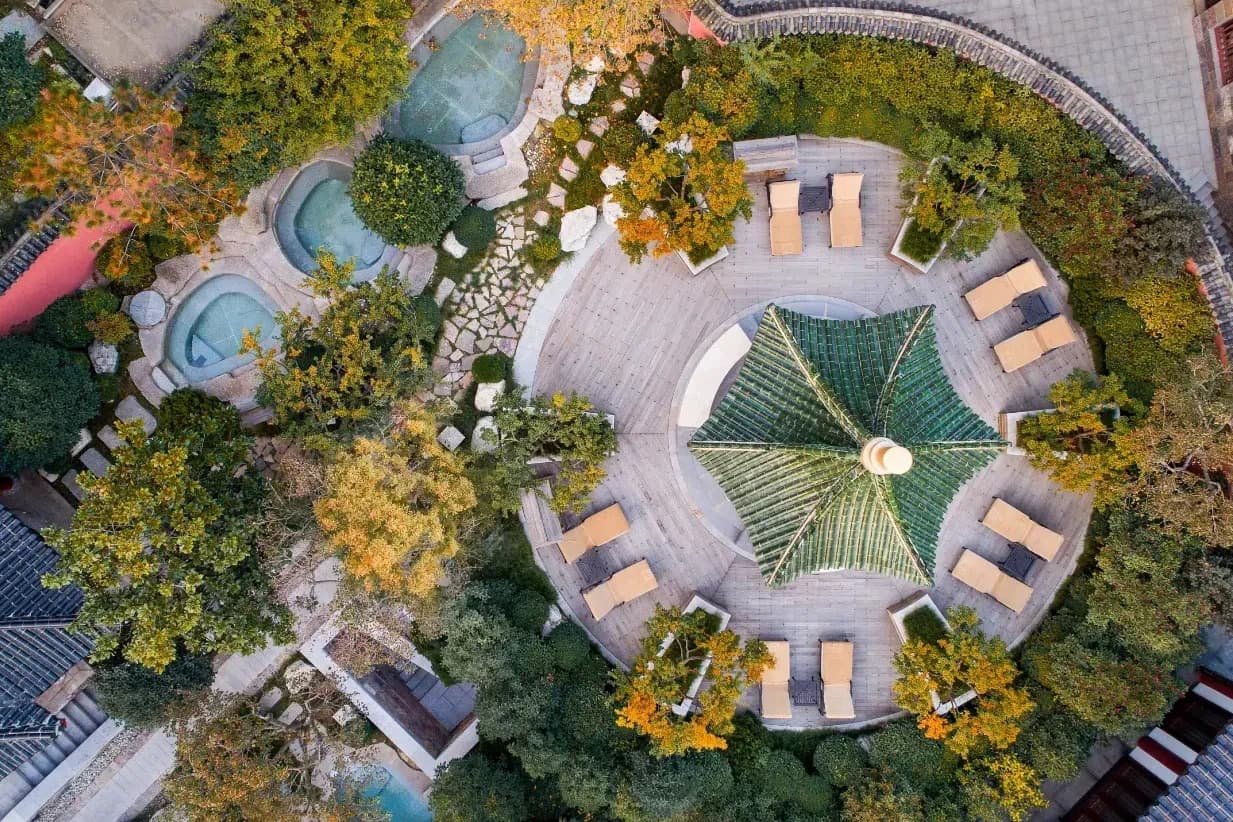
Huaqing Palace Resort & Spa (西安华清御汤酒店) — Best for Hot-Spring Wellness
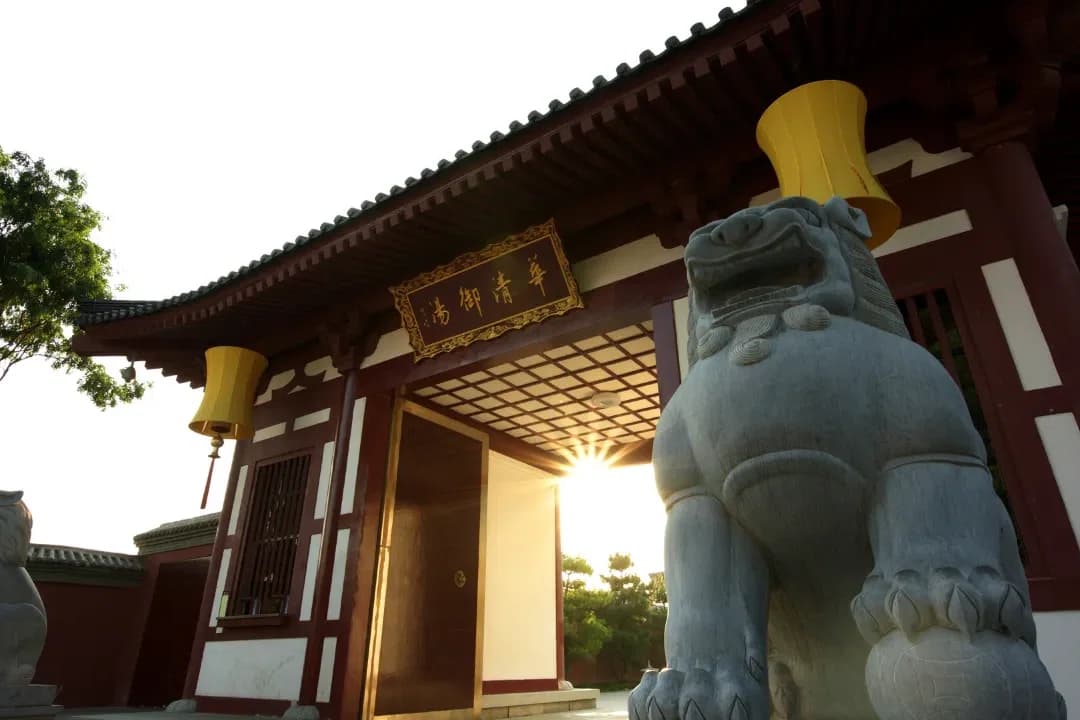
The Xi’an Hua Qing Palace Hotel & Spa (Xi’an Huaqing Yutang Jiudian) is situated in Hua Qing Palace scenic area. This Xi'an hotel is situated 43 km (27 mi) from the Xianyang International Airport, and 30 km (19 mi) from the Xi'an Railway Station.Diners can enjoy local dishes at the on-site restaurant.In your spare time, relax in the hot springs, spa or with a massage. This Xi’an hotel provides free Wi-Fi in public areas and rooms as well as free parking on site.
Detail | Information |
|---|---|
Address | No. 038 Huaqing Road, Lintong District — beside Huaqing Palace's Nine Dragon Lake, at the foot of Mount Li (临潼区华清路038号) |
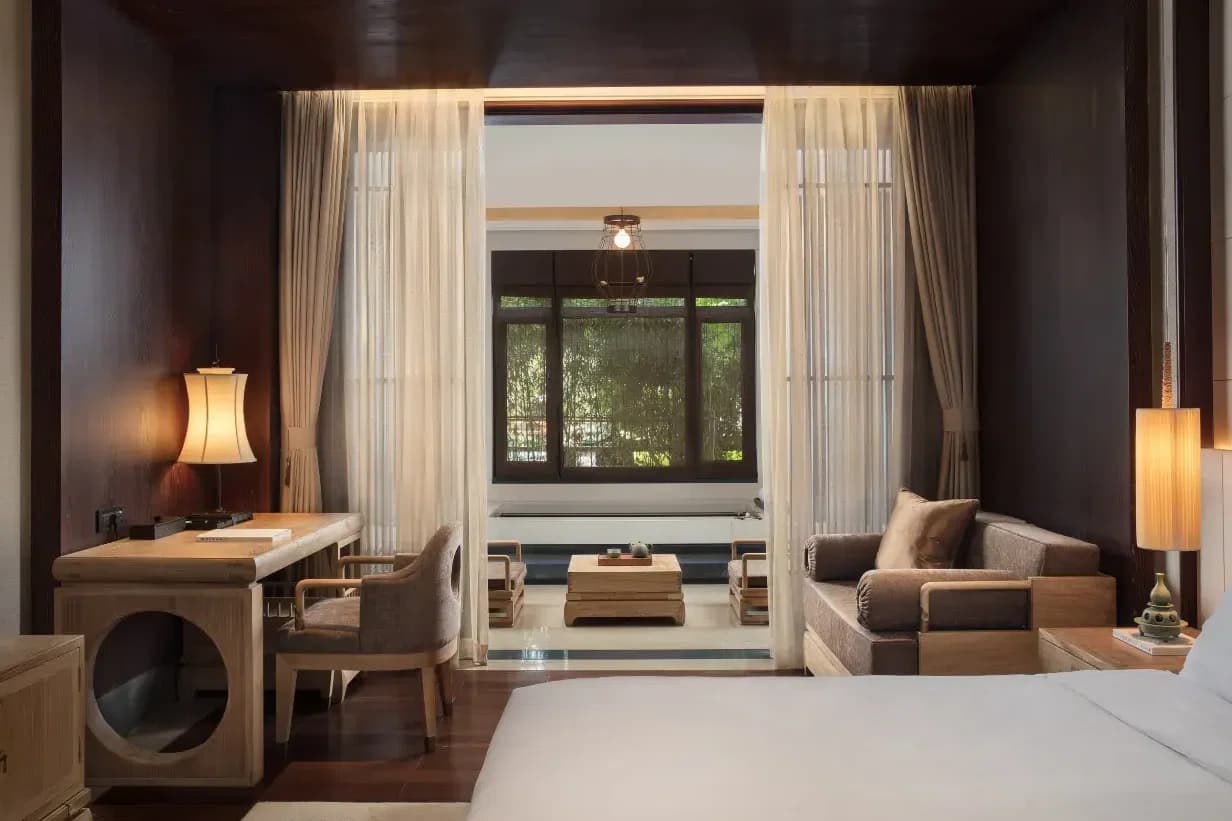
Opened / Rooms | November 2016; laid out as "one hotel, nine courtyard-pavilions" (一店九苑) — about 95 rooms |
Signature | 43°C Lintong imperial hot-spring water piped into a private soaking pool in every room — the same ancient spring that fed the Tang court's baths |
Dining | Yushanyuan (御膳苑) — a Tang-style Shaanxi restaurant with private dining rooms and a banquet hall |
Best for | A wellness-focused stay beside the Terracotta Warriors and Huaqing Palace — combine it with your warriors day instead of commuting from the city centre |
Official website |
Most popular amenities
Hot springs Free | Spa |
Hiking Off-site | Gym |
Massage room | Library |
Bar | Tea room |
Cafe | Multi-function room |
Wi-Fi in public areas Free | Luggage storage |
Sofitel Legend People's Grand Hotel Xi'an (西安索菲特传奇酒店) — Best for Heritage
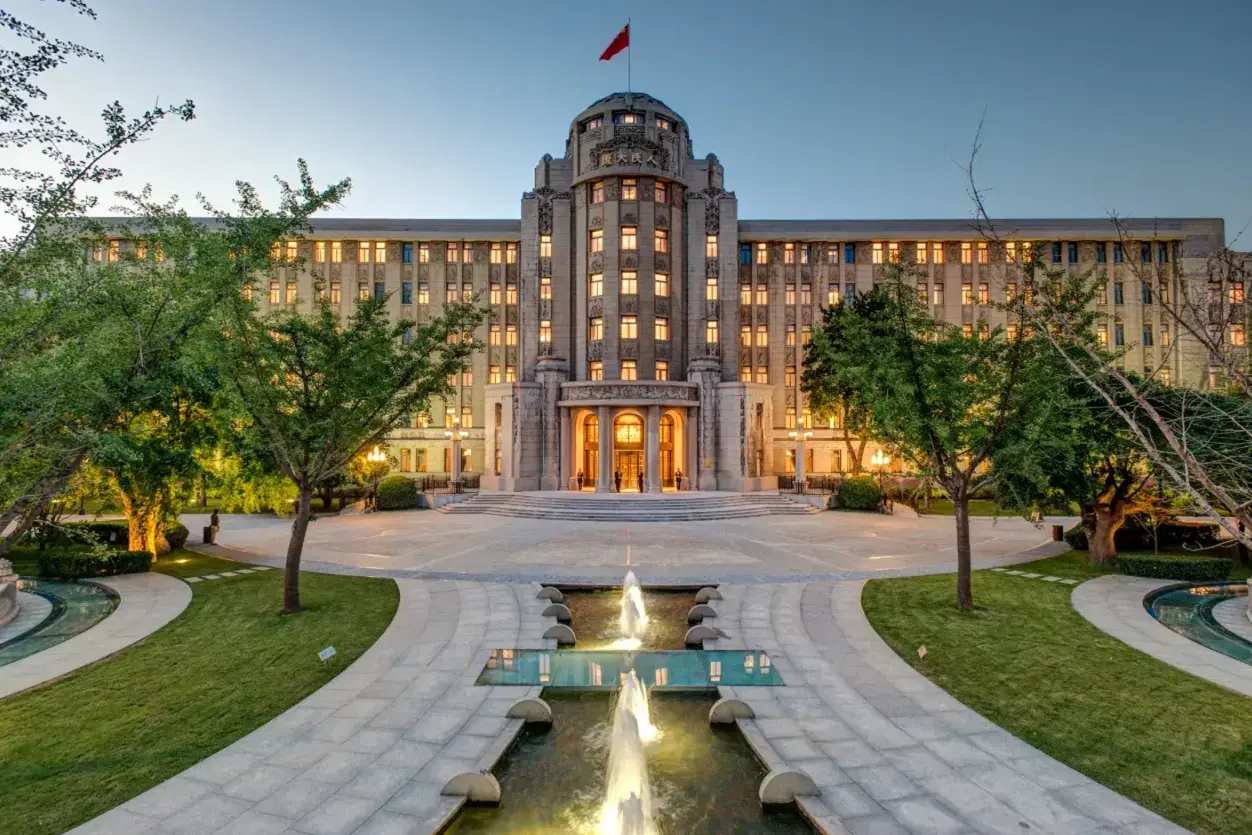
Located within the historic area of the Ming Dynasty Walled City, the hotel is conveniently located in the bustling heart of the city, adjacent to the iconic Bell Tower and the vibrant commercial and financial centre. Guests will be surrounded by numerous historical landmarks and attractions, including the Bell Tower, Drum Tower, Xi'an City Wall, Big Wild Goose Pagoda, Forest of Steles Museum, Yongxingfang and the lively Beiyuanmen Huifang Cultural Street.
For travelers who choose to use public transportation, the hotel is conveniently located. For guests arriving by plane, Xi'an Xianyang International Airport is about a 45-minute drive from the hotel.
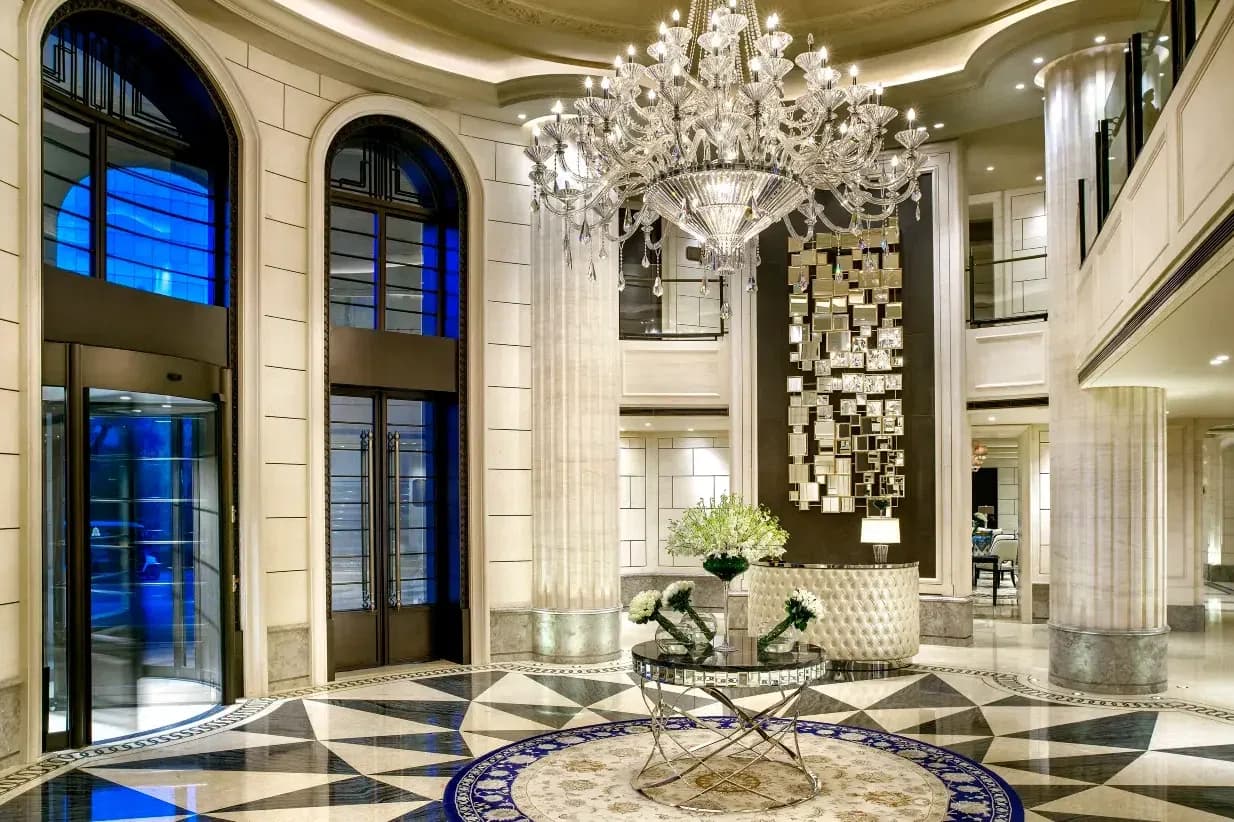
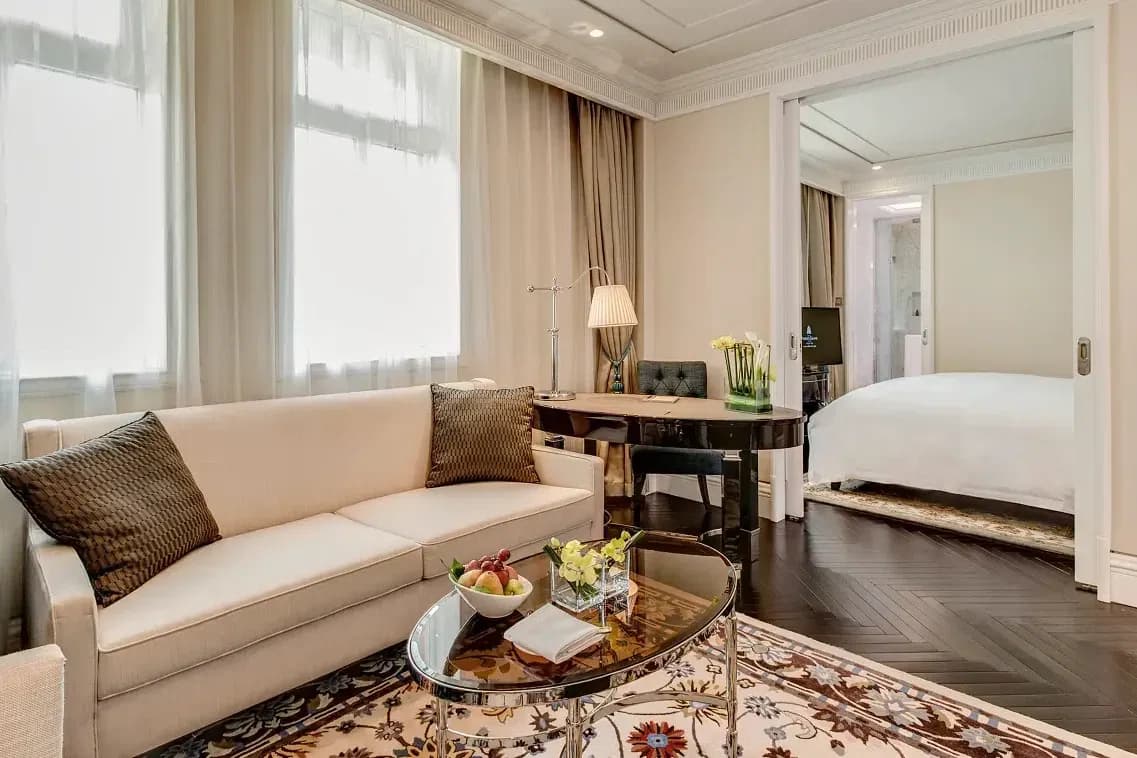
Completed in 1953 and located in the capital of 13 dynasties in Chinese history, this iconic building provides a unique sense of place and era. The architecture combines Chinese and French inspiration while retaining local styles, displaying a harmonious combination. It has been renovated using state-of-the-art technology, taking full advantage of its spacious rooms, soaring ceilings, elegant moldings, and many Art Deco features.
Detail | Information |
|---|---|
Address | 319 Dongxin Street, Xincheng District (新城区东新街319号) |
Origin / Rooms | Occupies the historic 1953 state-guesthouse main building, restored over 28 months; 71 rooms including 27 suites; Accor's first Sofitel Legend in Greater China |
Highlights | Highlights, Design hotel, Butler service, |
Dining & bars | Dolce Vita (Italian), Le Chinois (Chinese), the 1953 Lobby Lounge, and the Rémy Martin-partnered Louis XIII Bar |
Best for | Travelers who value history and French butler service over brand-new polish |
Official website |
Most popular amenities
Hot springs Free | Spa |
Hiking Off-site | Gym |
Massage room | Library |
Bar | Tea room |
Cafe | Multi-function room |
Wi-Fi in public areas Free | Luggage storage |
🏡 Heritage & Courtyard Stays: An Honest Assessment
A reality check first, because most guides oversell this: Xi'an does not have the deep bench of courtyard boutique hotels that Beijing's hutong districts do. Genuine 四合院 or 关中民居 conversions are scarce, and a fair number of properties marketed online as "courtyard hotels" are ordinary rooms built around a paved square. Here is what genuinely exists and who each option actually suits:
Type | What It Really Is | Where | Honest Verdict |
|---|---|---|---|
The Sofitel Legend People's Grand Hotel (the 1953 main building at Renmin Square) | The city's historic state-guesthouse: a 1953 building with mature gardens, once used to host foreign dignitaries | City centre, 319 Dongxin Street | The strongest heritage-with-service option in the city. Real history, real gardens, full international facilities — and the city's only Sofitel Legend. |
Guanzhong courtyard inns (关中民居) | Traditional single-storey Shaanxi courtyard houses converted into small inns | Sanyuan 三原, Hancheng old town 韩城, Yuanjiacun 袁家村 | Genuinely atmospheric and authentic — but expect simpler bathrooms and no gym or spa. Best as a single atmospheric night, not your main base. |
City-wall-side boutique rooms | Small renovated properties inside or immediately beside the old city | Beilin 碑林 / Lianhu 莲湖 old town | Unbeatable for walking the Muslim Quarter and the wall. Quality varies enormously between properties — in-person inspection before booking is essential. |
Hot-spring resort villas | Villa-style accommodation built around the Lintong thermal springs | Lintong district, ~40 min from the city | Excellent for one wellness night paired with the Terracotta Warriors. Not a practical base for central sightseeing. |
🛏️ Which Room to Book: The Questions That Actually Matter
You cannot reserve a specific room number months ahead — but you can ask the right questions at the time of booking, and those questions change the stay more than an upgrade usually does. This is the checklist a good travel designer works through on your behalf:
Ask This | Why It Changes Your Stay |
|---|---|
"Which side of the building faces the Qinling Mountains?" | Xi'an's high-rise hotels vary enormously by orientation. High floors on the southern side look out to the Qinling range; the opposite side usually faces office towers. |
"Is this the heritage wing or the main building?" | At Renmin Square the two Sofitels differ markedly — the Sofitel Legend occupies the historic 1953 building with period character and garden views, while the modern Sofitel on Renmin Square is a larger business hotel in another block. Same address, very different stay. |
"Club level, and what does the lounge include?" | Club lounges typically cover breakfast, all-day soft drinks and evening canapés — often replacing two restaurant meals a day and paying for the difference. |
"What is the actual mattress firmness?" | Chinese hotel beds skew notably firm. If you sleep soft, request a topper when booking — not on arrival, when the hotel may have none left. |
"Bathroom: tub, walk-in shower, or both?" | Configurations vary between room categories within the same hotel, and "deluxe" does not reliably mean "has a tub". |
"Quiet floor, away from lifts and the atrium?" | Especially relevant in the larger properties, where atrium-facing rooms carry noise from lobbies and breakfast areas. |
"Connecting rooms available?" | Families travelling with children should request these at booking; they are limited and go first. |
⭐ Hidden Hotel Perks Most Guests Never Ask For
Xi'an's luxury properties offer considerably more than most guests realise — but almost none of it is advertised. It has to be asked for. These are the requests that reliably work:
Perk | What to Ask For | Typical Availability |
|---|---|---|
Pillow menu | Memory foam, latex, buckwheat or body pillows instead of the standard set | International five-star properties — ask housekeeping directly |
Butler / concierge-attached service | Unpacking and packing, shoe shine, in-room tea service, express laundry turnaround | Suites as standard at luxury properties; club rooms on request |
Late check-out | 2–6 PM rather than the standard noon | Most readily confirmed same-day if the hotel is not full |
Early check-in after a night flight | Room access at 8–10 AM | Far more likely if your arrival time was flagged at the time of booking |
A personalised welcome amenity | Local specialities rather than the generic fruit plate — Lintong persimmon cakes, Jingyang Fu brick tea, pomegranate products | Routinely arranged for booked clients; rarely for direct online bookings |
An in-room tea ceremony set | Traditional teapot, cups and a selection of Shaanxi teas | Ask — most luxury properties will supply this at no charge |
Airport or station transfer on departure | Timing worked backwards from your flight or train, luggage handled | Included in Your Way Holiday itineraries |
📍 Where Should Luxury Travelers Stay? Choosing by Area
The right hotel is only half the decision; the right area shapes your whole trip. Xi'an's luxury hotels cluster in three zones, and each suits a different kind of stay.
Bell Tower / City Centre
Best for: first-time visitors who want to walk out into the old city.
Advantages | Trade-offs |
|---|---|
Historic atmosphere; the City Wall, Bell Tower and Muslim Quarter within walking distance; the city's best evening scene | Busier and noisier; the most congested at peak season and on public holidays |
Represented by the heritage properties around Renmin Square and boutique rooms inside the old city. Ideal if you want Xi'an's daily life on your doorstep.
Qujiang New District
Best for: luxury-lifestyle travelers who want space and calm.
Advantages | Trade-offs |
|---|---|
Quiet, green and modern; the Big Wild Goose Pagoda, Tang Paradise and Qujiang Pool nearby; the city's most design-led hotels | Roughly 20–30 minutes from the old city's sights; you will rely on your car for the wall and the Quarter |
Represented by W Xi'an and the Qujiang fine-dining and shopping cluster. Ideal for travelers who would rather return each evening to calm.
Lintong District
Best for: resort-style, wellness-led stays and warriors-focused trips.
Advantages | Trade-offs |
|---|---|
Beside the Terracotta Warriors and Huaqing Palace; hot-spring resorts; a relaxed, unhurried pace | Approximately 40–60 minutes from the city centre; not a practical base for central sightseeing |
Represented by Huaqing Palace Resort & Spa (and Angsana Lintong). Ideal as a one- or two-night retreat paired with your warriors day.
🍜 Fine Dining: Xi'an's Culinary Revolution
Xi'an's food scene is undergoing a quiet revolution. The city that invented the hand-pulled biangbiang noodle is now also home to tasting menus, imperial banquet experiences, and fusion restaurants that rival anything in Shanghai — but with flavors and techniques you'll find nowhere else.
The Tang Dynasty Imperial Banquet
This is Xi'an's signature luxury dining experience. Based on recipes and banquet protocols from the Tang Dynasty (618–907 AD) — when Xi'an was Chang'an, the world's largest city — these multi-course meals recreate the food of emperors. Expect dishes like:
Tang Dynasty roasted lamb — slow-roasted with Silk Road spices (cumin, fennel, Sichuan pepper)
Imperial soup dumplings — the ancestor of today's xiaolongbao, with a delicate lamb broth
Persian-style rice pilaf — a dish that traveled the Silk Road from Persia to Chang'an
Osmanthus jelly — a delicate dessert scented with autumn osmanthus flowers
Court wine — rice wine brewed using Tang Dynasty methods
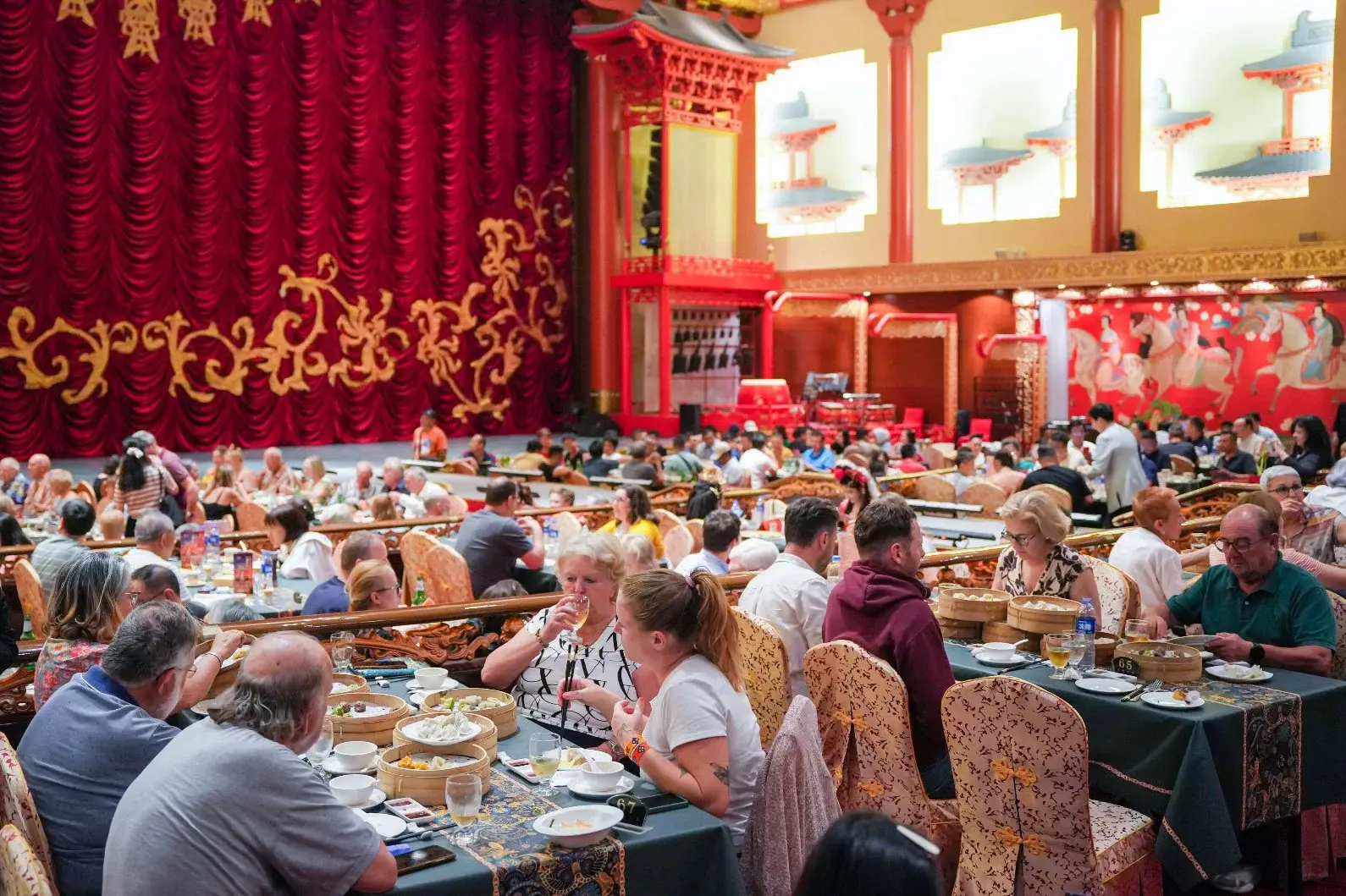
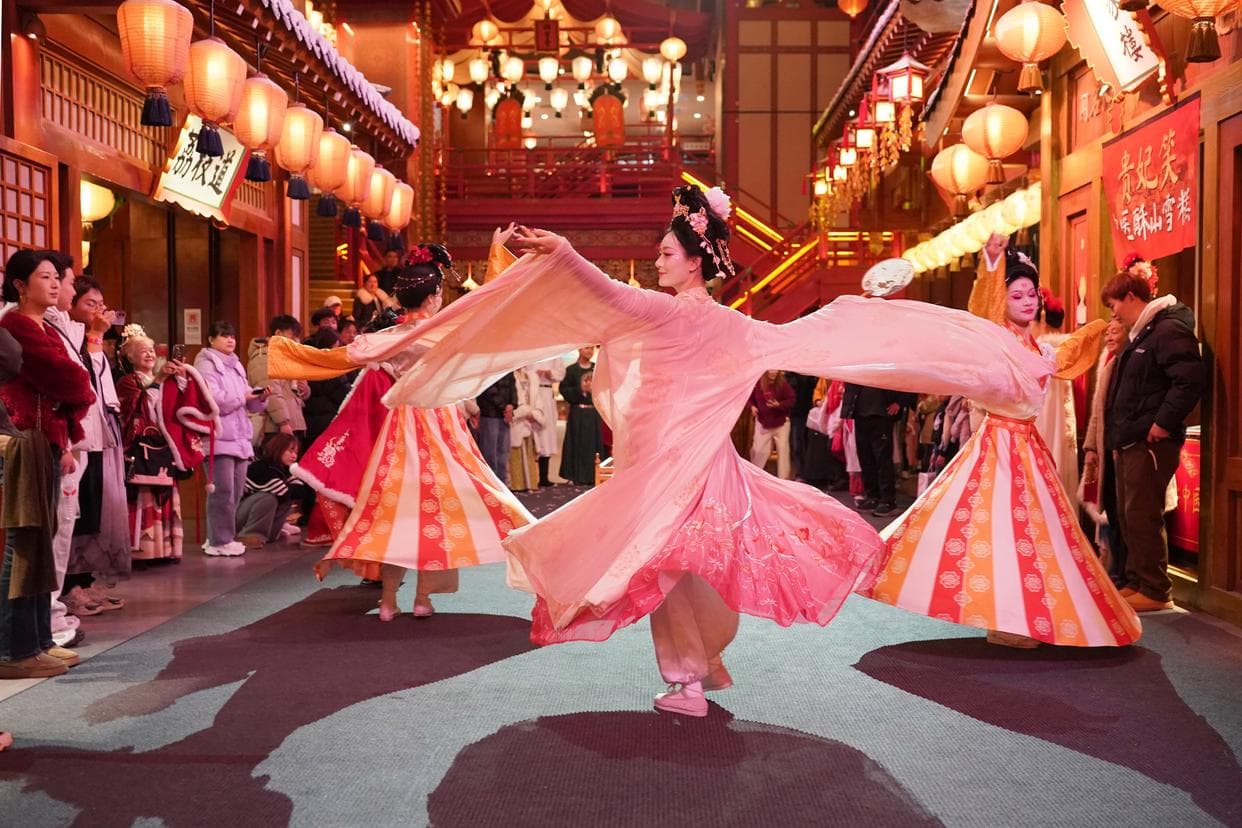
The experience is often accompanied by live court music — musicians in Tang Dynasty robes playing instruments like the pipa (lute) and guzheng (zither). Some venues include Tang Dynasty dance performances. This is not just dinner; it's a time-travel experience.
💃 Tang Banquet + Live Show: The Two Theatres Worth Booking
For the classic "imperial banquet with a Tang-dynasty spectacle" evening, two long-established Xi'an theatre-restaurants do it properly. Both serve a set banquet alongside a live song-and-dance performance — here's the honest comparison, with current advertised prices:
Venue | Address | Show & Banquet | Price (per person) |
|---|---|---|---|
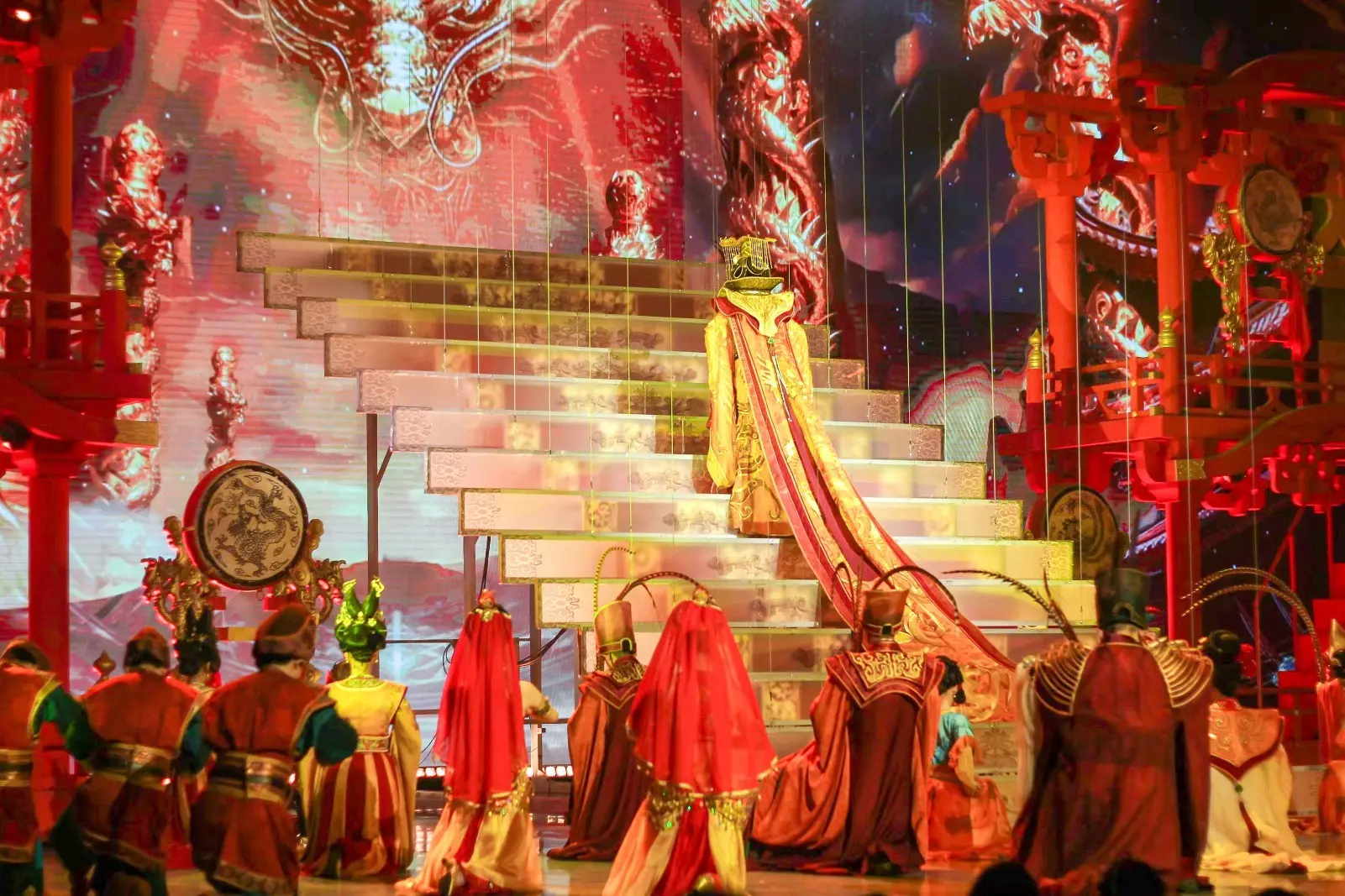
Tang Yue Gong (唐乐宫) | 75 Chang'an North Road, Beilin District (碑林区长安北路75号) | A large indoor historical stage show, Empress of the Great Tang, with a live classical orchestra, paired with an imperial banquet blending Tang and Cantonese cooking, served individually. Established 1988 — the city's original "dinner theatre". | Banquet + show CNY 580; show-only tickets from around CNY 268 |
Shaanxi Song & Dance Grand Theater (陕西歌舞大剧院) | 161 Wenyi North Road, Beilin District (碑林区文艺北路161号) | The intangible-heritage Recreated Tang Music & Dance programme — "Wansui Yue", "Nishang Yuyi" and other Tang court dances — with a deluxe Tang-style banquet. | Luxurious Tang-Style Banquet + show CNY 458; show-only from around CNY 380 |
💡 Our Read Both venues are genuine and long-running — the difference is scale versus intimacy. Tang Yue Gong is the larger, more theatrical production; the Shaanxi Song & Dance Grand Theater is the more classical, music-focused evening. Prices shift seasonally and by seating tier, so treat the figures above as a guide. Your Way Holiday confirms current rates, secures good seats, and handles the Mandarin-only booking. Book a Tang banquet → |
Modern Fine Dining
Beyond imperial banquets, Xi'an's modern fine dining scene has grown rapidly. The Ritz-Carlton's Jing Xuan (景轩) restaurant offers refined Cantonese and Shaanxi cuisine with modern plating (and one of the city's best lunchtime dim-sum buffets). Several independent chefs trained in Shanghai and abroad have opened tasting-menu restaurants in the Qujiang district, blending Shaanxi ingredients with French and Japanese techniques.
Dining Experience | Cuisine Style | Atmosphere | Best For |
|---|---|---|---|
Tang Dynasty Imperial Banquet | Historical Chinese (Tang court recipes) | Theatrical, palace setting, live court music | Once-in-a-lifetime cultural dining |
Jing Xuan (Ritz-Carlton) | Refined Cantonese + Shaanxi | Elegant, international hotel standard | Consistent fine dining without surprises |
Qujiang tasting menus | Modern fusion (Shaanxi + French/Japanese) | Intimate, contemporary, chef-driven | Adventurous foodies |
Private dumpling-making class | Interactive + dining | Local home or professional kitchen | Hands-on cultural immersion |
⭐ Black Pearl Restaurants: China's Own Fine-Dining Guide
If you want an objective benchmark that isn't simply "the restaurant inside my hotel", look at the Black Pearl Restaurant Guide (黑珍珠餐厅指南) — China's domestic answer to Michelin, compiled annually since 2018 by Meituan/Dianping. Instead of stars it awards one, two or three diamonds (钻), with restaurants assessed by anonymous inspectors on ingredients, technique, service and overall experience.
Tier | What It Means | What to Expect |
|---|---|---|
Three Diamonds 三钻 💎💎💎 | Exceptional — worth a journey in itself | China's very top tier; only a handful nationwide |
Two Diamonds 二钻 💎💎 | Excellent — worth a detour | Refined tasting menus or outstanding traditional cooking |
One Diamond 一钻 💎 | Very good — worth a visit | Strong regional cuisine at a high, consistent standard |
Xi'an's Black Pearl presence is smaller than Shanghai's, Beijing's or Chengdu's — and, notably, every Xi'an entry currently carries a single diamond; no Xi'an restaurant holds two or three. That says something genuine about the city's food culture: Xi'an prizes depth and tradition over theatrical fine dining, so the listed restaurants lean toward high-end Shaanxi and Cantonese cooking, several inside hotels. The guide is reissued each year and listings change, so treat the following as the recent-era picture rather than a permanent ranking:
Restaurant | Cuisine | Address | Approx. Per Person |
|---|---|---|---|
Chang'an Hui · Original Shaanxi (长安荟·原味陕菜) | Refined Shaanxi · Black Pearl 1-diamond | Xiying Road, Yanta District | ~CNY 344 |
Lotus (莲西餐) | French fine dining · Black Pearl 1-diamond | Unit A3, Tangshi, south of the South Gate of Tang Paradise, 99 Furong South Road, Qujiang | ~CNY 550 |
Ming Jia (铭家, Qujiang) | Shandong / Qingdao seafood · 1-diamond | Qujiang district | ~CNY 280 |
Cai Feng Lou (彩丰楼, Hualuxe) | Cantonese · Black Pearl 1-diamond | 40 Yanyin Road, Qujiang | Hotel fine-dining prices |
Da Dong · Sea Cucumber (大董·海参, SKP) | Beijing-influenced fine dining | 9th Floor, Xi'an SKP, 261 Chang'an North Road | ~CNY 380 |
1️⃣ Chang'an Hui · Original Shaanxi (长安荟·原味陕菜)
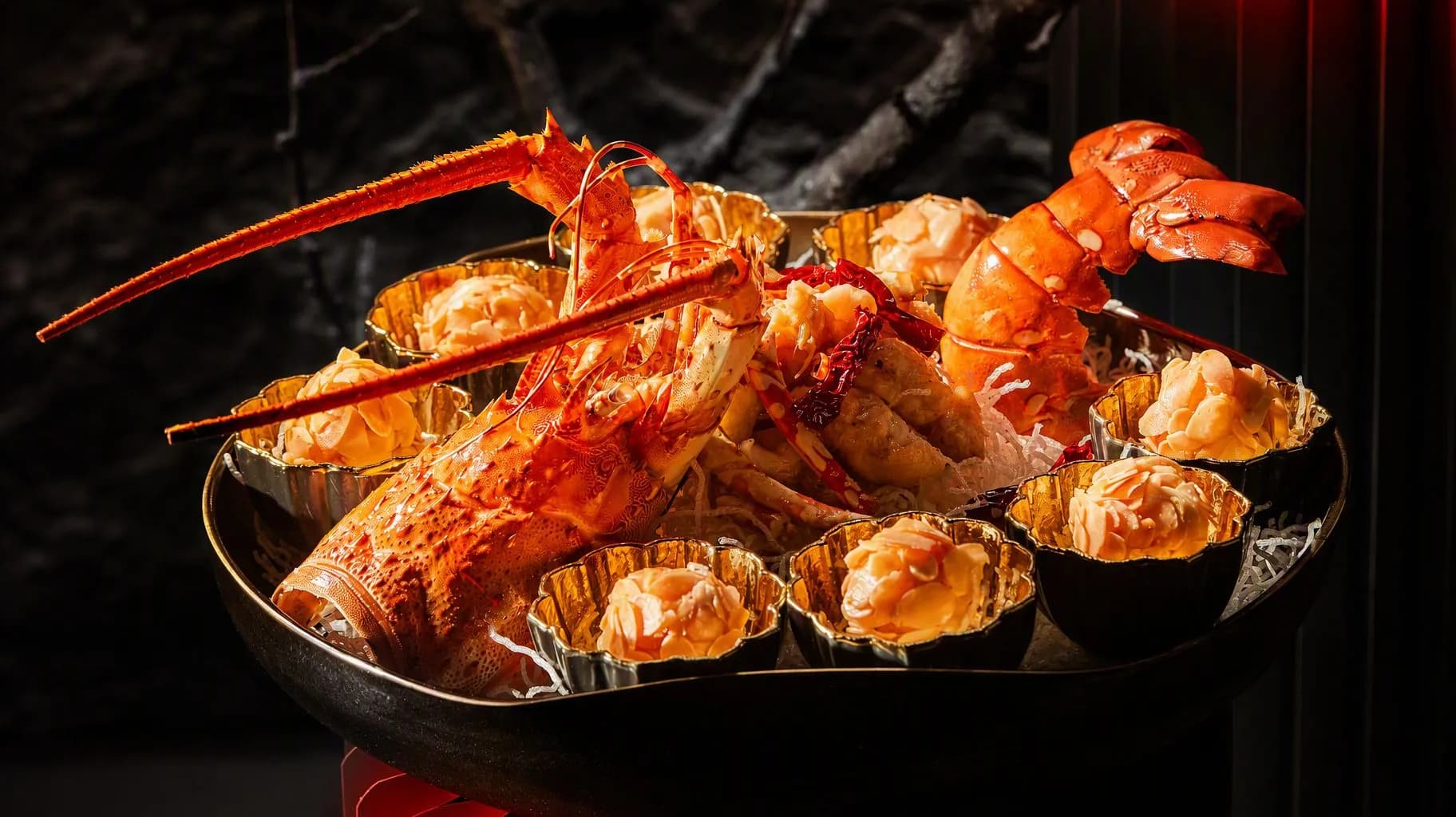
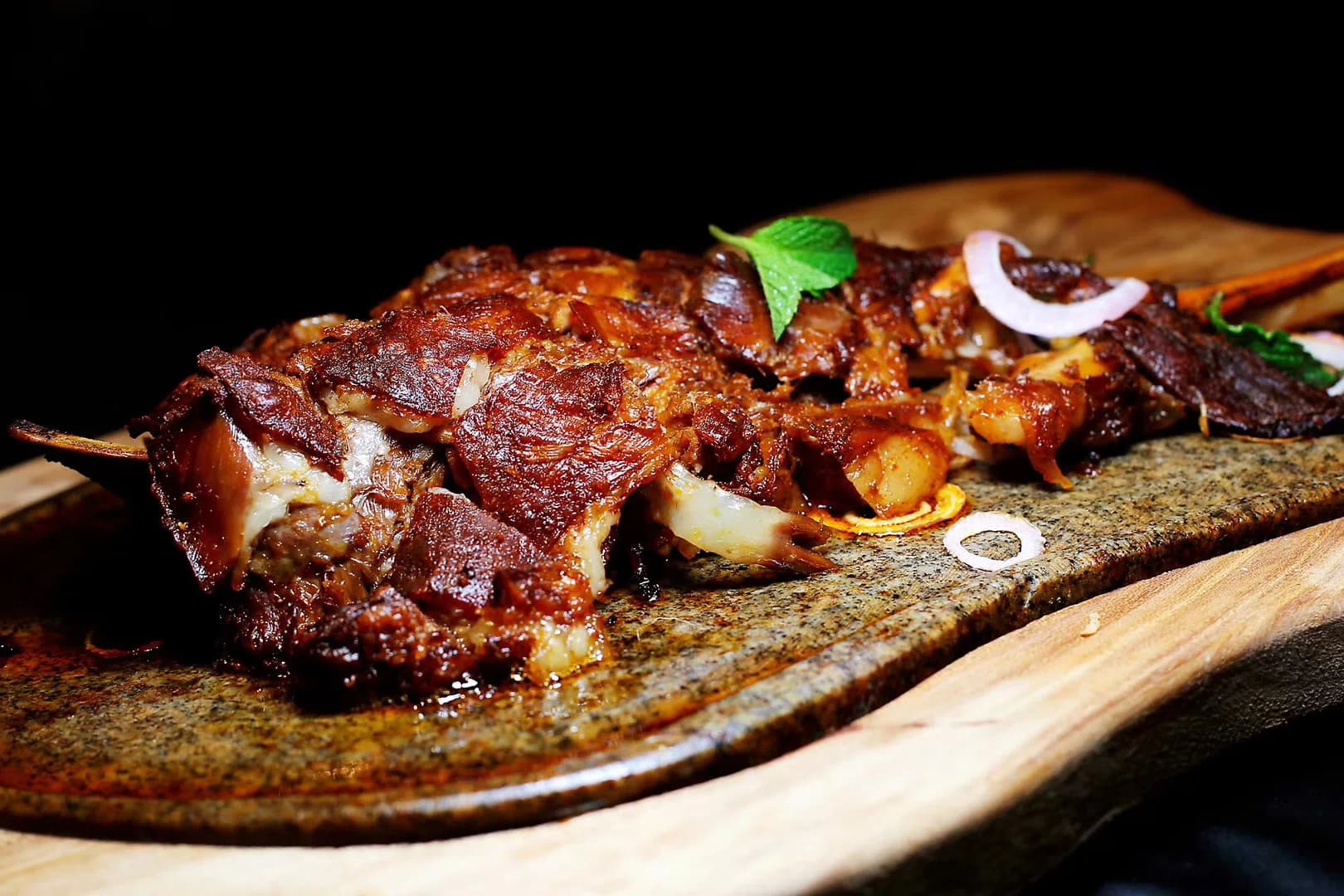
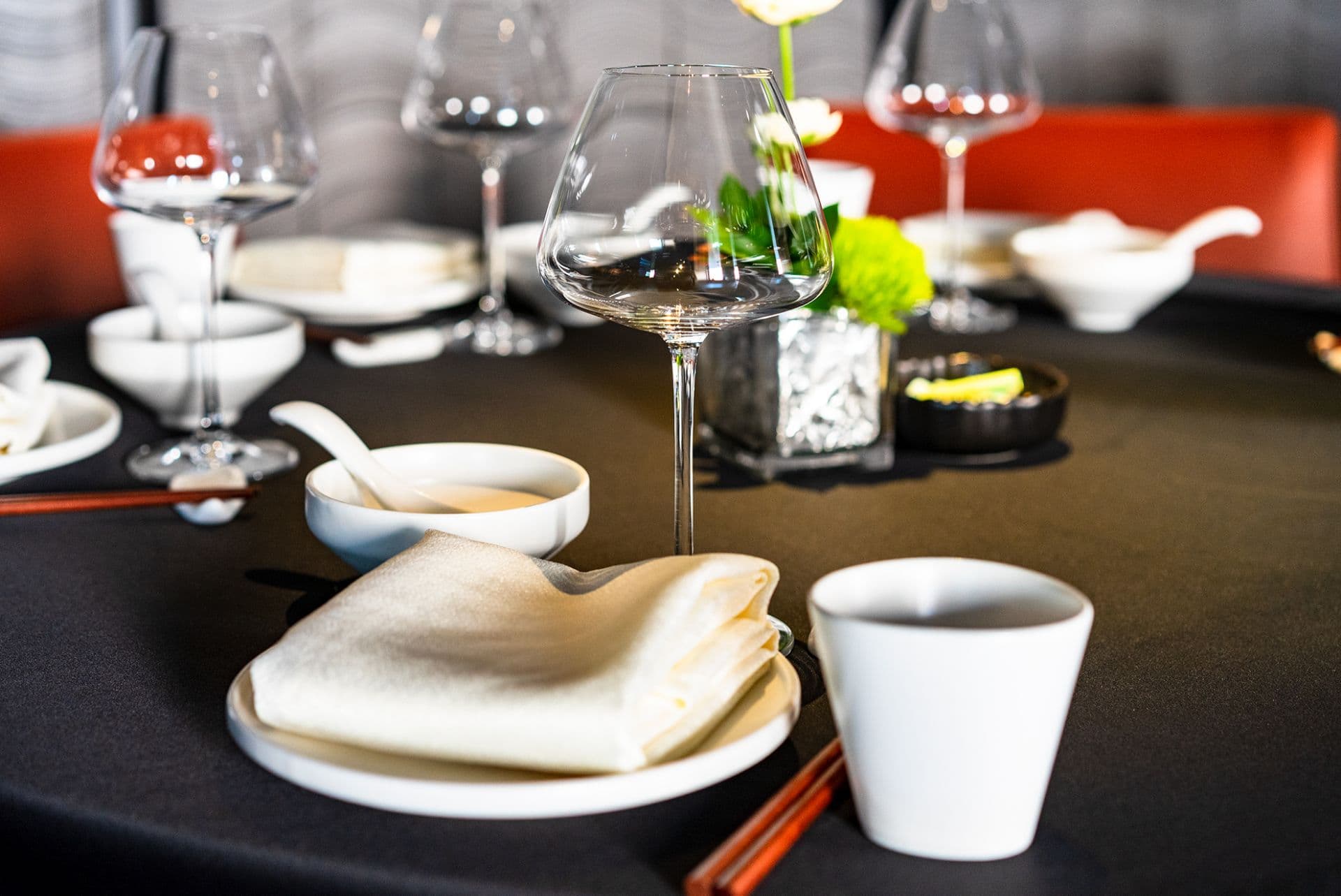
A Black Pearl one-diamond serving refined Shaanxi cooking in a film-studio setting — order the gourd chicken and the striking "Chang'an nine-tripod" platter. It is the single best answer to "where do I eat Shaanxi food, properly?"
Chang'an Hui · Original Shaanxi was the recipient of the 24th Andrew Martin International Interior Design Award (Greater China) in 2019. In 2020, it won the "Oriental Ingredients · Selected Moments" award, and from 2023 to 2025, it was awarded one diamond in the Black Pearl Restaurant Guide for three consecutive years.
Popular Dishes: Taibai Snow, Crispy Gourd Chicken, Changan Nine-Treasure Platter, Crispy Roast Lamb Leg, Braised Pork in Spiced Sauce with Chuantou Steamed Bun
2️⃣ Lotus (莲西餐)
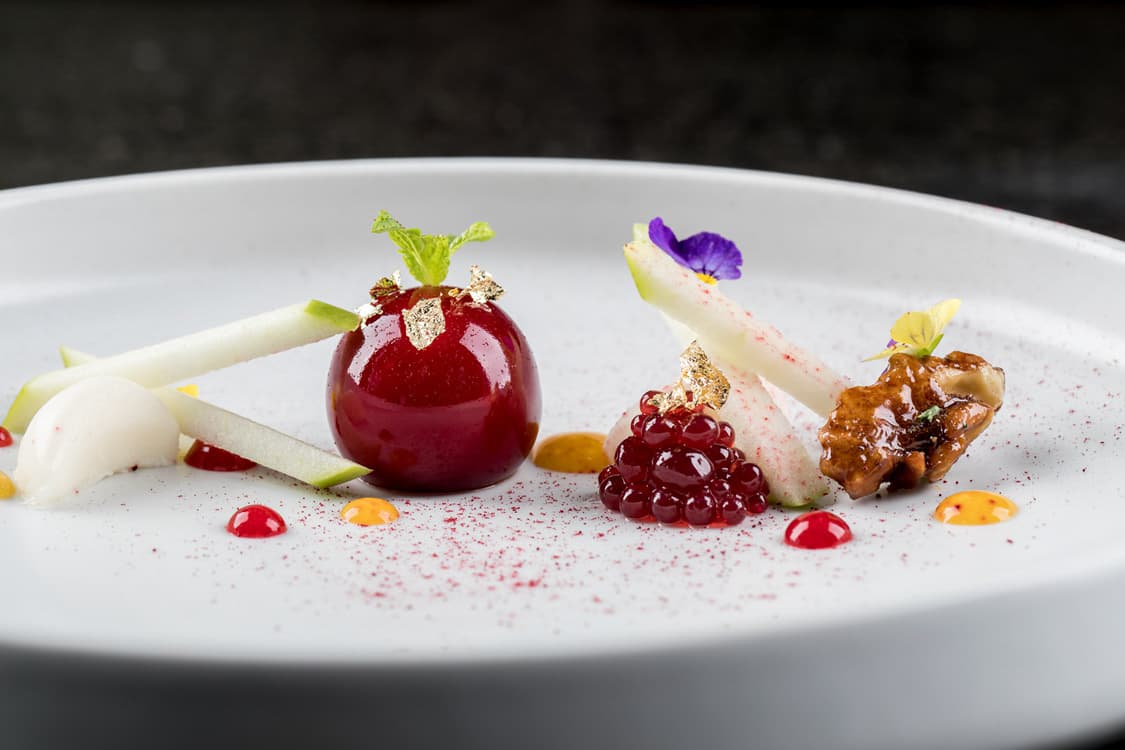
Lotus Restaurant sits beside a lotus pond within Tang-style architecture in the South Garden of Tang Paradise. Designed with a lotus theme, it fuses unique oriental aesthetics with French gastronomy, blending French grace and Chinese poetic charm. It claimed the 2018 Andrew Martin International Interior Design Award and was published in Andrew Martin Interior Design Review, the revered “bible of interior design”.
With classic Chinese decor, soft lighting and soothing background music, the restaurant delivers an elegant dining environment. It has continuously earned the Black Pearl One-Diamond accolade since 2018, a premier venue for western fine dining. It interprets culinary heritage with meticulous craftsmanship, merging international flavours to craft unique western cuisine rich in cultural connotation.
Popular Dishes: Cherry-shaped Foie Gras, Caviar, Tomahawk Steak, French Baked Snails, Truffle Abalone
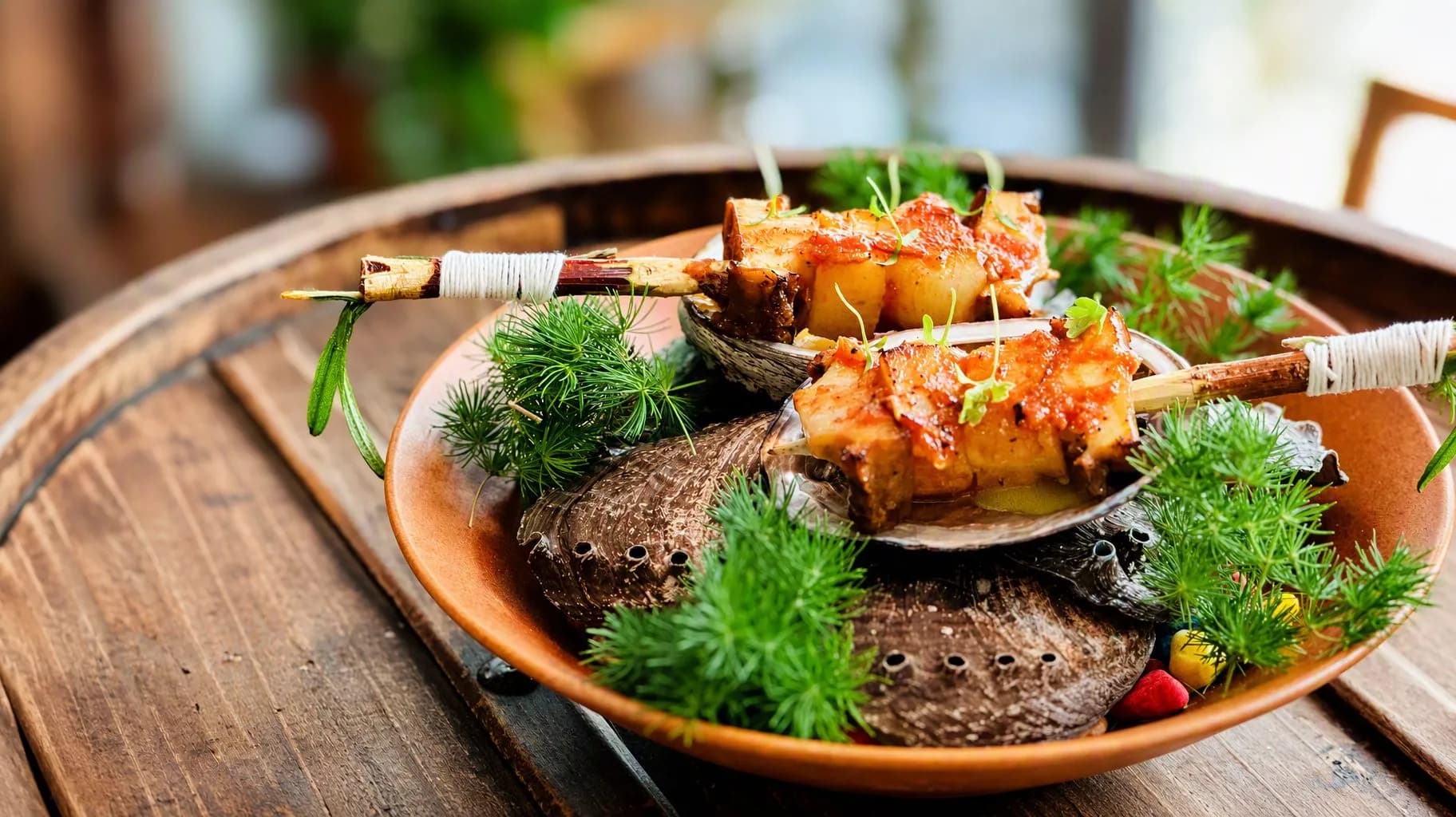
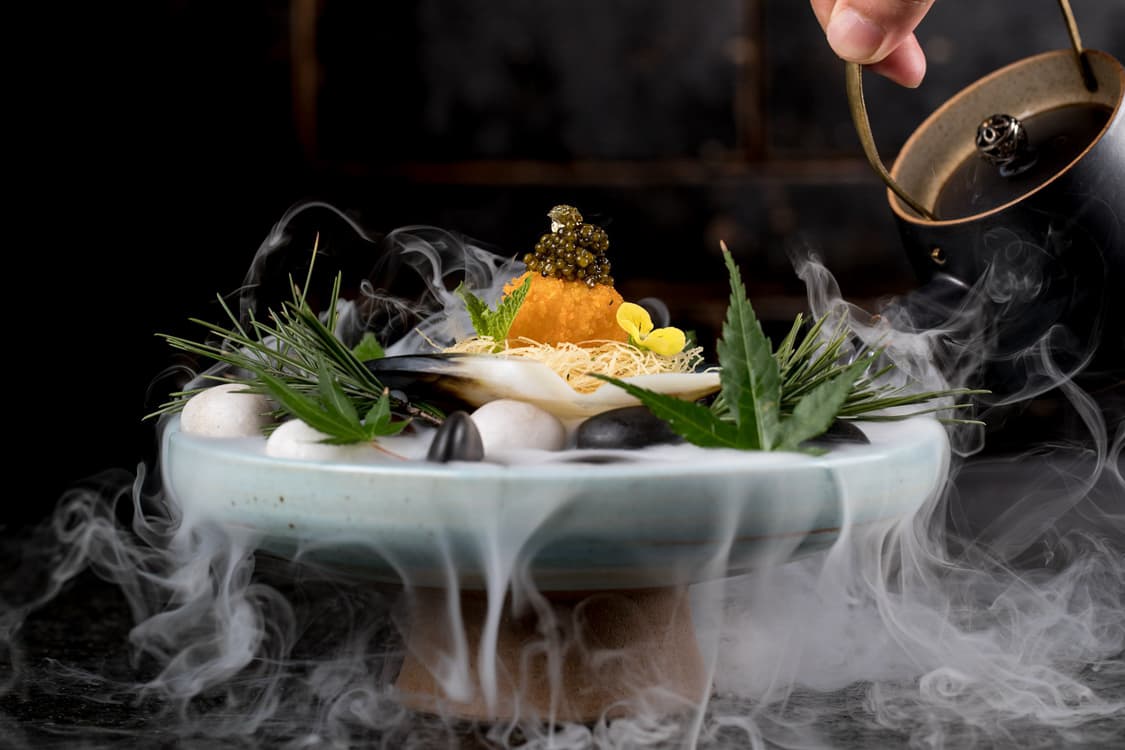
3️⃣ Ming Jia (铭家, Qujiang)
Mingjia Restaurant draws inspiration from Qingdao’s mountains and sea, offering dishes to suit every budget.
Blessed by the Yellow Sea and Laoshan Mountain, Qingdao yields abundant fresh seafood and local produce. Every time Mingjia opens in a new city, trucks transport seawater and live seafood directly from Qingdao. Though time-consuming, this guarantees genuine local flavours for diners far away.
Established in 2013, Mingjia is rooted in Shandong cuisine and specialises in authentic Qingdao dishes, following its philosophy: “extraordinary taste from ordinary home cooking”.
Its menu ranges from private Qingdao specialties and dim sum to premium seafood and creative fusion Shandong cuisine, paired with wines from its dedicated cellar. For lovers of fine food, Mingjia delivers a wonderful dining experience inspired by land and sea.
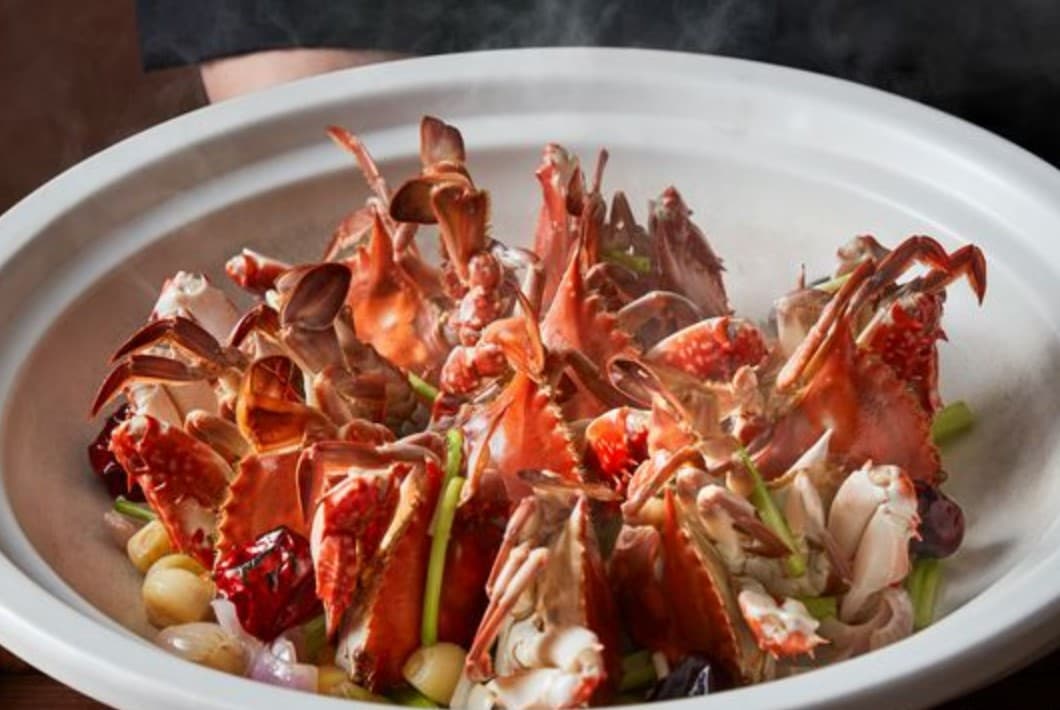
Popular Dishes: Clay Pot Baked Swimming Crab, Crispy Snowflake Beef, Black Golden Lava Bun, Almond Cookies, Swan Pastry
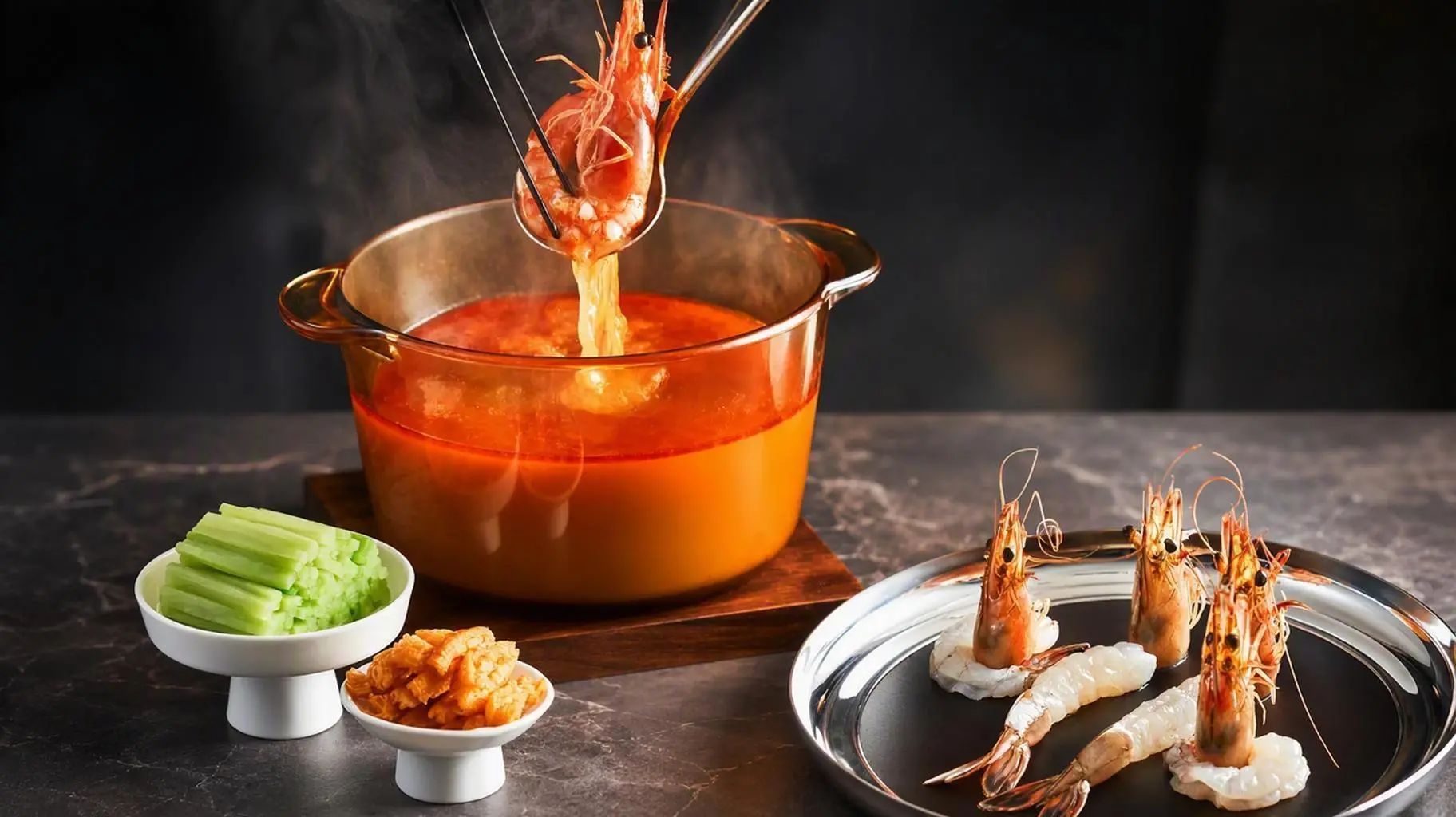
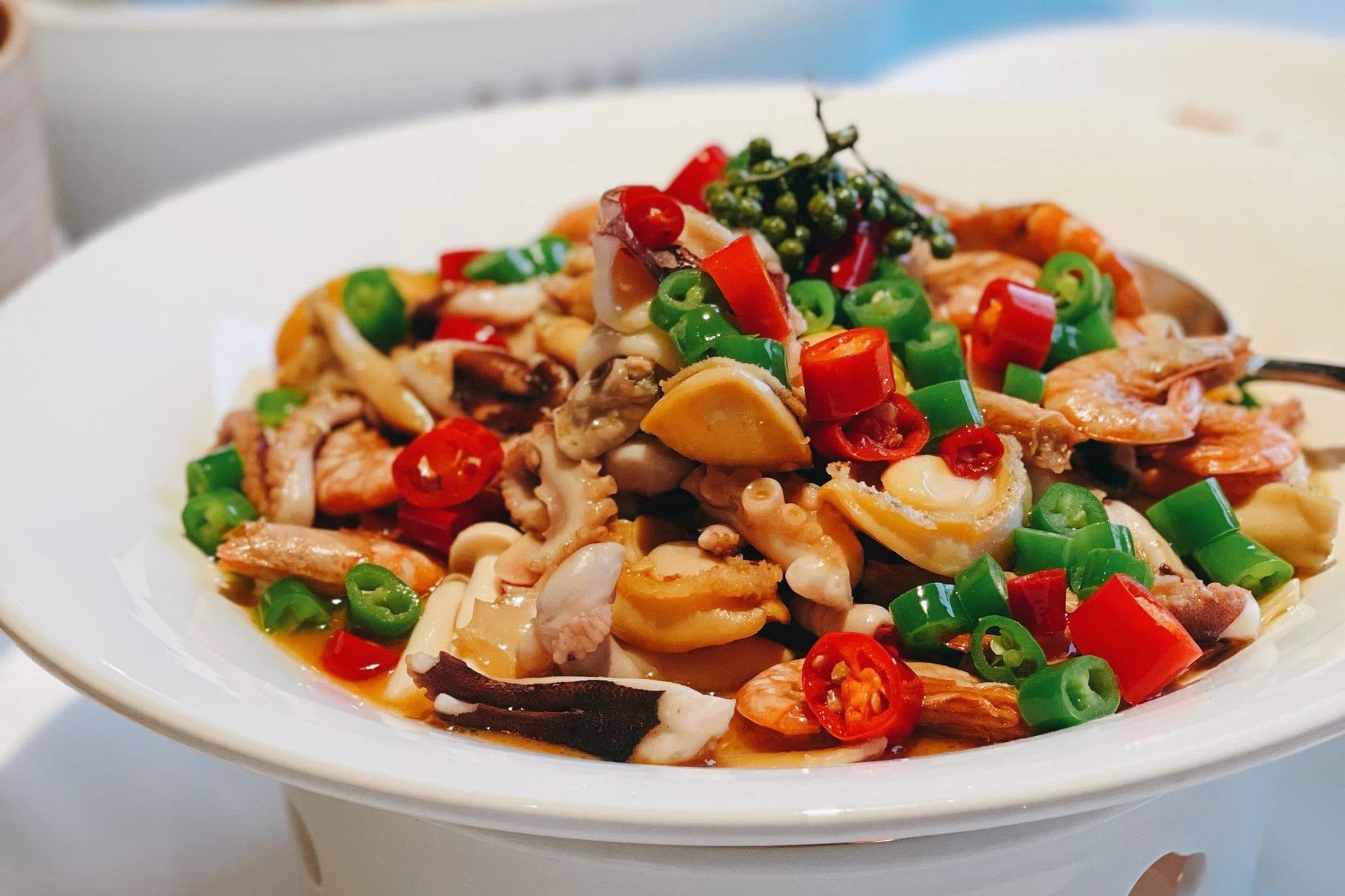
4️⃣ Cai Feng Lou (彩丰楼, Hualuxe)
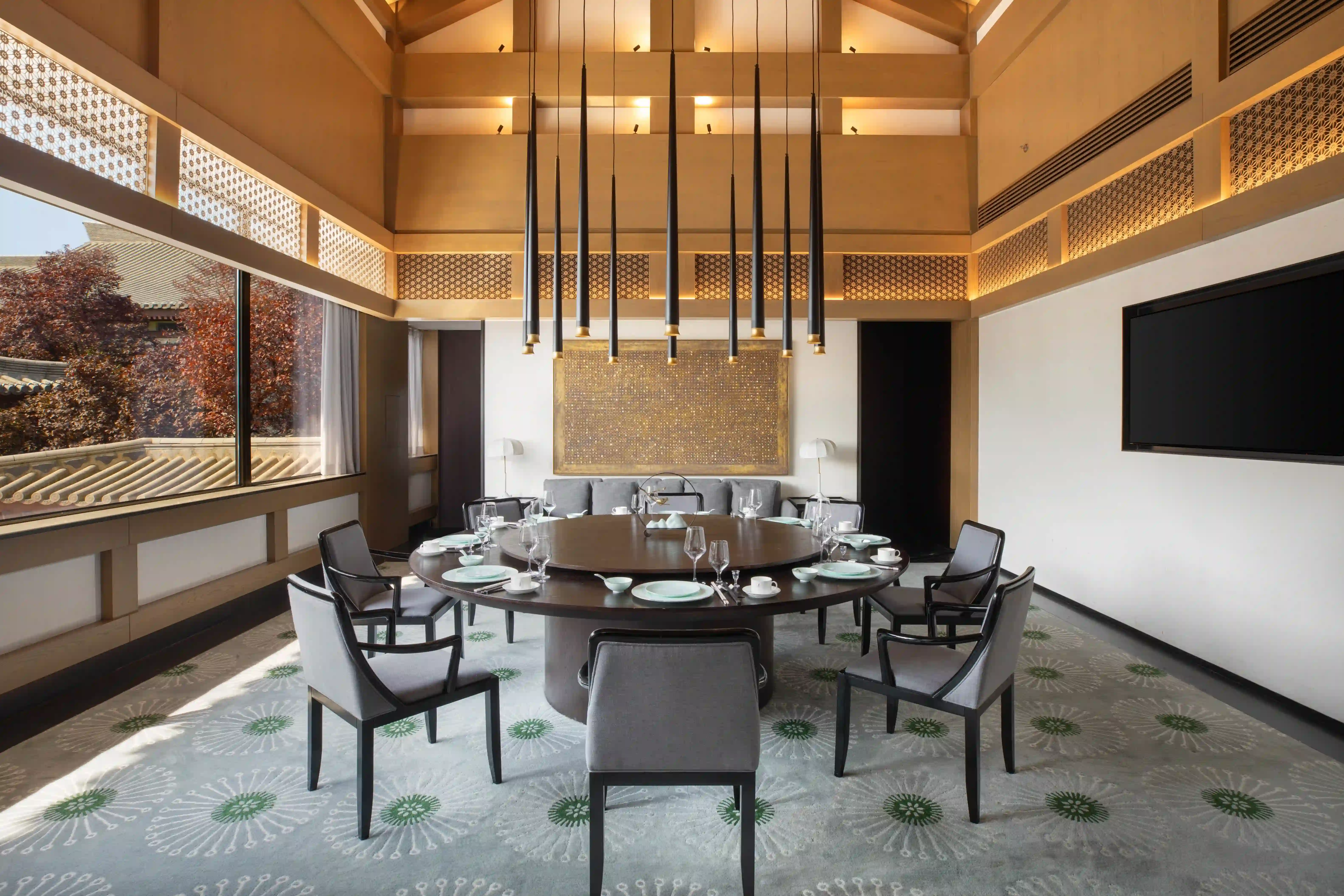
Cai Feng Lou is an upscale new dining brand created by InterContinental Hotels Group, catering to premium business banquets and family gatherings.
Drawing inspiration from China’s age-old passion for birds, the restaurant features rich hues and a subtle, understated design blending contemporary elegance with warm nostalgia for Chinese traditions.
Carrying forward profound Chinese culinary heritage, Cai Feng Lou sources premium ingredients. It serves exquisite Cantonese dishes while integrating local food culture of each hotel location, crafting authentic regional delicacies with meticulous craftsmanship. A wide selection of beverages accompanies the cuisine to create memorable dining moments for guests.
Awarded the Black Pearl One-Diamond rating consecutively from 2022 to 2025, Cai Feng Lou remains committed to quality ingredients and the inheritance of Chinese culinary traditions.
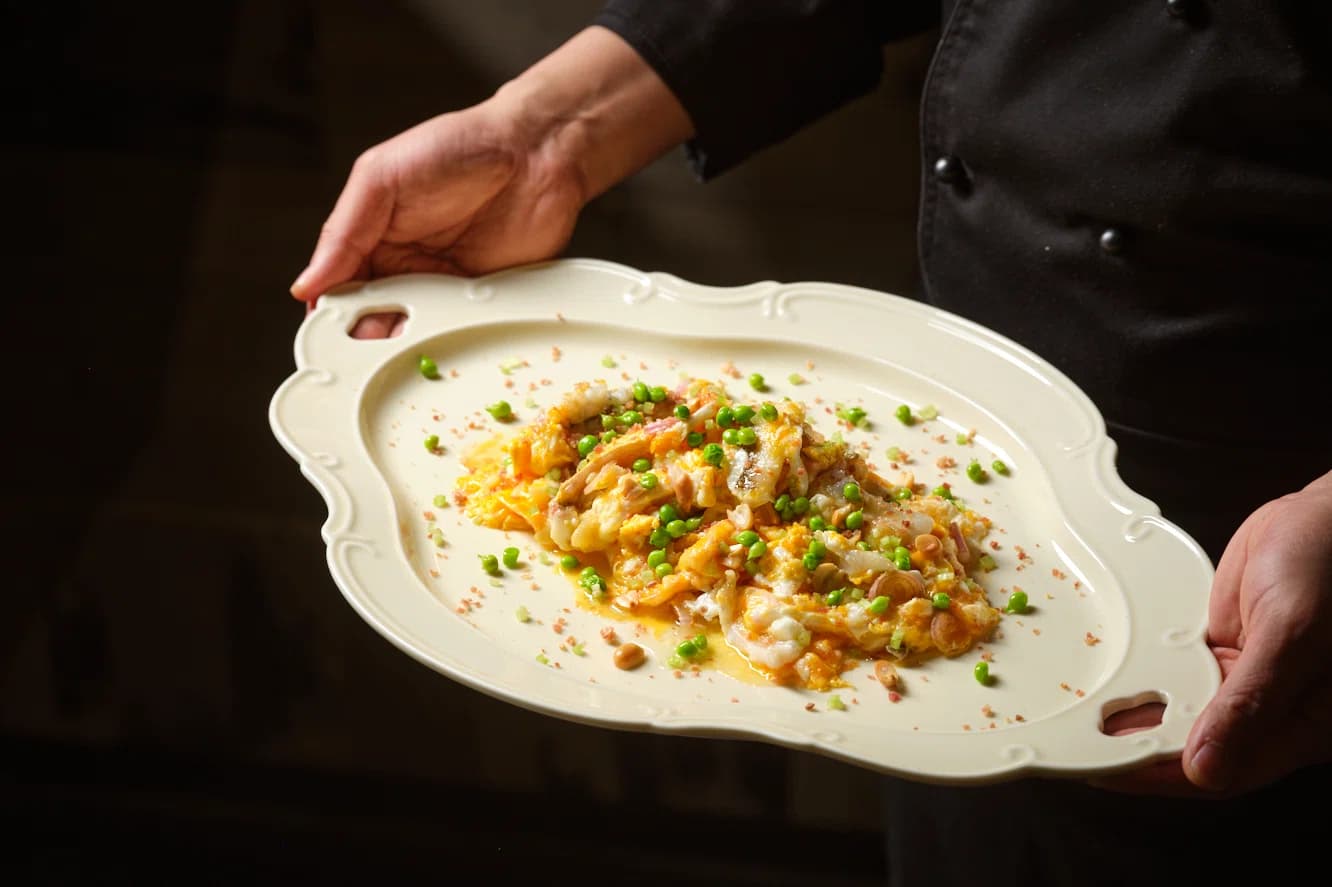
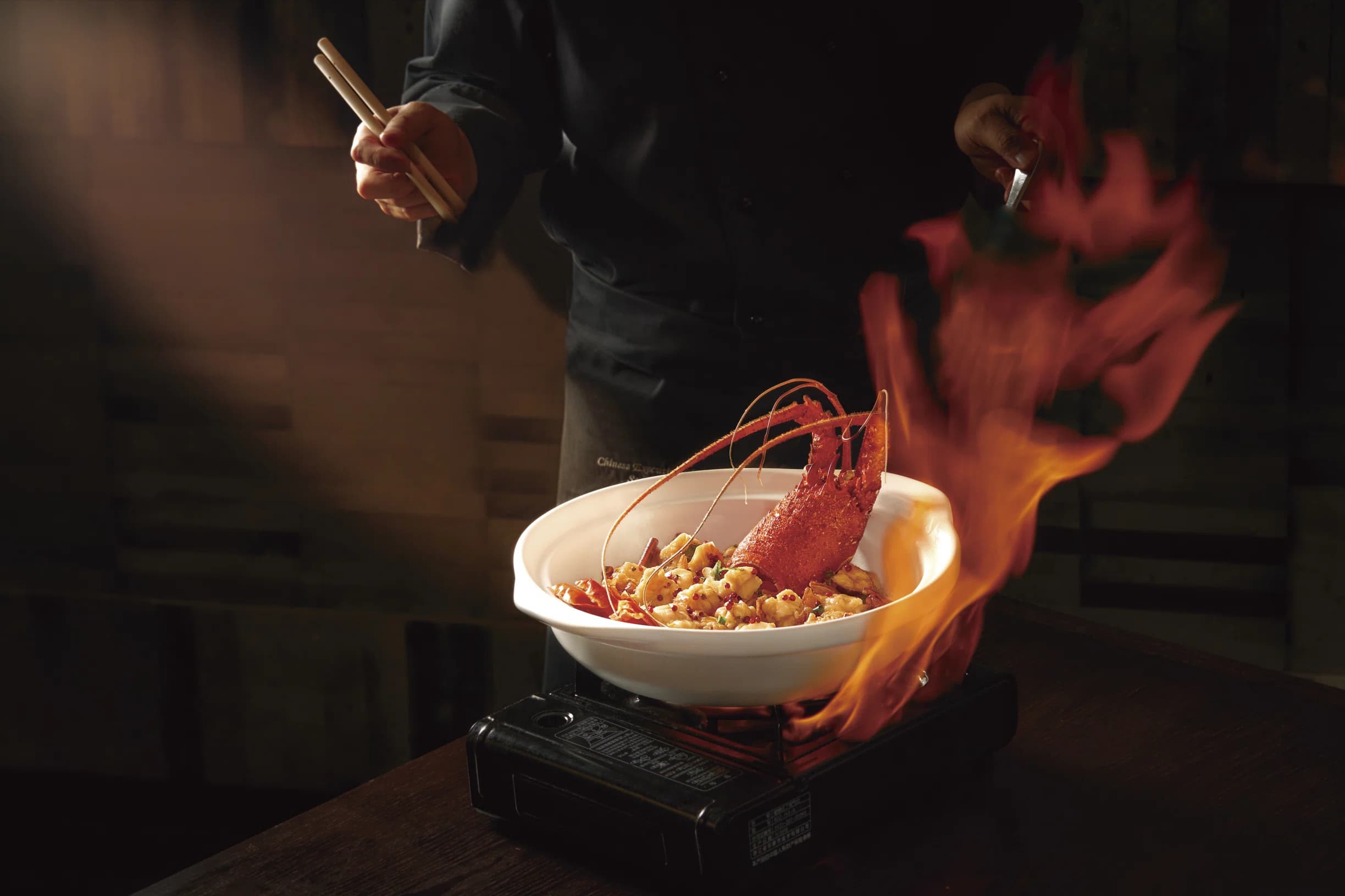
Popular Dishes: Steamed shrimp dumplihgs, Yellow croaker(steam,5J ham,egg white), Stir fried Wagyu beef basil, Pan-seared Tiger Prawns with Holy Basil
5️⃣ Da Dong · Sea Cucumber (大董·海参, SKP)
DaDong Sea Cucumber Restaurant, the first outlet in Guanzhong, is located in Xi’an SKP. It has earned the Black Pearl One-Diamond rating for two consecutive years. The restaurant specializes in DaDong Artistic Conception Cuisine, a creative school blending Chinese and western culinary styles with poetic flavours. It integrates highlights from diverse Chinese regional cuisines and global cooking techniques to form DaDong’s distinctive culinary genre.
There are 17 private dining rooms, each named after one of 17 traditional Chinese colours sourced from ancient texts, brimming with classical charm and suitable for various dining occasions. The restaurant features a newly upgraded interior inspired by the Song-dynasty landscape painting Green Mountains and Azure Waters. Dominated by ink-wash green and cyan tones, the space is softened with persimmon-red accent lighting. Paired with contemporary designer furniture and soft furnishings, it delivers an aesthetically pleasing dining atmosphere.
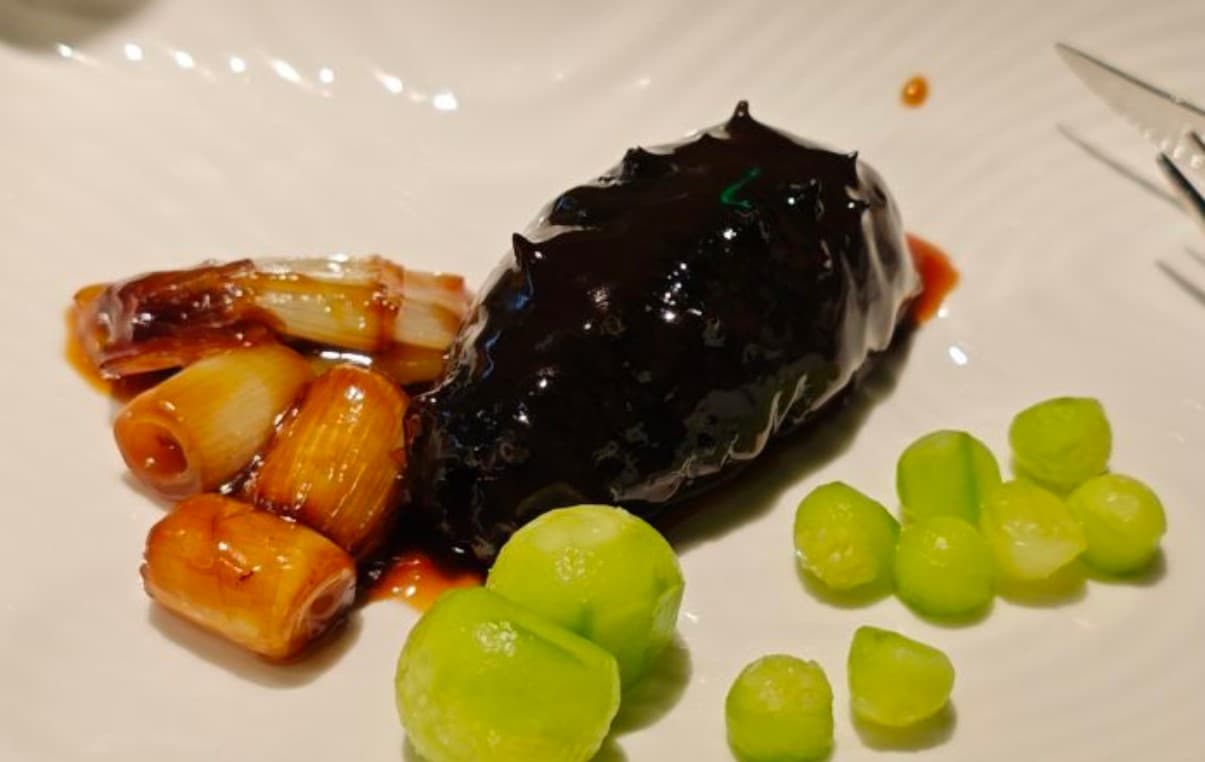
Two signature dishes stand out. The first is Chef Dong’s Braised Sea Cucumber with Scallion. The sea cucumber is tender, infused with rich scallion aroma, without thick sauce coating, offering deep, mellow flavour. Widely hailed as China’s finest sea cucumber dish.
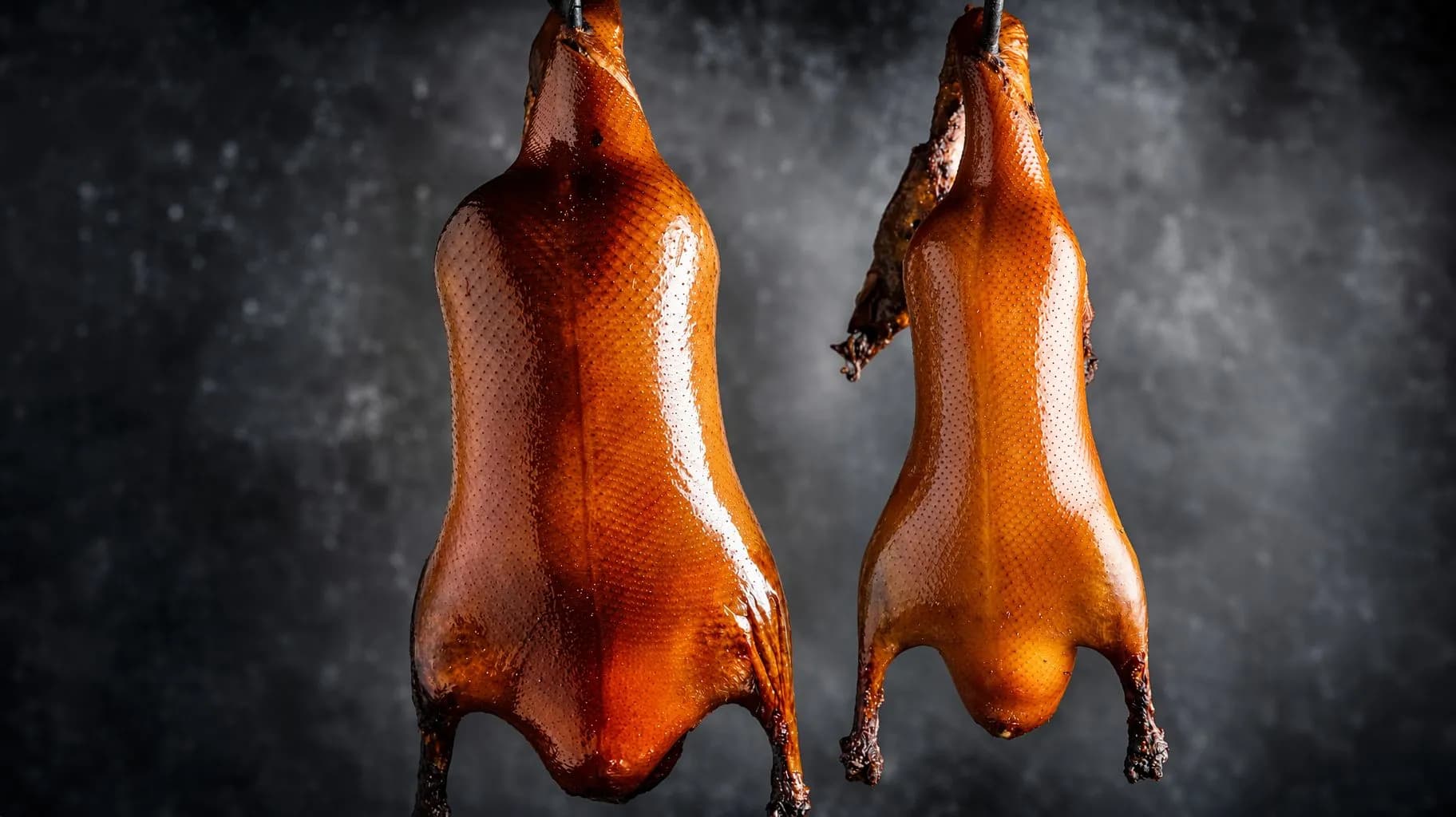
The second is DaDong “SuBuNi” Roast Duck 5.0. It boasts ultra-crispy duck skin, low fat content and juicy tender meat. Developed over more than two decades, it has become an icon of culinary heritage, innovation and artistic dining.
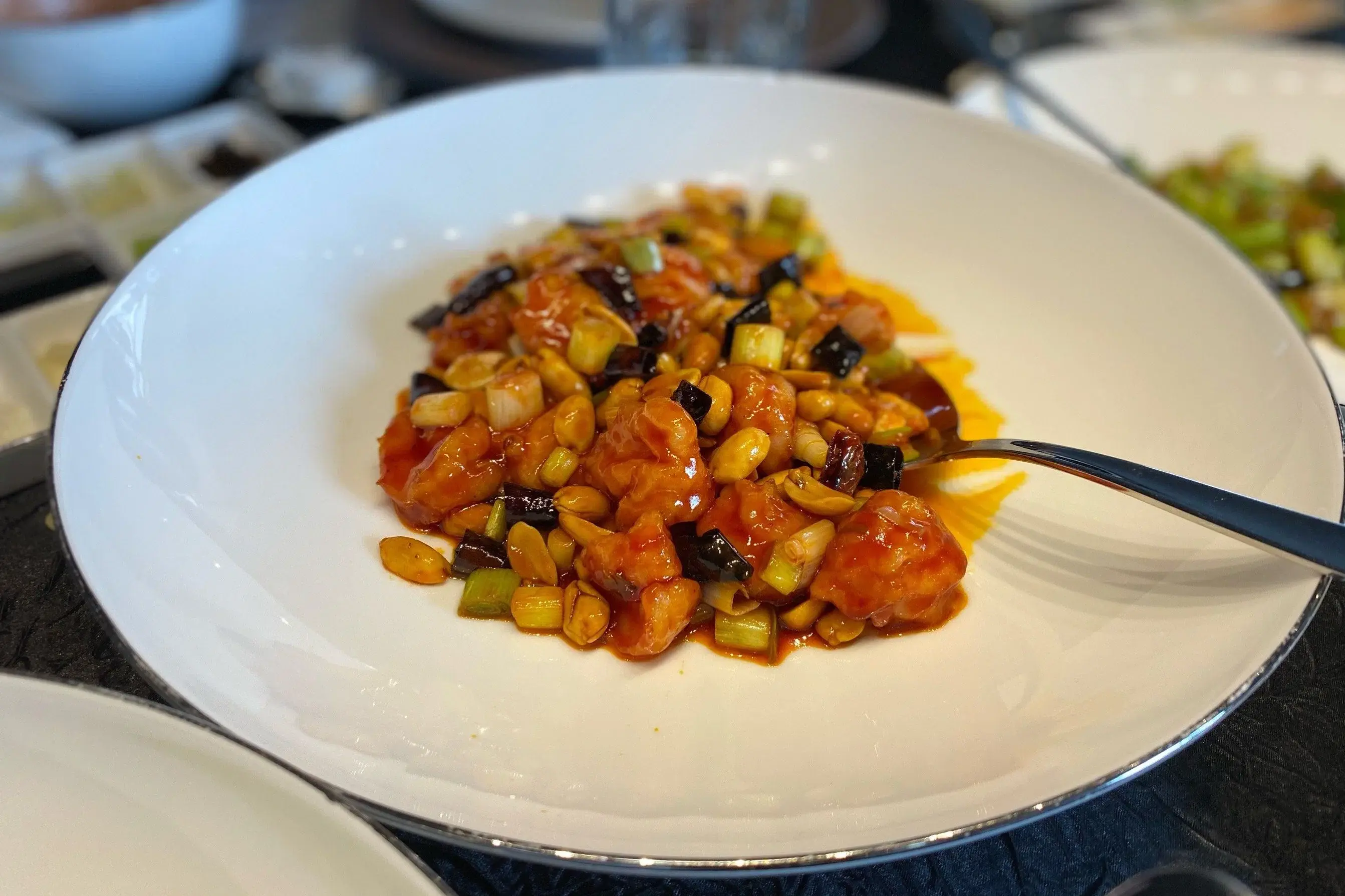
Popular Dishes: Braised Sea Cucumber with Scallions, Dong's Kung Pao Shrimp, Stir-Fried Bamboo Shoot Skin with Truffle Sauce, Steamed King Crab with Huadiao Wine and Egg White, Charcoal-Grilled Pork Jowl
🍵 Tea & Wine: Drinking Along the Silk Road
Shaanxi's drinking culture sits where three worlds meet: the Chinese tea heartland, the northern taste for brick tea traded to the steppes, and grape-growing traditions that arrived with Silk Road trade. All three are alive today — and almost none of them appear in travel guides.
Tea
Tea | Origin | Character | Why It Matters |
|---|---|---|---|
Jingyang Fu brick tea 泾阳茯砖茶 | Jingyang 泾阳, Shaanxi | Dark, earthy, smooth; known for its "golden flowers" (金花) | The historic brick tea traded north to the steppes and west into Central Asia. A protected geographical-indicator product. |
Ziyang tea 紫阳富硒茶 / 紫阳毛尖 | Ziyang 紫阳, Ankang prefecture | Green, delicate, naturally selenium-rich | Shaanxi's flagship green tea, grown in the Han River valley. At its best in spring. |
Hanzhong Xianhao 汉中仙毫 | Hanzhong 汉中 | Tender buds, fresh and lightly sweet | Regularly ranked among China's better green teas, yet still little known outside the country. |
Wine and Other Drinks
Drink | Origin | Notes |
|---|---|---|
Lintong pomegranate wine 临潼石榴酒 | Lintong 临潼 | Made from the district's famous pomegranates. Lightly sweet, distinctive, and hard to find outside Shaanxi. |
Danfeng wine 丹凤葡萄酒 | Danfeng 丹凤, Shangluo | A Shaanxi wine industry with more than a century of history — older than most of China's modern wine regions. |
Recreated Tang court wine | Served at imperial-banquet venues in Xi'an | Rice wines made to Tang-era methods; part of the banquet experience rather than a retail product. |
🎭 Entertainment and Immersive Experiences
This is the heart of a luxury Xi'an trip — the 娱 that sits alongside eating, staying, travelling, exploring and shopping. Gathered here in one place are private cultural access, hands-on crafts, countryside days, after-dark views, performing arts and spa restoration: the experiences that turn an ordinary visit into something you cannot get anywhere else. Most of it cannot be booked through any platform, and all of it can be sequenced around your own days.
🇨🇳 Private Cultural Experiences
The difference between a tourist visit and a luxury experience in Xi'an isn't money — it's access. These are the experiences that transform a trip:
😃 Seeing the Terracotta Warriors Without the Crowds — Realistically
First, an honest correction to something many travel sites get wrong: the Emperor Qinshihuang's Mausoleum Site Museum does not sell before-hours or "VIP early access". The gates open at 8:30 AM in peak season and everyone enters together. There is no secret dawn viewing, and anyone promising one is selling you something that doesn't exist.
What genuinely works is sequencing. The site is enormous, and the crowds are not evenly distributed. Pit 1 — the famous one — fills first, because coach groups are funnelled there. Meanwhile Pit 2, Pit 3 and the Bronze Chariot exhibition stay remarkably calm for the first hour and again after 2 PM.
📜 Calligraphy Experience in Xi’an
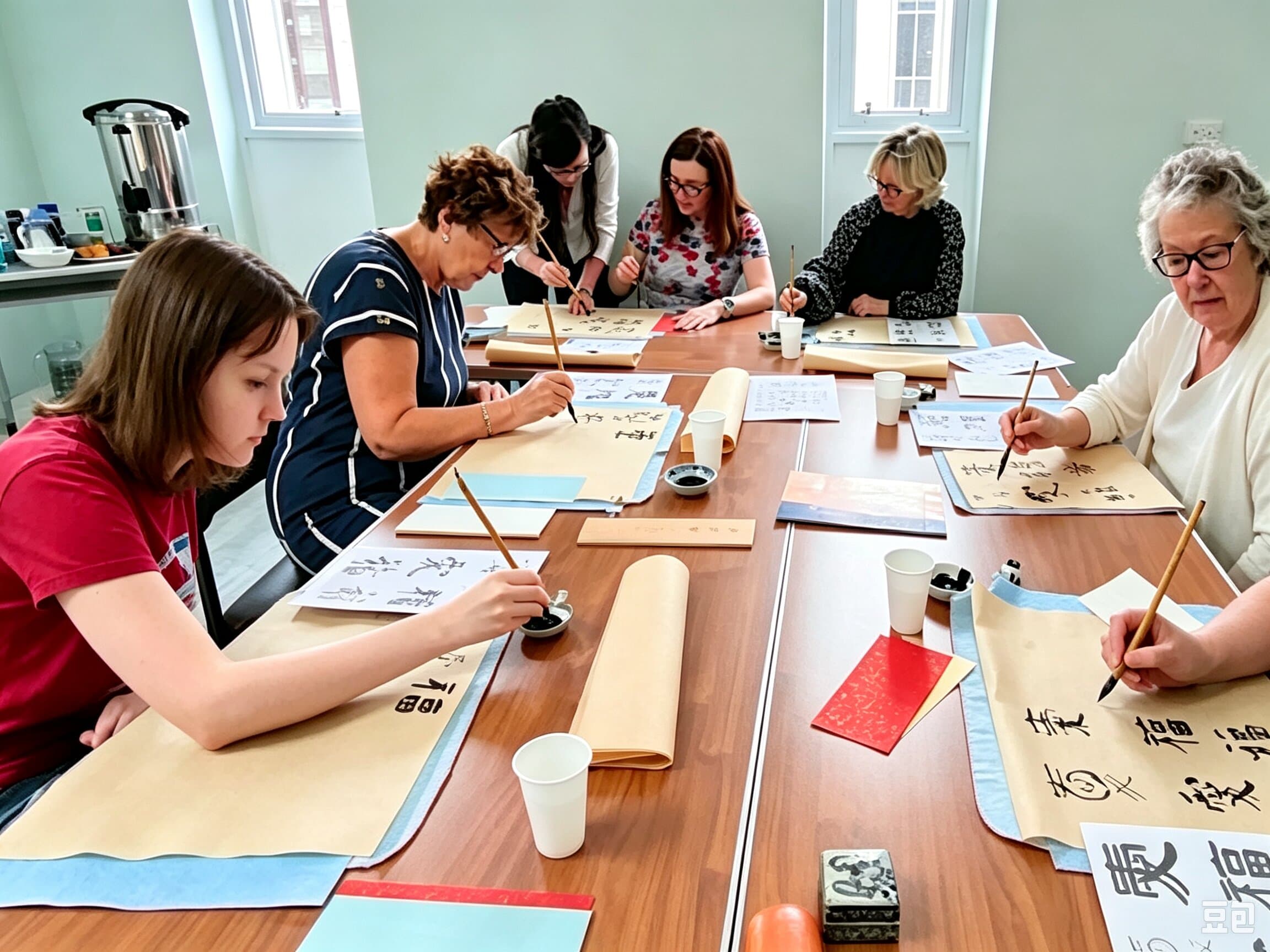
Discover the art of traditional Chinese calligraphy through a hands-on private experience in a relaxed local setting. Learn about the Four Treasures of the Study — brush, ink, paper, and inkstone — practice basic brush techniques and strokes, and create your own piece of calligraphy to take home. Along the way, you’ll gain a simple and enjoyable introduction to the cultural meaning and artistic traditions behind Chinese calligraphy.
🚲 City Wall in the Early Morning — Private Cycling
The Xi'an City Wall is 13.7 km of uninterrupted Ming Dynasty ramparts (built 1370) — the most complete ancient city wall in China. Most visitors come at sunset. The quieter luxury is the first hour after the gates open. Your private guide meets you at the South Gate right as the wall opens (opening time varies by season — roughly 8:00 AM, which your guide confirms for your date). You cycle the ramparts before the day's crowds build — the Bell Tower ahead, the city's green-tiled roofs below, the modern skyline emerging from morning haze. It's the most peaceful hour in Xi'an.
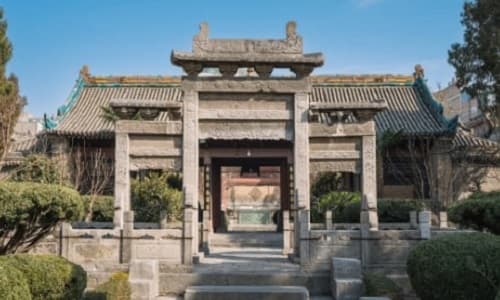
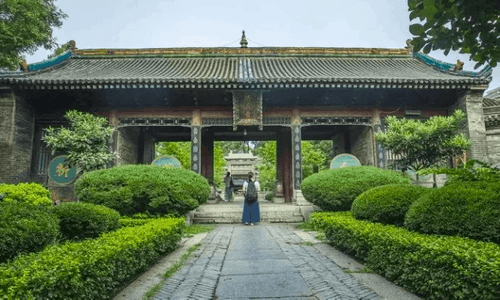
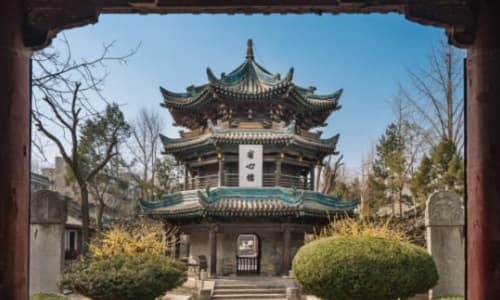
🕌 Great Mosque with an Experienced Local Guide
The Great Mosque of Xi’an is one of the oldest and most distinctive mosques in China. Unlike many mosques around the world, it features traditional Chinese architectural elements, including courtyards, wooden pavilions, and decorative details, reflecting the long history of cultural exchange along the Silk Road.
Explore the mosque with an experienced local guide, who will introduce its history, architectural features, and the development of Xi’an’s Muslim community. You’ll gain a deeper understanding of how centuries of cultural exchange have influenced the city’s architecture, cuisine, and local traditions.
🏮 Tang Dynasty Cultural Immersion
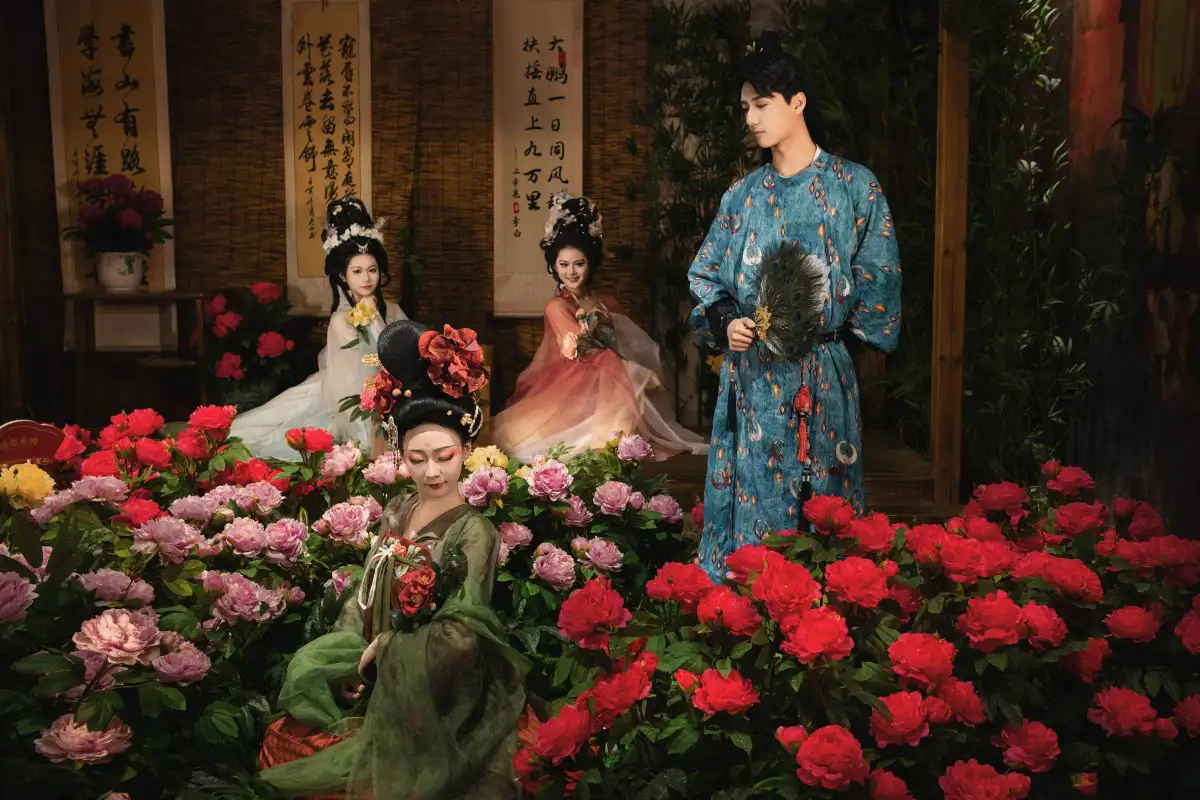
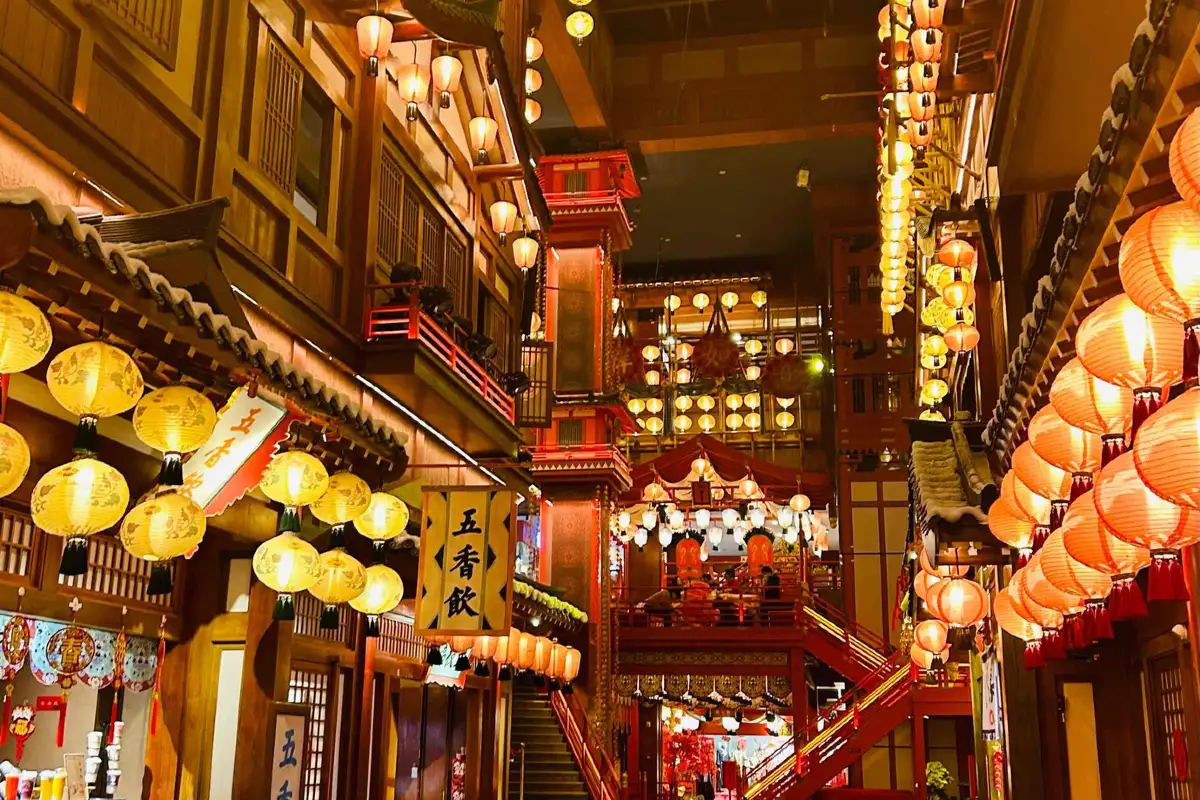
More than dinner and a show: an afternoon or evening spent inside Tang culture — trying on traditional costume (Hanfu), listening to period instruments, and hearing the stories behind Lady Yang, Emperor Xuanzong and the golden age of Chang'an. It is the most photogenic and most memorable half-day we arrange, and it works just as well for families, couples and photographers.
🏘️ Local Life: Xi'an Beyond the Monuments
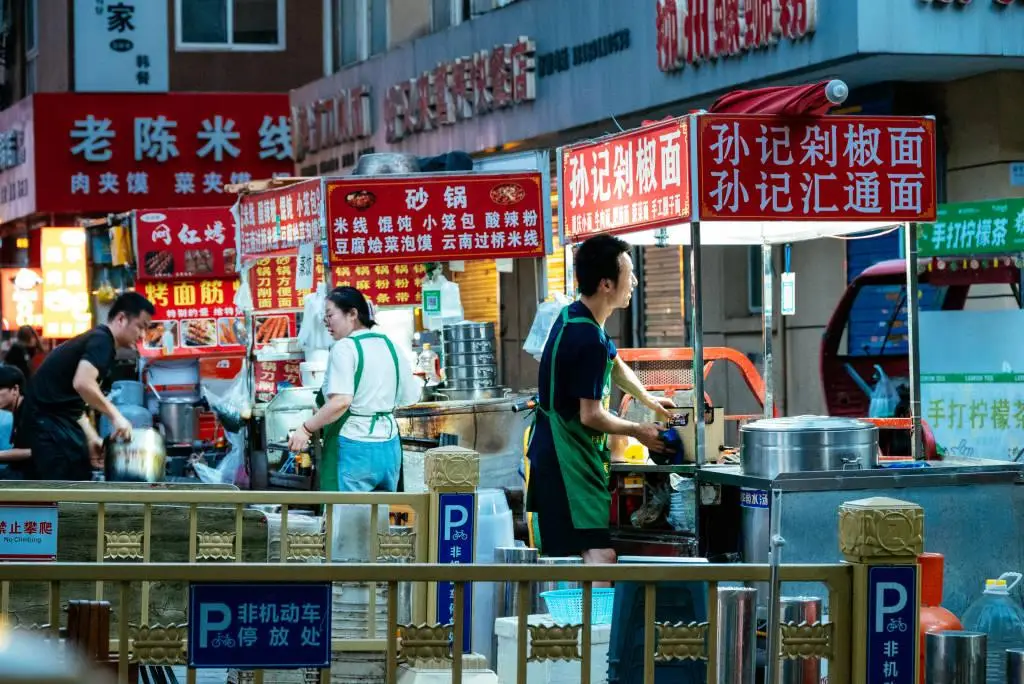
The other half of understanding a city is experiencing its everyday life, and Xi’an’s local culture is wonderfully vivid. With a guide, you can join it through an early visit to a neighborhood morning market as the city wakes, discovering fresh produce, breakfast stalls, and local specialties.
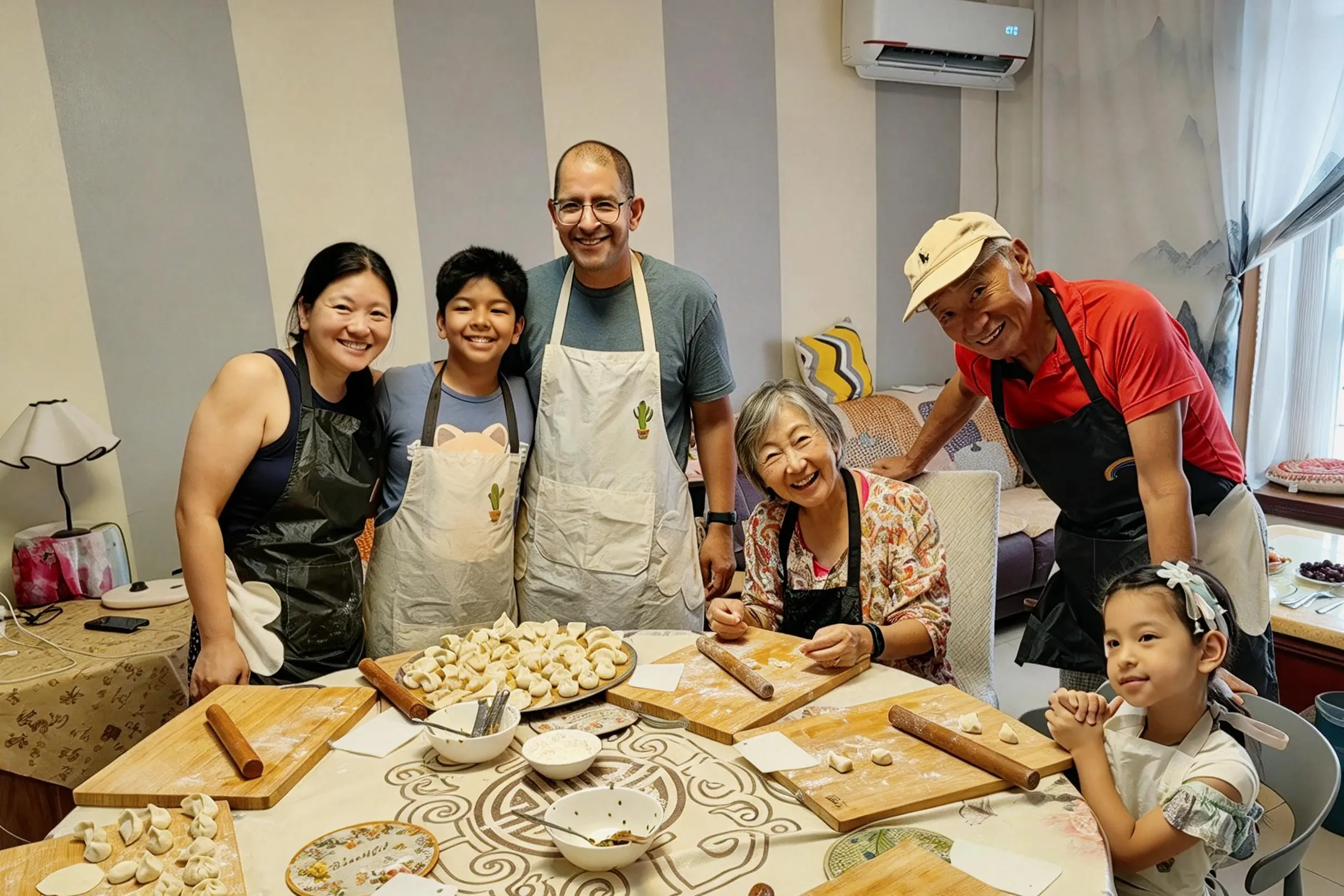
For a more personal experience, meet local residents and visit a local family, where you can learn about everyday Chinese life while taking part in hands-on activities such as making dumplings and preparing hand-pulled noodles. These simple, interactive experiences offer a genuine opportunity to connect with local people and experience Xi’an beyond its famous historical monuments.
Beyond the Warriors: Xi'an's Other Masterpieces
Xi'an has more than one headline site, and the rest of the list is where the real rewards tend to be — better light, thinner crowds, and in several cases content more extraordinary than the thing everyone queues for. These are the places we build into itineraries for travelers who have already seen the warriors, or who want to see them properly contextualised.
Site | What It Is | Why It's Worth Your Time |
|---|---|---|
Hanyangling 汉阳陵 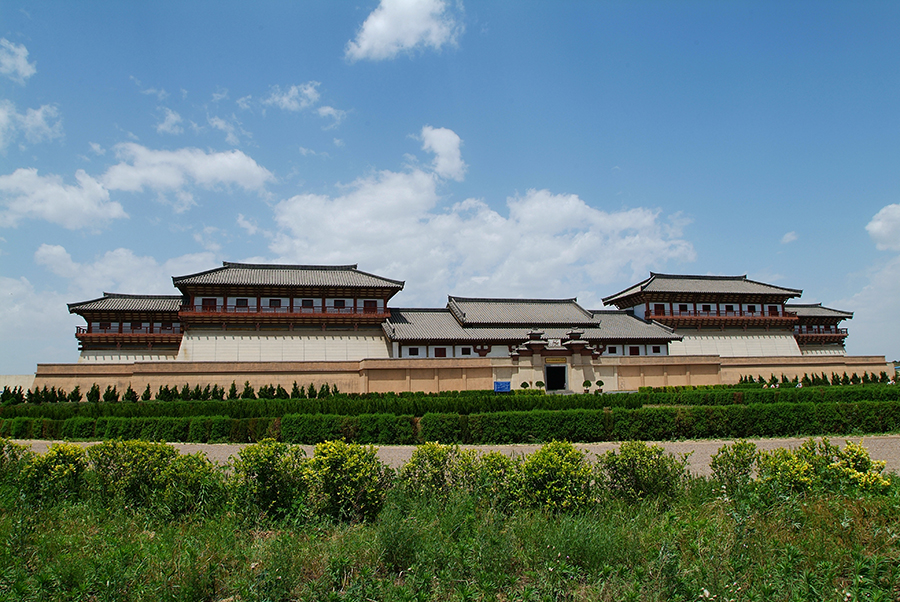 | The tomb complex of Emperor Jing of the Han Dynasty, near Xianyang | An underground museum with a glass-floored walkway suspended directly over the excavation — you look down onto pits of miniature terracotta figures, animals and chariots still lying where they were placed. Quieter, stranger and arguably more atmospheric than the warriors. |
Xi'an Beilin Museum 西安碑林博物馆 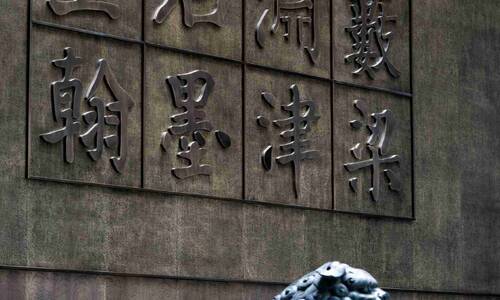 | China's greatest collection of stone steles and carved calligraphy | The definitive place to understand Chinese writing — roughly two millennia of calligraphy preserved in stone. Pairs perfectly with a calligraphy lesson the same day. |
Xi'an Museum & Small Wild Goose Pagoda 西安博物院 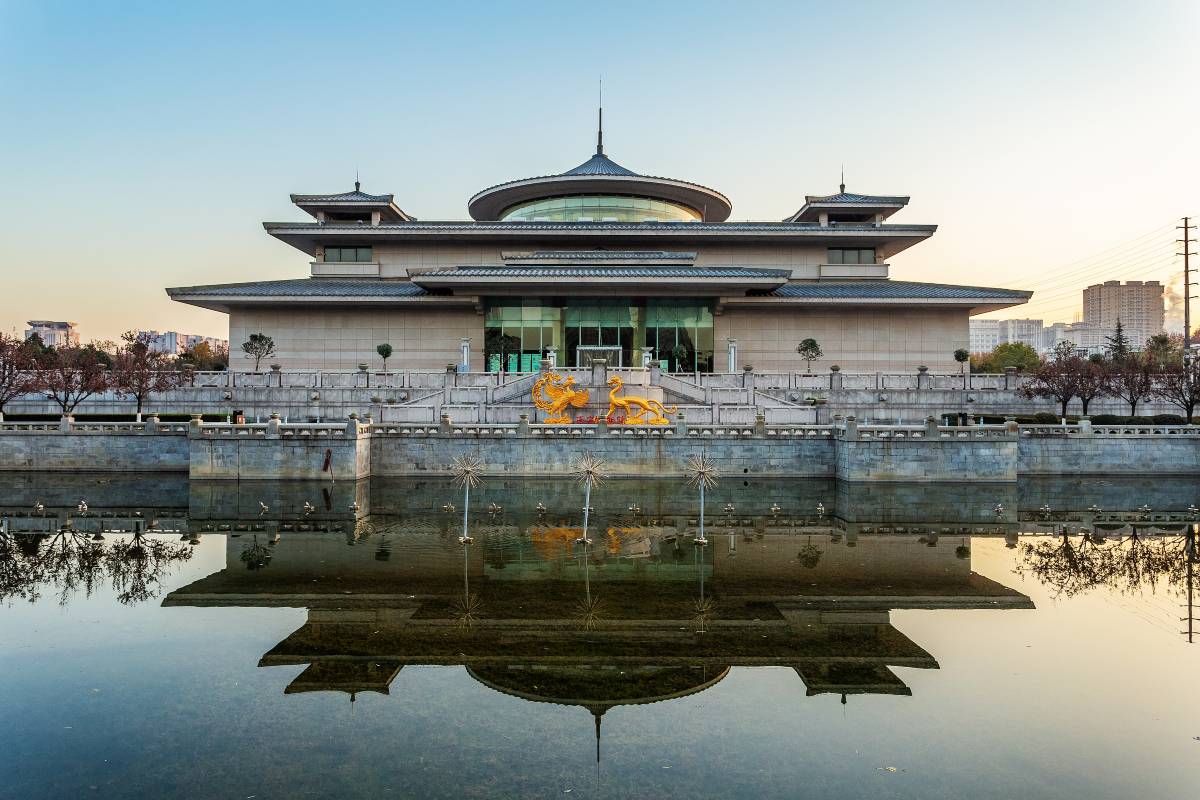 | A major municipal museum beside the 8th-century Jianfu Temple pagoda | A serious collection with a fraction of the crowds of the big-name museums, set in a garden where you can climb a genuine Tang-dynasty pagoda. |
Tang West Market Museum 大唐西市博物馆 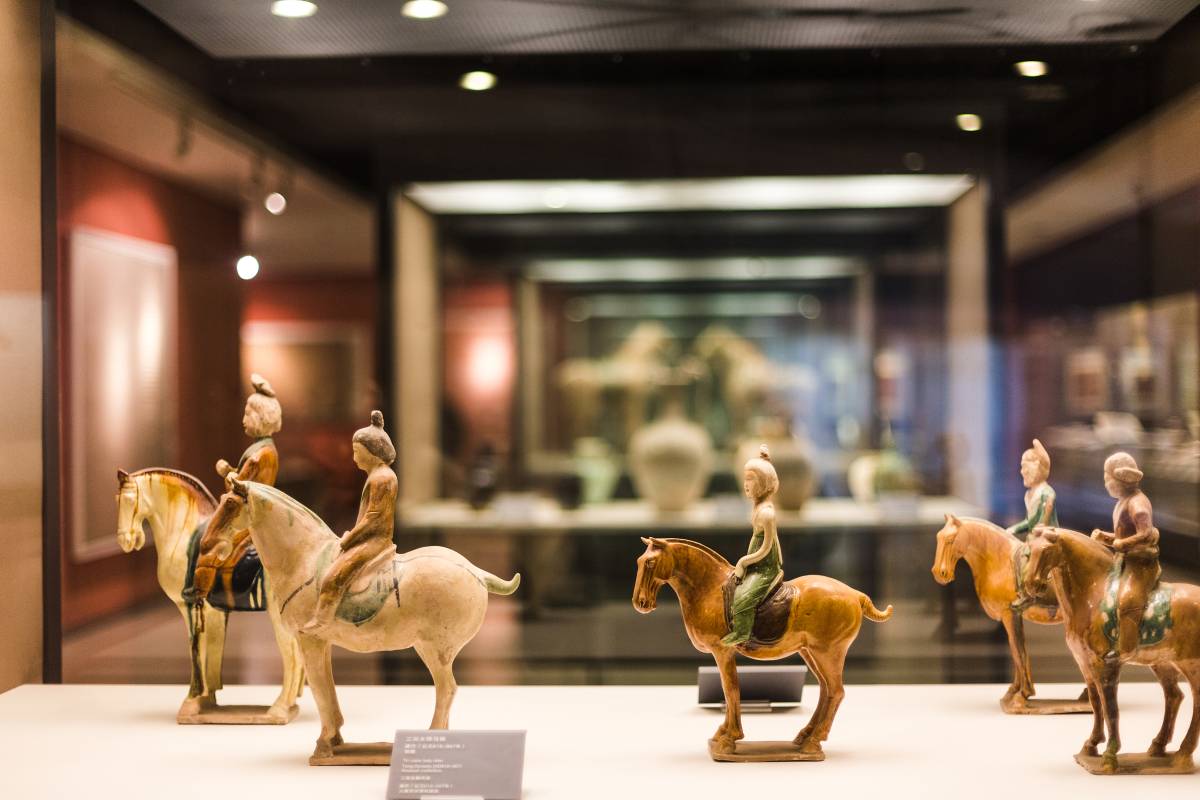 | Built over the archaeological remains of the Tang capital's western market | The actual ground where Silk Road commerce took place. One of very few places where you can see original Tang-era road surfaces and market foundations in situ. |
Shaanxi Archaeology Museum 陕西考古博物馆 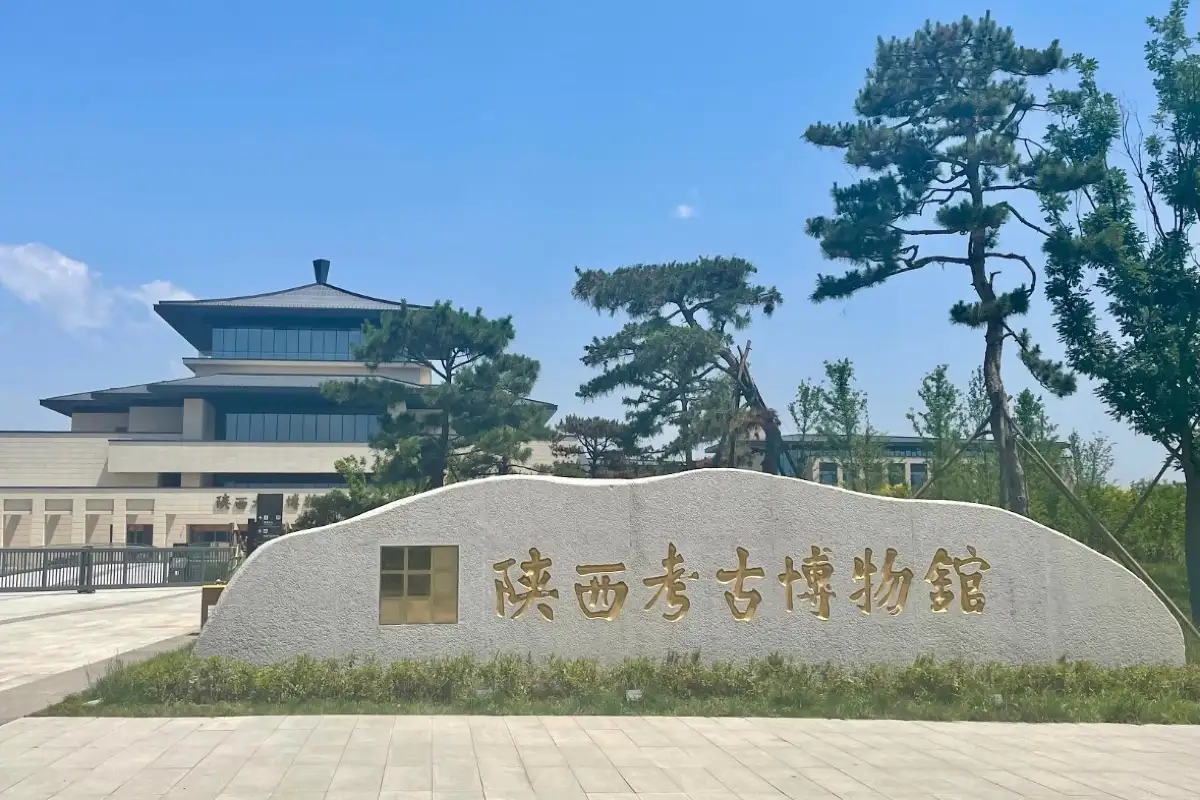 | China's first provincial-level archaeology museum, opened in 2022 | Explains how archaeology is done, not merely what was found — conservation work visible, objects explained one by one. Great for curious teenagers. |
Baxian'an (Baxian Temple) 八仙庵 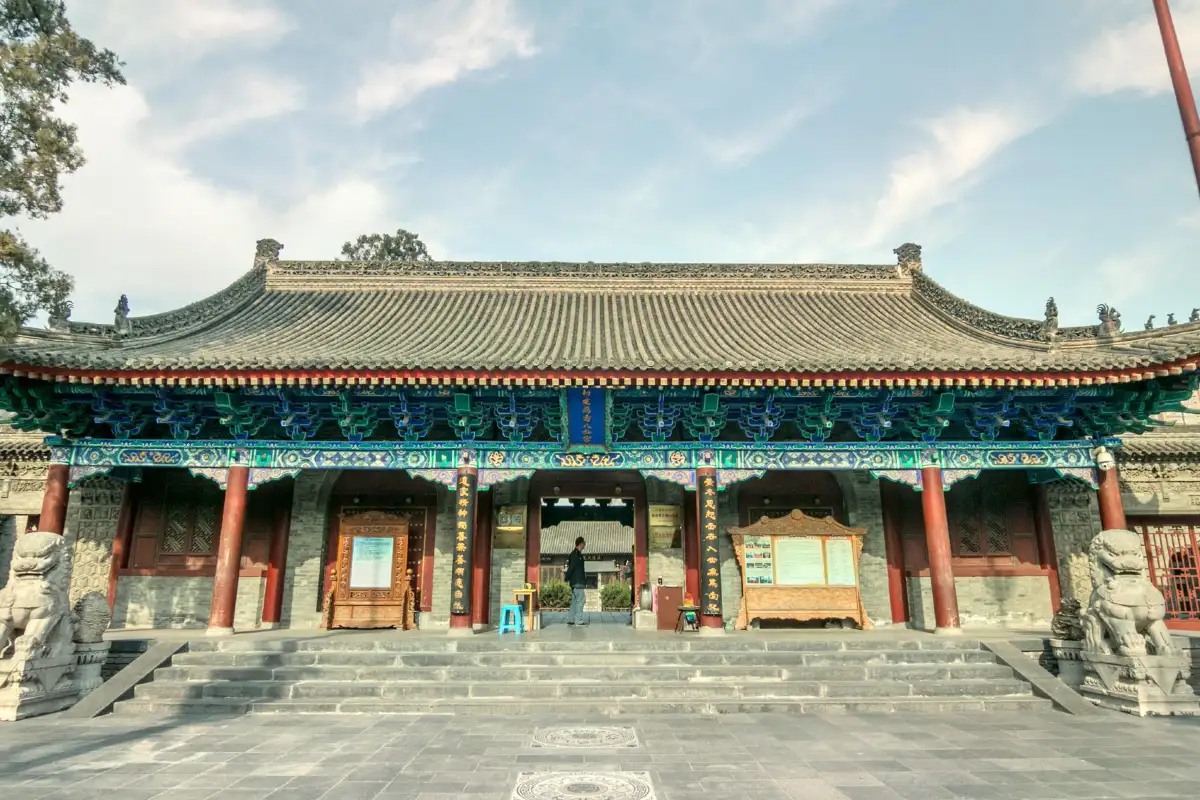 | A historic Taoist temple in Xi’an dedicated to the Eight Immortals, and one of the city’s most important centers of Taoist culture | Explore its traditional architecture and Taoist traditions while learning about the legendary Eight Immortals—a meaningful stop for those interested in Chinese culture and philosophy |
Qianling Mausoleum 乾陵 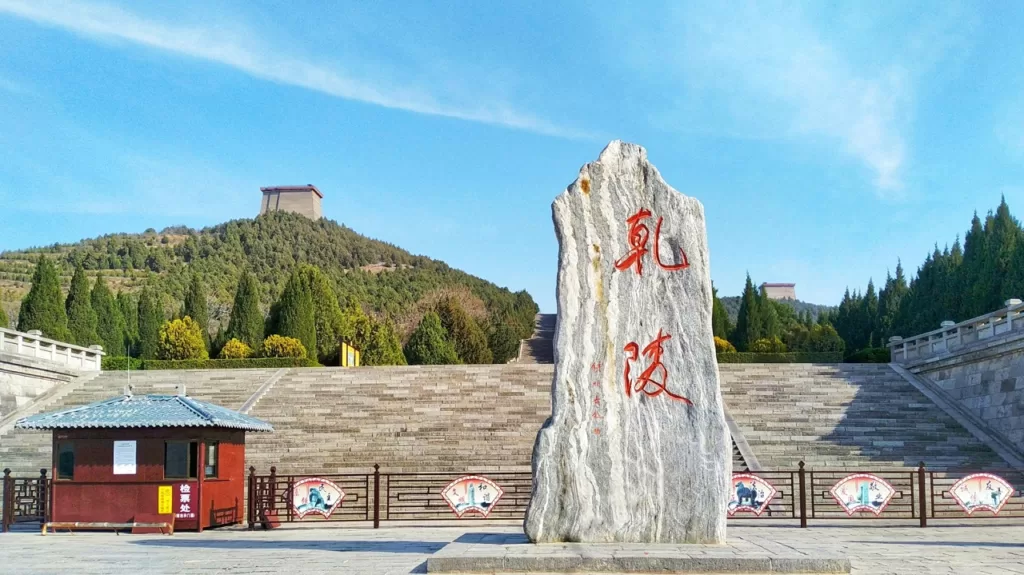 | The joint tomb of Emperor Gaozong and Empress Wu Zetian, at Qianxian | The only jointly-ruled imperial tomb in Chinese history. Its stone avenue survives intact, and the tomb itself has never been opened. A comfortable half-day west of the city. |
Famen Temple 法门寺 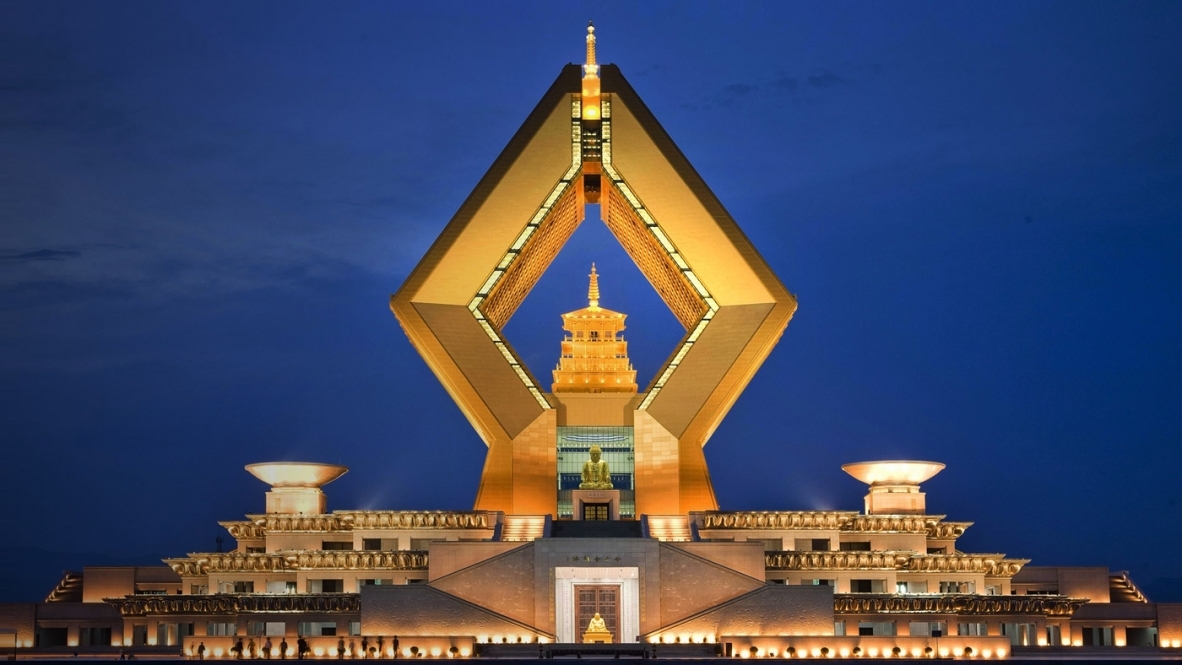 | A major Buddhist temple at Fufeng, roughly 1.5 hr west | Famous for the sealed underground crypt rediscovered in the 1980s and the Buddha relic it contained — one of China's landmark Buddhist sites. |
Daming Palace Heritage Park 大明宫国家遗址公园 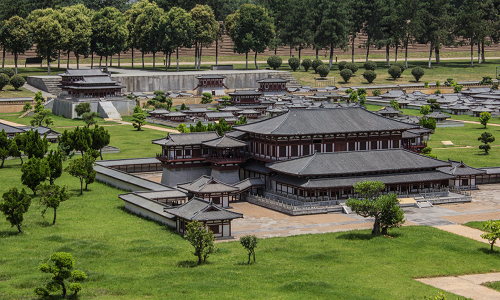 | The site of the Tang emperors' principal palace complex | Vast, unhurried, and moving precisely in its emptiness. It only makes sense with a guide who can rebuild the vanished palace in words. |
Qinglong Temple 青龙寺 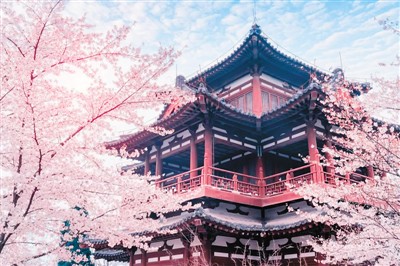 | A Tang temple in eastern Xi'an, tied to Japanese monks and esoteric Buddhism | Celebrated for its cherry blossoms in spring, and for the deep Japan–China Buddhist history that runs through it. |
🌾 Rural & Farm Day Trips Around Xi'an
Few luxury travelers realise how quickly Xi'an gives way to farmland. Within an hour or two you can be standing in orchards, greenhouses and working vegetable fields — the same land that supplies the city's finest restaurants. These private countryside days are among the most distinctive (and least commercialised) experiences we arrange.
Destination | What It Is | Round Trip | Best Season |
|---|---|---|---|
Yuanjiacun & surrounds (袁家村) | A celebrated rural-food village where millers, oil-pressers and vinegar makers work their trades in the open — plus nearby farmland and orchards. | ~160 km | Spring–autumn; festival periods are the busiest |
Kangqiao Village farm-experience park, Yanliang (阎良区康桥村农耕体验园) | A hands-on agricultural experience park — planting, harvesting and farm crafts, popular with families. | ~180 km | Spring and autumn planting / harvest windows |
Yangling Modern Agriculture Innovation Demonstration Park (杨凌现代农业创新示范园) | China's national agricultural science zone — modern greenhouses, seed research and demonstration fields. | ~200 km | Year-round; best in spring and autumn |
Zhouzhi Modern Agriculture Demonstration Park (周至现代农业示范园) | Orchards and kiwi country in one of China's leading kiwi-producing counties. | ~140 km | September–November (kiwi harvest) |
Bailuyuan Modern Agriculture Demonstration Area, Lantian (白鹿原现代农业示范区) | The loess terrace above Lantian — fruit farms, vineyards and open views over the Ba River. | ~60 km | May–October; cherries and grapes in early summer |
Shangwang Village & farmland, Chang'an District (长安区上王村) | The closest rural escape to the city — a farmhouse village at the foot of the Qinling, with fields and home cooking. | ~60 km | Spring–autumn; an easy half-day add-on |
✨ Niche Hands-On & Immersive Experiences
Beyond the headline sites, these are the small, hands-on experiences that turn a Xi'an trip into something you cannot get anywhere else — several of them unavailable through any booking platform. All are arranged privately, and several need advance notice or specific days.
Experience | What You Actually Do | Notes |
|---|---|---|
Create Your Own Terracotta Warrior (DIY workshop) | Model and cast your own miniature warrior with a local craftsman, learning how the Qin figures were shaped and fired — then take it home. | Excellent for families and teenagers; allow time if the piece needs firing or curing |
Local family visit & dumpling-making experience | Step into a Xi'an home, shop at the market together, then make and eat dumplings around the family table. | The most authentic food experience we arrange; genuine, not staged |
Hanfu photography (汉服摄影) | Dress in Tang-style costume with professional styling and a photographer, shot against the City Wall, a Tang garden or a heritage courtyard. | The most photogenic half-day in Xi'an; book hair, makeup and location ahead |
Stele Forest stone rubbing (碑林拓片) | At the Beilin Museum, learn the traditional rubbing technique and make your own ink rubbing from a stone inscription. | Pairs perfectly with a calligraphy lesson; confirm workshop availability |
Qinqiang opera (秦腔) | Shaanxi's own opera tradition — raw, loud and emotionally powerful — heard live at a heritage venue such as the Yishe Society (founded 1912). | An evening of living local culture, not tourist theatre |
Qin Terracotta Warriors Village visit (秦俑村) | Visit the village beside the museum where many warrior replicas are still made by hand, and meet the families behind the craft. | A quiet, real counterpoint to the museum; combine it with your warriors day |
Shaanxi cave-dwelling experience (窑洞) | Visit traditional loess cave dwellings — the arched earthen homes of the northern Shaanxi plateau — with a host who explains how they stay warm in winter and cool in summer. | True cave-dwelling country lies further north (Yan'an); nearer Xi'an, restored examples exist in the Sanyuan / Chunhua area. Best as a half- or full-day extension |
Festival experiences (节庆活动) | Time your trip to a real celebration — Spring Festival temple fairs and the City Wall lantern festival, the Lantern Festival, Qingming, Dragon Boat and Mid-Autumn festivities. | Dates change each year; festivals are wonderful but extremely busy, so plan hotels and tickets early |
Xicang bird market & antique hunting (西仓) | Wander Xi'an's legendary bird-and-flower market — held only on certain days — and hunt for treasures in the surrounding antique and curio trade. | Real, local and chaotic in the best way; confirm market days. Note: genuine antiquities cannot be exported — buy modern pieces only. |
🌙 After Dark: Xi'an's Most Beautiful Night Views
After sunset, Xi'an turns its 1,400-year-old city grid into a warm, glowing stage. These are the views worth planning your evening around — ranked honestly, with the crowds noted:
Spot | What Makes It Special | Honest Crowd Note |
|---|---|---|
Yongning Gate (South Gate) & City Wall | The most complete Ming city wall in China, floodlit along its full 13.7 km — towers and parapets glowing gold against the night sky. | The best single introduction to Xi'an after dark; busiest right after sunset |
Datang Everbright City (大唐不夜城) | A free pedestrian boulevard recreating Tang Chang'an — lit archways, sculptures and street performers running its length. | Genuinely spectacular, but extremely crowded on weekends and holidays. Best with a guide who knows the quieter side lanes. |
Big Wild Goose Pagoda North Square | Asia's largest musical fountain show, with the Tang-era pagoda floodlit behind it. Free to watch. | Runs at scheduled evening times, not continuously — check the day's slots. |
Bell & Drum Towers | The two towers at the exact centre of the old city, lit gold against the night. Best photographed from the surrounding footbridges. | Easily combined with a walk through the Muslim Quarter nearby. |
Qujiang Pool Heritage Park | A reconstructed Tang garden lake with soft lighting and far fewer people than Datang Everbright City. | The elegant, low-key alternative — ideal on a weekday evening. |
Evening Entertainment & Performing Arts: Beyond the Dinner Show
This is where many Xi'an guides get lazy and send every guest to the same two big-budget dinner shows. Xi'an's real performing-arts scene is far richer — and several of these are living heritage, not tourist theatre:
Performance | What It Actually Is | Real-World Notes |
|---|---|---|
Song of Everlasting Sorrow (长恨歌) | A large-scale outdoor show at Huaqing Palace, staged on the mountain where the Tang imperial romance unfolded. | Seasonal — it runs in the warmer months only, not year-round. Confirm dates before you book. |
Legend of the Camel Bell (驼铃传奇) | A Silk Road–themed arena spectacular with moving stages and live animals. | Indoor, so it runs year-round. Seating tiers vary a lot in quality — ask your guide which is worth paying for. |
Huayin Laoqiang (华阴老腔) — our top pick | A thunderous folk-opera form from Huayin, the town at the foot of Mount Hua. A small troupe performs with wooden benches, a box drum, and raw, shouted vocals. National intangible cultural heritage — and genuinely unforgettable. | Short, intense performances; best caught at dedicated venues or festivals. Ask Your Way Holiday for current troupe schedules — this is the art form locals are proudest of. |
Qinqiang Opera (秦腔) | Shaanxi's own opera tradition — loud, percussive and emotionally raw. The Yishe Society (易俗社) in Xi'an was founded in 1912 and still performs. | Not for every taste, but the most authentic local art form you can see. |
Shadow puppetry (皮影戏) | Backlit leather puppets, an old art form still performed in small venues around the Muslim Quarter — including the historic Gao Family Courtyard (高家大院). | Short, intimate shows; excellent for families and easy to pair with a Muslim Quarter dinner. |
🎟️ The Big Spectacle Shows — and What Their VIP Seats Actually Buy
Xi'an's three large-scale ticketed spectacles are often grouped together, and all three sell premium "VIP" seating. Here is what each tier genuinely gets you — with the honest caveats about how these shows are sold.
Show | Venue & Format | Seating Tiers | What the Top Tier Really Gets |
|---|---|---|---|
Song of Everlasting Sorrow (长恨歌) | Outdoor show on the Nine Dragon Lake at Huaqing Palace, Lintong; about 70 minutes. The classic version runs roughly March–October, with a winter "ice-and-fire" edition from December to late February (official pages differ slightly on the start month). | East/West and Middle sections, then VIP A / B / C | VIP A has only about 24 seats — leather seating, two seats sharing a tea table, one bottle of water per seat, and the closest, unobstructed view. VIP B (~48 seats) and VIP C (~96 seats) sit behind it. Reference prices: VIP A ≈ CNY 988, VIP B ≈ CNY 888, VIP C ≈ CNY 588. Seats cannot be self-selected (the system assigns them, and they may not be adjacent); booking is real-name, with tickets typically going on sale about 10 days ahead. |
Xi'an Romance (西安千古情) | Large indoor theatre production (a Songcheng show) at the Expo Park in Chanba; about 60 minutes. | VIP / Premium VIP / Deluxe | The tiers differ mainly by position: the Deluxe section sits directly in the centre facing the stage, the Premium VIP section is close to the stage at the centre-sides, and the VIP section is a block further back. Reference prices: ≈ CNY 278 / 328 / 580. The ticket also includes entry to the surrounding scenic area. Seats are assigned randomly within the selected section — you choose a tier, not a specific seat. |
Jiu Jiu Da Qin (赳赳大秦) | Immersive "moving-audience" production at its own theatre in Fengdong New City (corner of Tiantai Road and Fengdong Avenue); about 80 minutes. Fully real-name since March 2026. | Premium Zone / VIP A & B / A, B & C | The Premium Zone is located in the centre with an unobstructed view. The operator describes the VIP tiers as offering wider sightlines, more comfortable seating, a dedicated entrance, and a rest area — likely sold as part of a package, so confirm the inclusions when booking. Reference prices: Premium/VIP A ≈ CNY 688, VIP B ≈ CNY 588, A ≈ 458, B ≈ 388, C ≈ 338; ranges vary, so check the official booking page. |
💆 Spa & Wellness: Luxury Restoration
Xi'an's luxury spas draw on both international wellness traditions and local Shaanxi herbal knowledge. After a full day of cultural immersion, these are the best places to restore:
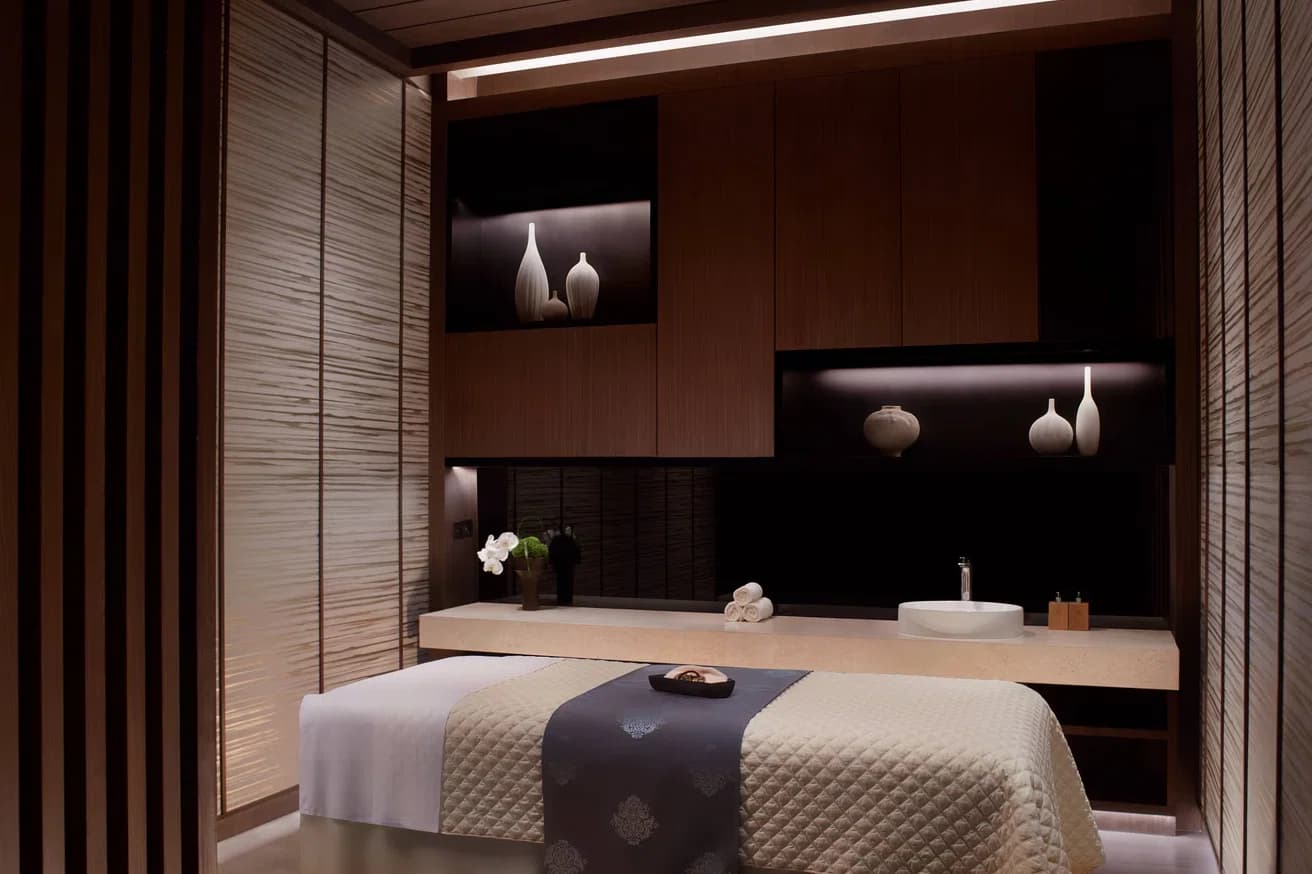
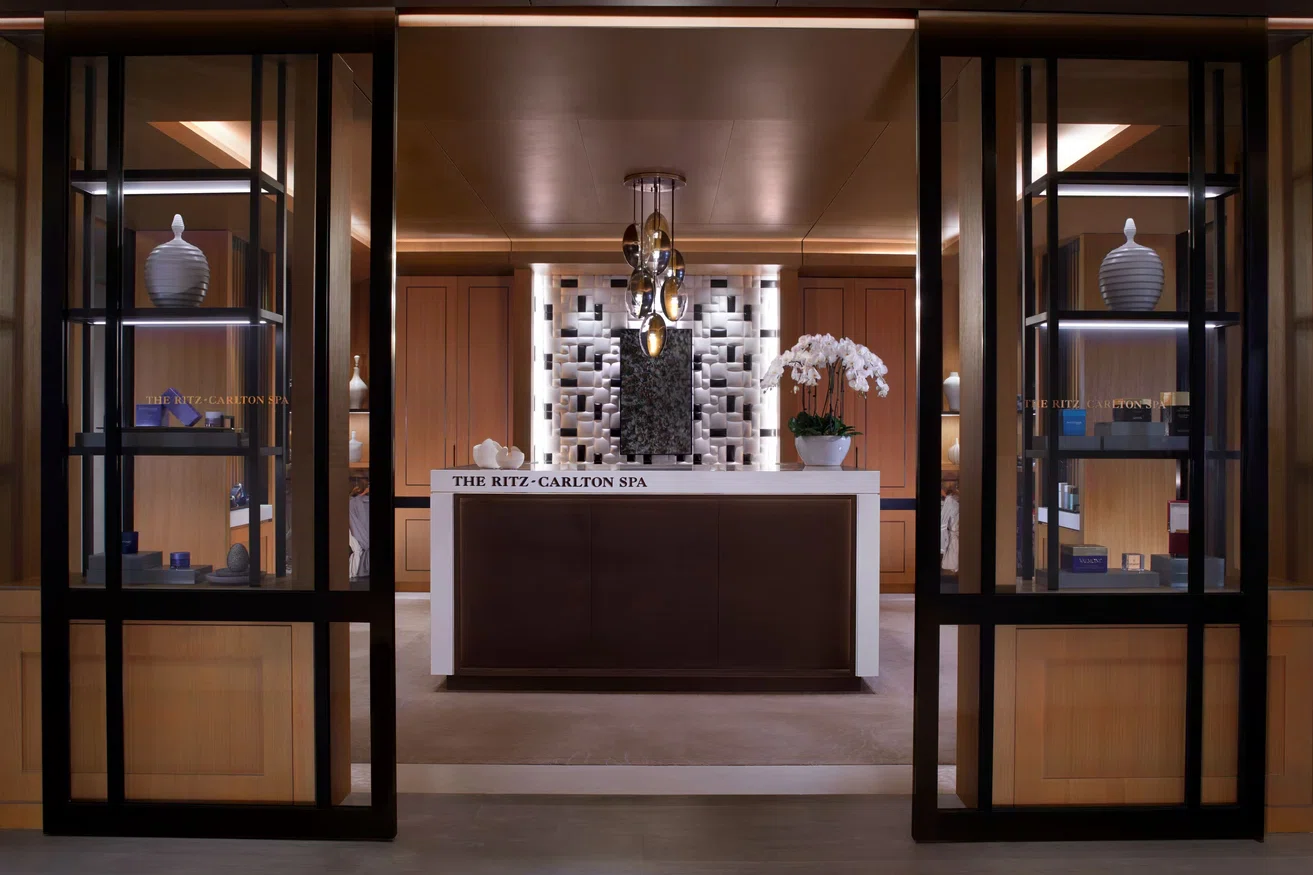
The Ritz-Carlton Spa, Xi'an
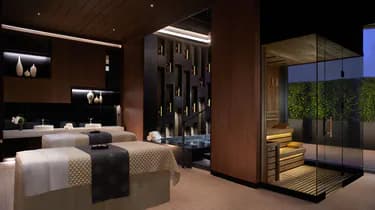
The hotel's spa offers treatments using Shaanxi's famous medicinal herbs — goji berries from the Qinling Mountains, ginseng from the Loess Plateau, and pomegranate extract from Lintong. The signature treatment is a 90-minute herbal compress massage combining traditional Chinese medicine pressure points with Western massage techniques. The spa has a vitality pool, herbal steam room, and relaxation lounge with mountain views.
Angsana Xi'an Lintong Hot Springs
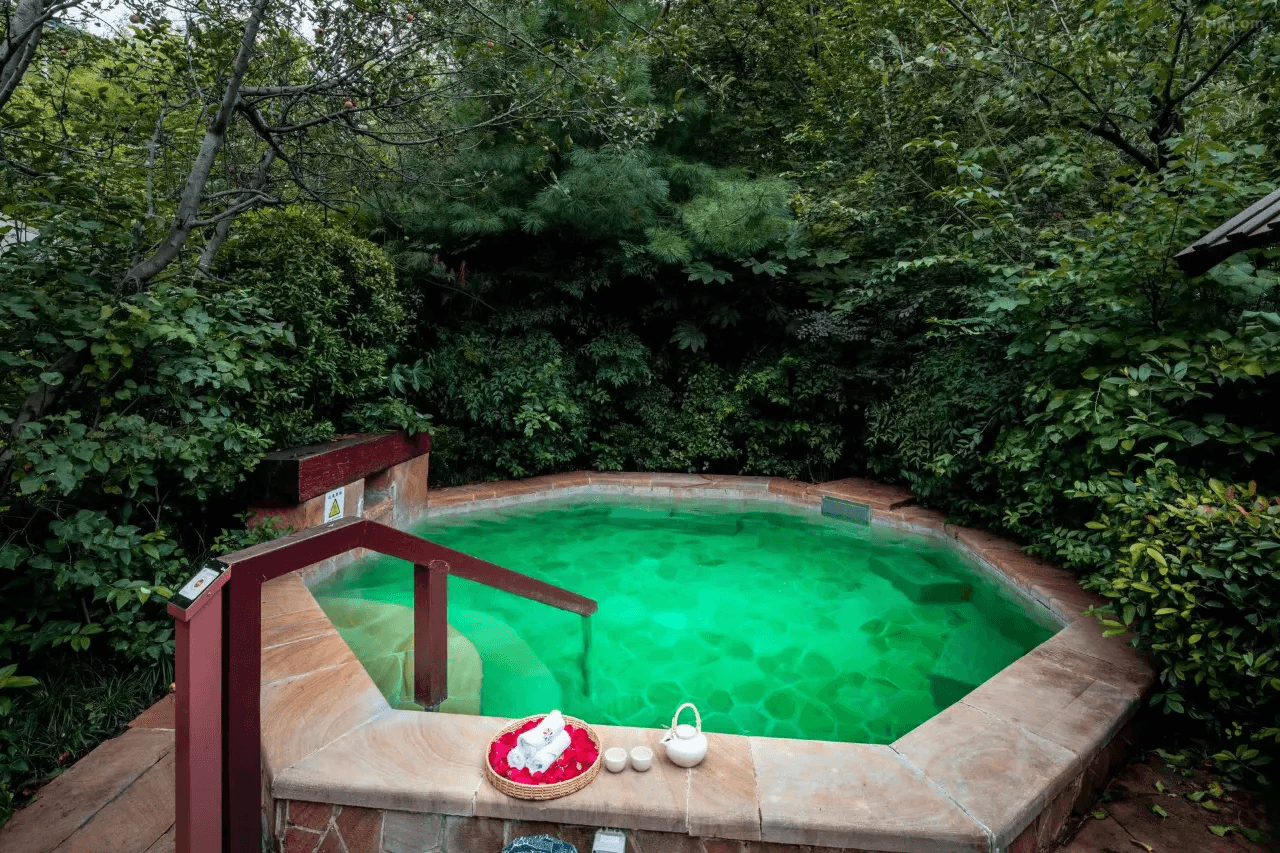
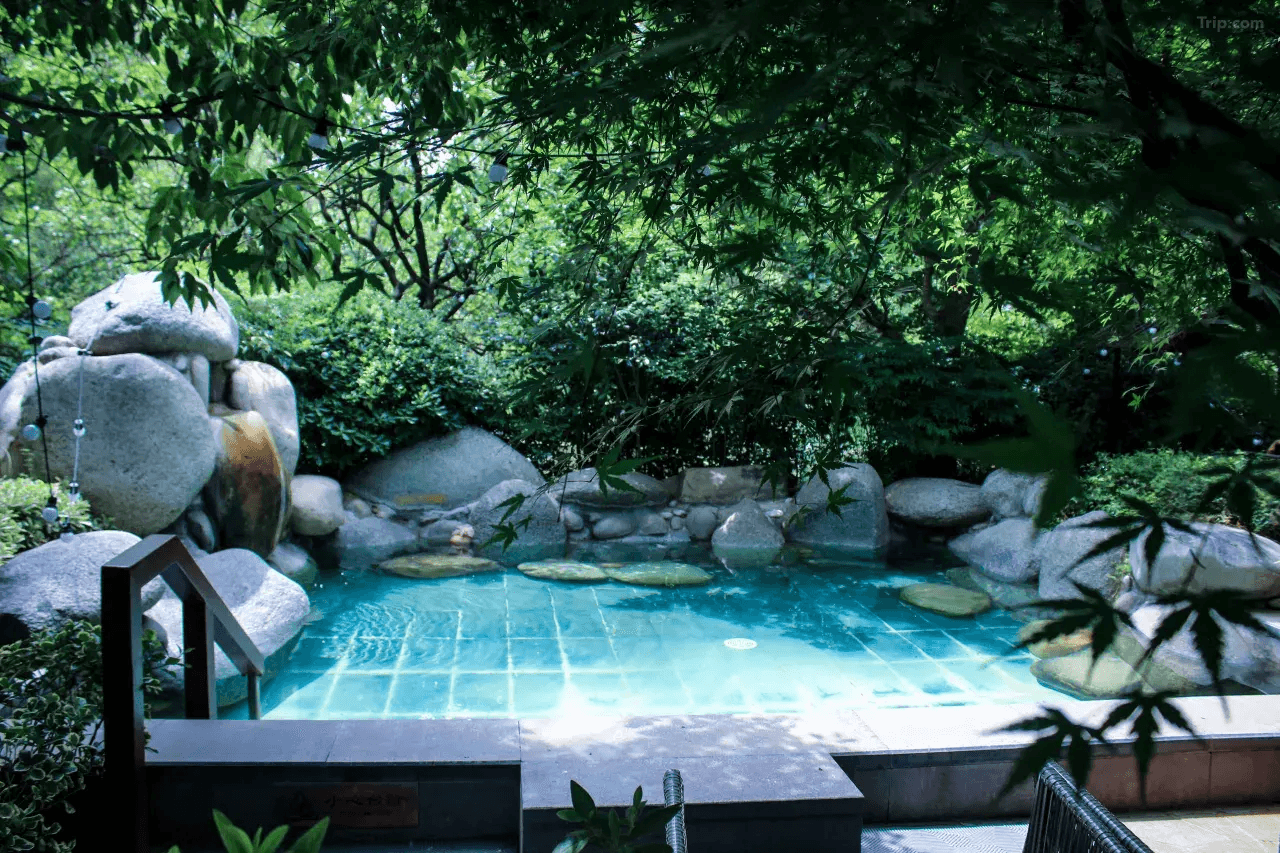
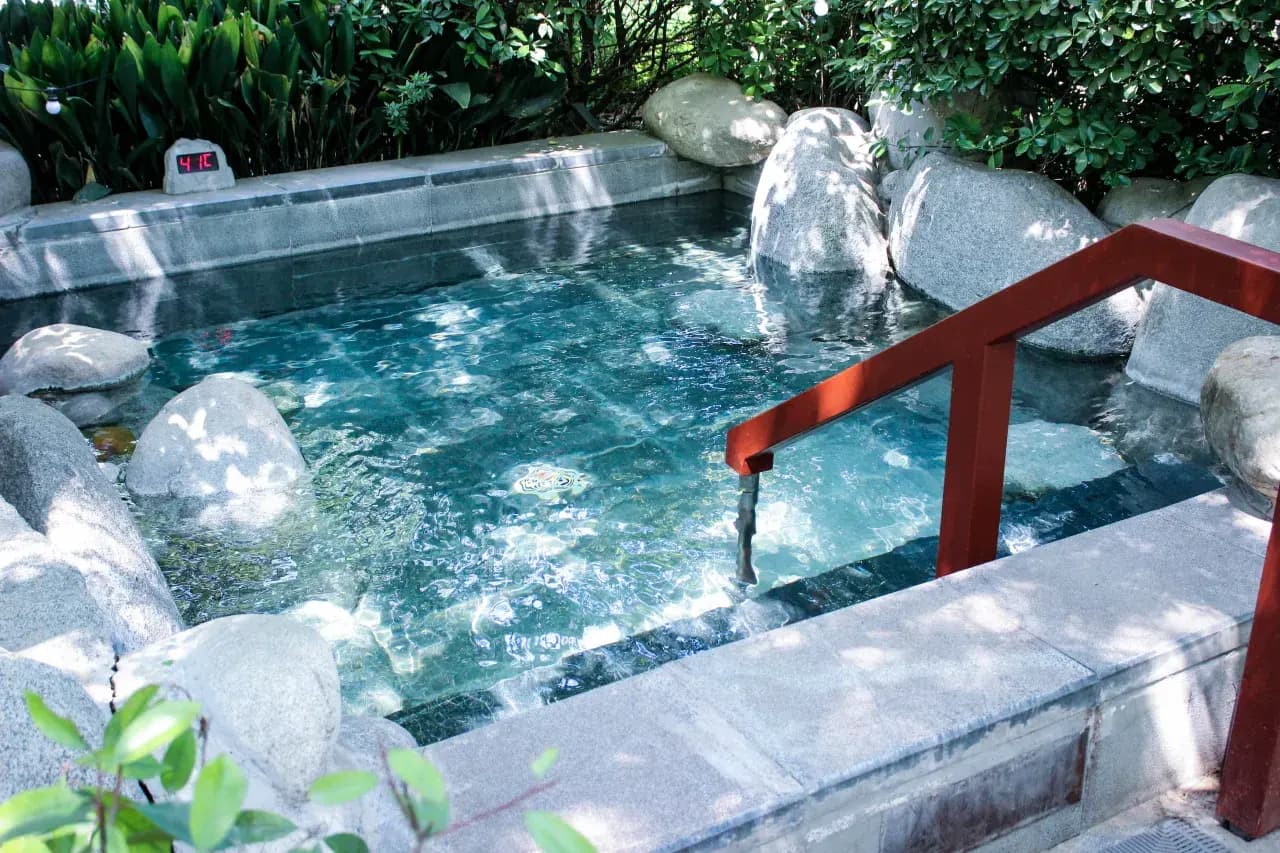
For the ultimate wellness experience, the Angsana resort in Lintong offers natural thermal hot springs — the same mineral waters that emperors bathed in 1,300 years ago. The resort's outdoor hot spring pools are set in landscaped gardens with views toward Mount Hua. This is a full-day wellness experience: soak, massage, soak, tea ceremony, soak again.
Spa | Location | Signature Treatment | Best For |
|---|---|---|---|
The Ritz-Carlton Spa | Gaoxin Zone (in-hotel) | 90-min Shaanxi herbal compress massage | Convenient luxury, after a day of sightseeing |
Angsana Lintong Hot Springs | Lintong District (~40 min from city) | Imperial hot spring soak + spa package | Full-day wellness, historical immersion |
W Xi'an AWAY® Spa | Qujiang (in-hotel) | Contemporary treatments, modern design | Modern wellness, social luxury |
Sofitel So Spa | City Centre (in-hotel) | French-style spa with local touches | European elegance, heritage setting |
🛍️ Luxury Shopping: Malls, Crafts & What's Actually Worth Buying
Let's set expectations honestly: Xi'an is not Shanghai. There's no Bund-side designer boulevard, and luxury retail is concentrated in a handful of high-end malls rather than whole districts. But those malls are genuinely world-class, and the city's craft traditions — porcelain, folk art, tea — are more interesting than any logo. Here's where to shop and what's worth the suitcase space.
🏬 Xi'an's Genuine Luxury Malls
Mall | What It Is | Why Go |
|---|---|---|
Xi'an SKP (西安SKP) | Part of China's SKP group, the country's most prestigious luxury-retail brand. | The city's strongest concentration of international luxury houses, plus a good selection of Chinese designers. |
Zhongda International (中大国际) | A long-established high-end mall in the city core. | Quieter than SKP, with luxury fashion, watches and fine dining under one roof. |
Century Ginwa (世纪金花) | One of Xi'an's oldest premium retail names, with several branches. | Reliable for international brands and beauty; convenient for city-centre hotels. |
Qujiang Joy City (曲江大悦城) | A large modern complex in the Qujiang district. | A mix of fashion, dining and entertainment — the easiest place to shop if you're staying near the Big Wild Goose Pagoda. |
SEG International (赛格国际) | A huge, famously busy mall near Xiaozhai. | Not luxury, but unbeatable for electronics, brands and people-watching — a fun counterpoint to the polished malls. |
Laochenggen G-Park (老城根G-Park) | An open-air lifestyle retail park. | Design-led stores, cafés and a younger crowd — good for browsing rather than big-ticket luxury. |
🏺 Shaanxi Crafts: What's Genuinely Local
Souvenir stalls sell plenty of things that aren't really from here. These are the traditions that genuinely belong to Shaanxi:
Craft | Why It's Authentic & Special | Where to Find |
|---|---|---|
Yaozhou ware (耀州瓷) | Shaanxi's own celadon porcelain tradition, centred on Tongchuan near Xi'an, with a history reaching back over a thousand years — olive-green glazes with carved decoration. This is the real "Shaanxi porcelain." | Museum shops; Tongchuan kiln workshops (private visit arranged) |
Fengxiang clay figurines (凤翔泥塑) | Hand-painted folk figures from Fengxiang county — a national intangible cultural heritage. Bright, bold, and entirely local. | Fengxiang county; cultural markets in Xi'an |
Huxian peasant paintings (户县农民画) | Vivid rural paintings from Huxian (now Huyi) district — a recognised Chinese folk-art tradition. | Huyi district galleries; selected cultural shops |
Jingyang fu brick tea (泾阳茯茶) | The compressed, golden-flowered tea that fuelled the Silk Road's tea trade. | Tea shops; Jingyang county |
🚙 Getting Around Xi'an in Luxury
Xi'an's sights are spread out: the Terracotta Warriors are about 40 km east of the centre, Mount Hua roughly 120 km east, and Xianyang Airport about 40 km northwest. Public transport reaches all of them. But the honest arithmetic is that a public-transport day in Xi'an costs you three to four hours in queues, connections and walking — which on a four-day trip is most of a day.
✈️ Arriving Well: Xi'an Xianyang International Airport
Xi'an Xianyang (XIY) sits roughly 40 km northwest of the city — 50 to 70 minutes by road depending on traffic. The airport does operate separate VIP / executive services (贵宾服务), with dedicated entrances, check-in, security and lounge facilities, arranged through the airport's VIP service centre or via Your Way Holiday. The scope differs between domestic and international departures, so it should be confirmed for your specific flight rather than assumed.
Option | What It's Actually Like |
|---|---|
Taxi or ride-hailing | Perfectly workable in theory. In practice: a queue at arrivals after a long flight, no English, a meter you cannot verify, and a driver who may not know your hotel's actual vehicle entrance. |
Airport express / metro | Inexpensive, but slow with luggage, requires a change, and delivers you to a station rather than a hotel door. |
Private transfer arranged in advance | A driver waiting inside the arrivals hall with your name, a price agreed before you fly, luggage handled, and door-to-door delivery to your hotel. On your final day the same driver collects you at a time calculated backwards from your flight. |
🚗 The Private Driver Difference: Why It Specifically Matters Here
This is not the generic claim that "a private car is nicer". It is specific to how Xi'an's sites are laid out and how its peak season behaves:
Situation | Without a private driver | With Your Way Holiday |
|---|---|---|
Terracotta Warriors in peak season | Coach and shuttle queues, then a long walk from distant car parks to the gate, arriving exactly when every tour group arrives | Dropped at the museum gate before the peak wave; the driver waits, so you leave when you are finished rather than when a coach departs |
An evening show or a late Mount Hua descent | Last trains and buses dictate when you must stop; taxis are scarce as performances end | Your driver is at the exit whenever the show or descent finishes |
Two sites in Lintong in one day | Wait for one bus, then another; an hour or more lost to connections | Warriors to Huaqing Palace in minutes — the day simply holds more |
Rain, or a 38°C afternoon | Standing exposed at stops; a soaked or overheated start to the next site | Car seat to door; the day continues comfortably |
A travel day with luggage | Find storage, retrieve it, then reach the station — three separate tasks | Bags stay in the car all day; the driver handles everything |
Late-night return | Navigation, language and payment friction in the dark | Same car, same driver, price already agreed |
🚄 Xi'an as a High-Speed Rail Hub
Xi'an North Railway Station (西安北站) is one of the largest high-speed stations in Asia, and the city's central position makes it the natural hub for a multi-city China trip. Most of the country's great sites are a morning's ride away — no domestic flights, no airport transfers, no luggage weight limits.
Destination | Approx. high-speed journey | Why Go |
|---|---|---|
Luoyang 洛阳 | ~1 hr 20 min | The Longmen Grottoes — fifteen centuries of Buddhist cave sculpture |
Zhengzhou 郑州 | ~2 hr | Central-China hub connecting onward east and south |
Chengdu 成都 | ~3 hr | Pandas, Sichuan cuisine, teahouse culture |
Lanzhou 兰州 | ~2 hr 30 min | Gateway to Gansu and onward to Dunhuang |
Pingyao 平遥 | ~2 hr 30 min | China's best-preserved ancient walled town |
Taiyuan 太原 | ~3 hr | Shanxi's ancient cities and temple architecture |
Beijing 北京 | ~4 hr 30 min | The imperial capital, reachable without flying |
Wuhan 武汉 | ~4 hr | Yangtze crossings and onward routes |
Shanghai 上海 | ~6 hr | Possible in a day; far better as an overnight leg |
Journey times are indicative and vary by service — always check the current timetable for your dates.
Seat class | What You Get | Best For |
|---|---|---|
Business 商务座 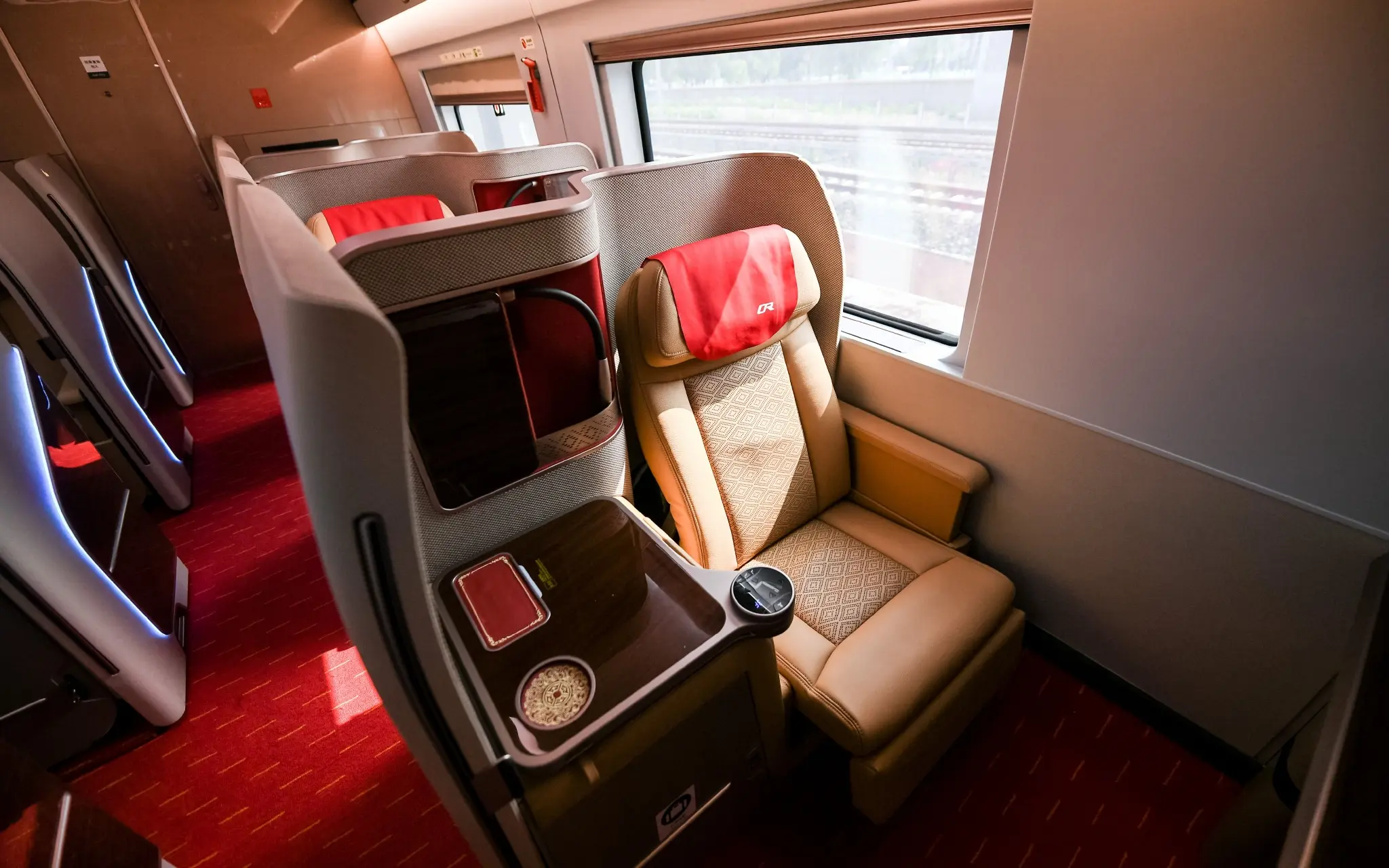 | Lie-flat or deeply reclining seat, station lounge access, meal service | Longer legs where you want to arrive fresh |
First 一等座 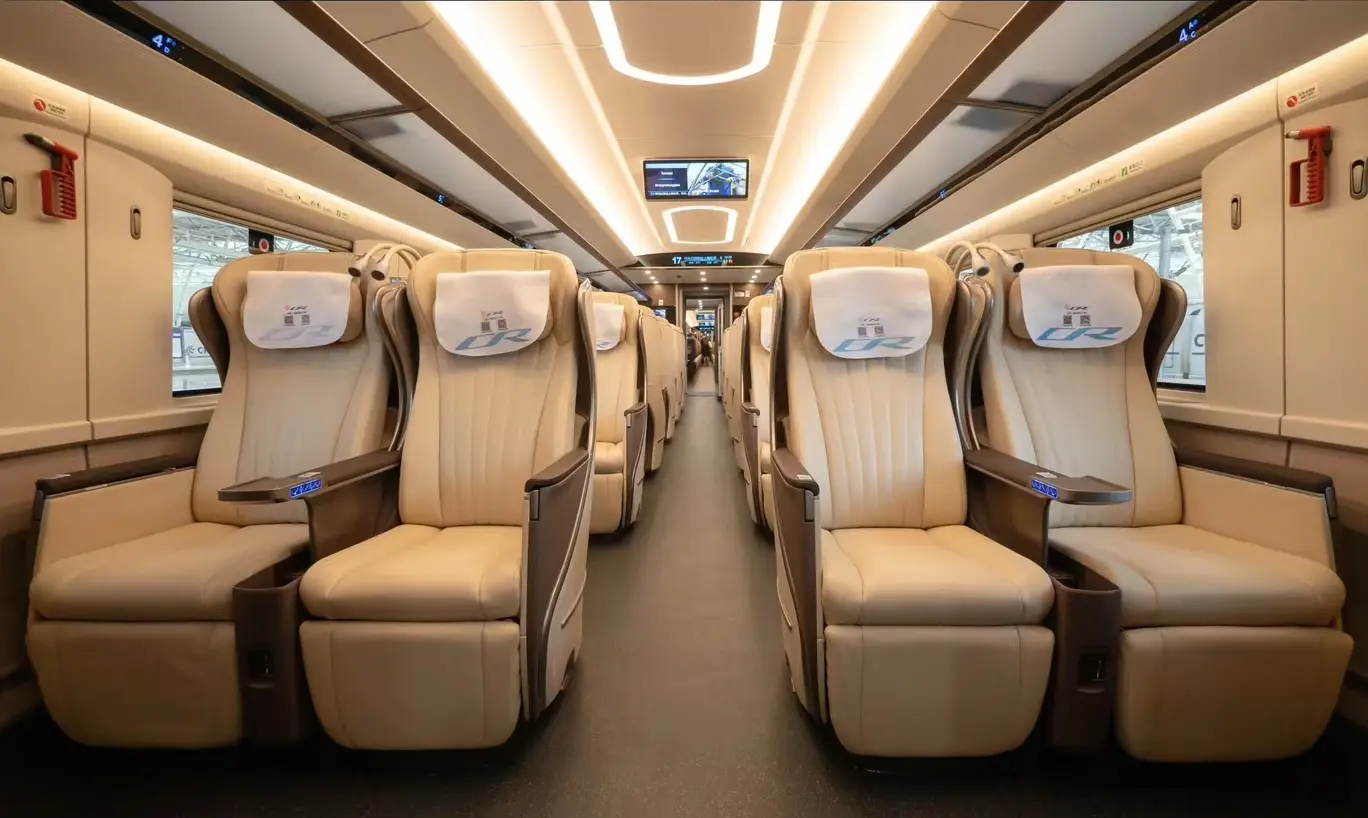 | 2+2 seating, generous legroom, noticeably quieter carriage | The sensible luxury choice on most routes |
Second 二等座 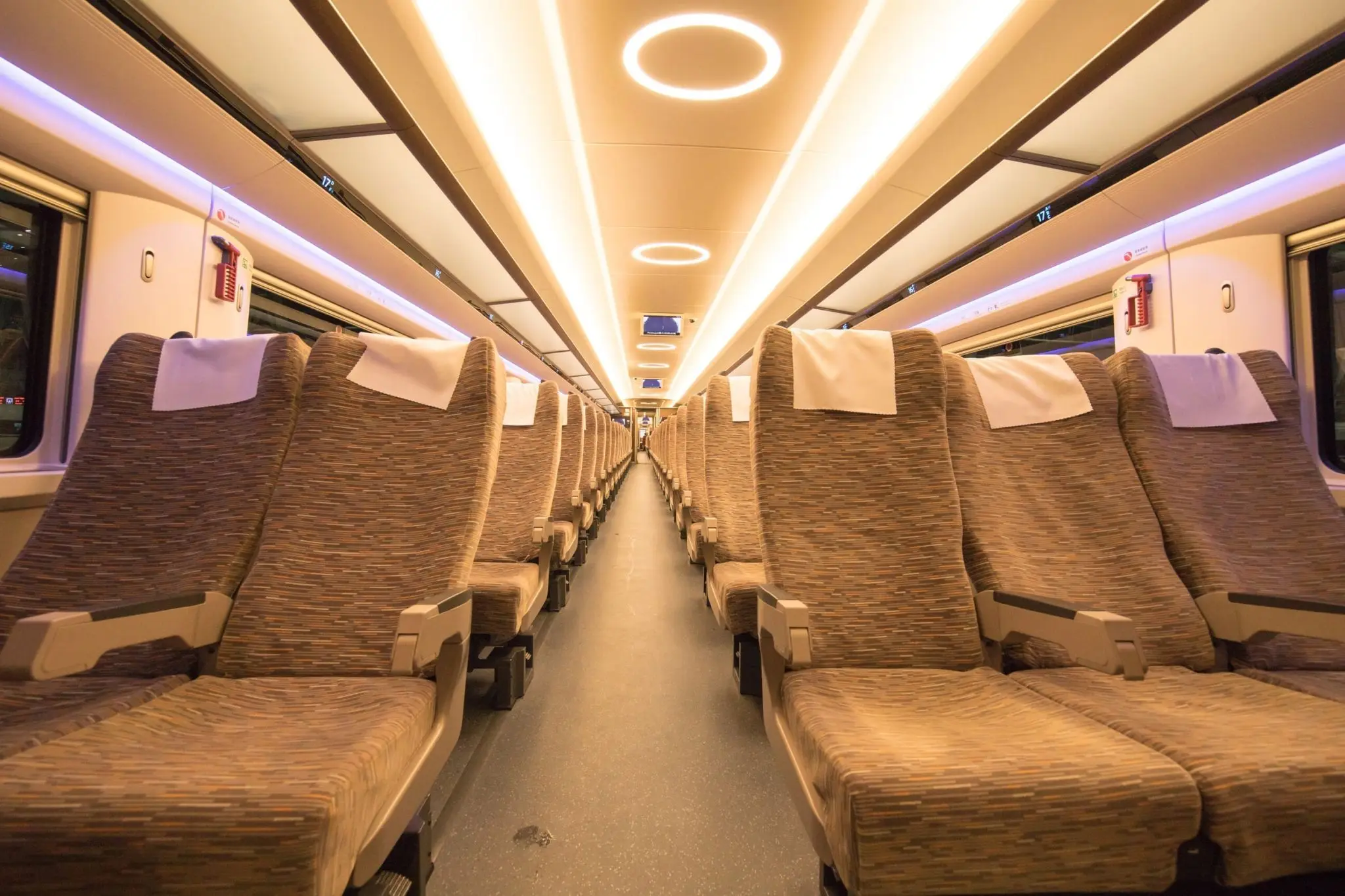 | 3+2 seating, comfortable but busy | Short hops of an hour or so |
💡 The Tickets Are the Hard Part Chinese rail tickets require real-name booking against your passport, go on sale within a rolling release window, and on popular routes and dates genuinely do sell out — sometimes within minutes of release. Station entry is by document scan, and your ticket must match the exact passport used at booking. Your Way Holiday purchases high-speed rail tickets on your behalf: we monitor the release date for your route, secure the seat class you want, and deliver the tickets and platform instructions with your itinerary. You arrive at Xi'an North with a passport and a seat number, and nothing else to work out. Ask us to book your rail legs → |
📝 An Upscale Xi'an Itinerary: 5 Days
Here's how a luxury 5-day Xi'an itinerary looks with Your Way Holiday — every transfer private, every guide expert, every experience exclusive. It is a template rather than a timetable: days can be reordered, shortened or split.
Day 1: Imperial City Arrival
On arrival: You are met at Xi'an Xianyang International Airport by your private driver and a bilingual guide who take care of everything — luggage, the drive into the city and your hotel check-in. No taxis, no queues, no language barrier.
The rest of the day: Deliberately unhurried. After a long flight the only real luxury is a quiet room and a good night's sleep, so this day is left free to rest and shake off the jet lag. If you feel like eating out, your guide can arrange a relaxed dinner nearby — nothing is fixed that you cannot move.
Day 2: Warriors & Imperial Hot Springs
9:00 AM: Private transfer east to Lintong (~90 min). At the Emperor Qinshihuang's Mausoleum Site Museum your guide walks you through Pits 1, 2 and 3 in the sequence that keeps you ahead of the coach groups — there is no "VIP" early entry, but the order you see them in genuinely decides how much space you get.
Midday: On to Lishan Garden (丽山园), the green, landscaped park around the First Emperor's own burial mound — calm, spacious, and included with your museum ticket. Then a wander through the nearby Qin Terracotta Warrior Village (秦俑村) and lunch at a local Lintong restaurant.
Afternoon: Huaqing Palace, the Tang-dynasty imperial hot-spring complex where Emperor Xuanzong and Lady Yang's romance unfolded. Your guide tells the story on site as you look over the protected bathing pools.
Evening: The Song of Everlasting Sorrow (长恨歌) show at Huaqing Palace — the large outdoor performance staged on the very mountain where the Tang romance happened. Your Way Holiday secures the best available tier and confirms the seasonal schedule for your travel dates.
Day 3: Calligraphy, Cycling & City Walk
Morning: Start where the city itself starts — a neighbourhood morning market, as locals shop for the day's vegetables and eat the first bowl of noodles. Then to the City Wall for a private cycle along its 13.7 km of Ming ramparts, taking in the Bell Tower and Drum Tower at the exact centre of the old city.
Midday: A visit to a local family, where you learn to wrap and fold Xi'an's own dumplings — and then sit down to eat what you have just made, home-style.
Afternoon: A relaxed city walk through the lanes and courtyards, with time to drop into a café or two and simply enjoy an unhurried Xi'an afternoon.
Day 4: Discover Tang Dynasty Chang'an & Hidden Cultural Xi'an
Morning: A gentle walk in one of the city's parks. Arrive early enough and you may meet local seniors out for their morning exercises — join them for an impromptu Tai Chi lesson.
Midday: Lunch at a restaurant we have reserved for you in advance, chosen to suit your tastes and the day's route.
Afternoon: The Big Wild Goose Pagoda and its Tang relic garden, where your guide explains how Chang'an worked as the world's first truly international city 1,300 years ago — its foreign merchants, its religions, and its export of culture to Japan and Korea.
Evening: A stroll through Datang Everbright City — try on Hanfu for a golden-hour photography session and explore the Chang'an Twelve Hours (长安十二时辰) themed street. It is spectacular and, at weekends, genuinely crowded — your guide knows the quieter entry points.
Day 5: Mount Hua Luxury Extension
All day: A private transfer east (~90 min) to Mount Hua, one of China's five sacred mountains and the most dramatic of them all. Your private guide handles tickets, cable-car timing and route selection.
Option | What It Involves | Best For |
|---|---|---|
Easy option | West Peak cable car up, the cliffside walkways and viewpoints at a relaxed pace, North Peak cable car down | Travelers who want the scenery without the effort |
Active option | Hiking the spectacular ridge sections between peaks, with a guide who knows the safe routes and realistic timings | Confident walkers seeking the classic Mount Hua experience |
Prefer not to travel that far on your final day? Swap Day 5 for a Lintong hot-spring retreat, the Hanyangling underground museum, or simply a slow morning and a long lunch before departure.
💡 This Itinerary, Your Way |
📅 Best Time for a Luxury Xi'an Trip
For further details, please click here: The Best Time to Visit Xi’an: Weather, Seasons and Festivals
Period | Weather | Crowds | Luxury Rating |
|---|---|---|---|
March – May | 15–25°C, low rain, cherry blossoms | Low to moderate | ⭐⭐⭐⭐⭐ Best overall |
June – August | 30–38°C, humid, occasional storms | High (summer holidays) | ⭐⭐⭐ Acceptable; book hotels with pools |
September – October | 18–25°C, clear skies, autumn foliage | Moderate (avoid Oct 1–7 National Day) | ⭐⭐⭐⭐⭐ Best overall |
November – February | 0–8°C, occasional snow, clear | Lowest | ⭐⭐⭐⭐ Quietest — best for crowd-free sightseeing |
For luxury travelers, April–May and September–October are ideal — perfect weather, reasonable crowd levels, and hotel availability. November–February is the insider's choice: fewer tourists mean the Terracotta Warriors and the City Wall are far calmer, hotel rates are lower, and early-morning cycling is more private.
Seasonal Strategy at a Glance
Season | Best For | How to Play It |
|---|---|---|
Spring (Mar–May) | Walking and culture | The most comfortable season for the wall, the Quarter and the gardens; book early — it sells fast. |
Summer (Jun–Aug) | Early starts | See the warriors and the wall in the early morning, keep afternoons indoors or by a pool, and let each day flex. |
Autumn (Sep–Oct) ⭐ | Weather and photography | The single best window — clear light, harvest season, ideal temperatures. Avoid Oct 1–7. |
Winter (Nov–Feb) | Quiet attractions | The insider's season: the warriors and the wall are calm, hotel rates dip, and photography is clean. Pack warmly. |
🔍 Insider Secrets: What Other Guides Won't Tell You
Secret | What You Need to Know |
|---|---|
There is no "VIP lane" at the warriors — but there is a smarter route | Ignore anyone promising privileged entry; the museum is a public site with fixed viewing platforms. The real trick is sequence. Start at Pit 1 the moment doors open, then double back to Pit 3 and Pit 2 as the biggest tour groups move forward. On-site conservation areas exist, but they're off-limits to visitors — your guide can point them out, not walk you through them. |
Catch the City Wall in its first hour | The wall isn't open at sunrise, but the first hour after the gates open is nearly empty — most visitors don't arrive until mid-morning, or come only for the evening. South Gate has the most photogenic stretch, looking north toward the Bell Tower; the quieter East Gate entrance is a good alternative. |
The Great Mosque is calmest in the early morning | Xi'an's Great Mosque is a working place of worship, not a museum. Arrive before the Muslim Quarter's shops open and you'll have the Ming-era courtyards, the Chinese-style minaret, and the gardens almost to yourself. Dress modestly, step quietly, and let your guide explain the etiquette — this is the one corner of the Quarter that still runs on its own rhythm. |
Huaqing's hot spring still runs warm | The Tang Dynasty bathing pools are protected archaeological ruins — you view them from surrounding walkways, not from inside them. But the spring itself still flows, and the on-site hot-spring bathhouse lets you soak in the same mineral water the court used. Your guide can explain which pool belonged to the emperor and which to Lady Yang. |
Xi'an's best pomegranate wine is homemade | Lintong District (near the Terracotta Warriors) is famous for pomegranates. Several local families make small-batch pomegranate wine that you can only buy at the source. Your guide knows which families to visit. |
The Muslim Quarter's best food hides off the main street | The main drag (Beiyuanmen) is where the crowds — and the tourist-trap stalls — are. The real cooking happens in the side lanes: family-run noodle shops, a single-purpose pancake counter, a place that has sold the same soup for decades. Go with a guide who can order for you and translate what you're eating. |
Big Wild Goose Pagoda's best view is from the W Xi'an rooftop | Everyone photographs the pagoda from the ground. The W Xi'an's rooftop bar offers the most striking elevated view — especially at sunset when the pagoda is silhouetted against an orange sky. |
⚠️ Common Mistakes When Planning a Luxury Xi'an Trip
We see the same avoidable errors again and again. Sidestep these and your trip improves immediately.
Mistake | Why It Hurts | The Fix |
|---|---|---|
Treating Xi'an as a one-day stop | Arriving late and leaving early means you see one site and miss the city's entire story. | Give it 3–4 days — add a fifth for Mount Hua. It repays every hour. |
Choosing a hotel only by price or brand | The "best" hotel in the wrong district costs you an hour each way, every day. | Choose by location and travel style first — centre for walking, Qujiang for calm, Lintong for the warriors. |
Trying to see everything | A packed schedule produces fatigue and blur, not memories. | Luxury is quality over quantity: fewer sites, better understood, with rest built in. |
Ignoring transport planning | Public transport in Xi'an quietly costs three to four hours a day in queues and connections. | Use a private driver for the out-of-town sites (warriors, Mount Hua, Lintong) — door to gate, on your schedule. |
Booking peak dates without thinking | National Day (Oct 1–7) and Chinese New Year turn quiet luxury into a crowd experience at double the price. | Target April–May or September–October; consider winter for calm. |
Leaving tickets to the last minute | Timed, real-name entry to the warriors and the big shows genuinely sells out. | Book weeks ahead — or let a local partner hold your slots. |
Doing it all in English-free isolation | Menus, taxis, payments and historical context all assume Chinese. | Travel with a guide or local support for the moments that matter. |
💎 What Does a Luxury Xi'an Private Tour Actually Include?
"Why does a private trip cost more than doing it myself?" It is a fair question, and the honest answer is that you are buying four things that are hard to assemble alone.
Personalized Planning
An itinerary shaped around your interests, age and pace — not a fixed coach route. Art lovers get steles and studios; food lovers get markets, producers and named restaurants; families get shorter days and hands-on activities.
A Professional Guide
Historical explanation, local insight and on-the-ground problem-solving in one person. This is what turns "a big pit of statues" into a two-hour conversation about empire, craftsmanship and belief — and what quietly removes every small friction of a day in China.
A Private Vehicle and Driver
Comfort, flexibility and time saved: door to door, luggage handled, no schedule to wait on. On a warriors day it is worth two hours; over a week it is worth a day.
Pre-Trip and Ongoing Support
Ticketing advice, restaurant recommendations, show seats, rail bookings and travel preparation — plus someone reachable while you are here. The value is not any single item; it is that nothing is left for you to solve.
🗺️ Combining Xi'an With Other Luxury China Destinations
Xi'an's central position and its high-speed rail hub make it the natural hinge for a multi-city trip. These are the pairings that work best — each reachable without a domestic flight.
Route | Character | Why It Works |
|---|---|---|
Beijing + Xi'an + Shanghai | The classic | Imperial north, ancient heart, modern coast — China's three essential faces, connected by rail. |
Chengdu + Xi'an | Culture + lifestyle | Sichuan's slow food-and-teahouse culture against Shaanxi's deep history; a perfect contrast. |
Zhangjiajie + Xi'an | Nature + history | Otherworldly sandstone pillars followed by three thousand years of civilisation. |
Tibet + Xi'an | Civilisation + landscape | Begin where Buddhism first entered China, then travel to the roof of the world. |
Your Way Holiday plans these as seamless multi-city journeys — one point of contact, private transfers at every stop, and the rail or flight legs booked for you. Plan a multi-city China trip →
🧭 Real Traveler Scenarios: How Luxury Xi'an Trips Come Together
Every itinerary is different. Here are three illustrative scenarios — the kind of briefs we design for constantly — showing how a traveler profile becomes a plan. Details are anonymised composites.
Scenario 1: A First Trip to China, Five Days, Some Anxiety
Profile | Challenges | How We Solved It | Result |
|---|---|---|---|
Couple in their 50s from Europe, first time in China | Nervous about language, payments and logistics; limited time; wanted depth, not a checklist | Airport meet-and-greet and private transfers throughout; a city-centre hotel; a private guide for the warriors, the wall and the Quarter; a hands-on payment briefing on day one | Four full days, unhurried — never queued for a taxi or a ticket, and called the guide the best money they spent. |
Scenario 2: A Family With Two Teenagers
Profile | Challenges | How We Solved It | Result |
|---|---|---|---|
Family of four, teenagers aged 13 and 16 | Short attention spans; parents wanted comfort; everyone wanted to avoid "boring museum days" | Shorter active days; a warrior-face modelling workshop and a dumpling class; the Hanyangling glass walkway; a documentary-style guide who could talk to teenagers | The kids' highlight was not a monument at all — it was making their own warrior. The parents kept their rest afternoons. |
Scenario 3: Seniors Wanting Culture Without Exhaustion
Profile | Challenges | How We Solved It | Result |
|---|---|---|---|
Two couples in their 70s, well-travelled, moderate mobility | Walking distances and heat; a strong interest in history; a dislike of rushed coach tours | Vehicle to every gate; a half-day rhythm with real breaks; a Lintong hot-spring resort night so the warriors day stayed short; seated evening performances instead of late walks | They saw everything they came for, slowly — and rated the hot-spring stay the best night of the trip. |
🛠️ How Local Experts Design a Luxury Xi'an Journey
Behind every good itinerary is the same four-step process. Here is how we work — and how you can think about it even without us.
Step | What Happens |
|---|---|
1. Understand the traveler | Interests, age, mobility, pace, must-sees and non-negotiables — asked before anything is proposed. |
2. Balance the three pillars | Must-see attractions + authentic experiences + genuine rest. Too much of any one ruins the trip. |
3. Optimize the logistics | Group by geography (Lintong in one day, the old city on foot), time the sites, pre-book tickets, sequence the pits. |
4. Provide ongoing support | A contact on the ground, same-day flexibility, and fixes when weather or health changes the plan. |
💡 The Difference Anyone can list Xi'an's sights. The craft is in step 2 — knowing when to add and when to remove, and building a day that ends with energy left rather than exhaustion. Talk to a human, not a template → |
🧳 Practical Luxury Xi'an Travel Guide
The unglamorous details that decide whether a trip feels smooth or stressful.
🚗 Transportation
Leg | What to Do |
|---|---|
Airport transfer | Pre-book a private transfer — Xi'an Xianyang (XIY) sits about 40 km out, and the airport also runs separate VIP/executive services for eligible travellers. |
In-city and out-of-town | A private vehicle and driver is the single biggest comfort upgrade — door to gate for the warriors, Huaqing and Mount Hua. |
High-speed rail | Xi'an North is one of Asia's largest stations, and Xi'an's rail links make multi-city trips easy. Tickets require real-name passport booking, so have us secure them. |
💳 Payment
China runs on mobile payment (Alipay and WeChat Pay). International cards now work with both for visitors, but set them up and link a card before you travel — a few minutes of preparation saves a great deal of awkwardness. Hotels, high-end malls and fine-dining restaurants accept international cards; many taxis, markets and small restaurants do not. Carry a little cash as a backup, and let your guide handle the moments where payment would otherwise be a puzzle.
🎒 Packing
Item | Why |
|---|---|
Comfortable walking shoes | The wall, the warriors and the old city are all big on foot. This is the most common packing regret. |
Weather-appropriate layers | Summers are hot and humid; winters are cold and dry. Sun protection in summer, a warm base layer in winter. |
A small day bag | Water, sun cream, a light jacket and your phone — the sites offer little shade or seating. |
Your passport, always | Real-name entry and rail tickets are tied to your passport; keep it on you. |
🗣️ Language
Xi'an is not an English-first city outside its international hotels. The difference between a smooth day and a frustrating one is usually a person who can speak for you — ordering, navigating, explaining and negotiating. That is the quiet, constant value of travelling with local support.
💡 Pro Tips for Luxury Xi'an Travel
Tip | Why It Matters |
|---|---|
Book Terracotta Warriors entry in advance | The museum runs on timed, real-name tickets and peak-season slots sell out fast — there's no VIP lane to fall back on. The luxury here is simply being inside as the doors open and moving through the pits in the right order. Your Way Holiday books your timed entry ahead so you're first through the gate. |
Request a high floor at The Ritz-Carlton | Floors 18+ offer unobstructed views of the Qinling Mountains to the south. Ask for a south-facing room. |
Dine early at the Tang banquet | The first seating (typically 6:00 PM) has fewer guests, better service, and more intimate atmosphere. The second seating is busier. |
Combine Huaqing Palace with the warriors | Both are in Lintong District. Doing them in one day saves a 90-minute round trip. Your private driver handles the transfer in minutes. |
Book the Sofitel's heritage wing | The heritage wing rooms are smaller but have original architectural details. The main wing rooms are larger but more generic. |
Visit the Muslim Quarter with a guide, not alone | The Quarter is safe, but the best food experiences are in hidden courtyards that only locals know. A guide transforms a chaotic street food walk into a curated cultural dining experience. |
Plan a rest afternoon | Xi'an's cultural density is exhausting. Build in a free afternoon for the hotel spa or pool. Luxury travel isn't about maximizing sites — it's about quality over quantity. |
🌟 Why Travel with Your Way Holiday
Luxury travel in Xi'an isn't about booking the most expensive hotel — it's about know-how. The experiences that define a luxury Xi'an trip — beating the crowds to the warriors, a private courtyard dinner, calligraphy with a master, early-morning City Wall cycling, a Huayin Laoqiang performance — depend on timing, tickets, and local relationships that no international booking platform can provide. Learn more about us →
Element | Standard Travel | Your Way Holiday |
|---|---|---|
Terracotta Warriors | Join the 10 AM crowd in Pit 1 | Timed entry booked ahead, doors-open arrival, sequenced pit route with a private guide |
Muslim Quarter | Walk the crowded main street, eat from stalls | Private courtyard dinner with a personal chef |
City Wall | Rent a bike at sunset with 500 other tourists | Early-morning cycling with a private guide, the wall almost to yourself |
Transport | Taxis, ride-hailing apps, language barriers | Private chauffeur, door-to-door |
Hotel selection | Booking.com reviews and guesswork | Personally inspected properties, room upgrades, premium amenities |
Dining | Hotel restaurant or tourist-trap nearby | Curated fine dining at hidden venues, reservations arranged |

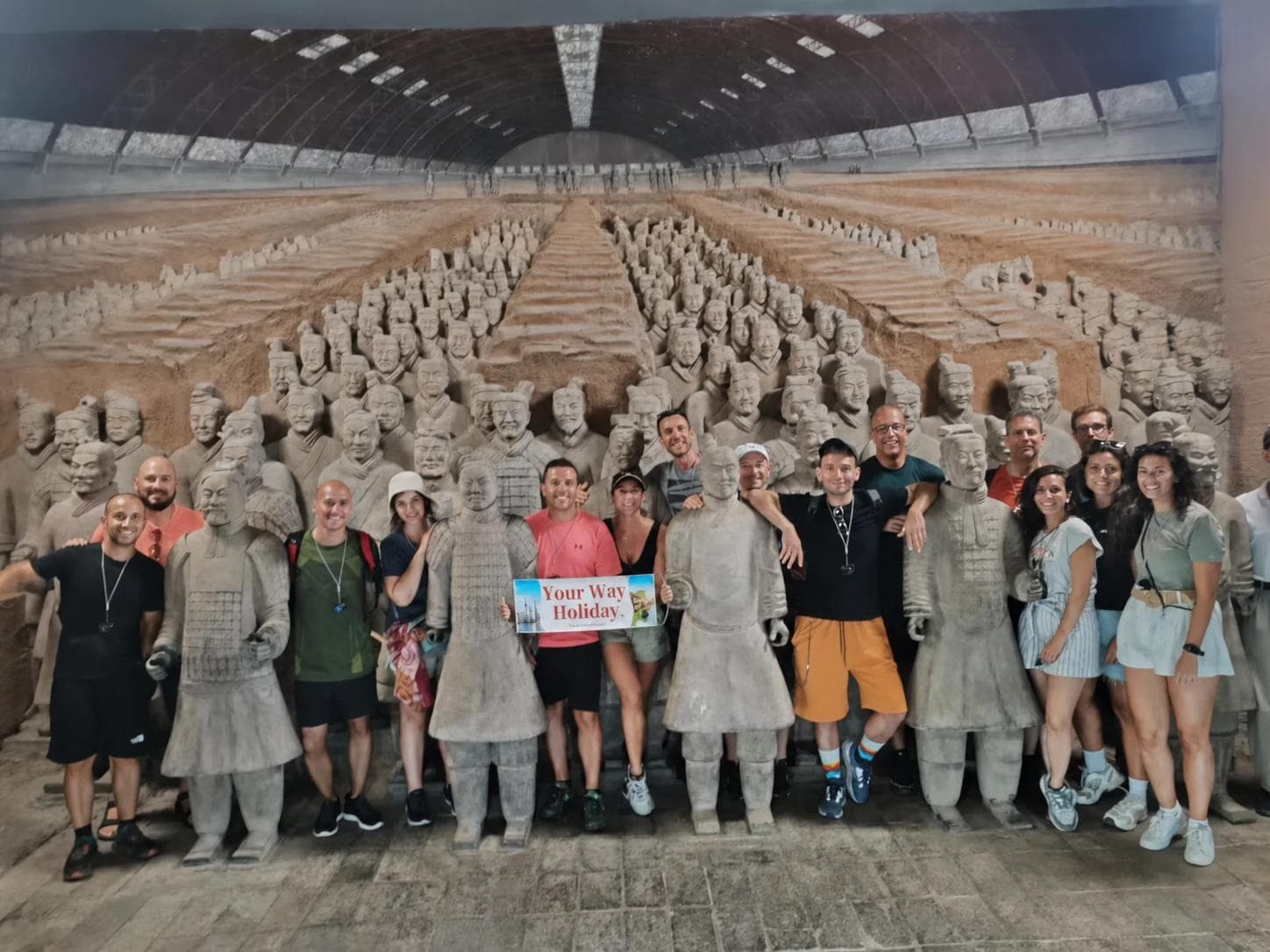
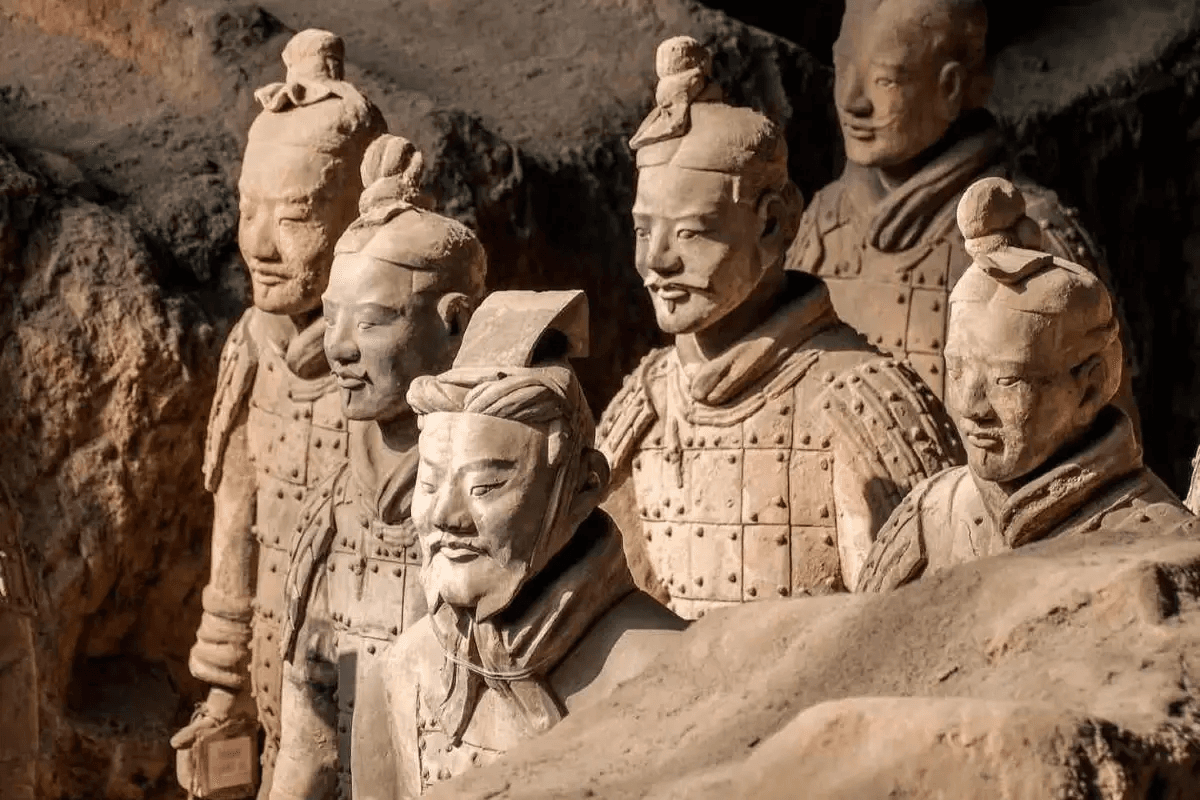

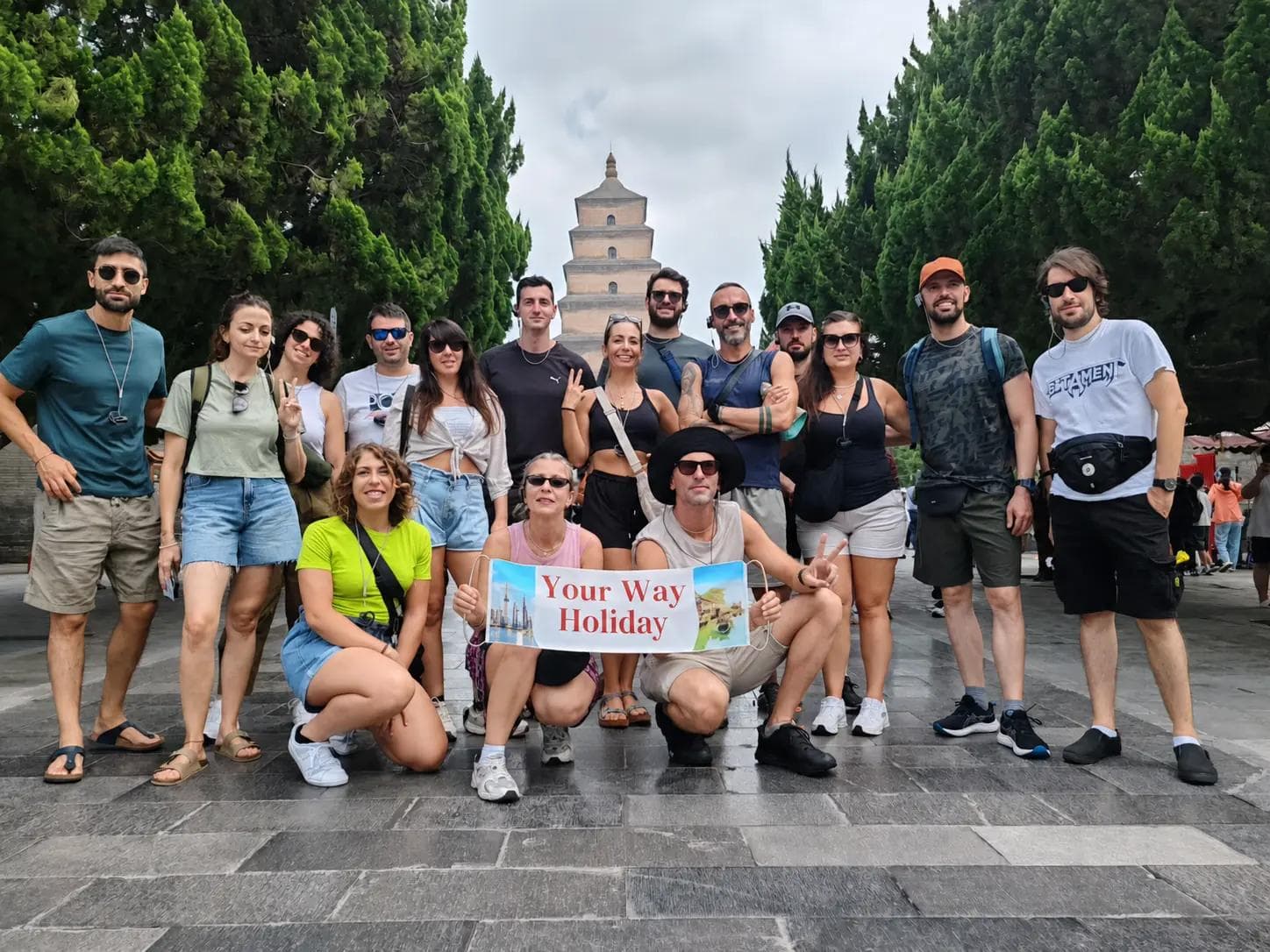
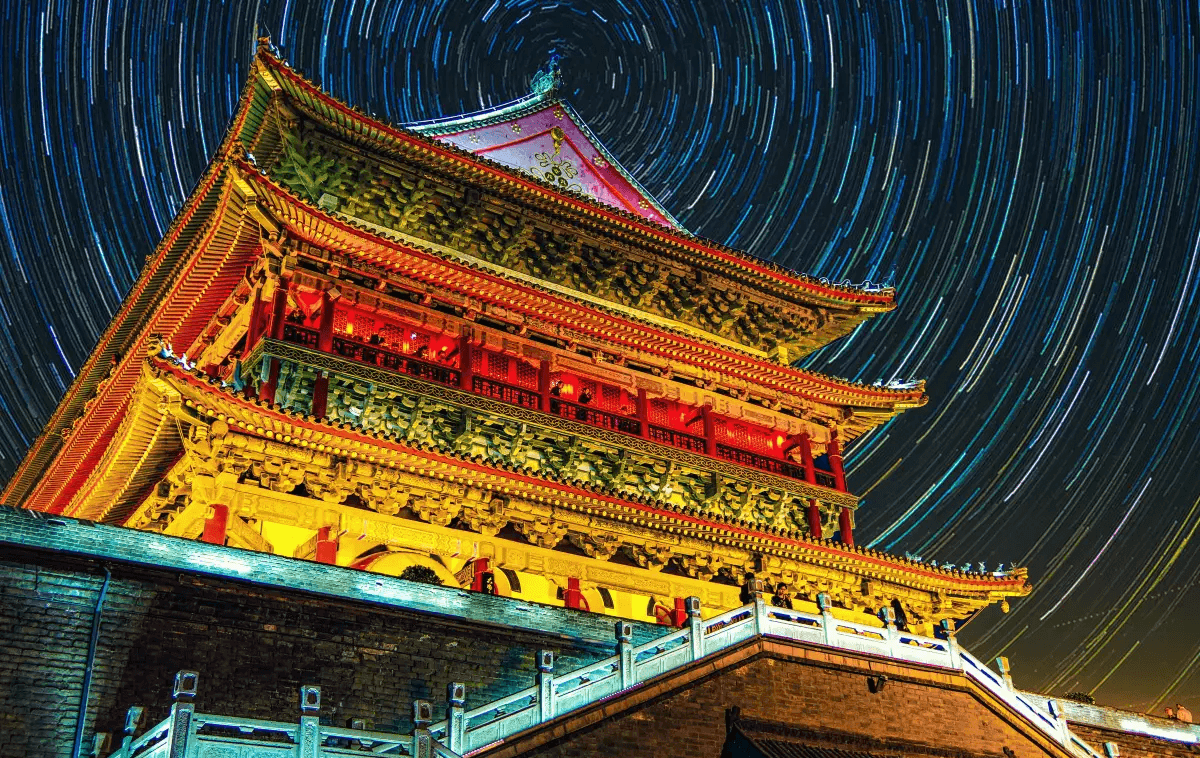
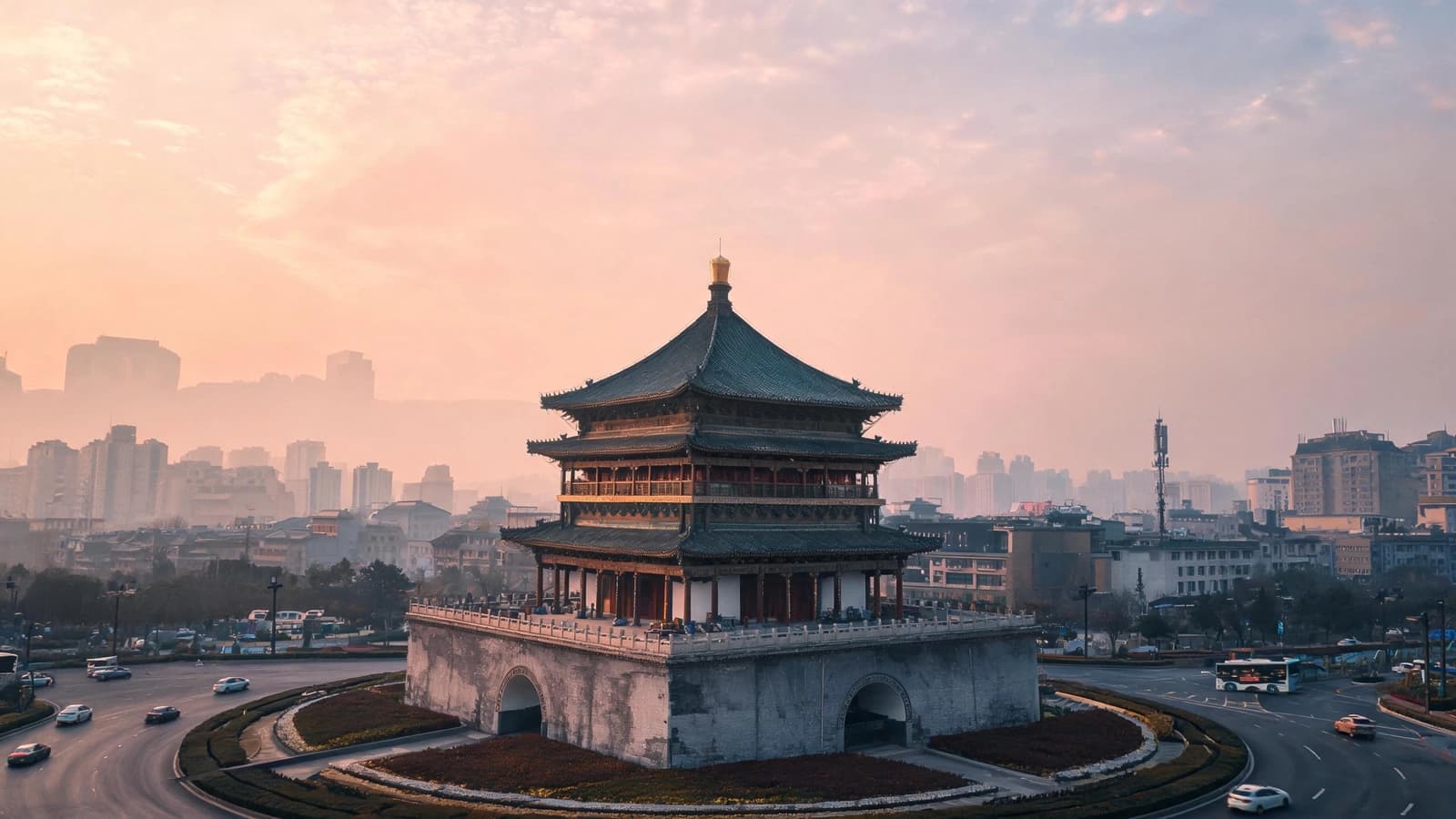
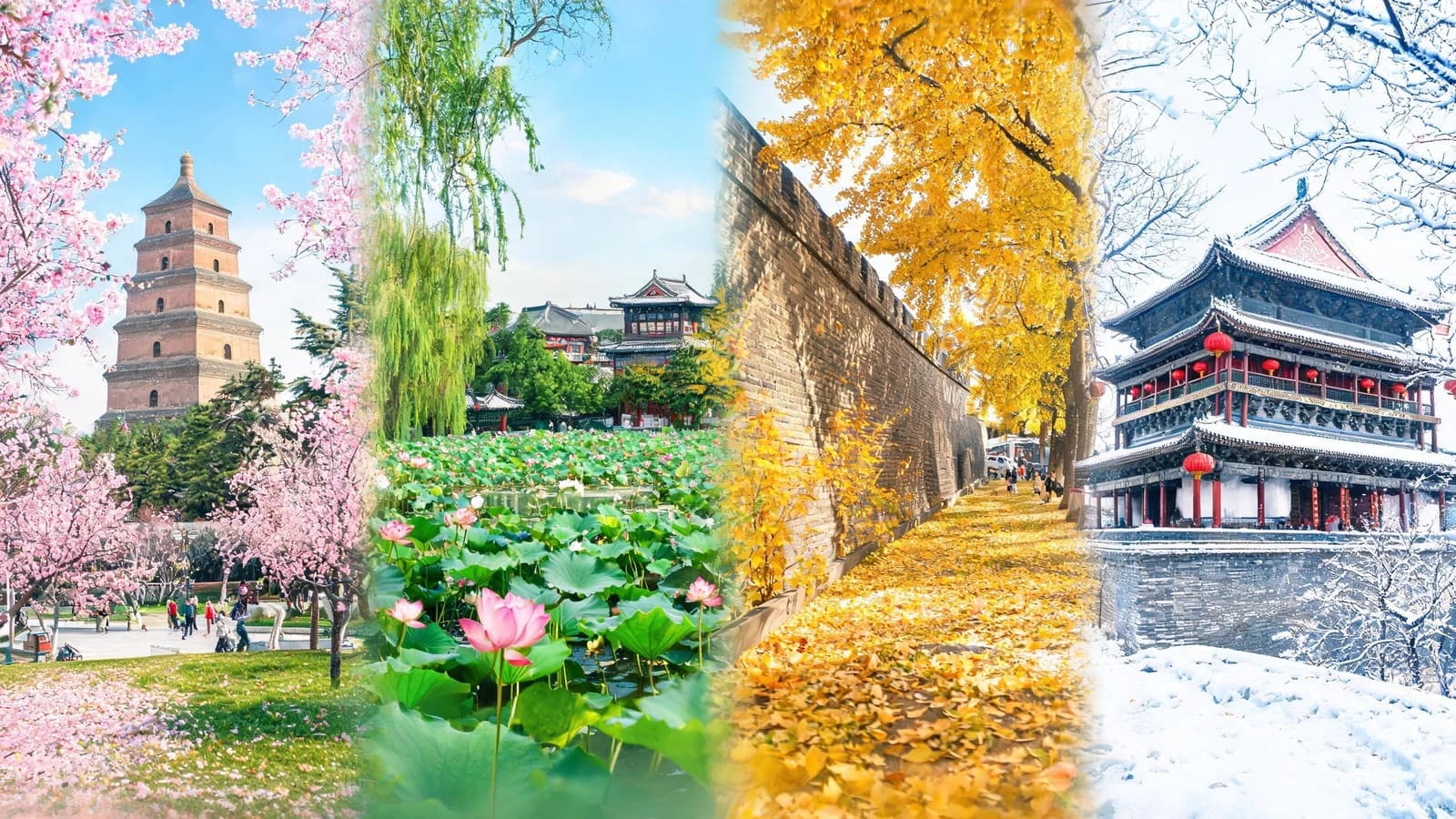
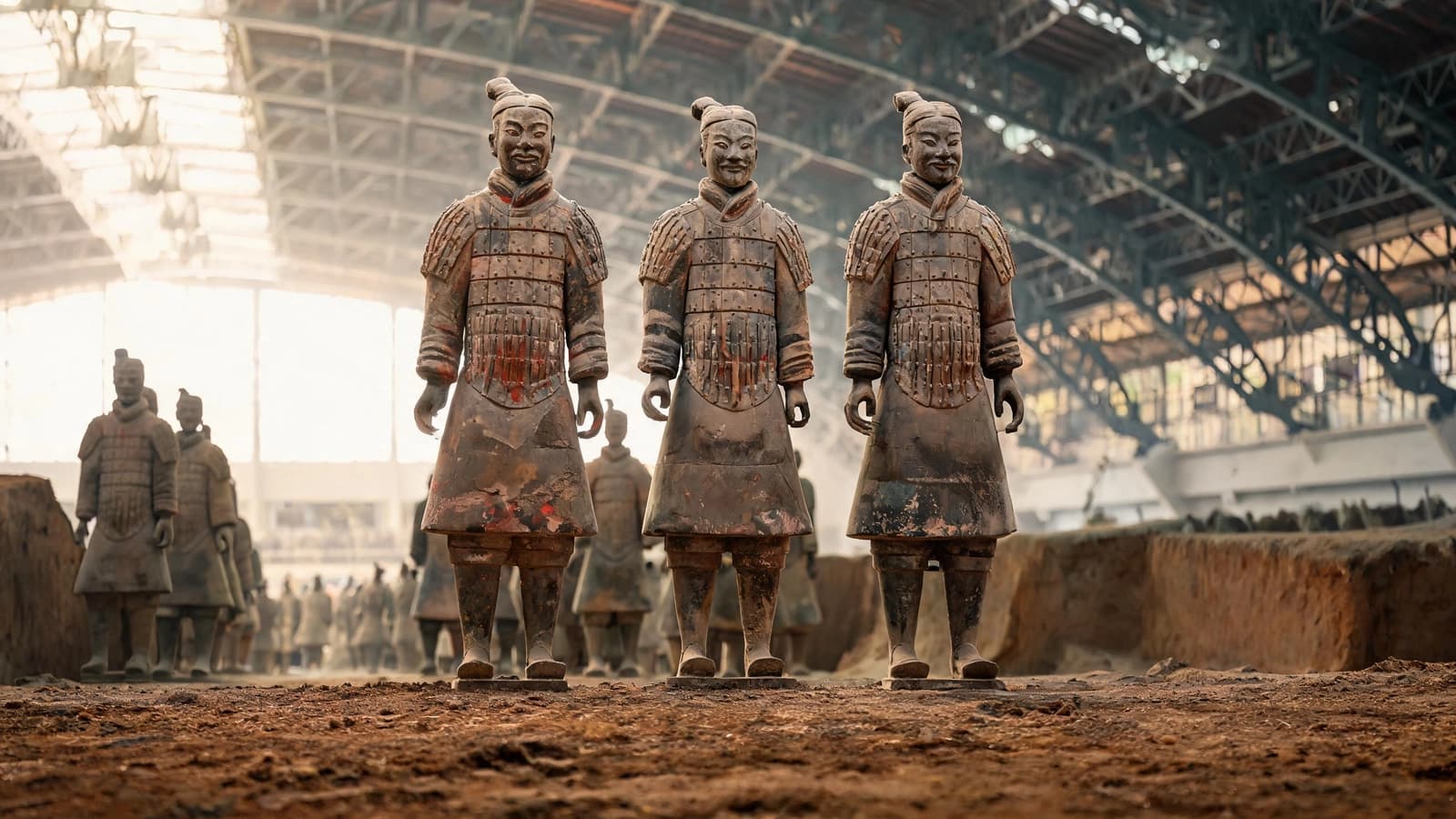
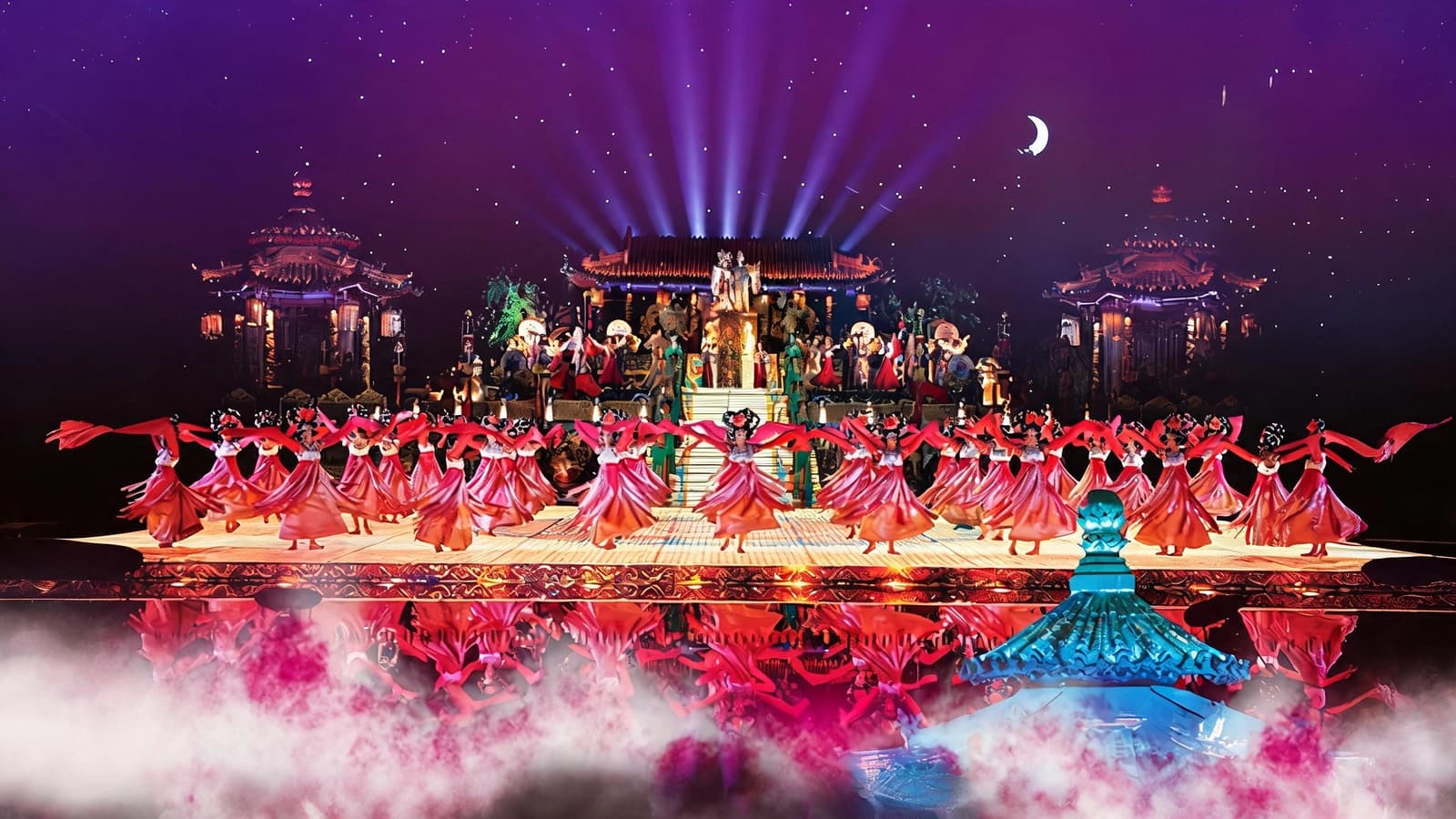
Traveler Discussions
Questions from travelers