
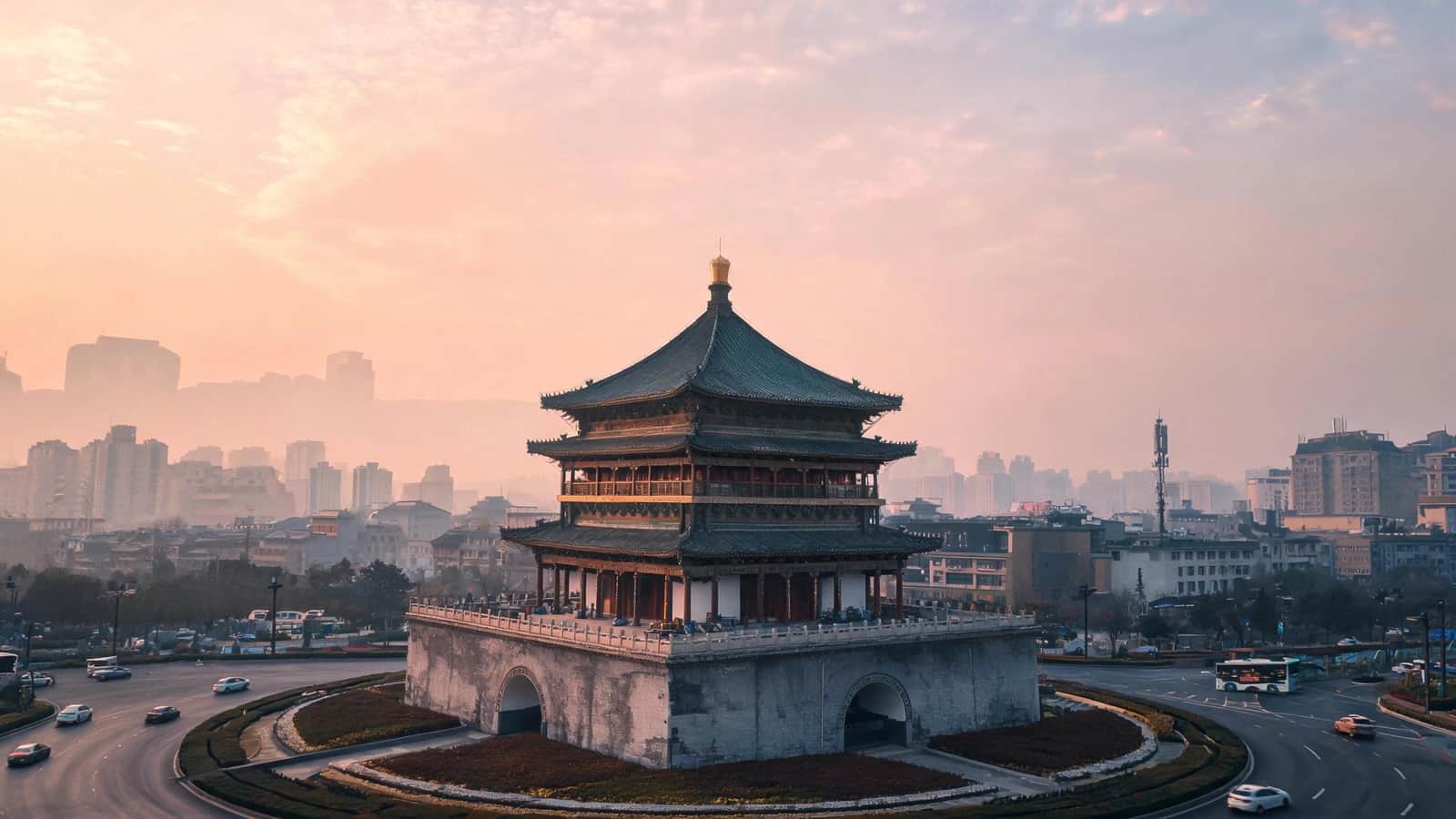
Beyond the Terracotta Warriors, Xi'an reveals a city of layered histories from Han and Tang imperial ruins to Muslim food lanes, ancient city walls, and vibrant nightlife. Each district offers US travelers a different window into one of China's oldest capitals, and this guide covers every corner so you can plan your 2027 trip with confidence.
Cycling the City Wall at sunset, with the old city on one side and modern towers on the other, is one of Xi'an's most unforgettable experiences. Xi'an is the only city where you can cycle atop a 600-year-old wall in the morning, taste 1,000-year-old recipes at lunch, and watch a Tang Dynasty light show by night.
15 Best Things to Do in Xi’an Beyond the Terracotta Warriors — Top Picks for 2027
NO. | EXPERIENCE | DISTRICT | BEST FOR | SUGGESTED TIME |
1 | Cycle the Xi'an City Wall | Beilin | Views & active sightseeing | 2–3 hours |
2 | Visit the Bell & Drum Towers | Xincheng | First-time visitors | 1–1.5 hours |
3 | Explore the Big Wild Goose Pagoda | Yanta | Tang Buddhism | 1.5–2 hours |
4 | Walk Through Daming Palace | Weiyang | Imperial history | 2–3 hours |
5 | Visit the Small Wild Goose Pagoda | Beilin | Quiet history | 1.5–2 hours |
6 | Explore Shaanxi History Museum | Yanta | Ancient Chinese art & history | 1–3 hours |
7 | Visit Beilin Museum | Beilin | Chinese calligraphy | 1.5–2 hours |
8 | Eat Through the Muslim Quarter | Lianhu | Local food | 2–4 hours |
9 | Wander Xi'an's Historic Lanes | Lianhu / Beilin / Xincheng | Local life | 1–3 hours |
10 | Experience a Morning Market | Lianhu / Weiyang / Chang’an | Everyday Xi’an | 1–2 hours |
11 | Visit the Great Mosque | Lianhu | Chinese-Islamic culture | 1–1.5 hours |
12 | Watch The Song of Everlasting Sorrow | Lintong | Tang romance & live performance | 2–3 hours |
13 | Make a Traditional Xi'an Craft | Beilin / Lianhu / Yanta | Hands-on culture | 1–3 hours |
14 | Watch a Shadow Puppet Show | Lianhu / Beilin | Traditional performing arts | 30 min–2 hours |
15 | Experience Tang Chang'an After Dark | Yanta / Qujiang Area | Nightlife & Tang culture | 2–4 hours |
Xi’an Key Facts
District | Known For | Top Things to Do | Suggested Time |
|---|---|---|---|
Weiyang District | Imperial Chang'an & archaeology | Daming Palace; Han Chang'an ruins | Half day |
Lianhu District | Muslim culture & local food | Muslim Quarter; Great Mosque; historic lanes; shadow puppetry | Half day |
Baqiao District | Prehistoric culture & waterfront | Banpo Museum; waterfront; Expo Park | Half day |
Xincheng District | Historic center & landmarks | Bell & Drum Towers; central streets; modern history | 1h |
Beilin District | City Wall & traditional culture | Cycle the City Wall; Beilin Museum; Small Wild Goose Pagoda; traditional crafts | Half day |
Yanta District | Tang culture & nightlife | Big Wild Goose Pagoda; Shaanxi History Museum; The Longest Day; Tang Chang'an at night | 1 day |
Lintong District | Imperial history & Tang culture | Beyond the Terracotta Warriors: Huaqing Palace, Mount Li & Song of Everlasting Sorrow | 1 day |
Part 1: Explore Xi’an by District: Where to Find the 15 Experiences
Weiyang District: Imperial Chang'an & Ancient Capital
The Terracotta Warriors are undoubtedly Xi’an’s most famous attraction, but they represent only one chapter of the city’s 3,000-year history. Beyond the Qin Dynasty army, Xi’an offers a much deeper journey through ancient capitals, Silk Road connections, religious diversity, local neighborhoods, and living cultural traditions. Exploring areas such as Weiyang District allows travelers to discover where imperial China was planned, governed, and transformed over centuries.
For travelers visiting Xi’an in 2027, these lesser-known experiences provide a more complete understanding of the city — from Han Dynasty foundations and Tang Dynasty prosperity to the everyday culture that continues today.
Located in the northern part of Xi’an, Weiyang District was once the political center of ancient Chang’an, serving as the capital area for several important periods of Chinese history. Today, the district preserves some of the most significant archaeological sites connected with the Han and Tang dynasties, offering travelers a deeper understanding of Xi’an beyond its most famous landmarks.
For travelers interested in:
Ancient Chinese city planning
Imperial history
Archaeology
The rise of Chang’an as an international capital
Weiyang District provides an important historical perspective.
Top Attractions in Weiyang District
Daming Palace National Heritage Park: Located in the southeastern part of Weiyang District. This is where the Han and Tang empires built some of their most important palaces and capital complexes, leaving behind vast archaeological sites.
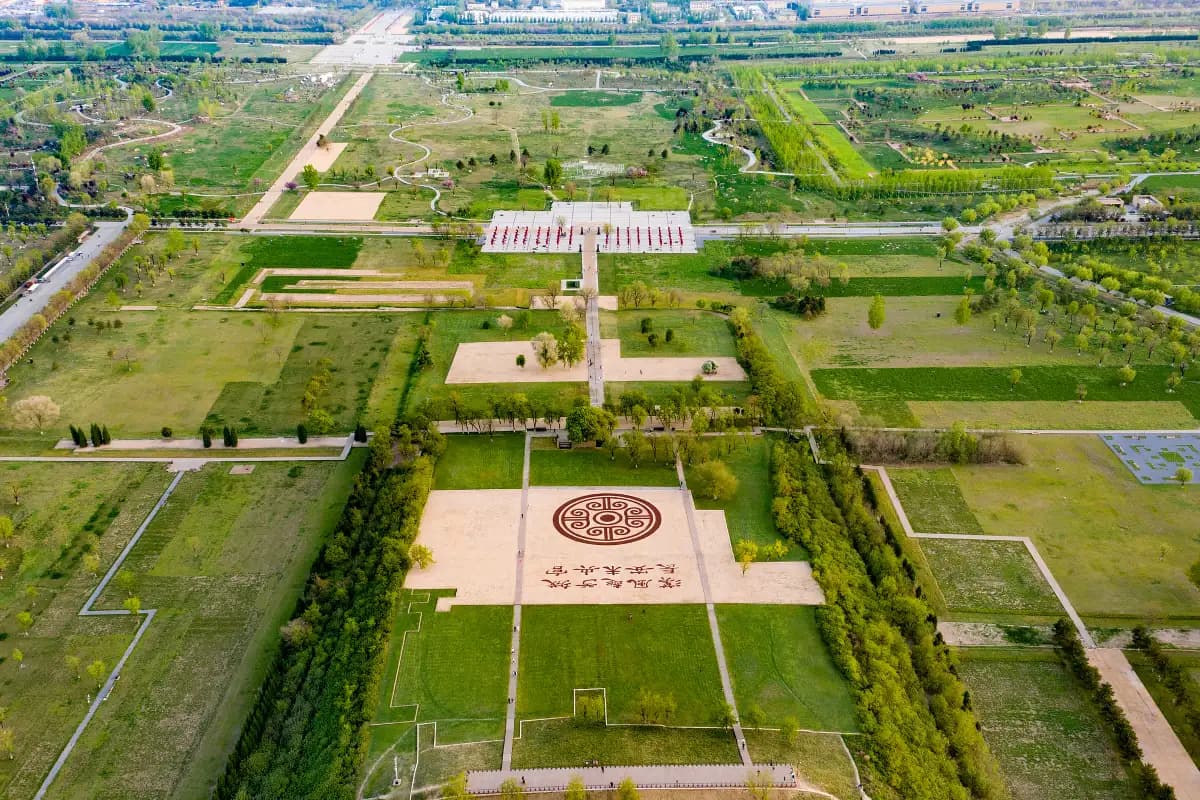
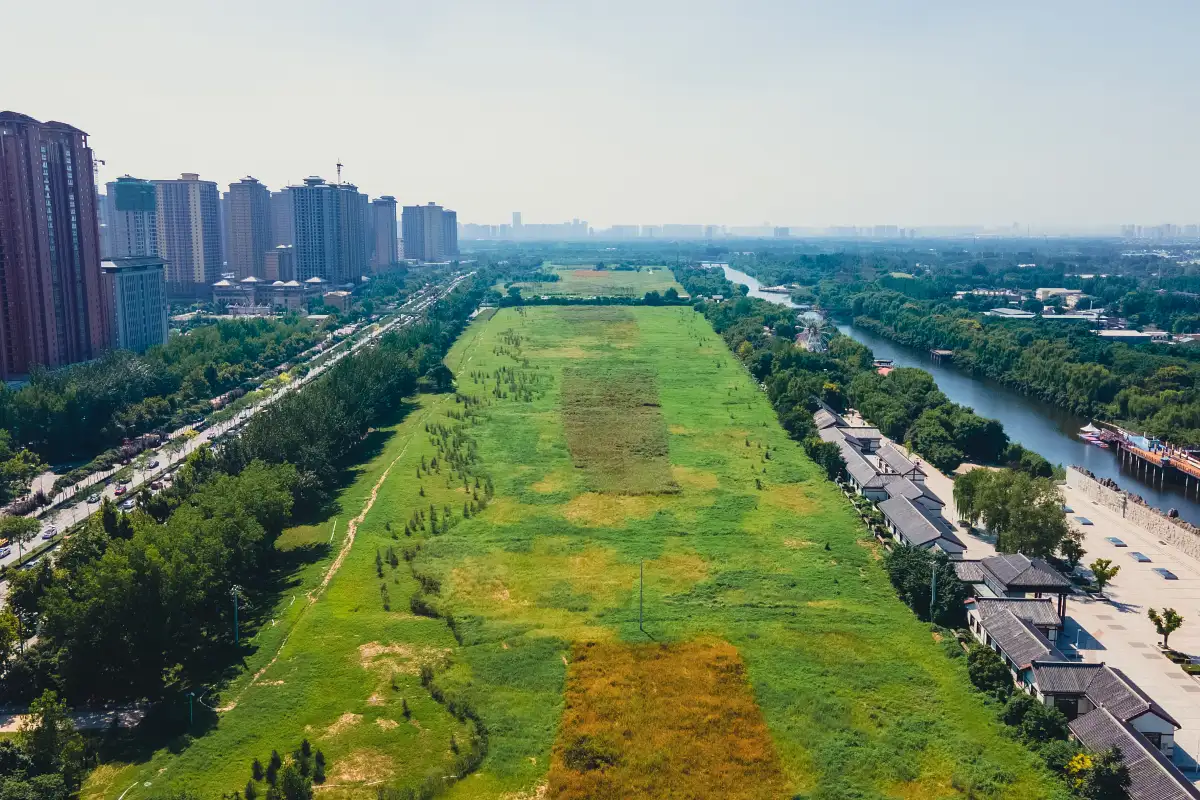
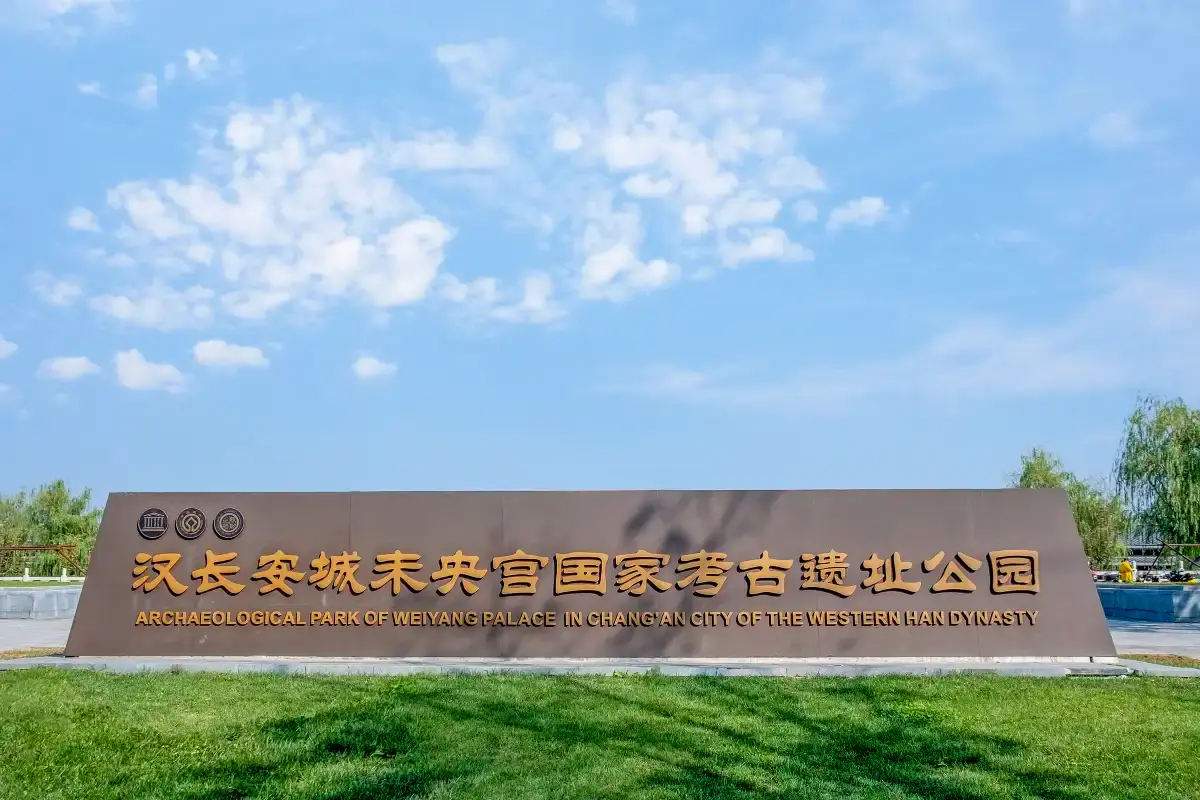
Han Chang'an City Weiyang Palace National Archaeological Heritage Park: Located in the southwestern part of the Han Chang'an City ruins, Weiyang Palace was the main imperial palace of the Western Han Dynasty and the political center of the empire for more than 200 years.
Standing on the rammed-earth foundations of Daming Palace, you can still feel the scale of an empire that once stretched from the Pacific to Central Asia.
1. Explore Daming Palace National Heritage Park
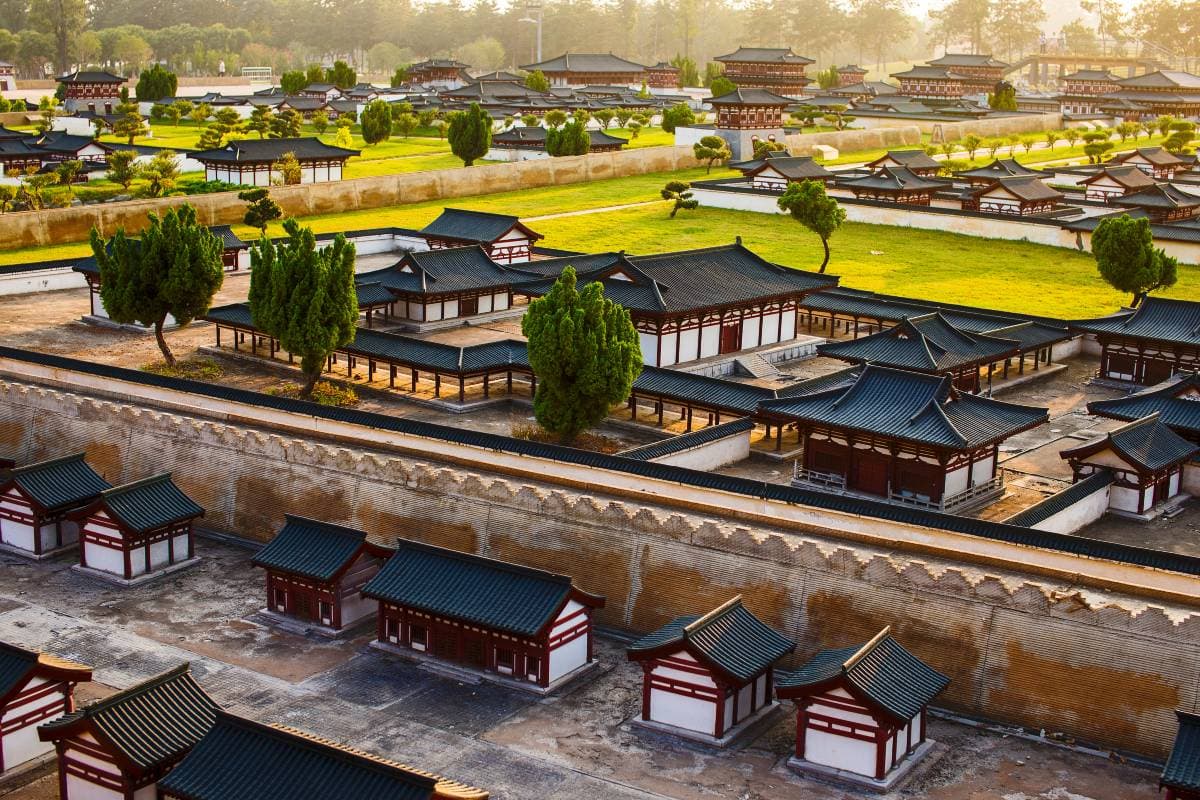
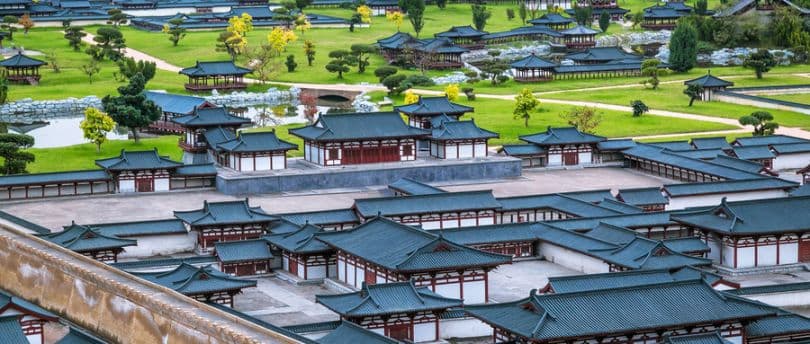
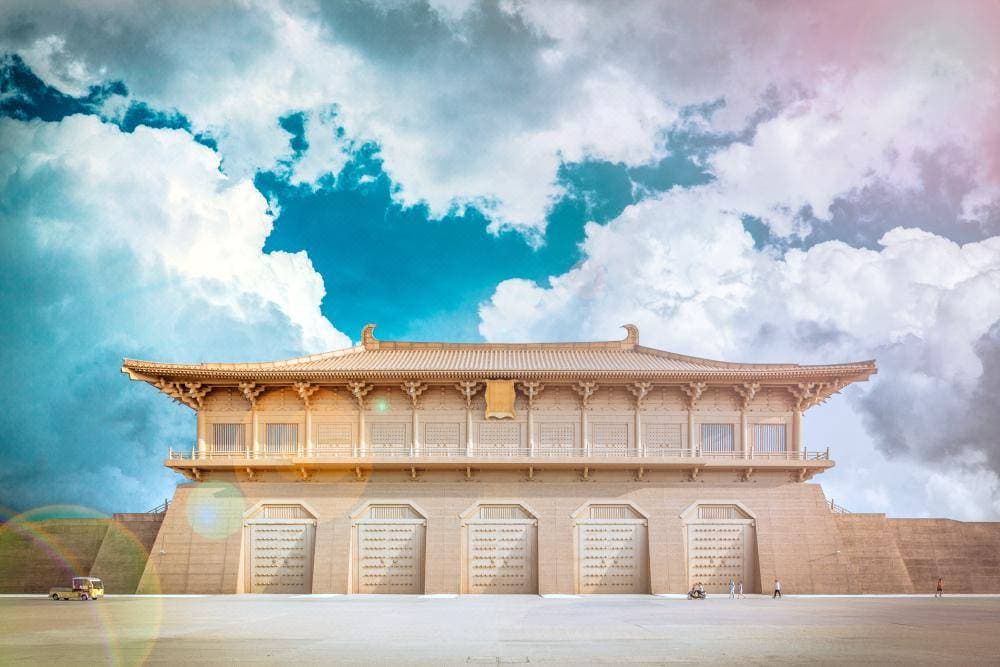
Daming Palace was the main imperial palace of the Tang Dynasty and the political center where emperors handled state affairs. Originally built in 634 AD and greatly expanded in 662 AD, the palace became the largest and most important palace complex in Chang’an during the Tang era.
Item | Details |
|---|---|
Location | Longshouyuan, Weiyang District, northeast of historic Xi'an |
Heritage Status | National Key Cultural Relic; UNESCO World Heritage Site; 5A-rated tourist attraction |
Built | First built in 634 AD and greatly expanded in 662 AD |
Historical Role | Tang imperial palace and political center |
Layout | Central axis; halls in front, residences behind |
Main Sites | Danfeng Gate, Hanyuan Hall, Xuanzheng Hall, Zichen Hall, Linde Hall, and Taiye Pool |
Opening Hours | 8:30 AM-7:00 PM in peak season; 8:30 AM-6:00 PM in low season. Last entry is 30 minutes before closing. |
Suggested Time | 2h |
Key Feature | Preserved palace foundations and archaeological remains |
❓️ Why It’s Worth Visiting
Many visitors come to Xi’an for the Terracotta Warriors, but Daming Palace shows another side of ancient China: the political and cultural power of the Tang Dynasty.
The Terracotta Warriors represent the military ambition of the Qin Dynasty, while Daming Palace represents the administration, diplomacy, and international influence of Tang China.
Beyond the Warriors: Discover the Tang Dynasty Capital
While the Terracotta Warriors reveal the military power of the Qin Dynasty, Daming Palace represents the political and cultural peak of Tang China. Visiting this vast palace site allows travelers to understand how Chang’an became one of the world’s largest and most influential cities during the Tang Dynasty.
It is an ideal choice for travelers who want to move beyond archaeological discovery and experience the ideas, architecture, and international connections behind ancient China’s golden age.
Three Reasons to Add Daming Palace to Your Xi’an Trip
Reason | Why It Matters |
|---|---|
Understand Tang Chang’an | Learn about the capital of one of China’s most prosperous dynasties |
Experience authentic archaeology | See original foundations instead of reconstructed buildings |
Discover ancient city planning | Understand the layout and organization of an imperial palace |
✨ Things to Do/to See
1️⃣ Danfeng Gate
Danfeng Gate was one of the main entrances to Daming Palace and is an ideal starting point for visitors. The gate area includes archaeological displays and exhibitions explaining the structure of the Tang palace complex.
Visitors can learn about:
The layout of Daming Palace
Tang architectural design
Archaeological discoveries from the site
Recommended for:
First-time visitors
Travelers interested in ancient architecture
Families who want an easier introduction to Tang history
2️⃣ Hanyuan Hall Site
Hanyuan Hall was the most important ceremonial hall in Daming Palace. It was used for major imperial events, official ceremonies, and receptions for foreign envoys.
Although only the foundation platform remains today, the size of the site allows visitors to imagine the scale and grandeur of Tang imperial ceremonies.
Best experience:
Understanding the political importance of the Tang court
Photography of the large archaeological landscape
3️⃣ Zijin City Area
The Zijin City area represented the inner palace zone of Daming Palace.
This area helps visitors understand the different functions of an ancient imperial palace:
Area | Function |
|---|---|
Outer Court | Official ceremonies and state events |
Central Palace Area | Government activities |
Inner Palace | Imperial living spaces |
Visitor Tips
Daming Palace is best viewed as an archaeological experience, not a traditional palace sightseeing attraction.
Practical Information
🕣️ Opening Hours
Season | Opening Hours |
|---|---|
Peak Season | 8:30 AM – 7:00 PM |
Low Season | 8:30 AM – 6:00 PM |
Last Entry | 30 minutes before closing |
🎫 Ticket Information
Ticket Type | Price | Details |
|---|---|---|
Outer Park | Free | Open public area |
Core Heritage Area | RMB 60/person | Main archaeological sites and museums |
Sightseeing Shuttle | RMB 30/person | Shuttle service inside the park |
3D Film Experience | RMB 30/person | Digital interpretation experience |
❓️ How to Buy Tickets
Option 1: Buy Yourself
Reserve through the official Daming Palace National Heritage Park WeChat account.
Visit the ticket counter at the Danfeng Gate South Entrance.
For Foreign Visitors: Bring your passport and purchase tickets at the staffed counter. Self-service machines are only available for Mainland Chinese ID cards.
Payment: The staffed counter accepts cash, WeChat Pay, and Alipay.
Option 2: Arrange Through Your Way Holiday Private Tour
Let us arrange your entrance tickets together with private transfer service.
🚪 Entrance Recommendation
Entrance | Best For |
|---|---|
Danfeng Gate South | First-time visitors and complete sightseeing route |
Zuoyintai Gate East | Travelers looking for a quieter entrance |
Xuanwu Gate North | Visitors combining with nearby areas |
📷️ Best Photo Spots
Location | Best Photo Opportunity |
|---|---|
Danfeng Gate | Architectural details and entrance views |
Hanyuan Hall Platform | Showing the scale of the former palace |
Open Ruins Area | Wide landscape photography |
Sunset Viewpoints | Atmospheric archaeological photography |
Expert Recommendation
Traveler Type | Recommendation |
|---|---|
History enthusiasts | ⭐⭐⭐⭐⭐ |
Photography travelers | ⭐⭐⭐⭐⭐ |
First-time Xi’an visitors | ⭐⭐⭐⭐ |
Families | ⭐⭐⭐⭐ |
Travelers with limited time | ⭐⭐⭐ |
Recommended Combinations
Route | Suggested Attractions |
|---|---|
Tang Dynasty Route | Daming Palace → Big Wild Goose Pagoda → Datang Everbright City |
Ancient Capital Route | Daming Palace → Xi’an City Wall → Beilin Museum |
Real Traveler Scenario
Traveler Situation | Recommendation |
|---|---|
First visit with only 2 days in Xi’an | Prioritize major landmarks first; add Daming Palace if interested in Tang history |
Family with children | Add storytelling from a guide to make ruins easier to understand |
Senior travelers | Allow more time and reduce walking pace |
Photography lovers | Visit in late afternoon for better light |
2. Han Chang’an City Weiyang Palace National Archaeological Heritage Park
Han Chang’an City Weiyang Palace was the main imperial palace of the Western Han Dynasty and one of the earliest and most important palace complexes in ancient China. Built during the early Western Han period, it served as the political center of the empire for more than two centuries and witnessed the development of Chang’an as a major capital city.
Unlike the Tang Dynasty’s Daming Palace, which represents the height of Chang’an’s international influence, Weiyang Palace reflects the foundation of the imperial capital system established during the Han Dynasty. The site provides visitors with an opportunity to explore the origins of ancient Chinese palace planning and understand how Chang’an developed as a center of political power.
Item | Details |
|---|---|
Location | Southwestern Han Chang'an City ruins, Weiyang District |
Historical Role | Main imperial palace of the Western Han Dynasty |
Admission | Free outdoor park |
Best For | Archaeology, history, photography, seasonal flowers |
Best Season | Spring for flowers; autumn for pink muhly grass |
Opening Hours | 6:00 AM-10:00 PM; exhibition halls 9:00 AM-5:00 PM, closed Mondays |
❓️ Why It’s Worth Visiting
Weiyang Palace offers a quieter alternative to Xi’an’s more famous attractions. Instead of restored buildings and busy sightseeing areas, visitors experience a large archaeological landscape where ancient ruins, farmland scenery, and seasonal flowers exist together.
For travelers interested in photography, slow travel, or exploring lesser-known heritage sites, the park provides a different way to experience Han Dynasty history.
Beyond the Warriors: Discover the Beginning of Imperial Chang’an
Many travelers know Xi’an through the Terracotta Warriors, but the story of China’s imperial capitals began earlier with Han Chang’an. Weiyang Palace introduces visitors to the origins of imperial city planning, political systems, and the development of Chang’an as a center of power.
For history enthusiasts, this is one of the best places in Xi’an to understand the foundations behind later dynasties.
Seasonal Flower Experience
One of the special features of Weiyang Palace National Archaeological Site Park is that the landscape changes throughout the year. Different flowers and plants create different experiences, making the park suitable for repeat visits in different seasons.
Best Seasons to See Weiyang Palace in Bloom
Season | Months | What to See | Best Entrance / Tips |
|---|---|---|---|
Spring | March–May | March–April: golden rapeseed flowers, green wheat fields, peach and pear blossoms. May: daisies, evening primrose, and sage flowers in the northern area | Best entrances: Zhangcheng Gate, Xi’an Gate, Beigong Gate |
Summer | June–August | Daylilies in June–July and sunflower fields in July–August | Visit after 5:00 PM to avoid heat and enjoy softer evening light. Daylily viewing: Beigong Gate |
Autumn | September–November | Pink muhly grass from late September to early November | Best entrance: Beigong Gate; cooler weather is ideal for walking |
Winter | December–February | Quiet archaeological landscape with dry grass, open fields, and ancient ruins | Good for peaceful walks and atmospheric photography |
✨ Things to Do/to See
1️⃣ Han Chang’an City Ruins Landscape
The park allows visitors to experience the scale of ancient Chang’an through open fields, archaeological remains, and historical landscapes.
Unlike enclosed museums, the outdoor environment helps travelers understand how ancient capitals were integrated with large-scale urban planning.
2️⃣ Seasonal Flower Fields
The flower areas create different visual experiences throughout the year:
Spring: colorful flower fields and agricultural landscapes
Summer: bright sunflower and daylily scenery
Autumn: one of the most popular photography seasons because of pink muhly grass
Winter: quieter atmosphere with fewer visitors
Visitor Tips
The park is large and mainly outdoors, so comfortable shoes are recommended.
Spring and autumn are the most comfortable seasons for walking.
Summer visits are better planned after 5:00 PM because of high temperatures.
For photography, check the flowering period before visiting because blooming times may vary slightly depending on weather conditions.
Practical Information
🎫 Ticket Information
Item | Details |
|---|---|
Admission Fee | Free admission for the archaeological site park |
Exhibition Halls | Separate opening schedule and ticket requirements may apply |
Recommended Booking | Check the latest official information before visiting during peak flower seasons |
Suitable For | Visitors interested in Han Dynasty history, archaeology, photography, and outdoor walking |
❓️ How to Buy Tickets
Option 1: Purchase Tickets Yourself
Independent travelers can usually purchase tickets through:
Method | Details |
|---|---|
Official Online Platforms | Use the attraction’s official booking channels or authorized platforms |
On-site Ticket Counter | Available for attractions that support same-day purchase |
Mobile Payment | Chinese payment methods may be required for some online platforms |
Tips for International Visitors:
Some Chinese attraction booking systems require real-name registration.
Passport information may be needed when making reservations.
Popular attractions may sell out during public holidays or peak seasons.
English instructions may be limited on some local platforms.
Option 2: Visit with a Private Tour Service
For international travelers who prefer a smoother experience, booking a complete private tour that includes a vehicle and professional guide can make the visit easier.
A private tour service can help with:
Checking ticket availability in advance
Making reservations according to your passport information
Planning the best visiting time to avoid peak crowds
Coordinating transportation between attractions
Providing historical explanations and local insights during the visit
At Your Way Holiday, ticket arrangements are provided as part of a complete private tour service, including a private vehicle and guide. We do not offer standalone attraction ticket-purchasing services, but guests booking a full tour with transportation and guiding service can enjoy a more convenient and worry-free travel experience.
📷️ Best Photo Spots
Location | Best Time | Photography Focus |
|---|---|---|
Spring flower fields | March–April | Rapeseed flowers, peach and pear blossoms |
Northern flower area | May–June | Daisies, evening primrose, sage flowers |
Beigong Gate area | Summer & autumn | Daylilies and pink muhly grass |
Open archaeological landscape | Winter / sunset | Quiet ruins and wide landscapes |
Expert Recommendation
Traveler Type | Recommendation |
|---|---|
Photography travelers | ⭐⭐⭐⭐⭐ |
Nature and history lovers | ⭐⭐⭐⭐⭐ |
Returning Xi’an visitors | ⭐⭐⭐⭐⭐ |
First-time visitors with limited time | ⭐⭐⭐ |
Families | ⭐⭐⭐⭐ |
Real Traveler Scenario
Traveler Situation | Recommendation |
|---|---|
Visiting Xi’an in spring | Add this stop for flowers and archaeology together |
Visiting in autumn | Ideal for photography and comfortable outdoor walking |
First Xi’an trip with limited time | Consider it only if interested in Han history or quieter sites |
Travelers avoiding crowds | A good alternative to busier attractions |
Lianhu District: Muslim Quarter, Local Food and Old Xi’an
Located in central-western Xi’an, Lianhu District is one of the city’s oldest urban areas, surrounding part of the historic city center and preserving a strong connection with Xi’an’s traditional neighborhoods, Muslim heritage, local markets, and food culture.
While many visitors first come here for the famous Muslim Quarter, Lianhu District offers much more than street food. Its narrow historic lanes, religious architecture, neighborhood markets, traditional crafts, and everyday local life reveal another side of Xi’an — a city shaped by centuries of cultural exchange along the Silk Road.
For travelers who want to experience Xi’an beyond major monuments, Lianhu is one of the best areas to explore on foot.
Top Attractions in Lianhu District
Attraction | Main Experience | Best For | Recommended Time |
|---|---|---|---|
Xi’an Muslim Quarter | Hui Muslim culture, local food, historic lanes, traditional markets | First-time visitors, food lovers, cultural travelers | 2–4 hours |
Sajinqiao Food Street & Morning Market | Authentic local food and neighborhood atmosphere | Travelers seeking everyday Xi’an life | 1–2 hours |
Great Mosque of Xi’an | Chinese-Islamic architecture and Silk Road heritage | History lovers, architecture enthusiasts | 1–1.5 hours |
Gao’s Grand Courtyard & Shadow Puppet Show | Traditional courtyard architecture and folk performance | Cultural experience seekers | 1–2 hours |
Xiwutai Yunju Temple | Quiet Buddhist temple and old neighborhood atmosphere | Travelers interested in hidden heritage | 1 hour |
Lianhu Park | Local leisure space and lotus scenery | Relaxed walks, families, local life | 1–2 hours |
1. Xi’an Muslim Quarter: Food, Culture & Old Neighborhood Life
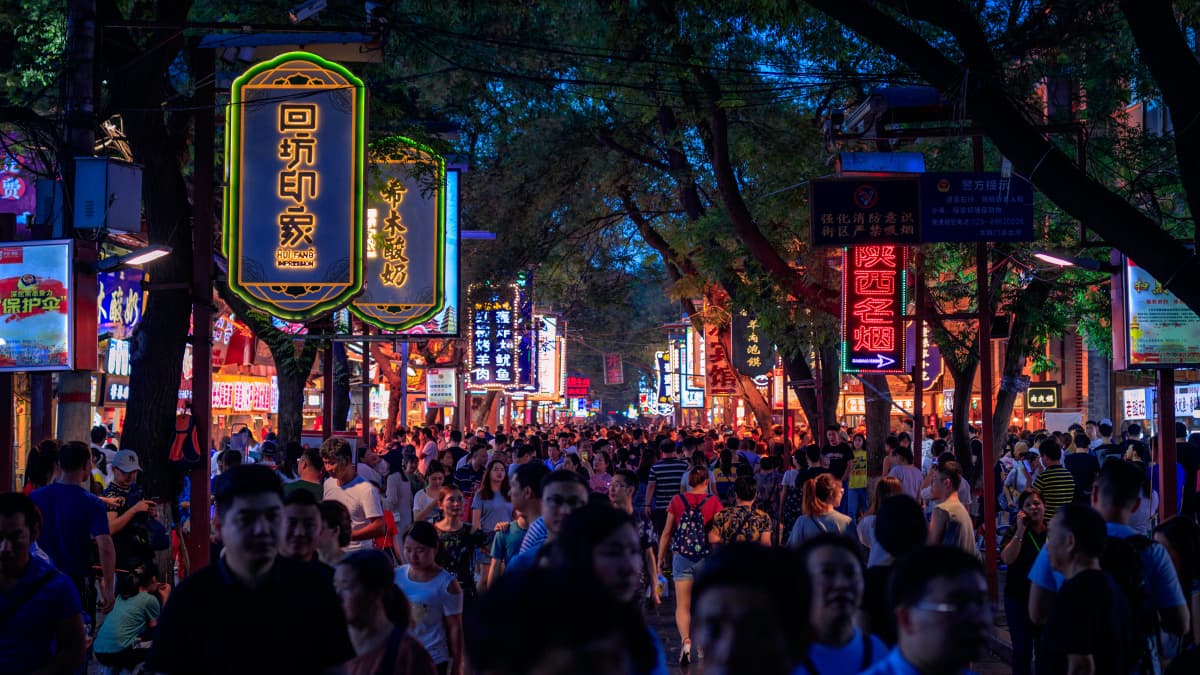
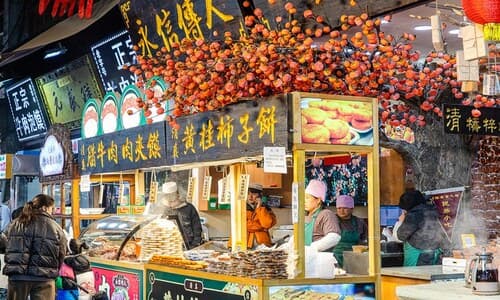
Located just north of the Drum Tower in central Xi’an, the Muslim Quarter is one of the city’s most famous historic neighborhoods. Its narrow lanes combine Hui Muslim heritage, halal food traditions, local markets, and everyday residential life.
The area developed through centuries of cultural exchange connected with the Silk Road. Today, it remains one of the best places in Xi’an to experience local flavors, traditional crafts, and the multicultural history of the ancient capital.
Although Beiyuanmen Street is the most famous route for visitors, the deeper experience comes from exploring nearby lanes such as Xiyangshi Street, Beiguangji Street, Dapiyuan Street, and Xiaopiyuan Street, where local restaurants and neighborhood life continue.
Item | Details |
|---|---|
Location | West side of Zhonggulou Square, Lianhu District, Xi'an (at the entrance of Beiyuanmen) |
Main Character | Historic Muslim neighborhood with halal food and traditional markets |
Cultural Background | Hui Muslim heritage and Silk Road cultural exchange |
Admission | Free |
Recommended Visit Time | 2–4 hours |
Best For | Food lovers, cultural travelers, photographers, first-time visitors |
❓️ Why It’s Worth Visiting
The Muslim Quarter is not only a food destination. It is a living neighborhood where visitors can experience how different cultures have influenced Xi’an for more than a thousand years.
The area is especially valuable because it combines:
Experience | Why It Matters |
|---|---|
Local Food Culture | Discover traditional Shaanxi and Hui Muslim dishes |
Historic Lanes | Walk through old urban streets that preserve local character |
Cultural Diversity | Experience the influence of Silk Road exchanges |
Everyday Life | See local residents shopping, eating, and socializing |
Beyond the Warriors: Discover Xi’an’s Living Silk Road Culture
The Terracotta Warriors show Xi’an’s ancient military history, but the Muslim Quarter reveals another side of Chang’an — a global city shaped by trade, migration, and cultural exchange.
Walking through the historic lanes, tasting local halal cuisine, and visiting traditional neighborhoods allow travelers to experience Xi’an as a living city rather than only an archaeological destination.
✨ Things to Do/to See
1️⃣ Beiyuanmen Street
Beiyuanmen Street is the most famous entrance to the Muslim Quarter and a convenient starting point for first-time visitors.
The pedestrian street is lined with:
Traditional snack shops
Halal restaurants
Souvenir stores
Local handicraft shops
It is lively throughout the day and especially popular in the evening.
2️⃣ Historic Lanes Beyond the Main Street
For travelers looking for a more authentic experience, exploring the side streets provides a different atmosphere.
👉🏻 Recommended walking route:
Bell Tower → Beiyuanmen Street → Xiyangshi Street → Beiguangji Street → Dapiyuan Street → Xiaopiyuan Street → Bell Tower
Area | Experience |
|---|---|
Beiyuanmen Street | Famous snacks and first impression of the Muslim Quarter |
Xiyangshi Street | Traditional food shops and local restaurants |
Beiguangji Street | Halal restaurants and old snack stores |
Dapiyuan Street | Historic alley atmosphere |
Xiaopiyuan Street | Final stop for local snacks |
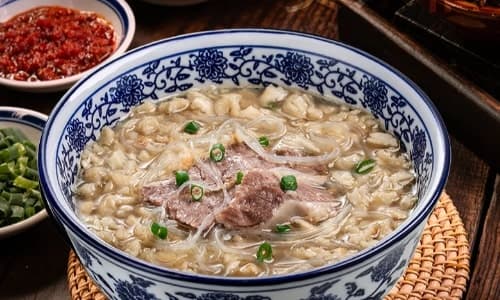
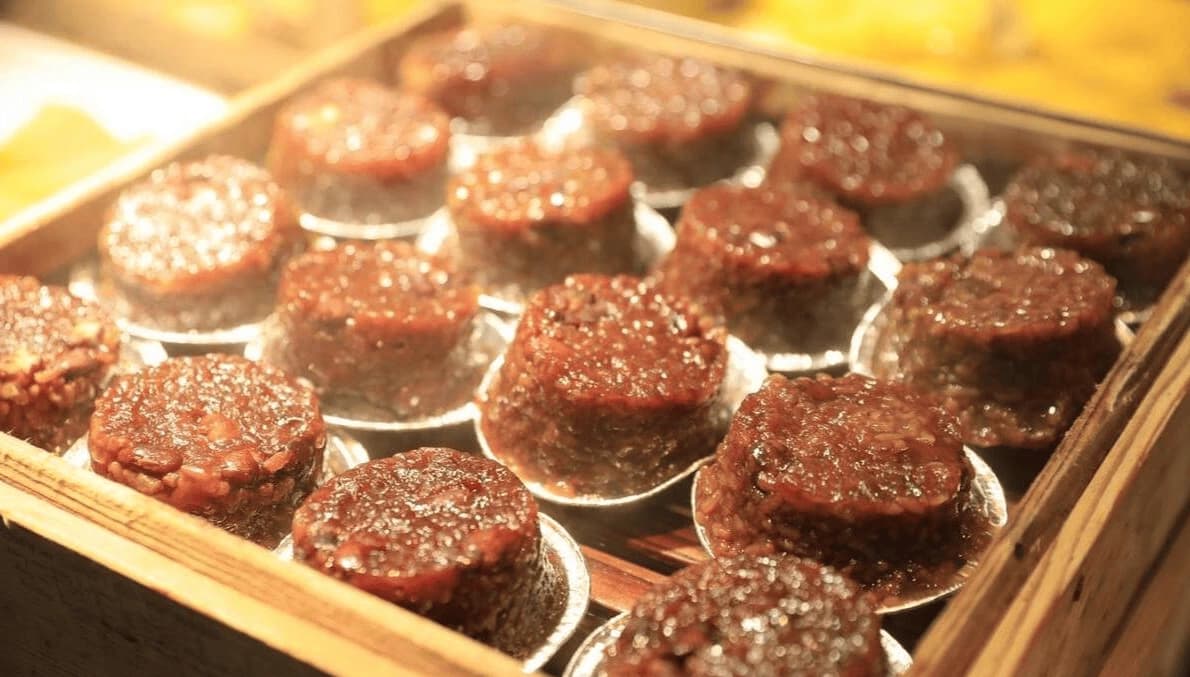
3️⃣ Muslim Quarter Food Experience
Food is one of the main reasons travelers visit the area.
Food | Description | Best For |
|---|---|---|
Beef & Lamb Paomo | Hand-torn bread soaked in rich beef or lamb broth | Classic Xi’an meal |
Sour-soup Dumplings | Dumplings served with spicy and sour soup | Light but flavorful meal |
Beef Roujiamo | Halal version of Xi’an’s famous stuffed flatbread | Quick street food |
Zenggao | Sticky rice, dates, and sweet ingredients steamed together | Traditional snack |
Huanggui Persimmon Cake | Fried persimmon cakes with sweet fillings | Snack or souvenir |
Youcha Mahua | Sesame tea served with crispy mahua | Traditional Hui-style flavor |
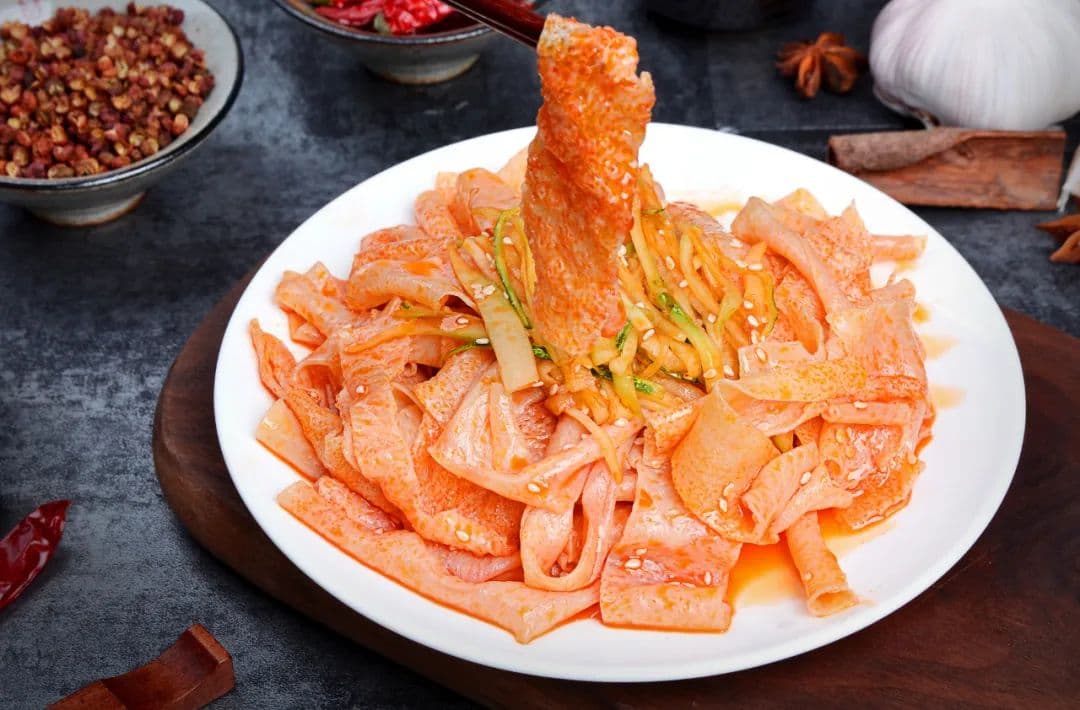
Liangpi | Cold rice noodles with chili oil and seasonings | Refreshing street food |
Eight-Treasure Tea | Tea mixed with dried fruits and nuts | Afternoon drink |
Halal BBQ Skewers | Grilled beef or lamb with cumin and spices | Evening snack |
Visitor Tips
Visit earlier in the day if you prefer a quieter atmosphere and easier walking.
Evening is the liveliest time, but the main streets can become crowded.
The most famous streets are also the most tourist-oriented; explore side lanes for a more local feeling.
Ask before photographing residents, vendors, or religious activities.
For travelers with sensitive stomachs, choose busy and established restaurants with good hygiene practices.
Practical Information
🕣️ Opening Hours
The Muslim Quarter itself is an open neighborhood, so there is no fixed opening time.
Experience | Recommended Time |
|---|---|
Morning exploration | Before 10:00 AM for local atmosphere |
Food walk | Late afternoon to evening |
Photography | Morning or evening for better light |
🎫 Ticket Information
Item | Details |
|---|---|
Muslim Quarter Entrance | Free |
Food & Shopping | Pay separately according to purchase |
Historic Sites Inside Area | Some attractions may require separate tickets |
❓️ How to Buy Tickets
Option 1: Visit Independently
The Muslim Quarter itself does not require an entrance ticket. Visitors can explore the streets freely and pay directly for food, shopping, and any individual attractions.
Option 2: Arrange Through Your Way Holiday Private Tour
For international visitors who want a deeper understanding of the area, a private guide can help explain:
Hui Muslim history in Xi’an
Food culture and local customs
Hidden historic lanes
Recommended local restaurants
We offer specially designed tour packages for Muslim travelers. You can find more details here:
📷️ Best Photo Spots
Location | Best For |
|---|---|
Beiyuanmen Street | Traditional street scenes and food stalls |
Xiyangshi Street | Local neighborhood atmosphere |
Historic alleyways | Daily-life photography |
Drum Tower viewpoint | Wide views of the surrounding area |
Expert Recommendation
Traveler Type | Recommendation |
|---|---|
History enthusiasts | ⭐⭐⭐⭐⭐ |
Photography travelers | ⭐⭐⭐⭐⭐ |
First-time Xi’an visitors | ⭐⭐⭐⭐ |
Families | ⭐⭐⭐⭐ |
Travelers with limited time | ⭐⭐⭐ |
Muslim Quarter Food Recommendations
Restaurant | Customer Rating | Address | Phone | Opening Hours | Price |
|---|---|---|---|---|---|
Qingming Zhigan Sour Soup Dumplings | 4.1/5 | No.17 East Xiaopiyuan Lane, Lianhu District | — | 09:00–19:30 | 15–28 RMB/person |
Lao Liu Jia Beef & Lamb Paomo | 4.2/5 | No.101 North Guangji Street, Lianhu District | +86-13991161718 | 05:00–21:00 | Approx. 18–35 RMB/person |
Jia San Soup-Filled Bun Restaurant | 4.4/5 | No.93 Beiyuanmen | +86-029-87257507 | 08:00–22:00 (seasonal variation) | 30–37 RMB/person |
Yiguzhai Huanggui Persimmon Cake | 4.0/5 | No.119 Beiyuanmen | +86-13572442011 | 09:00–22:00 | 3–8 RMB/piece |
2. Sajinqiao Food Street & Morning Market: A More Local Side of Xi’an Food Culture
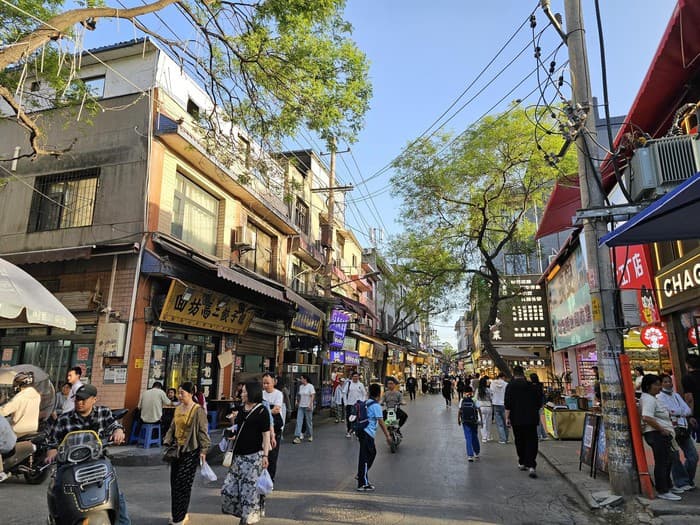
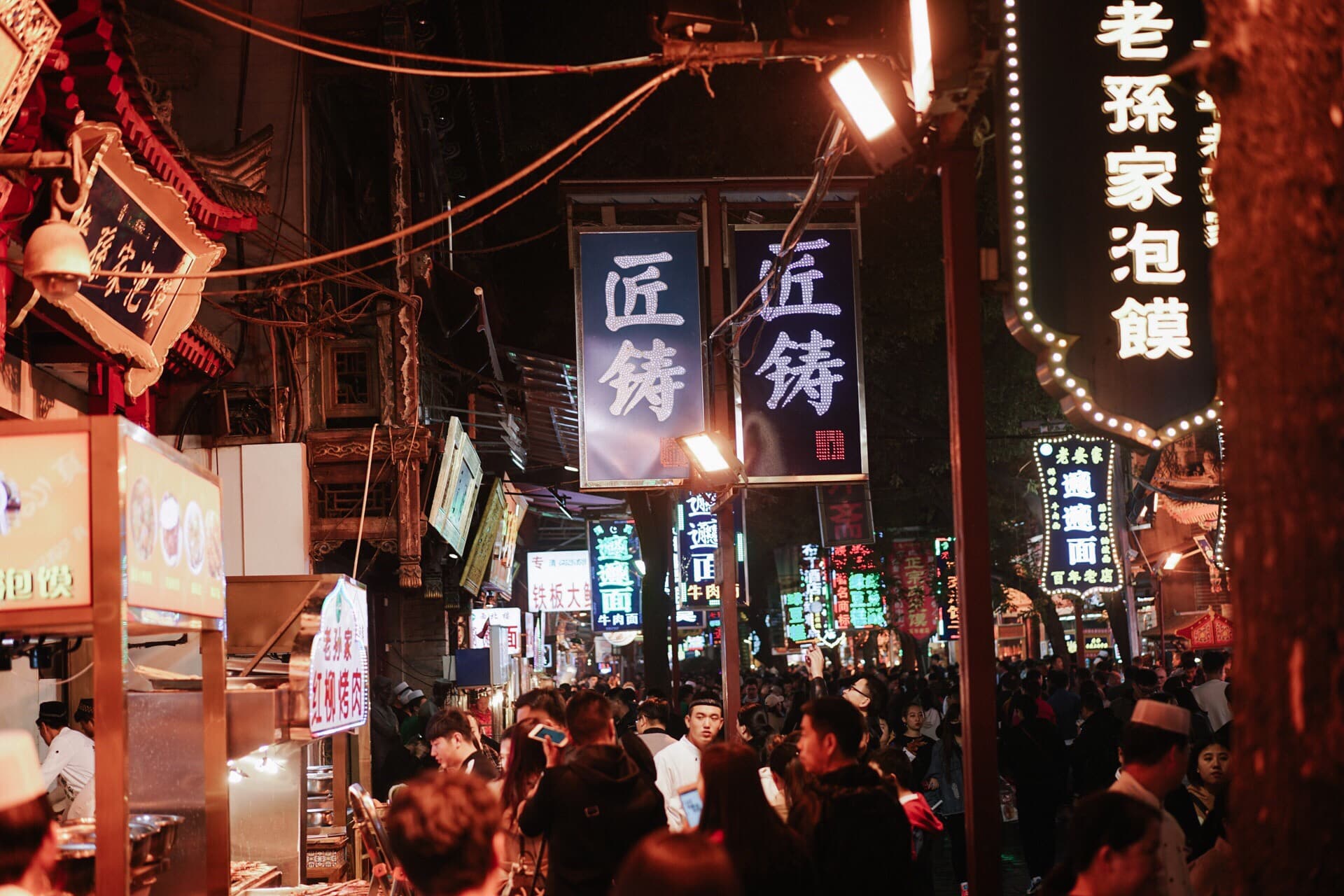
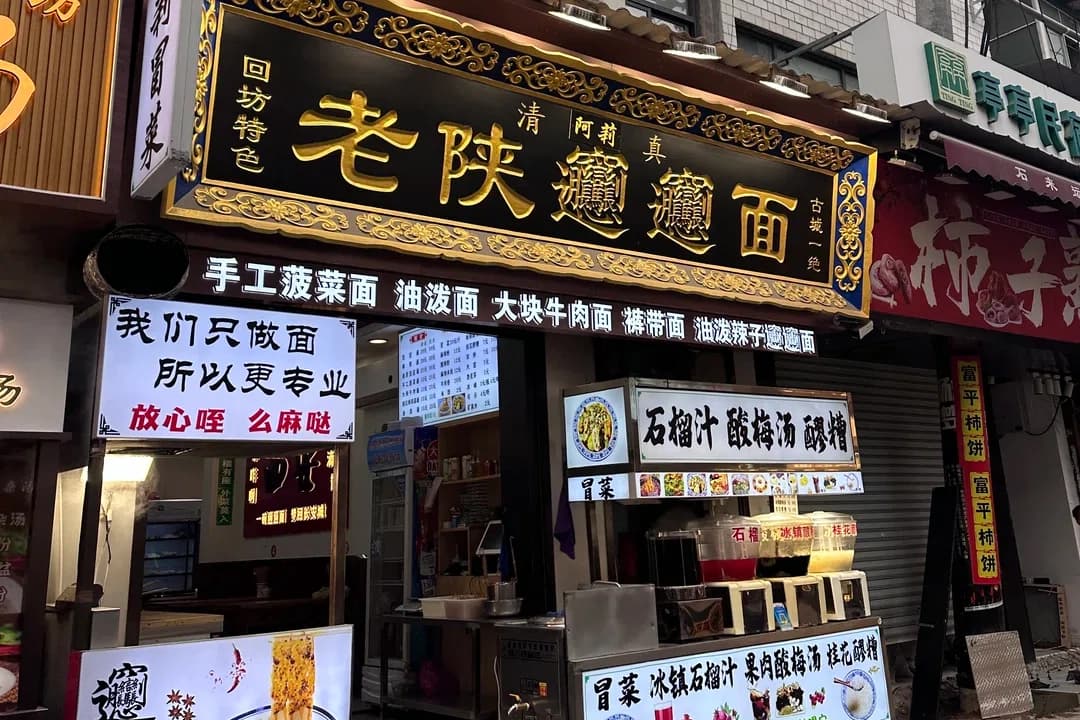
Located near the Muslim Quarter in Lianhu District, Sajinqiao Food Street (洒金桥) offers a more local and everyday food experience compared with the famous Beiyuanmen Street. While the main Muslim Quarter attracts visitors with its historic atmosphere and well-known snacks, Sajinqiao is where many local residents come for breakfast, traditional dishes, and neighborhood dining.
The area reflects the living food culture of Xi’an’s Hui Muslim community, with small restaurants, traditional food stalls, and long-established family businesses operating along the street. For travelers who want to experience how locals actually eat in Xi’an, Sajinqiao provides a more authentic and less commercialized alternative.
Item | Details |
|---|---|
Chinese Name | 洒金桥 |
Location | Lianhu District, Xi’an |
Main Experience | Local breakfast, traditional Hui Muslim food, neighborhood life |
Admission | Free |
Recommended Visit Time | 1–2 hours |
Best Time to Visit | Morning |
Best For | Food lovers, cultural travelers, repeat visitors |
❓️ Why It’s Worth Visiting
Sajinqiao is valuable because it shows the everyday side of Xi’an’s food culture. Instead of focusing only on famous tourist snacks, visitors can observe local dining habits and discover traditional dishes that many residents have enjoyed for generations.
Experience | Why It Matters |
|---|---|
Local Breakfast Culture | Experience how Xi’an residents start their day |
Traditional Hui Cuisine | Discover authentic halal dishes |
Neighborhood Atmosphere | See daily life beyond major tourist streets |
Food Exploration | Find smaller family-run restaurants and old shops |
✨ Things to Do/to See
1️⃣ Traditional Breakfast Experience
Sajinqiao is especially famous as a morning destination. Many local residents visit early for traditional Xi’an breakfast, creating a lively but authentic atmosphere.
Popular choices include:
Food | Description |
|---|---|
Beef & Lamb Paomo | A classic Xi’an dish made with bread soaked in rich broth |
Hulutou Paomo | A local variation with distinctive flavors |
Roujiamo | Flatbread filled with seasoned meat |
Liangpi | Cold noodles with chili oil and seasonings |
Spicy Soup (Hulatang) | A popular breakfast dish with strong local flavor |
2️⃣ Family-Run Food Shops
Unlike some highly commercialized tourist areas, Sajinqiao is known for smaller restaurants and long-established food shops.
Visitors can experience:
Open kitchens
Traditional cooking methods
Local dining customs
Friendly neighborhood interactions
The atmosphere is more about daily life than sightseeing.
3️⃣ Local Market Atmosphere
The surrounding streets preserve the feeling of an old Xi’an neighborhood.
Travelers may see:
Residents buying breakfast
Local grocery shops
Traditional food preparation
Everyday community life
This makes Sajinqiao a good addition for travelers interested in cultural immersion.
Visitor Tips
Visit before noon for the best food selection and local atmosphere.
Some small restaurants may not have English menus, so translation apps can be useful.
Bring a little patience during busy breakfast hours because popular shops can become crowded.
Cash is still accepted, but Alipay and WeChat Pay are the most common payment methods in Xi’an.
If you have dietary restrictions, confirm ingredients before ordering.
Practical Information
🕣️ Opening Hours
Sajinqiao is an open street area, so there is no official opening time.
Experience | Recommended Time |
|---|---|
Breakfast | Around 7:00–10:00 AM |
Food exploration | Morning to early afternoon |
Photography | Morning for local-life scenes |
🎫 Ticket Information
Item | Details |
|---|---|
Street Entrance | Free |
Food & Drinks | Pay according to individual purchases |
Restaurant Consumption | Varies by restaurant |
📷️ Best Photo Spots
Location | Best Photo Opportunity |
|---|---|
Morning food stalls | Local breakfast scenes |
Narrow neighborhood lanes | Traditional Xi’an street atmosphere |
Restaurant entrances | Traditional food preparation |
Market areas | Everyday local-life photography |
Expert Recommendation
Traveler Type | Recommendation |
|---|---|
Food lovers | ⭐⭐⭐⭐⭐ |
Returning Xi’an visitors | ⭐⭐⭐⭐⭐ |
First-time visitors | ⭐⭐⭐⭐ |
Families | ⭐⭐⭐⭐ |
Travelers interested in local life | ⭐⭐⭐⭐⭐ |
Real Traveler Scenario
Traveler Situation | Recommendation |
|---|---|
First time in Xi’an | Visit if you want a deeper food experience beyond tourist areas |
Limited morning time | Choose 2–3 signature dishes and explore briefly |
Food photographers | Visit early when markets are most active |
Travelers seeking local life | Highly recommended |
3. Xi’an Great Mosque: Discover Chinese-Islamic Heritage Beyond the Warriors
Hidden among the narrow lanes of Xi’an’s historic Muslim Quarter, the Great Mosque of Xi’an is one of the city’s most distinctive examples of Chinese-Islamic heritage. Located at No. 30 Huajue Lane, Lianhu District, the mosque combines traditional Chinese courtyard architecture with Islamic decorative elements, creating an architectural style that looks very different from the Middle Eastern mosque designs many international visitors may expect.
The mosque is also a living religious site rather than simply a historical monument. Its courtyards, wooden structures, stone carvings, Arabic calligraphy, and prayer hall reflect centuries of cultural interaction between China and the Islamic world.
Item | Details |
|---|---|
Location | No. 30 Huajue Lane, Lianhu District, Xi’an |
Type | Historic mosque and active religious site |
Architecture | Four courtyards combining traditional Chinese architecture with Islamic decorative elements |
Key Features | Wooden archway, Five-Room Tower, stone archway, Phoenix Pavilion, prayer hall |
Admission | RMB 25 in summer; RMB 15 in winter |
Opening Hours | May–August: 08:00–20:00; September–April: 08:00–18:40 |
Recommended Visit | 1–2 hours |
Best For | Chinese-Islamic culture, architecture, Silk Road history |
Suggested Pairing | Sajinqiao Morning Market → Great Mosque |
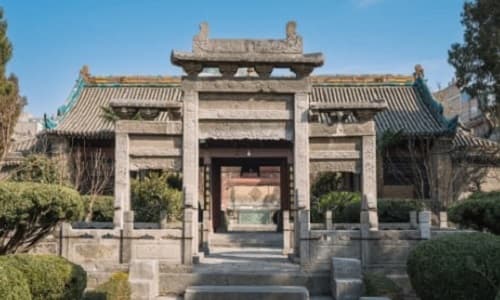
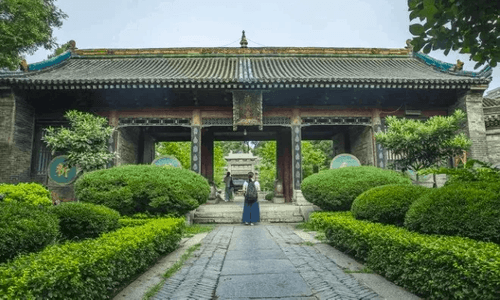
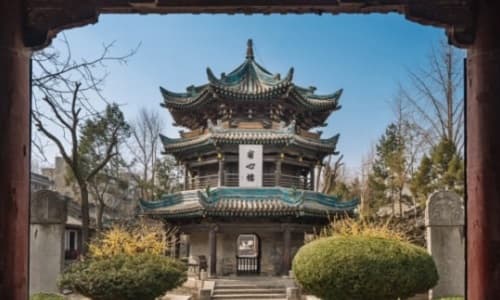
❓️ Why It’s Worth Visiting
The Great Mosque offers a completely different experience from the Terracotta Warriors. While the Warriors introduce visitors to the military and imperial world of Qin China, the mosque reveals Xi’an as a place of cultural exchange, where Chinese architectural traditions and Islamic religious culture developed side by side.
For travelers following the theme of “Xi’an beyond the Warriors”, this is particularly valuable because it moves the journey from archaeological history into living cultural heritage and the Silk Road story.
Beyond the Warriors: Discover Xi’an’s Living Silk Road Culture
The Great Mosque helps visitors understand that ancient Chang’an was not culturally isolated. Its architectural language reflects the adaptation of Islamic religious traditions within a Chinese cultural environment, while its location inside the historic Muslim Quarter connects the visit with the neighborhood’s continuing Hui Muslim community.
✨ Things to Do/to See
1️⃣ Four Courtyards Along the Central Axis
The mosque follows a traditional Chinese courtyard layout, with visitors moving through a sequence of spaces toward the prayer hall.
The progression itself is part of the experience: the courtyards become increasingly quiet and enclosed as you move inward.
2️⃣ Wooden Archway & Five-Room Tower
The wooden archway and Five-Room Tower are among the most recognizable structures along the mosque's central axis.
Rather than resembling a conventional Middle Eastern mosque entrance, these structures demonstrate how Islamic religious architecture was adapted to traditional Chinese architectural forms.
3️⃣ Stone Archway & Phoenix Pavilion
The stone archway and Phoenix Pavilion add another layer to the architectural sequence.
Look closely at the details rather than simply walking through the courtyards. Stone carvings, roof forms, wooden structures, and decorative elements help demonstrate the combination of Chinese craftsmanship and Islamic cultural influence.
4️⃣ Prayer Hall
The prayer hall is the most important religious space within the mosque complex.
Because this remains an active place of worship, visitors should treat the space as a religious site rather than simply a tourist attraction.
Why Does Xi’an’s Mosque Look Chinese Rather Than Middle Eastern?
This is one of the most interesting questions to explore during a visit.
🕌 Chinese Architecture Meets Islamic Art
Wooden halls, tiled roofs, stone gateways, and gardens are combined with Arabic calligraphy and Islamic geometric and floral patterns.
🇨🇳🏯 No Traditional Minaret
Instead of a tall Islamic minaret, the mosque uses Chinese-style towers and pavilions, creating a distinctive local architectural character.
🛕 A Living Place of Worship
The mosque continues to serve the local Muslim community, allowing visitors to experience a functioning religious space rather than a purely preserved monument.
🐫 A Silk Road Cultural Legacy
Its architecture reflects centuries of cultural exchange between China and the Islamic world and demonstrates how Islam developed a distinctly Chinese architectural expression.
How to Read the Great Mosque’s Architecture
Instead of simply walking from the entrance to the prayer hall, use the central axis as a way to understand the site.
Step | What to See | Key Point |
|---|---|---|
1. Follow the Axis | Walk east to west through four courtyards toward the prayer hall | The layout follows a traditional Chinese spatial sequence |
2. Read the Courtyards | Notice how the spaces become quieter and more enclosed | Architecture creates a gradual transition toward the religious center |
3. Spot Chinese Features | Pavilions, tiled roofs, wooden structures, stone carvings | These elements reflect traditional Chinese architecture |
4. Find Islamic Details | Arabic calligraphy and geometric patterns around the prayer hall | Islamic artistic elements are integrated into the Chinese setting |
5. See the Local Adaptation | Shengxin Tower and timber prayer hall | Islamic religious functions were expressed through Chinese architectural forms |
Visitor Tips
Avoid Friday around noon, when the main weekly prayer takes place.
Monday–Thursday are generally quieter days to visit.
The best time suggested in the original guide is 8:30–10:30 AM, when the courtyards are quieter and the light is softer.
Dress and behave respectfully because this remains an active religious site.
Do not enter restricted areas or attempt to enter the prayer hall if you are a non-Muslim visitor.
Major holidays and religious festivals may result in temporarily adjusted visitor access.
Practical Information
🕣️ Opening Hours
Season | Opening Hours |
|---|---|
May–August | 08:00–20:00 |
September–April | 08:00–18:40 |
🎫 Ticket Information
Item | Details |
|---|---|
Summer Admission | RMB 25 |
Winter Admission | RMB 15 |
Ticket Type | Entrance ticket |
Prayer Hall | Non-Muslim visitors cannot enter |
❓️ How to Buy Tickets
Option 1: Buy Yourself
The Great Mosque is a paid attraction. Visitors can check the current ticket arrangements and purchase according to the available official/on-site arrangements.
For international visitors, it is advisable to carry the original passport, particularly where real-name identification is required.
Option 2: Arrange as Part of a Private Tour
For international travelers who would rather combine the mosque with the Muslim Quarter, Sajinqiao Morning Market, and other historic lanes, a complete private tour can simplify the day's transportation and sightseeing coordination. A private guide can also explain the architectural details and cultural background that may otherwise be difficult to understand from the site alone.
Best Time to Visit the Great Mosque
Factor | Recommended Time |
|---|---|
Best Days | Monday–Thursday |
Best Time of Day | 8:30–10:30 AM |
Friday | Avoid 12:30–1:30 PM |
Best Seasons | April–May and September–October |
Recommended Duration | 1–2 hours |
Easy Combination | Sajinqiao Morning Market → Great Mosque |
📷️ Best Photo Spots
Photo Spot | What to Capture |
|---|---|
First Courtyard | Traditional Chinese-style entrance architecture |
Wooden Archway | Roof structure and timber details |
Five-Room Tower | Chinese architectural form within a mosque complex |
Stone Archway | Stone carving and courtyard composition |
Phoenix Pavilion | Layered roofs and garden setting |
Shengxin Tower Area | Chinese-style tower combined with Islamic heritage |
Courtyard Axis | Symmetrical composition toward the inner complex |
4. The Former Residence of Gao Yuesong (Gao’s Courtyard): Discover Traditional Xi’an Life Through Architecture & Folk Arts
Located in the historic Muslim Quarter of Xi’an, The Former Residence of Gao Yuesong (Gao’s Courtyard 高家大院) offers visitors a glimpse into the residential culture of old Xi’an. Unlike the Terracotta Warriors, which showcase the military power of ancient China, this historic courtyard reveals a more personal side of the city — how families lived, designed their homes, and preserved cultural traditions through generations.
The courtyard reflects the traditional siheyuan (courtyard house) style commonly found in northern China, featuring enclosed courtyards, wooden structures, and decorative details. Today, it also serves as a cultural space where visitors can experience traditional folk arts, including shadow puppetry.
Item | Details |
|---|---|
Location | Beiyuanmen area, Muslim Quarter, Lianhu District, Xi’an |
Recommended Duration | Around 1 hour |
Best Time to Visit | Morning or afternoon |
Best Combination | Great Mosque + Muslim Quarter walking route |
Type | Traditional courtyard and cultural experience |
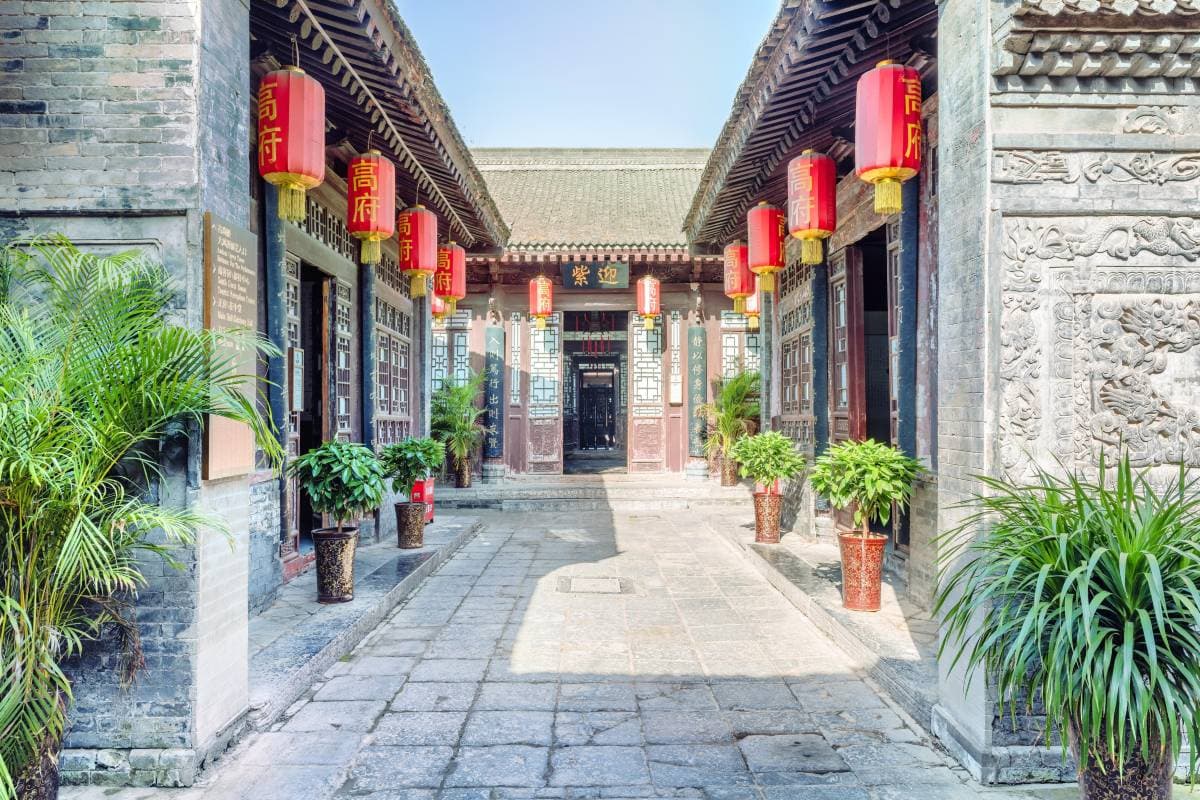

❓️ Why It’s Worth Visiting
For travelers searching for things to do in Xi’an beyond the Warriors, The Former Residence of Gao Yuesong provides a closer look at everyday historical life.
While Xi’an is famous for emperors, armies, and ancient capitals, this small courtyard introduces another important part of the city’s heritage:
Experience | Why It Matters |
|---|---|
Traditional Residential Architecture | Understand how people lived in historic Xi’an neighborhoods |
Local Family Heritage | Discover the lifestyle behind old city walls and markets |
Folk Art Experience | Experience traditional performances and craftsmanship |
Historic Neighborhood Atmosphere | Combine culture with a walk through the Muslim Quarter |
✨ Things to Do/to See
1️⃣ Traditional Chinese Courtyard Architecture
The residence follows the traditional siheyuan (courtyard house) style commonly found in northern China. Visitors can see the layout of historic residential spaces, including courtyards, wooden doors, and decorative architectural details.
Compared with Xi’an’s large-scale historical attractions, this smaller residence provides a more personal perspective on the city’s past.
2️⃣ Traditional Folk Culture Experience
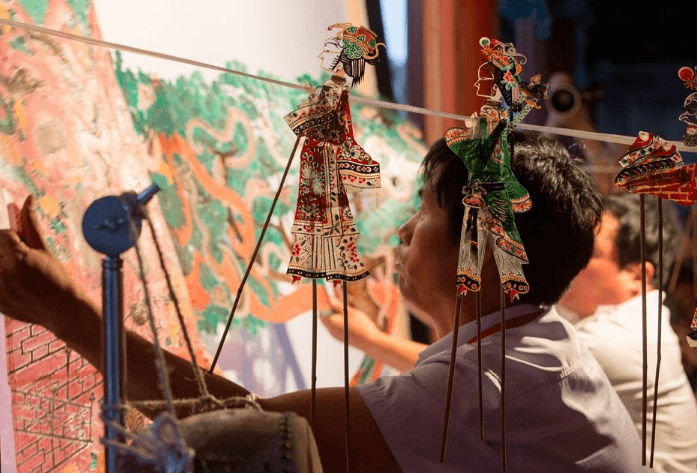
The courtyard has also been associated with traditional folk performances, including shadow puppetry (皮影戏), one of China’s long-standing folk art forms.
For overseas visitors, this type of experience offers an accessible way to understand Chinese storytelling traditions beyond museums and monuments.
What to Look for During the Shadow Puppet Show
Watch the Screen: See how light, leather puppets, and hand movements create lively scenes.
Watch the Puppeteers : Look from the side to see how artists control several puppets with thin rods.
Listen to the Music: Notice the distinctive Wanwanqiang singing, bowls, strings, suona, and drums.
Notice the Props: Look for miniature houses, doors, tables, and carrying poles that create a tiny everyday world.
How to Avoid the Crowds When Watching Shadow Puppetry in Muslim Quarter
The Former Residence of Gao Yuesong (Gao’s Courtyard) is one of the more reliable places in the Muslim Quarter to watch shadow puppetry, but the small theater can become crowded when tour groups arrive.
09:00–11:00: Lower crowds and easier seating; a good time for a relaxed visit.
11:00–16:00: The busiest period, with more tour groups and a higher chance of full shows.
17:00–21:00: Crowds inside usually ease, although Beiyuanmen outside becomes livelier.
If The Former Residence of Gao Yuesong (Gao’s Courtyard) is crowded, try a smaller shadow-puppet workshop nearby. However, show times and quality vary, so check before paying.
Visitor Tips
Allow around 30 minutes to 1 hour for a visit.
Combine it with the Great Mosque and Muslim Quarter rather than visiting separately.
The surrounding lanes are narrow and best explored on foot.
If you are interested in folk performances, check the schedule before visiting, as performances may vary.
Visit during the daytime for a quieter atmosphere and better appreciation of the architecture.
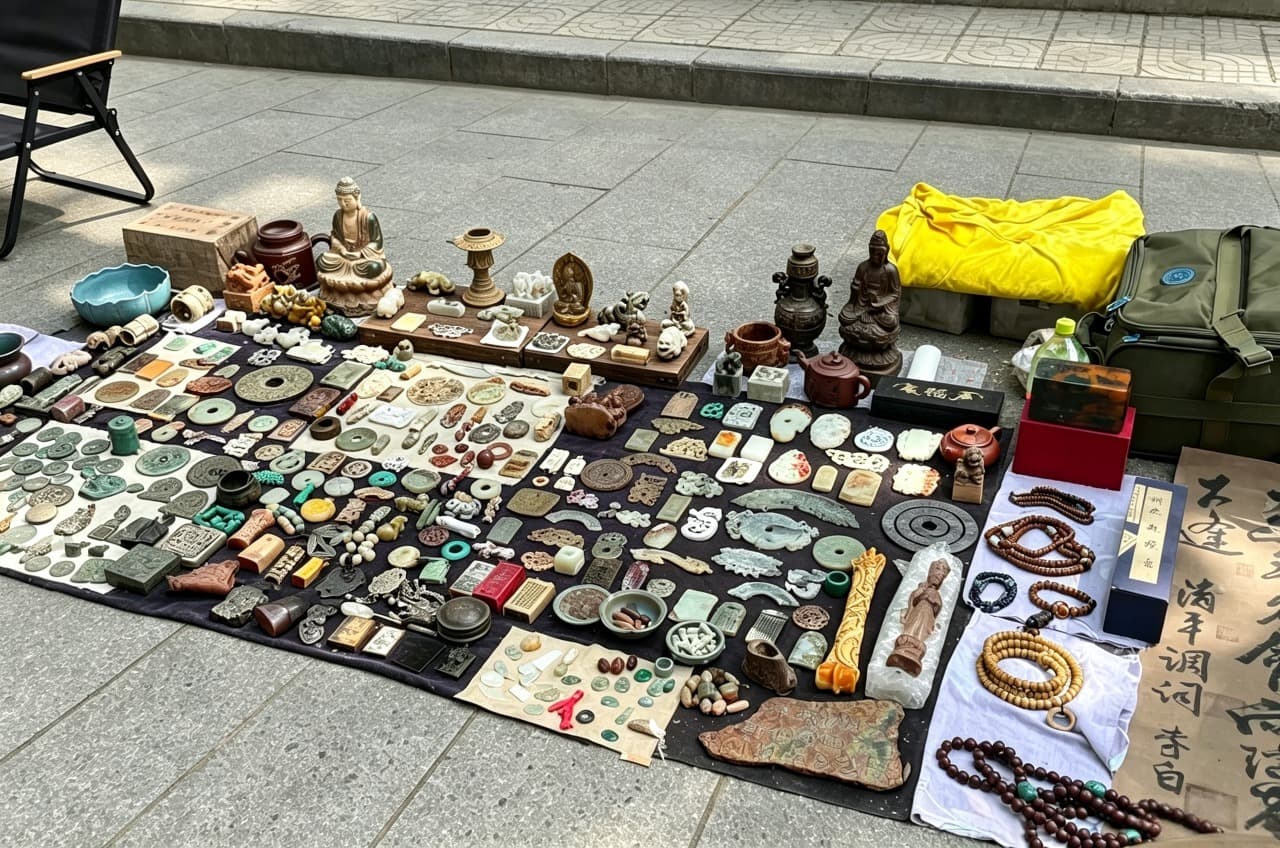
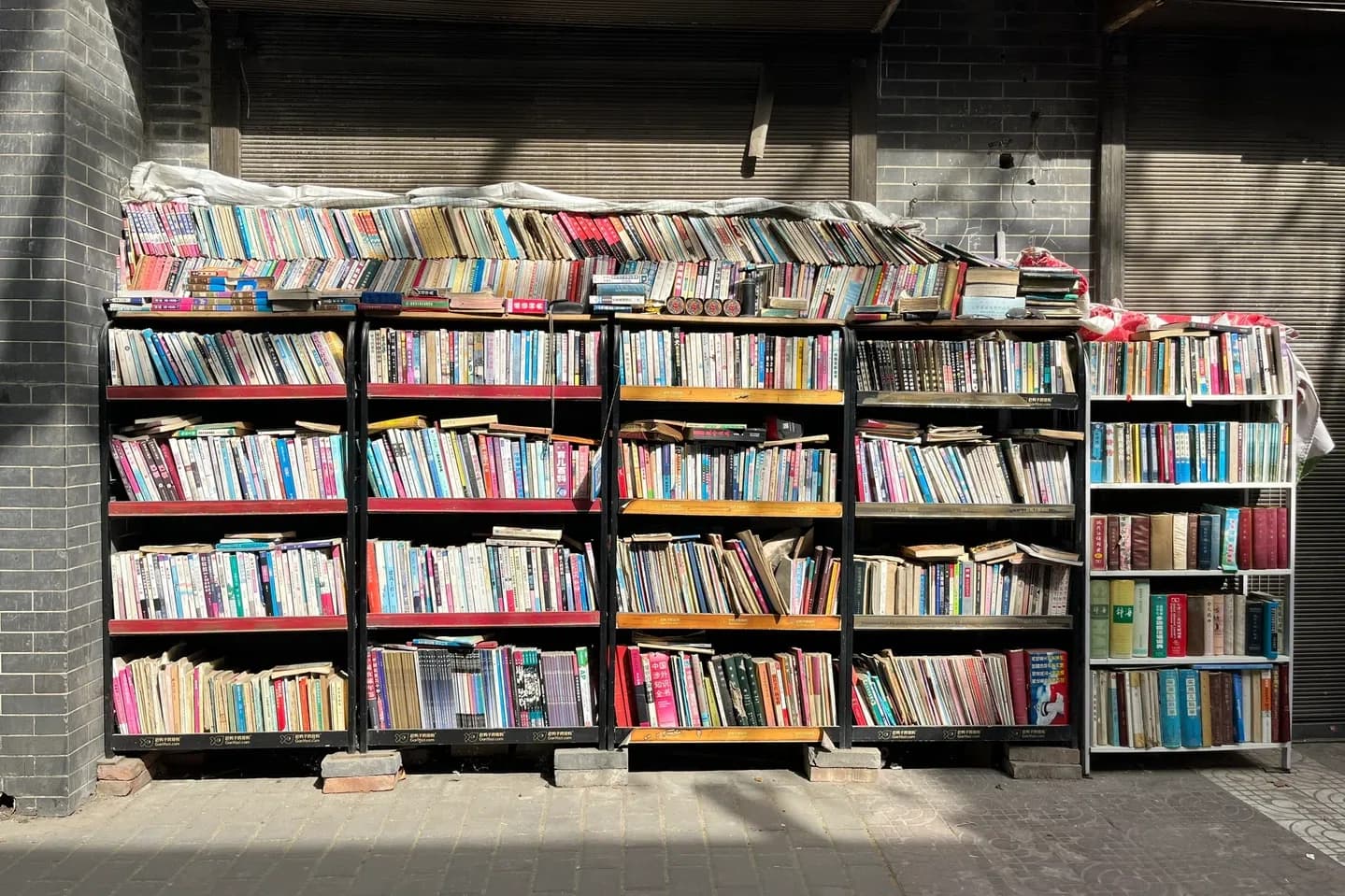
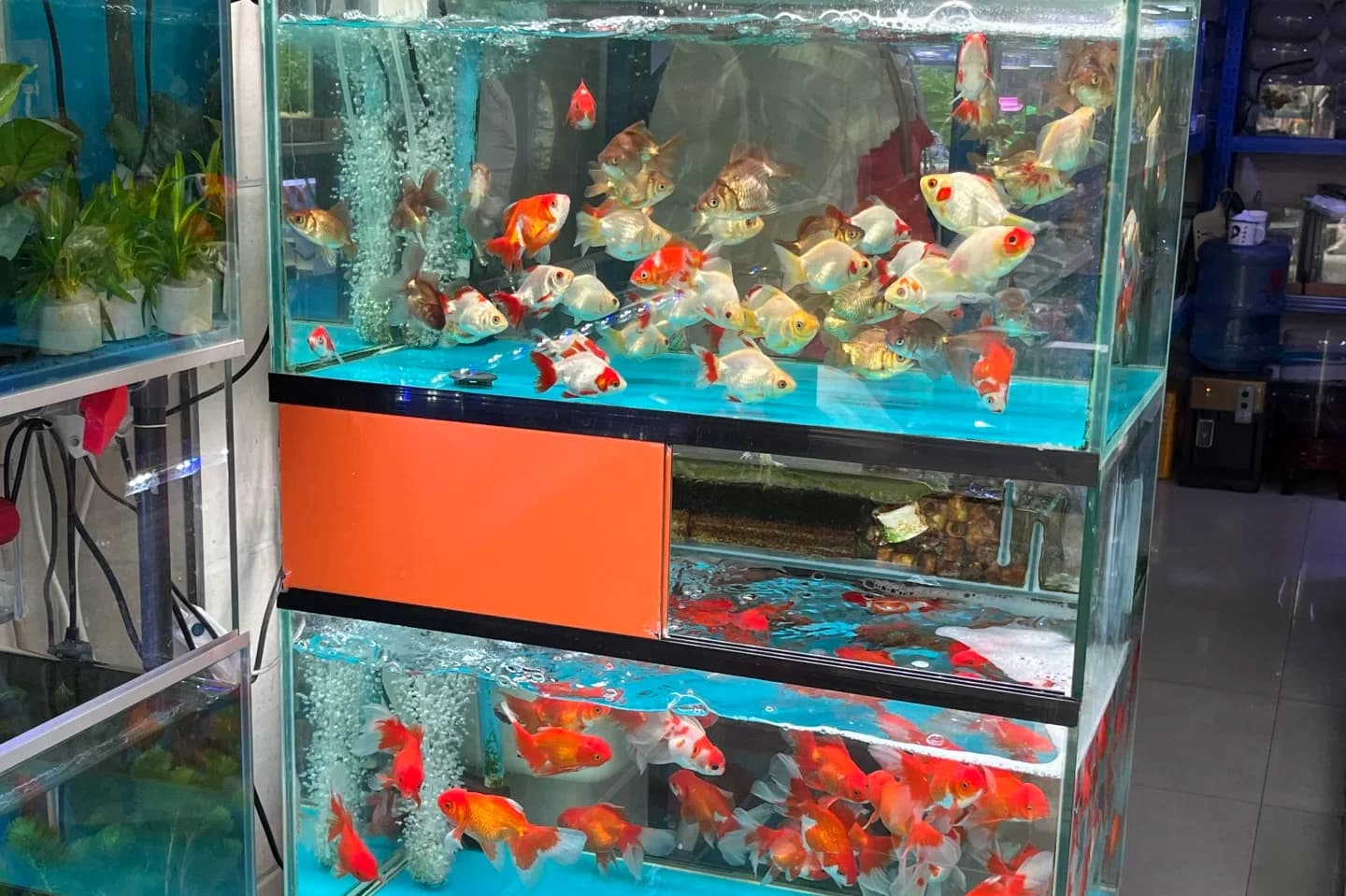
5. Xicang Market: A Glimpse of Traditional Xi’an Life
Located in the Lianhu District, Xicang Market is a long-established local market known for its traditional atmosphere.
Unlike modern shopping centers or tourist markets, Xicang reflects the everyday rhythm of Xi’an neighborhoods. Visitors can walk through the market, observe local vendors, and see a variety of goods connected with daily life.
The market atmosphere changes throughout the morning:
Early hours are the busiest, with local residents shopping and vendors setting up stalls;
Later in the morning, the pace becomes more relaxed;
Different seasons bring different products and scenes.
Item
Details
Location
Xicang South Lane, Lianhu District, Xi'an (located in the northwest corner within the Xi'an City Wall, near Miaohou Street)
Type
Traditional local market
Ticket
Free
Recommended Duration
1–2 hours
Best Visiting Time
Early morning
Best For
Local life, photography, cultural exploration
❓️ Why It’s Worth Visiting
For travelers looking beyond the standard sightseeing route, Xicang Market provides a different kind of cultural experience.
Experience | What You Can Discover |
|---|---|
Local Market Culture | See how traditional neighborhood markets operate |
Everyday Xi’an Life | Observe local residents’ daily routines |
Traditional Market Atmosphere | Experience a less commercial side of the city |
Photography Opportunities | Capture authentic street scenes and local interactions |
✨ Things to Do/to See
1️⃣ Local Daily Shopping
The market provides a window into ordinary life in Xi’an.
Visitors may see:
Fresh food and household goods;
Local products;
Traditional market stalls;
Residents making everyday purchases.
These simple scenes often provide some of the most memorable cultural impressions for overseas visitors.
2️⃣ Traditional Market Atmosphere
One of the charms of Xicang Market is its old neighborhood feeling.
Travelers can experience:
Friendly conversations between vendors and customers;
Traditional ways of selling goods;
A slower pace of community life.
Compared with major attractions, the market offers a more spontaneous and less staged cultural experience.
3️⃣ Seasonal Market Scenes
The appearance of the market changes throughout the year.
Depending on the season, visitors may encounter:
Fresh seasonal produce;
Flowers and plants;
Local specialties;
Different neighborhood activities.
For photographers, early morning light and busy market scenes create excellent opportunities for capturing authentic Xi’an.
Visitor Tips
Visit early in the morning when the market is most active.
Allow around 1–2 hours for a relaxed visit.
The market is a local community space, so respectful behavior is important.
Ask permission before taking close-up photos of vendors or residents.
Comfortable walking shoes are recommended.
Combine the visit with nearby historic areas in Lianhu District.
Xicang Market is valuable because it is not a traditional tourist attraction. Its appeal comes from its authenticity — visitors can observe ordinary routines, local interactions, and traditional market culture that have continued in Xi’an neighborhoods for generations. Travelers should approach the market as a cultural experience rather than a checklist attraction.
Suggested Combination
Lianhu Local Life Route
Order | Experience |
|---|---|
Morning | Xicang Market |
Late Morning | Xi’an Great Mosque |
Afternoon | Historic Lanes Exploration |
Evening | Muslim Quarter Food Experience |
Beilin District: Ancient City Walls, Calligraphy and Traditional Arts
Located in the heart of Xi’an’s historic center, Beilin District (碑林区) represents another important side of the city’s heritage — the preserved urban landscape, traditional Chinese arts, and cultural institutions that developed around the ancient capital.
Unlike Weiyang District, which focuses on imperial palace sites, or Lianhu District, known for Silk Road connections and local Muslim culture, Beilin offers a closer look at the intellectual and artistic traditions of historic Xi’an.
This district is home to some of Xi’an’s most iconic cultural experiences, including walking or cycling on the ancient City Wall, exploring ancient inscriptions at the Beilin Museum, visiting the quieter Small Wild Goose Pagoda, and discovering traditional crafts around the old cultural streets.
Beilin District at a Glance
Experience | Best For | Suggested Time |
|---|---|---|
Cycle the Xi’an City Wall | Views, photography, active sightseeing | 2–3 hours |
Visit Beilin Museum | Chinese calligraphy and stone inscriptions | 1.5–2 hours |
Explore the Small Wild Goose Pagoda | Tang Buddhism and quieter historical sites | 1.5–2 hours |
Discover Traditional Crafts | Hands-on cultural experiences | 1–3 hours |
1. Cycle the Xi’an City Wall: See the Ancient Capital from Above
The Xi’an City Wall (西安城墙) is one of the best-preserved ancient city walls in China and one of the most recognizable symbols of Xi’an.
Originally built during the Ming Dynasty in the 14th century on the foundations of earlier Tang Chang’an city structures, the wall surrounds the historic center of Xi’an and provides visitors with a unique way to understand the layout of the ancient city.
Walking or cycling on the wall allows travelers to experience Xi’an from a different perspective — seeing the contrast between ancient defensive architecture and the modern city below.
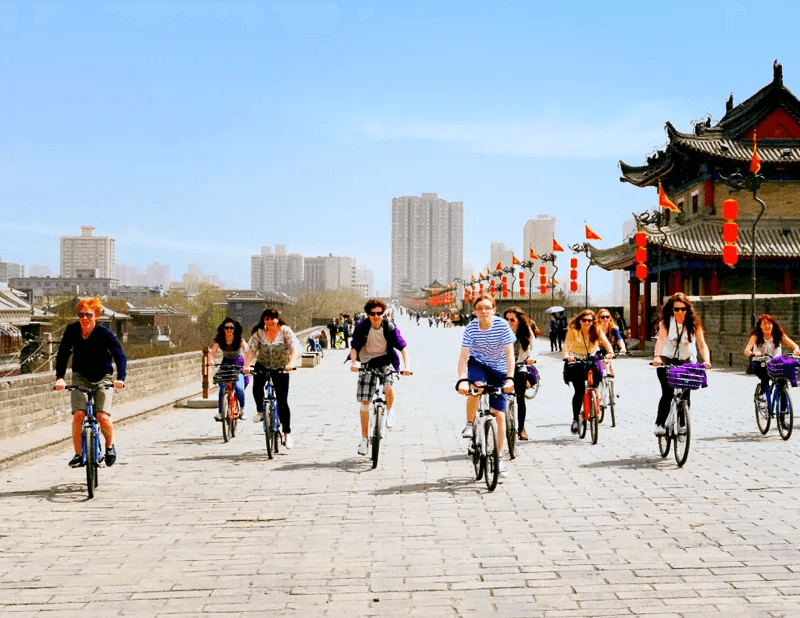


❓️ Why It’s Worth Visiting
Experience | Highlights |
|---|---|
Ancient City Views | See Xi’an’s historic center from above |
Cycling Experience | Explore the wall at a relaxed pace |
Photography | Capture gates, towers, and city landscapes |
Historical Understanding | Learn how ancient cities were protected and organized |
Best Way to Experience the City Wall
🚲️ Cycling on the Wall
Cycling is one of the most popular ways to explore the City Wall.
Visitors can:
Rent bicycles at designated rental points;
Ride between different gates;
Enjoy views of both the old city and modern Xi’an.
A full loop around the wall is about 13.7 km, so cycling the entire route usually takes around 1.5–2 hours depending on stops and pace.
🚪 Recommended Section: Yongning Gate (South Gate)
Among all entrances, Yongning Gate (South Gate) is the most popular starting point for international visitors.
Reasons:
Easy access from the city center;
Well-preserved gate area;
Frequent cultural activities;
Convenient combination with nearby attractions.
Nearby experiences include:
Shuyuanmen Culture Street;
Bell Tower area;
Traditional craft shops.
Visitor Tips
The surface is paved but can be uneven in some sections; comfortable shoes are recommended.
Cycling is more enjoyable in the morning or late afternoon when temperatures are cooler.
Sunset is one of the best times for photography.
Allow extra time if you plan to stop at watchtowers or take photos.
During weekends and holidays, South Gate can be crowded.
📷 Best Photo Spots
Location | Photo Highlights |
|---|---|
Yongning Gate | Gate towers and city views |
Wall corners | Wide views of Xi’an’s historic layout |
Watchtowers | Traditional architecture and skyline |
Sunset sections | Golden light over the ancient city |
Practical Information
🎫 Ticket Information
Item | Details |
|---|---|
Adult Ticket | Around RMB 54/person |
Ticket Type | City Wall entrance ticket |
Recommended Entry | Yongning Gate (South Gate) |
Bicycle Rental | Additional fee: RMB 45/ (paid separately on site) |
❓️ How to Buy Tickets
Option 1: Self Purchase
Visitors can purchase tickets through:
Official Xi’an City Wall ticket channels;
On-site ticket counters;
International travel platforms such as Trip.com.
For overseas visitors, passport information may be required for real-name ticket reservations.
Option 2: Private Tour Arrangement
For travelers who prefer a smoother experience, a private tour can include:
City Wall ticket arrangement;
Hotel pickup and drop-off;
Professional guide explanation;
Flexible timing for cycling, photography, and nearby sightseeing.
A guide can also help choose the most suitable entrance and visiting time according to the season and itinerary.
Your Way Holiday does not provide standalone City Wall ticket purchasing services. Ticket arrangements are included only when the City Wall visit is part of a complete private tour with guide and vehicle service.
2. Beilin Museum: Explore China’s Ancient Calligraphy Heritage
Located near the southern section of Xi’an’s ancient city center, Beilin Museum (碑林博物馆), officially known as Xi’an Beilin Museum (西安碑林博物馆), is one of China’s most important museums dedicated to ancient stone inscriptions, calligraphy, and stone carving art.
Established in 1087 during the Northern Song Dynasty, the museum developed from the former Confucian Temple and preserves thousands of stone steles that record Chinese history, literature, philosophy, and calligraphy development. Rather than simply displaying artworks, Beilin Museum allows visitors to explore how written language, religious beliefs, and political ideas were preserved through stone carving.
For overseas travelers, it offers a different perspective from Xi’an’s imperial sites: instead of seeing palaces and armies, visitors discover the intellectual and artistic traditions behind Chinese civilization.
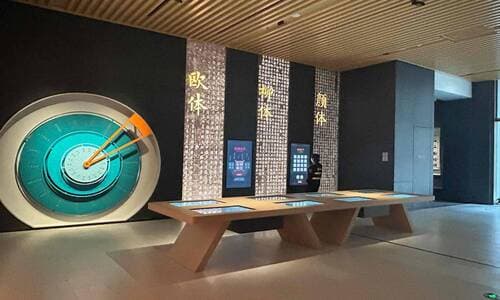
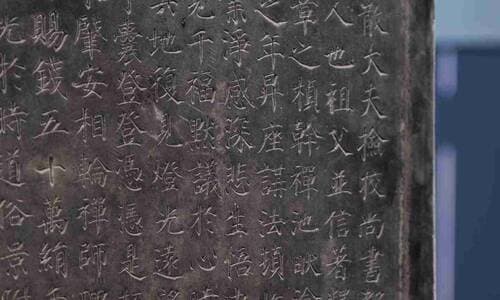
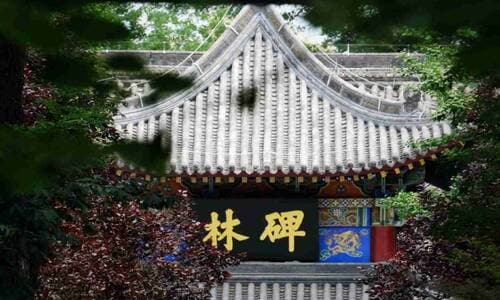
❓️ Why It’s Worth Visiting
Experience | Why It Matters |
|---|---|
Ancient Chinese Calligraphy | See masterpieces representing different historical writing styles |
Stone Inscription Culture | Understand how important texts and ideas were preserved |
Buddhist Stone Sculpture | Explore religious art from different dynasties |
Confucian Temple Setting | Experience a historic cultural space rather than a modern museum |
The museum is especially valuable for travelers who want to go beyond surface-level sightseeing and understand the cultural traditions behind Chinese writing and scholarship.
✨ Things to Do/to See
1️⃣ Stele Forest: A Stone Archive of Chinese Civilization
The museum’s most famous collection is the Stele Forest, a large collection of ancient stone inscriptions.
Visitors can see:
Calligraphy works by famous historical figures;
Classical texts carved into stone;
Records of historical events;
Examples of different Chinese writing styles.
For visitors who cannot read Chinese characters, the experience is still meaningful because calligraphy can be appreciated as visual art through shape, rhythm, and composition.
2️⃣ Learn to Appreciate Chinese Calligraphy Without Reading Chinese
You do not need to understand every character to enjoy Beilin Museum. Focus on the visual features of different styles:
Script Style | What to Notice |
|---|---|
Seal Script | Thin, rounded lines and symmetrical shapes |
Clerical Script | Wide strokes and distinctive horizontal movements |
Regular Script | Balanced structure and clear proportions |
Running Script | Connected strokes and flowing movement |
Cursive Script | Expressive lines and artistic rhythm |
3️⃣ Stone Carving Art Museum
Beyond calligraphy, the museum also displays important stone sculptures.
Visitors can pay attention to:
Facial expressions;
Clothing details;
Hand gestures;
Carving depth;
Body proportions.
These details help travelers understand ancient Chinese sculpture as an art form, not only as historical objects.
4️⃣ Historical Stories Behind the Stones
Some exhibits reveal Xi’an’s role as an international cultural center.
A famous example is the Nestorian Stele, erected in 781 AD, which records the arrival and development of Christianity in Tang China. It demonstrates that Chang’an was already connected with religious and cultural exchanges across Asia more than 1,200 years ago.
What Is Inside the Beilin Museum?
Area | What to See |
|---|---|
Outdoor Area | Confucian Temple buildings, courtyards, stone pavilions, historic steles |
Exhibition Halls 1–7 | Famous calligraphy works, Kaicheng Stone Classics, historical inscriptions |
Stone Carving Art Museum | Northern Wei–Song Buddhist sculptures |
New Museum | Six Steeds of Zhaoling and Nestorian Stele |
🚶♀️ Suggested Visiting Routes
👉🏻 Route 1: Highlights Route
Time: Around 1.5–2 hours
Best for first-time visitors who want to see the most important collections.
Order | Highlights |
|---|---|
1 | Confucius Temple |
2 | Classic of Filial Piety Stele |
3 | Kaicheng Stone Classics |
4 | Duobao Pagoda Stele & Preface to the Sacred Teachings |
5 | Stone Carving Art Museum |
6 | Six Steeds of Zhaoling |
7 | Nestorian Stele |
👉🏻 Route 2: Classic Visit
Time: Around 2.5–3 hours
A balanced route covering:
Historic architecture;
Major calligraphy collections;
Buddhist sculptures;
Key museum exhibits.
Visitor Tips
Many exhibits are text-based, so a guide can greatly improve the experience.
Do not worry if you cannot read Chinese characters — focus on the artistic structure and historical stories.
The museum includes both indoor and outdoor areas; summer visits can feel hot during courtyard sections.
Combine with:
Xi’an City Wall;
Wenchang Gate;
Shuyuanmen Cultural Street.
🕗 Best Time to Visit
Season / Time
Recommendation
Spring & Autumn (Mar–May, Sep–Nov)
Comfortable weather for exploring courtyards and outdoor areas
Summer
Visit early morning or after 3:30 PM to avoid heat
Winter
Fewer visitors but outdoor areas can be cold
Best times of day:
Time
Reason
8:30–9:30 AM
Quieter before larger visitor groups arrive
3:30–4:00 PM
Good for a highlights route followed by Shuyuanmen
10:00 AM–2:00 PM
Usually busier
Practical Information
Item
Details
Location
No.15 Sanxue Street, Beilin District, Xi’an
Opening Hours
8:30 AM–7:00 PM (last entry 5:30 PM)
Adult Ticket
RMB 85/person
Discount Ticket
RMB 42/person for visitors aged 7–18 and full-time undergraduate students or below
Free Admission
Children under 6 and seniors aged 65+ with valid ID
Suggested Duration
2–3 hours
ID Requirement
Passport or valid ID required
❓️ How to Buy Tickets
Option 1: Self Purchase
Visitors can purchase tickets through:
Official Xi’an Beilin Museum WeChat account;
Museum ticket counter (subject to availability).
The museum uses real-name, timed-entry reservations, so visitors should prepare valid identification information.
Official website: Xi’an Beilin Museum Official Website
Option 2: Private Tour Arrangement
For international visitors, Beilin Museum can be combined naturally with:
City Wall cycling;
Shuyuanmen Cultural Street;
Historic walking routes.
A private tour can help arrange the visit timing, explain important inscriptions and calligraphy styles, and connect the museum exhibits with Xi’an’s wider history.
Combine with Nearby Experiences
A highly recommended cultural route:
Order
Experience
1
Xi’an City Wall (enter/exit near Wenchang Gate)
2
Beilin Museum
3
Sanxue Street
4
Shuyuanmen Cultural Street
If cycling the City Wall, visitors can return bicycles at Wenchang Gate, then walk about 2–3 minutes to the East Gate of Beilin Museum.
3. Small Wild Goose Pagoda: A Quiet Tang Dynasty Buddhist Heritage Site
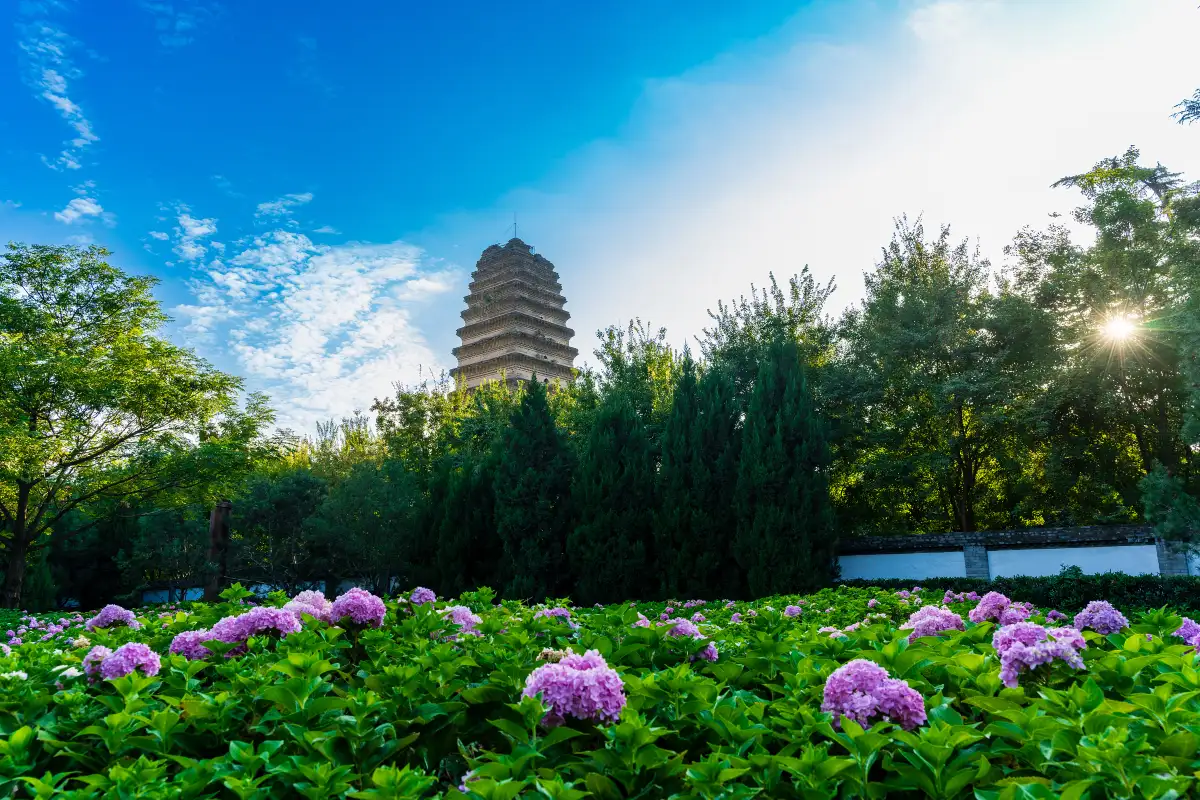
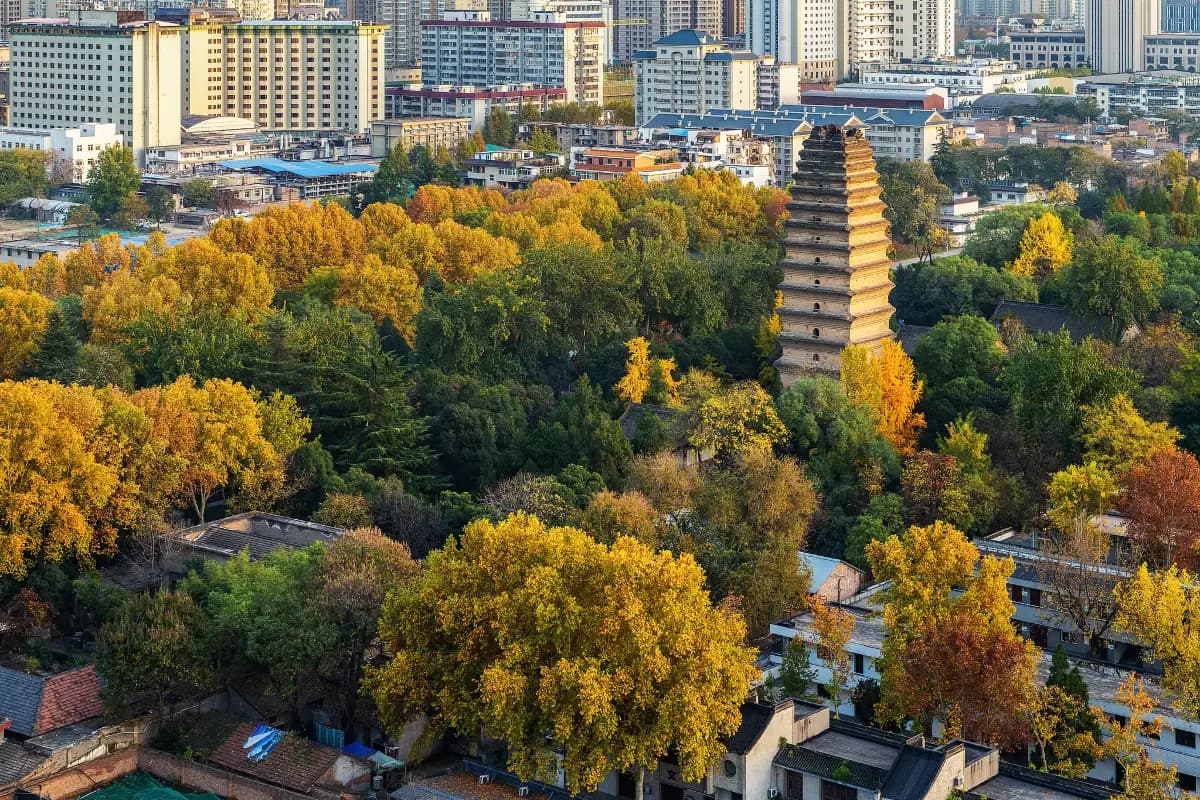
Located inside the Xi’an Museum complex, the Small Wild Goose Pagoda (小雁塔) is one of Xi’an’s most important Tang Dynasty Buddhist heritage sites.
Built during the Tang Dynasty in the 8th century, the pagoda was originally part of Jianfu Temple (荐福寺) and served as a place for storing Buddhist scriptures brought from India and Central Asia. Together with the nearby ancient temple complex and surrounding gardens, it reflects the important role Xi’an (then Chang’an) played as a center of Buddhist learning and cultural exchange.
Compared with the more famous Big Wild Goose Pagoda, the Small Wild Goose Pagoda offers a quieter and more relaxed experience, making it a good choice for travelers interested in history, architecture, and traditional culture away from larger crowds.
❓️ Why It’s Worth Visiting
Experience
Why It Matters
Tang Dynasty Buddhist Heritage
Discover Xi’an’s role as a center of Buddhist culture
Peaceful Historic Setting
Enjoy a slower experience compared with busier attractions
Ancient Architecture
Appreciate Tang-style heritage structures and temple surroundings
Local Cultural Experience
Combine history with Xi’an Museum and nearby neighborhoods
✨ Things to Do/to See
1️⃣ The Small Wild Goose Pagoda
The pagoda is the central attraction of the site.
Unlike the taller and more famous Big Wild Goose Pagoda, the Small Wild Goose Pagoda has a simpler and more elegant appearance. Its historical value lies in its connection with Tang Buddhism and the cultural exchanges that took place along the Silk Road.
Visitors can appreciate:
Traditional brick pagoda architecture;
Ancient construction techniques;
The atmosphere of a historic Buddhist site.
2️⃣ The Xi’an Museum
The Small Wild Goose Pagoda is located within the Xi’an Museum (西安博物院) area.
The museum provides additional context about:
Xi’an’s long history as an ancient capital;
Tang Dynasty culture;
Religious development;
Archaeological discoveries.
For overseas visitors, combining the pagoda with the museum creates a more complete understanding of Xi’an beyond individual monuments.
3️⃣ Morning Bell Tradition
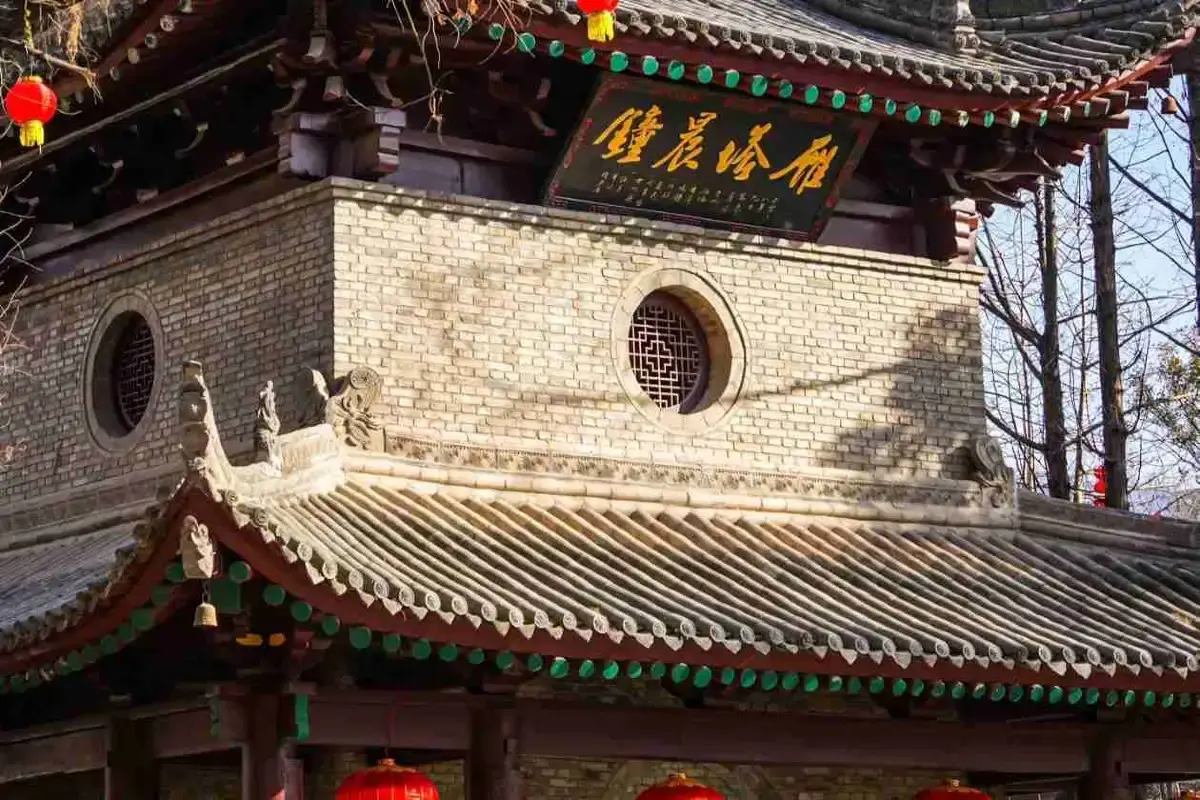
The Small Wild Goose Pagoda area is also associated with the famous “Morning Bell Chiming at the Small Wild Goose Pagoda” (雁塔晨钟), one of the historic scenes included among the “Eight Views of Chang’an.”
The traditional bell culture reflects the role of Buddhist temples in ancient Chinese city life, where temple bells marked the rhythm of daily activities.
Visitor Tips
Allow around 1.5–2 hours for the pagoda and museum visit.
The area is more peaceful than many major Xi’an attractions, making it suitable for travelers who prefer a slower pace.
Climbing the pagoda may have separate requirements and availability; check current arrangements before visiting.
Combine with:
Beilin Museum;
City Wall;
Shuyuanmen Cultural Street.
📷 Best Photo Spots
Location
Photo Highlights
Pagoda courtyard
Traditional architecture and peaceful surroundings
Garden area
Pagoda framed by trees and seasonal scenery
Museum exterior
Combination of ancient and modern cultural spaces
Morning / late afternoon
Softer light and fewer visitors
Practical Information
Item
Details
Location
Inside Xi’an Museum complex, Beilin District
Admission Area
Small Wild Goose Pagoda site
Adult Ticket
Free entry to the Xi’an Museum area (reservation required)
Pagoda Climbing
Additional arrangement may apply when available
Recommended Duration
1.5–2 hours
❓️ How to Buy Tickets
Option 1: Self Purchase
Visitors can make reservations through:
Xi’an Museum official reservation channels;
Official WeChat platform (real-name reservation).
Foreign visitors should prepare passport information if required.
Official website: Xi’an Museum Official Website
Option 2: Private Tour Arrangement
For overseas visitors, the Small Wild Goose Pagoda works well as part of a cultural route including:
Beilin Museum;
City Wall;
Traditional craft experiences.
A private guide can explain the connection between Tang Buddhism, Silk Road exchanges, and Xi’an’s role as an ancient capital, which is often difficult to fully understand through signs alone.
4. Shuyuanmen Culture Street: Discover Xi’an’s Traditional Arts & Scholar Culture
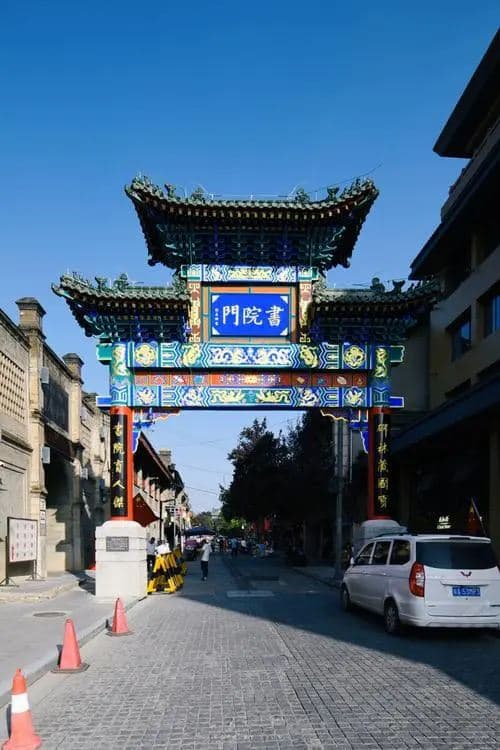
Located near the southern section of the Xi’an City Wall and close to the Beilin Museum, Shuyuanmen Culture Street (书院门文化街) is one of the best places in Xi’an to experience traditional Chinese arts, calligraphy culture, and old-style streetscape.
The street takes its name from the former Guanzhong Academy (关中书院), one of the most influential academies in ancient China. During the Ming and Qing dynasties, the area was an important center for education and scholarly activities.
Today, Shuyuanmen has become a cultural street where visitors can explore traditional art shops, watch artists practicing calligraphy, browse Chinese paintings, and discover local handicrafts.
Unlike large commercial shopping streets, Shuyuanmen retains a strong connection with Xi’an’s scholarly and artistic traditions, making it a valuable stop for travelers interested in living cultural heritage.
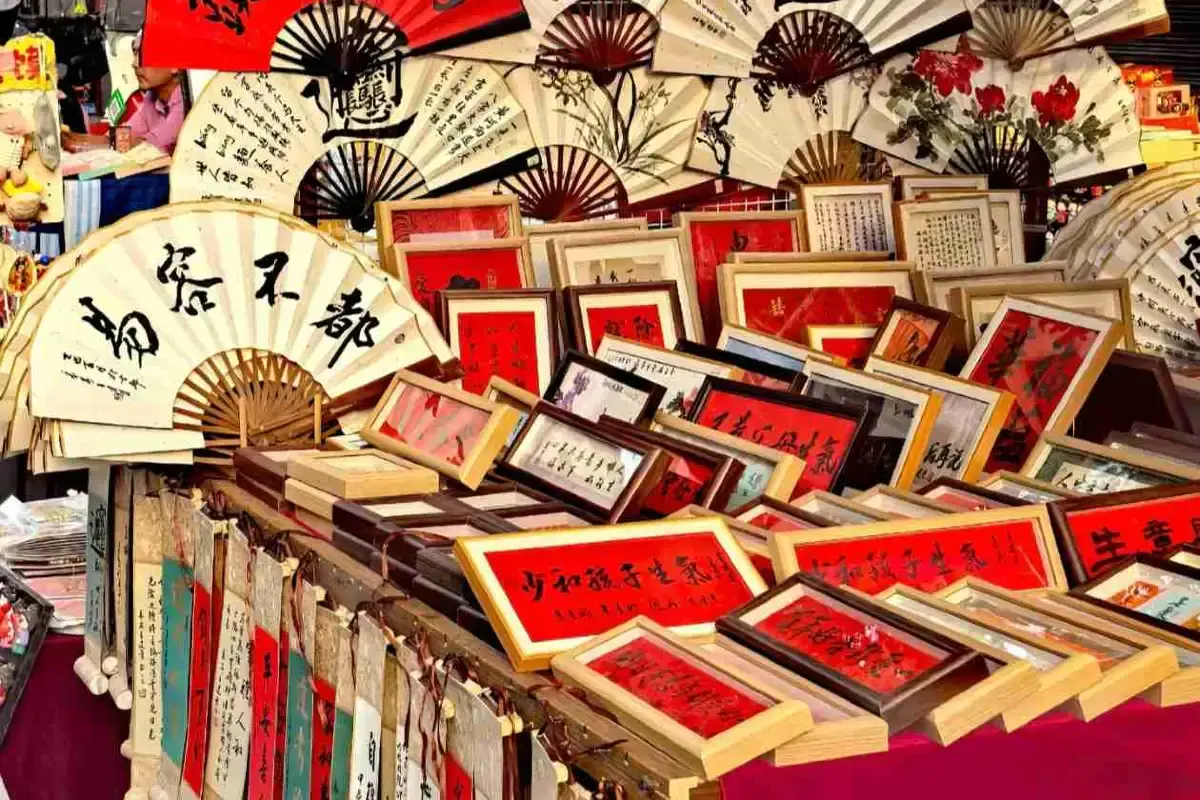
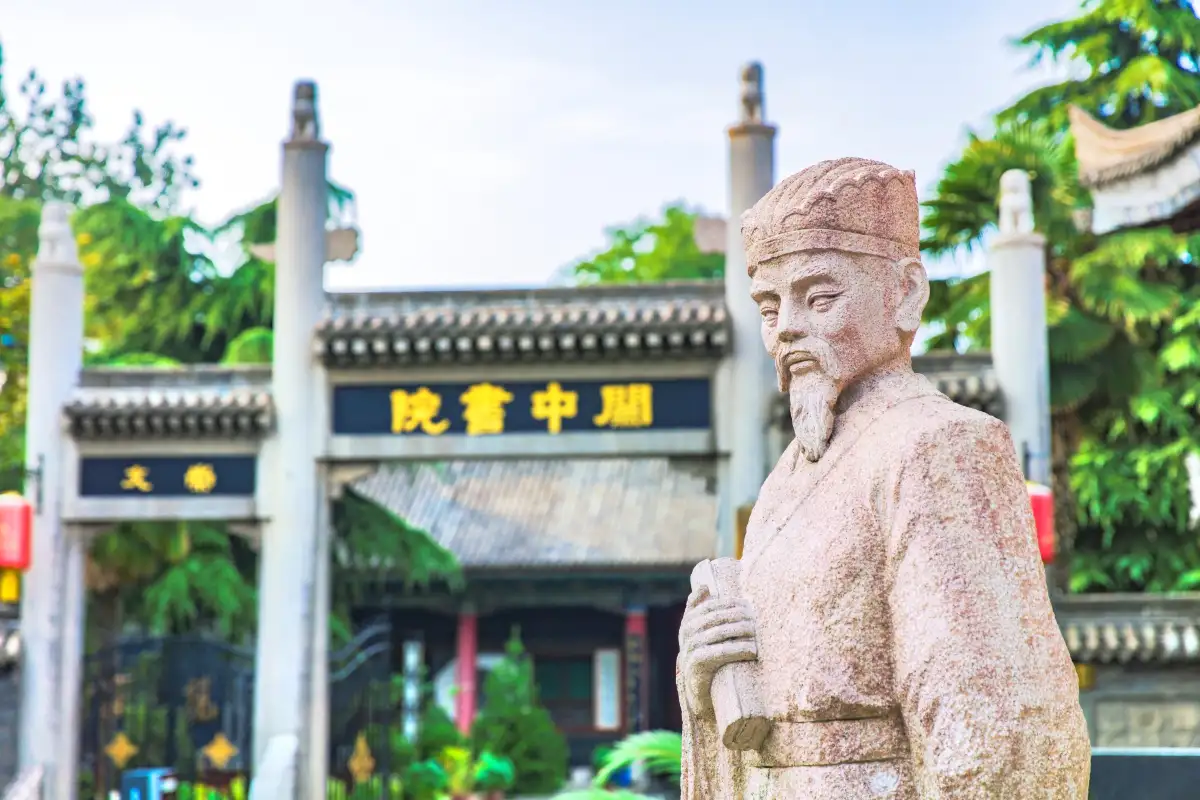
❓️ Why It’s Worth Visiting
Experience
What You Can Discover
Calligraphy Culture
See traditional Chinese writing practiced by local artists
Ancient Street Atmosphere
Walk through a historic cultural neighborhood
Traditional Crafts
Explore handmade artworks and local souvenirs
Slow Cultural Experience
Enjoy a relaxed walk away from crowded attractions
✨ Things to Do/to See
1️⃣Explore Chinese Calligraphy and Painting Shops
The most distinctive feature of Shuyuanmen is its connection with Chinese calligraphy.
Visitors can find:
Brush calligraphy works;
Chinese ink paintings;
Traditional paper and brushes;
Artworks created by local artists.
Even for visitors who cannot read Chinese characters, calligraphy can be appreciated as an artistic form through brush movement, composition, and style.
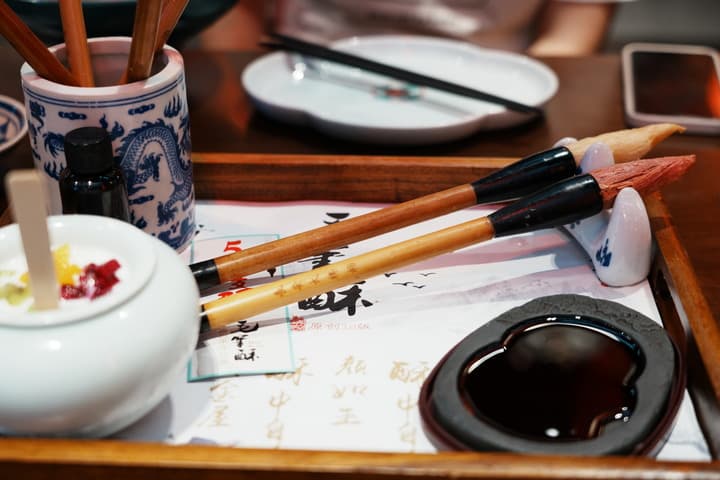
2️⃣ Try a Traditional Chinese Calligraphy Experience
For overseas travelers, a hands-on calligraphy activity can be a memorable cultural experience.
Depending on the workshop available, visitors may:
Learn basic brush techniques;
Write simple Chinese characters;
Understand the relationship between writing and traditional culture;
Create a personal souvenir.
This type of experience is especially suitable for families, couples, and travelers interested in Chinese culture.
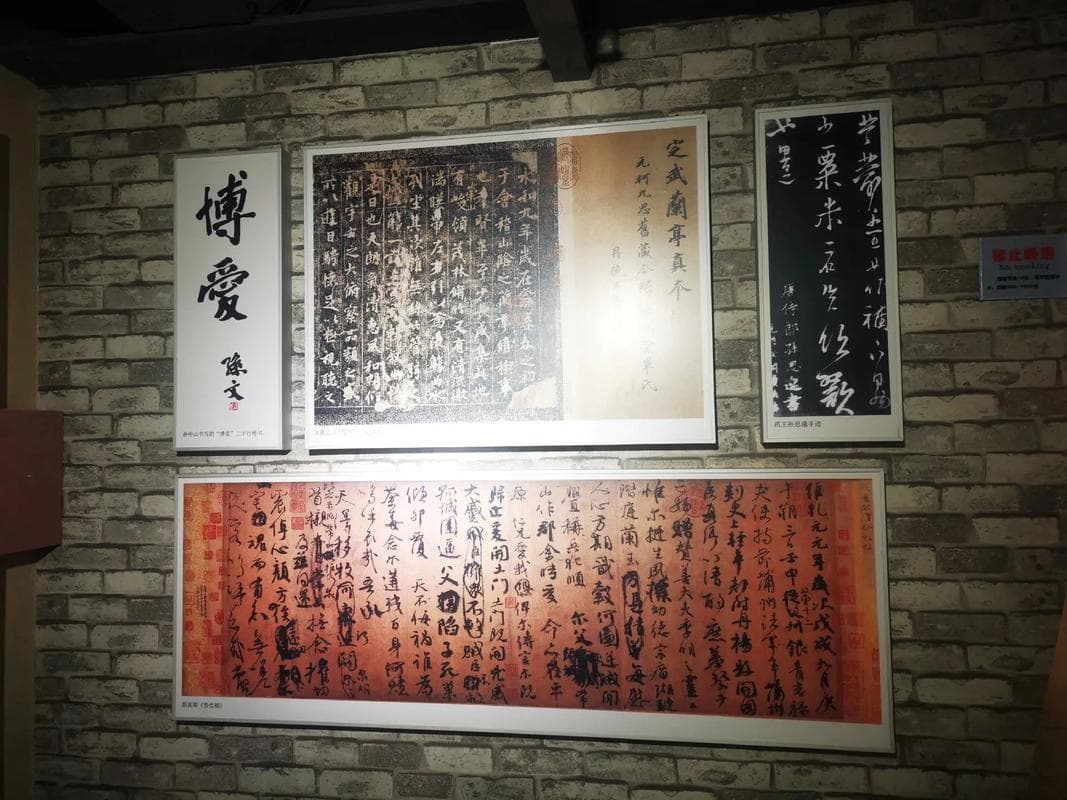
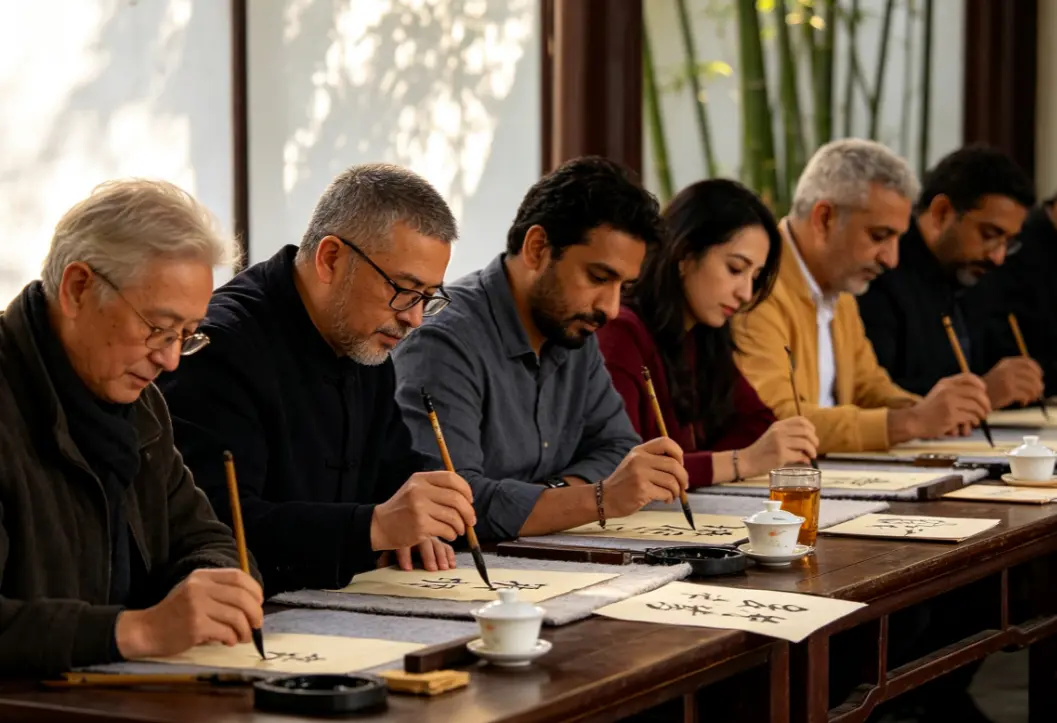
3️⃣ Discover Xi’an Traditional Handicrafts
Shuyuanmen is also a place to explore traditional crafts connected with Shaanxi culture.
Possible crafts include:
Craft
Cultural Meaning
Paper Cutting (剪纸)
Traditional folk art using decorative patterns
Shadow Puppetry (皮影)
Ancient performing art combining carving, storytelling, and music
Traditional Painting
Chinese artistic expression using ink and brush
Calligraphy Works
A long-standing Chinese cultural practice
Availability of specific workshops or demonstrations may vary depending on shops and seasons.
Visitor Tips
The street is best enjoyed as a relaxed walk rather than a quick photo stop.
Morning and afternoon are good times for exploring shops and watching artists.
Some shops sell artworks at different price levels; compare before purchasing.
If you want a deeper understanding of Chinese calligraphy or crafts, consider visiting with a local guide.
The area can be quieter during weekdays and busier on weekends.
📷 Best Photo Spots
Location
Photo Highlights
Street entrance
Traditional-style street signs and architecture
Calligraphy shops
Artists writing with brushes
Traditional storefronts
Cultural atmosphere and handmade items
Nearby City Wall area
Combination of ancient architecture and city views
Yanta District: Tang Culture, Buddhism and Modern Xi’an Experiences
Located in the southern part of Xi’an, Yanta District (雁塔区) is one of the city’s most important cultural and tourism areas.
The district takes its name from the famous Big Wild Goose Pagoda (大雁塔), a landmark closely connected with Tang Dynasty Buddhism and the ancient Silk Road. Today, Yanta combines historic heritage sites, world-class museums, Tang-style cultural experiences, and modern leisure areas, making it one of the best districts for travelers who want to experience both ancient Chang’an and contemporary Xi’an.
Compared with the old city center, Yanta offers a different atmosphere: wider streets, cultural parks, museums, evening performances, and spaces designed around Tang cultural heritage.
Yanta District at a Glance
Attraction / Experience
Best For
Suggested Time
Big Wild Goose Pagoda
Tang Buddhism & Silk Road history
1.5–2 hours
Shaanxi History Museum
Ancient Chinese history & treasures
1–3 hours
Tang Paradise
Tang culture, gardens & evening atmosphere
2–4 hours
Qujiang Cultural Area
Leisure, photography & night walks
1–3 hours
1. Explore the Big Wild Goose Pagoda: Discover Tang Buddhism & Silk Road Heritage
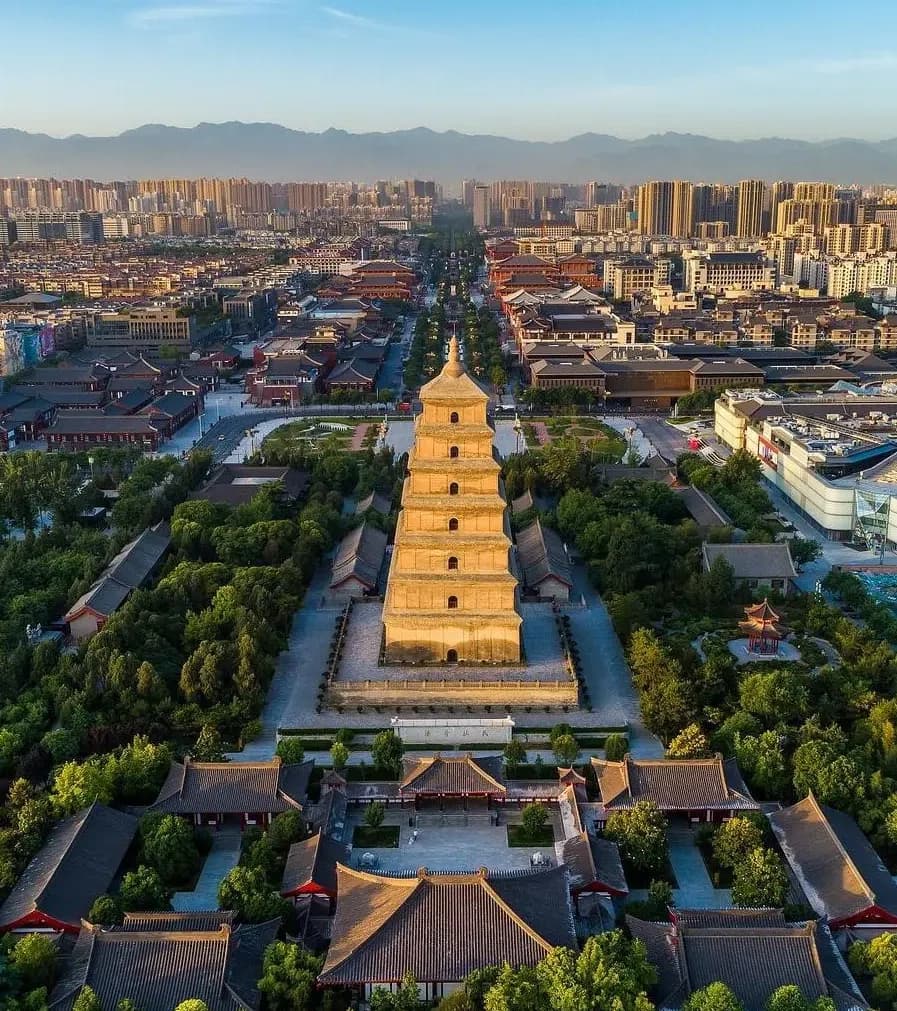
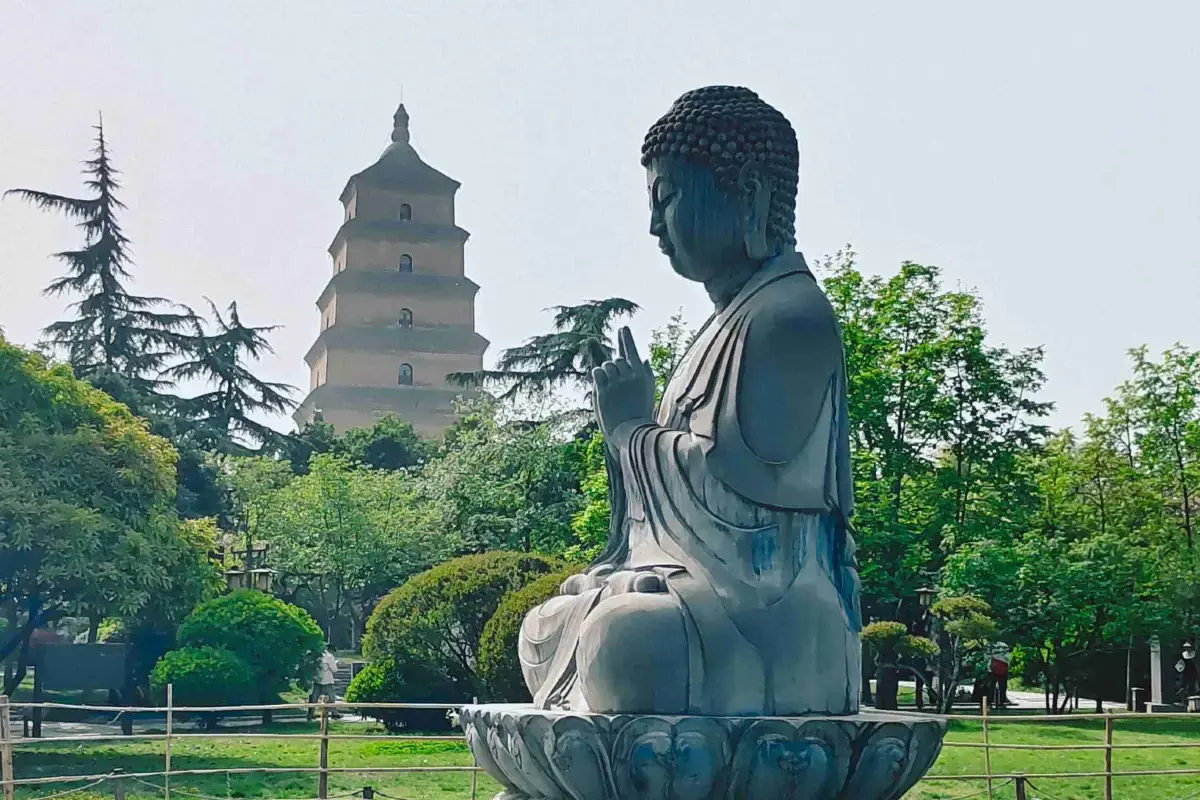
The Big Wild Goose Pagoda (大雁塔) is one of Xi’an’s most iconic landmarks and a symbol of the city’s golden age during the Tang Dynasty.
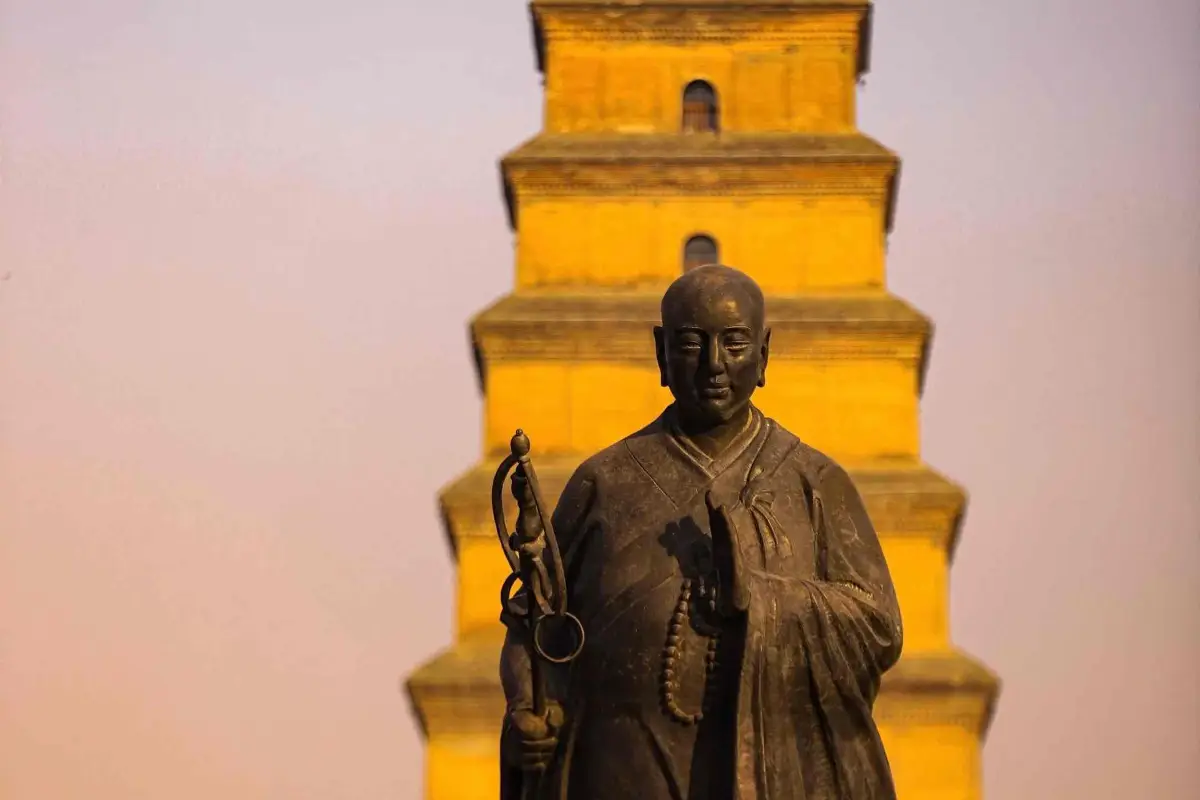
Originally built in 652 AD during the Tang Dynasty, the pagoda was constructed under the guidance of the famous Buddhist monk Xuanzang (玄奘) after he returned from India with Buddhist scriptures. It became an important center for translating and preserving Buddhist texts, reflecting Chang’an’s role as a major hub of cultural exchange along the ancient Silk Road.
Today, the Big Wild Goose Pagoda stands inside the Da Ci’en Temple (大慈恩寺) complex and remains one of the best places to understand the connection between Tang Buddhism, international exchange, and ancient Chinese architecture.
Together with the surrounding Giant Wild Goose Pagoda cultural area, it offers visitors a combination of history, architecture, gardens, fountains, museums, and evening cultural experiences.
✨ Things to Do/to See
1️⃣ Visit the Big Wild Goose Pagoda
The pagoda itself is the main attraction.
Visitors can appreciate:
Tang Dynasty architectural style;
Ancient brick construction techniques;
The historical role of Buddhist temples in Chinese society.
The structure has undergone several repairs throughout history, reflecting centuries of preservation and adaptation.
2️⃣ Learn About Xuanzang and the Silk Road
One of the most meaningful parts of visiting the Big Wild Goose Pagoda is understanding the story behind Xuanzang.
Xuanzang traveled from China to India during the Tang Dynasty to study Buddhism and later returned with important Buddhist scriptures. His journey represents one of the most famous examples of cultural exchange between China and South Asia.
For international visitors, this connection makes the pagoda more than just an architectural landmark — it represents the movement of ideas, religions, and knowledge across ancient Asia.
3️⃣ Explore Da Ci’en Temple
The Big Wild Goose Pagoda is located within the historic Da Ci’en Temple complex.
Visitors can explore:
Temple courtyards;
Buddhist halls;
Traditional architecture;
Religious cultural atmosphere.
Compared with viewing the pagoda alone, walking through the temple area provides a better understanding of how the pagoda functioned historically.
4️⃣ Enjoy the Surrounding Cultural Area
The area around the Big Wild Goose Pagoda has become one of Xi’an’s most popular leisure districts.
Visitors can experience:
Evening walks;
Tang-style cultural atmosphere;
Seasonal light displays;
Nearby restaurants and cafés;
Night photography.
This area is especially attractive after sunset when the ancient architecture is illuminated.
📷 Best Photo Spots
Location
Photo Highlights
South Square
Classic view of the Big Wild Goose Pagoda with open space
Da Ci’en Temple area
Traditional architecture and pagoda details
Evening fountain area
Night views with lights and reflections
Surrounding cultural streets
Tang-style atmosphere and city scenes
Practical Information
Item
Details
Location
No.1 Xiaozhai East Road, Yanta District, Xi’an
Attraction Type
Historic Buddhist temple and pagoda
Da Ci’en Temple Entrance Ticket
Around RMB 10/person
Pagoda Climbing Ticket
Around RMB 25/person (additional)
Suggested Duration
1.5–2 hours
❓️ How to Buy Tickets
Option 1: Self Purchase
Visitors can purchase tickets through:
On-site ticket counters;
Official reservation channels when required;
International platforms such as Trip.com.
For overseas visitors, passport information may be required for real-name reservations.
Option 2: Private Tour Arrangement
The Big Wild Goose Pagoda is usually combined with other Yanta District highlights, such as:
Shaanxi History Museum;
Tang Paradise;
Qujiang cultural area.
A private guide can help explain:
Xuanzang’s journey;
Tang Dynasty Buddhism;
Silk Road connections;
The historical importance of Chang’an.
2. Experience Tang Chang'an After Dark at Datang Everbright City
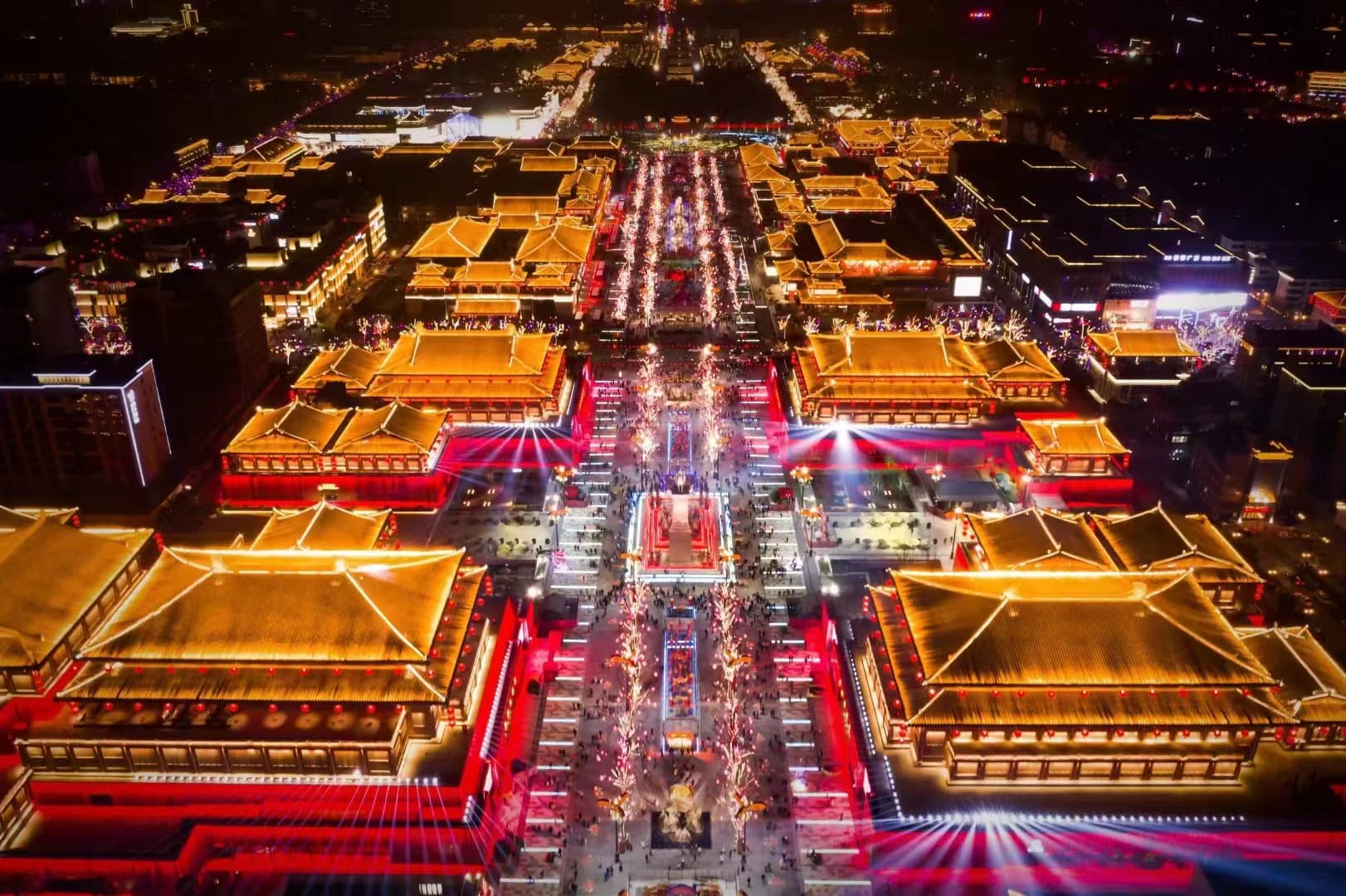
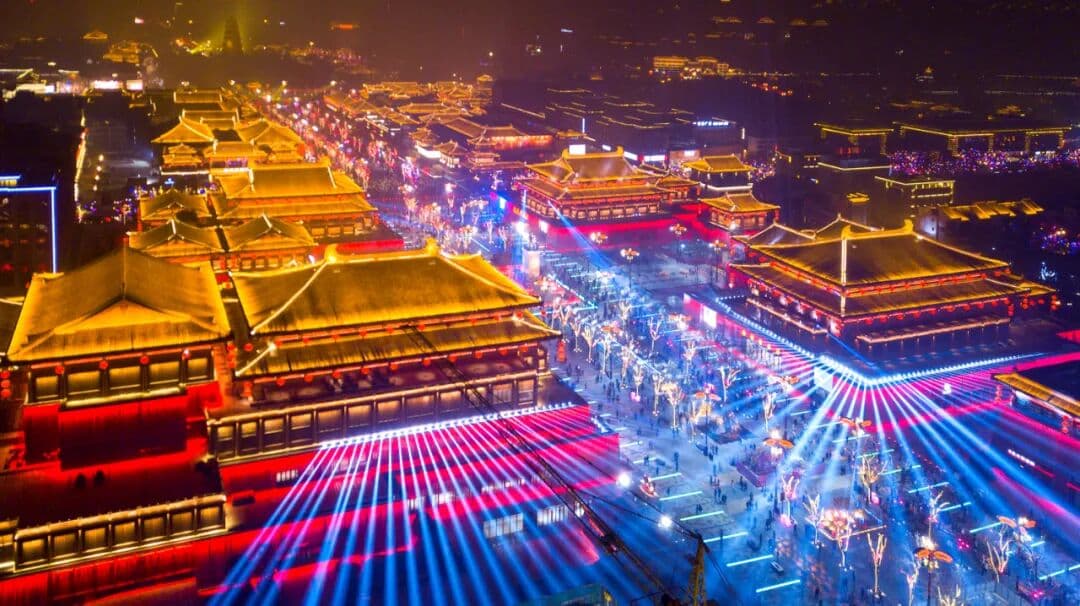
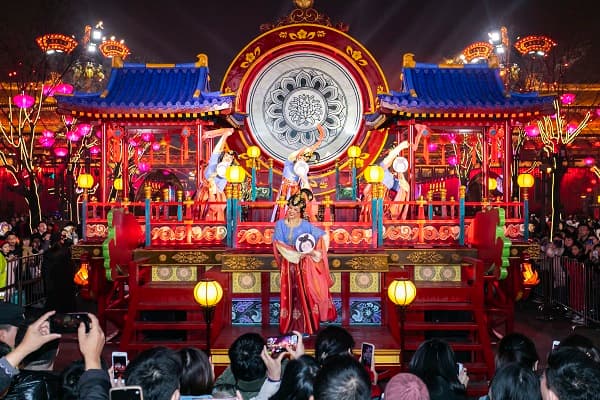
When Xi’an’s historic landmarks begin to light up after sunset, the city takes on a completely different character. Datang Everbright City is one of the most prominent places to experience this transformation, turning the area south of the Big Wild Goose Pagoda into a lively open-air pedestrian district filled with Tang-style architecture, illuminated streets, cultural performances, music, and evening crowds.
Rather than functioning like a traditional enclosed attraction, Datang Everbright City is a free, open-air pedestrian street. You can simply walk in, explore at your own pace, stop for performances, take photographs, try local food, or combine the visit with the Big Wild Goose Pagoda and its evening musical fountain. The source describes the main pedestrian route as extending approximately 2.1 km from the Big Wild Goose Pagoda South Square to Kaiyuan Square, making it particularly suitable for a relaxed evening rather than a short sightseeing stop.
Datang Everbright City at a Glance
Information
Details
Location
From Big Wild Goose Pagoda South Square to Kaiyuan Square
Length
About 2.1 km
Type
Open-air pedestrian street
Admission
Free
Reservation
Not required
Opening Hours
24 hours
Lights On
Gradually from about 18:30–19:00
Best Time to Visit
19:00–22:30
Recommended Time
2–3 hours
North Entrance
Big Wild Goose Pagoda South Square
South Entrance
Kaiyuan Square
Metro
Big Wild Goose Pagoda Station B/C; Datang Furong Garden Station D
Inside the Street
No motor vehicles or shared bikes
Best For
Night walks, photography, cultural performances, Tang-style atmosphere
✨ Things to Do/to See
1️⃣ Watch the Musical Fountain at the Big Wild Goose Pagoda
Before entering Datang Everbright City, consider watching the musical fountain at the Big Wild Goose Pagoda North Square. The fountain combines water, lights, and music with the illuminated pagoda as its backdrop. The source lists regular shows at 12:00, 16:00, 19:00, and 21:00, with Tuesday afternoon schedules adjusted. The 21:00 show offers the strongest nighttime atmosphere, although the schedule can change.
One practical consideration is timing: arriving very early to secure a prime fountain-viewing position can mean missing some performances inside Datang Everbright City. If the fountain and the street performances are both priorities, check the latest schedules and decide which experience you want to prioritize.
2️⃣ Watch Interactive Cultural Performances
One of the defining features of Datang Everbright City is its program of street-based performances. Rather than watching everything from a single theater seat, visitors encounter performers and characters throughout the pedestrian area.
Programs listed in the source include Shengtang Secret Box, Hualing Taibai, and Poetry Scholar, which combine historical stories, humor, poetry, and visitor interaction. These performances help turn an ordinary evening walk into a more active cultural experience.
3️⃣ See Tang-Inspired Music and Dance
For visitors particularly interested in Tang culture, look for performances such as Tangyun Bu Da Weng, Whirling Dance, and Tang Court Music & Dance. These programs use traditional dance forms and Tang-inspired staging to create an evening atmosphere associated with the city's imperial past.
4️⃣ Look for Poetry and Martial Arts Performances
Datang Everbright City also incorporates Tang poetry and martial-arts-inspired performances. Programs such as Pipa Xing, Sword Dance, and Qinglian Sword Song connect literary culture with movement and stage performance, offering a more theatrical interpretation of Tang-era cultural themes.
5️⃣ Experience Tang Dynasty Clothing
Another way to make an evening at Datang Everbright City more immersive is to wear Tang-style clothing.
Tang Dynasty clothing was characterized by flowing silhouettes, wide sleeves, and rich colors. Women commonly wore forms of ruqun, pairing a blouse with a long, high-waisted skirt, while men commonly wore long robes with traditional headwear.
Wearing Tang-inspired clothing while walking through the illuminated streets creates a stronger visual connection between the modern city and its Tang-themed setting.
This works particularly well because dressing up does not have to be a separate activity. Visitors can combine it with watching performances, walking through the street, and taking photographs, turning the evening into one continuous cultural experience.
❓️ How to Check the Latest Performance Schedule
Performance schedules at Datang Everbright City change frequently according to the season, weekday, special events, and weather. The source specifically recommends following the official “Datang Everbright City Official” WeChat account and checking the daily schedule before visiting. An old timetable should not be treated as current information.
For international visitors, this is particularly important because the attraction itself is free and does not require a reservation, but the experience you get depends heavily on which performances are running that evening.
💭 Datang Everbright City vs. The Longest Day in Chang’an
These two experiences are close to each other but offer different ways to experience Tang-inspired Xi’an. Datang Everbright City is an outdoor pedestrian district, while The Longest Day in Chang’an is an indoor immersive cultural district. The former focuses more on night views, street scenes, photography, and public performances; the latter emphasizes interactive storytelling, NPC encounters, scheduled performances, and immersive activities.
Datang Everbright City
The Longest Day in Chang’an
Type
Outdoor pedestrian district
Indoor immersive cultural district
Admission
Free
Ticket required
Main Experience
Night views, street scenes, performances
Interactive stories, NPCs, performances
Best Time
After dark
Afternoon to evening
Recommended Time
1.5–2.5 hours
3–4 hours
Walking
Medium to high
Moderate
Weather
Less suitable in extreme heat/rain
More weather-friendly
Best For
Night views, photography, lively atmosphere
Interactive experiences and storytelling
The key point for itinerary planning is that The Longest Day in Chang’an should be treated as an additional immersive experience near Datang Everbright City, rather than as a replacement for it. The two can even be combined in one evening if you have enough time.
3. Explore Shaanxi History Museum: Discover the Treasures of Ancient China
The Shaanxi History Museum (陕西历史博物馆) is one of the most important museums in China and a must-visit destination for travelers who want to understand Xi’an’s role as an ancient capital.
Opened in 1991, the museum houses an extensive collection of cultural relics from Shaanxi Province, covering more than one million years of history. As the former capital of 13 dynasties, Xi’an and the surrounding region produced some of China’s most significant archaeological discoveries, and the museum provides a chronological journey through these different periods.
The collections include treasures from the Zhou, Qin, Han, and Tang dynasties, allowing visitors to see the development of Chinese civilization through bronzeware, pottery, gold and silver objects, murals, Buddhist art, and everyday items from ancient life.
For overseas visitors, the museum is one of the best places in Xi’an to connect the stories behind famous sites such as the Terracotta Warriors, Silk Road exchanges, and the prosperity of Tang Chang’an.
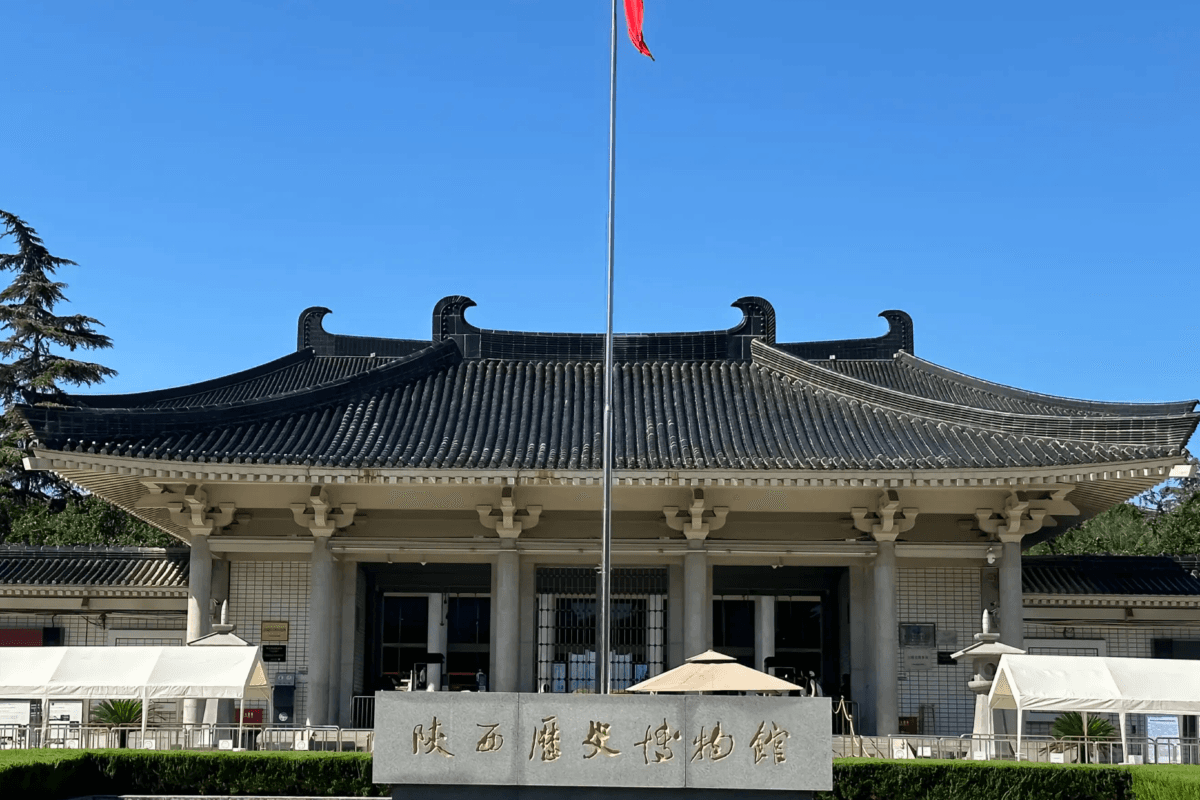
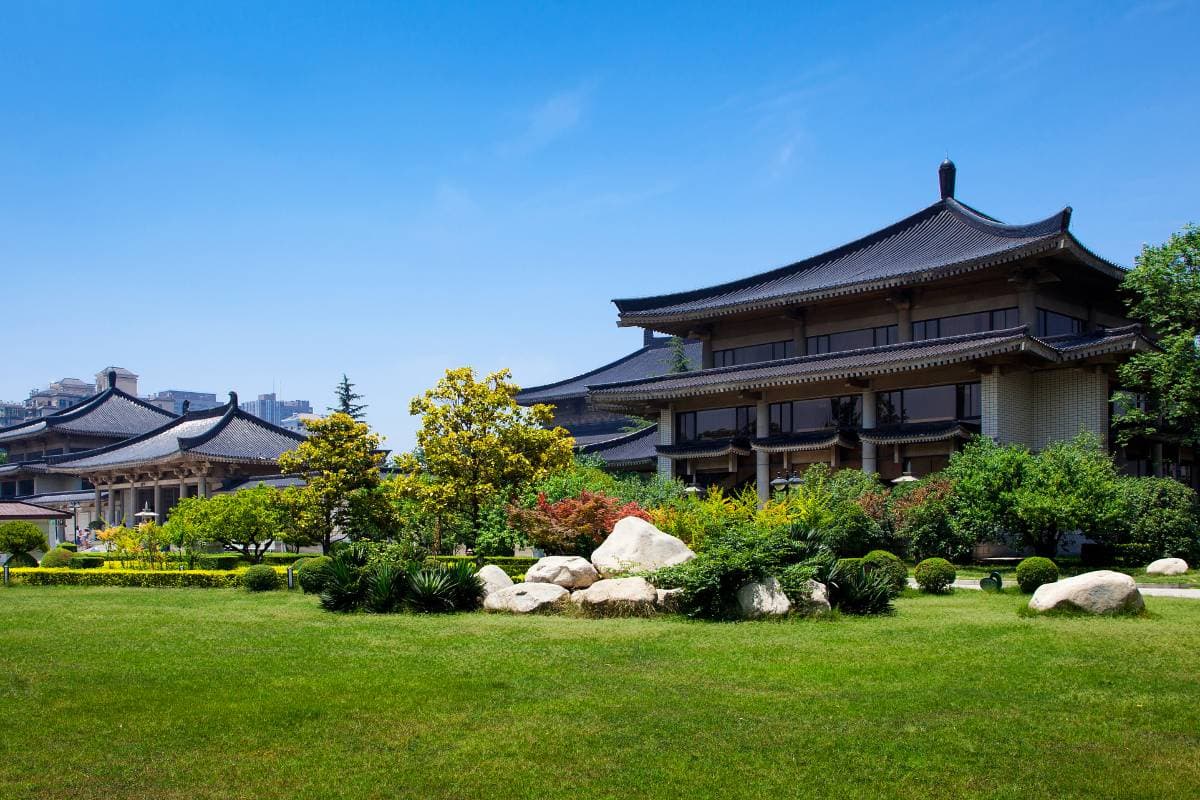
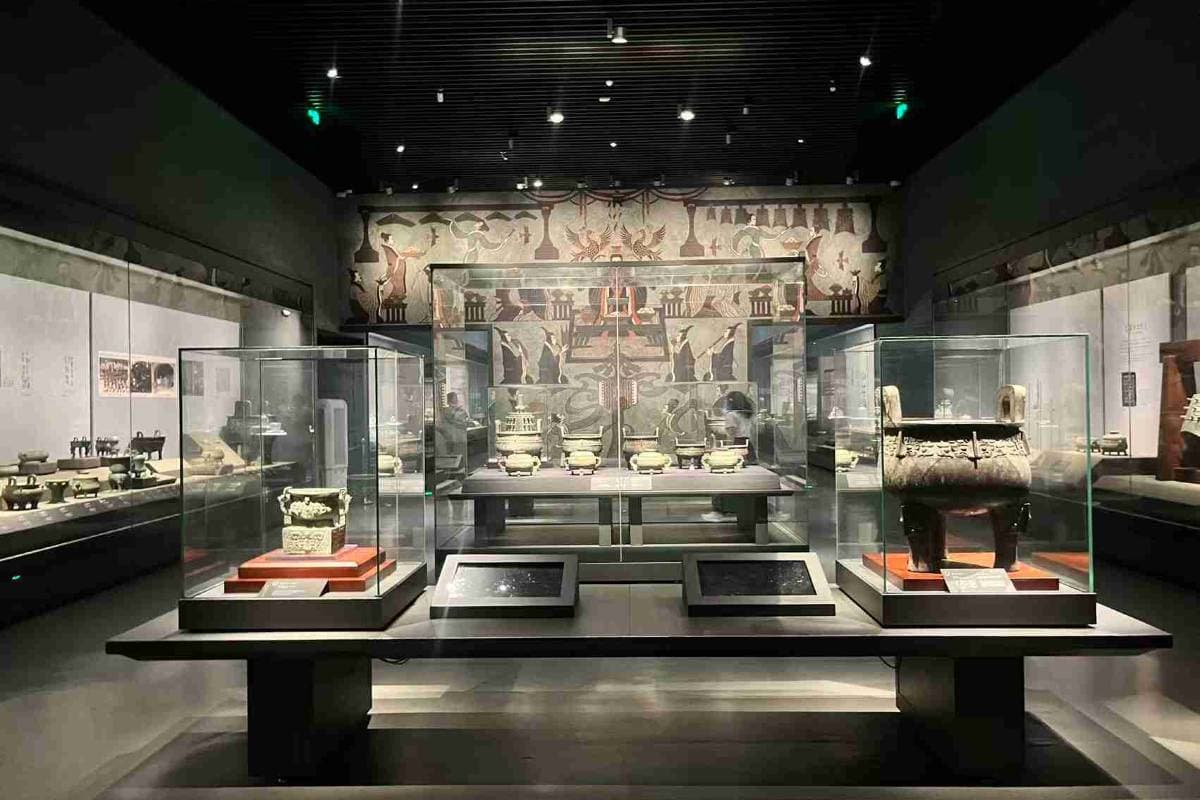
✨ Things to Do/to See
1️⃣ Explore the Permanent Exhibitions
The museum’s permanent exhibitions follow the historical development of Shaanxi from prehistoric times to the Tang Dynasty.
Visitors can discover:
Period
Highlights
Prehistoric Period
Early human activities and archaeological discoveries
Zhou Dynasty
Bronze culture and ritual objects
Qin Dynasty
Connections with the rise of the Qin Empire
Han Dynasty
Expansion, trade, and cultural development
Tang Dynasty
International exchange, art, and prosperity
2️⃣ See Tang Dynasty Art and Silk Road Heritage
One of the museum’s greatest strengths is its Tang Dynasty collection.
During the Tang Dynasty, Chang’an was an international metropolis where merchants, diplomats, and travelers from across Asia and beyond gathered.
Visitors can see:
Gold and silver treasures;
Tang pottery figures;
Decorative objects;
Cultural items reflecting international exchange.
These exhibits help explain why Xi’an was historically one of the world’s most important cities.
3️⃣ Appreciate Ancient Chinese Art and Craftsmanship
The museum allows visitors to observe the development of Chinese craftsmanship through different materials.
Important collections include:
Bronze vessels;
Ceramics;
Jade objects;
Calligraphy-related items;
Murals and paintings.
Even visitors unfamiliar with Chinese history can appreciate the craftsmanship, design, and artistic details.
4️⃣ Visit Special Exhibitions (When Available)
In addition to permanent collections, the museum regularly hosts temporary exhibitions.
These may focus on:
Specific historical periods;
International cultural exchanges;
Archaeological discoveries;
Traditional art themes.
Availability and ticket policies vary, so visitors should check current exhibition information before visiting.
Visitor Tips
Advance reservation is highly recommended, especially during:
Summer holidays;
National holidays;
Weekends.
The museum can be crowded in the late morning and afternoon.
Allow at least 1.5–2 hours for a basic visit; history lovers may need 3 hours or more.
Download a translation app or visit with a guide, as many exhibition descriptions are mainly in Chinese.
Photography rules vary by exhibition area; follow museum instructions.
Best Time to Visit
Time
Recommendation
Opening time
Best for a quieter experience
Morning
Recommended for travelers combining multiple attractions
Afternoon
More crowded, especially during peak seasons
Practical Information
Item
Details
Location
No.91 Xiaozhai East Road, Yanta District, Xi’an
Admission
Free for permanent exhibitions
Reservation
Required in advance
Special Exhibitions
Additional ticket may apply
Suggested Duration
1–3 hours
❓️ How to Buy Tickets
Option 1: Self Purchase
Visitors can reserve tickets through:
Official Shaanxi History Museum reservation channels;
Official WeChat account;
Other authorized platforms when available.
For international visitors, reservation can sometimes be challenging because many official systems are designed mainly for Chinese users. It is recommended to prepare passport information and complete reservations in advance.
Official Website: Shaanxi History Museum Official Website
Option 2: Private Tour Arrangement
4. Tang Paradise: Experience the Atmosphere of Tang Chang’an After Dark
Located near the Big Wild Goose Pagoda in Qujiang Cultural Area, Tang Paradise (大唐芙蓉园) is a large cultural theme park designed around the atmosphere of the Tang Dynasty.
Built near the original site of the royal Furong Garden (芙蓉园) of the Tang Dynasty, the park recreates elements of Tang-era palace gardens through traditional-style architecture, landscaped gardens, cultural performances, and evening light displays.
Unlike archaeological sites such as the Big Wild Goose Pagoda or museums that focus on historical remains, Tang Paradise offers a more immersive way to experience the imagination and aesthetics of Tang Chang’an.


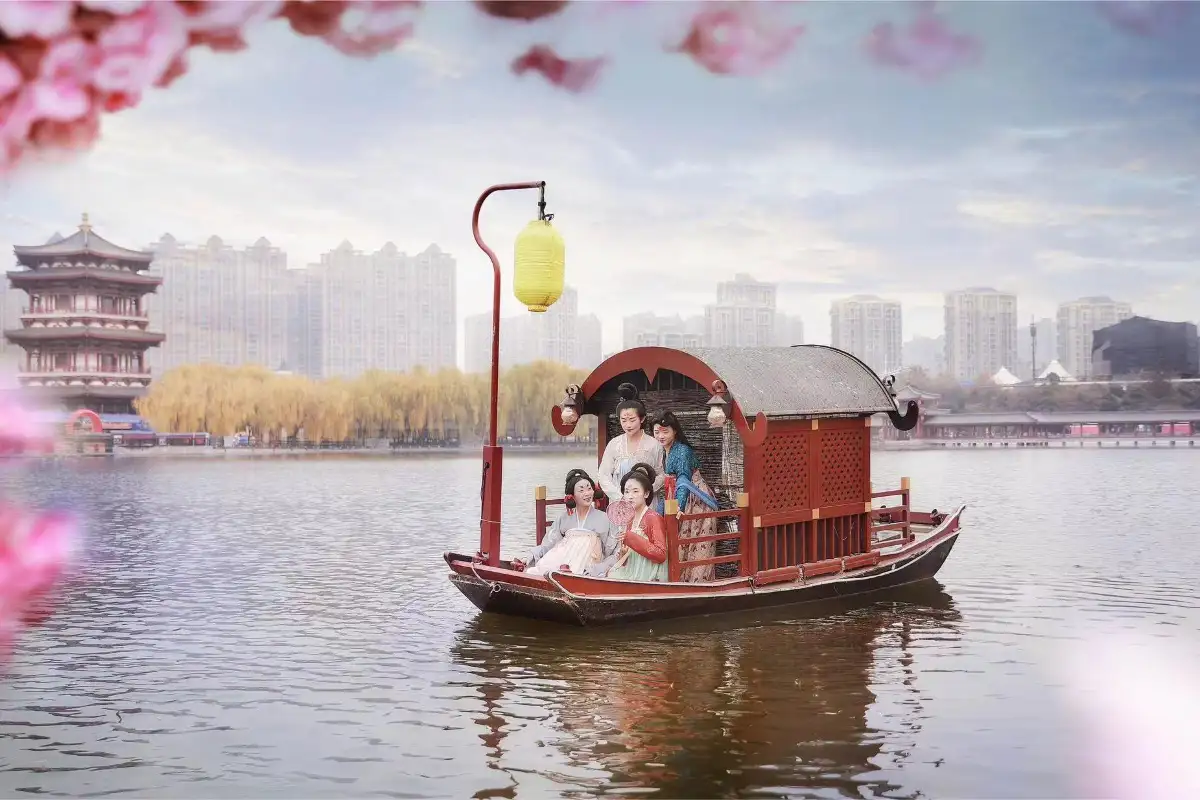
✨ Things to Do/to See
1️⃣ Walk Through Tang-Style Gardens and Architecture
The park recreates the atmosphere of a Tang imperial garden through:
Traditional-style pavilions;
Bridges and waterways;
Palace-inspired buildings;
Landscaped gardens.
Visitors can enjoy a relaxed walk while observing how architecture and landscape design were used to express the elegance of Tang culture.
2️⃣ Experience Tang Culture Performances
One of the main attractions of Tang Paradise is its cultural performances.
Depending on the season and schedule, visitors may find:
Dance performances;
Music shows;
Traditional costume performances;
Cultural presentations based on Tang stories.
Performance schedules can change, so checking the latest program information before visiting is recommended.

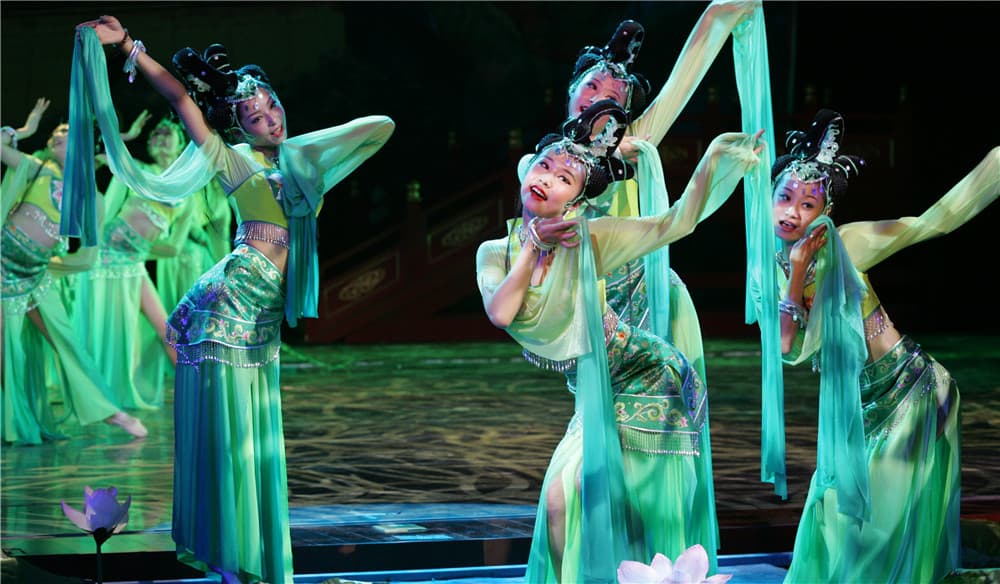
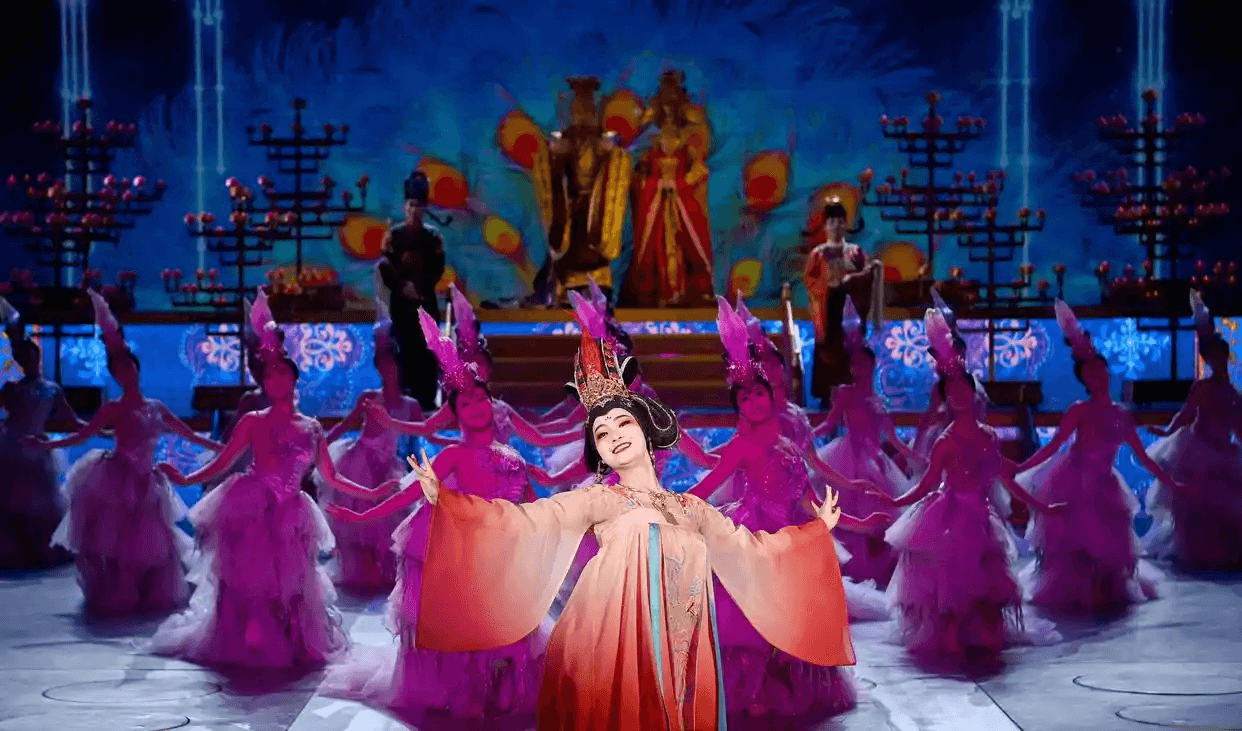
3️⃣ Enjoy Tang Paradise at Night
The park is especially popular after dark.
Evening visitors can enjoy:
Illuminated Tang-style buildings;
Reflections on lakes and waterways;
Night photography;
A more atmospheric sightseeing experience.
For travelers who have already visited historical sites during the day, Tang Paradise provides a different way to experience Xi’an’s cultural identity through light, sound, and performance.
4️⃣ Combine with the Qujiang Cultural Area
Tang Paradise is located within the wider Qujiang cultural area, making it easy to combine with nearby attractions.
Recommended nearby experiences:
Attraction
Experience
Big Wild Goose Pagoda
Tang Buddhism and Silk Road history
Qujiang Pool Heritage Park
Leisure walk and local atmosphere
Shaanxi History Museum
Ancient treasures and historical context
📷 Best Photo Spots
Location
Photo Highlights
Ziyun Tower area
Iconic Tang-style architecture
Lake and bridge areas
Reflections and night scenery
Garden pathways
Traditional landscape atmosphere
Evening light displays
Tang-style night photography
Practical Information
Item
Details
Location
No.99 Furong West Road, Qujiang New District, Xi’an
Attraction Type
Cultural theme park
Adult Ticket
Around RMB 120/person
Opening Hours
Usually daytime to evening (hours vary by season)
❓️ How to Buy Tickets
Option 1: Self Purchase
Visitors can purchase tickets through:
Tang Paradise official channels;
On-site ticket counters (subject to availability);
International platforms such as Trip.com.
For overseas visitors, Trip.com is often more convenient because it provides English-language information and international payment options.
Option 2: Private Tour Arrangement
5. Qujiang Cultural Area: Enjoy a Leisure Walk Beyond Xi’an’s Ancient Sites
Located in the southern part of Xi’an, the Qujiang Cultural Area (曲江文化片区) is a modern cultural and leisure district built around the heritage of Tang Chang’an.
Historically, the Qujiang area was an important scenic and recreational area during the Tang Dynasty, known for its gardens, waterways, and cultural activities. Today, the area combines historical themes with modern urban spaces, creating a relaxed environment where visitors can experience Xi’an beyond traditional sightseeing.

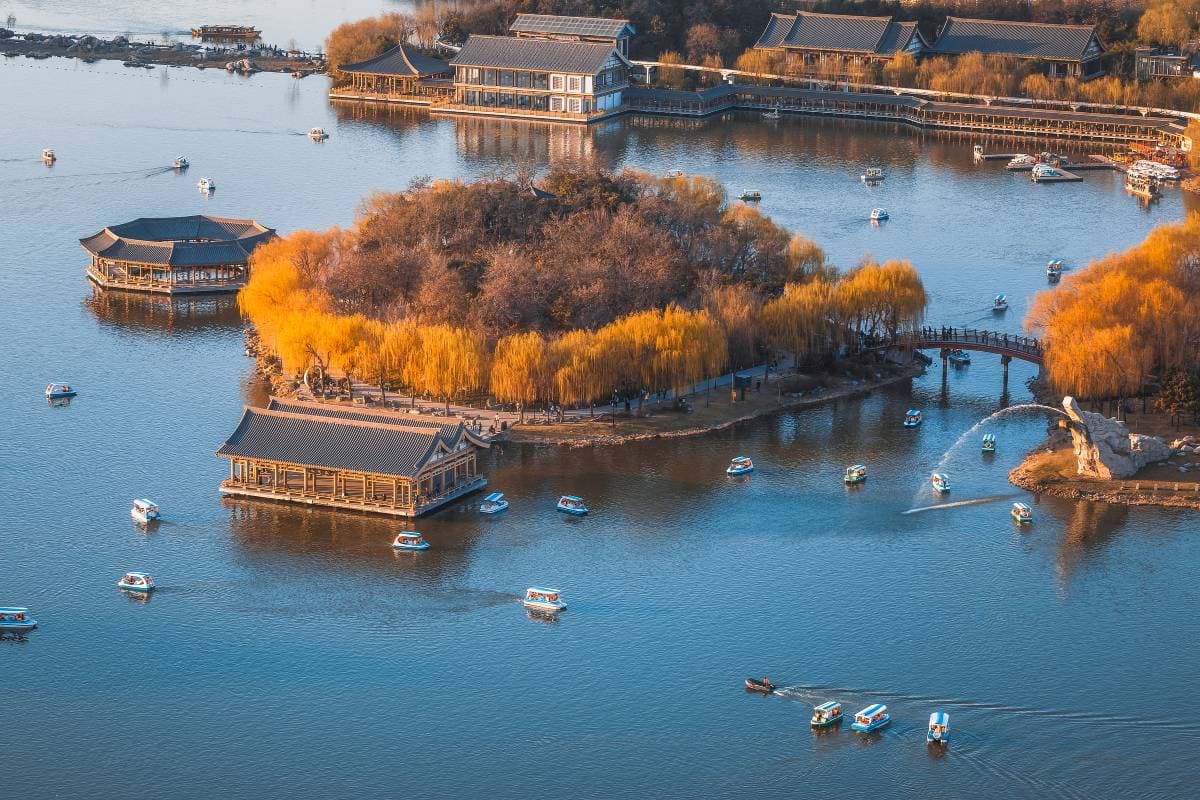
✨ Things to Do/to See
1️⃣ Take a Relaxing Walk Around Qujiang Pool
The Qujiang Pool area (曲江池) is one of the best places for a leisurely walk.
Visitors can enjoy:
Lakeside paths;
Bridges and landscaped gardens;
Views of traditional-style buildings;
Seasonal scenery.
It is especially pleasant after visiting nearby historical attractions, offering a chance to slow down and enjoy the atmosphere.
2️⃣ Experience Xi’an at Night
Qujiang becomes particularly attractive after sunset.
Visitors can enjoy:
Illuminated buildings;
Reflections on the water;
Evening walks;
A quieter side of Xi’an away from crowded attractions.
This makes it a good addition to a Tang culture evening route.
Lintong District: Qin Empire Heritage and Tang Royal Romance
Located northeast of central Xi’an, Lintong District (临潼区) is best known as the home of the world-famous Terracotta Warriors. However, beyond this remarkable archaeological discovery, Lintong also preserves another important chapter of Chinese history — the romantic and cultural world of the Tang Dynasty.
From imperial gardens and ancient hot springs to the legendary love story between Emperor Xuanzong and Yang Guifei, Lintong offers visitors a different perspective on Xi’an’s history beyond the Qin Dynasty.
For travelers who want to experience Xi’an through stories, performances, and historical atmosphere, Lintong is an essential addition to a multi-day itinerary.
Lintong District at a Glance
Experience
Best For
Suggested Time
Huaqing Palace
Tang royal history, gardens & hot spring culture
1.5–2 hours
Song of Everlasting Sorrow Performance
Tang romance & immersive theater
2–3 hours
Terracotta Warriors (Essential Visit)
Qin Dynasty archaeology
2–3 hours
1. Essential Stop: Terracotta Warriors — The Historical Gateway to Lintong
Although this guide focuses on experiences beyond the Warriors, the Terracotta Warriors (兵马俑) remain the landmark that introduces most travelers to Xi’an.
Discovered in 1974 near the mausoleum of Qin Shi Huang, the first emperor of unified China, the underground army is one of the world’s most significant archaeological discoveries and a UNESCO World Heritage Site.
For visitors planning a first trip to Xi’an, the Terracotta Warriors provide important historical context before exploring later periods, especially the Tang Dynasty experiences found at Huaqing Palace and the Song of Everlasting Sorrow performance.
Practical Information
Item
Details
Location
Lintong District, Xi’an
UNESCO Status
Part of the Mausoleum of the First Qin Emperor World Heritage Site
Suggested Duration
2–3 hours
Ticket Price
Around RMB 120/person (seasonal adjustments possible)
Official Website
Emperor Qinshihuang’s Mausoleum Site Museum Official Website
2. Huaqing Palace: Explore Tang Royal Gardens & Imperial Romance
Located at the foot of Mount Li (骊山) in Lintong District, Huaqing Palace (华清宫) is a historic royal garden famous for its natural hot springs, Tang Dynasty architecture, and connection with the legendary romance between Emperor Xuanzong of Tang and Yang Guifei.
The site has been used as an imperial bathing and leisure area for centuries. During the Tang Dynasty, it became closely associated with Emperor Xuanzong and Yang Guifei, one of the most famous love stories in Chinese history.
Today, Huaqing Palace combines historical architecture, mountain scenery, cultural exhibitions, and performance experiences, making it one of the best places to explore Tang royal culture near Xi’an.
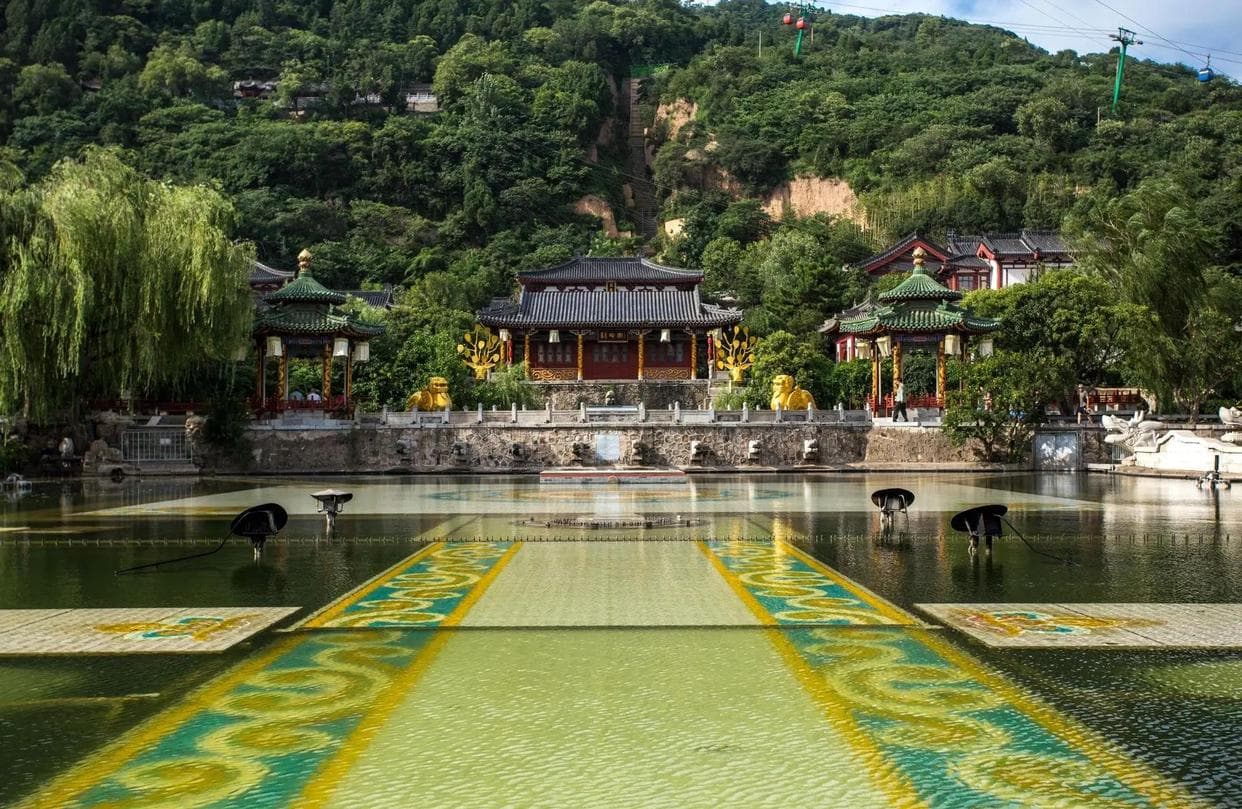
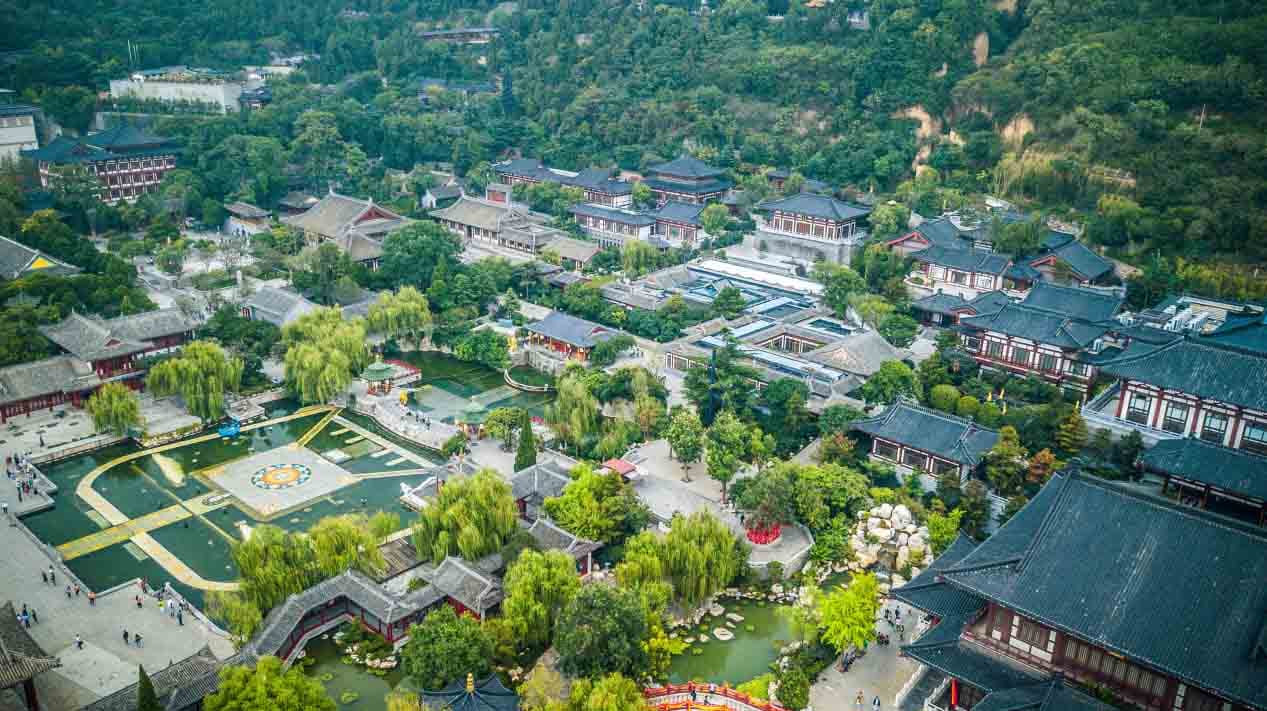
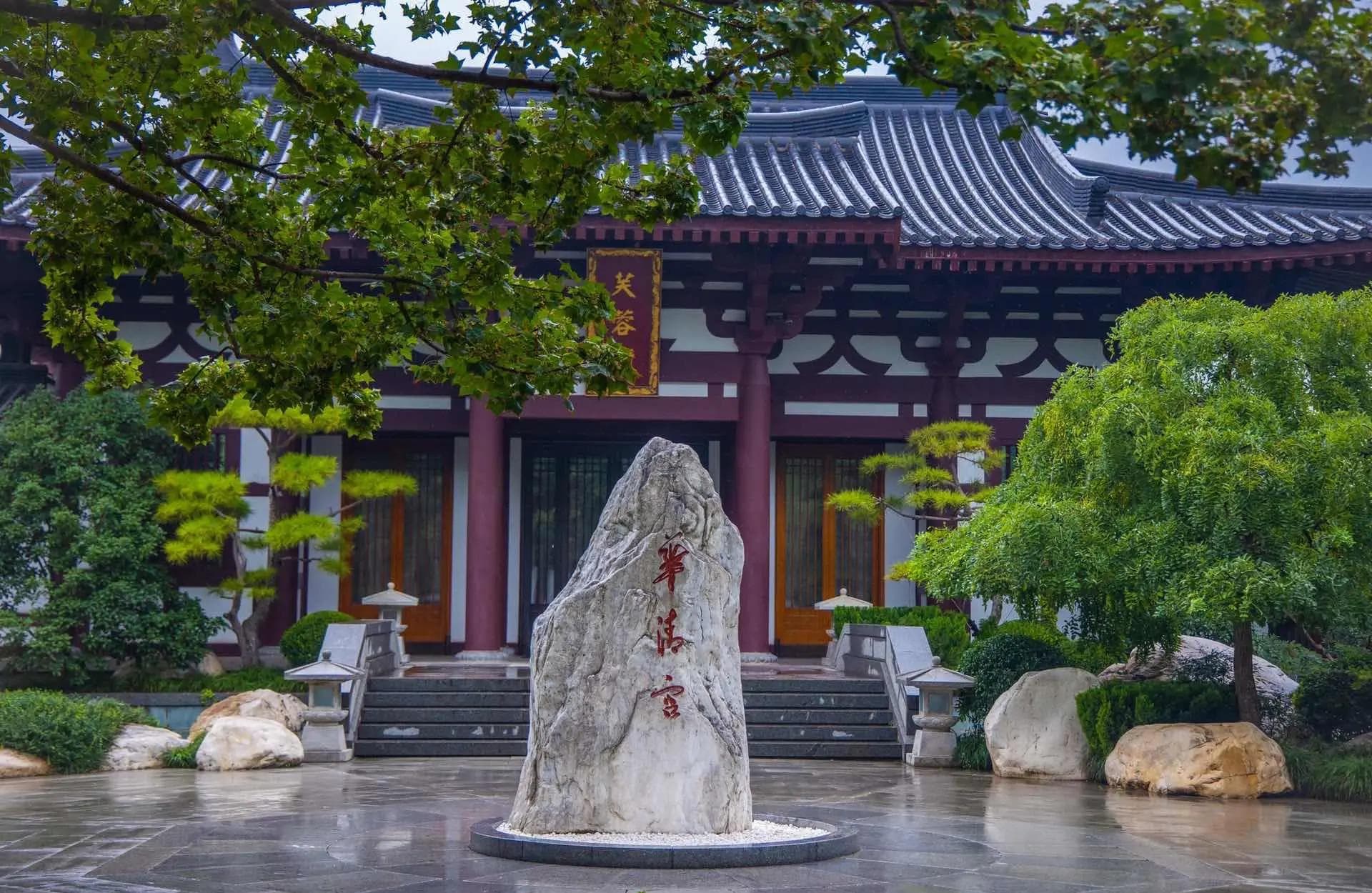
✨ Things to Do/to See
1️⃣ Explore the Imperial Garden Area
Visitors can walk through:
Traditional palace buildings;
Garden landscapes;
Historical courtyards;
Hot spring-related sites.
The combination of architecture and natural scenery reflects the elegance of Tang royal gardens.
2️⃣ Learn the Story of Emperor Xuanzong and Yang Guifei
One of the main reasons visitors come to Huaqing Palace is its connection with the famous Tang Dynasty romance.
The story later inspired the famous poem “Song of Everlasting Sorrow” (长恨歌) by poet Bai Juyi and remains one of the most recognizable love stories in Chinese literature.
3️⃣ Discover the Xi’an Incident History
Huaqing Palace also played an important role in modern Chinese history.
The site is connected with the Xi’an Incident of 1936, an important historical event that influenced China’s political development in the 20th century.
Visitors interested in modern history can explore related exhibitions and sites within the scenic area.
Visitor Tips
Allow around 1.5–2 hours for a normal visit.
Combine with the Song of Everlasting Sorrow evening performance for a complete Tang cultural experience.
The site includes outdoor walking areas, so comfortable shoes are recommended.
Mount Li scenery is especially attractive in spring and autumn.
Avoid the busiest holiday periods if possible.
Practical Information
Item
Details
Location
No. 38, Huaqing Road, Lishan, Lintong District, Xi'an City
Adult Ticket
Around RMB 120/person (subject to change)
Best Combined With
Song of Everlasting Sorrow Performance
❓️ How to Buy Tickets
Option 1: Self Purchase
Tickets can usually be purchased through:
Huaqing Palace official channels;
On-site ticket counters;
Trip.com.
Option 2: Private Tour Arrangement
For overseas visitors, Huaqing Palace is often arranged together with:
Terracotta Warriors;
Song of Everlasting Sorrow;
Private transportation back to Xi’an.
A guide can help explain the connection between:
Tang imperial culture;
Yang Guifei’s story;
The Xi’an Incident.
Please refer to the website for more information: Xi’an Day Tour with Huaqing Palace
3. Watch The Song of Everlasting Sorrow: Experience Tang Romance on Stage
The Song of Everlasting Sorrow (《长恨歌》) is one of Xi’an’s most popular cultural performances and a highlight of evening experiences in Lintong.
Performed at the foot of Mount Li near Huaqing Palace, the show uses the natural landscape as its stage and tells the famous love story of Emperor Xuanzong of Tang and Yang Guifei through dance, music, costumes, lighting, and large-scale outdoor scenes.
Rather than simply watching a historical performance in a theater, visitors experience Tang culture through an immersive outdoor production connected to the actual historical setting.
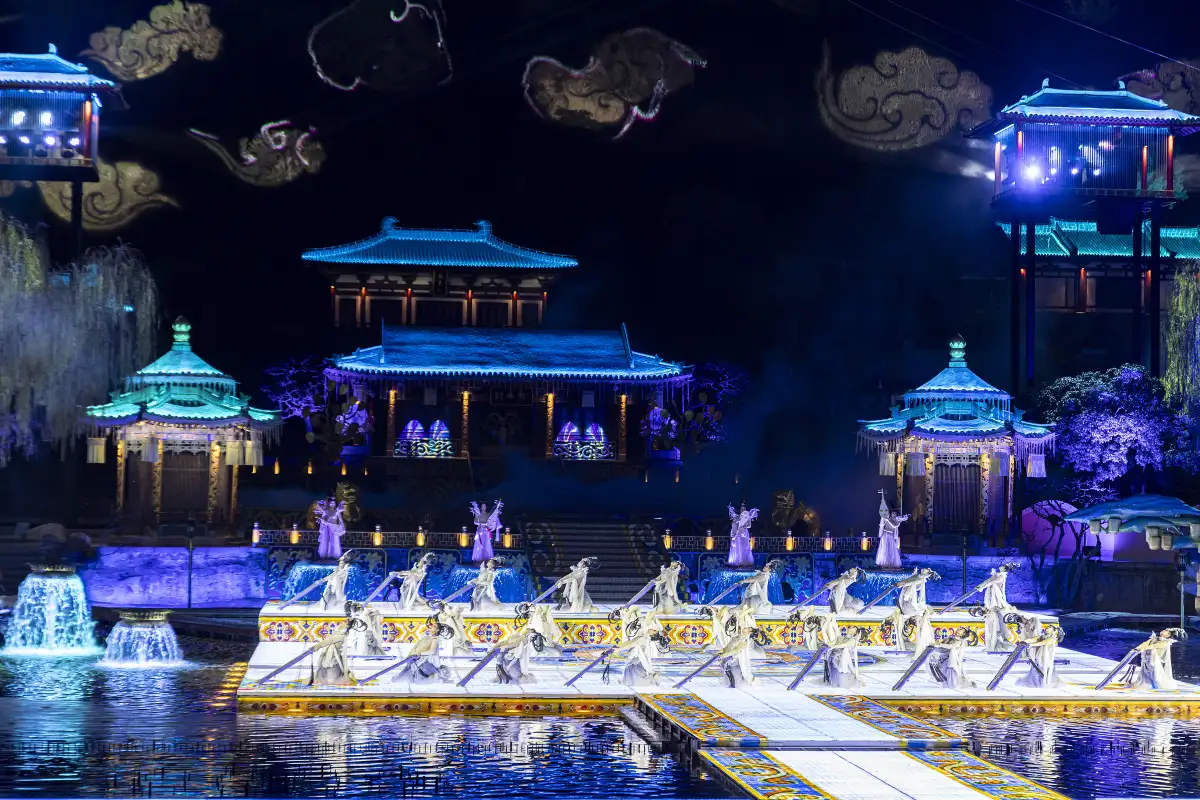
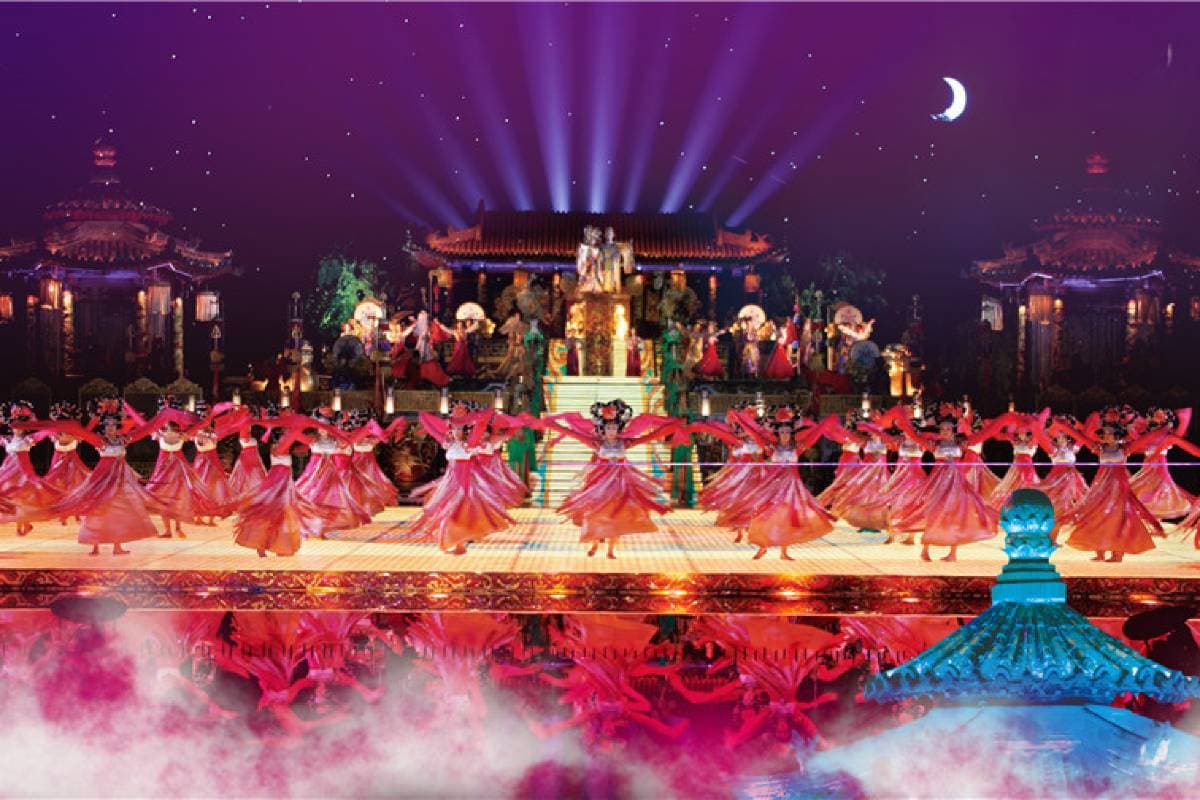

Visitor Tips
The performance is usually scheduled in the evening after the Huaqing Palace visit.
Show times vary by season and are announced according to operating schedules.
Tickets are usually released in advance and popular dates can sell out quickly.
Outdoor performances are affected by weather conditions.
Arrive early to allow time for entrance procedures and seating.
Practical Information
Item
Details
Performance
Song of Everlasting Sorrow
Location
Huaqing Palace area, Lintong District
Duration
Around 70 minutes
Ticket Type
Performance ticket (separate from Huaqing Palace entrance ticket)
Price
Varies by seating area and season
❓️ How to Buy Tickets
Option 1: Self Purchase
Tickets can usually be purchased through:
Official Huaqing Palace performance channels;
Trip.com.
Option 2: Book with us
Unlike ordinary attraction tickets, Song of Everlasting Sorrow tickets can be arranged separately.
For travelers who only need assistance with this performance ticket, ticket reservation support can be provided.
For a complete experience, many overseas visitors choose a private tour including:
Hotel pickup;
Terracotta Warriors or Huaqing Palace sightseeing;
Song of Everlasting Sorrow tickets;
Return transportation after the evening show.
Xincheng District: Historic City Center, Local Culture and Qin Opera
Located in central-northeastern Xi’an, Xincheng District brings together some of the city’s most recognizable landmarks, historic streets, traditional performing arts, and local cultural spaces.
For visitors, the district provides a useful transition between Xi’an’s monumental heritage and its living urban culture. The Bell and Drum Towers represent the historic timekeeping system of the old city, while places such as Yisu Society Cultural District reveal how traditional performing arts continue to connect with contemporary Xi’an.
1. Visit Xi’an Bell & Drum Towers: See the Historic Heart of the City
The Bell Tower (钟楼) and Drum Tower (鼓楼) are two of Xi’an’s most recognizable landmarks and form one of the defining architectural ensembles of the historic city center.
Both were built during the Ming Dynasty, when Xi’an was an important military and administrative center. Their original functions were practical as well as symbolic: the bell traditionally marked the beginning of the day, while drums marked the arrival of night and the city’s evening curfew.
Today, the towers offer visitors both a chance to appreciate Ming Dynasty architecture and elevated views over the surrounding streets.

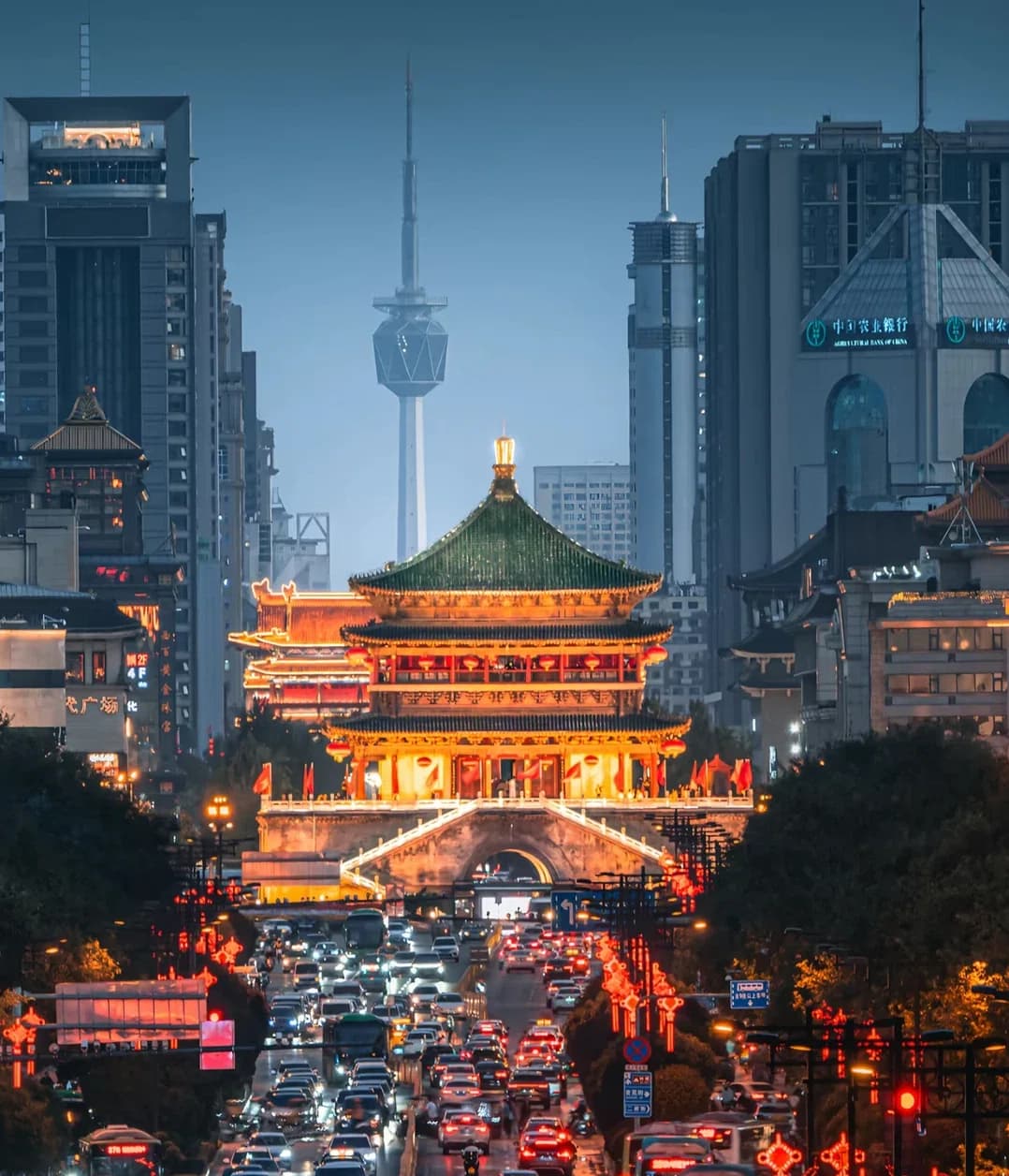


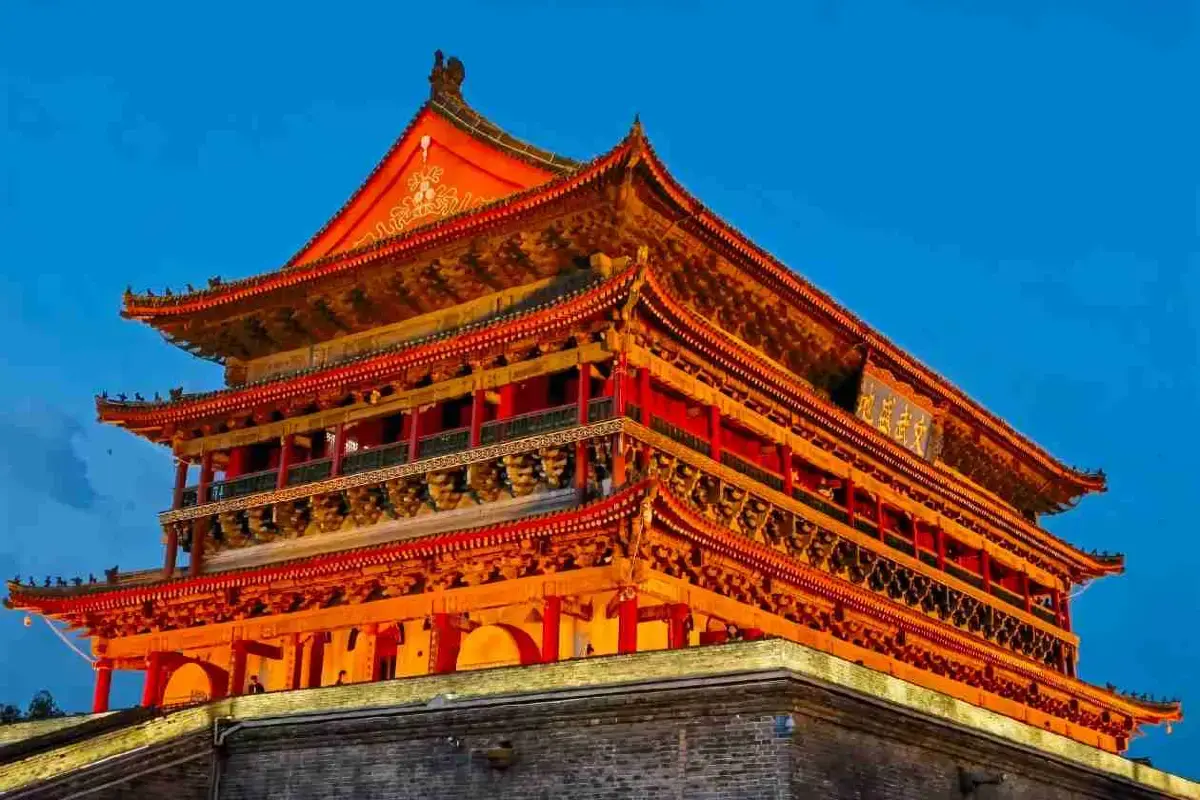
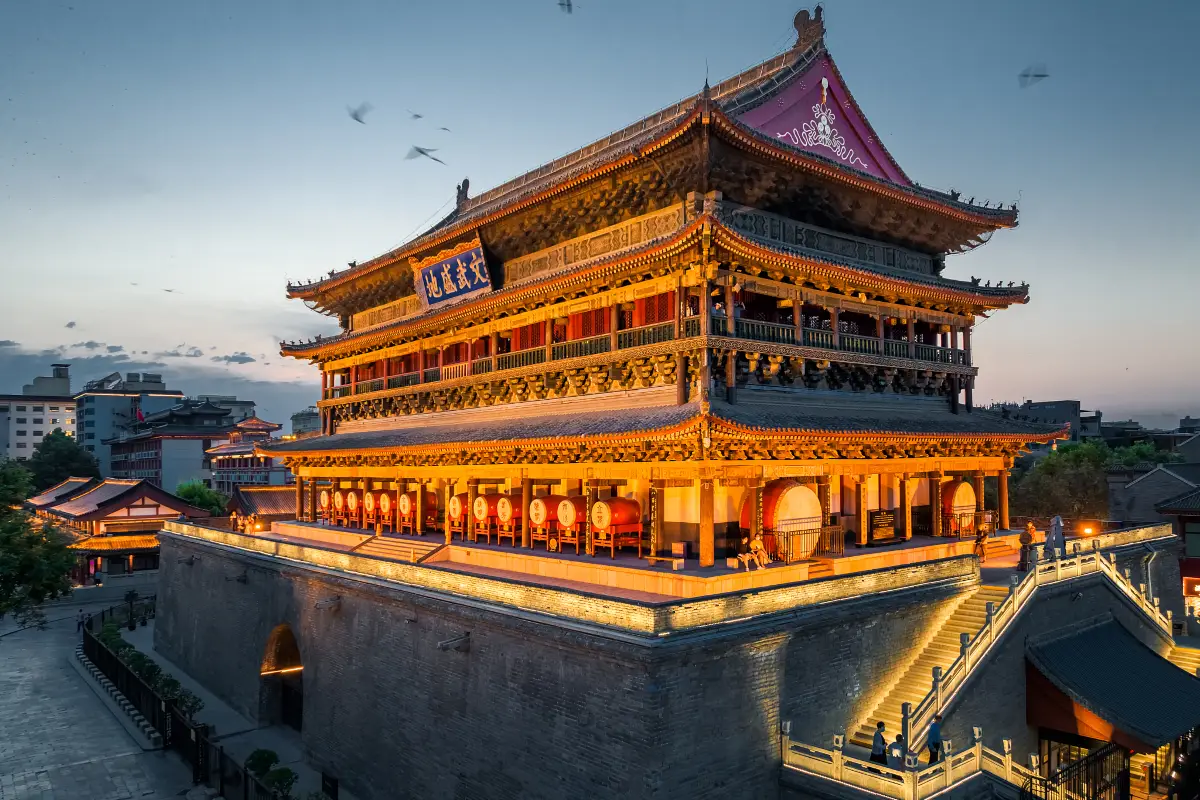
💭 Bell Tower vs. Drum Tower
Feature
Bell Tower
Drum Tower
Built
1384, Ming Dynasty
1380, Ming Dynasty
Location
Center of Xi’an, where four major streets meet
Northwest of Bell Tower, near Muslim Quarter
Traditional Role
Morning bell
Evening drum
Architecture
Three-tiered, double-eaved roof
Double-eaved hip-and-gable roof
Main Feature
Replica of the Jingyun Bell
Large traditional drums
Best For
Central city views
Architecture & traditional drum culture
The Bell Tower was moved to its present location in 1582, while the Drum Tower remains at its original site.
✨ Things to Do/to See
1️⃣ See the Towers from Outside
You do not need a ticket simply to admire the towers from the surrounding streets.
This is enough if you mainly want to:
See the complete architectural silhouettes;
Photograph the illuminated roofs;
Experience the central location of the old city.
The exterior visit generally takes only 10–15 minutes.
2️⃣ Go Inside for Elevated City Views
Entering the towers allows you to see their wooden structures, painted beams, architectural details, and historic displays.
Option
Cost
Time
Outside only
Free
About 10–15 min
One tower
RMB 30
About 30–40 min
Combined ticket
RMB 50
About 1 hour
The original source notes that the interior exhibits are relatively limited and some displays are replicas, so travelers mainly interested in architecture and views may prefer to judge whether entering is worthwhile based on their itinerary.
3️⃣ Learn How Ancient Xi’an Measured Time
The most interesting part of the towers is understanding their original function.
In the traditional city:
The morning bell signaled the beginning of the day and the opening of the city gates.
The evening drum announced the beginning of night and the closing of the gates.
Drums were also used to mark the night watches.
The bell could serve as an alarm during emergencies.
This makes the towers more than simply historic buildings—they were once part of the operating system of the entire walled city.
4️⃣ See Xi’an from Above
The elevated platforms provide views toward the surrounding streets and the historic city center.
For photography, the source document identifies several useful viewpoints from nearby commercial buildings:
Photo Spot
Best View
5th-floor platform, Anta store entrance
Bell Tower alone
5th-floor platform, Li-Ning store entrance
Bell & Drum Towers at near eye level
6th-floor platform
Both towers from a slightly higher angle
8th-floor platform
Diagonal composition with more space
These viewpoints are particularly useful around sunset and after dark.
Practical Information
🕣️ Opening Hours
The Bell Tower and Drum Tower share the same opening hours and are managed by the Xi’an Bell & Drum Tower Museum.
Season
Opening Hours
Last Admission
Apr. 1–Oct. 10
8:30 AM–9:30 PM
9:00 PM
Oct. 11–Mar. 31
8:30 AM–6:00 PM
5:30 PM
If purchasing the combined ticket during peak season, arrive before 8:00 PM, because combined-ticket sales stop one hour before final admission.
🎫 Ticket Information
Ticket
Price
Bell Tower
RMB 30
Drum Tower
RMB 30
Combined Ticket
RMB 50
Outside Viewing
Free
❓️ How to Buy Tickets
Tickets can be purchased:
At the official ticket windows;
Through the official/authorized ticketing channel on WeChat;
Through a travel agency when the towers are included in a private itinerary.
For overseas visitors, check the latest ticketing arrangements before visiting, particularly during holidays.
Best Time to Visit
Late afternoon into evening is a particularly useful time to visit if you want both daylight views and illuminated architecture.
The towers become especially photogenic after dark. The source notes that in August the Bell Tower generally lights up around 7:30–8:00 PM, with lighting continuing later on some evenings.
2. Yongxingfang: Taste Shaanxi Culture in One Stop
Yongxingfang can be kept relatively concise in this article because its main role is as a food and cultural extension rather than one of the 15 core experiences.
Visitors can:
Try specialties from different parts of Shaanxi;
Watch intangible cultural heritage demonstrations;
Explore local crafts;
Experience the traditional “Smashing Bowl Wine” ritual;
Occasionally encounter Qin Opera, Huayin Laoqiang, or shadow-puppet performances.
It is about 2.3 km from Yisu Society Cultural District and sits beside Zhongshan Gate and Shuncheng Lane, making it easy to combine with a City Wall visit.
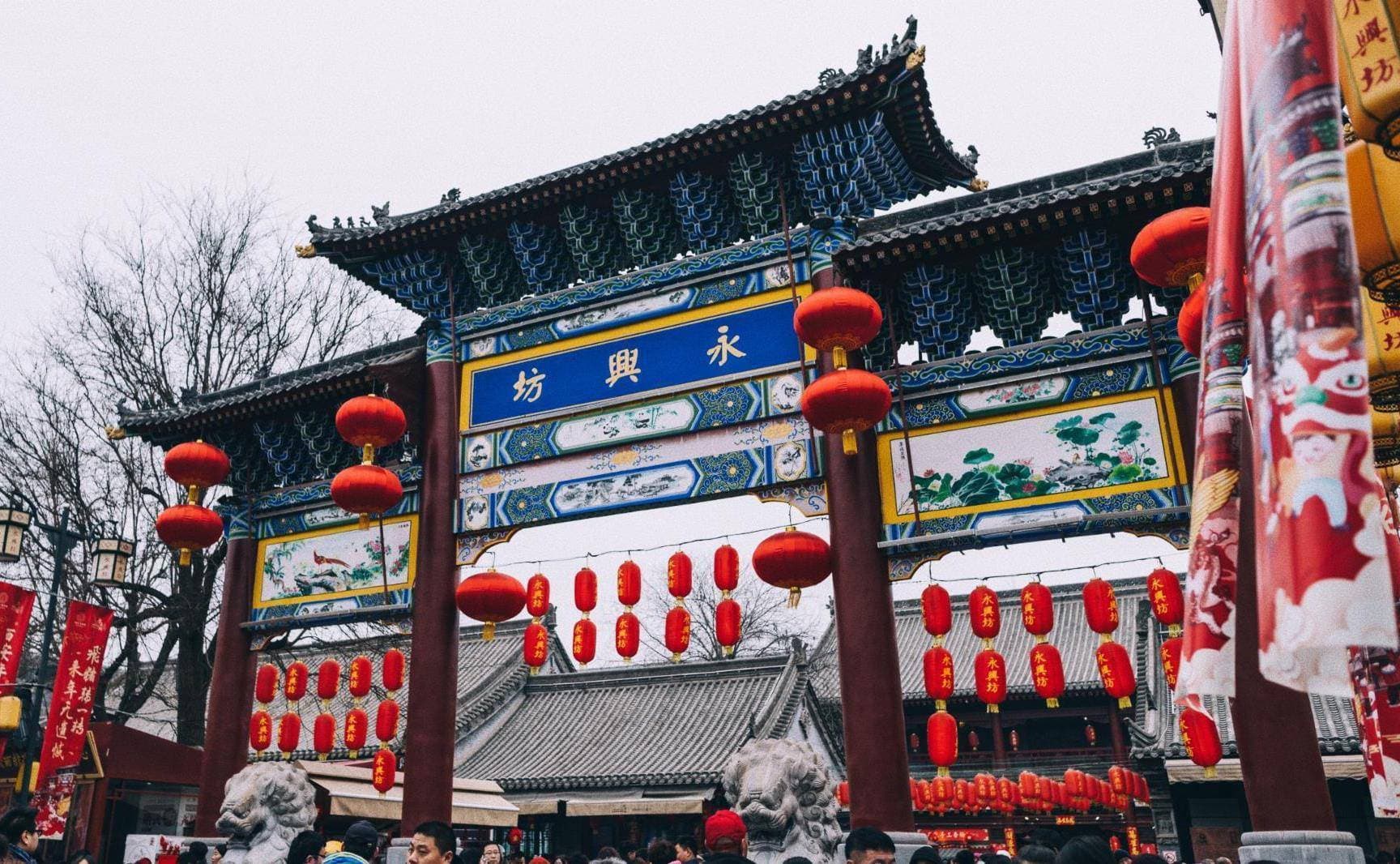
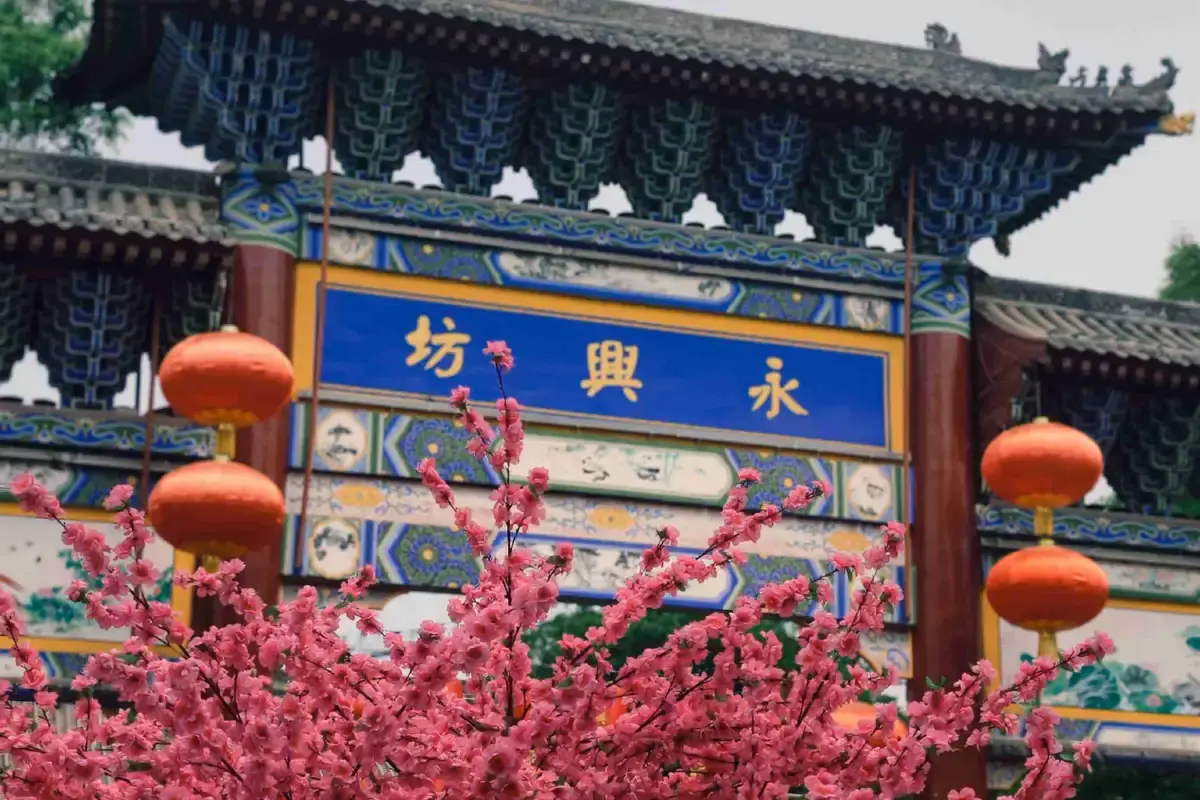
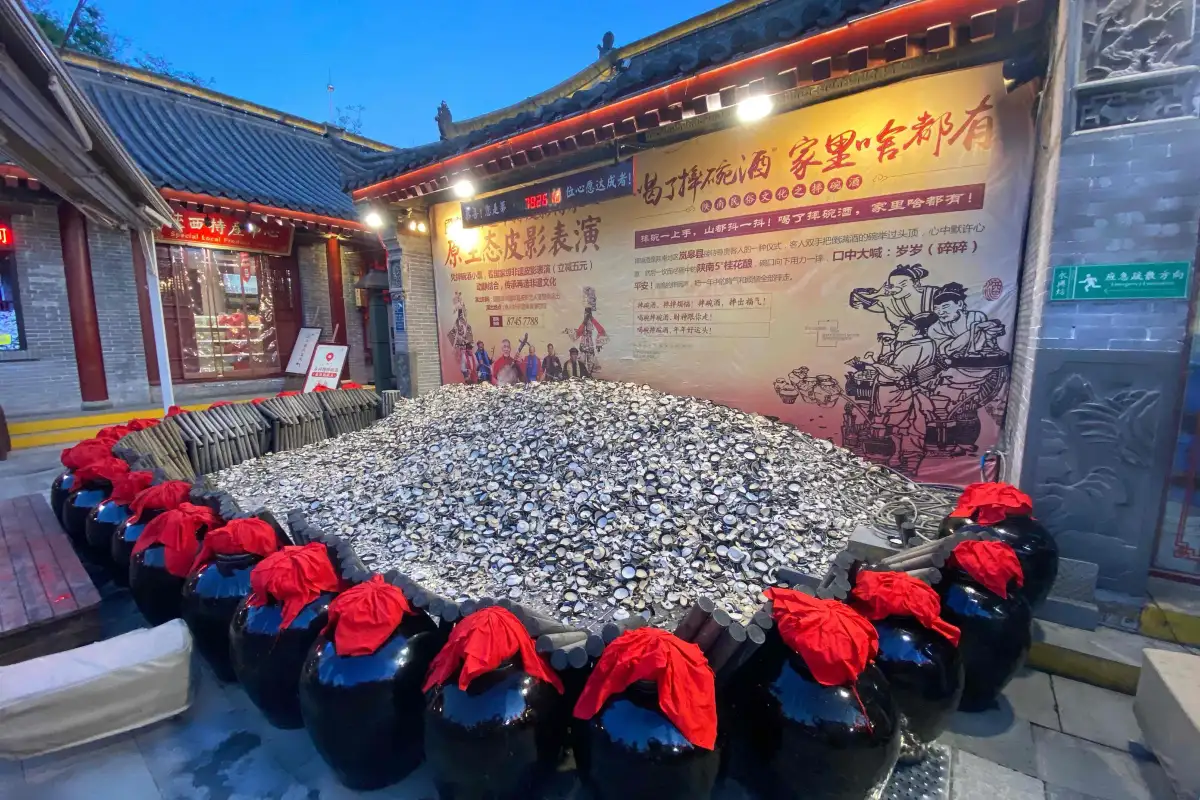
Part 2: Plan Your Xi’an Trip Around These 15 Experiences
Xi’an is easier to explore when you group experiences by location, time of day, and travel style rather than trying to visit every attraction separately. The 15 experiences in this guide can be combined into flexible one-, two-, or three-day itineraries, with longer stays allowing more time for museums, local neighborhoods, traditional crafts, and evening performances.
Which Season Is Best for Xi’an?
Xi’an has four distinct seasons. According to the source, spring and autumn generally offer the most comfortable conditions for outdoor sightseeing, while summer is hotter and winter is colder but usually quieter.
Season
Typical Conditions
Best For
🌸 Spring
8–26°C
City walks, cycling, flowers
🌊 Summer
19–33°C
Museums and evening activities
🍂 Autumn
10–26°C
Outdoor sightseeing, photography
❄️ Winter
−3–8°C
Museums, food, quieter travel
The source identifies late April to mid-May and mid-September to mid-October as particularly favorable periods. For fewer crowds, late November through March is generally quieter outside the Chinese New Year period, while May Day, National Day, and summer vacation tend to be busier.
For summer trips, consider scheduling outdoor activities earlier in the day or after sunset. This works especially well for experiences such as cycling the City Wall and exploring Datang Everbright City at night.
Build Your Own Xi’an Experience
The easiest way to personalize the 15 experiences is to start with what you want to see and feel rather than simply counting attractions.
If You Enjoy...
Consider These Experiences
Ancient History
Daming Palace, Shaanxi History Museum, Beilin Museum
Tang Culture
Big Wild Goose Pagoda, Tang Paradise, Datang Everbright City
Local Food & Daily Life
Muslim Quarter, Historic Lanes, Morning Market
Traditional Arts
Traditional Xi’an Craft, Shadow Puppet Show
Active Sightseeing
City Wall Cycling
Religious & Cultural Heritage
Great Mosque, Big Wild Goose Pagoda
Evening Experiences
Datang Everbright City, The Song of Everlasting Sorrow
The advantage of this approach is flexibility. You do not need to treat Xi’an as a checklist of famous attractions. A traveler interested in history can spend more time in museums and archaeological sites; a food-focused visitor can devote more time to markets and local neighborhoods; while someone interested in Tang culture can combine the Big Wild Goose Pagoda, Tang Paradise, and Datang Everbright City after dark.
How Many Days Do You Need in Xi’an?
Trip Length
What You Can Experience
Suggested Focus
1 Day
City Wall, Bell & Drum Towers, Muslim Quarter, evening walk
Xi’an’s historic center, local food & city atmosphere
2 Days
Add Big Wild Goose Pagoda, Shaanxi History Museum & Datang Everbright City
Ancient history + Tang culture
3 Days
Add Beilin Museum, historic lanes, morning market, traditional craft or shadow puppetry
History + local life + traditional culture
4+ Days
Add Huaqing Palace and The Song of Everlasting Sorrow in Lintong
A more relaxed pace with Tang culture and evening entertainment
Expert Insight: Look Beyond Xi’an’s Famous Landmarks
A common way to plan Xi’an is to focus almost entirely on the Terracotta Warriors. While the archaeological site is an essential part of the city's history, it represents only one part of what Xi’an offers.
The 15 experiences in this guide reveal several different layers of the city:
Ancient capital: City Wall, Daming Palace and the Bell & Drum Towers
Tang civilization: Big Wild Goose Pagoda, Tang Paradise and Datang Everbright City
Religious exchange: Great Mosque and Buddhist heritage
Local life: Muslim Quarter, historic lanes and morning markets
Traditional arts: Beilin Museum, shadow puppetry and hands-on crafts
Living culture: food, performances and neighborhood experiences
This broader approach is also reflected in the source material, which emphasizes combining major historical sites with local neighborhoods, markets, museums, performances and hands-on cultural activities.
A Practical Planning Principle
Do not simply add more attractions—combine different types of experiences.
For example, a day containing a museum, a local neighborhood, a traditional meal, and an evening cultural experience can provide a more varied understanding of Xi’an than visiting several large monuments consecutively.
Real Traveler Scenario: How to Make a Busy Xi’an Day Work
Consider a first-time visitor with only two full days in Xi’an.
Instead of attempting to visit every major attraction, a practical approach would be:
Day 1:City Wall cycling → Beilin historic area → Muslim Quarter → evening walk
Day 2:Shaanxi History Museum → Big Wild Goose Pagoda → Datang Everbright City
This arrangement separates active sightseeing, museums, local food, and nighttime culture instead of placing too many similar attractions together.
For travelers staying longer, Lintong can be added as a separate day, particularly if Huaqing Palace and The Song of Everlasting Sorrow are priorities.
Practical Expert Tips for 2027
A few details can make a significant difference when planning Xi’an:
Reserve popular museums early.The Shaanxi History Museum uses real-name reservations, with basic tickets released five days ahead according to the source.
Leave flexibility for performances.Schedules at places such as Datang Everbright City and The Longest Day in Chang’an can vary. Checking the latest program before visiting is more reliable than planning around an old timetable.
Plan outdoor activities around the weather.City Wall cycling, historic-lane walks, markets, and evening outdoor performances are much more comfortable when scheduled around temperature and rainfall.
Carry your passport.Several attractions use real-name admission or ticketing, so your original identification document may be required. The source specifically notes this for attractions including Shaanxi History Museum and Beilin Museum.
Allow extra time for cultural experiences.A shadow-puppet performance may last only around 13–15 minutes, but the surrounding courtyard and Muslim Quarter experience can make the stop much longer.




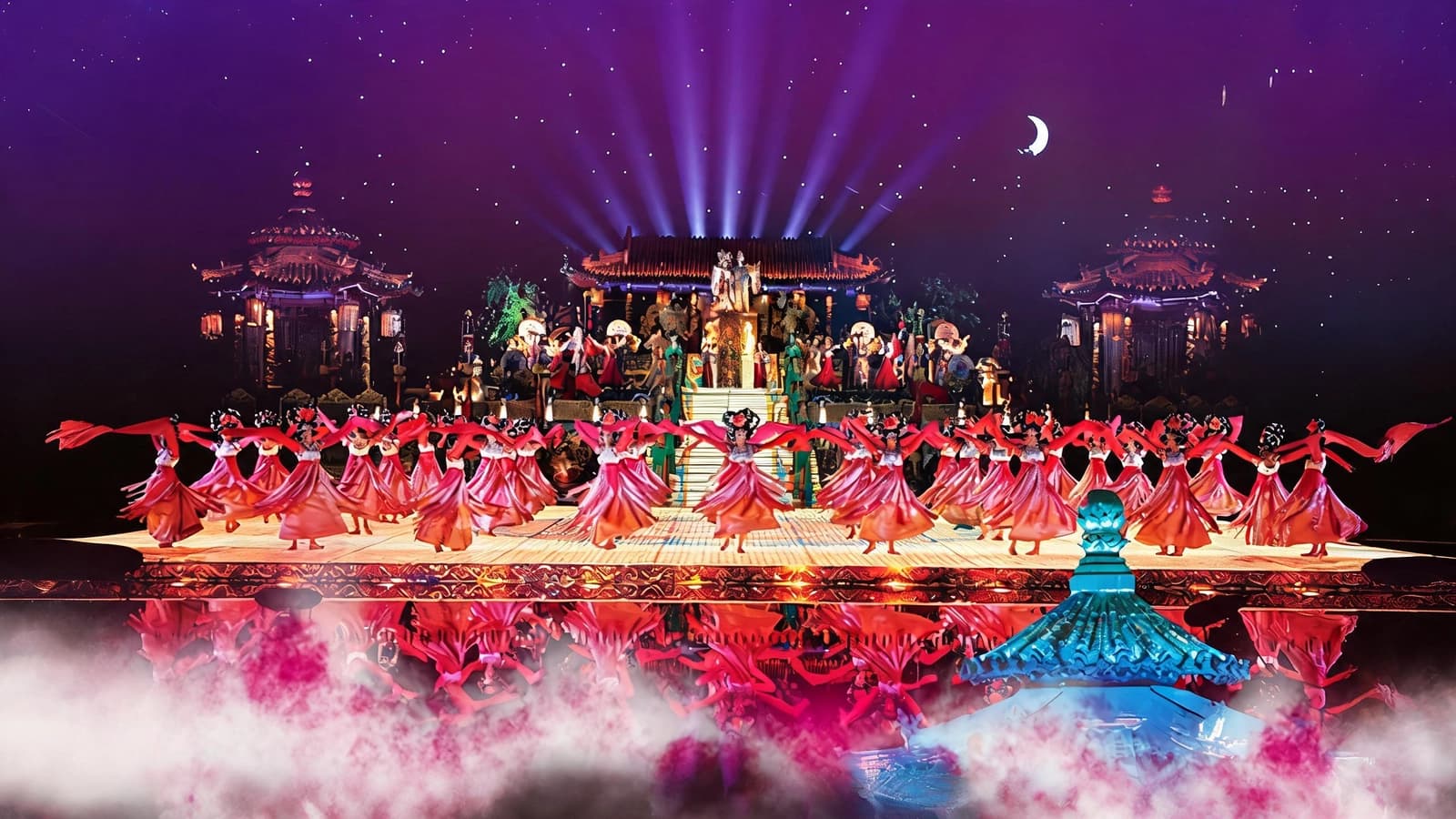
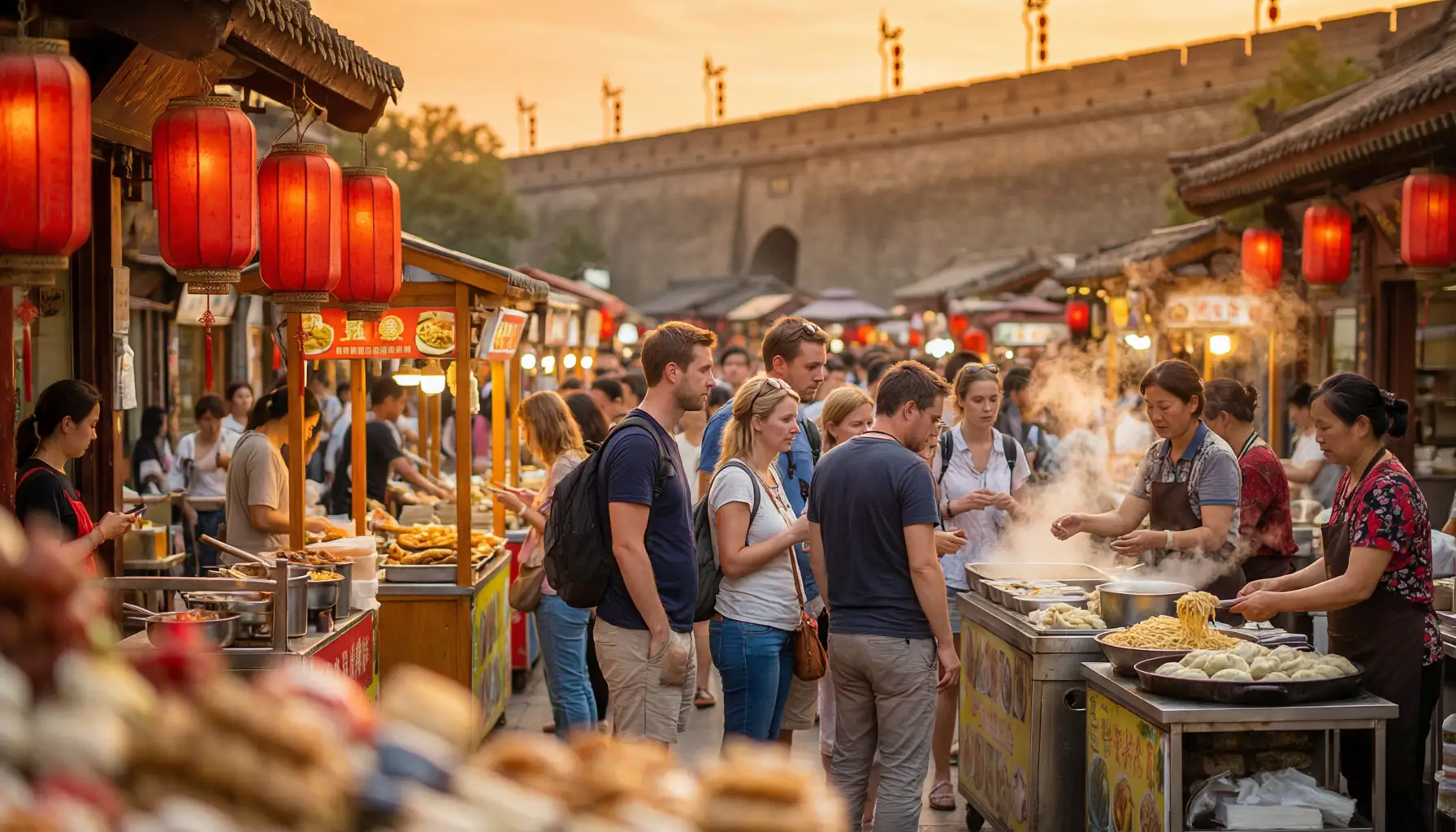
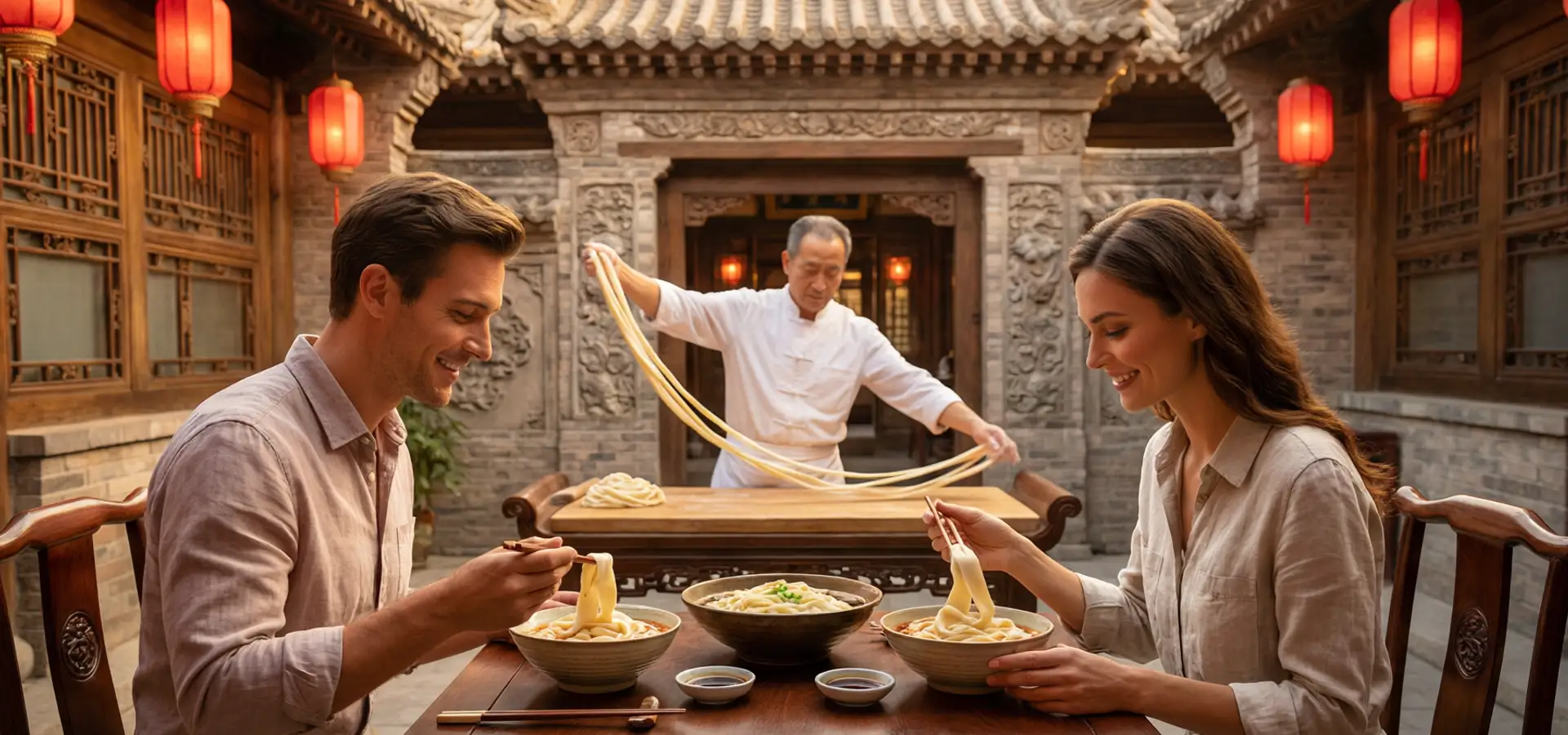
Traveler Discussions
Questions from travelers