
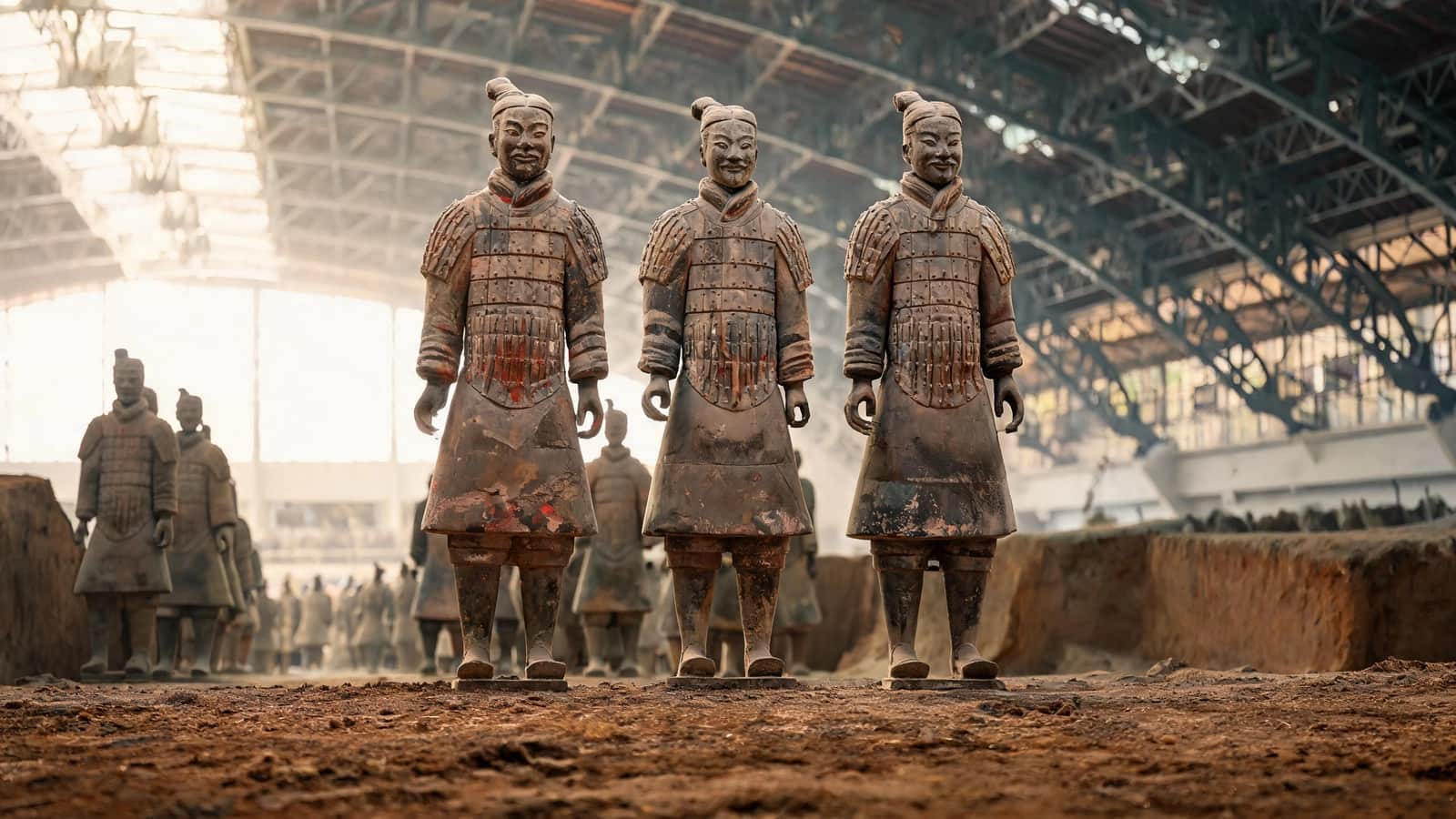
The Terracotta Warriors are more than an archaeological attraction. They offer a glimpse into the military organization, craftsmanship, and imperial vision of China's first unified empire.
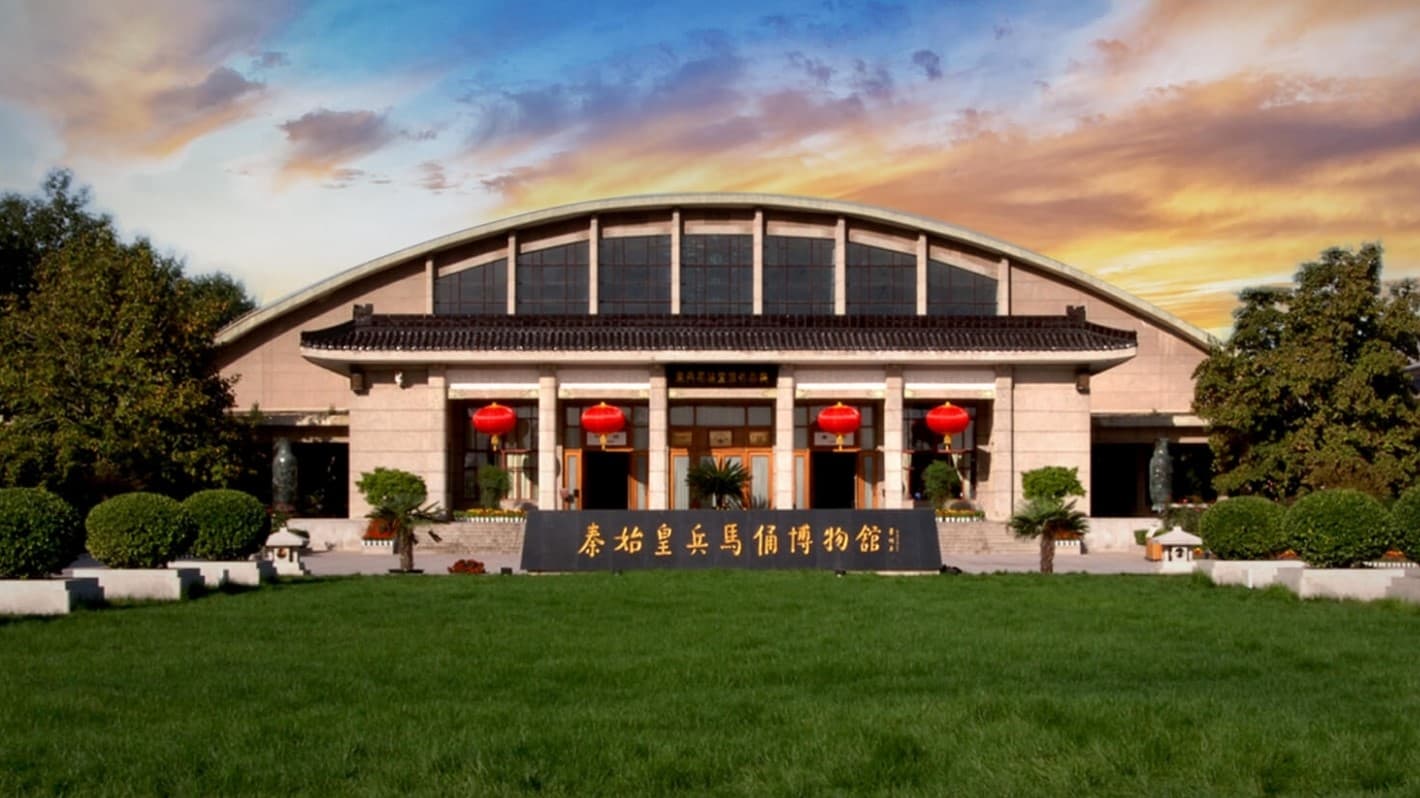
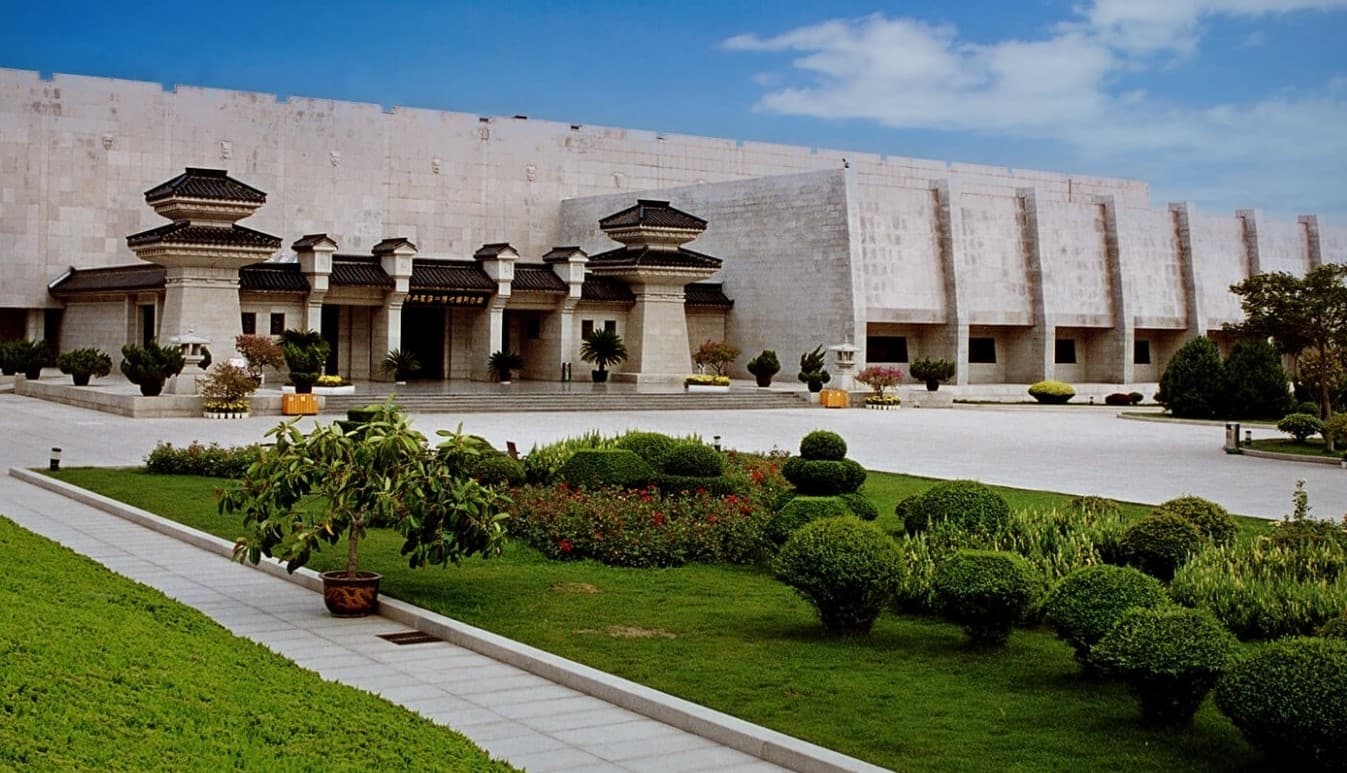
Located in Xi'an, the site forms part of the much larger Mausoleum of Qin Shi Huang, China's first emperor. A visit reveals not only thousands of life-sized warriors, but also the wider story behind this remarkable imperial burial complex — a UNESCO World Heritage Site since 1987 spanning approximately 56.25 km².
📌 Key Facts at a Glance
Item | Information |
|---|---|
Official Name | Emperor Qinshihuang's Mausoleum Site Museum |
Common Name | Terracotta Warriors / Terracotta Army |
Location | Lintong District, Xi'an, Shaanxi Province, China |
Discovery Year | March 1974, by local villagers digging a well |
UNESCO Status | World Heritage Site since December 1987 (List ID: 441) [Source] |
Historical Period | Qin Dynasty (221–206 BC) |
Built Period | Began ~246 BC; construction continued for decades |
Estimated Construction Workers | Over 700,000 people involved |
Complex Total Area | Approximately 56.25 km² [Source] |
Total Burial Pits Discovered | 149 burial pits and 196 burial tombs |
Distance from Xi'an City Center | Around 35–40 km |
Opening Hours | Peak (Mar 16–Nov 15): 8:30 open, last entry 17:00, close 18:30 |
Recommended Visit Time | 3–5 hours |
Official Website |
📅 When Can You Visit the Terracotta Warriors? 2027 Opening Hours
The Emperor Qinshihuang's Mausoleum Site Museum operates year-round with seasonal schedule adjustments. Here is the current official timetable for planning your visit.
Current Official Schedule
Season | Opening | Last Entry | Closing |
|---|---|---|---|
Peak Season: Mar 16–Nov 15 | 8:30 AM | 5:00 PM | 6:30 PM |
Off-Season: Nov 16–Mar 15 | 8:30 AM | 4:30 PM | 6:00 PM |
Best Season to Visit
April–May and September–October offer the most comfortable temperatures. Autumn usually brings drier weather and clearer skies, ideal for both the indoor excavation halls and the outdoor Lishan Garden.
Season | Months | Avg. Temperature | What to Bring |
|---|---|---|---|
🌸 Spring | Mar–May | 8–28°C | Light jacket, sun protection |
☀️ Summer | Jun–Aug | 20–33°C | Hat, water, sunscreen; excavation halls are cooler |
🍂 Autumn | Sep–Nov | 5–27°C | Long sleeves, light jacket |
❄️ Winter | Dec–Feb | −4–10°C | Down jacket or warm coat; expect wind around the burial mound |
🌡️ Weather & What to Wear: Month-by-Month Guide
Xi'an has a temperate semi-arid climate with four distinct seasons. Use this month-by-month guide to plan your clothing and gear:
Month | Avg. High / Low (°C) | Rainfall | Crowd Level | What to Wear / Bring |
|---|---|---|---|---|
❄️ Jan | 4° / −5° | Low (dry) | 🟢 Low | Down jacket, warm hat, gloves. Pit halls are unheated but wind-protected. |
❄️ Feb | 7° / −2° | Low | 🟡 Moderate (Spring Festival) | Winter coat. Avoid Chinese New Year week — extremely crowded. |
🌸 Mar | 14° / 3° | Low–Moderate | 🟡 Moderate | Light jacket, layers. Comfortable visiting weather. |
🌸 Apr | 21° / 9° | Moderate | 🟡 Moderate | Long sleeves, light jacket. One of the best months to visit. |
🌸 May | 27° / 14° | Moderate | 🟡 Moderate–High | T-shirt + light layer. Sun protection begins to matter. |
☀️ Jun | 32° / 19° | Moderate | 🟡 Moderate | Summer clothing, hat, sunscreen, water. Pit halls offer cool relief. |
☀️ Jul | 33° / 22° | High (rainy season) | 🔴 High (summer holidays) | Breathable clothing, umbrella, water. Expect afternoon thunderstorms. |
☀️ Aug | 32° / 21° | High | 🔴 High | Same as July. Book tickets well in advance — peak domestic tourism. |
🍂 Sep | 25° / 15° | Moderate | 🟡 Moderate | Long sleeves, light jacket. One of the best months to visit. |
🍂 Oct | 19° / 9° | Low–Moderate | 🔴 High (Golden Week Oct 1–7), then 🟡 Moderate | Layers, light jacket. Avoid Oct 1–7 unless unavoidable. |
🍂 Nov | 11° / 2° | Low | 🟢 Low | Warm coat, scarf. Off-season rates begin. Quiet visiting experience. |
❄️ Dec | 5° / −4° | Low (occasional snow) | 🟢 Low | Down jacket, warm layers. Snow on Mount Li is beautiful from the burial mound. |
Best Time of Day to Visit
Time | Crowd Level |
|---|---|
8:30 AM | 🔴 Highest |
9:00–10:00 AM | 🟢 Lowest |
10:30 AM–2:00 PM | 🔴 Highest |
2:30–4:00 PM | 🟡 Better |
After 4:00 PM | 🟡 Limited (off-season only) |
Beat the Crowds With Smart Timing & Planning
Avoid the National Day holiday (Oct 1–7 Golden Week) — expect peak domestic tourism
Visit on weekdays (Tuesday–Thursday preferred)
Enter Pit 1 first upon admission
Hire a guide for efficient, in-depth understanding
Earlier arrival does not always mean fewer visitors — Chinese tour groups often arrive mid-morning
💡 Pro Tips: Time-Saving Hacks from Local Experts
Beyond basic crowd-avoidance timing, these field-tested strategies can significantly improve your visit quality:
Pro Tip | Why It Works |
|---|---|
Enter Pit 1 from the east side platforms first | Most tour groups rush to the main central platform. The east viewing corridor is less crowded and offers an equally stunning panoramic angle of the phalanx. |
Visit Pit 3 before Pit 2 | Pit 3 is small and quick (20 mins). Visiting it before Pit 2 means you avoid the mid-morning tour-group surge that hits Pit 2 around 10:30 AM. |
Start at Lishan Garden in peak season | Most visitors start with the Terracotta Warriors Museum and head to Lishan Garden after lunch. Reversing this order means you'll have the Bronze Chariots and burial mound nearly to yourself in the morning. |
Arriving Early Does Not Always Mean Fewer Visitors | Many travelers believe that arriving right after opening guarantees a quieter experience, but this is not always the case. Since many visitors have the same idea, the opening hours can sometimes be one of the busiest periods. A better strategy is to choose your visiting time based on crowd patterns, ticket availability, and the overall itinerary arrangement. |
Download offline maps before you go | Wi-Fi at the museum is unreliable and international roaming may be spotty in Lintong. Pre-download Google Maps or Baidu Maps offline for the area. |
Bring small cash (RMB 1 coins) | Some on-site facilities, including the Lishan Garden internal sightseeing bus (RMB 15) and some vending machines, may not accept foreign cards or WeChat Pay without a Chinese bank account. |
🏛️ Understanding the Terracotta Warriors: More Than Just Soldiers
The warriors were created as part of Qin Shi Huang's vast imperial burial complex, which extends far beyond the famous excavation pits.
The warriors are only one part of the mausoleum, alongside the imperial burial landscape, Bronze Chariot Exhibition Hall, and other archaeological remains.
🤫 Insider Secrets: Things Most Visitors Miss
Even travelers who have read the guidebooks tend to walk past these remarkable details. Here's what to look for:
Secret | Where to Find It | Why It Matters |
|---|---|---|
The fingerprints of ancient craftsmen | Pit 2, on unfinished figure fragments | Archaeologists have discovered actual fingerprints preserved in the clay — physical traces of workers from 2,200 years ago. Ask your guide to point them out. |
Original paint traces on Pit 3 figures | Pit 3, look closely at the figures' torsos and arms | Pit 3 was not burned in antiquity, meaning faint traces of the original mineral pigments — red, purple, green, and blue — are still visible if you look carefully. |
The "No-Name" warrior | Pit 1, rear section near restoration area | Most warriors bear craftsman inscription marks, but a few figures have none — possibly indicating they were made by apprentices. A detail only guides usually know. |
Bronze weapon chrome-preservation mystery | Pit 2 display cases (when open) | Some Qin bronze swords were found still sharp after 2,000 years, with a protective layer that modern analysis identified as chromium — a technique not "discovered" in the West until the 20th century. The exact process remains debated among archaeologists and materials scientists. |
The restored kneeling archer's back | Pit 2, overhead balcony viewing angle | The famous kneeling archer has surviving paint traces on its back showing intricate patterns. Most visitors only photograph the front. Walk to the far balcony for the back-angle view. |
Mount Li's feng shui alignment | Lishan Garden, from the burial mound viewing point | Standing at the burial mound and looking south, you can see how the mausoleum was positioned with Mount Li as a "backrest" and the Wei River to the north — a classic feng shui formation chosen for imperial power. |
Who Was Qin Shi Huang?
Qin Shi Huang unified China in 221 BC, ending the Warring States period and founding the Qin Dynasty. Adopting the title "First Emperor", he launched China's imperial age.
An ambitious ruler with tight centralised control, he standardised writing, weights, measures and currency, and built infrastructure to consolidate his empire. The Terracotta Army mirrors the massive organisation and military might of his reign.
Why Were the Terracotta Warriors Built?
Belief in the afterlife: Ancient Chinese traditions held that the dead would need things from the living world. Qin Shi Huang took this idea to an extraordinary imperial scale.
A ruler seeking immortality: Qin Shi Huang was deeply concerned with immortality and life after death. His mausoleum was designed as a vast world for his afterlife.
An underground empire: The mausoleum recreated key parts of the emperor's world, with soldiers, officials, horses, and chariots organized to reflect imperial life.
A symbol of military power: The warriors stand in carefully arranged formations, showing the organization, weapons, and military strength of the Qin Empire.
Why Does Every Terracotta Warrior Have a Different Face?
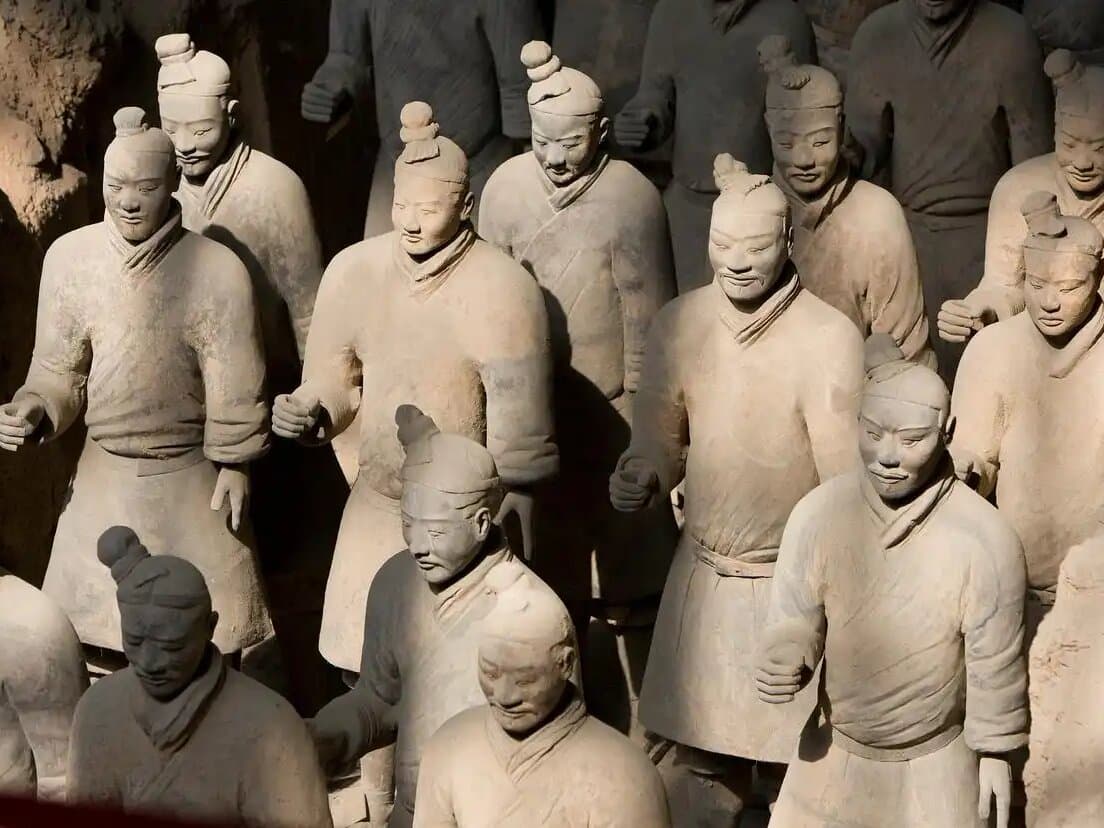
Craftsmen used molds and standardized components to produce large numbers of figures efficiently.
Individual features such as faces, hairstyles, beards, and expressions were refined by hand.
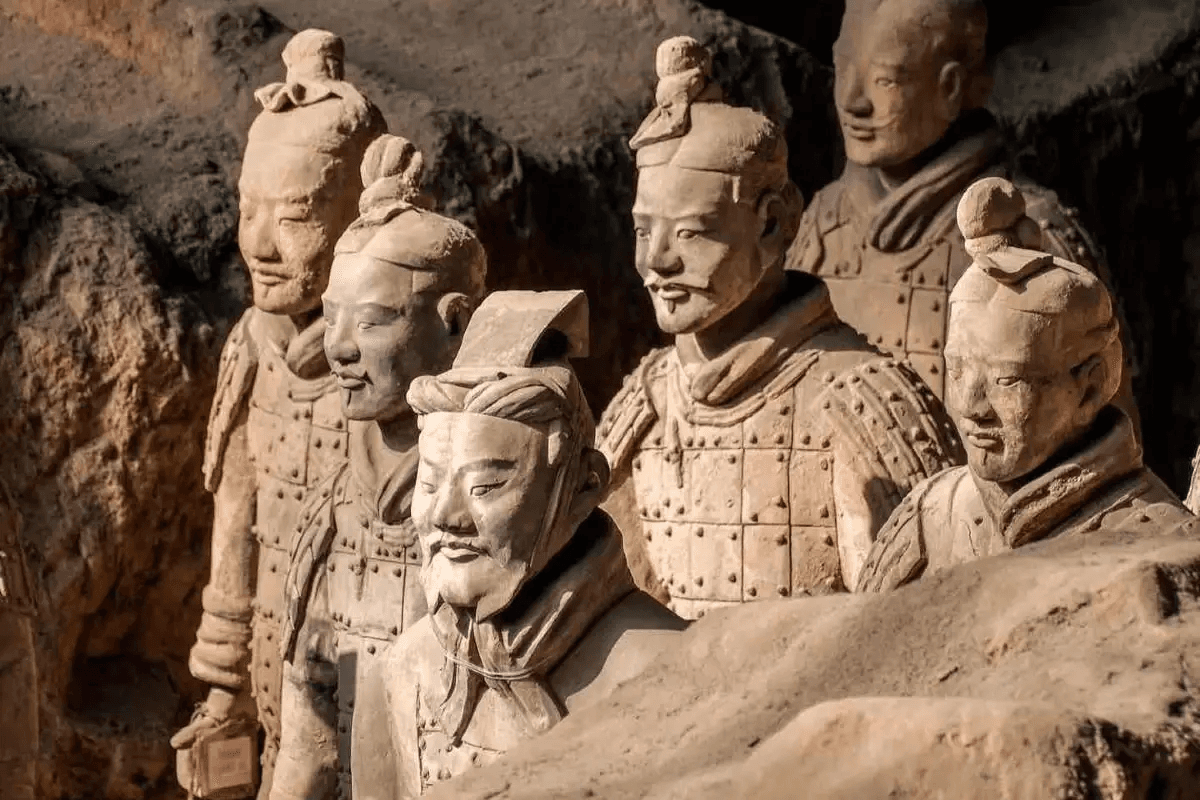
The figures follow similar military forms but show noticeable differences in their facial features and expressions.
Why Was Qin Shi Huang's Mausoleum Built Here?
At the Foot of Mount Li: The mausoleum is located at the northern foot of Mount Li, south of the Wei River, creating a distinctive mountain-and-plain landscape.
A Strategic Location: The site was close to Xianyang, the capital of the Qin Dynasty, making it connected to the political center of the empire.
The Hidden Meaning Behind the Army
Discovery | Historical Meaning |
|---|---|
Infantry soldiers | Show how the Qin army was organized into large formations of foot soldiers. |
Cavalry figures | Reflect the growing importance of cavalry and mounted warfare in the Qin military. |
Officials and officers | Reveal the strict hierarchy and organization behind the Qin army and empire. |
Weapons | Real bronze swords, lances, axes, halberds, bows, and arrowheads provide direct evidence of Qin military equipment and bronze-working skills. |
Horses and harnesses | Show the important role of horses in Qin warfare and the attention given to even practical military details. |
Bronze Chariots | Demonstrate the sophisticated craftsmanship, engineering, and metallurgy of the Qin Dynasty. |
🗺️ Terracotta Warriors Museum Layout: What Areas Should You Visit?
Many visitors know only Pit 1, but the museum is much larger than its most famous excavation hall. The site includes exhibition halls and the separate Lishan Garden, each offering a different view of Qin Shi Huang's mausoleum complex.
Museum Map Overview
Museum Zone | Area | Importance | Recommended Time |
|---|---|---|---|
Emperor Qinshihuang's Terracotta Warriors Museum | Pit 1 | ⭐⭐⭐⭐⭐ Largest and most impressive excavation pit | 60–90 mins |
Pit 2 | ⭐⭐⭐⭐ Diverse military formations | 30–45 mins | |
Pit 3 | ⭐⭐⭐ Qin army command center | 20–30 mins | |
Qin Shi Huang Mausoleum Site Park (Lishan Garden) | Burial Pit K0006 | ⭐⭐⭐ Rare civil official figurines | 25–35 mins |
Burial Pit K9901 | ⭐⭐⭐ Acrobat figurines and Qin social life | 25–35 mins | |
Bronze Chariots Exhibition Hall | ⭐⭐⭐⭐⭐ Famous Qin bronze chariots and horses | 30 mins | |
Burial Mound | ⭐⭐⭐⭐ The unexcavated mound at the heart of Qin Shi Huang's tomb | 20–30 min |
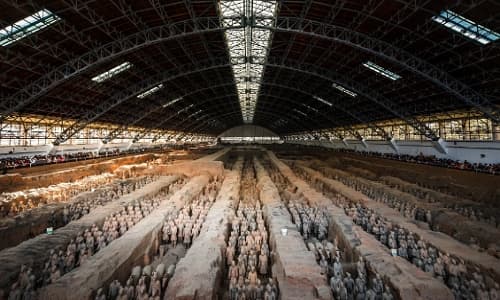
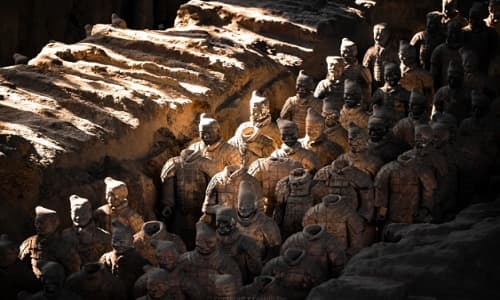
Terracotta Warriors Pit 1: The Largest and Most Impressive Pit
❓️ Why Pit 1 Is the Most Famous
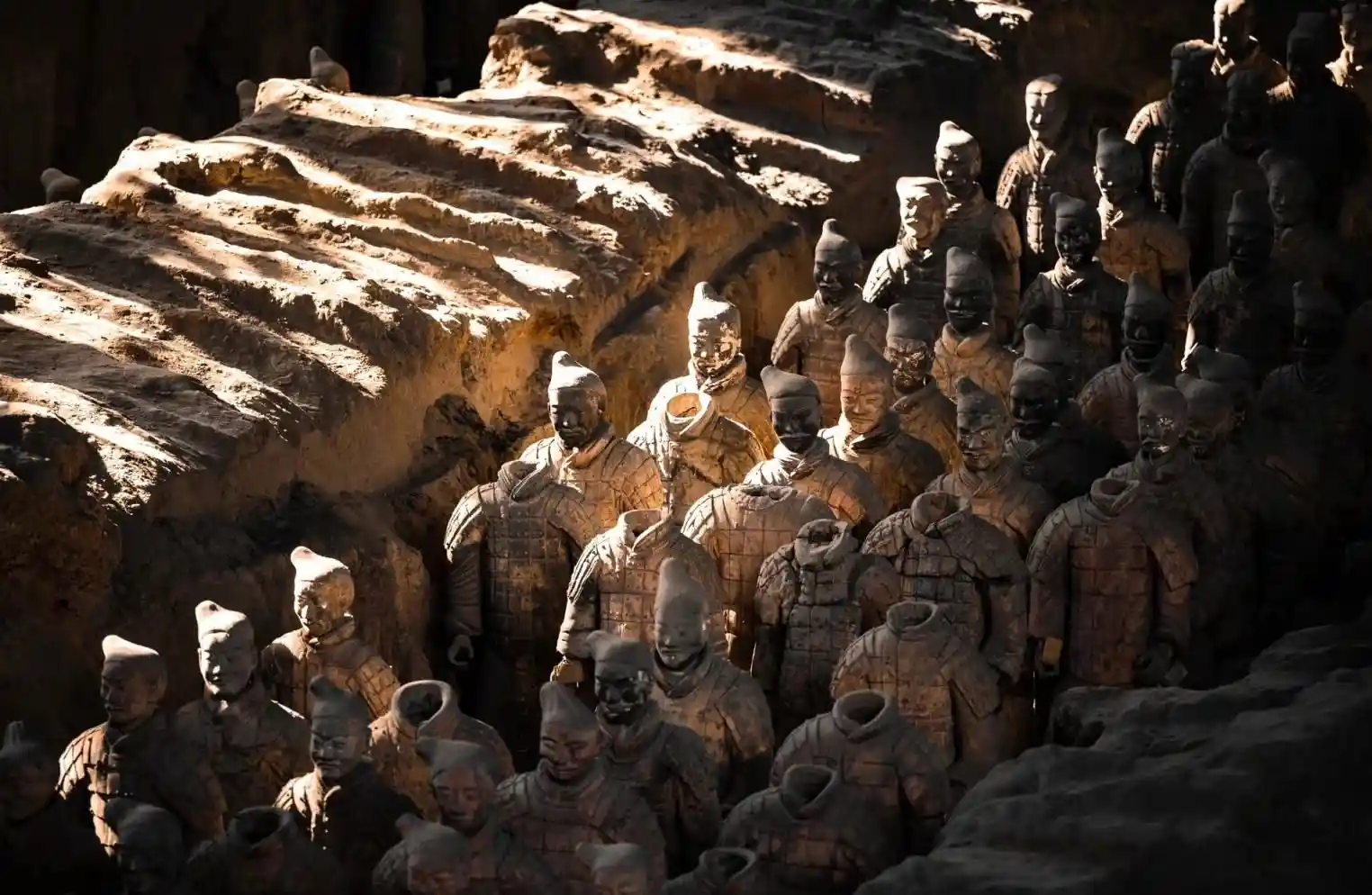
The Largest Pit: Pit 1 is the biggest of the three main pits, with thousands of warriors and horses arranged in military formation.
Thousands of Figures: The pit is believed to have held around 6,000 warriors and horses, although only part of the army has been excavated and restored.
An Archaeological Atmosphere: You are looking into an actual excavation site rather than a conventional museum display, with earthen walls and restored figures still standing in their original formation.
Feature | Details |
|---|---|
Size | 230 m × 62 m, covering about 14,260 m² |
Estimated Figures | Around 6,000 warriors and horses, plus bronze weapons |
Military Formation | Large infantry formation supported by chariots |
Depth | About 4.5–6.5 m below ground level |
Discovery | March 1974, during well digging by local villagers |
First Opened | October 1, 1979 |
Current Excavation | Only part of the pit has been excavated, with archaeological work continuing |
Best View | The elevated viewing platforms offer the clearest view of the full formation |
Terracotta Warriors Pit 2: The Most Diverse Section with Unique Figures
❓️ Why Pit 2 Stands Apart
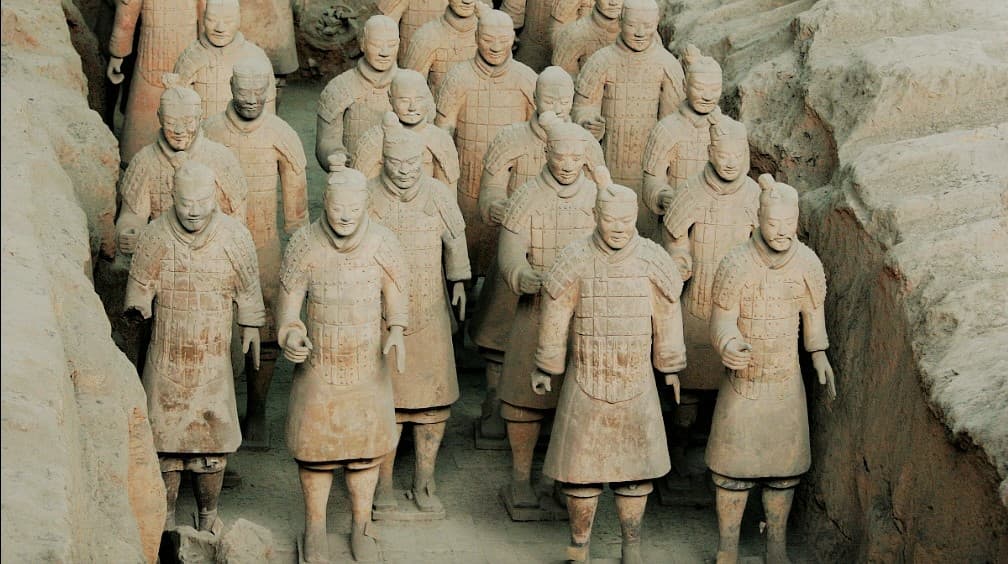
The Most Complex Pit: Unlike Pit 1's unified large-scale infantry-chariot phalanx, Pit 2 contains four distinct mixed-arms combat units arranged side-by-side.
More Specialized Figures: Pit 2 is home to some of the most distinctive warrior types, including kneeling archers and cavalrymen. The famous kneeling archer is particularly detailed, with traces of its original painted decoration still preserved.
Partial-excavation Experience: Large sections remain sealed under protective cover. Some figurines are still in broken, un-restored condition, showing archaeologists' original discovery state.
Feature | Details |
|---|---|
Shape | L-shaped |
Size | 124 m × 98 m, about 6,000 m² |
Estimated Finds | More than 1,300 terracotta figures and horses |
Military Units | Archers, cavalry, chariots, and infantry |
Key Figures | Kneeling archers and cavalrymen |
Discovery | 1976, about 20 m north of Pit 1 |
Terracotta Warriors Pit 3: The Military Command Center Explained
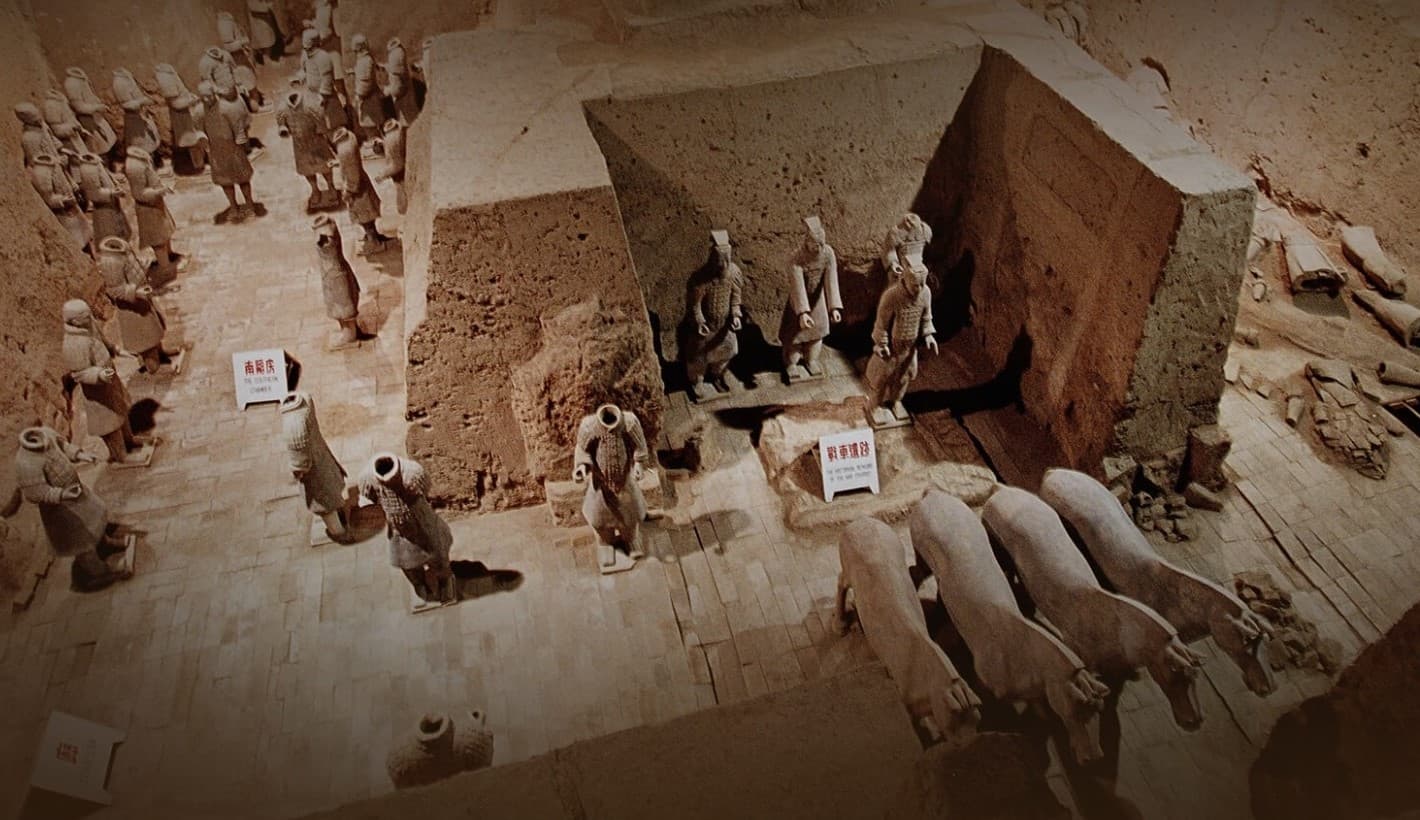
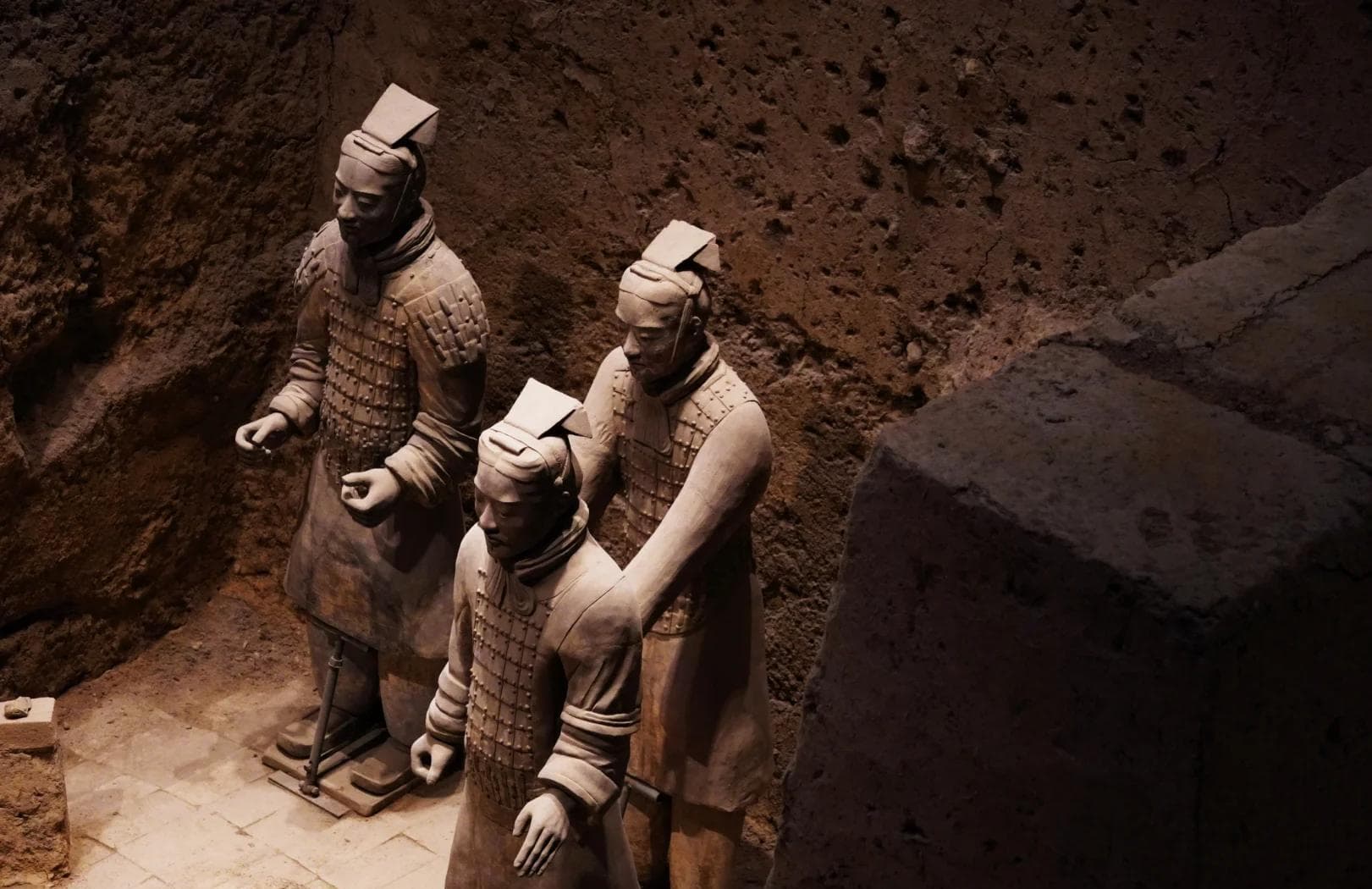
❓️ Why Pit 3 Is Different
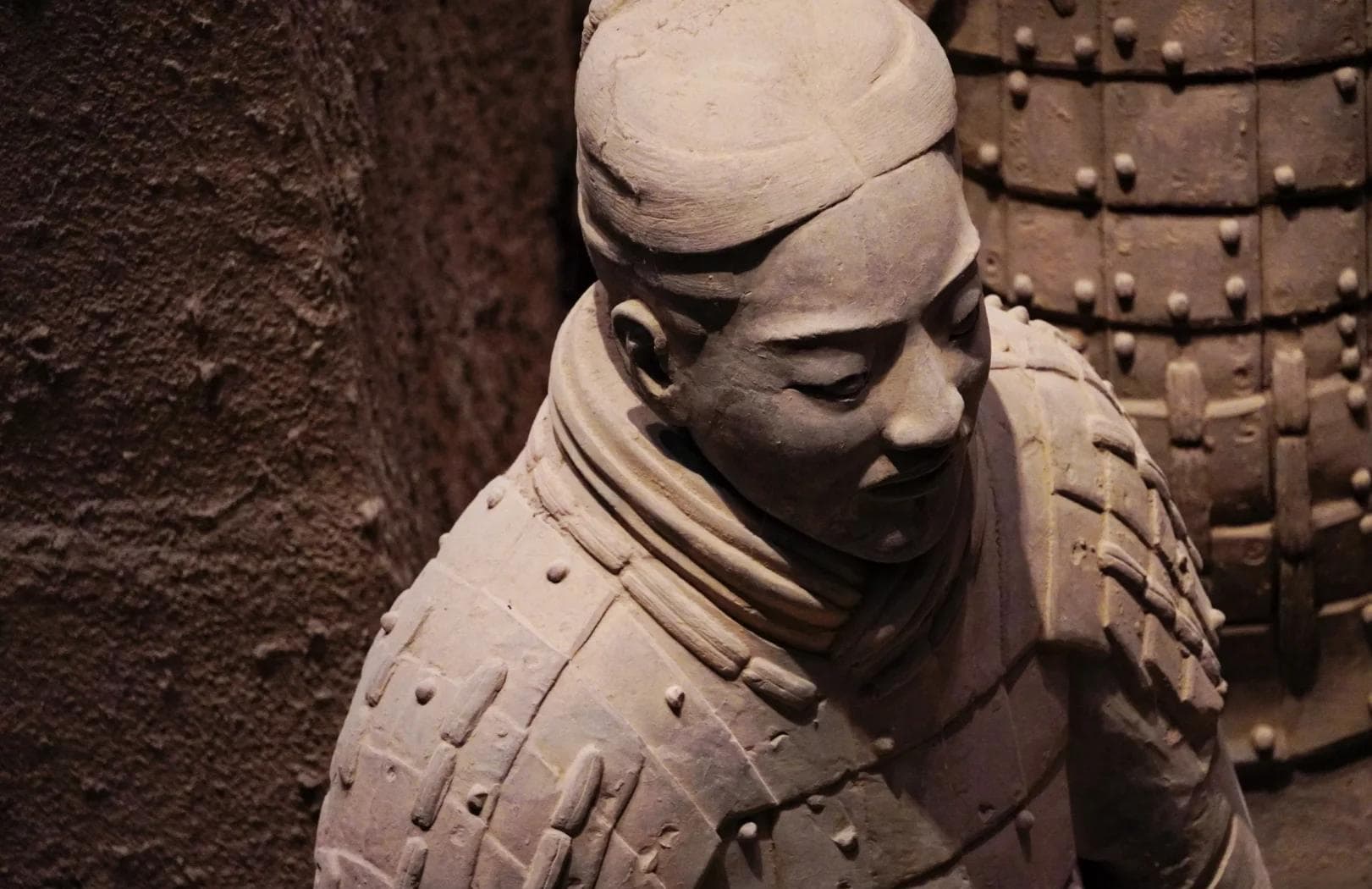
The Smallest Pit: At about 520 m², Pit 3 is much smaller than Pits 1 and 2 and contains around 68 terracotta figures.
A Possible Command Center: Its layout, including side rooms and a chariot chamber, suggests that it may have served as the command post for the armies in Pits 1 and 2.
Better-Preserved Colors: Pit 3 is the only one of the three main pits that was not burned in antiquity, so traces of the warriors' original painted colors survived better here.
A Different View of the Army: Instead of showing a vast battlefield formation, Pit 3 gives you a glimpse of the command structure behind the army.
Feature | Details |
|---|---|
Size | About 520 m² |
Shape | Concave-shaped |
Layout | Side rooms and a chariot chamber |
Key Feature | Possible command post for Pits 1 and 2 |
Discovery | May 1976 |
Special Detail | Better-preserved traces of original paint |
🎟️ Terracotta Warriors Tickets: Price, Booking and Entry
Current Ticket Information
Ticket prices are subject to official annual adjustments. Always verify the latest pricing and policy on the official museum website before planning your visit.
Ticket Type | Nationality | Price | Notes |
|---|---|---|---|
Adult | All nationalities | RMB 120 | Same price in peak and off-peak seasons. Includes both Terracotta Warriors Museum and Lishan Garden. |
Student | Chinese Nationals | RMB 60 | Full-time undergraduate students and below with a valid student ID. Foreign students are not eligible for this discount per 2026 policy. |
Children | Chinese Nationals | Free | Under 16 (inclusive), with a valid second-generation Chinese ID card or household registration booklet |
Children | Foreign Visitors | Free | Under 1.4 m (inclusive); must be accompanied by a parent |
Seniors | Chinese Nationals | Free | Visitors aged 65 and above with valid ID |
Source: Official ticketing instructions, Emperor Qinshihuang's Mausoleum Site Museum. Retrieved September 2026.
⭐️ How to Buy Terracotta Warriors Tickets
Option 1: Official Channels
Museum official website: https://www.bmy.com.cn
Official WeChat mini program: Search for "秦始皇帝陵博物院" (Emperor Qinshihuang's Mausoleum Site Museum) or "兵马俑票务在线" (Terracotta Army Ticket Online)
Option 2: Travel Agency Assistance
Due to current regulations, travel agencies generally cannot provide standalone attraction ticket booking services. In most cases, ticket assistance is arranged as part of a tour service that includes a private vehicle and guide, as the guide is required to accompany visitors for entry procedures at certain attractions. By booking a tour with vehicle and guide service, the agency can help arrange real-name ticket reservations and coordinate the visit smoothly.
🚗 How to Get to the Terracotta Warriors
Option 1: Private Transfer
Enjoy a comfortable private transfer from your hotel in Xi'an directly to the Terracotta Warriors.
Door-to-door service: Private pickup and drop-off without shared transport or complicated transfers.
Comfortable Journey: Travel time varies depending on your hotel location and traffic conditions.
Flexible Planning: Coordinate your arrival time with your museum visit and private guide.
Local Insight: Your guide can introduce Xi'an's history and the Terracotta Warriors along the way.
Option 2: Independent Travel
Taxi / Ride-hailing: A convenient option for independent travelers, but confirm the fare before departure.
Public Bus: Available for budget-conscious travelers, but requires more time and planning.
Metro Line 9: Take Metro Line 1, 3, or 6 to Fangzhicheng Station (纺织城), then transfer to Line 9 toward Qinling West Station (秦陵西).
❗️ Transportation Challenges to Keep in Mind
The Museum Is Far from Central Xi'an: Located in Lintong District, around 40 km from central Xi'an, so the journey takes considerably longer than visiting attractions within the city.
Public Transport Requires Transfers: Travelers using public transportation may need to combine metro and bus services, adding walking and waiting time.
Longer Travel Time During Peak Periods: Traffic around Xi'an and Lintong can become congested during weekends, summer holidays, and major public holidays.
Crowded Tourist Buses: Popular tourist bus routes can become particularly busy during peak travel periods.
The Return Journey Can Be More Difficult: After several hours of sightseeing, finding a taxi or ride-hailing car back to central Xi'an can be challenging.
Uncertainty with Taxis and Private Cars: Some travelers may encounter unclear fares or unofficial vehicles when arranging transportation on-site.
📍 Best Ways to Visit Terracotta Warriors from Xi'an
Route 1: Classic Half-Day Tour
This route focuses on the Terracotta Warriors Museum, allowing enough time to explore the three main pits.
Recommended for:
First-time visitors
Cruise passengers
Travelers with limited time
Time | Activity |
|---|---|
09:00 | Hotel pickup |
10:00 | Arrive at Museum |
10:00–13:00 | Museum visit (Pits 1, 2 & 3) |
14:00 | Return to Xi'an |
Route 2: Full-Day Qin Culture Experience
Recommended for: Travelers who want to explore the entire Emperor Qinshihuang's Mausoleum Site Museum and gain a deeper understanding of the history of Qin Shi Huang's mausoleum and the stories behind its archaeological discoveries.
Time | Activity |
|---|---|
08:00 | Hotel pickup |
09:00–12:00 | Terracotta Warriors Museum: Pits 1, 2 & 3 |
12:00–13:00 | Local lunch |
13:00–16:30 | Mausoleum Archaeological Site Park: Qin Shi Huang Mausoleum, K0006 Pit, K9901 Pit & Bronze Chariots Museum |
17:30 | Return to Xi'an |
Why choose this route: This is the most complete way to explore the museum, connecting the warriors, burial pits, bronze chariots, and mausoleum into one story rather than viewing each attraction separately.
🍜 Where to Eat Near the Terracotta Warriors
The museum complex does not have full-service restaurants inside the ticketed area. Here's what you need to know about dining options:
Dining Option | Location | Price Range | What to Expect |
|---|---|---|---|
Museum cafeterias & kiosks | Inside the museum complex, near Pit 1 exit | RMB 30–60 | Quick noodles, sandwiches, snacks, and drinks. Functional but not memorable. Good for a fast refuel between Pits. |
Lintong District local restaurants | 5–10 min walk from museum entrance | RMB 40–80/person | Shaanxi staples: biangbiang noodles (油泼面), roujiamo (肉夹馍 — Chinese hamburger), and yangrou paomo (羊肉泡馍). Authentic, affordable, and filling. |
Huaqing Palace area restaurants | Between Huaqing Palace and the museum | RMB 80–150/person | Mid-range restaurants catering to tourists. Better atmosphere, some English menus available. Good if combining Huaqing Palace with your visit. |
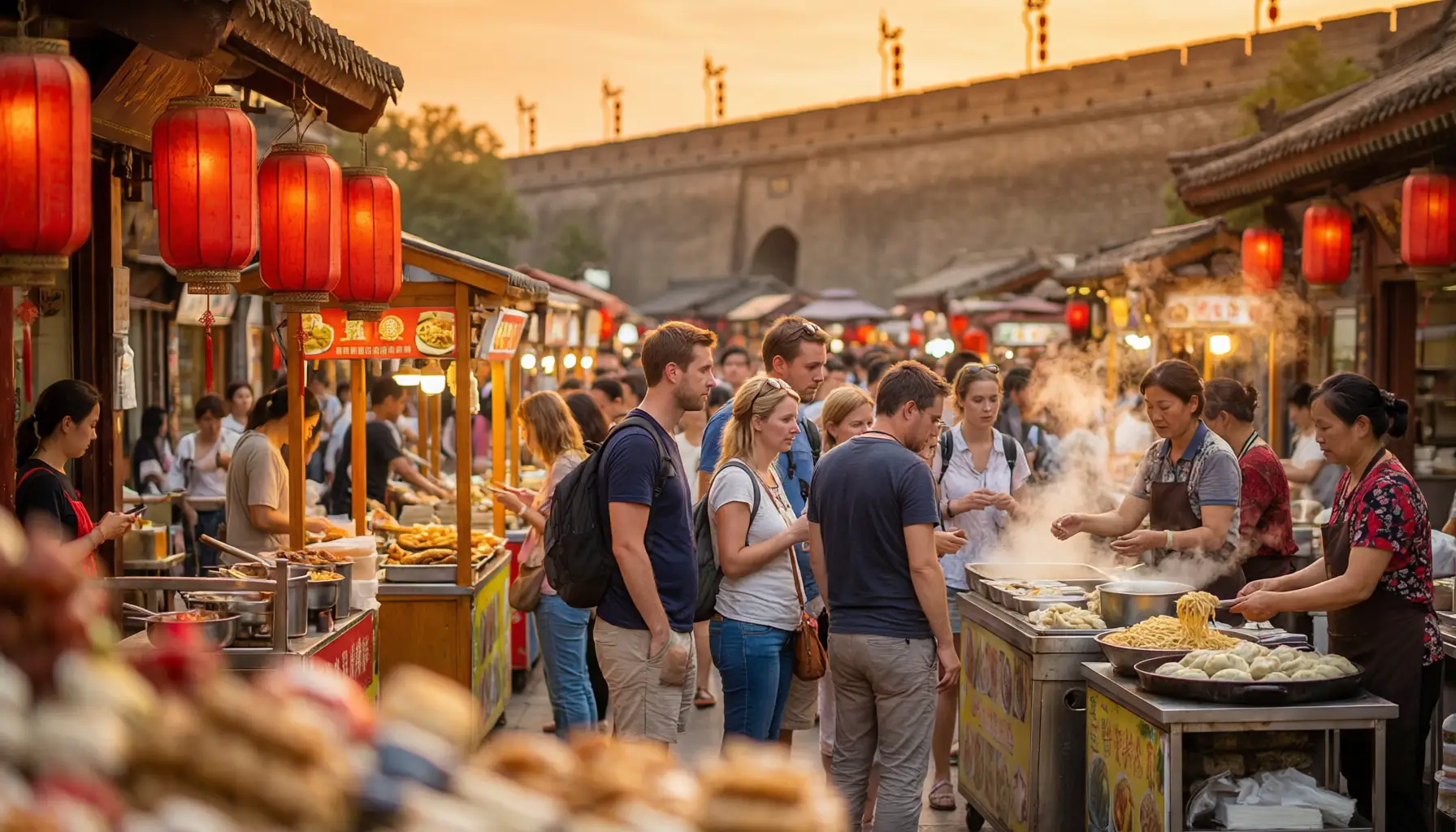
Xi'an city center (pre/post-visit) | Muslim Quarter, Yongxingfang, or near your hotel | RMB 50–200/person | The best dining is in Xi'an itself. Plan a return to the city for dinner — especially the Muslim Quarter for street food. |
Must-Try Shaanxi Dishes
Dish | What It Is | Where to Find It |
|---|---|---|
Roujiamo (肉夹馍) | Chinese hamburger — slow-cooked meat (usually pork or beef) in a crispy baked bun. Xi'an's answer to the burger. | Everywhere in Xi'an; also available in Lintong |
Biangbiang Noodles (油泼面) | Wide hand-pulled belt noodles with chili oil, garlic, and vinegar. A Shaanxi signature. | Lintong local restaurants; Muslim Quarter |
Yangrou Paomo (羊肉泡馍) | Pita bread torn into pieces and soaked in rich lamb stew. Xi'an's most famous dish. | Xi'an city center (Lao Sun Jia, Tong Sheng Xiang) |
Guan Tang Bao (灌汤包) | Soup-filled dumplings — carefully bite a hole, drink the soup, then eat the dumpling. | Jia San Soup Dumplings in Muslim Quarter |
Persimmon Cake (柿子饼) | Sweet fried cake made from Xi'an persimmons. A seasonal street snack. | Muslim Quarter stalls |
👑 Qin Shi Huang Mausoleum: Should You Visit?
Many Travelers Miss This Part
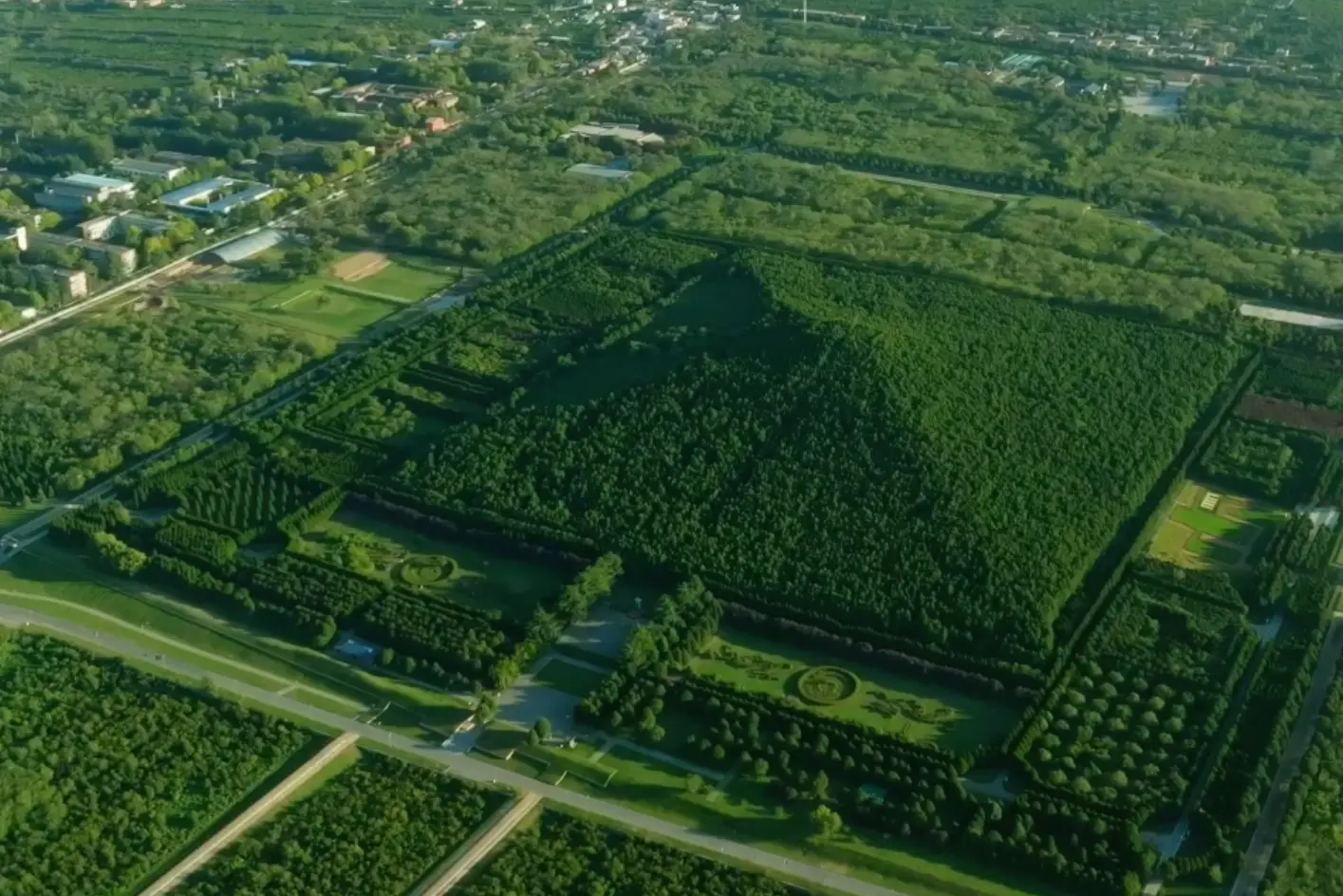
The famous warrior pits are only one part of the emperor's enormous burial complex. To see the bigger picture, continue to Lishan Garden (Qin Shi Huang Mausoleum Archaeological Site Park), where the focus shifts from the underground army to the emperor's tomb and other remarkable burial sites.
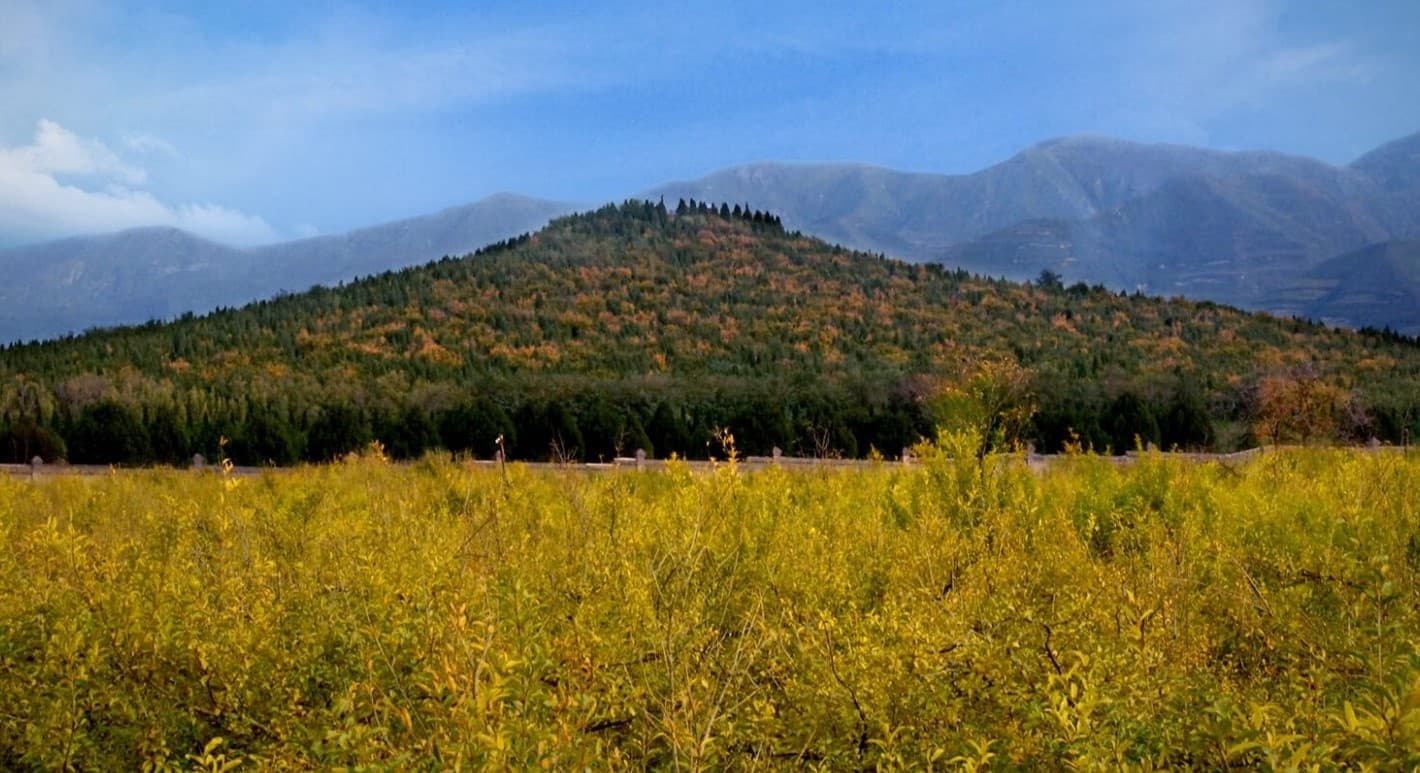
The Burial Mound: The Heart of the Complex
A Symbol of Imperial Burial: Its enormous scale reflects the importance of the emperor and the grandeur of Qin imperial burial traditions.
The Relationship Between Man and Landscape: Its location near Mount Li provides an opportunity to understand how terrain, mountains, water, orientation, and the traditional concept of feng shui influenced the planning of ancient burial sites.
Feature | Details |
|---|---|
Location | Lishan Garden, within the Qin Shi Huang Mausoleum Archaeological Site Park |
Main Feature | Qin Shi Huang's central burial mound |
Tomb Status | The underground tomb remains unexcavated |
What to See | Burial mound, archaeological remains, and surrounding mausoleum landscape |
Recommended Time | About 20 mins |
Best For | Understanding the mausoleum beyond the Terracotta Warriors |
How Is Qin Shi Huang's Burial Mound Different from Other Imperial Tombs?
Imperial Tomb | Main Features | Key Difference |
|---|---|---|
Qin Shi Huang's Mausoleum | Central burial mound, 149+ burial pits | Vast imperial afterlife complex covering 56.25 km² |
Western Han Mausoleums | Earthen burial mounds, tomb groups | Large royal cemetery |
Ming Tombs | Mountain setting, tomb complexes | Strong landscape planning |
Eastern Qing Tombs | Burial mounds, ritual buildings | Formal ceremonial layout |
Bronze Chariots Exhibition Hall: Qin Shi Huang's Imperial Ride
Miniature Imperial Carriages: Two bronze chariots recreate Qin imperial vehicles at about half scale, each with four horses and detailed fittings.
A Rare Look at Qin Transport: The bronze models preserve details of Qin chariot design rarely seen in surviving ancient vehicles.
Remarkable Craftsmanship: Casting, welding, inlay, and other techniques reveal the advanced bronze-working skills of the Qin Dynasty.
More Than Decoration: Gold and silver details reflect their imperial status and connection to Qin Shi Huang's afterlife.
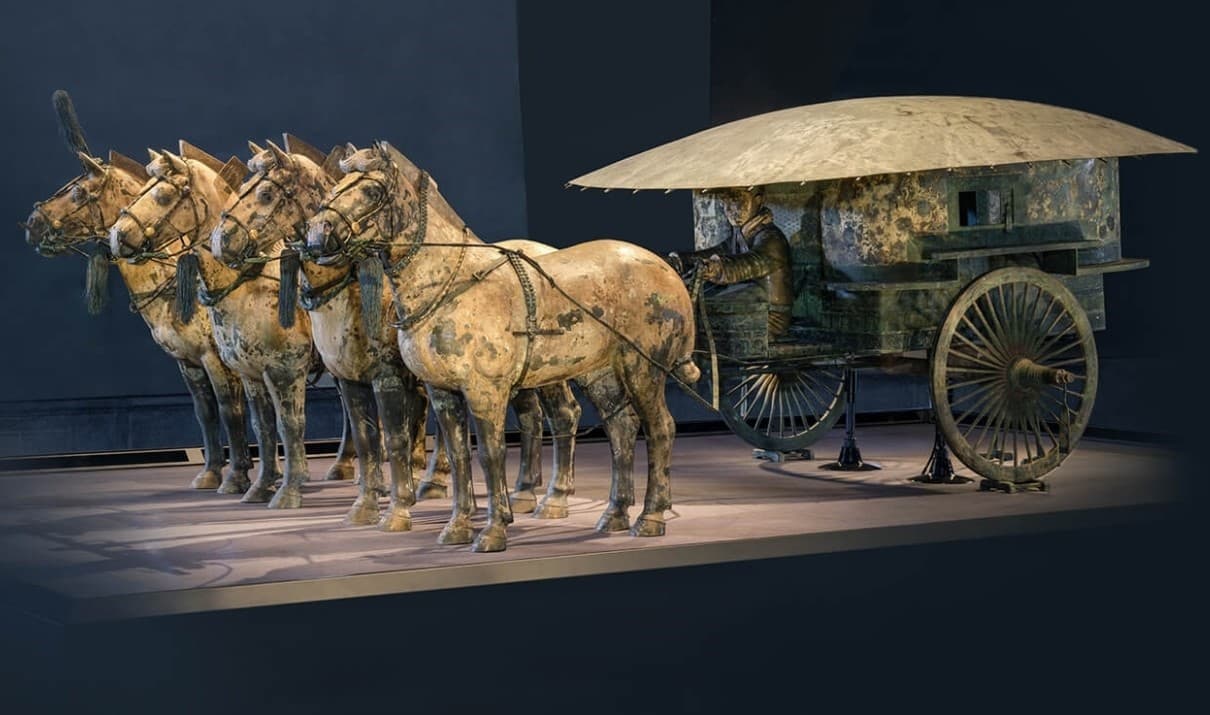
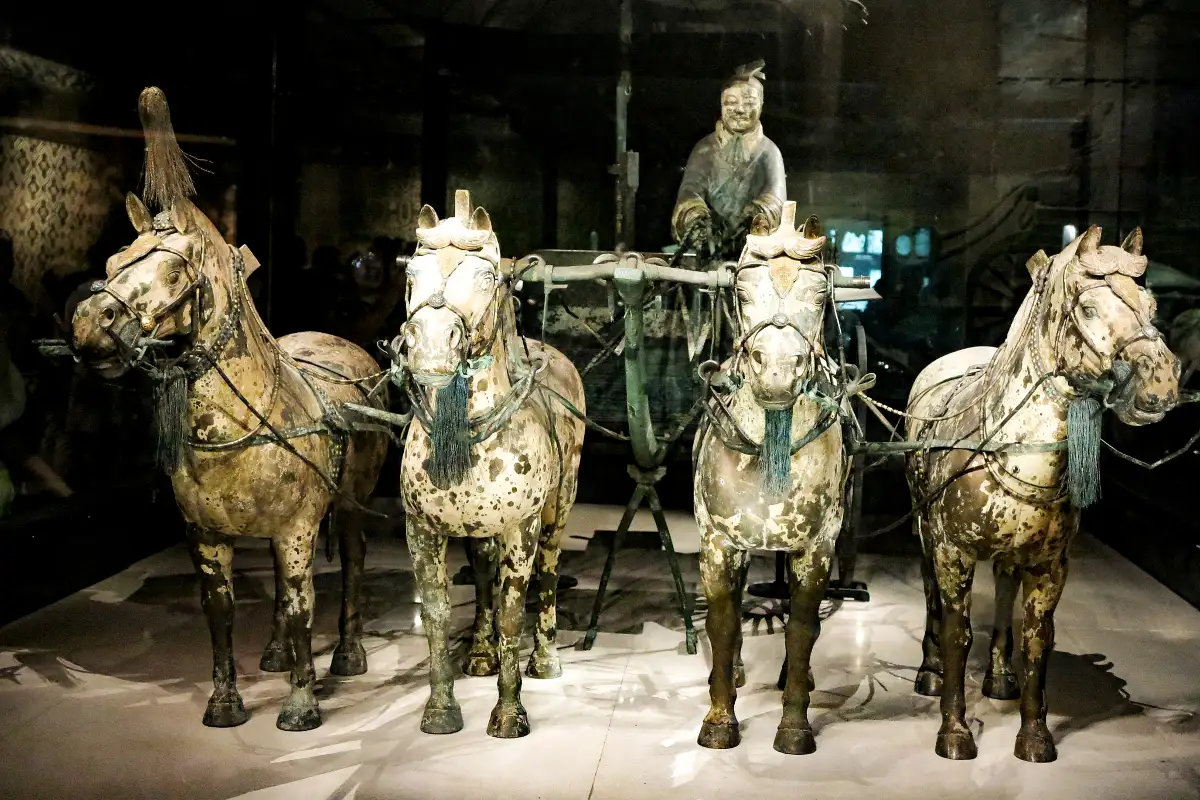
Feature | Details |
|---|---|
Discovery | December 1980, near Qin Shi Huang's burial mound |
Collection | Two large bronze chariots and horses |
Scale | About half life-size |
Design | Two-wheel, four-horse chariots |
Materials | Bronze with gold, silver, and painted decoration |
Parts per chariot | Over 3,000 components each |
Burial Pits K0006 & K9901: A Different Side of Qin Life
K0006 — Civil Officials: Unlike the armored warriors, K0006 contains 12 distinctive figures with their hands hidden in long sleeves, believed to represent civil officials and offering a glimpse of Qin's administrative system. The pit covers about 410 m² and has been exhibited since September 30, 2011.
K9901 — Court Performers: K9901 contains over 20 unusual acrobat and performance figures with nude torsos and colorful skirts in varied acrobatic poses, revealing a less familiar side of Qin court life beyond military power. The pit covers about 700 m² and has been exhibited since September 30, 2011.
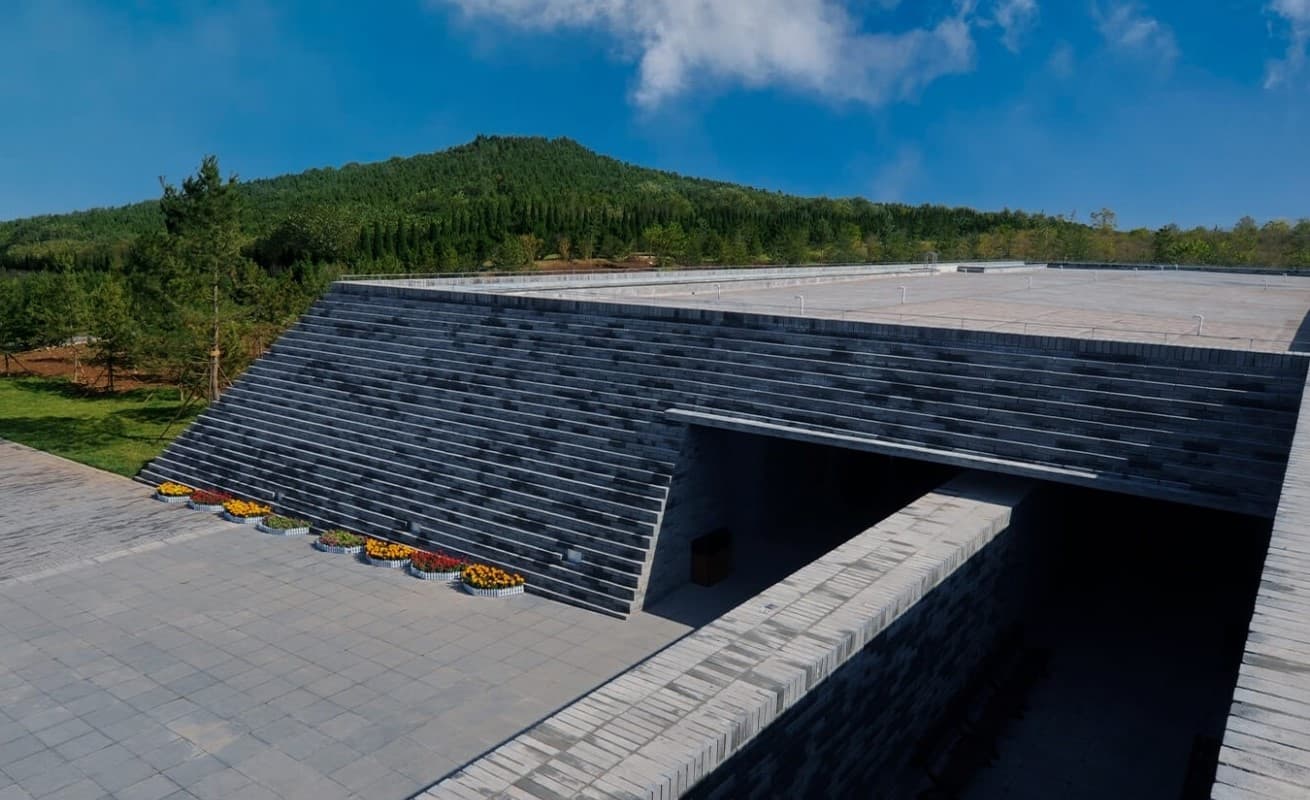
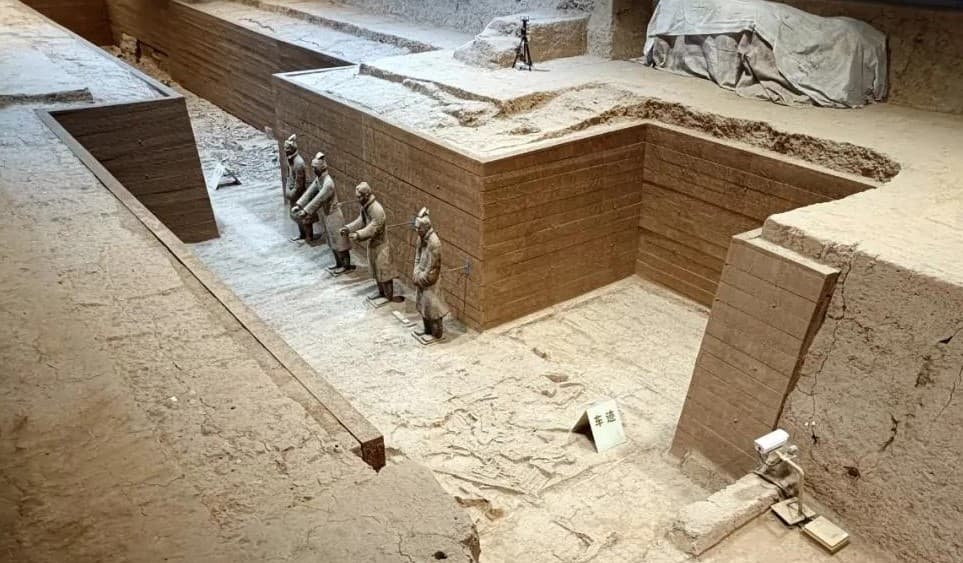
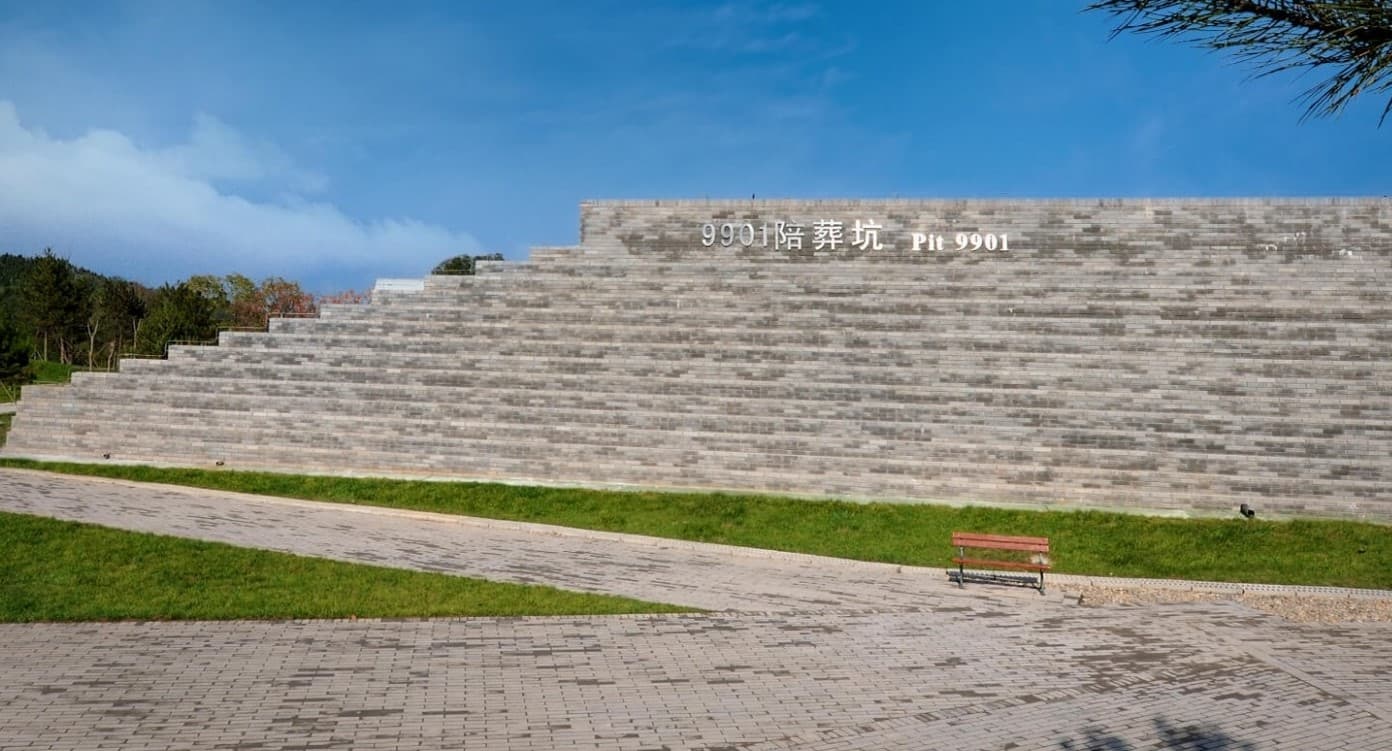
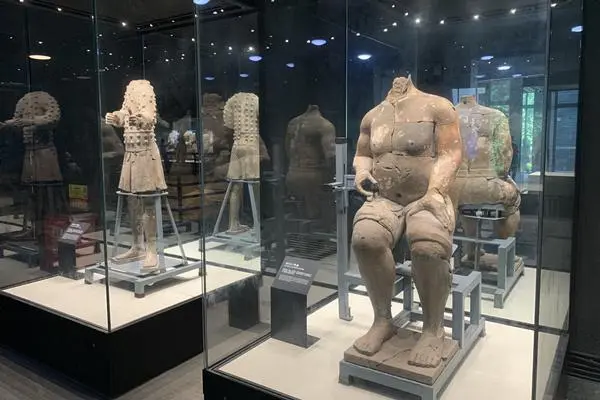
Feature | Details |
|---|---|
Location | Lishan Garden, Qin Shi Huang Mausoleum Archaeological Site Park |
Main Highlights | Civil official figures in K0006 and performance figures in K9901 |
Historical Value | Shows Qin society beyond the military |
Best For | Travelers interested in Qin social structure, court life, and unusual burial figures |
Site Comparison
Site | Experience |
|---|---|
Terracotta Warriors | Qin's underground army |
Bronze Chariots | Imperial vehicles and craftsmanship |
K0006 & K9901 | Officials and court entertainment |
Qin Shi Huang's Burial Mound | The emperor's tomb landscape |
Is Qin Shi Huang's Tomb Open?
No. Qin Shi Huang's actual underground tomb chamber has not been excavated. The central burial mound remains preserved above it, while archaeological work focuses on surrounding pits and remains.
Preservation First: Excavating such a fragile underground site could put the tomb and its contents at risk.
Technology Matters: Archaeologists continue to study the site and explore ways to investigate and preserve the tomb safely.
Protecting What Remains: For now, leaving the tomb undisturbed helps preserve its original archaeological context for future research.
Mercury Concerns: Ancient records describe mercury rivers inside the underground palace. Scientific studies have confirmed unusually high mercury levels — up to 1,500 ppb in some areas above the burial mound, compared to a 30 ppb background level — covering approximately 12,000 m². [Source: Chemistry World] The exact condition inside the tomb remains unknown.
🧑🏻 Do You Need a Guide for the Terracotta Warriors?
Why Many Travelers Choose a Private Guide
The Terracotta Warriors are impressive at first glance, but without context, it is easy to see only rows of statues. A private guide helps turn those figures into a story about Qin Shi Huang, his army, and the world he built for the afterlife.
Uncover Hidden Stories: Many details of the warriors, weapons, uniforms, and mausoleum cannot be understood from appearance alone. A private guide explains the history, mysteries, and meaning behind what you see.
Understand the Bigger Picture: Learn how the warriors, burial pits, bronze chariots, and mausoleum fit into Qin Shi Huang's larger vision of the afterlife and imperial power.
See More in Less Time: Your guide highlights the most important details and explains them in a clear, engaging way, so you do not miss the key stories.
Personalized Route: The route can be adjusted to your interests, available time, and walking pace, helping you avoid unnecessary detours, getting lost, or becoming too tired.
A More Meaningful Visit: Instead of simply seeing thousands of terracotta figures, you leave with a clearer understanding of who Qin Shi Huang was, why the mausoleum was built, and what the discoveries reveal about the Qin Empire.
For travelers who want more than a quick look at the famous pits, a private guide can make the visit far more meaningful. A private guide can also be arranged together with your private transfer and ticket booking for a smoother, personalized experience.
🚶🏻 How Much Walking Is Required at the Terracotta Warriors?
Area | Walking Demand | Main Reason |
|---|---|---|
Terracotta Warriors Museum | Low–Moderate | Concentrated museum area |
Bronze Chariots Hall | Low | Close to the main museum area |
Shuttle Transfer | Low | Bus connects the two areas |
Lishan Garden | Moderate–High | Larger outdoor area |
Burial Mound | Moderate | Outdoor walking around the mausoleum area |
📸 Photography Tips at the Terracotta Warriors
Feature | Details |
|---|---|
Allowed Photography | Personal-use photos and short-form video are permitted inside excavation pits and exhibition halls |
Strictly Forbidden | Flash photography, selfie sticks, tripods, and commercial shooting without an official written permit are not allowed |
Best Panoramic Spot | Elevated viewing platforms of Pit 1, for full phalanx overview |
Best Close-up Spot | Pit 2 overhead balconies, capture details of archers and cavalry figurines |
Special Photo-op Location | At the Pit 3 exit, you can take souvenir photos with replica Terracotta Warrior statues |
Glass-reflection Tip | Use polarizing filter or press lens close to viewing glass to reduce reflections |
Choose Your Timing | The first opening period generally offers cleaner views and fewer people; after 14:30, crowds often ease again |
🏺 Make Your Own Mini Terracotta Warrior
Try a Terracotta Warrior DIY Workshop
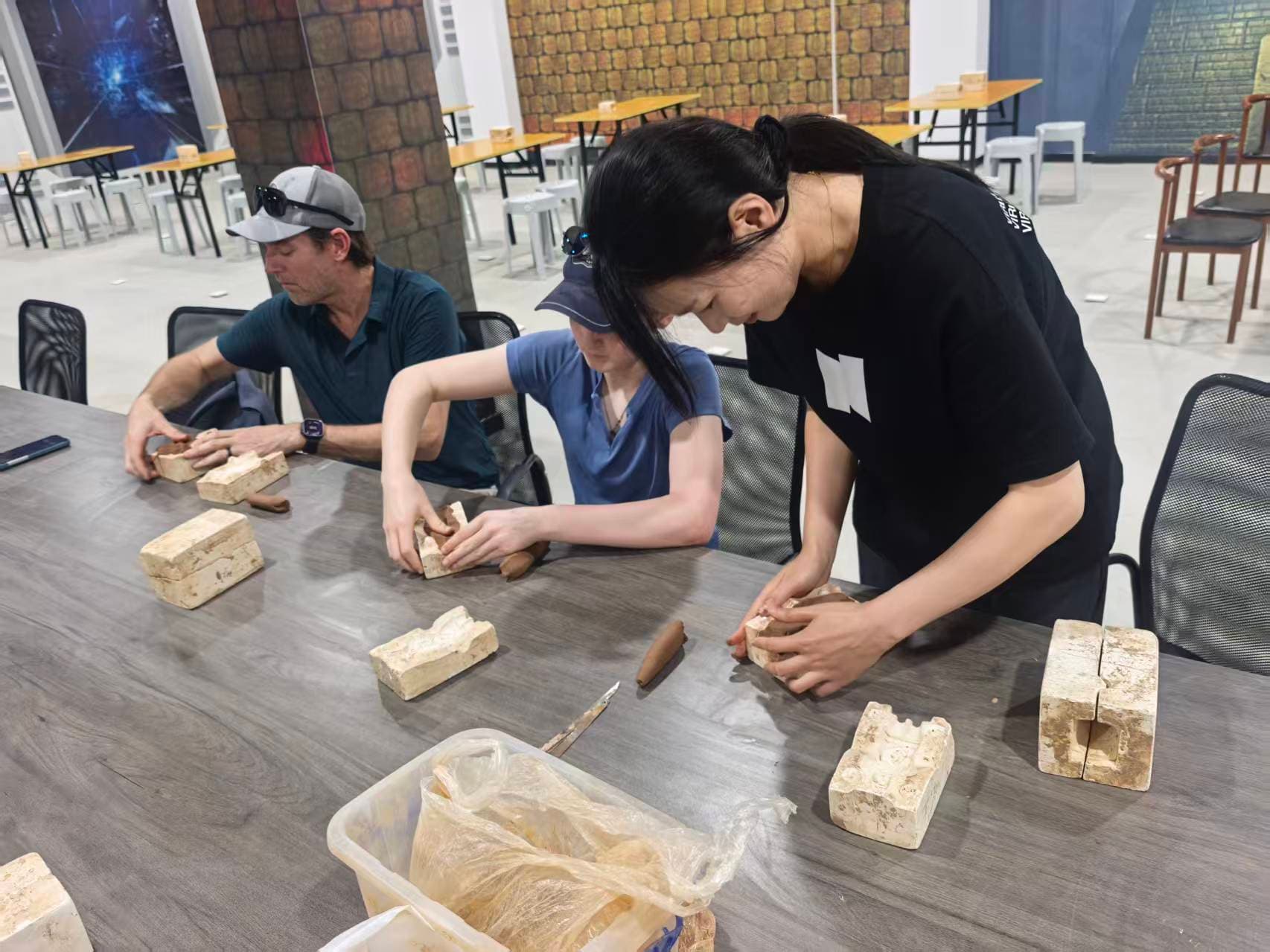
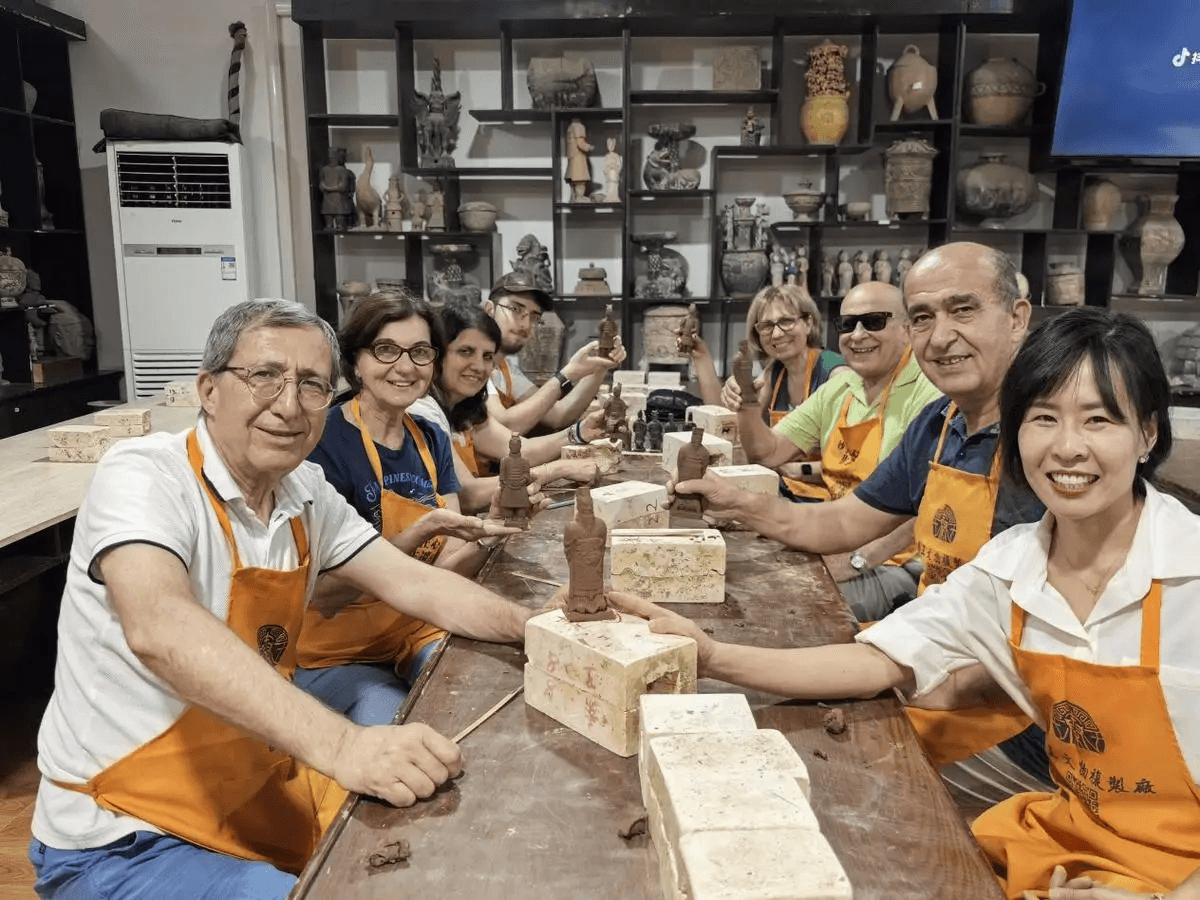
Add a hands-on cultural experience near the Terracotta Warriors. These workshops are run by independent local craft studios, not by the official Emperor Qinshihuang's Mausoleum Site Museum.
Make Your Own Warrior: Use local Lintong red clay and a simplified version of the Qin-style molding + hand-finishing technique to create a miniature warrior.
Add Your Mark: Carve your own mark onto the base, inspired by the Qin practice of marking craftsmen's names on hidden parts of the figures.
Try Qin-Style Painting: Paint a pre-made miniature warrior using colors inspired by the original mineral pigments found on the Terracotta Army.
Choose a Mini Archaeology Experience: Families can excavate replica fragments and try putting them back together.
🎁 Souvenir Shopping Guide: What to Buy & What to Avoid
The area around the Terracotta Warriors is filled with souvenir stalls and shops. Here's a practical guide to navigating them:
Item | Quality Range | Price Range | Advice |
|---|---|---|---|
🏺 Miniature Terracotta Warrior figurines | Low (mass-produced) to High (locally handcrafted) | RMB 10–500+ | Look for handcrafted figures made from actual Lintong clay rather than cheap resin copies. The best quality pieces are heavier and show individual hand-finishing. Avoid the RMB 10 baskets near the exit — they are factory-molded resin. |
🖼️ Reproduction Qin weapons / bronze chariot models | Medium to High | RMB 80–800 | Bronze chariot miniatures make excellent display pieces. Check that joints are securely soldered and that the piece has weight — lightweight versions are lower quality. |
📿 Jade and "jade" items | Very variable | RMB 50–10,000+ | Exercise extreme caution. Much of the "jade" sold near tourist sites is dyed quartz or glass. If you want genuine jade, buy only from certified shops with authenticity certificates. When in doubt, skip it. |
🧣 Terracotta-themed T-shirts / tote bags | Low to Medium | RMB 30–100 | Fun, affordable souvenirs. Designs vary widely in print quality — check that the image isn't peeling or cracked before buying. |
📚 Books and exhibition catalogs | High | RMB 80–300 | The museum gift shop inside the complex offers the best-quality books, including English-language exhibition guides and archaeological catalogs. Worth seeking out. |
🍪 Local food products | Medium to High | RMB 20–100 | Shaanxi dried persimmons, pomegranate products (Lintong is famous for pomegranates), and local snacks make great gifts. Check expiration dates. |
🛎️ Visitor Facilities & On-Site Comfort
Rest Areas: Seating areas are available around the museum complex, giving visitors places to pause during a longer visit. This is especially useful when visiting both the Terracotta Warriors Museum and Lishan Garden.
Accessible Facilities: Dedicated accessible routes are available in several areas for elderly visitors, people with disabilities, pregnant visitors, and travelers with large luggage, making the complex easier to navigate.
Covered Exhibition Halls: The main Terracotta Warriors pits are housed in large indoor halls, providing shelter from sun and rain while viewing the excavations.
Outdoor Rest & Shade: Lishan Garden is more open and spread out, with resting points available along the walking routes. Shade is limited in some areas, so the summer heat can make outdoor walking tiring. Take regular breaks, especially during hot weather.
Visitor Service Points: Information and service facilities are available around the complex to assist visitors with directions and basic needs.
Medical Assistance: First-aid and medical assistance are available for visitors who feel unwell or need help during their visit.
Toilets & Drinking Water: Public toilets and drinking-water facilities are available within the museum complex, so visitors do not need to rely entirely on what they bring with them.
Luggage Consideration: Dedicated routes are available for visitors carrying larger luggage, but for a more comfortable visit, it is still better to travel light when possible.
📝 What to Bring When Visiting the Terracotta Warriors: Packing Checklist
Item | Why You Need It |
|---|---|
🛂 Passport | Foreign visitors must bring the original passport used for the reservation for identity verification at the entrance. |
📱 Ticket Reservation Info | Keep your booking details and reservation time on your phone in case you need to check them before entry. |
📞 Phone | Useful for showing booking information, contacting your guide, and taking photos. |
👟 Comfortable Shoes | Expect a fair amount of walking, especially if you visit both the Terracotta Warriors Museum and Lishan Garden. |
💧 Water | Bring a small bottle, particularly in summer. Drinking-water facilities are also available inside the museum. |
🧥 Light Jacket | The large excavation halls can feel cooler than the outside temperature, while outdoor areas such as Lishan Garden can be much warmer in summer. |
🧢 Sun Protection | Sunglasses, sunscreen, and a hat are useful when visiting outdoor areas of the mausoleum complex, especially in warmer months. |
🎒 Small Bag | Keep your belongings light and easy to carry, as you may spend several hours walking between exhibition areas and archaeological sites. |
🗣️ Language & Communication Cheat Sheet
English is not widely spoken at the museum or in Lintong District. Save these essential phrases to your phone before you go:
Situation | English | Chinese (show to staff) | Pinyin |
|---|---|---|---|
Entry | I have a reservation under my passport | 我用护照预订了门票 | Wǒ yòng hùzhào yùdìng le ménpiào |
Directions | Where is Pit 1? | 一号坑在哪里? | Yī hào kēng zài nǎlǐ? |
Directions | Where is the shuttle bus to Lishan Garden? | 去丽山园的接驳车在哪里? | Qù Lìshān Yuán de jiēbò chē zài nǎlǐ? |
Directions | Where is the North Gate (entrance)? | 北门在哪里? | Běi mén zài nǎlǐ? |
Transport | Please take me to the Terracotta Warriors Museum | 请送我去兵马俑博物馆 | Qǐng sòng wǒ qù Bīngmǎyǒng bówùguǎn |
Transport | Please take me back to my hotel in Xi'an | 请送我回西安的酒店 | Qǐng sòng wǒ huí Xī'ān de jiǔdiàn |
Emergency | I need help / I'm lost | 我需要帮助 / 我迷路了 | Wǒ xūyào bāngzhù / Wǒ mílù le |
Emergency | Please call the police / an ambulance | 请叫警察 / 请叫救护车 | Qǐng jiào jǐngchá / Qǐng jiào jiùhùchē |
Dining | Is this spicy? | 这个辣吗? | Zhège là ma? |
Dining | I don't eat meat / I'm vegetarian | 我不吃肉 / 我是素食者 | Wǒ bù chī ròu / Wǒ shì sùshí zhě |
📱 Recommended Apps Alipay / WeChat Pay: Most vendors accept these. Link a foreign credit card before arriving. Apple Maps or Baidu Maps: Google Maps works but may be inaccurate for real-time transit in China. Baidu Maps is the local standard. Pleco: The best Chinese-English dictionary app for travelers — supports handwriting recognition and offline mode. Microsoft Translator or Baidu Translate: Better Chinese translation than Google Translate within China. |
💳 Payment & Currency Guide for International Visitors
China is overwhelmingly a cashless society. Here's how to pay as a foreign visitor at and around the Terracotta Warriors:
Payment Method | How to Set Up | Where It Works | Notes |
|---|---|---|---|
Alipay (支付宝) | Download the app, link a foreign Visa/Mastercard | Nearly everywhere — tickets, taxis, restaurants, shops | Best single payment solution for foreign visitors in China. Set up before arrival. |
WeChat Pay (微信支付) | Open WeChat → Me → Services → Wallet → link foreign card | Nearly everywhere | Essential if booking tickets via WeChat mini program. Same foreign card linking as Alipay. |
Cash (RMB) | Exchange at airport or bank upon arrival | Most places, but some vendors may not have change | Bring small denominations (RMB 10, 20, 50). Useful for tips, small vendors, and emergencies. |
Foreign credit cards | Bring Visa/Mastercard | Major hotels, large restaurants only | NOT accepted at museum ticket counters, local taxis, or street vendors. Do not rely on this. |
⚠️ Common Mistakes When Visiting the Terracotta Warriors
Mistake | Better Choice |
|---|---|
Only spend 1 hour | Allow 3–5 hours for a more complete visit, especially if including Lishan Garden. |
Only visit Pit 1 | Explore Pits 1, 2 and 3, then continue to Lishan Garden for the Bronze Chariots and other burial pits. |
Visit at noon | Aim for the first entry at 8:30 AM or consider after 14:30 when crowds usually ease. |
Skip guide explanation | Consider a private guide to understand the stories, symbols, military formations, and archaeological details that are easy to miss. |
Buy tickets last minute | Reserve online in advance, especially for weekends, summer, and public holidays. |
Plan transport separately | Consider a private transfer for door-to-door service and easier coordination with your ticket time and guide. |
Ignore temporary closures | Check the latest museum notices before visiting. From September 5, 2026, the southern section of Pit 2 is temporarily closed, while the northern section follows a west-to-east one-way route. |
👥 Who Is the Terracotta Warriors Experience Best Suited For?
This private Terracotta Warriors experience is ideal for travelers who value:
Families & Children
Families who want to make Chinese history vivid and meaningful for their children.
Parents who prefer a private, flexible pace with someone to help look after the children along the way.
History & Culture Lovers
Travelers curious about Qin Shi Huang, ancient China, and the mysteries surrounding his mausoleum.
Visitors who want to understand the stories and symbolism behind what they see, rather than simply take photos.
First-time visitors who want an engaging introduction to Chinese history.
Travelers Who Value a Personalized Experience
Visitors who want their itinerary adapted to their interests, available time, and walking pace.
Travelers who prefer a private guide who can explain the lesser-known stories and details behind the mausoleum.
Those who value comfort, flexibility, and deeper cultural understanding over a rushed sightseeing experience.
Travelers Visiting Xi'an
Travelers visiting Xi'an who want to experience one of the city's most important historical landmarks.
First-time Xi'an visitors who want an easy way to include the Terracotta Warriors in their wider Xi'an itinerary.
Travelers arriving in Xi'an for a short stay who want to visit the site comfortably without spending time figuring out the logistics themselves.
🌍 Making the Most of Your Terracotta Warriors Visit
For many international visitors, the journey to the Terracotta Warriors involves a few common challenges: booking tickets in Chinese on an unfamiliar platform, navigating 40 km of public transport from Xi'an, and trying to understand the significance of what you're seeing without context.
If you're planning a trip from abroad, you might be weighing whether to handle these logistics independently or let someone who knows the system take care of them. Here's what a private, tailor-made experience can offer:
🎫 Tickets handled for you — Passport-based reservation, Chinese-language booking, and timed entry all arranged in advance.
🚗 Door-to-door transport — Private pickup from your Xi'an hotel, no taxi haggling or bus transfers.
🎙️ Expert English-speaking guide — Go beyond "rows of statues" to the stories, strategy, and craftsmanship behind every figure.
⏱️ Flexible pacing — Spend more time where it matters to you, whether that's Pit 1's panorama or the Bronze Chariots' detail.
👨👩👧 Family-friendly — Adjusted routes for children, seniors, and travelers with mobility needs.
🗺️ Xi'an itinerary integration — Combine with the Ancient City Wall, Muslim Quarter, or Huaqing Palace in one seamless day.
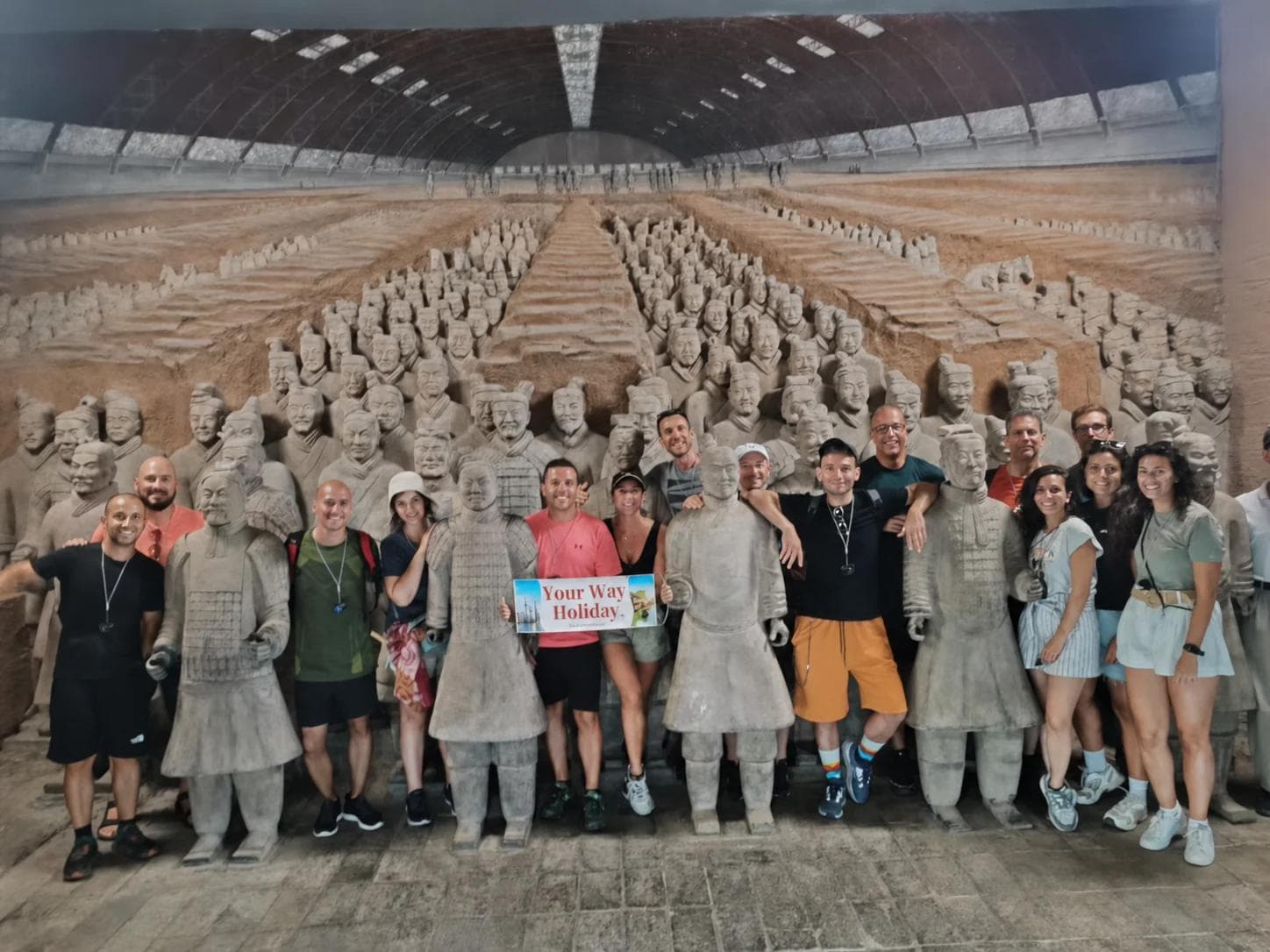
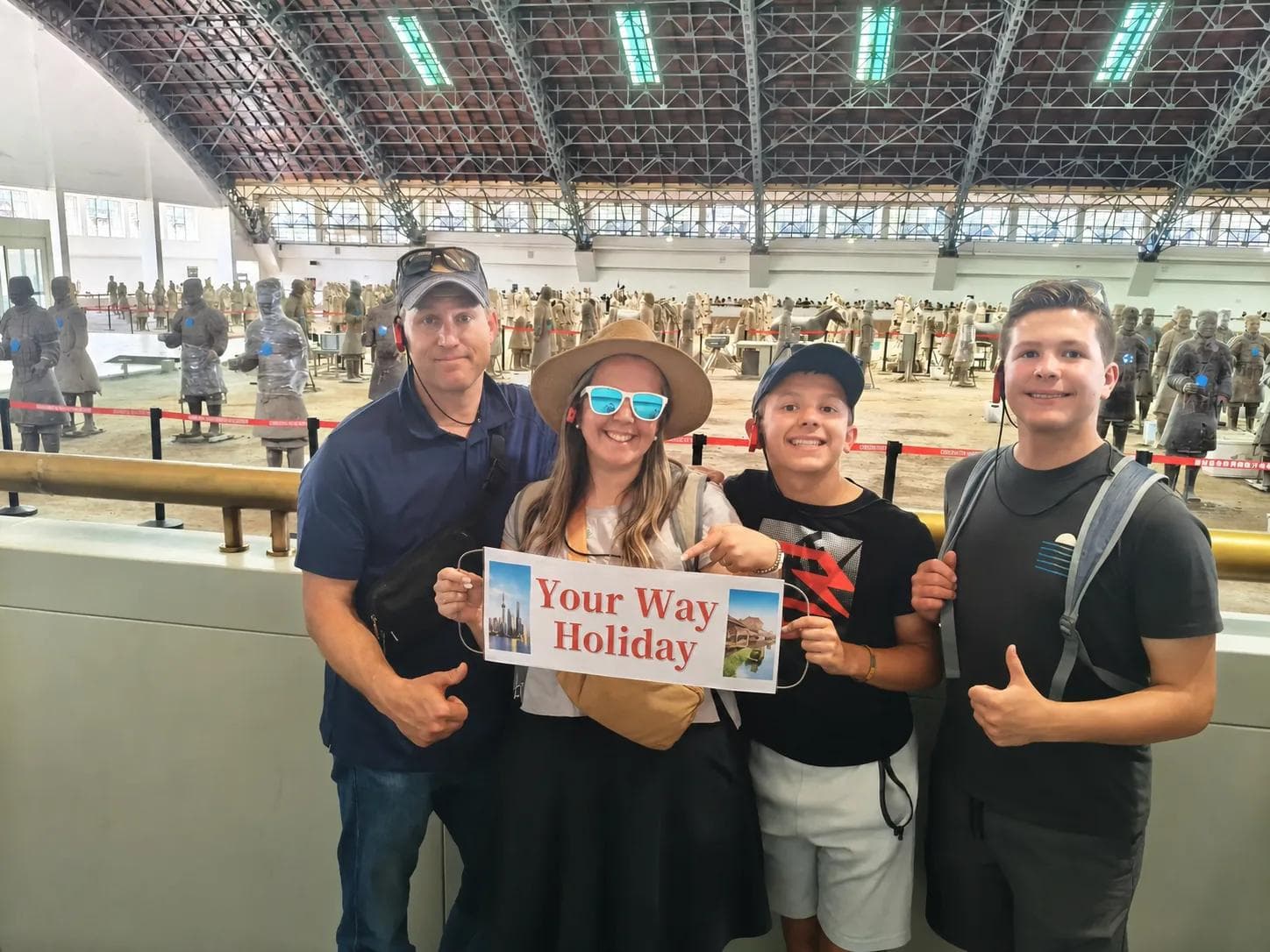
Whether you have just half a day or want a full Qin culture immersion, a private tour eliminates the guesswork — so you can focus on experiencing one of the world's greatest archaeological wonders, not logistics. Check the official museum site for independent visit planning, or reach out to Your Way Holiday to design your ideal Xi'an experience.
🗺️ Suggested Xi'an Itineraries Including Terracotta Warriors
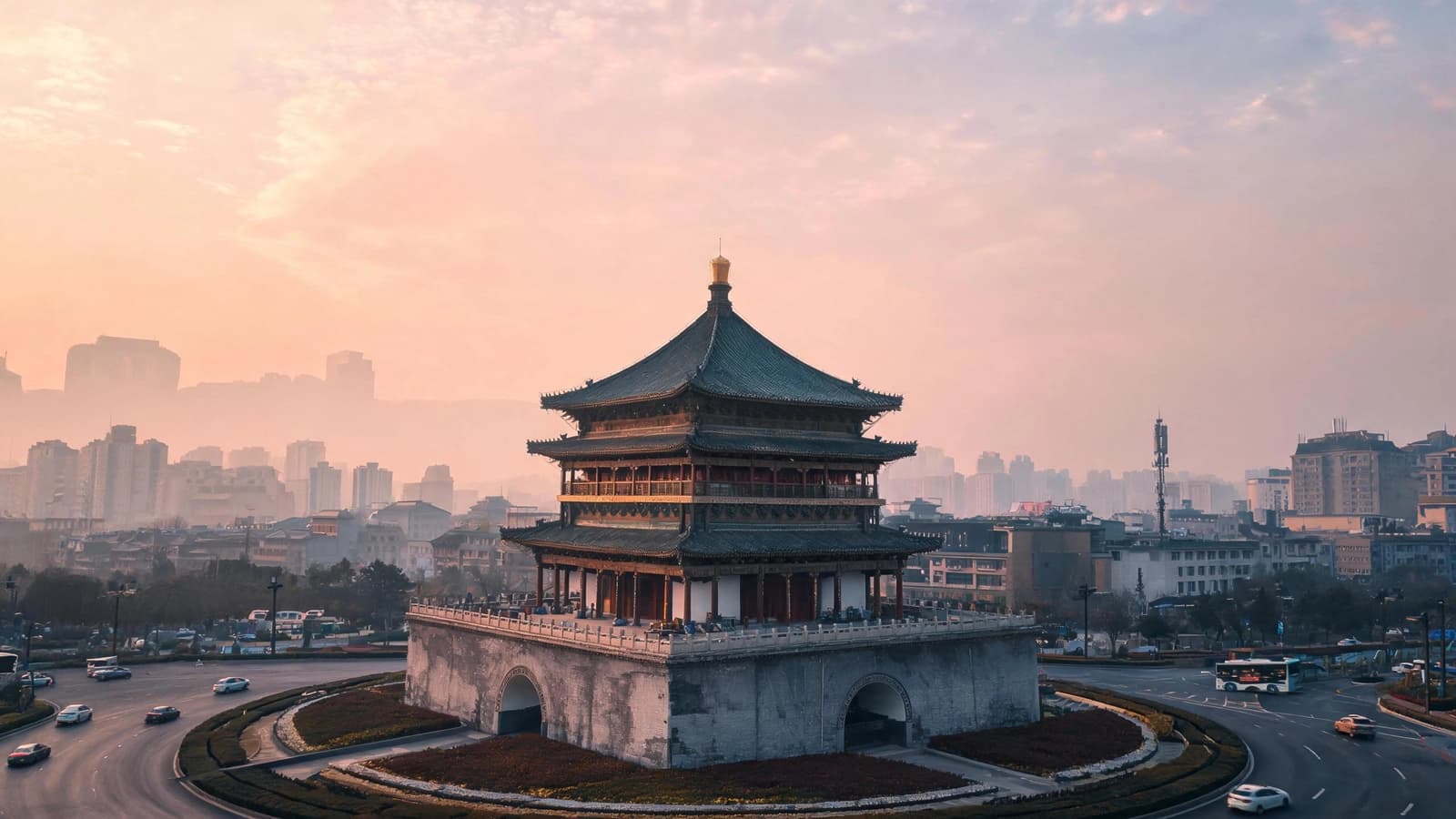
Terracotta Warriors → Bell and Drum Towers → Muslim Quarter
✅️ Best for: First-time visitors with limited time who want to combine Xi'an's most famous archaeological site with the city's historic center and local food culture.
Terracotta Warriors → Huaqing Palace → Song of Everlasting Sorrow Performance
✅️ Best for: Travelers who want to experience two different sides of Xi'an's imperial history, from the Qin Dynasty and the First Emperor to the Tang Dynasty's palace culture and legendary romance.
Terracotta Warriors → Big Wild Goose Pagoda → Datang Everbright City → Xi'an Ancient City Wall → Bell and Drum Towers → Muslim Quarter
✅️ Best for: Travelers who want a more complete introduction to Xi'an, combining archaeological heritage, Tang Dynasty culture, ancient city landmarks, and local street life.
✨ Final Expert Tips: How to Make Your Terracotta Warriors Visit Better
✔️ Visit early — arrive at opening time for the best experience
✔️ Reserve tickets ahead — online booking is mandatory
✔️ Allow enough time — 3–5 hours for a complete visit
✔️ Combine with Qin culture sites — don't miss Lishan Garden
✔️ Consider private transportation — especially for families and first-time visitors
✔️ Use a knowledgeable local guide — turn statues into stories
✔️Check for temporary closures before visiting — Pit 2 southern section is currently under renovation
✔️Bring your passport — required for entry verification

Traveler Discussions
Questions from travelers