
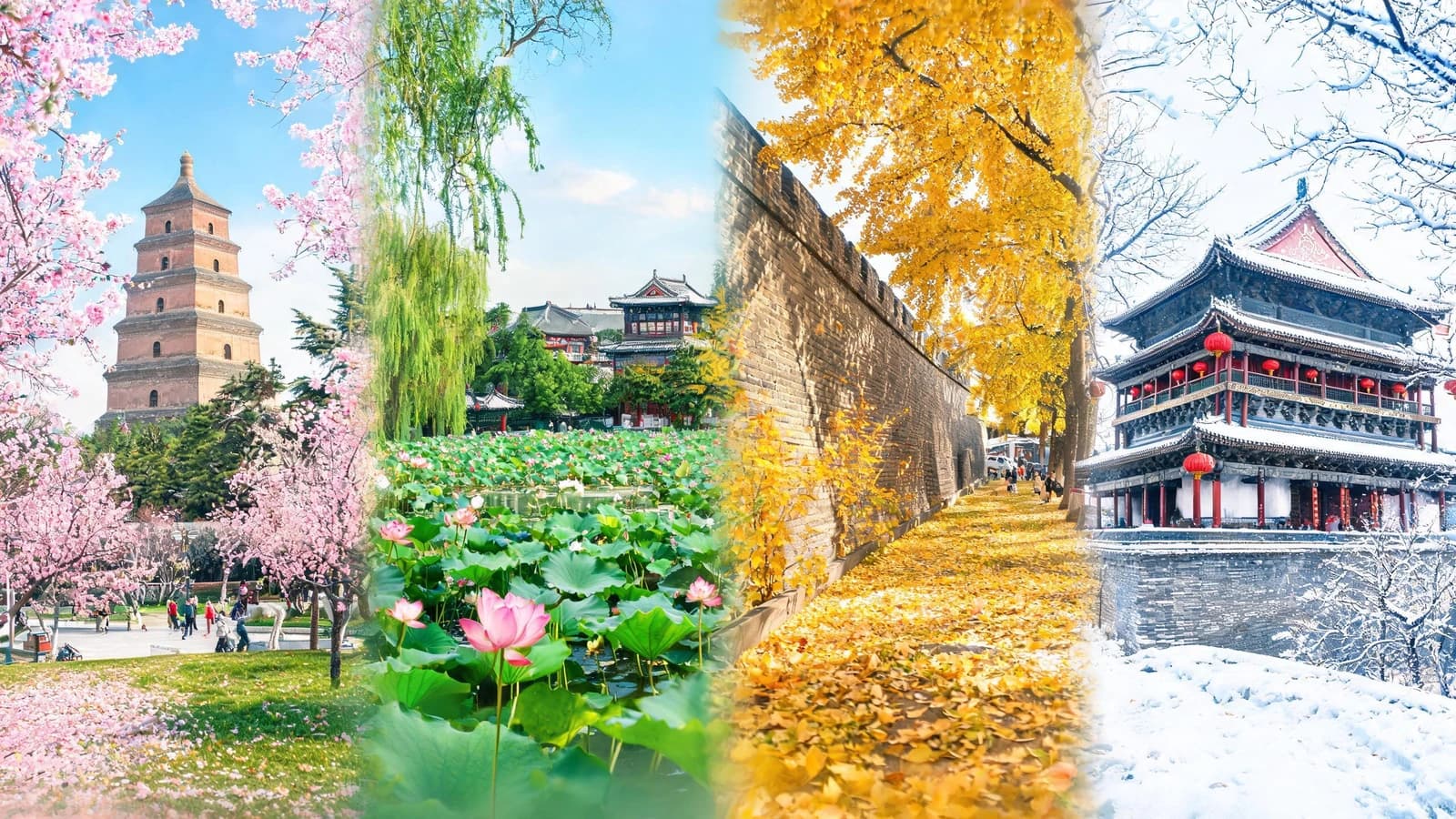
Xi’an is a city where ancient history, cultural heritage, and modern life come together, offering unforgettable experiences from the Terracotta Warriors and ancient City Wall to traditional cuisine and local festivals. Choosing the best time to visit Xi’an can greatly enhance your journey, as the city has four distinct seasons with different weather conditions and travel experiences. By understanding Xi’an weather by month, as well as the unique charm of Xi’an in spring and Xi’an in autumn, you can plan your trip around comfortable sightseeing conditions, seasonal scenery, and memorable cultural events.
📊 Xi'an Weather by Month: Complete Reference Table
Month | High / Low (°C) | Rainfall | Sunshine Hours | Crowd Level | Overall Rating |
|---|---|---|---|---|---|
❄️ January | 5 / −4 | Low (8mm) | 3–4 hrs | 🟢 Low | ★★★☆☆ |
❄️ February | 8 / −1 | Low (10mm) | 3–4 hrs | 🟡 Moderate (CNY) | ★★★☆☆ |
🌸 March | 14 / 4 | Low–Moderate (25mm) | 4–5 hrs | 🟡 Moderate | ★★★★☆ |
🌸 April | 21 / 9 | Moderate (45mm) | 5–6 hrs | 🟡 Moderate | ★★★★★ |
🌸 May | 27 / 14 | Moderate (60mm) | 6 hrs | 🟡 Moderate (May Day) | ★★★★★ |
☀️ June | 32 / 19 | Moderate (65mm) | 6–7 hrs | 🟡 Moderate | ★★★★☆ |
☀️ July | 33 / 22 | High (102mm) | 5–6 hrs | 🔴 High | ★★★☆☆ |
☀️ August | 32 / 21 | High (80mm) | 5–6 hrs | 🔴 High | ★★★☆☆ |
🍂 September | 25 / 15 | Moderate (90mm) | 4–5 hrs | 🟡 Moderate | ★★★★★ |
🍂 October | 20 / 10 | Low–Moderate (40mm) | 4–5 hrs | 🔴 High (Oct 1–7), then 🟢 Low | ★★★★☆ |
🍂 November | 12 / 3 | Low (18mm) | 4 hrs | 🟢 Low | ★★★★☆ |
❄️ December | 6 / −3 | Low (5mm) | 3–4 hrs | 🟢 Low | ★★★☆☆ |
Weather data: WeatherSpark — Xi'an Climate. Rainfall figures are monthly averages and may vary year to year.
🗓️ Month-by-Month Quick Verdict
Not sure which month fits your travel style? Here's a one-line verdict for every month of the year — scan, decide, done.
Month | Rating | One-Line Verdict |
|---|---|---|
❄️ January | ★★★☆☆ | Coldest month but quietest — Ice & Fire show + Lantern Festival opening; pack for −5°C and check AQI. |
❄️ February | ★★★☆☆ | Spring Festival chaos (date shifts); post-holiday week suddenly empty and cheap. Cold but manageable. |
🌸 March | ★★★★☆ | Cherry blossoms begin, Lantern Festival still running, crowds low — best value spring month. Watch for sandstorms. |
🌸 April | ★★★★★ | Peak cherry blossoms, perfect 15–25°C weather, clear skies — the #1 recommended month overall. |
🌸 May | ★★★★☆ | Warm and green, but May Day holiday (1st–5th) brings crowds. Visit mid-to-late May for best experience. |
☀️ June | ★★★★☆ | Longest daylight hours (15h!), Dragon Boat culture, pre-heat-wave temperatures. Last comfortable month before July. |
☀️ July | ★★★☆☆ | Hottest month (33–40°C) but best air quality of the year (AQI ~47). Start early, rest midday, enjoy long evenings. |
☀️ August | ★★★☆☆ | Peak heat + summer holiday crowds. Manageable with indoor-midday strategy. Song of Everlasting Sorrow at full capacity. |
🍂 September | ★★★★★ | Clear skies, mild temps, golden photography light, Mid-Autumn Festival — the #1 autumn month and best overall value. |
🍂 October | ★★★★☆ | Perfect weather but Oct 1–7 Golden Week is a nightmare. Visit Oct 8–31 for autumn foliage + Marathon weekend. |
🍂 November | ★★★★☆ | Best-kept secret: peak ginkgo foliage, lowest crowds, off-season hotel rates. Pack warm — you'll nearly have Xi'an to yourself. |
❄️ December | ★★★☆☆ | Winter quiet, Ice & Fire show opens, Christmas lights at Datang Everbright City. Short daylight (9.3h) and potential smog. |
🌬️ Air Quality by Season: What You Need to Know
Xi'an's air quality is a legitimate concern for some travelers. The city sits in the Guanzhong Plain basin, surrounded by mountains on three sides, which traps pollutants — especially in winter when temperature inversions seal cold, dirty air near the ground. Understanding the seasonal pattern helps you plan around it.
Month | Avg AQI (US scale) | PM2.5 Trend | Air Quality Rating | Impact on Travel |
|---|---|---|---|---|
❄️ January | ~106 | Highest of the year | 🟠 Poor | Visibility reduced; sensitive groups should wear N95 masks outdoors |
❄️ February | ~109 | Very high (winter heating + inversions) | 🟠 Poor | Worst air month; plan indoor-heavy itineraries |
🌸 March | ~77 | Improving | 🟡 Moderate | Noticeably better; occasional sandstorm days may spike readings |
🌸 April | ~73 | Moderate | 🟡 Moderate | Generally acceptable; spring winds help disperse pollutants |
🌸 May | ~50 | Good | 🟢 Good | Clean air; minimal impact on outdoor activities |
☀️ June | ~49 | Good | 🟢 Good | Summer rain washes the air clean |
☀️ July | ~47 | Annual low (PM2.5 ~17 µg/m³) | 🟢 Good | Best air quality of the year — ironic given the heat |
☀️ August | ~36 | Very good | 🟢 Good | Excellent air; frequent summer rain keeps PM2.5 low |
🍂 September | ~50–60 | Good | 🟢 Good | Post-summer clarity; ideal for photography and outdoor sightseeing |
🍂 October | ~65 | Moderate | 🟡 Moderate | Acceptable; autumn wind keeps air moving |
🍂 November | ~80 | Rising (heating season begins mid-Nov) | 🟡 Moderate | Early November is fine; late November degrades as heating starts |
❄️ December | ~95 | High | 🟠 Poor | Winter heating + inversions; check daily AQI before outdoor plans |
Sources: AQI.in — Xi'an Historical Air Quality, Peer-reviewed study: Particulate Matter Variation in Xi'an (Frontiers of Environmental Science & Engineering), Xi'an Municipal Ecology & Environment Bureau — Monthly Reports. AQI values are monthly averages and individual days may vary significantly.
🕐 Daylight Hours by Month: Plan Your Sightseeing Window
Xi'an's latitude (~34°N) means significant seasonal variation in daylight — from 9.3 hours in December to 15.1 hours in June. This affects how much you can pack into each day, especially for outdoor attractions like the City Wall, Terracotta Warriors, and Mount Huashan.
Month | Sunrise | Sunset | Daylight Hours | Planning Impact |
|---|---|---|---|---|
❄️ January | ~07:45 | ~17:35 | 9.5 hrs | Shortest days — plan 1 major site per day; evening activities essential |
❄️ February | ~07:15 | ~18:10 | 10.7 hrs | Slightly longer; still need efficient indoor/outdoor mixing |
🌸 March | ~06:50 | ~18:50 | 12.0 hrs | Comfortable daylight; 2 sites per day feasible |
🌸 April | ~06:15 | ~19:20 | 13.3 hrs | Excellent — long enough for full-day outings + evening food crawl |
🌸 May | ~05:45 | ~19:40 | 14.5 hrs | Very long days; ideal for Huashan hiking or multi-site days |
☀️ June | ~05:30 | ~20:00 | 15.1 hrs | Longest days of the year — maximize outdoor time, late sunsets |
☀️ July | ~05:40 | ~19:50 | 14.8 hrs | Still very long; early starts beat the heat, late sunsets for evening plans |
☀️ August | ~06:00 | ~19:30 | 13.7 hrs | Good daylight; sunset still late enough for post-dinner walks |
🍂 September | ~06:30 | ~19:00 | 12.4 hrs | Balanced — enough for full sightseeing + golden hour photography |
🍂 October | ~06:55 | ~18:20 | 11.1 hrs | Shortening fast; plan City Wall cycling by 15:00 to finish before dark |
🍂 November | ~07:20 | ~17:50 | 9.9 hrs | Short days return; Terracotta Warriors by 09:00 to finish before 16:00 dusk |
❄️ December | ~07:40 | ~17:30 | 9.3 hrs | Shortest days — prioritize indoor museums; Lantern Festival lights compensate |
Source: Sunrise-Sunset.org — Xi'an, WeatherSpark — Xi'an Daylight Data. Times are approximate and shift by ±10 minutes depending on exact date within each month.
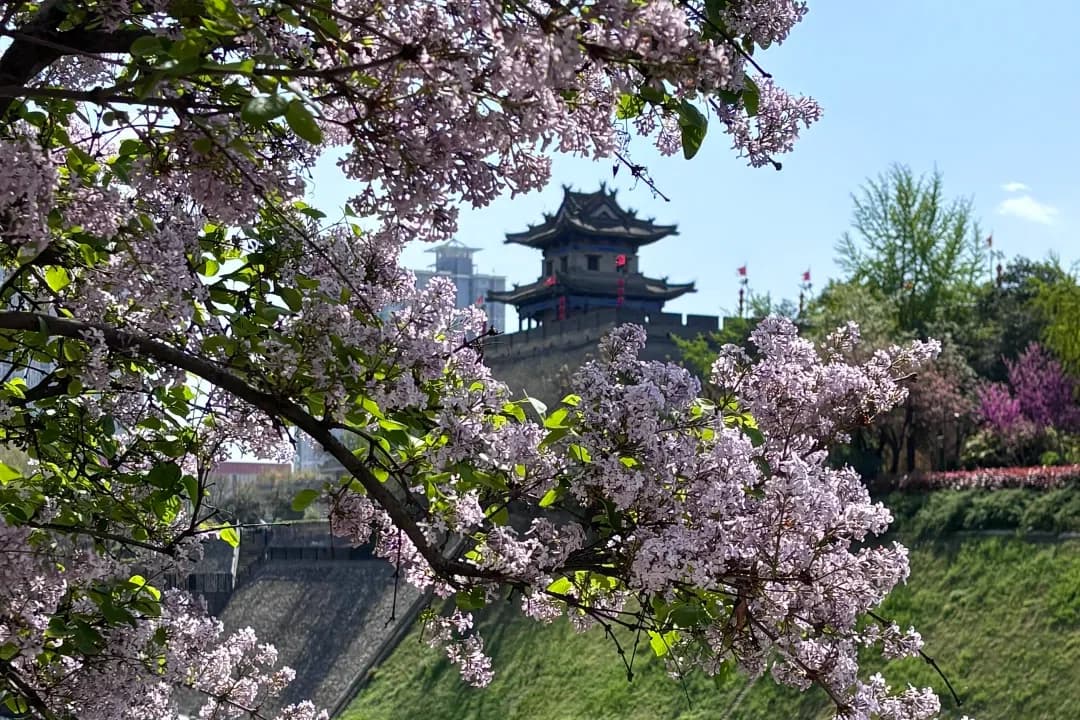
🌸 Spring in Xi'an (March–May): Cherry Blossoms and Lantern Festivals
🌸 Spring Season Overview (★★★★★ Recommended)
Temperature Range | 4°C (March low) to 27°C (May high) |
Key Events | City Wall Lantern Festival (until Mar 22), Cherry Blossoms at Qinglong Temple (Mar–Apr), May Day Holiday (May 1–5) |
What to Wear | March: light jacket, layers. April–May: T-shirt + light cardigan. Evenings can still be cool. |
Best For | Photography, cultural sightseeing, outdoor activities, flower viewing |
Watch Out For | Occasional sandstorms in March–April (less severe than Beijing but can reduce visibility for 1–2 days). |
1. City Wall Lantern Festival (January–March)
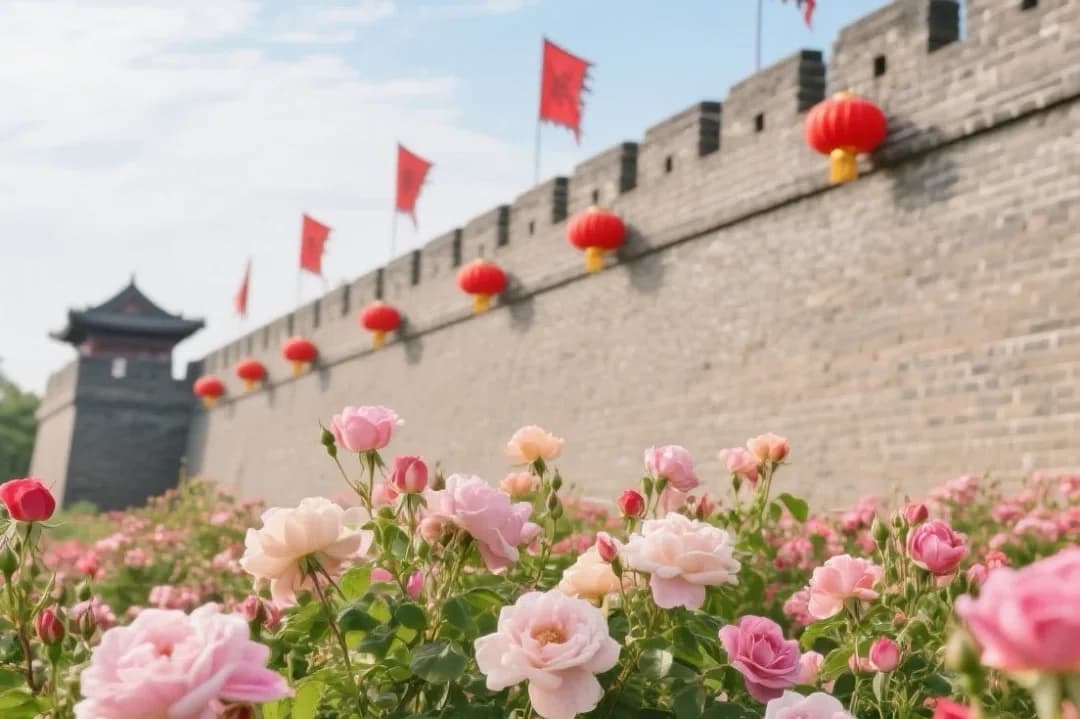
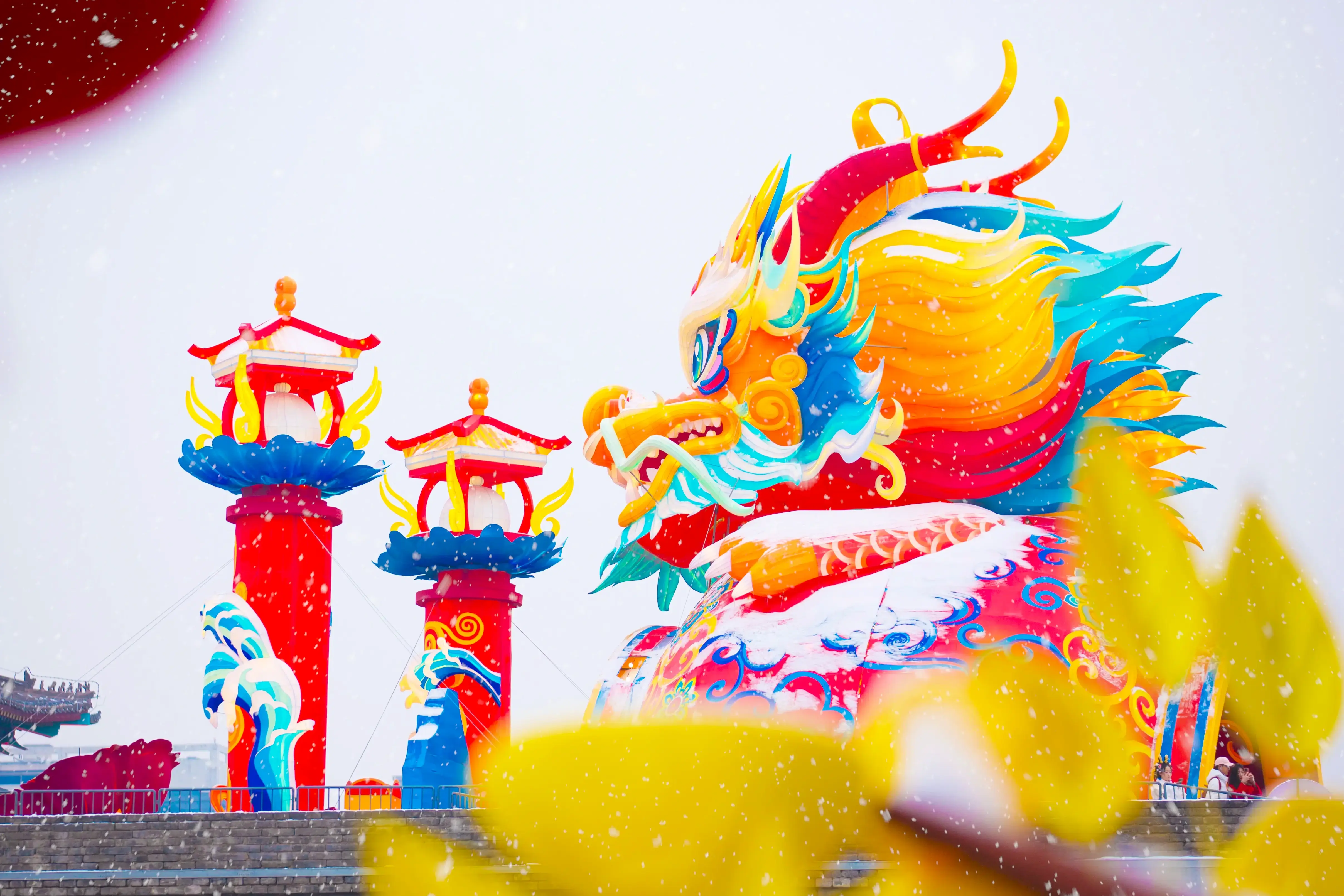
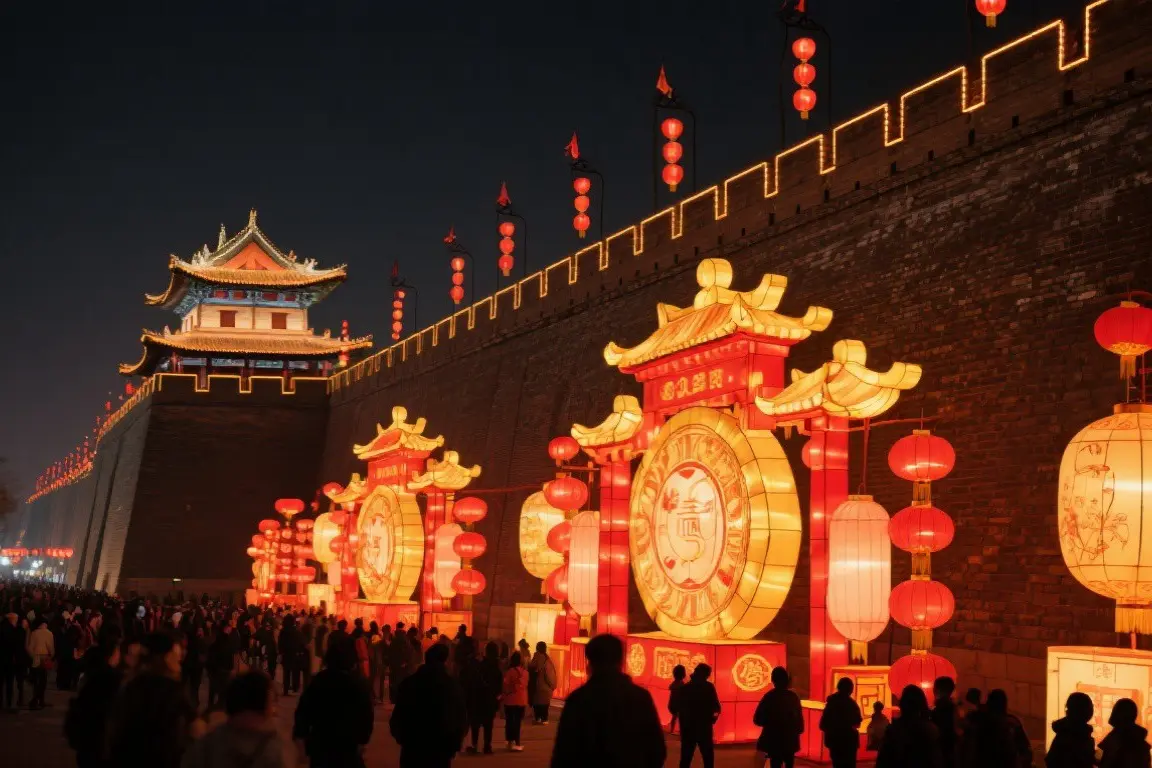
The Xi'an City Wall Lantern Festival is one of the city's most spectacular annual events. The 2026 edition ran from January 1 to March 22 — 81 days covering New Year's Day, Spring Festival, and Lantern Festival. The theme was "A Thousand Lanterns Illuminate Chang'an · Noon Horse Welcomes Spring" (千灯映长安·午马迎春来). The dates for the 2027 Xi’an City Wall Lantern Festival have not been announced yet.
Lights on: approximately 6:00 PM daily
Core viewing area: Hanguang Gate to Jianguo Gate (including Yongning Gate, Wenchang Gate, Heping Gate)
Tickets: CNY 68–100 (full price), CNY 35–50 (half price); core-area surcharge may apply.
Best time to visit: Weekday evenings after 7:00 PM to avoid weekend crowds

2. Cherry Blossom Season at Qinglong Temple (March–April)
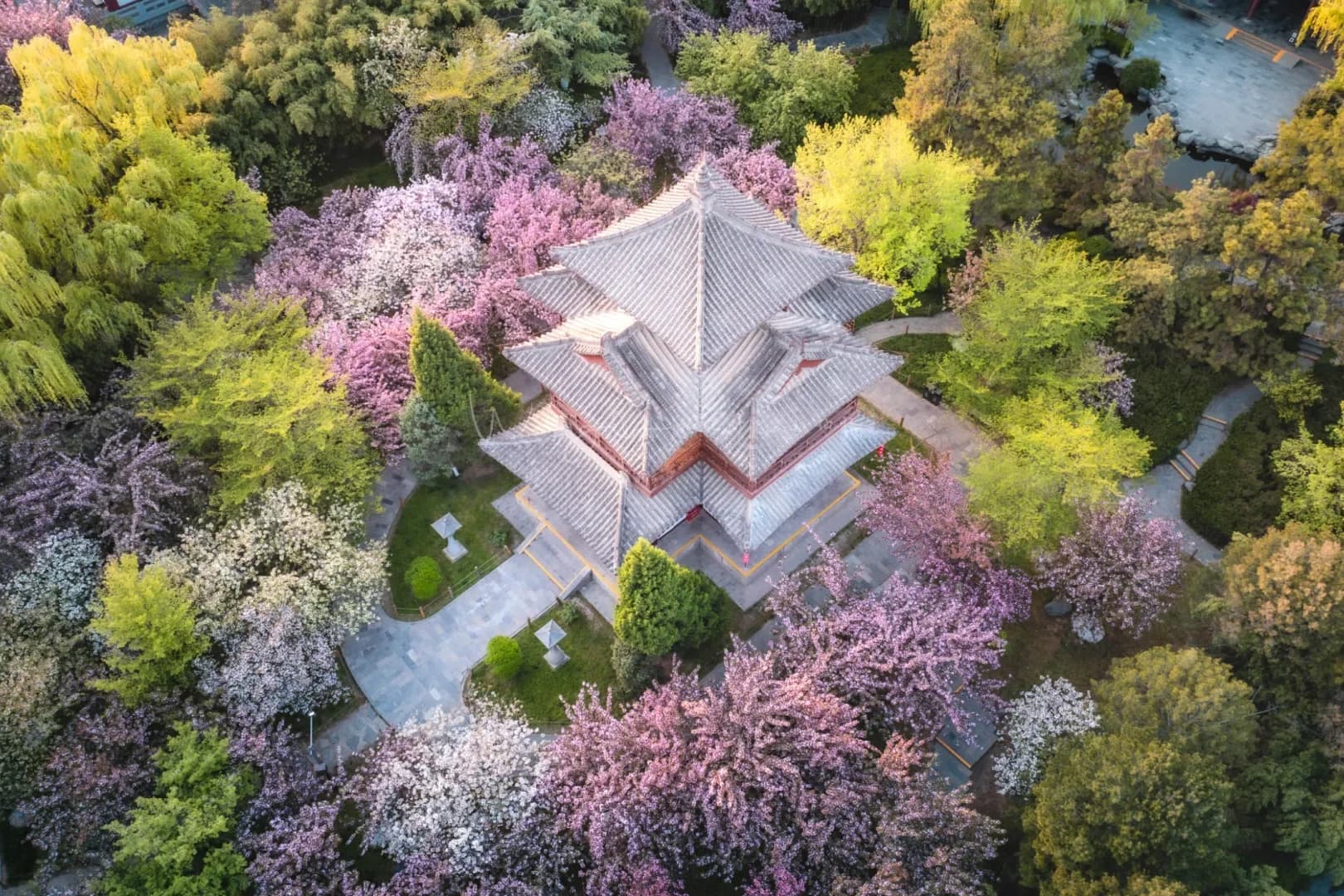
Qinglong Temple (青龙寺) is Xi'an's premier cherry blossom viewing location, with over 600 cherry trees and more than ten varieties donated by Japan in the 1980s. The temple itself is a historically significant site — it was where the Japanese monk Kukai studied Esoteric Buddhism in 804 AD. [Source]
Bloom Stage | Timing | Varieties | What to Expect |
|---|---|---|---|
Early Cherry | Early March — mid-March | Early-blooming varieties | Sparse blooms; first signs of spring. Quietest time to visit. |
Mid Cherry | March 25 — April 5 | Somei Yoshino (染井吉野) | Peak bloom. Full canopy of pink-white blossoms. Most photogenic period. |
Late Cherry | Early April — mid-April | Kanzan, Fugenzo, green cherry, tulip cherry | Denser, fuller blooms in deeper pink. Still beautiful, slightly fewer crowds. |
3. Spring Travel Advisory: Sandstorms
Xi'an occasionally experiences sandstorm-like weather in March and April, as winds carry dust from the Loess Plateau. These events are less severe than Beijing's but can reduce visibility and air quality for 1–2 days. If you have respiratory sensitivities, check the Shaanxi Meteorological Bureau forecast before planning outdoor activities in early spring.
☀️ Summer in Xi'an (June–August): Heat, Shows, and Evening Markets
☀️ Summer Season Overview (★★★☆☆ Manageable)
Temperature Range | 19°C (June low) to 40°C (July/August extreme high) |
Key Events | Dragon Boat Festival (June), Song of Everlasting Sorrow peak season, summer evening markets |
What to Wear | Light, breathable clothing. Sun hat, sunscreen, and sunglasses essential. Carry a light jacket for air-conditioned indoor spaces. |
Best For | Evening activities, shows, indoor museums, high-altitude escapes (Huashan) |
Watch Out For | Heat waves (33–40°C), afternoon thunderstorms, high humidity due to basin geography, summer holiday crowds (July–August) |
1. Summer Strategy: How to Beat the Heat
Xi'an's summer heat is intensified by the city's basin geography, which traps warm, humid air. Here's how to plan around it:
Time of Day | Recommended Activity | Why |
|---|---|---|
06:00–10:00 | Outdoor sightseeing (City Wall cycling, Terracotta Warriors) | Cooler temperatures, softer light, fewer crowds at opening time |
10:00–14:00 | Indoor attractions (Shaanxi History Museum, Forest of Steles, Great Mosque interiors) | Air-conditioned environments; avoid peak UV and heat |
14:00–17:00 | Rest at hotel, or shaded attractions (Huaqing Palace gardens, Tang Paradise indoor exhibits) | Hottest part of the day; afternoon thunderstorms possible |
17:00–22:00 | Muslim Quarter food crawl, Datang Everbright City, fountain shows | Temperature drops, evening atmosphere peaks |
2. Dragon Boat Festival (June 19–21, 2026)
The Dragon Boat Festival (端午节) in 2026 falls on June 19, with a three-day public holiday from June 19–21. Tang Paradise hosts dragon boat performances on Furong Lake, folk culture interactions, and festival-themed activities.
Summer Seasonal Food
Dish | Why It's Perfect for Summer |
|---|---|
🥟 Liangpi (凉皮) | Cold wheat-starch noodles with cucumber, bean sprouts, black vinegar, and chili oil. The cool, sour, and spicy flavors are specifically prized for relieving summer heat. |
🥩 Cold Roujiamo | The same braised meat in a crispy bun, but served cold — more refreshing in 35°C heat. |
🥒 Various cold dishes (凉菜) | Cold vegetable and tofu dishes seasoned with garlic and vinegar, available at every restaurant. |
🍂 Autumn in Xi'an (September–November): The Golden Window
🍂 Autumn Season Overview (★★★★★ Best Season)
Temperature Range | 3°C (November low) to 25°C (September high) |
Key Events | Mid-Autumn Festival (Sep 25–27, 2026), National Day Golden Week (Oct 1–7), Xi'an Marathon (Oct 18, 2026), autumn foliage (late Oct–mid-Nov) |
What to Wear | September: T-shirt + light jacket. October: sweater or light down jacket. November: warm coat, layers. |
Best For | Photography (golden hour light), outdoor activities, cultural sightseeing, hiking Huashan |
Watch Out For | Golden Week crowds (Oct 1–7), marathon weekend hotel availability (Oct 18) [Source] |
1. Why Autumn Is the Best Season
Mild, dry weather: September–October temperatures range from 10–25°C with low rainfall and clear skies — ideal for outdoor sightseeing.
Best photography conditions: Autumn's low-angle golden hour light enhances the red walls of the City Wall, yellow ginkgo leaves, and ancient architecture. Late afternoon (~4:00 PM) is the sweet spot.
Autumn foliage: Golden ginkgo and red leaves peak from late October to mid-November, particularly around the City Wall, Big Wild Goose Pagoda, and nearby hills.
Show season: The Song of Everlasting Sorrow Classic Version runs through late October, with comfortable evening temperatures for outdoor viewing.
Huashan hiking: Autumn offers clear air and fall foliage on the mountain. Note: October mornings at Huashan's summit can require a down jacket due to altitude.
2. Mid-Autumn Festival (September 25–27, 2026)
The Mid-Autumn Festival (中秋节) is one of China's most important traditional holidays. In 2026, the public holiday runs September 25–27. The City Wall hosts lantern displays, and mooncakes are sold everywhere. It's a beautiful but moderately crowded period — book accommodations early.
3. National Day Golden Week (October 1–7): AVOID ❗️
⚠️ Golden Week Warning
The October 1–7 National Day holiday is the single busiest travel period in China. Xi'an is one of the most popular domestic destinations during this week. Expect:
Terracotta Warriors: 2–3 hour wait times, viewing platforms packed shoulder-to-shoulder
City Wall: Bicycle rentals sold out by 10:00 AM
Shaanxi History Museum: Free tickets gone within seconds of release
Hotels: 2–3× normal rates; book months ahead or avoid entirely
Transportation: Highway congestion peaks 10:00–12:00 and 16:00–18:00 [Source]
Recommendation: If your travel dates are flexible, arrive after October 7. The weather remains excellent through November, and crowds drop dramatically.
4. Xi'an Marathon (October 18, 2026)
The 2026 Xi'an Marathon will take place on October 18, 2026, with 36,000 participants. It is listed as a World Athletics E Road Running Label Race. [Source] If you're not running, be aware that marathon weekend affects hotel availability and route access. If you are running, it's an incredible way to see the city — the route passes the City Wall, Big Wild Goose Pagoda, and Datang Everbright City.
❄️ Winter in Xi'an (December–February): Ice, Fire, and Quiet
❄️ Winter Season Overview (★★★☆☆ Niche Value)
Temperature Range | −5°C (January low) to 8°C (February high) |
Key Events | Ice & Fire version of Song of Everlasting Sorrow (Dec–Feb), City Wall Lantern Festival (Jan–Mar), Spring Festival / Chinese New Year (Jan/Feb, date varies) |
What to Wear | Down jacket, warm hat, gloves, thermal layers. Sturdy non-slip shoes. Pack for −10°C lows. |
Best For | Budget travelers, photographers seeking quiet sites, winter culture enthusiasts, Ice & Fire show fans |
Watch Out For | Cold temperatures, potential winter smog (PM2.5), shorter daylight hours (sunset ~17:30), some attractions reduce hours |
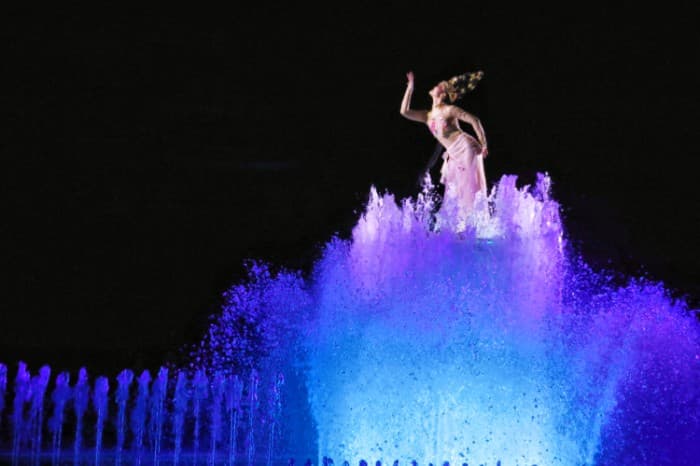
1. Ice & Fire Version of Song of Everlasting Sorrow (December–February)
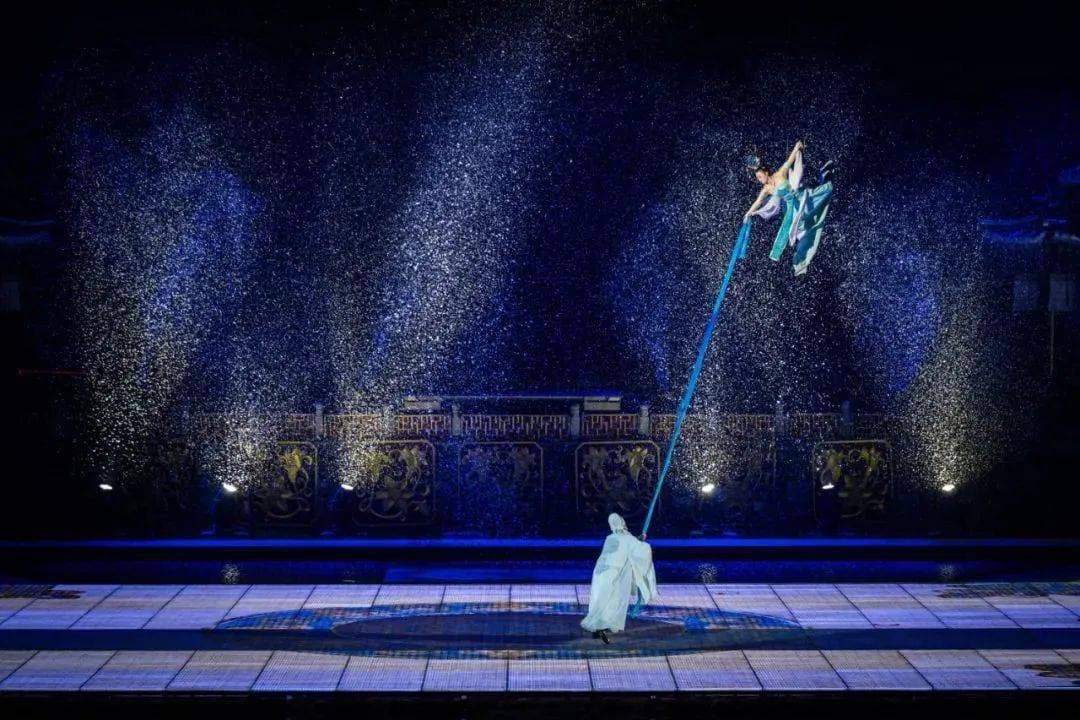
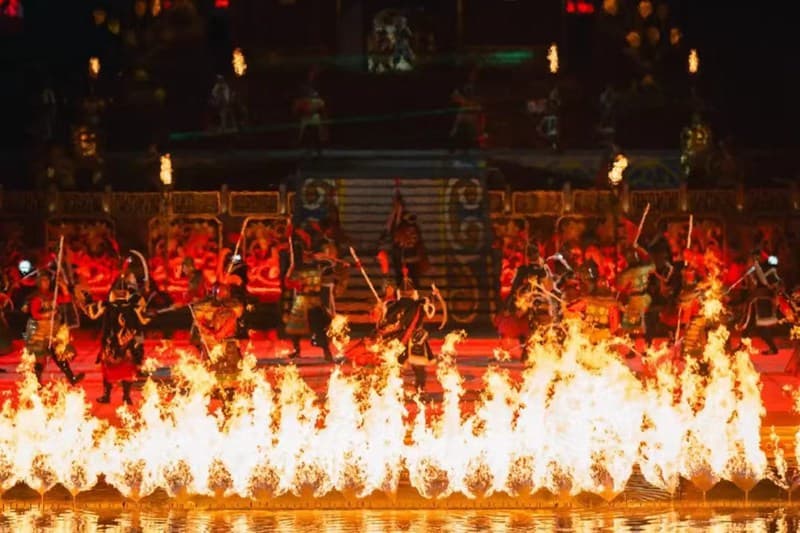
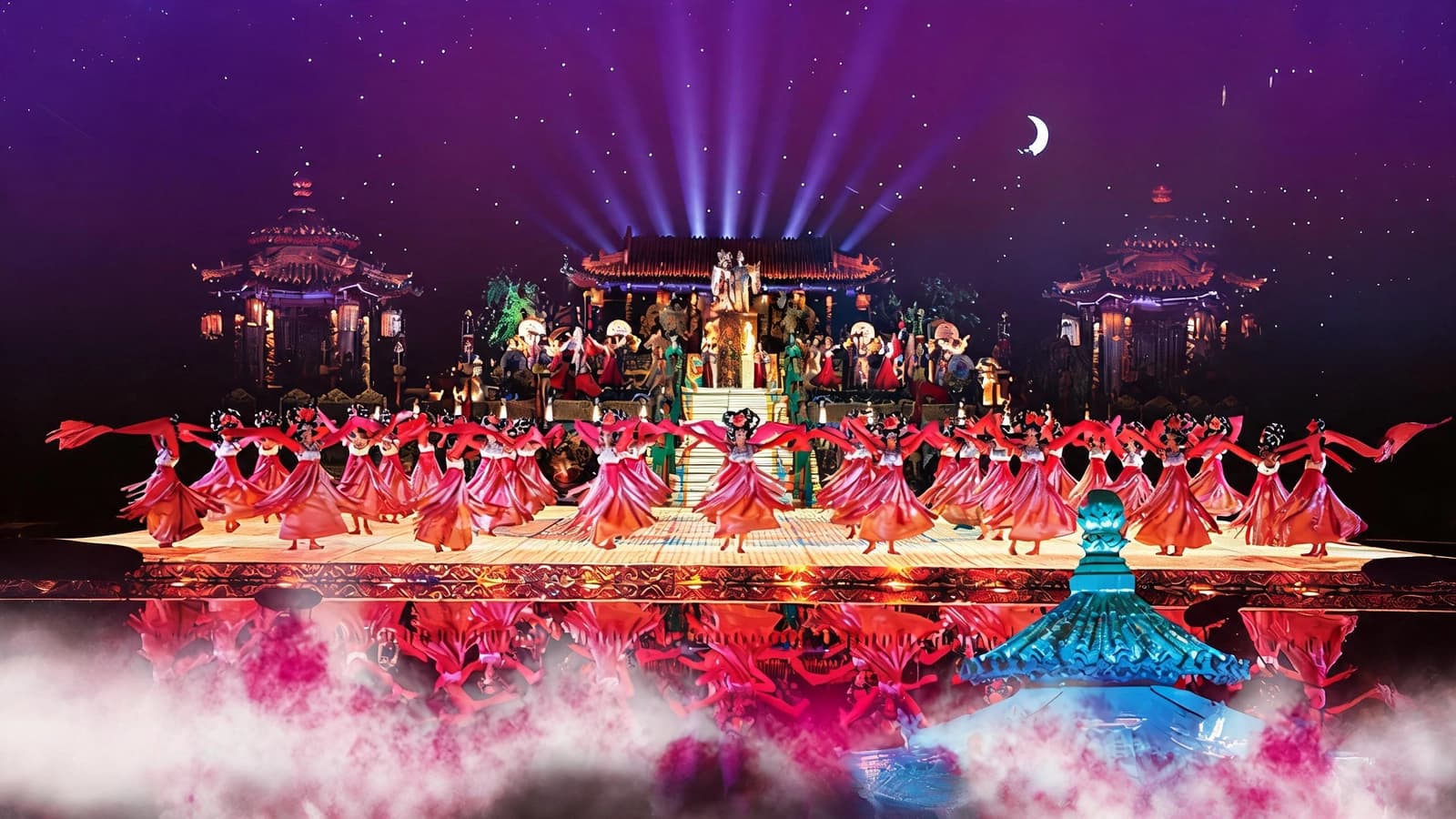
The winter edition of the Song of Everlasting Sorrow (长恨歌) transforms the summer spectacle with artificial snowfall, ice decorations, and large numbers of real torches. The visual style shifts from warm gold and red tones to cool blue and white contrasting with fire, creating a dramatically different atmosphere. Seats are equipped with warming cushions.
Showtimes (Winter) | 1st: 18:30 | 2nd: 19:55 | 3rd: 21:20 |
Duration | 70 minutes |
Tickets | CNY 249–988 (same pricing tiers as Classic Version) |
Season | December–late February |
2. Winter Seasonal Food
Dish | Why It's Perfect for Winter |
|---|---|
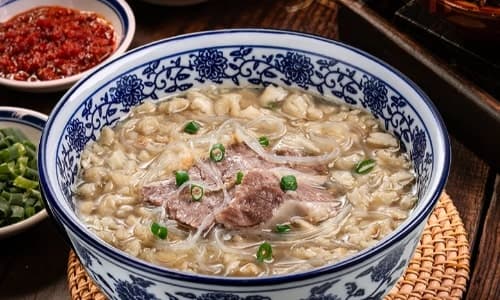
🍲 Yangrou Paomo (羊肉泡馍) | Rich, steaming lamb broth with torn flatbread — the ultimate warming dish. The ritual of tearing the bread yourself slows down the meal, making it a contemplative winter experience. |
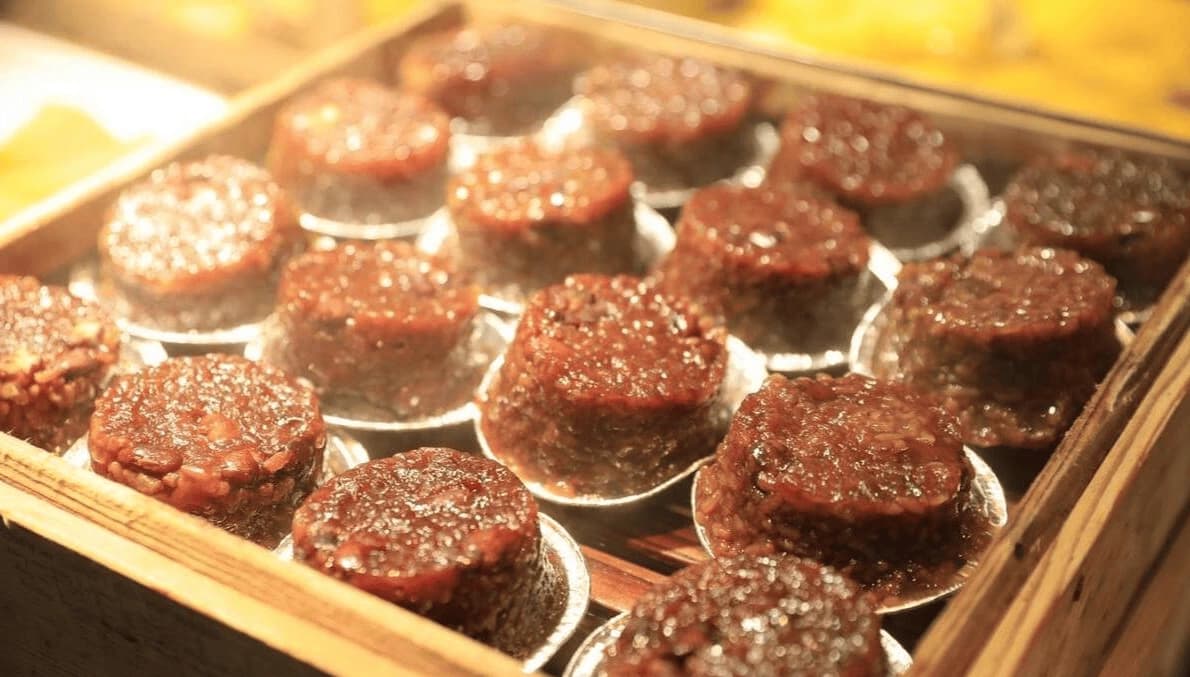
🍚 Zenggao (甑糕) | A traditional steamed cake made with glutinous rice, red dates, and red beans. Warm, sweet, and filling — sold at street stalls, popular vendors sell out quickly. |
🥩 Lamb skewers (烤肉串) | Fresh-grilled lamb skewers sizzling on charcoal — the heat and spice are exactly what cold evenings demand. |
3. Spring Festival / Chinese New Year
The Chinese New Year date shifts annually based on the lunar calendar. The 2026 City Wall Lantern Festival ran from January 1 through March 22, covering New Year's Day, Spring Festival, and Lantern Festival. Temple fairs with lion dances, dragon performances, face-changing shows, and lantern-making workshops operate during this period. [Source]
📅 2026–2027 Holiday Calendar: When Chinese Locals Travel
Understanding Chinese public holidays is critical for planning your Xi'an trip. These are the periods when domestic tourism surges and attractions become most crowded:
Holiday | 2026 Dates | Crowd Impact | Recommendation |
|---|---|---|---|
🏮 Spring Festival (CNY) | Late Jan / early Feb (lunar) | 🔴 Very High | Avoid unless experiencing lantern festival culture is your priority |
🌸 Qingming (Tomb Sweeping) | April 4–6, 2026 | 🟡 Moderate–High | Manageable; book 2–3 days ahead |
👷 Labour Day | May 1–5, 2026-2027 | 🔴 High | Avoid first 3 days; or visit less popular sites |
🐉 Dragon Boat | June 19–21, 2026 | 🟡 Moderate | Good for cultural events; moderate crowds |
🌕 Mid-Autumn | September 25–27, 2026 | 🟡 Moderate–High | Beautiful but book hotels early |
🇨🇳 National Day (Golden Week) | October 1–7, 2026-2027 | 🔴🔴 Extreme | AVOID AT ALL COSTS — worst week of the year |
Sources: Beijing Government public holidays, Shaanxi traffic police advisory
💡 Seasonal Strategy from Local Experts
Pro Tip | Why It Matters |
|---|---|
Book the "shoulder weeks" around Golden Week | Arrive September 28–30 or October 8–10. Same weather as Golden Week but 70% fewer crowds and normal hotel rates. |
Pair cherry blossoms with Terracotta Warriors | In late March, visit Qinglong Temple in the morning for cherry blossoms, then take Metro Line 9 to the Terracotta Warriors in the afternoon — crowds are lighter in late March than in summer. |
September is the photography sweet spot | Clear skies, golden afternoon light, and autumn foliage beginning. The City Wall at 16:00 in late September offers the best light-to-crowd ratio of the entire year. |
November is the best-kept secret | Weather is still decent (12°C high), crowds are at their lowest, hotels drop to off-season rates, and autumn foliage peaks mid-month. Pack warm and enjoy Xi'an nearly to yourself. |
Check air quality in winter | Xi'an's basin geography can trap pollutants in winter. Check the Shaanxi Meteorological Bureau or a real-time AQI app before booking winter travel. A good air day in winter can be glorious; a bad one is miserable. |
Time the Song of Everlasting Sorrow with the season | Book the Classic Version in September–October (comfortable evenings) or the Ice & Fire version in January–February (unique winter spectacle). November is a gap month — verify if performances are running before booking. |
Marathon weekend (Oct 18) affects logistics | 36,000 runners plus spectators mean hotel availability drops and some roads close. If not participating, book accommodations well outside the marathon route or visit a different weekend. |
🍜 Xi'an Seasonal Food Calendar: What Locals Actually Eat
Forget the generic "must-eat list" — Xi'an food is deeply seasonal. Locals don't eat the same dishes year-round; they follow the rhythm of the seasons. Here's what you should look for month by month, straight from how actual Xi'an people eat.
Month | What Locals Eat | Why & Where to Find It |
|---|---|---|
❄️ January | 🥟 Laba congee (腊八粥), hot pot, braised pork with pickled vegetables | Laba Festival (8th day of 12th lunar month) marks the start of Spring Festival preparations. Every family makes Laba congee with 8+ grains, beans, and dried fruits. Famen Temple and temples around the city serve free Laba porridge on the day. Hot pot and braised dishes dominate the rest of the month. |
❄️ February | 🧧 Spring Festival foods: niangao (rice cake), dumplings, eight-treasure rice, spring rolls | Chinese New Year means feasting. Niangao (glutinous rice cake) symbolizes rising fortune. Dumplings are eaten on New Year's Eve. Eight-treasure rice pudding (八宝饭) is a festival dessert staple. Muslim Quarter street food stalls may be closed during CNY — plan accordingly. |
🌸 March | 🌿 Spring wild vegetables: jicai (shepherd's purse 荠菜) dumplings, yangchunmian (spring noodles), peach blossom cakes | March is when wild vegetables first emerge after winter. Shepherd's purse dumplings (荠菜水饺) are a beloved spring specialty — look for them at neighborhood dumpling shops. Qingming Festival (early April) brings qingtuan (青团), sweet green glutinous rice balls with red bean paste. |
🌸 April | 🌸 Sophora flower steamed rice (槐花麦饭), cherry tomatoes from Lintong, cold noodles (liangpi) starting | Mid-to-late April is sophora flower (槐花) season — locals steam the flower clusters with wheat flour and serve with garlic sauce. It's the ultimate spring comfort food and you won't find it on most tourist menus. Ask for "huai hua mai fan" at local shaanxi restaurants. |
🌸 May | 🍒 Lantian cherries, early strawberries, cold rice noodles (mianpi) | May is cherry season in Xi'an. Lantian County produces some of China's best sweet cherries — sold at every fruit stall and market. Prices drop to as low as CNY 15–25 per jin (500g) at peak season. Cold noodles (凉皮/米皮/擀面皮) officially enter peak daily-eating season. |
☀️ June | 🥒 Jiangshui noodles (浆水面), cold mung bean jelly (凉粉), cucumber salad | June heat brings out the cooling dishes. Jiangshui mian (浆水面) is a Xi'an summer staple — sour fermented vegetable broth over cold noodles, said to "relieve internal heat" (去火). Mung bean jelly (绿豆凉粉) with chili oil and vinegar is another summer street food classic. Every neighborhood shop serves these when temps rise above 30°C. |
☀️ July | 🍉 Watermelon, Huxian grapes, cold beer + lamb skewers at night | July is peak watermelon season — Xi'an is famous for its seedless watermelons from surrounding counties. Huxian District's grapes (户县葡萄) also ripen in late July. Evening culture shifts entirely to outdoor skewer stalls (烤肉摊), where locals sit on plastic stools drinking cold beer until midnight. |
☀️ August | 🍑 Peaches, plums, spicy hot pot (surprisingly), iced sour plum soup (酸梅汤) | August brings stone fruit season — peaches and plums from Zhouzhi County are legendary. Despite the heat, locals still eat hot pot in summer (it's a year-round obsession), but they pair it with iced sour plum soup (酸梅汤) to "cool the fire." Iced sour plum soup is sold everywhere — from street carts to high-end restaurants. |
🍂 September | 🍐 Lintong pomegranates, crisp pears, mooncakes (Mid-Autumn) | September is pomegranate season in Lintong (where the Terracotta Warriors are). Xi'an pomegranates are known for their deep red, seedless arils — buy them from roadside stands near the Warriors. Mid-Autumn Festival means mooncakes (月饼): lotus seed, red bean, and five-nut varieties are traditional in Shaanxi. |
🍂 October | 🌰 Roasted chestnuts, persimmons, gourd head soup (葫芦头) | October brings the return of warm street food. Roasted chestnut stands appear on every major street corner. Shaanxi persimmons (柿饼 — dried, frosted persimmons from Fuping) start appearing at markets. Gourd head soup (葫芦头泡馍), a pork intestine version of Yangrou Paomo, is perfect for cooling autumn evenings. |
🍂 November | 🍠 Roasted sweet potatoes, beef noodle soup, roujiamo with hot broth | As temperatures drop, Xi'an streets fill with the smell of roasted sweet potatoes (烤红薯) from metal barrel roasters. Locals hold them as hand warmers then eat them. Soup-based foods return — beef noodles, lamb paomo, and hot roujiamo paired with warm rice porridge. |
❄️ December | 🍲 Hot pot, lamb spine hot pot (羊蝎子), zenggao (甑糕), rice wine (米酒) | December is deep winter hot pot season. Lamb spine hot pot (羊蝎子) is a Xi'an winter specialty — slow-cooked lamb vertebrae in rich spicy broth. Zenggao (甑糕), steamed glutinous rice cake with red dates, is sold from steaming street carts in the morning. Sweet rice wine (黄桂稠酒) from Xi'an's Muslim Quarter is served warm with a touch of osmanthus. |
🔓 Insider Secrets: What Most Guides Won't Tell You
These are the kind of details that separate a good trip from a great one — learned from a decade of guiding international visitors through Xi'an in every season.
Insider Secret | Why It Works |
|---|---|
🎒 November is the local expert's favorite month | Ask any Xi'an tour guide when they'd bring their own family, and most say November. The ginkgo trees are at peak gold, crowds have vanished, hotels drop to off-season rates, and daytime temps (8–15°C) are perfectly comfortable with a sweater. The only downside: shorter daylight (10h) and heating-season AQI starting to rise. Visit in early-to-mid November for the sweet spot. |
🏯 Terracotta Warriors: 3 PM is the new 9 AM | Everyone arrives at opening (8:30 AM), creating a 2-hour queue at Pit 1. By 3:00 PM, most tour groups have left for their next stop. You can walk straight into Pit 1 with almost no wait, and the afternoon light through the hangar skylights is actually better for photography. This works especially well in summer when the site stays open until 5:30 PM. |
🏮 Lantern Festival: enter at Heping Gate, not Yongning Gate | 90% of visitors enter through Yongning Gate (South Gate), creating massive queues. Heping Gate (和平门), two blocks east, has the same lantern displays with a fraction of the crowd. Walk west along the wall after entering, and you'll reach the core display area without fighting through the bottleneck. |
🍜 Muslim Quarter: go at 4 PM, not 7 PM | The Muslim Quarter stalls start opening around 4:00 PM, but most tourists arrive after dinner at 7:00–8:00 PM. Arriving at 4:00–5:00 PM means you get freshly-started grills, no shoulder-to-shoulder crowds, and the best pick of street food before items sell out. The light is also better for food photography. |
🎫 Shaanxi History Museum: the "alternative entrance" trick | The free tickets for Shaanxi History Museum are notoriously difficult to book — they release online at midnight and vanish in seconds. But there's a paid exhibition ticket (CNY 30–300 depending on the special exhibit) that includes access to the main galleries. Walk up to the special exhibition counter and buy that — no reservation battle required. [Official Website] |
🌙 September full moon = perfect City Wall night | The Mid-Autumn Festival falls on the full moon in September. Renting a bicycle on the City Wall at sunset on Mid-Autumn night, with the full moon rising over the ancient ramparts, is one of the most magical experiences in all of China. Book bike rentals early — this is the one night locals also flock to the Wall. |
🏨 Sunday night check-in = best hotel rates | Xi'an is a weekend destination for domestic tourists. Sunday night through Thursday night, hotel rates drop 20–30% from weekend prices. If your schedule allows, arrive Sunday and stay through mid-week for the best accommodation value in any season. |
🌿 Seasonal Hidden Gems: Off-the-Beaten-Path by Season
Everyone knows the Terracotta Warriors, City Wall, and Big Wild Goose Pagoda. But Xi'an has seasonal treasures that even many locals don't know about. Here are our favorite hidden spots, organized by when they're at their best.
🌸 Spring Hidden Gems (March–May) 👉🏻 Bloom Season
🏞️ Taiping National Forest Park (太平国家森林公园) 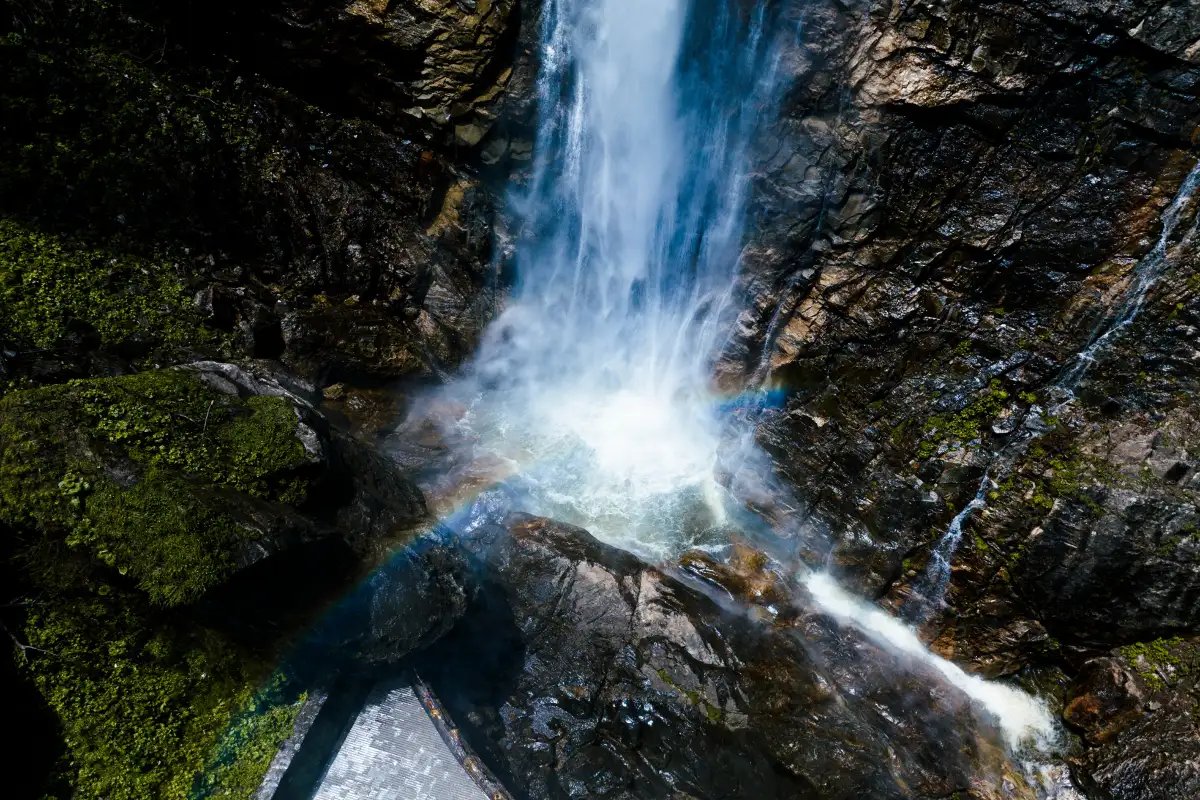 | Best time: mid-April to early May
|
🛕 Xingjiao Temple (兴教寺) 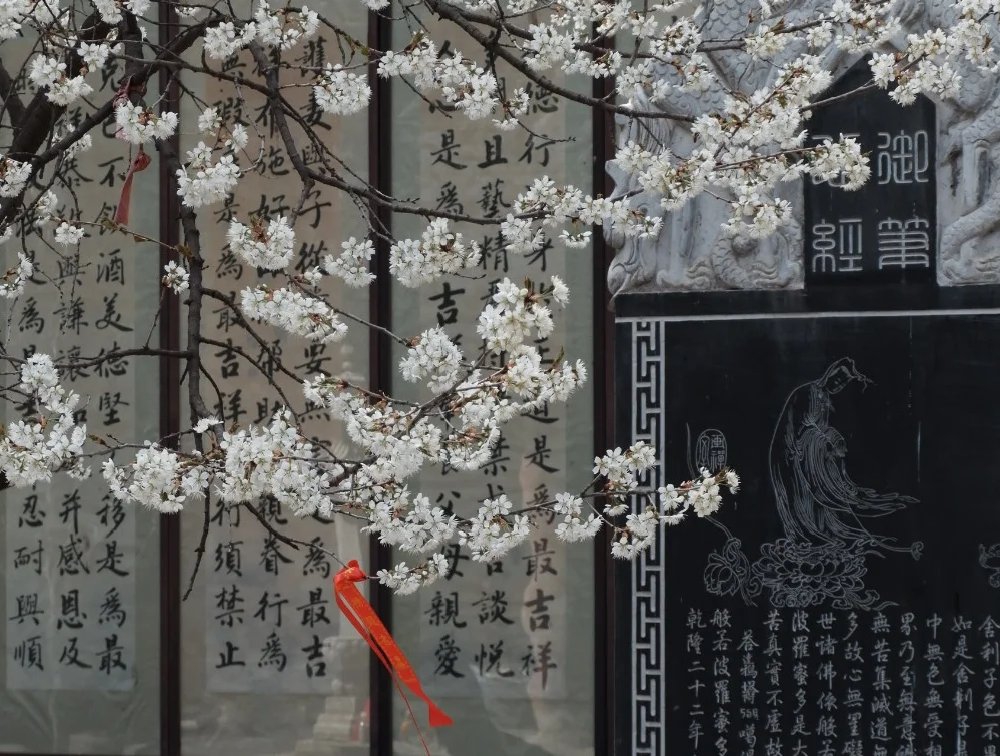 | Best time: April–May
|
☀️ Summer Hidden Gems (June–August) 👉🏻 Beat the Heat
🏔️ Cuihua Mountain (翠华山) 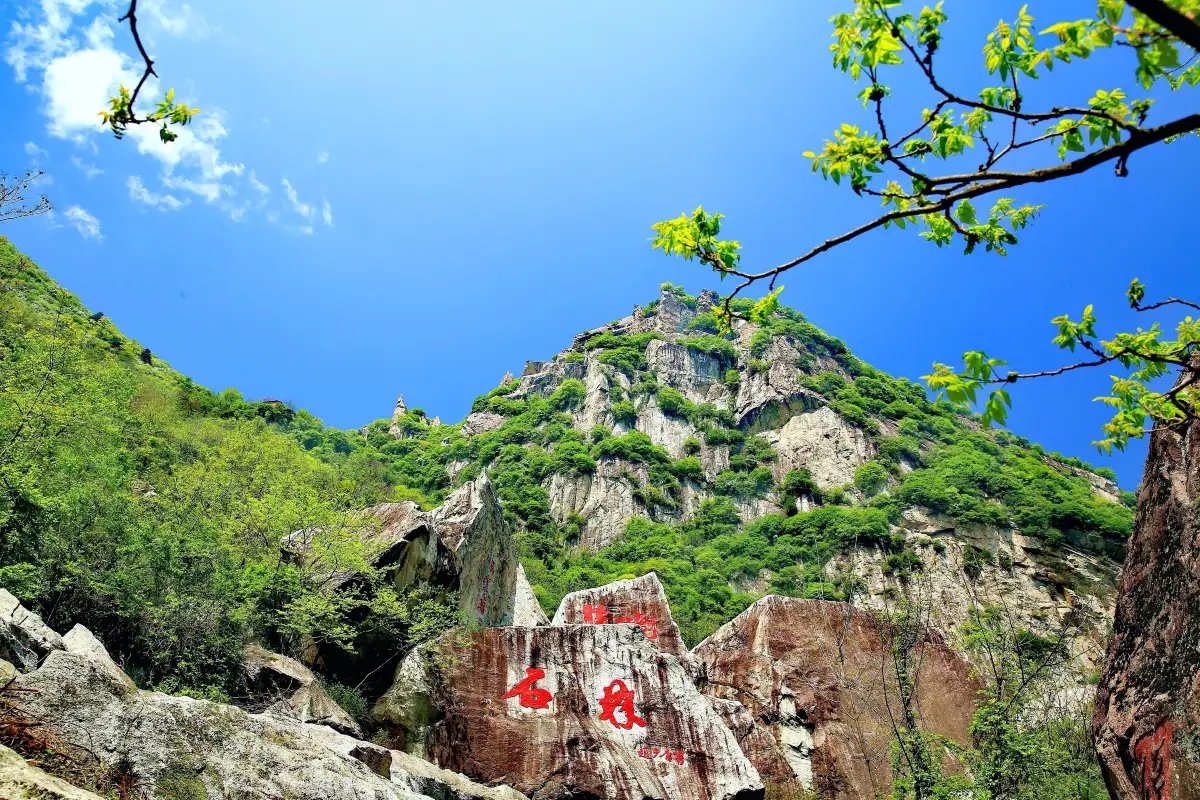 | Best time: June–August (escape the heat)
|
🏯 Hanyangling Mausoleum (汉阳陵) 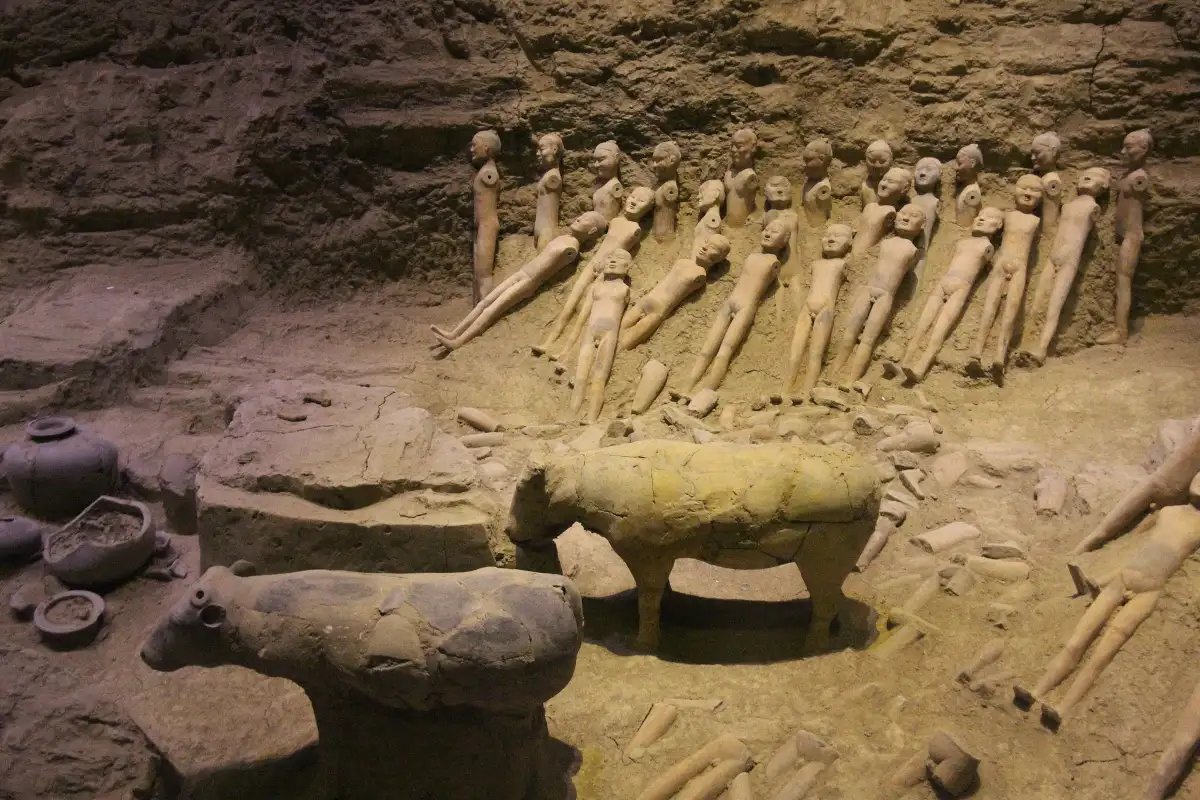 | Best time: any summer day (air-conditioned!); peak summer morning or late afternoon for the outdoor pits
|
🍂 Autumn Hidden Gems (September–November) 👉🏻 Golden Season
🛕 Gu Guanyin Temple (古观音禅寺) 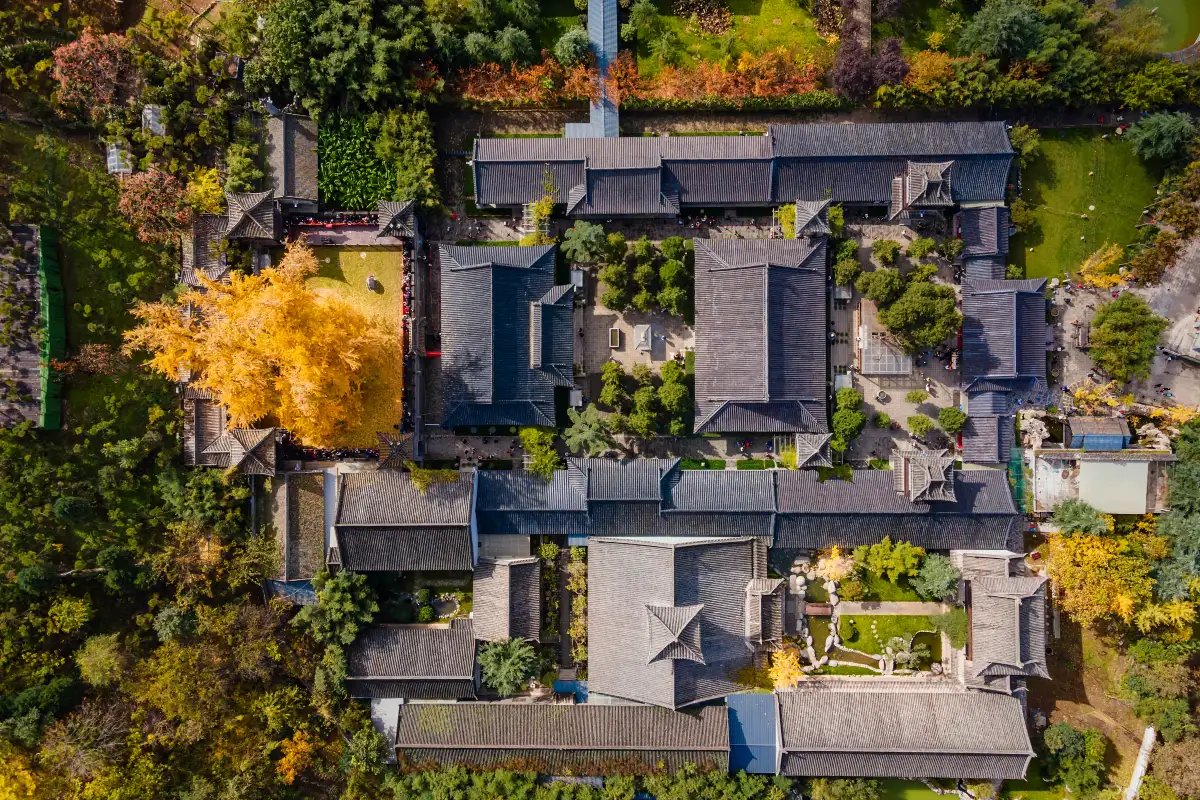 | Best time: early to mid-November
|
🏔️ South Wutai Mountain (南五台)  | Best time: late October to early November
|
🏘️ Dangjia Village (党家村) 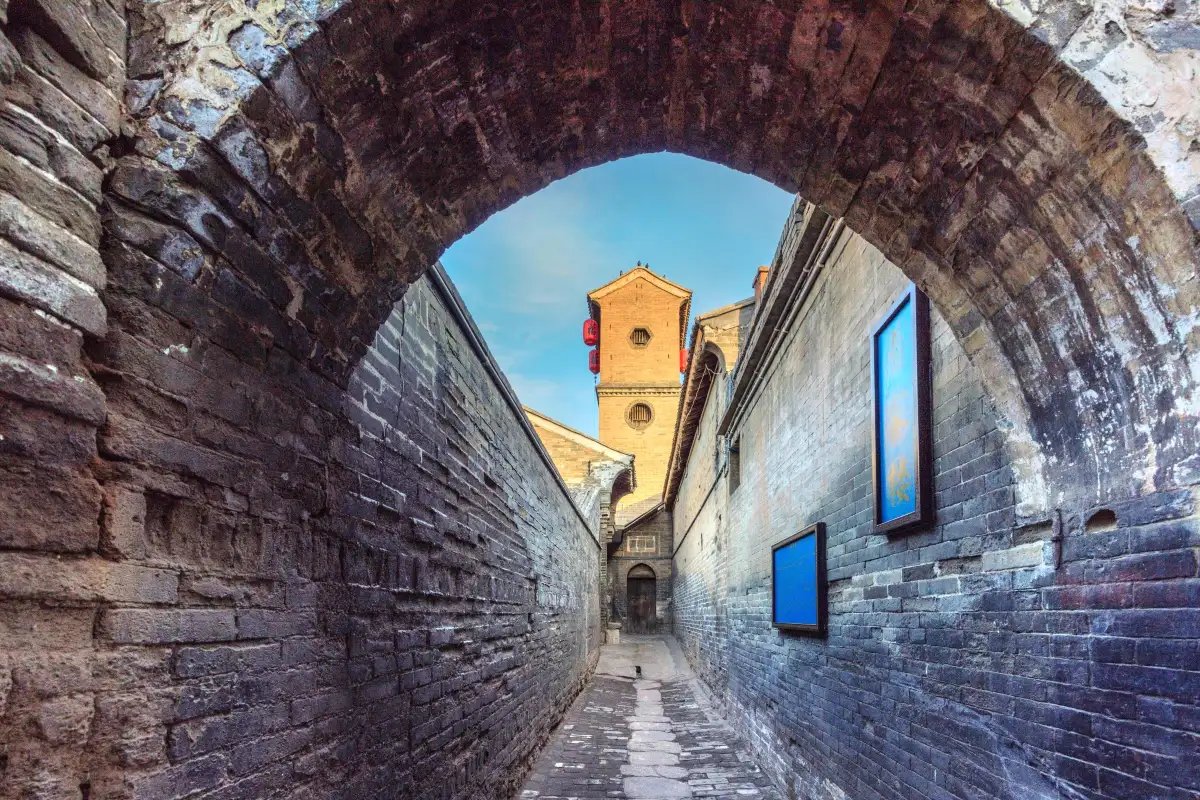 | Best time: September–October (comfortable weather)
|
❄️ Winter Hidden Gems (December–February) 👉🏻 Quiet Season
♨️ Huaqing Hot Springs (华清池温泉) 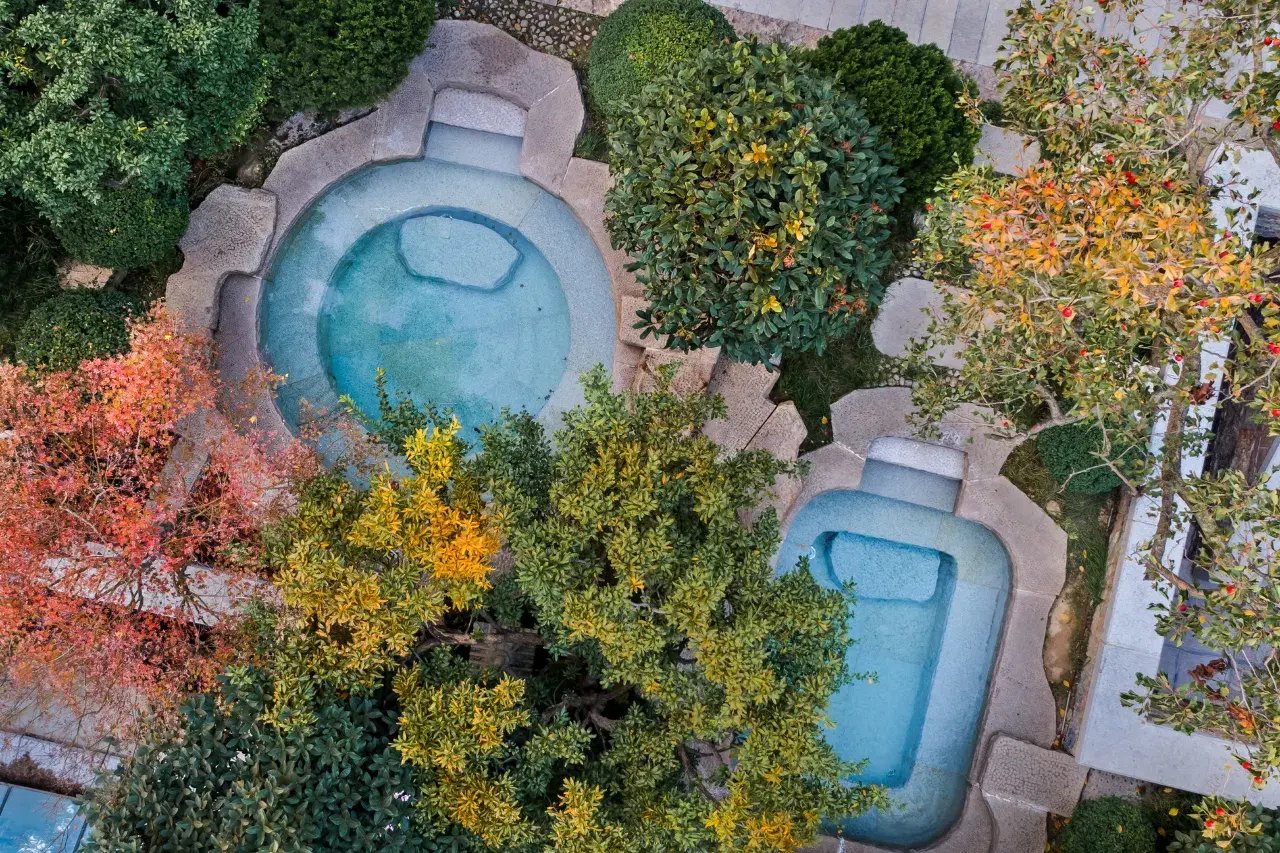 | Best time: December–February
|
🏯 Famen Temple (法门寺) 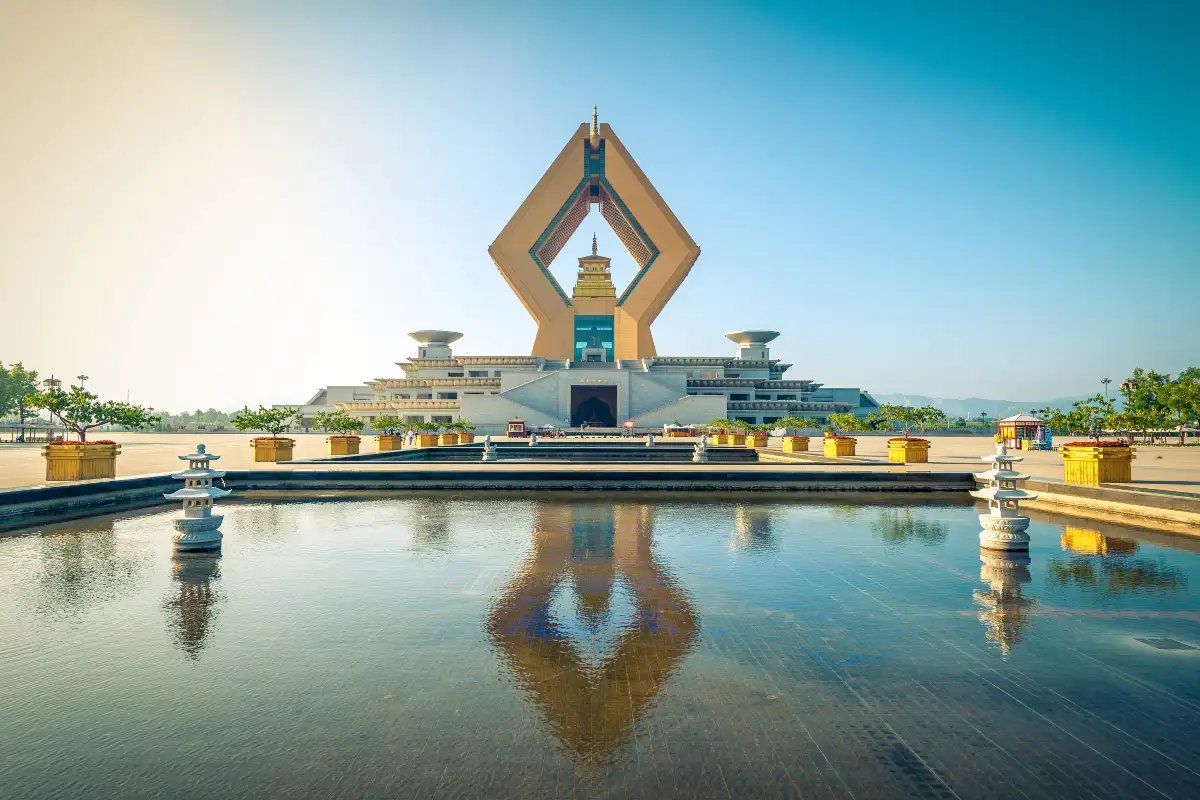 | Best time: January–February (Laba Festival = free congee; low crowds)
|
🏔️ Taibai Mountain (太白山) 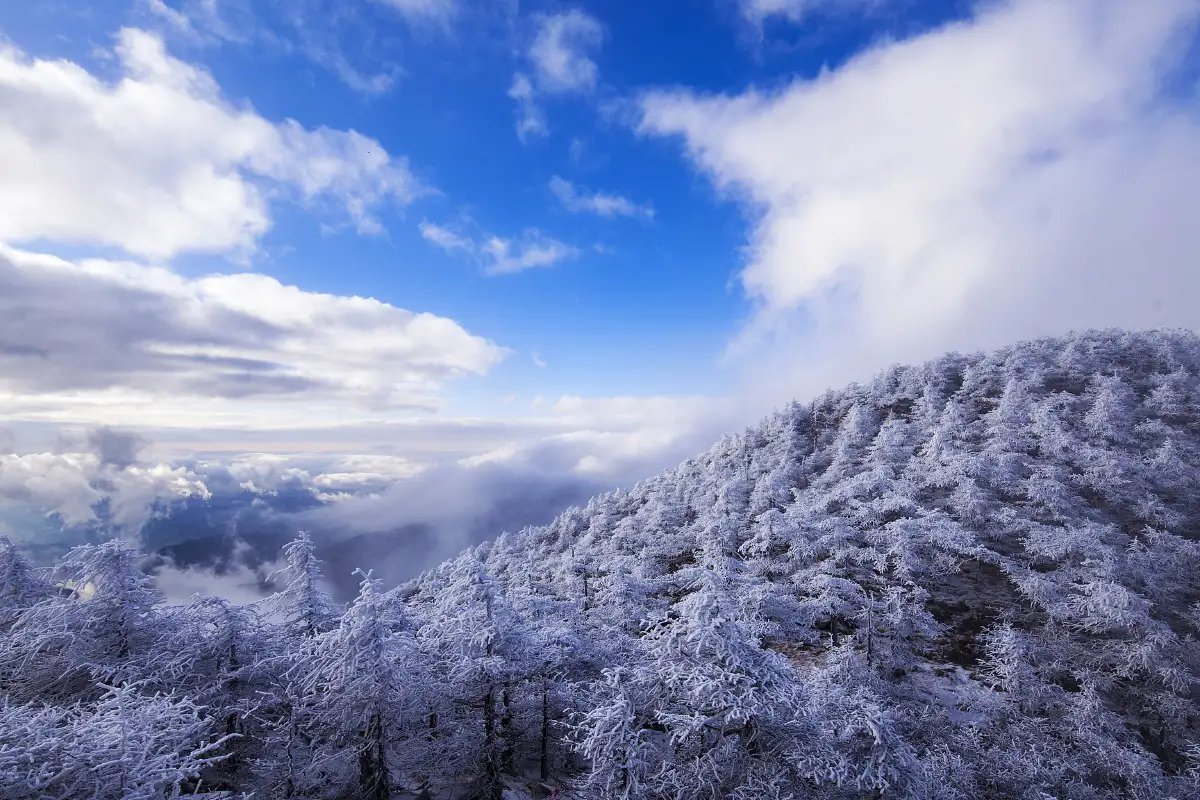 | Best time: late December to early February (for snow scenery)
Note: Very cold at the summit — bring full winter gear. Only for winter photography enthusiasts. |
👥 Best Time to Visit by Traveler Type
There's no single "best time" — it depends on who you are. Here's our recommendations based on different travel profiles:
Traveler Type | Best Months | Why This Timing |
|---|---|---|
📸 Photography Enthusiasts | Late March–early April (cherry blossoms) or late October–mid November (ginkgo gold) | Spring offers pink cherry blossoms against ancient architecture; autumn delivers golden ginkgo foliage and the year's best golden-hour light. Both periods have clear skies and manageable crowds at photography hotspots (Qinglong Temple, Big Wild Goose Pagoda, City Wall). |
👨👩👧👦 Family with Kids | April–May or October (after Golden Week) | Mild temperatures mean no heat exhaustion or freezing fingers. Long daylight hours allow flexible scheduling around nap times. October post-Golden-Week has fewer crowds at family-friendly sites like Terracotta Warriors and Tang Paradise. Avoid summer's 38°C heat — kids tire quickly. |
💰 Budget Travelers | March, November, or early December | Hotel rates drop 20–30% off-peak. March has cherry blossoms starting + Lantern Festival still running — incredible value. November has peak foliage + lowest crowds. December offers the Ice & Fire show. All three have manageable weather if you pack correctly. |
🍜 Food Lovers | September–November or January–February | Autumn brings seasonal specialties: persimmons, pomegranates, and chestnut cakes. Winter is peak season for Yangrou Paomo (the rich lamb broth is most satisfying in cold weather), hot pot, and roasted sweet potatoes from street vendors. Summer's Liangpi (cold noodles) are unbeatable in heat — so if you love cold dishes, June–August works too. |
🧓 Senior Travelers (65+) | April–May or September–October | Gentle temperatures (15–25°C) reduce strain on joints and circulation. No ice on walkways (winter risk), no heat stroke risk (summer). Both periods offer the most comfortable conditions for walking the City Wall (14 km circuit) and navigating the Terracotta Warriors site. Avoid midday sun in summer and cold winds in winter. |
🏃 Active / Adventure Travelers | May–June or September–October | Best windows for hiking Mount Huashan: comfortable summit temperatures, clear visibility, and long daylight for the grueling climb. May–June offers 14–15 hours of daylight; September–October has crisp autumn air and fall foliage on the trails. Avoid July–August heat on the exposed granite paths. |
🎨 Culture & Festival Enthusiasts | January–March (Lantern Festival) or June (Dragon Boat) | Winter is festival season: City Wall Lantern Festival (Jan–Mar), Spring Temple Fairs (CNY), and the Ice & Fire show. June brings Dragon Boat races at Tang Paradise. You'll experience cultural depth that fair-weather tourists never see — but pack for cold and check AQI forecasts. |
🌐 Solo / Digital Nomad Travelers | March or November | Shoulder seasons mean cheaper long-stay accommodations, coworking-friendly café weather, and a local (not tourist) atmosphere. March's mild weather is perfect for laptop work in cafes with outdoor seating. November is the quietest month — ideal for slow travel and deep cultural immersion without crowds. |
📜 China Weather Wisdom: Old Sayings That Still Ring True
Shaanxi has thousands of years of agricultural history, and over that time, farmers developed a sophisticated folk understanding of weather patterns. These old sayings (谚语, yànyǔ) have been passed down for generations. While they're not scientific predictions, many of them align surprisingly well with Xi'an's actual climate patterns.
Chinese Saying | Literal Translation | What It Means & Does It Hold Up? |
|---|---|---|
一九二九不出手,三九四九冰上走 | "On the first and second nine-day periods, don't take your hands out; on the third and fourth, walk on ice." | This refers to the traditional Chinese system of counting 9 nine-day periods starting from the winter solstice to track the coldest part of winter. The 3rd and 4th "nine" (roughly January 9–26) are the coldest. Does it hold up? Yes — January is consistently Xi'an's coldest month, with average lows around −4°C and occasional −10°C cold snaps. This saying is remarkably accurate. |
清明前后一场雨 | "Around Qingming Festival, there's always rain." | Qingming Festival falls on April 4–6 each year. The saying predicts rain around this time. Does it hold up? Generally yes — April is when spring rainfall picks up in Xi'an (average ~45mm monthly). There's even a famous poem by Du Mu about Qingming rain. Modern meteorological data shows increased precipitation frequency in early April, confirming this folk wisdom. |
秋老虎 | "Autumn Tiger" | This refers to the period of hot weather that returns after the Start of Autumn (立秋, around August 7). "The tiger" is a stretch of 35°C+ days that roars back for 7–15 days, usually in late August or early September. Does it hold up? Absolutely — Xi'an frequently sees 33–35°C days in late August and even early September. Don't put away your summer clothes after August — the Autumn Tiger almost always visits. |
春雨贵如油 | "Spring rain is as precious as oil." | This northern Chinese saying reflects how important spring rainfall is for wheat crops on the Loess Plateau. Spring in Xi'an is relatively dry (March averages only 25mm), and farmers depend on timely spring rains for a good harvest. Does it hold up? Yes — March and April have relatively low rainfall compared to summer, and those spring rains are agriculturally critical. The saying captures both the scarcity and value of spring precipitation. |
早穿皮袄午穿纱,围着火炉吃西瓜 | "Wear a fur coat in the morning, silk at noon; eat watermelon by the stove." | This famous saying about the northwest describes extreme diurnal temperature variation — cold mornings, hot afternoons, and cold evenings. While it's more associated with Xinjiang, Xi'an shares this continental climate pattern, especially in spring and autumn. Does it hold up? Partially — in March and October, Xi'an can have 15–20°C differences between day and night. You'll see locals wearing puffer jackets in the morning and short sleeves by noon. It's not as extreme as Xinjiang, but the pattern is real. |
一场秋雨一场寒,十场秋雨穿上棉 | "One autumn rain brings one wave of cold; after ten autumn rains, put on your cotton coat." | This saying describes how each autumn rain system progressively lowers temperatures as cold air masses push south. After about ten rain events (roughly from September through November), winter has arrived. Does it hold up? Very well — Xi'an's temperature drops steadily through autumn, punctuated by rain events that mark the passage of cold fronts. By the tenth rain (usually mid-to-late November), temperatures genuinely require winter coats. It's a beautiful observation of how weather systems work. |
六月天,孩儿面,说变就变 | "June weather is like a child's face — it changes whenever it wants." | This describes the unpredictable nature of summer weather — sudden afternoon thunderstorms that appear out of nowhere and disappear just as quickly. Does it hold up? Yes — June through August in Xi'an sees frequent convective thunderstorms in the afternoon, often developing rapidly. You can go from blazing sun to heavy rain in 15 minutes. Always carry an umbrella in summer — locals certainly do. |
冬至大如年 | "Winter Solstice is as important as New Year." | The Winter Solstice (around December 22) is a major festival in northern China. In Shaanxi, families gather to eat dumplings (jiaozi) — there's a saying that if you don't eat dumplings on Winter Solstice, your ears will freeze off! The day marks the turning point when days start getting longer again. Does it hold up? Culturally, absolutely — dumpling restaurants are packed on Winter Solstice. Astronomically, it's the shortest day of the year (9.3 hours of daylight in Xi'an), and from that point forward, days gradually lengthen. |
🛍️ Seasonal Market Finds: What to Buy Each Season
Xi'an's markets change with the seasons — different fruits, different crafts, different specialties. Here's what to look for at markets and street stalls throughout the year, plus where to find the best deals.
Season | What to Buy | Where & How Much |
|---|---|---|
🌸 Spring | 🍯 Wild honey from Qinling beekeepers | Honey: CNY 50–100 per jin at weekend flower markets near the South Gate. Look for vendors with beekeeping suits and glass jars with natural comb. |
☀️ Summer | 🍉 Watermelon — Xi'an's seedless varieties are famous | Fruit: Any neighborhood morning market. Watermelon CNY 1–2 per jin (500g) in peak July. Grapes CNY 8–15 per jin. Buy from carts with the most customers — locals know where the fresh stuff is. |
🍂 Autumn | 🍎 Fuping persimmons (柿饼) — dried, frosted, famous nationwide | Persimmons: Fuping dried persimmons are the premium variety — CNY 30–60 per jin. Look for the white frost coating (that's the natural sugar). Sold everywhere from October to December. |
❄️ Winter | 🍯 Winter honey (rarer, more concentrated) | Winter honey: Qinling wild honey is thicker and darker in winter — CNY 80–150 per jin. Available at herbal medicine shops and weekend markets. |
📷 Best Photography Conditions by Season
Location | Best Season | Best Time of Day | What Makes It Special |
|---|---|---|---|
🧱 City Wall | Autumn (Sep–Oct) | 16:00–17:30 (golden hour) | Low-angle autumn light enhances red walls and golden ginkgo. Night photography during Lantern Festival (Jan–Mar) is also spectacular. |
🏛️ Terracotta Warriors | Spring or Autumn | 08:30 (opening) | Interior lighting is consistent year-round. The key variable is crowd levels — spring/autumn mornings have the fewest visitors, giving you clear shooting angles. |
⛰️ Mount Huashan | Autumn (Sep–Oct) | 06:00–08:00 (sunrise) | Clear air and fall foliage on the ridges. Note: summit mornings in October can be near freezing — bring a down jacket for sunrise photography. |
🌸 Qinglong Temple | Spring (late Mar–early Apr) | 08:00–09:30 (morning light) | Cherry blossom petals backlit by morning sun. Arrive before 9:00 AM on weekdays for unobstructed shots. |
🛕 Big Wild Goose Pagoda | Autumn (late Oct–mid-Nov) | 15:00–17:00 | Golden ginkgo trees frame the pagoda perfectly. The North Square fountain show at 20:00 also offers great night photography. |
🏮 City Wall Lantern Festival | Winter (Jan–Mar) | 18:00–20:00 (after lights on) | Thousands of lanterns against the dark winter sky. Weekday evenings are less crowded for tripod setup. |
🎒 What to Pack: Seasonal Essentials
Season | Clothing | Accessories | Special Items |
|---|---|---|---|
🌸 Spring | Light jacket, cardigan, comfortable layers. T-shirt by late April. | Light scarf, comfortable walking shoes, small umbrella | N95 mask (for occasional sandstorms in March–April), camera for cherry blossoms |
☀️ Summer | Breathable T-shirts, shorts, light trousers. Light jacket for AC. | Sun hat, sunglasses, sunscreen SPF 50+, insect repellent | Portable fan, extra water bottle, power bank, raincoat for afternoon storms |
🍂 Autumn | T-shirt + light jacket (Sep), sweater + light down jacket (Oct–Nov) | Scarf, comfortable walking shoes, light gloves (Nov) | Camera (best photography season), layered clothing for Huashan temperature drops |
❄️ Winter | Down jacket, thermal base layers, warm hat, gloves, thick sweater | Sturdy non-slip shoes, wool socks, hand warmers | AQI mask (for occasional winter smog), lip balm (dry air), moisturizer |
💰 Seasonal Budget Guide: When Is Xi'an Cheapest?
Xi'an is one of China's more affordable major cities, but prices fluctuate significantly by season. Knowing when to go can save you 30–50% on accommodations alone. Here's a month-by-month breakdown of what to expect:
Season | Budget (3★) | Mid-Range (4★) | Luxury (5★) | Price Trend |
|---|---|---|---|---|
🌸 Spring (Mar–May) | $45–65/night | $65–90/night | $100–170+/night | 📈 Rising — April is peak spring pricing; March still affordable |
☀️ Summer (Jun–Aug) | $41–55/night | $55–75/night | $85–120/night | 📉 July is the cheapest month — 25% lower rates despite crowds at attractions |
🍂 Autumn (Sep–Nov) | $48–68/night | $70–95/night | $110–180+/night | 📈 October Golden Week = 2–3× surge; November drops to off-season rates |
❄️ Winter (Dec–Feb) | $38–50/night | $52–70/night | $80–110/night | 📉 Cheapest season (except Spring Festival week, which spikes 50%+) |
📊 Price Surges to Watch For
Period | Price Surge | What Happens | Strategy |
|---|---|---|---|
🇨🇳 Golden Week (Oct 1–7) | 200–300% surge | Hotels triple; flights double; attractions sold out | AVOID entirely. If unavoidable, book 3+ months ahead or stay in a satellite city |
🏮 Spring Festival (late Jan/Feb) | 150% surge during holiday week | Hotels near city center spike; post-holiday week drops sharply | Visit the week after Spring Festival ends — sudden price crash + still-decorated city |
👷 Labour Day (May 1–5) | 100–150% surge | Domestic tourists flood in; mid-range hotels sell out | Visit before Apr 28 or after May 6 for normal pricing |
🏃 Xi'an Marathon (Oct 18) | 50–80% surge (weekend only) | 36,000 runners + families; hotels near route sell out | Book 2+ months ahead, or stay outside the marathon route corridor |
🌸 Cherry Blossom peak (Mar 25–Apr 5) | 20–30% surge | Domestic tourists for Qinglong Temple; moderate impact | Minimal — book 2 weeks ahead; prices reasonable compared to Golden Week |
💡 Booking Strategy by Season
Season | When to Book | Money-Saving Tips |
|---|---|---|
🌸 Spring | 3–4 weeks ahead | April is peak — book early. March offers the same spring experience at 20% less. Mid-week stays (Sun–Thu) are 20–30% cheaper than weekends. |
☀️ Summer | 1–2 weeks ahead | July is the cheapest month for hotels despite attraction crowds. Book air-conditioned accommodations — not all budget hotels have AC. August fills up as domestic summer holidays peak. |
🍂 Autumn | 4–6 weeks ahead (Oct); 1–2 weeks (Nov) | October is the hardest month to book — Golden Week + Marathon. November is the opposite: walk-in rates available, luxury hotels at budget prices. Target November for luxury at mid-range prices. |
❄️ Winter | 1 week ahead (usually fine) | Lowest rates of the year. Many 4–5★ hotels drop to 50–60% of peak rates. Exception: Spring Festival week — book that 2+ months ahead if you must visit during CNY. Post-CNY week offers the year's absolute lowest luxury rates. |
🌟 Plan Your Xi'an Trip by Season
Knowing when to go is half the battle — but planning around weather, festivals, and crowd patterns takes local expertise. Here's how we help international travelers make the most of their Xi'an experience in any season:
Challenge | How We Help |
|---|---|
🎫 Seasonal ticket availability | Song of Everlasting Sorrow tickets sell out 10+ days ahead in peak season. Shaanxi History Museum free tickets vanish in seconds. We handle all reservations. |
🌦️ Weather contingency planning | If rain threatens your City Wall cycling day, we pivot to indoor alternatives without losing time. If sandstorms hit in spring, we adjust your itinerary. |
🚗 Seasonal transportation | Late-night show returns in summer, winter road conditions, marathon weekend route closures — we manage all seasonal logistics with private transport. |
📅 Holiday navigation | If your travel dates overlap with Chinese holidays, we know which attractions are manageable, which to skip, and how to time your visits to avoid the worst crowds. |
🗣️ Seasonal context | An English-speaking guide explains the cultural significance of seasonal festivals — Lantern Festival customs, Mid-Autumn traditions, Dragon Boat history — that independent travelers miss. |
Whether you're chasing cherry blossoms in April, golden ginkgo in November, or the Ice & Fire spectacle in January, a well-timed Xi'an trip is the difference between a good vacation and an unforgettable one. Contact us for a season-optimized itinerary tailored to your travel dates.

Traveler Discussions
Questions from travelers