
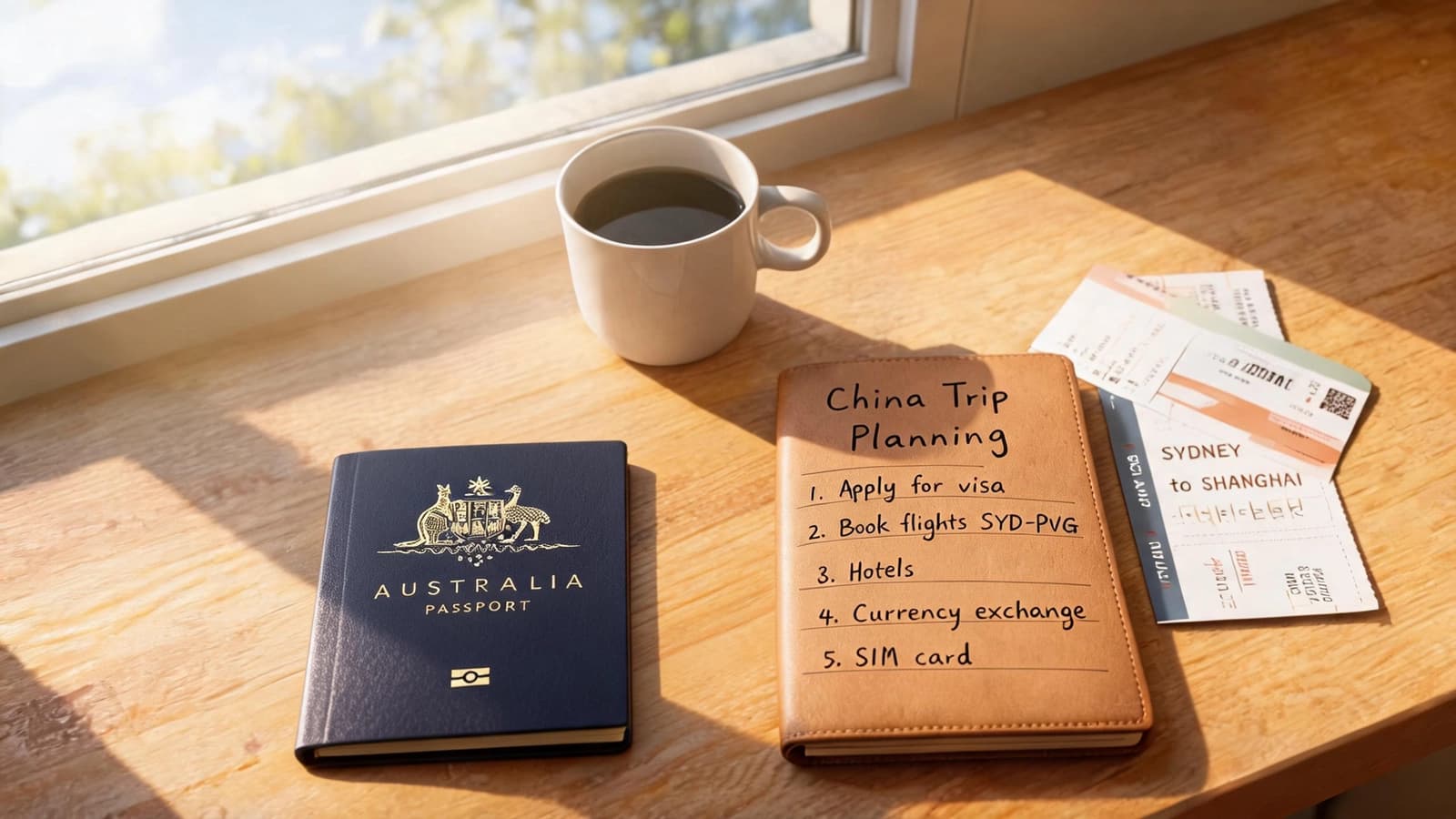
Planning a journey to China from Australia opens the door to thousands of years of history, diverse landscapes, and unique cultural experiences. Whether you are interested in exploring ancient cities like Beijing and Xi’an, experiencing modern Shanghai, or discovering China’s natural wonders, careful preparation can make your trip smoother and more enjoyable. This guide covers everything you need to know about China travel from Australia, including flights, visas, the best destinations, and practical tips for a successful China trip from Australia. With the right planning, visiting China from Australia can be a rewarding adventure filled with unforgettable experiences.
🛂 Visa-Free Entry: Australians Don't Need a Visa (Until December 2026)
This is the single biggest piece of good news for Australian travelers: you can enter China without a visa for up to 30 days per visit. No application, no fee, no pre-departure form. Just present your ordinary Australian passport at immigration.
The policy was announced in June 2024 and extended through December 31, 2026. It covers tourism, business, family visits, exchanges, and transit. Multiple entries are allowed with no limit on the number of visits. [Source] [Source]
Requirement | Details |
|---|---|
Passport type | Ordinary Australian passport (diplomatic/official passports not covered) |
Maximum stay | 30 days per entry (calendar days, starting day after arrival) |
Purpose | Tourism, business, family visits, transit, exchanges |
Application needed | No — just show your passport at the border |
Multiple entries | Yes — unlimited entries, no annual cap |
Valid through | December 31, 2026 (check for extensions) |
✈️ Direct Flights from Australia to China
Several airlines operate direct flights between major Australian cities and Chinese hubs. Flight times range from 11 to 13 hours depending on route and season.
Route | Airline | Flight Time | Notes |
|---|---|---|---|
Sydney → Beijing | Air China | ~11.5–14 hrs | 4 departures/week. [Source] |
Melbourne → Beijing | Air China | ~11.5–13 hrs | 5 departures/week. [Source] |
Sydney/Melbourne → Shanghai | China Eastern | ~10–12 hrs | Multiple weekly departures |
Sydney/Melbourne → Guangzhou | China Southern | ~9–10 hrs | Most frequent direct option |
Sydney → Chengdu | Sichuan Airlines | ~11 hrs | Great for western China exploration |
🇨🇳 Where Should Australians Go in China?
China is larger than Australia. You can't see it all in one trip. Here's a breakdown of the destinations Australian travelers love most — and why each one resonates differently with Aussies:
Destination | Best For | Australian Comparison |
|---|---|---|
Beijing | First-timers, history buffs | Canberra × 100 — imperial power, monuments, and political gravitas |
Xi'an | History lovers, foodies | Alice Springs energy — ancient, exotic, desert-adjacent, a place that feels genuinely different |
Shanghai | City lovers, photographers | Sydney — skyscrapers, harbour, world-class dining |
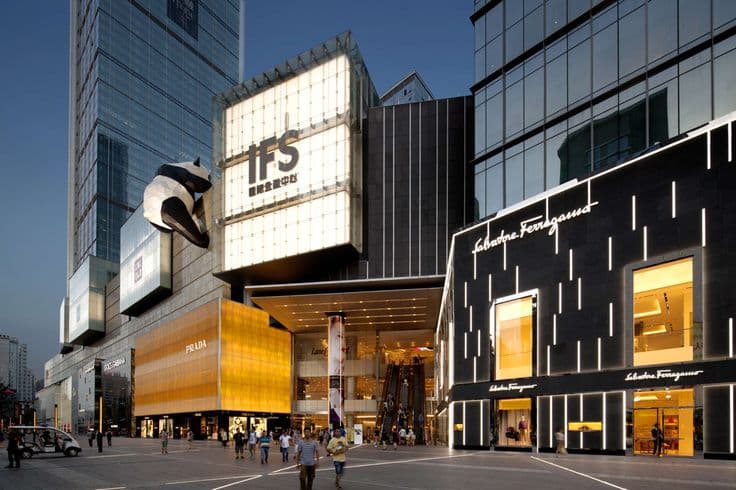
Chengdu | Panda lovers, foodies | Melbourne vibes — laid-back, food-obsessed, coffee culture emerging |
Guilin & Yangshuo | Nature lovers, photographers | Blue Mountains on steroids — karst peaks, rivers, countryside |
Zhangjiajie | Adventure seekers | Nothing in Australia compares — floating pillar mountains, glass bridge |
Huangshan (Yellow Mountain) | Hikers, photographers | Three Sisters meets Japanese ink painting — sea of clouds at sunrise |
Harbin | Winter travellers, ice lovers | Like Thredbo in July — but at -25°C, with ice castles and Siberian tigers |
Suzhou & Hangzhou | Garden lovers, culture enthusiasts | Hobart meets the Hunter Valley — gardens, tea fields, slow pace |
💭 Which China Experience Are You Looking For?
If you want... | Consider |
|---|---|
China's ancient history | Beijing + Xi'an |
A first introduction to China | Beijing + Xi'an + Shanghai |
Nature and landscapes | Guilin, Zhangjiajie, Huangshan |
Food and relaxed city life | Chengdu |
Culture and slower travel | Suzhou, Hangzhou, Yunnan |
Winter experience | Harbin |
🏯 Beijing: The Imperial Capital
China's capital city and the traditional starting point for many international visitors.
Highlights:
Forbidden City
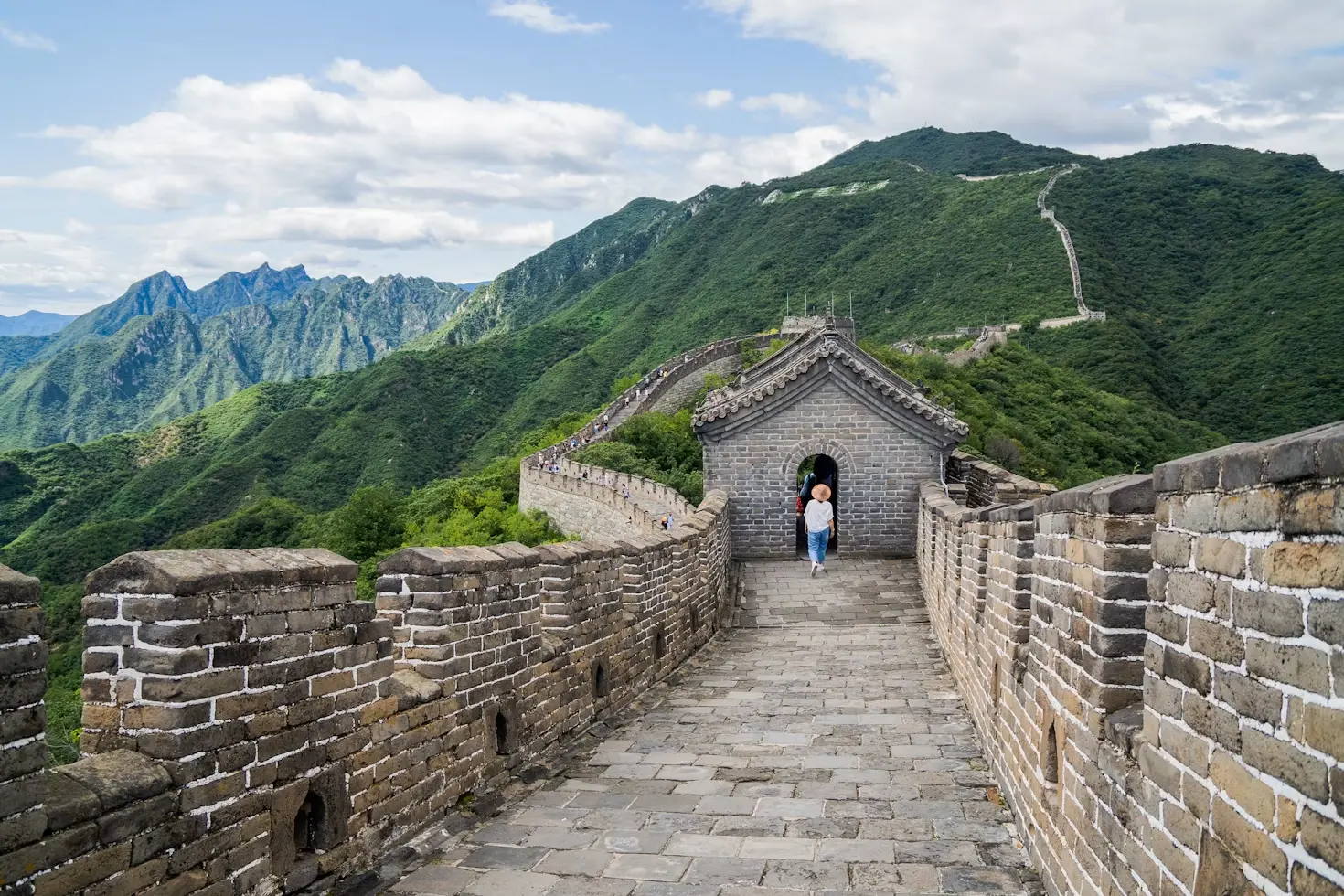
Great Wall
Temple of Heaven
Traditional hutongs
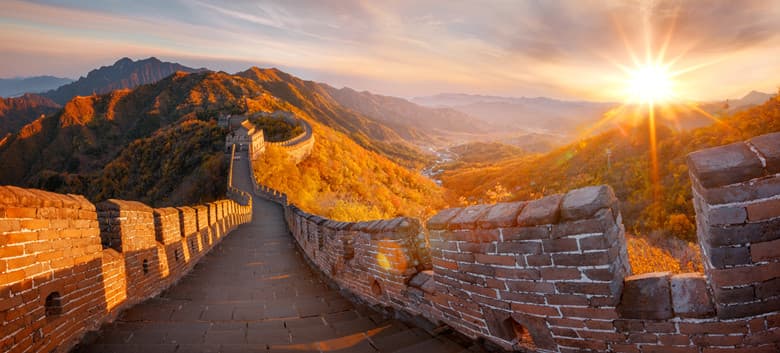
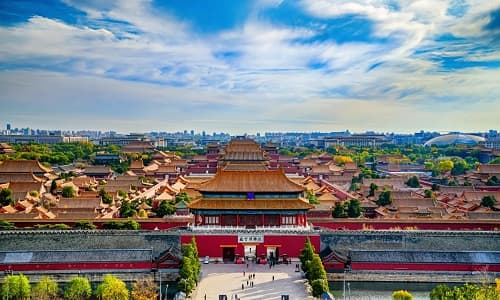

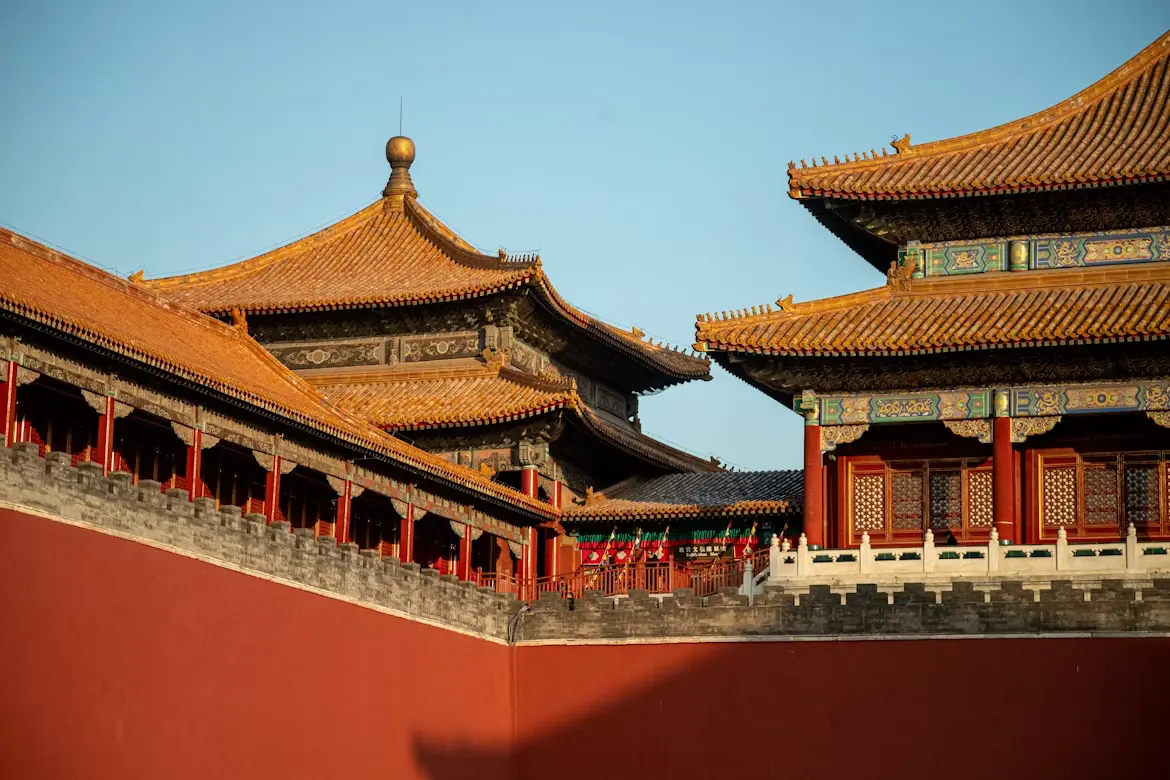
Why Australians love it: Beijing is where China's 5,000-year story becomes tangible. You can walk the same stones as emperors, stand on a wall built 2,000 years ago, and eat duck roasted using a recipe from 1416. For Australians used to a country where "old" means 200 years, Beijing's depth of history is staggering. The Forbidden City contains 980 surviving buildings across a 72-hectare imperial complex. The Great Wall stretches thousands of kilometres across northern China and represents one of the world's largest historical construction projects. And the hutongs — narrow alleyways that have survived 700 years of urban development — feel like stepping into a world no Australian city can offer.
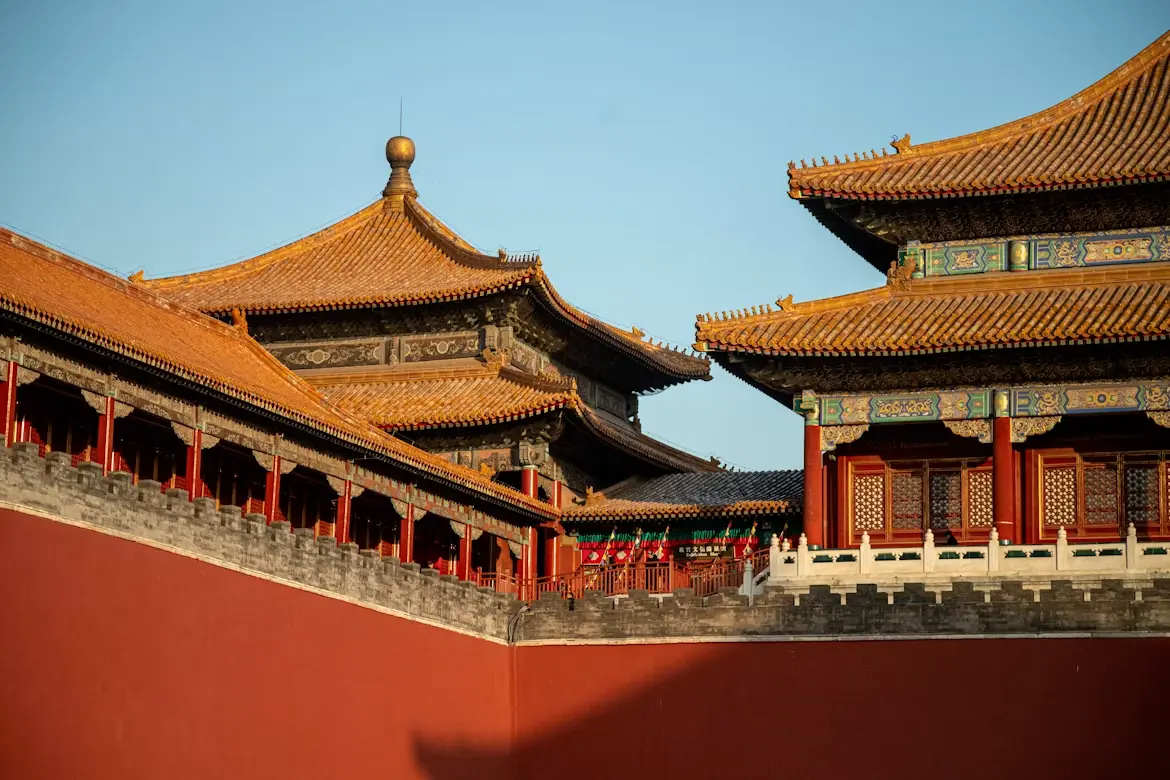
🐫 Xi'an: The Silk Road Gateway
Located in central-western China, Xi'an was the capital of multiple Chinese dynasties and the starting point of the ancient Silk Road.
Highlights:
Terracotta Warriors
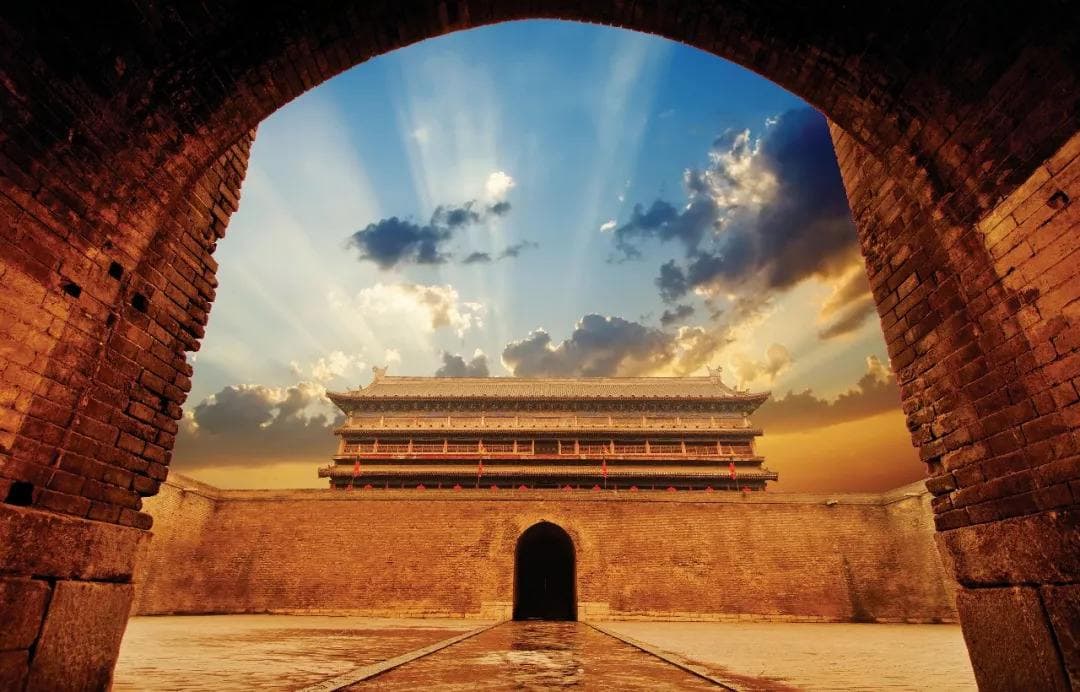
Ancient City Wall
Muslim Quarter
Tang Dynasty culture
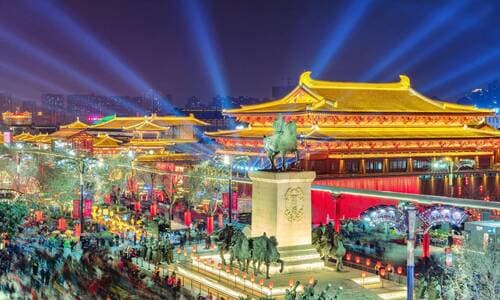
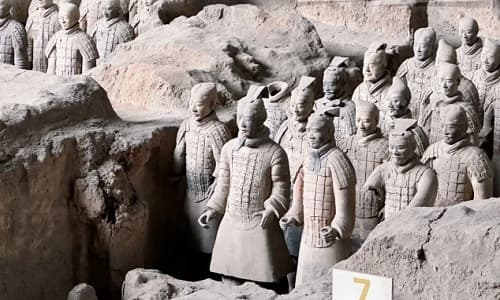
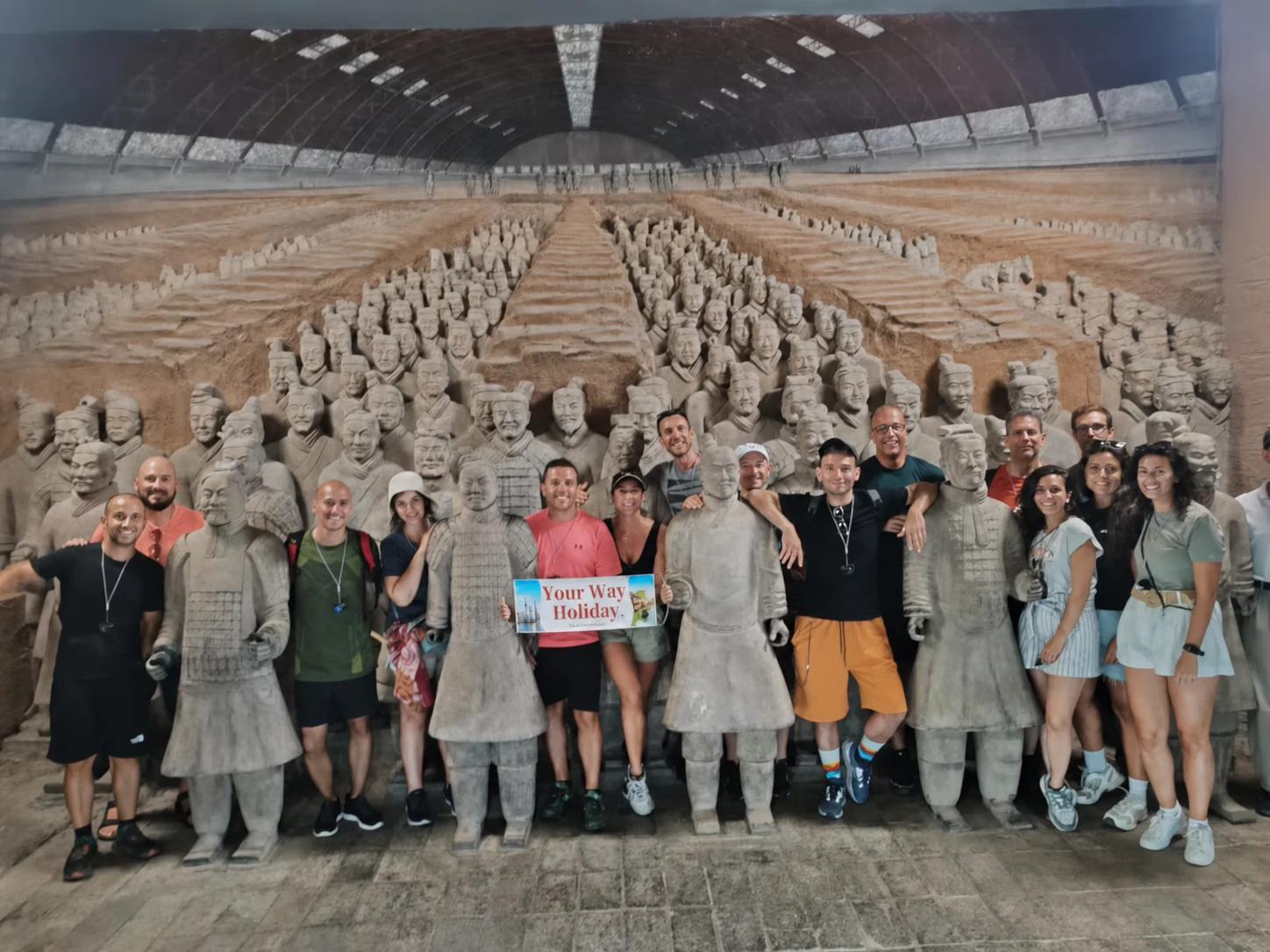
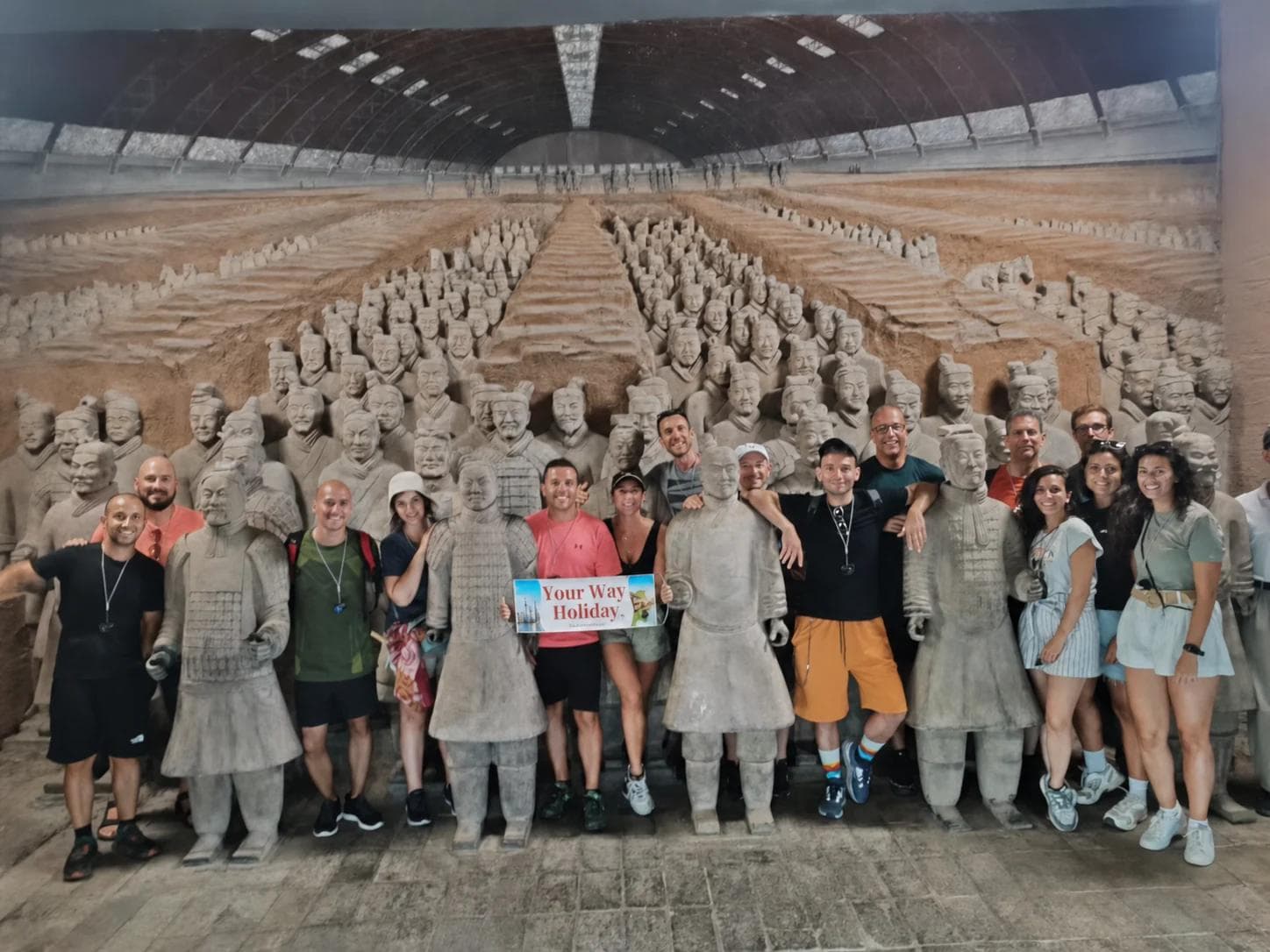
Why Australians love it: Xi'an feels different from Beijing and Shanghai — it's grittier, older, more atmospheric. As the start of the Silk Road and capital of 13 dynasties, it has a multicultural edge unique in China: the Muslim Quarter has been trading spices and serving halal food for over 1,300 years. For Australians, the Terracotta Warriors alone are worth the trip — 8,000 life-sized soldiers, each with a unique face, buried for 2,200 years and discovered by a farmer digging a well in 1974.
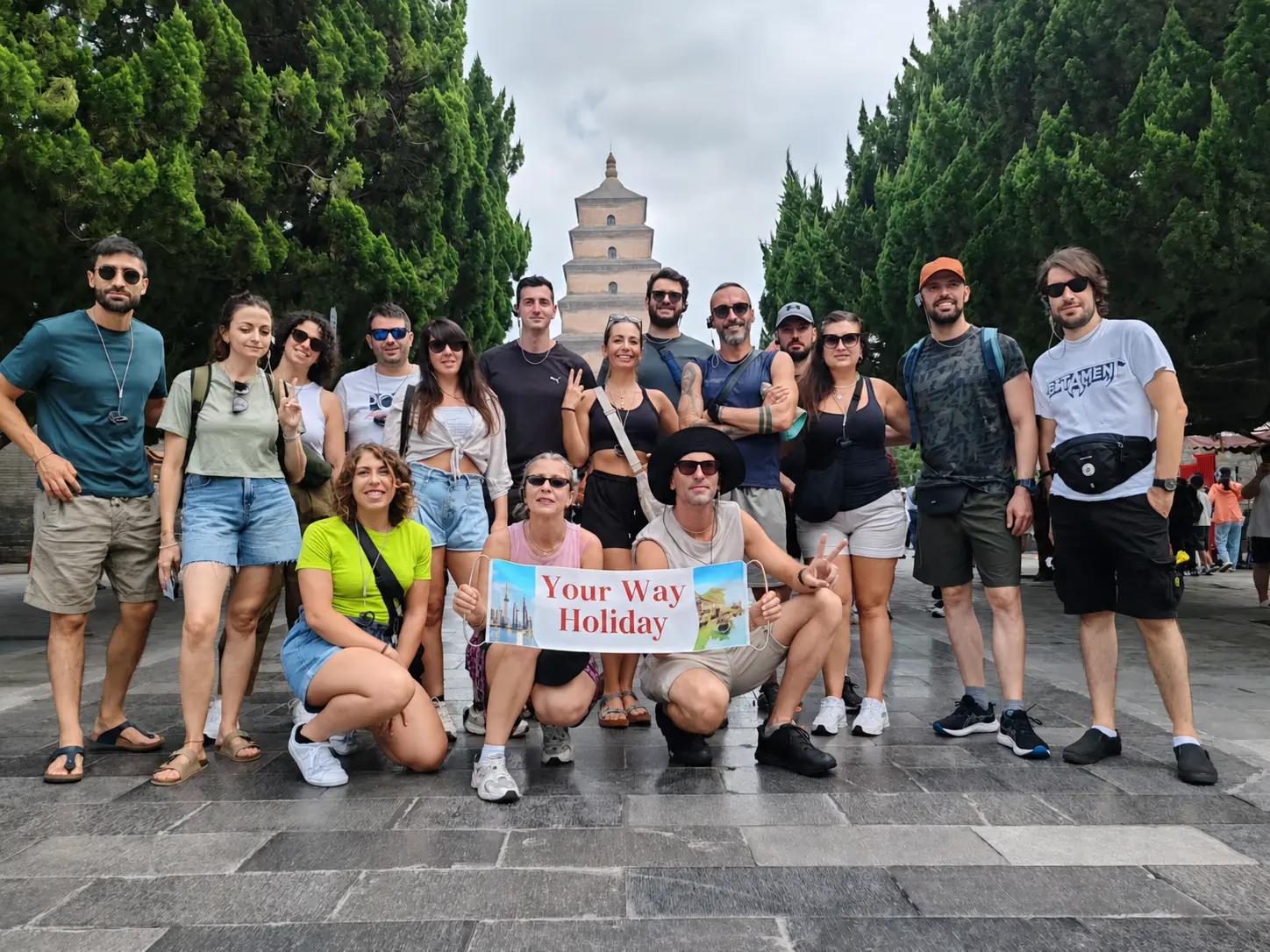
Xi'an also has one of the few intact ancient city walls in China — you can cycle the entire 13.74 km perimeter on top of it. It's the kind of place that makes Australians realise how young their own country is.
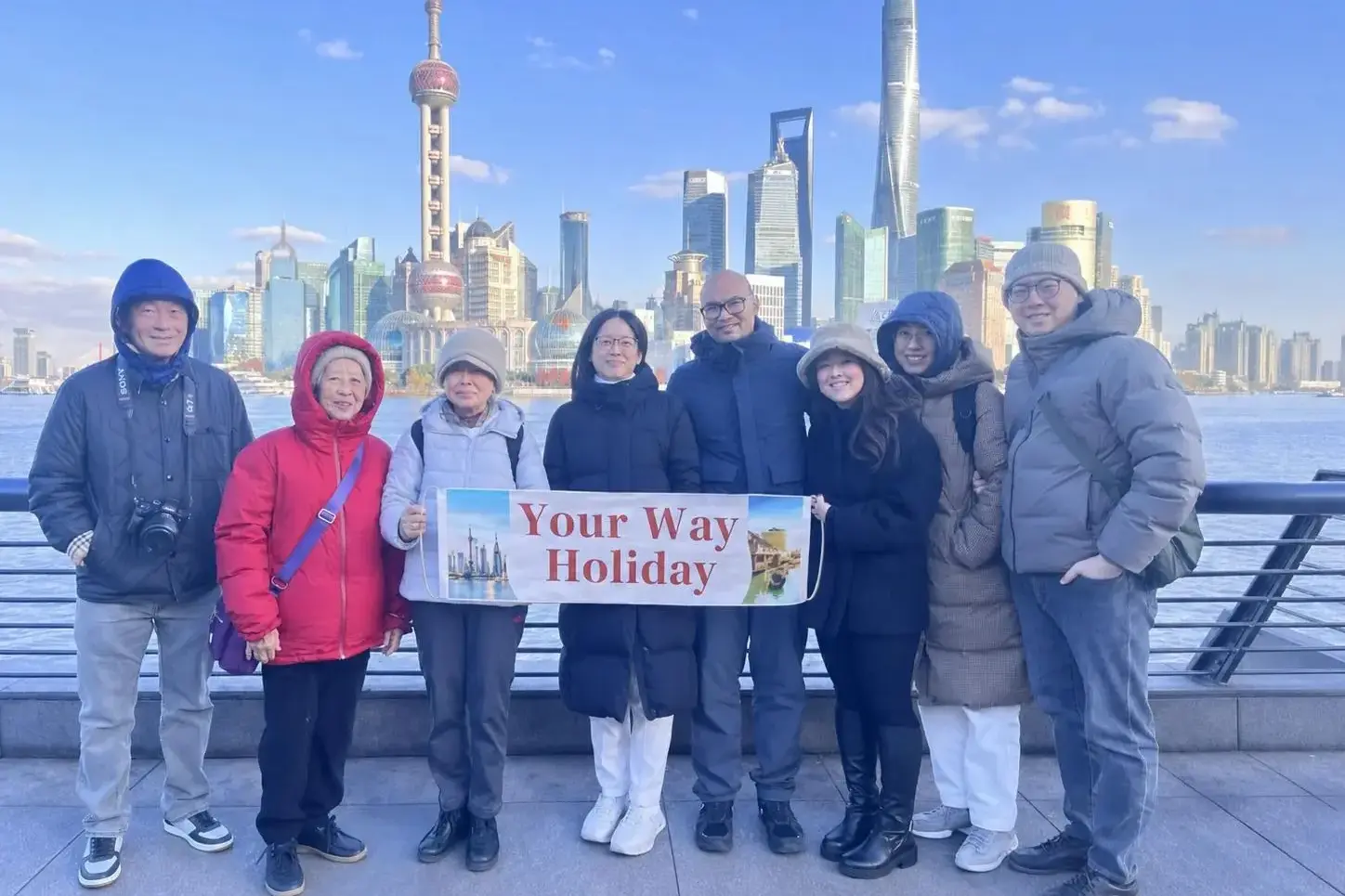
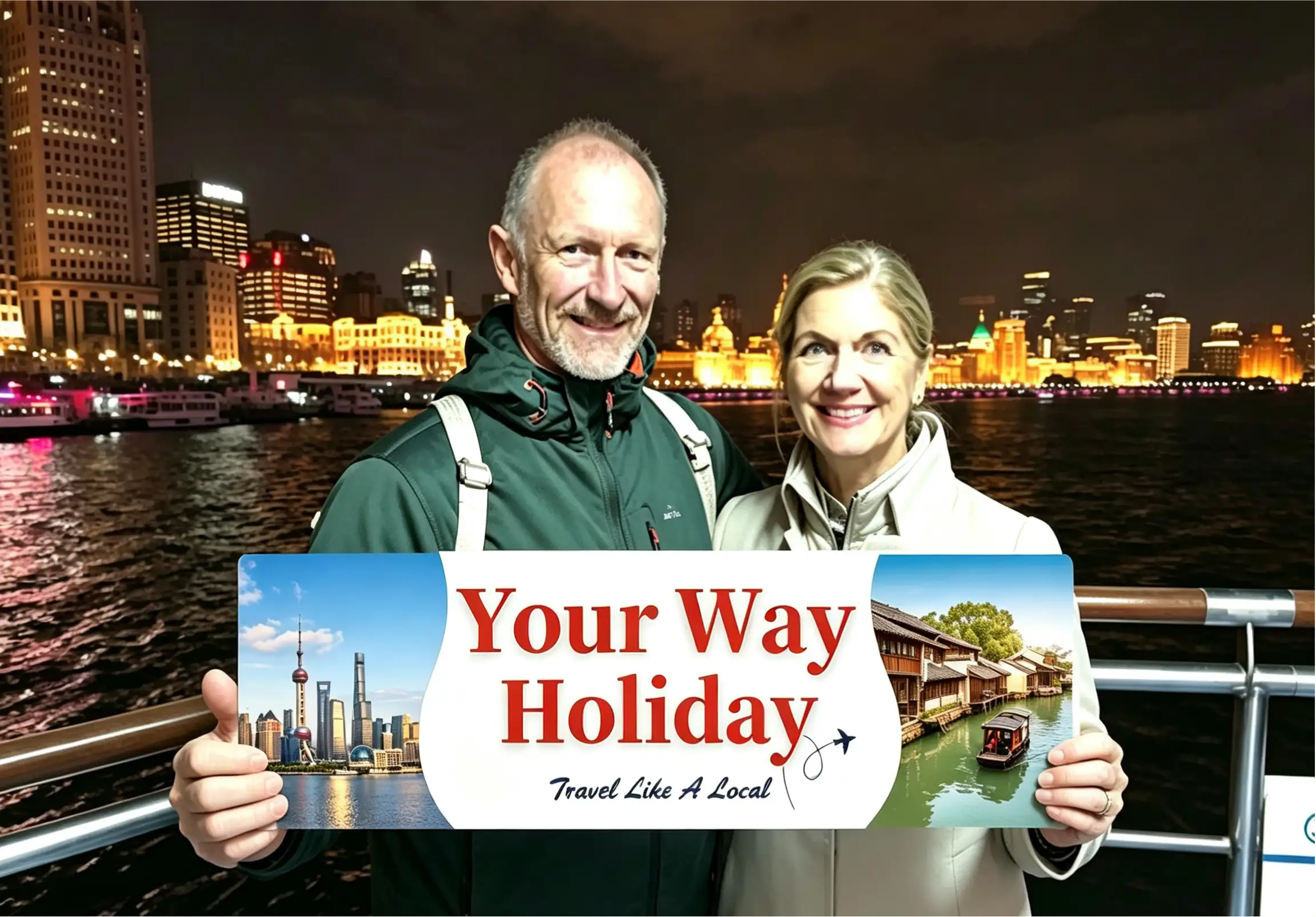
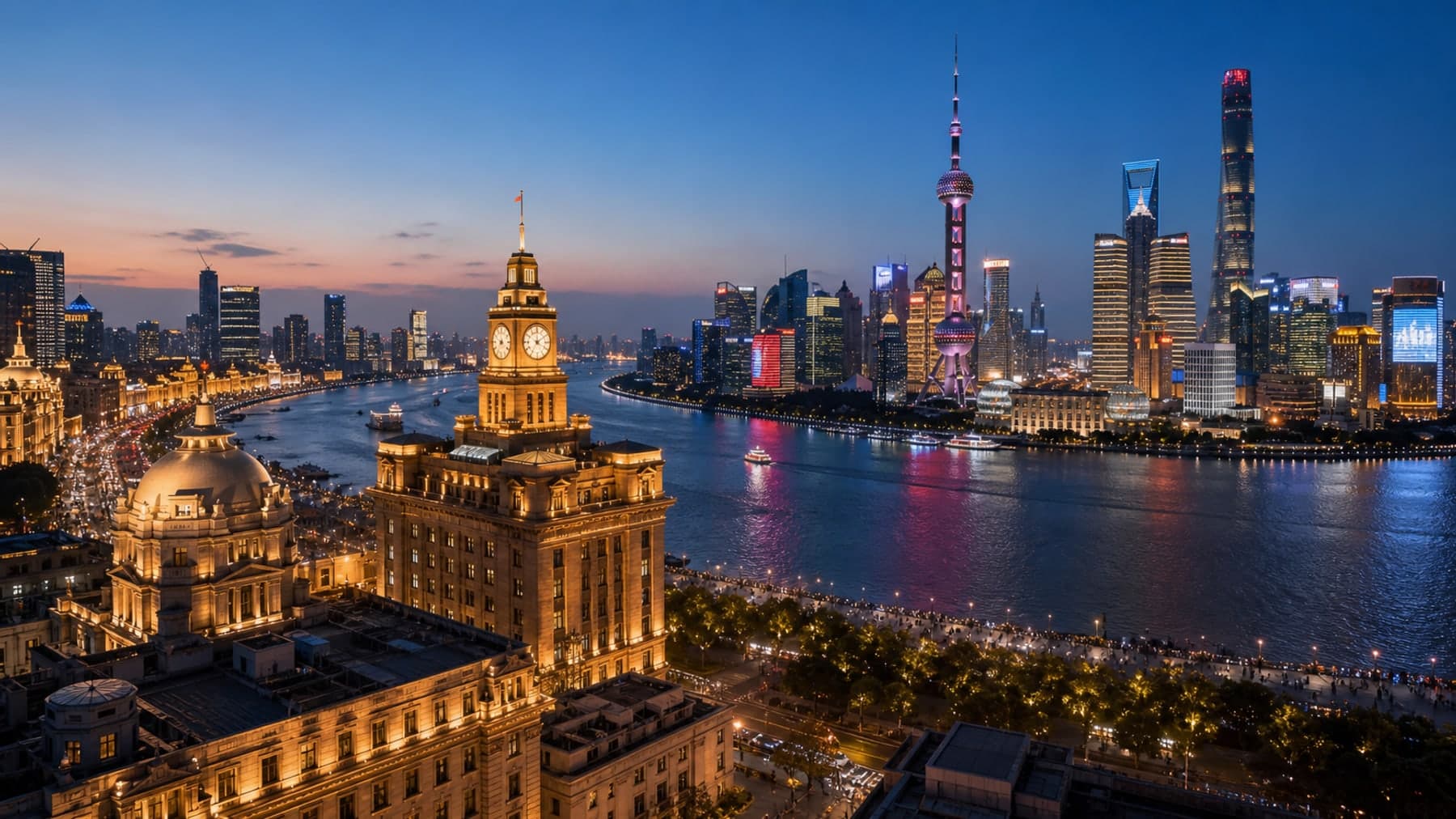
🏙️ Shanghai: The Future Is Now
Located on China's eastern coast, Shanghai represents China's modern side.
Highlights:
The Bund
Pudong skyline
French Concession
World-class dining
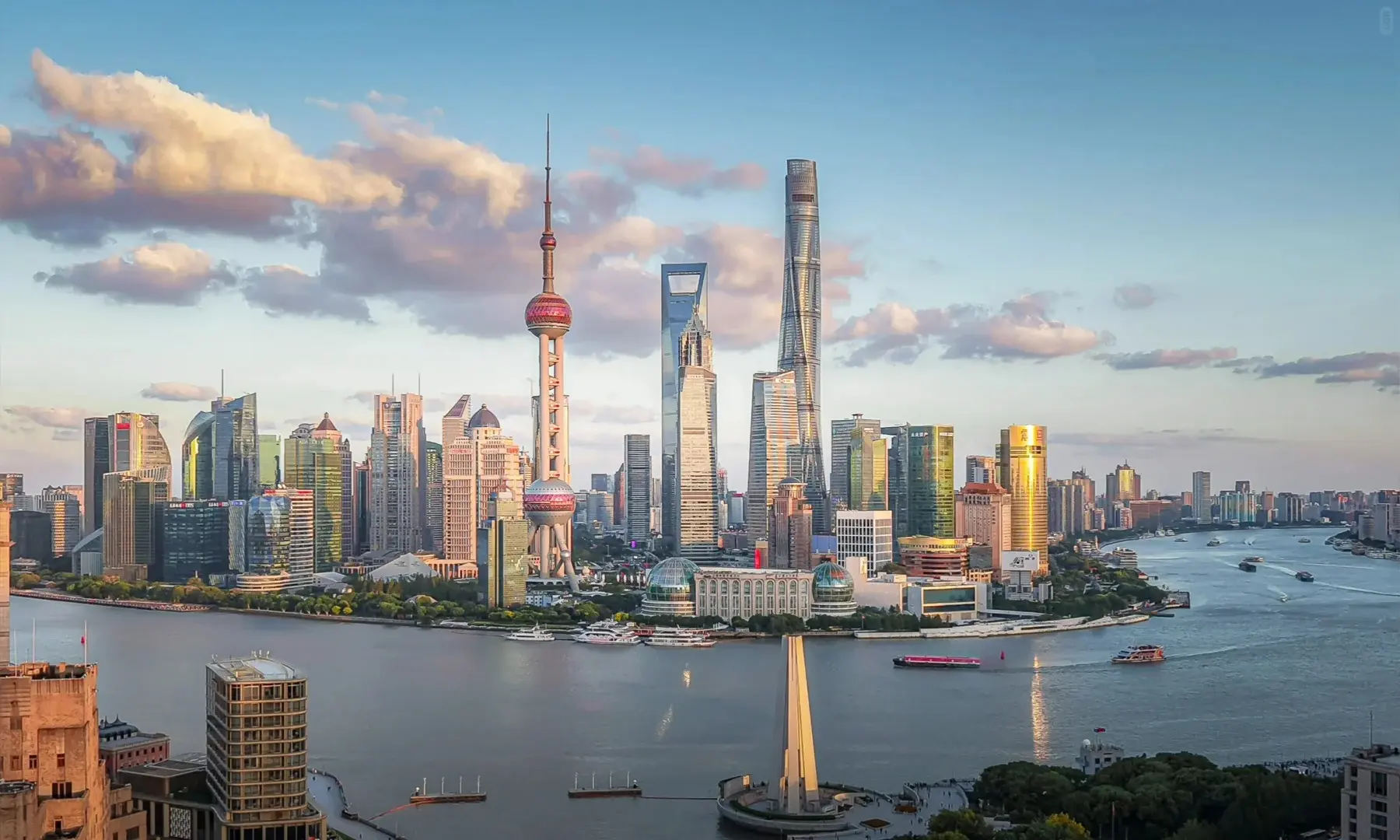
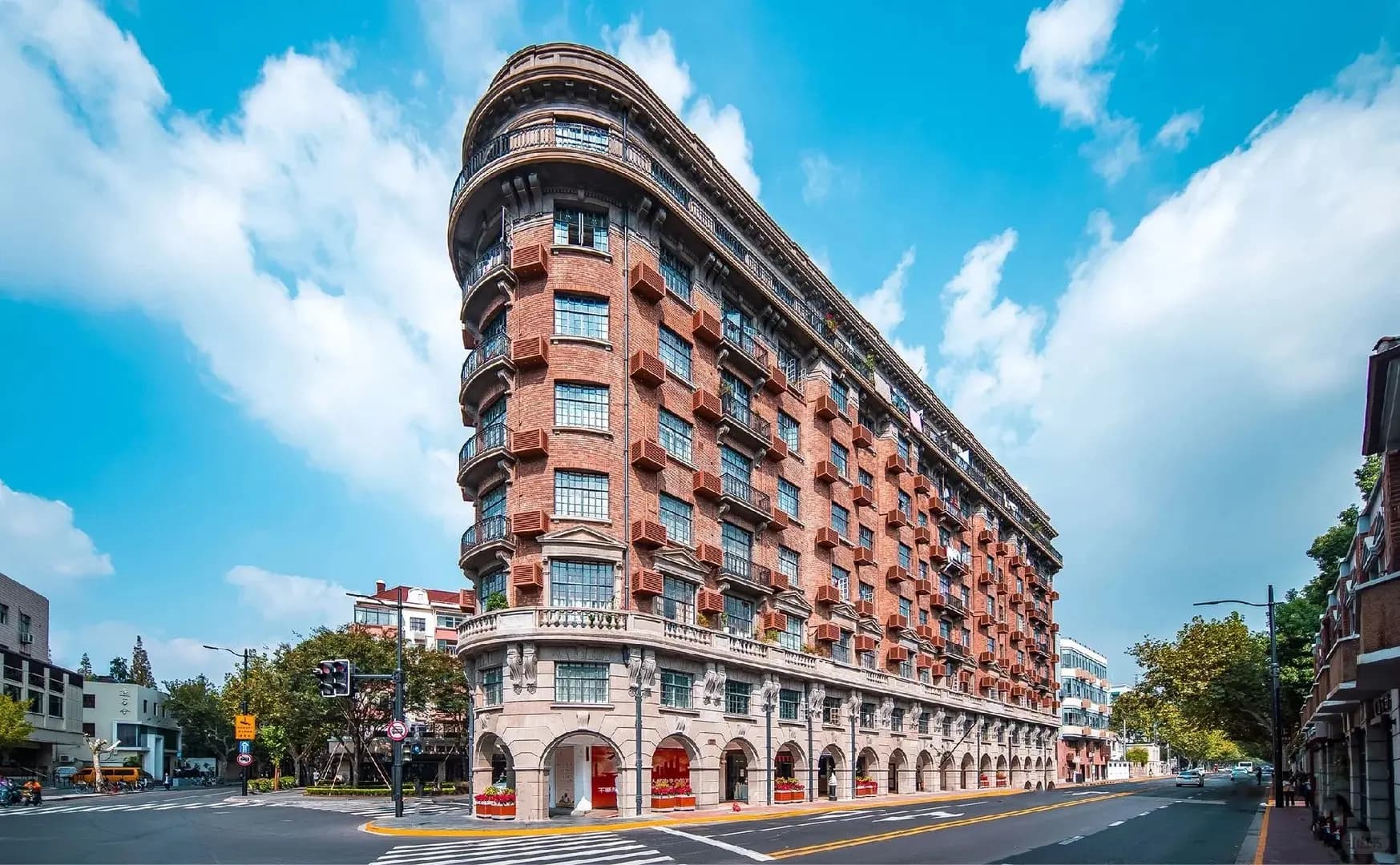

Why Australians love it: Shanghai is the city that makes Australians realise China isn't what they thought it was. The Bund skyline — 26 colonial-era buildings from the 1920s facing 200+ skyscrapers across the river — is one of the world's great urban vistas. The French Concession's tree-lined streets feel more Parisian than Paris. The food scene rivals Tokyo and Sydney. And the Maglev train hitting 430 km/h from the airport says everything about China's speed of change. For Aussies who think of China as "developing," Shanghai is a wake-up call — it's cleaner, faster, and more high-tech than any Australian city.
🐼 Chengdu: Pandas & Hotpot
Located in Sichuan Province, Chengdu is famous for pandas, Sichuan cuisine, and a relaxed lifestyle.
Highlights:
Giant pandas
Sichuan food
Tea houses
Sichuan Opera
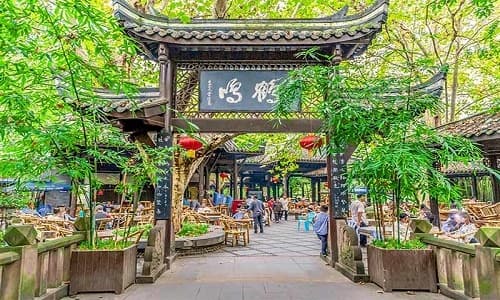
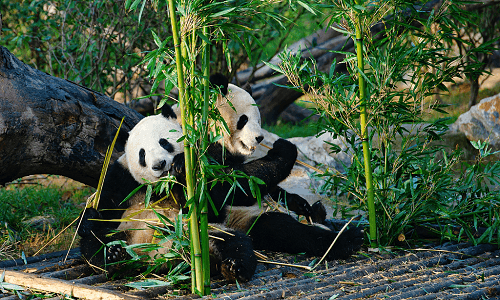
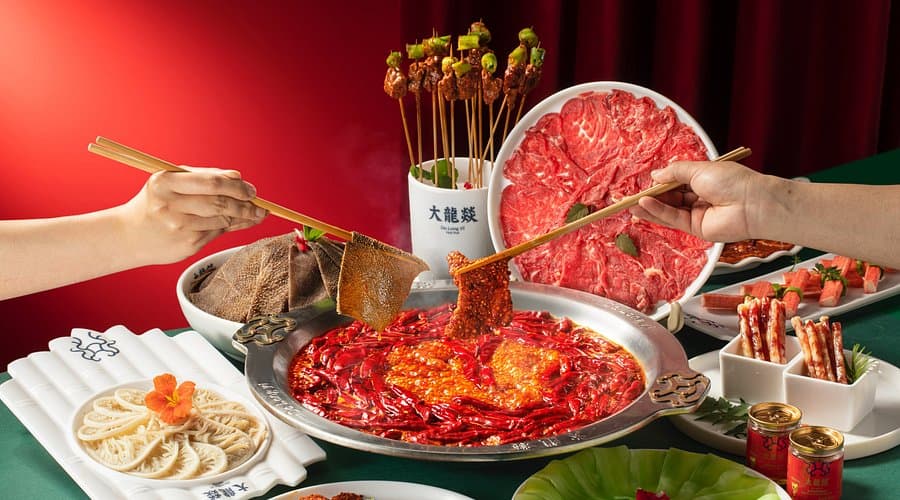
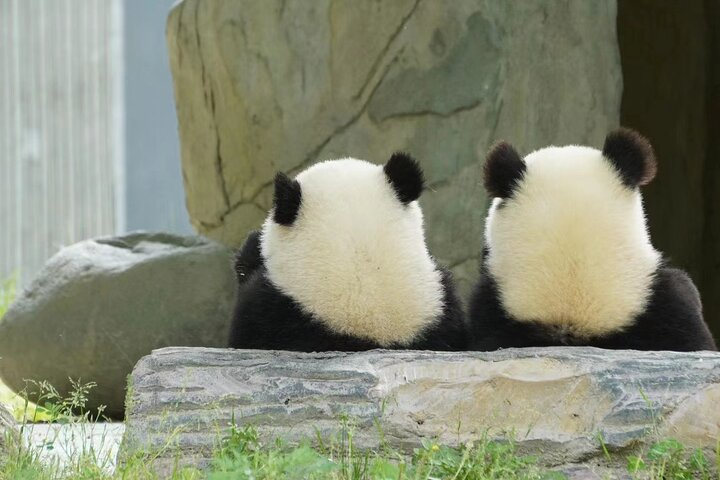
Why Australians love it: Chengdu is China's most laid-back major city. The locals have a saying: "In Chengdu, you don't rush." Teahouses, parks, and panda watching fill the days. The food — authentic Sichuan — is the spiciest in China. For Australians who love a relaxed pace and bold flavours, Chengdu is the surprise favourite. The Giant Panda Breeding Research Base is the world's best place to see pandas up close — and as the only country outside China with its own pandas (remember Wang Wang and Fu Ni?), Australians have a special soft spot for these animals.
Chengdu is also the birthplace of Sichuan Opera's face-changing (bian lian) — masks change in 0.3 seconds, a secret passed down through generations.
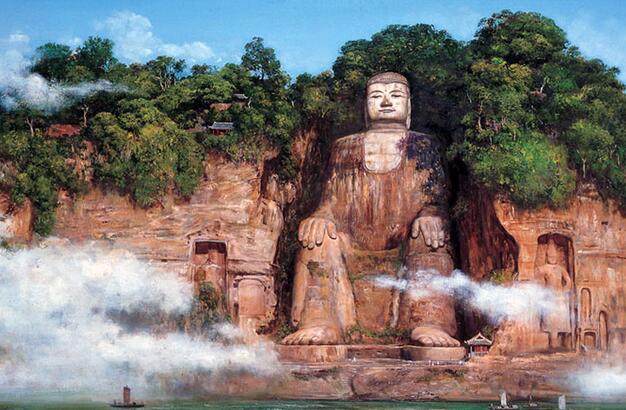
🛶 Guilin & Yangshuo: Karst Wonderland
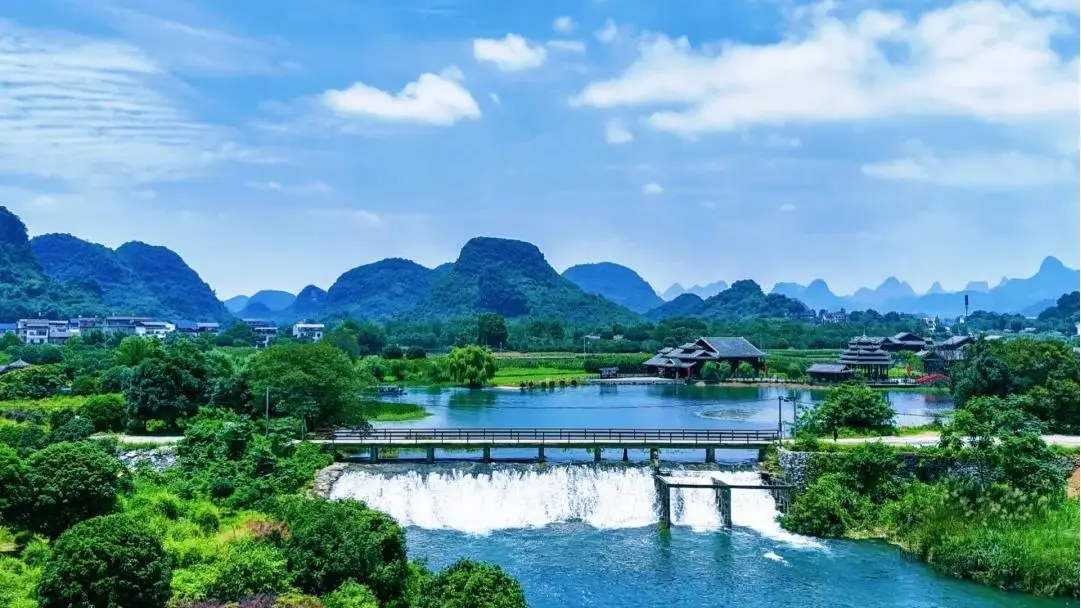
Located in Guangxi Province, Guilin and Yangshuo are famous for karst mountains and riverside scenery.
Highlights:
Li River scenery
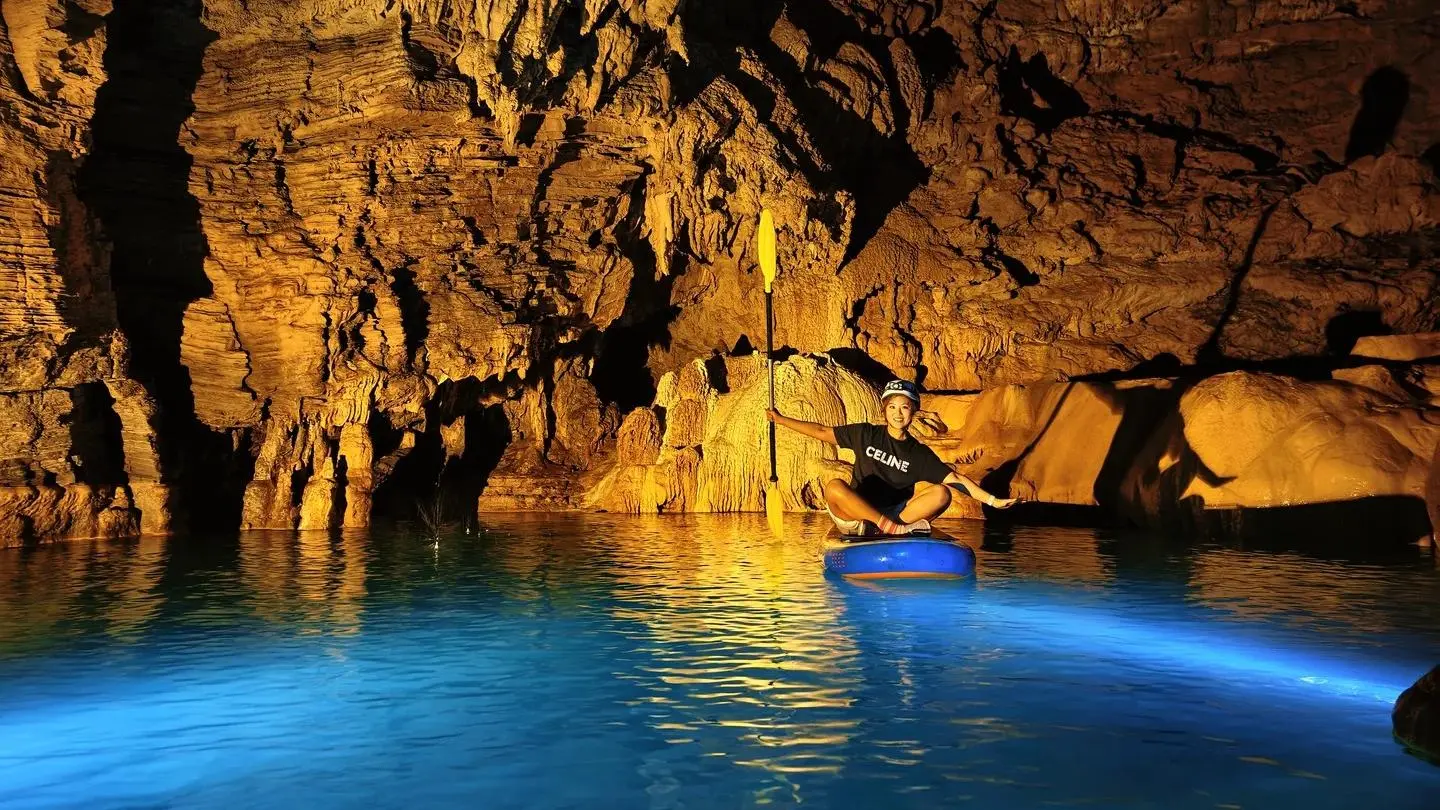
Yangshuo countryside
Longji Rice Terraces
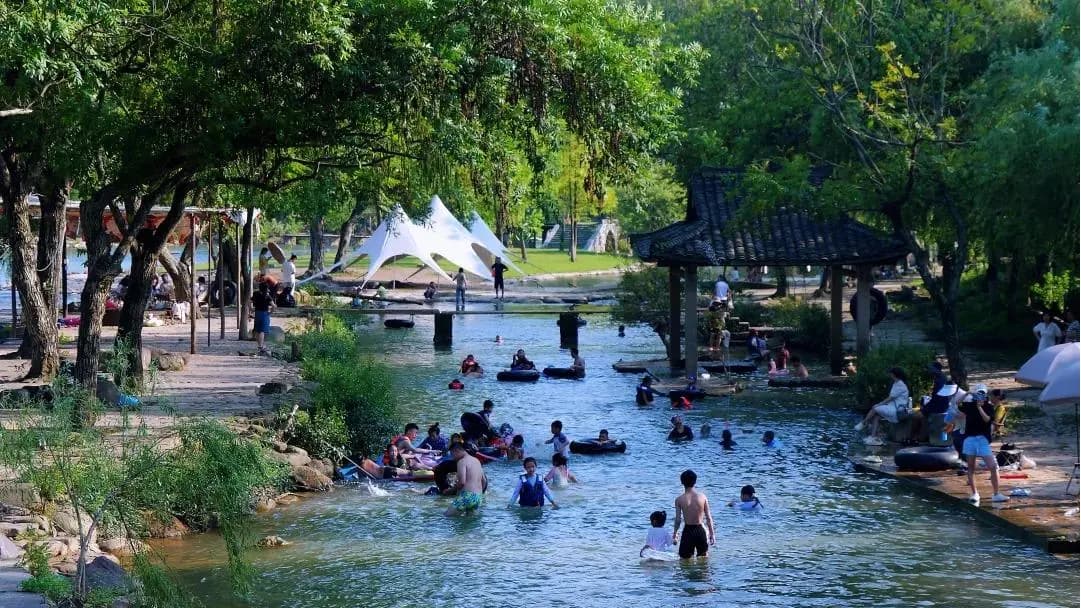
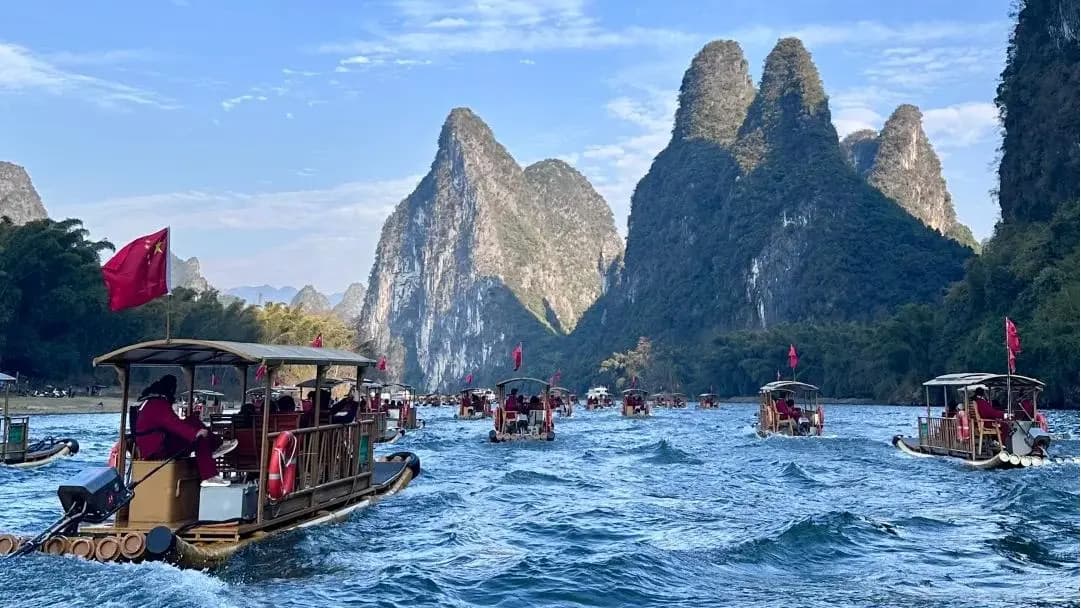
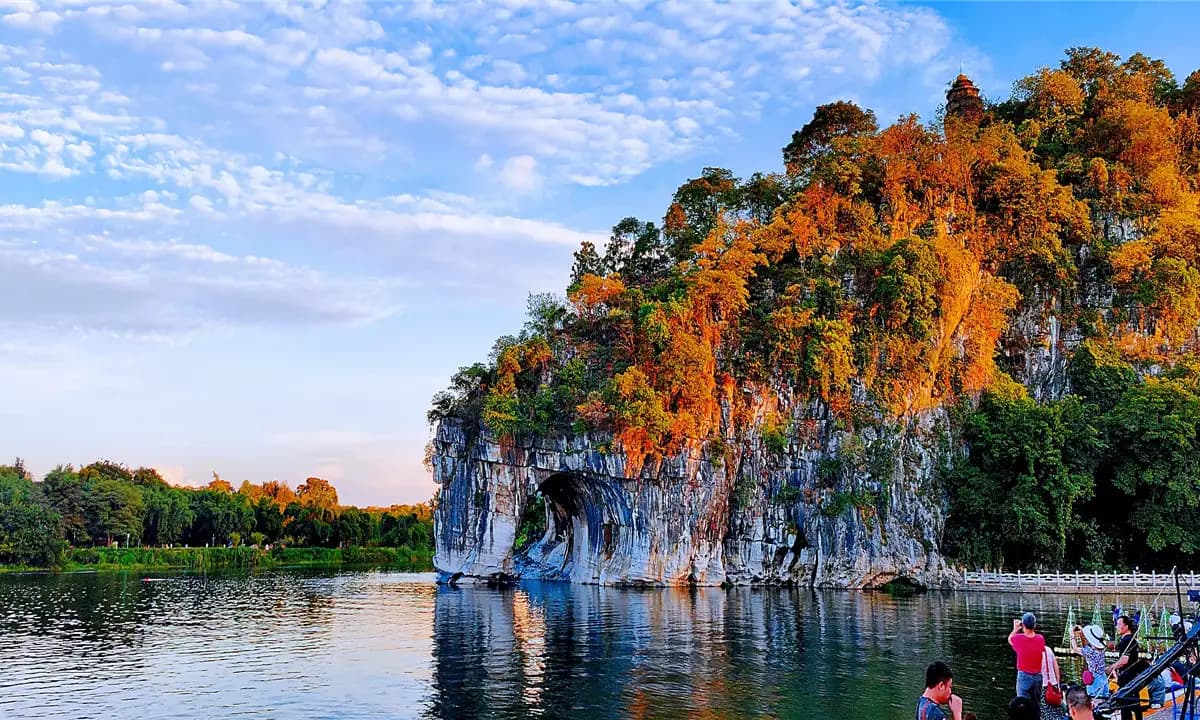
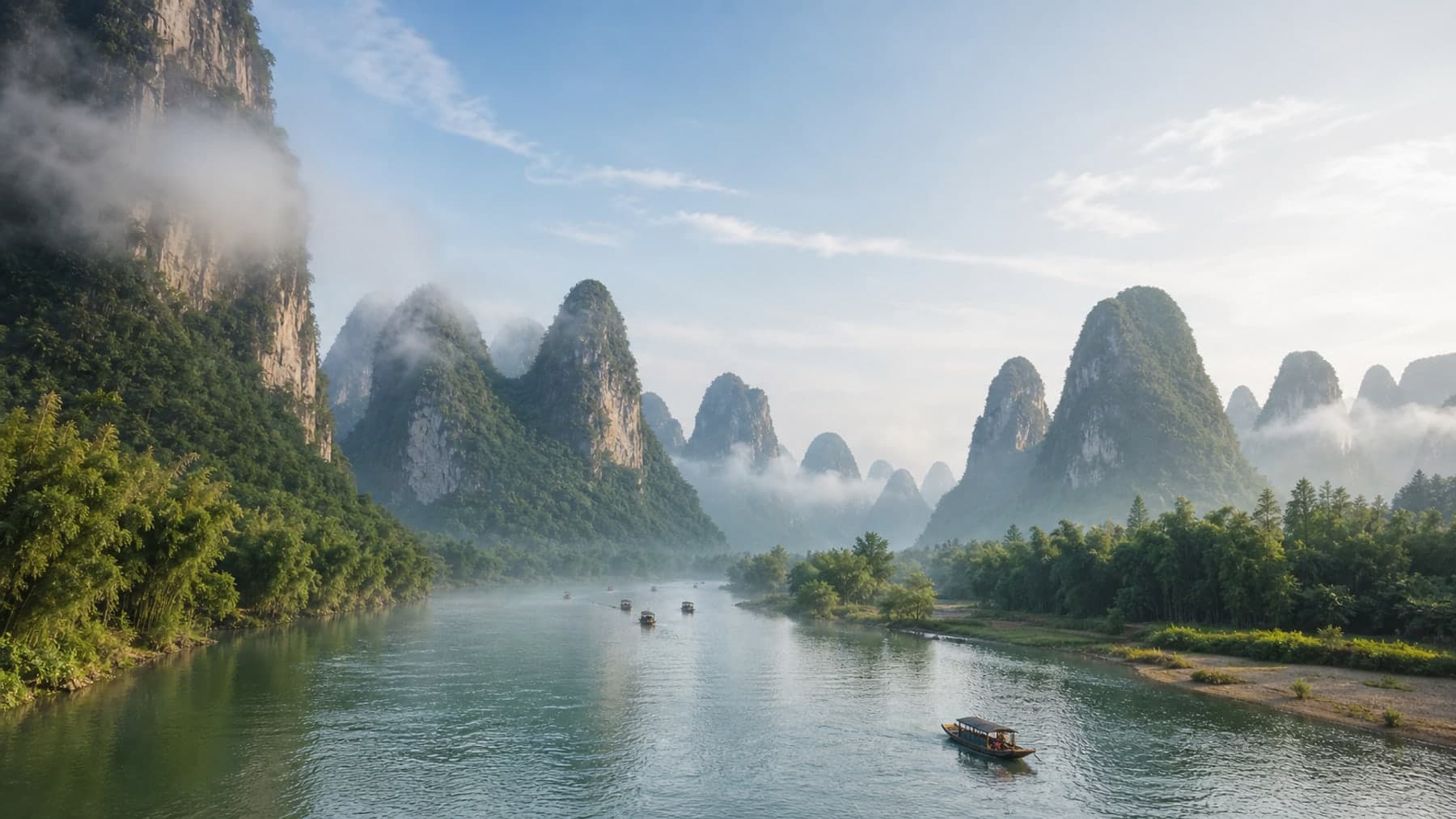
Why Australians love it: The karst limestone landscape along the Li River is the China from every traditional painting you've ever seen — misty peaks rising from emerald water, water buffalo grazing in rice paddies, fishermen on bamboo rafts. It's the complete opposite of Australia's flat, red landscape, and that contrast is what makes it unforgettable. Aussies who've driven the Great Ocean Road or explored the Blue Mountains will find Guilin's scenery equally iconic but utterly different. A 4-hour river cruise from Guilin to Yangshuo passes the exact mountains featured on the CNY 20 banknote. The Longji Rice Terraces — carved into mountainsides by ethnic minorities over 700 years — make the Adelaide Hills look like a backyard garden.
🏞️ Zhangjiajie: The Avatar Mountains
Located in Hunan Province, Zhangjiajie is known for its towering sandstone mountains and dramatic landscapes.
Highlights:
Avatar-inspired mountains
Glass bridge
National forest parks

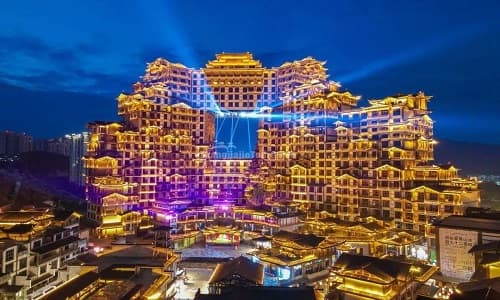
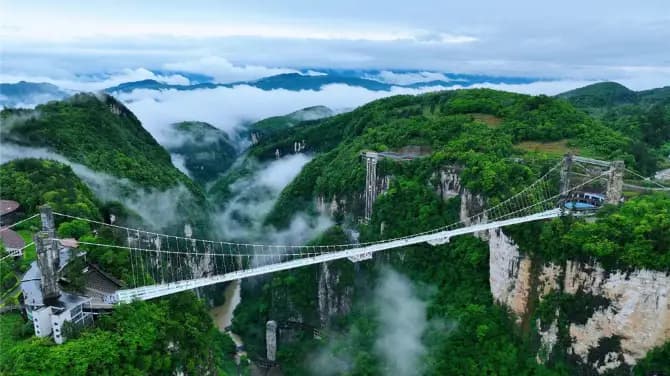
Why Australians love it: Zhangjiajie's towering sandstone pillars — 3,000 of them, some over 1,000 metres tall — are so otherworldly that James Cameron used them as inspiration for the floating mountains in Avatar. The glass bridge over a 300-metre canyon drop is not for the faint-hearted. For Australians who've done the Blue Mountains and the Grampians, this is a completely different kind of mountain experience — not rolling ridgelines, but thousands of vertical spires jutting from a subtropical forest. The Bailong Elevator (326 metres up a cliff face) and the 7.4 km cable car ride make the Scenic Railway at Katoomba look like a theme park ride.
⛰️ Huangshan (Yellow Mountain): Sea of Clouds
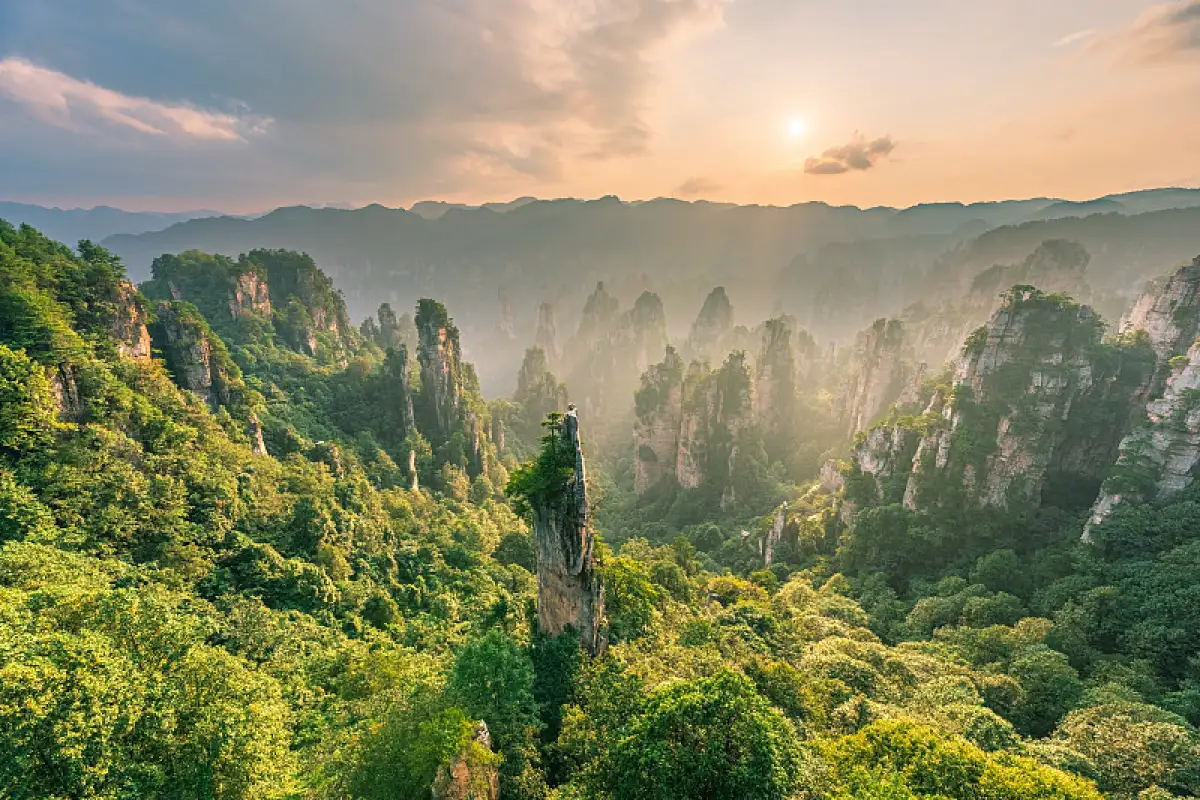
Located in southern Anhui Province in eastern China, Huangshan is famous for its dramatic granite peaks, ancient pine trees, and breathtaking sea of clouds.
Highlights:
Sea of clouds and sunrise views
Granite peaks and ancient pine trees
Hiking trails and mountain cable cars
Nearby Hongcun and Xidi ancient villages

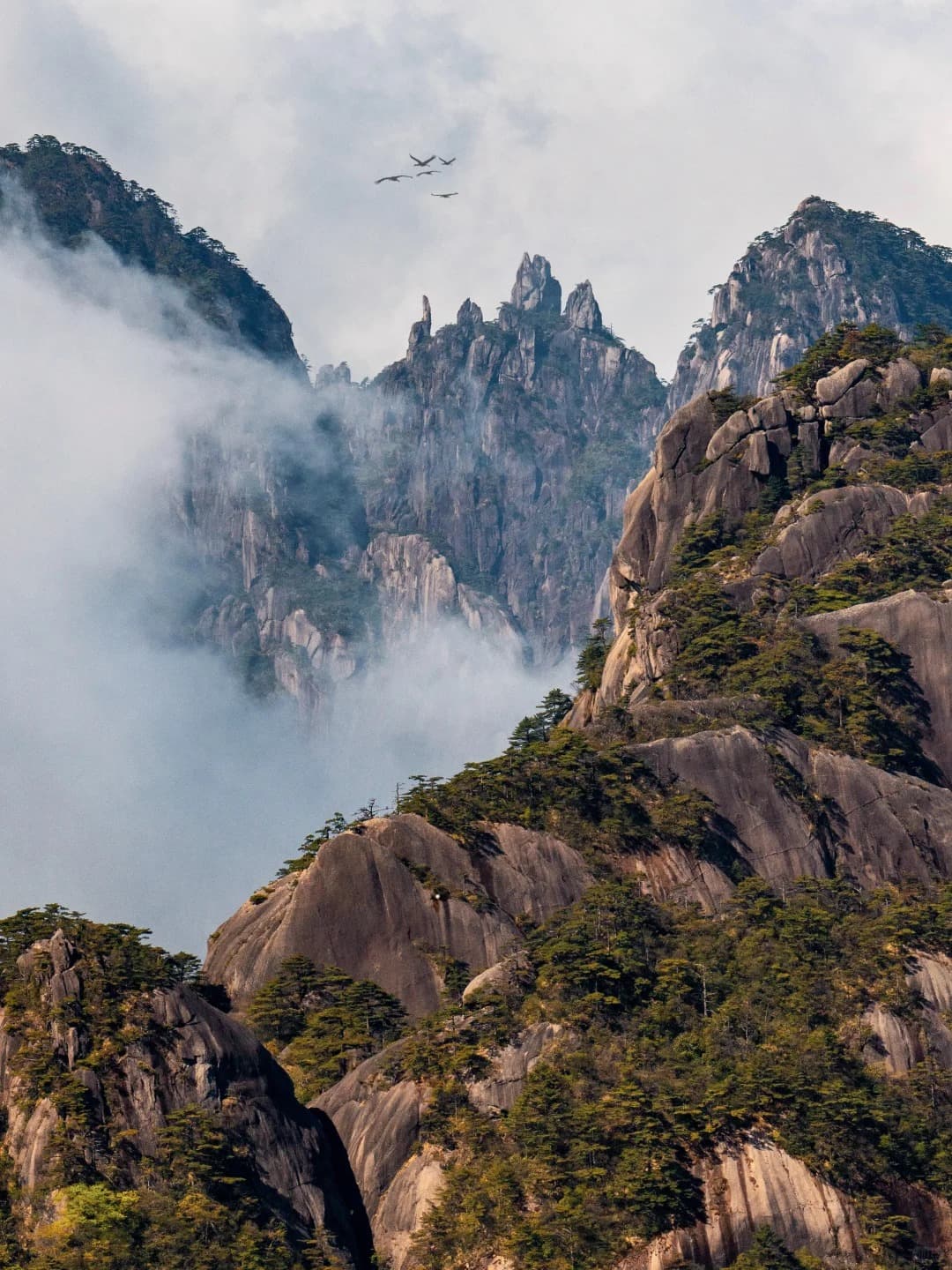

Why Australians love it: Huangshan is the mountain every Chinese ink painting depicts — gnarled pine trees clinging to granite cliffs, peaks emerging from a sea of clouds at dawn. It's a 2-day experience: hike up in the afternoon, stay overnight on the mountain, wake at 5 AM for sunrise. Nothing in Australia prepares you for standing above the clouds as the sun turns them gold. Australians who've climbed Cradle Mountain or hiked the Larapinta Trail will appreciate the otherworldliness — Huangshan doesn't feel like hiking; it feels like walking through a painting that's been hanging in a museum for 1,000 years.

❄️ Harbin: China's Winter Wonderland
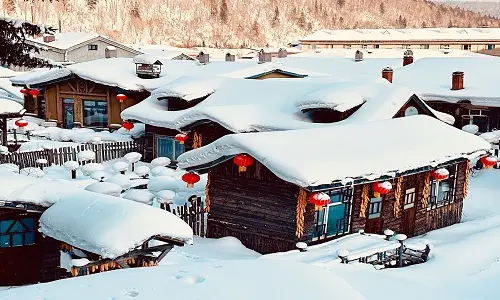
Located in Heilongjiang Province in northeastern China, Harbin is known for its snowy winters, distinctive Russian-influenced architecture, and spectacular ice and snow sculptures.
Highlights:
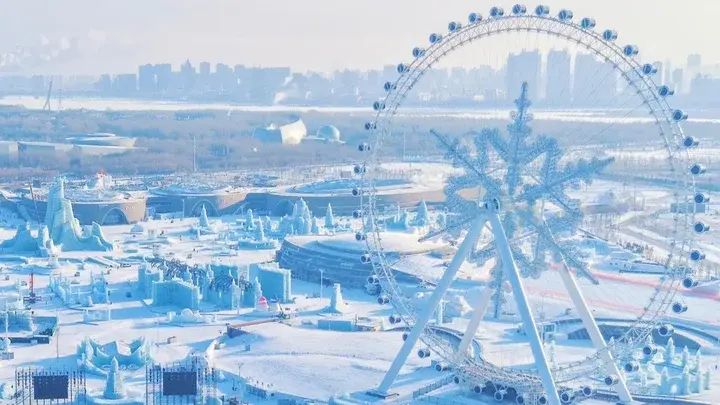
Harbin International Ice and Snow Festival
Ice and Snow World
St. Sophia Cathedral
Central Street and its Russian-influenced architecture

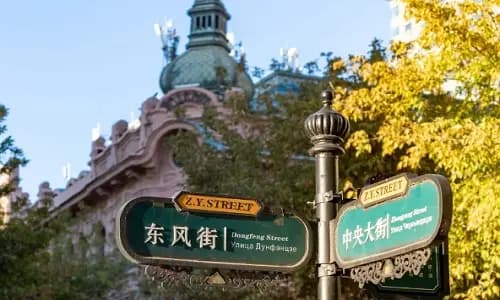

Why Australians love it: Australians rarely experience -25°C. Harbin in January is a different planet — ice buildings the size of houses lit with neon, Siberian tiger safaris, Russian-influenced architecture on Zhongyang Street, and the world's largest ice and snow sculpture festival. For Aussies who've never seen proper snow (and we mean proper snow, not a dusting on Thredbo), this is the ultimate winter experience. The city was built by Russians in the 1890s, so the architecture looks more St. Petersburg than Beijing. And yes — you can eat ice cream outdoors at -25°C because it simply won't melt.
🍵 Suzhou & Hangzhou: Gardens, Silk & Tea
Located near Shanghai, these two cities are ideal additions for travellers looking for traditional Chinese gardens, tea culture, and beautiful scenery.
Highlights:
Classical gardens
West Lake
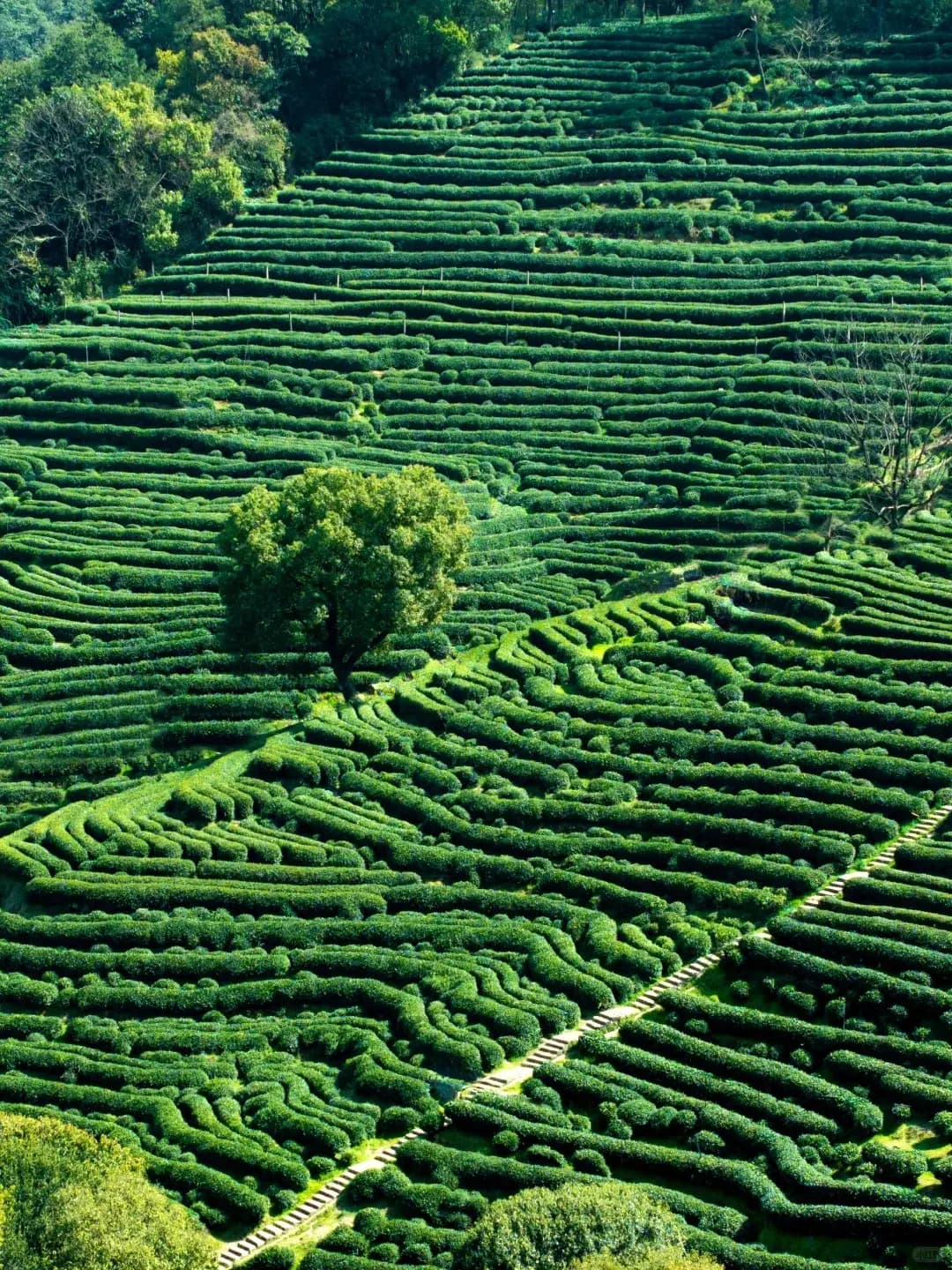
Longjing tea plantations
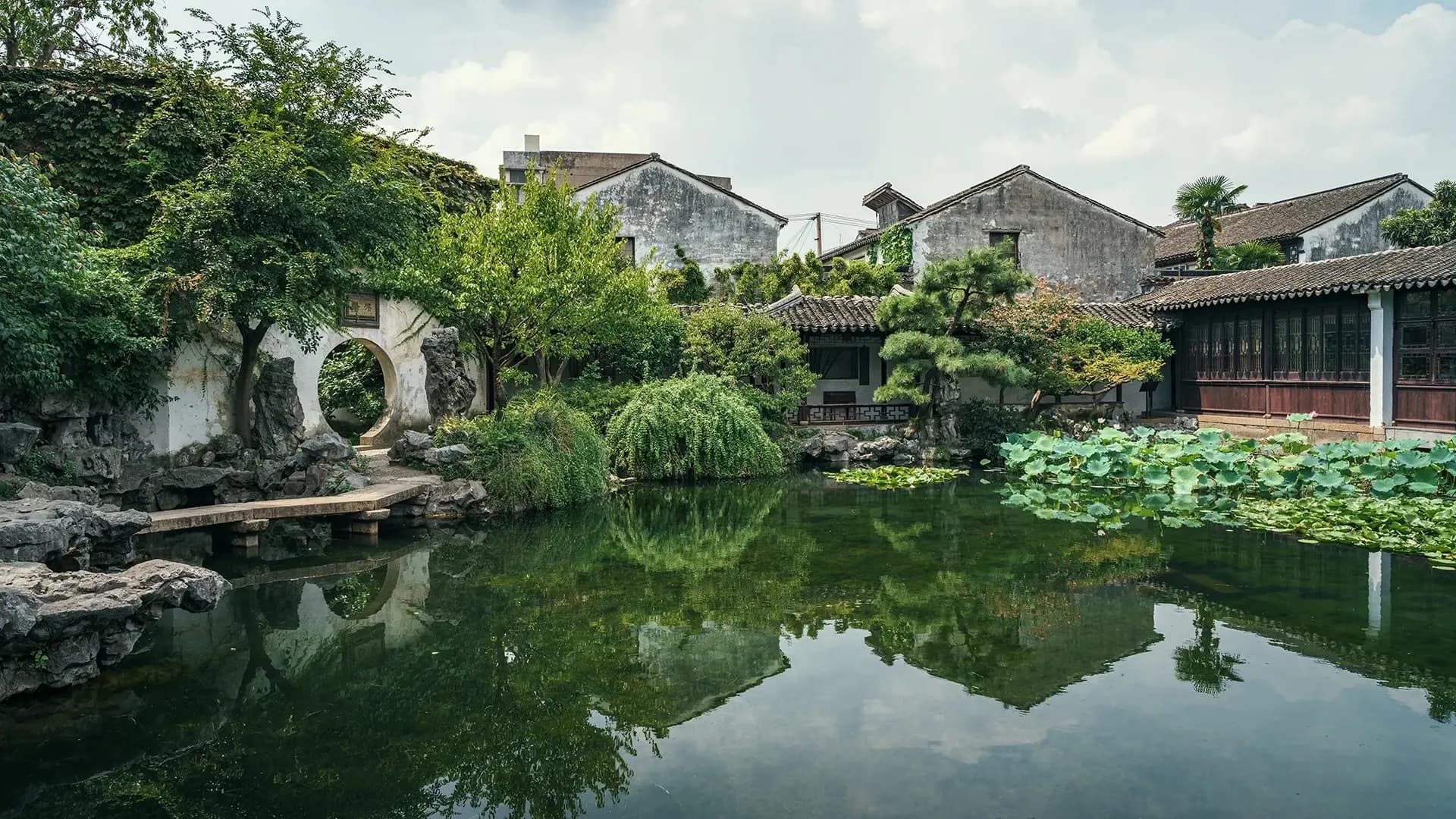
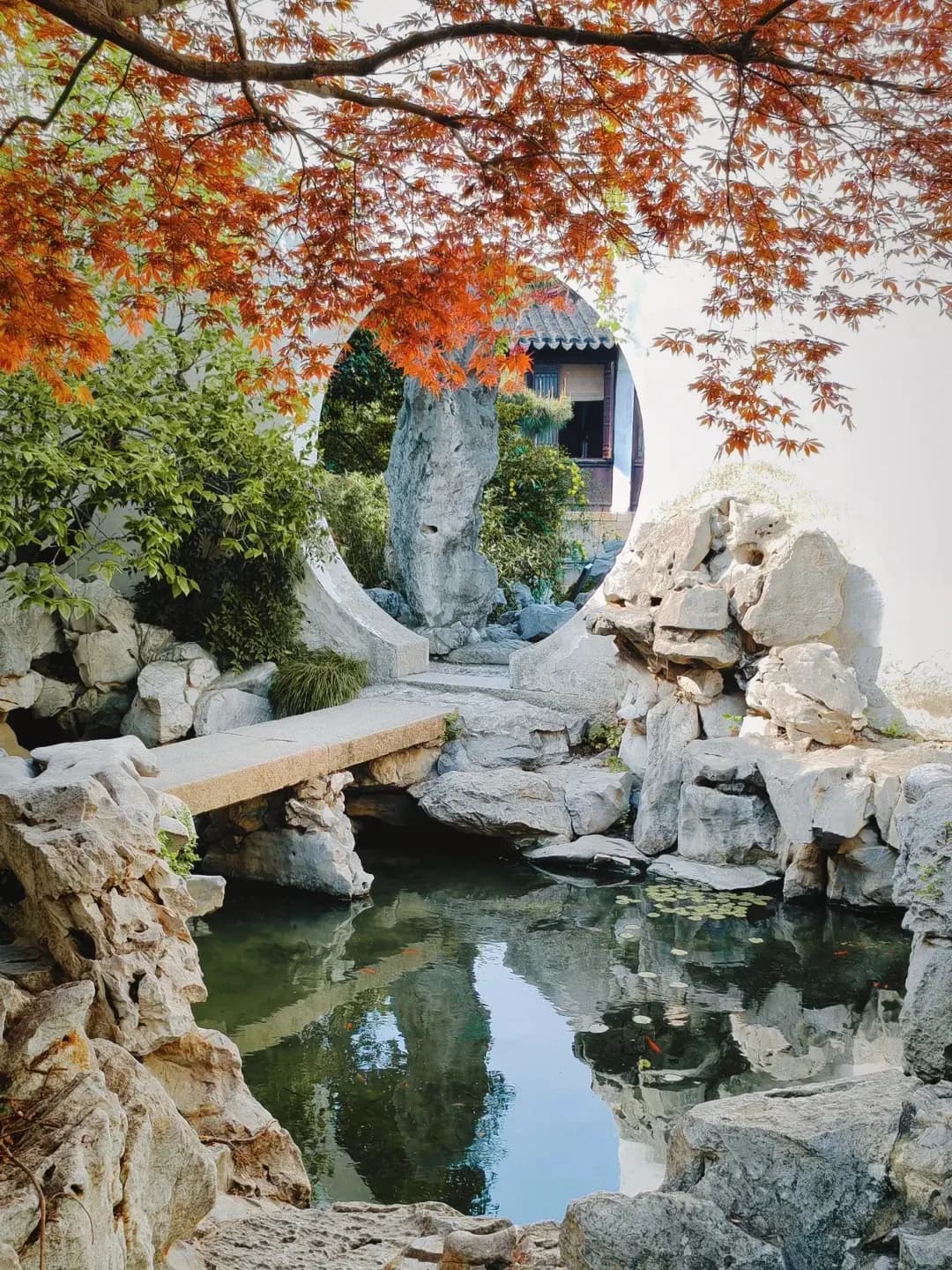
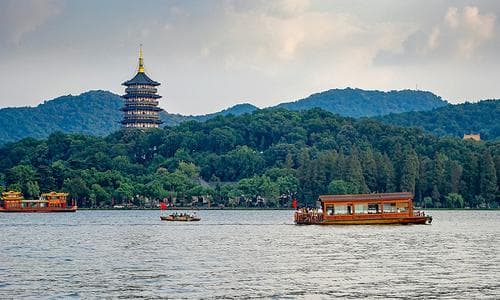
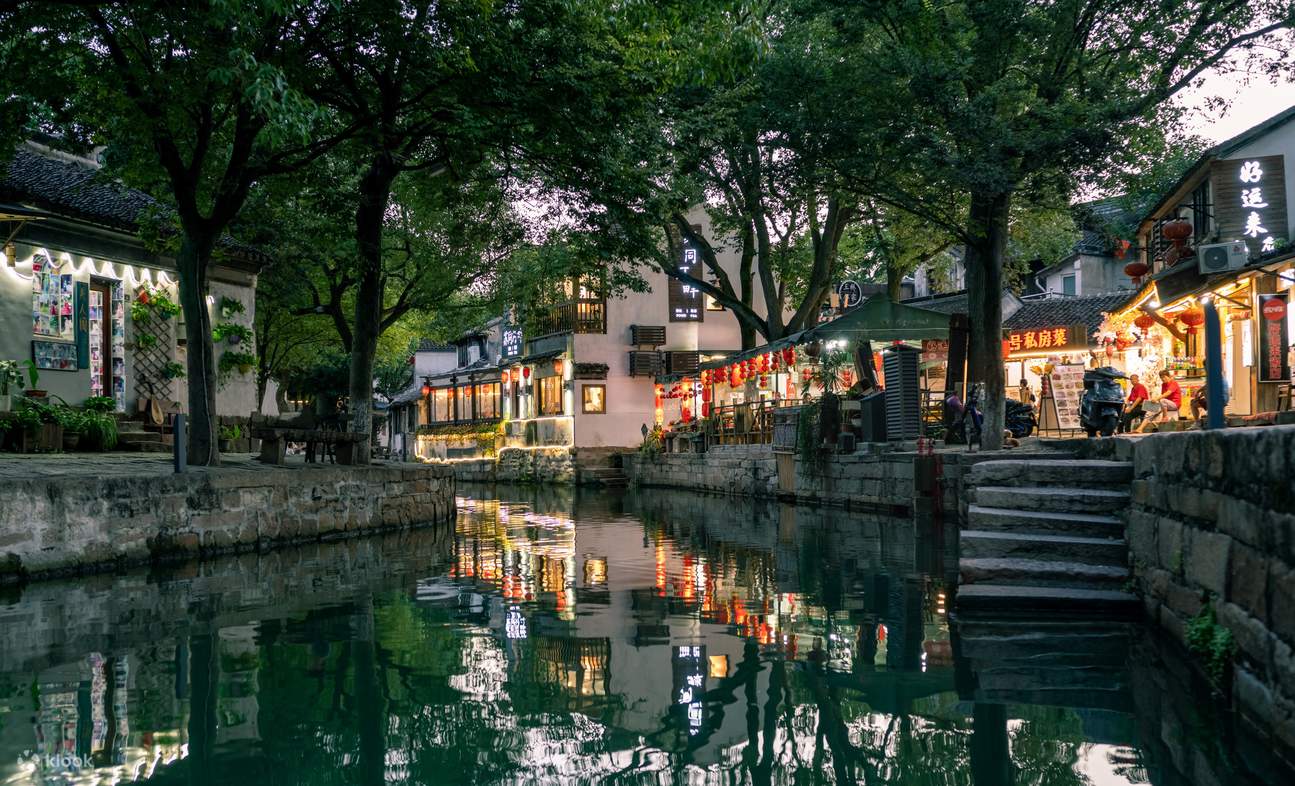
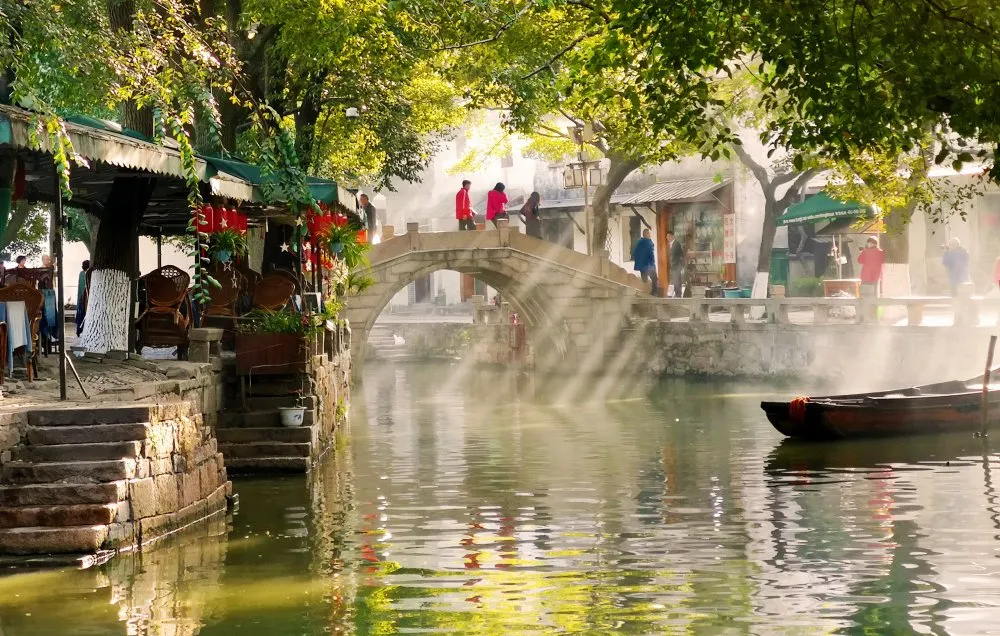
Why Australians love it: These two cities, 30 minutes by high-speed train from Shanghai, are the romantic China of poetry and painting. Suzhou's classical gardens are UNESCO-listed masterpieces of landscape design — every rock, every plant, every view framed by a moon window is deliberate.
Hangzhou's West Lake has inspired Chinese poets for 1,000 years, and the surrounding hills produce the world's finest Longjing (Dragon Well) green tea. For Australians who appreciate the Royal Botanic Garden or the Hunter Valley's wine country, Suzhou and Hangzhou offer the Chinese equivalent — centuries of deliberate, artistic landscape design combined with the world's most refined tea culture. The pace is slow, the setting is beautiful, and the tea is extraordinary.
🌏 Beyond the Classic China Trip: Hidden Gems Australians Should Consider
China's most famous destinations — Beijing, Xi'an, Shanghai, and Chengdu — offer incredible first-time experiences. But for travellers who have more time or want to discover a quieter side of China, some lesser-known destinations reveal a different story: ancient towns, dramatic landscapes, forgotten capitals, and cultures that many international visitors never see.
These places are not necessarily "unknown" to Chinese travellers, but they remain overlooked by many Australians planning their first China trip.
🏮 Pingyao Ancient City: Step Back into Old China
Best for: History lovers, photographers, slow travellers
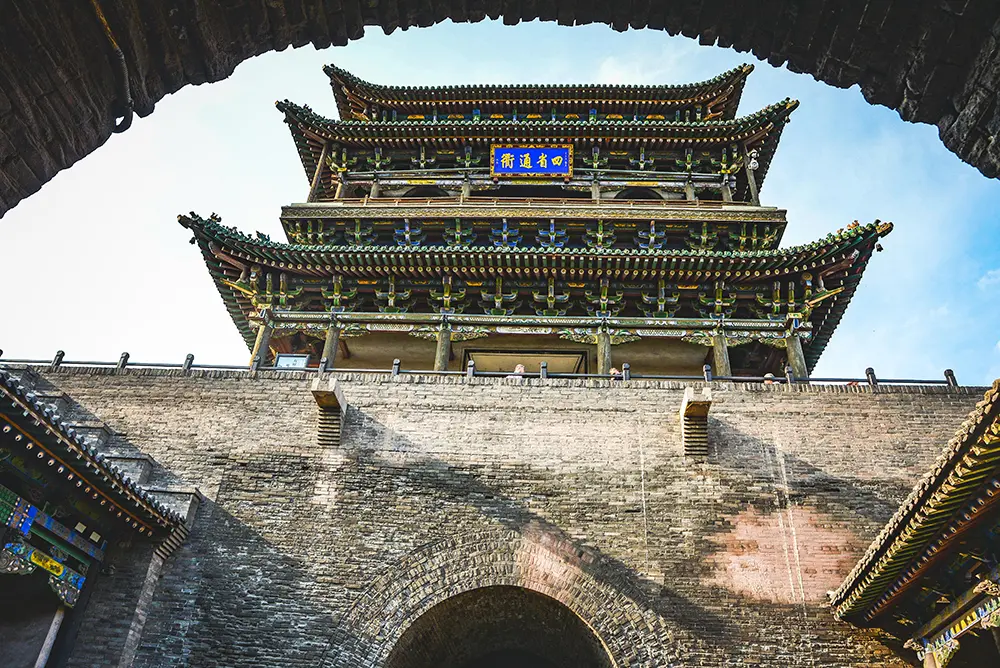
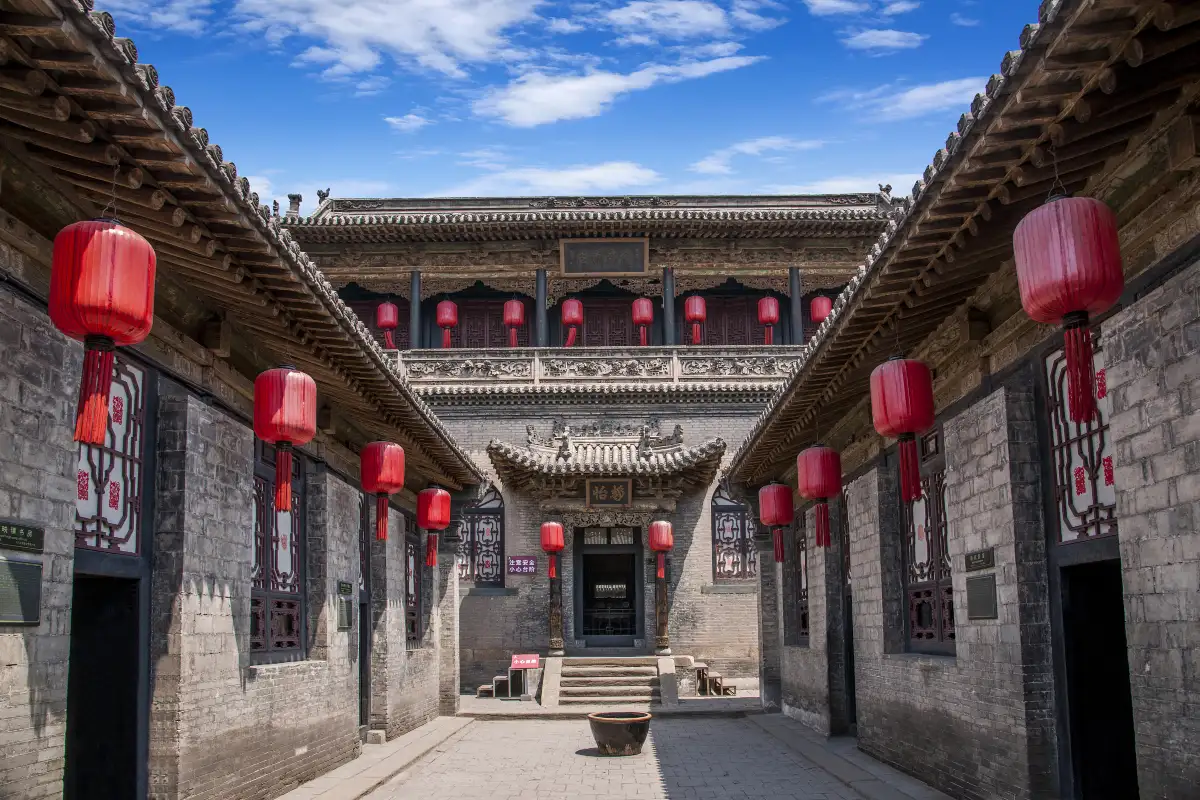
For Australians used to relatively young cities, Pingyao offers something rare: an entire ancient city where traditional streets, merchant courtyards, temples, and city walls have been preserved together.
Located in Shanxi Province, Pingyao was one of China's most important financial centres during the Ming and Qing dynasties. Its historic streets were once filled with merchants who created China's early banking networks through institutions known as piaohao (draft banks).
Walking through Pingyao feels very different from visiting a single historic building. Inside the city walls, visitors can explore traditional courtyard homes, ancient government offices, temples, and narrow streets that still follow the layout of a centuries-old Chinese town.
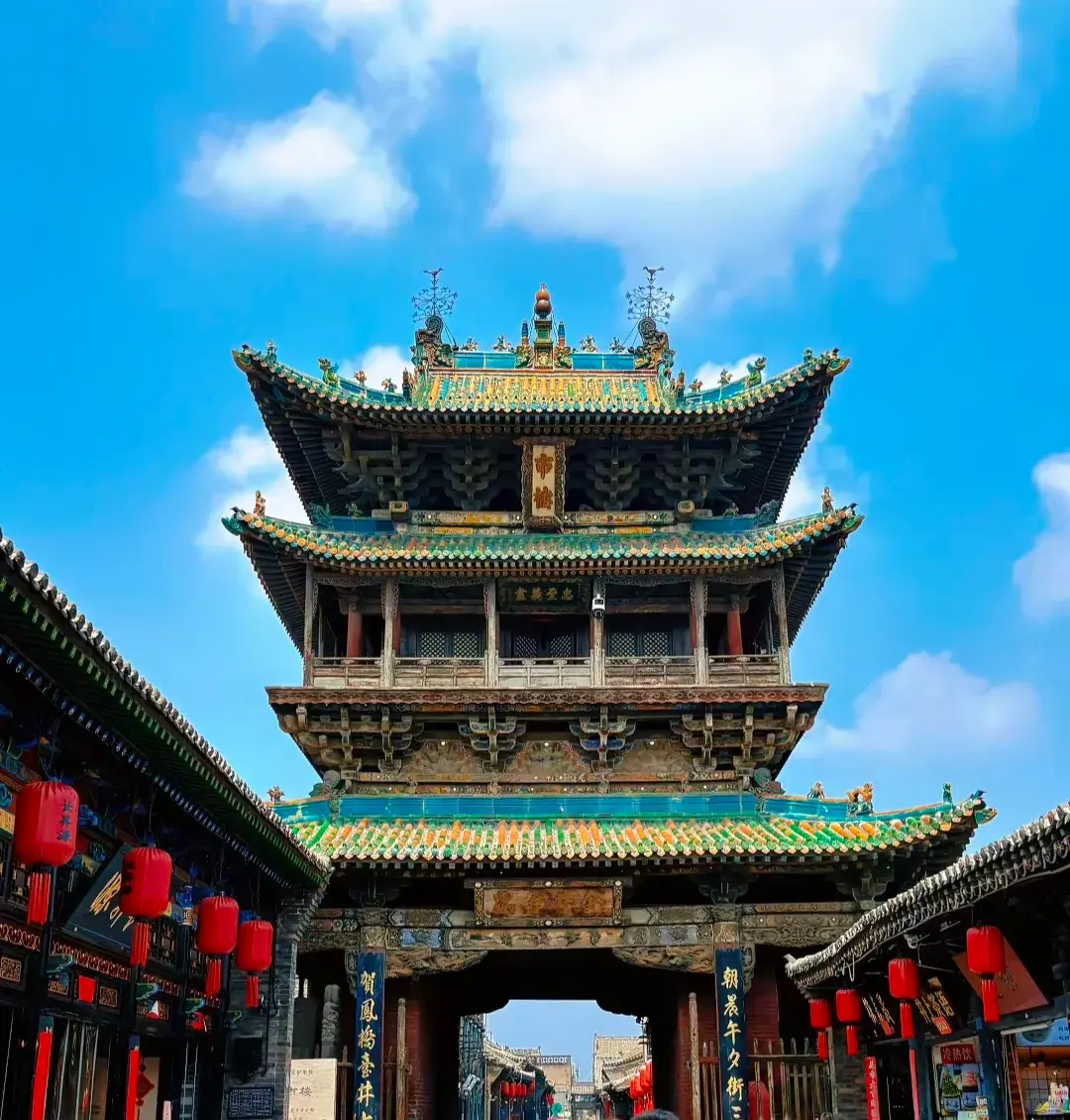
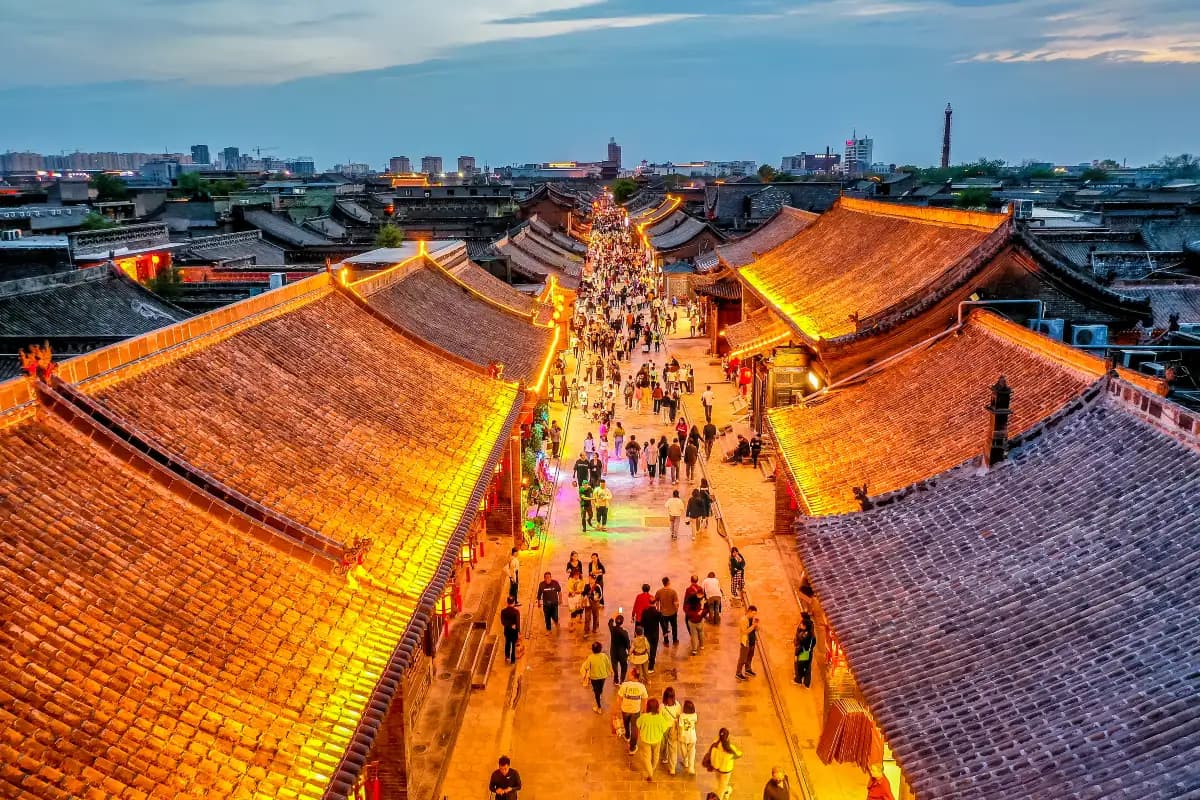
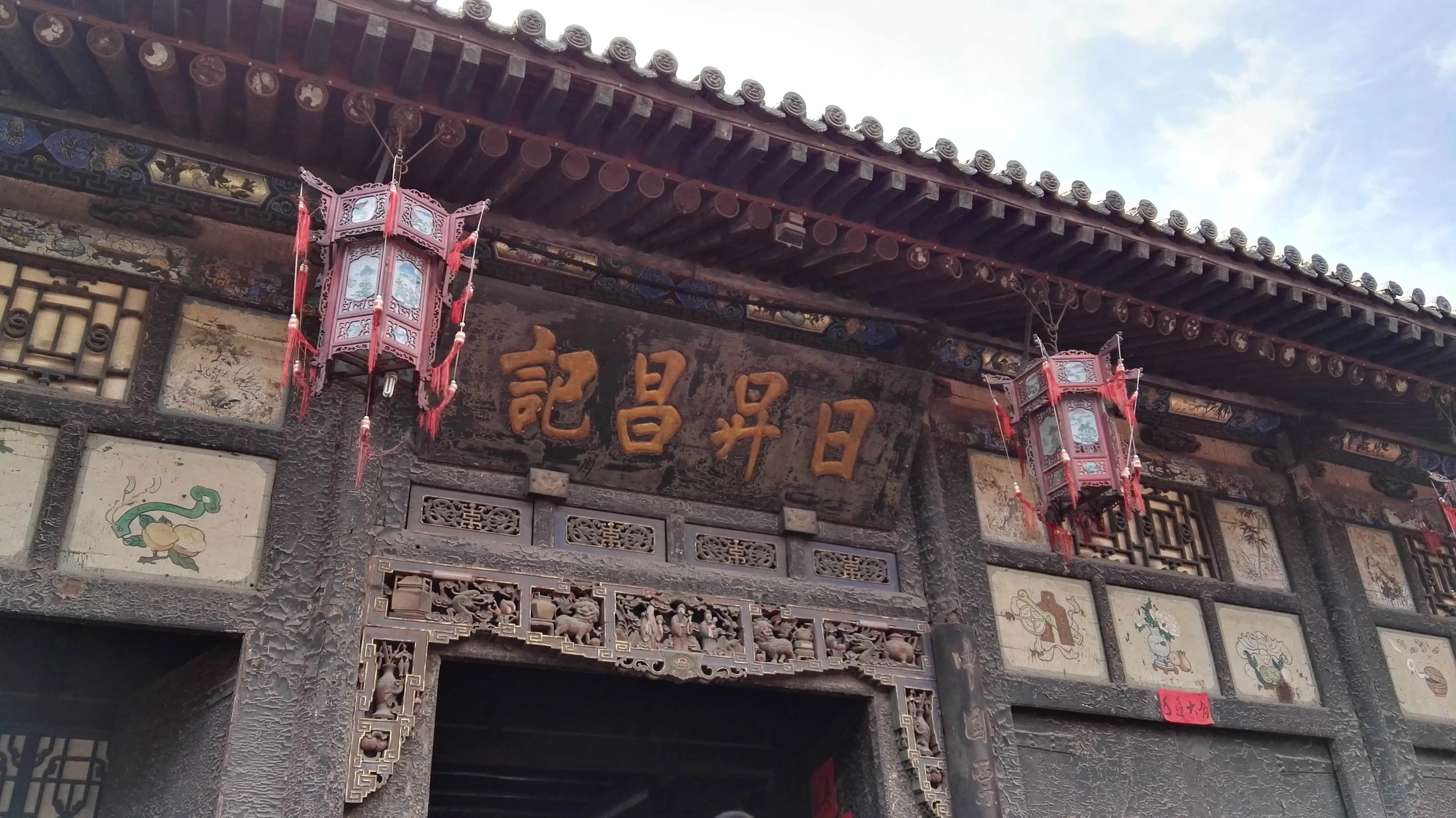
Why Australians may love it: Australia has charming historic towns, but few places offer a fully preserved imperial-era urban landscape on this scale. Pingyao is a chance to experience everyday life in old China rather than just visiting monuments.
Best combined with: Beijing → Datong → Pingyao → Xi'an
🗿 Datong: Ancient Buddhist Art Beyond the Tourist Trail
Best for: History enthusiasts, culture travellers, architecture lovers
Often overlooked by international visitors, Datong is one of northern China's most rewarding cultural stops. Once the capital of the Northern Wei dynasty, the city preserves remarkable examples of Buddhist art and ancient architecture.
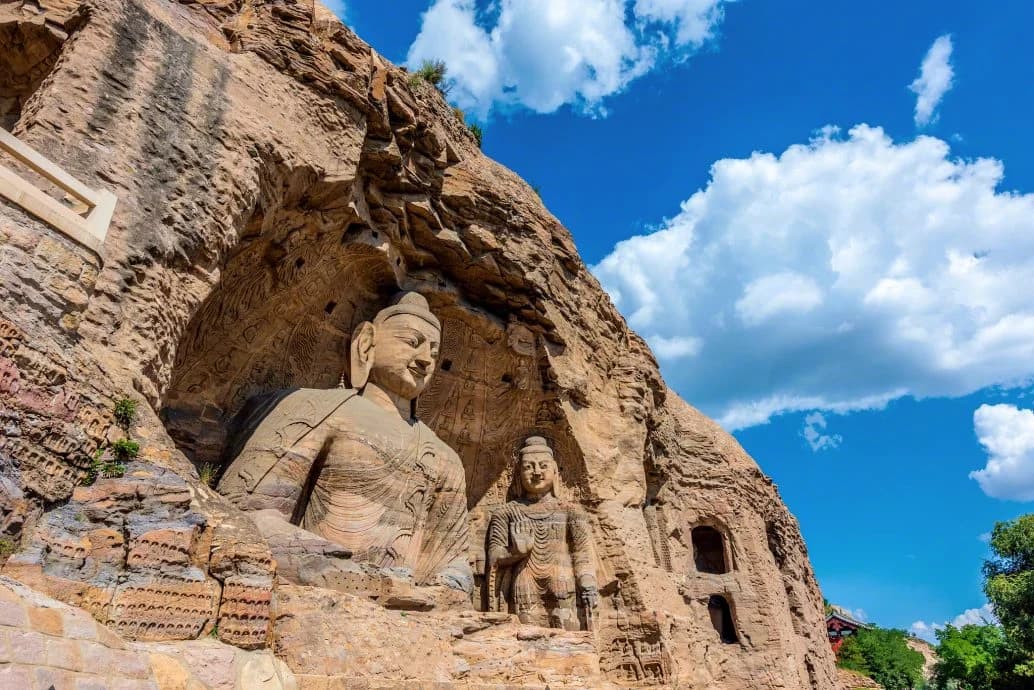
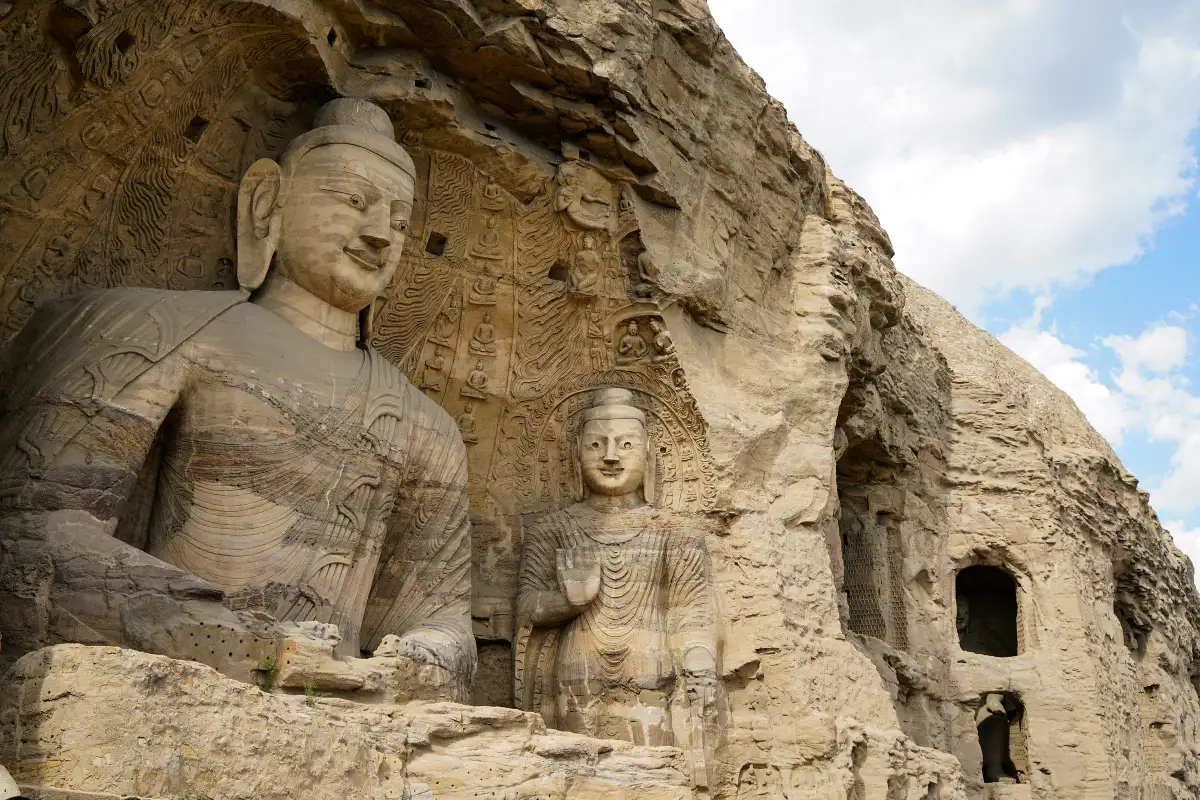
The highlight is the Yungang Grottoes, a UNESCO World Heritage Site featuring thousands of Buddhist statues carved into sandstone cliffs between the 5th and 6th centuries. The caves represent a fascinating meeting point between Chinese, Indian, and Central Asian artistic influences along ancient trade routes.
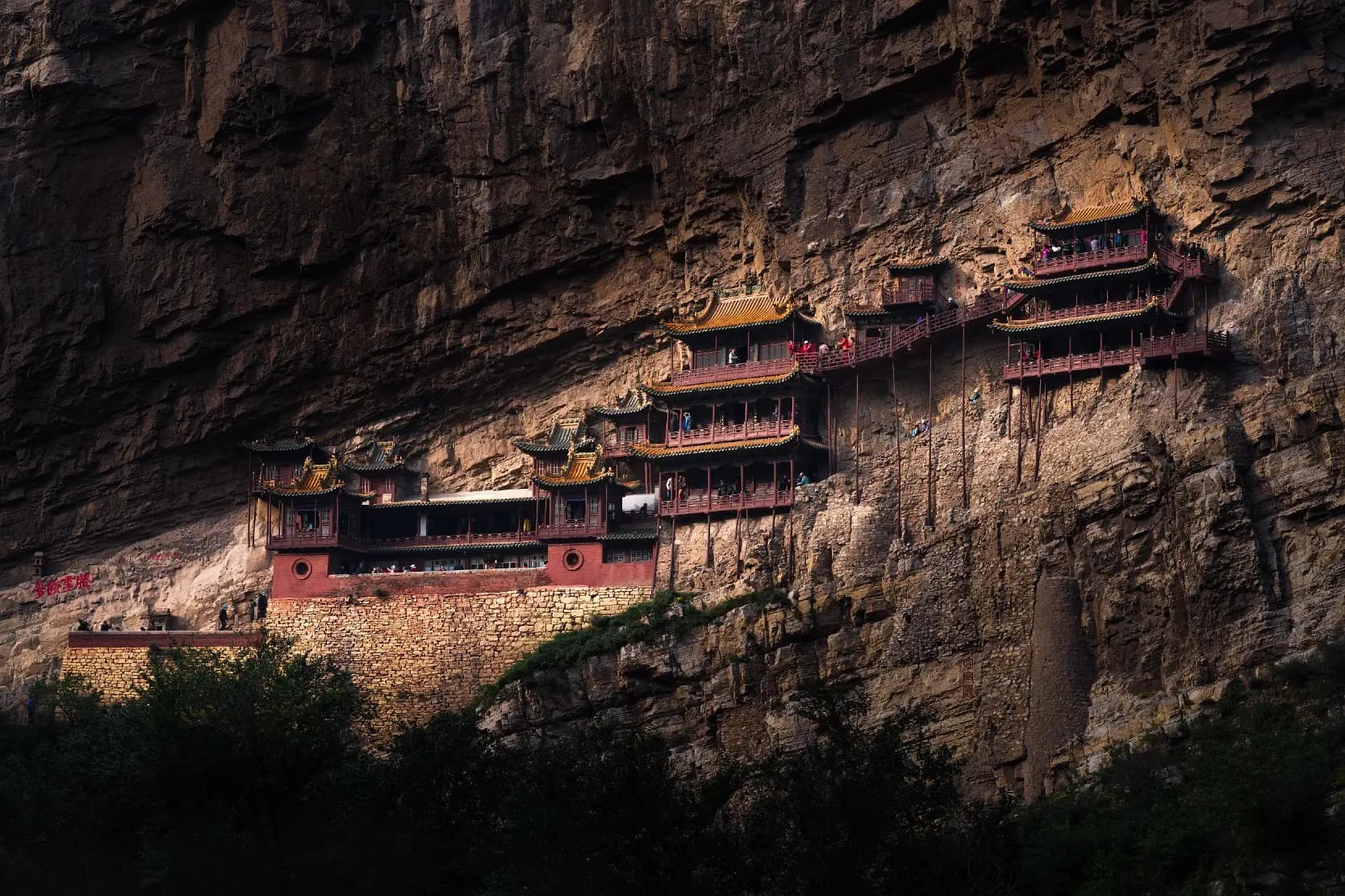
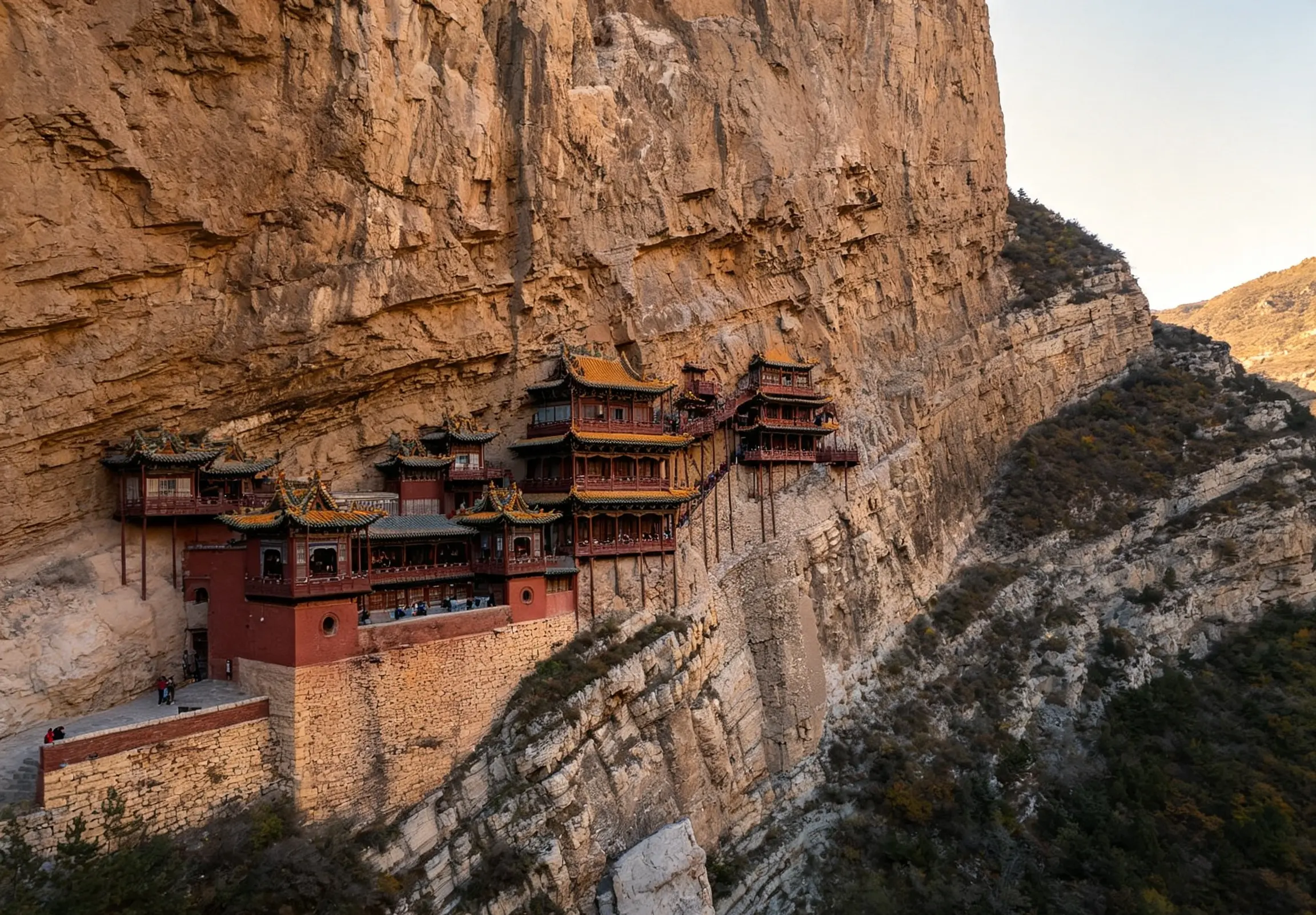
Another unforgettable sight is the Hanging Temple (Xuankong Temple), a centuries-old wooden temple built into a cliff face. The temple is famous for bringing together Buddhist, Taoist, and Confucian traditions in one unique structure.
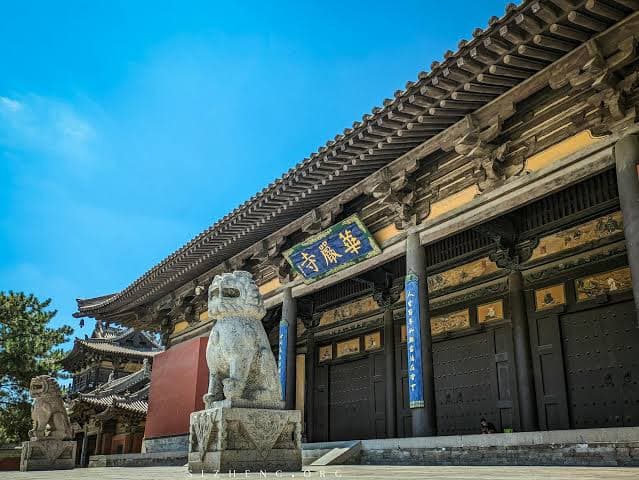
Why Australians may love it: Datong offers a completely different experience from China's modern megacities — dramatic landscapes, ancient engineering, and cultural heritage without the same crowds found at more famous attractions.
Best combined with: Beijing + Datong + Pingyao + Xi'an
🔴 Yan'an: Discover the China Behind Modern History
Best for: Chinese history enthusiasts, travellers seeking deeper cultural experiences
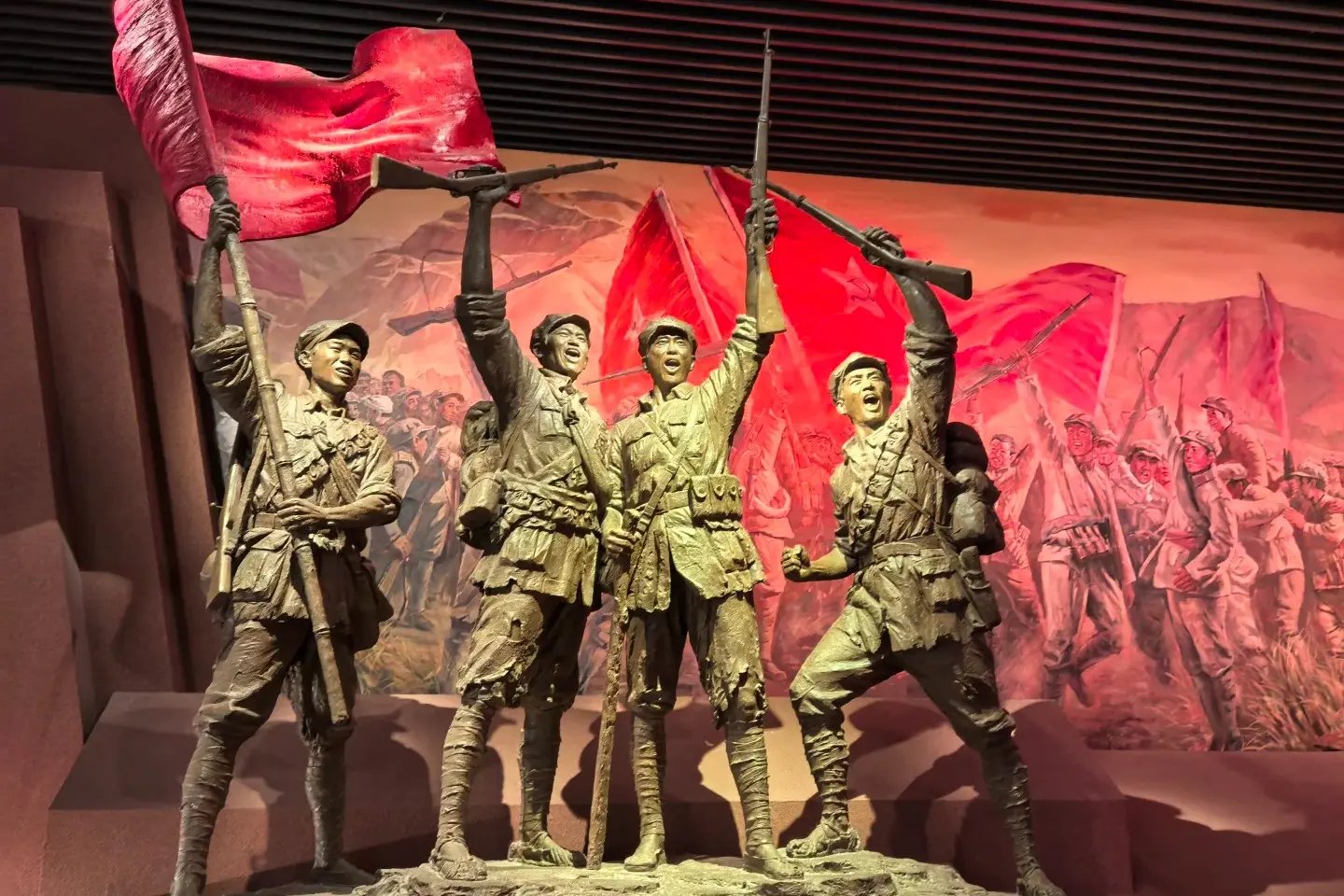
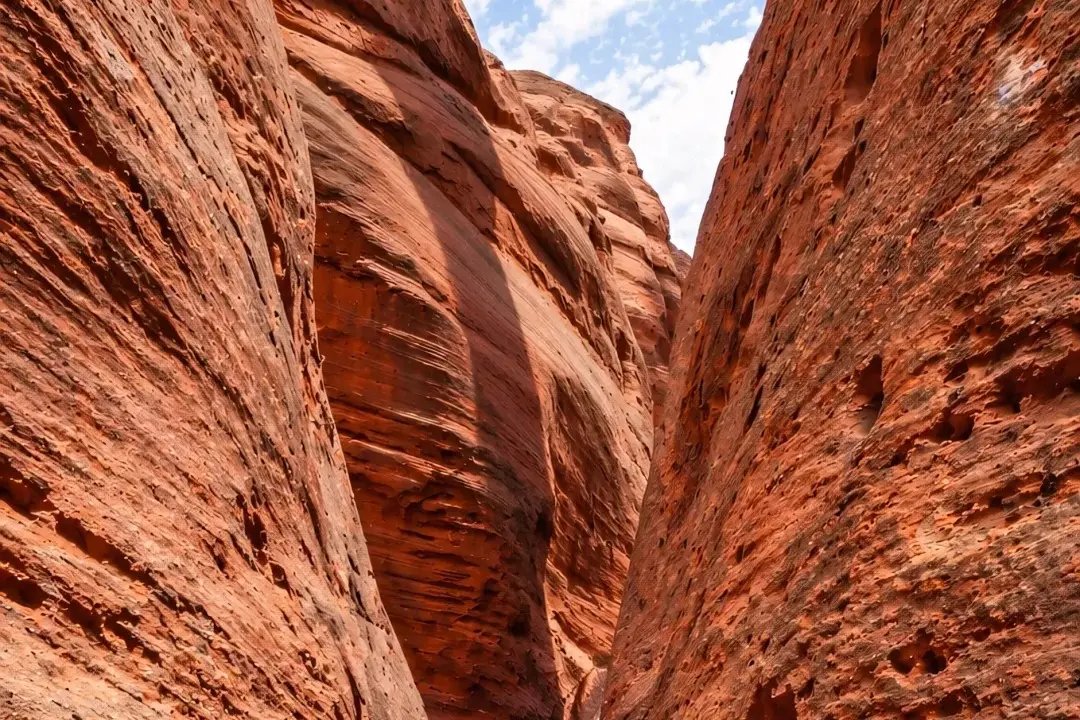
While many international visitors know China's imperial history, fewer explore the country's modern historical story. Yan'an, located in Shaanxi Province, offers insight into an important period of 20th-century Chinese history.
Surrounded by the rugged landscapes of northern Shaanxi, Yan'an is known for its loess hills, traditional cave dwellings (yaodong), and historical sites connected with the revolutionary period.
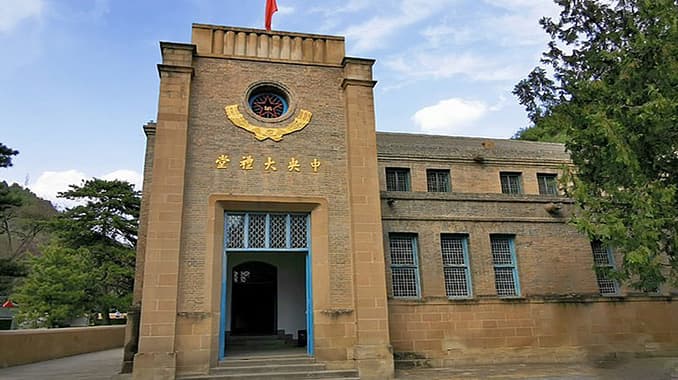
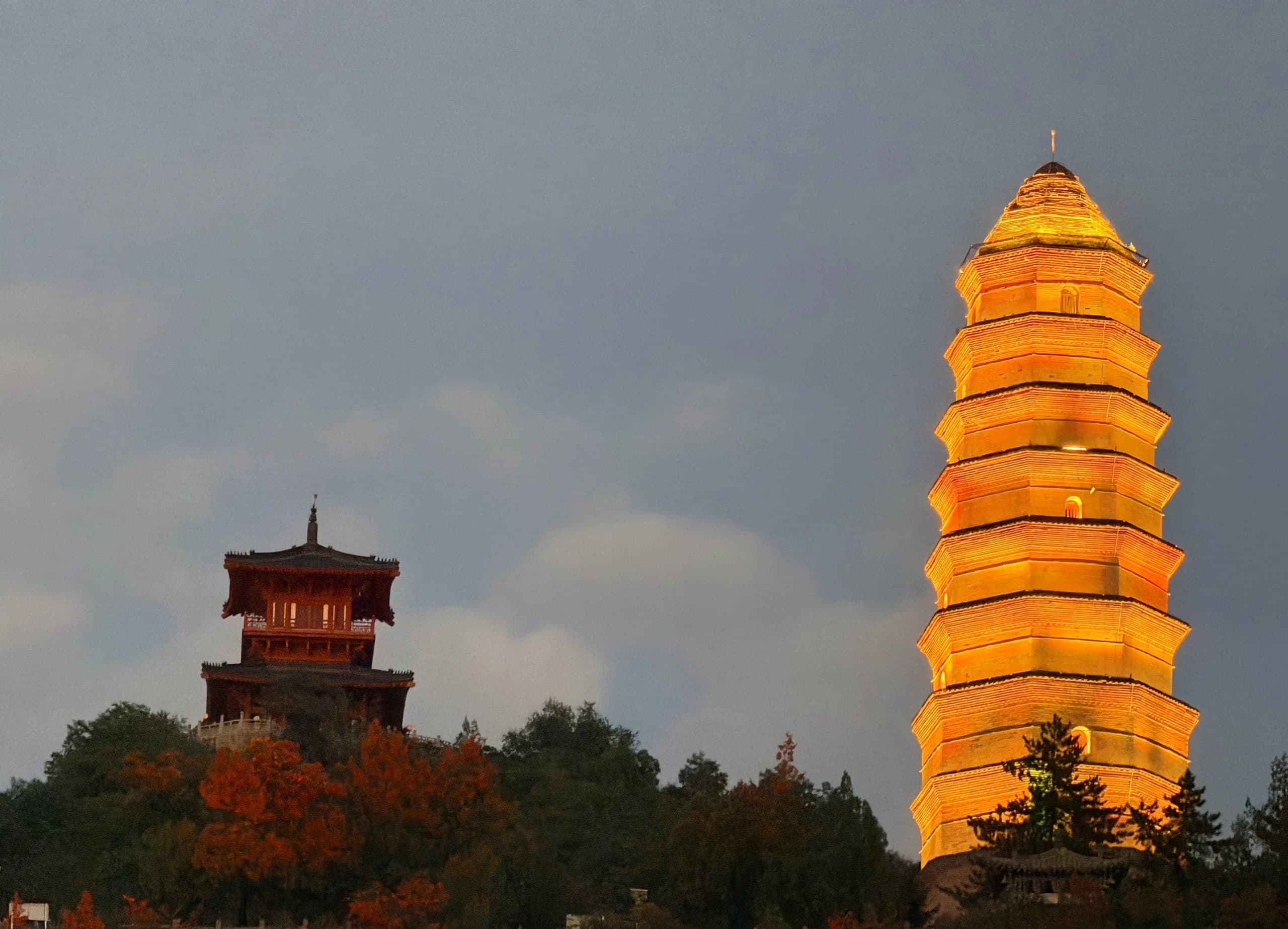
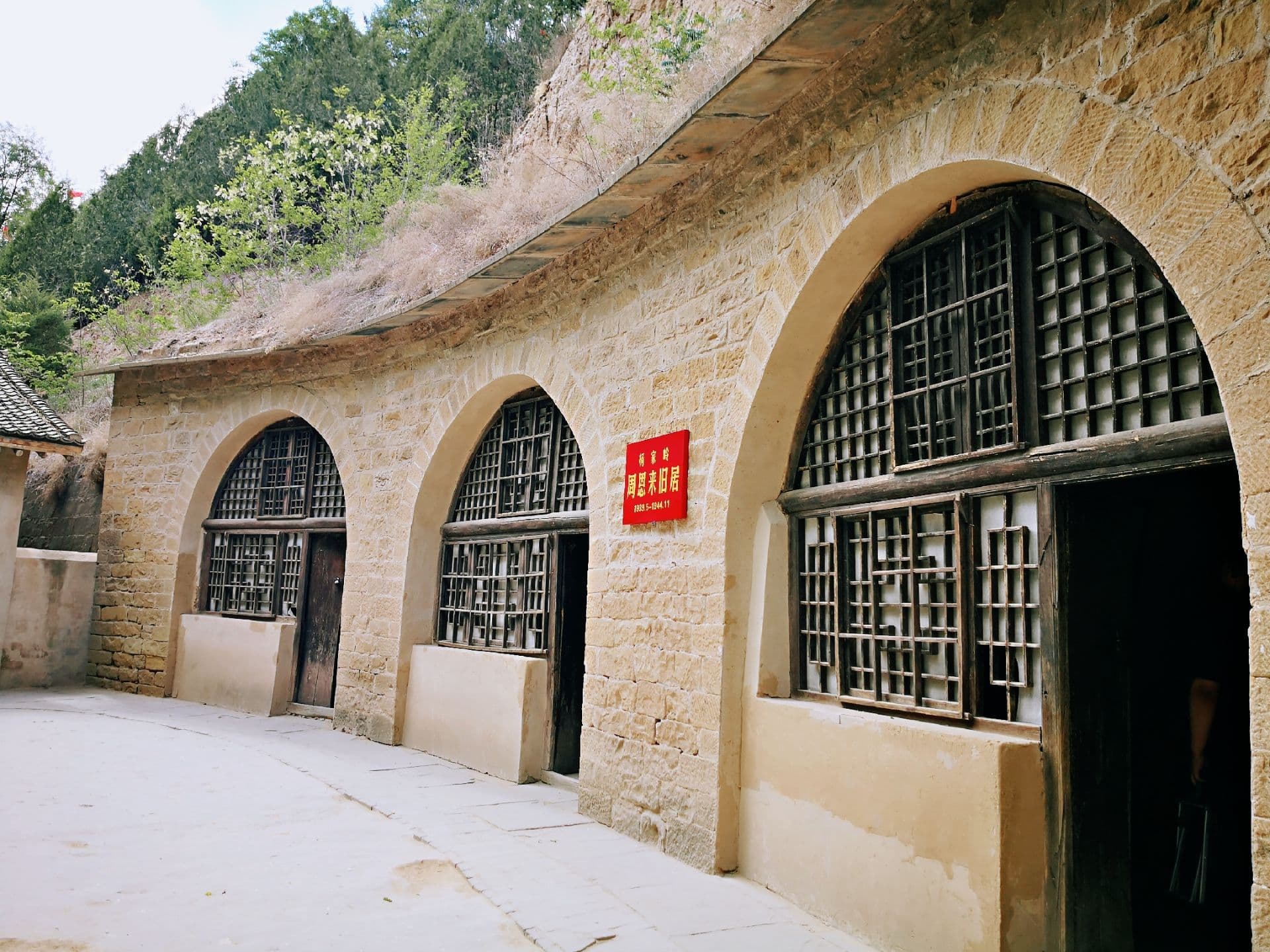
Why Australians may love it: Yan'an is not about ticking off famous landmarks — it is about understanding a different chapter of China's story. For travellers interested in history, politics, culture, or local life, it provides a deeper perspective beyond the classic tourist route.
Best combined with: Xi'an + Yan'an + Hukou Waterfall
🌸 Luoyang: Ancient Capitals & the Birthplace of Chinese Buddhism
Best for: Ancient history enthusiasts, cultural travellers, architecture lovers
Located in Henan Province in central China, Luoyang is one of China's most historically significant ancient capitals. It served as the capital for multiple dynasties and played an important role in the development of Chinese civilisation, Buddhist culture, and traditional arts.
The highlight is the Longmen Grottoes, a UNESCO World Heritage Site featuring tens of thousands of Buddhist statues and inscriptions carved into limestone cliffs along the Yi River. Created over several centuries, the grottoes offer a remarkable glimpse into the evolution of Chinese Buddhist art.
Another important site is White Horse Temple, traditionally regarded as the first Buddhist temple established in China. Founded in the Eastern Han dynasty, it reflects Luoyang's historic role in the introduction and development of Buddhism in China.
For travellers interested in martial arts, the Shaolin Temple, located in nearby Dengfeng, offers a chance to explore the history of Shaolin Kung Fu and its connection with Chan Buddhism.
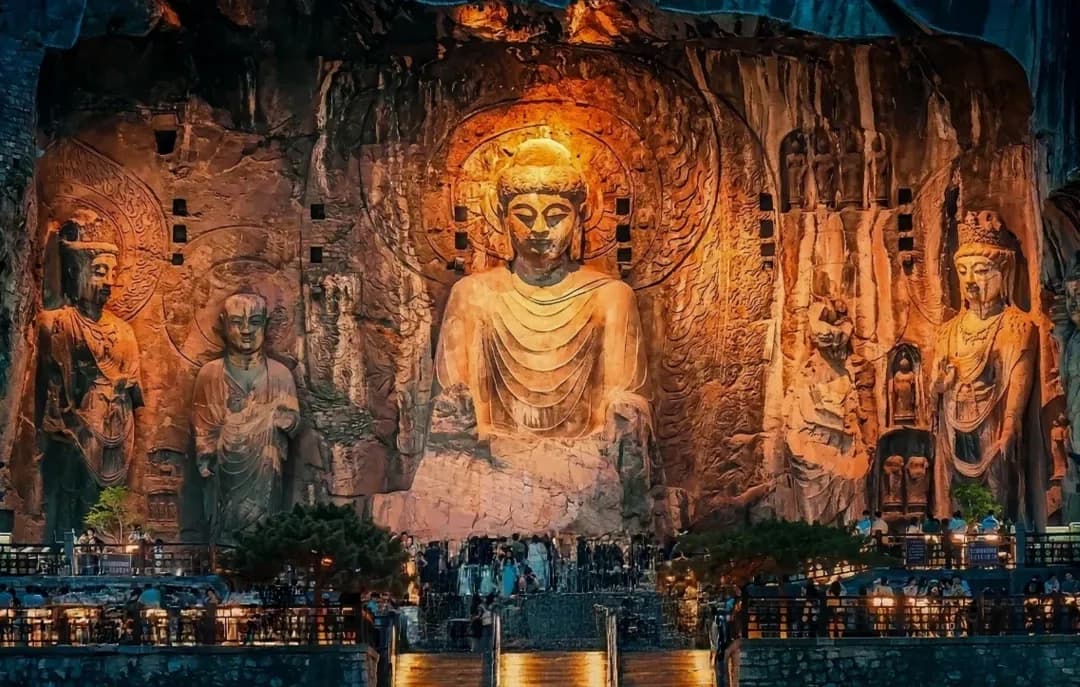
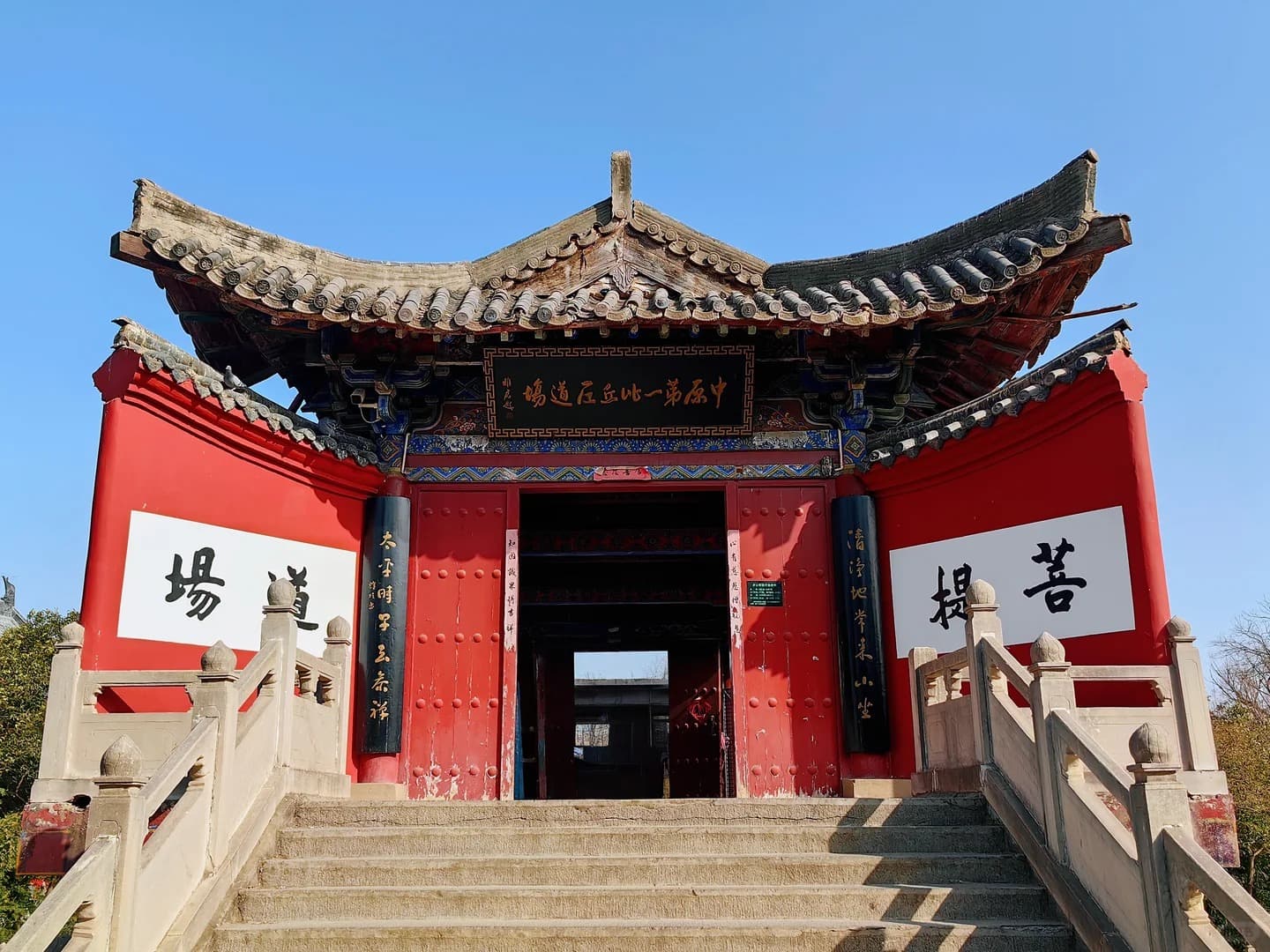
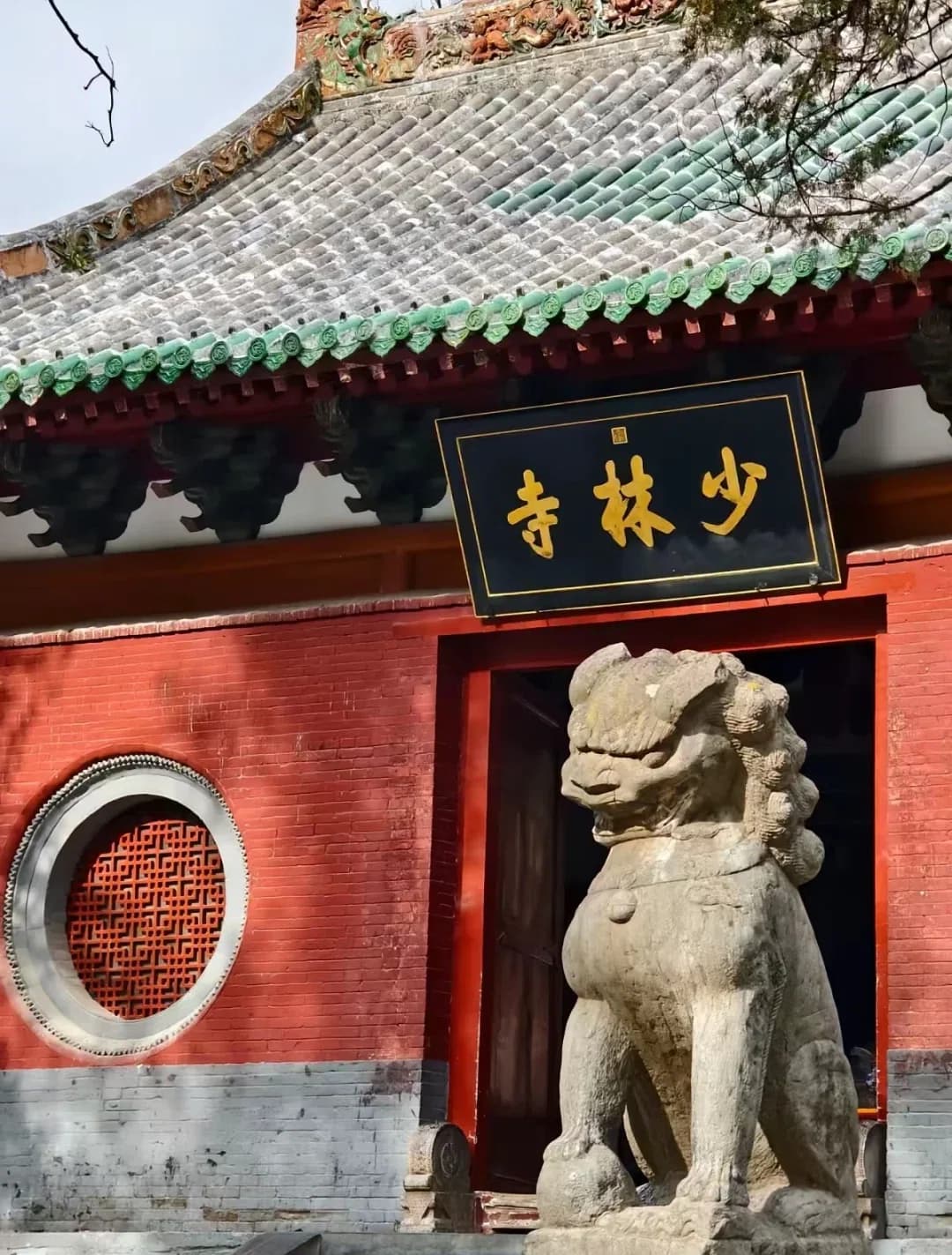
Why Australians may love it: Luoyang offers a deeper understanding of China's ancient history beyond its most famous imperial landmarks. From monumental Buddhist sculptures to centuries-old temples and martial arts traditions, it combines cultural experiences that are difficult to find in Australia.
Best combined with: Xi'an + Luoyang + Beijing + Datong
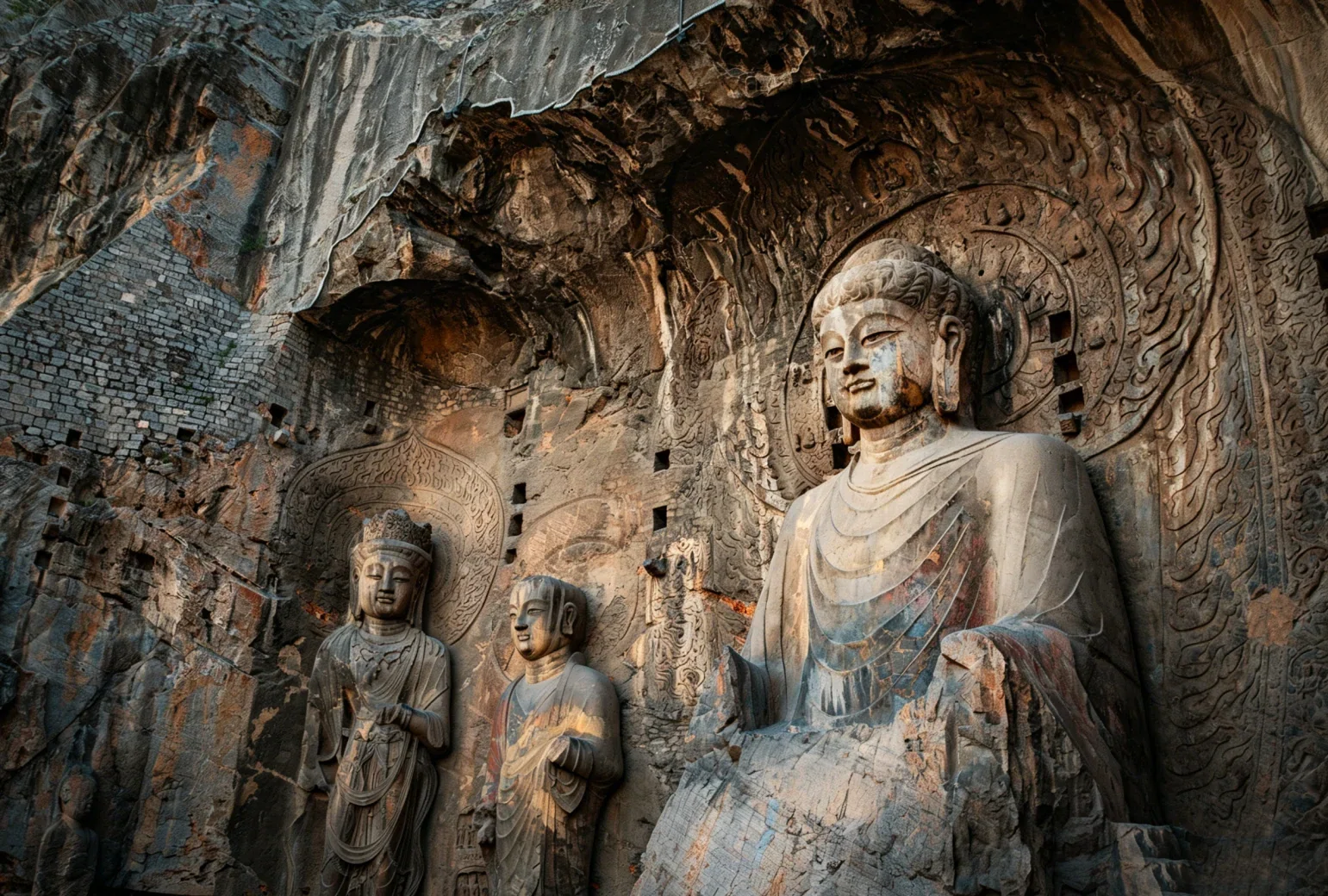
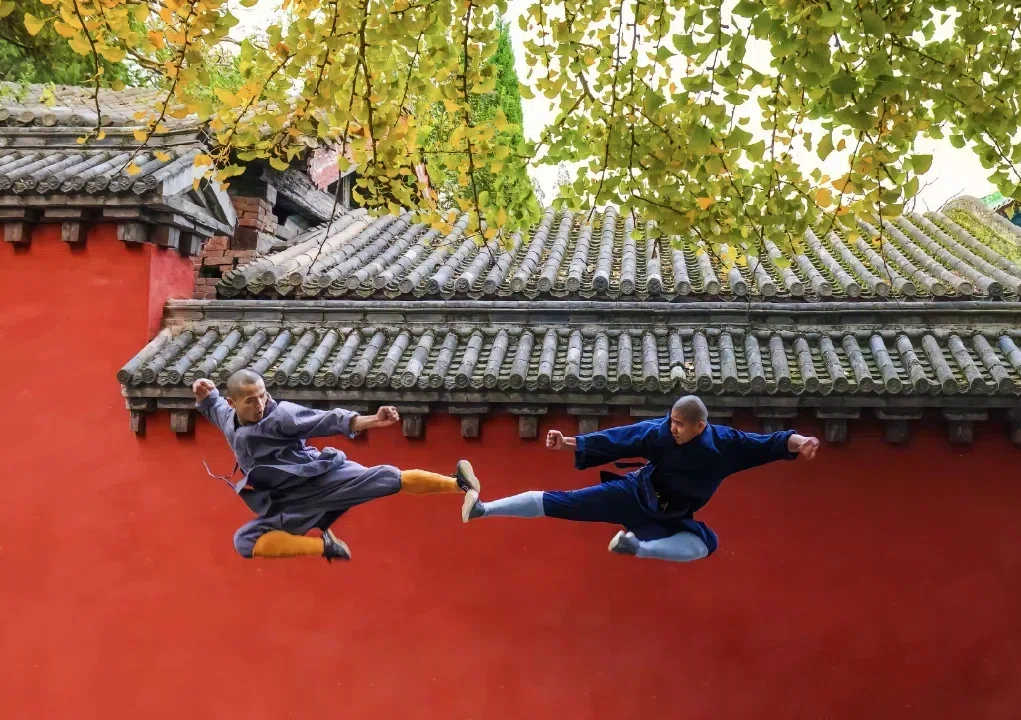
🌄 Yunnan: Mountains, Ancient Towns & Cultural Diversity
Best for: Nature lovers, photographers, cultural travellers
Located in southwest China, Yunnan feels like another world compared with China's major cities. From snow mountains and highland lakes to ancient towns and diverse ethnic communities, the region offers some of China's most varied landscapes and cultures.
Shangri-La: Highland Scenery and Tibetan Culture
Shangri-La sits in the mountains of northwest Yunnan, offering a unique combination of Tibetan-style architecture, high-altitude landscapes, monasteries, and traditional cultures.
For Australians who enjoy alpine scenery, national parks, and outdoor experiences, Shangri-La provides a very different side of China — one shaped by mountains, altitude, and ethnic traditions.

Lijiang: Ancient Streets Beneath Snow Mountains
Lijiang is famous for its beautifully preserved old town, traditional Naxi culture, and views of Jade Dragon Snow Mountain.
Unlike China's larger historic cities, Lijiang offers a slower pace: walking through cobbled streets, exploring traditional architecture, and enjoying the connection between ancient communities and dramatic mountain scenery.



Why Australians may love Yunnan: Many Australian travellers are drawn to nature and outdoor experiences. Yunnan combines the elements they often seek — mountains, hiking, photography, local cultures, and slower travel — while offering landscapes and traditions rarely found elsewhere in China.
Best combined with: Kunming + Dali + Lijiang + Shangri-La
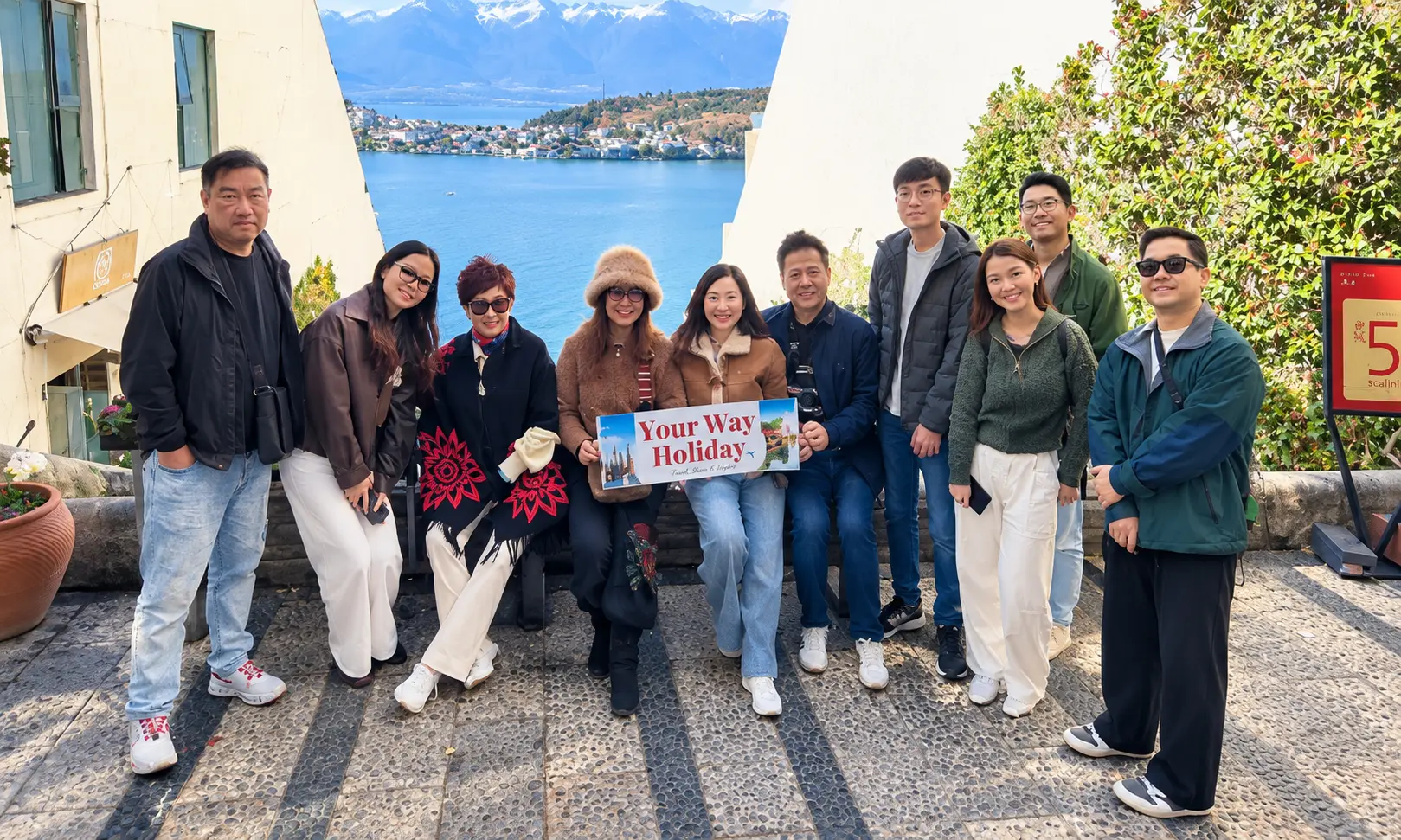
✨ Why Add These Places to Your China Trip?
The famous cities show China's greatest achievements:
Beijing reveals imperial history
Xi'an reveals ancient civilisation
Shanghai shows modern China
Chengdu introduces China's relaxed lifestyle
But destinations like Pingyao, Datong, Yan'an, and Yunnan reveal another side of the country — quieter, deeper, and often more personal.
For Australians who want more than the standard China highlights, these places offer the chance to experience the history, landscapes, and cultures that many first-time visitors miss.
🗺️ China Travel Map: Where Are These Destinations Located?
China is one of the world's largest countries, with huge differences in landscapes, climates, food, and cultures between regions. For Australian travellers planning their first China trip, understanding where each destination is located can make it much easier to build a realistic itinerary.
Northern China: Imperial History & Ancient Civilisations
Northern China is where many visitors begin their China journey. This region offers some of the country's most famous historical sites, from imperial palaces and ancient temples to dramatic winter scenery.
Destination | Location | Best For | Key Experiences | Often Combined With |
|---|---|---|---|---|
Beijing | China's capital in northern China | First-time visitors, history lovers | Forbidden City, Great Wall, Temple of Heaven, hutongs | Xi'an, Shanghai, Datong |
Datong | Shanxi Province, west of Beijing | History enthusiasts, cultural travellers | Yungang Grottoes, Hanging Temple, ancient Buddhist heritage | Beijing, Pingyao |
Harbin | Heilongjiang Province, northeast China | Winter travellers, photographers | Ice Festival, snow landscapes, Russian-style architecture | Beijing |
Locations
Numbered locations- 1Beijing
- 2Datong
- 3Harbin
Central & Northwest China: Ancient Civilisations & Silk Road Heritage
This region reveals China's deep historical roots, from ancient capitals and archaeological discoveries to traditional towns and important cultural landscapes. For travellers interested in China's origins, this area offers some of the country's most significant historical sites.
Destination | Location | Best For | Key Experiences | Often Combined With |
|---|---|---|---|---|
Xi'an | Shaanxi Province, central-west China | History lovers, food travellers | Terracotta Warriors, Ancient City Wall, Silk Road history, Muslim Quarter | Beijing, Luoyang, Chengdu |
Luoyang | Henan Province, east of Xi'an | Ancient history lovers, cultural travellers | Longmen Grottoes, White Horse Temple, Shaolin Temple, one of China's oldest capitals | Xi'an, Beijing, Zhengzhou |
Pingyao | Shanxi Province | Heritage lovers, photographers, slow travellers | Ancient city walls, Ming & Qing architecture, traditional courtyards | Datong, Beijing, Xi'an |
Yan'an | Northern Shaanxi Province | Chinese history enthusiasts | Loess Plateau scenery, cave dwellings, historical sites | Xi'an, Hukou Waterfall |
Locations
Numbered locations- 1Xi'an
- 2Luoyang
- 3Pingyao
- 4Yan'an
Eastern China: Modern Cities, Gardens & Traditional Water Towns
Eastern China combines China's most international cities with elegant landscapes, classical gardens, and centuries-old cultural traditions.
Destination | Location | Best For | Key Experiences | Often Combined With |
|---|---|---|---|---|
Shanghai | East coast of China | City lovers, photographers, food travellers | The Bund, Pudong skyline, French Concession, modern China | Beijing, Xi'an, Suzhou, Hangzhou |
Suzhou | Jiangsu Province, near Shanghai | Garden lovers, culture travellers | Classical gardens, canals, traditional architecture | Shanghai, Hangzhou |
Hangzhou | Zhejiang Province, near Shanghai | Relaxed travellers, tea lovers, nature lovers | West Lake, Longjing tea, scenic countryside | Shanghai, Suzhou |
Huangshan (Yellow Mountain) | Anhui Province, eastern China | Nature lovers, photographers, hikers | Sea of clouds, granite peaks, ancient villages, traditional Huizhou culture | Shanghai, Hangzhou |
Locations
Numbered locations- 1Shanghai
- 2Suzhou
- 3Hangzhou
- 4Huangshan
Southwest China: Pandas, Mountains & Cultural Diversity
Southwest China offers some of China's most dramatic landscapes, unique cuisines, and diverse ethnic cultures. It is ideal for travellers looking beyond major cities.
Destination | Location | Best For | Key Experiences | Often Combined With |
|---|---|---|---|---|
Chengdu | Sichuan Province | Food lovers, panda fans, relaxed travellers | Giant pandas, Sichuan cuisine, tea houses, Sichuan Opera | Xi'an, Jiuzhaigou, Chongqing |
Zhangjiajie | Hunan Province | Nature lovers, adventure travellers | Avatar-inspired mountains, glass bridge, cable cars | Chengdu, Shanghai |
Yunnan | Southwest China near Tibet and Southeast Asia | Nature lovers, cultural explorers | Lijiang Ancient Town, Shangri-La, snow mountains, ethnic cultures | Chengdu, Guilin |
Locations
Numbered locations- 1Chengdu
- 2Zhangjiajie
- 3Yunnan
Southern China: Rivers, Karst Landscapes & Tropical Scenery
Southern China is known for its beautiful natural landscapes, warmer climate, and slower pace of travel.
Destination | Location | Best For | Key Experiences | Often Combined With |
|---|---|---|---|---|
Guilin & Yangshuo | Guangxi Province, southern China | Nature lovers, photographers | Li River cruise, karst mountains, countryside scenery, Longji Rice Terraces | Shanghai, Chengdu, Guangzhou |
Huangshan (Yellow Mountain) | Anhui Province, eastern-southern China | Hikers, photographers | Sea of clouds, granite peaks, ancient villages | Shanghai, Hangzhou |
Locations
Numbered locations- 1Guilin
- 2Yangshuo
🧭 Popular China Routes for First-Time Australian Visitors
China is a vast country, and choosing the right route can make a big difference to your first visit. Rather than trying to cover too many destinations, it is often better to combine a few well-connected cities with contrasting experiences — from imperial landmarks and ancient capitals to giant pandas, dramatic landscapes, and modern city life.
The following itineraries offer practical starting points for Australian travellers, with routes that can be adjusted to suit your interests, travel pace, and international flight arrangements.
7–10 Days: China's Greatest Hits
Suggested route: Beijing → Xi'an → Shanghai
Best for: First-time visitors, history enthusiasts, and travellers who want to experience both traditional and modern China.
This classic route introduces three very different sides of the country without requiring too many changes of base. Beijing showcases China's imperial history, Xi'an brings ancient China to life through its archaeological treasures, and Shanghai offers a glimpse of the country's modern urban energy.
Suggested itinerary:
Beijing — 3–4 days: Explore the Forbidden City, walk along the Great Wall, and discover the city's traditional hutongs and historic neighbourhoods.
Xi'an — 2–3 days: Visit the Terracotta Army, explore the ancient City Wall, and enjoy the food and atmosphere of the Muslim Quarter.
Shanghai — 2–3 days: Stroll along the Bund, admire the Pudong skyline, and explore the former French Concession or Shanghai's historic lanes.
Travel planning tip: Allow for travel between cities when calculating your total trip length. High-speed trains connect Beijing and Xi'an, while flying or taking a high-speed train can be considered for the onward journey to Shanghai, depending on your schedule and preferences. For a trip of only seven days, keep sightseeing selective rather than trying to fit every attraction into each city.
10–14 Days: History, Pandas & Scenic Landscapes
Suggested route: Beijing → Xi'an → Chengdu → Guilin & Yangshuo
Best for: Travellers who want a broader introduction to China, combining historical landmarks, wildlife, local culture, and spectacular scenery.
With a few extra days, you can move beyond China's best-known historical cities and experience a different pace of travel. Chengdu is famous for its giant pandas and Sichuan cuisine, while Guilin and Yangshuo offer a striking contrast to the country's large urban centres, with limestone peaks, riverside villages, and countryside views.
Suggested itinerary:
Beijing — 3 days: Discover the Forbidden City, visit the Great Wall, and experience the capital's traditional culture.
Xi'an — 2–3 days: See the Terracotta Army and explore the city's ancient heritage.
Chengdu — 2–3 days: Visit a giant panda conservation and breeding centre, sample Sichuan cuisine, and enjoy the city's relaxed teahouse culture.
Guilin & Yangshuo — 3–4 days: Enjoy the scenery along the Li River, explore Yangshuo's countryside, and take time to appreciate the karst landscapes.
Travel planning tip: This route covers several regions, so at least one flight may be the most practical way to connect some destinations. Check actual flight schedules before finalising the itinerary. If you prefer to travel mainly by train, consider simplifying the route rather than adding long overland journeys that leave little time for sightseeing.
14–18 Days: A Deeper China Experience
Suggested route: Beijing → Xi'an → Chengdu → Zhangjiajie → Shanghai
Best for: Travellers who have two weeks or more and want a mix of iconic landmarks, local culture, and extraordinary natural scenery.
A longer trip allows you to explore beyond China's major historical cities. Zhangjiajie is known for its towering sandstone pillars, forested mountains, and dramatic viewpoints, making it a memorable addition for nature lovers. Ending in Shanghai provides a convenient contrast between China's spectacular landscapes and its contemporary urban life.
Suggested itinerary:
Beijing — 3 days: Explore imperial landmarks and visit the Great Wall.
Xi'an — 2–3 days: Discover the Terracotta Army and the city's ancient heritage.
Chengdu — 2 days: Meet the giant pandas and experience Sichuan's food culture.
Zhangjiajie — 3–4 days: Explore Zhangjiajie National Forest Park, take in the mountain scenery, and allow time for the park's shuttle buses, walking routes, and cable cars where appropriate.
Shanghai — 2–3 days: Enjoy the Bund, the skyline, and the city's diverse neighbourhoods.
Travel planning tip: Zhangjiajie involves substantial travel within the destination itself, and mountain viewpoints may require walking and changes in elevation. Allow enough time for the main scenic areas rather than treating it as a quick stop. Check transport connections between Chengdu, Zhangjiajie, and Shanghai before booking, as direct services and convenient departure times can vary.
18–21+ Days: China's Landscapes, Heritage & Hidden Gems
Suggested route: Beijing → Datong → Pingyao → Xi'an → Chengdu → Yunnan
Best for: Independent-minded travellers, repeat visitors, and those interested in ancient architecture, regional traditions, mountain scenery, and a slower pace of exploration.
For travellers with three weeks or more, China offers opportunities to venture beyond the most familiar tourist circuit. Datong is known for its extraordinary Buddhist grottoes and cliffside temple, while Pingyao preserves the atmosphere of a traditional walled city. After exploring Xi'an and Chengdu, travellers can continue to Yunnan for a different cultural and geographical experience, from historic towns to mountain landscapes.
Suggested itinerary:
Beijing — 3 days: Visit the capital's major historical landmarks and the Great Wall.
Datong — 1–2 days: Explore the Yungang Grottoes and the Hanging Temple.
Pingyao — 1–2 days: Walk through the historic walled city and discover its traditional courtyards and merchant heritage.
Xi'an — 2–3 days: Visit the Terracotta Army and explore the city's ancient sites.
Chengdu — 2 days: See the giant pandas and enjoy Sichuan cuisine.
Yunnan — 5–7 days: Choose a manageable combination of destinations, such as Kunming, Dali, and Lijiang, depending on your interests and available transport connections.
Travel planning tip: Yunnan is a region, not a single city, and travelling between its destinations takes time. Rather than attempting to cover the whole province, select two or three places that fit your interests. Datong and Pingyao also add extra transfers to the northern and central China section of the trip, so this route works best when you have enough time to explore each stop without rushing.
❓️ How to Choose the Right China Route
Have around one week? Focus on Beijing, Xi'an, and Shanghai for a well-rounded first visit.
Have 10–14 days? Add Chengdu and Guilin & Yangshuo if you want to combine history, pandas, and countryside scenery.
Have two to two-and-a-half weeks? Consider Zhangjiajie for a major natural highlight, while keeping the number of destinations manageable.
Have three weeks or more? Explore lesser-known historical cities such as Datong and Pingyao, or spend additional time in Yunnan.
These routes are starting points rather than fixed schedules. Your best itinerary will depend on your arrival and departure cities, the season, transport availability, and how much time you want to spend travelling versus exploring. For a first visit, a well-paced route with a few contrasting destinations is often more rewarding than trying to see all of China in one trip.
💳 Payments: China Is Cashless — Here's How to Prepare
This is the #1 challenge for Australian travelers: China runs on mobile payments. Street vendors, restaurants, shops, and even some taxis expect QR code payment via Alipay or WeChat Pay. Foreign credit cards are rarely accepted outside international hotels.
The good news: you can now link your Australian Visa or Mastercard to both Alipay and WeChat Pay before you leave home. [Source]
Step-by-Step: Setting Up Alipay with an Australian Card
Download Alipay from the Australian App Store (do this before flying)
Sign up with your Australian phone number and email
Go to "Me" → "Bank Cards" → "Add Card"
Enter your Australian Visa or Mastercard details
Verify your identity with your passport (takes 1–24 hours)
You're ready to pay at any merchant displaying an Alipay QR code
How Much Cash Should You Bring?
Bring a small amount of CNY cash (equivalent to AU$100–200) as backup for places that don't accept mobile payments — small temples, rural areas, or occasional street vendors. But realistically, 95%+ of transactions in Chinese cities can be handled via Alipay or WeChat Pay.
Payment Method | Works in China? | Notes |
|---|---|---|
Alipay (linked to AU card) | ✅ Yes — everywhere | Best option. Set up before departure. |
WeChat Pay (linked to AU card) | ✅ Yes — everywhere | Set up as backup to Alipay. |
Australian Visa/Mastercard (physical) | ⚠️ Limited | Only international hotels, some upscale restaurants, and airport duty-free. |
Cash (CNY) | ⚠️ Backup only | Accepted but inconvenient. No one carries cash anymore. |
Australian dollars | ❌ No | Exchange at airport or bank for CNY if needed. |
Amex / Diners (physical) | ❌ Almost never | Don't rely on these. |
Currency Exchange: AUD to CNY
As of September 2026, 1 AUD ≈ 4.69 CNY. [RBA exchange rates] China is generally affordable for Australian travelers — a bowl of noodles costs CNY 15–25 (AU$3–5), a mid-range hotel room CNY 400–800 (AU$85–170), and a private full-day tour with guide and driver from AU$300+ per person.
📱 The China App Setup: Download Everything Before You Land
Once you land in China, you cannot access Google Play, the Apple App Store (China region), or many Western websites. Download and configure all essential apps while still in Australia.
App | What It Does | When to Set Up |
|---|---|---|
Alipay | Mobile payments everywhere | Before departure — link your AU card & verify passport |
Messaging + WeChat Pay + mini-programs | Before departure — link card for payments | |
Amap (高德地图) | Maps & navigation (English version available) | Before departure — download offline maps |
DiDi | Ride-hailing (English version) | Before departure — link to Alipay for payment |
Google Translate | Camera translation for menus & signs | Before departure — download offline Chinese pack |
Microsoft Translator | Alternative translation app | Before departure — works offline |
💡 Or... Let Your Way Holiday Handle It All
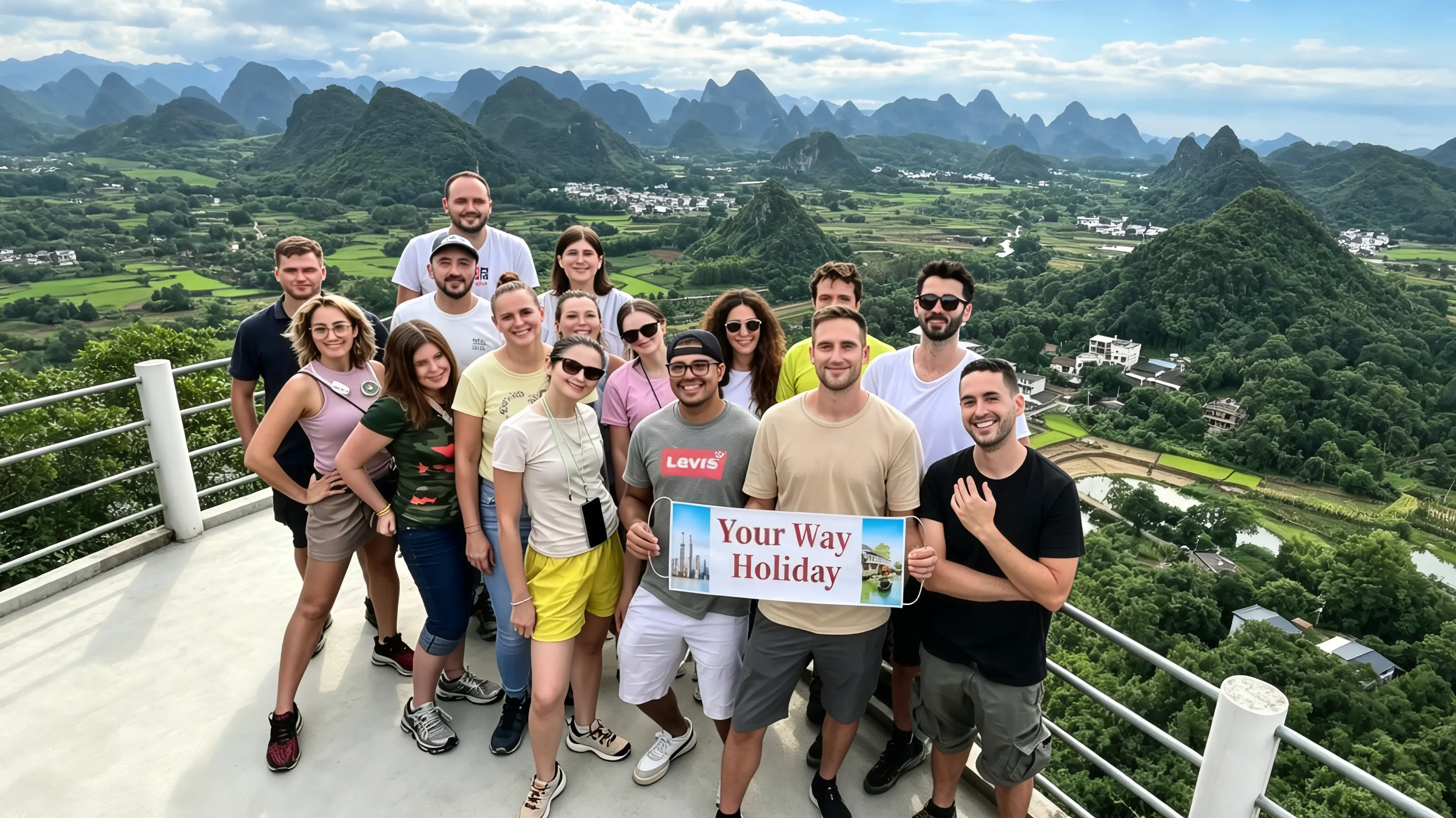
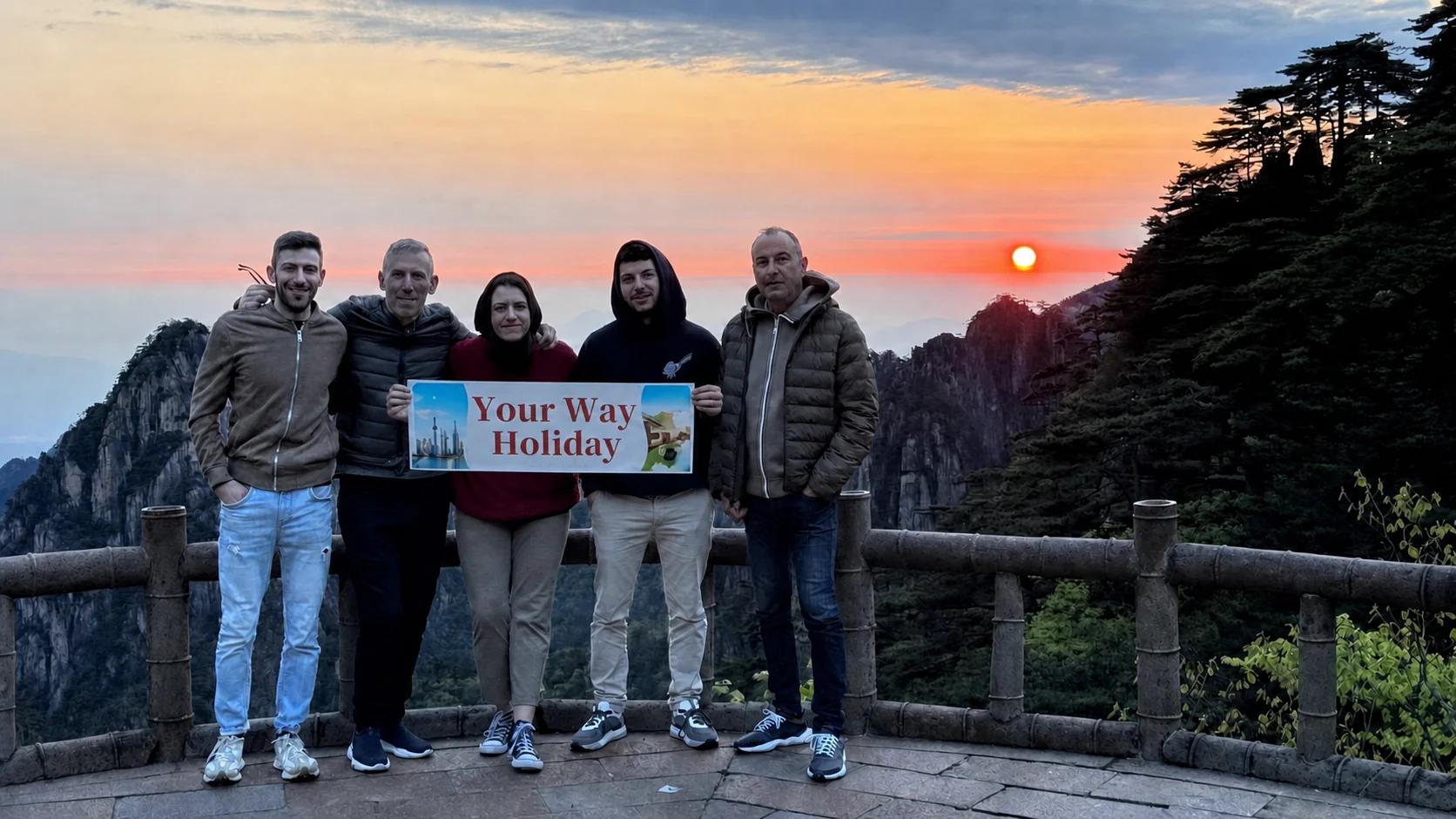
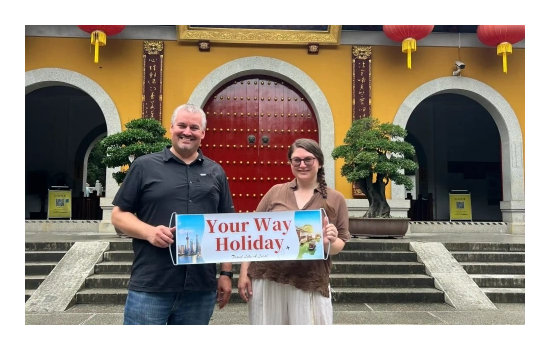
On a Your Way Holiday private tour, your guide handles payments, navigation, ride-hailing, ticket booking, and translation. You don't need to master 7 apps — you need to show up and enjoy China. The app setup is for independent travelers. Private tour guests just need their phone for photos.
🌐 Internet Access: What Works and What Doesn't
China's Great Firewall blocks Google, Gmail, WhatsApp, Instagram, Facebook, YouTube, and many other Western apps. Here's how Australian travelers stay connected:
Option 1: Foreign-Routed eSIM (Recommended)
A foreign-routed eSIM (such as Airalo, Holafly, or Nimvoy) routes your data through servers outside China, meaning Google Maps, WhatsApp, and Gmail continue to work. Install the eSIM before flying, keep your Australian SIM active for bank SMS verification, and test it on arrival.
Option 2: Australian Roaming
Carrier | Cost | Does it bypass the firewall? |
|---|---|---|
Telstra | AU$10/day | ❌ No — data routes through Chinese carriers |
Optus | AU$5/day | ❌ No — data routes through Chinese carriers |
Vodafone | AU$5/day | ❌ No — data routes through Chinese carriers |
🚄 China's High-Speed Rail: A Guide for Australians
Australia has nothing like it. China's high-speed rail network is the world's largest — over 45,000 km of track connecting every major city at 250–350 km/h. For Australian travelers, it's often the best way to travel between cities: faster than flying (no airport security queues), more comfortable than a bus, and far more scenic.

Seat Classes Explained
Class | What It's Like | Best For |
|---|---|---|
Second Class (二等座) 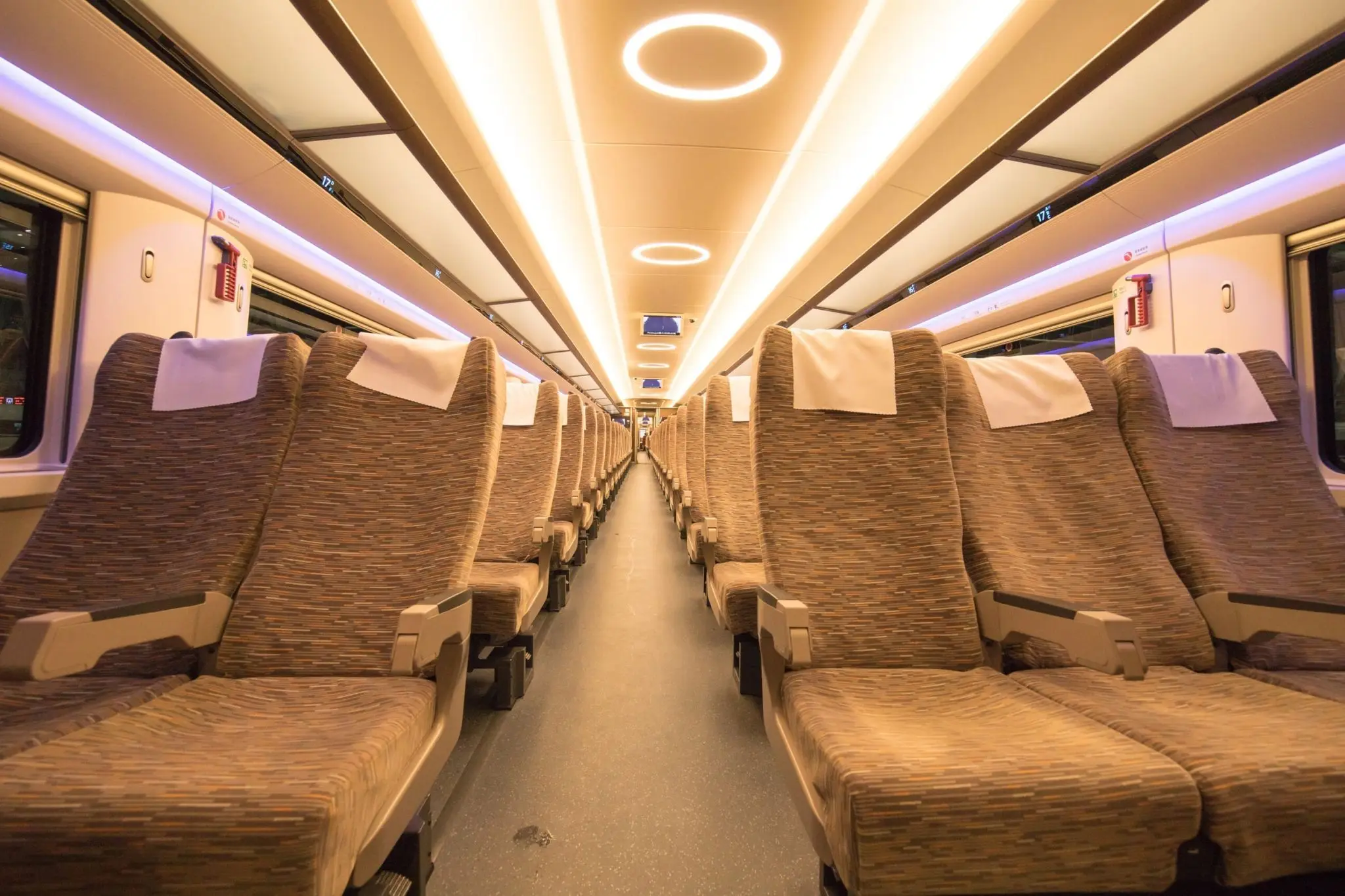 | 5-abreast seating (2+3). Comparable to Qantas economy legroom. Power outlets available. | Most travelers. Excellent value. |
First Class (一等座) 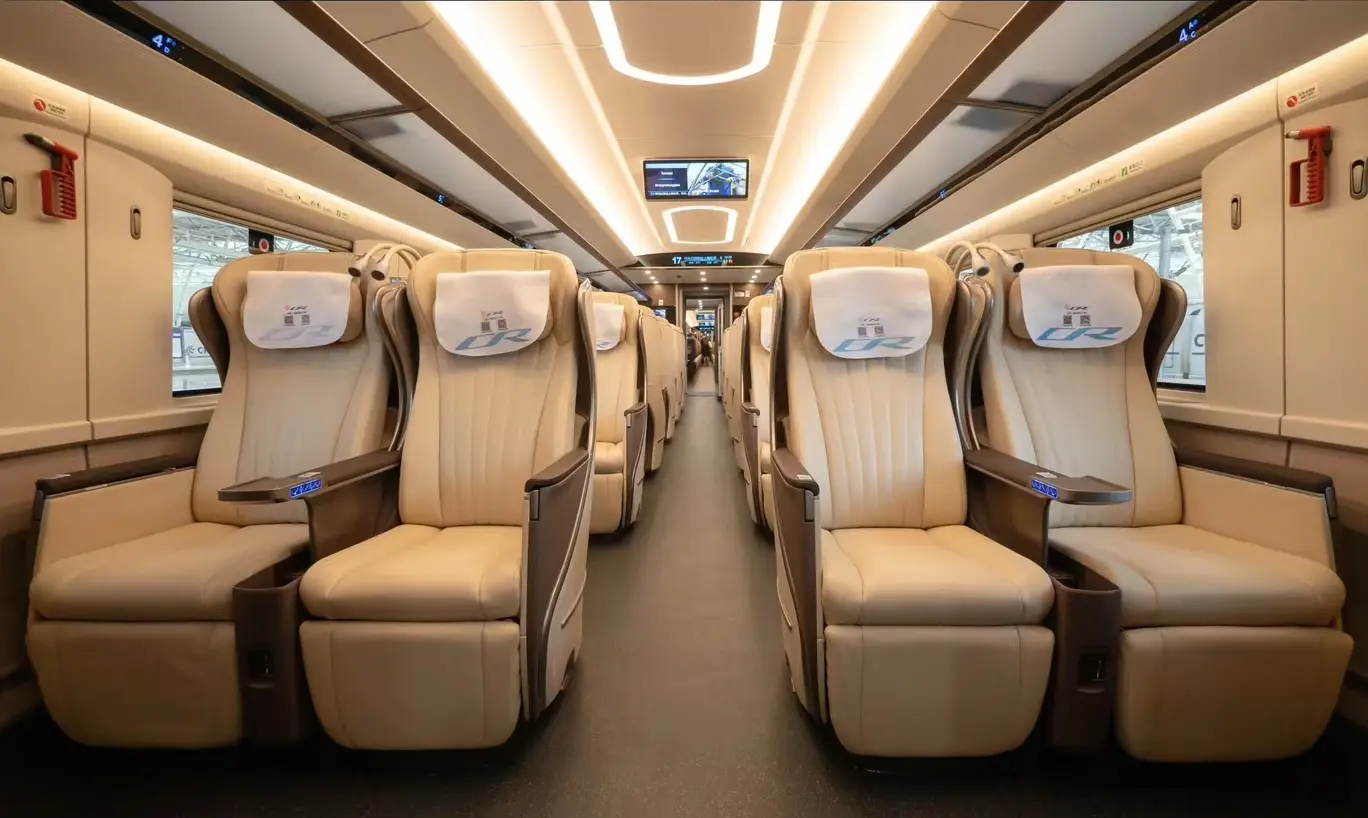 | 4-abreast seating (2+2). Wider seats, more recline, complimentary snacks on some routes. | Travelers wanting extra comfort without premium pricing. |
Business Class (商务座) 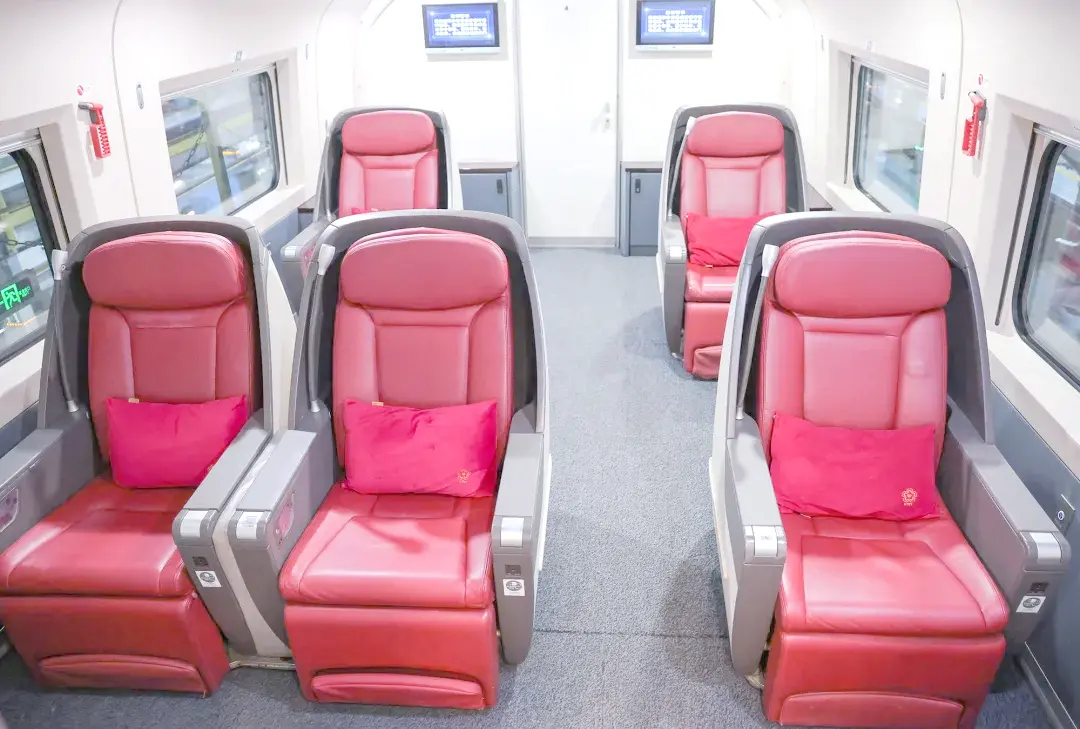 | 3-abreast (2+1). Lie-flat seats on some trains. Lounge access at some stations. Comparable to business class on a short-haul flight. | Splurge option for long routes (4+ hours). |
How It Works: The Passenger Experience
Booking: Tickets are linked to your passport — no paper ticket needed. Book via Trip.com (easiest for foreigners, accepts international payment) or the official 12306 platform.
At the station: Arrive 45–60 min early. Chinese train stations are airport-sized. Security check (X-ray for bags), then find your departure gate on the screens.
Boarding: Gates open ~15 min before departure. Scan your passport at the automatic gate to board. No ticket — just your passport.
On board: Overhead luggage racks. Large suitcases go in the luggage closets at each carriage end. Power outlets at every seat. Wi-Fi available on most trains (Chinese sites only).
Food: Trolley service with bento boxes, snacks, and drinks. Alternatively, bring your own — many Chinese travelers bring instant noodles (hot water dispensers available in every carriage).
💡 Don't Want to Navigate 12306?
Your Way Holiday books all high-speed train tickets for our private tour clients. We select the best train times, the right seat class for your preference, and handle the entire booking process — including passport registration. You just show your passport at the station. No Trip.com account, no payment setup, no schedule confusion.
Popular Routes for Tourists
Route | Duration | Frequency |
|---|---|---|
Beijing → Xi'an | ~4.5–7 hrs | 10+ daily |
Xi'an → Shanghai | ~6–9 hrs | 20+ daily |
Beijing → Shanghai | ~4.5–6 hrs | 40+ daily |
Chengdu → Xi'an | ~3–4.5 hrs | 30+ daily |
Shanghai → Guilin | ~7.5–10 hrs | 2 daily |
Shanghai → Hangzhou | ~1 hr | 2 - 3 daily |
(Travel times vary depending on train schedules and route selection.)
🎒 What Australians Should Pack for China
Item | Why You Need It |
|---|---|
📱 Passport (original) | Required for all attraction entry, train travel, and hotel check-in. No photocopies accepted. |
🧻 Pocket tissues & hand sanitizer | Many public restrooms don't provide toilet paper. This is non-negotiable — carry tissues everywhere. |
🔌 Power adapter (Type A/I) | China uses Type A (flat two-pin) and Type I (same as Australia). Australian plugs generally work without an adapter. |
💊 Medications + prescriptions | Bring enough for your trip. Certain medications (including some ADHD and pain medications) are restricted — carry a doctor's letter. |
☂️ Compact umbrella | For sun (summer) and sudden rain. Check weather before departure. |
👟 Comfortable walking shoes | You'll walk 15,000–25,000 steps per day at major sites. Sneakers, not thongs. |
🧴 Deodorant | Western-brand deodorant is hard to find in China. Bring your own. |
☕ Instant coffee (optional) | China is a tea culture. Good coffee exists in big cities but is expensive. Bring sachets if you're a daily coffee drinker. |
🦘 Aussie Culture Shock: What Surprises Australians Most in China
Most China travel guides give generic cultural tips. Here's what specifically catches Australian travelers off guard — drawn from 10+ years of guiding Aussie guests:
1. Tipping in China
Unlike Australia, where tipping is sometimes offered, China does not have a strong tipping culture, and tipping is generally not expected in daily situations such as restaurants or taxis. However, if you feel that your guide or service staff has provided exceptional service, a tip as a gesture of appreciation is usually welcomed.
2. The Toilet Situation
Most public restrooms in China use squat toilets, not Western-style seated toilets. Toilet paper is rarely provided. Carry tissues and hand sanitizer everywhere. Major hotels and international restaurants have Western toilets, but at attractions, train stations, and local restaurants, expect squat toilets.
3. Don't Drink Tap Water
Tap water in China is not safe to drink. Even locals drink boiled or bottled water. Always drink bottled water (CNY 2–3 per bottle, available everywhere) or boiled water from your hotel room kettle. Yes, Chinese people genuinely prefer hot water — even in summer.
4. Chopstick Taboos
Never stick your chopsticks vertically into a bowl of rice — it resembles funeral incense and is considered deeply disrespectful. Don't point with chopsticks or pass food chopstick-to-chopstick (also a funeral ritual). Place them flat across your bowl when not eating.
5. The "Yes" That Means "No"
Chinese communication is indirect. A person saying "maybe" or "that might be difficult" often means "no." A restaurant server nodding doesn't necessarily mean they understood your request.
6. Personal Space & Queuing
China's population density means personal space is smaller than Australians are used to. Lines exist but can feel more like clusters. Don't take it personally if someone stands close or brushes past — it's normal. Patience goes a long way.
7. Smoking Rules
China has strengthened indoor smoking bans in recent years, especially in major cities like Beijing and Shanghai. However, enforcement varies outside big cities. Don't be surprised to see smoking in restaurants in smaller towns — it's still culturally accepted in many places.
📅 Chinese Holiday Calendar: When NOT to Visit
China's domestic tourism is on a scale Australians can't imagine. During major holidays, attractions are packed, hotel prices double or triple, and trains sell out weeks ahead. Here are the periods to avoid — and the windows that are surprisingly quiet.
Holiday | 2027 Dates (approx.) | Impact Level | What It Means for You |
|---|---|---|---|
Chinese New Year (Spring Festival) | Feb 6–12, 2027 | 🔴 Extreme | The world's largest annual human migration. 1.4 billion people travel home. Attractions, hotels, and transport are overwhelmed. Avoid entirely. |
Qingming Festival | Apr 3–5, 2027 | 🟡 Moderate | Tomb-sweeping holiday. Parks and scenic spots busier than usual but manageable. 3-day weekend. |
Labour Day (May Day) | May 1–5, 2027 | 🔴 High | 5-day national holiday. Domestic tourists flood major attractions. Great Wall sections reach capacity by 9 AM. Avoid major sites during these 5 days. |
Dragon Boat Festival | Jun 12–14, 2027 | 🟡 Moderate | 3-day weekend. Busier at scenic spots but not overwhelming. Dragon boat races in some cities. |
Summer School Holidays | Jul 1 – Aug 31 | 🟠 High | Families travel en masse. Attractions are busy but not impossible. Hot weather across most of China. Book trains and hotels well in advance. |
Mid-Autumn Festival | Sep 15–17, 2027 | 🟡 Moderate | 3-day weekend. Beautiful cultural experience (mooncakes, lanterns). Moderate crowds. |
National Day Golden Week | Oct 1–7, 2027 | 🔴 Extreme | 7-day national holiday. The second-busiest travel period after Chinese New Year. Actively avoid. Hotels 2–3x normal rates, Great Wall has hour-long queues. |
🚫 What NOT to Do in China: Practical Red Lines
Most China guides cover cultural etiquette. Here are the practical boundaries that can actually cause problems for foreign visitors — nothing extreme, just things to be aware of:
What to Avoid | Why It Matters | Simple Rule |
|---|---|---|
📸 Photographing military or government buildings | China has strict national security laws. Photography near military installations, government compounds, and some airports can result in being detained and questioned. | If there's a sign that says 禁止拍照 (no photography), put your phone away. When in doubt, ask your guide. |
🚁 Flying drones without permission | Drones are heavily regulated in China. Flying in Beijing without prior authorization is prohibited. Other cities require registration through the UAV real-name registration system. | Leave your drone at home unless you've researched specific location permissions in advance. |
💊 Carrying restricted medications | Some medications legal in Australia — including certain ADHD medications, strong painkillers containing codeine, and some anxiety medications — are controlled substances in China. | Carry a doctor's letter and original packaging. |
💬 Discussing sensitive political topics | Political discussions about certain leaders, events, or regions can make locals uncomfortable and, in rare cases, attract unwanted attention. | Stick to culture, food, history, and travel. If a local brings up politics, listen politely without offering strong opinions. |
📵 Using your phone at border control | Taking photos or making calls in immigration and customs areas is prohibited and can result in your phone being confiscated. | Phone stays in your pocket until you've cleared customs and entered the arrivals hall. |
💼 Working on a tourist entry | The 30-day visa-free entry is strictly for tourism, business meetings, family visits, and transit. Any form of employment — paid or unpaid — requires a work visa. | If you're attending meetings, that's fine under "business." If you're doing hands-on work, you need a Z visa. |
🍜 A Quick Guide to Chinese Food (It's Not What You Think)
Chinese food in Australia — sweet and sour pork, lemon chicken, dim sims — is a distant cousin of actual Chinese cuisine. Here's what to expect by region:
Cuisine | Region | Flavour Profile | Signature Dishes | |
|---|---|---|---|---|
Peking | Beijing | Hearty, savoury, wheat-based | Peking duck, zhajiangmian (noodles with soybean paste) | 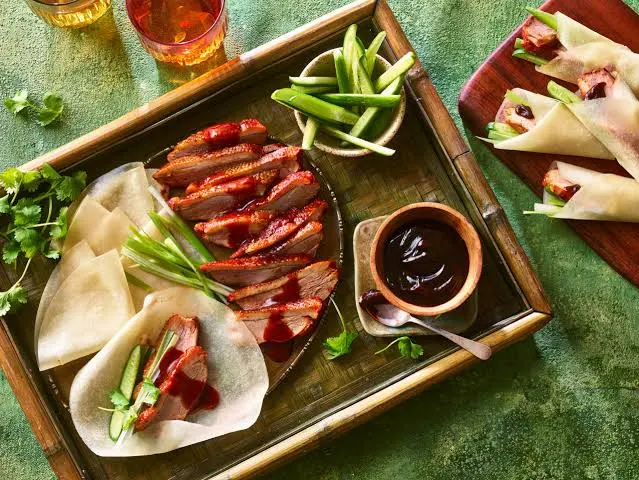 |
Shaanxi | Xi'an | Spicy, cumin-heavy, halal influences | Biangbiang noodles, roujiamo (meat burger), yangrou paomo (lamb soup) |  |
Sichuan | Chengdu/Chongqing | Numbing-spicy (málà) | Hotpot, mapo tofu, kung pao chicken | 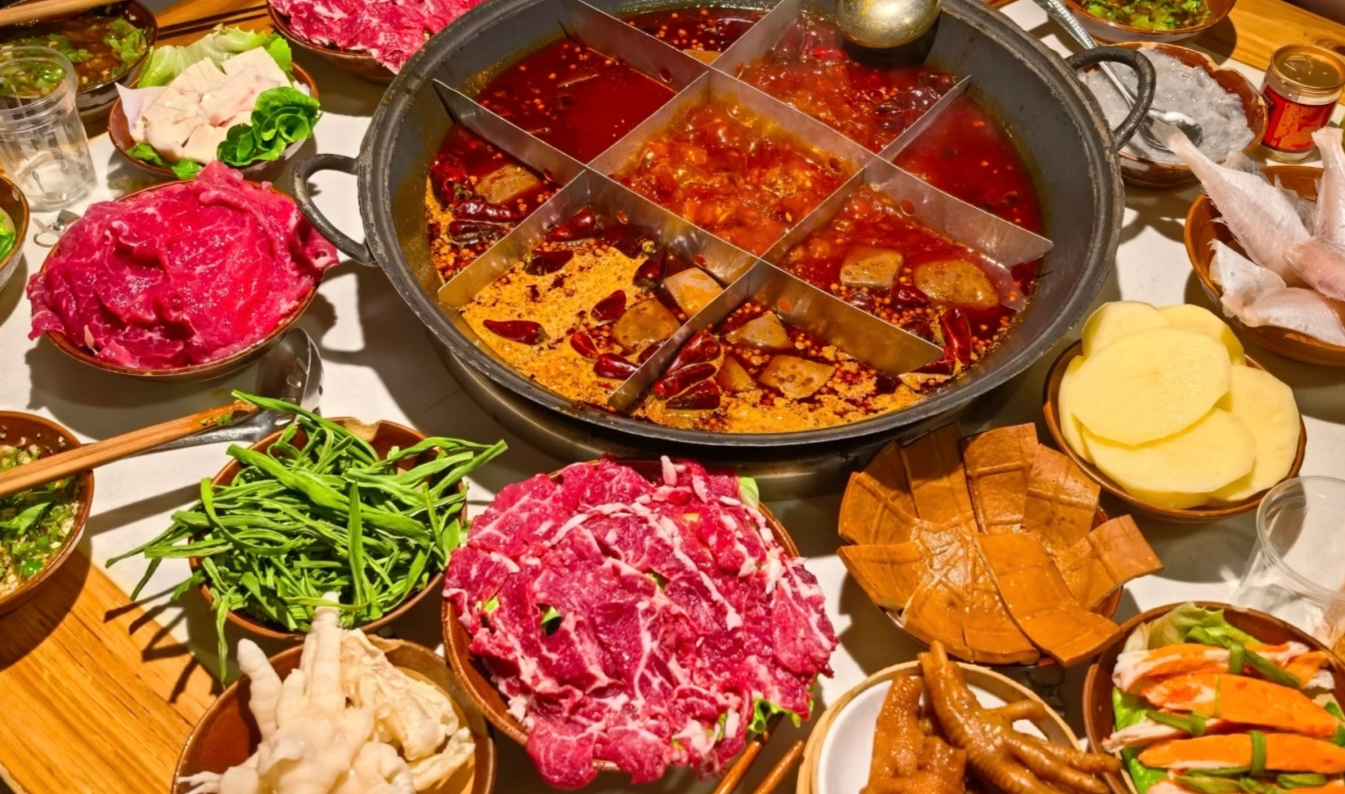 |
Cantonese | Guangzhou/Hong Kong | Light, fresh, seafood-focused | Dim sum, roast goose, congee | 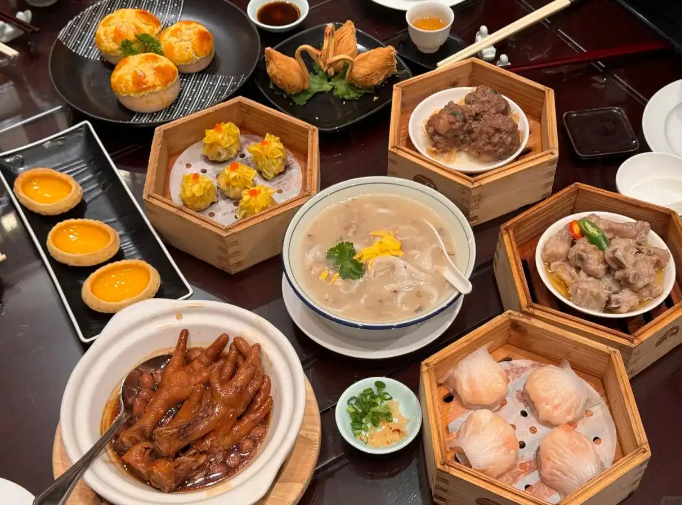 |
Shanghai | Shanghai | Sweet, savoury, soy-rich | Xiaolongbao (soup dumplings), red-braised pork | 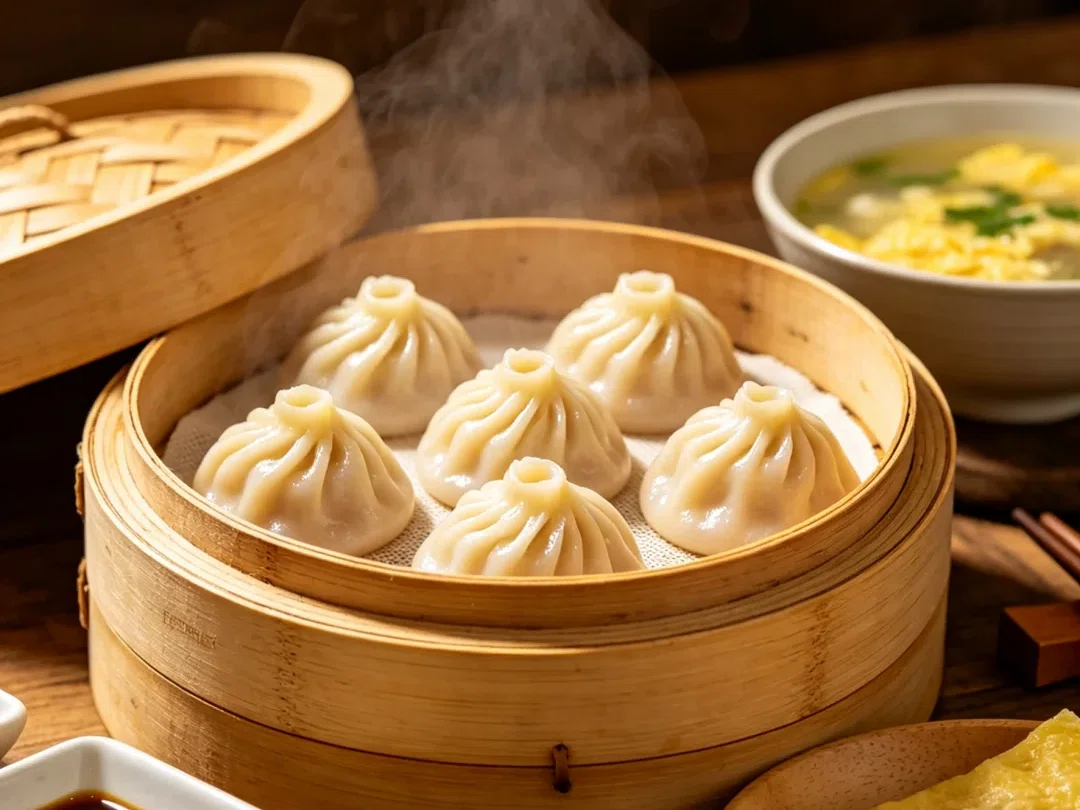 |
🛍️ Shopping in China: What's Worth Buying (and What Isn't)
China produces everything — but not everything is worth bringing home to Australia. Here's a practical guide helping Australian travelers shop smart:
✅ Worth Buying
Item | Why Buy in China | Where to Buy |
|---|---|---|
🍵 Tea (premium loose-leaf) | China is the world's tea capital. Longjing (dragon well), pu'er, and oolong varieties at a fraction of Australian prices. | Specialised tea markets in each city. |
🧣 Silk products | Suzhou and Hangzhou silk is world-renowned. Scarves, pillowcases, and bedding at prices 60–70% lower than Australia. | Silk factories in Suzhou. Quality varies — your guide can verify authenticity. |
👗 Custom clothing | Get a qipao (cheongsam) or tailored suit made in 24–48 hours. Quality tailoring at a fraction of Australian prices. | Shanghai's fabric markets (Lujiabang Road). Your guide negotiates pricing. |
🎨 Calligraphy & art supplies | Brushes, ink stones, rice paper, and calligraphy sets that are hard to find and expensive in Australia. | Beijing's Liulichang Culture Street, Xi'an's Shuyuanmen. |
📱 Electronics accessories | Phone cases, cables, power banks, and accessories at 30–50% of Australian retail. | Huaqiangbei electronics market (Shenzhen). Genuine stores only — avoid fakes. |
👃 Chinese medicine & skincare | TCM-based skincare brands (like Pechoin) and herbal products that aren't available in Australia. | Pharmacies and department stores. Ask your guide for genuine brands. |
❌ Don't Bother Buying
Item | Why Not |
|---|---|
Luxury brand handbags/watches | Luxury brands are widely available worldwide, so there is usually no need to buy them in China unless you are looking for something specific. We recommend comparing prices and purchasing from official stores. |
Fake designer goods | Customs Australia may confiscate and fine you. Not worth the risk. |
Bulk snacks/food | Strict Australian biosecurity laws. Many food items (meat, dairy, seeds, honey) are prohibited and will be confiscated at AU customs. |
Ivory or animal products | Illegal under both Chinese and Australian law. Heavy penalties. |
🤝 The Art of Bargaining in China
Bargaining is expected at markets — not at department stores, malls, or branded shops. Here's how it works:
Opening price: The vendor's first price is typically 2–4x what they'll accept. Don't look interested — the more you want it, the higher the price stays.
Your counter: Offer 30% of their asking price. They'll act shocked. This is normal.
Walk away: The most powerful negotiation tool. If the price doesn't drop enough, start walking. They'll call you back 80% of the time.
Final price: Aim for 40–60% of the original asking price. If they won't go below 70%, it's likely their genuine floor.
Mobile payment: Have Alipay or WeChat Pay ready. Cash is accepted but less convenient.
📦 Shipping Purchases Back to Australia
For items too large or heavy to carry, you can ship them home. Here's what to know:
Method | Time | Best For |
|---|---|---|
China Post (EMS) | 2–4 weeks | Small parcels (tea, silk, clothing). Reliable and affordable. |
SF Express / DHL | 5–10 days | Faster shipping for higher-value items. More expensive. |
Checked luggage | Immediate | Best option for fragile items. Wrap in clothing for protection. |
💰 Tax Refunds: Available for Eligible Travelers
Unlike previous years, Australian visitors can enjoy China’s departure tax refund when shopping in 2026. With the introduction of the updated Departure Tax Refund 2.0 policy, the process has become more convenient and efficient.
Key Updates:
Digital Processing: Tax refund applications and invoices are handled through online systems, reducing paperwork.
Simplified Customs Checks: Smaller refund amounts may benefit from a simplified verification process.
Easy Mobile Service: Travelers can use a nationwide service code to submit information and check refund progress.
More Flexible “Buy Now, Refund Later” Service: The departure period requirement has been extended to 28 days, with more options for completing the process.
Basic Requirements:
Foreign visitors staying in China for no more than 183 consecutive days are eligible.
Purchases must be made at designated Tax Free stores.
The minimum purchase amount must meet local refund requirements.
Refundable items must be carried or shipped out of China by the traveler.
We recommend checking whether the store participates in the tax refund program before making purchases and keeping all receipts for the application process.
🏨 Hotel Reality Check: Chinese Star Ratings ≠ Australian Standards
Here's something that catches every Australian traveler off guard: a 5-star hotel in China is not the same as a 5-star hotel in Sydney or Melbourne. The rating system is different, the standards are different, and the expectations are different. Here's what you need to know:
The Star Rating Gap
Chinese Rating | What It Actually Means | Australian Equivalent |
|---|---|---|
5-star (international brand) | Comparable to Australian 5-star. Marriott, Hyatt, Shangri-La, Peninsula, Mandarin Oriental. Western toilets, English-speaking staff, international breakfast. | ★★★★★ (genuine) |
5-star (domestic brand) | Good facilities but service standards may lag. Rooms may have hard mattresses, limited English, and Chinese-style breakfast only. | ★★★½ to ★★★★ |
4-star | Clean and functional. Often lacks Western amenities. Reception may speak limited English. Breakfast is Chinese-only. | ★★★ |
3-star | Basic accommodation. Squat toilets possible. Think motel, not hotel. | ★★ or less |
Boutique / Heritage hotel | Varies wildly. Some are stunning (converted courtyard houses in Beijing hutongs). Others are charming but lack climate control or soundproofing. | Unrated — check reviews |
The 5 Things to Check Before Booking
🚽 Toilet type: "Western-style toilet" (坐便器) is listed in hotel descriptions for a reason. If it's not mentioned, it might be a squat toilet. Always verify for 4-star and below.
🛏️ Mattress firmness: Chinese mattresses are typically much firmer than Australian mattresses. If you have back issues, look for international-brand hotels or request a mattress topper at check-in.
🍳 Breakfast: "Chinese and Western breakfast" means mostly Chinese dishes with toast, eggs, and coffee. If you need a proper Aussie-style breakfast, stick to international-brand hotels.
🅿️ Location vs. English: Hotels in tourist districts have great location but staff with limited English. Hotels in business districts have English-speaking staff but are 20–30 min from attractions.
📶 Wi-Fi quality: All Chinese hotels have free Wi-Fi, but speed and reliability vary. International-brand hotels generally have better infrastructure.
🏠 Foreigner Registration: The 24-Hour Rule
Chinese law requires all foreigners to register their residence within 24 hours of arrival. If you're staying at a hotel, the front desk handles this automatically during check-in — just present your passport. If you're staying in an Airbnb or with friends, you must go to the local police station with your passport and your host's ID.
🇦🇺 Tips Specifically for Australian Travelers
These are the things that only matter to Australians — and that most China guides written for a global audience completely miss:
1. The Season Inversion Trap
Australia's summer is China's winter. When you're packing your shorts for a "summer holiday" in July, remember that Beijing in January is -5°C. Check the weather for your specific Chinese destination, not the season back home.
2. Your Australian Phone Number Matters
Keep your Australian SIM active — even with a Chinese eSIM — because Australian banks send SMS verification codes for card linking and large transactions. If your Australian number isn't active, you may not be able to verify Alipay or WeChat Pay card linking. Enable global roaming on your Australian number (you don't need data — just the ability to receive SMS).
3. Medicare Doesn't Work in China
Australia's Medicare has no reciprocal arrangement with China. Travel insurance is essential. A hospital visit in China for a minor issue can cost AU$500–2,000. Ensure your policy covers medical evacuation. Your Way Holiday can recommend suitable travel insurance providers for China.
🚗 Why a Private Tour Matters More in China Than Anywhere Else
You can backpack through Thailand with a guidebook. You can rent a car in Italy and figure it out. China is different. Here's why a private tour isn't a luxury in China — it's a practical necessity for most travelers:
Challenge in China | DIY Experience | Your Way Holiday Private Tour |
|---|---|---|
Language barrier | Menus are in Chinese only. Taxi drivers don't speak English. Museum labels are mostly Chinese. Attraction staff rarely speak English. | Your English-speaking guide translates everything — menus, signs, conversations, negotiations. You understand what you're eating, seeing, and experiencing. |
Digital ecosystem | 7+ apps to set up before departure. QR code payments everywhere. WeChat mini-programs for attraction tickets. Booking systems in Chinese only. | Your guide handles all payments, ticket bookings, and digital navigation. You just show up and enjoy. No app anxiety. |
Scale & distance | The Great Wall is 70km from Beijing. The Terracotta Warriors are 40km from Xi'an. Mount Huashan is 120km from Xi'an. Public transport is complex and time-consuming. | Private door-to-door transfers. Your driver knows the best route, the least crowded entrance, and the perfect timing for each site. |
Crowd management | China's domestic tourism is massive. Popular sites are packed. Without local knowledge, you'll spend hours in queues. | Your guide knows when to arrive, which entrance to use, and how to route around tour groups. You see more in less time. |
Cultural context | A guidebook tells you what you're looking at. It doesn't tell you why it matters, what the locals think, or what you're actually eating. | Your guide brings 5,000 years of history to life with stories, context, and local insight that no guidebook or audio guide can match. |
Flexibility & safety | Stuck on a rigid group tour schedule. Lost in a city where you can't read signs. No one to call if something goes wrong. | Change plans on the go. Your guide adapts to your interests, pace, and energy level. Someone local is always one call away. |
China is not a country you can "figure out as you go" — not like Thailand, not like Vietnam, not like Europe. The language barrier is absolute outside tourist zones. The digital ecosystem requires preparation that most travelers underestimate. The scale of the country means logistics matter more than anywhere else in Asia.
That's where Your Way Holiday comes in. We're not a booking platform. We're not a group tour operator. We're a private tour company that designs custom China itineraries for international travelers — and we've been doing it for over 10 years.
Ready to experience China the right way? Tell us your travel dates and interests — we'll design a private itinerary with transfers, guides, and tickets all arranged for you.


Traveler Discussions
Questions from travelers