
Chongqing travel guide at a glance
Best Time | Min Days | Budget / Day | Must-Try Food | Airport | Visa-Free |
|---|---|---|---|---|---|
Mar–May & Sep–Nov | 3 days | $60–$280 USD | Hot pot & Xiaomian | CKG Jiangbei | 240-hr transit |
Why Chongqing Is Worth Visiting
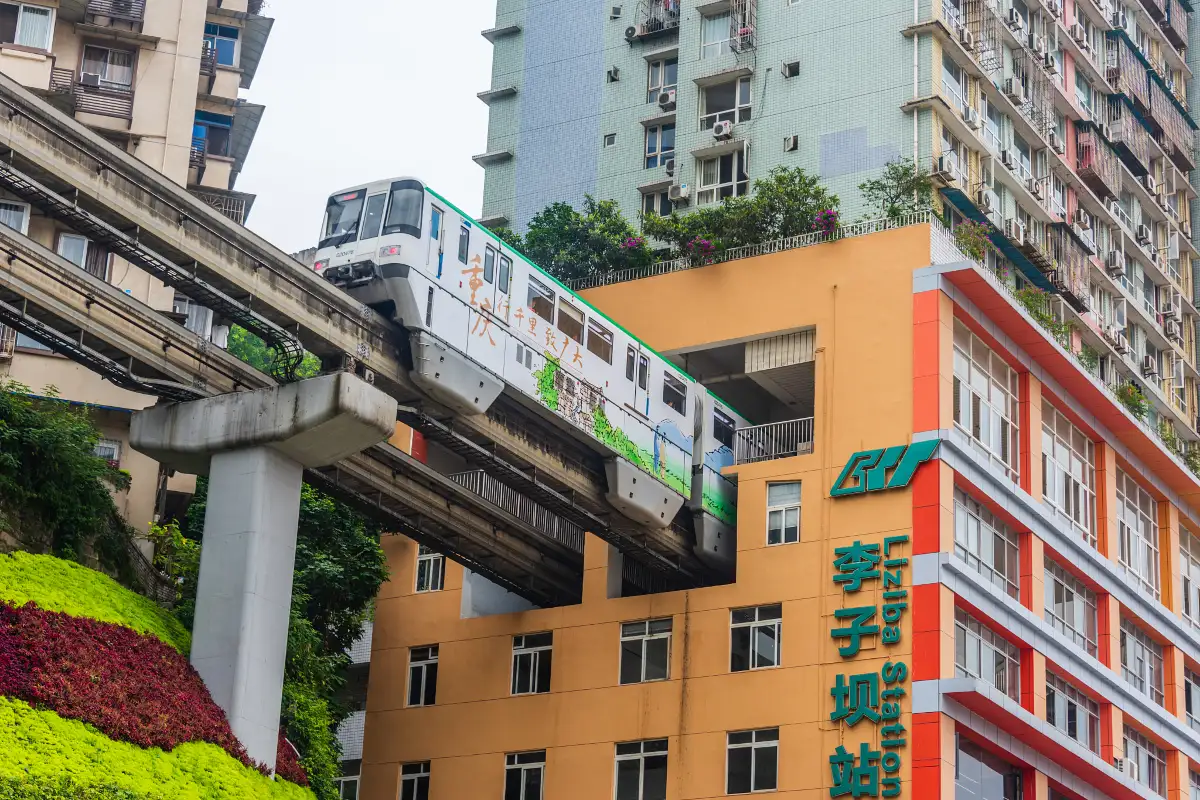
Chongqing is not just another Chinese city — it is one of the most visually dramatic and uniquely structured cities on Earth. Built on steep hills where two great rivers meet, it has been called the "8D city" because navigating it feels like moving through multiple dimensions. A building's "ground floor" might be on the 10th floor of another building across the street; a light rail train passes through the middle of a residential block; a cable car ferries commuters across the Yangtze as casually as a bus.
If you are wondering whether Chongqing is worth adding to your China itinerary, here is why the answer is yes:
⭐The 8D Mountain City — Unmatched Urban Scenery
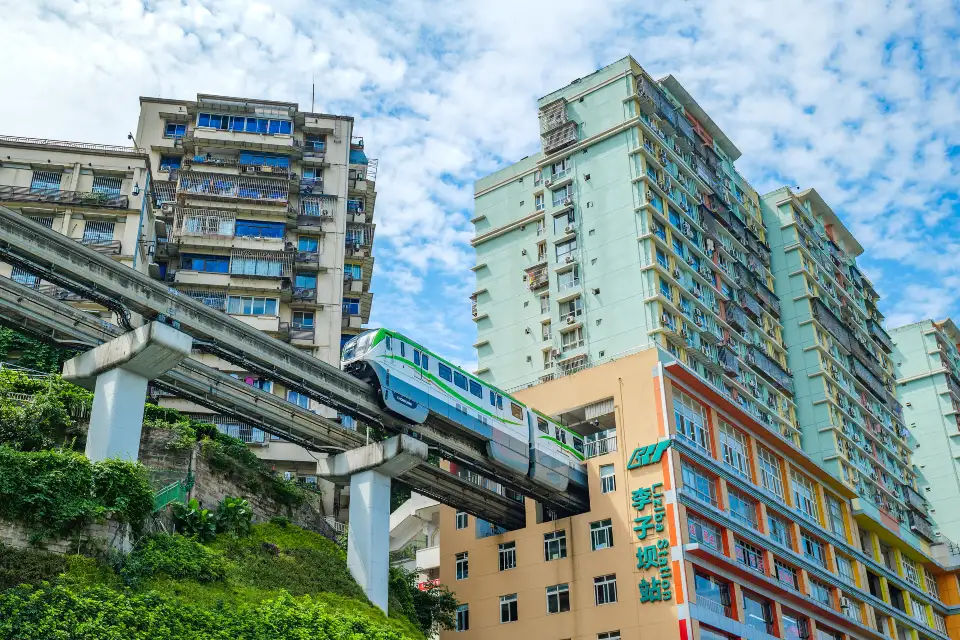
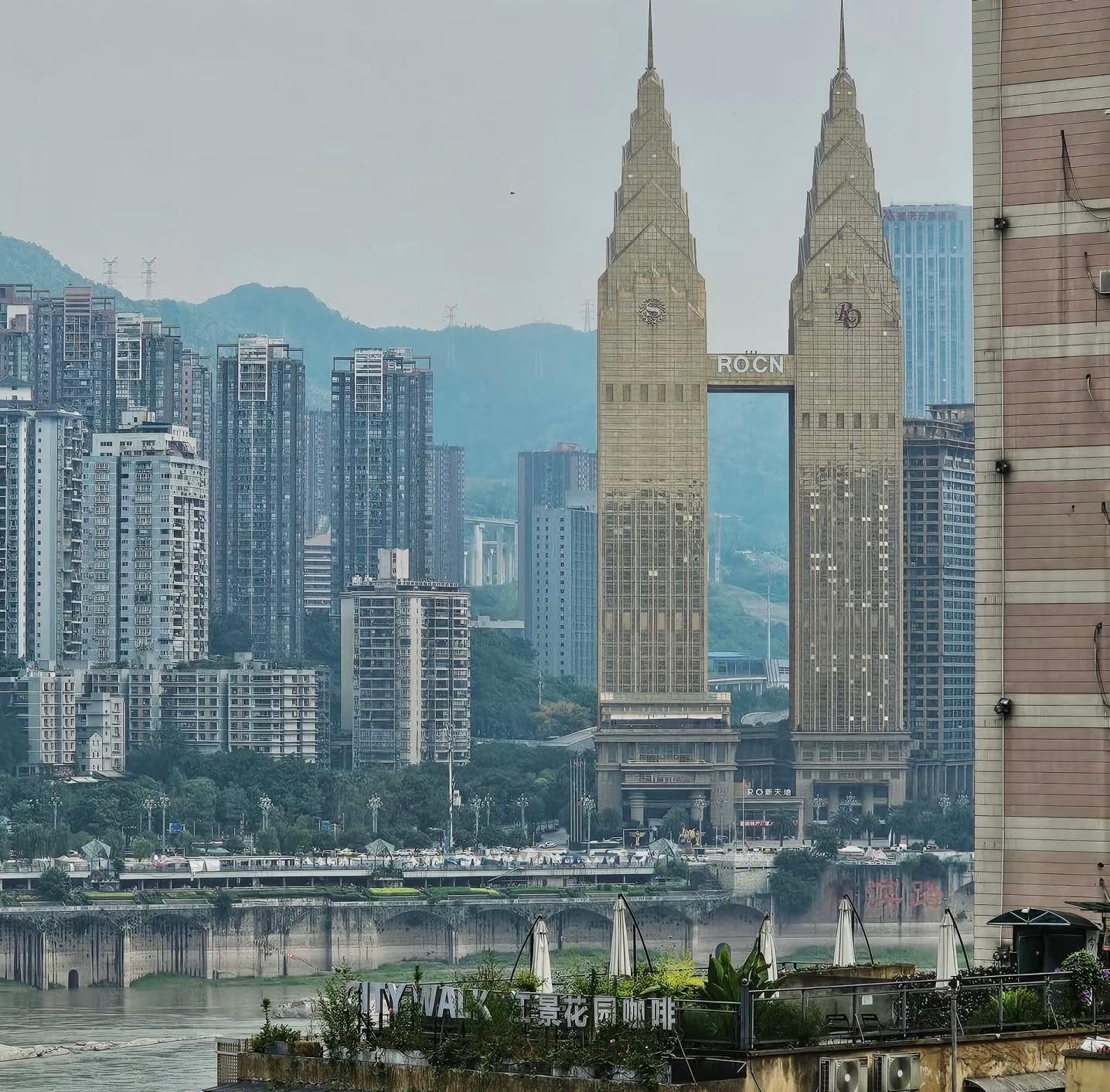
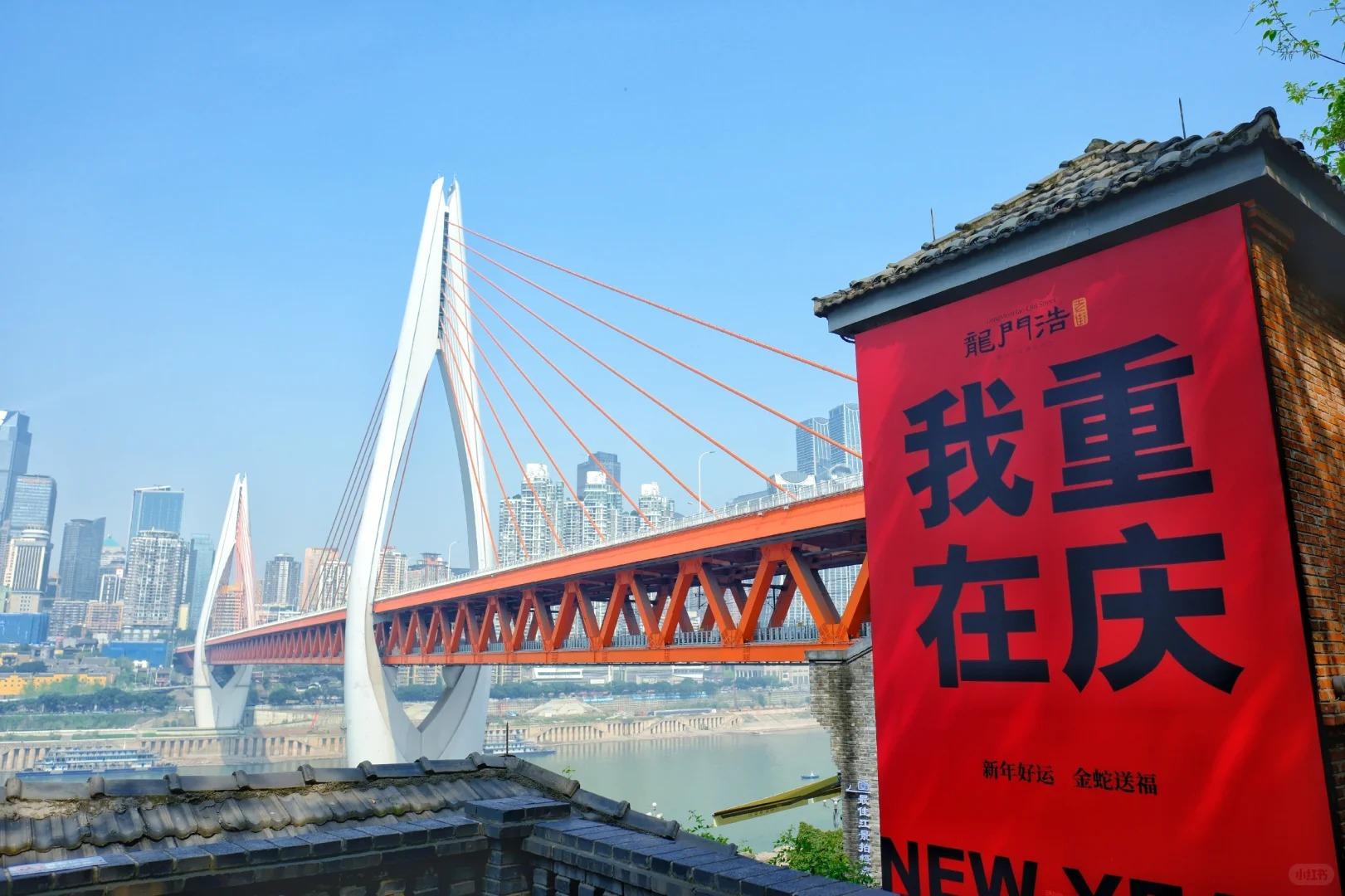
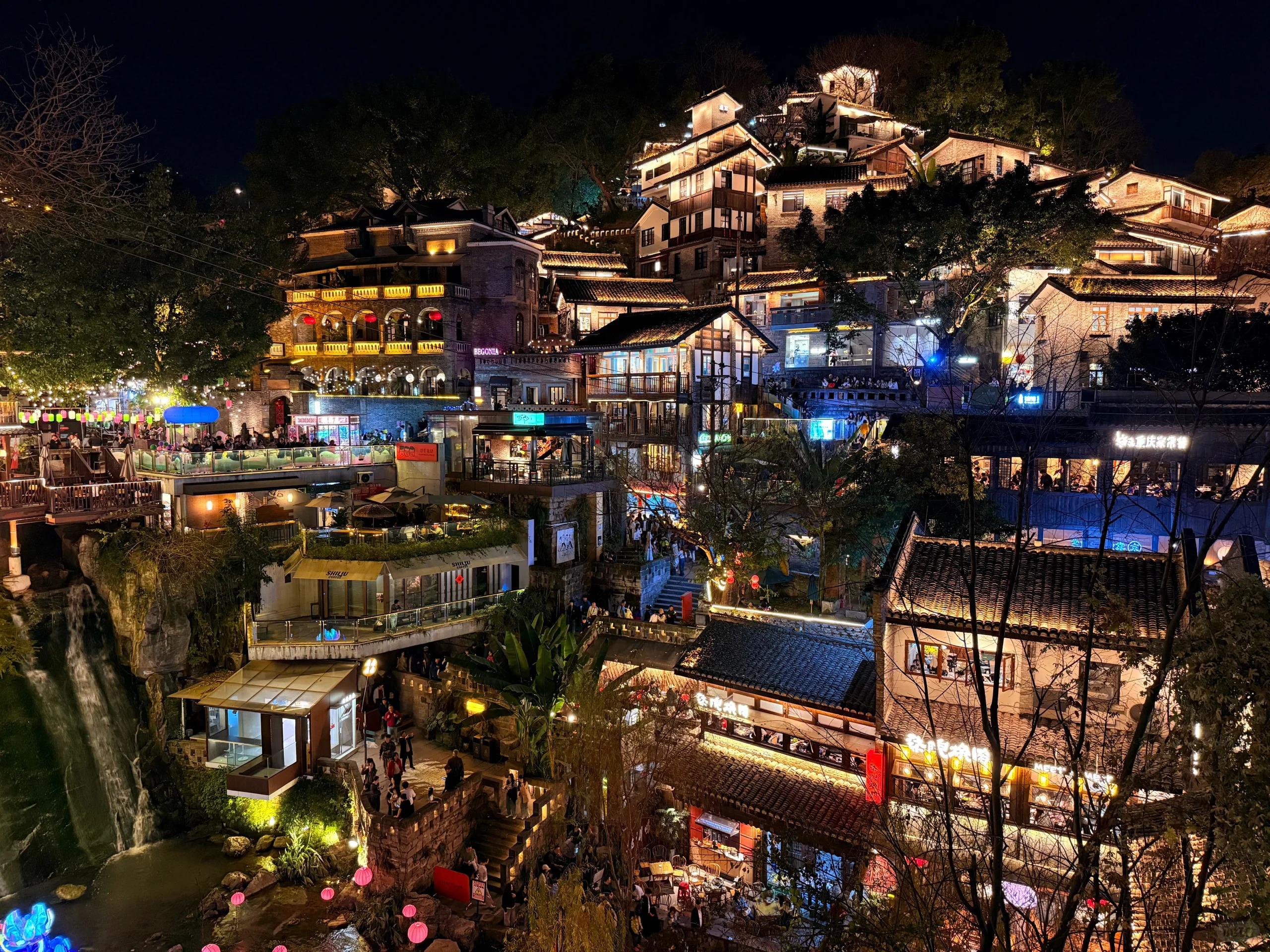
There is nowhere else in the world like Chongqing. The combination of steep hills, two rivers, and relentless vertical development creates a cityscape that feels almost futuristic. The night views — thousands of lights cascading down hillsides, bridges glowing over dark rivers — are genuinely breathtaking.
⭐The Birthplace of Hot Pot — Food as Adventure
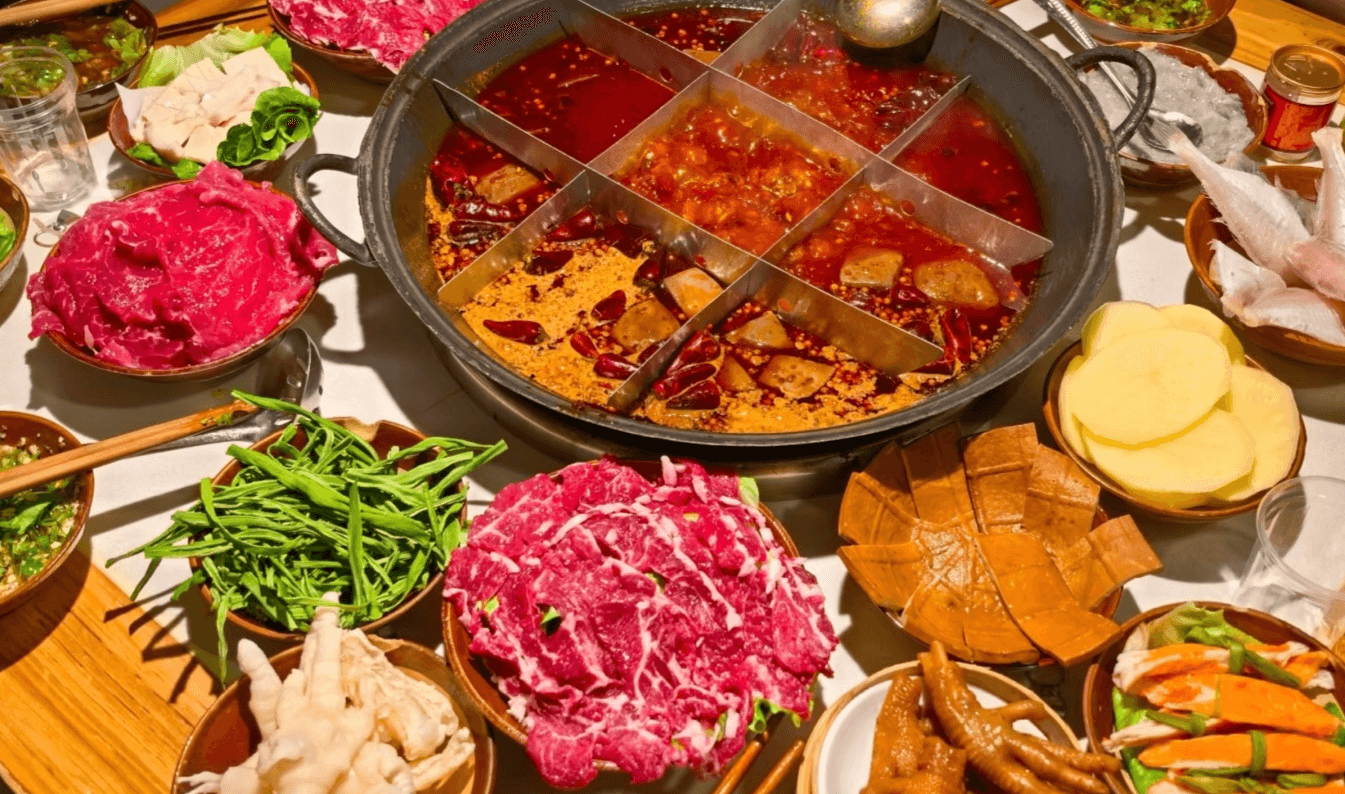
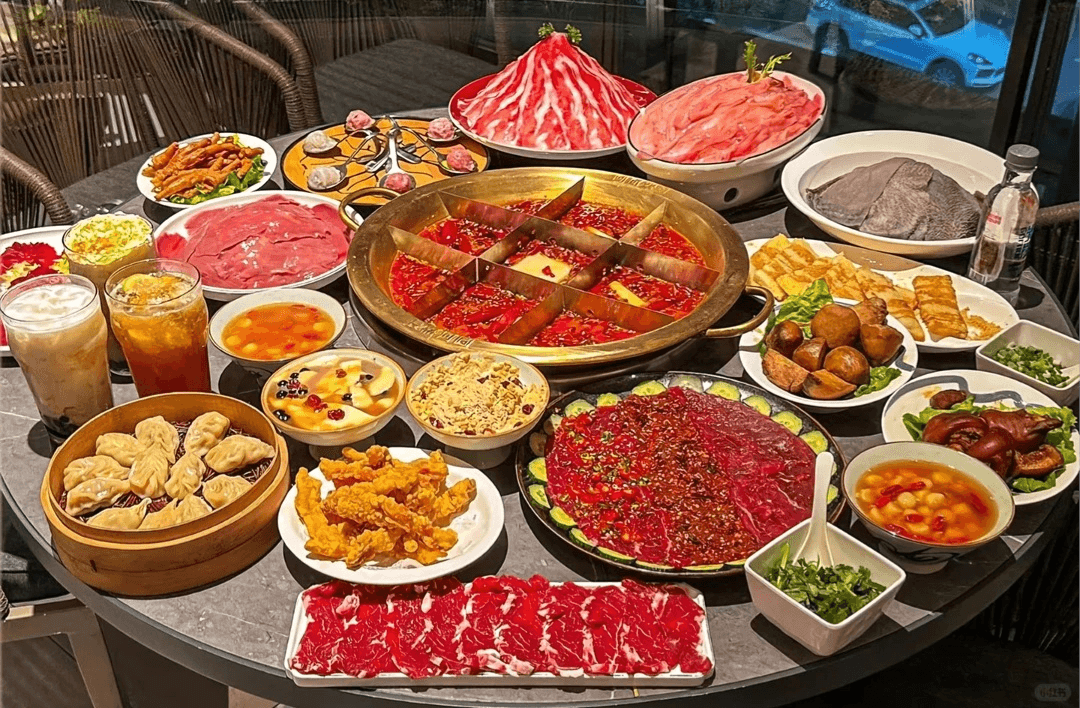
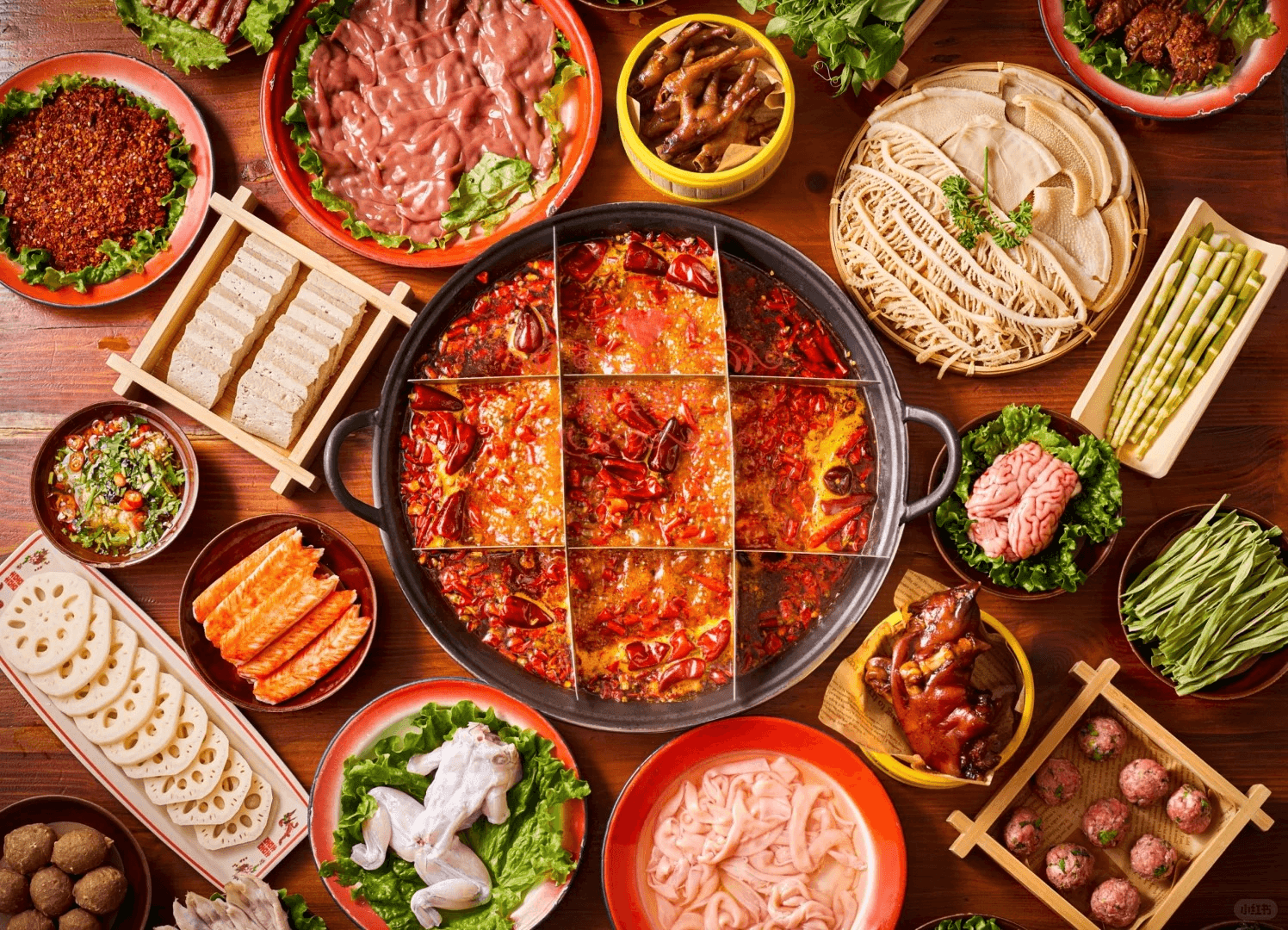
Chongqing is the undisputed home of hot pot. The city has more hot pot restaurants than any other place in China, and the local version — rich beef-tallow broth, numbing Sichuan peppercorns, and ingredients like duck intestines and hairy tripe — is not for the faint of heart. But even if you only eat mildly spicy, the experience of Chongqing hot pot is unforgettable.
⭐History and Culture — From Ancient Ba to Wartime Capital
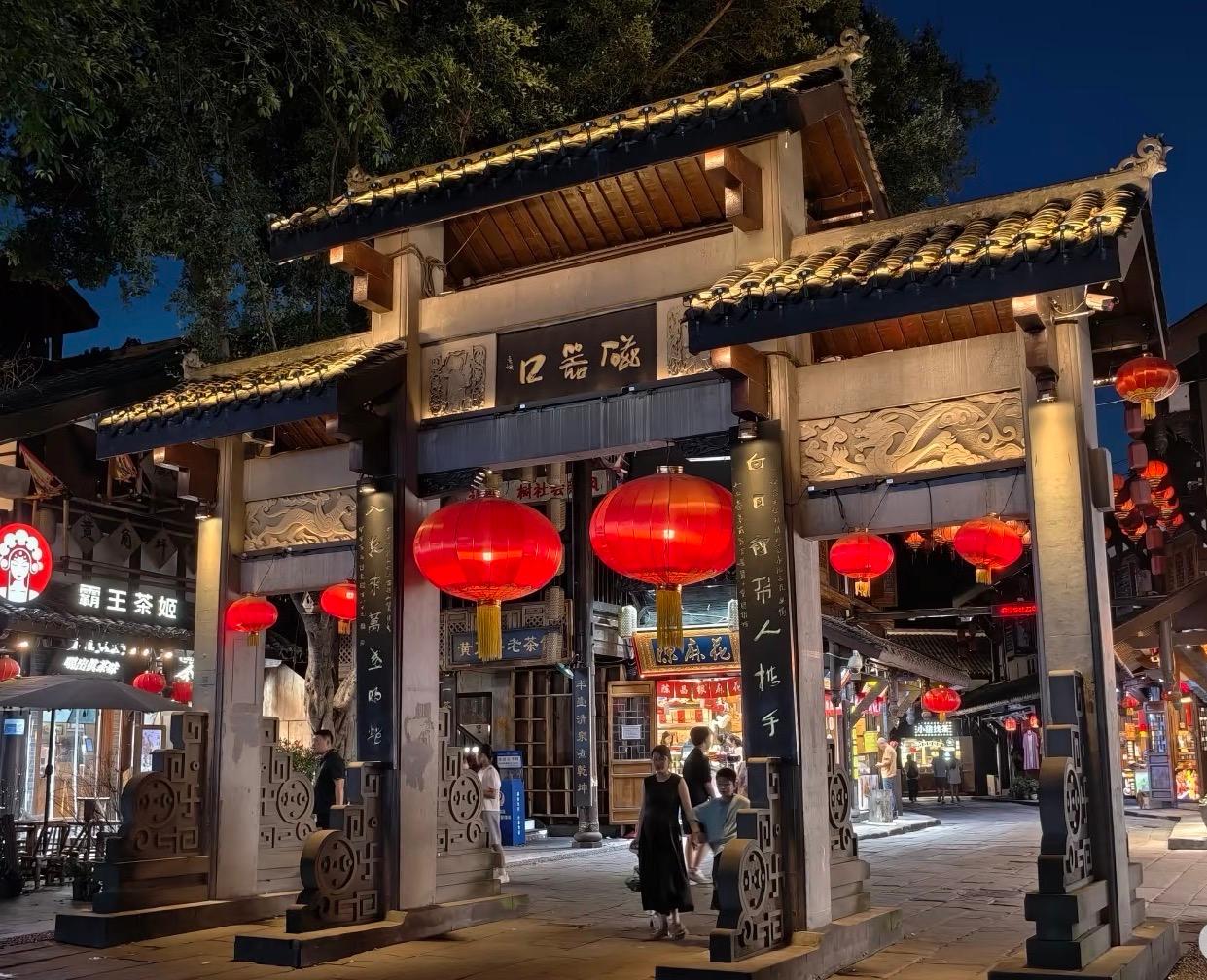
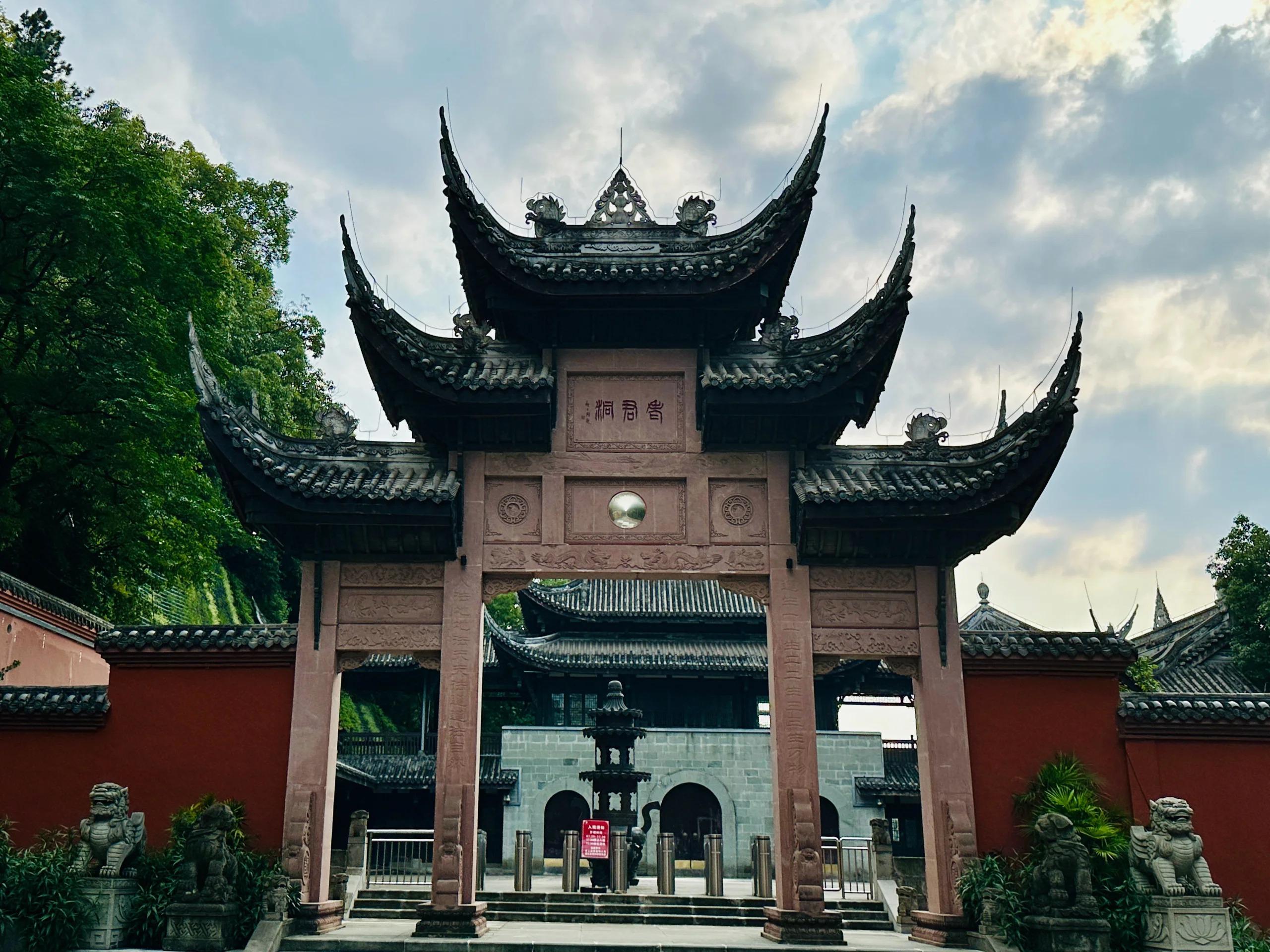
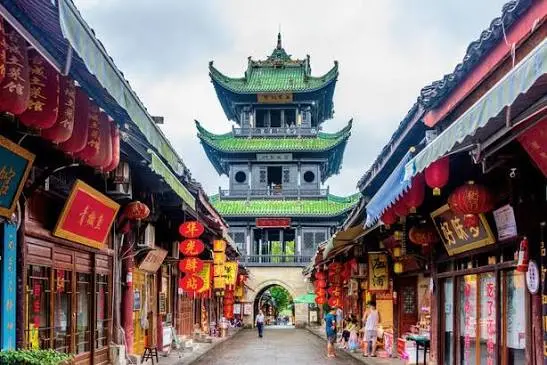
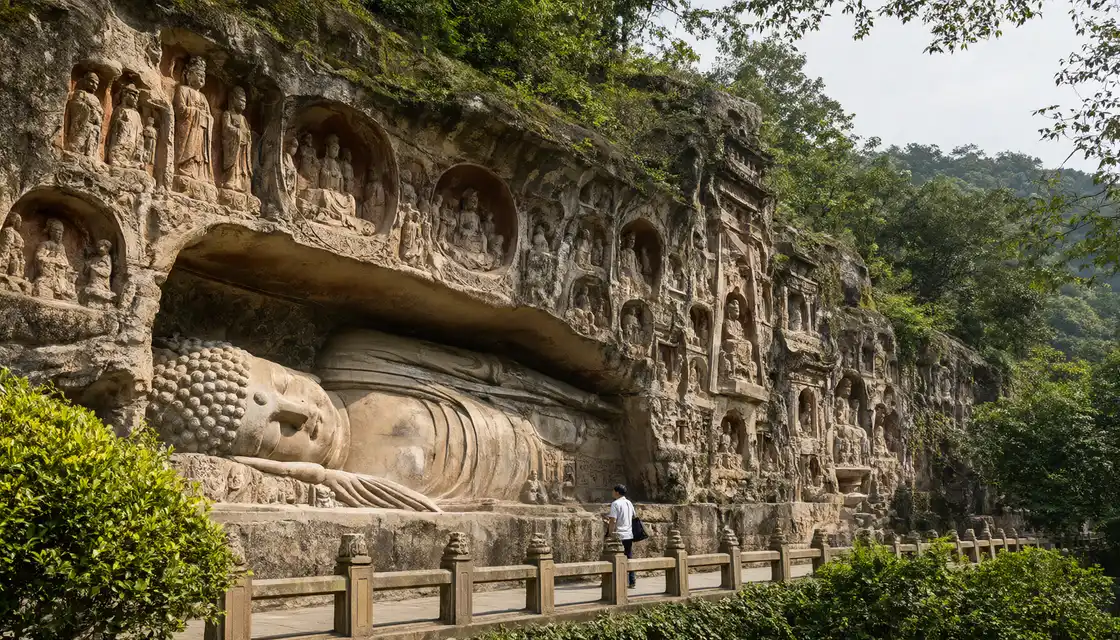
Chongqing has layers of history. It was the capital of the ancient Ba Kingdom over 3,000 years ago, a key city on the Yangtze trade route, and China's wartime capital during World War II. Dazu Rock Carvings (a UNESCO site) are among China's finest Buddhist art. The city's "Jianghu" culture — rough, straightforward, no-nonsense — shapes everything from the food to the people.
⭐Natural Wonders on Your Doorstep
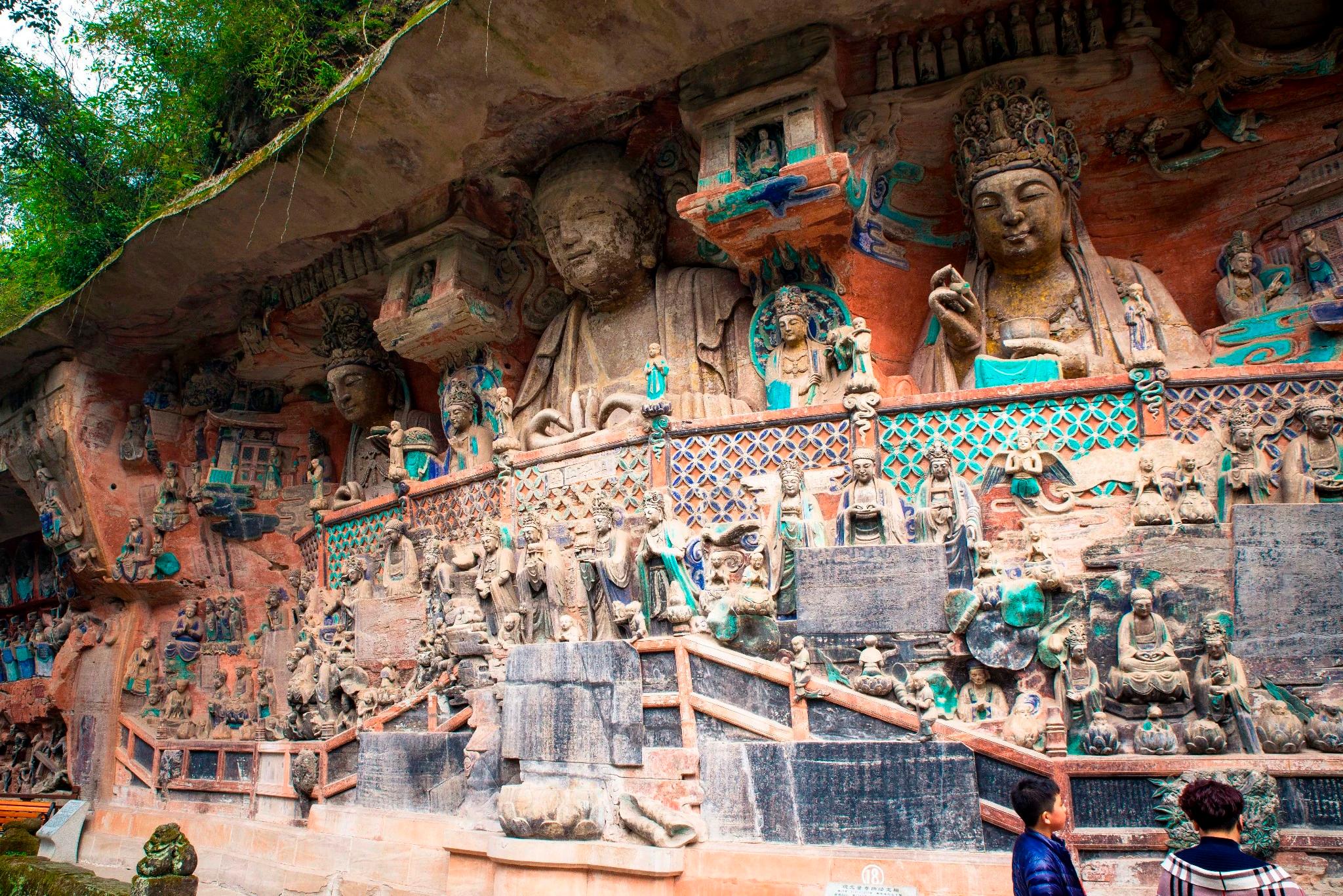
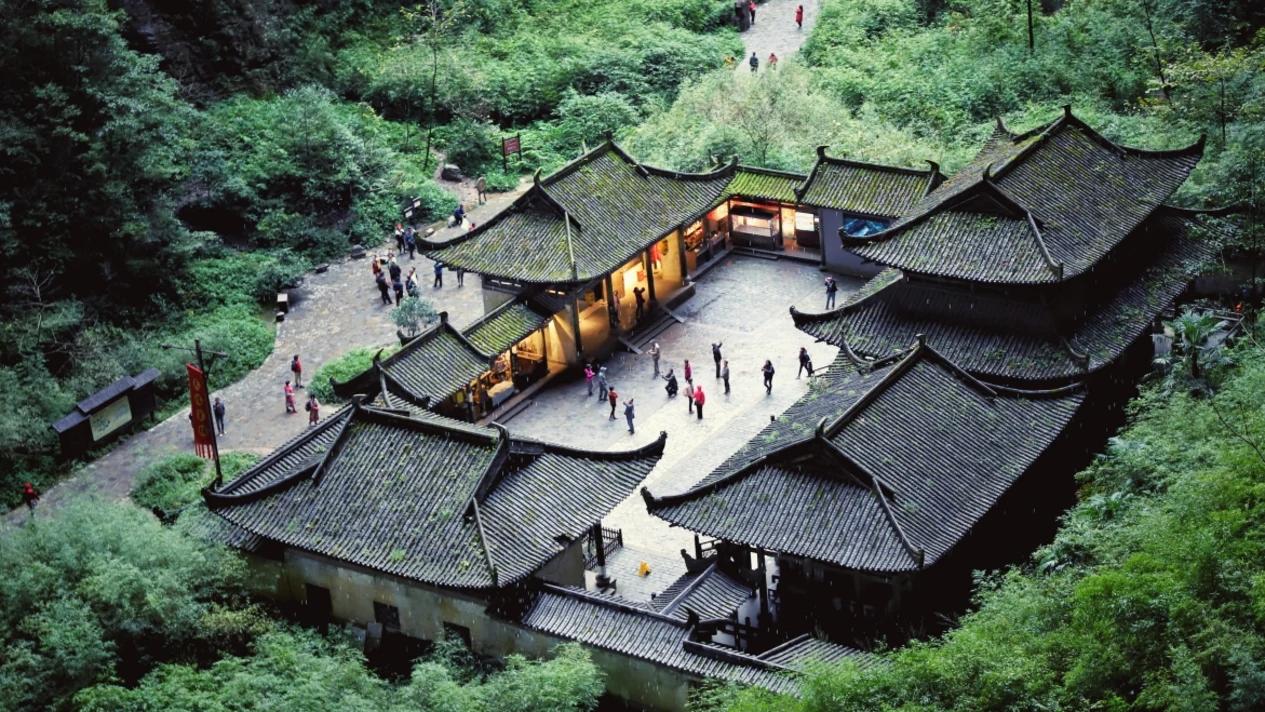
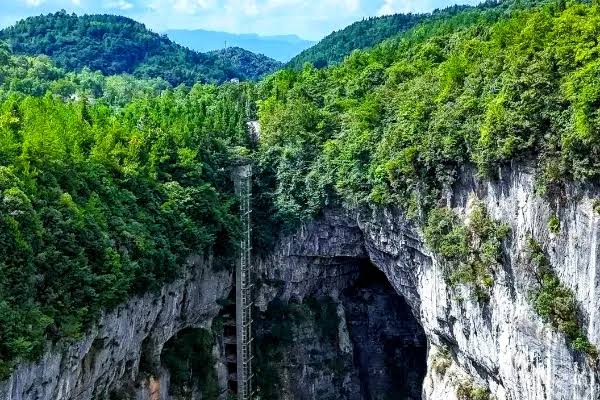
Within a 1-3 hour journey from Chongqing, you can reach two UNESCO World Heritage Sites: Dazu Rock Carvings and Wulong Karst. Further afield are the Three Gorges, Mount Jinfo, and the incredible Jiuzhaigou Valley. Chongqing is a perfect base for exploring southwest China's natural beauty.
⭐Surprisingly Affordable
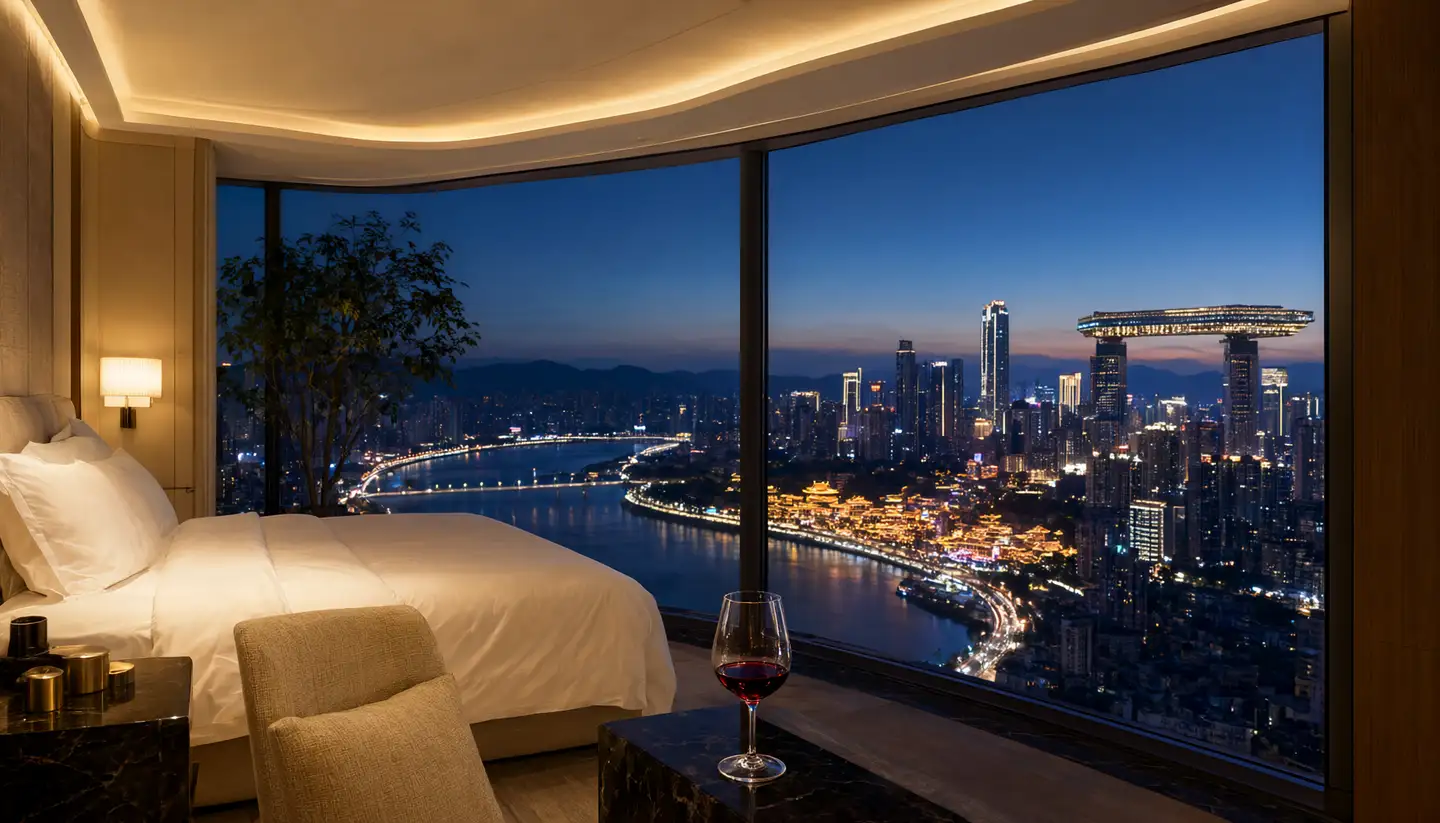
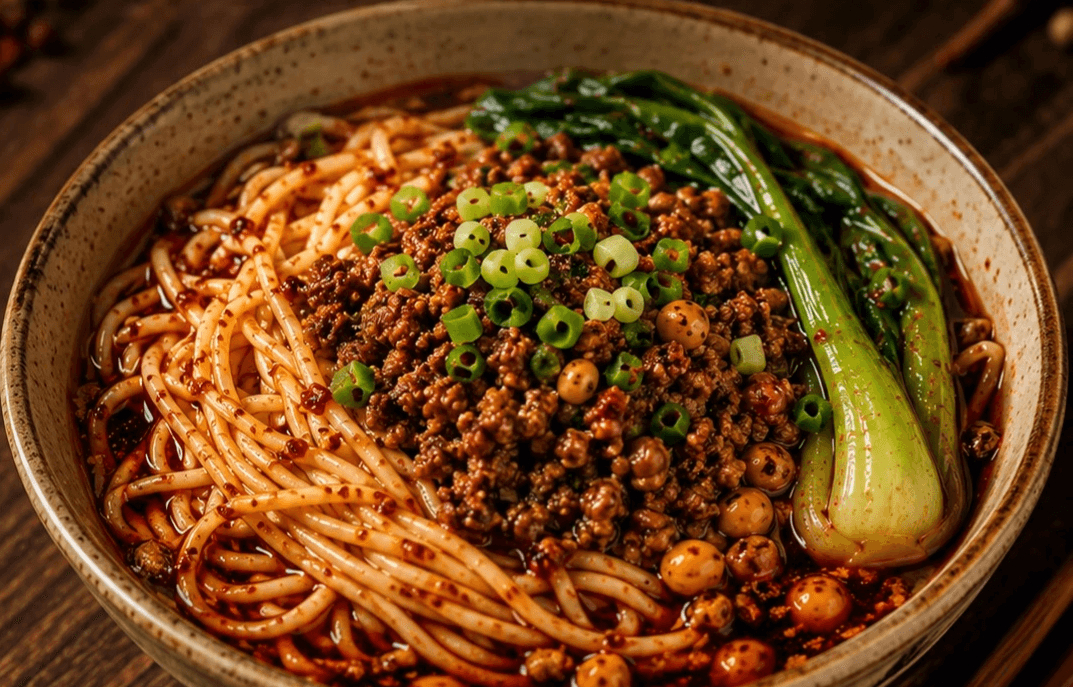
Compared with Beijing, Shanghai, or even Chengdu, Chongqing offers excellent value. A good mid-range hotel costs CNY 300-600, a bowl of famous Chongqing noodles costs CNY 10-15, and the metro starts at CNY 2. You can eat very well and stay comfortably without breaking the bank.
⭐Gateway to the Yangtze

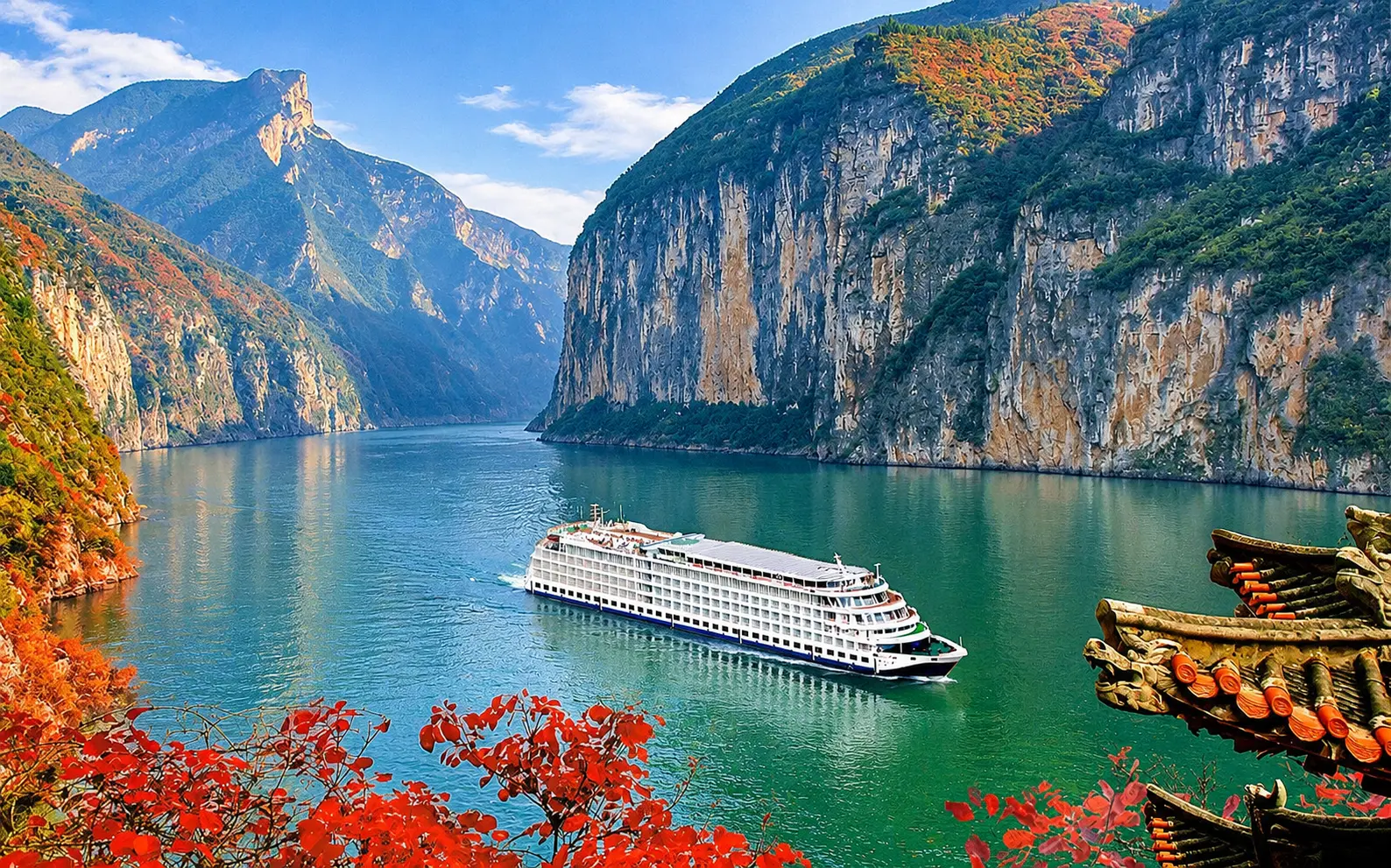
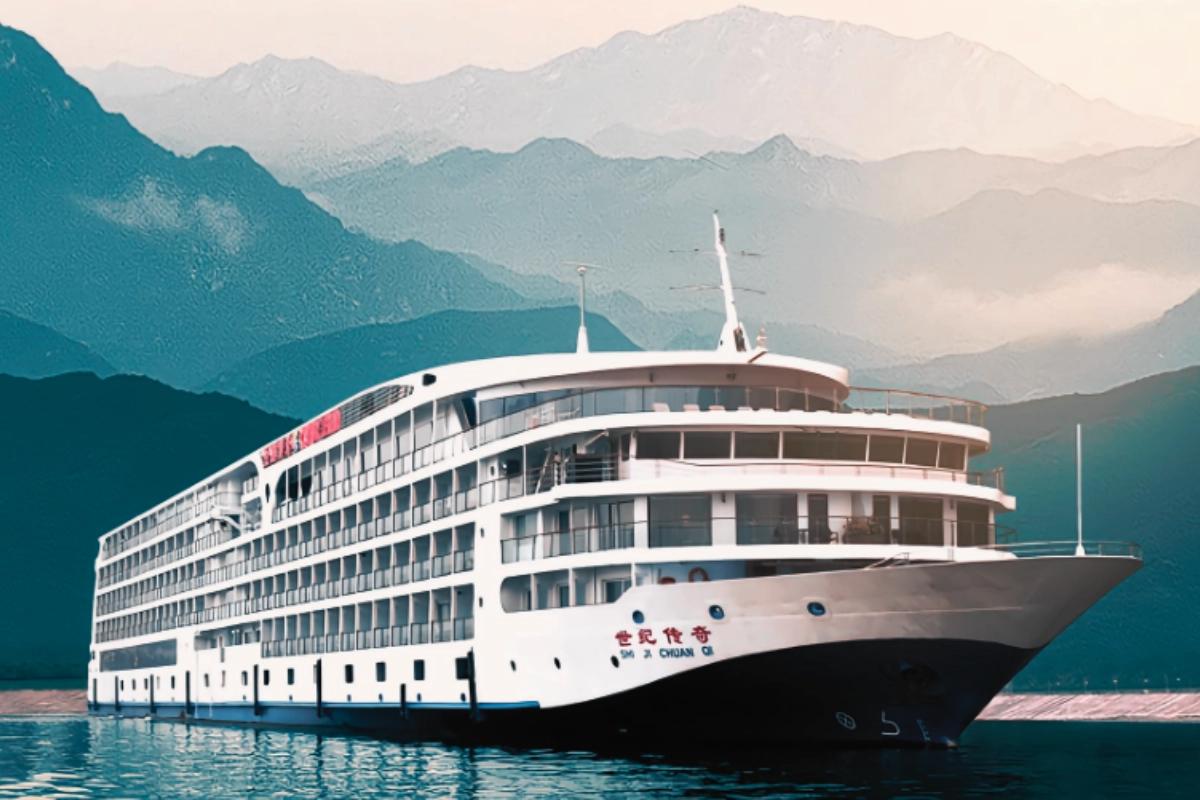
Chongqing is the traditional starting point for Yangtze River cruises through the Three Gorges — one of China's most iconic travel experiences. Even if you don't do the full cruise, a short evening river cruise in Chongqing is one of the best ways to see the city.
Chongqing is chaotic, hilly, intense, and completely unforgettable. If you want a travel experience that is genuinely different from anywhere else you have been — not just another Chinese city — it is absolutely worth going.
Best Time to Visit Chongqing
Chongqing has a subtropical monsoon climate with four distinct seasons. Because it sits in the Sichuan Basin surrounded by mountains, it is often foggy (earning it the nickname "Fog City") and more humid than many Chinese cities.
The best times to visit are **March–May (spring)** and **September–November (autumn)**. Autumn, especially October, is the single best month — cool, clear, and perfect for both city sightseeing and day trips.
Seasonal Breakdown
🌸 Spring (March–May) — Great Overall
Spring brings mild temperatures (12-26°C), blooming flowers, and the end of winter fog. March has the fewest crowds. April can have occasional rain but is generally pleasant. By May it warms up and humidity increases, but mornings are still comfortable for outdoor activities. Spring is also when fog starts to lift, making the famous views more visible.
☀️ Summer (June–August) — Hot & Humid
Summer in Chongqing is hot (26-38°C), very humid, and rainy. Chongqing is known as one of China's "Three Furnaces" for good reason — July and August can be sweltering. If you visit in summer:
Plan outdoor activities for early morning and evening
Use the metro and indoor attractions during midday heat
Stay hydrated and take breaks in air-conditioned spaces
Carry an umbrella — both for rain and sun
Summer is also peak domestic tourism season (school holidays) — attractions are busier
🍂 Autumn (September–November) — Best Overall
Autumn is the sweet spot. September cools down after summer, October offers crisp, clear days with the best visibility of the year, and November is cool and relatively uncrowded. The views from Nanshan, the cable car, and Hongya Cave are at their best in autumn when the air is clear.
Note: Avoid October 1-7 (National Day Golden Week) — it is the busiest travel week of the year in China.
❄️ Winter (December–February) — Cold & Foggy
Winter is cold (5-12°C), damp, and often foggy. The famous views are frequently hidden in mist. On the plus side, there are far fewer tourists, hotel prices are lower, and hot pot tastes even better in cold weather. Chinese New Year (usually in January or February) brings massive domestic travel — book well ahead or avoid.
Holidays & Festivals to Know
Period | Festival / Holiday | Impact on Travel |
|---|---|---|
Jan/Feb (varies) | Chinese New Year / Spring Festival (7 days off) | Massive domestic travel. Many small shops and restaurants close. Book hotels and trains weeks in advance. |
Feb / Mar (varies) | Lantern Festival | Temple fairs and lantern displays. Festive but manageable. |
Apr / May (varies) | Qingming Festival (3 days off) | Domestic travel peak. Popular for tomb sweeping and spring outings. |
May 1–5 | Labor Day Holiday | Major domestic travel week. Expect crowds at all attractions. Book ahead. |
Jun (varies) | Dragon Boat Festival (3 days off) | Some travel; zongzi (rice dumplings) everywhere. |
Sep / Oct (varies) | Mid-Autumn Festival | Family holiday; mooncakes everywhere. Moderate travel impact. |
Oct 1–7 | National Day Golden Week | THE busiest travel week of the year. Avoid tourist sites if possible. Book everything well in advance. |
Dec | Christmas & New Year | Not a public holiday, but shopping malls and bars have events. |
How Many Days to Spend in Chongqing
👉Day — Express Layover
Doable but rushed. Perfect if you are using the 240-hour visa-free transit and just want a taste.
Morning: Hongya Cave area + walk along Qiansimen Bridge for views
Midday: Cable car across the Yangtze + quick lunch
Afternoon: Ciqikou Ancient Town
Evening: Hot pot dinner + night views of Hongya Cave
You will see the highlights but miss the real feel of the city.
👉Days — Highlights
Enough to see Chongqing's most iconic sights and have a proper hot pot experience.
Day 1: Ciqikou in the morning → Liziba + Eling No.2 Factory in the afternoon → Jiefangbei + Hongya Cave at night
Day 2: Yangtze cable car morning → Luohan Temple + Three Gorges Museum afternoon → Hot pot dinner → Optional night river cruise
👉Days — Recommended Minimum
The sweet spot for most first-time visitors. Covers all the city highlights plus one day trip.
Days 1-2: All the city highlights (see 2-day itinerary above)
Day 3: Day trip to Dazu Rock Carvings (culture) or Wulong Karst (nature)
👉4–5 Days — Deep Dive
Time to really explore the city, try more food, add a second day trip, and take things at a relaxed pace.
Add a second day trip (Dazu or Wulong, whichever you didn't do on Day 3)
Explore more neighborhoods: Huangjueping graffiti street, Zhongshan 4th Road, Shancheng Footpath
Take a proper food tour or cooking class
Visit Nanshan for panoramic views
Relax in tea houses or hot springs
👉6–7 Days — Full Southwest Circuit
Combine Chongqing with Chengdu for the ultimate southwest China trip. The two cities are only 1-1.5 hours apart by high-speed train (around CNY 150), and they are completely different experiences.
3 days Chongqing + 3-4 days Chengdu = perfect week
Or 2 days Chongqing + 2 days Chengdu + 2 days Mount Emei / Leshan
Our recommendation: 3 days minimum, 4 days is ideal. Two days works if you are short on time, but you will leave wanting more. If you can swing 4-5 days, you will have time to really experience the city rather than just check off sights.
Visa & Entry Requirements (2026)
China's visa policies have changed significantly in recent years. As of 2026, there are two main visa-free options for visiting Chongqing, depending on your nationality and travel plans.
➤30-Day Visa-Free Entry
China has expanded unilateral visa-free entry to many countries. Ordinary passport holders from the following countries can enter China visa-free for tourism, business, transit, or visiting friends and relatives for stays of up to 30 days:
Eligible Nationalities
Europe:
France, Germany, Italy, Spain, Netherlands, Switzerland, Ireland, Hungary, Austria, Belgium, Luxembourg, Greece, Cyprus, Slovenia, Slovakia, Norway, Finland, Denmark, Iceland, Andorra, Monaco, Liechtenstein, Poland, Portugal, Bulgaria, Romania, Croatia, Montenegro, North Macedonia, Malta, Estonia, Latvia, Sweden, Lithuania, Czech Republic
Asia-Pacific:
Brunei, Malaysia, Japan, South Korea, Australia, New Zealand, Thailand, Singapore, Kazakhstan, United Arab Emirates, Qatar
Americas:
Brazil, Argentina, Chile, Peru, Uruguay, Canada, Mexico, Ecuador
Middle East & Others:
Saudi Arabia, Oman, Kuwait, Bahrain, Russia, Georgia, Armenia
Note: The list of eligible countries and the policy duration can change. Some countries have trial periods with specific end dates. Always verify the latest policy with the Chinese embassy or official immigration sources before your trip.
Entry Requirements for Visa-Free Travel
Passport valid for at least 6 months beyond your planned stay
Proof of onward or return travel (may be requested at immigration)
Hotel reservation confirmation (may be requested)
Sufficient funds for your stay (rarely checked but good to have)
Activities allowed: tourism, business visits, family visits, transit
Activities NOT allowed: work, study, journalism (these require specific visas)
➤240-Hour (10-Day) Visa-Free Transit
If you are not eligible for the 30-day visa-free entry, you may still qualify for the 240-hour (10-day) visa-free transit policy. This is for travelers transiting through China on their way to a third country.
Who qualifies: Nationals of 54 countries transiting through designated Chinese ports
Duration: Up to 240 hours (10 days) in the Chongqing municipality area
Key rule: You must arrive from one country and depart to a DIFFERENT country (not the same one). This is transit, not a round trip.
Entry port: Chongqing Jiangbei International Airport and other designated ports
Permitted area: Chongqing municipality (you cannot travel to other provinces like Sichuan)
What to Prepare for Immigration
Passport valid for at least 6 months
Return or onward flight ticket (printed or digital)
Hotel reservation confirmation
Arrival / departure card (if required — many nationalities use automated lanes now)
Proof of sufficient funds (bank statement or cash — rarely requested)
Visa application form and fee (if you are applying for a visa on arrival — not needed for visa-free)
Tip: With the 30-day visa-free entry, you have plenty of time for both Chongqing AND Chengdu. If you are using the 240-hour transit visa, note that you must stay within the Chongqing municipality — Chengdu is in Sichuan province and is not included.
Source: Visa policy information: National Immigration Administration (NIA) — https://en.nia.gov.cn/. 30-day visa-free policy: Official announcements from China's Ministry of Foreign Affairs and NIA. Always verify current policy before travel, as it can change.
Getting to Chongqing
✈️ By Air
Chongqing Jiangbei International Airport (CKG / 重庆江北国际机场) is the main airport serving Chongqing. It is located about 25 kilometers north of the city center.
Detail | Information |
|---|---|
Airport code | CKG |
Terminals | T2 (domestic), T3A (main international + domestic), T3B (new terminal) |
Distance to city center | ~25 km (about 30-60 min depending on transport and traffic) |
International flights | Yes — direct flights to many Asian destinations; limited long-haul international routes |
Domestic connections | Excellent — extensive flights to all major Chinese cities |
Metro connection | Line 10 serves both T2 and T3A; connects to city center |
Amenities | Shops, restaurants, lounges, currency exchange, ATMs, free Wi-Fi |
📝Terminal tips:
T3A is the newest and largest terminal, handling most international flights and many domestic ones
T2 is the older terminal, mostly for domestic flights on certain airlines
T3B is a newer additional terminal — check your flight confirmation to know which terminal
Allow extra time for transfers between terminals (there are shuttle buses and metro connections)
Airport Transfer to City Center
Transport Option | Cost | Duration | Best For |
|---|---|---|---|
Metro Line 10 | CNY 5-7 | 50-60 min to Jiefangbei | Budget travelers; light luggage; arriving during metro hours |
Airport Express Bus | CNY 15-30 | 40-70 min | Budget travelers; some routes run later than metro |
Taxi | CNY 60-100 | 30-50 min (traffic dependent) | Families; groups; heavy luggage; late/early arrivals |
DiDi (ride-hailing) | CNY 50-90 | 30-50 min | Anyone with the app; usually cheaper than taxis |
Private transfer / hotel shuttle | CNY 150-300 | 30-50 min | Luxury travelers; groups; convenience |
🚇By Metro
Metro Line 10 serves both T3A (B1 level) and T2 terminals
Take Line 10 south to Hongtudi (红土地), then transfer to Line 6 toward Chayuan to Xiaoshizi (小什字) for Jiefangbei / Hongya Cave
Total travel time to central Jiefangbei: approximately 50-60 minutes
Fare: CNY 5-7
Operating hours: approximately 6:30 AM to 11:00 PM (check latest schedule for your line)
🚕By Taxi or DiDi
Official taxi stands are outside the arrivals hall of each terminal
DiDi is usually cheaper and more reliable — download the app before your trip
Journey time: 30-50 minutes depending on traffic and destination
Typical fare to Jiefangbei: CNY 60-100
Toll roads may add to the fare — this is normal
🚝By High-Speed Train
Chongqing has excellent high-speed rail connections to the rest of China:
Chengdu: 1-1.5 hours, CNY ~150 — very frequent trains
Xi'an: 5-6 hours, CNY ~400
Guiyang: 2-2.5 hours, CNY ~180
Wuhan: 4-5 hours, CNY ~300
Beijing: 10-12 hours, CNY ~700-1,000
Shanghai: 9-11 hours, CNY ~600-800
Main stations: Chongqing North (重庆北), Chongqing West (重庆西), Chongqing Station (重庆站), Shapingba (沙坪坝). Check which station your train uses — they are in different parts of the city.
🚢By River Cruise
Chongqing is the starting point (or ending point) for Yangtze River cruises through the Three Gorges. Most cruises terminate or begin at Chaotianmen Port (朝天门码头) in central Chongqing. the sections above for full details on Yangtze River cruises.
How to Get Around Chongqing
Getting around Chongqing is different from other Chinese cities because of the extreme topography. The transport system is impressive — it has to deal with hills, rivers, and vertical neighborhoods.
🚇Metro (Subway)
Best for:
Chongqing has an extensive and growing metro network with multiple lines covering most major attractions and districts
Fares: CNY 2-7 per ride, based on distance
Hours: approximately 6:30 AM to 10:30-11:30 PM (varies by line)
Clean, air-conditioned, and reliable
The most famous station: Liziba (Line 2) — the train passes through a 19-story building
Payment: transit card, phone payment, or single-ride tickets from vending machines
🚕Taxis and DiDi
Best for:
Taxis are abundant and relatively affordable
DiDi (China's ride-hailing app) is very popular and usually cheaper than taxis
Typical fare within the city center: CNY 15-40
Important: Because Chongqing is so hilly and confusing, even taxi drivers sometimes get lost or need to take unusual routes. Be patient.
During rush hour (7:30-9:00 AM, 5:30-7:30 PM), traffic can be very bad. Take the metro if possible.
🚠Yangtze River Cable Car
Best for:
Crosses the Yangtze River between Yuzhong and Nan'an districts
Ticket: approximately CNY 20 one way; CNY 30 round trip
Hours: approximately 7:30 AM to 10:30 PM
Lines can be long on weekends and holidays — go early or book ahead
Sit on the right side going to Nan'an for the best river views
🚌Buses
Large bus network covering the entire city
Cheap but can be slow due to traffic and hills
Less useful for tourists due to language barriers and the city's complex layout
Sightseeing buses are available for tourist routes
Escalators and Moving Walkways
Yes, really. Chongqing has public escalators that function as actual public transport because of the hills. The most famous is the Crown Grand Escalator (皇冠大扶梯), one of Asia's longest single-section escalators. It costs just a few yuan and connects two different street levels. It is a uniquely Chongqing experience and worth riding just for fun.
🚶♂️Walking
Best for:
Chongqing is NOT a flat city. Walking involves lots of stairs, hills, and unexpected elevation changes
Wear very comfortable walking shoes with good grip
Navigation apps can be unreliable because of the vertical streets — you might be at the "right spot" but 10 floors too high or too low
Ask locals for directions — people are generally friendly, though English is limited
Getting lost is part of the Chongqing experience — embrace it!
Navigation tip: Do not blindly trust GPS in Chongqing. The vertical nature of the city means the map might say you have arrived, but you could be 5 floors up or down. When in doubt, look around, ask locals, and be prepared to take unexpected elevators or escalators.
Where to Stay in Chongqing: Neighborhood Guide
Most guides just say "stay in the city center" — but Chongqing's neighborhoods have very different characters. Here is what each area offers:
Neighborhood | Best For | Vibe | Price Range |
|---|---|---|---|
Jiefangbei / Hongya Cave (解放碑/洪崖洞) | First-time visitors, sightseers, night owls | Bustling, central, touristy; best night views; walking to Hongya Cave | Mid-range to luxury |
Nanbin Road (南滨路) | Couples, photographers, river view lovers | Quieter, scenic; amazing river and skyline views; good restaurants | Mid-range to luxury |
Jiangbeizui (江北嘴) | Business travelers, luxury seekers | Modern, sleek; high-end hotels; river views; business district | Luxury |
Ciqikou / Shapingba (磁器口/沙坪坝) | Cultural travelers, budget travelers | Charming, old-town feel; cheaper; more local; farther from center | Budget to mid-range |
Guanyinqiao (观音桥) | Food lovers, local vibe | Residential-commercial; great local food; authentic Chongqing feel | Budget to mid-range |
Eling / Daping (鹅岭/大坪) | Trendy travelers, photographers | Hilly, artsy; good views; Eling No.2 Factory creative park | Mid-range boutique |
📍 Jiefangbei / Hongya Cave — Best for First-Timers
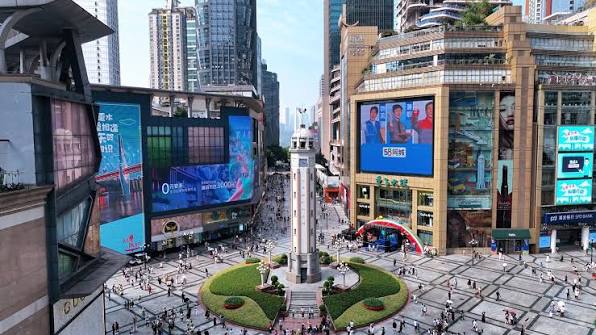
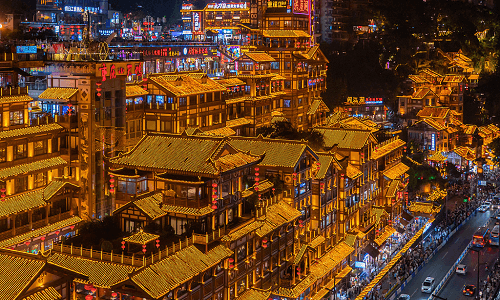
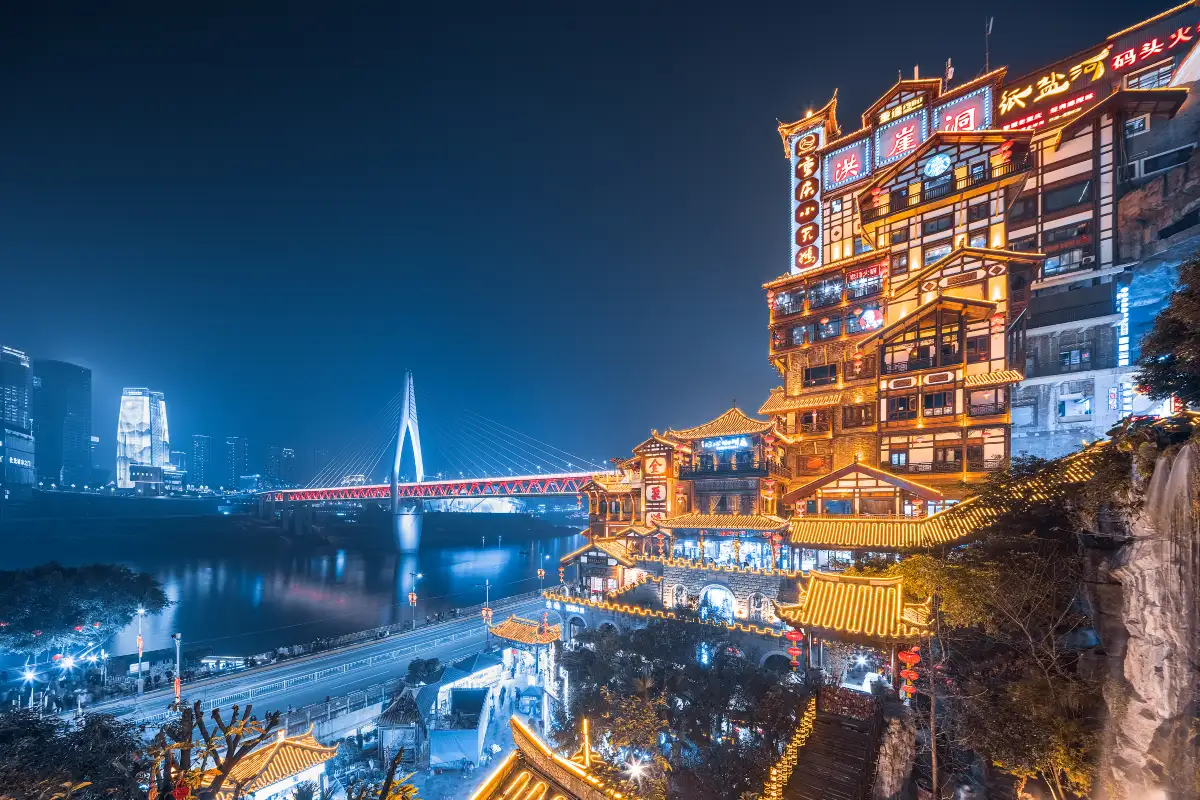
The most popular area for tourists. You are within walking distance of Hongya Cave, Jiefangbei (the Liberation Monument — Chongqing's equivalent of Times Square), the cable car, and countless restaurants and shops. The night views are spectacular. The downside: it can be noisy and crowded, and hotel prices are higher.
📍 Nanbin Road — Best for Views and Romance
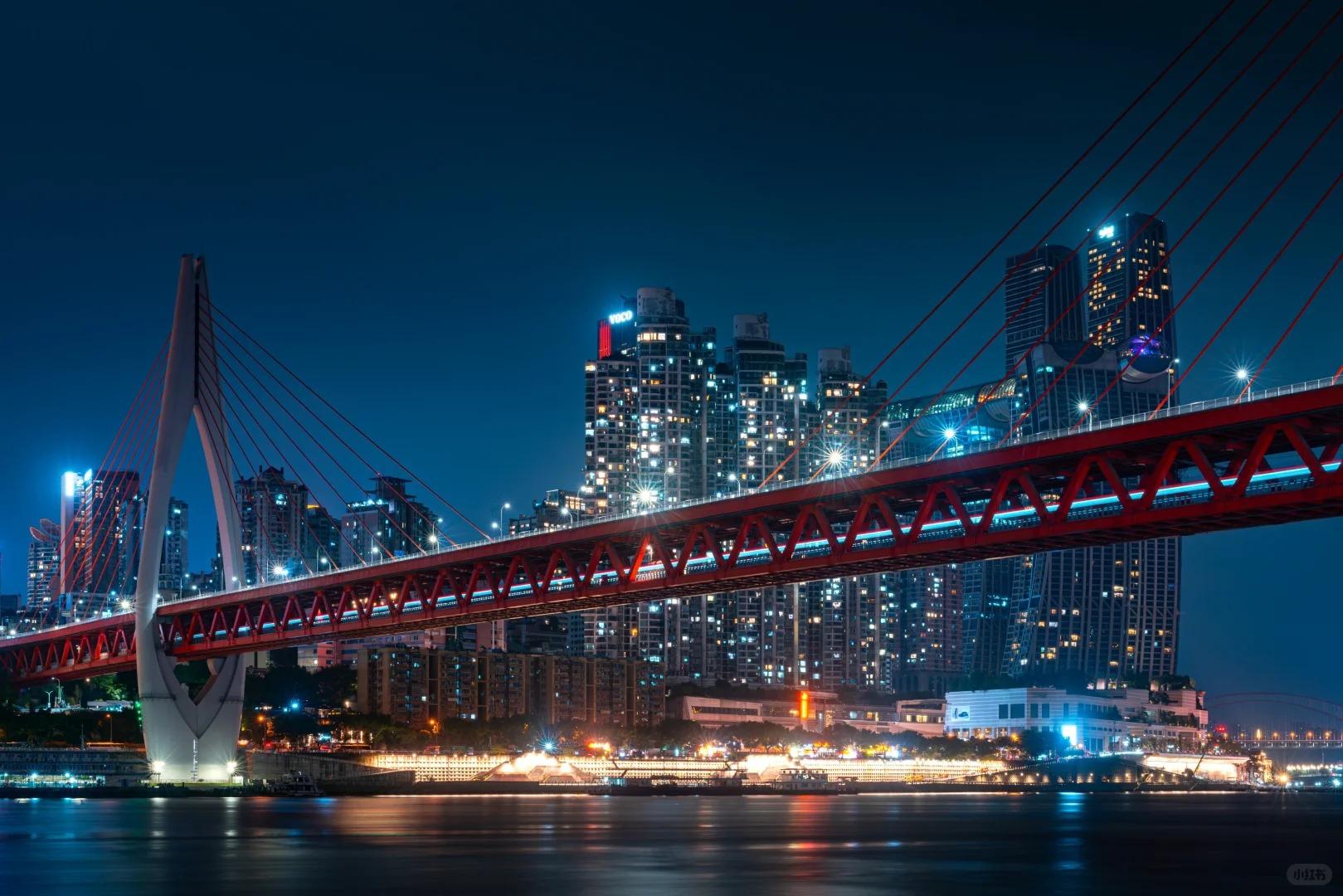
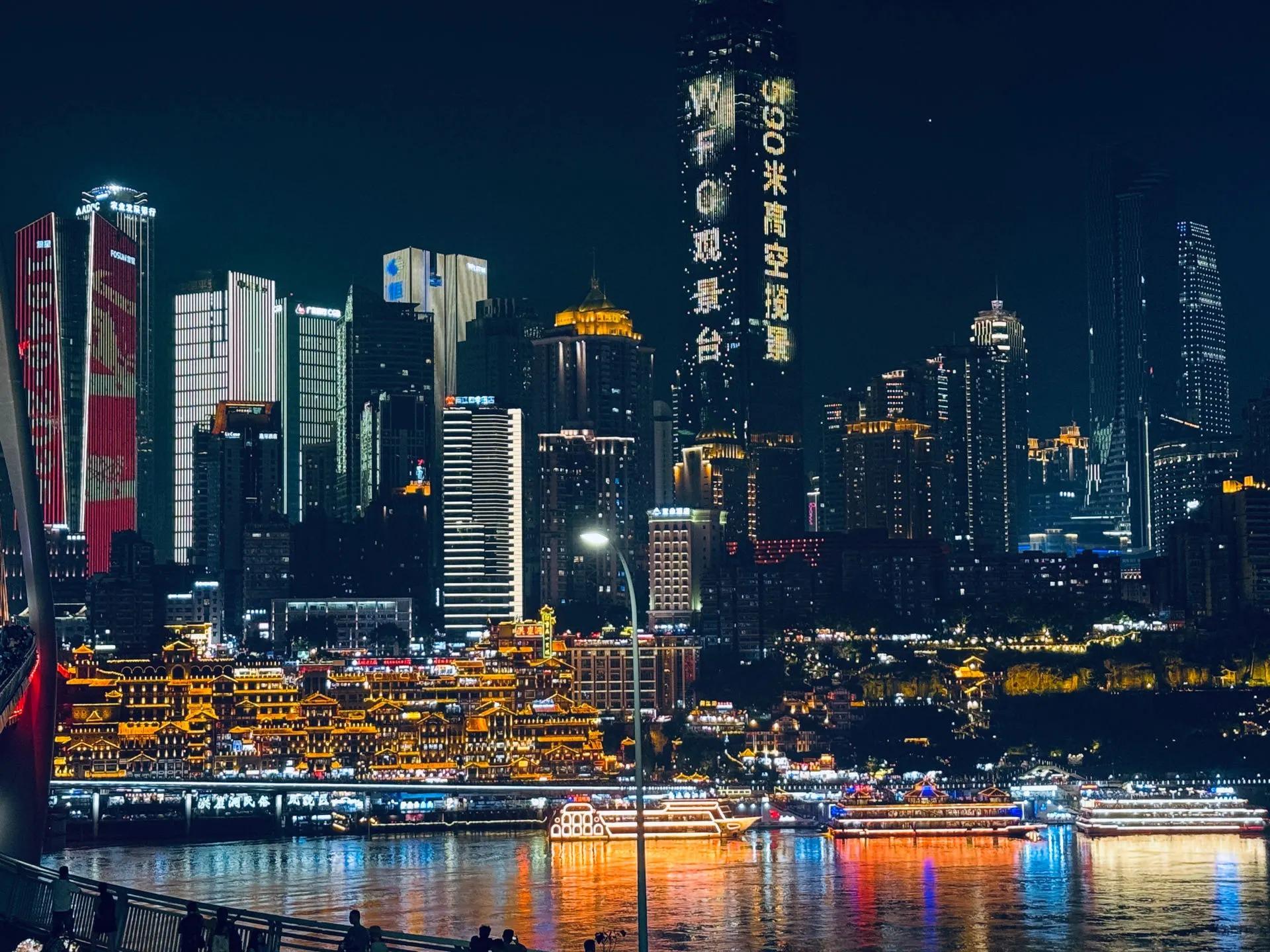
On the south bank of the Yangtze, Nanbin Road offers the best views of the Chongqing skyline across the river. Hotels here often have river-view rooms, and there are good restaurants and bars along the riverside. The downside: you have to cross the river (by bridge, tunnel, or cable car) to get to the main tourist attractions.
📍 Ciqikou / Shapingba — Best for Budget and Culture
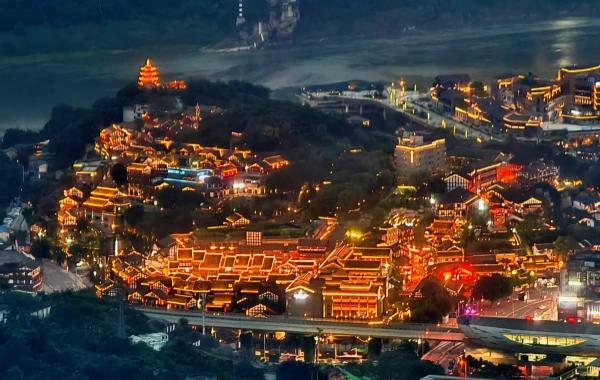
In the western part of the city, near Ciqikou Ancient Town and several universities. Cheaper than the city center, with more of a local feel. Good if you want to experience everyday Chongqing rather than just the tourist areas. The downside: it takes 30-45 minutes to get to central attractions by metro.
Hotel Price Guide
Budget (CNY 150-350/night): Budget chain hotels (Hanting, Home Inn, Jinjiang Inn), local guesthouses, hostels
Mid-range (CNY 400-800/night): 3-4 star hotels, international mid-range brands, boutique hotels
Luxury (CNY 1,000+/night): 5-star international brands (InterContinental, JW Marriott, Radisson Blu, etc.), usually with river views
Our pick for first-timers: Stay in the Jiefangbei / Hongya Cave area. Being able to walk to Hongya Cave at night, the cable car, and restaurants is worth the premium. For a special treat, book a river-view room on a high floor — the night views are unforgettable.
Choosing a specific bed? Our full guide to the best luxury hotels in Chongqing breaks down river-view rooms, skyline suites and prices by neighbourhood.
Top Things to Do in Chongqing
Must-Do Experiences
Rank | Attraction | Why Go | Best Time |
|---|---|---|---|
1 | Hongya Cave (洪崖洞) | Iconic 11-story stilt-house complex built into the cliff; shops, food, bars; magical at night | Sunset to late evening — night views are stunning |
2 | Yangtze River Cable Car (长江索道) | Cross the Yangtze in a cable car — classic Chongqing experience with panoramic views | Daytime for city views; late afternoon for golden light |
3 | Ciqikou Ancient Town (磁器口) | Well-preserved ancient town; traditional architecture, tea houses, snacks, crafts | Morning (before crowds); late afternoon for golden light |
4 | Liziba Station (李子坝) | The famous light rail that passes through a 19-story residential building — iconic photo spot | Daytime — trains run every few minutes |
5 | Jiefangbei (解放碑) | Chongqing's bustling commercial heart; the Liberation Monument; shopping and food | Evening — lights, food, people-watching |
6 | Dazu Rock Carvings (大足石刻) | UNESCO site — spectacular Buddhist rock carvings, 1,000+ years old | Day trip (1.5-2 hrs from city) |
7 | Wulong Karst (武隆喀斯特) | UNESCO natural site — dramatic natural bridges, gorges, karst landscapes | Day trip or overnight (2-3 hrs from city) |
8 | Chaotianmen & River Cruise | Where the two rivers meet; night cruise with spectacular skyline views | Evening — night cruise is Chongqing at its most dramatic |
9 | Eling No.2 Factory (鹅岭二厂) | Trendy creative park with cafes, shops, street art, and city views | Late afternoon — golden hour photos and sunset drinks |
10 | Three Gorges Museum | Free museum about Chongqing history and the Three Gorges | Anytime — great for hot or rainy days (closed Mondays) |
Hidden Gems
Huangjueping Graffiti Street (黄桷坪涂鸦街): One of the largest graffiti art streets in China — colorful, artsy, and great for photos. Near the Sichuan Fine Arts Institute.
Zhongshan 4th Road (中山四路): A beautiful, tree-lined street with Republican-era architecture, cafes, bookshops, and history. One of Chongqing's most charming streets.
Shancheng Footpath (山城步道): Traditional mountain city footpaths winding through old neighborhoods. Great for views and a taste of old Chongqing.
Luohan Temple (罗汉寺): A working Buddhist temple right in the middle of the modern city — the contrast is striking. Active, atmospheric, and less touristy than you might think.
Ciqikou Back Streets: Skip the crowded main street and wander the quieter lanes near Baolun Temple. You will find old courtyards, fewer people, and better prices.
Nanshan One Tree Viewing Platform: The classic panoramic night view of Chongqing from the mountain. Take a taxi up, enjoy the view, then head down.
Shijingpo Colorful Houses: A hillside neighborhood painted in bright colors — looks like a fairy-tale town. Very photogenic and completely off the tourist trail.
🍜Chongqing Food Guide
Food is one of the biggest reasons to visit Chongqing. The city's cuisine is bold, fiery, and completely unapologetic. Here is what you need to eat, where to find it, and how to survive the spice.
Chongqing Hot Pot — The King of Food
Chongqing hot pot is not just a meal — it is a cultural institution. The city has more hot pot restaurants than any other city in China, and locals eat it at all hours, from lunch to late-night.
What Makes Chongqing Hot Pot Different
Broth: Traditional Chongqing hot pot uses a beef tallow (牛油) base — rich, deep, and very red. It is loaded with dried chilies and Sichuan peppercorns for that signature numbing-spicy (麻辣) kick.
Dipping sauce: Simple is best — garlic, sesame oil, a bit of salt, and maybe cilantro. The idea is to cool the food slightly, not mask the flavor of the broth.
Classic ingredients: Thinly sliced beef, duck intestines (鸭肠), hairy tripe (毛肚), pork brain (脑花), congealed blood (血旺), fish balls, mushrooms, tofu, and leafy greens.
Atmosphere: Loud, lively, communal. People eat for hours, drinking beer and chatting. It is as much a social event as a meal.
Survival Tips for Beginners
Order a split pot (鸳鸯锅, "yuan yang guo") — one side spicy, one side mild (usually bone broth or tomato broth)
Ask for "wei la" (微辣, slightly spicy) — Chongqing's "mild" is still pretty spicy by most standards
Dip food in sesame oil — it cools it down and mellows the spice
Drink yogurt drinks or soy milk — they help with the spiciness
Take it slow — your tolerance will build (sort of)
Do not feel pressured to try the adventurous ingredients (duck intestines, pig brain, etc.) if you don't want to. There are plenty of familiar options too.
Must-Try Dishes
Dish | What It Is | Spice Level |
|---|---|---|
Chongqing Hot Pot (重庆火锅) | Communal boiling pot with spicy broth; you cook your own ingredients | Very high (adjustable with split pot) |
Xiaomian (小面) | Chongqing spicy noodles — the city's most common breakfast and late-night snack | High (can order less spicy) |
Lazi Ji (辣子鸡) | Spicy chicken with heaps of dried chilies — you dig for the chicken among the peppers | Very high |
Maoxuewang (毛血旺) | A spicy stew with congealed blood, tripe, intestines, and vegetables — classic Jianghu cai | Very high |
Suanla Fen (酸辣粉) | Hot and sour glass noodles — a street food classic | Medium-high |
Shuizhu Yu (水煮鱼) | Fish fillets in a sea of spicy oil — tender and numbing-spicy | High |
Su Rou (酥肉) | Battered deep-fried pork strips — often an appetizer at hot pot | Mild to medium |
Bao Luohan (素罗汉) | A vegetarian dish of mixed vegetables and mushrooms in a savory sauce — good for vegetarians | Mild to medium |
Bing Fen (冰粉) | A sweet, cold jelly dessert — perfect for cooling down after spicy food | None (sweet) |
Crispy Duck (脆皮鸭) | Chongqing is also known for its crispy duck — less spicy, very flavorful | Low |
Where to Eat
Jiefangbei / Hongya Cave: Touristy but convenient. Plenty of hot pot restaurants and street food.
Ciqikou: Great for snacking while you wander — try chenma tang (sesame candy), spicy gluten, and local pastries.
Guanyinqiao: A more local area with excellent Jianghu cai restaurants and street food. Good value.
Huangjueping / University areas: Cheap, delicious, student-friendly. Lots of small restaurants and snack stalls.
Nanbin Road: Riverside restaurants with views — more upscale, good for a special dinner.
💡Food Tips for Visitors
Go easy on the spice at first — build up gradually
Look for crowded restaurants with locals — that is usually a sign of good food
Street food is generally safe — go for stalls with high turnover
Drink only bottled or filtered water — never tap water
Vegetarians will find it challenging — Sichuan cuisine uses a lot of meat and chili oil. Ask explicitly for "su" (vegetarian) dishes.
End spicy meals with bing fen (冰粉) or another cooling dessert
Keep wet wipes and tissues handy — chopstick-only meals can be messy!
Food rule: If a restaurant is full of locals eating and drinking loudly, and the menu is only in Chinese — go in. That is where you will find the best food. Point at what other people are eating, say "yi yang de" (same as that), and enjoy the adventure.
Best Day Trips from Chongqing
Day Trip | Distance / Travel Time | Highlights | Best For | Difficulty |
|---|---|---|---|---|
Dazu Rock Carvings | ~120 km / 1.5-2 hrs | UNESCO World Heritage Site; 1,000+ year-old Buddhist rock carvings; incredibly detailed | History & art lovers | Easy — mostly flat walking |
Wulong Karst | ~180 km / 2-3 hrs | UNESCO natural site; Three Natural Bridges; Longshuixia Gorge; Fairy Mountain | Nature lovers & hikers | Moderate — some walking on paths |
Jinyun Mountain & Beibei | ~50 km / 1 hr | Mountain park; hot springs; university town; green escape | Relaxed travelers | Easy — gentle walks |
Ciqikou + Geleshan | Within city / 30 min | Ancient town + mountain park with historic sites | Half-day trip option | Easy |
Diaoyu Castle | ~90 km / 1.5 hrs | Historic fortress famous for withstanding Mongol sieges | History buffs | Moderate — hilltop site |
Most Popular: Dazu Rock Carvings
Dazu Rock Carvings (大足石刻) are a UNESCO World Heritage Site featuring tens of thousands of Buddhist, Confucian, and Taoist carvings dating from the 9th to 13th centuries. They are widely considered some of the finest rock art in China, known for their detail, beauty, and state of preservation.
How to get there: High-speed train from Chongqing West to Dazu South (~1 hr), then taxi/bus to the site; or organized day tour
Main site: Baodingshan (宝顶山) — the most impressive and largest cluster
Also worth visiting: Beishan (北山) — smaller but with earlier carvings
Ticket: approximately CNY 115-150 for Baodingshan
Time needed: 3-4 hours for Baodingshan; full day if visiting both sites
For tickets, the 31-metre reclining Buddha and the easiest way to get there, see our dedicated Dazu Rock Carvings guide.
Best for Nature: Wulong Karst
Wulong Karst (武隆喀斯特) is a UNESCO natural heritage area famous for its dramatic limestone karst landscapes. The Three Natural Bridges (天生三桥) are the star — three massive natural stone bridges in a deep gorge. Other highlights include Longshuixia Fissure Gorge (龙水峡地缝) and Fairy Mountain (仙女山).
How to get there: High-speed train from Chongqing to Wulong (~1-1.5 hrs), then local transport; or organized day tour
Tickets: ~CNY 125 for Three Natural Bridges; ~CNY 80 for Longshuixia Gorge
Time needed: Full day (8-10 hours) for main sites; overnight for Fairy Mountain and more hiking
Tip: The Three Natural Bridges are the most spectacular and easiest to visit. Start there.
Itineraries for Every Traveler Type
🗺️Classic 3-Day Itinerary (First-Timers)
Day 1: Iconic Chongqing
Morning Ciqikou Ancient Town — arrive early; wander the old streets; try snacks; visit Baolun Temple
Afternoon Liziba Station + Eling No.2 Factory — photo at the train-through-building stop; explore the trendy creative park; sunset views
Evening Jiefangbei + Hongya Cave — dinner in Jiefangbei; watch Hongya Cave light up after dark; walk across Qiansimen Bridge for the best angle
Day 2: River Views & Culture
Morning Yangtze River Cable Car — arrive early to avoid lines; ride to Nan'an and back
Midday Luohan Temple + Zhongshan 4th Road — visit the temple; stroll the beautiful tree-lined street; lunch at a local restaurant
Afternoon Three Gorges Museum — learn about Chongqing history and the Three Gorges; air-conditioned relief from heat or rain
Evening Chongqing hot pot dinner — the city's signature meal — go to a popular local spot
Day 3: Day Trip
Morning Dazu Rock Carvings or Wulong Karst — choose based on your interests (culture vs nature)
Evening Return to Chongqing — farewell dinner; optional night river cruise or Nanshan view
🥘Foodie Itinerary (3 Days)
For travelers who plan their trips around meals:
Day 1: Breakfast — xiaomian (spicy noodles) at a local shop → Morning — Ciqikou snack crawl → Lunch — Jianghu cai restaurant → Afternoon — Tea break at a traditional tea house → Dinner — Chongqing hot pot → Late night — Street food and beer at a night market
Day 2: Breakfast — Soy milk and youtiao (fried dough) → Morning — Cooking class or food walking tour → Lunch — Shuizhu yu (spicy boiled fish) → Afternoon — Bing fen (cold jelly dessert) break → Dinner — Lazi ji (spicy chicken) feast → Evening — Bar or craft beer in Eling or Nanbin Road
Day 3: Breakfast — Zajiang mian (noodles with minced pork) → Day trip to Dazu or Wulong with snacks for the road → Farewell hot pot dinner
📷Photography Itinerary (3 Days)
For travelers chasing the best shots:
Day 1: Sunrise — Nanshan One Tree viewing platform (if you can wake up early) → Morning — Cable car ride (golden light) → Midday — Luohan Temple (architecture and street photography) → Late afternoon — Eling No.2 Factory (golden hour) → Sunset — Qiansimen Bridge (Hongya Cave coming to light) → Night — Hongya Cave (long exposures)
Day 2: Morning — Huangjueping Graffiti Street (colorful street art) → Midday — Shancheng Footpath (old Chongqing scenes) → Afternoon — Liziba Station (iconic train shot) + nearby colorful streets → Sunset — Nanbin Road riverside → Night — River cruise (skyline photos)
Day 3: Day trip to Dazu (carvings photography) or Wulong (nature photography) → Evening — Shijingpo colorful houses if you get back early enough
🧑🤝🧑Family-Friendly Itinerary (3 Days)
For travelers with kids:
Day 1: Morning — Ciqikou (snacks, crafts, street performers) → Afternoon — Chongqing Science and Technology Museum (free, interactive, great for kids) → Evening — Hongya Cave (kids love the lights and the multi-level layout) → Dinner — Mild hot pot or non-spicky noodles
Day 2: Morning — Cable car ride (kids love it) → Afternoon — Chongqing Zoo (pandas and other animals) or Happy Valley amusement park → Evening — River cruise (night views are magical for kids)
Day 3: Day trip to Wulong (nature, walking) or stay in the city with more relaxed exploration → Pick easier activities with less walking → Build in nap/rest time — the hills are tiring for little legs
Yangtze River Cruise
Chongqing is the traditional starting point for Yangtze River cruises through the famous Three Gorges. This is one of China's most iconic travel experiences — but it is not for everyone.
Three Gorges Cruise Overview
Detail | Information |
|---|---|
Typical route | Chongqing → Yichang (downstream) or Yichang → Chongqing (upstream) |
Duration | 3-5 days (4 days / 3 nights is standard for downstream) |
Highlights | Qutang Gorge, Wu Gorge, Xiling Gorge, Shennong Stream, Three Gorges Dam |
Price range | Budget: ~CNY 1,500-3,000; Mid-range: ~CNY 3,000-6,000; Luxury: ~CNY 8,000-20,000+ per person |
Best season | Spring (Mar-May) and autumn (Sep-Nov) — best weather and views |
What is included | Generally: cabin, most meals, some shore excursions. Drinks, tips, some activities extra. |
Is a Three Gorges Cruise Worth It?
It depends on your travel style:
Worth it if: you love scenic boat trips, you want a relaxed pace, you are interested in Chinese history and engineering, you have 4+ extra days, and you enjoy cruise-style travel
Not worth it if: you get motion sickness, you prefer active travel, you are on a tight budget, you only have a few days, or you get bored easily on boats
Short Evening River Cruise (Recommended)
For most travelers visiting Chongqing for just a few days, a short 1-2 hour evening river cruise within the city is a much better option than the full Three Gorges cruise. It gives you the spectacular night views without the time or cost commitment.
Departs from: Chaotianmen Pier (朝天门码头)
Duration: 60-90 minutes
Price: approximately CNY 80-150 depending on boat type and seating
Best time: 7:30-9:30 PM when all the lights are on
What you see: Hongya Cave, Qiansimen Bridge, Chaotianmen, both rivers, and the illuminated skyline
Book: On-site at the pier or through travel apps in advance
Our recommendation: Skip the multi-day Three Gorges cruise unless you have plenty of time and love boat travel. Do the 1-2 hour evening river cruise instead — it delivers the most dramatic part (the Chongqing night skyline) in a fraction of the time and cost.
To sail the Three Gorges without arranging it yourself, our Chongqing tour with Yangtze River cruise bundles the ship, transfers and city days into one itinerary.
Foreigner Survival Kit
Traveling in China as a foreigner is easier than ever, but there are still some things you need to know to make your trip smooth. Here is your essential toolkit:
💰Money and Payments
Mobile payment is king in Chongqing — and all of China.
Alipay and WeChat Pay: These two apps are used everywhere — from street food stalls to department stores. You can now link international Visa/Mastercard to Alipay and WeChat Pay (with some limits). Set this up before your trip if possible.
Credit cards: Accepted at major hotels, chain restaurants, and large shopping malls. Not accepted at small shops, street stalls, or many local restaurants.
Cash: Still useful as a backup. Carry some RMB cash (CNY 500-1,000) for places that do not accept foreign payment methods. ATMs are widely available.
Currency: Chinese Yuan (CNY or RMB). 1 USD ≈ 7-7.3 CNY (check current rates).
Essential Apps
App | What It Does | Do You Need It? |
|---|---|---|
Alipay / WeChat Pay | Mobile payment — used everywhere | Highly recommended — set up before arrival |
DiDi | Ride-hailing (like Uber) — cheaper and more reliable than taxis | Very useful; works with international phone numbers |
Amap (高德地图) / Baidu Maps | Navigation — much more accurate than Google Maps in China | Essential for getting around; download offline maps |
Google Translate | Translation — camera translation is great for menus and signs | Essential; download offline Chinese language pack |
Trip.com / Ctrip | Hotel, flight, train, and attraction bookings | Very useful for booking tickets and hotels |
Meituan / Dianping | Food delivery and restaurant reviews | Useful for finding good local restaurants |
Messaging, social media, payments — China's super-app | Helpful for communicating with locals and guides |
Language
English is not widely spoken in Chongqing outside of major hotels, international restaurants, and some tourist attractions. Most locals speak Mandarin Chinese, often with a strong Chongqing dialect accent.
Useful phrases to learn:
你好 (nǐ hǎo) — Hello
谢谢 (xiè xie) — Thank you
多少钱 (duō shao qián) — How much?
不辣 (bù là) — Not spicy
微辣 (wēi là) — Slightly spicy
在哪里 (zài nǎ lǐ) — Where is...?
我要... (wǒ yào...) — I want...
听不懂 (tīng bù dǒng) — I don't understand
厕所 (cè suǒ) — Toilet / bathroom
买单 (mǎi dān) — Bill / check please
📱Internet and VPN
Many Western websites and apps are blocked in China, including Google, YouTube, Facebook, Instagram, Twitter/X, and Gmail. If you need access to these, you will need a VPN that works in China.
Research and set up a VPN before you arrive — VPN websites are also blocked in China
Test your VPN before your trip — not all VPNs work reliably in China
Hotel Wi-Fi quality varies — most mid-range and luxury hotels have decent Wi-Fi
Consider getting a Chinese SIM card or eSIM for data — it can be faster and more reliable than hotel Wi-Fi
📝Other Practical Tips
Carry your passport with you at all times — you may need it for hotels, train tickets, and some attractions
Bring a portable charger — you will use your phone a lot for payments, maps, and translation
Toilets: Many public toilets are squat-style. Carry tissues — many public restrooms do not have toilet paper
Drink only bottled or boiled water — tap water is not safe to drink
Tipping is not customary in China — do not tip taxi drivers, waiters, or hotel staff
Electricity: 220V, Type A/C/I plugs. Bring an adapter if needed.
Safety & Scam Avoidance
Is Chongqing Safe?
Yes, Chongqing is generally very safe for tourists.
Like all major Chinese cities, Chongqing has a low crime rate, especially for violent crime. Most visitors experience no safety issues at all. The city is well-policed, and tourist areas have regular security patrols.
Common Safety Concerns
Petty theft: Possible but rare. Watch your belongings in crowded places like Hongya Cave, Ciqikou, and the metro. Keep bags zipped and phones in your pocket or a secure bag.
Traffic and pedestrian safety: This is probably the biggest safety risk. Traffic in Chongqing can be chaotic, and drivers do not always yield to pedestrians. Always use crosswalks and look both ways — twice.
Stairs and hills: The city is extremely hilly with lots of stairs and uneven pavement. Wear proper shoes with good grip. Be extra careful at night when visibility is poor.
Food safety: Stick to busy restaurants with high turnover. Avoid raw or undercooked food if you have a sensitive stomach. The spice level itself is not dangerous, but it can cause discomfort if you are not used to it.
Night safety: Generally safe at night, especially in well-lit, busy areas. Stick to main streets and avoid dark, isolated areas alone late at night.
Scams to Watch Out For
Scams targeting tourists are less common in Chongqing than in some other Chinese cities, but it is good to be aware:
Tea house / art gallery scams: A "friendly local" invites you to a tea ceremony or art exhibition, then presents you with a huge bill. This is less common now but still happens in tourist areas. Politely decline if a stranger invites you somewhere.
Fake taxi / overcharging: Always use the meter, or book through DiDi. Some taxi drivers at the airport or train station may try to charge a flat rate that is much higher than the metered price. Walk to the official taxi stand or use DiDi instead.
Fake tour guides: Unlicensed "guides" may approach you at attractions offering tours. Book through official channels or reputable companies.
Counterfeit goods: If you buy branded goods, only buy from official stores. Street markets sometimes sell fake products.
ATM skimming: Rare but possible. Use ATMs inside banks or well-lit, secure locations.
Emergency Information
Service | Phone Number |
|---|---|
Police | 110 |
Ambulance | 120 |
Fire department | 119 |
General emergency (multilingual) | 12308 (foreign ministry consular protection) |
Tourist complaints | 12345 (city service hotline — Chinese only) |
Bottom line: Chongqing is safer than most major Western cities. The real risks are traffic, stairs, and overestimating your spice tolerance. Use common sense, stay alert, and you should have a trouble-free trip.
Seasonal Packing List
What to pack depends a lot on the season. Chongqing's weather varies dramatically — from sweltering summer humidity to cold, damp winter fog. Here is a season-by-season guide:
Year-Round Essentials
Passport (and visa if required) — carry a photocopy or digital backup too
Comfortable walking shoes with good grip — essential for all those hills and stairs
Portable charger / power bank (20,000 mAh or less for flights)
Phone with essential apps downloaded (see the sections above.2)
VPN app (if you need access to Google, social media, etc.)
Translation app with offline Chinese pack (Google Translate or similar)
Travel adapter (Type A/C/I plugs, 220V)
Reusable water bottle (drink only bottled or boiled water — not tap)
Basic first aid kit: painkillers, stomach medicine, band-aids, any personal medication
Tissues / wet wipes — many public restrooms do not have toilet paper
Small umbrella — useful for both rain and sun
Some cash (CNY 500-1,000) as backup for places that do not accept foreign cards
🌸 Spring (March–May)
Light jacket or cardigan for mornings and evenings
Long-sleeve shirts + short-sleeve shirts (temperatures vary a lot day to night)
Light pants / jeans
Comfortable walking shoes (you will use them a lot)
Foldable umbrella — spring has occasional rain
Layers are key — it can be cool in the morning and warm by afternoon
☀️ Summer (June–August)
Light, breathable clothing — cotton and linen work best
T-shirts and shorts / light dresses
Hat and sunscreen — the sun is strong even when cloudy
Umbrella — both rain and sun protection
Sunglasses
Sandals or breathable shoes
Extra clothes — you will sweat a lot in the humidity
Hand fan or small portable fan (optional but helpful)
🍂 Autumn (September–November)
T-shirts and long-sleeve shirts
Light jacket or sweater for evenings
Pants / jeans
Comfortable walking shoes — great weather for hiking day trips
Umbrella — less rain than spring but still possible
Camera — the clearest skies of the year are perfect for photos
❄️ Winter (December–February)
Warm jacket or coat — it feels colder than the temperature suggests because of the damp cold
Sweaters and long-sleeve shirts (layers are good)
Warm pants / jeans
Warm shoes — your feet get cold quickly in the damp weather
Hat, scarf, gloves (optional but nice on cold days)
Thermal underwear (if you get cold easily)
Hot pot will help — a lot
Pro packing tip: Pack light and do laundry. Most hotels offer laundry service, and there are laundromats in residential areas. You will buy clothes and souvenirs anyway — leave space in your suitcase.
Budget Guide
Category | Budget | Mid-Range | Comfort / Luxury |
|---|---|---|---|
Accommodation (per night) | CNY 150-300 (budget hotel / hostel) | CNY 400-800 (3-4 star hotel) | CNY 1,000+ (5-star / river view luxury) |
Food (per day) | CNY 80-180 (street food, small restaurants) | CNY 200-400 (hot pot + restaurants) | CNY 500+ (fine dining, premium hot pot) |
Attractions (per day) | CNY 50-100 (a few paid sights + free ones) | CNY 100-250 (major attractions + cable car) | CNY 300+ (tours, cruise, VIP tickets) |
Transport (per day) | CNY 20-50 (metro + buses) | CNY 50-150 (metro + DiDi / taxi) | CNY 300+ (private car / driver) |
Total (per day) | CNY 300-600 (~US$40-85) | CNY 750-1,600 (~US$105-225) | CNY 2,000+ (~US$280+) |
Sample 3-Day Budget (Mid-Range, Per Person)
Accommodation: CNY 1,200 (3 nights at CNY 400/night)
Food: CNY 900 (3 days at CNY 300/day, including a proper hot pot dinner)
Attractions: CNY 500 (cable car, museums, Dazu day trip entrance fees)
Transport: CNY 300 (metro, taxis, day trip transport)
Shopping / souvenirs: CNY 300
Contingency: CNY 200
Total: ~CNY 3,400 (~US$475) per person for 3 days
Money-Saving Tips
Take the metro instead of taxis — it is much cheaper
Eat at local restaurants — better food, lower prices
Many museums are free (just book in advance)
Book attraction tickets online — sometimes there are discounts
Visit on weekdays — hotel prices are lower and attractions are less crowded
Travel in winter for the lowest hotel prices
Street food is cheap and delicious — some of the best meals cost under CNY 20
Use high-speed trains for day trips — affordable, fast, and comfortable
Chongqing vs. Chengdu: Which Should You Choose?
This is one of the most common questions for travelers to southwest China. The two cities are only 1-1.5 hours apart by high-speed train, but they feel like completely different worlds.
Aspect | Chongqing | Chengdu |
|---|---|---|
Vibe | Dramatic, vertical, energetic, rough-around-the-edges | Relaxed, flat, laid-back, cultured, cute |
Landscape | Steep hills, two rivers, dramatic skyline — "8D city" | Flat plains, parks, teahouses — "city of leisure" |
Famous for | Hot pot, night views, cable car, mountain scenery | Giant pandas, teahouses, Sichuan opera, slow life |
Must-do | Hongya Cave, cable car, Dazu / Wulong day trips | Panda Base, Kuanzhai Alley, People's Park, Sichuan opera |
Hot pot style | Bold beef tallow base; simple dipping sauce; rustic | Refined mixed oil base; elaborate dipping sauce; varied ingredients |
Walkability | Challenging — lots of hills, stairs, vertical navigation | Very walkable — flat city with great parks and alleys |
Best for how long | 3 days (city + one day trip) | 3-4 days (city + one or two day trips) |
Photography | Spectacular night views, dramatic architecture, unique angles | Pandas, cute streets, cultural scenes, parks |
Overall feeling | Exciting, overwhelming, adventurous | Comfortable, pleasant, easygoing |
Cost | Slightly cheaper overall | Slightly more expensive for hotels and dining |
The Verdict
If you have the time, visit both! They complement each other perfectly — Chengdu is the calm, cultural yin to Chongqing's fiery, dramatic yang. A week combining both gives you the full southwest China experience.
If you can only choose one:
Choose Chongqing if: you want dramatic views, a totally unique city experience, intense food, and a sense of adventure
Choose Chengdu if: you want pandas, a relaxed pace, cultural experiences, and a variety of Sichuan food
Best of all: Do both. High-speed trains between Chengdu and Chongqing take just 1-1.5 hours and cost about CNY 150. 3 days Chengdu + 3 days Chongqing = one of the best week-long trips in China.
Final Planning Checklist
Use this checklist to make sure you have everything covered before your Chongqing trip:
Before You Go
Check visa requirements — are you eligible for 30-day visa-free entry or 240-hour transit?
Book your flights (CKG = Chongqing Jiangbei Airport)
Book your accommodation — Jiefangbei / Hongya Cave area for first-timers
Download essential apps: Alipay, DiDi, Amap/Baidu Maps, Google Translate (offline pack), VPN
Set up mobile payment (Alipay or WeChat Pay with international card)
Get some Chinese Yuan cash (CNY 500-1,000) as backup
Buy travel insurance that covers China
Check the weather forecast and pack accordingly
Book any high-speed train tickets in advance (especially for day trips)
Book popular attraction tickets online (if available in English)
When You Arrive
Get a local SIM card or eSIM if you need reliable data
Pick up a metro card or set up phone metro payment
Confirm your hotel reservation and check-in time
Save emergency numbers: 110 (police), 120 (ambulance)
Save the address of your hotel in Chinese (show it to taxi drivers)
During Your Trip
Carry your passport with you at all times
Arrive early for the cable car and popular attractions
Try the hot pot — go for a split pot if you are not sure about spice
Drink only bottled or boiled water
Watch your belongings in crowded places
Be careful on stairs and hills — wear proper shoes
Use crosswalks — traffic can be chaotic
Take lots of photos — the views are incredible
Try street food — go for busy stalls with high turnover
Get lost sometimes — that is where you find the best parts of Chongqing
Final tip: Leave some unplanned time in your itinerary. Chongqing is a city best explored by wandering. You will find the best views, the best food, and the most interesting experiences when you are not rushing from one sight to the next.
Final Thoughts
Chongqing is not a city that everyone immediately loves. It can feel overwhelming at first — the hills, the crowds, the spice, the chaos, the constant sense of being slightly lost in three dimensions. But that is also exactly what makes it special.
There is nowhere else in the world where you can ride a train through a residential building, take a cable car across a mighty river, eat the spiciest meal of your life, and then climb 10 flights of stairs only to find you are still on "ground floor" — all in a single day.
Chongqing does not cater to tourists. It is not polished or sanitized. It is a real, working, enormous city that just happens to be built in one of the most dramatic locations on Earth. That rawness is part of its charm.
You will get lost. You will eat food so spicy your eyes water. You will stare at views that do not seem real. And you will leave with stories that your friends will not believe — because Chongqing is that kind of city.
Go with an open mind, wear comfortable shoes, arrive hungry, and get ready for the 8D city. Chongqing is not like anywhere else — and that is exactly why you should go.
Last updated: November 2026. All information is subject to change. Always verify visa policies, ticket prices, opening hours, and transport schedules before your travel. Sources: National Immigration Administration (NIA), Chongqing Jiangbei International Airport official guides, Chongqing Metro official information, UNESCO World Heritage Centre, and multiple verified travel sources.


Traveler Discussions
Questions from travelers