
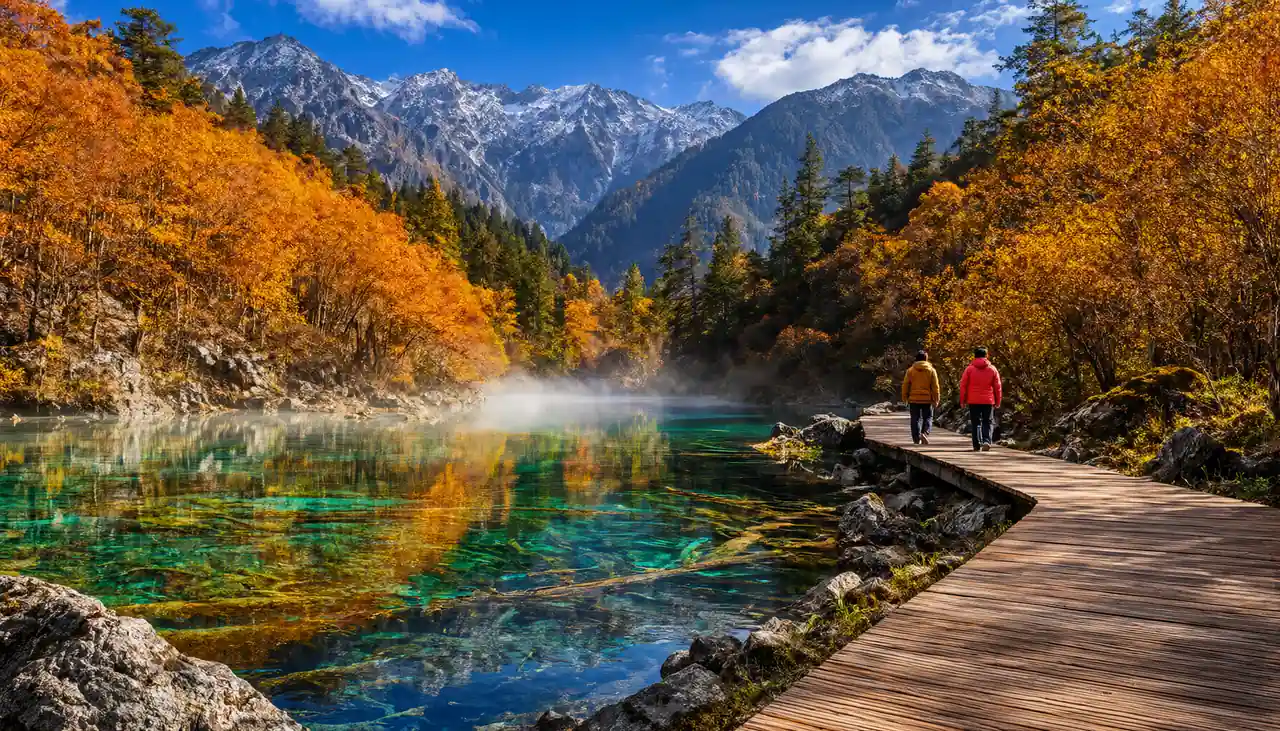
Jiuzhaigou - the "Valley of Nine Villages" in remote northern Sichuan - packs hundreds of turquoise lakes, cascading waterfalls and, each October, forests of gold and red into a single protected valley that is now a comfortable high-speed-train day from Chengdu. This guide walks through tickets and opening hours, getting there, the best time to visit, the valley layout and unmissable sights, altitude, pairing it with Huanglong, where to stay, what to budget and the practical know-how that matters most for first-time and foreign visitors.
Quick Facts About Jiuzhaigou
Category | Details |
|---|---|
Official Name | Jiuzhai Valley National Park (九寨沟国家级自然保护区) |
Status | UNESCO World Heritage Site (1992); National 5A Scenic Area; China National Park |
Location | Aba Tibetan & Qiang Autonomous Prefecture, Northern Sichuan, China |
Altitude | 1,990m (entrance) to 4,764m (highest peak); average ~2,930m in tourist areas |
Valley length | Main valley ~30+ km long |
Peak Season | April 1 – November 15 |
Off Season | November 16 – March 31 |
Daily visitor limit | 41,000 people per day (peak season) |
Best time to visit | October (autumn colors) and mid-September |
Distance from Chengdu | ~400 km by road; ~2 hr 15 min by high-speed train + bus |
What Is Jiuzhaigou?
Jiuzhaigou (九寨沟), also spelled Jiuzhai Valley, is one of the most beautiful national parks in China — and arguably one of the most spectacular natural landscapes in the world. Known as the "fairyland of turquoise lakes," it is famous for its hundreds of crystal-clear, multi-colored lakes, cascading waterfalls, snow-capped mountains, and lush forests that blaze with color in autumn.
Located in the remote mountains of northern Sichuan province, Jiuzhaigou was inscribed as a UNESCO World Heritage Site in 1992. Its name means "Valley of Nine Villages," referring to the nine Tibetan villages that have existed in the valley for centuries. The park covers more than 650 square kilometers of protected wilderness, with the main tourist valley stretching over 30 kilometers.
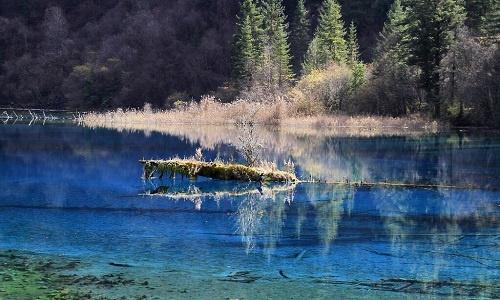
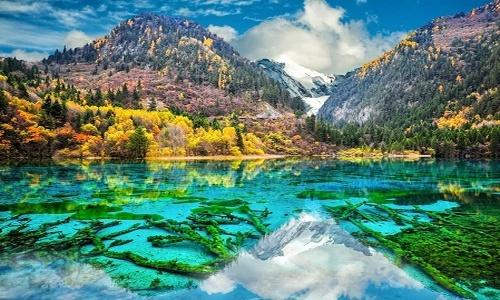
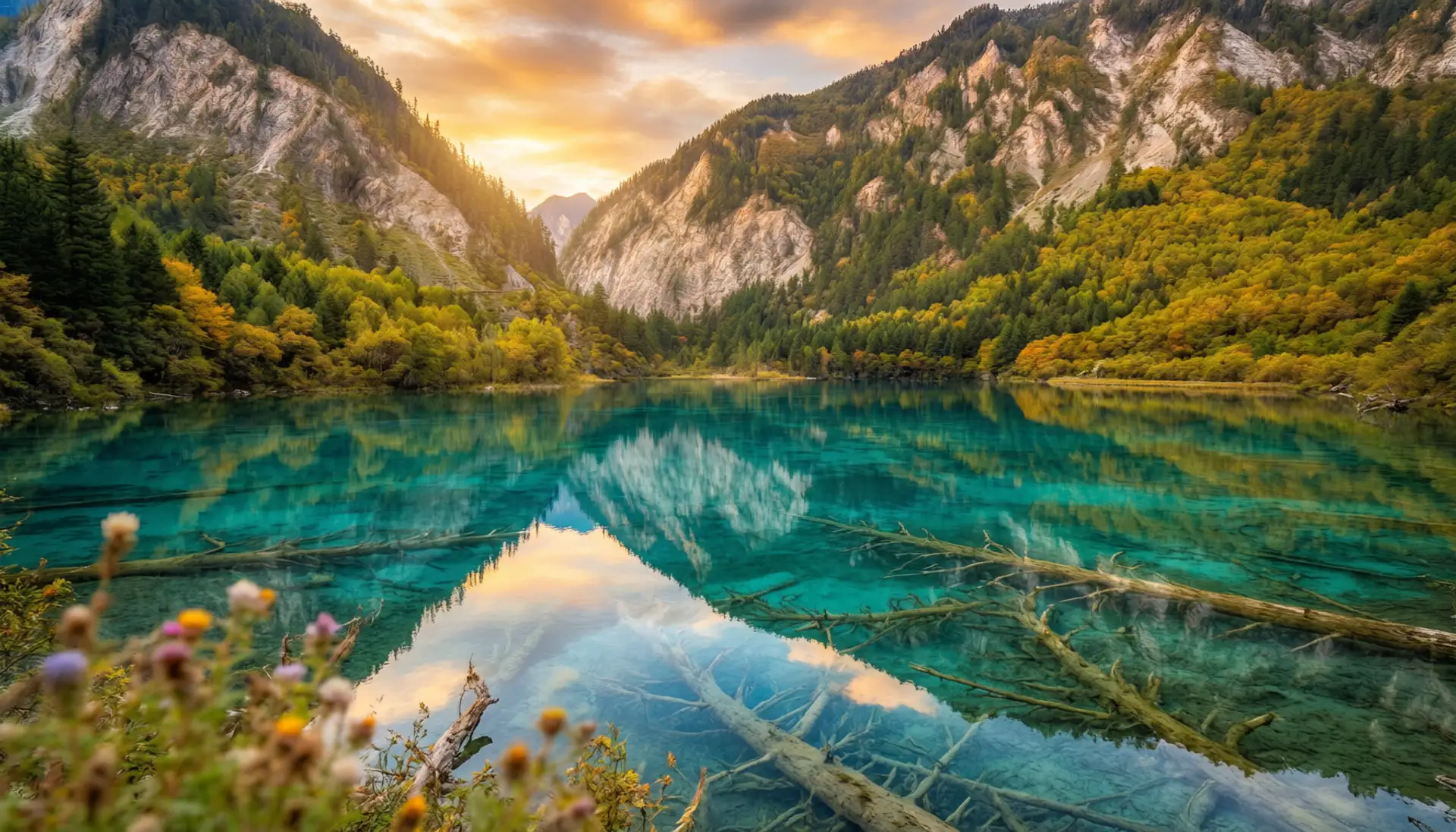
What makes Jiuzhaigou truly unique is its water. The lakes are fed by mineral-rich spring water that creates vivid shades of turquoise, emerald, sapphire, and amber — colors so intense they look artificial. In autumn, when the forests turn gold and red, the combination of colorful leaves and turquoise water is almost unreal.
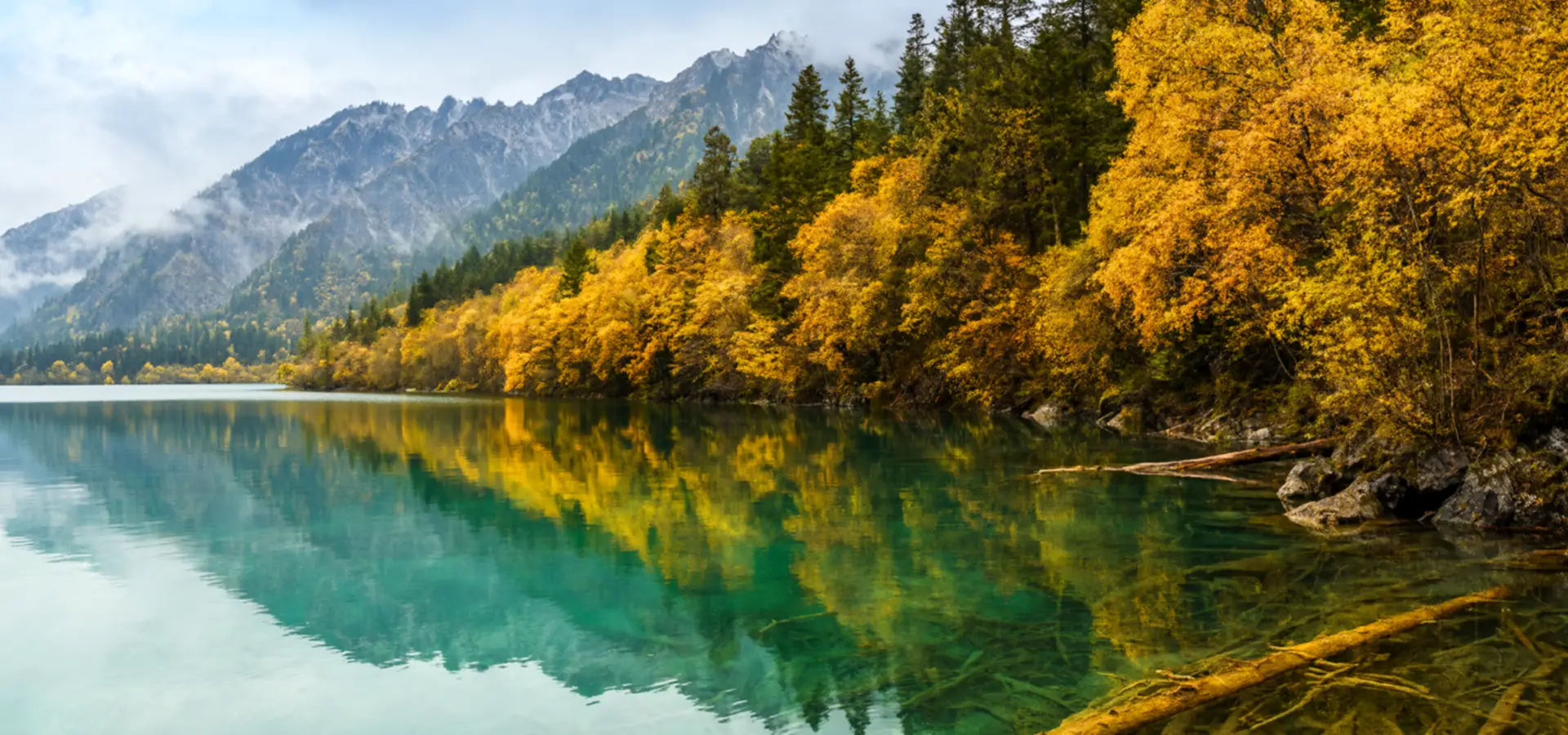
Why Jiuzhaigou is special:
Turquoise lakes: Hundreds of crystal-clear lakes in vivid shades of blue, green, and amber — the colors come from mineral deposits and algae
Dramatic waterfalls: Nuorilang Waterfall, the widest high-altitude waterfall in China, and many others
Autumn colors: In October, the forests turn gold and red — it is one of the most beautiful autumn landscapes in China
Tibetan culture: Nine Tibetan villages in the valley; traditional culture, food, and handicrafts
UNESCO World Heritage: Recognized in 1992 for its exceptional natural beauty and biodiversity
Easy access now: The new high-speed train from Chengdu takes about 2 hours — much faster than the old 8-10 hour bus ride
Jiuzhaigou is not just a "nice park" — it is one of those places that genuinely feels like another world. The colors of the lakes have to be seen to be believed. Even with crowds, even on a cloudy day, the water is stunning. October is the absolute peak — when golden autumn forests meet turquoise lakes, it is almost too beautiful to be real.
Jiuzhaigou Entrance Tickets & Opening Hours
Ticket Prices
Season | Period | Entrance Ticket | Sightseeing Bus | Total (Combined) |
|---|---|---|---|---|
Peak Season | Apr 1 – Nov 15 | CNY 190 | CNY 90 | CNY 280 |
Off Season | Nov 16 – Mar 31 | CNY 80 | CNY 80 | CNY 160 |
Source: Ticket prices verified from Jiuzhaigou County Government (jzg.gov.cn) official announcements.
Peak season: CNY 190 entrance + CNY 90 sightseeing bus.
Off season: CNY 80 entrance + CNY 80 sightseeing bus.
Insurance CNY 10 is optional.
Opening Hours
Season | Entry Time | Last Entry | Park Closing | Notes |
|---|---|---|---|---|
Peak (Apr 1–Nov 15) | 7:30 AM | 2:00 PM | 6:00 PM | Summer hours (from Jul 16): entry starts 7:30 |
Peak (Apr 1–Jul 15) | 8:00 AM | 2:00 PM | 6:00 PM | Standard spring entry time |
Off (Nov 16–Mar 31) | 8:30 AM | 2:00 PM | 5:00 PM | Shorter days in winter |
Important:
The sightseeing bus is included in your ticket and is required — the valley is too long to walk
Last entry is at 2:00 PM — you cannot enter the park after that time, even if you have a ticket
Book tickets in advance — especially in peak season. The daily limit is 41,000 people, and tickets sell out on busy days.
Tickets can be booked up to 14 days in advance online
Bring your passport or ID — you need it to enter the park
How to Buy Tickets
Official website / WeChat mini program: The official Jiuzhaigou scenic area ticketing system. Requires Chinese ID for domestic visitors; foreigners may need to book through agents or at the window.
Trip.com / Klook / OTAs: Many international travelers book through these platforms. Make sure you understand the cancellation policy.
Through a hotel or tour agency: Most hotels and tour companies can arrange tickets for you. This is often the easiest way for foreigners.
At the gate (not recommended for peak season): Tickets may be available on the day if the daily limit has not been reached — but in peak season you risk being turned away.
How to Get to Jiuzhaigou
Reaching Jiuzhaigou has become far easier since the Chengdu East to Huanglongjiuzhai high-speed line opened. For timetables, the Huanglongjiuzhai-to-park shuttle and flight alternatives, see our full Chengdu to Jiuzhaigou travel guide.
High-Speed Train from Chengdu (Recommended)
The easiest and most popular way to reach Jiuzhaigou from Chengdu is by high-speed train to Huanglongjiuzhai Station (黄龙九寨站), followed by a shuttle bus to the park. The train takes about 2 hours and 15 minutes, and the shuttle bus from the station to the park entrance takes about 60-90 minutes depending on traffic.
Option | Duration | Cost (approx.) | Best For |
|---|---|---|---|
High-speed train + shuttle bus | ~3.5–4.5 hrs total | CNY 180–280/person | Most travelers; comfortable; scenic |
Direct bus / coach | 6–10 hrs (varies by route) | CNY 150–250 | Budget travelers; slower |
Flight (to Jiuzhaigou Airport) | ~1 hr flight + 1.5 hr bus | CNY 500–2,000+ | Short on time; seasonal flights |
Private car / driver | 6–8 hrs | CNY 800–1,500+ | Groups; flexible; door-to-door |
Private tour (with guide) | 2–3 days | Variable | First-time visitors; convenience |
High-Speed Train Details
Route: Chengdu East (成都东) → Huanglongjiuzhai (黄龙九寨)
Duration: Approximately 2 hours 15 minutes for direct trains
Price (2nd class): Approximately CNY 141 one way
Price (1st class): Approximately CNY 225 one way
Frequency: Multiple trains per day
Booking: Book on 12306 app (passport registration available) or through travel platforms. Tickets open 15 days in advance.
Station to park: Shuttle buses connect Huanglongjiuzhai Station to Jiuzhaigou park entrance (~60-90 min, ~50 km)
Source: High-speed train Chengdu East to Huanglongjiuzhai: ~2h15m direct, 2nd class ~CNY 141, 1st class ~CNY 225. Total door-to-door ~3.5-4.5 hrs including shuttle. Source: Trip.com, 12306, Aba Bendibao.
From Jiuzhaigou Airport (JZH)
Jiuzhaigou Huanglong Airport is about 88 km from the park entrance
Flight time from Chengdu: about 1 hour
Airport to park: about 1.5 hours by road
Flights are available from Chengdu, Beijing, Shanghai, Xian, Chongqing, and other cities — schedules vary by season
Flights can be affected by weather — fog and mountain conditions sometimes cause delays or cancellations
Getting Around Inside the Park
Jiuzhaigou's main valley is over 30 kilometers long, so walking is not practical. All visitors use the park's official sightseeing bus system, which is included in your ticket price.
Sightseeing buses: Buses run continuously between all major stops. You can get on and off at any stop.
Routes: Buses cover the main valley (Shuzheng Valley) and the two side valleys (Rize Valley and Zechawa Valley)
Frequency: Buses come every few minutes — you never wait long
First bus: When the park opens (7:30 or 8:30 AM depending on season)
Last bus: Shortly before park closing
Arrive for the 7:30 AM opening, ride the sightseeing bus straight to the top of a valley, then work your way back down. You beat the crowds to Five Flower Lake and other marquee spots and get the calmest water for mirror reflections and photos.
Best Time to Visit Jiuzhaigou
Season | Months | What to Expect | Crowds | Rating |
|---|---|---|---|---|
Autumn | Oct – mid Nov | Golden forests + turquoise lakes = peak beauty | Extremely high | ⭐⭐⭐⭐⭐ |
Summer | Jun – Aug | Green forests, waterfalls at fullest; warm weather | High (summer vacation) | ⭐⭐⭐⭐ |
Spring | Apr – May | Blooming flowers, greening forests, waterfalls | Medium-high | ⭐⭐⭐⭐ |
Winter | Nov 16 – Mar | Snow, frozen waterfalls, blue ice; half-price tickets | Lowest | ⭐⭐⭐ |
Autumn (October – November 15)
Autumn is unanimously the best time to visit Jiuzhaigou. The forests turn brilliant shades of gold, red, and orange, and when reflected in the turquoise lakes, the effect is breathtaking. Mid-October is typically peak foliage, but it varies by year and elevation.
The combination of golden trees and turquoise water is genuinely spectacular
Pleasant temperatures — cool but not cold (5-18°C / 41-64°F typically)
Clearer skies than summer — better for photography
Very crowded — especially during National Day (Oct 1-7) and weekends
Book tickets and hotels well in advance
Mid-October is typically peak foliage, but the exact timing shifts year to year and by elevation, so build in a little flexibility. The crowds track the colours too: October weekends and the National Day holiday are by far the busiest, and a weekday visit outside Golden Week changes the whole feel of the boardwalks.
Summer (June – August)
Summer is green season in Jiuzhaigou — everything is lush and vibrant, and the waterfalls are at their fullest from summer rains. It is also the warmest time of year, making it comfortable for hiking.
Lush green forests and full waterfalls
Warm temperatures — good for longer walks and hiking
Summer vacation crowds — especially August with family travelers
More rain — afternoon showers are common; bring rain gear
Mist and cloud can create dramatic atmospheric photos
Spring (April – May)
Spring is a beautiful but underrated time to visit. Flowers bloom, the forests turn fresh green, and the waterfalls are full from snowmelt. It is less crowded than autumn and summer, making it a good choice if you want to avoid the biggest crowds.
Spring flowers and fresh green leaves
Waterfalls are impressive from snowmelt
Fewer crowds than peak autumn and summer
Temperatures still cool — especially at higher elevations
Some higher trails may still be closed in early spring
Winter (November 16 – March)
Winter is the quietest season at Jiuzhaigou — but also magical in its own way. The lakes remain unfrozen (because of mineral content), but waterfalls freeze into ice curtains, and snow covers the trees and mountains. And tickets are half price.
Half-price tickets — great value
Almost no crowds — you can have the park nearly to yourself
Frozen waterfalls and snow-covered trees — beautiful in a different way
Cold — temperatures often below freezing, especially at higher elevations
Some trails and the highest areas may be closed for safety
Shorter days — less time in the park
Mid-October is the sweet spot: golden forests meet turquoise lakes, the weather is pleasant, and the light is best. For the least-crowded, cheapest visit, go after November 16 (off season, half-price tickets) - just expect cold and some higher trails closed. Either way, steer clear of the October 1-7 National Day week: the park hits its 41,000-a-day cap and prices peak.
The Valley Layout & Key Sights
Jiuzhaigou is shaped like the letter "Y" — one main valley (Shuzheng Valley) with two upper branches (Rize Valley and Zechawa Valley). The sightseeing bus system connects all the major stops, and you can hop on and off as you like.
The Three Valleys
Shuzheng Valley (树正沟) — The Main Valley
The lowest part of the "Y" — from the park entrance up to Nuorilang
About 14 kilometers long
Highlights: Shuzheng Lakes, Nuorilang Waterfall, Nuorilang Center (main restaurant and transfer point)
This is where you enter the park
Rize Valley (日则沟) — The Scenic Star
The right fork of the "Y" — the most spectacular valley for lakes
Often called the "essence" of Jiuzhaigou
Highlights: Five Flower Lake (the most famous), Panda Lake, Pearl Shoal Waterfall, Primeval Forest
The highest concentration of colorful lakes
Zechawa Valley (则查洼沟) — The Highest
The left fork of the "Y" — the highest and longest valley
Fewer lakes but very dramatic ones
Highlights: Long Lake (the largest and highest lake), Five-Color Pond (small but vividly colored)
Ends at Long Lake at over 3,000m elevation
Must-See Highlights
1. Five Flower Lake (五花海 / Wuhua Hai)
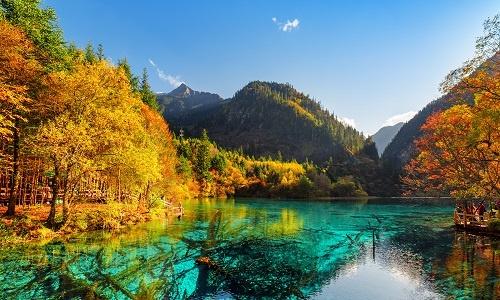
The most famous lake in Jiuzhaigou — and for good reason
Shifts between turquoise, emerald, and amber depending on light and angle
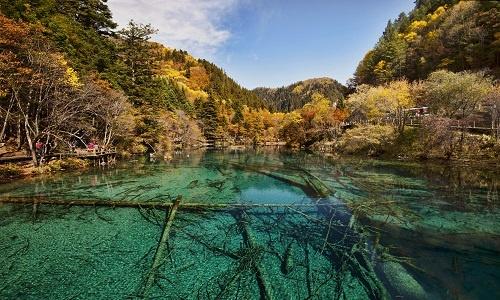
Fallen tree trunks visible at the bottom through crystal-clear water
Absolutely stunning in autumn with golden reflections
Located in Rize Valley — the highlight of the whole park
2. Nuorilang Waterfall (诺日朗瀑布)
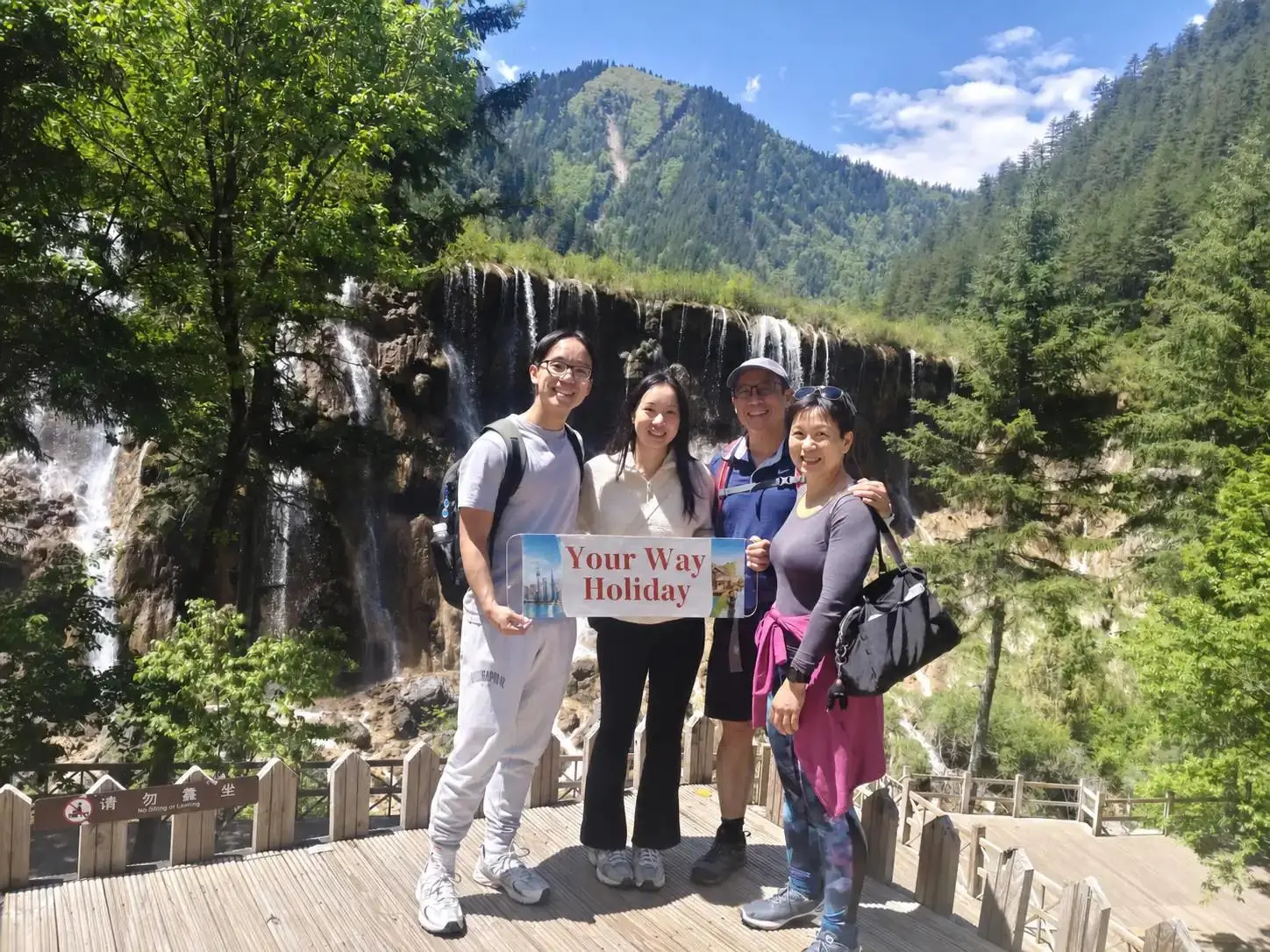
The widest high-altitude waterfall in China — 320 meters wide
Dramatic multi-tiered cascade through trees
Beautiful in every season — frozen ice curtains in winter, full and powerful in summer
Located at the junction of the three valleys — the central hub of the park
3. Pearl Shoal Waterfall (珍珠滩瀑布)
A wide, dramatic waterfall that cascades over golden travertine terraces
Water droplets look like pearls scattering in the sun — hence the name
One of the most photographed waterfalls in the park
Located in Rize Valley, between Panda Lake and Mirror Lake
4. Long Lake (长海 / Chang Hai)
The largest and highest lake in Jiuzhaigou
Surrounded by mountains and forests — very dramatic setting
Frozen in winter — beautiful with snow
At the end of Zechawa Valley, at about 3,100m elevation
5. Five-Color Pond (五彩池 / Wucai Chi)
A small but intensely colored pool — one of the bluest bodies of water you will ever see
Despite its small size, it is one of the most vividly colored lakes in the park
Located below Long Lake in Zechawa Valley
6. Shuzheng Lakes (树正群海)
A series of terraced lakes cascading down the main valley
Beautiful tiered waterfalls between the lakes
Tibetan village nearby — adds cultural interest
Good views from the bus as you drive through
7. Mirror Lake (镜海 / Jing Hai)
Famous for its perfectly still surface that reflects the surrounding mountains like a mirror
Best seen early in the morning before the wind picks up
Located in Rize Valley
Suggested One-Day Route
Morning:
Enter early and take the sightseeing bus directly to Primeval Forest (top of Rize Valley) — or as far as buses go
Walk down through Rize Valley: Primeval Forest → Swan Lake → Grass Lake → Five Flower Lake → Pearl Shoal Waterfall → Mirror Lake → Nuorilang
Midday:
Lunch at Nuorilang Center (restaurant and service area)
Afternoon:
Take bus to Long Lake (top of Zechawa Valley)
Walk down: Long Lake → Five-Color Pond → Nuorilang
Continue down Shuzheng Valley: Nuorilang Waterfall → Shuzheng Lakes → park exit
Altitude & Health Tips
Jiuzhaigou is at high altitude, and this affects many visitors. While serious altitude sickness is not common, it is something you should be aware of and prepare for.
Location | Elevation (meters) | Elevation (feet) | Altitude Risk |
|---|---|---|---|
Park entrance | 1,990 m | 6,529 ft | Low |
Nuorilang (hub) | ~2,400 m | ~7,874 ft | Low-Moderate |
Five Flower Lake | ~2,470 m | ~8,100 ft | Low-Moderate |
Long Lake | ~3,100 m | ~10,170 ft | Moderate |
Primeval Forest | ~3,060 m | ~10,040 ft | Moderate |
Highest peak (Ga Er Na Feng) | 4,764 m | 15,630 ft | High (not open to tourists) |
Source: Altitude data from official Jiuzhai Valley National Park website (en.jiuzhai.com): entrance 1,990m, highest peak 4,764m. Tourist areas range from about 2,000m to 3,100m. Source: en.jiuzhai.com, Jiuzhaigou County Government.
Altitude Sickness Prevention
Take it easy on your first day — do not overexert yourself
Drink plenty of water — dehydration worsens altitude symptoms
Avoid alcohol for the first day or two
Eat light, high-carbohydrate meals
Consider consulting a doctor about altitude sickness medication (like Diamox) if you are prone
If you feel dizzy, short of breath, or have a bad headache, rest and go to a lower elevation if symptoms persist
Most people adjust within 1-2 days if they take it slow
The sightseeing buses mean you do not have to exert yourself much — which helps a lot
What to Expect
You may feel slightly out of breath walking uphill — this is normal at altitude
Most visitors do not get serious altitude sickness — especially because you mostly travel by bus
The highest tourist areas (Long Lake, Primeval Forest) are around 3,000-3,100m — definitely noticeable but not dangerous for most people
If you have heart or lung problems, consult your doctor before visiting
Children and older adults should take it extra slow
The park is run around an efficient sightseeing bus, so there is far less strenuous climbing than you might fear. Expect to feel a little winded on uphill stretches, drink plenty of water, take it easy on day one, and let the bus do the heavy lifting.
Jiuzhaigou and Huanglong
Huanglong (黄龙) is another UNESCO World Heritage Site located about 2-3 hours from Jiuzhaigou. It is famous for its colorful travertine terraces — pools of vivid blue-green water cascading down a mountain slope. Many visitors combine Jiuzhaigou and Huanglong in one trip since they are relatively close to each other.
About Huanglong
Known for its multi-colored travertine pools and golden limestone formations ("huanglong" means "yellow dragon")
UNESCO World Heritage Site
Higher altitude than Jiuzhaigou — the main scenic area is at 3,000-3,500m
Smaller and less visited than Jiuzhaigou
Can be visited as a day trip from Jiuzhaigou, or as a stop between Jiuzhaigou and the high-speed train station
How to Visit Both
Option 1: Separate days — Spend one full day at Jiuzhaigou and one full day at Huanglong. This is the most relaxed option if you have 2+ days.
Option 2: Same day (rushed) — It is technically possible to visit both in one very long day, but it is rushed and tiring. Not recommended for most travelers.
Option 3: Add Huanglong on arrival or departure day — Since Huanglong is roughly on the way between Huanglongjiuzhai train station and Jiuzhaigou, some travelers stop there on their way in or out.
Jiuzhaigou vs. Huanglong
Factor | Jiuzhaigou | Huanglong |
|---|---|---|
Type | Turquoise lakes + waterfalls + forests | Travertine terraces + pools |
Size | Large — full day minimum | Smaller — half to full day |
Altitude | 2,000–3,100m (tourist areas) | 3,000–3,500m (higher) |
Crowds | More crowded | Less crowded |
Best for | Everyone — the "main event" | People who like unique geology; photographers |
Wow factor | ⭐⭐⭐⭐⭐ | ⭐⭐⭐⭐ |
Pairing the two is worthwhile if you have the time, but if you have only one day in the region, give it to Jiuzhaigou - it is larger, more varied and the main event. Huanglong sits higher (3,000-3,500 m), so budget for the altitude and a slower pace on its walkways.
Where to Stay: Jiuzhaigou Hotels
Most visitors stay in Zhangzha Town (漳扎镇), also called Jiuzhaigou Town, which is the main tourist town just outside the park entrance. There are hotels and guesthouses for every budget, from simple hostels to luxury international resorts.
Where to Stay
Zhangzha Town / Jiuzhaigou Town (near park entrance):
Most convenient — walking distance or short bus ride to the park entrance
Most restaurants, shops, and services are here
Options for every budget
Best for first-time visitors and anyone doing a day trip or one-night stay
Inside the park:
There are limited accommodation options inside the park
Staying inside lets you see sunrise and sunset in the valley
Very popular with photographers
Options are limited and book up fast
Near the high-speed train station:
Some hotels near Huanglongjiuzhai Station or Songpan
Good if you are arriving late or departing early
Less convenient for visiting the park
Hotel Tiers
Budget Level | Price Range (per night) | What to Expect | Examples |
|---|---|---|---|
Budget | CNY 150–350 | Basic guesthouses and hostels; clean but simple | Local guesthouses, youth hostels |
Mid-range | CNY 350–800 | Comfortable hotels; Chinese chain brands; good value | Various local and regional hotels |
Upscale | CNY 800–1,500 | Better hotels; good facilities; sometimes 4-5 star | InterContinental, Hilton, local 5-star |
Luxury | CNY 1,500–3,000+ | Resort hotels; spa, restaurants, premium service | High-end resorts, 5-star international |
Booking Tips
Book well in advance for October, holidays, and weekends
Prices vary dramatically by season — peak autumn is the most expensive
Winter has the lowest prices — good deals available
Check whether breakfast is included — many hotels offer it
Read recent reviews — quality can be variable
For luxury options, book through international platforms for best cancellation terms
Jiuzhaigou Travel Cost
Expense | Budget | Mid-Range | Comfort / Luxury |
|---|---|---|---|
Park ticket + bus (peak) | CNY 280 | CNY 280 | CNY 280 |
Transport from Chengdu (round trip) | CNY 300–400 (train+bus) | CNY 400–600 | CNY 800–2,000+ (flight or private) |
Hotel (per night) | CNY 150–350 | CNY 350–800 | CNY 800–2,500+ |
Food (per day) | CNY 80–150 | CNY 150–250 | CNY 250–500+ |
Huanglong ticket (optional) | CNY 170–250 | CNY 170–250 | CNY 170–250 |
Tours / guides (optional) | — | CNY 200–500/day | CNY 800–2,000+/day |
Estimated total (2 days/1 night) | CNY 800–1,300 | CNY 1,300–2,200 | CNY 2,500–5,000+ |
Money-Saving Tips
Visit in winter (Nov 16 – Mar 31) for half-price tickets
Book transport and hotels in advance for better prices
Eat at local restaurants, not just tourist ones — better food and lower prices
Travel with a group to split costs for private cars and guides
Book high-speed train tickets early — they are cheaper than flights
Check for discounts — students, seniors, and children often get reduced prices (with ID)
Jiuzhaigou Tips for Foreign Travelers
Booking Tickets as a Foreigner
The official ticketing system primarily uses Chinese ID, which can be tricky for foreigners
Easiest options: Book through your hotel, a tour agency, or an international travel platform (Trip.com, Klook, etc.)
Bring your passport — you will need it to pick up tickets and enter the park
In peak season, book at least a week in advance — do not leave it to the last minute
Language
English is not widely spoken in Jiuzhaigou — it is a remote area
Hotel staff at larger hotels usually speak some English
Download a translation app (Google Translate offline or Baidu Translate) before you go
Save important phrases in Chinese — park entry, ticket, restaurant, hotel, hospital
Consider hiring a guide who speaks English if you want a smoother experience
Practical Tips
Alipay and WeChat Pay are widely accepted, but carry some cash just in case
Get a Chinese SIM card or portable WiFi if you need internet — connectivity can be spotty in the mountains
Most hotels have WiFi, but it may be slower than you are used to
Bring your passport everywhere — you need it for tickets, hotels, and park entry
Medical facilities are limited in the park area — bring any medications you need
If you have dietary restrictions, bring snacks — food options can be limited inside the park
Should You Book a Tour?
Reasons to book a tour:
Convenience — they handle all tickets, transport, and logistics
English-speaking guide — helpful for learning about the park and culture
Easier for first-time visitors to China
Guided photography tours are popular among photographers
Reasons to go independently:
Flexibility — go at your own pace
Cheaper — you save on guide and tour company fees
More authentic — you explore on your own terms
The park is well-organized and easy to navigate independently
For first-time visitors to China, or anyone who wants to maximize their time and minimize stress, a private tour or small group tour is worth considering. The convenience of having someone handle tickets, transport, and logistics makes the trip much more relaxing. For independent travelers, Jiuzhaigou is absolutely doable on your own — the sightseeing bus system is very easy to use.
What to Pack
Essential Items
Passport — needed for tickets, hotel, and park entry
Comfortable walking shoes — you will do a lot of walking on wooden boardwalks
Warm layers — even in summer, mornings and higher elevations are cool
Rain jacket or umbrella — mountain weather changes quickly
Sunscreen and sunglasses — UV is strong at high altitude, even on cloudy days
Hat — for sun protection
Reusable water bottle — stay hydrated at altitude
Snacks — food inside the park is limited and expensive
Power bank — you will take a LOT of photos
Any medications you need — plus basic painkillers and altitude sickness medication (if prone)
By Season
Spring (Apr-May):
Layers — cool mornings, warmer afternoons
Light jacket and sweater
Rain gear — spring rain is common
Long pants and comfortable shoes
Summer (Jun-Aug):
Light, breathable clothing
Hat, sunscreen, insect repellent
Rain jacket — afternoon thunderstorms
Sandals or light shoes
Autumn (Sep-Nov):
Warm layers — big temperature difference between day and night
Jacket or light coat
Sweater or fleece
Scarf for cool mornings and evenings
Winter (Dec-Mar):
Warm coat or down jacket
Thermal underwear, sweaters, warm pants
Warm hat, gloves, scarf
Warm boots or shoes with good grip (ice can be slippery)
Hand warmers (optional but nice)
Photography Gear
Camera with wide-angle lens — for lakes and landscapes
Extra batteries — cold weather drains batteries fast
Tripod (if you want long exposures — optional)
Polarizing filter — makes the lake colors pop and reduces glare on water
Lens cloth — mist and spray from waterfalls can get on your lens
Plastic bag — to protect your camera from rain and spray
Top Travel Tips for Jiuzhaigou
Before You Go
Book tickets early — especially in autumn and holidays
Book hotels early — prices rise and options sell out in peak season
Book train tickets as soon as they become available (15 days in advance on 12306)
Check the weather — mountain weather can be unpredictable
Acclimatize if possible — spend a day in Chengdu before going up to altitude
Inside the Park
Arrive EARLY — beat the crowds and get morning light for photos
Start from the top of a valley and work your way down — it is easier and you beat the crowds
Take the sightseeing bus between distant stops, walk between nearby ones
Do not try to see everything — focus on the best spots and enjoy them
Bring water and snacks — food options inside are limited and overpriced
Use the restrooms at major stops — they are not available everywhere
Stay on the boardwalks — do not go off-trail (it damages the ecosystem and can be dangerous)
Five Flower Lake and Nuorilang Waterfall are the unmissable highlights — do not skip them
Photography Tips
Early morning is the best time — fewer people and beautiful light
Use a polarizing filter to cut glare on the water and make the colors pop
Autumn is the best season for photos — golden trees + turquoise water = magic
Shoot lakes from different angles — their color changes with the light and viewing angle
Bring a wide-angle lens for the big landscapes
Waterfalls are best shot with fast shutter speed to freeze motion, or slow shutter for silky effect (need tripod)
Food Tips
Try Tibetan food — momos (dumplings), yak meat, butter tea (it is an acquired taste)
Sichuan food is also widely available — expect spicy dishes
Food inside the park is limited and expensive — bring snacks
Nuorilang Center has a restaurant but it is not great — eat a big breakfast and dinner
Try the local barley wine if you are adventurous
Drink plenty of water — altitude and dry air dehydrate you quickly
Etiquette & Respect
Jiuzhaigou is a protected natural area — stay on designated paths and do not litter
Do not touch or disturb wildlife
Respect local Tibetan culture and customs
Ask permission before photographing local people
Do not swim or wade in the lakes — they are protected ecosystems
Keep voices down — the park is a natural area, not an amusement park
Private Tours vs. Independent Travel
Factor | Independent Travel | Private Tour |
|---|---|---|
Cost | Cheaper | More expensive |
Flexibility | Total — go at your own pace | Flexible but scheduled |
Convenience | You handle everything | Everything arranged for you |
Language | You handle communication | Guide handles everything |
Best for | Budget travelers; independent spirits | First-timers; luxury travelers; photographers |
Logistics | You figure it out | Driver + guide handle it all |
Photography | You shoot at your own pace | Guide knows best spots and times |
When a Private Tour Is Worth It
Your first time in China and you do not speak Chinese
You are short on time and want to maximize every day
You are a photographer and want to go to the best spots at the best times
You want a deeper understanding of the culture and nature
You are traveling with family or a group and want convenience
You want someone to handle all the logistics (tickets, transport, hotels)
What to Look for in a Tour
English-speaking guide (if you need one)
Included park entrance tickets and sightseeing bus
Transport included — private car is most comfortable
Clear cancellation policy
Small group size — better experience
Positive recent reviews — check multiple platforms
Flexible itinerary — the best tours can adjust to your interests
Suggested Itineraries
2-Day Jiuzhaigou Itinerary (Most Popular)
Day 1: Arrival + Jiuzhaigou first half
Morning: Travel from Chengdu (high-speed train + bus, or flight)
Afternoon: Check in to hotel; explore the town; rest and acclimatize
Evening: Dinner; early bedtime for early start
Day 2: Full day Jiuzhaigou + departure
Early morning: Enter park; take bus to top of Rize Valley
Morning: Explore Rize Valley (Five Flower Lake, Pearl Shoal, etc.)
Lunch: Nuorilang Center
Afternoon: Zechawa Valley (Long Lake, Five-Color Pond) + Shuzheng Valley
Late afternoon: Exit park; transfer to train station or airport
Evening: Return to Chengdu
3-Day Jiuzhaigou + Huanglong Itinerary
Day 1: Arrival
Travel from Chengdu to Jiuzhaigou
Check in; rest; explore town
Day 2: Full day Jiuzhaigou
All day in Jiuzhaigou National Park
Take your time; see all three valleys
Day 3: Huanglong + departure
Morning: Visit Huanglong (half to full day)
Afternoon: Transfer to train station or airport
Evening: Return to Chengdu
5-Day Chengdu + Jiuzhaigou Itinerary
Days 1-2: Chengdu
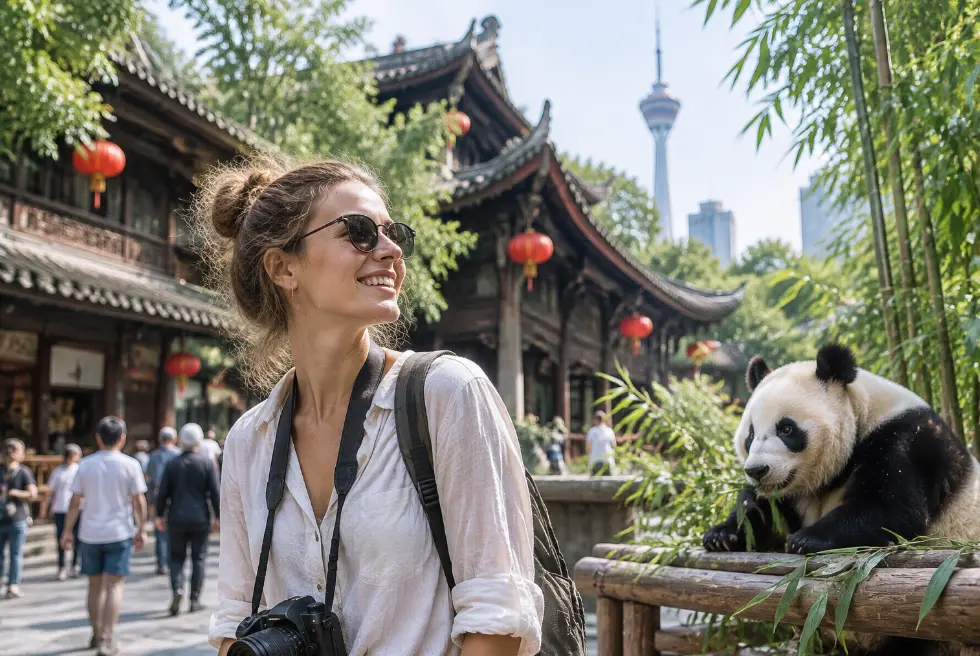
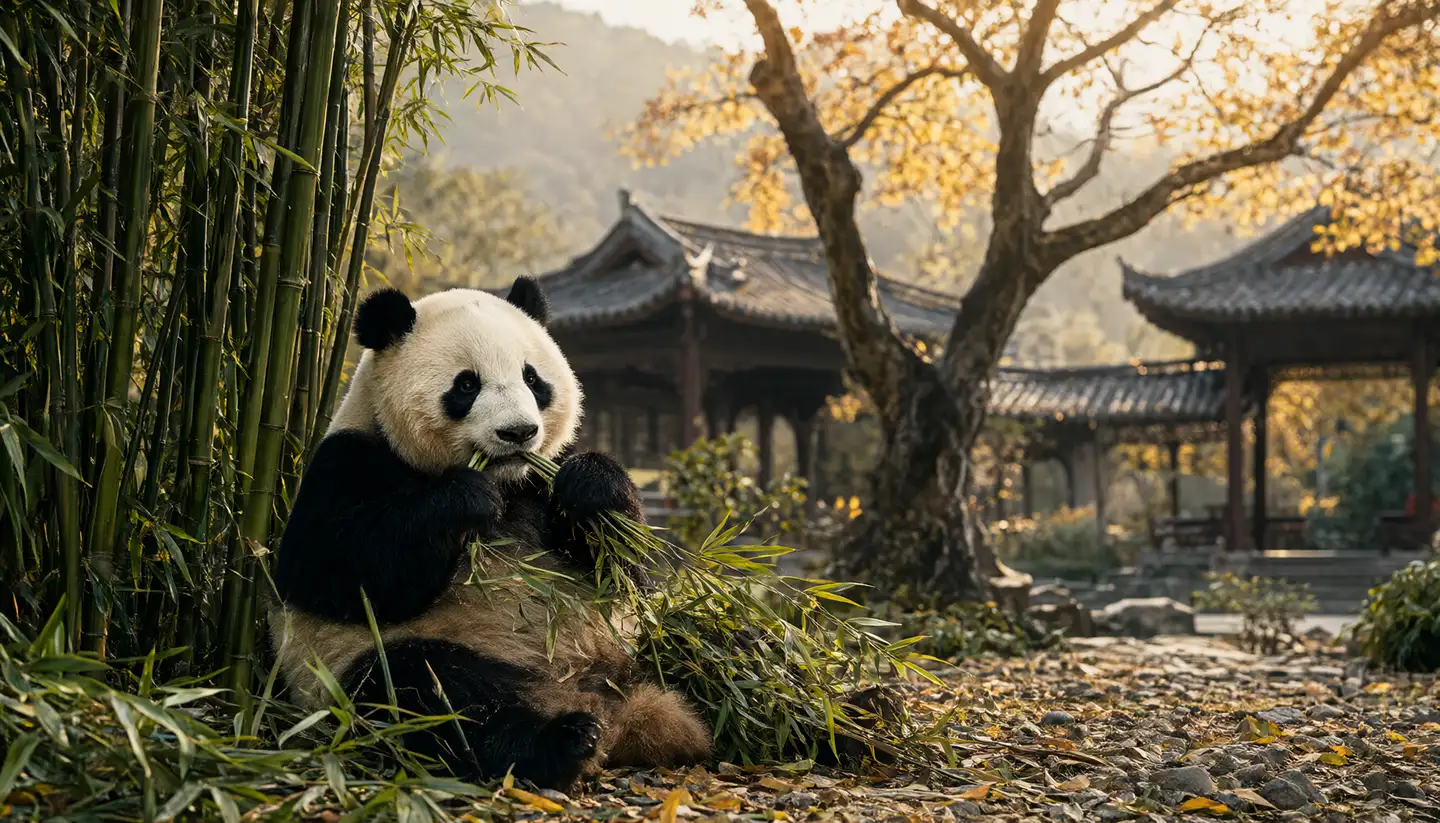
See the pandas, explore the city, eat Sichuan food
Day 3: Travel to Jiuzhaigou
Morning: High-speed train + bus to Jiuzhaigou
Afternoon: Check in, rest, acclimatize
Day 4: Jiuzhaigou National Park
Full day exploring the park
Day 5: Return to Chengdu
Morning: Optional quick visit to Huanglong or second half-day at Jiuzhaigou
Afternoon: Train back to Chengdu
Evening: Arrive Chengdu
If you would rather not stitch together the train, shuttle, tickets and hotels yourself, we run Jiuzhaigou trips that handle all of it - from a 1-day Jiuzhaigou private tour to a Chengdu-to-Jiuzhaigou and Huanglong package or a longer Sichuan nature route. Tell us your dates and pace and we will shape it around you.
Final Thoughts
Jiuzhaigou is one of those places that sounds too beautiful to be real — and then you see it and realize the photos do not do it justice. The turquoise water, the cascading waterfalls, the forests that turn gold in autumn — it all adds up to something genuinely magical.
The new high-speed train has made Jiuzhaigou much more accessible than it used to be. What was once a grueling 8-10 hour bus ride from Chengdu is now a comfortable 2-hour train journey. This means more people can visit — but it also means more crowds, especially in peak season.
If you are planning a trip to Jiuzhaigou, here is the most important advice: go in mid-October if you possibly can, book everything early, arrive at the park when it opens, and take your time. Do not try to check every lake off a list — sit by Five Flower Lake for a while, watch the light change on the water, and let the place sink in.
Jiuzhaigou is not just another scenic spot. It is one of those rare places that genuinely feels like stepping into another world — a world of impossible colors, perfect reflections, and mountain silence. It is worth the journey, worth the crowds, and worth every minute.
The lakes at Jiuzhaigou are called "fairy pools" for a reason. When the autumn leaves are golden and the water is turquoise, you will understand why. Go in October if you can. Go early. And bring an extra memory card for your camera. You will need it.
Last updated: November 2026. Ticket prices, opening hours, and transport information are subject to change. Always verify current information before your trip. Sources: Jiuzhaigou County Government (jzg.gov.cn), official Jiuzhai Valley National Park (en.jiuzhai.com), Aba Bendibao (ab.bendibao.com), Trip.com, 12306, UNESCO World Heritage List, and verified travel platforms.

Traveler Discussions
Questions from travelers