
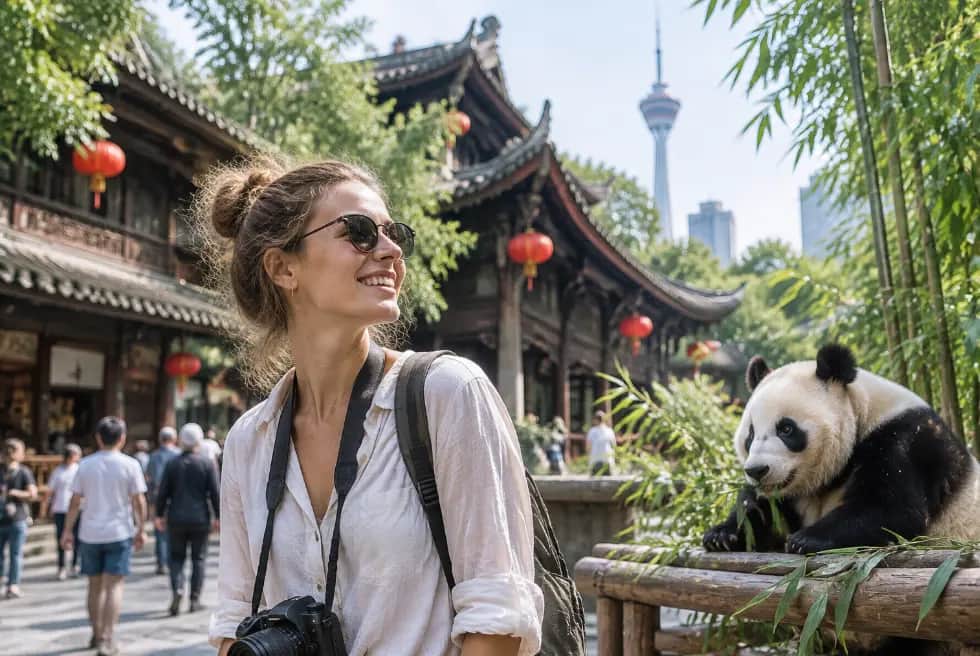
In a city famous for pandas, slow teahouse afternoons and bowls of fiery noodles, the real question is never what to see — it is how long to stay. This Chengdu itinerary guide breaks down exactly what you can do in 2, 3, 4 and 5 days, so you can match the length of your trip to your pace, your interests and how much of Sichuan you want to reach. If you are still deciding what the city is even about, start with our Chengdu travel guide for the big-picture view, then come back here to lock in your day count.
How Many Days Do You Need in Chengdu? Quick Answer
The short answer: 3 to 4 days is the sweet spot for a first visit. Two days gives you the highlights — pandas plus city culture — three days adds day-trip depth, and four or five days let you explore more of what Sichuan has to offer.
Duration | Best for | What you can do | Pace |
|---|---|---|---|
2 days | First-timers with a tight schedule | Panda Base + city highlights + food + opera | Moderate — you see the best of Chengdu but move at a good clip |
3 days | Most first-time visitors | Everything above + a day trip to Dujiangyan or Sanxingdui | Comfortable — a good mix of must-sees and exploration |
4 days | Culture lovers and slow travellers | Everything above + a second day trip (Leshan or Qingcheng) and deeper city time | Relaxed — time to wander and enjoy |
5+ days | Return visitors, nature lovers, slow travel | Add Mount Emei, more day trips, or simply take your time | Very relaxed — ideal for immersive travel |
Bottom line: if you can only spare 2 days, Chengdu is still absolutely worth visiting — you will hit all the classics. But 3 days is the sweet spot that gives you the city plus one unforgettable day trip. For a truly relaxed deep-dive, aim for 4 or 5 days.
Choosing the Right Length for Your Chengdu Itinerary
Not sure how many days to allocate? Use this quick guide based on your travel style and interests.
If you are… | Choose | Why |
|---|---|---|
Short on time, or visiting as part of a larger China trip | 2 days | You can see the pandas, the highlights and eat great food in two packed days |
A first-time visitor with a normal pace | 3 days | The most popular choice — all the must-sees plus one day trip without feeling rushed |
A food and culture lover who wants to take it easy | 4 days | Add a second day trip or spend more time exploring neighbourhoods and food |
A nature lover or photographer | 4–5 days | Time for Dujiangyan, Mount Qingcheng and possibly Leshan plus Emei |
Travelling with kids or seniors | 3–4 days | Slower pace, more rest, fewer early mornings, fewer day trips |
A return visitor | 4–5 days | You have seen the pandas — now dive into Sichuan's natural and cultural wonders |
A solo traveller on a budget | 3 days | Good balance of sights and value; day trips are affordable by public transport |
It is better to do fewer things well than to rush through everything. Chengdu is a city best enjoyed slowly — sitting in teahouses, lingering over hot pot, wandering ancient alleys. Leave some unplanned time in the schedule on purpose.
2-Day Chengdu Itinerary: The Highlights
This 2-day plan suits first-time visitors who want the best of Chengdu in a short window. It covers the iconic pandas, the most famous cultural sights, Sichuan cuisine and an opera show. The pace is full but not frantic.
Day 1: Pandas and Old Chengdu
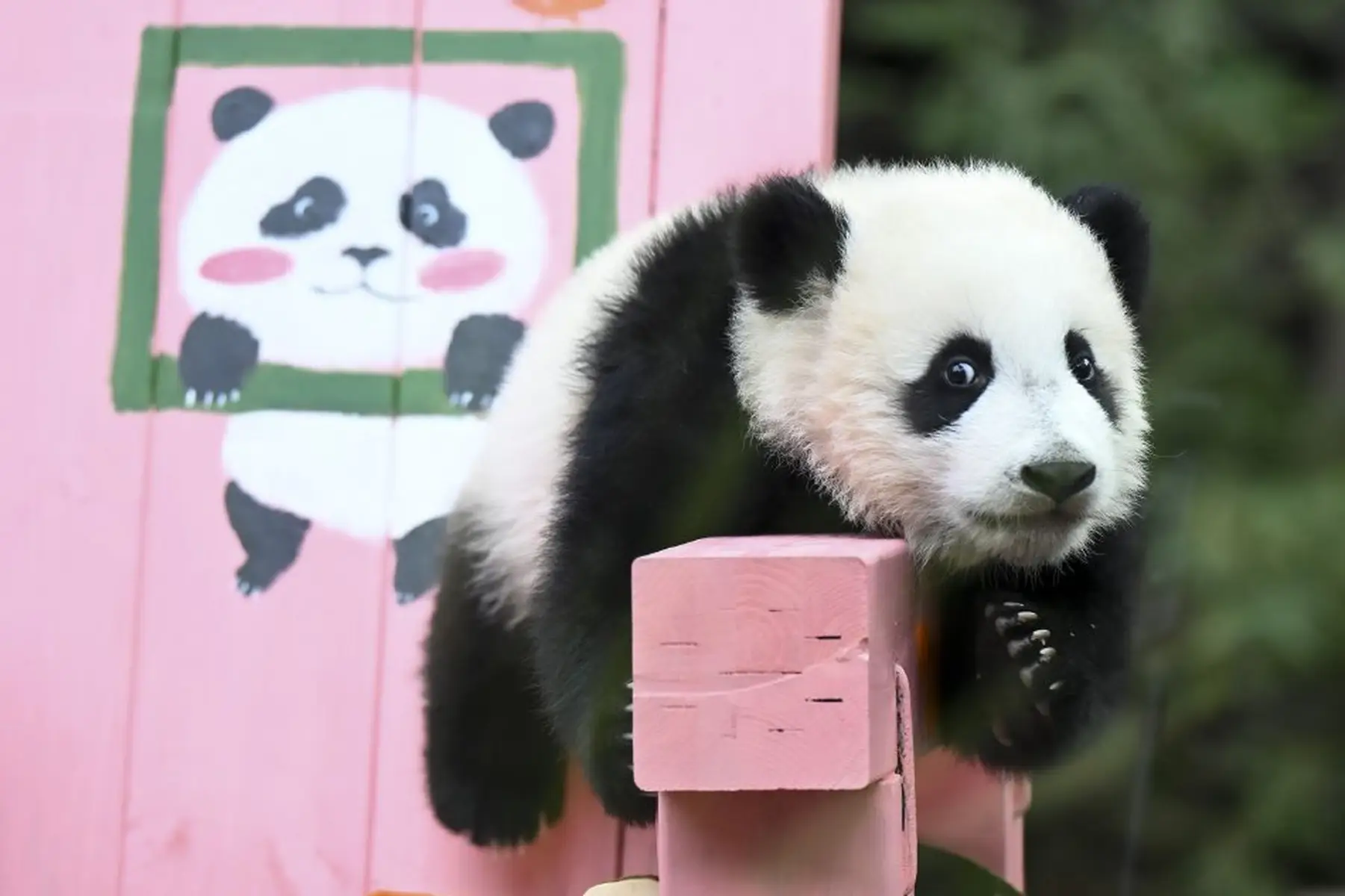
7:30 AM — Chengdu Panda Base: arrive at opening for the best viewing; spend 3–4 hours among the villas, nurseries and red pandas. Book ahead — see our Chengdu Panda Base visit guide for timings and tickets.
12:00 PM — Lunch: Sichuan noodles or dumplings near the base, or head back to the centre.
2:00 PM — Kuanzhai Alley: wander the restored Qing-dynasty lanes, browse shops and try street food; allow 1.5–2 hours.
4:00 PM — People's Park: experience teahouse culture — sit by the lake, sip jasmine tea and watch locals play mahjong; allow 1 hour.
6:00 PM — Hot pot dinner: the city's signature dish. Ask for a mild or split-pot broth if you are spice-averse; our hot pot survival guide covers the rest.
8:00 PM — Sichuan Opera: face-changing, fire-spitting and comedy; a 1.5-hour classic Chengdu evening.
Pro tip for Day 1: book Panda Base and opera tickets in advance, especially on weekends and holidays — both sell out fast.
Day 2: History, Food and Shopping
9:00 AM — Wuhou Shrine: China's most famous Three Kingdoms site, with gardens and temple architecture; allow 1.5–2 hours.
11:00 AM — Jinli Ancient Street: right beside the shrine — snacks, crafts and street performances, great for photos; allow 1–1.5 hours.
1:00 PM — Lunch: Sichuan restaurant near Jinli or the Chunxi Road area.
2:30 PM — Du Fu Thatched Cottage: the home of China's beloved Tang-dynasty poet, now a peaceful park of gardens and lakes; allow 1.5–2 hours.
5:00 PM — Chunxi Road & Taikoo Li: the main shopping and dining district; browse, snack or people-watch; allow 1.5–2 hours.
7:30 PM — Dinner and drinks: try mapo tofu, kung pao chicken or Sichuan-style barbecue around Taikoo Li.
Two days is enough to fall in love with Chengdu. You will see the pandas, eat well, soak up the culture and get a real feel for the city — just don't expect to see everything. Leave something for your next visit.
3-Day Chengdu Itinerary: The Sweet Spot
Three days is the most popular length. It gives you everything in the 2-day plan plus a full day trip, so you experience more of Sichuan without rushing.
Day 1: Pandas and Old Chengdu
Same as Day 1 above: Panda Base in the morning, Kuanzhai Alley and People's Park in the afternoon, hot pot and Sichuan Opera in the evening.
Day 2: Dujiangyan and Mount Qingcheng Day Trip
Our top recommendation — two UNESCO World Heritage Sites in one day, easy by high-speed train.
7:30 AM — Depart: high-speed train from Xipu Station to Dujiangyan (25–35 min), or a private car (60–90 min).
9:00 AM — Dujiangyan Irrigation System: an engineering marvel built over 2,200 years ago that still works today; walk the river and visit the temples; allow 2.5–3 hours.
12:00 PM — Lunch in Dujiangyan old town.
1:30 PM — Mount Qingcheng: Taoist sacred mountain and UNESCO site. Pick the Front Mountain for temples and culture (3–4 hours) or the Back Mountain for nature and hiking (5–6 hours).
6:00 PM — Return to Chengdu by train, then metro to your hotel, and a relaxed late dinner.
Prefer pandas over hiking? Swap Mount Qingcheng for Dujiangyan Panda Valley — the valley plus the irrigation system makes a great day too.
Day 3: History, Culture and Food
9:00 AM — Wuhou Shrine and Jinli Street: the same pairing as Day 2 of the short itinerary, but with time to linger; allow 3 hours total.
12:30 PM — Lunch: an authentic Sichuan restaurant — order dishes you have not tried yet.
2:00 PM — Du Fu Thatched Cottage: a more leisurely visit; allow 2 hours.
4:30 PM — Sichuan Cuisine Museum (optional): learn food history or take a cooking class.
6:30 PM — Jinjiang evening: dinner and a stroll along the Jin River.
8:30 PM — Anshun Bridge: one of Chengdu's most photographed night views.
Three days is perfect for most travellers: iconic pandas, a UNESCO day trip, the major cultural sights and plenty of great food. It is enough to feel like you have really experienced Chengdu, not just checked a list.
4-Day Chengdu Itinerary: A Deeper Dive
Four days lets you see everything more slowly, plus add a second day trip or go deeper into the city's neighbourhoods and food. This is the plan for travellers who want to get beyond the highlights and feel Chengdu life.
Days 1–3: Core Itinerary
Use the 3-day itinerary above as your foundation, then add a fourth day from the options below.
Day 4 Option A: Leshan Giant Buddha Day Trip
About two hours by train, the Leshan Giant Buddha is one of Sichuan's most iconic sights — a 71-metre figure carved into a cliff where three rivers meet, standing for over 1,300 years. Details in our Leshan Giant Buddha guide.
7:30 AM — Depart: train from Chengdu East to Leshan (about 1 hour, around CNY 54), or a private car (about 2 hours).
9:30 AM — Giant Buddha: walk the cliff "Plank Road" for close-up views and visit the temples; allow 3–4 hours.
1:30 PM — Lunch: try Leshan's famous sweet-skin duck.
2:30 PM — Old town (optional), wander the historic town area along the river; relax with tea
4:30 PM — Return to Chengdu: a 4:30 PM train back to Chengdu
4:30 PM — Farewell hot pot dinner: celebrate a great trip with one more Sichuan hot pot
Day 4 Option B: Sanxingdui Museum plus City Deep Dive
For history and archaeology lovers, the Sanxingdui Museum is a fascinating half-day trip — Bronze Age masks and gold artefacts that reshape our picture of ancient China.
8:30 AM — Depart for Guanghan (about 1 hour by car or bus).
9:30 AM — Sanxingdui Museum: two halls of bronze masks and sculpture; allow 2.5–3 hours.
1:00 PM — Return for lunch, then explore a less touristy area such as Yulin Road, or a local wet market.
4:30 PM — Teahouse for a proper slow hour, then a Sichuan barbecue dinner.
Day 4 Option C: Slow Chengdu — Just Relax
If days 1–3 were fast, make Day 4 a slow day with no must-see list: sleep in, take a lazy breakfast, spend the morning in a park or teahouse, browse bookstores and galleries in Jinjiang, get a massage, do a food tour or cooking class, take a sunset walk along the river and finish with a long final dinner.
Four days gives you the luxury of choice — a second day trip, a deeper dive into culture and food, or simply a slower pace. It is the difference between seeing Chengdu and experiencing it.
5-Day and Longer Chengdu Itinerary: Immersive Sichuan
With five or more days you can combine Chengdu city life with a fuller exploration of Sichuan's natural and cultural wonders.
Days 1–4: Build Your Base
Start with the 4-day itinerary that best matches your interests, then add a fifth day from the options below.
Day 5 Option A: Mount Emei (2 Days Recommended)
One of China's four sacred Buddhist mountains and a UNESCO site, famous for temples, macaques and the "Buddha's halo". A proper visit takes two days with a night on the summit; reach it by train to Emeishan Station (about 1 hour, around CNY 65), then bus or taxi. Note: the mountain is large — you cannot see everything in a day, so plan around your fitness and interests.
Day 5 Option B: Panda Valley plus Dujiangyan
If you did Mount Qingcheng on Day 2 and skipped Panda Valley, this is a great addition — a more natural, less crowded panda experience than the main base. Morning at Dujiangyan Panda Valley, afternoon at the irrigation system or Dujiangyan old town, evening back in Chengdu.
Day 5 Option C: Chengdu Neighbourhoods and Food
Morning at a local wet market to see how residents shop.
Late morning around Wenshu Monastery — a beautiful temple with great traditional snacks nearby.
Lunch as a Sichuan snack feast: dan dan noodles, zhong dumplings, lai tangyuan.
Afternoon at the Sichuan Science and Technology Museum (wonderful for families) or the Chengdu Museum.
Late afternoon coffee and shopping around Taikoo Li, then a different style of dinner — spicy crayfish or Sichuan BBQ skewers.
Travelling with children? Add extra rest days, keep the pandas and museums at the centre, and ask restaurants for non-spicy dishes — a family pace stretches any of these plans by about half a day.
Best Day Trips from Chengdu to Add to Your Itinerary
Chengdu is an excellent base for excursions. Here are the most popular options, ranked by how often they get added to a trip.
Day trip | Travel time | Highlights | Best for | Difficulty |
|---|---|---|---|---|
Dujiangyan Irrigation System | 60 km / 35–50 min by train | 2,200-year-old irrigation works (UNESCO); river walks | History and culture lovers, all ages | Easy — mostly flat |
Mount Qingcheng | 70 km / 50 min by train + taxi | Taoist sacred mountain (UNESCO); temples and hiking | Nature lovers and hikers | Moderate — steps and hills |
Dujiangyan Panda Valley | 60 km / 35–50 min by train + taxi | Smaller panda facility in forest; volunteer program | Panda lovers avoiding crowds | Easy — flat path |
Leshan Giant Buddha | 150 km / 1–1.5 hr by train | 71-metre stone Buddha (UNESCO); cliff plank walk | History buffs and photographers | Moderate — steep steps |
Sanxingdui Museum | 60 km / 1 hr by car or bus | Ancient Shu civilisation; bronze and gold artefacts | History and archaeology lovers | Very easy — indoor |
Mount Emei | 170 km / 1–1.5 hr by train | Sacred Buddhist mountain (UNESCO); monkeys, sunrises | Nature lovers and hikers | Strenuous — 2+ days best |
Jiuzhaigou | 400+ km / 1 hr flight | Rainbow lakes and waterfalls | Nature photographers | Best as a multi-day trip |
The most popular combo is the Dujiangyan Irrigation System plus Mount Qingcheng — both UNESCO, both near Dujiangyan city. The most unique is Sanxingdui, whose artefacts look like nothing else in China. For pure scenery, choose Leshan as a day trip or Mount Emei over two or more days.
Practical Planning Tips for Your Chengdu Itinerary
Best time to visit
Season | Weather | Pros | Cons |
|---|---|---|---|
Spring (Mar–May) | Mild, 15–25°C | Pleasant walking, active pandas, flowers | Some rain |
Summer (Jun–Aug) | Hot, humid, 25–35°C | Lush green, long days | Very humid; pandas nap midday; heavy rain |
Autumn (Sep–Nov) | Mild, clear, 15–22°C | Best weather; great for walking; pandas active | Cooler evenings |
Winter (Dec–Feb) | Cool, damp, 3–10°C | Fewer tourists, cheaper, pandas active | Cold, short days, little heating indoors |
Our pick: spring and autumn. The weather is kind for the Panda Base and the city, and pandas are active year-round but most enjoyable in mild temperatures.
Getting around
Metro: extensive and cheap (CNY 2–7 a ride), clean and efficient; use a transit card or the Chengdu Metro app, WeChat or Alipay.
DiDi / taxi: DiDi is widely available and affordable — most city-centre rides cost CNY 15–40; street taxis can be scarce at peak times.
Buses: comprehensive but less tourist-friendly because of language and traffic.
Bikes and e-scooters: Chengdu is very bike-friendly; shared bikes are everywhere for short hops.
Walking: Kuanzhai Alley, Jinli, Chunxi Road and People's Park are best on foot.
Where to stay
Chunxi Road / Tianfu Square: best for first-timers — walkable to shopping, food and metro, with hotels from budget to luxury.
Kuanzhai Alley / Qingyang: a charming, cultural area with boutique hotels.
Taikoo Li / Jinjiang: trendy and upscale, great for foodies and nightlife.
Near the Panda Base: handy for an early start to beat crowds, though dining and nightlife are limited.
Near Chengdu East Station: good for an early or late train, less so for sightseeing.
Food tips
Sichuan food is famously spicy, but most kitchens offer milder dishes — ask for "bu la" (not spicy) or "wei la" (a little spicy).
Hot pot is a must; choose a "yuan yang" split pot with spicy and mild broths if heat is a concern.
Eat beyond restaurants — street food and snack streets are half the culture.
Drink bottled or filtered water; tap water is not safe.
Have dietary restrictions written in Chinese to show staff.
Do at least one teahouse — tea and people-watching is the quintessential Chengdu activity.
Money and payments
Mobile payment (WeChat Pay and Alipay) is used almost everywhere, from stalls to malls.
Foreign visitors can often now link an overseas card to Alipay or WeChat Pay — set it up before you go.
Cards are accepted at major hotels, restaurants and malls, but not at small shops or vendors.
Carry some cash for small purchases; ATMs are widely available.
Safety and health
Chengdu is generally very safe; violent crime is rare.
Take normal care of belongings in crowded areas and on transport.
The main health issue is spice — ease off if you are not used to it, and be cautious with street food if you have a sensitive stomach.
Tap water is not drinkable; stick to bottled or filtered.
Major hospitals have international departments with English-speaking doctors; keep travel insurance details handy.
Chengdu Trip Budget Guide
Chengdu is affordable compared with Western cities and even with Beijing or Shanghai. Here is a rough daily budget per person.
Category | Budget | Mid-range | Comfort / luxury |
|---|---|---|---|
Accommodation (per night) | CNY 150–300 | CNY 400–800 | CNY 1,000+ |
Food (per day) | CNY 80–150 | CNY 200–400 | CNY 500+ |
Attractions (per day) | CNY 50–100 | CNY 100–250 | CNY 300+ |
Transport (per day) | CNY 20–50 | CNY 50–150 | CNY 300+ |
Total (per day) | CNY 300–600 (~US$40–85) | CNY 750–1,600 (~US$105–225) | CNY 2,000+ (~US$280+) |
Ways to save: book tickets online in advance, ride the metro instead of taxis, eat where locals eat, do day trips by train and taxi rather than private tours, and remember that many of the best experiences — parks, teahouses, wandering the alleys — are free. Travelling in winter brings lower hotel prices and fewer crowds.
Final Verdict: How Long Should Your Chengdu Itinerary Be?
Chengdu is a city where you could easily spend a week and still find new things to do, eat and see — yet it also works beautifully for a short visit, because even two days reveals why the city is consistently voted one of China's most liveable and most-loved.
2 days: do it if you must — you will see the best of Chengdu, but leave wanting more.
3 days: the sweet spot — pandas, city sights, one day trip and great food. Most travellers are very happy.
4 days: a deep dive — add a second day trip or simply slow down and enjoy Chengdu life.
5+ days: immersive — Mount Emei, more day trips, or unhurried time for panda and food lovers.
Whatever length you choose, remember: Chengdu is a city to be savoured, not checked off a list. Leave room to wander the alleys, sit in teahouses and linger over meals — that is where you find the real Chengdu.
If you would rather not piece the logistics together yourself, we can build a private Chengdu itinerary around your pace and interests — pandas, food, day trips and all. Start planning your trip and tell us how many days you have.
Opening hours, ticket prices and transport schedules change often — always verify current details before travelling. All itineraries here are suggestions; adjust them to your interests, pace and the season.

Traveler Discussions
Questions from travelers