
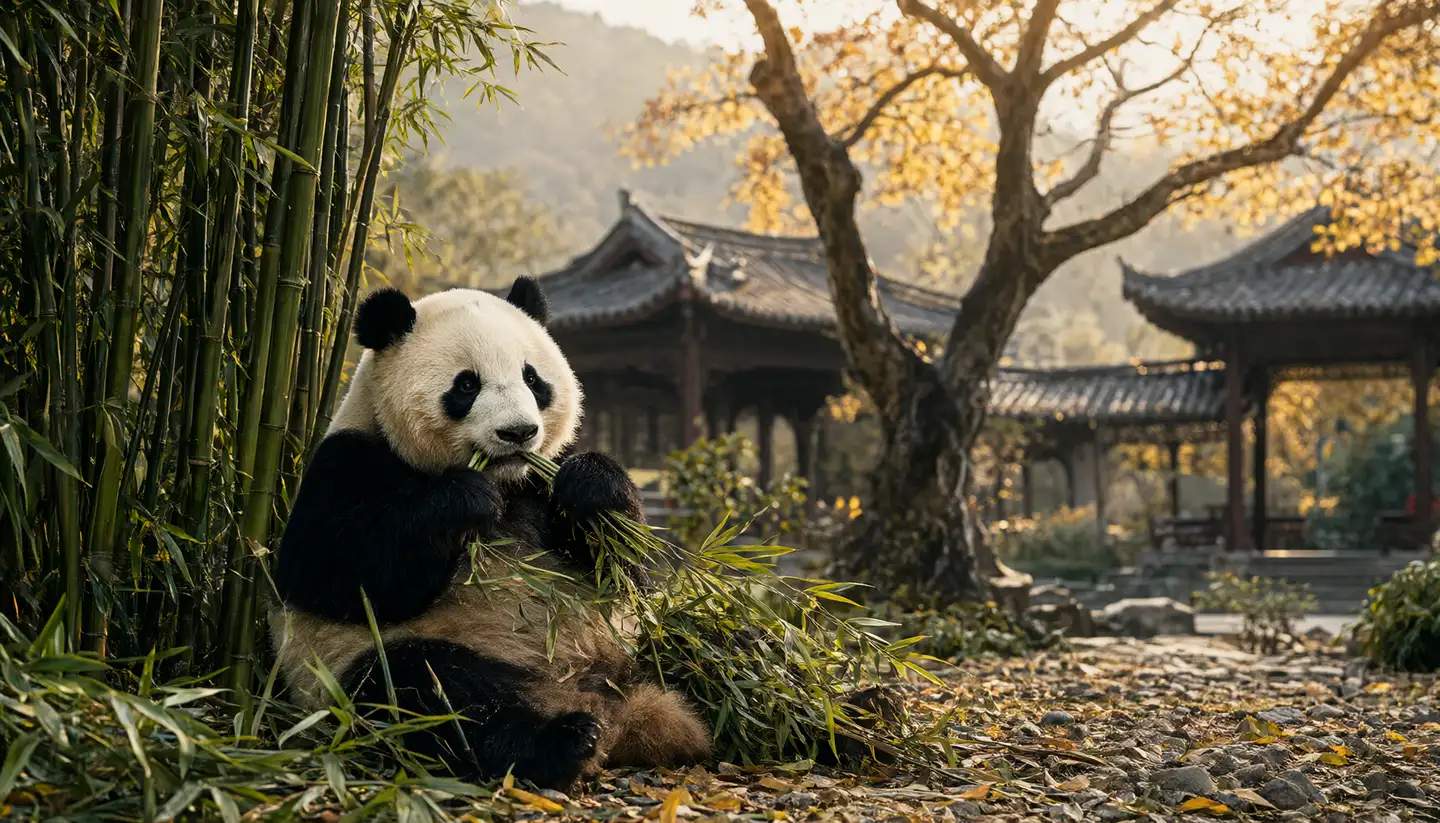
Chengdu is a year-round city, but it rewards you differently by season. Set in the mist-locked Sichuan Basin, it has mild, damp winters, hot and humid summers, and two genuine sweet spots - spring and autumn - when the weather is gentle, the parks fill with tea-drinking locals, and the pandas are outside and active. If your trip hinges on when to go, here is the honest month-by-month picture.
Chengdu seasons at a glance
Season | Months | Temperature | Pandas | Crowds | Rating |
|---|---|---|---|---|---|
🌸Spring | Mar–May | 10–26°C (50–79°F) | Excellent | High | ⭐⭐⭐⭐⭐ |
☀️Autumn | Sep–Nov | 15–25°C (59–77°F) | Excellent (baby pandas!) | Highest (peak) | ⭐⭐⭐⭐⭐ |
🍂Summer | Jun–Aug | 22–30°C (72–86°F) | Fair (pandas inside more) | Medium-High | ⭐⭐⭐ |
❄️Winter | Dec–Feb | 3–10°C (37–50°F) | Good (cool weather) | Lowest | ⭐⭐⭐ |
The absolute best months to visit Chengdu are April, May, October, and November. Spring and autumn offer mild temperatures, the best panda viewing, and the most pleasant weather for exploring the city and surrounding areas.
⛅Chengdu Climate Overview
Chengdu has a humid subtropical climate, influenced by its location in the Sichuan Basin — a vast bowl ringed by mountains that trap both heat and moisture. This creates a climate with mild winters, hot and humid summers, and frequent cloud cover year-round. Chengdu is famously known as one of China's "foggy cities," and clear, sunny days are relatively rare compared to northern China.
➤Key Climate Characteristics
Mild winters: Temperatures rarely drop below freezing, and snow is unusual in the city center. Winters are cool and damp rather than bitterly cold.
Hot, humid summers: Summer highs reach 28-30°C (82-86°F), with high humidity making it feel hotter. Summer is also the wettest season.
Frequent cloud cover: Chengdu has many overcast and foggy days throughout the year. Sunny days are prized by locals.
Spring and autumn are ideal: The best weather falls in March-May and September-November, with mild temperatures and less rain than summer.
Plum rain season: Late spring (May-June) brings extended periods of rainy, humid weather — the "plum rain" (meiyu) season.
Annual Weather at a Glance
Month | High °C (°F) | Low °C (°F) | Rainy Days | Best For |
|---|---|---|---|---|
Jan | 10 (50) | 3 (37) | 6–8 | Low crowds, winter pandas |
Feb | 12 (54) | 5 (41) | 7–9 | Pre-spring, fewer crowds |
Mar | 17 (63) | 9 (48) | 10–12 | Pandas active, blossoms start |
Apr | 23 (73) | 14 (57) | 12–14 | Excellent weather, spring peak |
May | 27 (81) | 18 (64) | 14–16 | Warm, green, before the worst heat |
Jun | 29 (84) | 21 (70) | 16–18 | Hot & humid; plum rain season |
Jul | 30 (86) | 23 (73) | 14–16 | Hottest month; heavy rain |
Aug | 30 (86) | 22 (72) | 12–14 | Still hot; summer vacation crowds |
Sep | 26 (79) | 19 (66) | 12–14 | Cooling down; autumn begins |
Oct | 21 (70) | 15 (59) | 10–12 | Perfect weather; peak season |
Nov | 16 (61) | 10 (50) | 7–9 | Mild & dry; baby pandas |
Dec | 11 (52) | 4 (39) | 5–7 | Cold & misty; lowest crowds |
Source: Temperature and rainfall data compiled from China Meteorological Administration, Weather Atlas, and TravelChinaGuide historical averages. Exact figures vary by year and data source. These are typical ranges, not exact predictions.
😍The Panda Factor
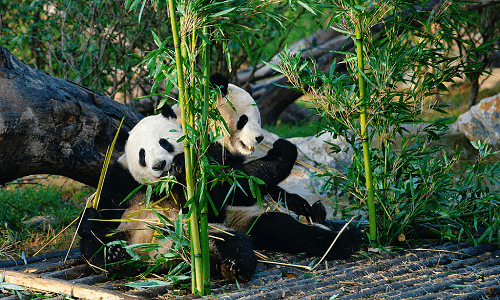
For many travelers, seeing giant pandas is the number one reason to visit Chengdu — and the time of year makes a big difference in how much you see. Pandas prefer cool weather and are most active when temperatures are mild. In hot summer weather, they retreat to air-conditioned enclosures during the hottest part of the day, making them harder to see.
Season | Panda Activity | What to Expect |
|---|---|---|
Spring (Mar–May) | ⭐⭐⭐⭐Excellent | Pandas stay outside longer; very active; bamboo is fresh and tender |
Autumn (Sep–Nov) | ⭐⭐⭐⭐Excellent | Cool weather = active pandas; Oct/Nov = baby pandas start crawling |
Winter (Dec–Feb) | ⭐⭐⭐Good | Pandas still active in cool weather; fewer visitors = better viewing |
Summer (Jun–Aug) | ⭐Fair | Pandas retreat indoors midday; go very early (7:30 AM) for best views |
Source: Giant pandas prefer temperatures between 10-25°C (50-77°F). In hot weather they rest in shaded or air-conditioned areas during the day. Source: Chengdu Research Base of Giant Panda Breeding information, TravelChinaGuide, and panda base visitor reports.
🌸 Chengdu in Spring (March – May)
Spring is one of the two best seasons to visit Chengdu. Temperatures are mild and comfortable, flowers are blooming, the pandas are active, and the city feels fresh and green. The famous peach blossoms, rapeseed flowers, and cherry blossoms of Sichuan are in full bloom, making spring a photographer's dream.
Weather in Spring
Month | High / Low | Rainy Days | What to Wear |
|---|---|---|---|
March | 17°C / 9°C (63°F / 48°F) | 10–12 days | Light jacket, layers, long pants; still cool mornings/evenings |
April | 23°C / 14°C (73°F / 57°F) | 12–14 days | T-shirt + light jacket; comfortable shoes for walking |
May | 27°C / 18°C (81°F / 64°F) | 14–16 days | Light summer clothes + umbrella; warm and humid |
Why Spring Is Great
Panda viewing at its best: Cool spring temperatures mean pandas are active and stay outside longer. March through May is one of the best times to see pandas at the Chengdu Research Base.
Flowers everywhere: Peach blossoms, cherry blossoms, rapeseed flowers, and azaleas bloom across Sichuan in spring. The parks and surrounding countryside are stunning.
Mild temperatures: Perfect for walking, hiking, and sightseeing — not too hot, not too cold.
Green and fresh: The whole city turns green after the winter, and the tea houses fill up with people enjoying the spring weather.
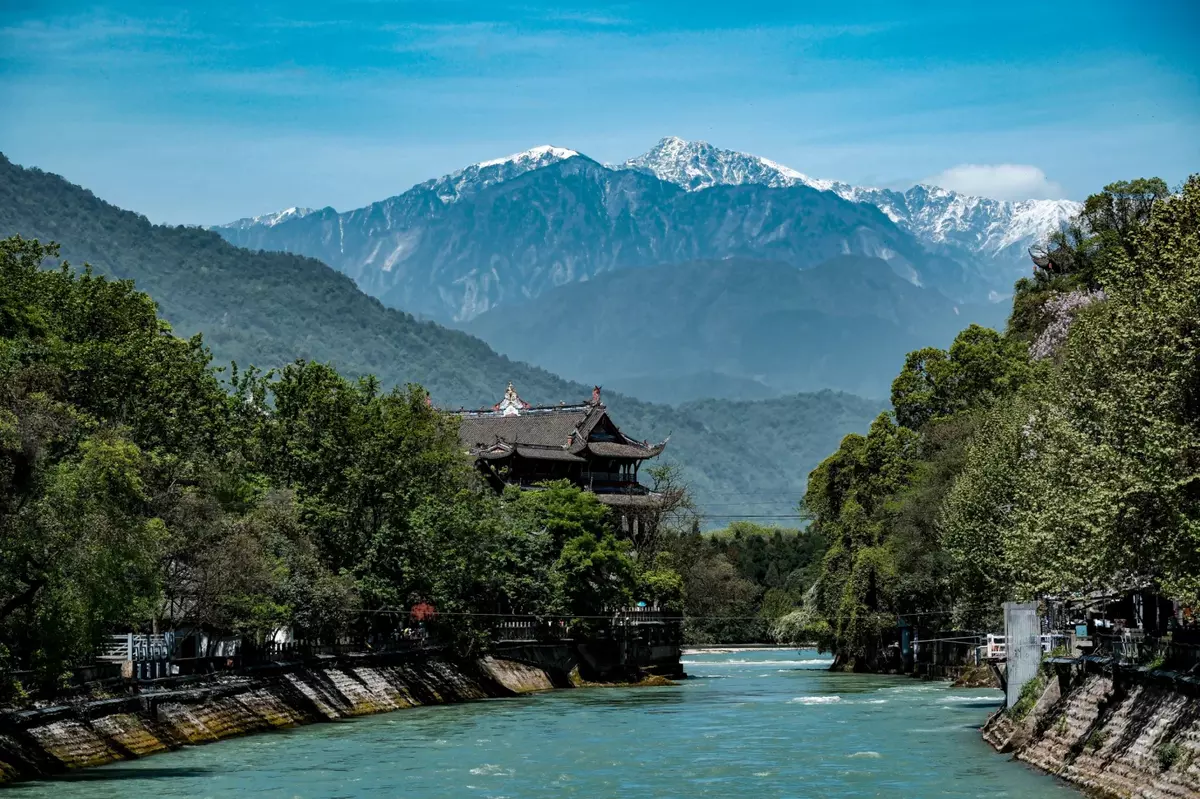
Good for day trips: Pleasant weather makes day trips to Mount Qingcheng, Dujiangyan, and Leshan much more enjoyable.
Spring Highlights
Flower viewing:
Peach blossoms at Longquanyi (龙泉驿) — one of China's largest peach blossom areas, usually blooming in March
Rapeseed flower fields in the countryside around Chengdu — bright yellow fields everywhere in March-April
Cherry blossoms at various parks and university campuses — late March to early April
Azaleas and other spring flowers in the city's parks and botanical gardens
Panda babies (late spring):
Panda cubs born the previous summer are growing fast and becoming more active by spring
The panda base's "kindergarten" enclosures are full of playful young pandas
Tea culture:
Spring is tea season in Sichuan — fresh spring tea leaves hit the market
Perfect weather for sitting in People's Park with a cup of tea and watching the locals
Day trips:
Mount Qingcheng — lush green, waterfalls, and cool mountain air
Dujiangyan — the ancient irrigation system is especially beautiful with spring greenery
Leshan Giant Buddha — spring is ideal for the climb down to the Buddha's feet
Spring Downsides
April and May can be rainy — bring an umbrella and rain jacket
Late May starts getting hot and humid as summer approaches
Spring break and May Day holiday (May 1-5) bring big crowds and higher prices
Pollen can be an issue for allergy sufferers
Spring in Chengdu is like the city waking up from winter — flowers blooming, pandas playing, and people spilling back into the tea houses and parks. It is a wonderful time to visit, especially if you love flowers and mild weather. Aim for late March through early May for the best experience.
☀️ Chengdu in Summer (June – August)
Summer in Chengdu is hot, humid, and rainy. Daytime highs hover around 28-30°C (82-86°F), and the humidity makes it feel even hotter. It is the wettest season, with frequent afternoon thunderstorms and the plum rain period in June. That said, summer has its advantages — longer days, lower prices on some things, and fewer crowds than peak spring and autumn.
Weather in Summer
Month | High / Low | Rainy Days | What to Wear |
|---|---|---|---|
June | 29°C / 21°C (84°F / 70°F) | 16–18 days | Light, breathable clothes; umbrella; sunscreen |
July | 30°C / 23°C (86°F / 73°F) | 14–16 days | Summer clothes; hat; stay hydrated |
August | 30°C / 22°C (86°F / 72°F) | 12–14 days | Same as July; August is slightly less rainy |
What Summer Is Good For
Lower prices (some places): While not exactly "low season," summer can offer better deals on hotels compared to peak spring and autumn.
Longer days: The sun rises early and sets late, giving you more daylight hours for sightseeing.
Summer vacation vibe: If you are traveling with kids, summer is the natural time to go — just be prepared for the heat.
Mountain escapes: It is the perfect time to visit cooler mountain areas like Mount Qingcheng, Emei Shan, or the Jiuzhaigou area (higher altitude = cooler temperatures).
Late-night food streets: Summer is when Chengdu's night food markets and street food stalls are at their busiest. Locals stay out late to beat the heat.
Summer Tips
Visit the panda base VERY early — arrive by 7:30 or 8:00 AM at the latest. Pandas are most active in the morning before the heat sets in, and by midday they will be inside napping.
Plan indoor activities for the hottest part of the day (1-4 PM): museums, tea houses, shopping malls, hot pot lunches
Stay hydrated — drink lots of water, herbal tea, or coconut water
Carry an umbrella — it protects from both sun and rain
Book hotels with good air conditioning — non-negotiable in summer
Explore the city in the early morning and evening, rest during the midday heat
Be aware of heavy rain and occasional thunderstorms — check the forecast before day trips
Try cold noodles (liangmian) and other summer Sichuan dishes — refreshing and delicious
Summer Downsides
Heat and humidity — it can be oppressive, especially if you are not used to it
Pandas are less visible during the day — you have to go very early
Frequent rain — afternoon storms are common
August brings domestic summer vacation crowds, especially at family-friendly attractions
Air quality can be poorer in hot, stagnant weather
Summer in Chengdu is manageable if you plan around the heat. Do outdoor things early and late, take long lunch breaks indoors, and save your energy. And remember: summer nights in Chengdu are actually quite pleasant — warm but not scorching, perfect for street food and evening walks.
🍂 Chengdu in Autumn (September – November)
Autumn is widely considered the very best season to visit Chengdu. The sweltering summer heat breaks, the humidity drops, and the city enjoys months of mild, dry, and generally pleasant weather. The skies are often clearer than usual, the pandas are active, and October-November is when the previous year's panda cubs become more visible and active. It is peak tourist season for good reason.
Weather in Autumn
Month | High / Low | Rainy Days | What to Wear |
|---|---|---|---|
September | 26°C / 19°C (79°F / 66°F) | 12–14 days | Light summer clothes + light jacket; still warm |
October | 21°C / 15°C (70°F / 59°F) | 10–12 days | Layers, long sleeves, light jacket; perfect weather |
November | 16°C / 10°C (61°F / 50°F) | 7–9 days | Sweater or jacket, warm layers; cool and crisp |
Why Autumn Is the Best
Perfect weather: Mild temperatures, lower humidity, and less rain — this is the most comfortable time to be in Chengdu.
Baby pandas: Panda cubs born the previous summer (around August) are usually about 14-15 months old by October-November. They are playful, active, and adorable — and they stay outside because the weather is cool.
Clearer skies: Autumn tends to have more sunny and clear days than other seasons — good news for photography and day trips to the mountains.
Beautiful colors: Ginkgo trees turn golden in November, and the mountains show autumn colors. Chengdu's parks are especially beautiful.
Great for day trips: Pleasant temperatures make day trips to Mount Qingcheng, Dujiangyan, Leshan, and Emei Shan much more enjoyable.
Tea season: Autumn tea harvest hits the market, and the weather is perfect for sitting in People's Park with a cup of tea.
Autumn Highlights
Baby panda season:
October and November are among the best months to see baby pandas at the Chengdu Research Base
Cubs born in August of the previous year are about 14 months old by October — very active, playful, and fun to watch
The "panda kindergarten" enclosures are where you will see the most action
Cool autumn weather means pandas of all ages stay outside longer
Autumn foliage:
Ginkgo trees turn bright golden yellow in mid-to-late November — beautiful in parks and on university campuses
Mountain areas around Chengdu (Qingcheng, Emei) show red and gold autumn colors
The combination of golden leaves and traditional architecture makes for amazing photos
Mountain day trips:
Mount Qingcheng — cool, fresh air and autumn colors
Dujiangyan irrigation system — pleasant weather for walking
Leshan Giant Buddha — comfortable temperatures for the climb
Emei Shan — one of China's four sacred Buddhist mountains; stunning in autumn
Food season:
Hot pot season starts — what better on a cool autumn evening?
Autumn harvest brings fresh ingredients to Sichuan kitchens
Street food stalls are busy and lively in the cool evening air
Autumn Downsides
Peak tourist season — more crowds, higher prices, and busier hotels
National Day holiday (October 1-7) is EXTREMELY crowded — avoid if possible
Popular restaurants and attractions require advance booking
November starts getting cool in the mornings and evenings — pack warm layers
If you had to pick one month to visit Chengdu, October would win for most travelers. The weather is perfect — mild, dry, and comfortable. The pandas are active. The baby pandas are playing. And the whole city feels like it is enjoying the best time of year. Just avoid the October 1-7 National Day holiday week if you can.
❄️ Chengdu in Winter (December – February)
Winter in Chengdu is cool, damp, and misty — but not cold by northern standards. Temperatures rarely drop below freezing, and snow is almost unheard of in the city center. It is the quietest season for tourism, with the lowest crowds and some of the best prices. And surprisingly, winter can be a good time for panda viewing — the cool weather keeps them active.
Weather in Winter
Month | High / Low | Rainy Days | What to Wear |
|---|---|---|---|
December | 11°C / 4°C (52°F / 39°F) | 5–7 days | Warm coat, sweater, layers; damp cold feels colder |
January | 10°C / 3°C (50°F / 37°F) | 6–8 days | Warmest clothes; scarf, gloves; coldest month |
February | 12°C / 5°C (54°F / 41°F) | 7–9 days | Warm layers; signs of spring by late Feb |
Why Visit in Winter
Fewer crowds: Winter is the low season — almost no queues at the panda base, restaurants, and attractions. You can get closer to the pandas than in peak season.
Lower prices: Hotel prices are lower, and you can often get good deals on flights and tours.
Good panda viewing: Despite what you might expect, winter is actually a good time to see pandas. They are comfortable in cool weather and stay outside during the day. The lack of crowds means better viewing positions.
Hot pot weather: There is nothing better than Sichuan hot pot on a cold winter's day — and you will find plenty of it in Chengdu.
Cozy atmosphere: Tea houses, bookstores, and hot pot restaurants are especially cozy in winter. It is a great season for slowing down and enjoying the city's relaxed vibe.
Winter Tips
Dress in layers — the damp cold can feel colder than the actual temperature suggests
Many buildings in Chengdu do not have central heating — check that your hotel has good heating
Days are shorter — it gets dark around 6 PM, so plan accordingly
Fog and mist are common — mountain day trips may have poor visibility
Hot pot and Sichuan food taste even better in cold weather — eat well!
Chinese New Year (usually late Jan or Feb) brings celebrations but also crowds and closures — plan ahead
The panda base is especially quiet in winter — you can spend more time watching individual pandas
Winter Downsides
Cold and damp — the humidity makes winter feel colder than the thermometer says
Frequent fog and overcast skies — not great for photography or mountain views
Shorter days — less daylight for sightseeing
Some outdoor activities are less appealing in cold weather
Chinese New Year period (variable dates) can cause transport disruptions and business closures
Air quality is typically poorer in winter due to temperature inversions
Winter is the underrated season for Chengdu. Yes, it is cold and foggy — but you also get the lowest crowds, the cheapest prices, and surprisingly good panda viewing. If you are on a budget, hate crowds, or just want a quiet trip, winter is actually a great choice. Just pack warm and embrace the hot pot.
Month-by-Month Guide
Here is a closer look at each month of the year in Chengdu — what the weather is like, what is happening, and whether it is a good time to visit.
January
Weather: The coldest month. Highs around 10°C (50°F), lows around 3°C (37°F). Cool, damp, and often foggy.
Crowds: Lowest of the year. Almost no queues at the panda base.
Pandas: Good — cool weather means they stay outside during the day. Very few people = better viewing.
Good for: Budget travelers, panda lovers who want quiet time, hot pot enthusiasts
Not ideal for: Photographers (foggy), people who hate cold, day trippers to mountains
February
Weather: Slightly warmer than January. Highs around 12°C (54°F), lows around 5°C (41°F). Still cool and damp.
Crowds: Generally low, but Chinese New Year (late Jan/early Feb) can bring spikes
Pandas: Good — pandas are active in cool weather
Good for: Pre-spring quiet, winter deals, panda viewing
Watch for: Chinese New Year — dates vary each year. Some businesses close for a few days, but tourist areas stay open.
March
Weather: Spring begins. Highs around 17°C (63°F), lows around 9°C (48°F). Milder but still cool, with increasing rain.
Crowds: Building up — more visitors as spring arrives
Pandas: Excellent — cool weather and fresh bamboo keep pandas active
Highlights: Peach blossoms start blooming, plum blossoms, early spring flowers
Good for: Flower lovers, panda watchers, people who like mild weather
April
Weather: Beautiful spring weather. Highs around 23°C (73°F), lows around 14°C (57°F). Mild, green, and pleasant — though increasingly rainy.
Crowds: High — one of the busiest spring months
Pandas: Excellent — perfect temperatures for panda activity
Highlights: Cherry blossoms, rapeseed flowers, spring greenery, tea season
Good for: Almost everything — this is one of the best months to visit
May
Weather: Warming up. Highs around 27°C (81°F), lows around 18°C (64°F). Getting hot and humid, with more rain as the plum rain season approaches.
Crowds: High, and the May Day holiday (May 1-5) is extremely busy
Pandas: Good — still active in the morning, but start resting more in the heat
Highlights: Late spring greenery, before the worst summer heat
Watch for: May Day holiday week — book everything well in advance if traveling then
June
Weather: Hot and humid. Highs around 29°C (84°F), lows around 21°C (70°F). Plum rain season — lots of rain and high humidity.
Crowds: Moderate to high — summer vacation has not started yet
Pandas: Fair — go very early (before 8 AM) for the best views; pandas retreat indoors midday
Good for: Budget travelers (before peak summer prices), people who like hot weather
Tip: Plan outdoor activities for early morning and evening; rest during midday heat
July
Weather: The hottest month. Highs around 30°C (86°F), lows around 23°C (73°F). Very humid, with frequent afternoon thunderstorms.
Crowds: Medium — summer vacation crowds start building
Pandas: Fair — early morning is the only reliable time to see them active outside
Good for: Mountain getaways (Qingcheng, Emei), summer vacation travel
Tip: Use the midday heat as an excuse for a long, leisurely hot pot lunch — then rest in air conditioning
August
Weather: Still very hot. Highs around 30°C (86°F), lows around 22°C (72°F). Humid, but slightly less rainy than July.
Crowds: High — peak of domestic summer tourism, especially family travel
Pandas: Fair — early morning only
Highlights: Night food markets are at their busiest; summer nightlife
Good for: Family summer trips (if you can handle the heat), night activities
September
Weather: Cooling down. Highs around 26°C (79°F), lows around 19°C (66°F). More comfortable than summer, but still warm and humid.
Crowds: Decreasing from summer peak — September is a bit of a sweet spot
Pandas: Very good — as temperatures drop, pandas spend more time outside
Highlights: The transition to autumn; pleasant weather; fewer crowds than October
Good for: People who want good weather without peak crowds
October
Weather: Perfect autumn weather. Highs around 21°C (70°F), lows around 15°C (59°F). Mild, dry, and generally pleasant.
Crowds: Very high — peak season. National Day holiday (Oct 1-7) is extremely crowded.
Pandas: Excellent — perfect weather, and baby pandas are very active and playful
Highlights: Baby pandas, perfect weather, autumn colors starting, clear skies
Tip: If possible, avoid October 1-7. The second half of October is just as nice and much less crowded.
November
Weather: Cool and crisp. Highs around 16°C (61°F), lows around 10°C (50°F). Generally dry and clear — one of the driest months.
Crowds: Moderate to high — less than October but still busy
Pandas: Excellent — cool weather, active baby pandas
Highlights: Golden ginkgo leaves, autumn colors, baby pandas, pleasant cool weather
Good for: Photographers, panda lovers, foodies, and anyone who likes crisp autumn weather
December
Weather: Cold and misty. Highs around 11°C (52°F), lows around 4°C (39°F). Damp, foggy, and short days.
Crowds: Low — quietest after December holidays
Pandas: Good — cool weather keeps them active; few visitors mean better views
Good for: Budget travelers, panda enthusiasts who like quiet, hot pot lovers
Tip: Pack warm clothes — the damp cold feels colder than you expect
🐼Best Time to See Pandas in Chengdu
Seeing giant pandas is the number one reason many travelers visit Chengdu — and when you go makes a big difference in how much you see. Here is everything you need to know about panda viewing by season.
How Weather Affects Pandas
Giant pandas are most active in cool weather, ideally between 10-25°C (50-77°F). They have thick fur that keeps them warm in winter but can make them uncomfortable in hot weather. When it gets too hot, they retreat to shaded or air-conditioned enclosures and rest during the day.
Temperature | Panda Behavior | Viewing Quality |
|---|---|---|
Below 10°C (50°F) | Active, playful, often eating bamboo outside | Good |
10–25°C (50–77°F) | Most active — eating, climbing, playing outside all morning | Excellent |
25–28°C (77–82°F) | Active in morning; rest in shade midday | Good (if you go early) |
Above 28°C (82°F) | Retire to air-conditioned enclosures midday; may come out in early morning and evening | Fair (go very early) |
Best Time of Day to Visit the Panda Base
Regardless of season, the best time to visit the Chengdu Research Base of Giant Panda Breeding is EARLY — as soon as it opens.
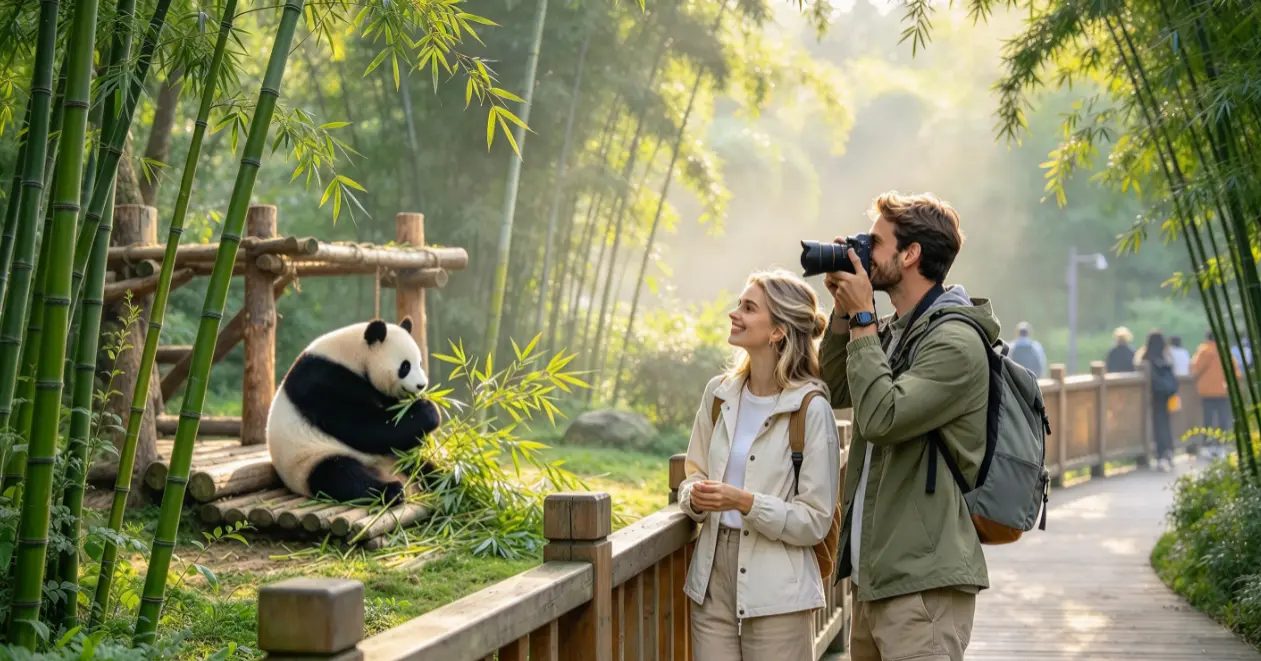
7:30 – 9:30 AM: Best time. Pandas are most active during morning feeding time. They are eating, climbing, and playing.
9:30 – 11:00 AM: Still good. Pandas are more active than later in the day, but starting to slow down.
11:00 AM – 2:00 PM: Worst time (especially in summer). Most pandas are napping or resting in the shade/indoors.
2:00 – 5:00 PM: Fair. Some pandas wake up and become more active again, but not as much as morning.
Late afternoon: Can be good in cool weather — pandas may come out for afternoon bamboo.
Baby Panda Season
Giant pandas typically give birth between July and September, with most cubs born in August. The cubs stay in the maternity/nursery area for their first few months and are not visible to the public right away.
Age of Cubs | Approximate Months | What You See |
|---|---|---|
Newborn (0-3 months) | Aug – Oct | Usually not visible to public; in nursery |
3-6 months | Nov – Feb | Sometimes visible in nursery enclosures; small and wobbly |
6-12 months | Mar – Aug | Growing fast; starting to climb and play; very cute |
12-18 months | Sep – Feb | Most visible and playful — the "toddler" age; very active and fun to watch |
The best months to see baby pandas:
October and November are widely considered the best months for baby panda viewing. The previous summer's cubs are about 14-15 months old — active, playful, and spending lots of time outside in the cool autumn weather. They are in the "panda kindergarten" enclosures and are endlessly entertaining to watch.
Spring (March-May) is also excellent — the cubs are 7-10 months old, growing fast, and starting to explore their enclosures more. They are smaller and wobblier than autumn cubs but just as adorable.
Source: Giant panda breeding season: mating in spring, births mostly August-September. Cubs visible to public at around 3-6 months depending on the base's policy. Source: Chengdu Research Base of Giant Panda Breeding, TravelChinaGuide, and panda base visitor reports.
Festivals and Events by Season
Chengdu and Sichuan have a full calendar of festivals and events throughout the year. Some will enhance your trip; others mean crowds and higher prices. Here is what to expect.
Major Chinese Holidays
Holiday | Typical Dates | Impact on Travel | Crowd Level |
|---|---|---|---|
Chinese New Year (Spring Festival) | Late Jan – mid Feb | Very high — transport booked out; some businesses close | Extreme |
May Day (Labor Day) | May 1-5 | High — popular travel week; book early | Very high |
National Day / Golden Week | Oct 1-7 | Highest of the year — everything is crowded and expensive | Extreme |
Qingming Festival | Early Apr (Apr 4-6) | Moderate — some travel, cemetery visits | Medium-high |
Dragon Boat Festival | Late May – early Jun | Moderate — 3-day holiday | Medium |
Mid-Autumn Festival | Sep – early Oct | Moderate — family holiday, mooncakes | Medium |
Tip:
Spring Events
Longquanyi Peach Blossom Festival (March): One of China's largest peach blossom viewing areas, just outside Chengdu. Fields of pink blossoms — very popular with locals and photographers.
Chengdu Flower Festival (March-April): Various parks and gardens hold spring flower exhibitions.
Qingming Festival (early April): Not a tourist festival per se, but the 3-day holiday means more people traveling.
Summer Events
Dragon Boat Festival (May-June): Zongzi (sticky rice dumplings) are everywhere. Dragon boat races are held in some places around Chengdu.
Chengdu International Food Festival (variable): Celebrating Sichuan cuisine and international food — dates vary.
Autumn Events
Mid-Autumn Festival (Sep-Oct): Mooncake season — a big food holiday. Families gather, and mooncakes are everywhere.
National Day Golden Week (Oct 1-7): The busiest travel week of the year. Avoid if possible.
Sichuan Opera Festival (variable): Celebrating Sichuan opera and traditional arts.
Winter Events
Chinese New Year / Spring Festival (late Jan-early Feb): The biggest holiday of the year. The city is decorated with lanterns, and families gather. Many businesses close for a few days, but tourist areas remain open.
Lantern Festival (15th day of Lunar New Year): Lantern displays and tangyuan (sweet rice balls). Marks the end of New Year celebrations.
Chengdu Christmas and New Year: Shopping malls and hotels have Christmas and New Year events — more of a commercial celebration than a religious one.
Best Time to Visit by Interest
Interest | Best Time | Why |
|---|---|---|
Panda viewing | Mar–May & Sep–Nov | Cool weather = active pandas; Oct–Nov best for babies |
Flowers & nature | Mar–Apr | Peach blossoms, cherry blossoms, rapeseed flowers |
Photography | Oct–Nov | Clear skies, autumn colors, perfect light |
Food & hot pot | Oct–Mar | Hot pot is best in cool weather; autumn harvest ingredients |
Day trips & hiking | Apr–May & Sep–Nov | Mild temperatures for hiking; clear views |
Budget travel | Dec–Feb | Lowest hotel prices; fewest crowds |
Family travel | Apr–May & Sep–Oct | Mild weather; pandas active; comfortable for kids |
Cultural events | Spring & autumn | Most festivals and events happen in mild seasons |
Tea house culture | All year | Tea houses are enjoyable in every season (winter has indoor seating) |
Nightlife & street food | Jun–Aug | Summer nights are warm and busy — best for night markets |
What to Pack by Season
⭐Spring (March-May)
Layers — mornings and evenings are cool, afternoons are warm
Light jacket or sweater
Long pants + a few pairs of shorts/skirts (for warmer days)
Comfortable walking shoes
Umbrella and light rain jacket — spring rain is common
Sunscreen and sunglasses
Allergy medication if you have pollen allergies
⭐Summer (June-August)
Light, breathable clothing — cotton and linen are best
Shorts, skirts, T-shirts, tank tops
Hat and sunscreen
Umbrella — for both sun and rain
Comfortable sandals or walking shoes
Portable fan (optional but nice)
Reusable water bottle — stay hydrated
Insect repellent (more of an issue outside the city)
⭐Autumn (September-November)
Layers — the temperature varies between day and night
Long-sleeve shirts and pants
Light jacket or sweater
Warmer coat for November
Comfortable walking shoes
Scarf for cool evenings (late autumn)
Sunscreen — autumn sun can still be strong
⭐Winter (December-February)
Warm coat or jacket — the damp cold feels colder than you expect
Sweaters and long pants
Thermal underwear (if you run cold)
Warm shoes or boots
Scarf and gloves
Layers — you can add or remove as needed
Umbrella — for occasional drizzle
Check that your hotel has good heating — many Chengdu buildings lack central heating
Seasonal Travel Tips
💡Peak Season Tips (March-May, September-November)
Book hotels and flights well in advance — especially for October
Avoid National Day (Oct 1-7) and May Day (May 1-5) if at all possible
Arrive early at popular attractions — the panda base, Leshan, Qingcheng all get busy
Make restaurant reservations for popular places
Buy train tickets for day trips in advance
Consider visiting slightly off-peak: late March or early November
💡Low Season Tips (December-February, June-August)
Look for hotel deals and special offers — you can often negotiate or find discounts
Enjoy shorter queues and more space at the panda base and other attractions
In summer: take it slow, rest during midday heat, go out early and late
In winter: pack warm, choose hotels with good heating, and plan indoor activities for cold days
You get more personal attention from guides and staff when there are fewer visitors
💡Weather Planning Tips
Check the 7-day forecast before you arrive — weather can be unpredictable
Always carry an umbrella in spring and summer — rain can come quickly
In foggy weather, skip mountain day trips and focus on city activities instead
If you are going to Mount Qingcheng or Emei Shan, check the mountain weather separately — it can be very different from Chengdu
Air quality can vary — check the AQI if you have respiratory sensitivities
The humidity in Chengdu means temperatures can feel hotter or colder than the actual number — dress accordingly
Budget by Season
Season | Hotel Prices | Flight Prices | Overall Cost |
|---|---|---|---|
Spring (Mar-May) | Medium-high | Medium-high | $$$ |
Summer (Jun-Aug) | Medium | Medium (varies) | $$ |
Autumn (Sep-Nov) | Highest (peak) | Highest (peak) | $$$$ |
Winter (Dec-Feb) | Lowest | Lowest | $ |
Final Thoughts
There is no single "perfect" time to visit Chengdu — it depends on what you want to do and what you care about. If pandas are your priority, go in spring or autumn. If you want flowers, go in April. If you want to save money, go in winter. If you want perfect weather and baby pandas, go in October (but avoid the first week).
The good news is that Chengdu is enjoyable year-round. Even in the heat of summer or the cold of winter, there is great food, friendly people, tea houses, and — of course — pandas. The city's relaxed vibe means you can adjust your pace to match the weather.
Spring and autumn are the peak seasons for good reason — the weather is ideal and everything is at its best. But do not write off summer and winter. Summer has its night markets and long evenings. Winter has its quiet, hot-pot-filled coziness and surprisingly good panda viewing. Each season has its own flavor.
The best time to visit Chengdu is whenever you can go. The city will be waiting — with a cup of tea, a hot pot, and a panda ready to eat bamboo.
Whenever you go, go with an open mind and a hungry stomach. Chengdu is not a city you check off a list — it is a city you experience, at its own relaxed pace. Pick a season that works for you, book your trip, and trust that you will have a great time. The pandas are waiting.
Last updated: November 2026. Weather data are historical averages, not forecasts — actual conditions may vary. Always check current weather and conditions before your trip. Sources: China Meteorological Administration, Weather Atlas, TravelChinaGuide, Trip.com travel guides, Chengdu Research Base of Giant Panda Breeding information, and verified travel platforms.
Plan your Chengdu trip around the weather
Tell us the dates you are considering and what you most want to do - pandas first, or food, tea houses and day trips to Leshan and Mount Qingcheng - and we will shape a Chengdu itinerary for the season you land in, with the right order of sights, advance bookings around the holidays and a guide who knows when the pandas are awake. Plan your days with our Chengdu itinerary guide, get the full picture in our Chengdu travel guide, or go straight to the panda base visit guide. Plan my Chengdu trip



Traveler Discussions
Questions from travelers