
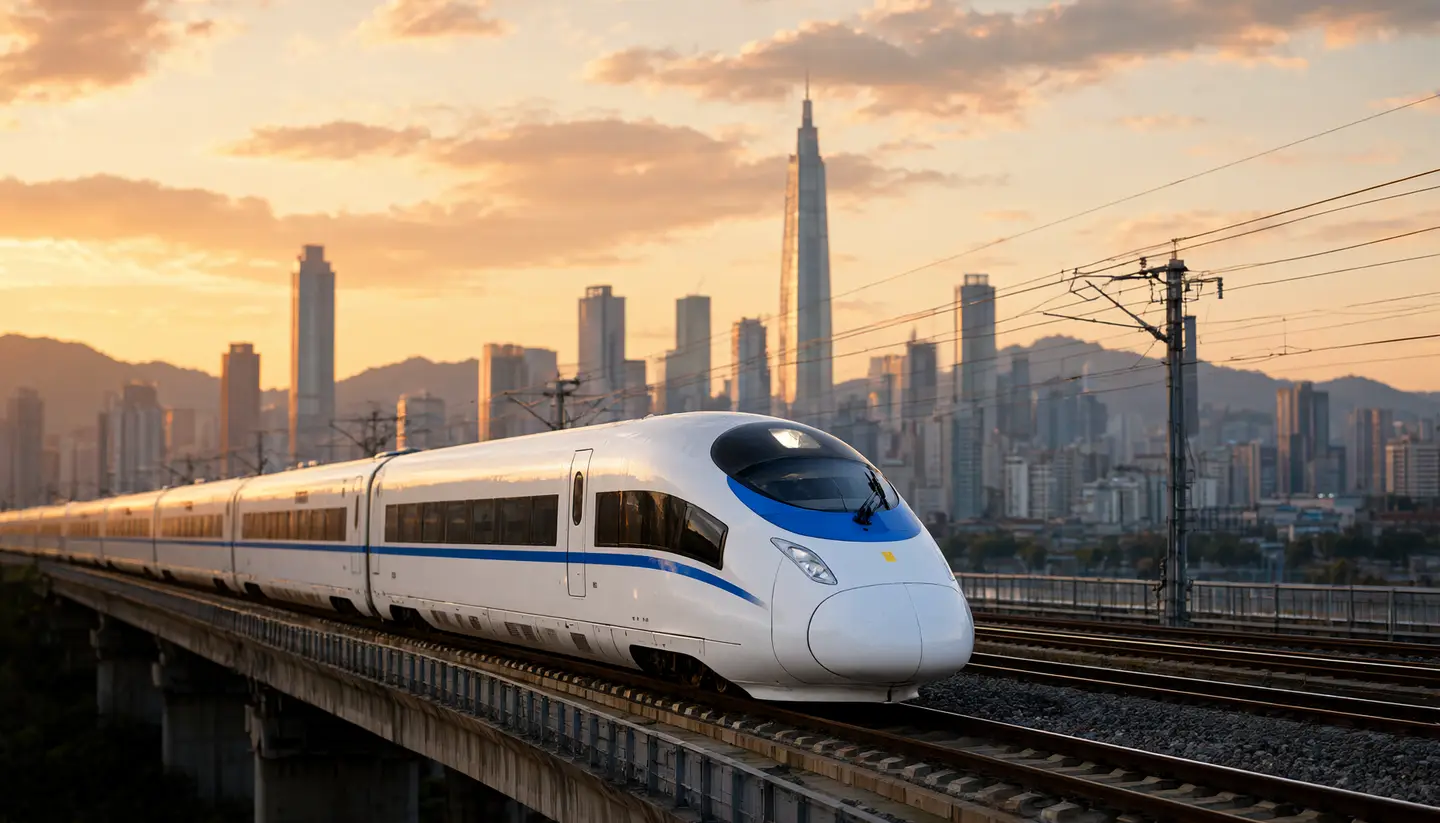
How much does it cost to travel around China in 2027? From hotels and high-speed trains to attraction tickets and private guides, travel expenses vary by destination, season and travel style.
This guide helps international visitors compare major travel costs and plan their budgets using official data and market references. Since actual 2027 annual statistics are not yet available, historical figures are identified by year, while 2027 prices are presented as estimates rather than confirmed rates. Prices in this guide fall into several categories: official fixed attraction ticket prices (marked as such when verified), historical hotel averages (2025 figures unless otherwise noted), indicative rail fares, and private service quotations (request current rates from providers). Prices are not interchangeable - a historical average is not a booking price, and an official ticket price may differ from rates quoted by third-party sellers.
China Travel Costs in 2027: What Should You Budget?
China offers a wide range of travel experiences, from international hotel brands and private sightseeing tours to affordable local restaurants, public transport and free urban attractions.For international visitors, the biggest differences in travel costs usually come from accommodation, travel dates, intercity transport and the level of private services included in an itinerary.
Here are some important figures to help put the market into perspective:
Indicator | Official figure(CNY) | Reporting period |
Average room rate at star-rated hotels nationwide | 360.2/night | 2025 |
Total inbound tourist trips to China | 154.5 million | 2025 |
Inbound visits by foreign nationals | 35.17 million | 2025 |
Source: Ministry of Culture and Tourism of China, 2025 Statistical Communiqué on Culture and Tourism Development, published June 2, 2026. Official source.
These figures provide useful reference points, but they are not direct quotations for every hotel or destination. In particular, the national hotel average covers star-rated hotels and should not be treated as the average price of all accommodation in China.
China Hotel Price Comparison by City
Accommodation is often one of the largest expenses on a China trip. Hotel prices vary according to city, location, hotel category, season and local demand.
According to the Ministry of Culture and Tourism, China's 7,586 star-rated hotels reported an average room rate of CNY 360.2 per night in 2025, with an average occupancy rate of 46.8%.
Two major international gateway cities provide particularly useful official comparisons.
City | Hotel category | 2025 average room rate |
Beijing | Four-star | CNY 502 |
Beijing | Five-star | CNY 831 |
Shanghai | Five-star | CNY 979 |
Sources: Ministry of Culture and Tourism of China, 2025 Statistical Bulletin on Cultural and Tourism Development (official report); Beijing Municipal Culture and Tourism Bureau, 2025 Beijing Culture and Tourism Statistical Report (official report); and Shanghai Municipal Statistics Bureau, Star-Rated Hotels, December 2025 (official statistics).
What affects hotel prices in China?
Travel seasons: Spring Festival, the May Day holiday and National Day can bring higher accommodation demand. Popular scenic destinations also experience strong seasonal fluctuations.
Business events: Major trade fairs and exhibitions can push hotel rates up sharply, particularly in cities such as Guangzhou and Shanghai.
Hotel location: Staying near a major railway station, city centre or popular attraction may cost more than choosing accommodation a little farther away.
Accommodation registration: Hotels are responsible for registering foreign guests with the local public security authorities. When booking, check that the property can accommodate international visitors and confirm passport requirements in advance.
For cities where official four-star and five-star average room rates are not consistently published, compare individual hotel quotations rather than relying on unsupported citywide averages.
China Transportation Costs: High-Speed Rail, Flights and Private Transfers
China has a well-developed transportation network, making it possible to travel between major cities and explore different regions with relative ease. However, transportation costs can vary depending on the distance, travel season, group size and level of comfort you prefer.
For international visitors, choosing the right transport is about more than finding the cheapest ticket. Travel time, station locations, luggage, transfers and connections with sightseeing plans can all affect the overall experience.
High-Speed Rail: Connecting China's Major Cities
High-speed trains are one of the most convenient ways to travel between China's major tourist destinations. They offer comfortable journeys and frequent connections on popular routes, including:Beijing–Shanghai;Beijing–Xi'an;Shanghai–Hangzhou;Guangzhou–Shenzhen;Chengdu–Chongqing.
Indicative Intercity Train Fares (RMB, One Way)
Route | Second-Class Fare(Indicative) | First-Class Fare(Indicative) | Business-Class Fare(Indicative) | Approximate Journey Time |
Beijing South – Shanghai Hongqiao | CNY 550–690 | CNY 960–1,120 | CNY 1,750–2,450 | 4.5–6 hours |
Beijing West – Xi'an North | CNY 500–620 | CNY 840–990 | CNY 1,730–2,000 | 4–6 hours |
Xi'an North – Chengdu East | CNY 270–300 | CNY 430–510 | CNY 790–1,110 | 3–4 hours |
Chengdu East – Chongqing North | From around CNY 100 | CNY 180–370 | CNY 350–830 | 1.5–2.5 hours |
Guilin West – Guangzhou South | From around CNY 180 | CNY 270–350 | CNY 420–800 | 2–2.5 hours |
Shanghai Hongqiao – Hangzhou East | CNY 65–90 | CNY 90–170 | CNY 200–420 | 45–90 minutes |
Ticket prices depend on the route, train service, seat class and travel date. Second-class seats are generally the most economical choice, while first-class and business-class seats offer additional space and comfort.
Rail fares may also vary between services. In May 2026, the published fare ceilings for certain Beijing–Shanghai and Hefei–Bengbu high-speed services increased by 20%. This change applied to the maximum fares of the affected services, rather than representing a uniform increase for all tickets.
Source: Beijing–Shanghai High-Speed Railway Co., Ltd. (May 12, 2026). Announcement on the Adjustment of Published Fares for EMU Trains on the Beijing–Shanghai and Hefei–Bengbu High-Speed Railway Lines. Official Announcement (PDF).
For international travelers, high-speed rail is often a practical option for long-distance journeys. However, choosing the right departure station, arranging transfers and coordinating train schedules with hotel check-in and sightseeing plans can take additional planning.When organizing a multi-city trip, a travel agency can help coordinate train journeys, station transfers and local sightseeing arrangements, making the overall itinerary more convenient.
At Your Way Holiday, our multi-city China tour planning service covers practical details that independent travelers often overlook: coordinating train departure times with hotel check-in/check-out schedules, arranging seamless transfers between high-speed rail stations and city hotels, confirming attraction reservations for international passport holders, providing English-speaking assistance at ticket counters and information desks, and adjusting itineraries when trains are delayed or attractions require advance booking. These services are particularly valuable for first-time visitors, families with children or elderly travelers, and groups with complex multi-city routes.
Domestic Flights: Saving Time on Longer Journeys
Domestic flights can be a practical choice when traveling longer distances, particularly to destinations in western and southwestern China. They may save considerable travel time on routes where rail journeys are lengthy or direct connections are limited.
Airfares are market-priced and vary according to the airline, route, season, booking date and seat availability. When comparing flight costs, remember to consider additional expenses such as airport transfers, baggage allowances and possible extra service fees.
For international visitors traveling across several regions, flight schedules also need to fit the wider itinerary. A convenient departure time and well-arranged airport transfer can make a significant difference to the travel experience.
Getting Around Chinese Cities
Major Chinese cities offer extensive metro and bus networks, as well as taxis and ride-hailing services. These options are useful for short-distance travel, although their convenience depends on the location of your hotel, attractions and planned activities.
Transport option | Typical use | Cost considerations |
Metro | Daily travel within major cities | Generally economical, with fares varying by city and journey distance. |
Public buses | Short urban journeys | Usually inexpensive, but routes and transfers may be less convenient for visitors unfamiliar with the city. |
Taxi and ride-hailing | Short trips and point-to-point transfers | Fares depend on distance, traffic conditions, time and local pricing rules. |
Private car with driver | Airport transfers, sightseeing and multi-stop journeys | Quoted prices vary by vehicle type, service duration, distance and included services. |
For visitors planning to explore several attractions in one day, the location of each stop can be just as important as the transport fare. Long transfers and repeated changes between transport systems may reduce the time available for sightseeing.
Private Transfers and Chauffeur Services: A More Comfortable Way to Travel
For families, small groups and travelers who value comfort and flexibility, private transportation can be a convenient alternative to arranging multiple public transport journeys.
A private vehicle with a driver is particularly useful for:
Airport and railway station pickups and drop-offs
Full-day sightseeing tours with several stops
Day trips to attractions outside the city center
Multi-city journeys involving different transport connections
Families traveling with children, older relatives or substantial luggage
Compared with public transport, a private transfer offers greater flexibility in pickup times and routes. It also reduces the need to navigate unfamiliar stations, carry luggage between connections or coordinate several separate journeys.
Private transportation prices depend on the vehicle type, travel distance, service hours and itinerary. Before confirming a booking, check whether the quotation includes the vehicle, driver, fuel, tolls, parking and waiting time. Child seats, overtime, tour guides and attraction tickets may be charged separately.
For travelers visiting multiple destinations, a customized transport arrangement can also combine high-speed rail or domestic flights with private airport transfers and local sightseeing vehicles. This approach allows you to benefit from China's extensive transport network while keeping the overall journey more comfortable and organized.
Choosing the Right Transportation for Your China Trip
There is no single transport option that suits every journey. High-speed rail works well for many intercity routes, domestic flights can save time over longer distances, and private vehicles offer greater convenience for local sightseeing and family travel.
The best arrangement often combines several transport options according to your destinations, schedule and group size. With suitable planning, you can spend less time managing transfers and more time enjoying China's cities, cultural attractions and landscapes.
China Attraction Ticket Prices: What to Expect in Major Tourist Cities
China's most popular destinations mix world-famous heritage sites, historic landmarks, museums, landscapes and family-friendly attractions. Some are free to enter; others charge admission, with extra costs for special exhibitions, sightseeing buses, cable cars and evening performances.
The tables below give the published adult admission rates for the headline sights in five major tourist cities. The descriptions that follow focus on what each ticket actually includes, where the hidden extras sit, and how to plan a visit — rather than repeating the numbers already in the tables. All figures are 2026 published rates and a useful reference for planning a 2027 trip, but check the official channel again before you book.
Beijing: Imperial Palaces, the Great Wall and Historic Temples
Beijing holds the densest concentration of headline historical attractions in China. Four of them appear on almost every first-time itinerary.
Attraction | Adult admission | Additional costs |
Forbidden City (Palace Museum) | CNY 60 peak / CNY 40 off-season | Treasure Gallery CNY 10; Gallery of Clocks CNY 10 |
Badaling Great Wall | CNY 40 peak / CNY 35 off-season | Cable car(one way: CNY 100; round trip: CNY 140)and shuttle charged separately |
Mutianyu Great Wall | CNY 45 | Cable car(one way: CNY 100; round trip: CNY 140), chairlift and toboggan charged separately |
Summer Palace | CNY 30 peak / CNY 20 off-season | Combined ticket CNY 60 / CNY 50 |
Temple of Heaven | CNY 15 peak / CNY 10 off-season | Combined ticket: official fare to be verified locally (government price schedule suggests approximately CNY 35 / CNY 30 for peak/off-season) |
1. The Forbidden City (Palace Museum)
Passing through the Meridian Gate is the moment most visitors remember from Beijing. The palace complex housed the imperial court for nearly five centuries, and the main axis from the Hall of Supreme Harmony to the Imperial Garden alone fills a half day.
Two smaller galleries inside — the Treasure Gallery and the Gallery of Clocks — sit outside the standard ticket and are worth the modest supplement if imperial craftsmanship interests you. Entry is real-name and passport-based, released on a rolling seven-day window, and peak-season slots disappear quickly, so book as soon as your dates are fixed.
2. The Great Wall: Badaling and Mutianyu
Badaling is the easiest section to reach and the most heavily visited; Mutianyu is a longer drive but quieter, with better-preserved watchtowers and a gentler walking experience. Either way, the admission covers the wall itself and nothing more — the cable car, chairlift and toboggan are separate purchases, and on a hot or icy day they are close to essential.
Families with young children and anyone avoiding steep climbs should treat those add-ons as part of the cost of the visit rather than an optional extra.
3. The Summer Palace
The Summer Palace works on two levels. The standard ticket gets you into the grounds — the lake, the Long Corridor and the hillside walks — which is enough for a slow afternoon. The combined ticket adds the main halls and paid sights inside, and makes sense if you plan to spend most of a day there rather than stroll through.
4. The Temple of Heaven
The Temple of Heaven is where emperors performed the harvest rites, and the architecture is laid out to match that ritual order. The standard ticket covers the park, where local residents gather every morning to dance, sing and play chess. The combined ticket adds the three sights people actually come for: the Hall of Prayer for Good Harvests, the Echo Wall and the Circular Mound Altar.
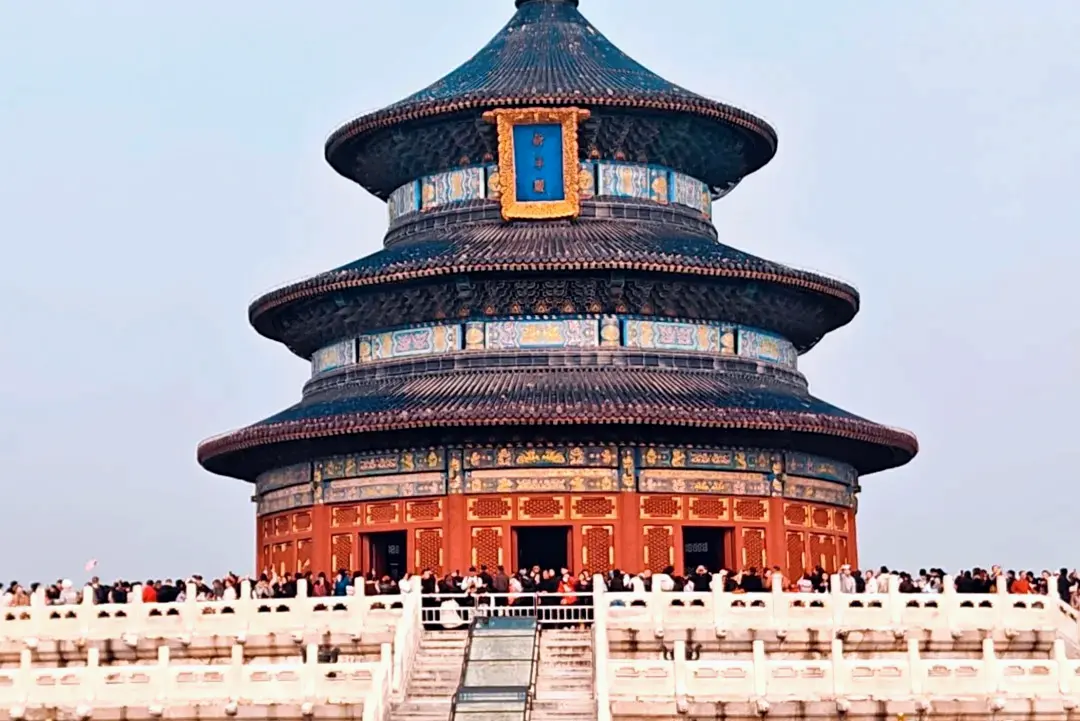
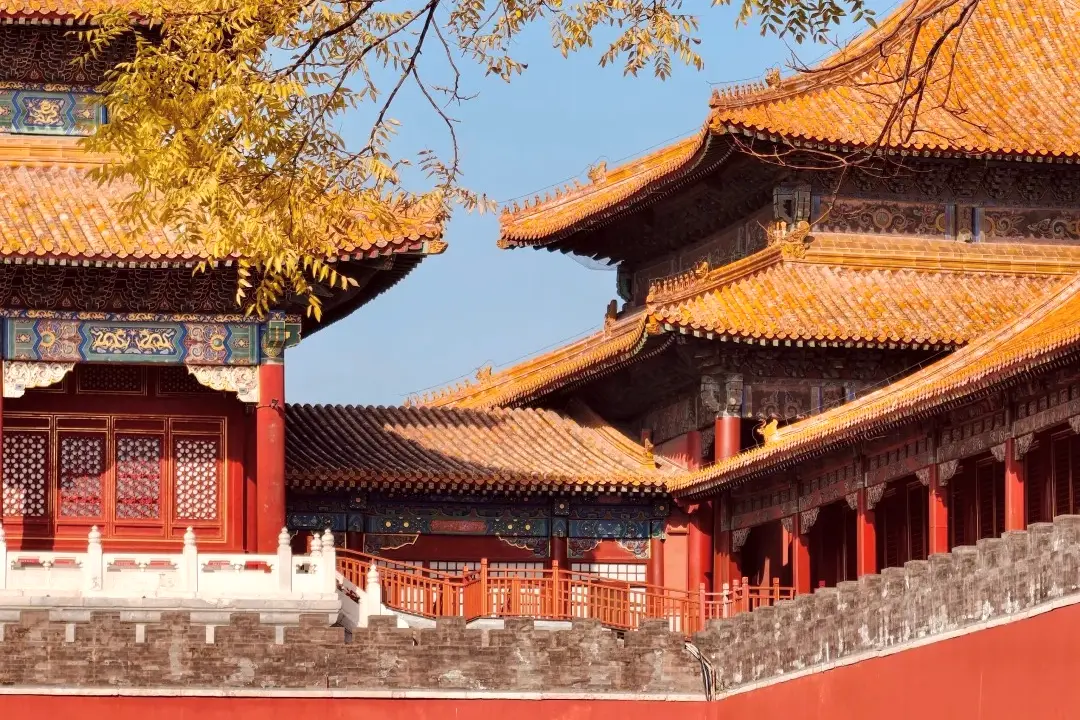
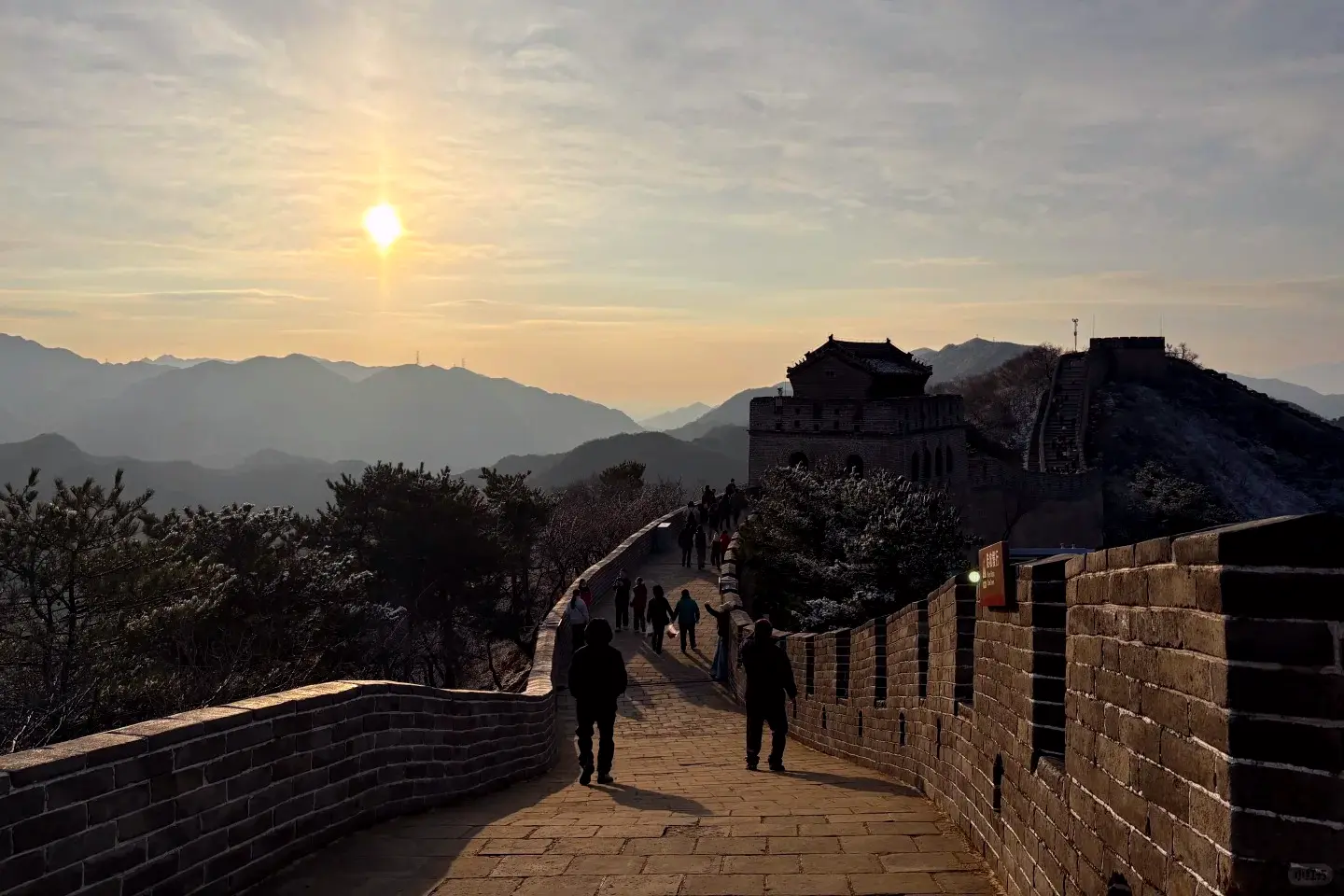
Beijing budget note: the Forbidden City and the Great Wall take the largest share of a sightseeing budget here. The Summer Palace and Temple of Heaven are inexpensive by comparison, but the combined tickets and cable cars are where the total quietly grows.
Xi'an: Terracotta Warriors, Ancient City Walls and Tang Dynasty Heritage
Xi'an rewards travellers who care about ancient history: an archaeological site of global importance, one of the best-preserved city walls in the country, and a museum that costs nothing to enter.
Attraction | Adult admission | Additional costs |
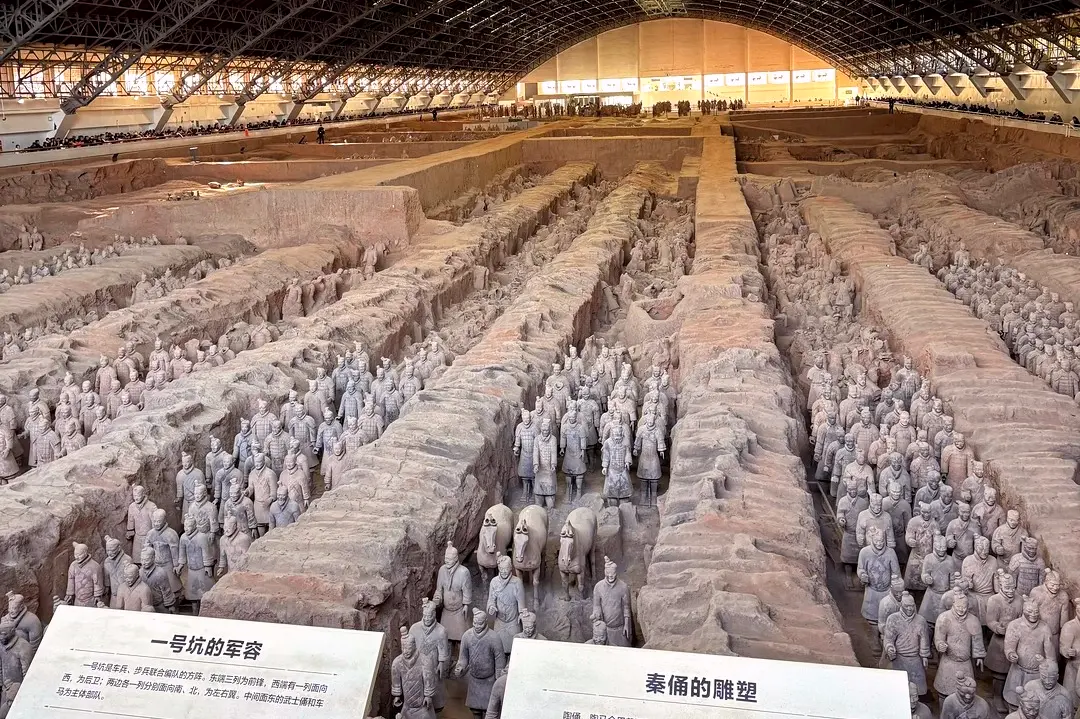
Emperor Qinshihuang's Mausoleum Site Museum (Terracotta Warriors) | CNY 120 | Shuttle between the two museum areas included |
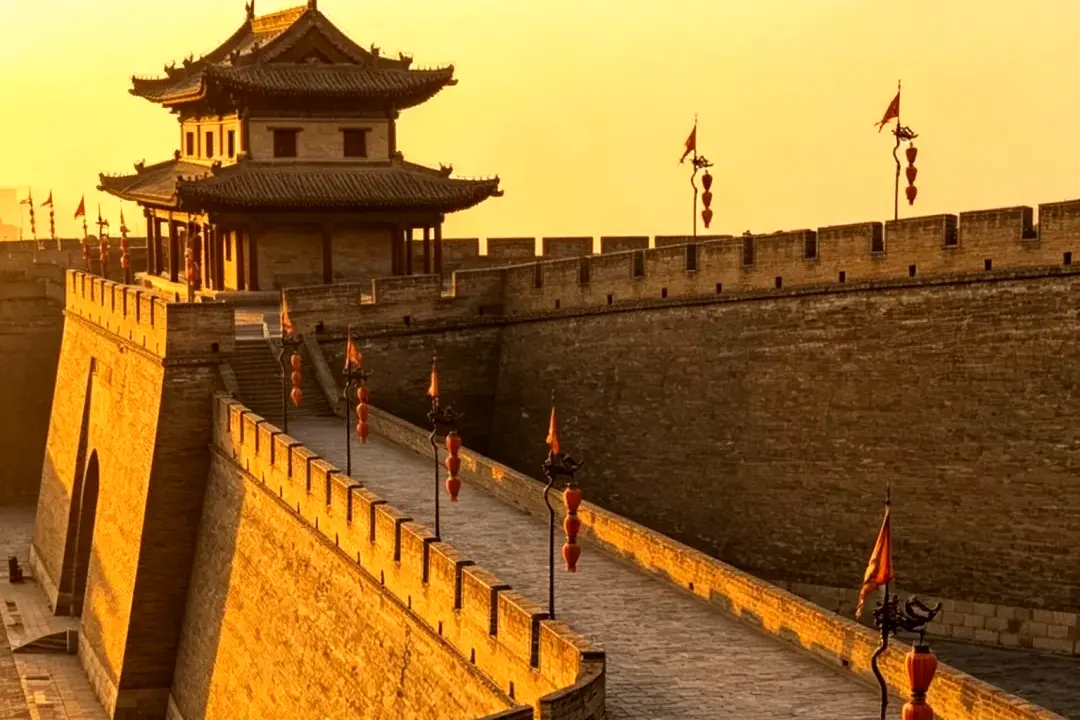
Xi'an City Wall | CNY 54 (verify locally for current fare) | Bicycle rental(CNY 45)and guided tours charged separately |
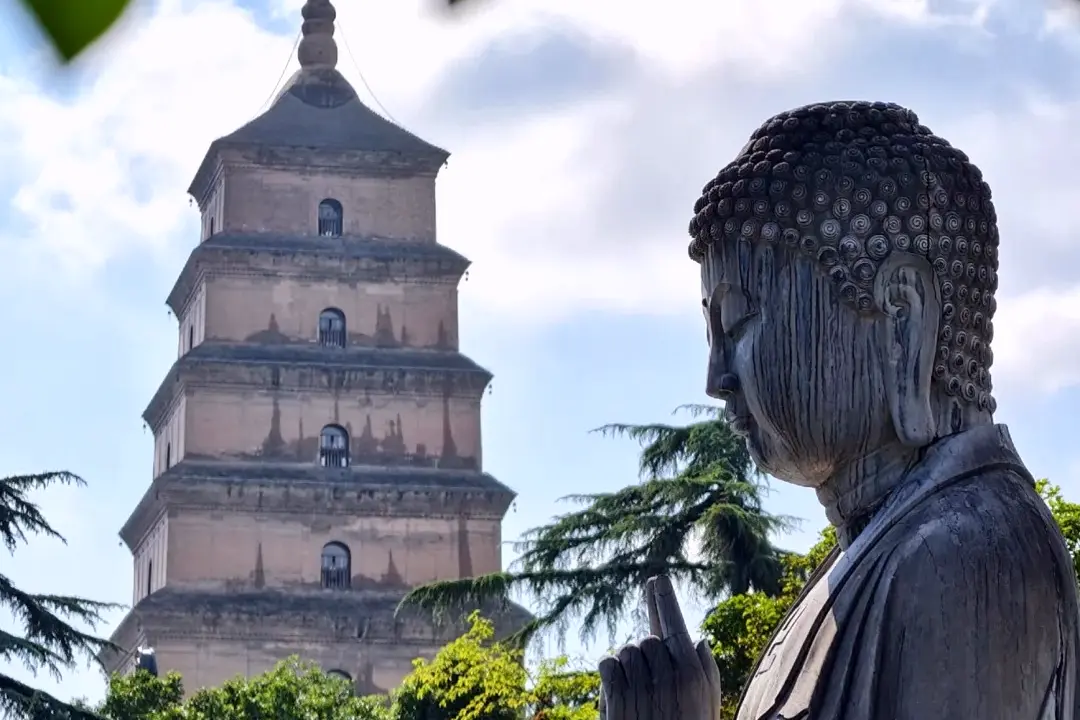
Giant Wild Goose Pagoda | Da Ci’en Temple: CNY 10 Climbing the Giant Wild Goose Pagoda: CNY 25. | Confirm options before visiting |
Huaqing Palace | CNY 120 | Evening performances charged separately |
1. The Terracotta Warriors Museum
The pits are the reason most people come to Xi'an, and the scale takes people by surprise — the largest excavation hall is the size of an aircraft hangar, with ranks of figures still standing where they were buried. The admission covers both the museum and the Qin Shi Huang Mausoleum Site Park at Lishan Garden, and a complimentary shuttle links the two, so there is no separate transfer to budget for.
Plan on half a day including the drive from central Xi'an. This is also the single place in the city where a private guide earns their fee: without the archaeological background, the figures are impressive but silent.
2. Xi'an City Wall
The wall forms a complete 14-kilometre rectangle around the old city, and walking a section of it at dusk is one of the pleasures of Xi'an. Renting a bicycle is the fastest way to cover real distance and reach the gates and watchtowers at the corners; the rental is a separate charge from admission.
3. Giant Wild Goose Pagoda and Huaqing Palace
At the Giant Wild Goose Pagoda, the temple grounds and the climb up the tower are priced separately, so decide in advance whether the view is what you are after. Huaqing Palace, east of the city near Lintong, is known for its imperial hot springs and its association with Emperor
Xuanzong and Yang Guifei:the evening performance on the hillside is a substantial additional purchase and should be booked early if you want it.
Xi'an budget note: the Terracotta Warriors are the one fixed, unavoidable admission cost. The wall, the museum and the pagoda district can be combined into a varied two-day itinerary without stacking up expensive tickets.
Chengdu: Giant Pandas, Ancient Temples and Cultural Attractions
Chengdu trades imperial monumentality for wildlife, teahouses and a slower rhythm — which also makes it the most family-friendly of the five cities.
Attraction | Adult admission | Additional costs |
Chengdu Research Base of Giant Panda Breeding | CNY 55 | Sightseeing shuttle CNY 30 |
Wuhou Shrine Museum | CNY 50 | Guided tours and special services extra |
Jinli Ancient Street | Free | Food, shopping and cultural experiences |
People's Park | Free | Teahouses and optional activities |
1. Chengdu Research Base of Giant Panda Breeding
The Panda Base is the reason many families put Chengdu on the map, and the visit is genuinely better early: the animals are active and feeding in the morning and largely asleep by midday. The base spreads over a large hillside site, so the internal shuttle is worth considering if you are travelling with young children or short on time.
Entry requires a real-name online reservation, generally released up to 14 days ahead, and the original passport used for booking must be shown at the gate.
2. Wuhou Shrine Museum
Wuhou Shrine honours Zhuge Liang and the figures of the Three Kingdoms period, and it rewards a little preparation — a guide or an audio commentary turns a series of halls and statues into a story. Its position next door to Jinli makes it easy to pair a paid, contemplative hour with a free, busy one.
3. Jinli Ancient Street and People's Park
Neither needs a ticket, and together they show the side of Chengdu that costs nothing to enjoy. Jinli is a restored commercial lane of snacks, teahouses and souvenir stalls; People's Park is where the city actually relaxes, with bamboo chairs, covered teahouses and the celebrated matchmaking corner.
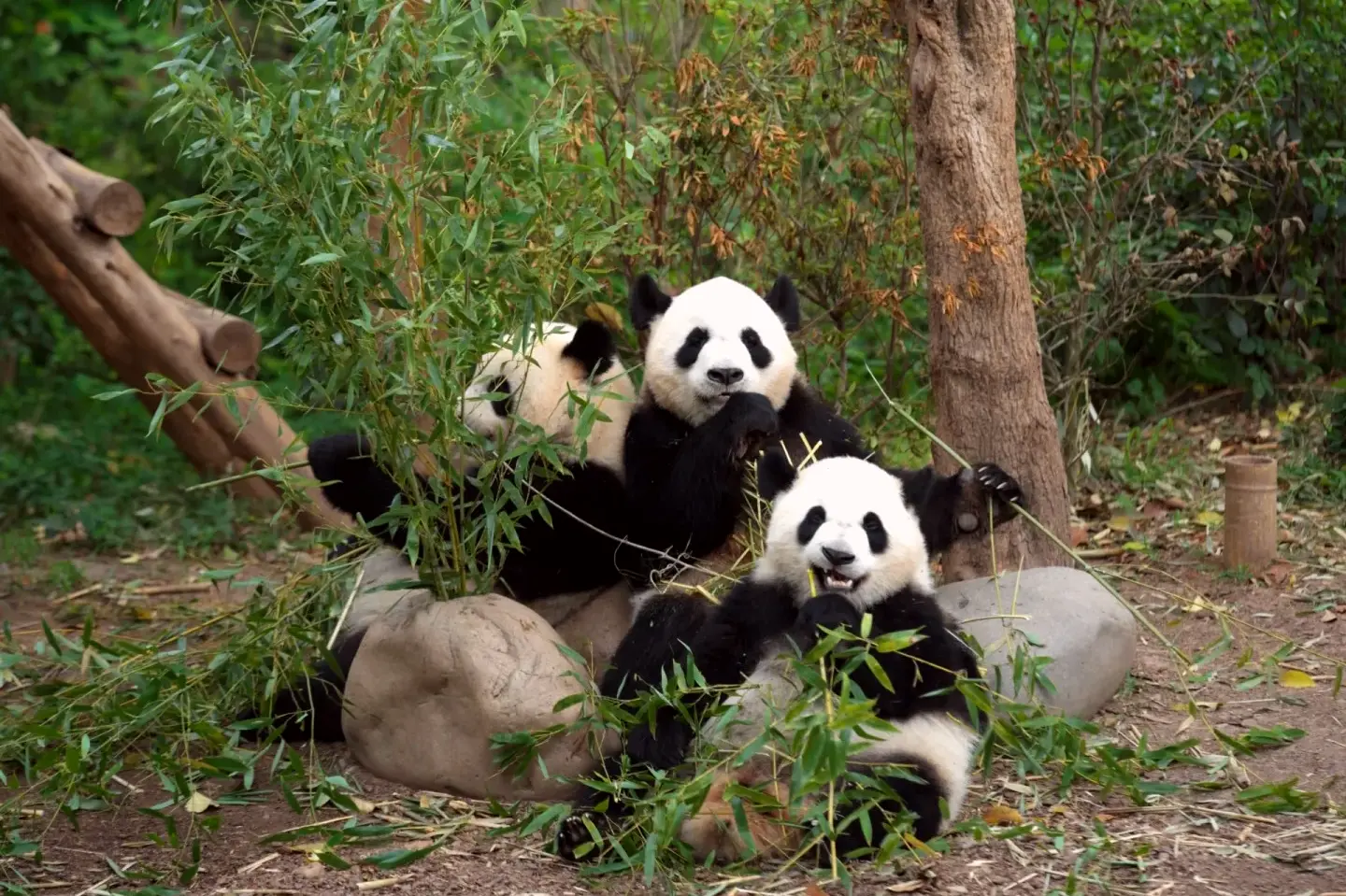
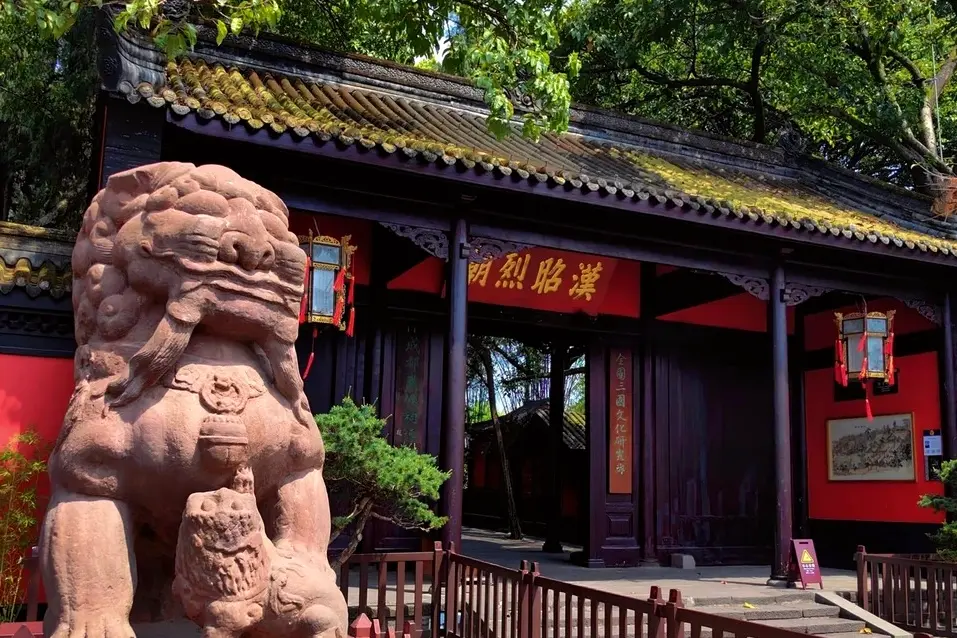
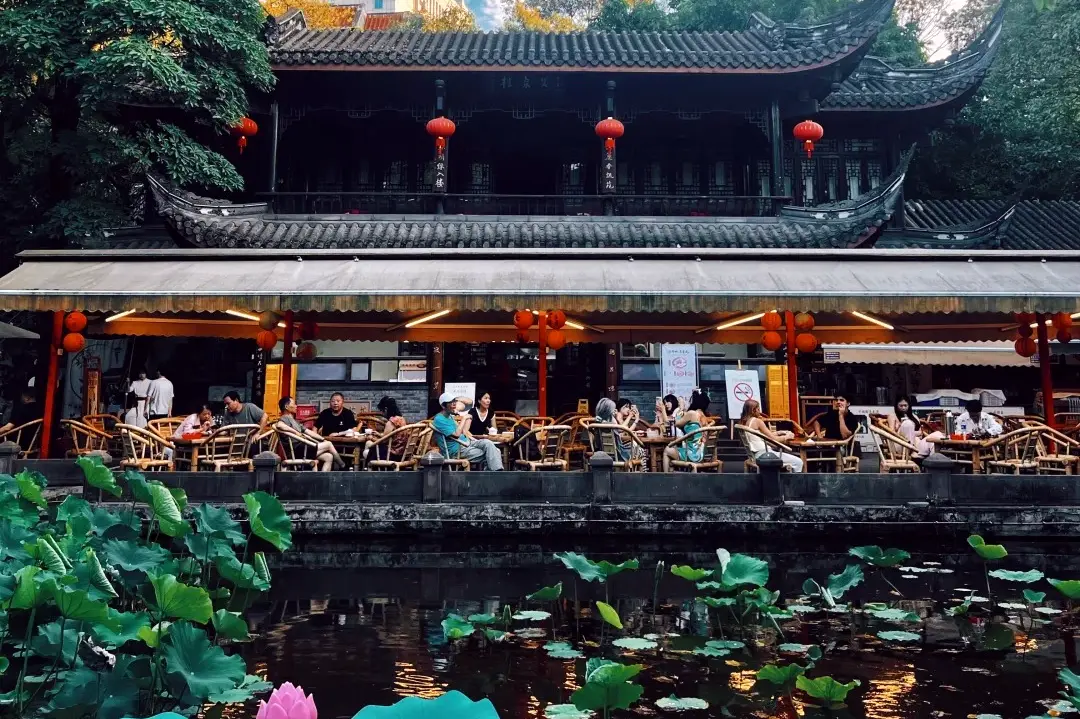
Chengdu budget note: Admission to the Panda Base and Wuhou Shrine costs a combined CNY 105 per adult. The Panda Base shuttle is an optional extra, costing CNY 30 per person, bringing the combined total to CNY 135 with the shuttle included. Free attractions such as Jinli and People's Park help keep daily sightseeing costs relatively low, making Chengdu a budget-friendly choice among China's major cities.
Hangzhou: West Lake, Buddhist Temples and Classical Gardens
Hangzhou is built around scenery rather than ticketed monuments, and recent policy has pushed it further in that direction.
Attraction | Adult admission | Additional costs |
West Lake Scenic Area | Free | Boat rides and island attractions charged separately |
Lingyin–Feilai Feng Scenic Area | Free since 1 December 2025 | Advance real-name reservation required |
Leifeng Pagoda | CNY 40 | Confirm current tariff on official channel |
Six Harmonies Pagoda | CNY 20 | Confirm current tariff on official channel |
Xixi National Wetland Park | CNY 80 | Boat rides and selected experiences extra |
1. West Lake
The main open scenic area of West Lake is free, and that is the heart of it: causeways, bridges, pagodas on the hills and a shoreline that changes character with the weather. Walking the Su Causeway at dawn costs nothing and is the defining Hangzhou experience.
Boats, island visits and a handful of gardens around the shore are ticketed separately, so decide whether you want to be on the water or beside it.
2. Lingyin Temple and Feilai Feng
Lingyin is one of China's most important Buddhist temples, and the limestone carvings at Feilai Feng beside it are older than the temple itself. Since 1 December 2025 the whole Lingyin–Feilai Feng scenic area, including Yongfu and Taoguang temples, has been free to enter.
Free does not mean unrestricted. Entry runs on real-name reservation with timed slots, and demand is high on weekends and holidays — international visitors should check the official reservation process before travelling rather than assume a ticket can be bought at the gate.
3. Leifeng Pagoda and Six Harmonies Pagoda
Leifeng Pagoda stands on the southern shore and gives the classic elevated view back across the lake; Six Harmonies Pagoda watches over the Qiantang River and appeals more to those interested in timber-frame architecture. Both charge admission and adjust their tariffs from time to time, so confirm the current rate on their own ticketing channels rather than relying on third-party listings.
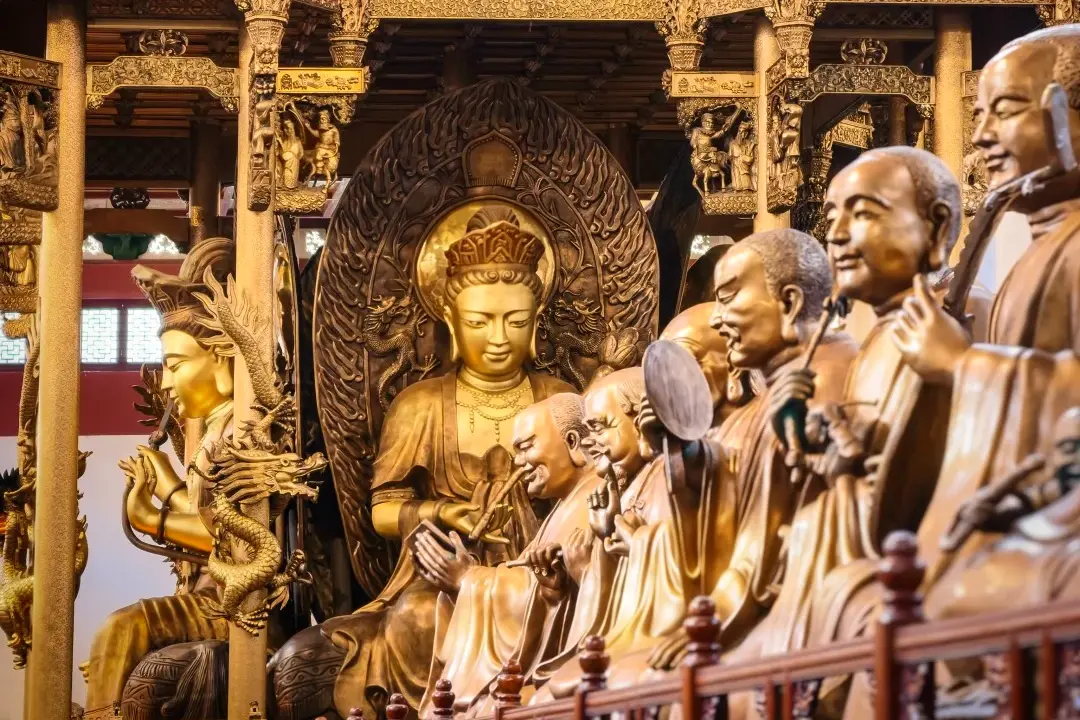

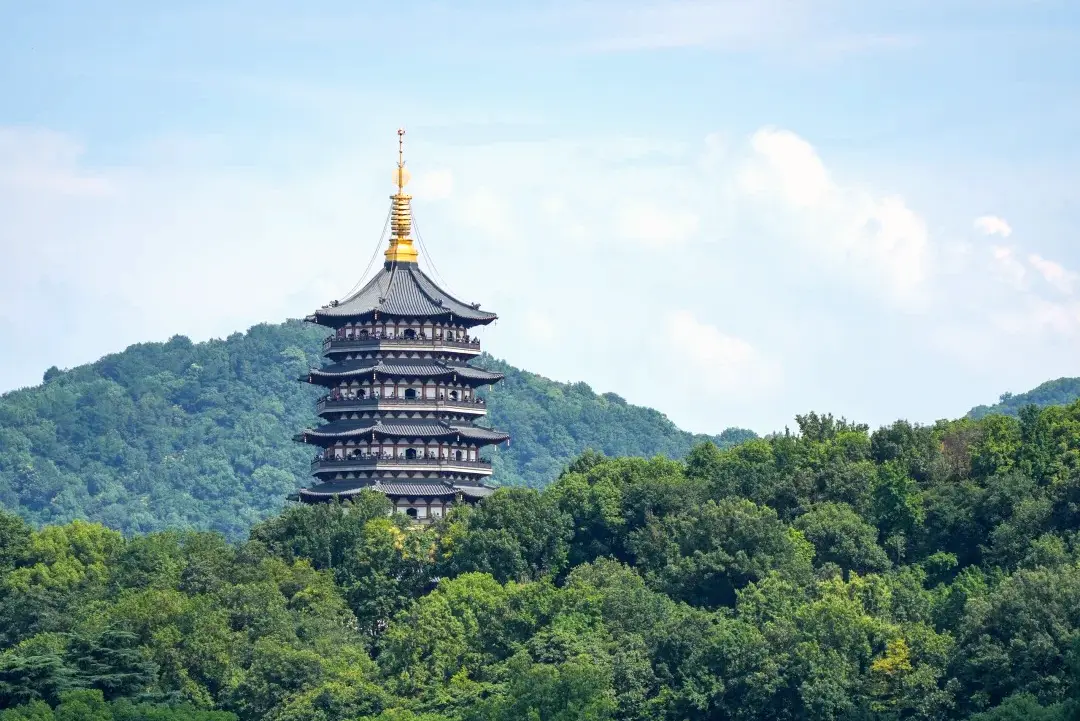
Hangzhou budget note: West Lake and the Lingyin–Feilai Feng area together cover a full day of first-rate sightseeing with no standard admission charge. Budget instead for boats, pagoda entries and anything you add along the way.
Shanghai: Gardens, Skyline Views and Modern Museums
Shanghai is the easiest of the five cities to sightsee cheaply — provided you are disciplined about observation decks, which are the one place where costs climb fast.
Attraction | Adult admission | Additional costs |
The Bund | Free | Huangpu River cruises charged separately |
Yuyuan Garden | CNY 40 peak / CNY 30 off-season (verify current off-season fare) | Optional guided experiences |
Shanghai Museum East | Free general admission | Special exhibitions may be ticketed |
Oriental Pearl Tower | CNY 199 (two-sphere ticket) | Higher packages and cruises extra |
Shanghai Tower Observation Deck | CNY 180 (118th floor observation deck - verify current fare) | Combined packages cost more |
Shanghai Natural History Museum | CNY 30 | Special activities extra |
1. Yuyuan Garden
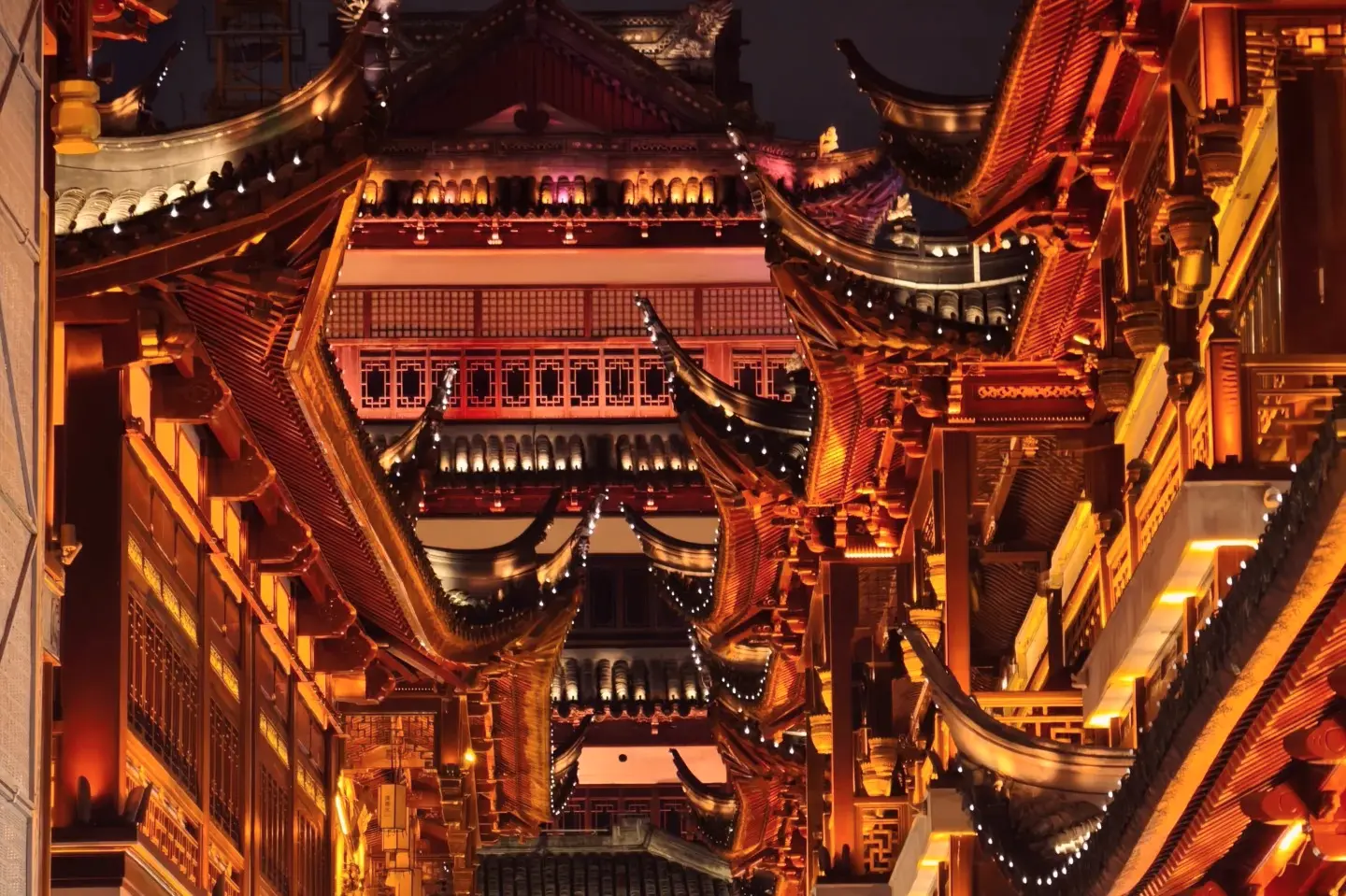
Yuyuan is a Ming-dynasty scholar's garden compressed into a few acres of rockeries, ponds and carved doorways — best visited early, before the surrounding bazaar fills up. Admission runs on a peak and off-season split, with the higher rate applying from April to June and September to November.
The bazaar outside the garden walls is free and is where most visitors end up eating, which makes the garden an easy add-on rather than a destination in itself.
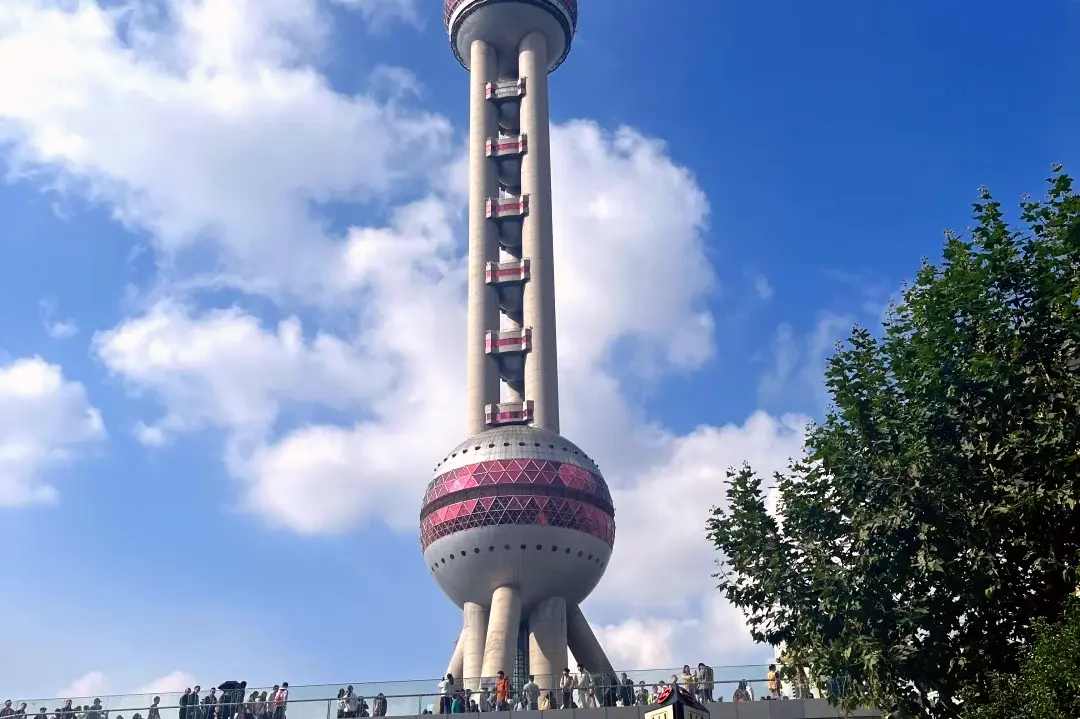
2. Oriental Pearl Tower and Shanghai Tower
Both towers sell the same thing — the city from above — so choose one rather than both. The Oriental Pearl's two-sphere ticket is the classic version and includes the glass-floor section; Shanghai Tower's 118th-floor deck is the higher and more contemporary experience.
Packages bundling river cruises or extra floors are where the price jumps, so compare what is actually included before buying.
3. Shanghai museums and free attractions
The permanent galleries at Shanghai Museum East are free, and the building itself is worth the trip; only the touring special exhibitions carry a charge. The Bund needs no ticket at all — the historic waterfront on one bank and the Pudong skyline on the other make it the best free hour in the city.
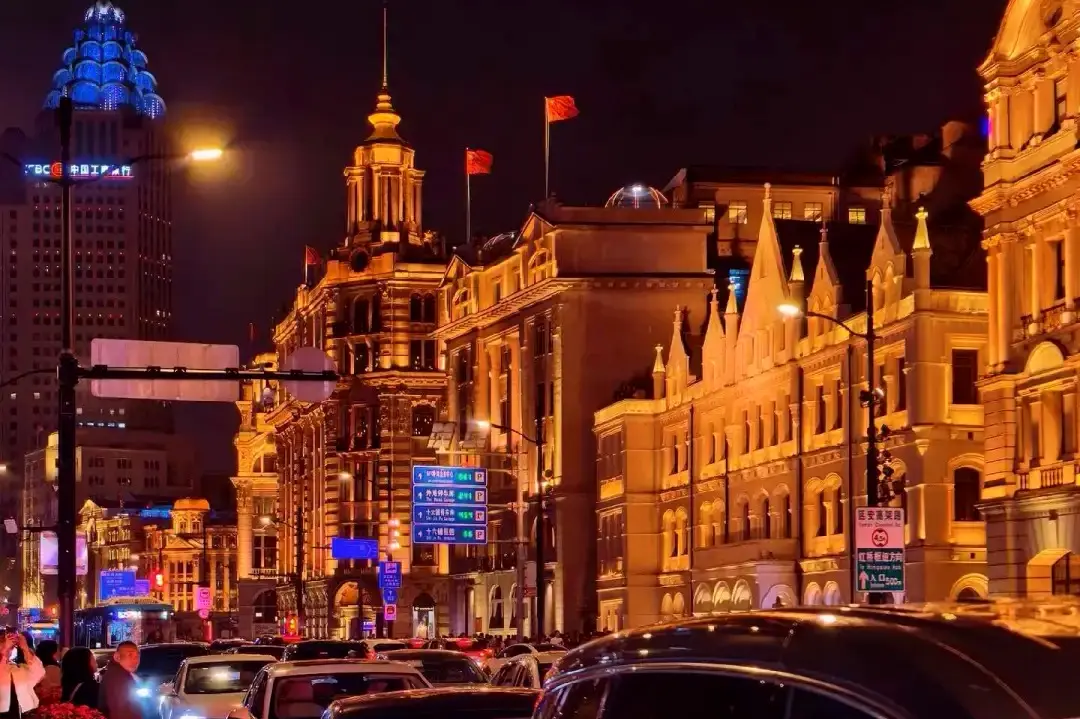
Shanghai budget note: a full day around the Bund and Shanghai Museum costs nothing in admission. Add Yuyuan Garden or one observation deck if they appeal, and treat river cruises and combination packages as optional.
Planning around these prices
Three patterns hold across all five cities. Seasonal pricing is real at the imperial sites and gardens, and travelling in the off-season months cuts admission noticeably. The headline ticket is rarely the full cost — cable cars, shuttles, boats and combined tickets are where budgets drift. And the most memorable stops are frequently the free ones: West Lake, the Bund, Lingyin, Jinli, People's Park and the Shaanxi History Museum all cost nothing to enter.
Build the itinerary around one paid headline attraction a day, keep a small buffer for transport inside the sites, and book anything real-name well ahead — the reservation system, not the price, is usually what limits a visit.
China Private Guide Rates: What Should You Expect?
Hiring a private guide in China is not a single product with a single price. The same "English-speaking guide, one day, Beijing" can legitimately be quoted at CNY 600 or CNY 1500 depending on what is bundled in. This guide explains how private guiding is actually sold in China, which factors move the quote, what a fair per-person range looks like, and how to compare two proposals that look similar on the surface but are not.
All figures below are per person, in CNY, and expressed as planning ranges rather than fixed prices. They reflect market rates in 2026 quoted by licensed agencies and established platforms, cross-checked against direct agency quotations. There is no national fee schedule for private guiding in China, and any source that presents one exact number for a city should be treated with caution.
What you are actually buying: service types
Most confusion about guide pricing comes from comparing different products.
Service type | What it means | Typical use |
Licensed guide only | A certificated guide meets you at the site or hotel and travels with you by metro, taxi or your own arrangement. No vehicle included. | City sightseeing, museums, walking days |
Guide with private car and driver | Two people: a guide who looks after you, and a driver who handles the vehicle. The standard for multi-stop days. | Day trips, Great Wall, out-of-town sites |
The distinction matters because a "guide" quote and a "guide with car" quote can differ by 100–150% for the same day, and neither is wrong — they are different products. Hiring a guide only is best suited to travelers who are already familiar with getting around China. For first-time visitors, we recommend choosing a guide with a private car for a smoother, more convenient travel experience.
One more distinction worth knowing: a licensed guide holds a certificate issued under the Ministry of Culture and Tourism system. An unlicensed translator or a hotel concierge's friend may be cheaper and perfectly pleasant, but may not be authorized to enter certain sites using a guide credential, handle relevant permit paperwork, or provide the same level of professional accountability if something goes wrong.
What drives the quote
Factor | Effect on price | Notes |
City | High | Beijing and Shanghai are the most expensive; Xi'an, Chengdu, Guilin and Kunming are lower |
Language | High | English is the benchmark. Spanish, French, German, Italian and Russian guides are scarcer and typically add 20–40% |
Season | Medium–high | Spring Festival, May Day and National Day weeks add 20–30%; guides sell out weeks ahead |
Group size | High per person, flat per group | A guide's day rate is per group, so per-person cost falls sharply as the group grows |
Inclusions | High | Tickets, meals, vehicle, fuel, tolls and parking can double the headline rate |
Region | High | Tibet requires a licensed guide, permits and an organised itinerary — the most expensive guiding in China |
Lead time | Medium | Limited availability during peak seasons may lead to higher rates. Advance booking is recommended to secure your preferred guide. |
Per-person rates for a guide-only day (8 hours)
These figures cover the guide's service only. No vehicle, no tickets, no meals, no hotel, no intercity transport.
Group size | Beijing / Shanghai | Xi'an / Chengdu / Hangzhou | Guilin / Kunming / Zhangjiajie |
1 traveller | CNY 850–1,300 | CNY 650–1,000 | CNY 600–900 |
2 travellers | CNY 425–650 | CNY 325–500 | CNY 300–450 |
4 travellers | CNY 215–325 | CNY 165–250 | CNY 150–225 |
6 travellers | CNY 145–215 | CNY 110–170 | CNY 100–150 |
Adding a vehicle: capacity changes the maths
This is the single most common source of mismatched quotes. A "7-seat van" seats seven including the driver — six passengers — and with luggage for a multi-day trip it comfortably carries four to five. Quoting a family of six into a 7-seat van without a trailer or roof rack is a planning error that shows up on day one.
Vehicle | Nominal seats | Realistic travellers with luggage | Typical cost per day (CNY) |
Sedan | 5 | 2–3 | 600–900+ |
7-seat MPV / van | 7 | 3–5 | 900–1,300+ |
9-seat van | 9 | 5-7 | 1,200–1,800+ |
15–17 seat minibus | 15–17 | 10–12 | 1,400–2,000+ |
33–45 seat coach | 33–45 | 25–35 | 2,500–4,000+ |
Vehicle costs generally include a professional driver, fuel, tolls, parking, and the driver's meals and overnight accommodation on multi-day trips. Always confirm the vehicle type, luggage capacity and service inclusions when booking.
Private Tour Guide Fees: What's Included and What's Extra?
When booking a private guide in China, it's important to understand the difference between guide-only services and guide-with-car services. They have different pricing structures and inclusions.
1. Guide-Only Service
A guide-only fee generally covers the guide's professional service, including sightseeing commentary, language assistance and itinerary guidance during the agreed hours.
However, the fee usually excludes:
Attraction tickets: Admission tickets for both travelers and the guide, where required, are paid separately.
Meals: Travelers cover their own meals. The guide's meals may also need to be covered during longer or multi-day tours.
Accommodation: For multi-day trips outside the guide's home city, accommodation arrangements and costs should be confirmed in advance.
Transportation: Public transport, taxis or other local transportation expenses are generally paid separately.
Overtime: Additional hours beyond the agreed service period are usually charged extra.
2. Guide with PrivateCar
A guide-with-car service combines professional guiding with private transportation, making it more convenient for travelers who prefer door-to-door service.
The quoted price generally includes:
Professional guide: A private guide providing commentary and assistance throughout the agreed itinerary.
Private vehicle: A vehicle suitable for your group size and luggage requirements.
Driver and fuel: A professional driver and standard fuel costs.
Tolls and parking: Normal highway tolls and parking fees during the tour.
The following expenses may be charged separately, depending on the service provider:
Attraction tickets: Admission tickets for travelers and the guide, where applicable.
Meals: Travelers' meals and, depending on the arrangement, the guide's and driver's meals.
Accommodation: Hotel costs for travelers and overnight accommodation for the guide and driver on multi-day trips.
Overtime: Additional guiding or vehicle service hours beyond the agreed schedule.
Tipping is not mandatory in China, but it is appreciated for good service
China Trip Cost Examples: 7, 10 and 14-Day Itineraries
Example 1: 7 Days in Beijing and Xi'an
Trip assumptions:
Item | Details |
Route | Beijing (3 nights) → High-speed rail to Xi'an → Xi'an (3 nights) |
Group size | 2 travellers |
Accommodation | 4-star hotel, one double room |
Transport | Private sedan with driver for 6 sightseeing days; high-speed rail between cities |
Guiding | Licensed English-speaking guide, 4 days |
Budget includes | Hotels, intercity rail, private vehicle, guide, local transfers, attraction tickets and meals |
Cost item | Estimated cost | Notes |
Hotels, 6 nights | CNY 1,300–2,100 | Approximately CNY 500–800/night in Beijing and CNY 350–600/night in Xi'an, shared by two |
Private guide, 4 days | CNY 1,400–2,000 | Based on CNY 700–1,000 per group per day, shared by two |
Sedan and driver, 6 days | CNY 2,100–3,000 | Estimated CNY 700–1,000 per vehicle per day |
High-speed rail | CNY 500–620 | Beijing–Xi'an, second-class seat, one way |
Additional local transfers | CNY 100–200 | For journeys not covered by the private vehicle |
Attraction tickets | CNY 450–700 | Allowance for the Forbidden City, Great Wall, Terracotta Warriors and Xi'an City Wall |
Meals, 7 days | CNY 840–1,400 | Approximately CNY 120–200 per person per day |
Total per person | CNY 6,690–10,020 | |
What could change the budget?
Upgrading to a 5-star hotel, choosing premium vehicle models or adding more guided days will increase the overall cost. Travellers can also reduce expenses by using public transport on selected days instead of booking a private car throughout the trip.
Example 2: 10 Days in Beijing, Xi'an and Chengdu
Trip assumptions:
Item | Details |
Route | Beijing (3 nights) → Xi'an (2 nights) → Chengdu (4 nights) |
Group size | 4 travellers |
Accommodation | 4-star hotel, two double rooms |
Transport | Private 7-seat MPV with driver for 8 sightseeing days; high-speed rail between cities |
Guiding | Licensed English-speaking guide, 6 days |
Budget includes | Hotels, intercity rail, private vehicle, guide, local transfers, attraction tickets and meals |
Cost item | Estimated cost | Notes |
Hotels, 9 nights | CNY 1,800–3,000 | Beijing CNY 500–800, Xi'an CNY 350–600 and Chengdu CNY 350–600 per room per night; shared by two |
Private guide, 6 days | CNY 1,050–1,500 | Based on CNY 700–1,000 per group per day, shared by four |
MPV and driver, 8 days | CNY 1,800–2,600 | Estimated CNY 900–1,300 per vehicle per day |
High-speed rail, 2 journeys | CNY 780–920 | Beijing–Xi'an and Xi'an–Chengdu, second-class seats |
Additional local transfers | CNY 150–250 | For journeys not covered by the private vehicle |
Attraction tickets | CNY 700–1,000 | Allowance for major attractions in all three cities |
Meals, 10 days | CNY 1,200–2,000 | Approximately ¥120–200 per person per day |
Total per person | CNY 7,480–11,270 | |
What could change the budget?
Four travellers can share the cost of a private vehicle and guide, making this a practical group size for a private trip. However, luggage space should be checked before choosing a 7-seat MPV. A 9-seat van may be more comfortable for four travellers with several large suitcases.Adding extra guided days or choosing higher-category hotels will increase the budget.
Example 3: 14 Days in Beijing, Xi'an, Chengdu, Guilin and Shanghai
Trip assumptions:
Item | Details |
Route | Beijing (3 nights) → Xi'an (2 nights) → Chengdu (3 nights) → Guilin and Yangshuo (3 nights) → Shanghai (2 nights) |
Group size | 6 travellers |
Accommodation | 4-star hotel, three double rooms |
Transport | Private 15-seat minibus with driver for 11 sightseeing days; high-speed rail and domestic flights between cities |
Guiding | Licensed English-speaking guide, 10 days |
Budget includes | Hotels, intercity rail, domestic flights, private vehicle, guide, local transfers, attraction tickets and meals |
Cost item | Estimated cost | Notes |
Hotels, 13 nights | CNY 2,775–4,650 | Estimated room rates: Beijing CNY 500–800, Xi'an CNY 350–600, Chengdu CNY 350–600, Guilin/Yangshuo CNY 400–700 and Shanghai CNY 550–900 per night; shared by two |
Private guide, 10 days | CNY 1,170–1,830 | Based on CNY 700–1,100 per group per day, shared by six |
Minibus and driver, 11 days | CNY 2,567–3,667 | Estimated CNY 1,400–2,000 per vehicle per day |
High-speed rail, 2 journeys | CNY 780–920 | Beijing–Xi'an and Xi'an–Chengdu, second-class seats |
Domestic flights, 2 journeys | CNY 1,400–2,600 | Chengdu–Guilin and Guilin–Shanghai; indicative one-way economy fares |
Additional local transfers | CNY 200–350 | For journeys not covered by the private vehicle |
Attraction tickets | CNY 900–1,400 | Allowance for major attractions across the five destinations |
Meals, 14 days | CNY 1,680–2,800 | Approximately CNY 120–200 per person per day |
Total per person | CNY 11,552–20,217 | |
What could change the budget?
For a longer trip covering five destinations, accommodation choices and domestic flight prices can have a substantial impact on the final budget. Booking flights early may help secure better fares, while reducing the number of privately guided days can lower guide costs.
A 15-seat minibus offers additional room for luggage and a more comfortable journey for six travellers, although a smaller vehicle may be sufficient if luggage is limited.
How to compare two quotes
Two proposals that both say "private guide, 14 days, 6 people" can differ by 40% and both be honest. Work through these six checks before deciding.
Check | Why it matters |
How many travellers is the quote based on? | Guide and vehicle costs divide by group size; ask for the assumed number |
How many guided days, and how many hours per day? | "14-day tour" does not mean 14 guided days; count them |
What vehicle, and how many seats? | Seats include the driver; luggage reduces practical capacity |
Are attraction tickets included? | Attraction tickets are usually charged separately and calculated based on the actual attractions included in your itinerary. |
Are meals included, and how many? | Breakfast is usually in the room rate; lunches and dinners are not |
Are intercity trains and flights included? | Flights can swing by CNY 500–1,000 per person depending on booking date |
A credible quote states all six. A quote that states only a total is not comparable to anything.
China Travel Costs by City
Not every Chinese destination has the same cost structure. Major international cities tend to have more expensive accommodation and premium services, while some cultural and scenic destinations offer more affordable local experiences.
The following comparison is a practical planning guide, not an official numerical ranking.
City | Main cost considerations | Travel budget outlook |
Shanghai | Premium hotels, business districts and international dining | Higher |
Beijing | Accommodation, private guides and major heritage sites | Higher |
Shenzhen | Business hotels and urban transport | Mid-to-high |
Hangzhou | Lakeside hotels and seasonal demand | Mid-to-high |
Guangzhou | Trade fairs and accommodation demand | Mid-range |
Suzhou | Hotels near historic gardens and popular sightseeing areas | Mid-range |
Xi'an | Heritage attractions, guides and local transport | Mid-range |
Chengdu | Hotels, panda-related experiences and local transport | Mid-range |
Chongqing | Urban transport, food and accommodation | Mid-range |
Harbin | Winter accommodation and ice festival season | Highly seasonal |
Zhangjiajie | Scenic-area tickets, shuttle transport and cable cars | Variable |
Guilin | Scenic accommodation and river excursions | Mid-range |
Kunming | Accommodation and transport for Yunnan itineraries | Mid-range |
Lhasa | Permits, organized tours, guiding and transport | Special planning required |
Which cities are more suitable for a lower travel budget?
For visitors looking to balance sightseeing and spending, Xi'an, Chengdu, Chongqing, Guilin and Kunming are worth considering.
Xi'an combines major historical attractions with relatively convenient local transport. Chengdu offers a mix of food, urban sightseeing and panda experiences. Guilin and Kunming can also work well for travelers planning scenic or longer regional journeys.
Shanghai and Beijing remain excellent choices for first-time visitors, but accommodation and private services may require a larger budget.
Daily Travel Budgets in China
There is no single daily budget that works for every international traveler. The following categories are intended to help you think about the type of trip you want to take.
Travel style | Typical arrangements | Main budget considerations |
Budget | Hostels or simple hotels, public transport, local restaurants | Accommodation (CNY 150–300/night), local food (CNY 80–150/person/day), intercity transport |
Mid-range | Comfortable hotels, a mix of public transport and taxis, selected guided tours | Hotel location (CNY 400–700/night), attraction tickets, mid-range food (CNY 150–250/person/day), occasional private services |
Premium | Five-star hotels, private vehicles, English-speaking guides and flexible sightseeing | Accommodation (CNY 1,000+/night), vehicle hire, premium dining (CNY 300–600/person/day) and personalized services |
When calculating your total trip budget, remember to add intercity transport separately. A ten-day journey covering Beijing, Xi'an and Shanghai will have a different transportation cost from a ten-day stay in one city.
For families, also allow for children's tickets, larger vehicles, child seats where available and additional luggage space.
Food Costs and Daily Expenses
Food costs vary significantly by city - Shanghai, Beijing and major international destinations have higher prices than Chengdu, Xi'an, Chongqing and Kunming. Tea house visits, cultural dining experiences and evening shows with dinner are additional costs to budget for.
Premium travelers: CNY 300–600+ per day (fine dining, international cuisine, hotel restaurants)
Mid-range travelers: CNY 150–250 per day (sit-down local restaurants, occasional international meals)
Budget travelers: CNY 80–150 per day (local street food, noodle shops, budget restaurants)
Daily food cost reference per person:
Food is another variable cost that depends heavily on your travel style, destination and personal preferences. China offers dining options ranging from street food stalls and local noodle shops to international five-star hotel restaurants.
Hidden Costs International Travelers Should Know
Some expenses are easy to overlook when planning a trip to China.
Mobile payment fees: Overseas bank cards linked to Alipay or Weixin Pay may incur a 3% service fee on transactions above CNY 200. This fee is charged directly by the payment platform, not by the travel agency or merchant as an additional surcharge. Check the fee displayed on the payment screen before confirming larger transactions.
Attraction add-ons: Shuttle buses, cable cars, sightseeing lifts and boat trips may not be included in the main admission ticket.
Hotel deposits: Some hotels request a refundable deposit or card pre-authorization. Ask about the amount and release arrangements when checking in.
Accommodation registration: Hotels normally handle registration for foreign guests. Visitors staying in private residences or other non-hotel accommodation must follow the applicable registration requirements.
Airport transfers: Late-night arrivals, long distances and larger vehicles can increase transfer costs.
Connectivity: Budget for a suitable SIM card, eSIM or mobile data package, and check compatibility before departure.
Travel insurance: Consider medical expenses, trip interruptions and emergency assistance, particularly when visiting remote or high-altitude destinations.
How China Travel Costs May Change in 2027
China's travel prices do not all move in the same direction. Hotel rates, transport fares, attraction tickets and private services respond to different market conditions.
Based on available official statistics through 2026, several developments are worth watching.
Accommodation: Hotel prices in major gateway cities may remain sensitive to international visitor demand, business events and holiday travel. New hotel supply and competition can help moderate rates in some destinations.
Transportation: High-speed rail operators are using more flexible fare mechanisms. Travelers should compare actual ticket prices rather than assuming that published fare adjustments apply uniformly.
Attractions: Public attraction tariffs are generally published by individual operators or local authorities. Free-admission policies and seasonal ticket arrangements differ by destination.
Private services: English-speaking guides, private drivers and customized tours are quoted individually. Their costs depend on availability, itinerary complexity and service standards.
China Tourism Inflation: What the Official Data Shows
China does not publish a separate statistic called a tourism price index. One of the closest official indicators is the Consumer Price Index (CPI) subcategory for travel agencies and other touring services. According to the National Bureau of Statistics, this category rose by 3.2% year on year on average from January to October 2026, compared with a 0.9% increase in the overall CPI.
Read this figure narrowly. The subcategory covers travel agencies and other touring services, not hotel rooms, attraction tickets or tour guides individually. It therefore indicates the direction of prices for tourism-related services rather than predicting price increases for any single item in your travel budget.
Other published price changes illustrate why travel costs can move in different directions. From May 26, 2026, the published fare ceilings for certain high-speed and EMU trains on the Beijing–Shanghai and Hefei–Bengbu lines increased by 20%. However, this applied to published fares rather than every actual ticket price, as the railway continued to use a flexible discount-based pricing system. Meanwhile, the Lingyin–Feilai Feng Scenic Area in Hangzhou introduced free admission on December 1, 2025, reducing entrance costs for visitors to the area.
This is why the index in this guide reports individual cost components rather than one blended score: different travel expenses do not necessarily move in the same direction at the same time, and averaging them could hide the changes that matter most when planning a travel budget.
Source: National Bureau of Statistics of China, Consumer Price Index in October 2026, November 10, 2026.
Source: Beijing-Shanghai High Speed Railway Co., Ltd., Announcement on the Adjustment of Published Fares on the Beijing-Shanghai and Hefei-Bengbu High-Speed Railway Lines, May 11, 2026.
Source: Hangzhou Publicity Network, Announcement on Free Admission to Lingyin-Feilai Feng Scenic Area, November 19, 2025.
For a 2027 trip, the best approach is to compare hotel quotations, check official transport and attraction prices, and request a detailed quotation for any private tour before confirming your itinerary.
Plan Your China Trip with Confidence
Sources & Price Disclaimer
This guide is based on published information from official Chinese government departments, transport operators and attraction websites wherever available. Hotel rates and attraction ticket prices are reference figures, not guaranteed booking prices. Our China Travel Cost Index is an independent planning guide, and any 2027 estimates should be treated as indicative rather than confirmed averages.
Prices and policies may change, so we recommend checking the latest details before booking.
Plan Your China Trip with Us
Planning a trip to China? We'd be happy to help you put together an itinerary that suits your travel style and budget.
Simply tell us your travel dates, group size, preferred destinations and service preferences, along with any special interests or accessibility needs. We'll prepare a personalized itinerary with a clear cost breakdown covering accommodation, transport, attraction tickets and private services.






Traveler Discussions
Questions from travelers