
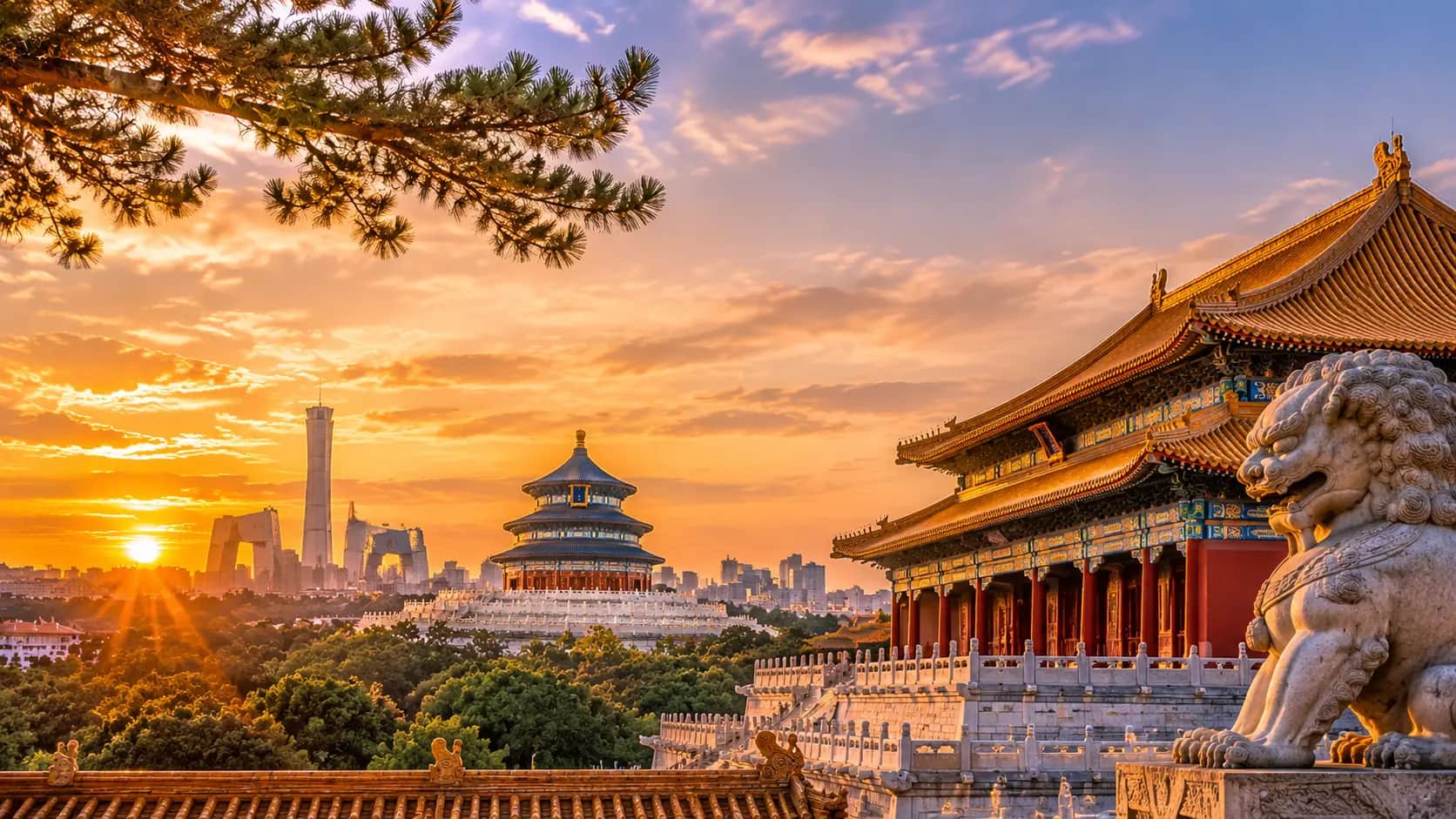
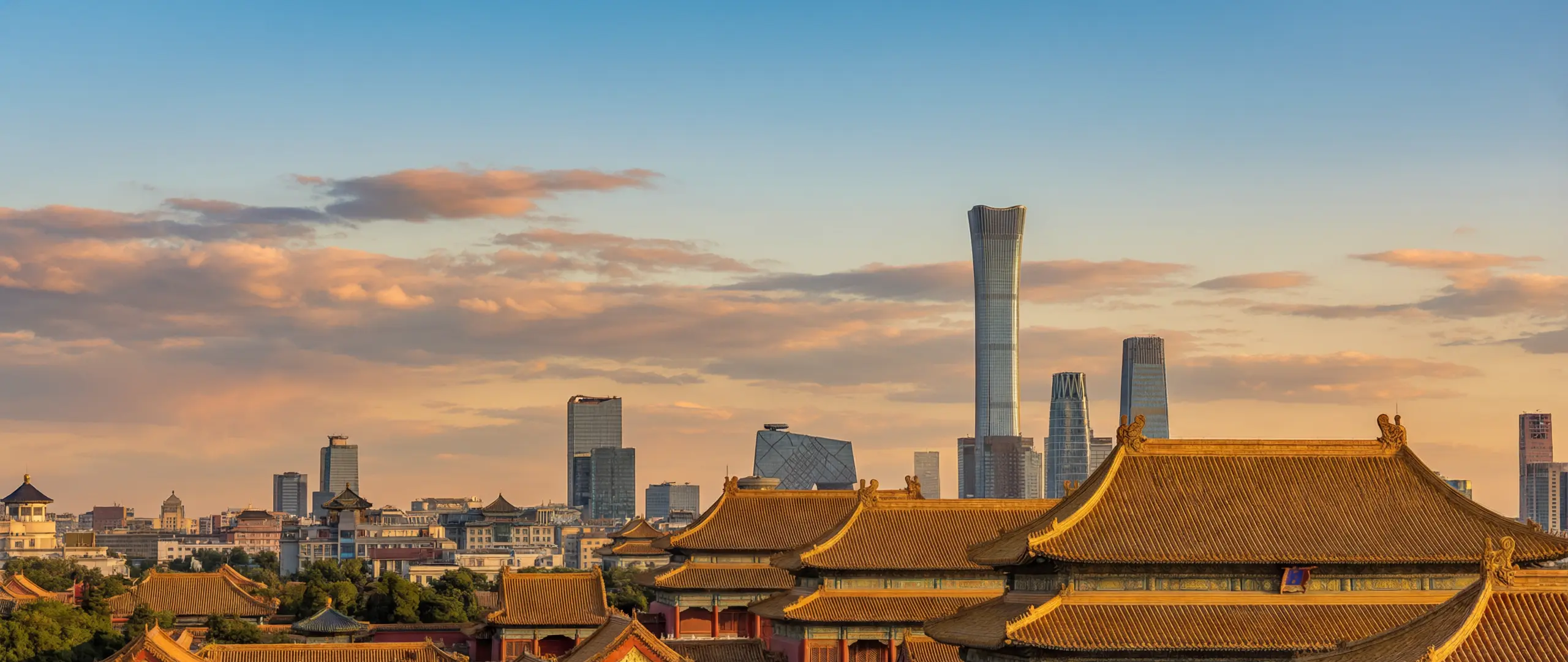
Beijing is a city of remarkable contrasts: imperial palaces and hutong lanes sit alongside contemporary art districts, glass towers and some of China's finest hotels and restaurants. Its historic core follows a north–south axis inscribed by UNESCO, and many of its greatest monuments — Tiananmen Square, the Forbidden City, Jingshan Park and the Temple of Heaven — lie within a few kilometres of one another. That is why a well-planned luxury trip here can feel unhurried rather than rushed.
For travellers seeking more than conventional sightseeing, Beijing offers the setting for a refined city escape: a morning with a private guide in the imperial palaces, an unhurried lunch of regional cuisine, an afternoon at the spa, and a day trip to the Great Wall. Luxury here is less about expensive hotels than about thoughtful choices — the right neighbourhood, enough time for each experience, well-told stories, and the flexibility to travel at your own pace. Whether you are planning a romantic getaway, a family holiday or a tailor-made China itinerary, this guide shows how to experience Beijing with comfort, character and a deeper sense of place.
Why Choose Beijing for a Luxury Holiday
Beijing is especially rewarding for travellers who appreciate history, architecture, culture and fine dining. Few cities let visitors move so easily between imperial heritage and contemporary urban life — and even fewer combine that range with hotels and restaurants of genuine international standard. A well-planned luxury holiday can include renowned heritage, exceptional accommodation, a diverse dining scene, private cultural experiences, and a balance of activity and relaxation.
One of Beijing's greatest advantages is its variety. You do not have to choose between a genuine cultural experience and modern comfort; with the right planning you can enjoy both, often on the same day.
What "luxury" really means here. In Beijing, luxury is less about marble lobbies than about space, access and interpretation. Space: an all-suite room after a long flight. Access: entry to the Forbidden City when it is fully booked, a quiet early start at the Great Wall. Interpretation: a guide who can explain why the Hall of Supreme Harmony carries ten roof animals, not nine. Those three things define a memorable trip more than thread count.
Beijing at a Glance
The essentials that shape how a luxury trip actually runs on the ground. Beijing is vast in area but its historic centre is easy to navigate; most first-time visitors base themselves in Wangfujing or Dongcheng for the imperial sights, or in Sanlitun or the CBD for contemporary dining and nightlife.
Detail | Useful information |
|---|---|
Language | Mandarin. English is widely spoken in international hotels and upscale restaurants, less so in hutongs and local shops. |
Time zone | GMT+8, no daylight saving. |
Airports | Beijing Capital (PEK), northeast of the centre; Beijing Daxing (PKX), about 50 km south. |
Airport rail | Capital Airport Express to Dongzhimen (roughly 25–40 minutes); Daxing Airport Express to Caoqiao (about 20 minutes). |
Metro | Distance-based fares, trains roughly 05:00–23:00, English signage throughout. |
Tipping | Not customary. Some upscale restaurants and hotels add a service charge. |
Mobile payment | Alipay and WeChat Pay dominate. Link a foreign card before arrival and carry a little cash. |
Emergency numbers | Police 110, ambulance 120, fire 119; tourism hotline 12301; civic hotline 12345. |
Visa-free entry | 240-hour visa-free transit for many nationalities (Beijing–Tianjin–Hebei area), plus 30-day visa-free entry for a wide list of passports. Check the current rules before booking. |
Best months | Late April to May, and mid-September to mid-October. |
For entry and transit policies in detail, see our China visa-free transit guide.
Where to Stay: Choosing the Best Luxury Hotels in Beijing
Choosing the right accommodation is one of the most important decisions on a luxury Beijing trip. The city is large, and different neighbourhoods offer very different experiences. Rather than picking a hotel by star rating alone, weigh the atmosphere you prefer, the places you plan to visit, and how you want to spend the time between sightseeing. For a full comparison of the city's leading properties, see our Beijing luxury hotels guide.
Which neighbourhood should you stay in?
Area | Atmosphere | Nearest metro | Best suited to | Watch-outs |
|---|---|---|---|---|
Wangfujing | Central, convenient, shopping and heritage | Lines 1, 5 and 8 | First-time visitors, luxury shoppers, families | Busy and touristy; some streets closed to cars |
Dongcheng (Gulou / Yonghegong) | Historic streets, hutongs, temples | Lines 2, 5 and 8 | Cultural travellers, repeat visitors | Fewer five-star options; narrower streets |
Qianmen | Traditional architecture, old Beijing feel | Lines 2 and 8 | Visitors after local character | Crowded pedestrian streets; limited luxury inventory |
Sanlitun | Contemporary lifestyle, restaurants, nightlife | Line 10; Lines 2/13 | Couples, returning visitors, design lovers | Evening traffic; no imperial sights on the doorstep |
CBD / Guomao | Modern skyline, business hotels, shopping | Lines 1 and 10 | Business-leisure travellers, skyline lovers | Quieter at weekends |
Shichahai / Houhai | Lakes, hutongs, traditional neighbourhoods | Line 8 | Travellers seeking atmosphere | Weekend crowds; fewer luxury facilities |
Summer Palace / Haidian | Gardens, lake, calm residential streets | Line 4 | Garden lovers, guests of Aman Summer Palace | Far from central dining and nightlife |
The Peninsula Beijing — classic luxury in the heart of the city
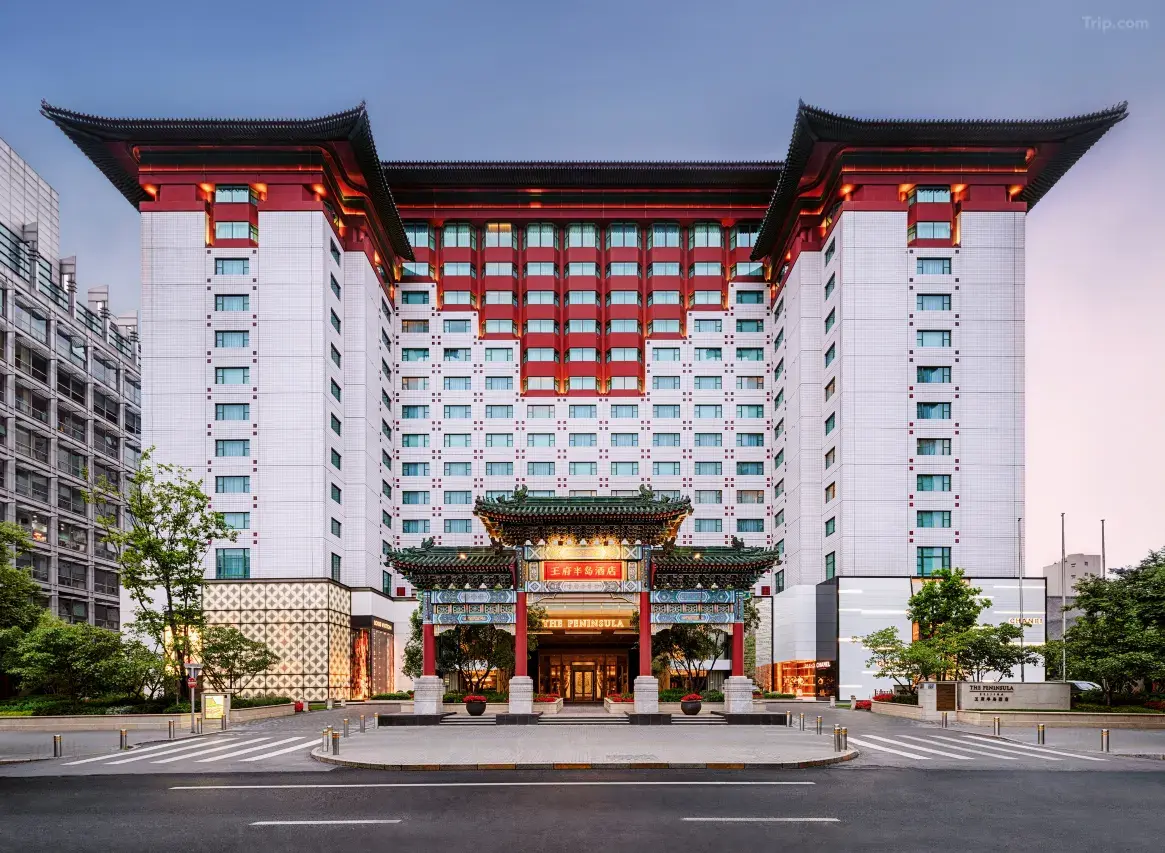
Address: 8 Goldfish Lane, Wangfujing, Dongcheng District, Beijing 100006
Chinese address (for taxi drivers): 北京市东城区王府井金鱼胡同8号,王府半岛酒店
Telephone: +86 10 8516 2888
Email: pbj@peninsula.com
Official website: peninsula.com/beijing
Nearest metro: Line 5, Dengshikou station, Exit A — about 5 minutes on foot. Line 1, Wangfujing station — about 10–12 minutes on foot.
From the airports: PEK about 27 km, 35–50 minutes by car; PKX about 55 km, 60–75 minutes. A pre-booked hotel transfer avoids taxi queues.
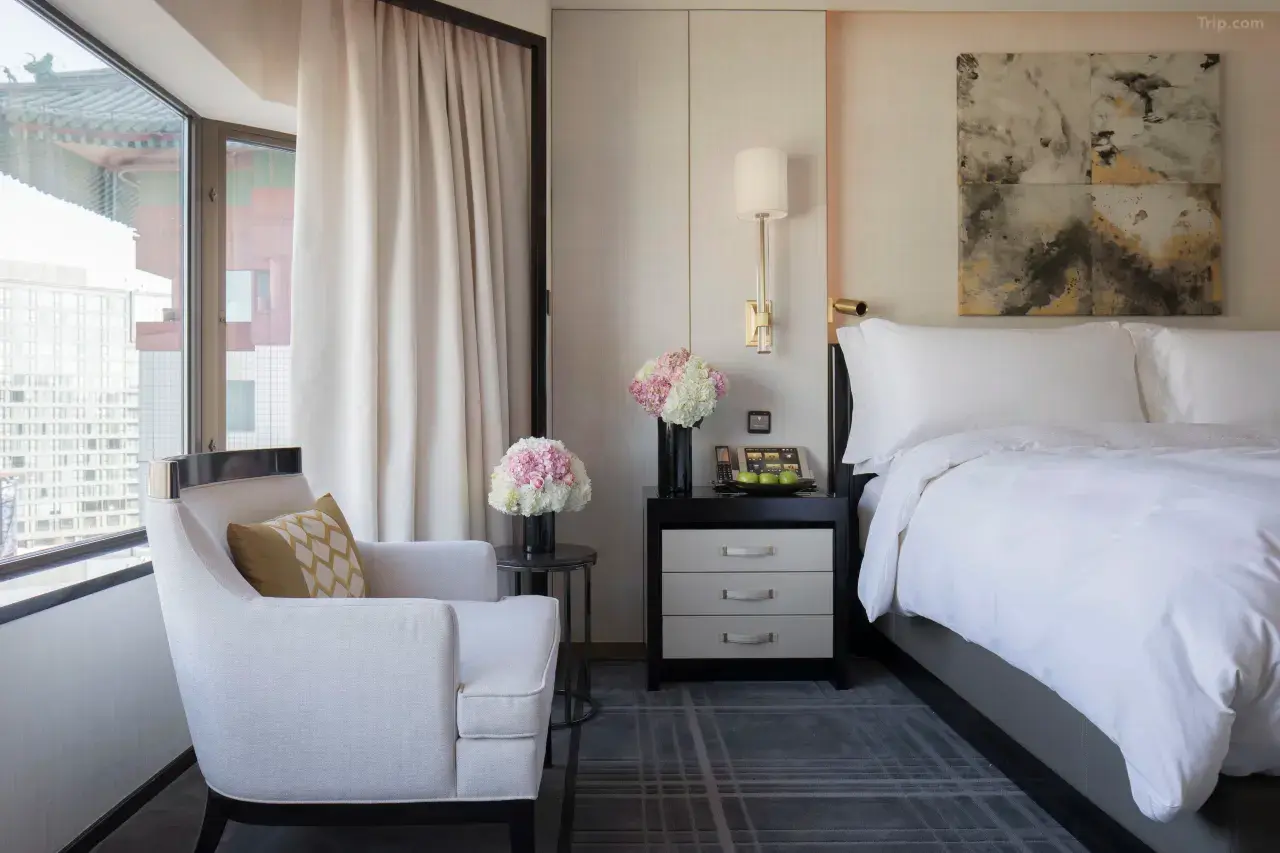
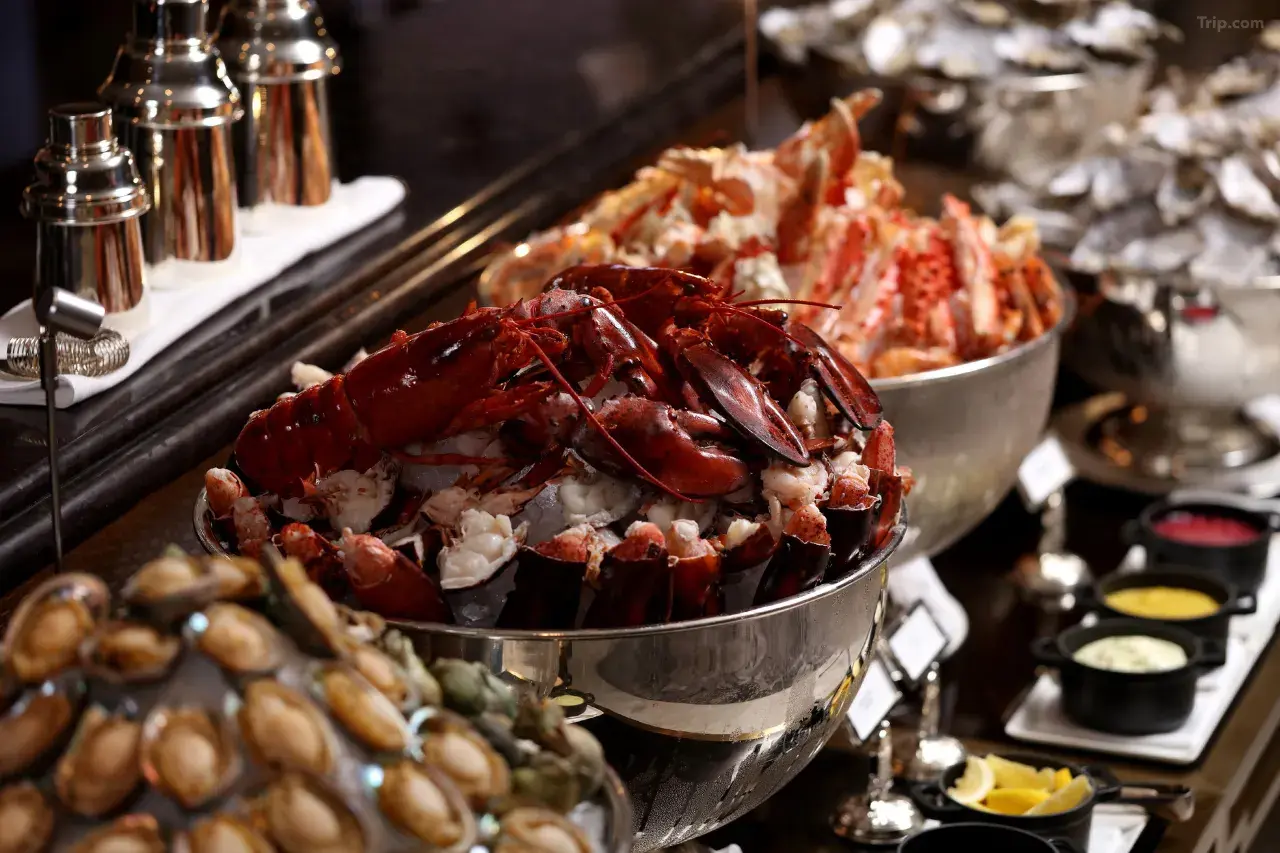
An excellent option if you want a prestigious central address within easy reach of the historic attractions. It is one of the few genuinely all-suite hotels in Beijing: a renovation merged the original rooms into larger suites, with the entry-level suite including a separate living area — which matters on a long-haul trip, and even more for families. Dining centres on Huang Ting, a Cantonese restaurant designed like a contemporary courtyard home, while the Lobby is the setting for the hotel's well-known afternoon tea. There is a spa, an indoor pool and a fitness centre, plus a curated programme of cultural experiences. A useful detail is the flexible arrival/departure concept that can allow check-in and check-out outside standard times subject to availability — worth confirming when you book. Best for first-time visitors, couples, luxury shoppers and families who value suite space and location.
The PuXuan Hotel and Spa — contemporary design and cultural character
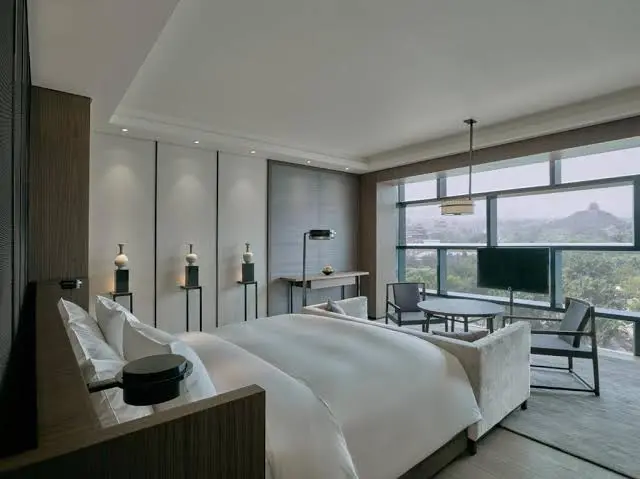
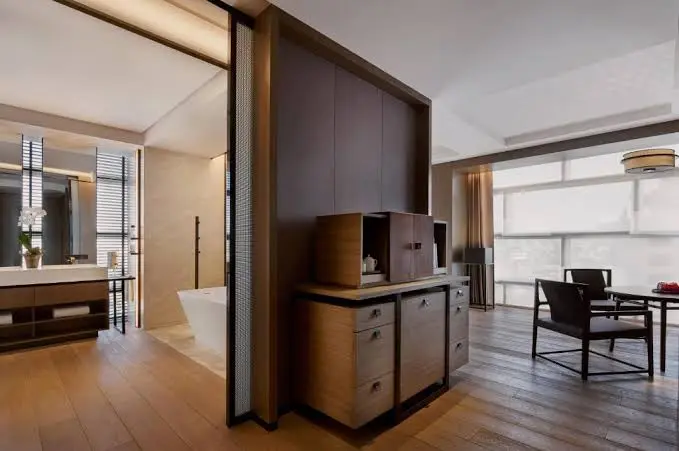
Address: 1 Wangfujing Street, Dongcheng District, Beijing 100006 (within the Guardian Art Center)
Chinese address (for taxi drivers): 北京市东城区王府井大街1号,璞瑄酒店(嘉德艺术中心)
Telephone: +86 10 5393 6688
Email: information@thepuxuan.com
Official website: thepuxuan.com
Nearest metro: Line 8, National Art Museum station — about 6–8 minutes on foot. Line 5, Dengshikou station — about 12–15 minutes on foot.
From the airports: PEK about 28 km, 40–55 minutes; PKX about 56 km, 65–80 minutes.
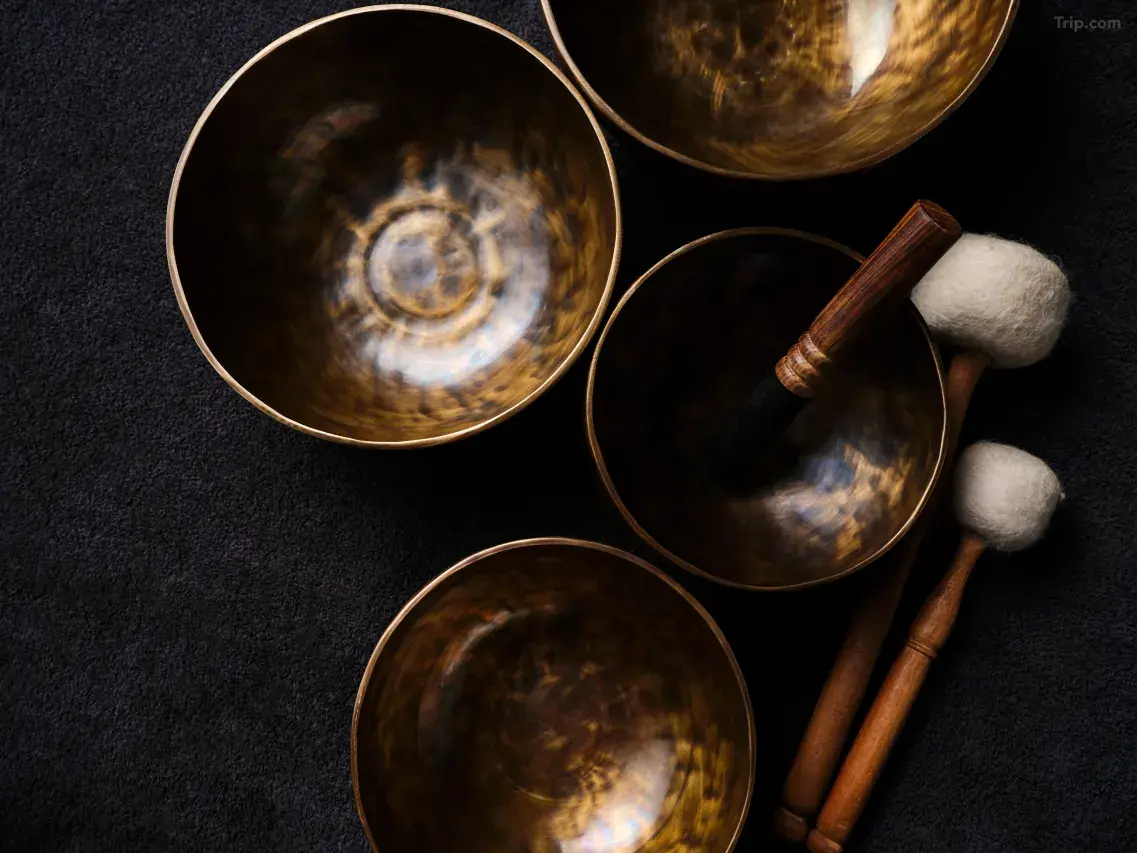
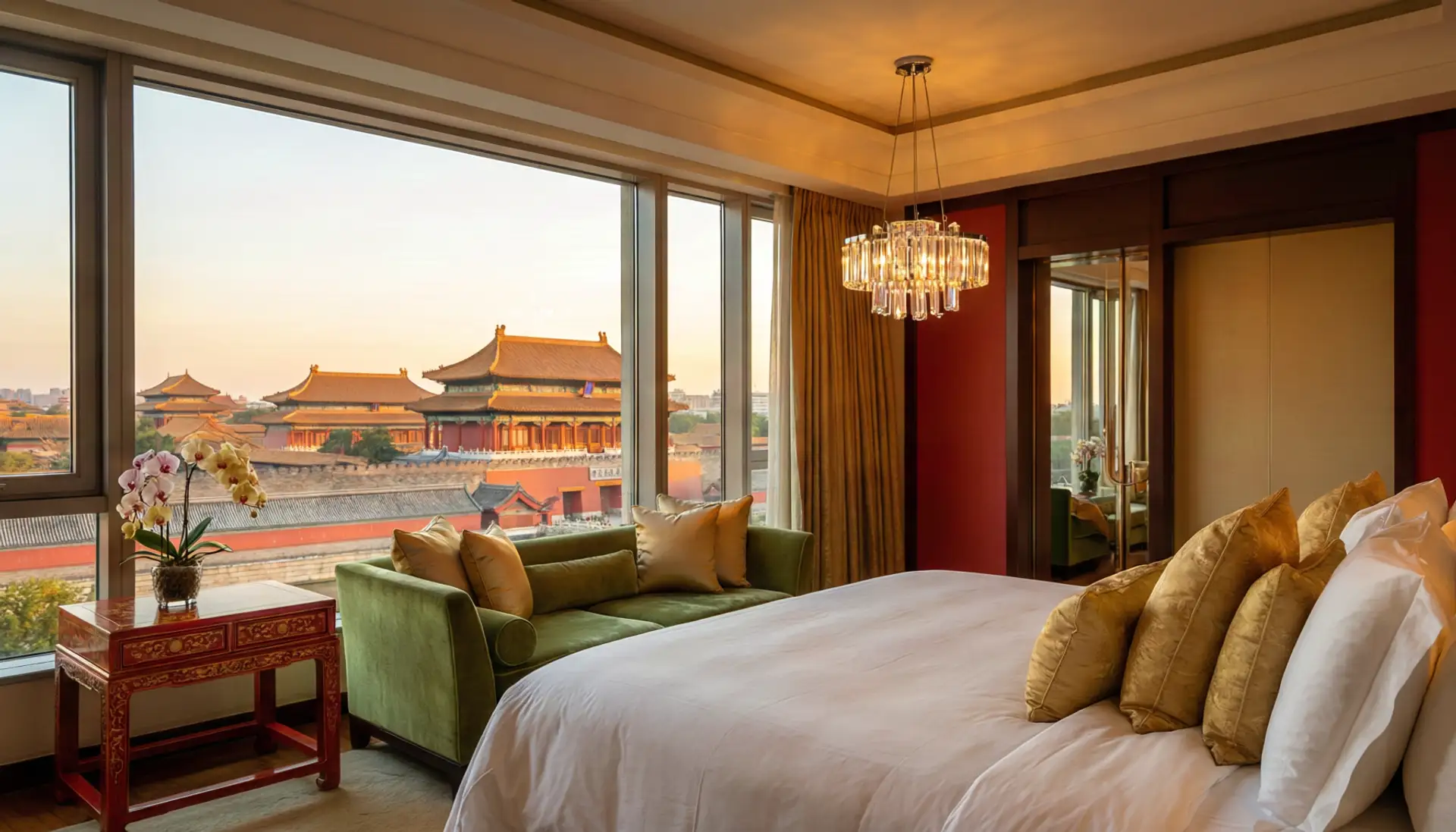
A more understated reading of luxury. Designed by Büro Ole Scheeren with interiors by MQ Studio, it occupies part of an art centre at the edge of the historic district, opposite a national art museum and a short walk from the Forbidden City's east side. With fewer than 120 rooms and suites, it feels more like a large private residence than a conventional hotel; a handful of rooms face the palace roofs, which should be requested at booking rather than assumed. Dining is a serious draw: a one-star Cantonese restaurant, a contemporary French dining room, a curated tea room and a flagship spa make it a destination in its own right. Best for design-conscious travellers, couples and museum-goers who prefer discreet, contemporary luxury.
Rosewood Beijing — a sophisticated urban retreat
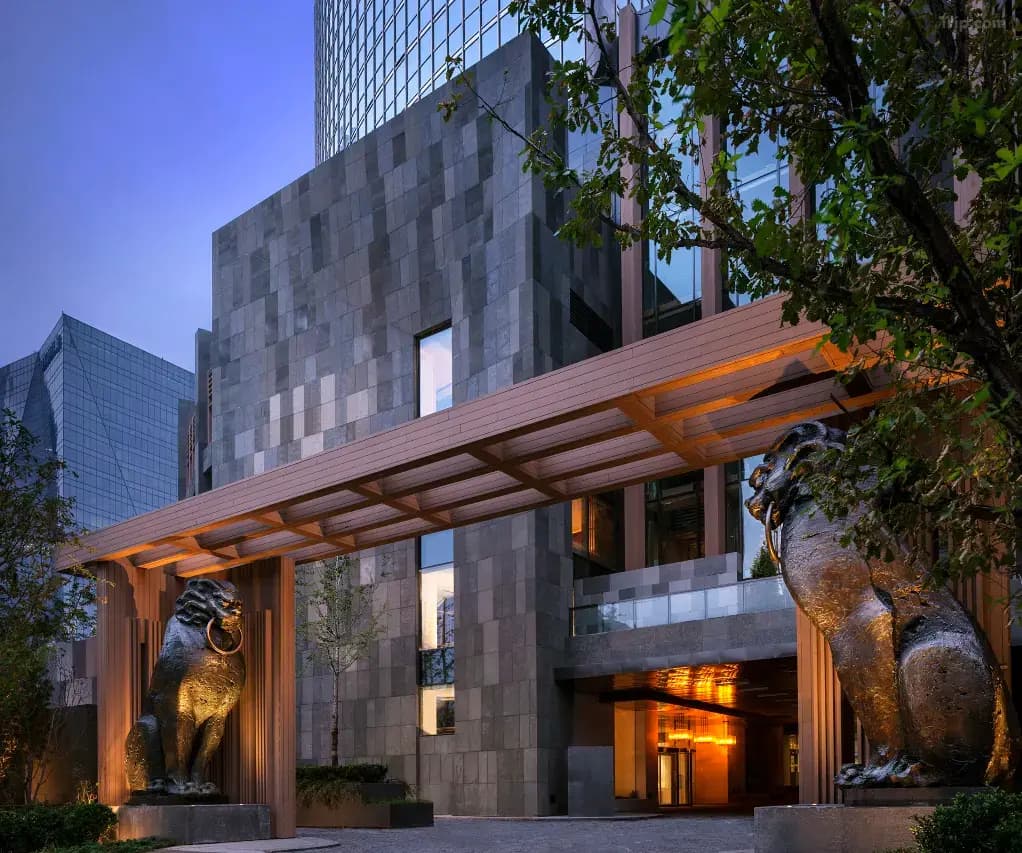
Address: Jing Guang Centre, Hujialou, Chaoyang District, Beijing 100020
Chinese address (for taxi drivers): 北京市朝阳区呼家楼京广中心,北京瑰丽酒店
Telephone: +86 10 6597 8888
Email: beijing@rosewoodhotels.com
Official website: rosewoodhotels.com/beijing
Nearest metro: Line 6 or Line 10, Hujialou station — about 3–5 minutes on foot.
From the airports: PEK about 24 km, 30–45 minutes; PKX about 58 km, 60–80 minutes.
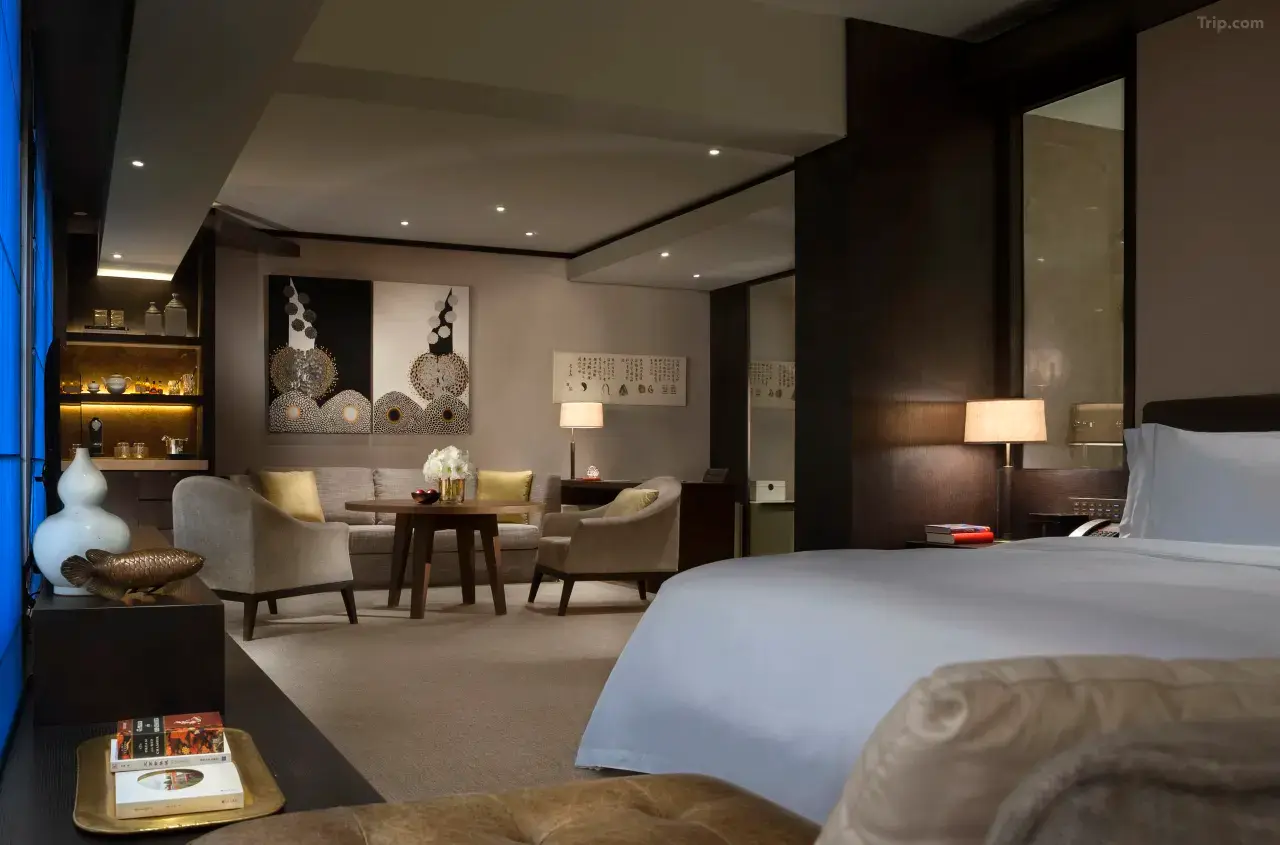
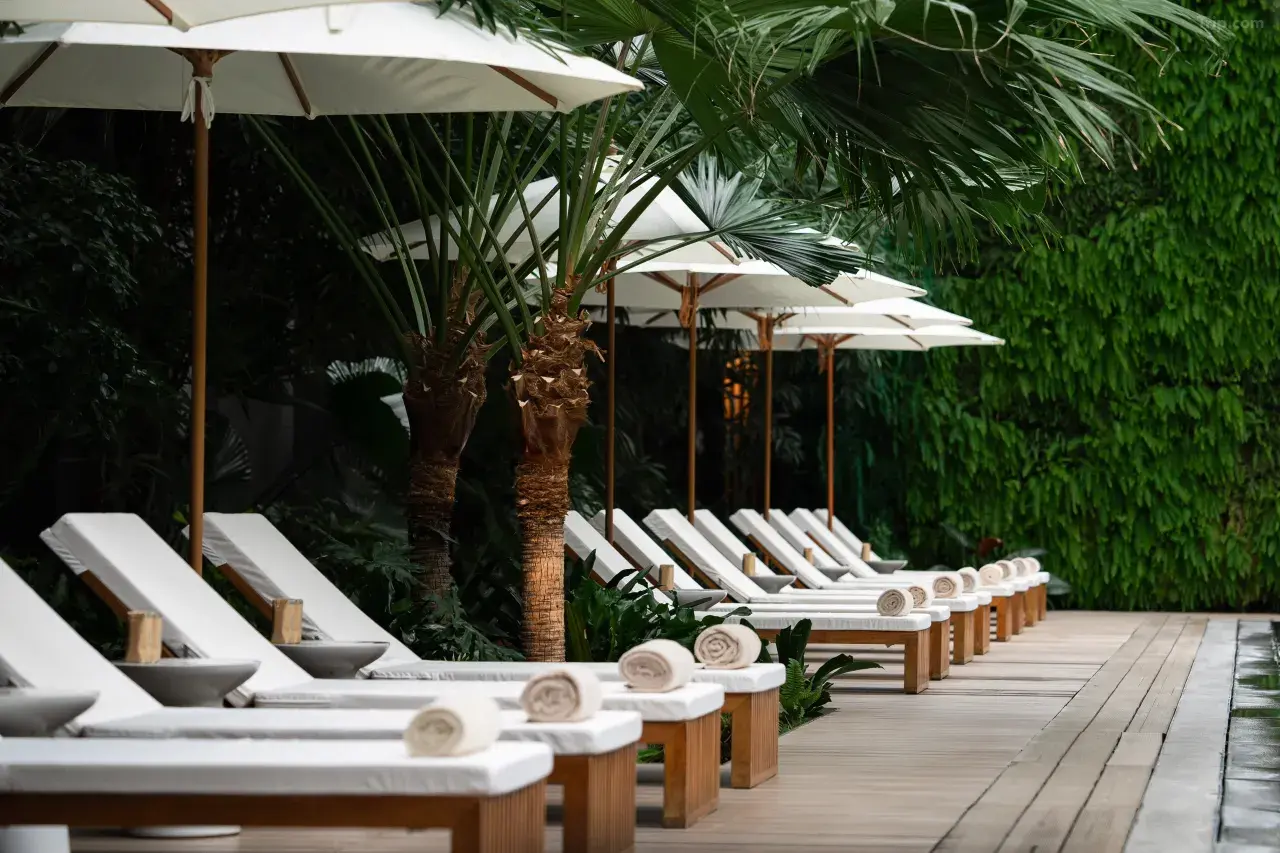
A strong choice for travellers who prefer the atmosphere of modern Beijing. Set in a Chaoyang landmark tower, it pairs refined rooms — generous by city standards — with an extensive line-up of dining and wellness. The restaurants range from Cantonese and imperial-inspired cooking to relaxed northern dishes, Sichuan hotpot and French comfort food; the spa is large, and the heated indoor pool is one of the biggest in the city, a genuinely pleasant place for an afternoon after a day of walking. The hotel also connects to the contemporary art scene, including curated visits to the 798 district. Best for returning visitors, business-leisure travellers and guests who enjoy modern dining and lifestyle experiences.
Aman Summer Palace — heritage, silence and the imperial garden
Address: 1 Gongmenqian Street, Summer Palace, Haidian District, Beijing 100091
Chinese address (for taxi drivers): 北京市海淀区颐和园宫门前街1号,颐和安缦
Telephone: +86 10 5987 9999
Email: amansummerpalace.res@aman.com
Official website: aman.com
Nearest metro: Line 4, Beigongmen station — about 3.5 km from the hotel; a short taxi ride is the practical connection.
From the airports: PEK about 35 km, 45–60 minutes; PKX about 65 km, 75–90 minutes.
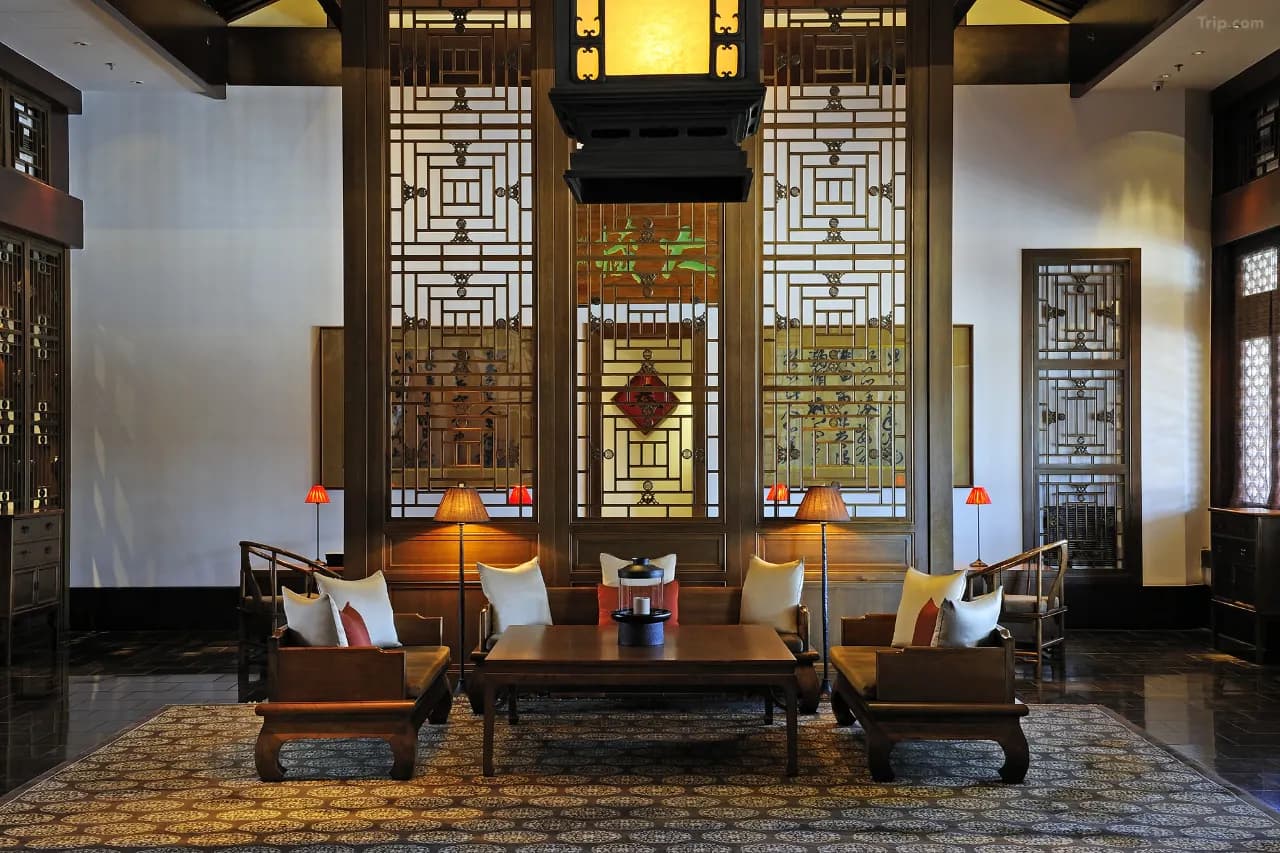
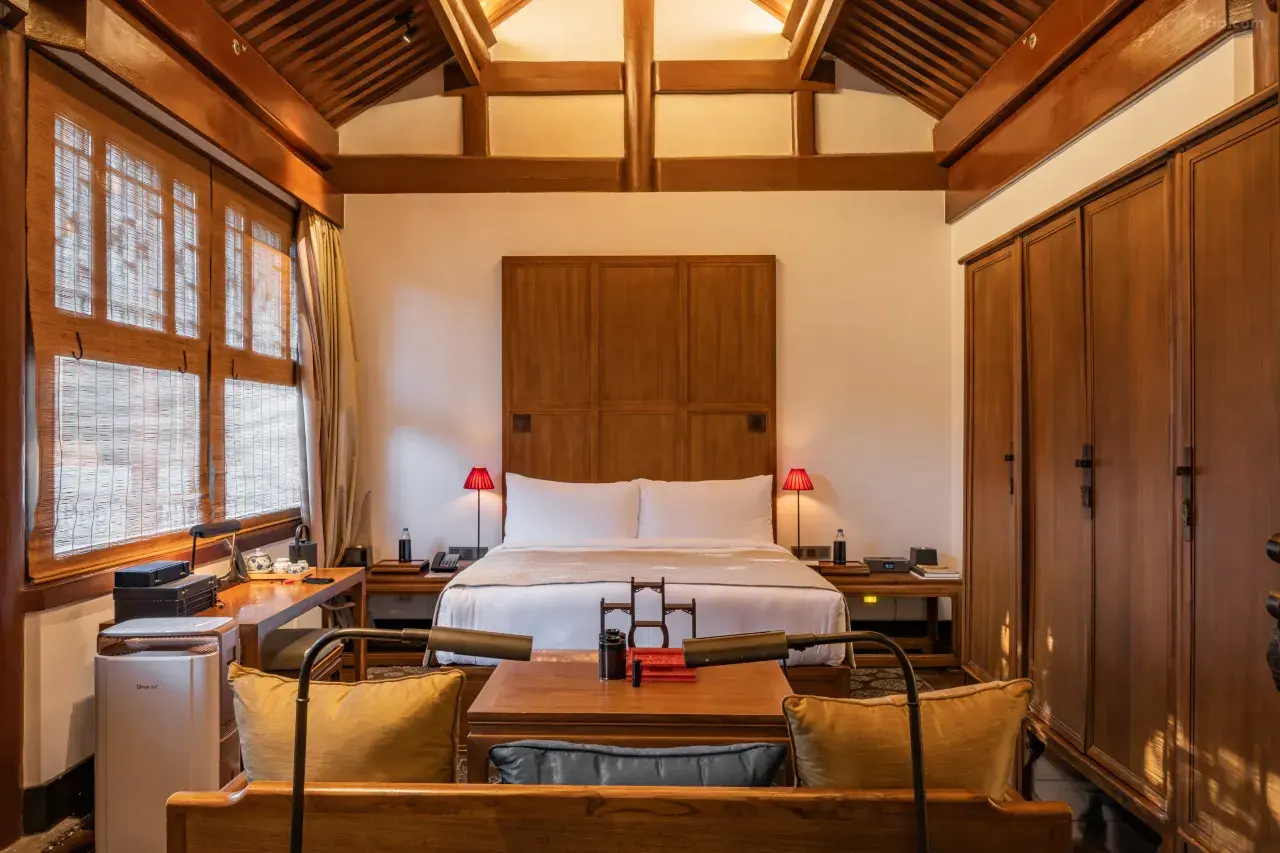
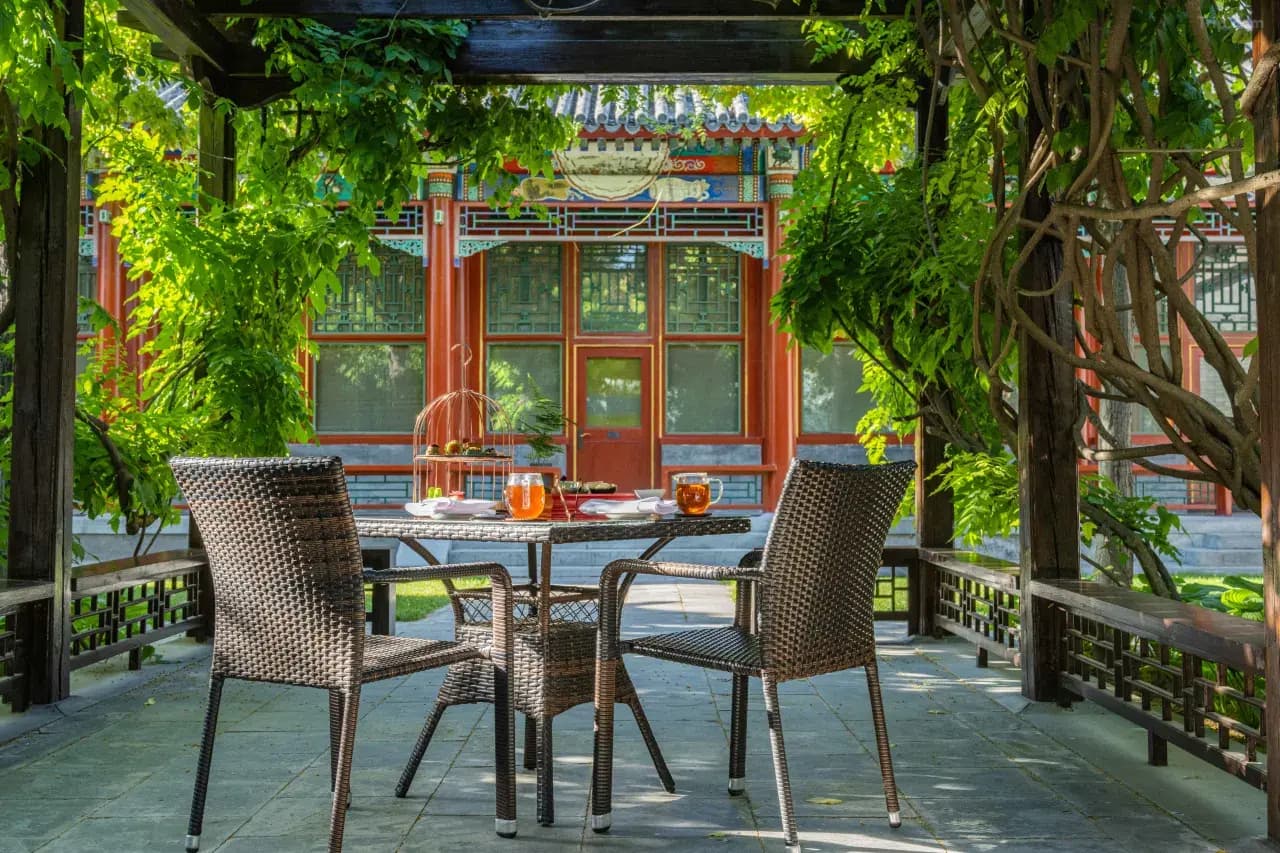
The most distinctive luxury stay in Beijing. Housed in a series of historic pavilions immediately adjacent to the Summer Palace, it has only around fifty rooms and suites arranged around courtyards, with traditional architecture and a level of quiet that is almost impossible to find inside the city ring roads. It is not central — expect a substantial drive to Wangfujing and the Forbidden City — and that is precisely the point. Guests come for the garden setting, the sense of stepping into a Qing-dynasty estate, and the ability to reach the Summer Palace early, before the tour groups. Treatments draw on traditional Chinese practice, and the dining focuses on Chinese cuisine and tea. Best for couples, anniversary trips, heritage lovers and anyone who values silence over nightlife.
The Opposite House — art, design and Sanlitun energy
Address: Taikoo Li Sanlitun North, No. 11 Sanlitun Road, Chaoyang District, Beijing 100027
Chinese address (for taxi drivers): 北京市朝阳区三里屯路11号院,瑜舍
Telephone: +86 10 6417 6688
Email: answers@theoppositehouse.com
Official website: theoppositehouse.com
Nearest metro: Line 10, Tuanjiehu station — about 8–10 minutes on foot. Line 2 or 13, Dongzhimen station - about 15–18 minutes on foot.
From the airports: PEK about 22 km, 30–40 minutes; PKX about 56 km, 60–75 minutes.
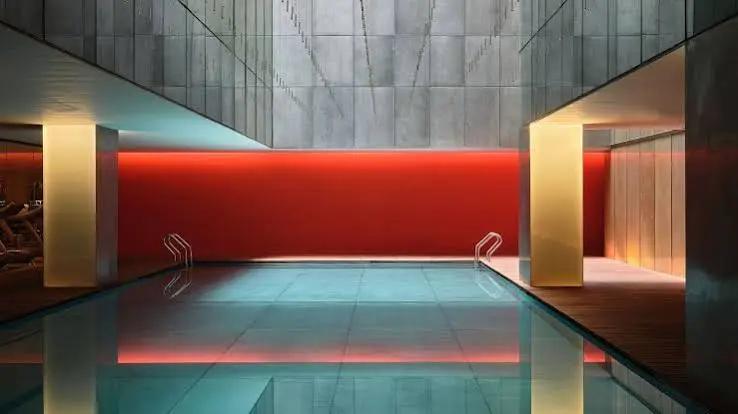
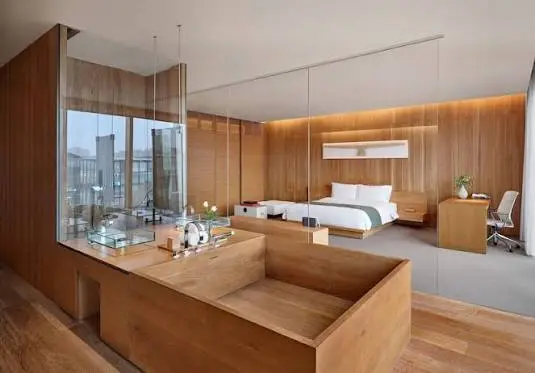
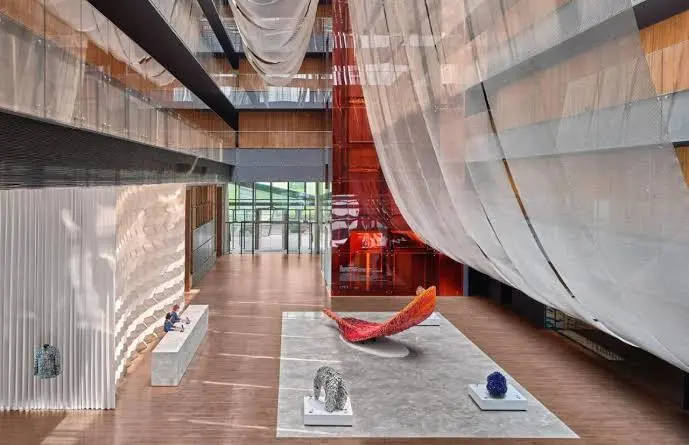
The choice for travellers who want Beijing's contemporary side on the doorstep. Part of a leading lifestyle retail development, it has a minimalist green-glass exterior and one of the city's better contemporary art collections. The location is unbeatable for shopping, restaurants, bars and people-watching, while the imperial sights are a drive away. Its Peking duck restaurant holds a MICHELIN star — a good option if you want your first duck experience in a design-led setting rather than a historic banquet hall and the surrounding streets hold some of the city's best independent restaurants. Best for design lovers, younger couples, shoppers and travellers who prioritise nightlife.
China World Summit Wing — skyline views and CBD convenience
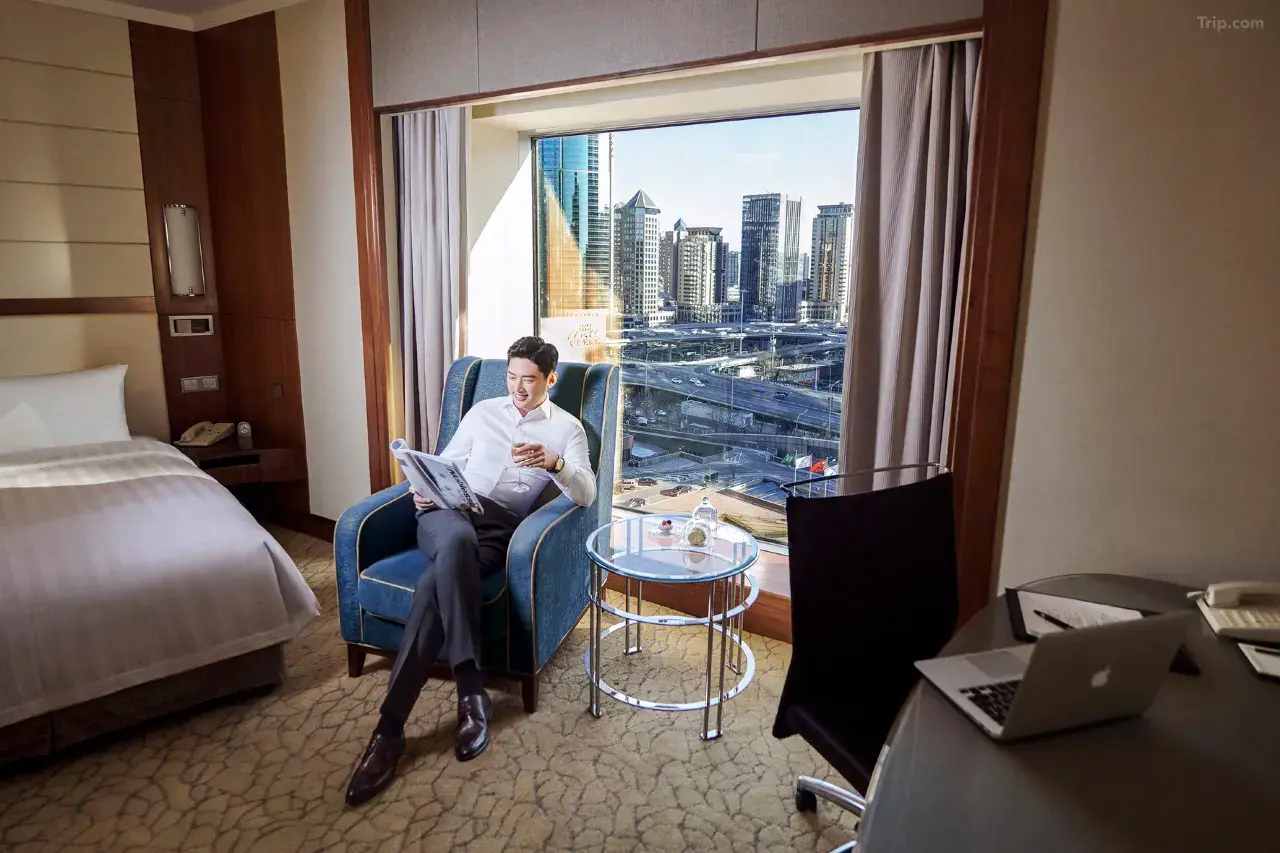
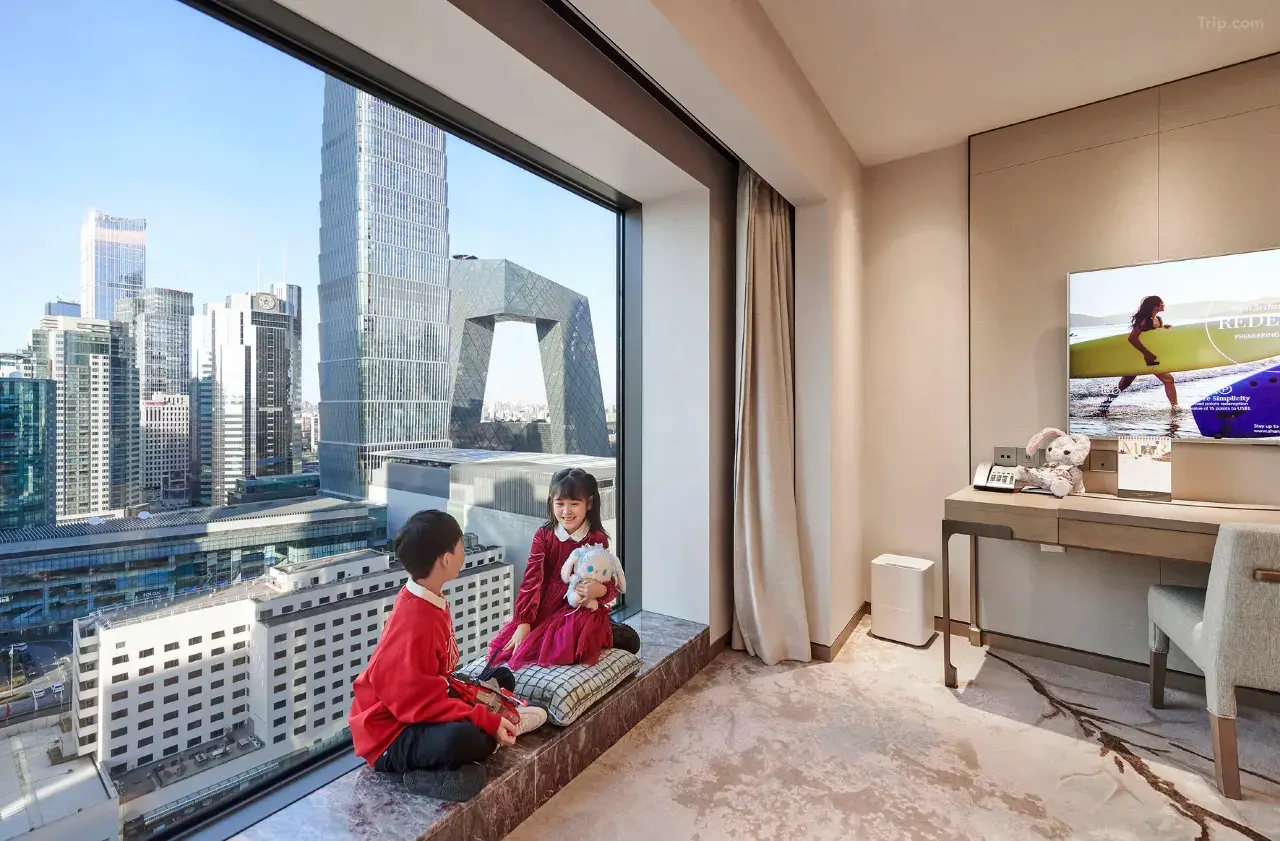
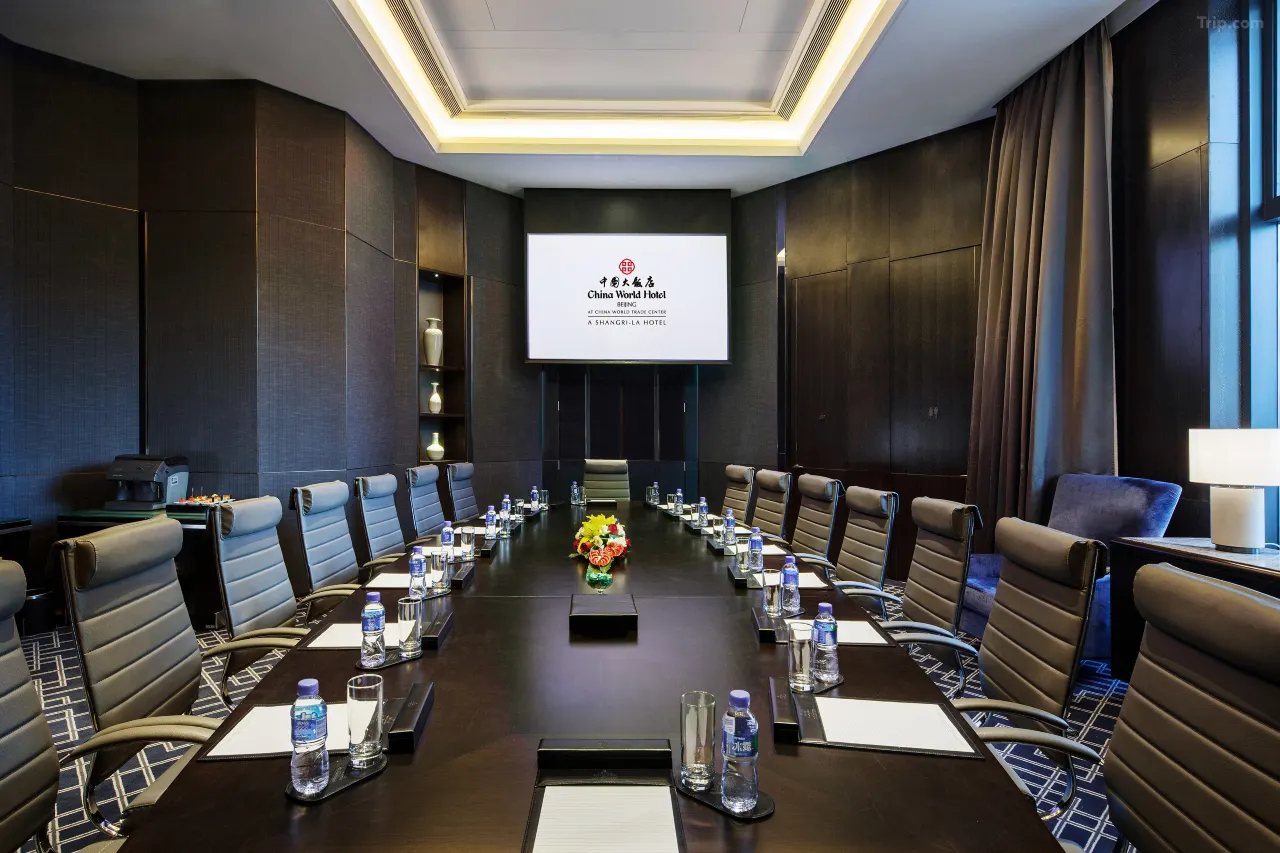
Address: No. 1 Jianguomenwai Avenue, Chaoyang District, Beijing 100004 (front desk on the 64th floor of the China World Tower)
Chinese address (for taxi drivers): 北京市朝阳区建国门外大街1号,国贸大酒店
Telephone: +86 10 6505 2299
Email: cwsw@shangri-la.com
Official website: shangri-la.com/beijing/chinaworldsummitwing
Nearest metro: Line 1 or Line 10, Guomao station — connected through the China World complex, about 5–8 minutes on foot.
From the airports: PEK about 26 km, 35–45 minutes; PKX about 56 km, 60–75 minutes.
Occupying the upper floors of one of the city's tallest towers, with its lobby set high above the ground, this hotel's attraction is the view: on a clear day you can see across the CBD to the western hills. Its high-floor restaurant and bar are destinations in their own right, and it is directly connected to a large mall and metro station — useful in rain, heat or winter cold. Best for business travellers, couples who want skyline views and anyone who values direct metro and shopping access.
Other luxury hotel styles worth considering
International luxury brands — familiar service standards, extensive facilities and strong concierge, useful if you value predictability and a good club lounge.
Luxury courtyard hotels — intimate properties in restored siheyuan with a quieter neighbourhood feel; ideal for couples, less practical for families needing extensive facilities.
Resort-style heritage stays — sightseeing combined with a peaceful retreat in a historic setting; Aman Summer Palace is the benchmark.
Modern lifestyle hotels — best for art, design, shopping and nightlife, with Sanlitun and 798 as natural bases.
Serviced apartments — worth considering for stays of a week or more, especially for families; the best buildings offer concierge, housekeeping and hotel-style security.
A luxury hotel does not have to be the most expensive property in the city; the best choice is the one that matches your travel style and makes the whole itinerary more enjoyable.
How to book a luxury hotel in Beijing
Book well ahead for April–May and September–October, and considerably earlier for the National Day and Chinese New Year periods.
Compare the hotel's own website with a reputable agent — the same room can differ depending on breakfast, cancellation policy and prepayment.
Ask for the room, not just the category: high floor, quiet side, courtyard or palace view. Street noise is real, and a "deluxe room" can face very different directions.
Confirm airport transfers at the time of booking; hotel cars include flight tracking, meet-and-greet and English-speaking drivers.
Check deposit and cancellation terms — peak-season rates are often non-refundable, so travel insurance is worthwhile.
Join the loyalty programme for stays of three nights or more; breakfast, upgrades and late check-out are often worth more than a small rate discount.
Note the tax position — Chinese rates are usually quoted before taxes and service charge, so ask for the final all-in price.
Where to Eat: Fine Dining and Beijing's Culinary Highlights
A luxury Beijing trip is not complete without exploring the city's food culture, and Beijing's dining scene is far more diverse than its famous roast duck. Traditional northern cooking, imperial-inspired dishes, Cantonese and Sichuan cuisine, and contemporary fine dining all have a place in the capital. It is worth planning a few memorable meals rather than choosing restaurants only when hunger strikes — the best tables are often full by early evening, and the most celebrated duck houses can have long queues.
How dining in Beijing works
Meal times: lunch is generally midday to mid-afternoon; dinner runs into the evening, with many fine-dining rooms taking last orders around nine.
Reservations: book by phone, through your hotel concierge, or via a local review app; English is usually spoken at upscale restaurants, and a concierge is the easiest bridge.
Deposits: the most celebrated restaurants often require a deposit or cancellation guarantee, particularly for weekend dinners.
Dress: smart casual is the norm; jackets are rarely required, but shorts and sandals are best avoided at fine-dining rooms.
Service charge: upscale and hotel restaurants often add one — tipping is not expected on top.
Dietary needs: vegetarian, vegan, halal and gluten-free requests are increasingly understood, but cross-contamination is not always managed to Western standards, so tell the restaurant in advance and let a guide explain in Chinese.
Sharing culture: meals are shared — for two, order a few dishes plus a staple; for four, more.
Peking duck — a Beijing essential
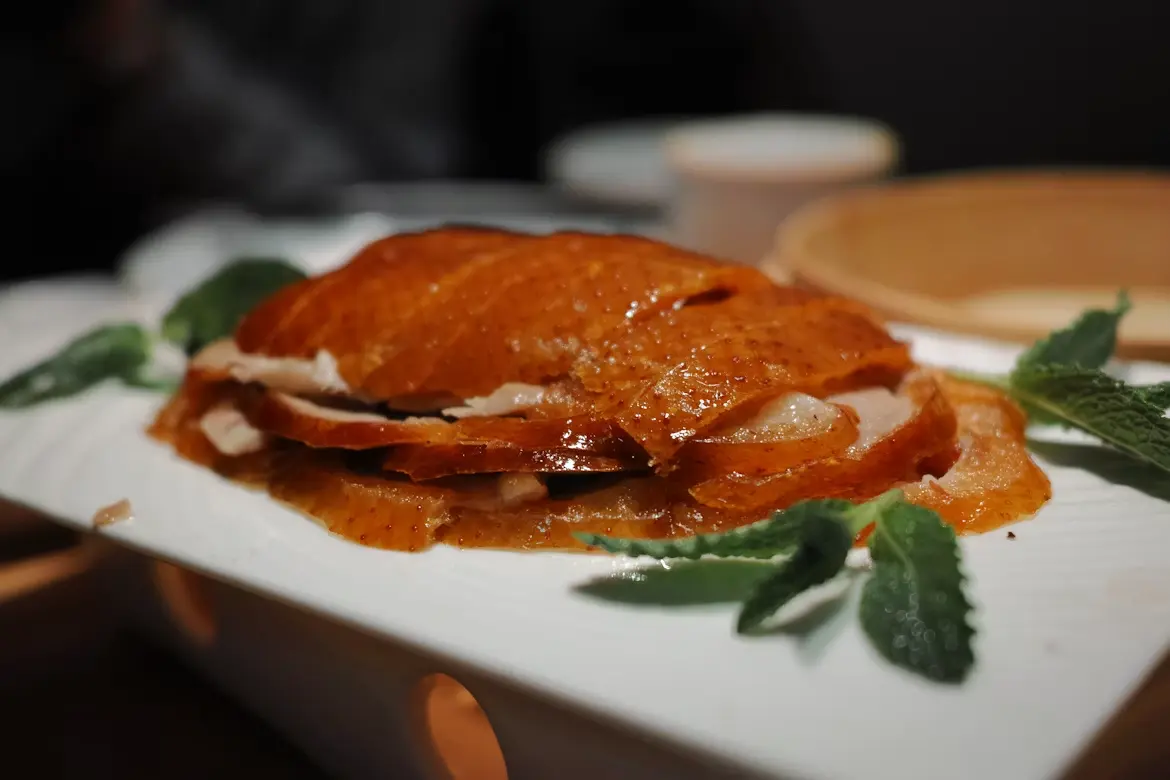
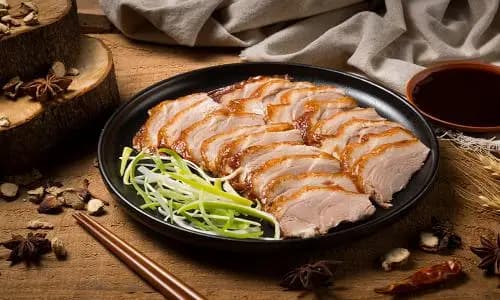
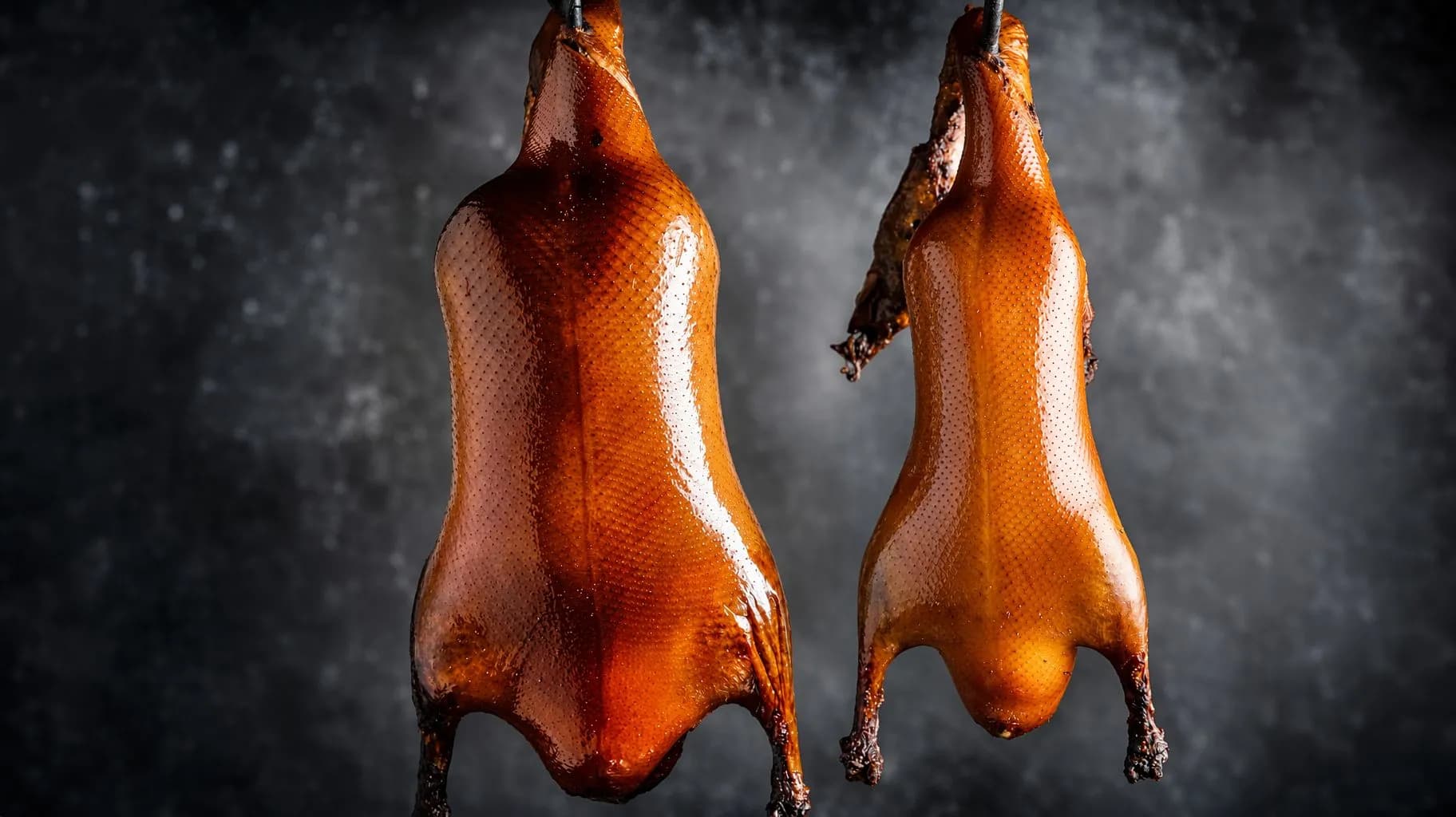
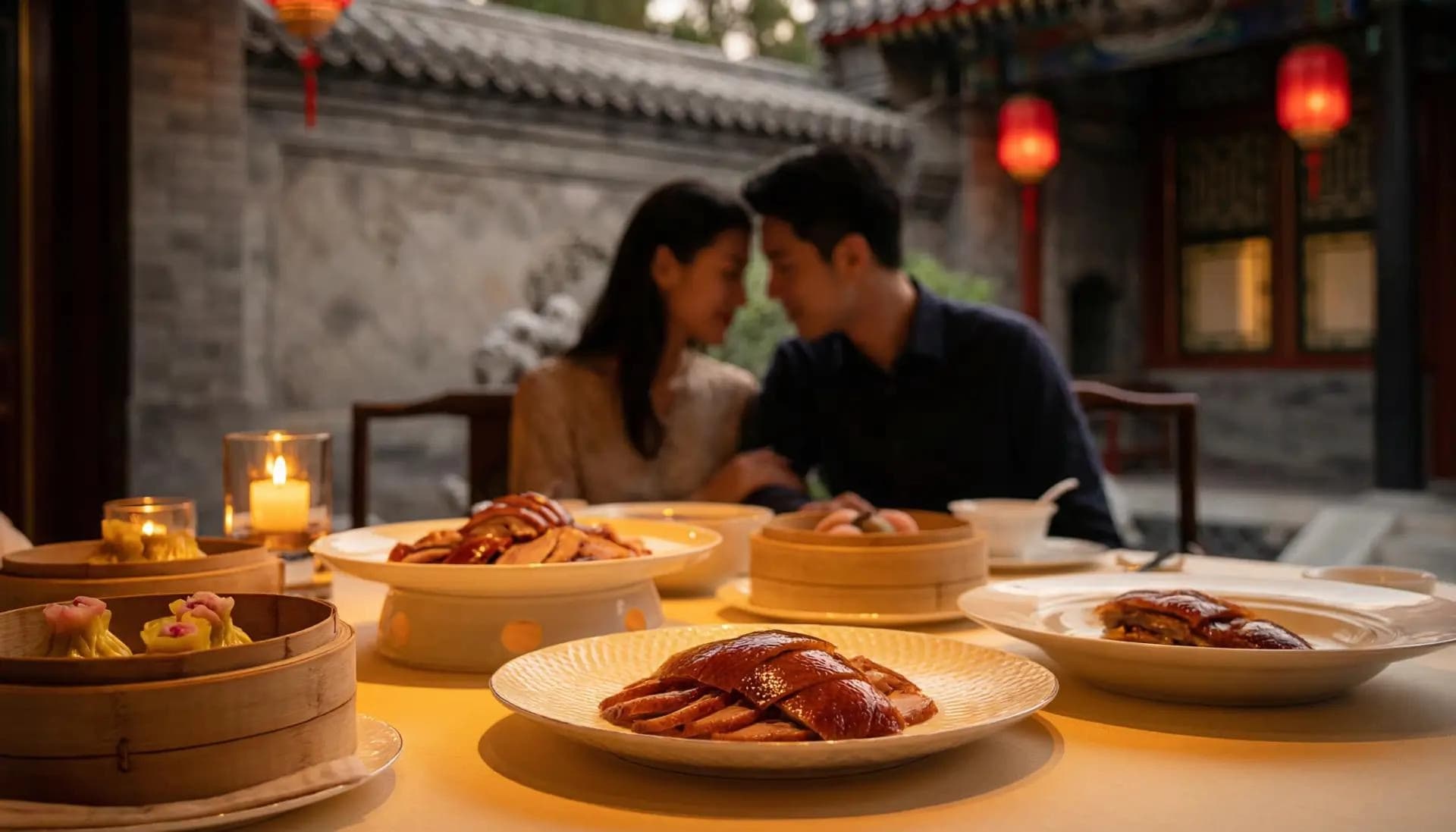
Peking duck is the city’s most recognisable culinary tradition. The dish is known for its thin, crisp skin, carefully prepared meat and the ritual of serving it with thin pancakes, spring onions, cucumber and sweet bean sauce.
For a more memorable experience, choose a restaurant where the duck is carved and served with care. Pay attention to the texture of the skin, the balance of the condiments and the way the different parts of the duck are presented. At the best restaurants the duck is carved at the table, and the skin is served first — dipped in sugar — before the meat is wrapped.
Four reliable addresses:
Restaurant | Address and telephone | Price (per person) | Why go |
|---|---|---|---|
Siji Minfu | 11 Nanchizi Street, next to the Forbidden City's East Gate, Dongcheng District, Beijing; +86 10 6526 7369 | CNY 150–250 | The best value in the city; crisp skin, lively atmosphere, long queues. Its Forbidden City-view branch on Nanchizi Street is even busier. |
Quanjude | 30 Qianmen Street, Dongcheng District; +86 10 6701 1379 | CNY 250–400 | The historic house, founded in 1864. Formal, traditional and convenient for Tiananmen and Qianmen. |
Da Dong | 15th Floor, Jinbao Place Shopping Mall, No. 88 Jinbao Street, Dongcheng District; +86 10 5169 0328 | CNY 300–500 | Leaner, more refined duck with a famously crisp skin; also known for sea cucumber and modern Chinese presentation. |
Jing Yaa Tang | B1, The Opposite House, 11 Sanlitun Road, Chaoyang District; +86 10 6410 5230 | CNY 300–500 | MICHELIN-starred duck in a stylish setting; excellent side dishes and a good introduction to modern Beijing dining. |
MICHELIN-starred dining
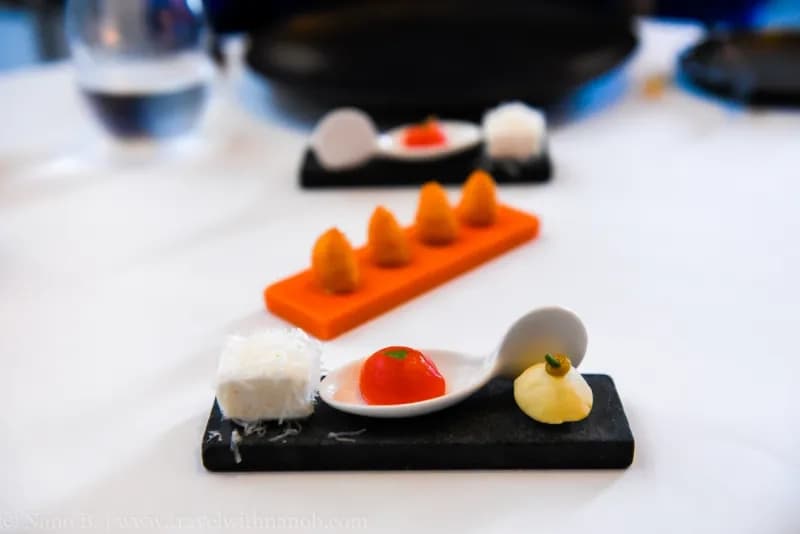
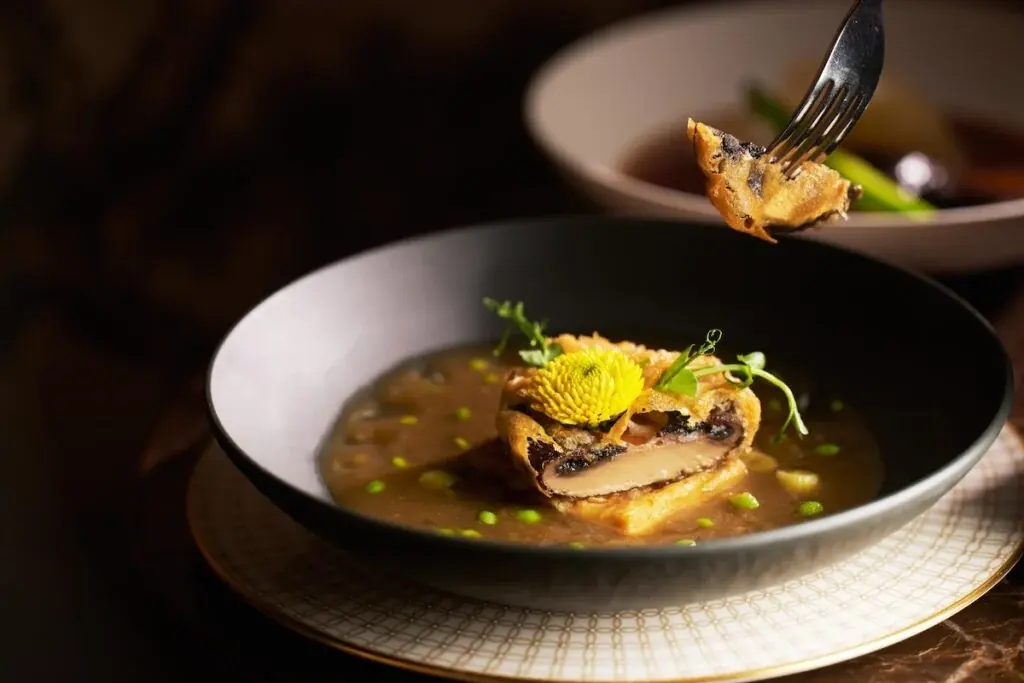
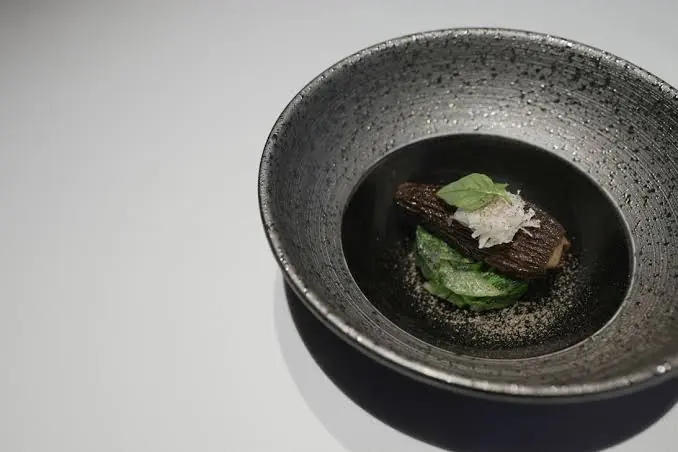
The MICHELIN Guide Beijing rewards consistency and technique rather than a single style of luxury, and its recent selection runs to a couple of hundred recommended restaurants with a few dozen starred, including the top tier. Notable tables include Chao Shang Chao for delicate Chaozhou cooking, Xin Rong Ji for ingredient-led Taizhou seafood, Blackswan for a destination French meal near the airport, Lamdre for an ambitious seasonal plant-based tasting, King's Joy for serene vegetarian dining beside the Lama Temple, Fu Chun Ju for refined Cantonese, and The House of Dynasties for Cantonese and imperial-inspired cooking. Awards and chefs change, so check the current selection and each restaurant's reservation policy before planning. For the fuller rundown, see our Beijing MICHELIN restaurants guide.
Traditional Chinese cuisine beyond duck
Beijing is a capital, which means it draws the best regional chefs and ingredients from across the country. For a longer stay, vary your styles rather than booking several restaurants with similar menus.
Cuisine | What to try | Where to try it |
|---|---|---|
Imperial-inspired | Court-style dishes, Manchu and Han banquet influences | Fangshan in Beihai Park; imperial menus at The House of Dynasties |
Cantonese | Dim sum, roast meats, double-boiled soups, seafood | Fu Chun Ju, Huang Ting, The House of Dynasties |
Sichuan | Chilli oil, numbing pepper, mapo tofu, hotpot | Red Bowl; specialist Sichuan houses around Chaoyangmen and the CBD |
Shandong | Braised sea cucumber, sweet-and-sour carp, clear soups | Fengzeyuan, a historic Shandong restaurant |
Northern home-style | Handmade noodles, dumplings, braised meats | Country Kitchen; neighbourhood restaurants in Dongcheng |
Halal | Lamb, beef, noodles, traditional Hui dishes | The Niujie area in Xicheng |
Vegetarian / plant-based | Seasonal tasting menus, mushroom cookery | King's Joy, Lamdre |
Tea, afternoon tea and food experiences
Beyond restaurants, build in a few slower food moments: a private Chinese tea session covering green, oolong, pu'er and jasmine and the craft of brewing; afternoon tea at a grand hotel lobby; a market tour with a hands-on cooking class; or a guided hutong food walk that mixes small local restaurants, street food and neighbourhood history. A private guide is invaluable for explaining unfamiliar dishes and managing dietary needs — the difference between ordering "the famous dishes" and ordering what a Beijing family would actually choose on a cold Sunday.
What to Explore: Beijing's Most Memorable Cultural Experiences
Beijing's most rewarding experiences are the ones that let you understand the city rather than simply photograph it. Its landmarks are extraordinary, but the stories and everyday details behind them are what make a visit meaningful. For a more comfortable, personalised trip, consider exploring these places with a private guide; opening hours and ticketing rules change, especially around public holidays.
Tiananmen Square — the ceremonial heart
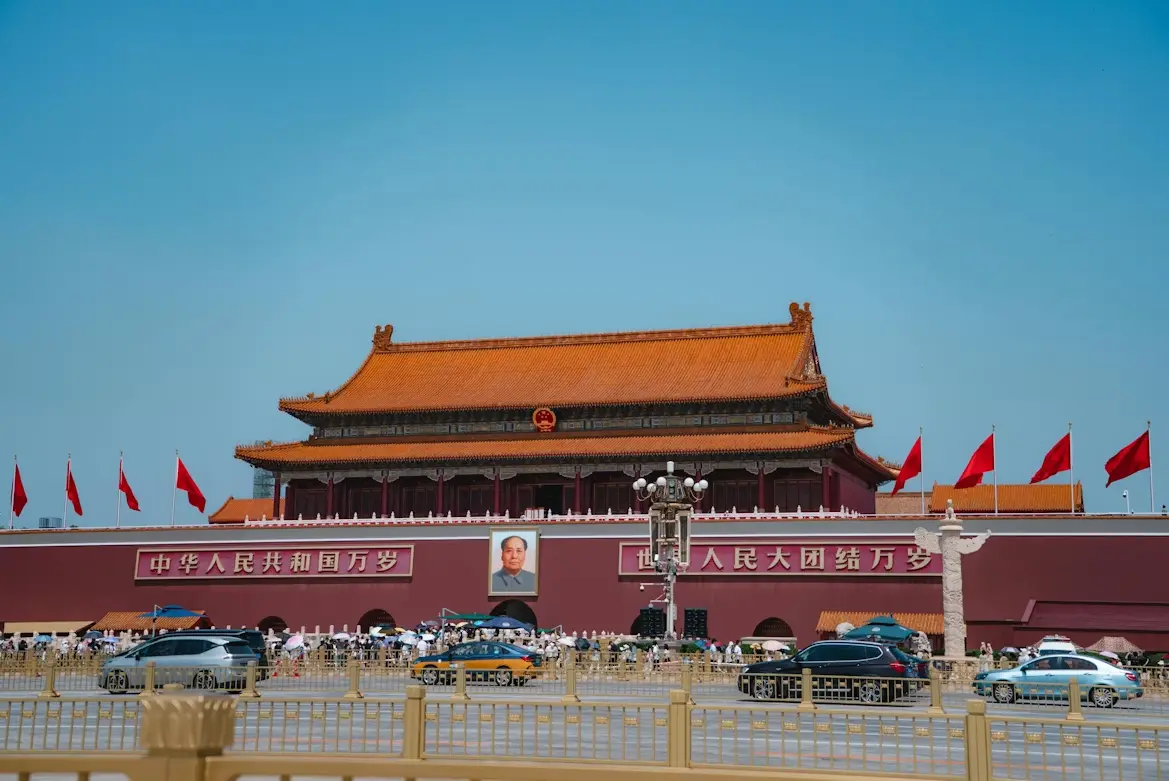
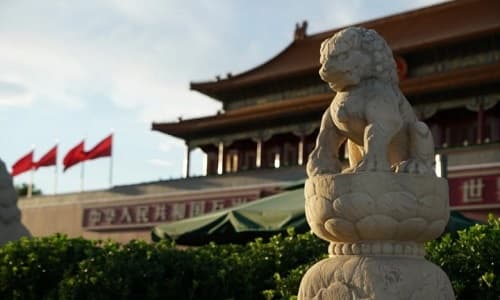
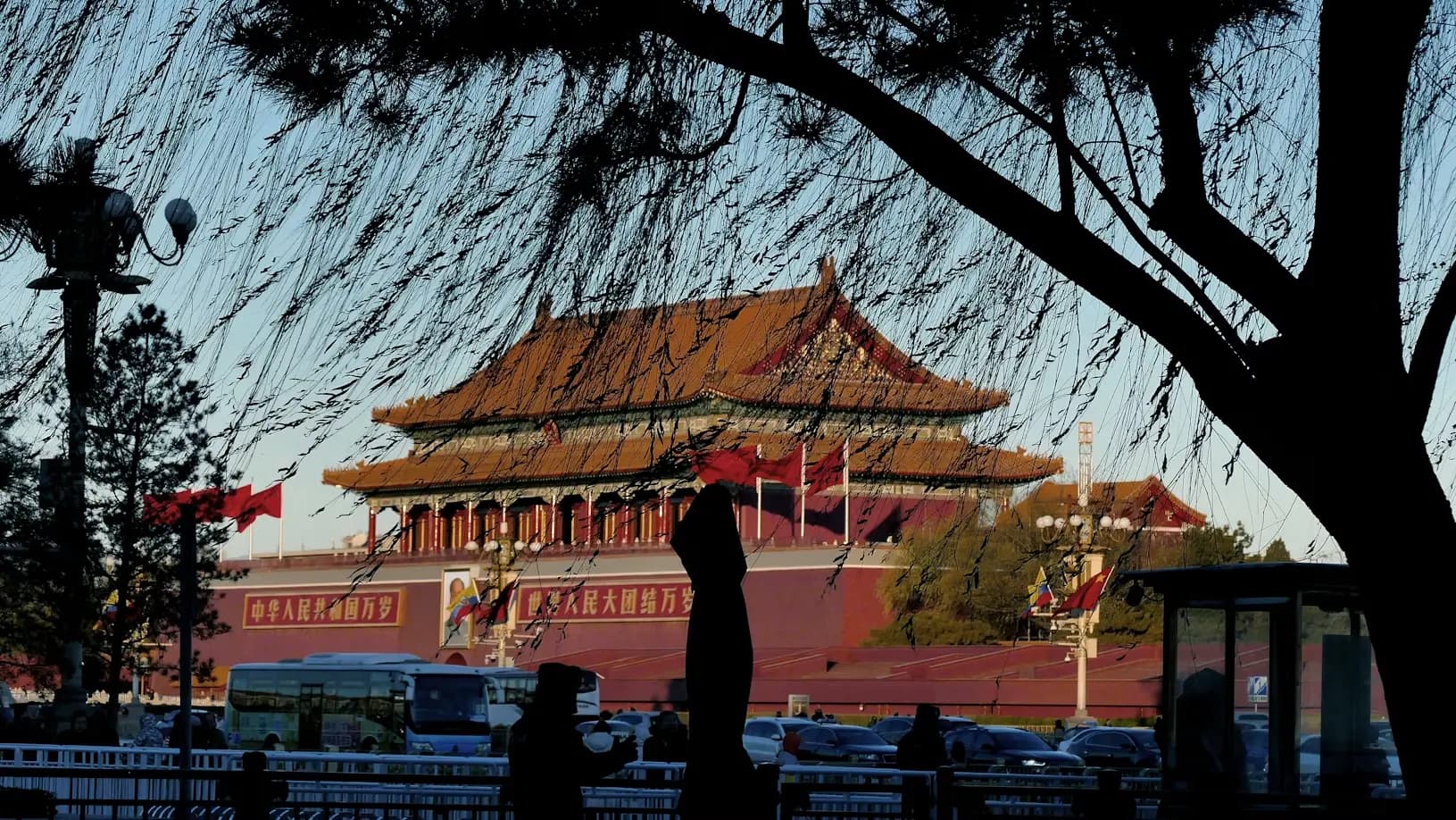
The symbolic centre of modern China and the gateway to the Forbidden City. The square is vast and largely devoid of shade, so it is best early in the morning or late in the afternoon. The flag-raising at sunrise and lowering at sunset are free but draw crowds; times shift daily with the sun. Entry is free but requires an advance reservation, and security is thorough — expect bag and passport checks, and leave drones, banners and large luggage behind. Reach it on Metro Line 1 to Tiananmen East.
The Forbidden City — the world of China's emperors
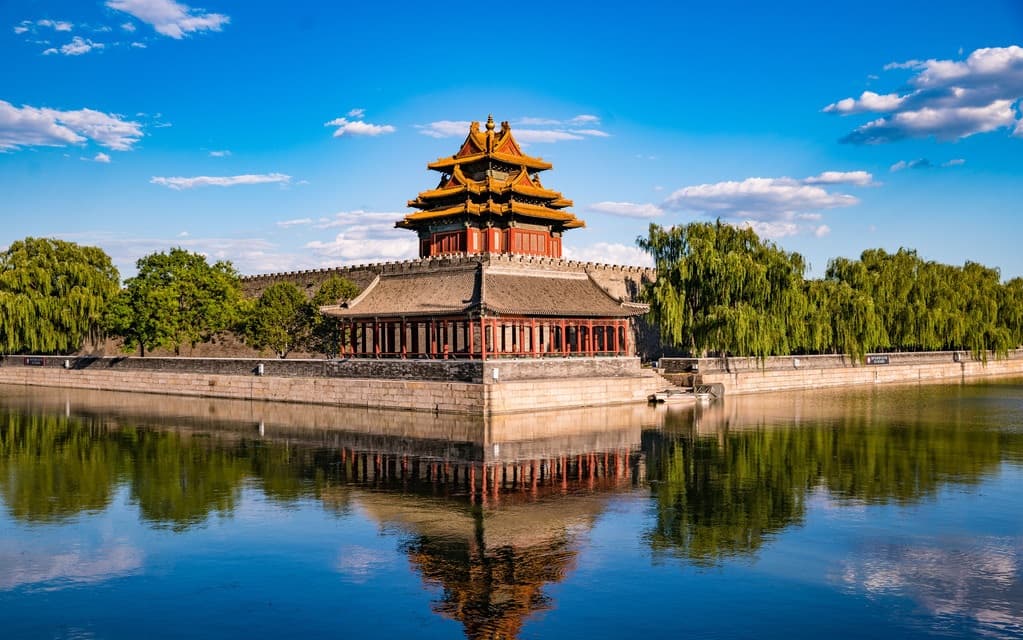
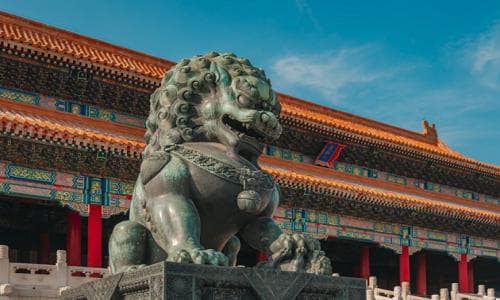
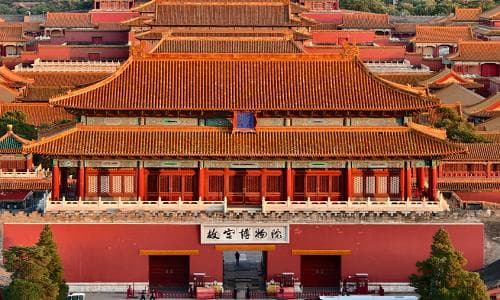
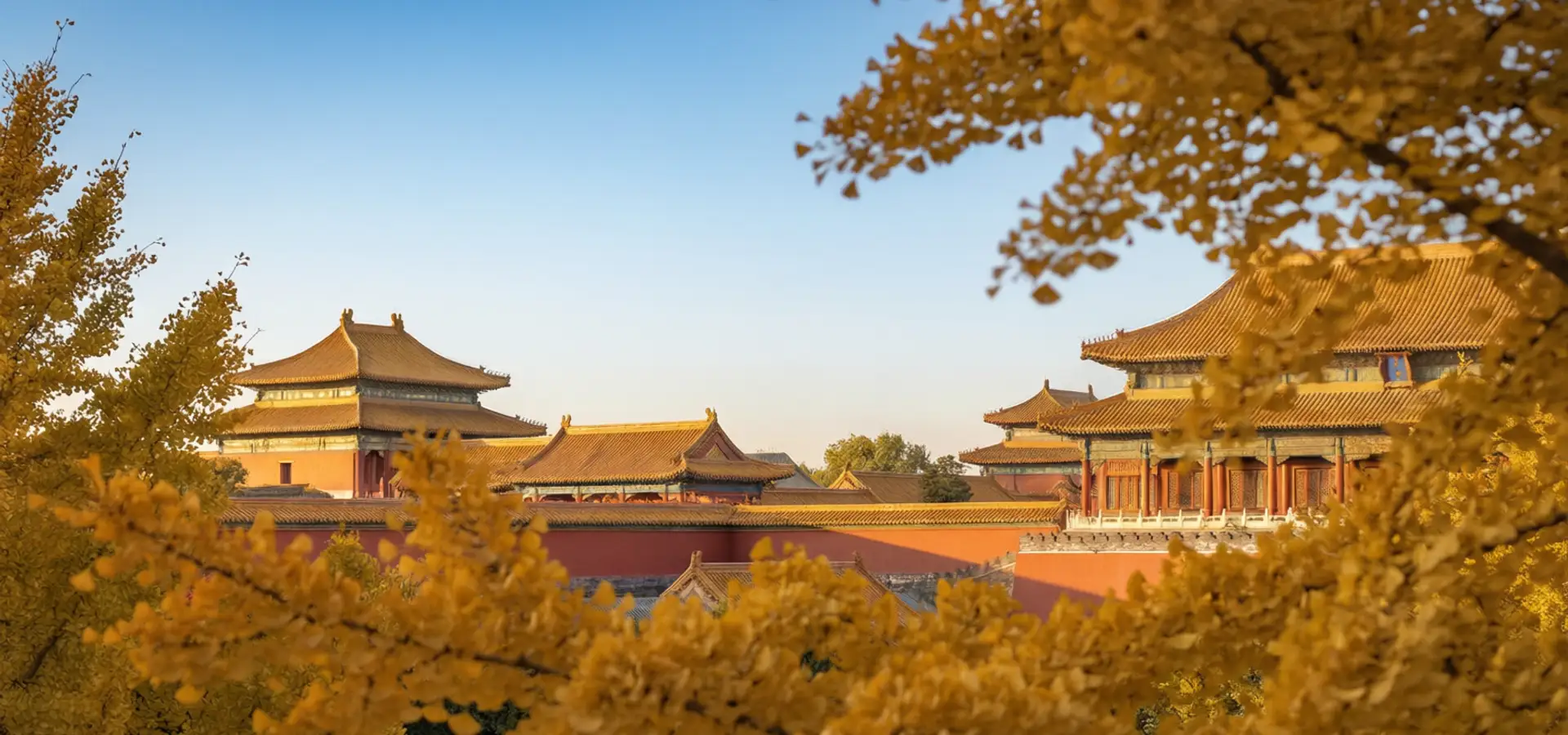
Beijing's essential cultural landmark, the imperial palace of the Ming and Qing dynasties for nearly five centuries. Its courtyards, ceremonial halls and gates reveal the organisation and symbolism of imperial China, and a visit becomes far more interesting when you understand what you are looking at. A more comfortable way to visit:
Book as soon as the reservation window opens — tickets are released about a week ahead, tied to your passport, and sell out quickly in spring, autumn and school holidays.
Enter at the Meridian Gate to the south and exit at the Gate of Divine Might to the north; this one-way route avoids backtracking.
Start early — the first 90 minutes are noticeably quieter and the light is best before mid-morning.
Do not try to see everything. The central axis and inner court are the essential route; add a gallery only if you have energy.
Wear comfortable shoes for kilometres of uneven stone, and use the shaded side courtyards to rest.
Combine with Jingshan Park — the north exit leads almost directly to the classic view over the palace roofs.
A private guide can arrange a focused route around your interests — architecture, court politics, imperial women, ceramics or photography — which is far more rewarding than trying to cover every hall.
Jingshan Park — the best view of the Forbidden City
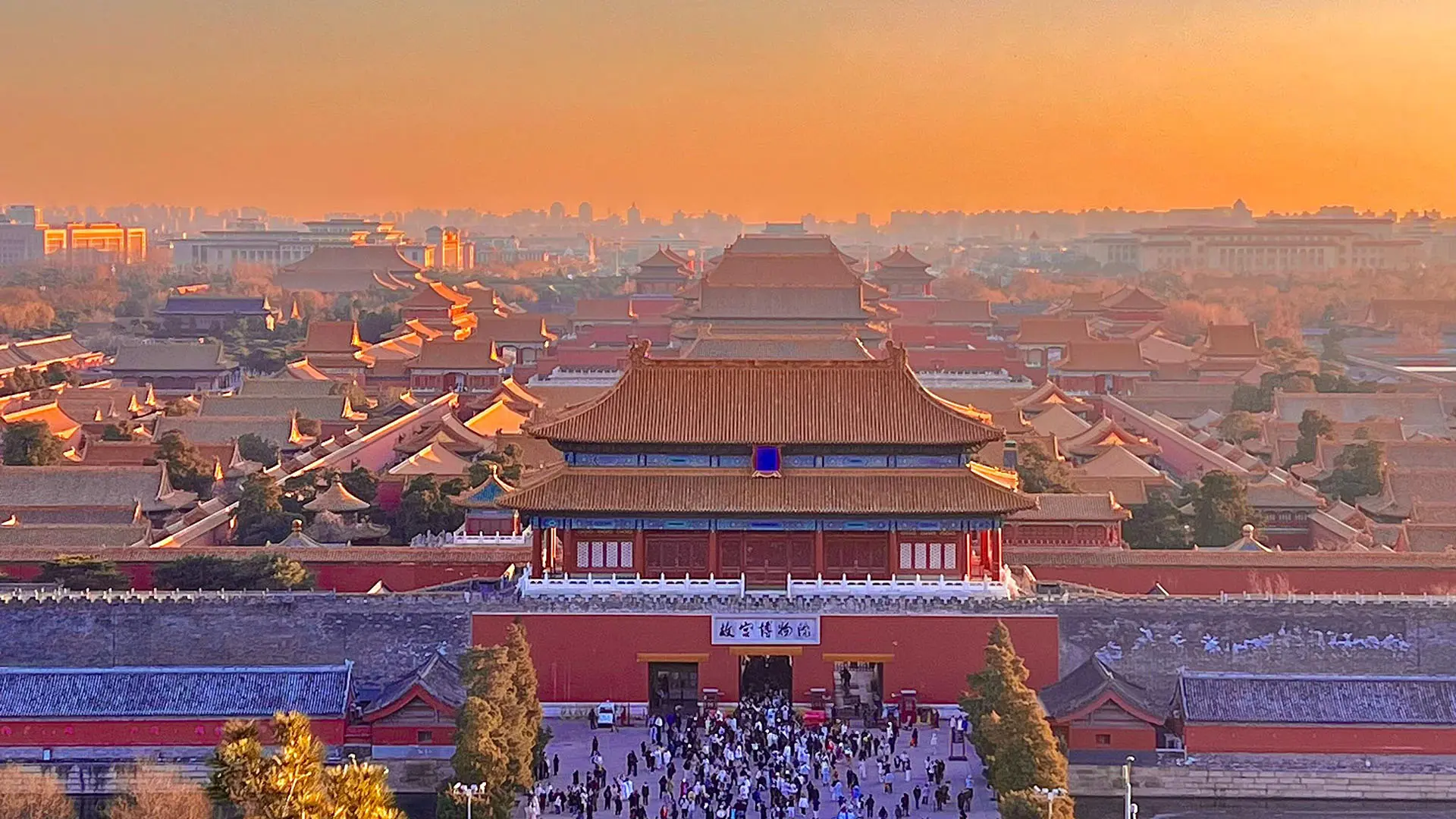
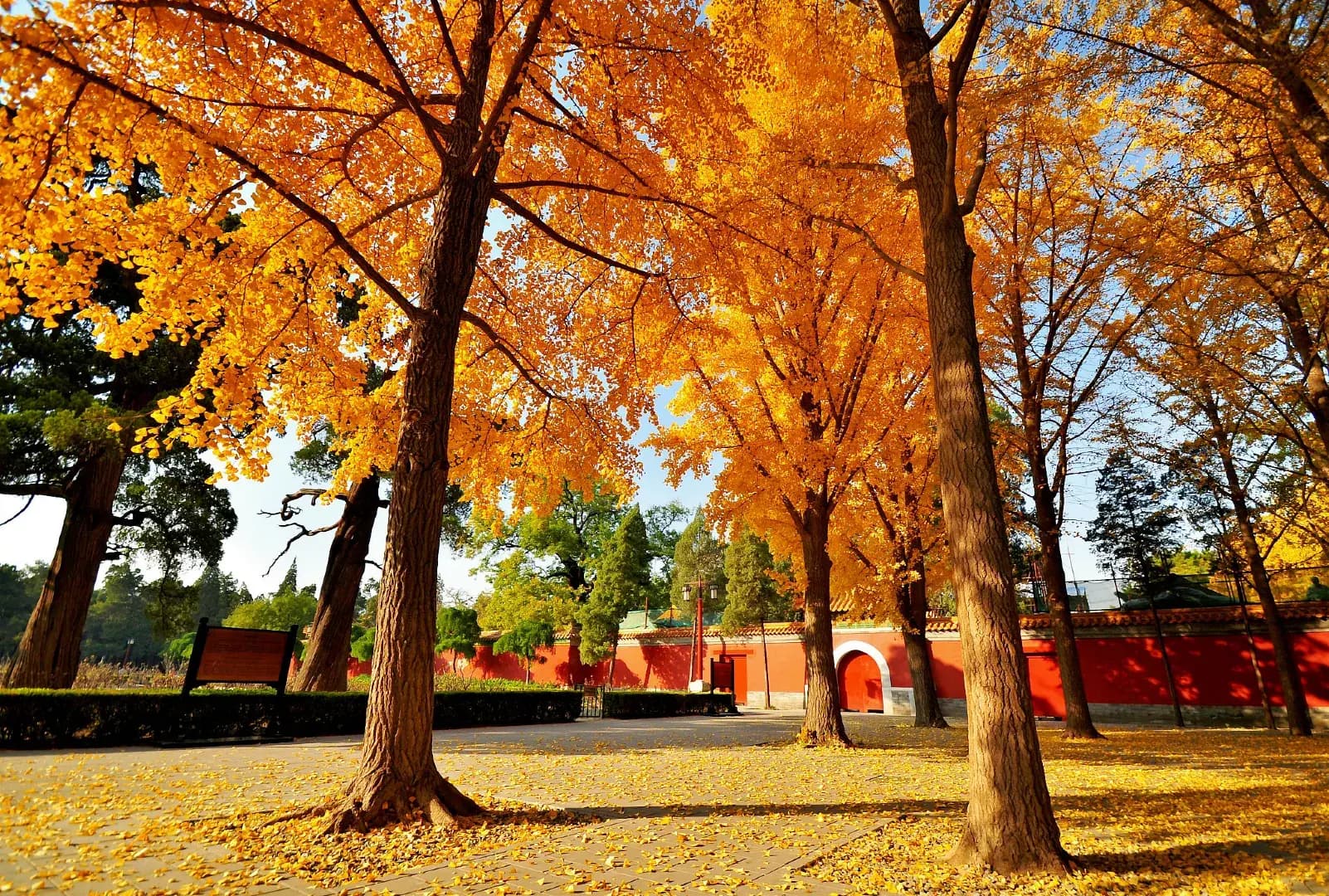
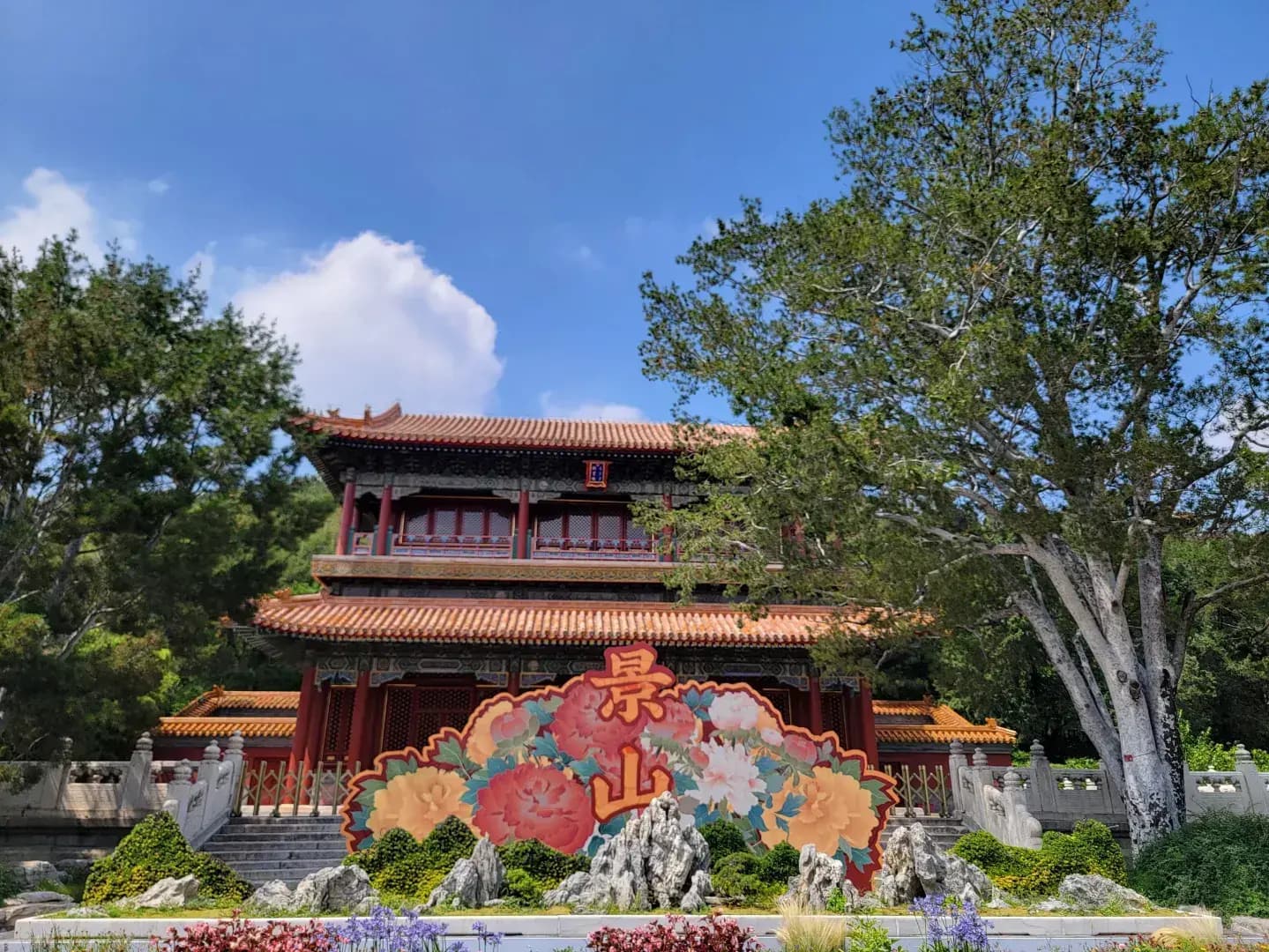
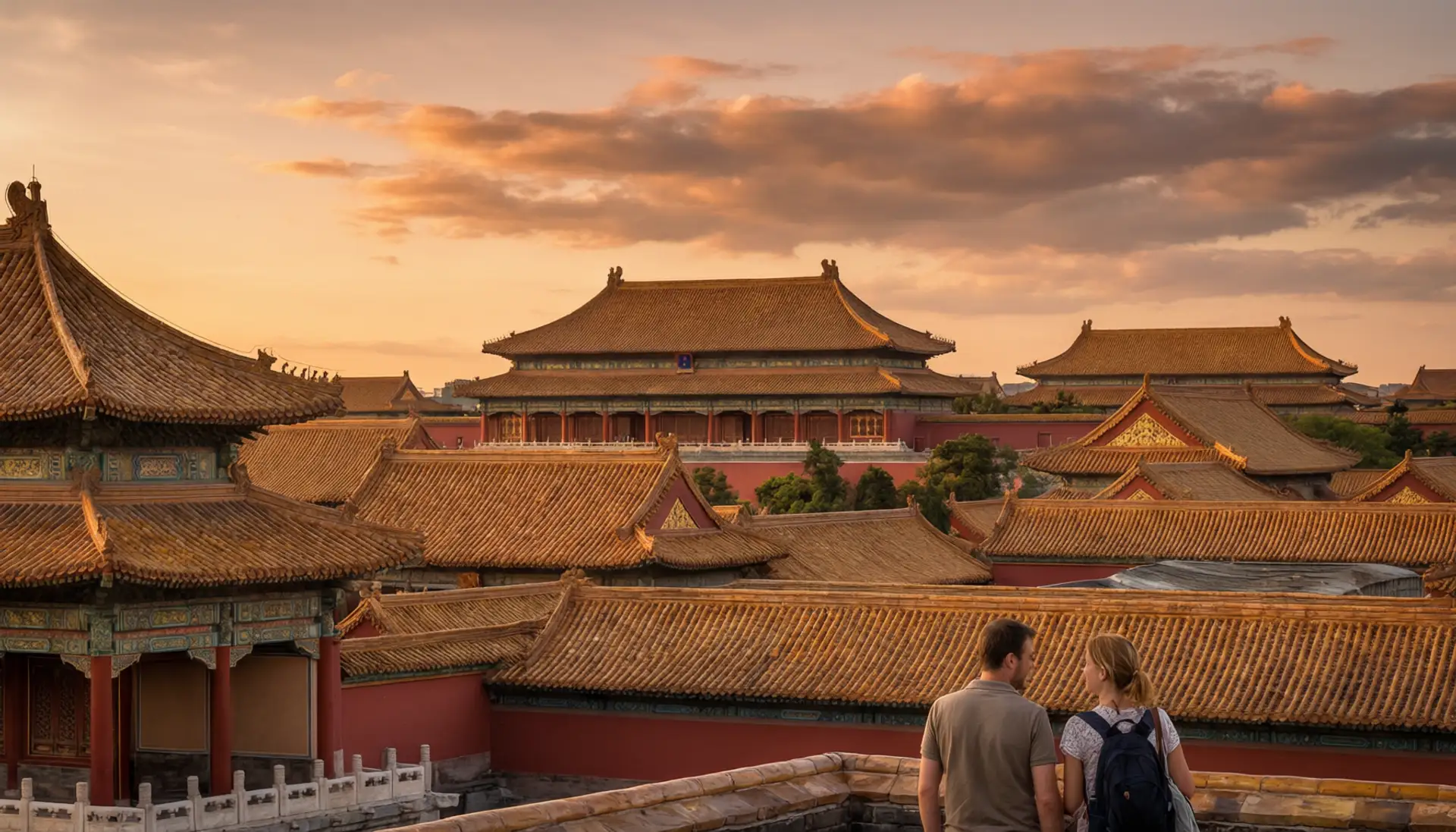
The hill immediately north of the palace, built from the earth excavated to create its moat. The climb is short and gentle, and the view from the hilltop pavilion is the single best perspective of the palace's golden roofs and the central axis beyond. Go late afternoon for warmer light, or early when residents practise tai chi and opera among the trees. It is a small, inexpensive addition that dramatically improves a Forbidden City day.
The Great Wall at Mutianyu — a private escape into the mountains
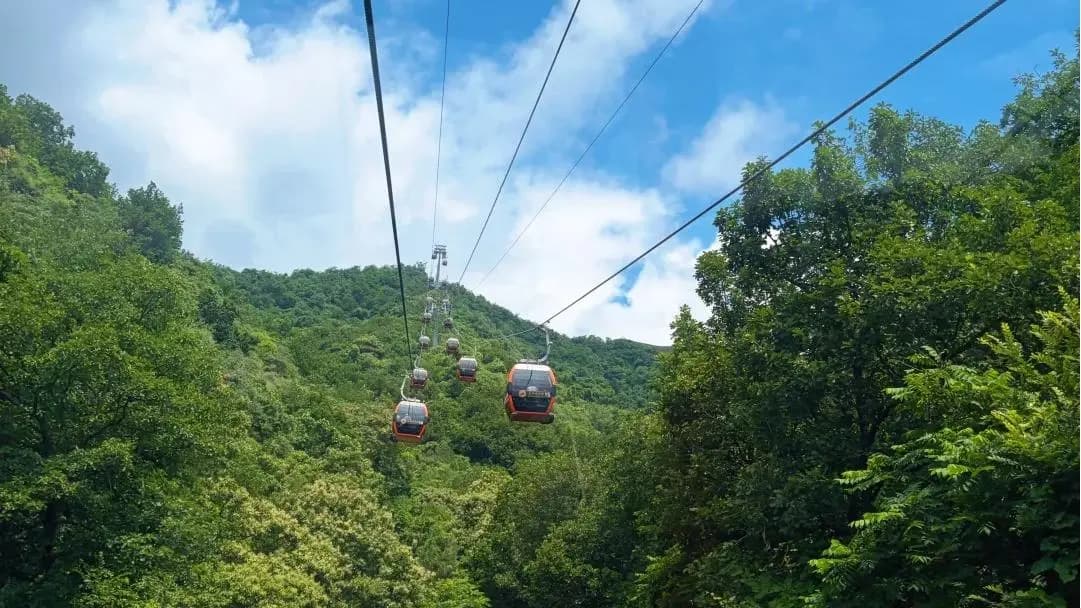
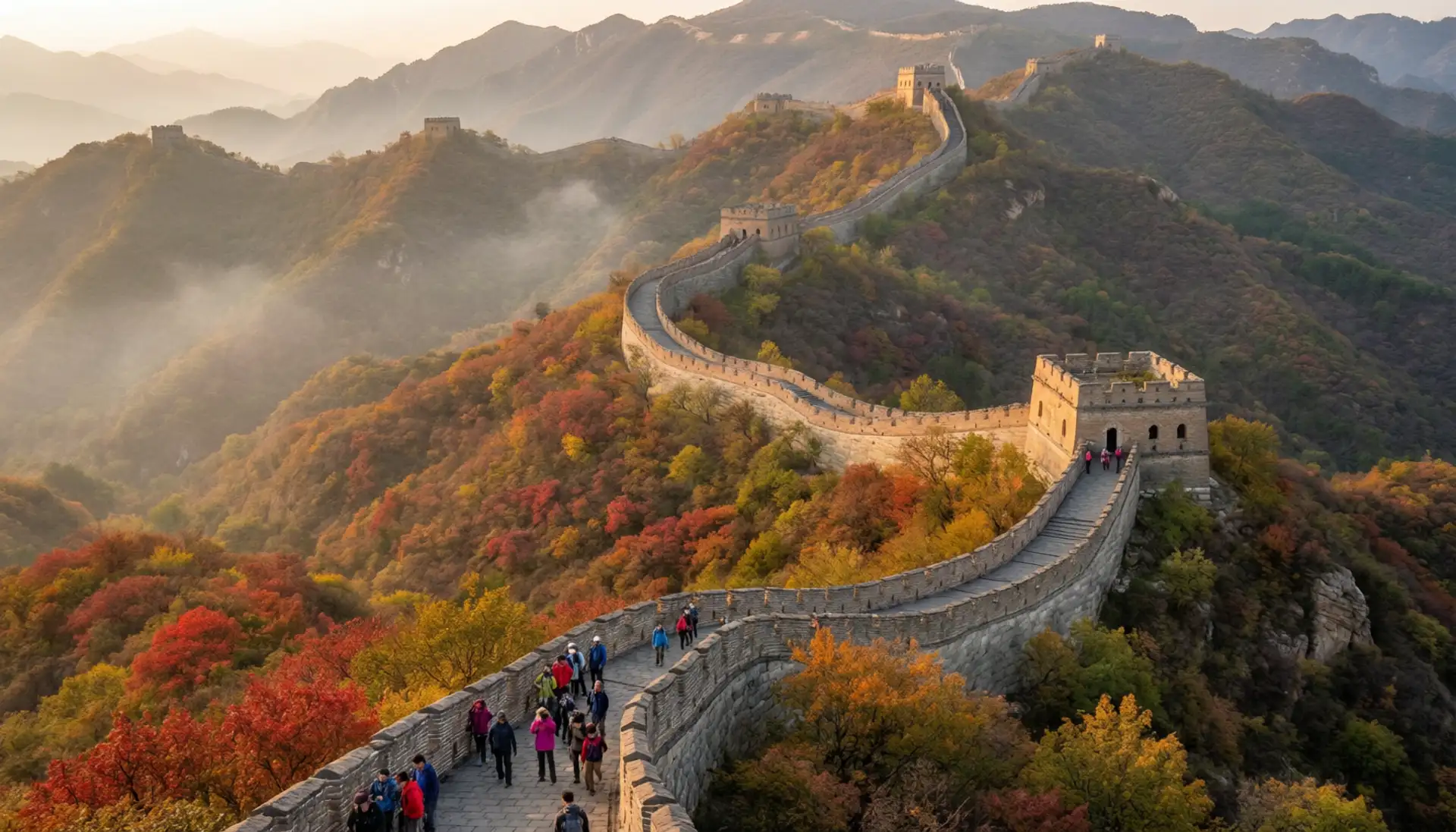
No luxury Beijing itinerary is complete without the Great Wall, and Mutianyu is the right balance for most first-time visitors. A Ming-dynasty section known for its watchtowers, mountain setting and extensive vegetation, it pairs impressive scenery with well-developed facilities — an enclosed cable car to reduce the climb, and a toboggan back down for those who enjoy it. The walk between the higher towers is the most scenic stretch but involves steep steps, so take your time. For a relaxed day, arrange a private vehicle from your hotel with an early departure to arrive ahead of the tour groups, a professional guide to explain the wall's history and defensive design, and a picnic lunch at a courtyard restaurant rather than a hurried buffet. The Wall is not a place to rush.
Section | Approx. drive from centre | Crowds | Best for |
|---|---|---|---|
Badaling | 1–1.5 hours | Very heavy | The easiest, most famous access; less ideal for a quiet luxury visit |
Mutianyu | 1.5–2 hours | Moderate | The best all-round choice — scenery, cable car and toboggan |
Jinshanling | ~2.5 hours | Light | Hikers and photographers; restored and wild sections |
Simatai | 2–2.5 hours | Moderate | Dramatic, steep scenery and night views |
Huanghuacheng | ~1.5 hours | Light | Lakeside views and a quieter experience |
For a second visit, Jinshanling offers a wilder, quieter hike and far fewer people; for a very different perspective, a helicopter flight over the wall suits travellers with limited time or mobility, though it trades the on-wall experience for aerial views. For the full breakdown, see our guide to which Great Wall section to choose.
The Summer Palace — imperial gardens and lakeside scenery
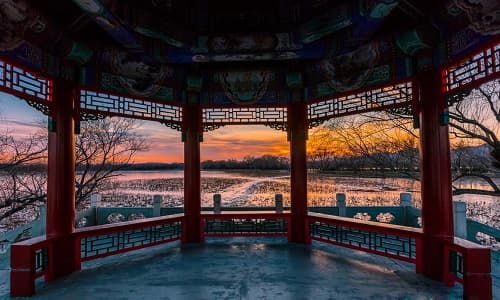
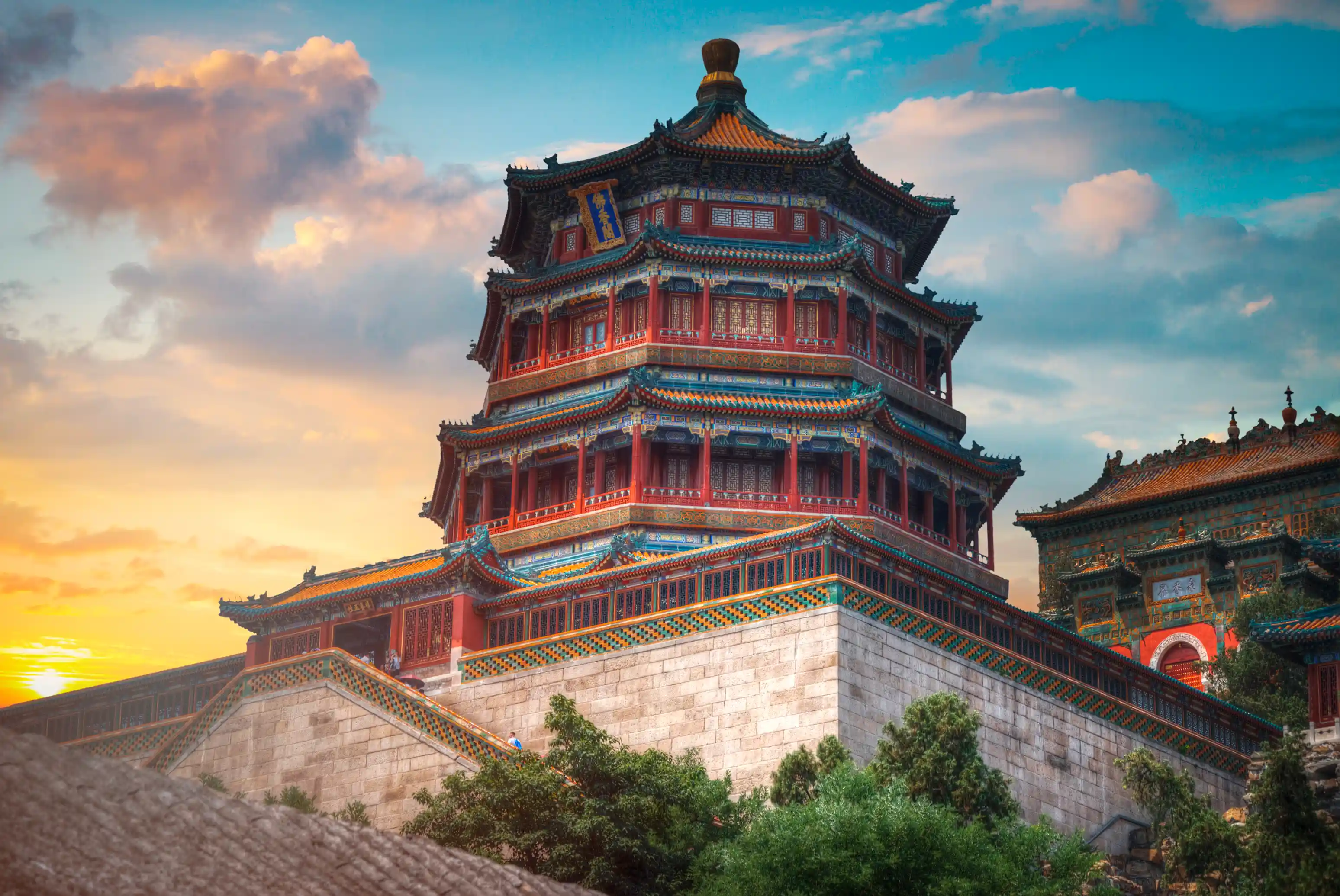
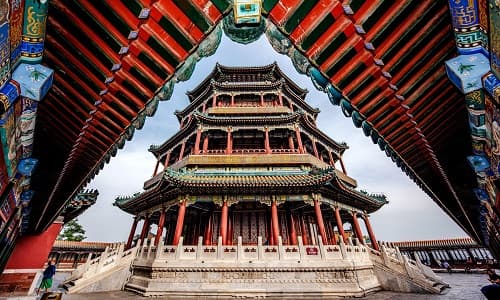
A different side of imperial life: rather than formal grandeur, this garden complex was designed for leisure, retreat and the appreciation of nature. Its lakes, bridges, pavilions and landscaped hills make it one of the most beautiful places to explore in Beijing. Avoid trying to cover every corner — focus on Kunming Lake, the Long Corridor, the tower on Longevity Hill and the Seventeen-Arch Bridge. A good route enters at the north gate, passes the canal street, climbs for the lake view, descends along the Long Corridor and finishes near the metro, avoiding backtracking. A private guide can bring out the garden's symbolism and the story of Empress Dowager Cixi. Go at opening or late afternoon for soft light and thinner crowds, and a private boat on the lake can be arranged for a special occasion.
The Temple of Heaven — architecture, ritual and spiritual heritage
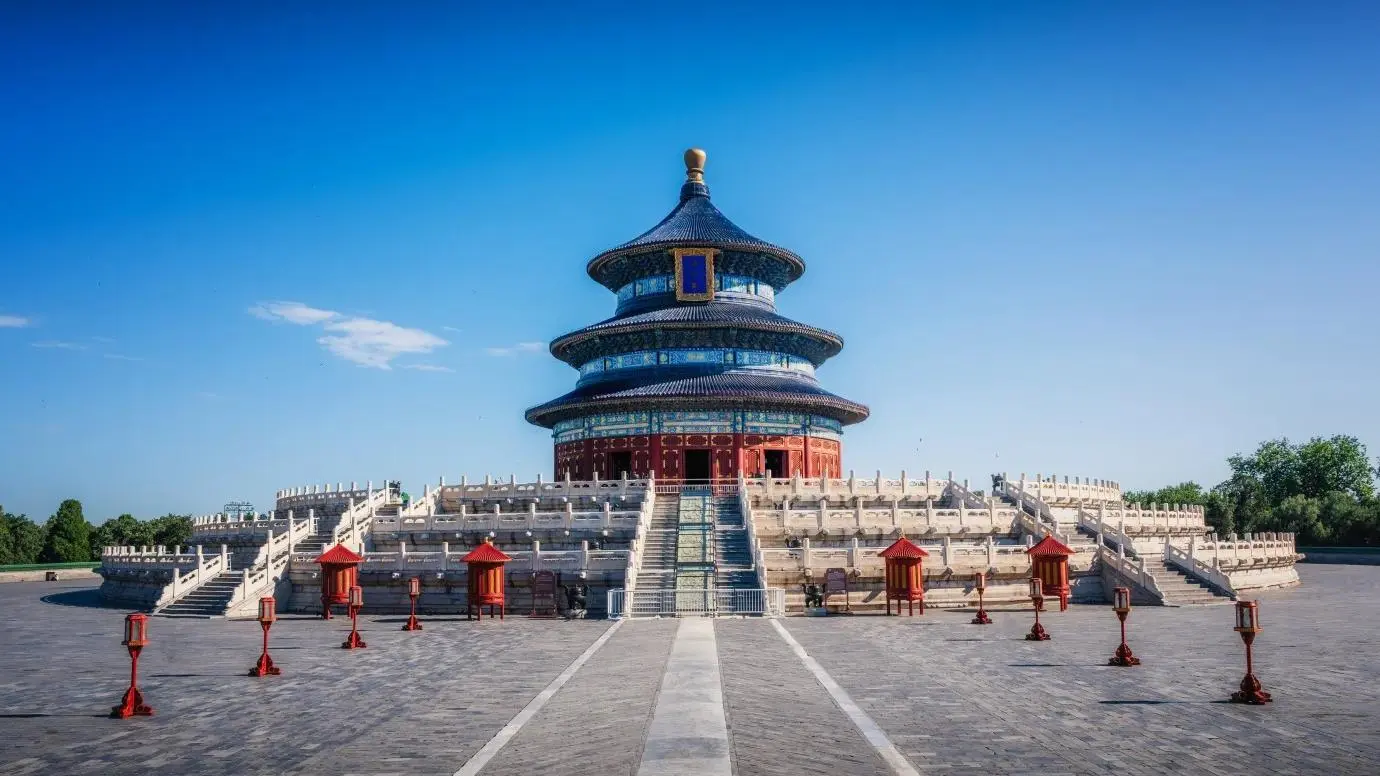
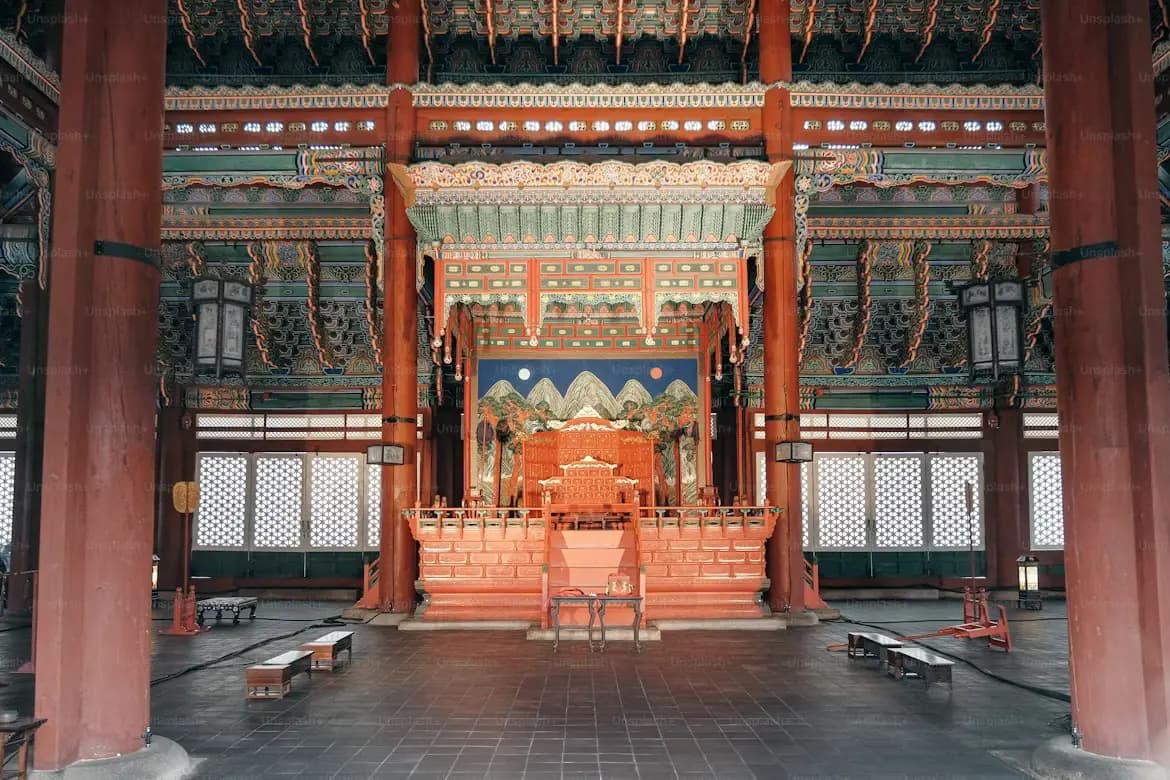
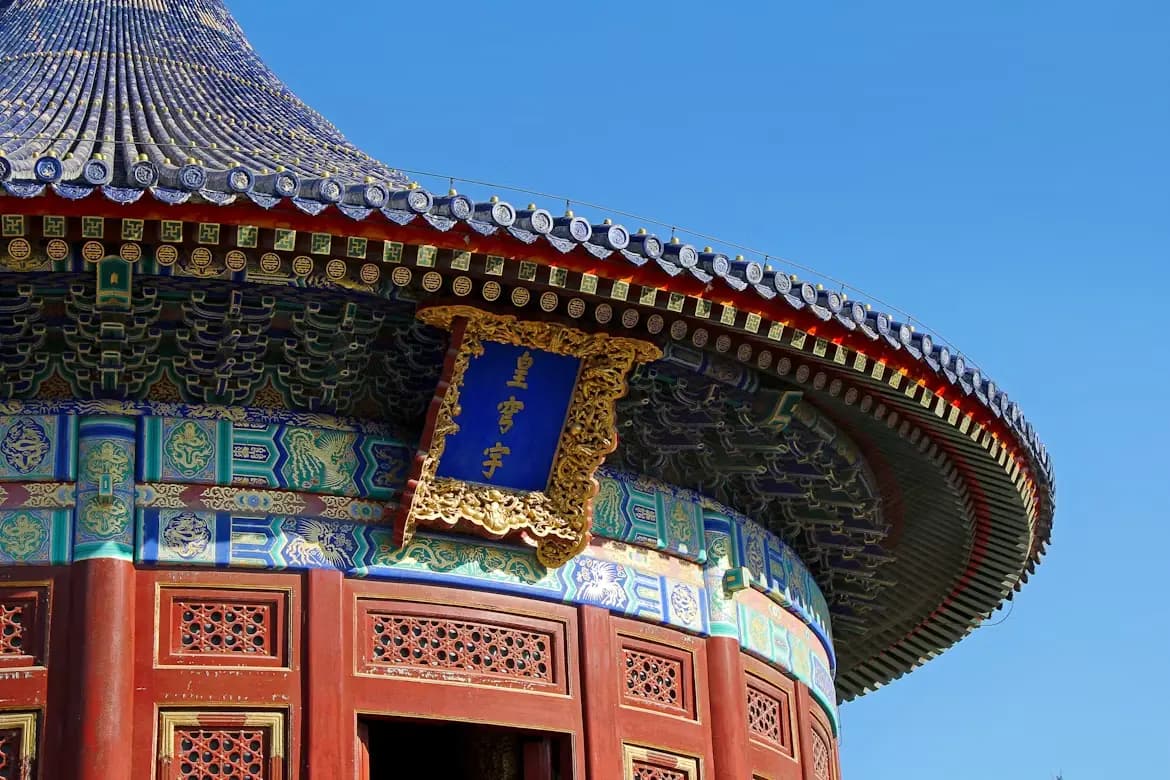
One of the capital's most distinctive landmarks, used by Ming and Qing emperors for ceremonies associated with heaven and the harvest. Its circular Hall of Prayer for Good Harvests — blue roof, balanced proportions, pillars symbolising the seasons, months and hours — is the reason to come, so choose the combined ticket rather than park-only entry. The surrounding park offers a glimpse of everyday life: residents practising tai chi, playing music and dancing. Arrive before mid-morning to see the park at its most lively and the halls before the tour groups; the east gate is the most convenient entrance from the metro.
Beijing's hutongs — a more intimate side of the city
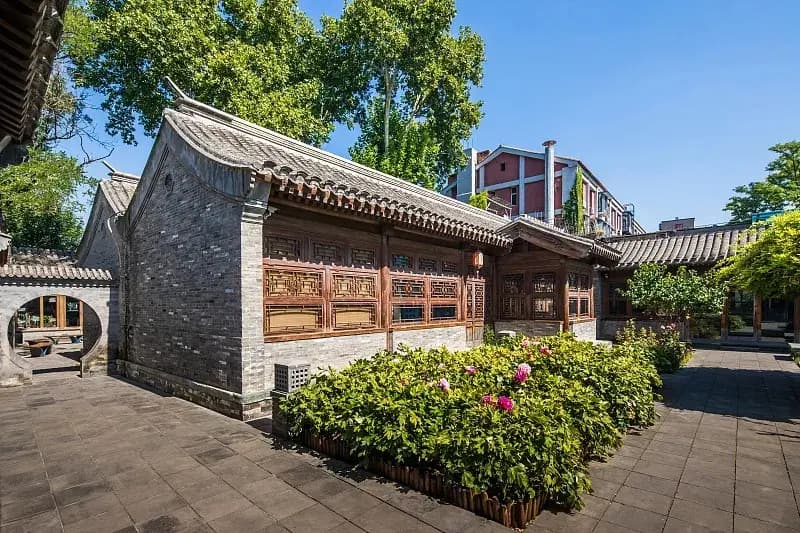
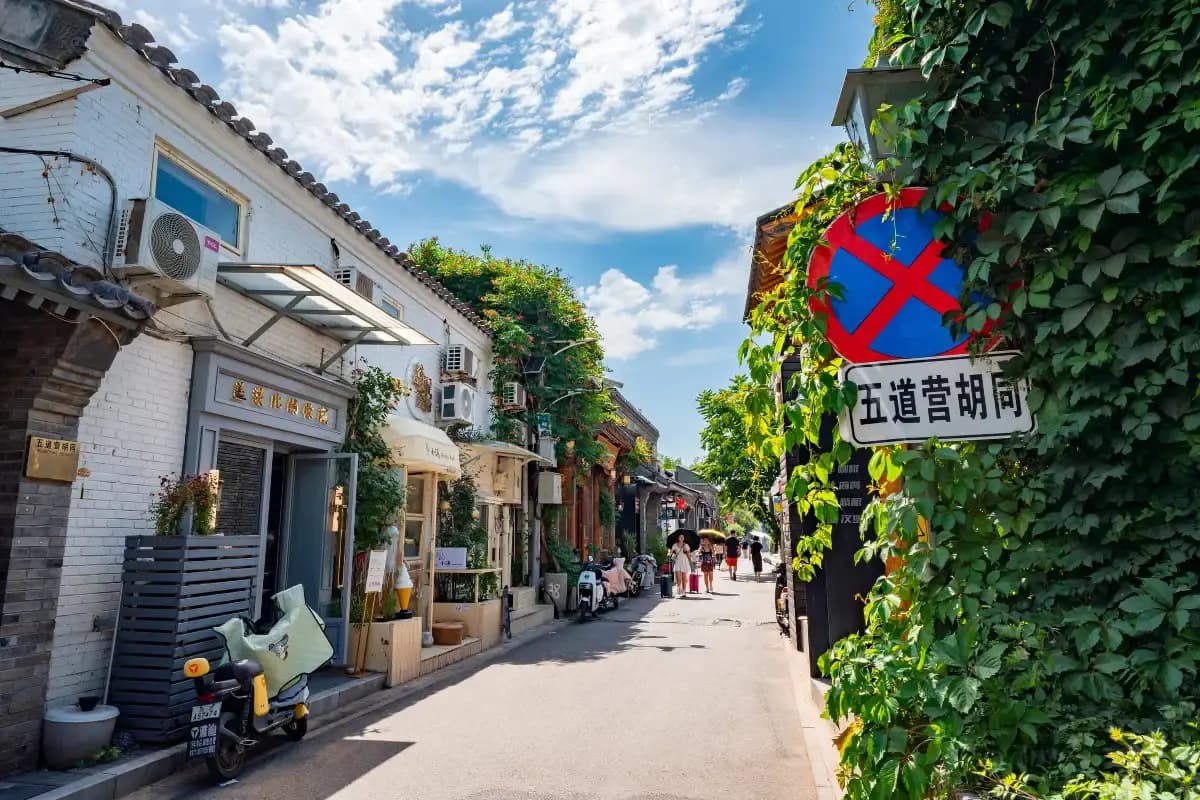
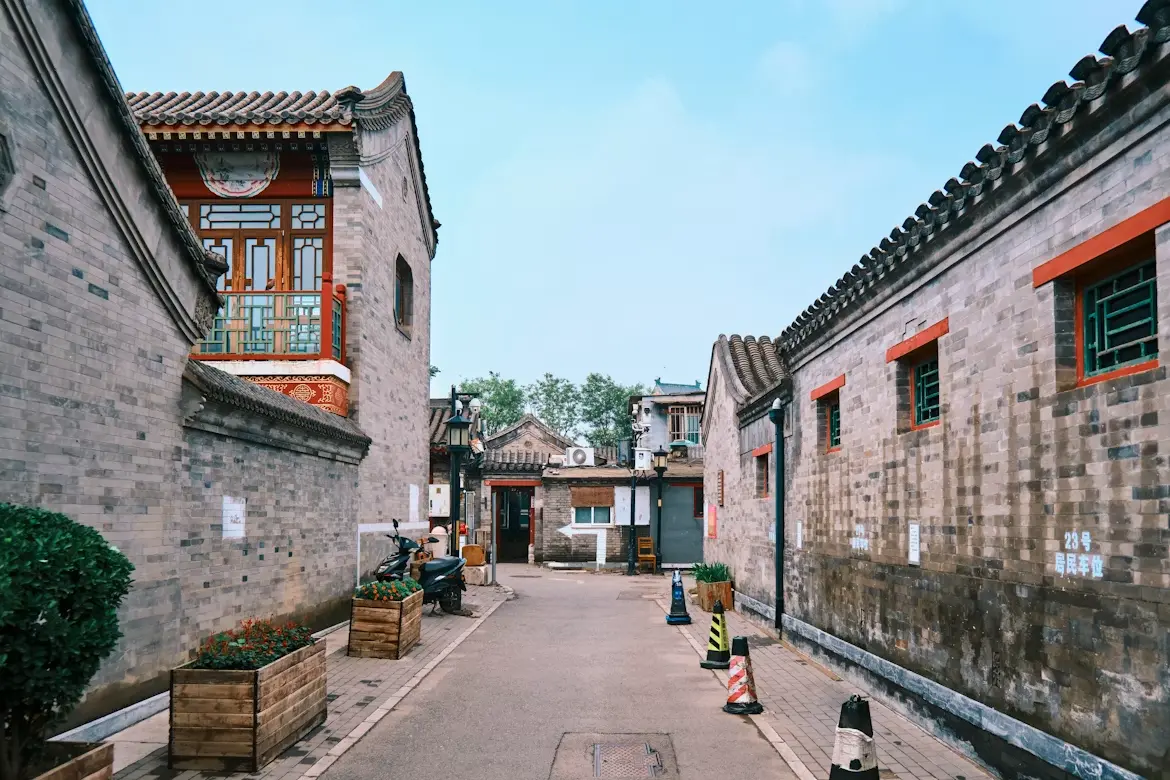
The narrow lanes and courtyard neighbourhoods around Shichahai, Nanluoguxiang, Yandai Xiejie, the Drum and Bell Towers and the Lama Temple reveal a quieter, older Beijing. The best experience is not a checklist of sights but a slow walk with someone who can explain how a siheyuan courtyard is laid out and how the area has changed. Combine a guided walk with a traditional tea stop or a short rickshaw ride around the lakeside; agree the price and duration before boarding, and avoid drivers who approach you aggressively. Early morning is best for daily life, late afternoon for tea and the lake. For more, see our Beijing hutongs guide.
798 Art District — contemporary Beijing
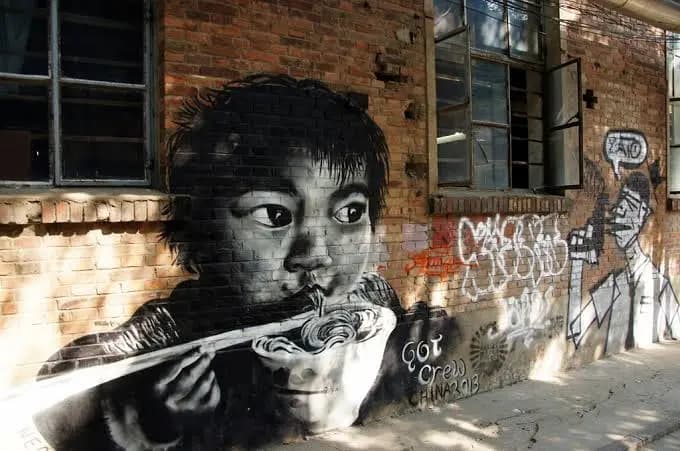
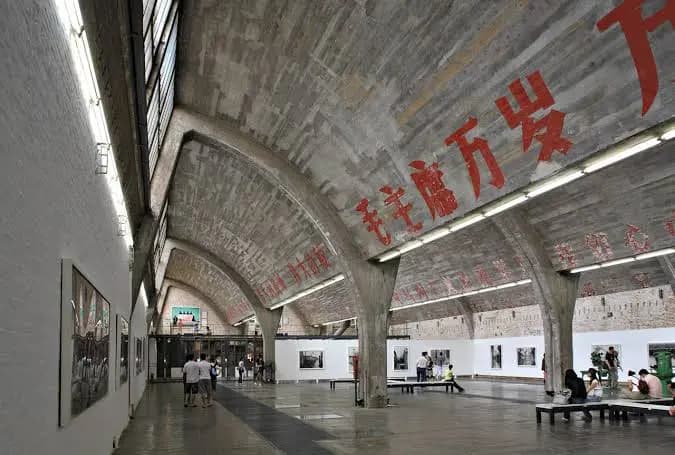
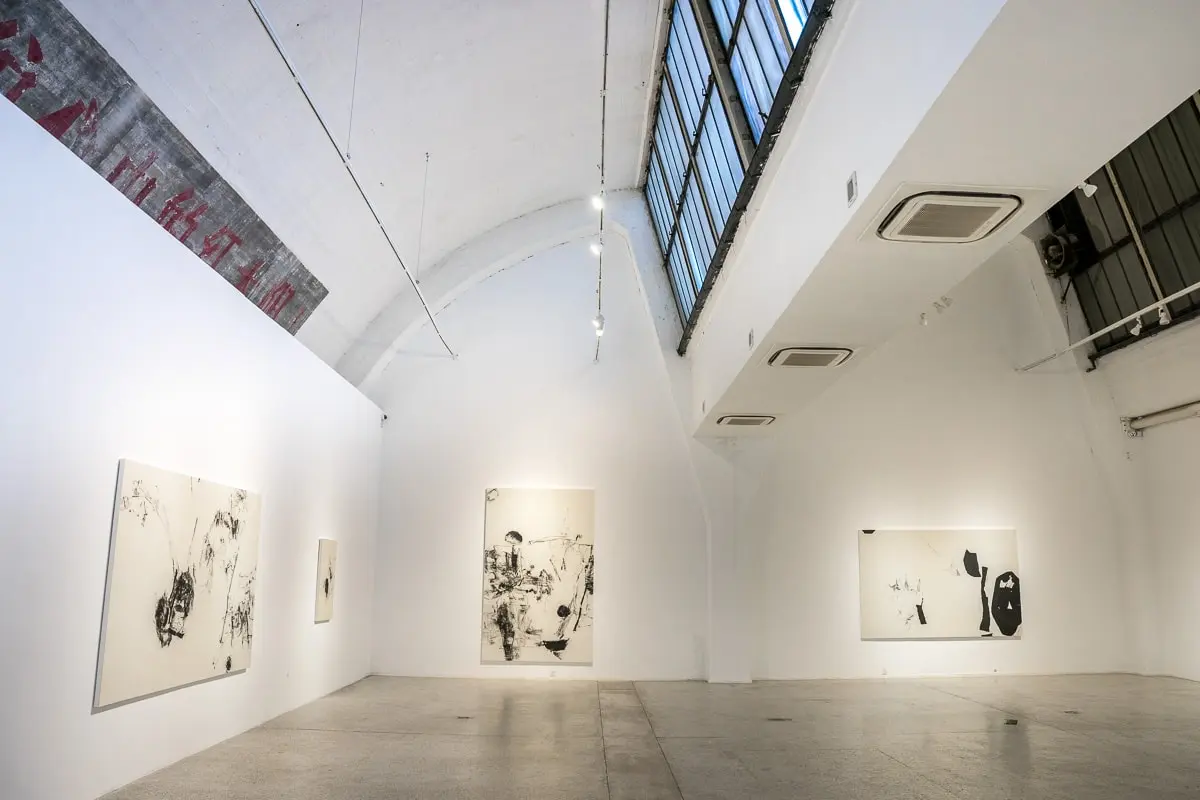
Set within a former industrial area of Bauhaus-style factory buildings, 798 is now the centre of the city's contemporary art scene — galleries, creative spaces, installations, independent shops and cafés. It suits travellers who have already seen the historical landmarks or who want to understand modern creative Beijing. Anchor your visit on UCCA, the leading contemporary art centre, and choose two or three galleries rather than trying to see everything; many galleries close on Mondays.
The Lama Temple and Confucius Temple
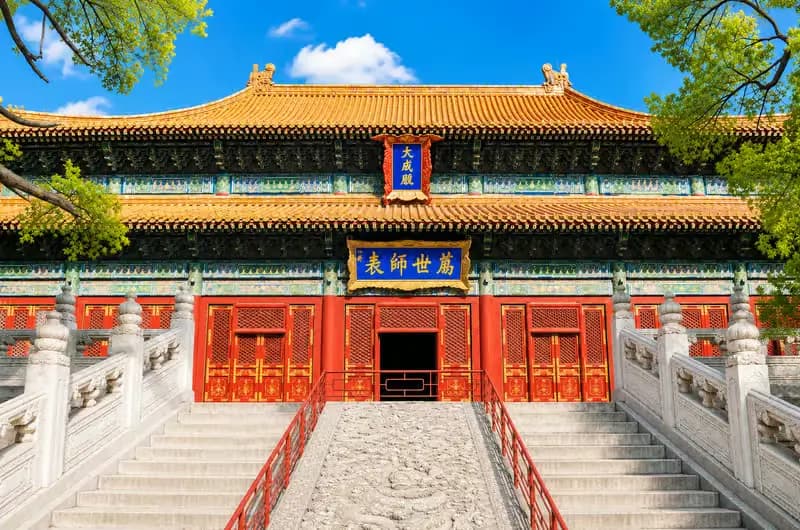
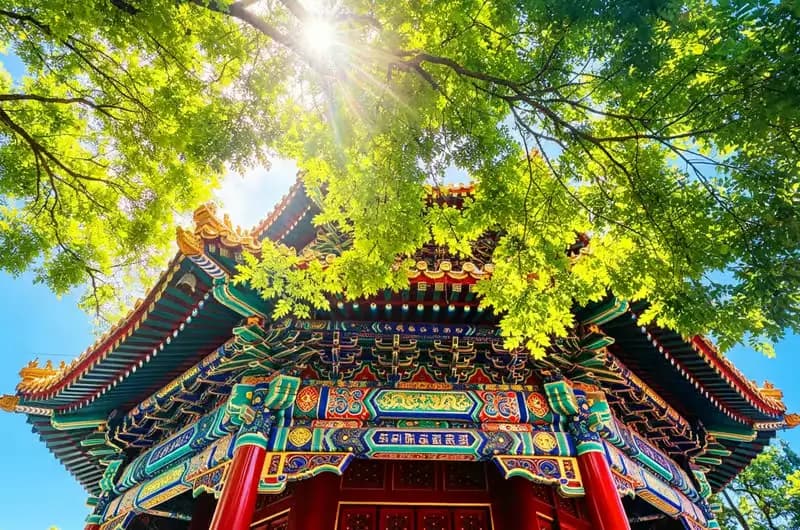
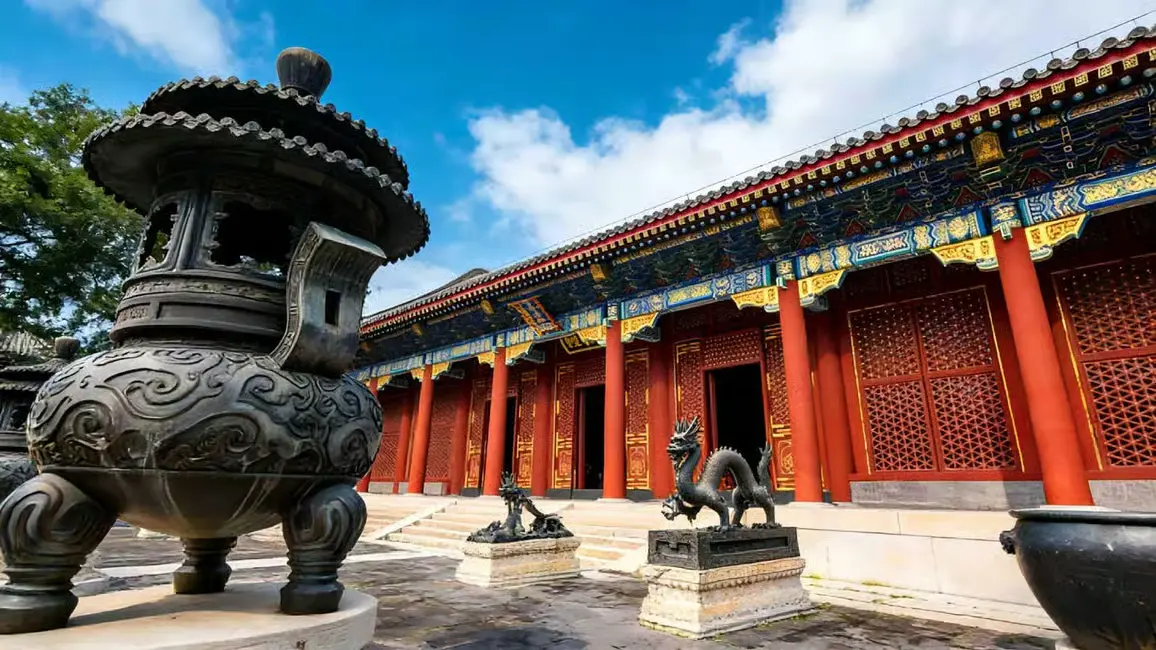
Beijing's largest Tibetan Buddhist monastery is one of the few imperial temples where incense, chanting and everyday devotion are still part of the atmosphere. Originally a prince's residence, it later became a lamasery; the highlight is a pavilion housing a towering Maitreya Buddha carved from a single sandalwood trunk. Across the street, the quieter Confucius Temple and Imperial College offer ancient cypresses, stone tablets of successful examination candidates and the hall where scholars studied for the civil service — a natural half-day combined with the hutongs.
Peking Opera and traditional performance
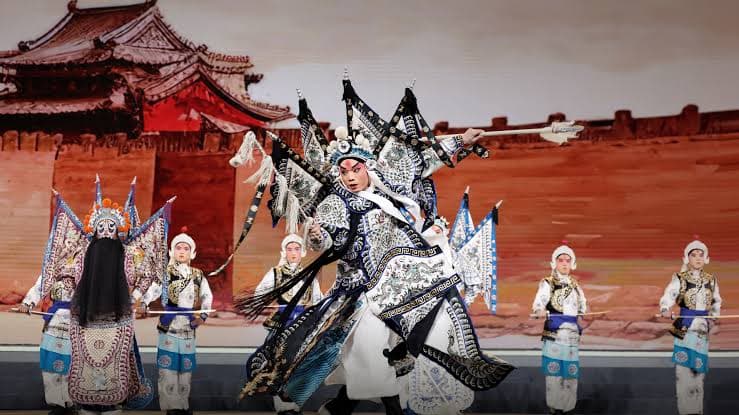
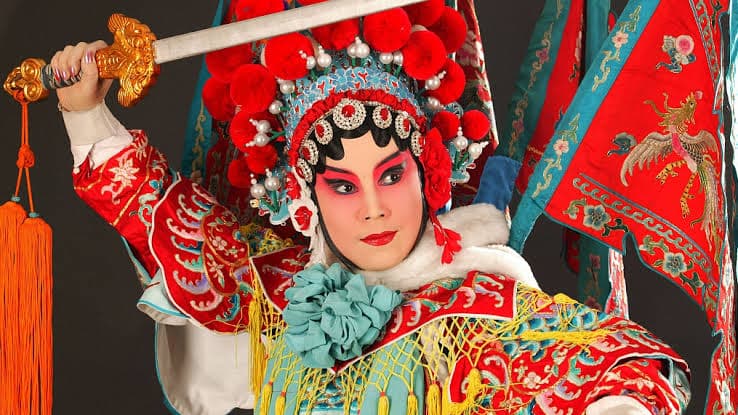
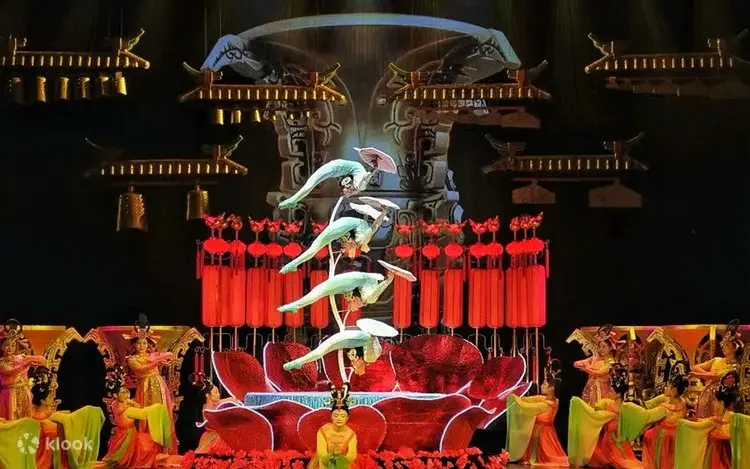
An acquired taste for some, but one of the most distinctive cultural experiences in Beijing and a good evening after a day of sightseeing. Several venues stage shortened, visitor-friendly programmes with English subtitles, so you can follow the story; a full-length opera is better left to enthusiasts. Arrive early to see the costumes and makeup, and read a short synopsis beforehand — the stories are far more enjoyable when you know the characters.
Attraction booking summary
Attraction | Hours | Booking | Nearest metro |
|---|---|---|---|
Tiananmen Square | Around the clock; flag ceremony at sunrise | Free, but advance reservation required | Line 1, Tiananmen East |
Forbidden City | 8:30–17:00 peak / 8:30–16:30 off; closed Mondays | Real-name, about a week ahead, passport | Line 1, Tiananmen East |
Jingshan Park | ~6:00–21:00 summer; shorter in winter | At site | Line 8, National Art Museum |
Mutianyu Great Wall | 7:30–18:00 weekdays / 18:30 weekends | Real-name up to about two weeks ahead | No metro — private car or bus |
Summer Palace | Park 6:00–20:00 peak | Passport booking via official WeChat | Line 4, Xiyuan or Beigongmen |
Temple of Heaven | Park 6:00–22:00; halls to 17:30 peak | Passport booking recommended | Line 5, Tiantan Dongmen |
Lama Temple | 9:00–17:00 peak | WeChat or on-site | Line 2/5, Yonghegong |
798 / UCCA | District daily; galleries usually closed Mondays | UCCA ticket online or at the door | Line 12, Gaojiayuan |
National Museum | 9:00–17:00; closed Mondays | Free, advance reservation with passport | Line 1, Tiananmen East |
Unique Luxury Experiences to Add to Your Itinerary
The difference between a standard sightseeing holiday and a memorable luxury journey often lies in the experiences between the major attractions. Rather than filling every day with famous landmarks, consider a few activities that connect you with Chinese culture personally. Choose two or three that genuinely appeal to you rather than trying to do everything.
A traditional tea experience — a private session covering green, white, oolong, black and pu'er teas, and why water temperature and vessel matter as much as the leaf.
Calligraphy and traditional arts — a private class with an instructor who explains the meaning behind the brushwork, an introduction to the "four treasures of the scholar's studio".
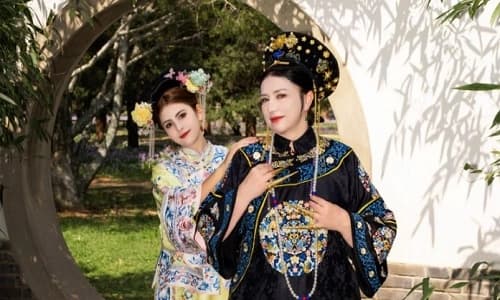
Hanfu photography — dress in traditional clothing for a professional session against historic backdrops; the hutongs, Temple of Heaven and Summer Palace are especially good, and autumn weekends book early.
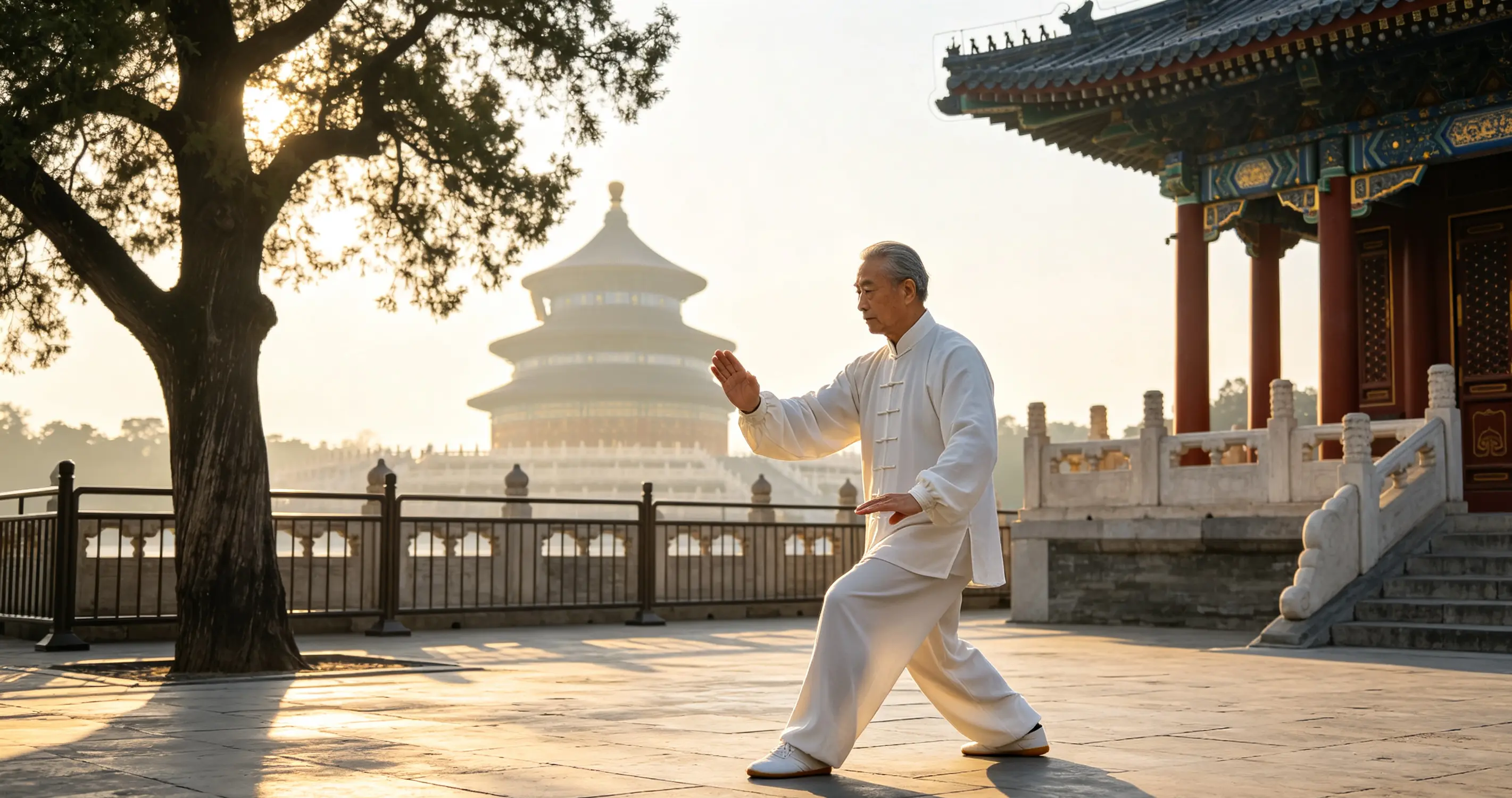
A private tai chi lesson at dawn in the Temple of Heaven park, surrounded by residents who have practised there for decades — one of the most genuine morning experiences in the city.
A hutong breakfast or market walk — eat where Beijingers eat: soy milk and fried dough, steamed buns, dumplings and a bowl of noodles, combined with a local market visit.
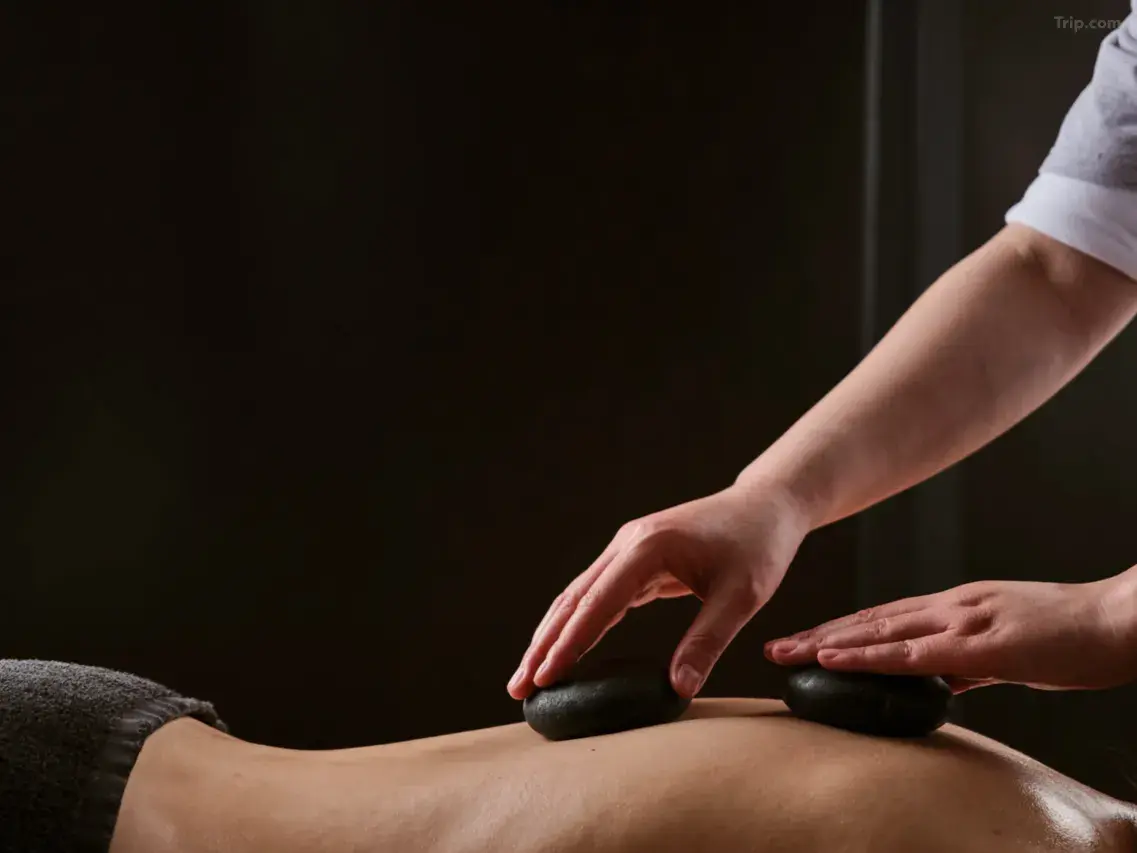
Spa and wellness time — leave room for a treatment, a swim or simply relaxing; the city's flagship hotel spas are among the most polished in Asia. See our Beijing spa guide.
A Great Wall sunrise or picnic — for a special occasion, an early private departure to reach a quiet section as the sun rises, with a picnic arranged for the return. It is one of the few ways to experience the wall without crowds.
Luxury Shopping: From International Brands to Chinese Design
Beijing offers a varied shopping scene, from international luxury boutiques to contemporary Chinese designers and traditional crafts. Most malls are open from mid-morning to late evening, and tax refunds are available for foreign visitors on qualifying purchases.
Wangfujing — a convenient central district of department stores, international brands and a pedestrian street with bookshops, tea shops and snack stalls; a relaxed afternoon after nearby sights.
China World Mall and the CBD — a contemporary luxury environment for international fashion and premium lifestyle brands, directly connected to a metro station.
SKP — the city's most comprehensive luxury department store, with a strong roster of fashion houses and a good food hall; quieter on weekday mornings.
Taikoo Li Sanlitun — an open-air district of international brands, Chinese designers, cafés and bars, within walking distance of The Opposite House.
Chinese design and craftsmanship
For something more distinctive, look beyond the familiar brands: contemporary Chinese and independent designer labels around Sanlitun and 798; traditional tea from specialist shops that let you taste before buying; handmade ceramics from 798 and the Liulichang area; calligraphy supplies and art-inspired gifts from Liulichang, the historic street for brushes, ink, paper and seals; and silk and considered souvenirs from department stores and museum shops, which offer more reliable quality than street stalls.
Markets worth visiting
Panjiayuan is the city's best-known antiques and curio market, busiest and best on weekend mornings — bargaining is expected, and you should buy what you like rather than what you are told is "ancient". Liulichang culture street holds calligraphy supplies, reproductions, seals and art books, and the Maliandao tea market is a large wholesale market where you can taste before buying.
Tax refunds
Foreign visitors can claim a VAT refund on qualifying purchases at stores displaying the "Tax Free" sign. A minimum purchase per store per day applies, goods must be exported within a set window, and you will need your passport at the point of sale plus the receipts and unused items at the airport refund counter before check-in. Allow extra time at the airport.
When Is the Best Time for Luxury Beijing Travel
Beijing has four distinct seasons, and each offers a different atmosphere. For a luxury holiday the best time depends on whether you prefer comfortable sightseeing weather, seasonal scenery, quieter attractions or a particular cultural experience. In general, late April to May and mid-September to mid-October give the best balance.
Month | Typical high / low | Crowds | What to expect |
|---|---|---|---|
January | 2 / −8°C | Low | Cold, dry, clear; excellent museum weather |
February | 5 / −6°C | Low | Still cold; Spring Festival temple fairs and lanterns |
March | 13 / 1°C | Low–medium | Warming, windy, early blossom |
April | 21 / 8°C | Medium | One of the best months; gardens and the wall are pleasant |
May | 27 / 14°C | High (holiday) | Warm and green; book early around Labour Day |
June | 30 / 19°C | High | Hot; sightsee early, indoors in the afternoon |
July | 32 / 23°C | High | Hottest and wettest; school holidays |
August | 31 / 22°C | High | Hot with rain; pools and spas matter more |
September | 27 / 16°C | Medium–high | Superb weather; the best season begins |
October | 20 / 9°C | Very high (National Day) | Beautiful colour; 1–7 October is the busiest week |
November | 11 / 2°C | Medium | Cool and clear; good value after the holiday |
December | 3 / −5°C | Low | Cold, quiet, atmospheric snow and winter light |
Dates to avoid, or book around
Chinese New Year / Spring Festival — dates vary; expect temple fairs, heavy domestic travel and higher hotel prices.
Labour Day (1–5 May) — major attractions are extremely busy.
National Day (1–7 October) — the single busiest travel period of the year; book hotels and trains months ahead.
Dragon Boat (June) and Mid-Autumn (September) — long weekends with local travel.
For a fuller seasonal breakdown, see our best time to visit Beijing guide.
How to Plan an Upscale Beijing Itinerary
A luxury holiday should feel carefully organised without being overly structured. Rather than trying to visit everything in a short period, allow enough time to enjoy each destination, have relaxed meals and return to your hotel without exhaustion. The samples below assume your own guide and car, a central hotel, and dinner reservations made in advance; travel times are indicative and grow at rush hour or in rain.
Three days — the essential highlights
Imperial Beijing. Tiananmen Square with a pre-arranged reservation, then the Forbidden City from the Meridian Gate, focusing on the central axis and one gallery. Lunch at a celebrated duck house or a hotel Cantonese restaurant, an afternoon at Jingshan Park for the view, then a slow hutong walk with a tea stop and dinner at a fine-dining table.
The Great Wall. Depart early by private car, take the cable car up at Mutianyu and walk the ramparts for two or three hours, lunch at a courtyard restaurant, toboggan down if suitable, and return for a spa afternoon and a relaxed dinner.
Gardens and ritual. The Summer Palace from the north gate, lunch in a garden setting, the Temple of Heaven with its combined ticket, then a traditional tea experience or last-minute shopping and a farewell dinner.
Four days — history, food and lifestyle
Arrival. A private airport transfer, check-in and a gentle first evening — a walk around Wangfujing or afternoon tea, and dinner at the hotel.
The Forbidden City and old Beijing. Tiananmen and the palace with a private guide, a courtyard lunch, an afternoon through Shichahai and the Drum Tower area, and dinner at a MICHELIN-listed restaurant.
Mutianyu. An early private transfer, the cable car up and the quieter eastern towers, lunch near the wall, then spa or pool time and a neighbourhood dinner.
The Temple of Heaven and contemporary Beijing. The park's tai chi and music groups in the morning, then 798 or shopping, before dinner and departure.
Five days — a more immersive experience
Arrival and hotel relaxation.
Imperial Beijing. Tiananmen and the Forbidden City, then Jingshan for the view.
The Great Wall at Mutianyu. A flexible private day trip.
Gardens, hutongs and culture. The Summer Palace, a hutong walk and a tea experience.
Art, shopping and departure. 798 or the Lama and Confucius temples, then a private airport transfer.
Six days — for a slower pace
Add a day for the Lama Temple, Confucius Temple and a calligraphy class, or a day trip to the Ming Tombs, usually combined with the Great Wall. Alternatively, use the extra day for a Peking opera performance, a cooking class, or simply a hotel day of spa, pool and a long lunch — a genuinely luxurious choice that many itineraries overlook.
How to make an itinerary feel more luxurious
Avoid scheduling more than one major attraction per half-day.
Choose a hotel that reduces unnecessary travel time.
Arrange your own car for destinations outside the centre.
Mix historical sightseeing with food and cultural experiences.
Leave free time for shopping, spa or spontaneous discoveries.
Match the walking distance and pace to your companions.
Book the one or two meals that matter most, not every meal.
Build in a "buffer" afternoon for jet lag, weather or a change of plan.
Rainy-day and low-energy alternatives
The National Museum and the Capital Museum are superb indoor anchors, 798 and UCCA offer galleries and cafés, the malls combine shopping and dining, and a tea session, calligraphy or cooking class is personal and memorable. A Peking opera performance works regardless of the weather, and a hotel spa and pool is the simplest luxury answer to a wet afternoon.
Getting Around Beijing in Comfort
Beijing is a large city, and how you travel has a major influence on how comfortable a holiday feels. The best option depends on where you are going, the size of your group and how much flexibility you want.
Mode | Best for | Caveats |
|---|---|---|
Your own guide and car | The Great Wall, multi-stop days, families, luggage, shopping | Traffic and parking; book a licensed operator |
Metro | Central sightseeing and avoiding rush hour | Crowded at peak; not ideal with large luggage |
DiDi ride-hailing | Point-to-point trips in the city | Use the English app and set your pickup carefully |
Airport Express | Arrival and departure without luggage-heavy transfers | Not door-to-door; services end late evening |
High-speed rail | Xi'an, Shanghai, Chengdu, Hangzhou and other cities | Book with your passport; stations are large |
Your own guide and car
For travellers who value convenience, a private vehicle with a driver is one of the most comfortable ways to explore — particularly between the centre and the Great Wall, across multi-attraction days, and for families or groups with luggage. You set the pick-up and drop-off times rather than following a fixed schedule. A good operator provides a licensed driver, a clean sedan or minivan and bottled water; request a child seat in advance for families, or a vehicle with a low step-in height for older travellers. Confirm the daily hours, what is included, the driver's English level and the cancellation policy before booking. Pairing the car with a professional English-speaking guide adds the real value: not a walking encyclopaedia but a storyteller who can adapt to your interests, help with tickets, navigation and restaurant ordering, and answer the questions you actually have.
The metro
Beijing's subway is extensive and useful between central areas, with English station names and signs. Fares are distance-based and modest, and payment is by single ticket, a transit card, a phone QR code or contactless bank card. Trains run from early morning to late evening; there is a security check at every station, and it is worth avoiding the morning and evening peaks. The metro is not ideal with large suitcases, strollers or a tight schedule, since some transfers involve long walks and stairs.
DiDi and airport transfers
DiDi ride-hailing has an English interface and is the easiest way to avoid explaining an address to a driver who speaks no English — link a payment method, set your pickup point carefully at a hotel's designated area, and check the plate before boarding. Avoid unlicensed drivers who approach you at airports or sites, and "fixed price" offers. For arrivals, both airports have a dedicated Airport Express rail link, and a pre-arranged private transfer is the smoothest option after a long flight or with a larger group; allow generous time for traffic and airport procedures.
High-speed rail and multi-city extensions
Beijing connects well to the rest of China by high-speed rail — Shanghai, Xi'an, Chengdu and Hangzhou are all reachable, and first- or business-class seats are comfortable on longer routes. Book with your passport, allow time at the station for security and boarding, and arrange a private transfer at both ends. For more, see our China high-speed rail guide.
Practical Tips for Planning a Luxury Trip to Beijing
Even a carefully planned trip benefits from a little preparation. Understanding local arrangements before you arrive helps you avoid delays and enjoy a smoother experience.
Visas and entry
Many nationalities can use the 240-hour visa-free transit policy (covering the Beijing–Tianjin–Hebei area) when travelling on to a third country, and a wide list of passports also benefit from 30-day visa-free entry, extended through the end of 2026. A shorter 24-hour transit waiver is available to all nationalities. If you do need a visa, apply at a Chinese embassy or visa centre one to two months ahead. On arrival, complete the arrival card and keep the entry stamp; hotels register foreign guests automatically, but if you stay in a private apartment you must register with the local police within 24 hours. See our visa-free transit guide for the details.
Money and payments
Mobile payments are used throughout China. Link a foreign card to Alipay or WeChat Pay before you travel, since some features need verification. Carry a little cash as a backup, and note that cards are accepted at hotels, malls and upscale restaurants but less often at local eateries and markets. Tipping is not customary, and bargaining is expected at antique markets but not in malls or restaurants.
Internet and apps
Reliable connectivity makes maps, translation, transport and messaging far easier. An eSIM installed before departure is the simplest option for a short trip. Many Western sites and apps are not accessible on mainland networks, so set up a reputable VPN before you arrive. Useful apps include Alipay and WeChat for payments, Amap or Baidu Maps for navigation, Didi for ride-hailing and a translation app; download offline maps and save your hotel's address in Chinese characters.
Language, health and etiquette
English is common in hotels and major tourist areas but thinner in local neighbourhoods, where an English-speaking guide makes dining and everyday arrangements far easier. Two phrases go a long way: 你好 (nǐ hǎo, hello) and 谢谢 (xiè xie, thank you). Tap water is not drinkable — use bottled or filtered water. Air quality has much improved but winter can bring haze, so check the index and carry a mask for poor days. International clinics are available, and travel insurance with medical evacuation cover is wise. Beijing is very safe; the main risks are traffic, pickpocketing in crowds and common scams — the "tea ceremony" invitation near the square, unlicensed cars, and anyone claiming a museum is "closed today" and offering an alternative. At temples, dress modestly and ask before photographing people.
Accessibility and family travel
The major attractions have improved accessibility, but the city is not uniformly step-free — older pavilions and hutong streets involve steps and uneven stone. For travellers with mobility needs, the practical solution is your own car, a guide who can plan step-free routes, and a wheelchair arranged in advance. For families, keep the daily schedule short, choose a hotel with a pool, and request a car seat; build in a midday break and avoid two outdoor sights in one day.
Packing by season
Spring — layers, a light jacket, sunglasses, a scarf for windy days, comfortable walking shoes.
Summer — breathable clothing, sunscreen, a hat, an umbrella for sun and rain, a refillable bottle.
Autumn — layers, a warm jacket for evenings, walking shoes, a camera.
Winter — a heavy coat, thermals, gloves, hat and scarf, lip balm, and shoes with good grip for ice.
Comfortable shoes are the single most important item in every season — the stone paving in the palace and on the wall is uneven. For the full list, see our China packing guide.
Your Own Guide and Car vs a Fixed Group Itinerary
A luxury hotel and an excellent restaurant matter, but the way you experience the city matters just as much. Here is the honest trade-off.
Aspect | Your own guide and car | A fixed group itinerary |
|---|---|---|
Pace | Set your own time at each attraction and linger where you want | A fixed schedule shared with the whole group |
Access | Early starts and quieter windows at the Wall and the palaces | Arrive alongside the coach traffic and its queues |
Attention | A guide focused on your interests and questions | One guide addressing dozens of people at once |
Shopping stops | None unless you ask | Fixed showroom stops are common on budget itineraries |
When plans change | Weather, energy or a new interest means re-shaping the day | The schedule holds regardless |
For travellers interested in history and culture, the flexibility and interpretation that come with your own guide and car usually justify the premium — you decide how much time each place deserves, and the plan can adjust around weather, energy and a change of heart.
Good guides and private cars book out weeks ahead in peak season. Once your dates are set, arrange the guide and car early, and confirm what is included — hours, fuel, tolls, parking and entry tickets.
Planning Your Luxury Beijing Journey
Beijing rewards travellers who take the time to explore it properly. Its imperial palaces, traditional neighbourhoods, distinctive food culture and contemporary lifestyle offer far more than a checklist of famous attractions. A memorable luxury journey is built around the right combination: a hotel that suits your style, restaurants that introduce you to local flavours, meaningful cultural encounters, and enough flexibility to enjoy every destination without rushing.
Tell us your travel dates, group size, hotel preferences and the experiences that appeal to you, and the team can shape a Beijing itinerary that pairs the city's essential landmarks with the comfort and pace you expect — and, if you like, extend the journey to other parts of China.
Start planning your Beijing journey
For the wider picture, browse Beijing trip ideas, things to do in Beijing, and our Beijing itineraries.

Traveler Discussions
Questions from travelers